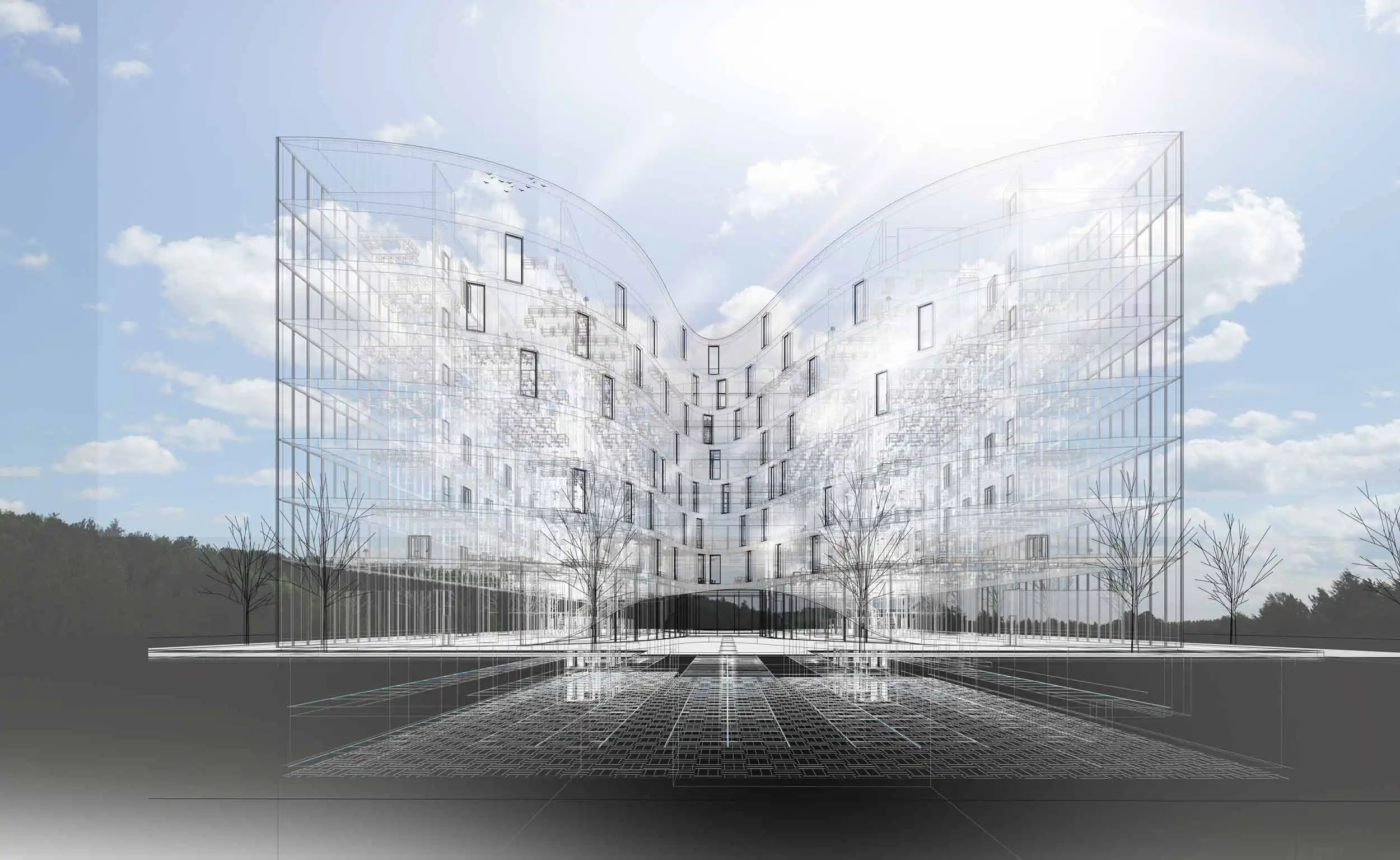


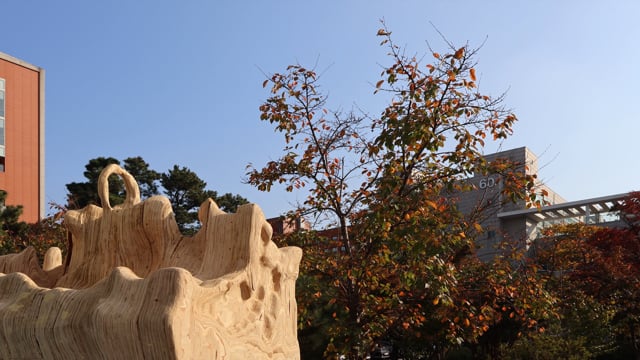
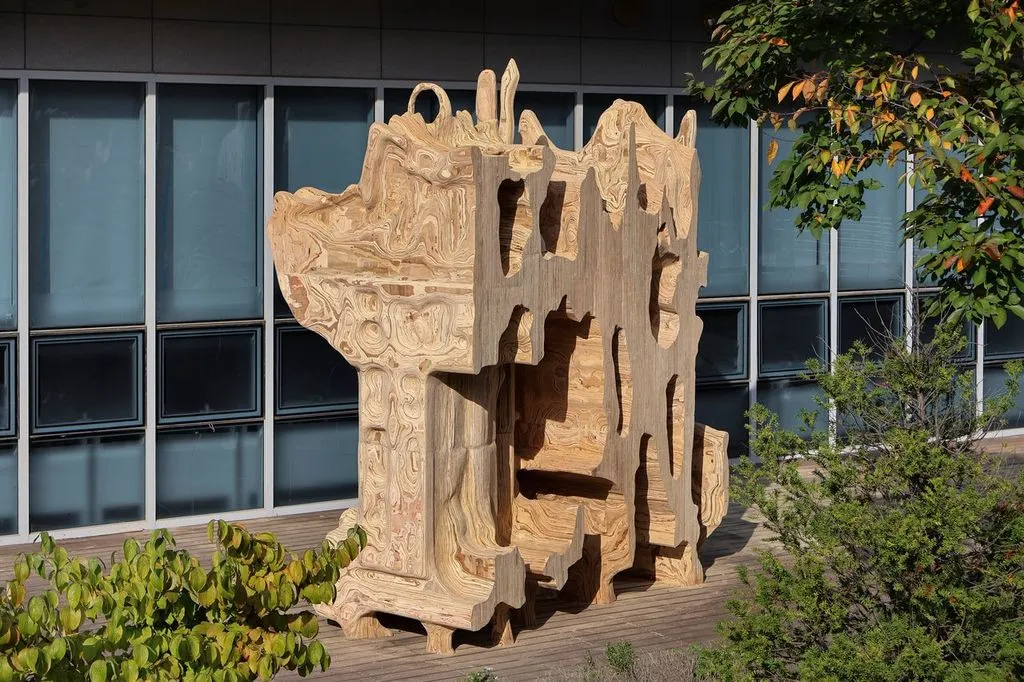
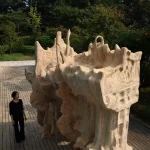
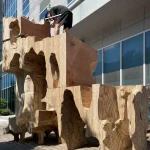

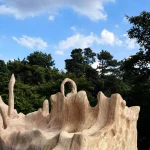
Traditional Korean architecture is explored in project Typology: Hanok through its spatial flow, continuity, and relationships, not just its form, and moves beyond mere formal reconstruction or structural reproduction
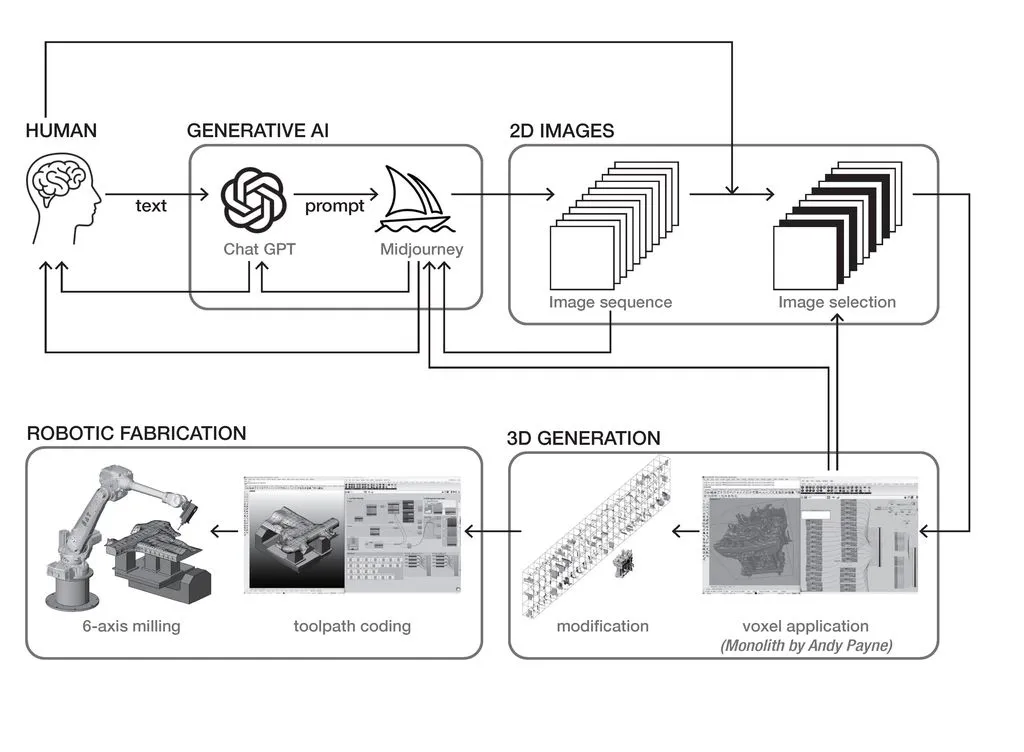
The project explores a topological design workflow using AI to reinterpret the sectional logic and spatial continuity of traditional Korean architecture. Instead of reconstructing structural joints or replicating the familiar Hanok frame, the focus shifts to deeper spatial qualities, including nonlinear organization, fluid curves, and seamless transitions between interior and exterior.
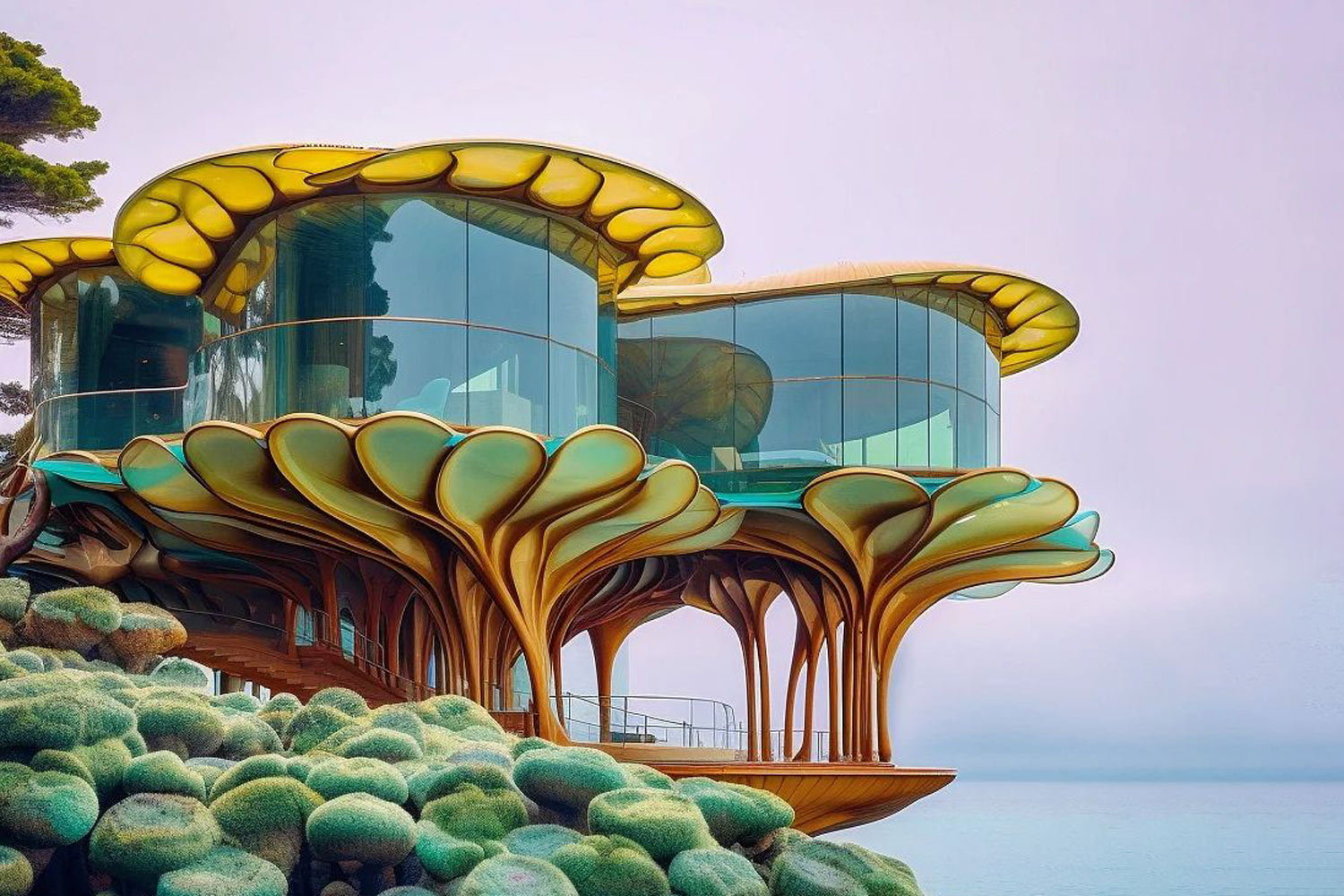
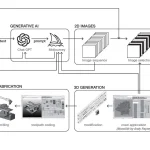
These characteristics are translated through an AI-based three-dimensional mapping process that reads sequences of images as evolving spatial conditions. Instead of fixing form at the outset, the project allows it to emerge gradually, treating Korean architecture as a continuous transformation and not just a static object.
Building Volume from Sections
At the core of the process is the continuous generation of sectional images by AI. In this approach, Yong Ju Lee does not treat these as isolated slices but as part of an interconnected sequence, where each section carries the potential to transform into the next. Over time, this progression builds a cohesive volumetric form.
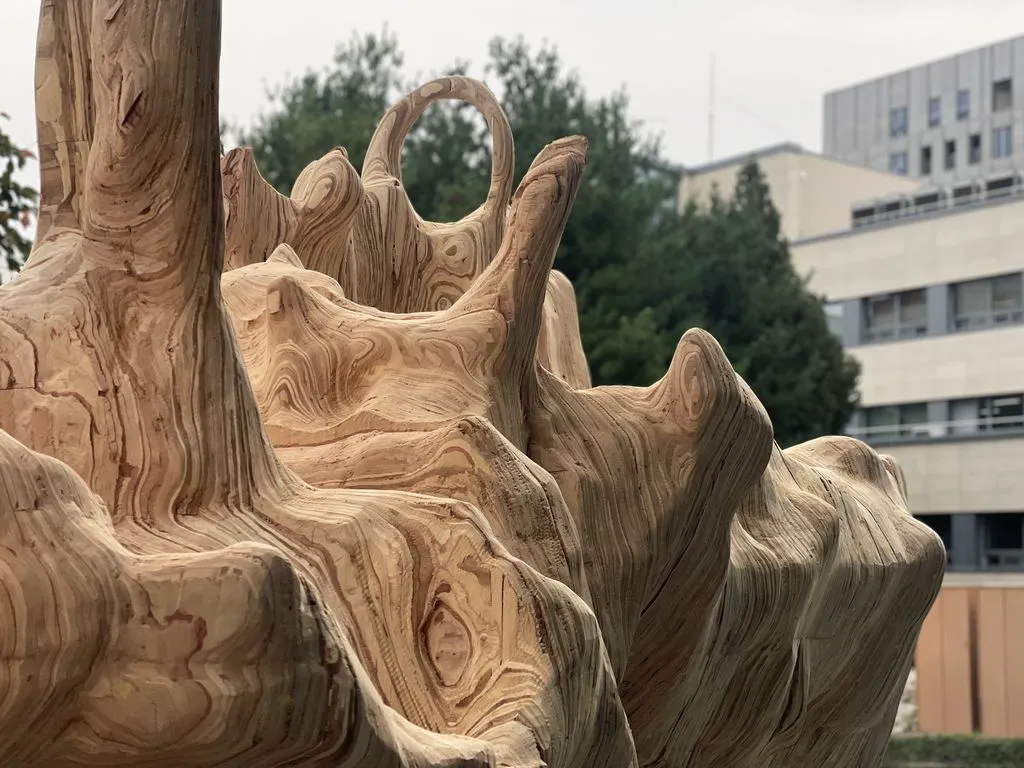
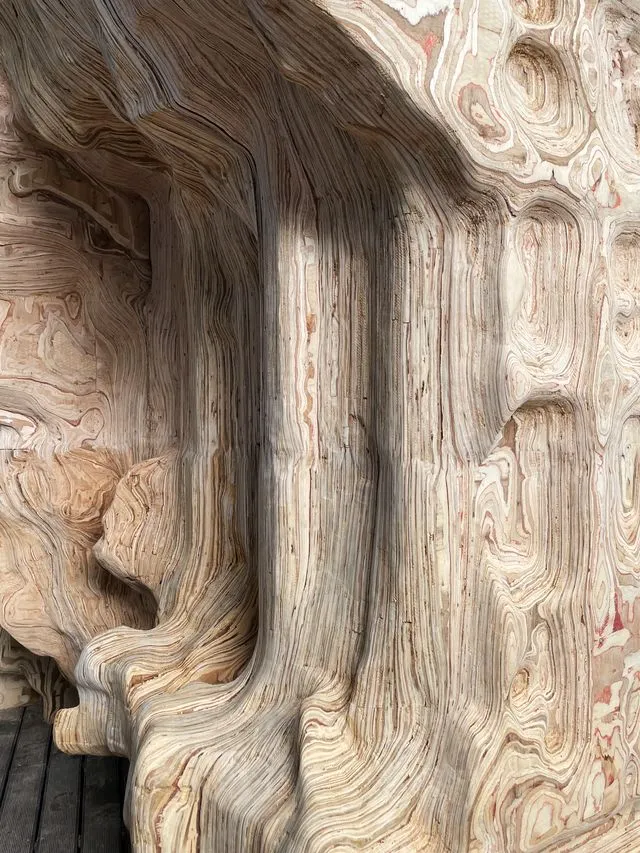
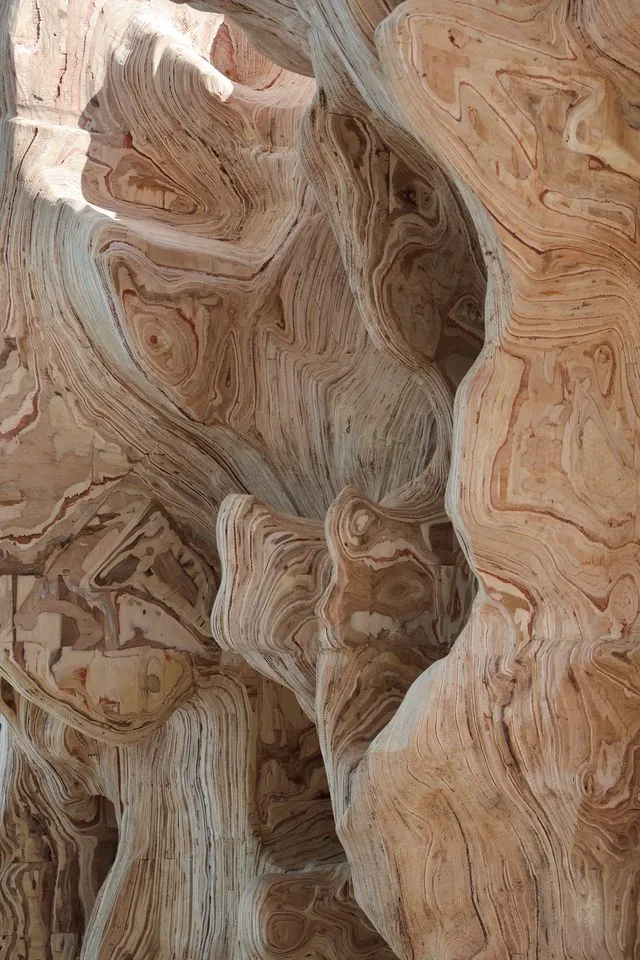
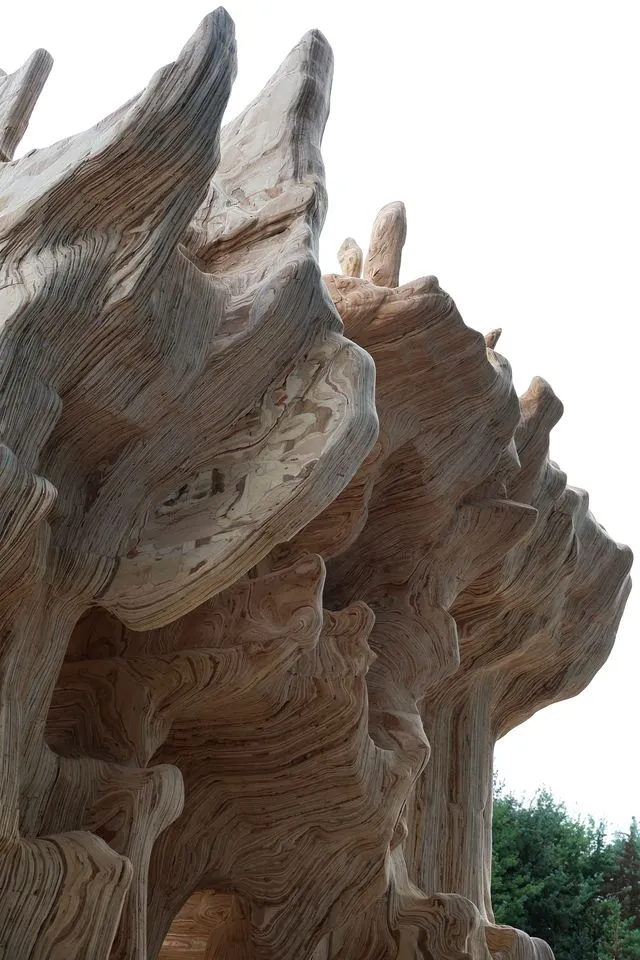
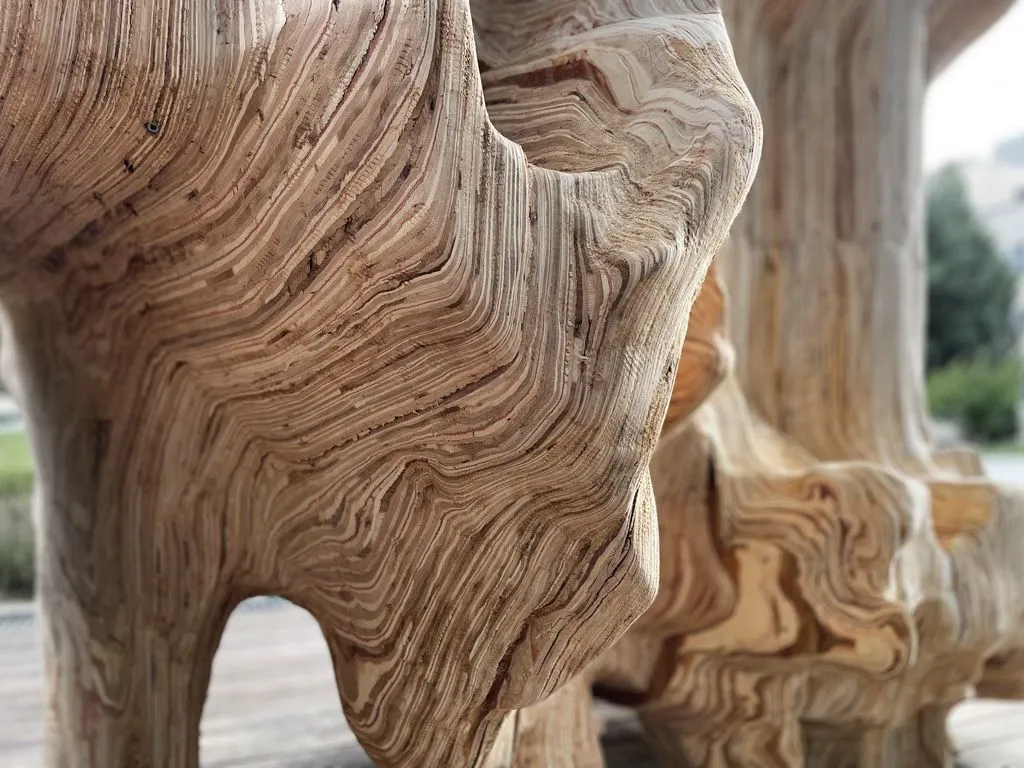
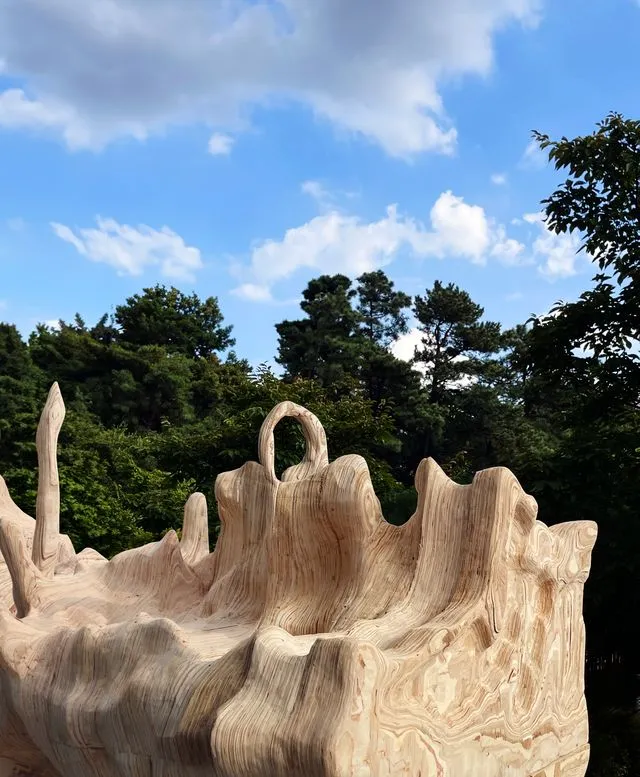
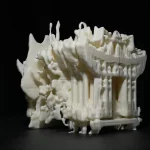
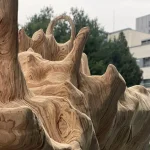
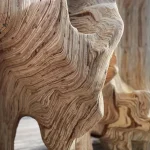
This method works as a “sequence-to-mass” model, similar to how a brain CT scan constructs a three-dimensional image through layered cross-sections. As the sections accumulate, their curves and transitions are synthesized into an organic geometry defined by flow and continuity rather than rigid assembly. The result is a form that feels grown rather than constructed.
This sequence is not a simple juxtaposition of images, but reflects the potential for topological transformation between adjacent sections.
Computational Design to Physical Structure
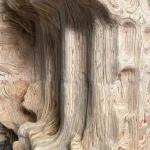
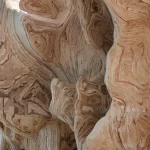
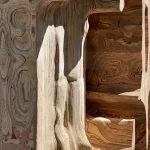
The generated geometry is integrated into a three-dimensional voxel model using Monolith and then sliced longitudinally so that they are perpendicular to the stacked sections to reveal new sectional profiles. These cuts make the internal transformation visible, exposing how the form evolves across its length.
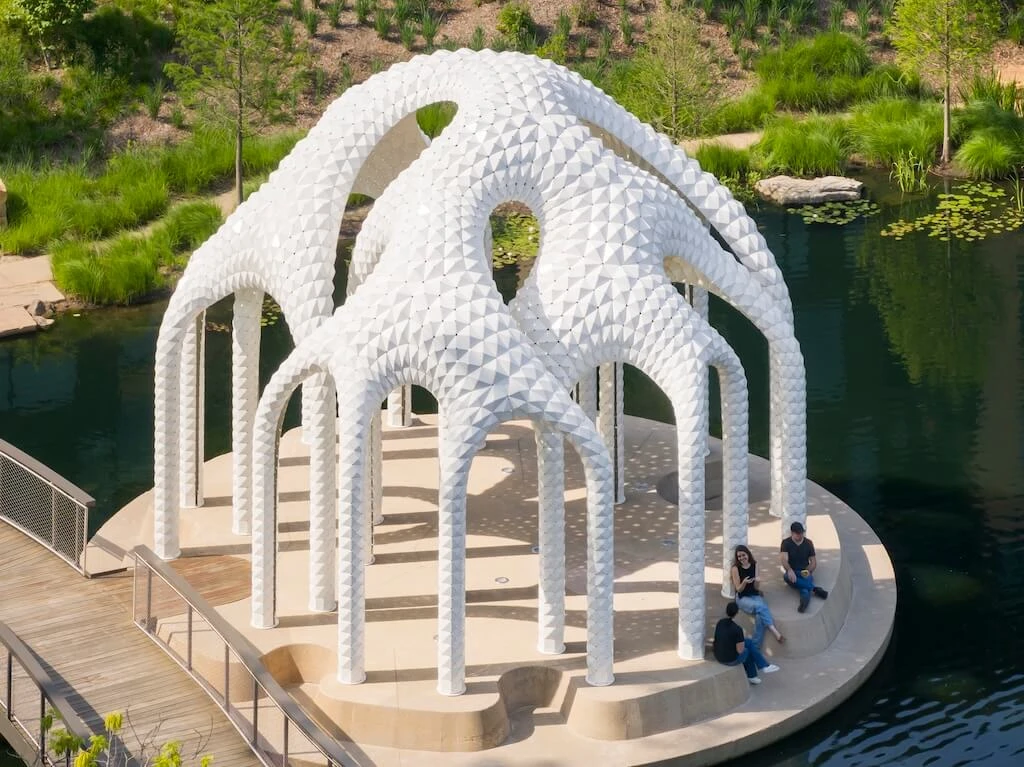
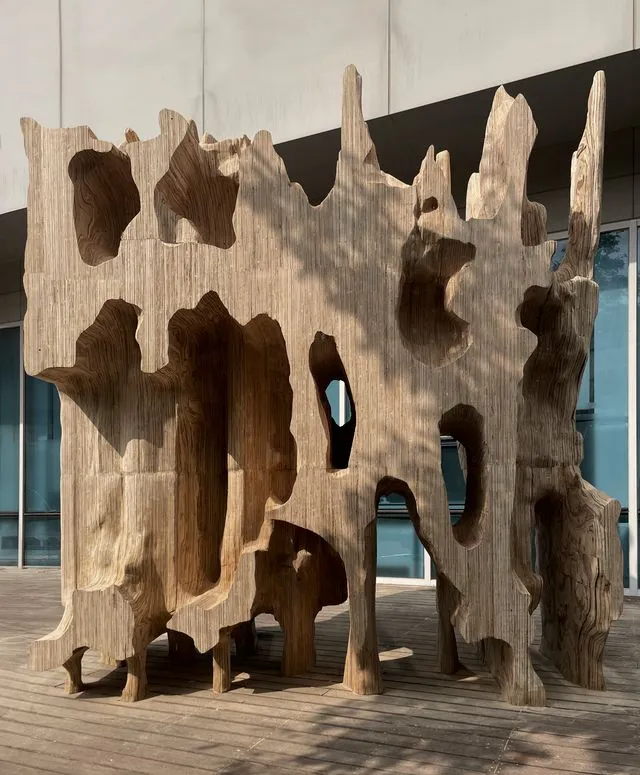
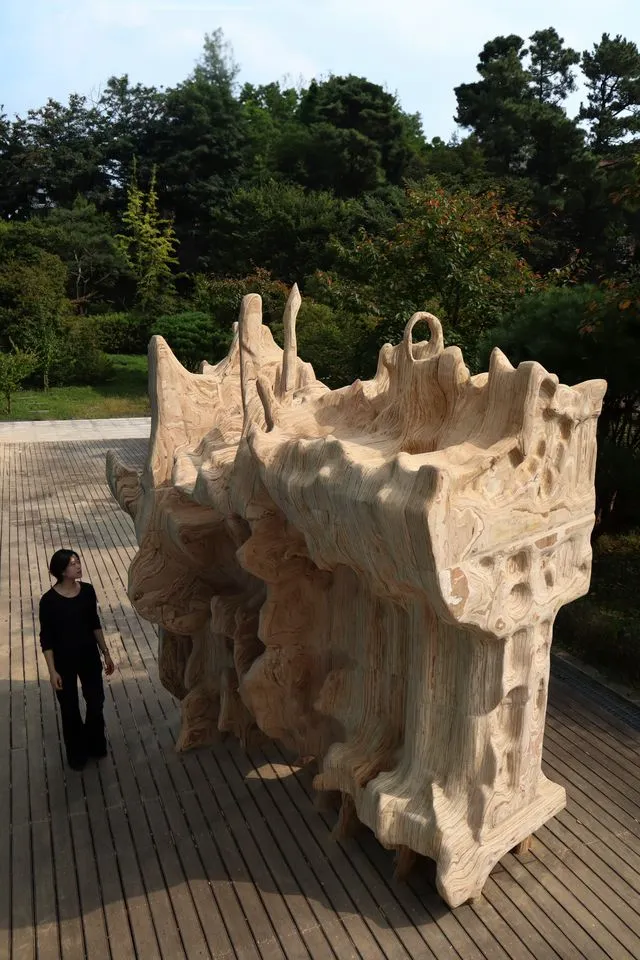
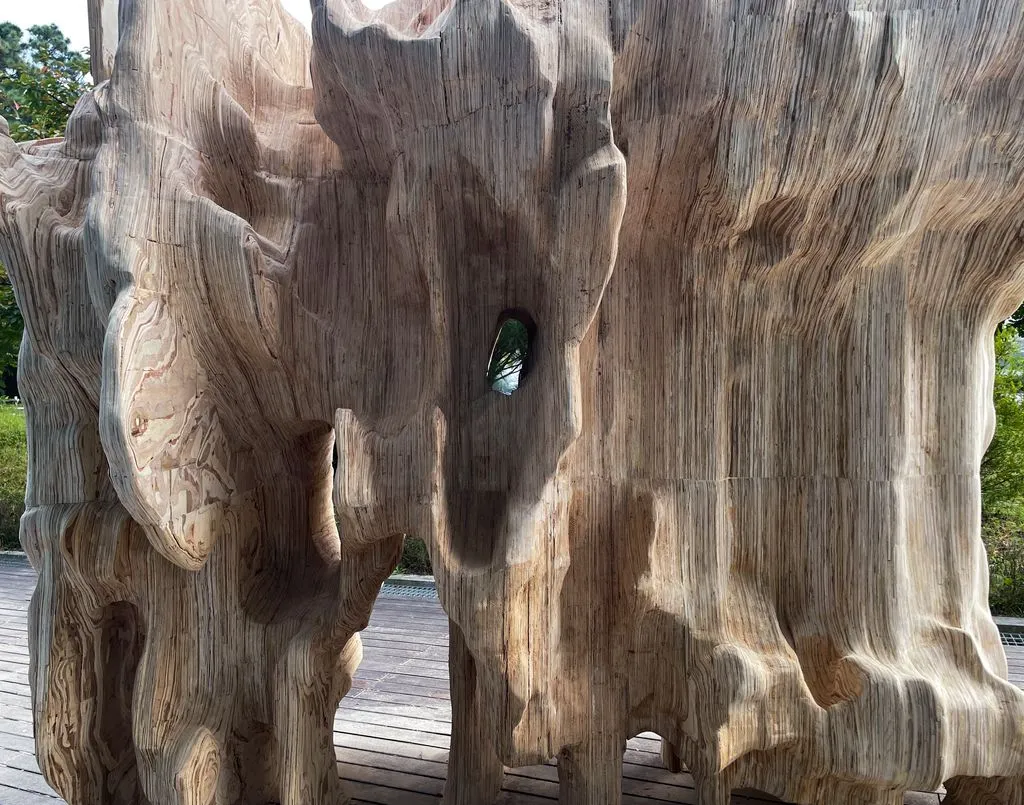
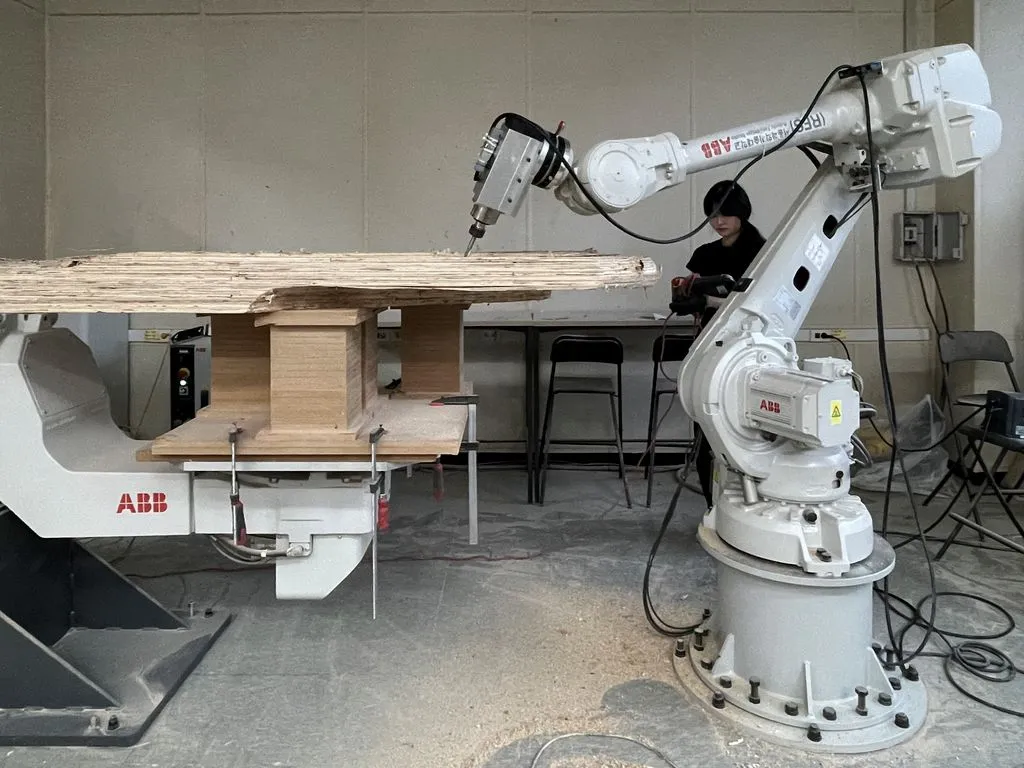
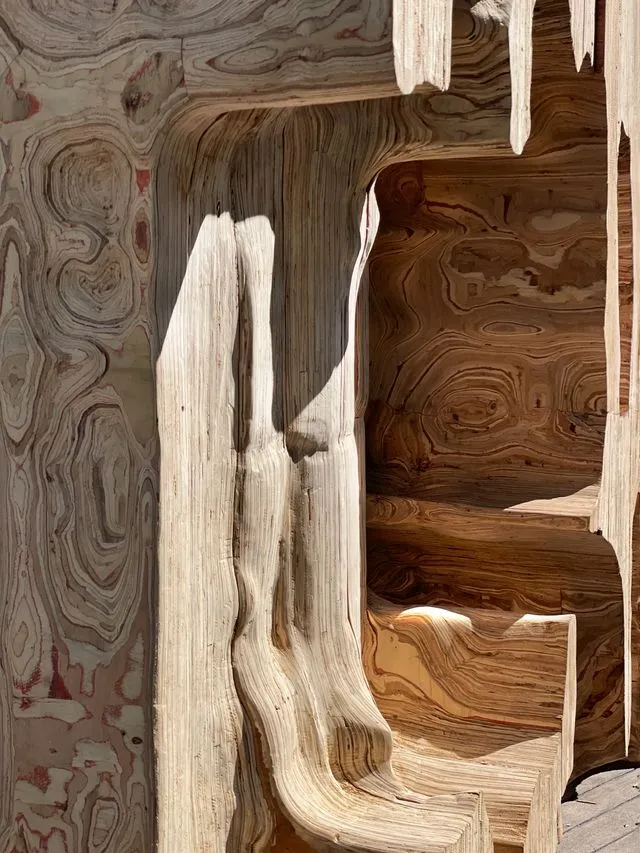
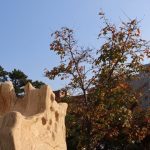
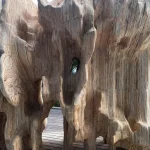
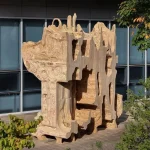
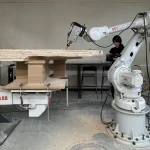
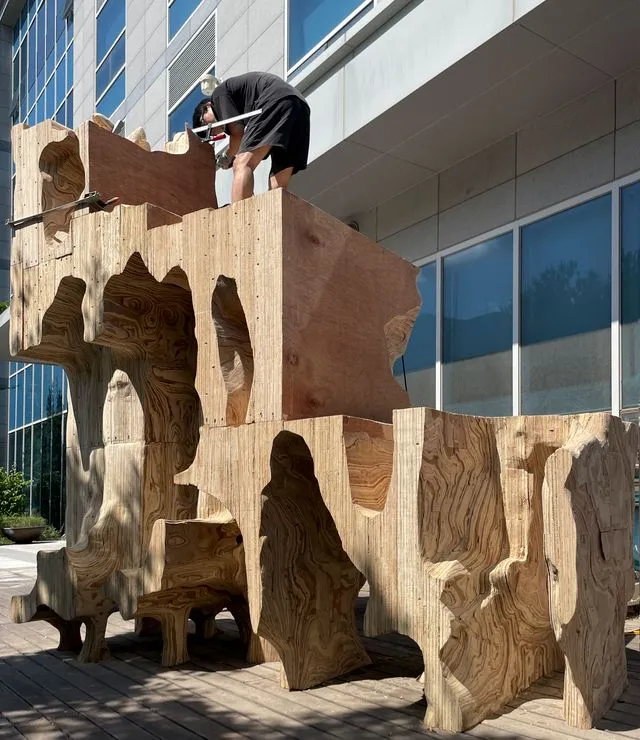
The project is positioned as an experiment, extending beyond the digital into physical making within the context of Korean architecture. Seventy-two wooden components are precisely milled using a six-axis robotic arm and assembled into a built structure. This step is not just about fabrication, but it tests how a digitally generated topological system can exist within the material logic of wood.
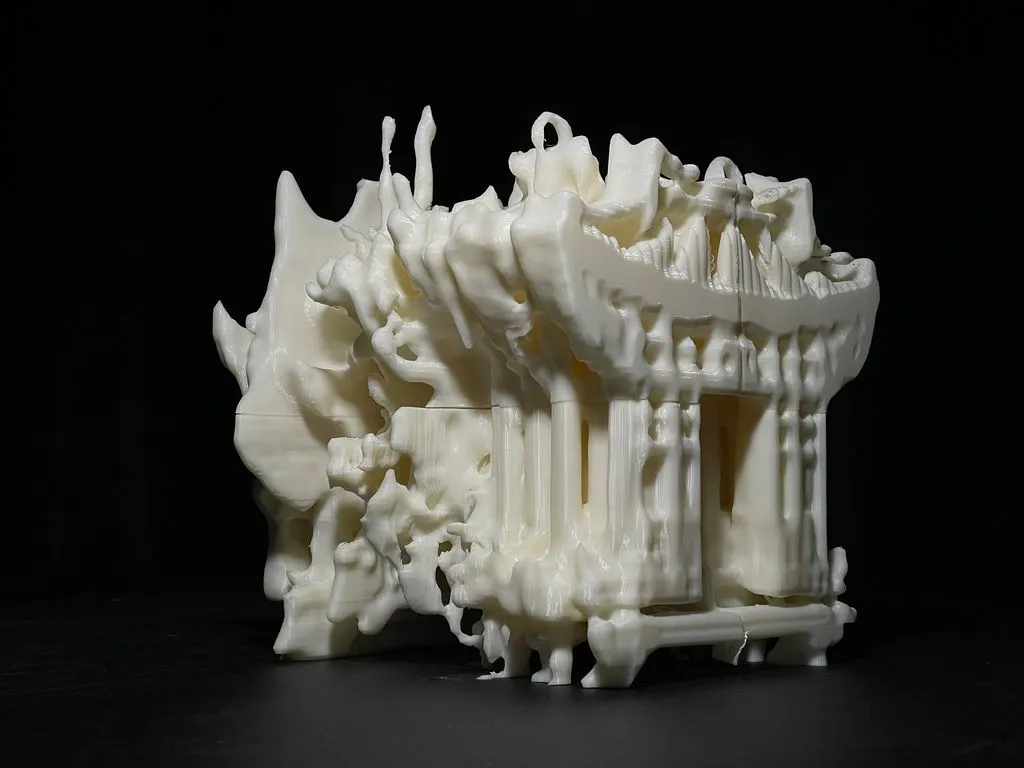
It does not reproduce the ornamental or visual aspects of traditional Korean architecture but reconstructs its underlying principles, including the continuity of sections, the connectivity of curves, and the rhythm of structure. In this process, AI operates as an active design agent, shaping and transforming tradition instead of simply representing it.
Project Credits:
Architect: Yong Ju Lee
Firm: Yong Ju Lee Architecture
Location: Seoul, South Korea
Year: 2025
Status: Completed
Built Area: 6 sqm