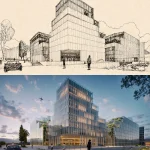
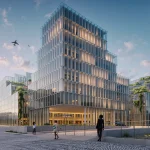
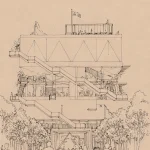
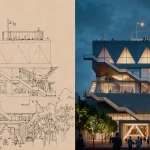
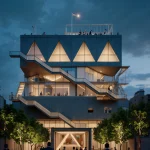
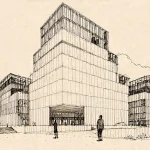
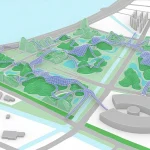
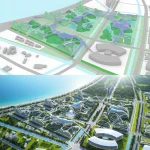
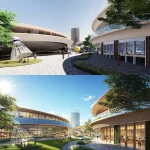
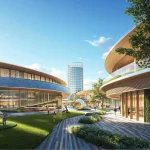
Architectural visualization has shaped how architecture is imagined long before it is built. Hand-drawn perspectives once communicated atmosphere through ink, watercolor, and abstraction to convey atmosphere as much as form. The rise of digital tools and the emphasis on abstraction shifted toward photorealistic imagery, focused on precision. Today, AI and real-time image generation engines are transforming this process again, expanding the speed and range through which architectural ideas can be visualized.
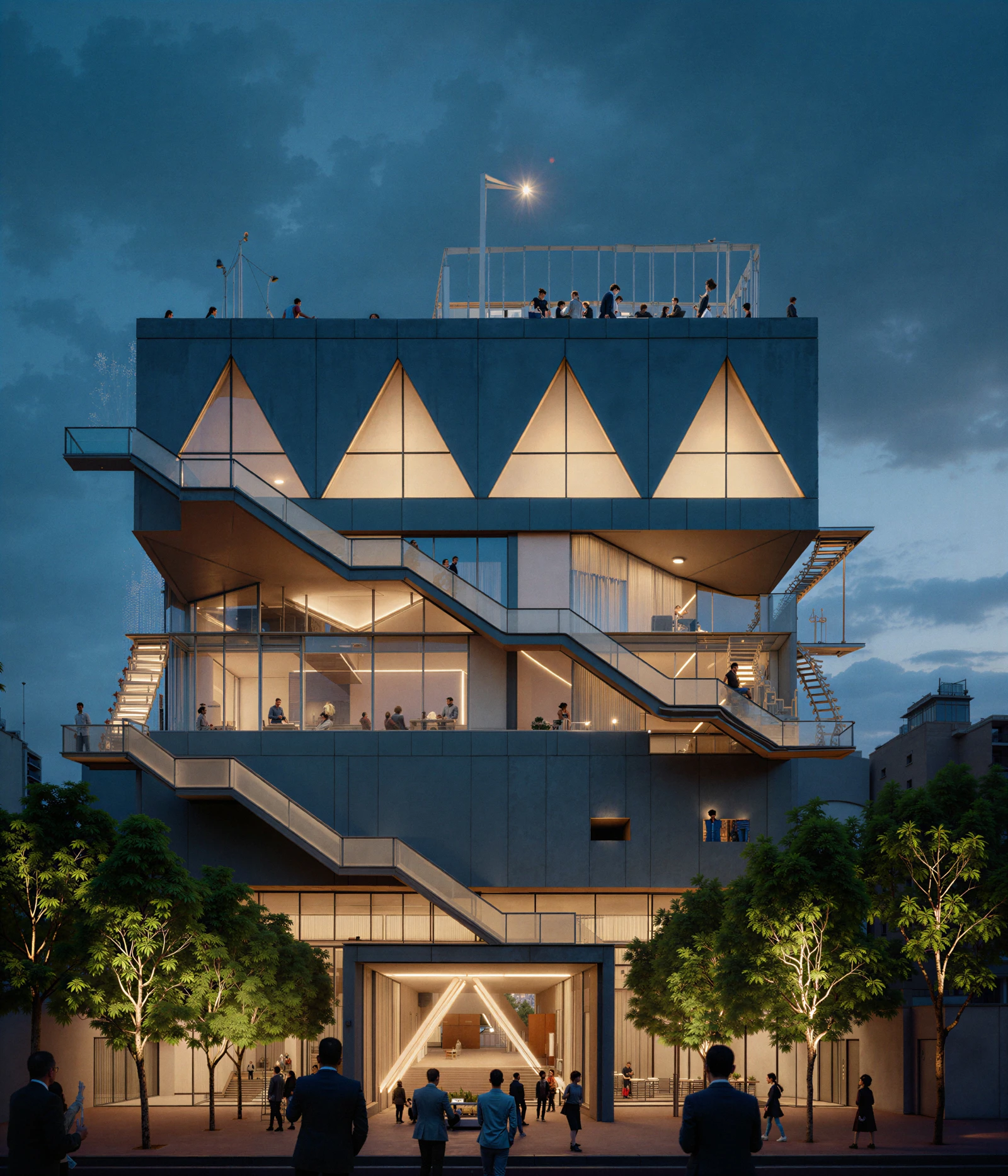
Despite this change, what remains is the role images play inside the design process itself. Visualizations guide discussion, influence decisions, and often clarify aspects of a project before they fully emerge in plans or diagrams.
Inside a large architecture office like MVRDV, images are a shared creative territory. Architects gather around screens debating scale, density, atmosphere, circulation, and public life. A subtle shift in light, vegetation, or perspective can sharpen the direction of an entire proposal.
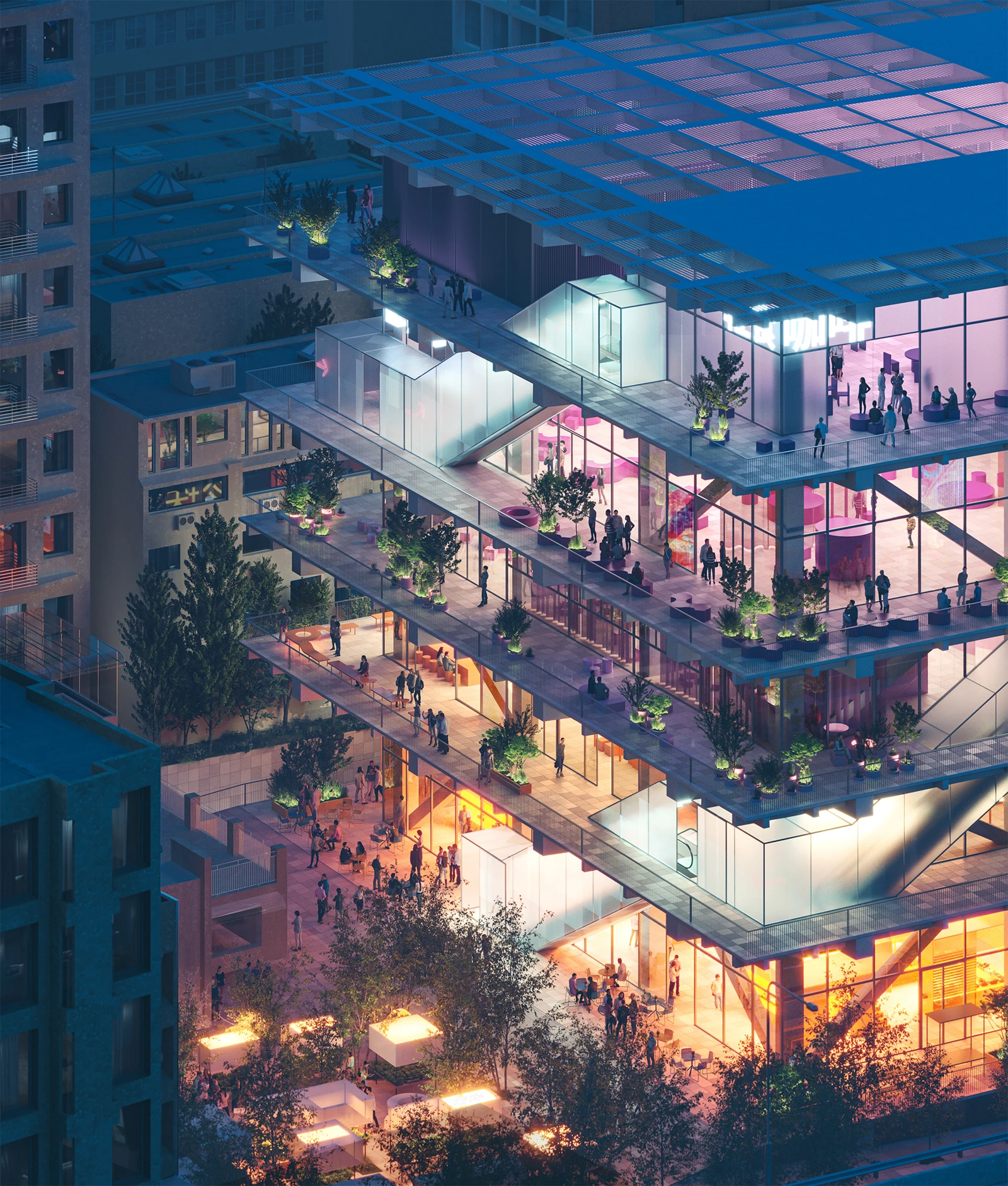
With the emergence of AI, the most significant transformation is that it is possible to continuously produce images with almost no friction. This shifts the question from how fast and how much we are producing to how we show that this is ours. It becomes a question of identity: how can a coherent visual identity be maintained across the thousands upon thousands of almost effortlessly generated images? With this in mind, many influential architecture firms are adapting and producing more than buildings. They are constructing visual ecosystems with recognizable emotional and aesthetic signatures. This way, their architectural imagery increasingly operates as a form of institutional intelligence, one capable of communicating values, atmosphere, and cultural identity before a building physically exists.
MVRDV Visual Style
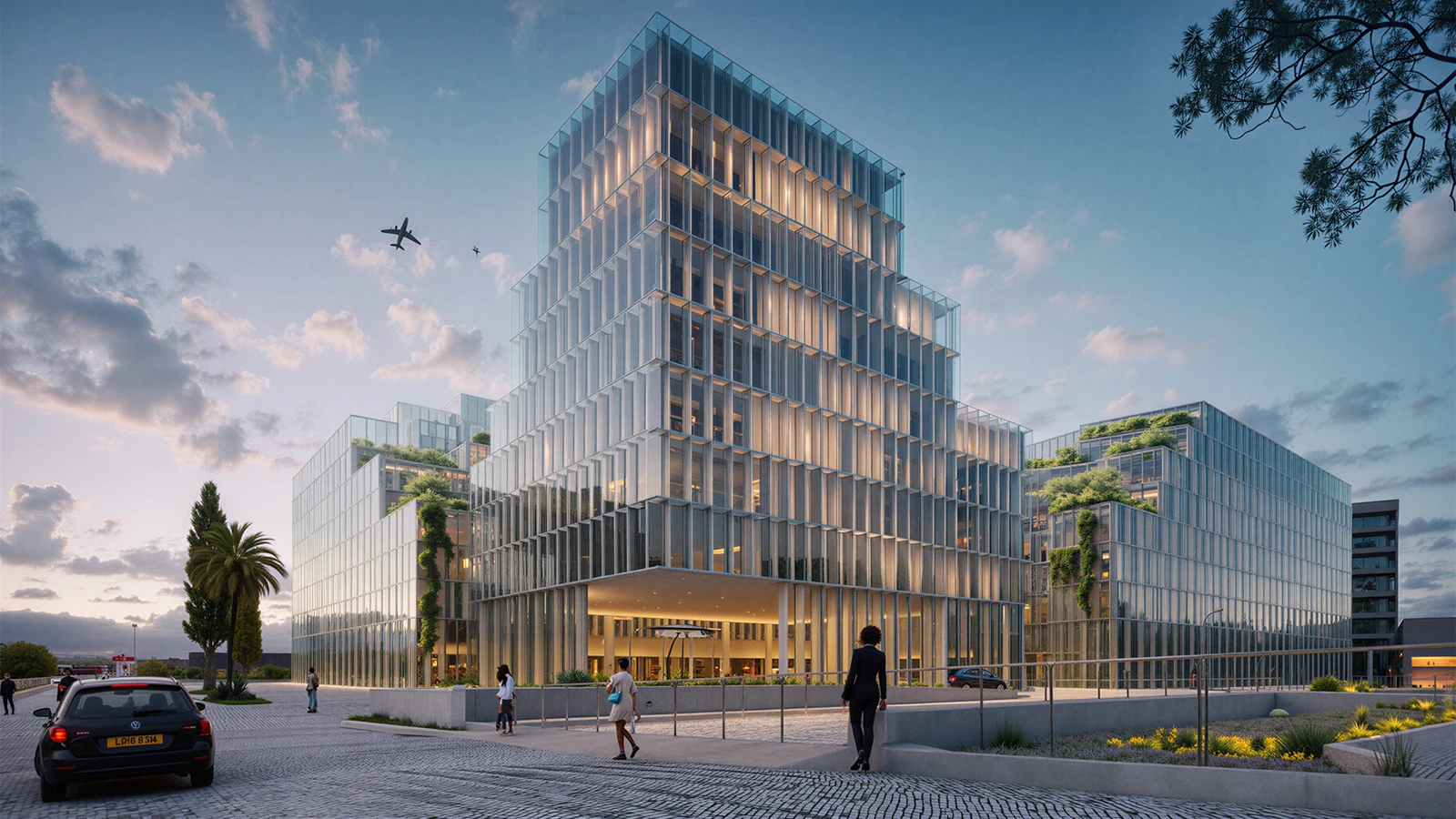
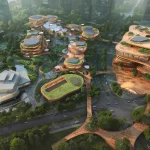
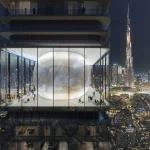
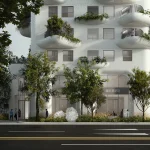
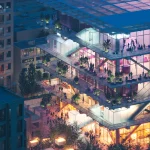
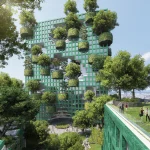
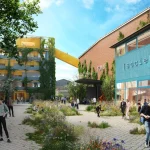
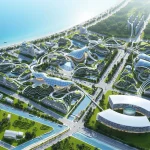
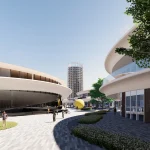
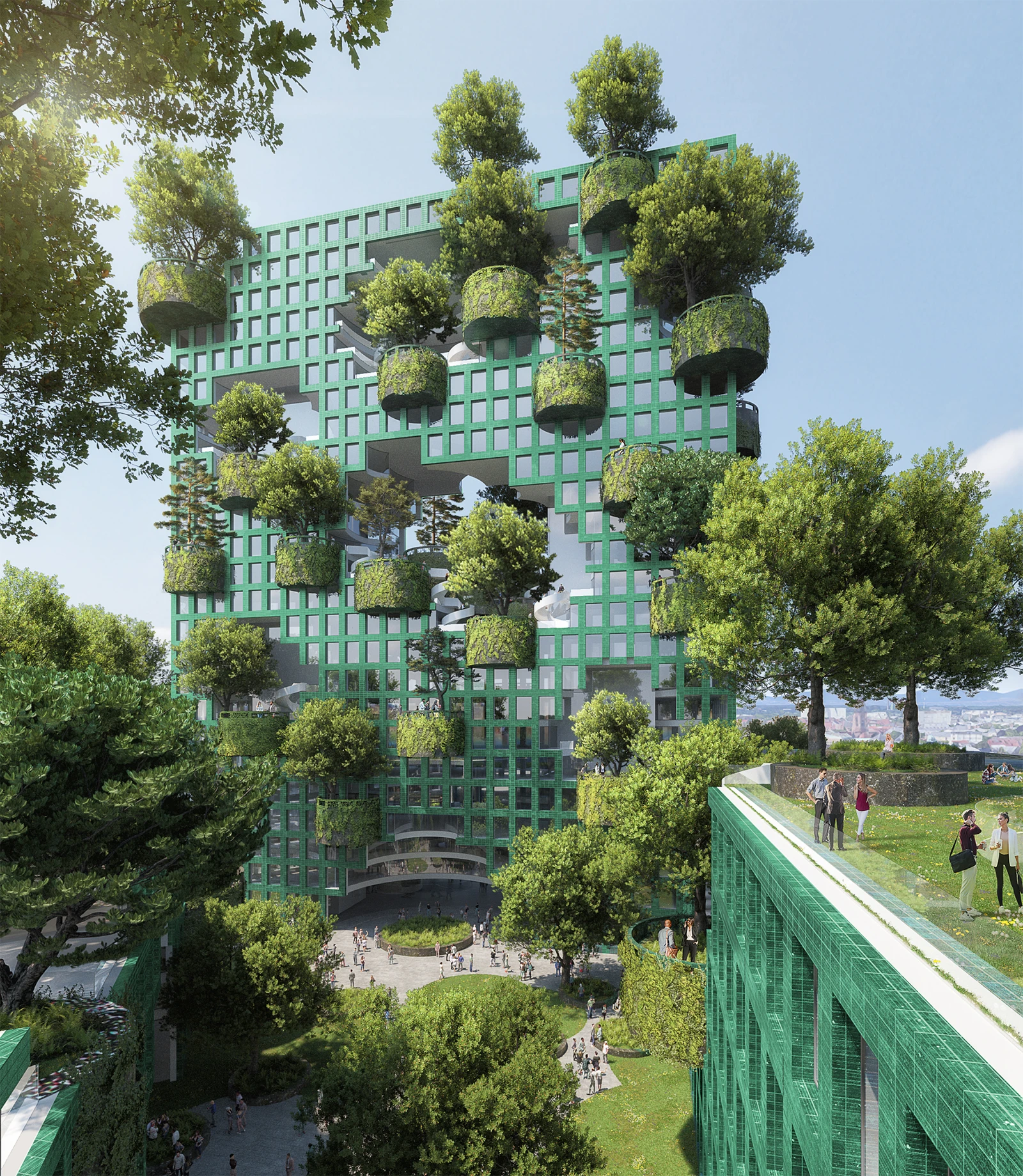
At the heart of MVRDV’s imagery lies a recognizable brightness. You might describe this as “pop architecture visualization.” Images are intentionally vibrant, leaning toward saturated palettes that amplify emotional response rather than replicate reality.
The skies are intensely blue. Vegetation appears lush and almost permanently springlike. Public spaces feel animated, social, and optimistic. These choices are aesthetic, though they also communicate broader ideas about density, sustainability, openness, and collective urban life.
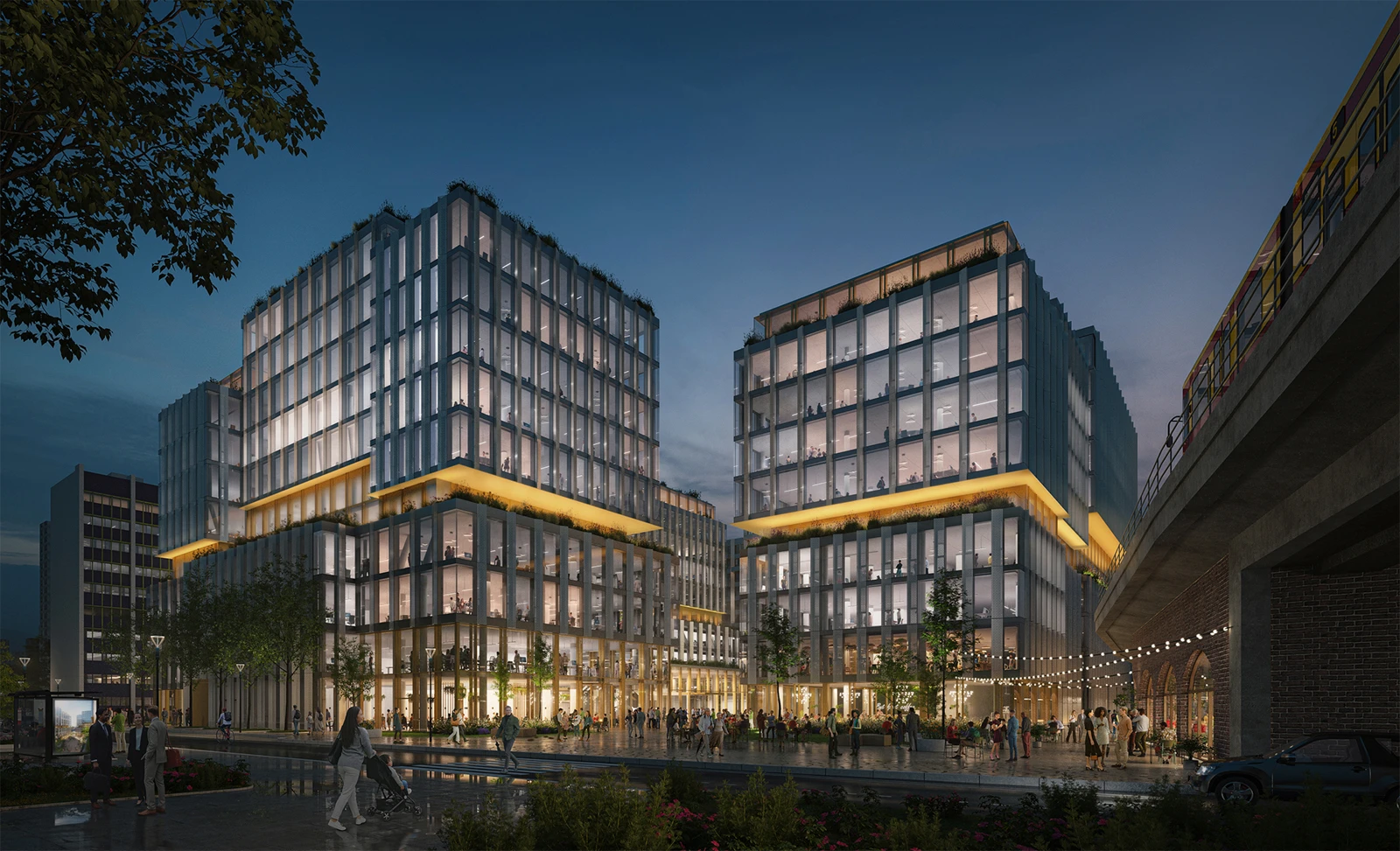
Human presence plays an equally important role. People are never secondary elements in MVRDV visualizations. They are central to the narrative and their placement is never random. Each figure is deliberately chosen from clothing, age, activity, ethnicity, posture, and color; relationships are selected to reinforce the atmosphere of the project.
Over time, this visual consistency has become part of the studio’s identity. The images are recognizable almost immediately, even without captions or logos. In this sense, visualization has evolved beyond representation into a form of architectural authorship.
AI as MVRDV’s Institutional Memory
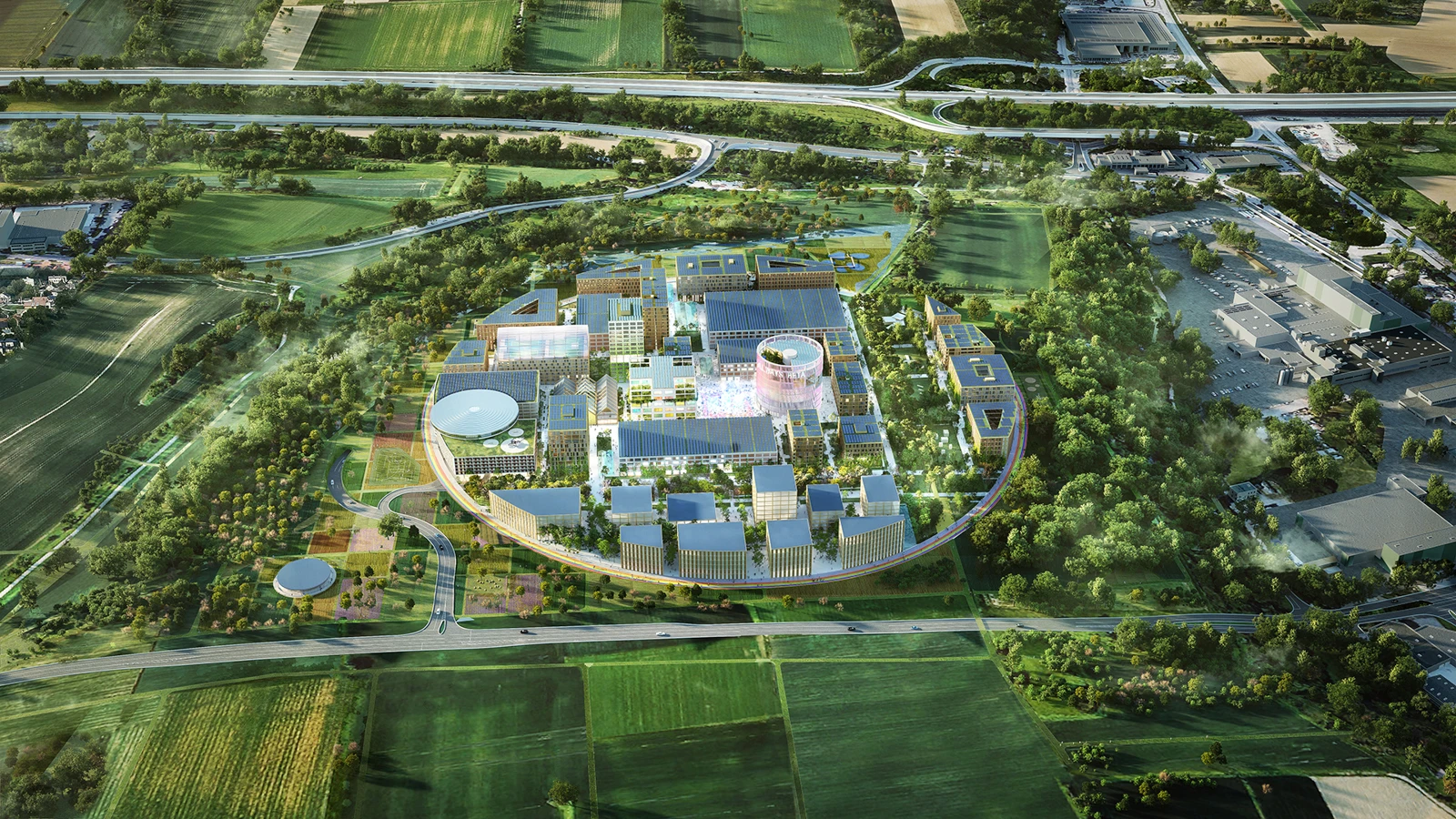
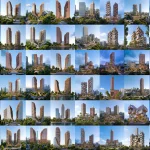
When AI image generation entered the field of architectural visualization, MVRDV approached it as a question of continuity rather than replacement. Instead of relying on generic external models, the studio began training custom AI models capable of recognizing and reproducing the studio’s distinct visual language in alignment with its brand identity. By training the model on years of internal work, the system learned recurring atmospheric patterns, color relationships, compositional tendencies, and representational preferences. This process transformed the MVRDV archive into a form of institutional memory. AIs generate new images while remaining aligned with an established visual identity.
Architect and MVRDV AI Specialist, Fredy Fortich, describes the process through which the studio began integrating custom AI systems into its visualization workflows:
Precision and Customization: Implementing LoRAs
To move beyond generic AI outputs, we utilize LoRAs (Low-Rank Adaptation), compact, specialized models that “teach” a base model a new concept, such as specific graphic styles, material palettes, or building types.
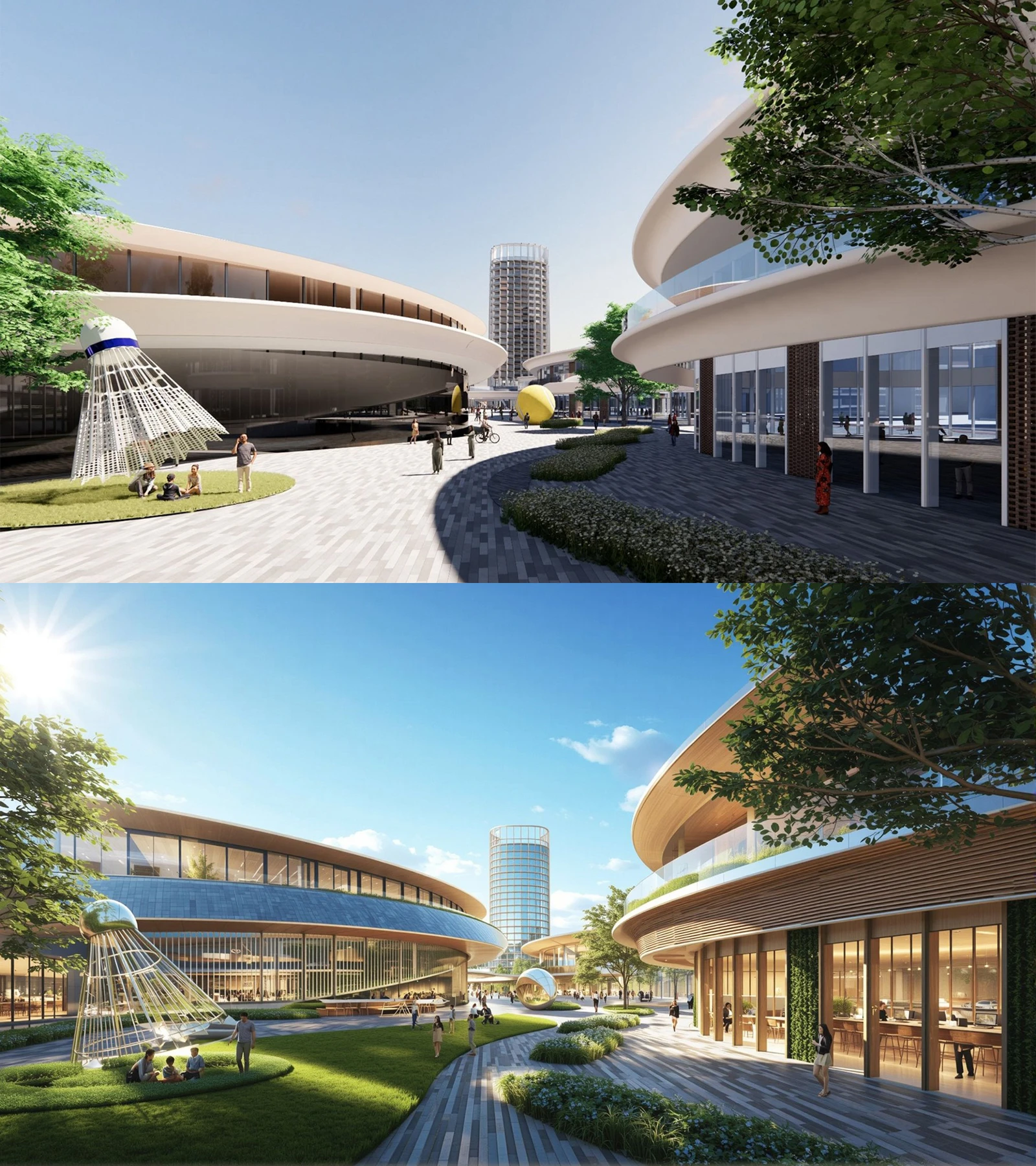
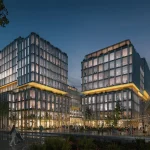
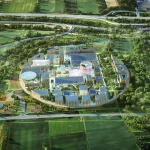
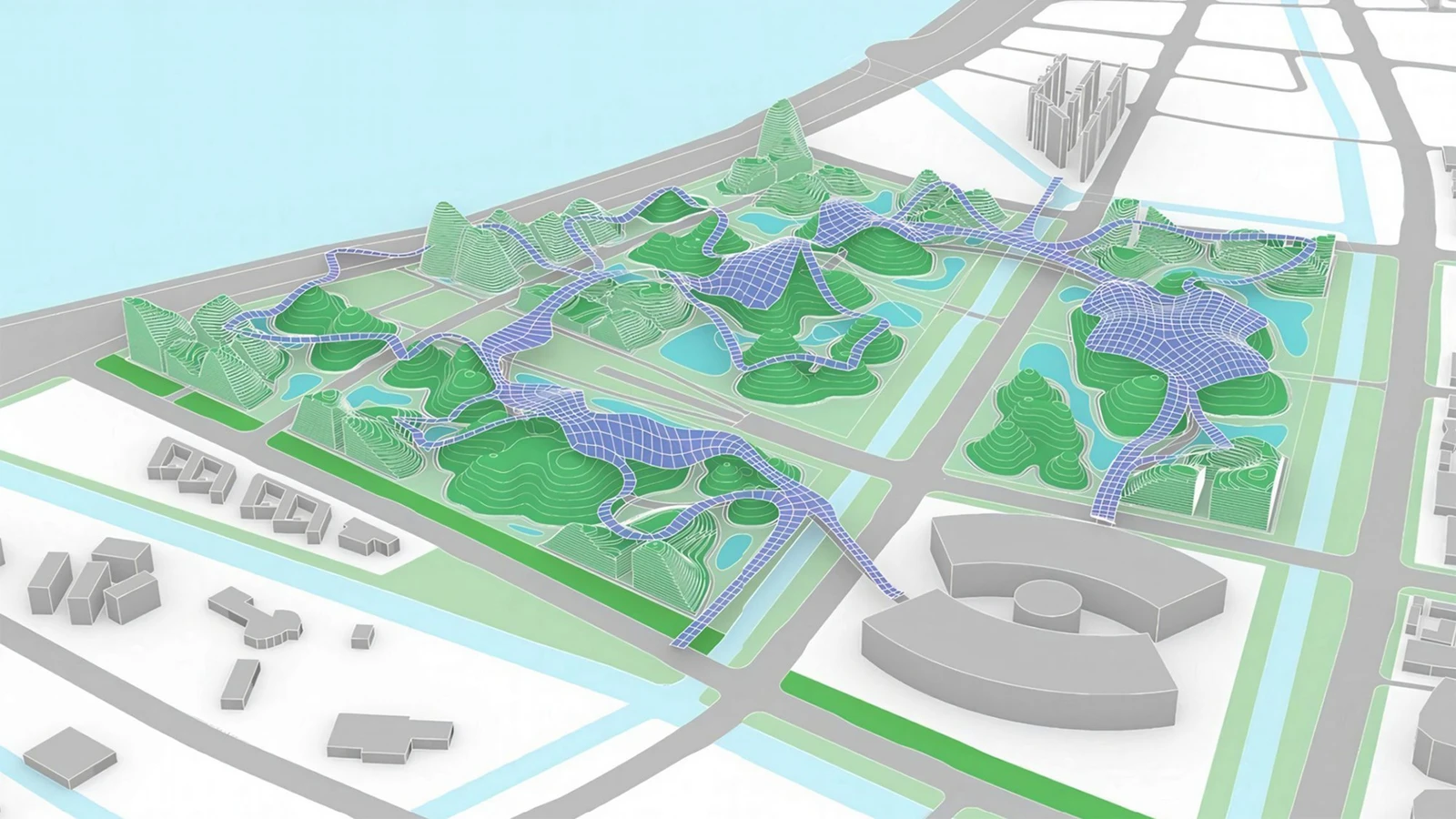
Compared to training a model from scratch or using simple embeddings, LoRAs offer an ideal equilibrium between computational efficiency and output quality. Our proof-of-concept utilized imagery from our Valley project; that once trained, the AI could seamlessly replicate the project’s materiality and form, capabilities absent from its original training data. The success of this initial proof of concept established a scalable framework for our digital toolkit. By expanding our library of custom MVRDV LoRAs, we can now encode a range of internal design typologies and aesthetic signatures into our generative process.
The Power of Weighting and Blending
A primary advantage of the LoRA framework is the ability to modulate the strength of influence (weight). This allows for a level of granular control unavailable in standard generative workflows. By progressively adjusting these weights, we could:
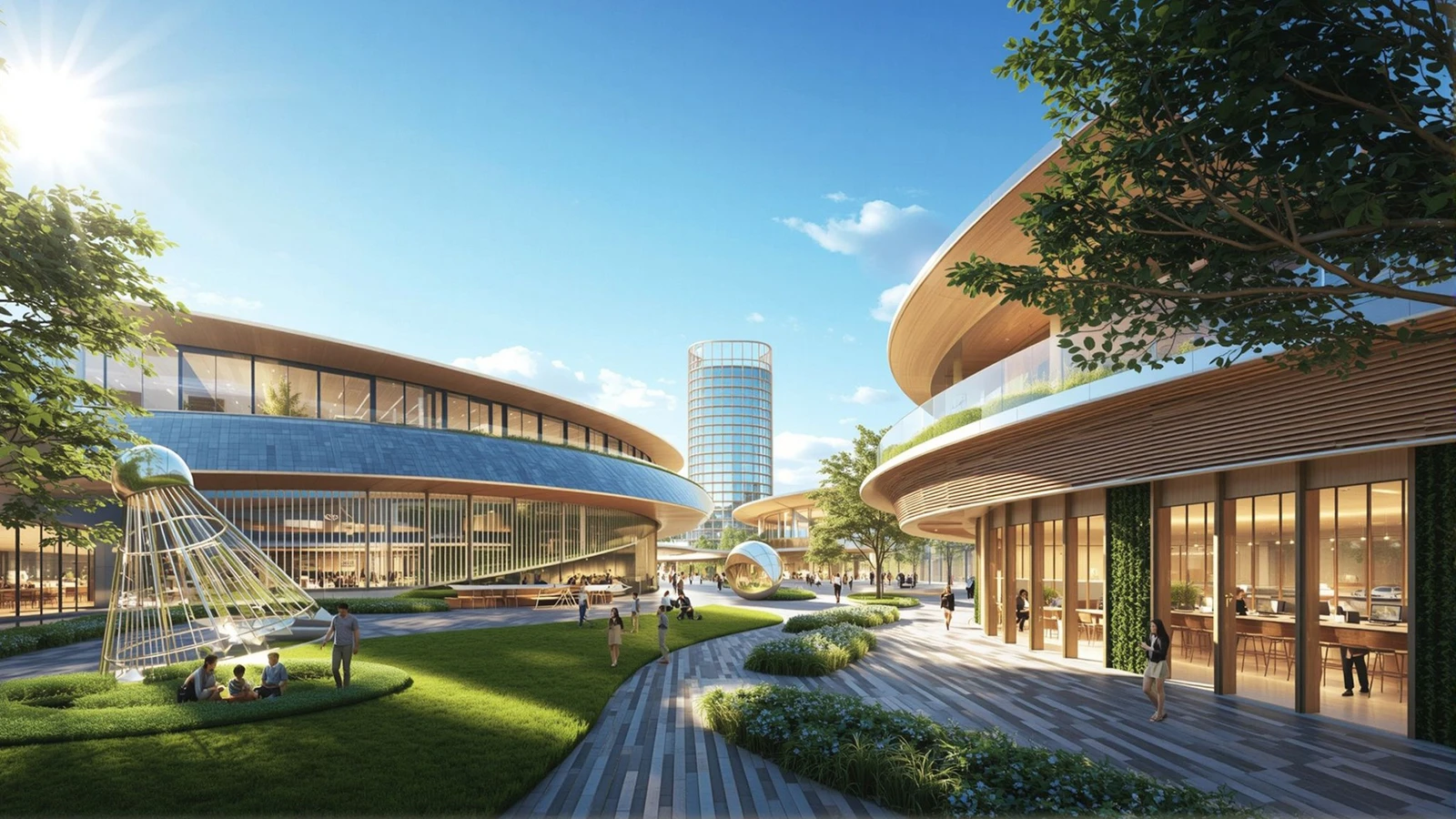
Fine-tune Aesthetics: Subtly apply a style, such as our custom “Collage” LoRA, to transform generic renders into striking architectural graphic collages.
Hybridize Concepts: Mix multiple specialized LoRAs to generate novel results. For example, blending the Valley LoRA with the Collage LoRA creates a unique synthesis of specific geometry and distinct representation style.
Advanced Workflows: From Grasshopper to ComfyUI
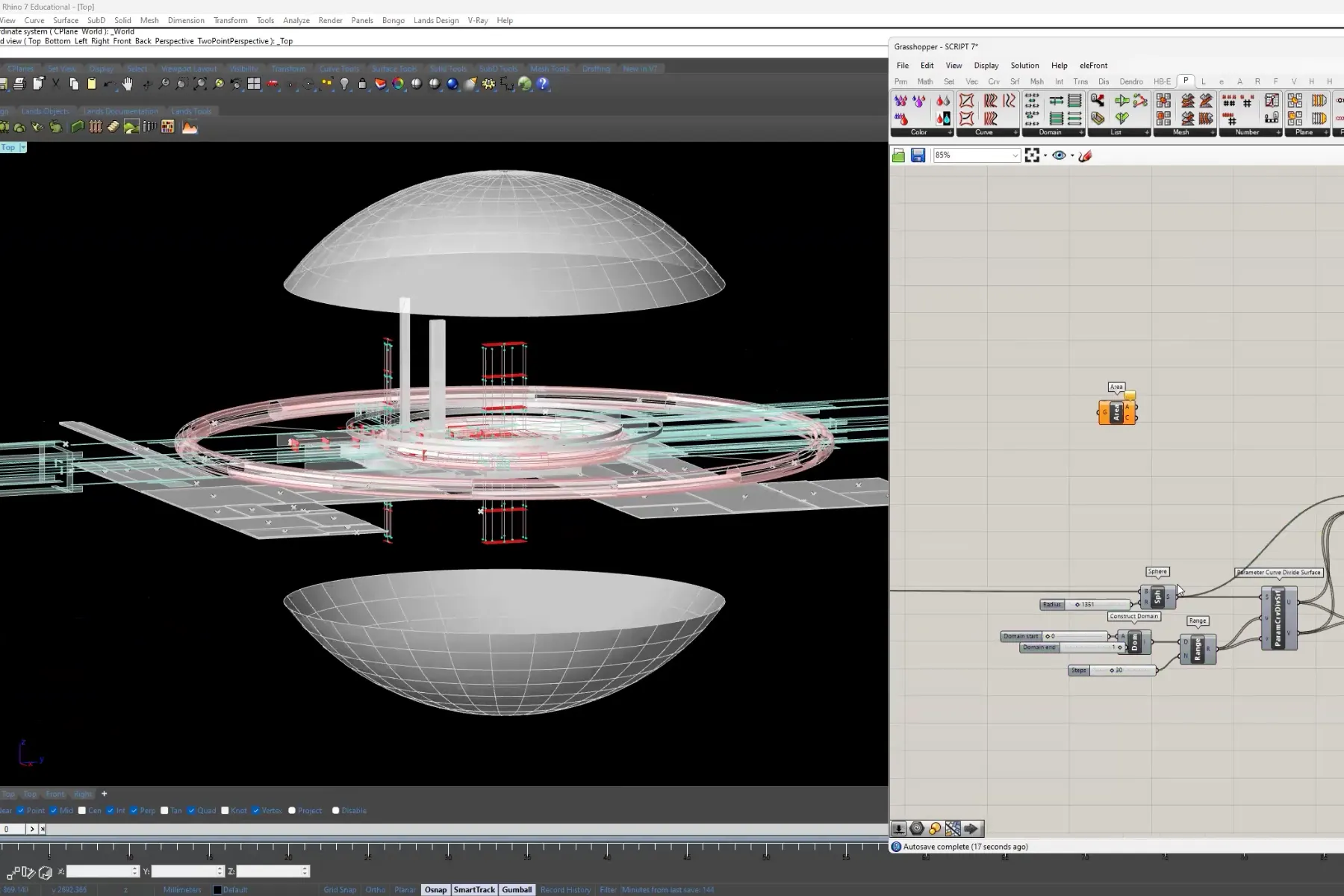
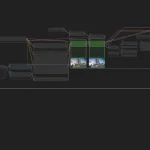
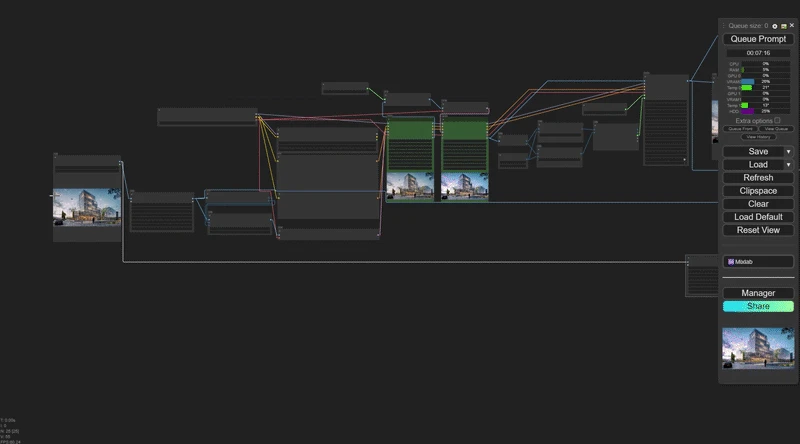
At MVRDV, our design philosophy is rooted in node-based logic. Just as we use Grasshopper and Dynamo for parametric modeling, we have adopted ComfyUI for our AI workflows.
ComfyUI is a visual programming interface that allows us to build sophisticated, backend-customized workflows. Its power lies in its modularity: it enables the simultaneous integration of local diffusion models, proprietary APIs, and Large Language Models (LLMs), allowing us to tailor AI tools to the specific requirements of any architectural scenario.”
Fortich’s description reveals how architectural visual language can now be encoded, reused, and recombined across projects. Different LoRAs can be blended to create hybrid visual outputs that retain recognizable elements of the studio’s identity while opening space for new aesthetic directions.
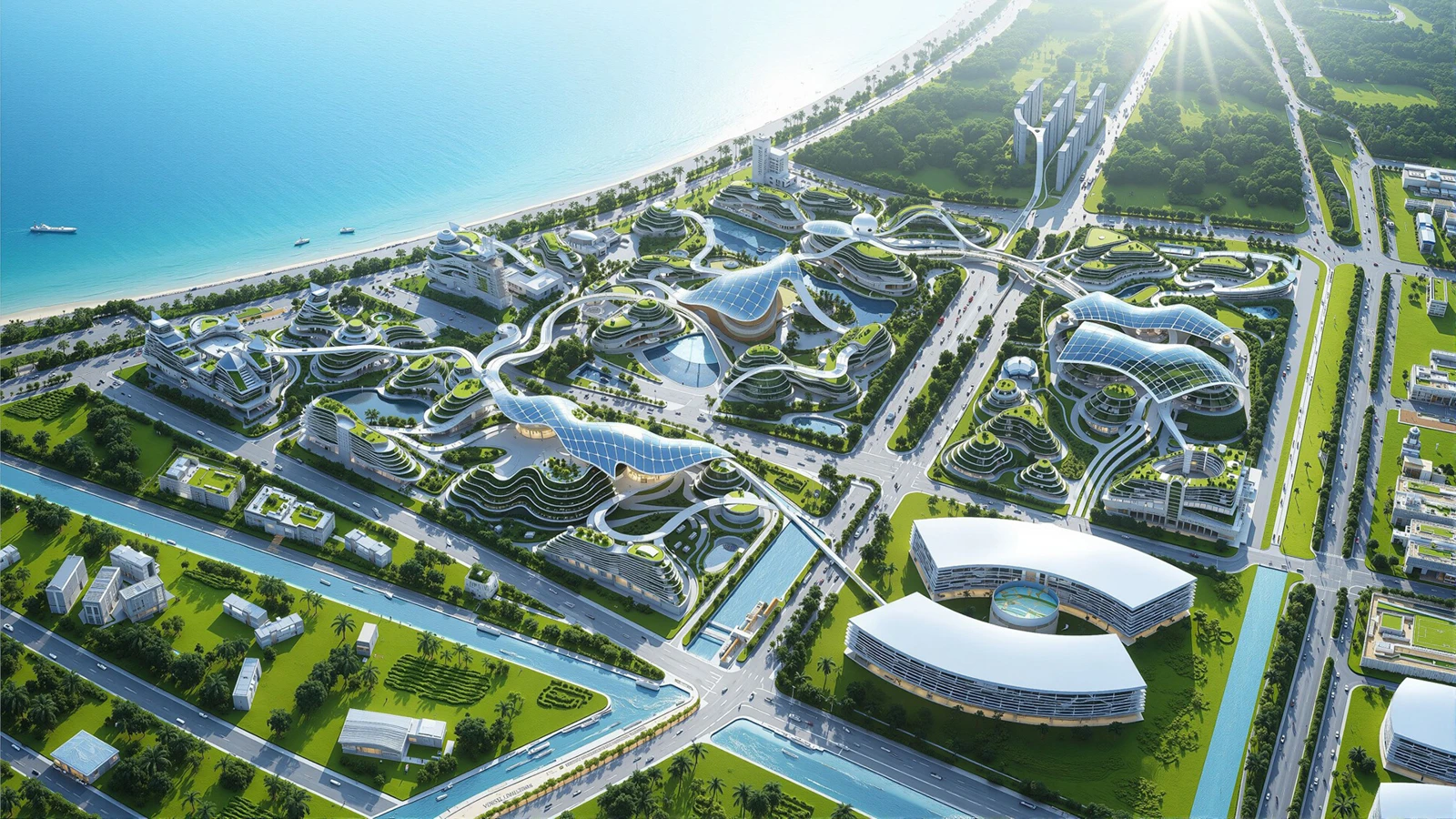
The broader significance of this workflow extends beyond efficiency. AI systems are beginning to stabilize visual authorship across large practices. As firms generate increasing volumes of imagery, consistency itself becomes a design problem. The architectural office is no longer managing isolated renderings. It is managing a continuous visual narrative.
The integration of platforms such as Grasshopper, Dynamo, and AI-Inspired Architecture highlights how computational thinking is becoming a core architectural skill rather than a niche specialization. This convergence of design, technology, and visualization is increasingly reflected in professional development initiatives such as PAACADEMY, which explores the evolving relationship between architecture, emerging technologies, and contemporary design practice through industry-focused learning programs.
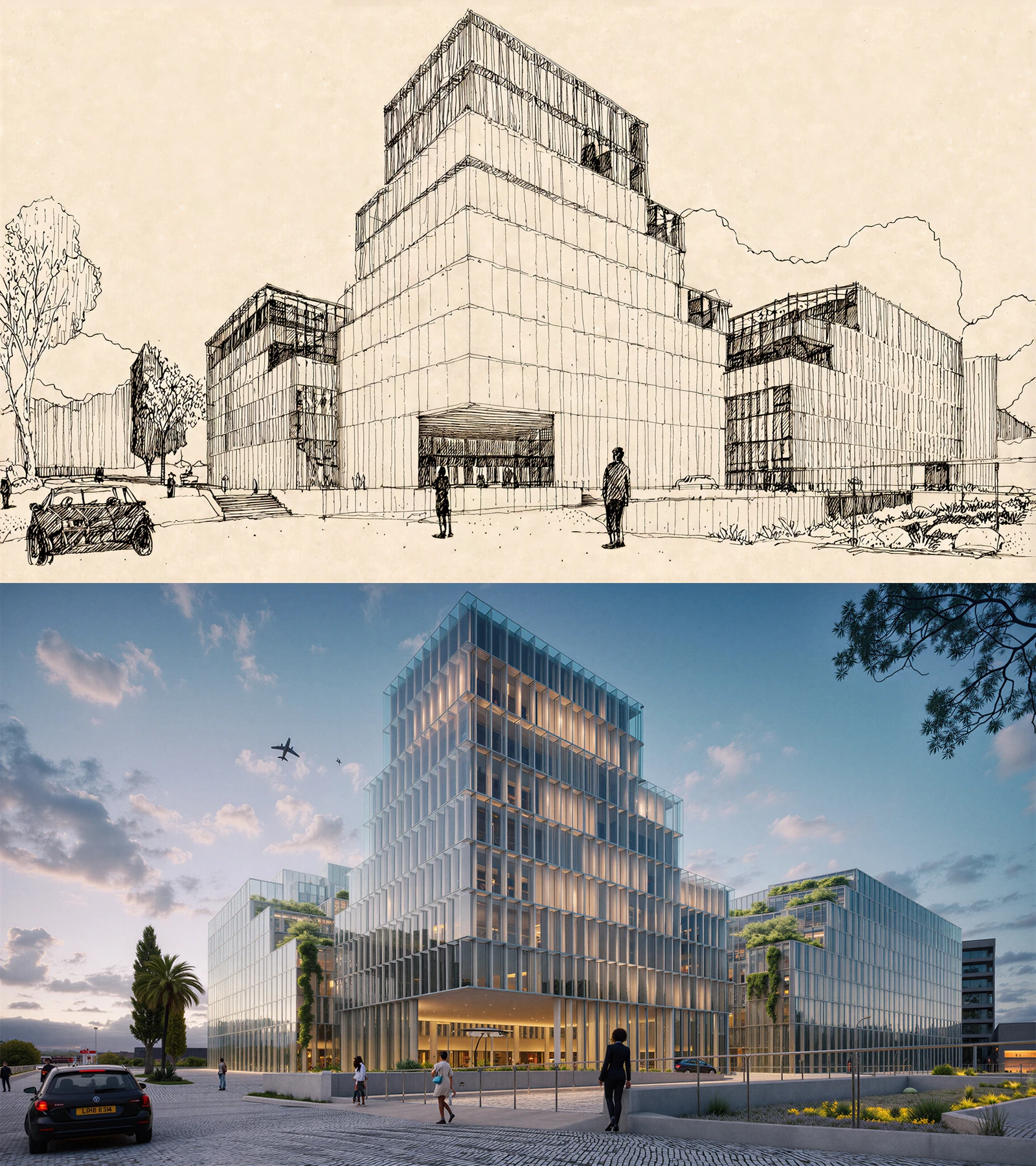
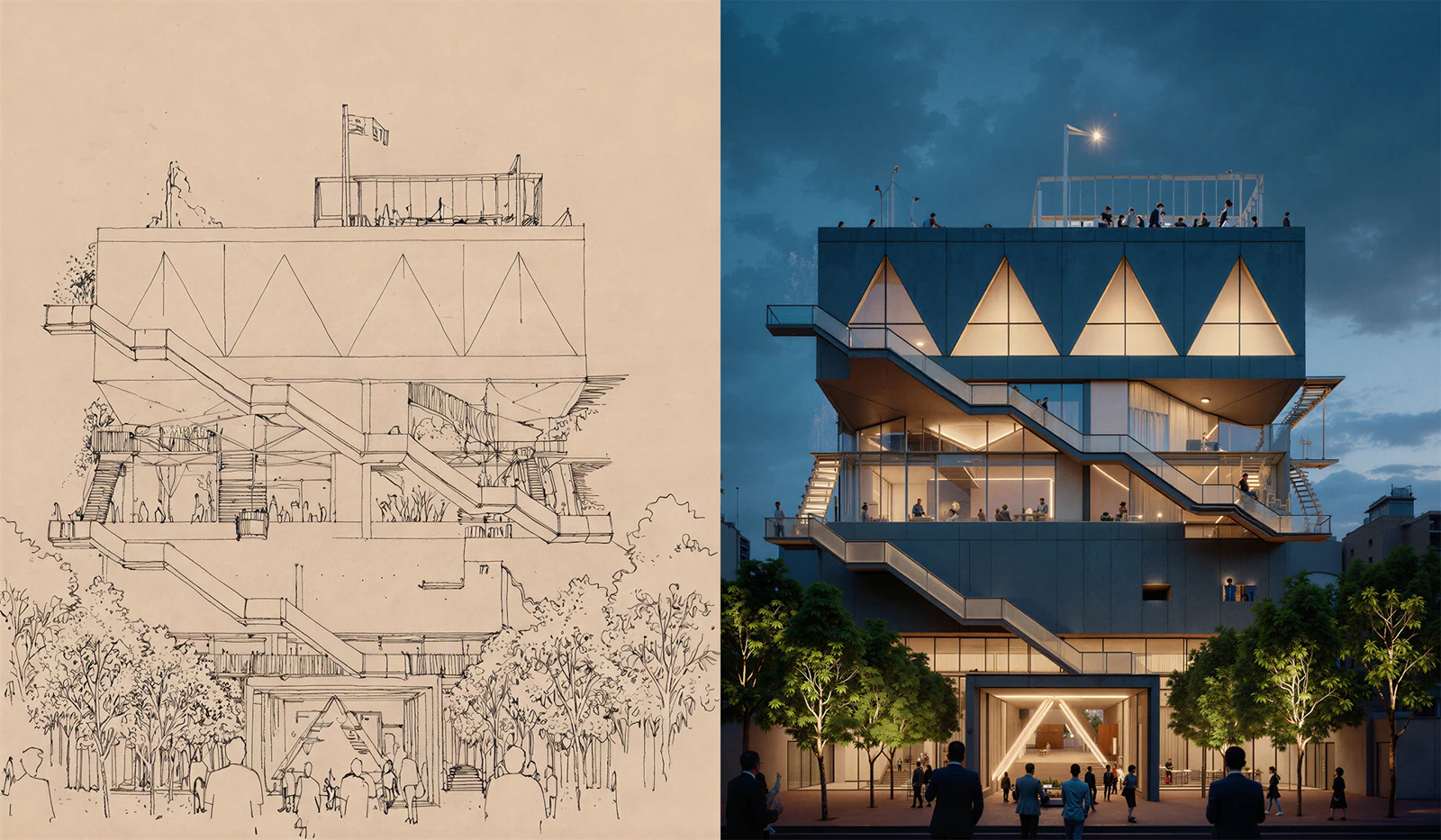
At MVRDV, these tools have proven especially useful during early concept development and internal communication. Designers can work from rough screenshots, sketches, or low-resolution renders and rapidly transform them into coherent atmospheric studies. Instead of spending days refining every technical detail in 3D software, teams can focus on mood, composition, and spatial intent during the early phases of design.
This shift changes the role of visualization in practice. Images become less tied to final documentation and more integrated into the act of thinking itself.
A Changing Relationship Between Architects and Visualizers
Architect and MVRDV Senior Project Leader Cosimo Scotucci describes architectural visualization as a field historically shaped by friction between architects and image-makers.
“In the way I’ve experienced architectural visualization, there has always been a quiet conflict between what the architect expected, the camera angle, the mood, the weather, the exact shade of white, and what the visual artist instinctively saw first.
This tension is so deeply embedded in the industry that it has practically become contractual. Architects ask for three rounds of comments, and if contracts allowed ten, they would gladly use all ten, while visualization studios defend their process and creative autonomy with increasingly elaborate clauses.
Over the course of my career, I’ve heard everything imaginable. Architects are asking to make the T-shirt in the background slightly less blue. Requests to make white materials whiter. I once saw someone ask for the glasses of a person in the foreground to be changed.
For years, the relationship between architects and visualizers has been a strange mixture of collaboration, dependency, and low-intensity warfare.
I believe AI is beginning to dissolve this conflict. Architecture teams are now far more capable of producing descriptive imagery themselves, starting from a rough Enscape export, a Rhino screenshot, or even a sketch on trace paper.
Because of that, expectations toward visualization studios are changing fundamentally. Clients no longer simply want confirmation of what they already know. They want to be surprised.
They want to understand how another mind, an artist with different sensitivities and references, interprets the building and transforms a concept into atmosphere, emotion, or narrative.
In a strangely romantic way, I believe AI may become the tool that finally ends the old fight. AI gives architects the ability to produce functional, descriptive imagery internally, while allowing visualization artists to focus more intensely on interpretation.
Everybody says AI will replace visual artists. From what I have seen so far, the opposite is happening.
It has become a blessing for many of them, a way to delegate repetitive production tasks to the machine and reclaim energy for the parts of the process that still depend entirely on human imagination.”
Scotucci’s observation reflects a broader cultural shift occurring across architecture. As AI tools become increasingly accessible, the value of visualization is moving away from technical execution and toward interpretation, authorship, and emotional intelligence.
Beyond Representation
The future of architectural visualization may, in fact, belong to studios capable of sustaining a recognizable visual intelligence across every single image they produce. As these generative systems become more and more sophisticated, architectural imagery is evolving into something larger than presentation material. It is becoming a form of identity infrastructure that communicates values, atmosphere, and cultural position at the scale of an entire practice.
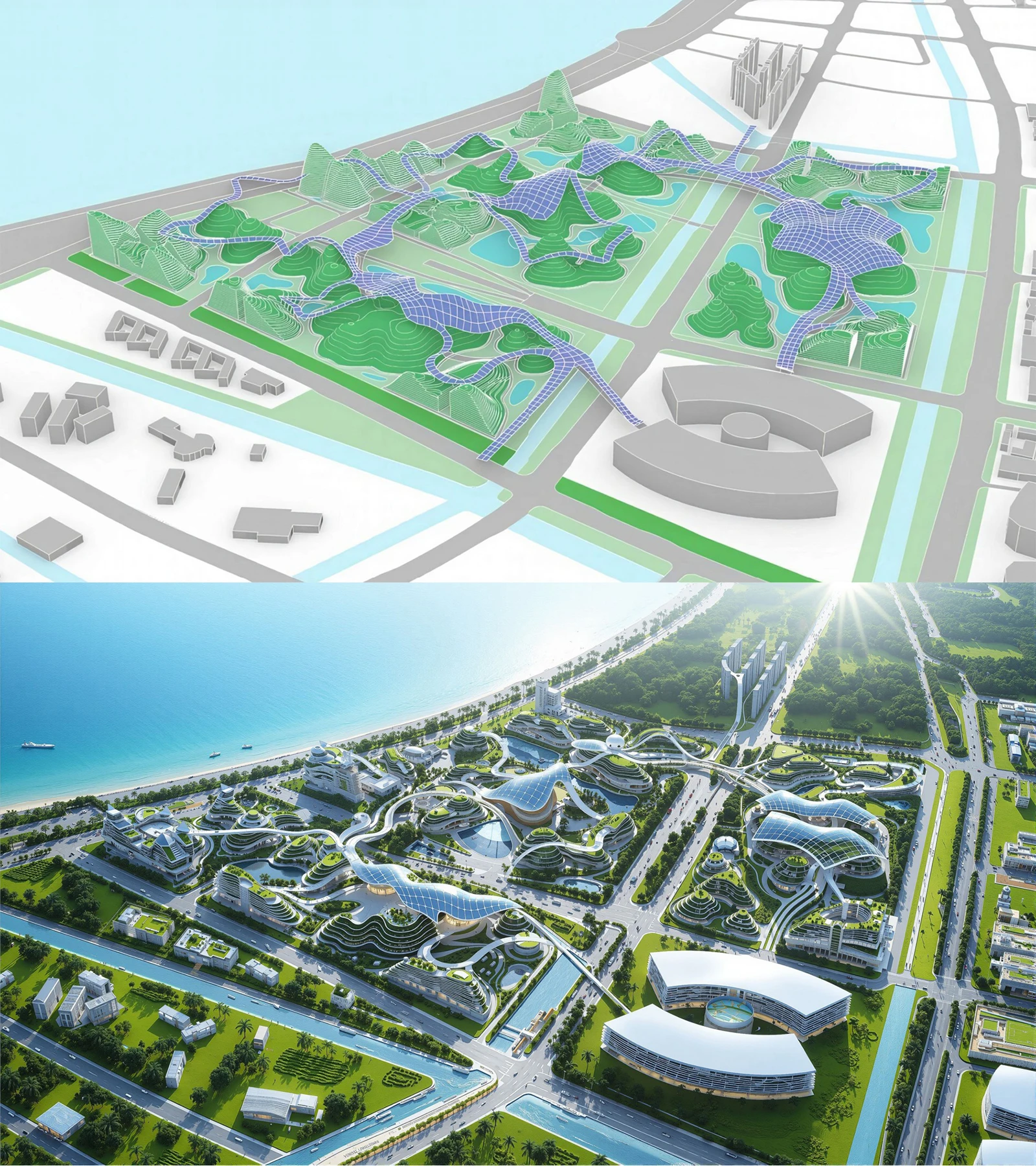
For MVRDV, this evolution builds upon a visual language the studio has been refining over decades of practice. Brightness, density, vegetation, public life, and emotional openness continue to define the imagery even as new computational tools enter the process. These ideas are now being carried forward through new tools without being erased by them. AI accelerates MVRDV’s authorship. The studio’s identity remains intact, even as the means of expressing it evolve. The technology allows the studio’s visual language to persist across large and complex streams of production while maintaining recognizability.
In the end, the studios that will lead the next phase of visualization culture will not necessarily be those capable of constructing clear identities through them. From this perspective, architectural visualization is becoming a way that architecture thinks about itself: its power and its promise.
In the end, every render is a kind of promise. A promise about light, about community, about the kind of world we are working toward. And at MVRDV, that promise remains as vivid and as deliberate as ever.
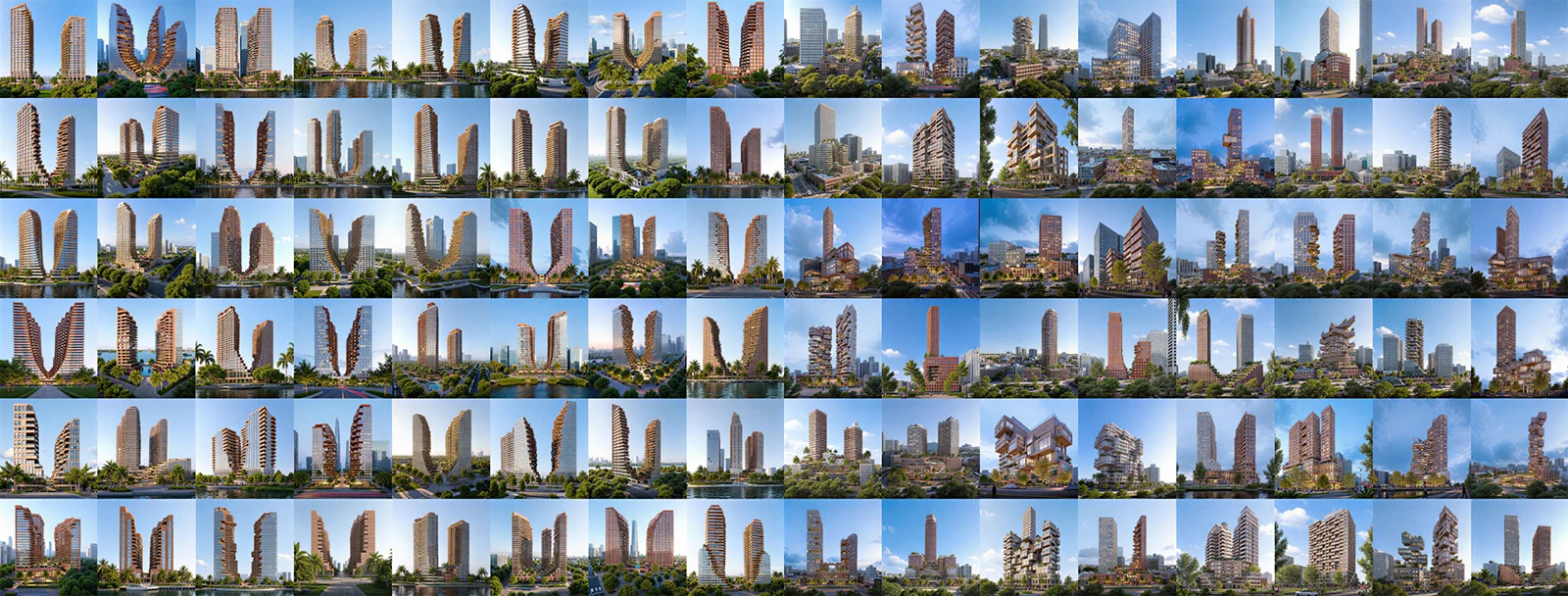
As architectural visualization continues to transform, the conversation extends beyond software and image generation. It touches on questions of creativity, authorship, and education—areas that are becoming increasingly relevant for architects navigating a rapidly changing profession. Those interested in tracking these developments can explore PAACADEMY’s upcoming courses, which regularly engage with emerging technologies, digital workflows, and contemporary architectural practice.
For architects interested in understanding how these tools are influencing contemporary practice, the following workshops provide relevant insights:
Featured Workshops by PA Academy
- Generative Architecture with AI (SD+FLUX) — Fredy Fortich
- Generative Architecture with AI 2.0 (SD+FLUX) — Fredy Fortich
- Reverse Modeling: AI-Inspired Architecture — Cosimo Scotucci
Credits:
Author: Kirill Emelianov, Senior Visualizer, MVRDV
Editorial Review: Jessica Cullen, Editor, Founder of Cullo Studio
Expert Contributors:
Fredy Fortich, Architect and AI Specialist, MVRDV
Cosimo Scotucci, Senior Project Leader, MVRDV