



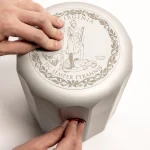


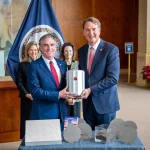

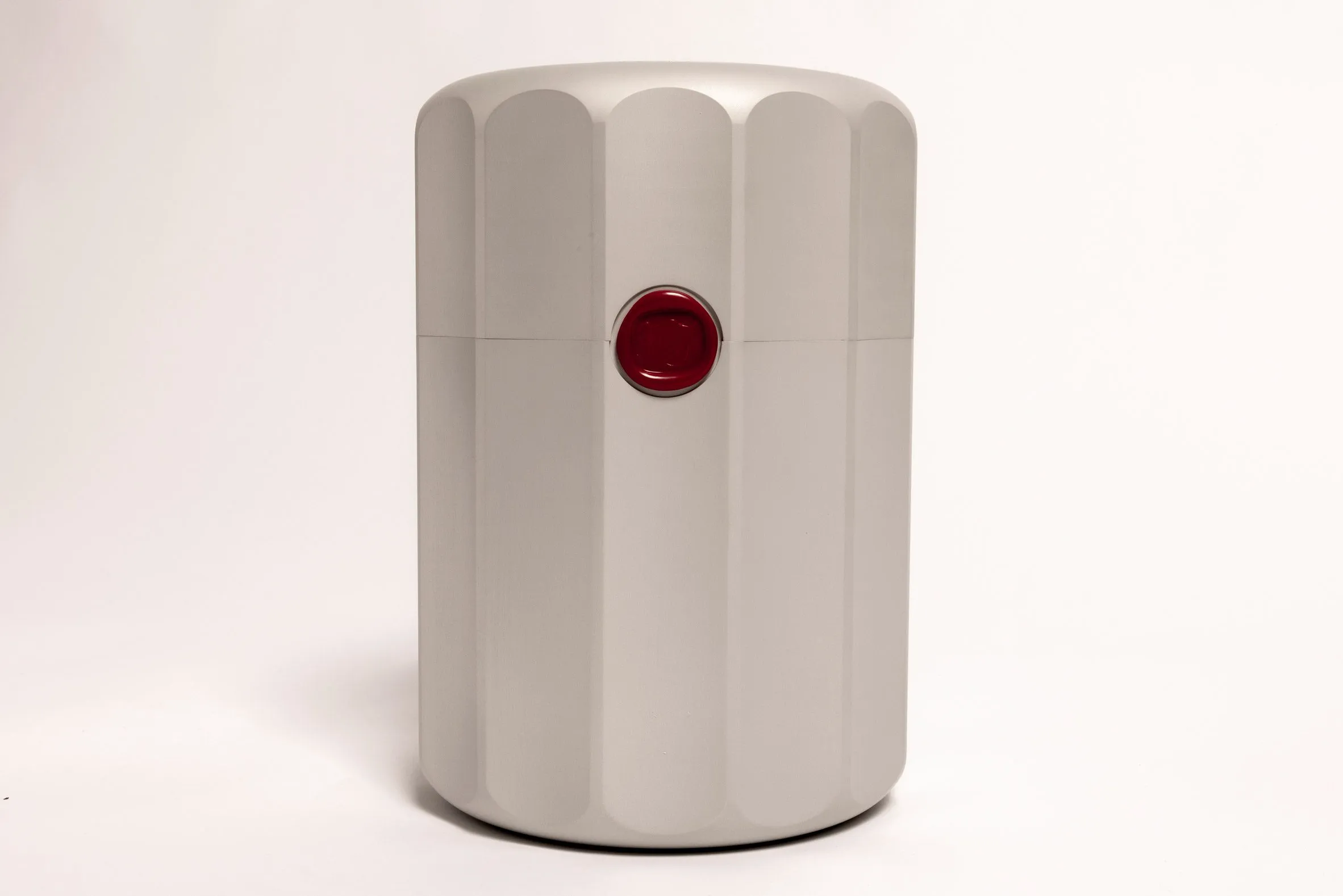
British architectural legend Norman Foster and his firm, Foster + Partners, have designed a commemorative time capsule for the United States’ 250th anniversary of independence, set to become a symbolic part of the nation’s bicentennial celebrations. The project was publicly unveiled during a joint ceremony in early January 2026, where the capsule was presented to U.S. officials as a gesture of transatlantic solidarity, reflecting the shared history and enduring cultural ties between the United States and the United Kingdom.
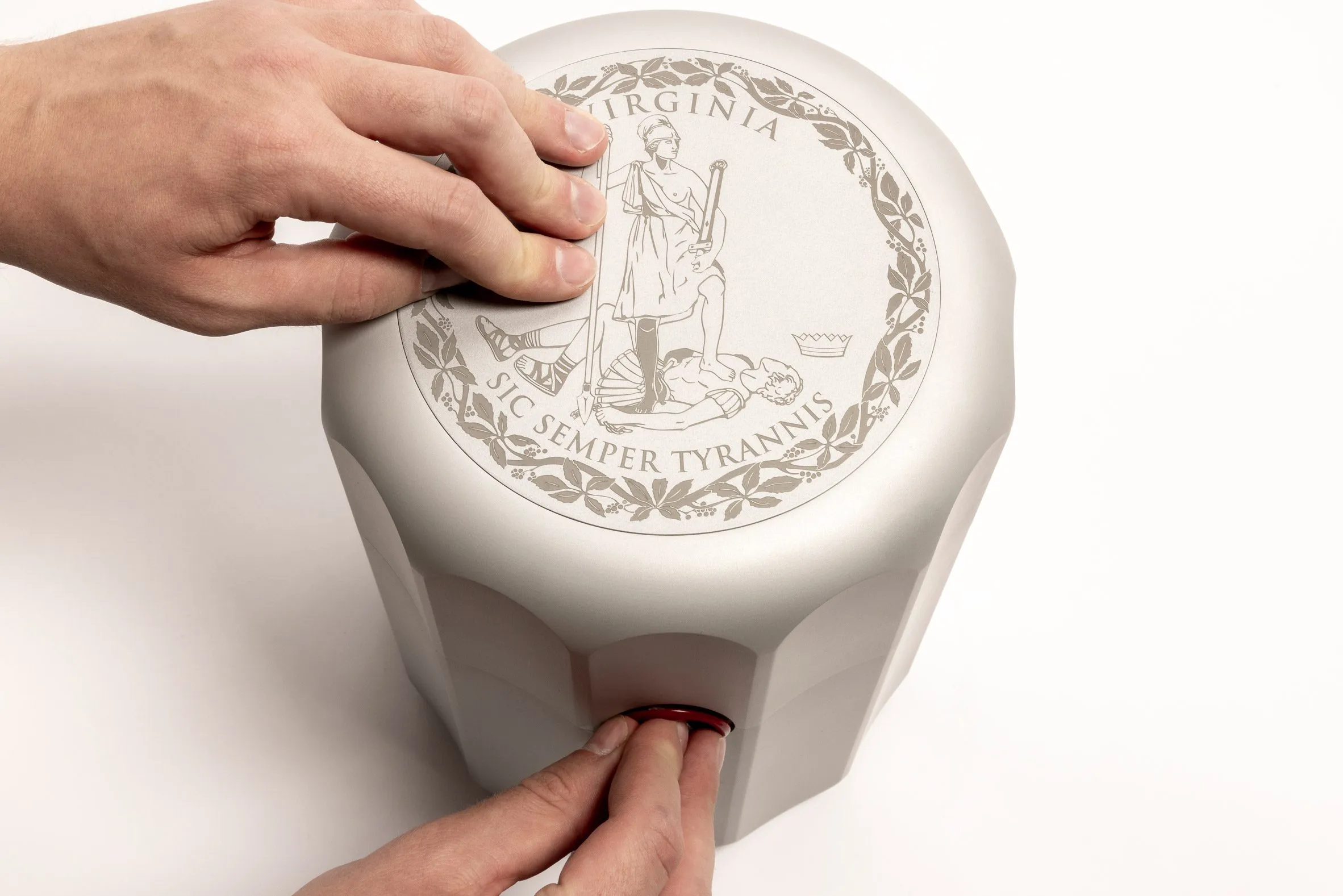
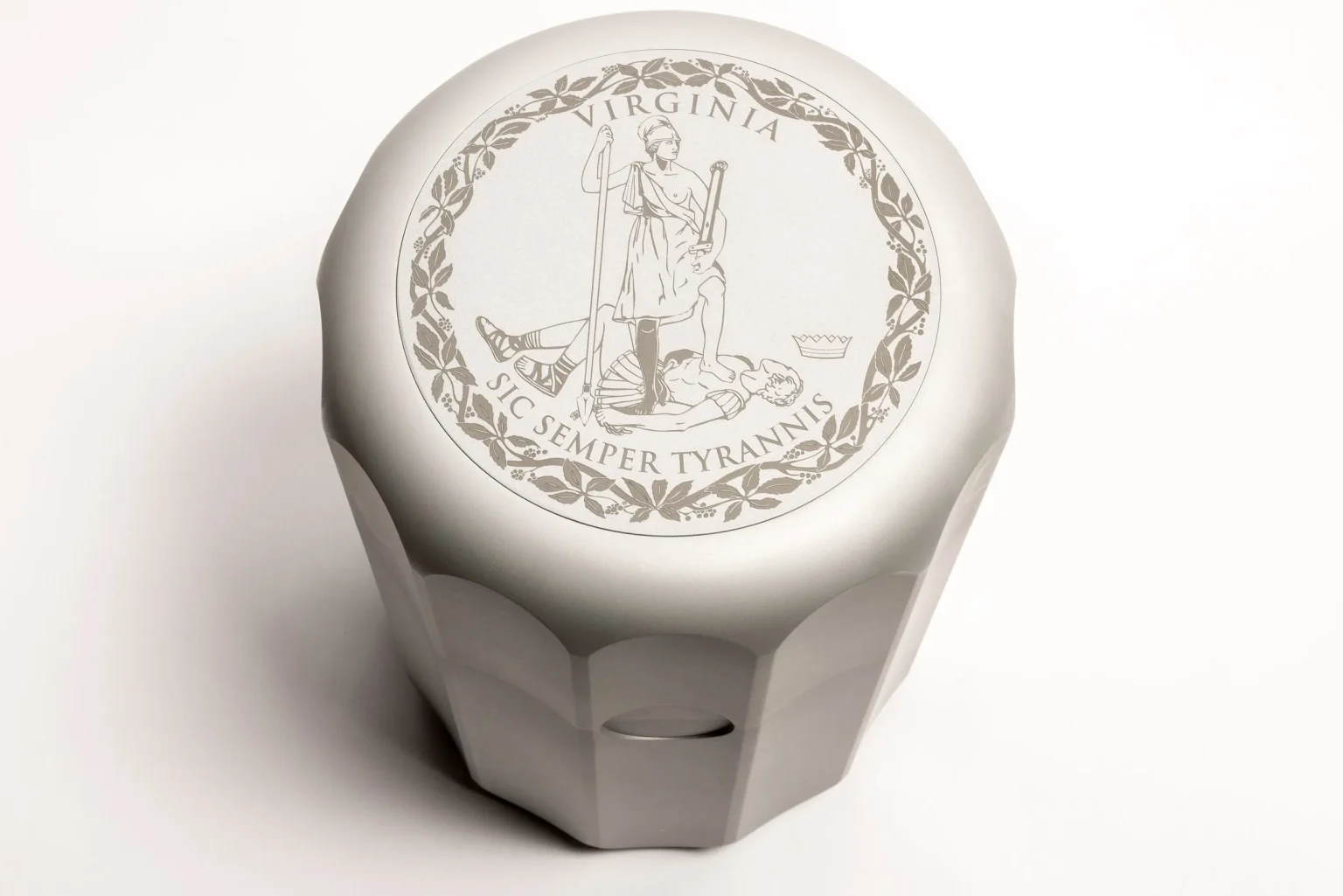
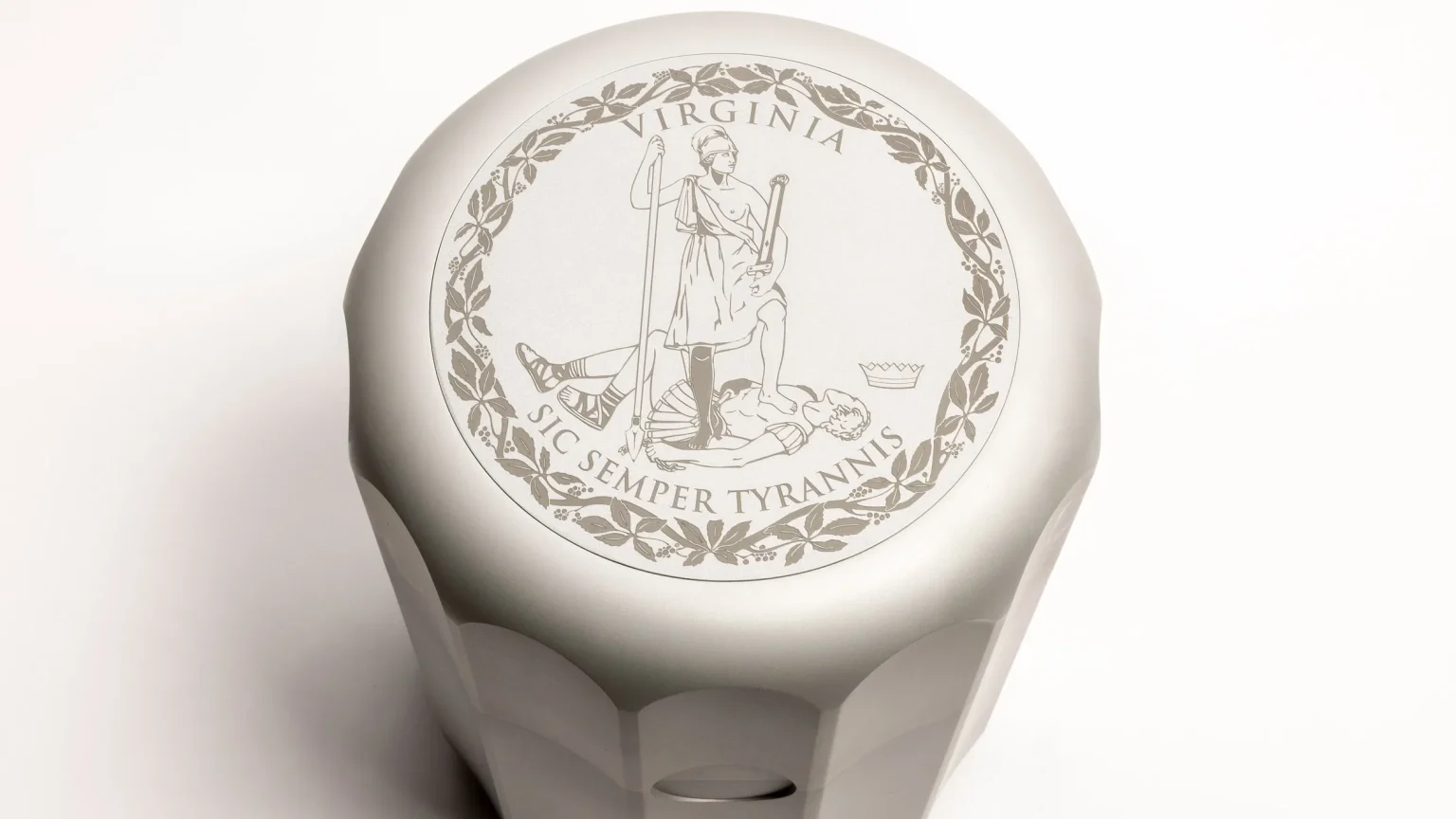
The time capsule carefully merges architectural and historical narrative with civic participation. Constructed from Portland limestone salvaged from the historic George Washington Statue plinth in London, a restoration overseen by Foster + Partners, the capsule’s façades are etched with thirteen six-pointed stars drawn from George Washington’s Headquarters Flag, a visual nod to the original thirteen states.
The capsule assembles a diverse collection of artifacts meant to speak to today’s America and its future. Items include winning entries from Virginia’s “Expressions of Freedom” student competition, official proclamations and letters from leaders in both countries, and symbolic materials such as soil from Sulgrave Manor, the ancestral home of the Washington family. Prominent voices like U.S. President Donald Trump and King Charles III are also represented through correspondence or documents scheduled for inclusion before burial.

Planned for burial in Washington, D.C.’s national celebratory landscape, the capsule carries instructions to be reopened on July 4, 2276, America’s 500th Independence Day, anchoring this gesture in centuries-spanning national memory. Its placement and ceremonial context aim to connect past, present, and future civic identity through design, a hallmark of Foster’s long-standing architectural philosophy.
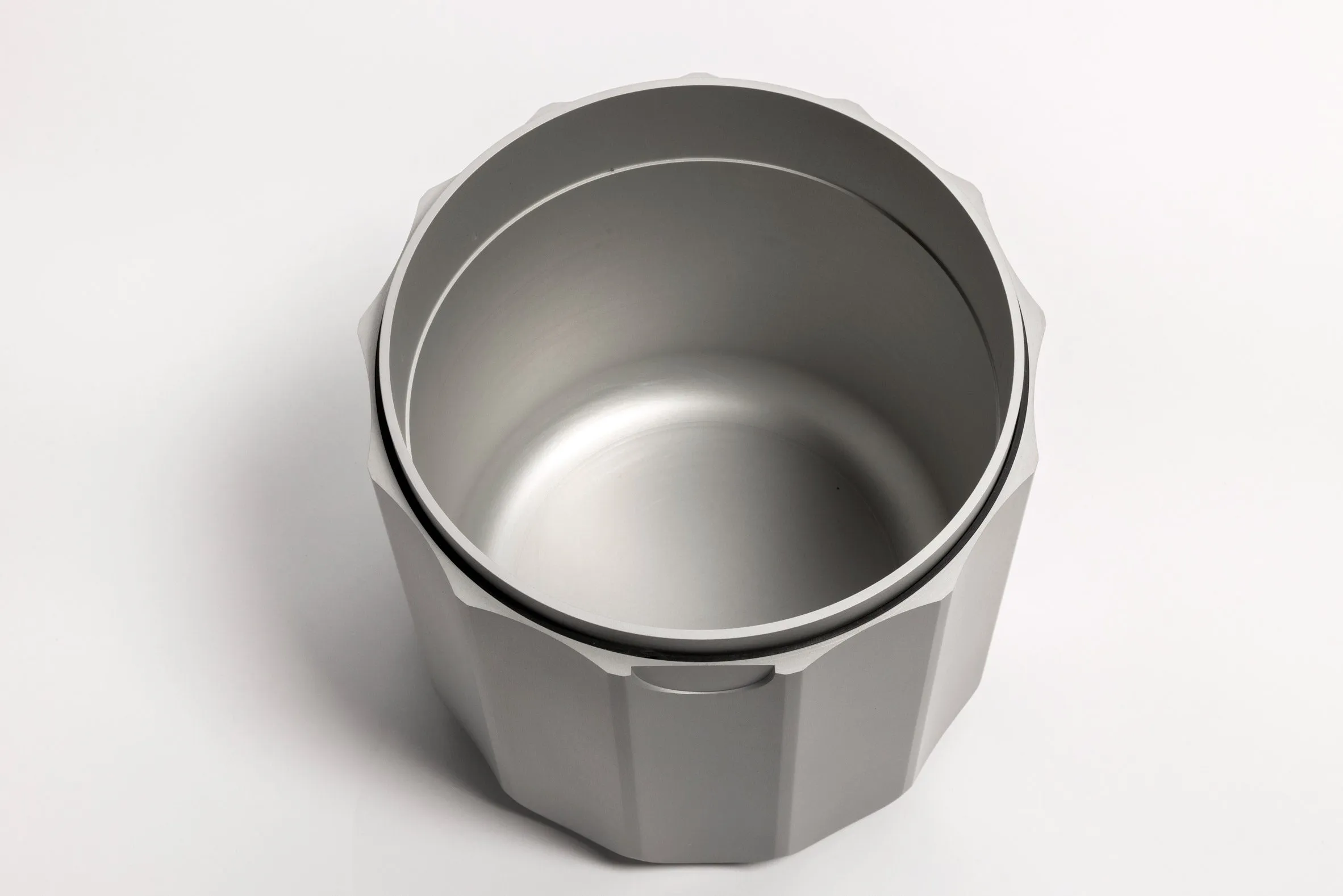
As cities and cultural institutions across the United States prepare major exhibitions and installations for 2026, Foster’s time capsule stands out as both a physical artifact and a statement about architecture’s role in shaping collective memory.
Credit: Dezeen