

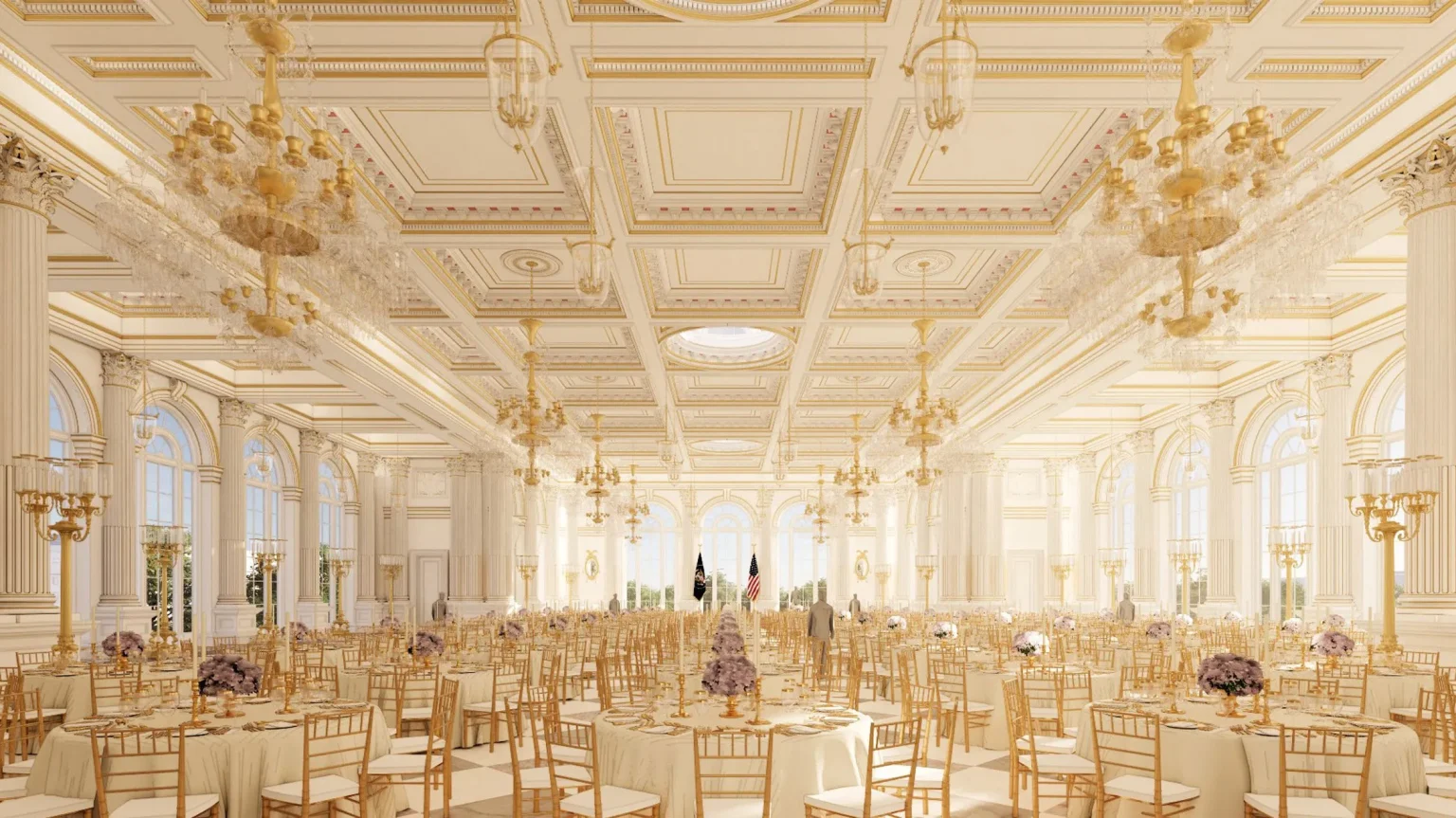
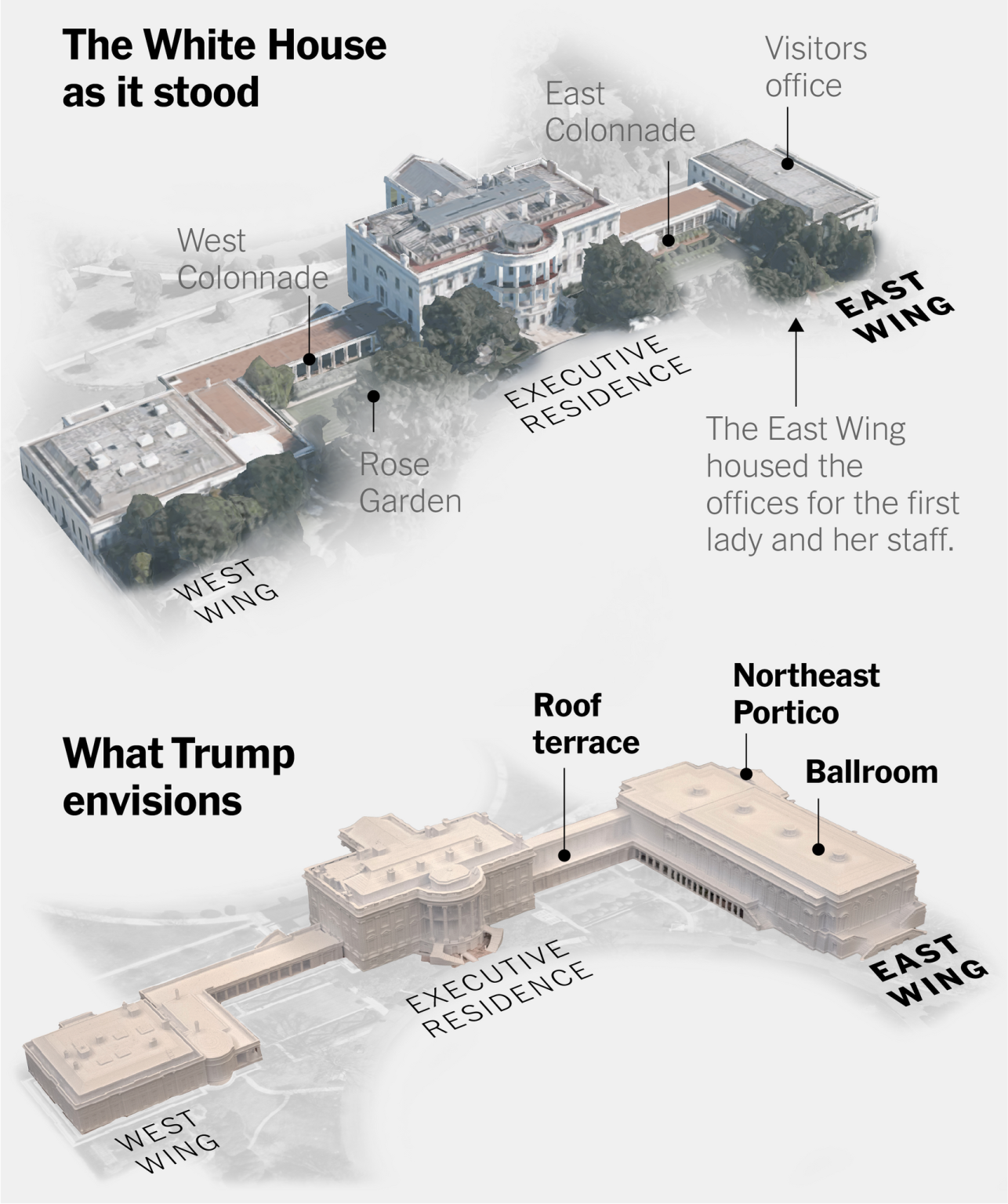


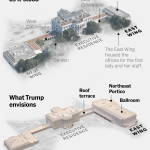
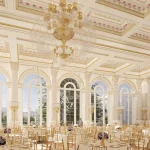
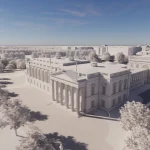


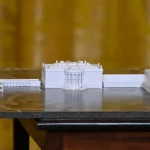

Donald Trump has replaced the small firm leading the White House ballroom project and tapped Washington veteran Shalom Baranes to take over design and delivery of what the White House describes as a roughly $300 million “gilded ballroom” addition to the presidential complex.
The change follows reported disagreements over the ballroom’s footprint and concerns about the boutique firm’s capacity to meet a demanding schedule and has quickly become the flashpoint for debates about taste, heritage, and governance at one of the nation’s most symbolic sites.

The firm initially overseeing the work, led by James McCrery II, had been attached to the project for months but clashed with Trump at least on the question of expanding the ballroom well beyond the original plan, a dispute sources say reflected both design and pragmatic constraints.
According to reporting, White House aides and others cited missed deadlines and limited staff at McCrery’s boutique office as contributing factors in choosing to shift leadership of the project. The White House has stated that McCrery will remain involved as a consultant while the new lead team takes operational control.
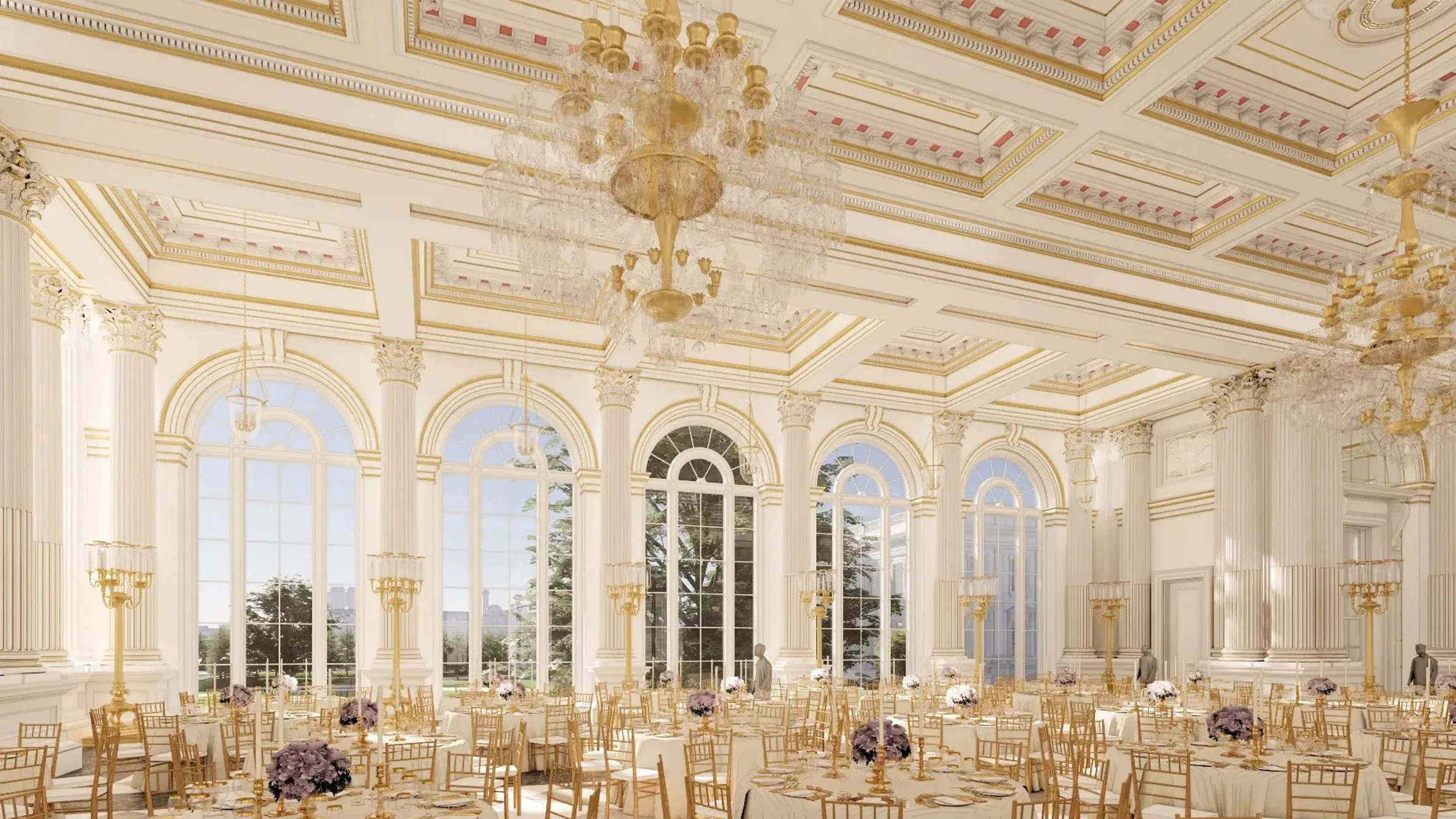
Into that gap comes Shalom Baranes, a prominent local architect whose firm has a long record in Washington projects and federal work. The White House’s description of Baranes highlighted his decades-long influence on the city’s architectural identity; Baranes’s portfolio includes large-scale urban and federal work and shows experience with complex, civic-scale projects that mix historic preservation with contemporary construction expertise, which the administration says is necessary for the sensitive work near the Executive Mansion.
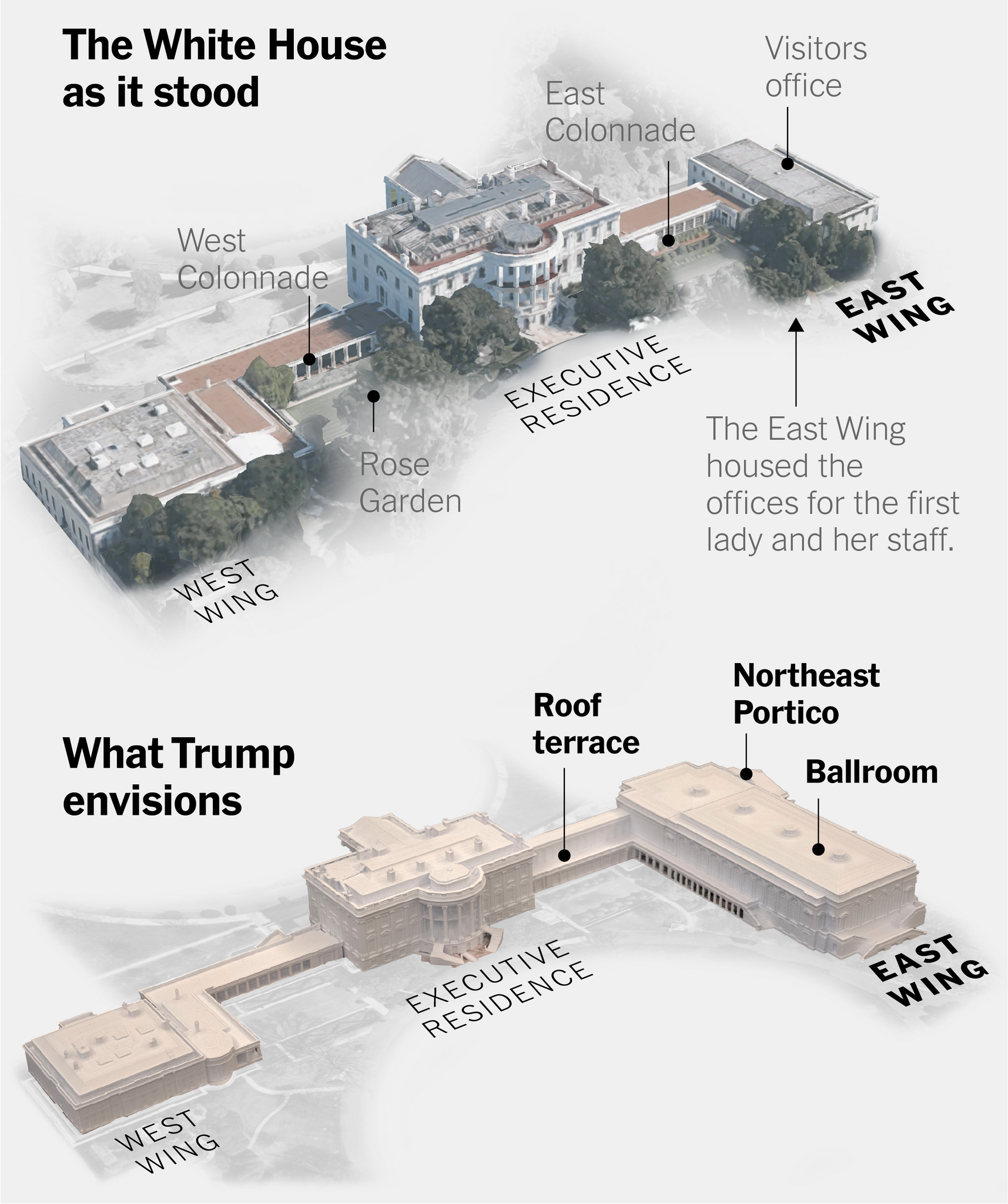
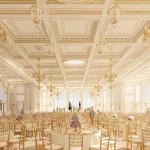
Beyond personality and politics is threefold. First, the scale and symbolic weight of expanding the White House complex make this more than a design decision; it’s a statement about how the presidency wishes to present itself. Enlarging an already-large ceremonial space to 90,000 square feet or more, as has been discussed in reporting, reshapes how future administrations will host foreign delegations, cultural moments, and public events.
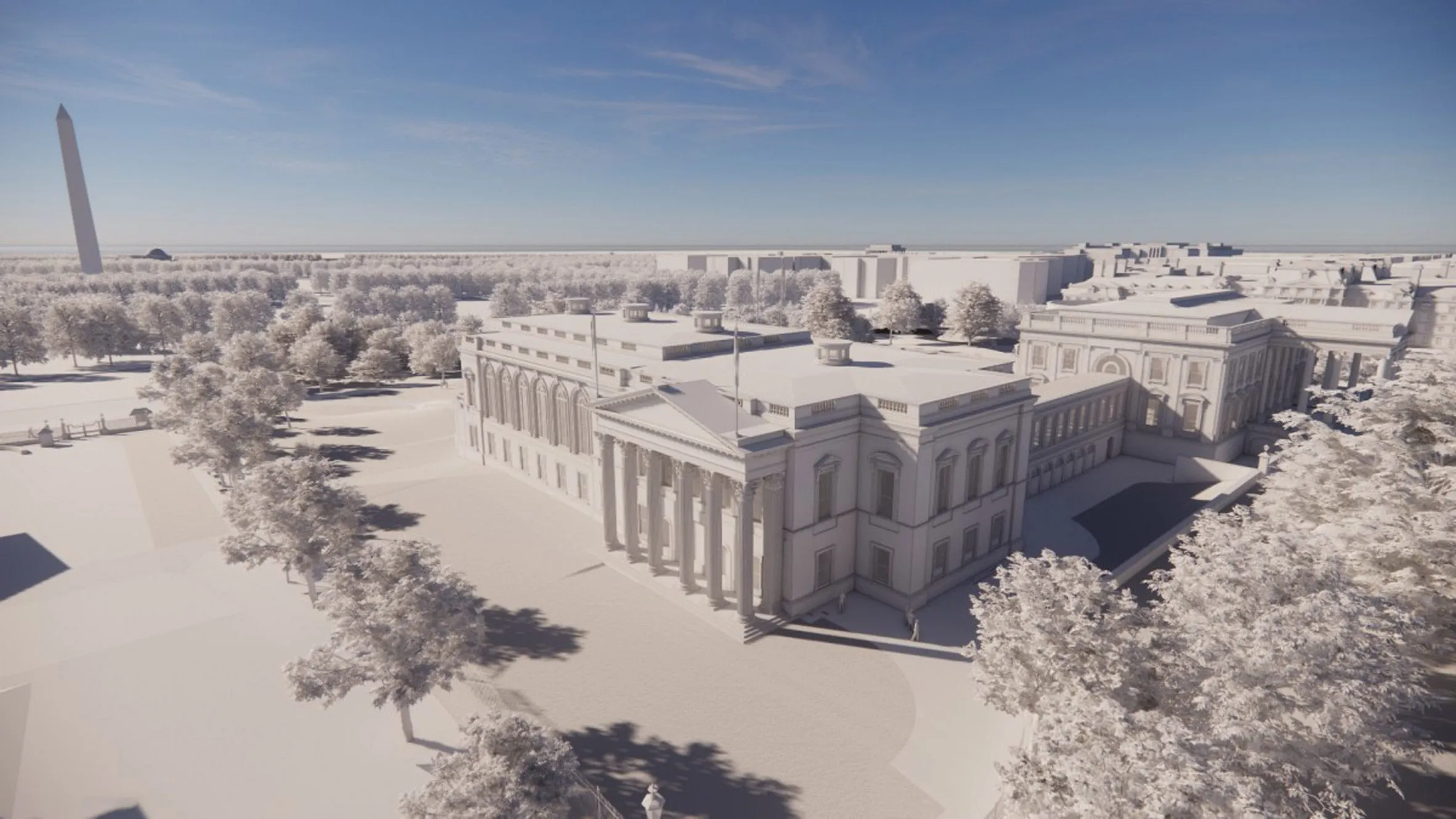
Second, there are practical and regulatory hurdles. Any major alteration near or to parts of the White House must account for security, historic-preservation covenants, and the logistics of construction inside one of the world’s most secure compounds.

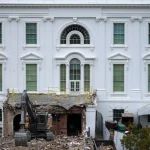
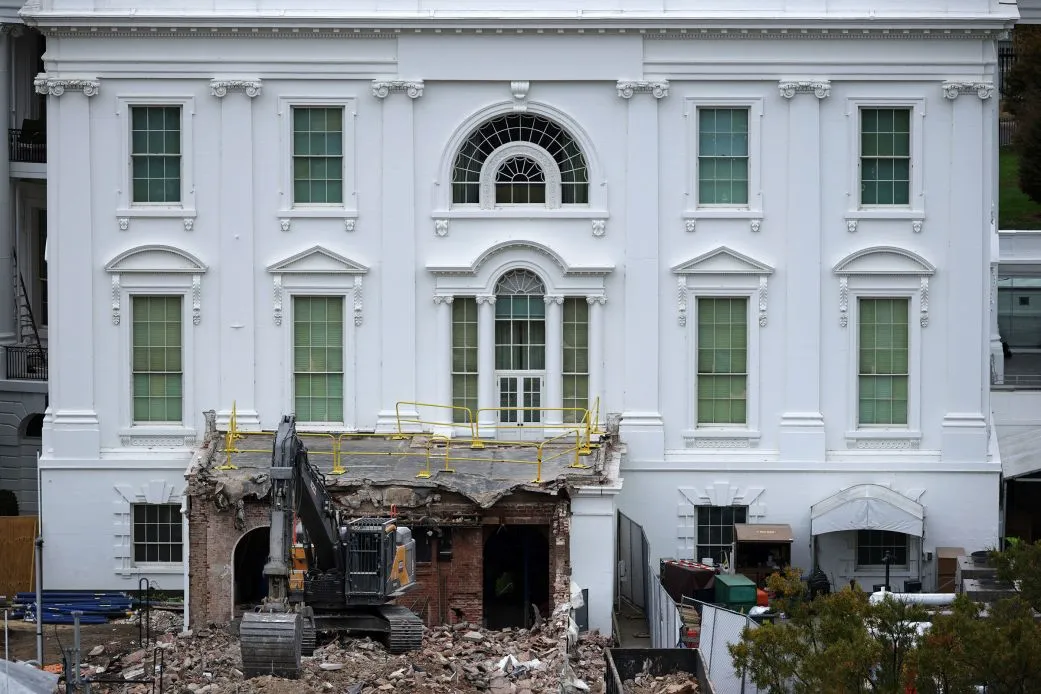
Third, the optics of demolishing or altering existing wings’ images of heavy equipment at the East Wing, which circulated widely in recent weeks, have already provoked public criticism and questions about transparency and prior promises.
Shalom Baranes’s selection reads like a deliberate choice for institutional steadiness. Baranes’s firm has been closely involved in city-defining projects and federal commissions, a background that offers both credibility with regulators and experience managing the multiple stakeholders that such a project requires. That institutional weight will be critical if the project is to move forward through review boards, security clearances, and the technical complexities of integrating mechanical systems, historic fabric, and the kind of high-end finishes a “gilded” ballroom would demand.
Bringing in a new lead architect at a late stage invites schedule resets, rework on conceptual or regulatory approvals, and, depending on how different Baranes’s approach is from McCrery’s, potential cost escalation. The reported $300 million budget is already substantial; late design changes or excavation and structural work near historic buildings could raise that figure further.
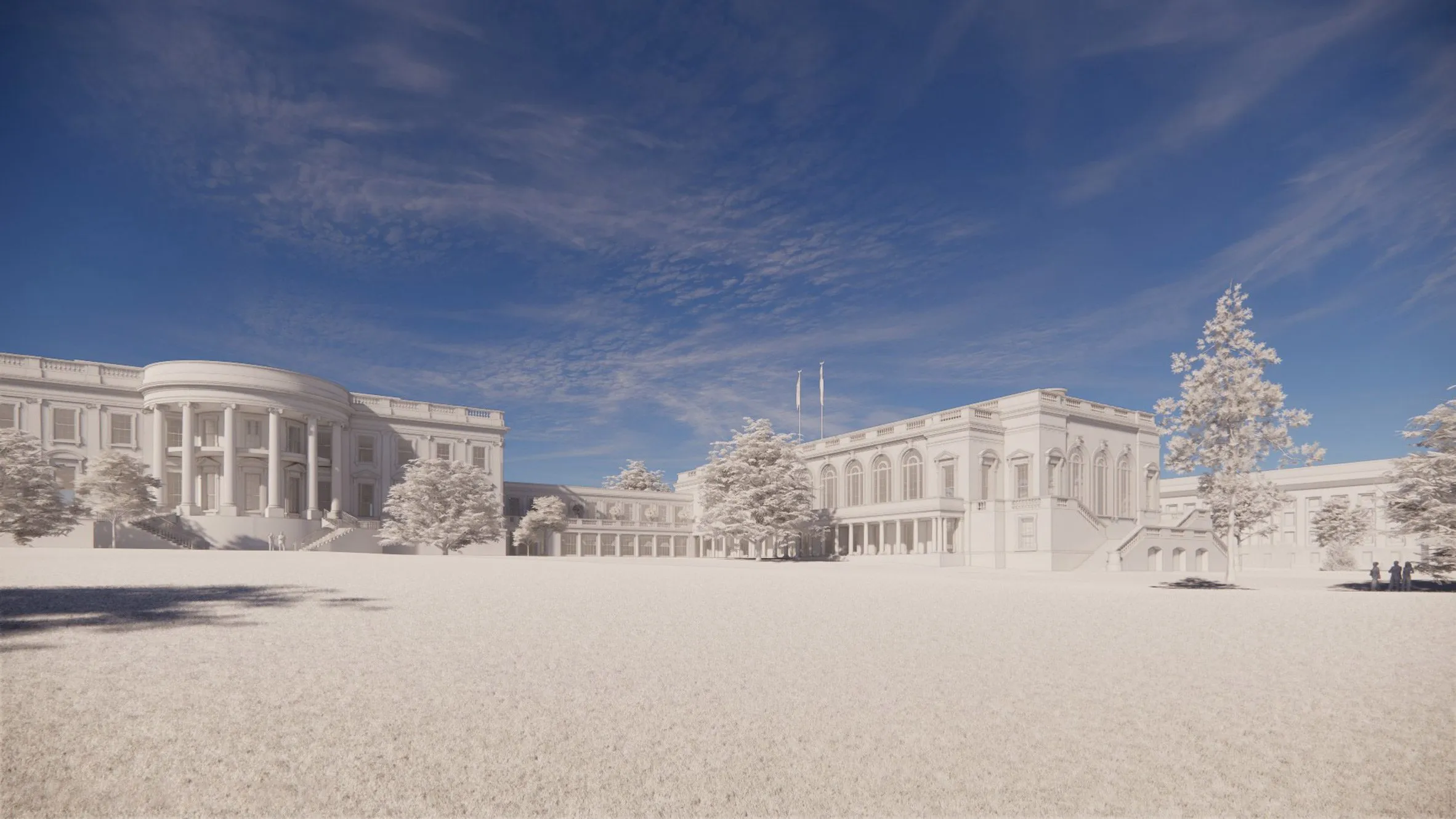
Supporters will point to the choice of an established local architect as evidence of seriousness and competence. Critics will emphasize that a “gilded ballroom” is fertile ground for satire and sharp commentary, and the procedural questions: how was the decision made, who paid for demolition, and what oversight exists for this scale of renovation to a national landmark? That the administration framed Baranes’s hire as the next step toward “the greatest addition to the White House since the Oval Office” is rhetorical fuel to both admirers and detractors.
Baranes and his team move quickly to produce a design concept, accompanied by technical documents that will be submitted to federal and local review bodies. Those filings will indicate whether the administration intends to restore, reconstruct, or reimagine the East Wing footprint, and they will reveal whether the contentious images of demolition represent a temporary staging choice or a full-scale rebuild. Also watch for formal statements from James McCrery and for any procurement paperwork that clarifies budget, timeline, and contractor selections; those records will better reveal whether the switch was managerial (capacity and deadlines) or substantive (design disagreement).
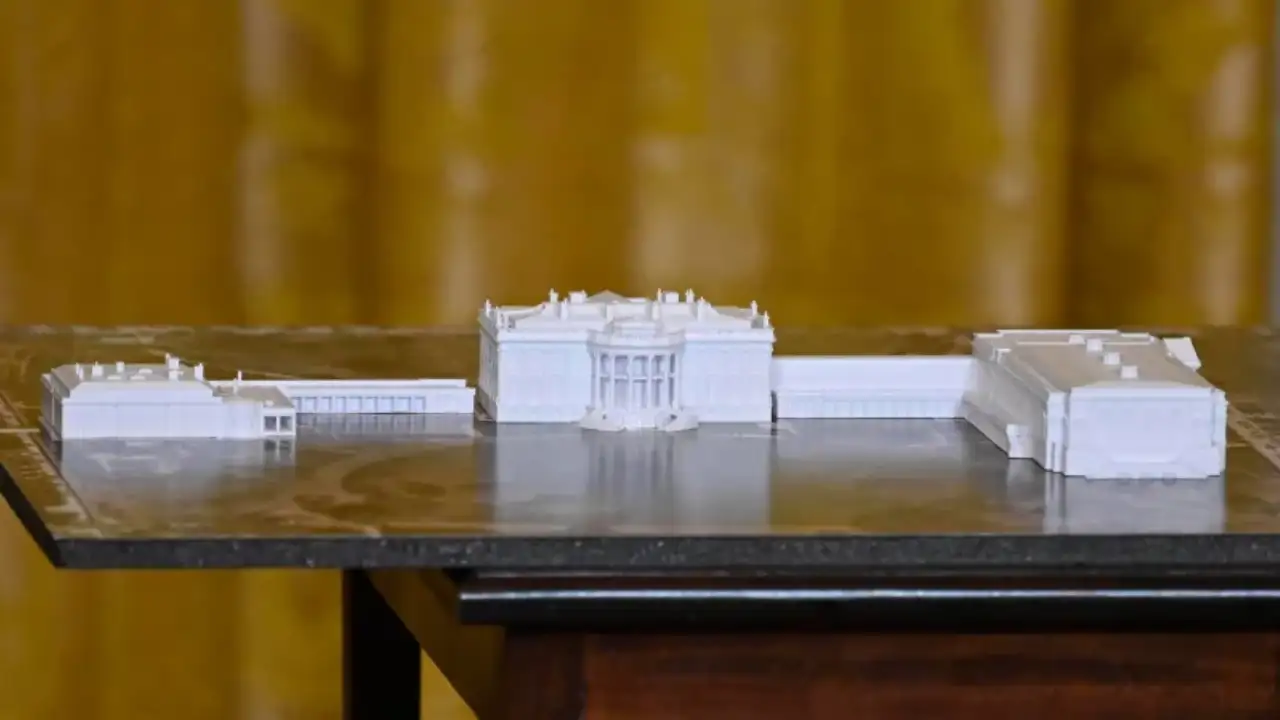
The appointment of Shalom Baranes signals a pivot from boutique design leadership to a firm experienced in delivering complex civic architecture, a pragmatic move aimed at bringing capacity and institutional credibility to a project. The next months will show whether that credibility translates into clean approvals and a delivered ballroom or into slower, costlier debates about heritage, security, and the future public face of the White House.