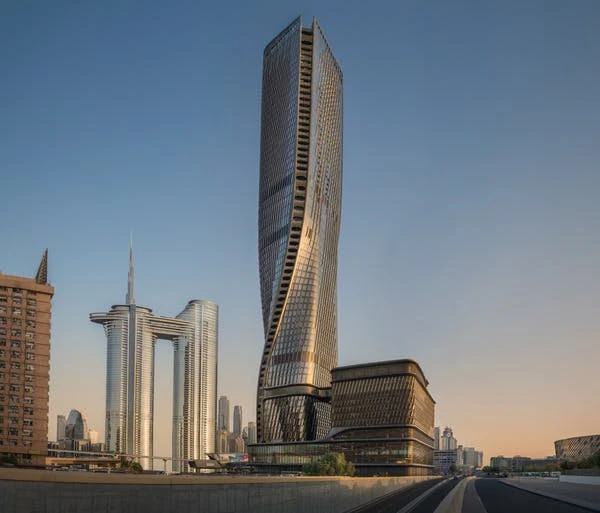
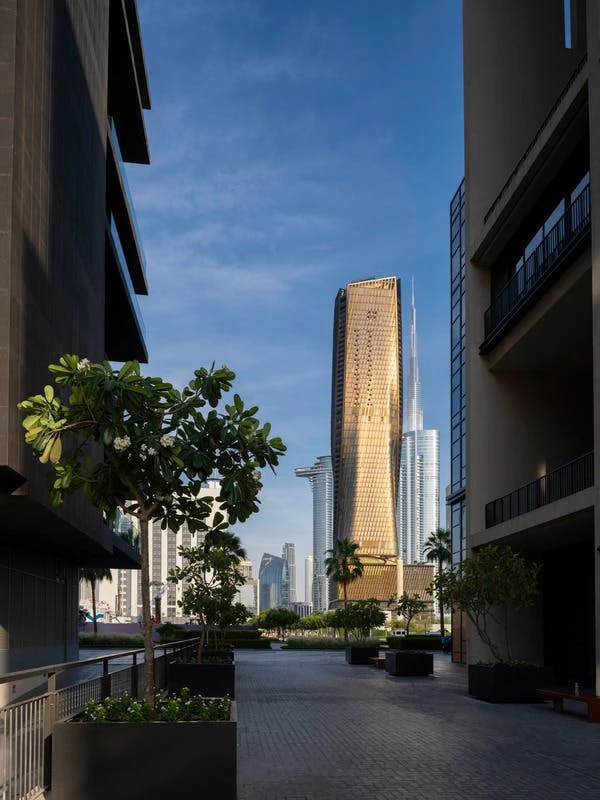
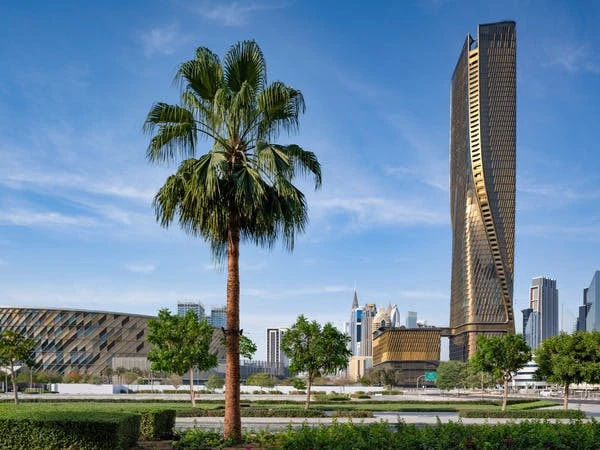
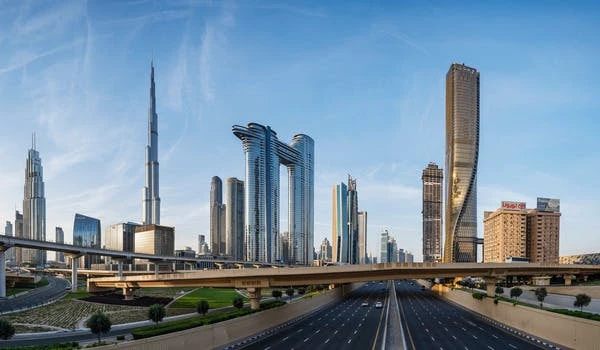
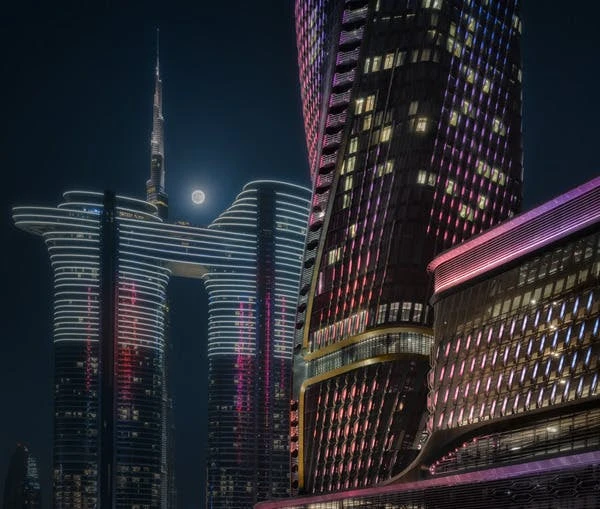
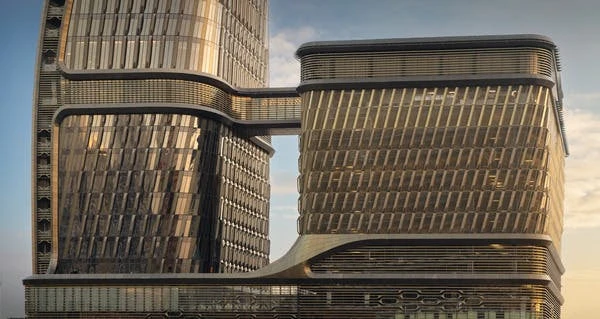


Wasl Tower has officially been completed in downtown Dubai, marking a major milestone in the city’s architectural and sustainability ambitions. Standing 302 meters tall along Sheikh Zayed Road, near the Burj Khalifa, the tower is a bold addition to the skyline and a symbol of forward-thinking urban design.
Developed in collaboration with Wasl Group and designed by UN Studio with lead engineering consultant Werner Sobek, the project has been in development since 2013. It reflects the UAE’s long-term vision to lead global sustainable transformation while continuing to push architectural boundaries.
Wasl Tower Dubai Design Approach

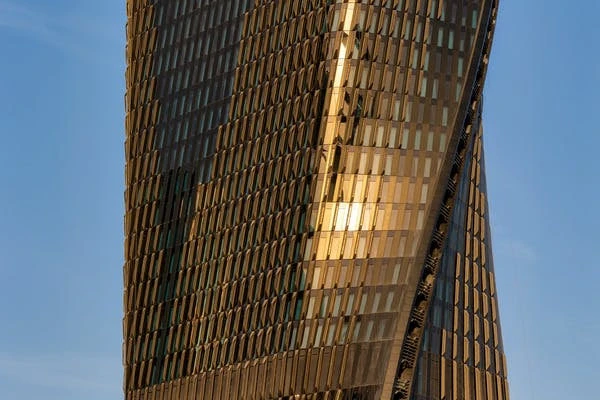
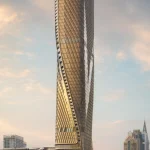
The tower’s design is shaped by a “contrapposto” concept, giving the structure a dynamic, twisting form that responds to its surroundings. This allows the building to face multiple directions, creating a constantly shifting visual profile across the city.

Located with direct access to metro lines, pedestrian pathways, and major road networks, Wasl Tower acts as a connective urban node. It bridges the commercial density around Burj Khalifa with the more pedestrian-friendly City Walk district, reinforcing its role as more than just a standalone skyscraper.
A Transformative Ceramic Facade

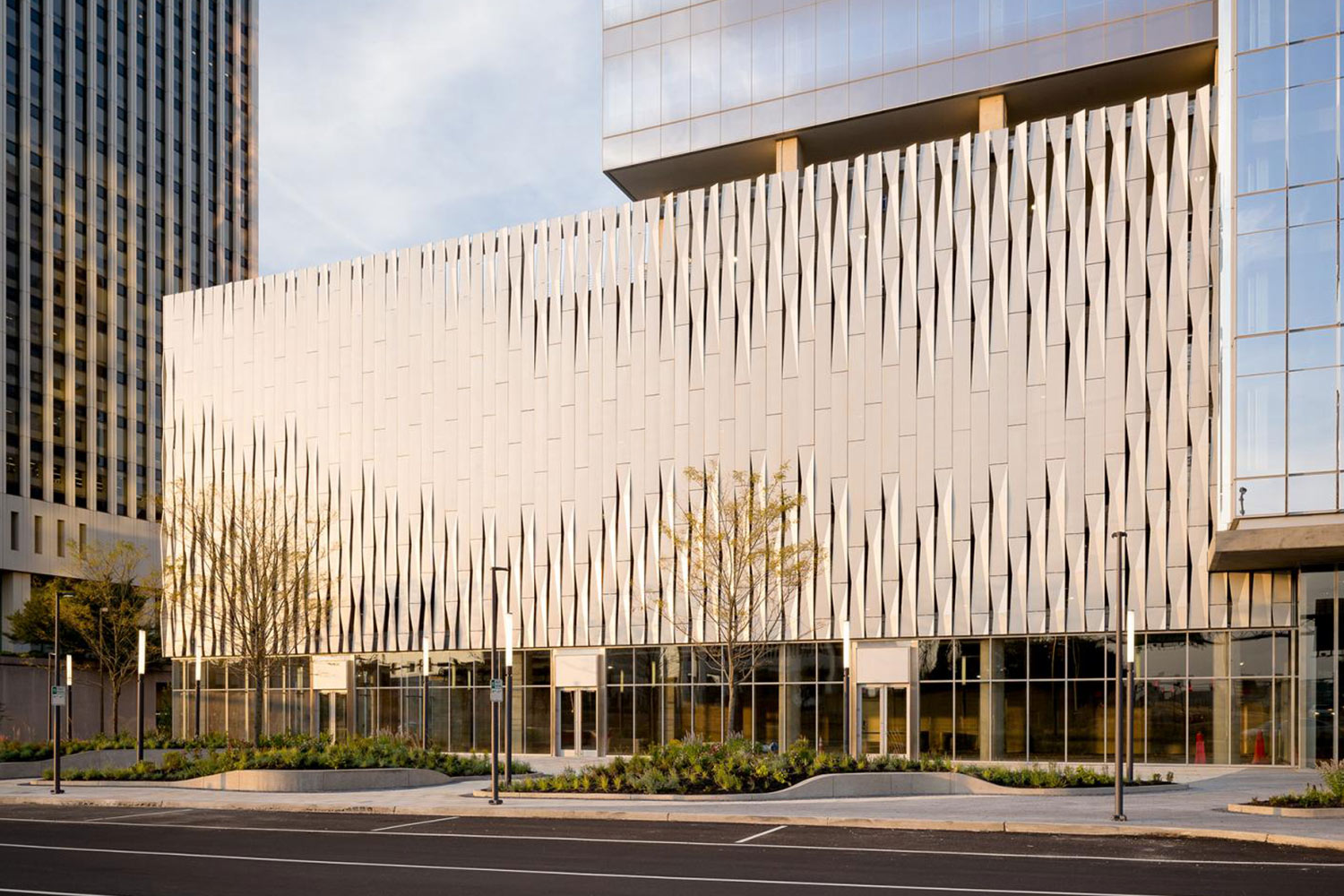
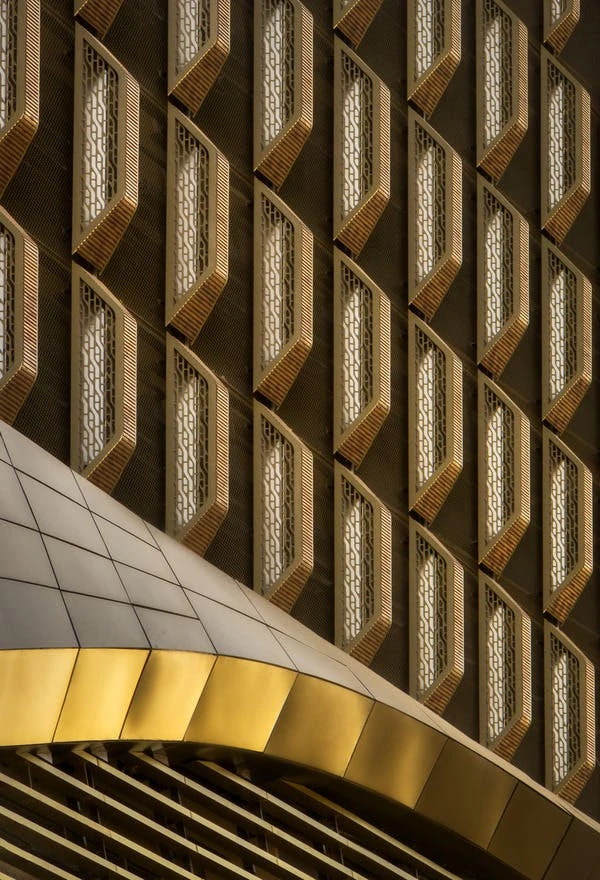
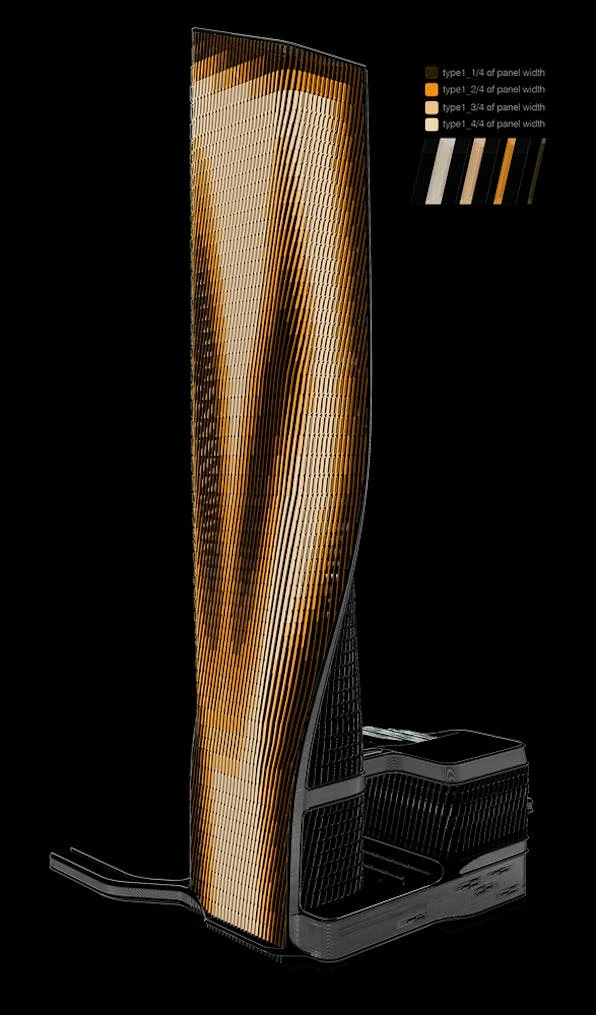
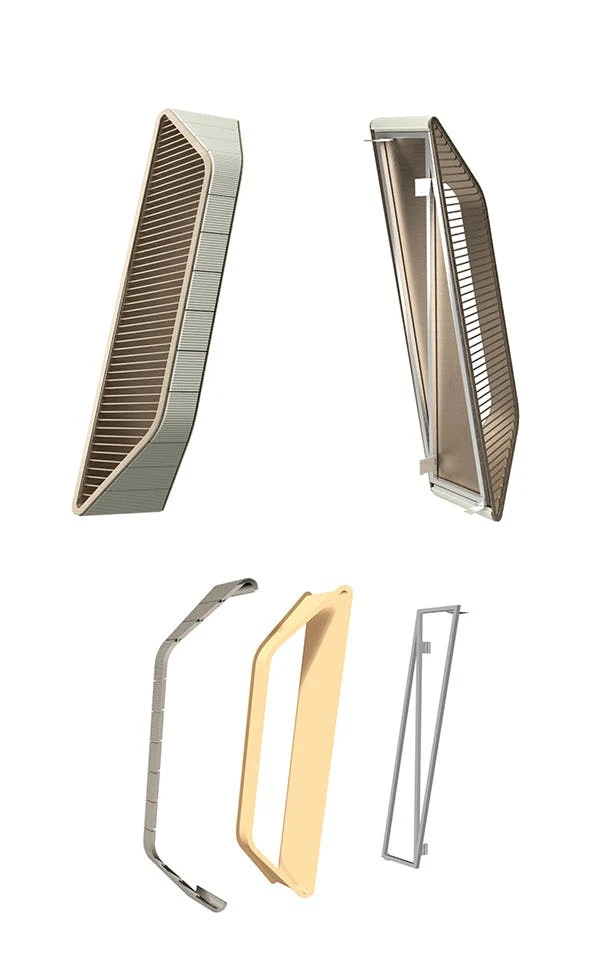
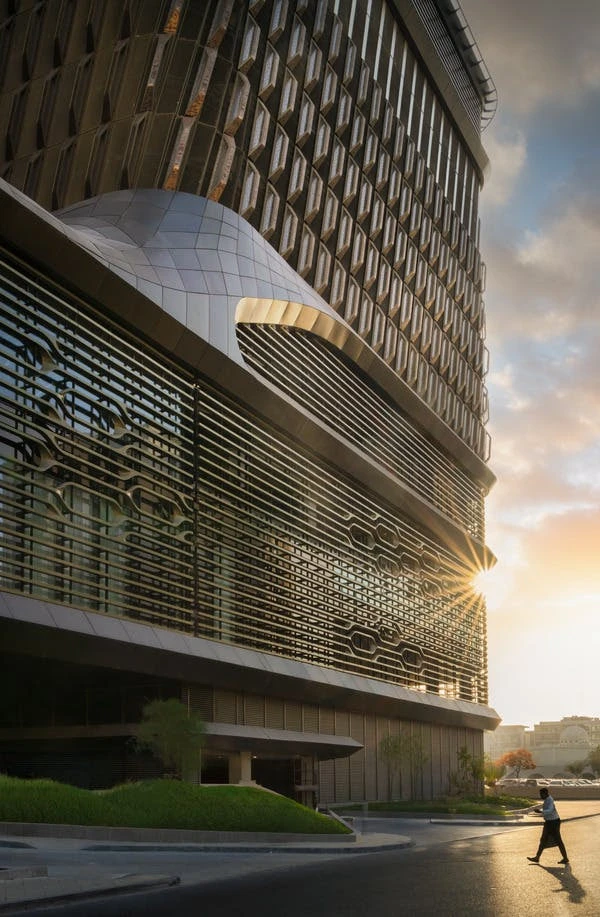
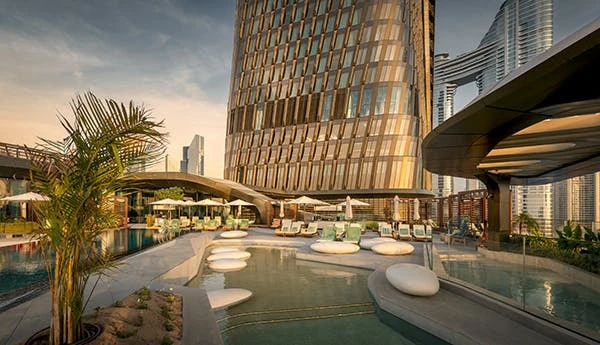
One of the tower’s most distinctive features is its terracotta ceramic facade, the tallest of its kind in the region. Thousands of custom-designed ceramic fins wrap around the building, forming a 360-degree environmental envelope.
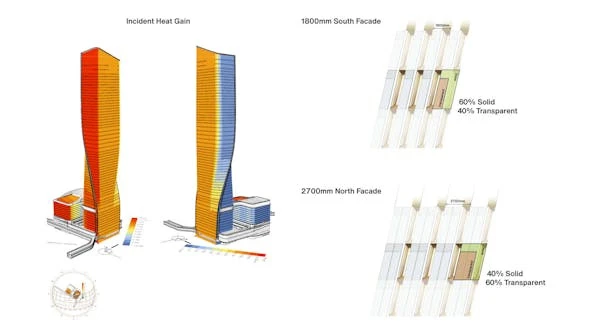
These fins serve multiple purposes. They reduce solar heat gain, provide passive shading, and enhance airflow around the structure. The facade adapts to harsh desert conditions, lowering cooling demand by approximately 10 percent compared to older buildings in the city.

Each fin is crafted with a metallic glaze that shifts appearance throughout the day, giving the tower a constantly evolving visual identity. Integrated aluminum grills and a ventilated cavity system further improve passive cooling, combining traditional materials with advanced engineering techniques.
At night, a custom lighting system developed with Arup animates the facade, reflecting the rhythm of Dubai’s 24-hour urban life.
Mixed-Use Vertical Community

Spanning 167,733 square metres, Wasl Tower brings together a diverse mix of functions. It includes the Mandarin Oriental Downtown Dubai, residential apartments, office spaces, and a wide range of amenities.
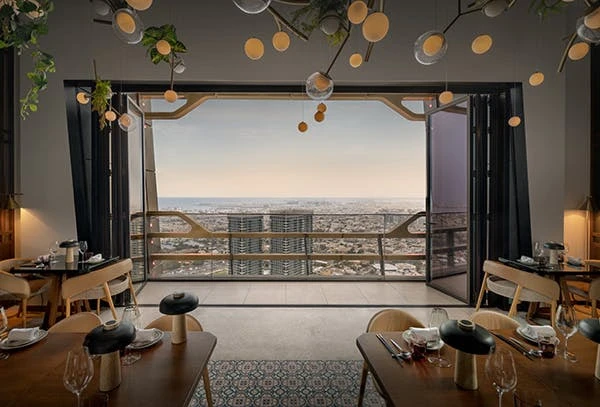
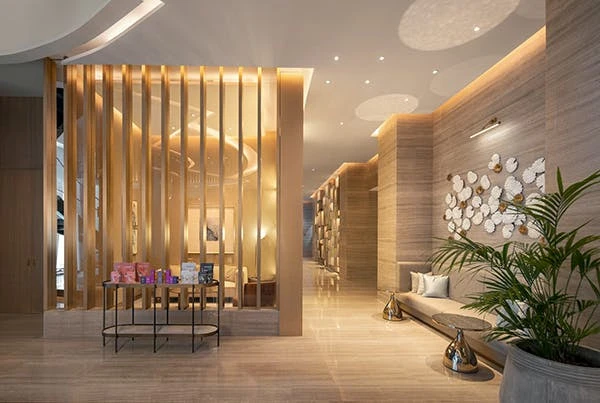
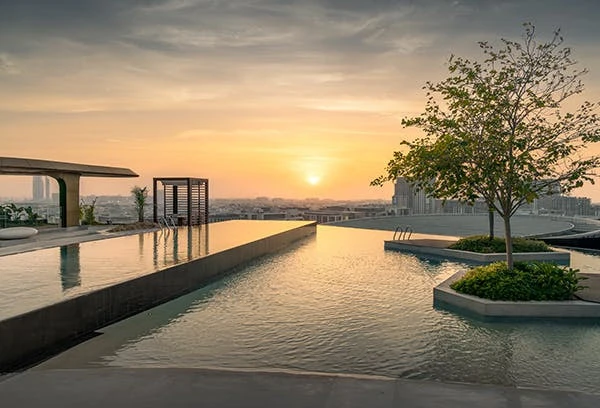
The building is designed as a vertical community, with elevated public spaces for dining, wellness, and social interaction. Seven restaurants and bars are open not only to residents and guests but also to the general public, reinforcing the tower’s inclusive approach.

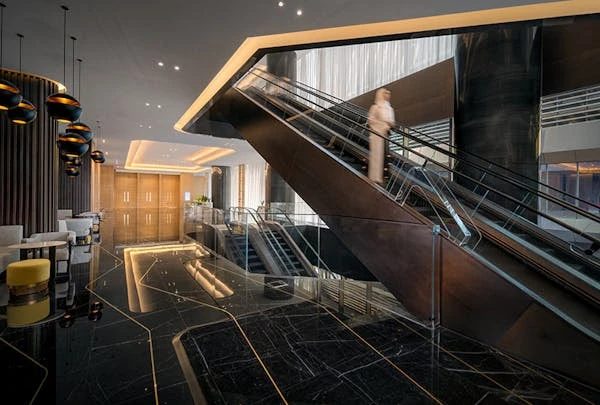
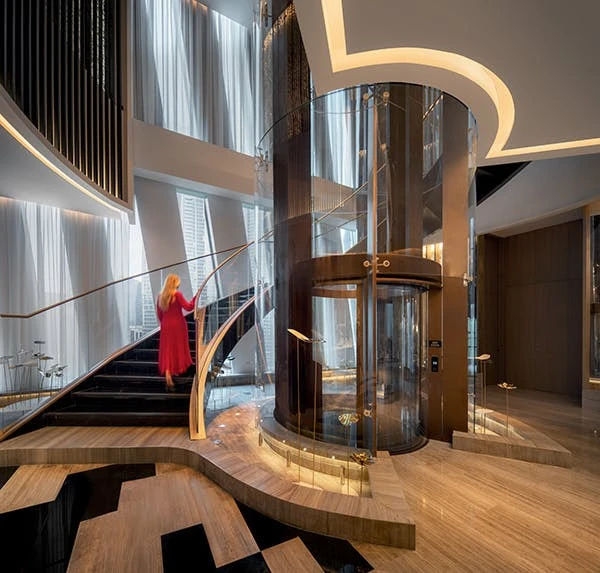
A central vertical circulation system organizes movement efficiently. Seventeen lifts, including high-speed express elevators, connect four main lobby levels: ground, spa, sky, and rooftop, ensuring smooth transitions between different functions while maintaining privacy and operational clarity.
Hospitality Integrated into Architecture
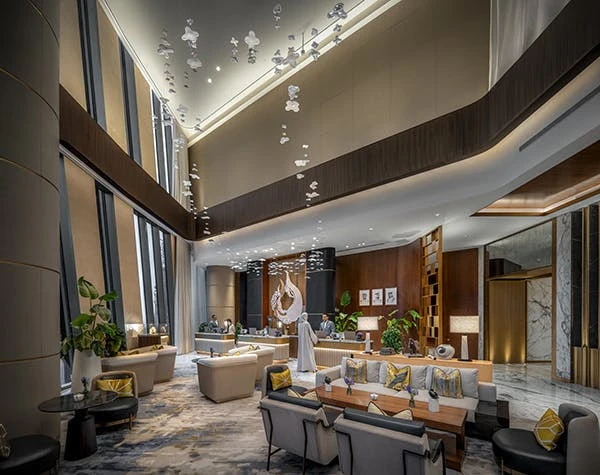
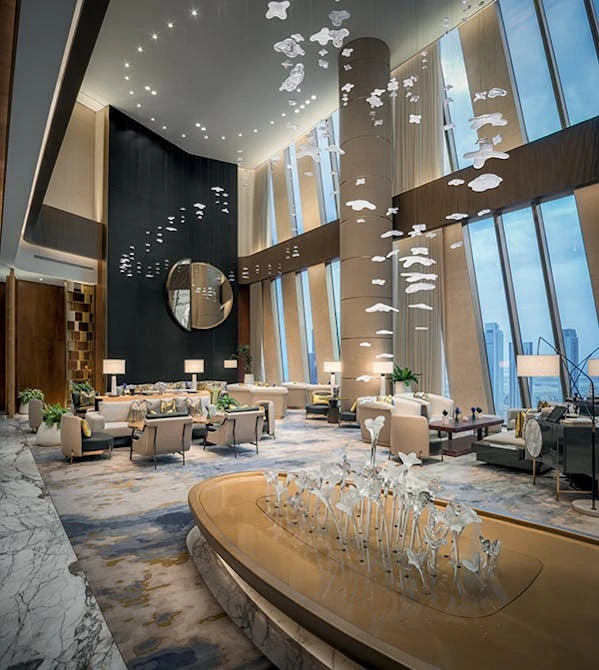
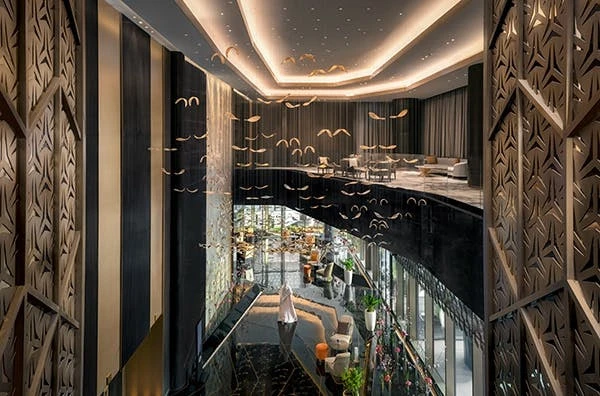
The Mandarin Oriental hotel within the tower reflects a carefully coordinated design approach. Developed in collaboration with GA Design, the hotel is organized into vertical neighborhoods, distributing wellness, dining, and event spaces across multiple levels.

The main hotel lobby spans Levels 35 to 37, offering a unique elevated arrival experience. Wellness facilities are located on Levels 11 and 12, while late-night venues on Levels 61 and 62 provide panoramic city views. Event and meeting spaces on lower levels connect directly to landscaped courtyards, enhancing accessibility and openness.
This integrated approach earned the hotel recognition at the 2025 Identity Design Awards in the Architecture: Hotel category.
Sustainable Design and Innovation
Sustainability is embedded throughout the project. The ceramic facade reduces heat gain, while solar thermal panels, reflective glazing, and daylight-responsive lighting systems improve overall energy performance. LED lighting alone cuts perimeter energy use by up to 20 percent.

Additional systems include district cooling, integrated heat pumps, and CO₂-based ventilation controls, all contributing to a reduced carbon footprint and improved indoor comfort.
Material selection also reflects environmental priorities. Regionally sourced granite and aluminum, recycled PET acoustic panels, and low-VOC finishes are used throughout. Outdoor areas incorporate planting and passive cooling strategies to create comfortable microclimates.

Structurally, the tower employs post-tensioned slabs, hybrid concrete columns, and mechanical-level outriggers, reducing material use by 3,000 cubic metres of concrete, an approach not previously implemented in Dubai.
Health, Comfort, and User Experience
The building follows a “Good for the People, Good for the Environment” framework developed by Werner Sobek Green Technologies. This approach prioritizes natural daylight, air quality, spatial clarity, and user well-being.

Open floorplates, clear orientation, and CO₂-controlled ventilation systems ensure a healthy indoor environment across all user groups from residents and office workers to hotel guests and visitors.
Ben van Berkel, Founder and Principal Architect at UNStudio, explained the intent behind the project, “The aim was to make a visit to Wasl Tower as attractive and contemporary as possible. As such, a dedicated concept of health, comfort, and well-being throughout was developed for the building.”
Wasl Tower Project Details
Height: 302 meters
Location: Sheikh Zayed Road, Dubai
Total Area: 167,733 m²
Facade: One of the world’s tallest ceramic facades
Functions: Hotel, residential, office, retail, wellness, event spaces
Image credits: Ahmad Alnaji – SARAB / Johnseye Photography