



The future of one of the world’s most celebrated works of architecture has entered a critical new chapter after the Glasgow School of Art (GSA) announced that it cannot finance the full restoration of its fire-ravaged Mackintosh Building on its own. Nearly eight years after the devastating 2018 blaze and twelve years after the first fire in 2014, the institution has revealed that a faithful reconstruction of Charles Rennie Mackintosh’s masterpiece would require approximately £265 million, a figure it describes as financially unattainable without substantial external support.
The announcement follows the conclusion of a long-running insurance settlement. It is detailed in the school’s newly released Strategic Outline Business Case Addendum, which reassesses the building’s future after years of legal proceedings, technical investigations, and cost escalation. According to the Glasgow School of Art, the estimated restoration cost is nearly five times the institution’s annual turnover, making a complete reinstatement impossible through its own financial resources.
The Legacy of Charles Rennie Mackintosh
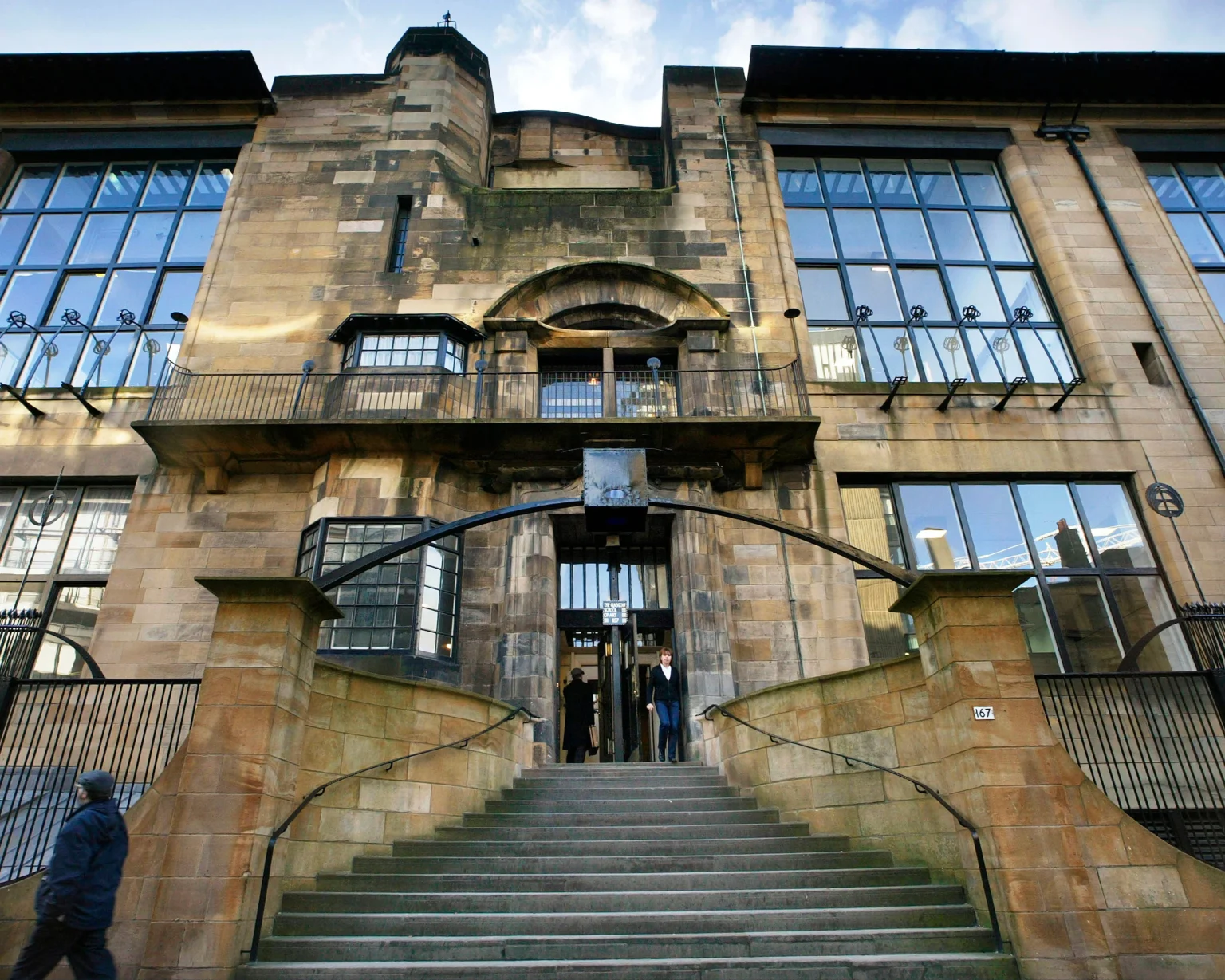
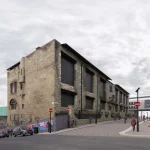
Designed by Charles Rennie Mackintosh and completed in phases between 1899 and 1909, the Mackintosh Building is widely regarded as one of the defining masterpieces of Art Nouveau and early modern architecture. Its innovative composition, handcrafted interiors, celebrated library, and integration of architecture, furniture, and decorative arts have made it one of Scotland’s most important cultural landmarks.
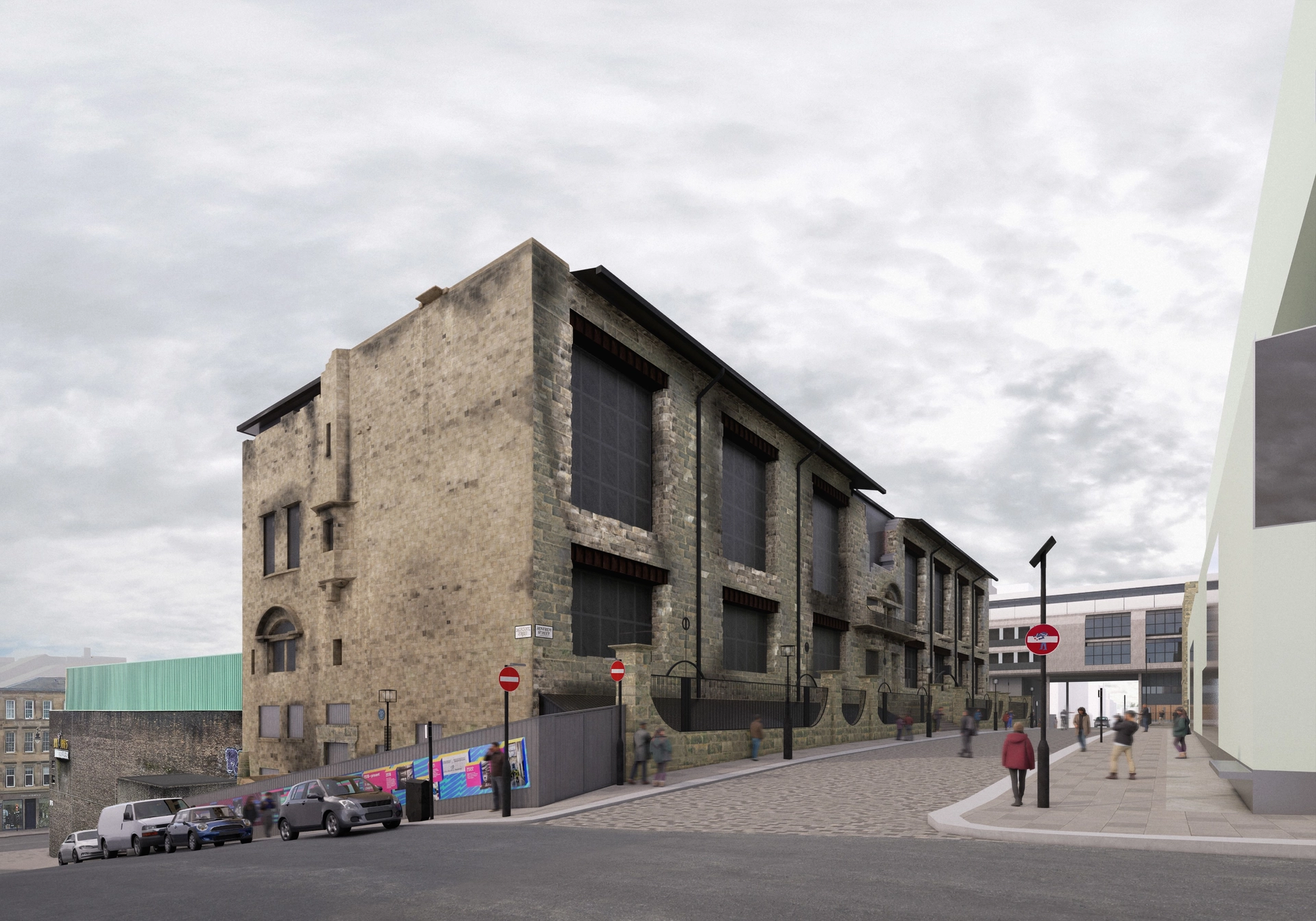
The building suffered its first major fire in May 2014, when flames destroyed the internationally renowned Mackintosh Library while restoration experts managed to save much of the structure. A meticulous conservation project subsequently began, documenting every architectural detail through laser surveys and traditional craftsmanship.
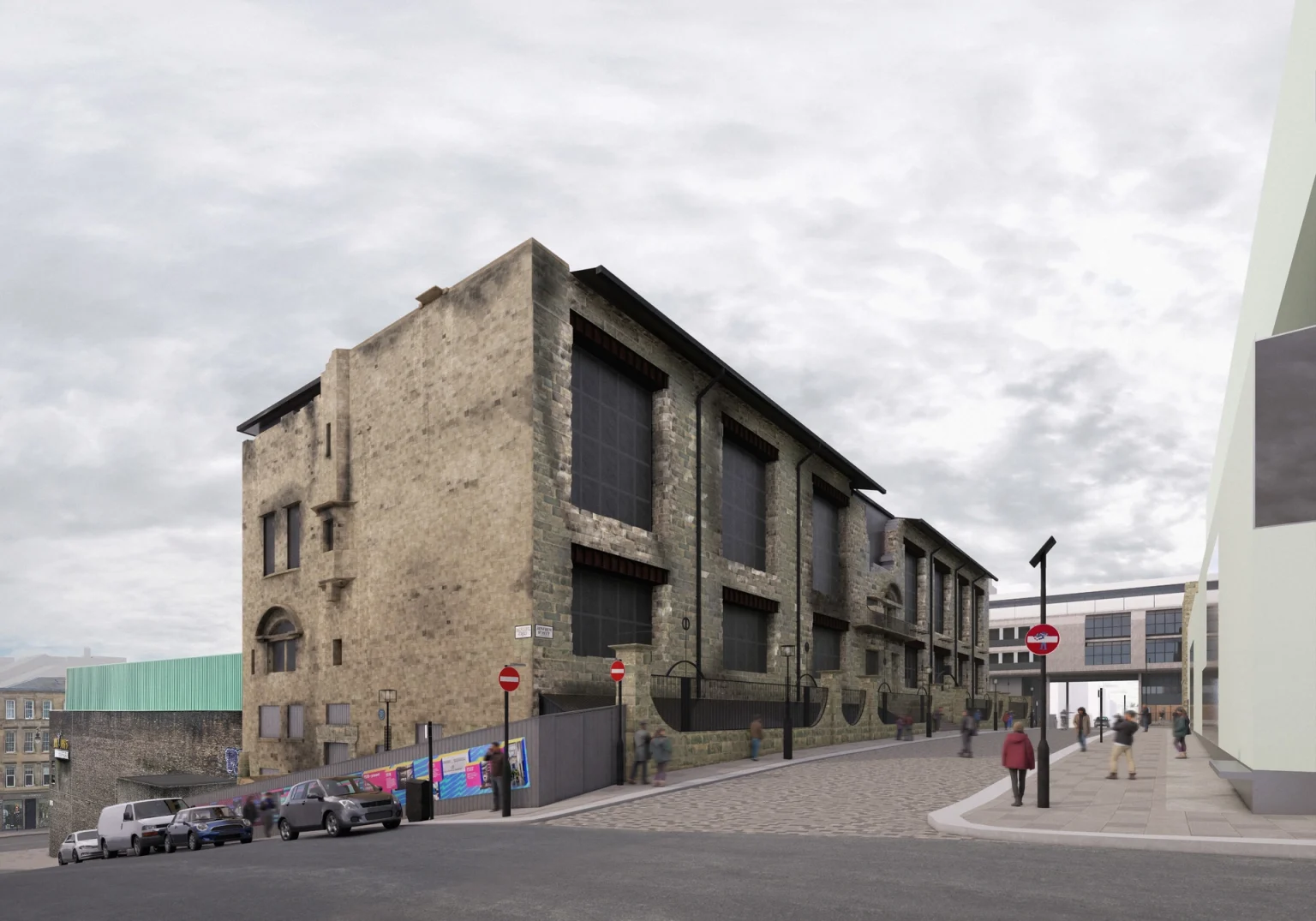
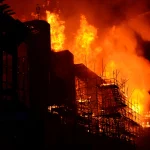
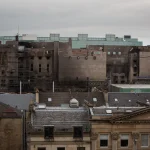
However, tragedy struck again in June 2018, when a second and far more destructive fire engulfed the building during its restoration, leaving only the external shell standing and effectively undoing years of painstaking conservation work.
Why Restoring the Mackintosh Building Has Become So Costly
The newly published business case marks the first time the Glasgow School of Art has publicly quantified the financial challenge following the insurance settlement.
According to the report, restoring the Mackintosh Building to its original architectural form would require approximately £265 million, reflecting years of inflation, rising construction costs, specialist conservation requirements, and the complexity of recreating one of Britain’s most significant historic buildings.
The institution stated that while it remains committed to preserving the building, undertaking such a project independently would jeopardize the school’s long-term financial sustainability.
Chair of the Board of Governors Ann Priest said the Glasgow School of Art must continue supporting its educational mission while seeking broader partnerships capable of delivering the restoration.
Glasgow School of Art Prioritises Stabilization
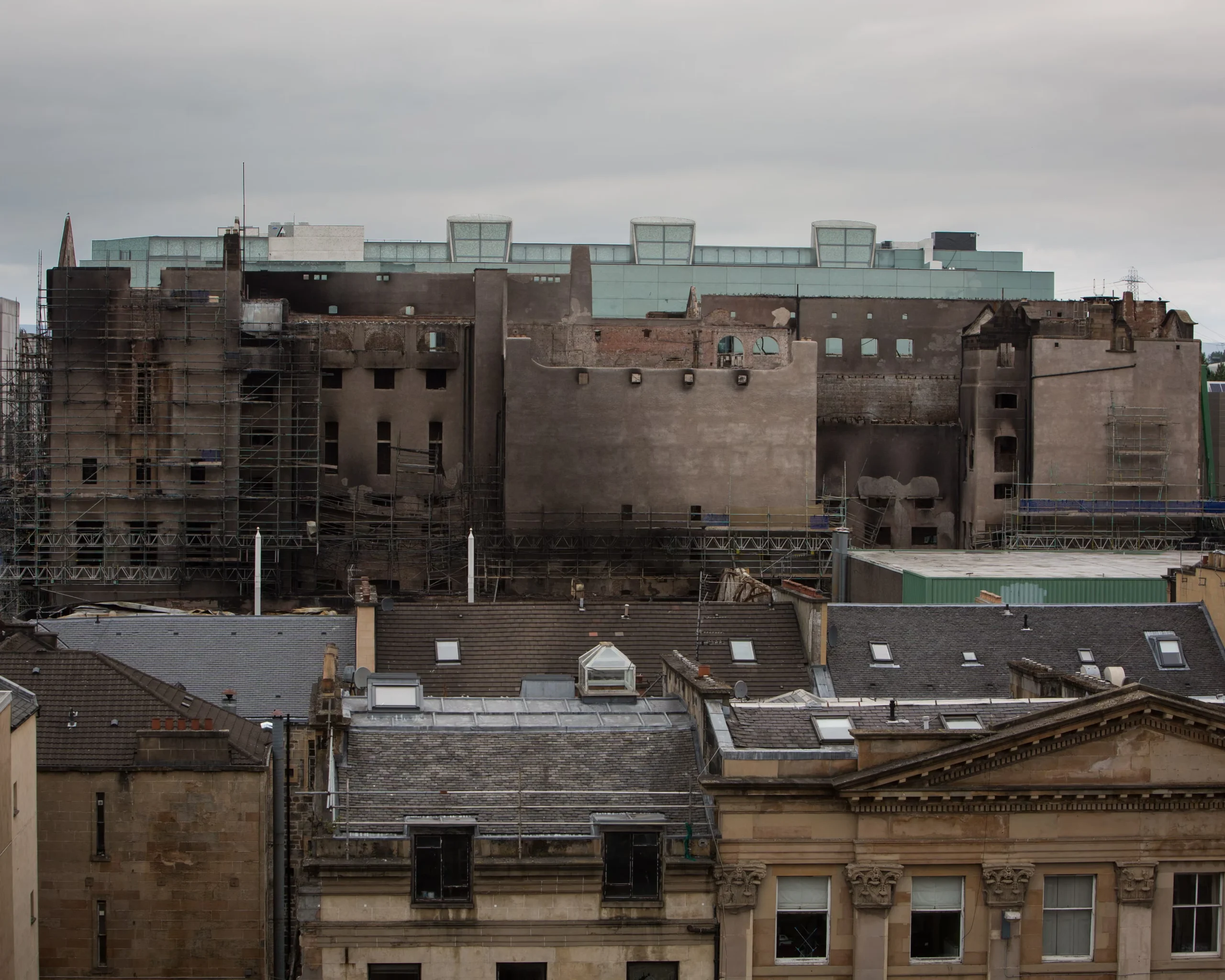
The Glasgow School of Art has approved what it describes as a significant enabling project intended to secure the building for future generations.
The next phase will focus on:
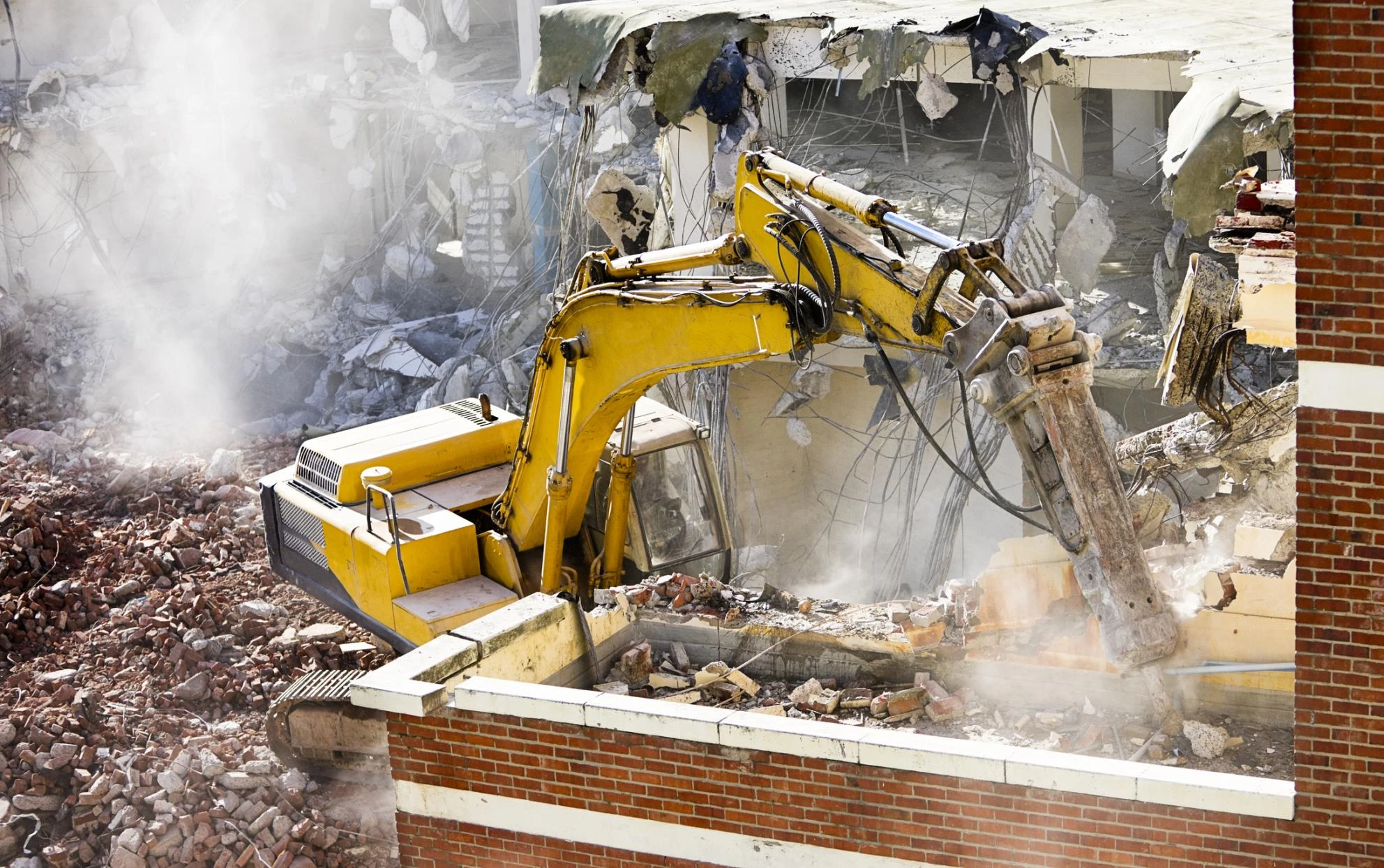
- stabilising the remaining historic structure,
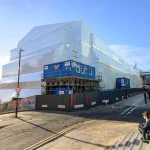
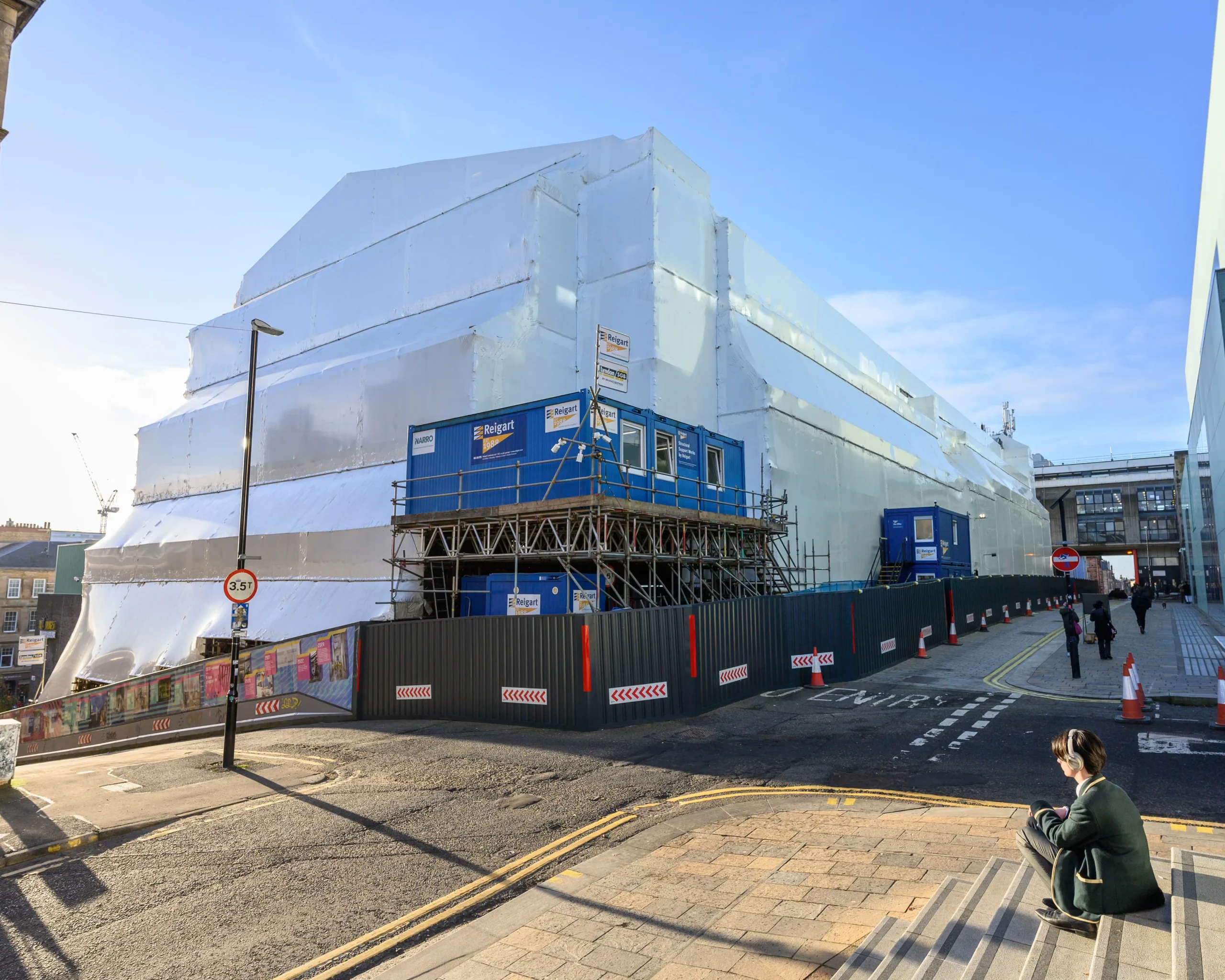
- removing the external scaffolding surrounding the building,
- protecting surviving masonry and structural elements,
- improving the site’s appearance, and
- creating the conditions necessary for a future rebuilding campaign should sufficient funding become available.
The school emphasized that these works are not the final restoration but an essential step toward keeping future reconstruction options open.
Calls for National Intervention
The announcement has prompted renewed debate across Scotland’s architectural and cultural sectors.
Architects, heritage organizations, and public figures argue that the Mackintosh Building represents a national and international cultural asset whose restoration should not depend solely on the financial capacity of a single educational institution.
According to The Guardian, several conservation advocates have drawn comparisons with the restoration of Notre-Dame Cathedral in Paris, suggesting that similarly ambitious public funding and philanthropic support could make a faithful reconstruction possible.
Architect Malcolm Fraser argued that allowing the building to remain unrestored would represent a significant cultural loss. At the same time, politicians and preservation campaigners have urged both the Scottish and UK governments to consider broader financial participation.
Insurance Settlement Did Not Close the Funding Gap
The school’s revised strategy comes after resolving its lengthy insurance dispute arising from the 2018 fire.
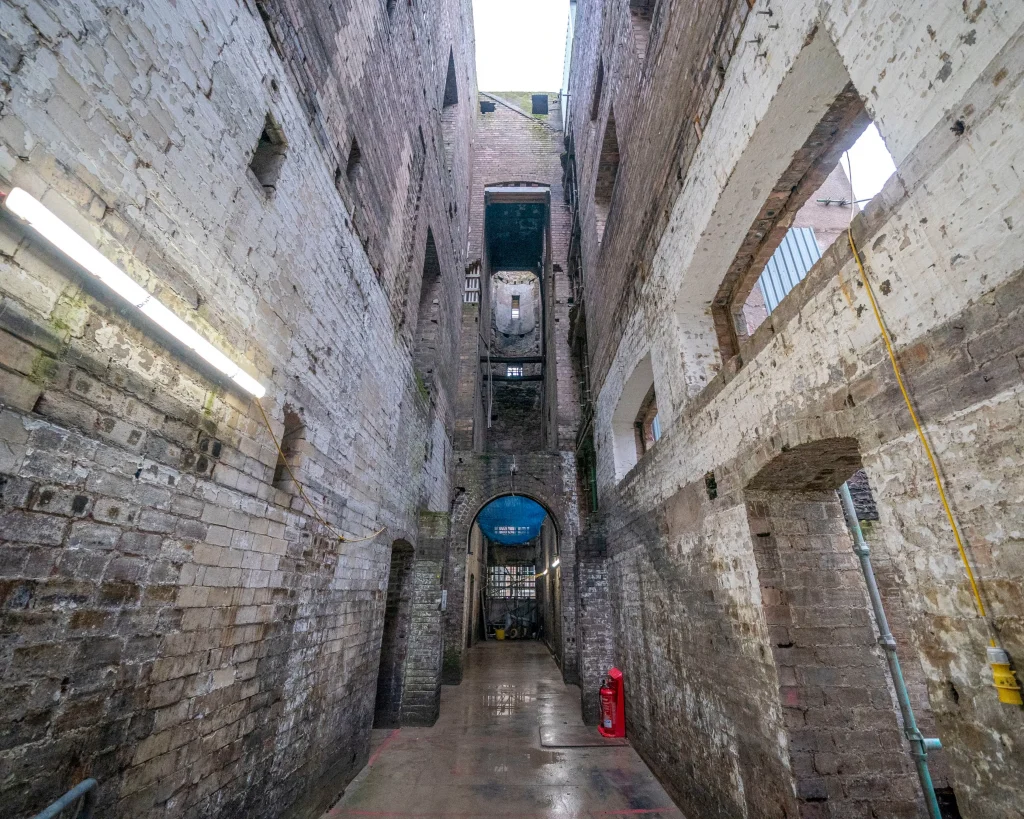
Although the settlement provides financial resources for immediate conservation measures, it falls well short of covering the total cost required for a complete reconstruction. Rising construction prices and specialist restoration requirements have significantly widened the funding gap since earlier rebuilding estimates were prepared.
An Uncertain Future for an Architectural Icon
The Glasgow School of Art has reiterated that a faithful reinstatement remains its long-term ambition but acknowledged that achieving it will depend on securing substantial external investment from governments, philanthropic organizations, heritage bodies, and private donors.
For now, the institution’s priority is preserving what remains of the Mackintosh Building while ensuring the school can continue fulfilling its educational mission. The decision underscores the growing financial challenges facing the conservation of internationally significant heritage architecture in an era of escalating construction costs and limited public funding.
Whether Charles Rennie Mackintosh’s masterpiece ultimately rises again in its original form will likely depend not on architectural capability, which experts agree exists, but on the willingness of public institutions and benefactors to invest in one of Scotland’s most important architectural monuments.