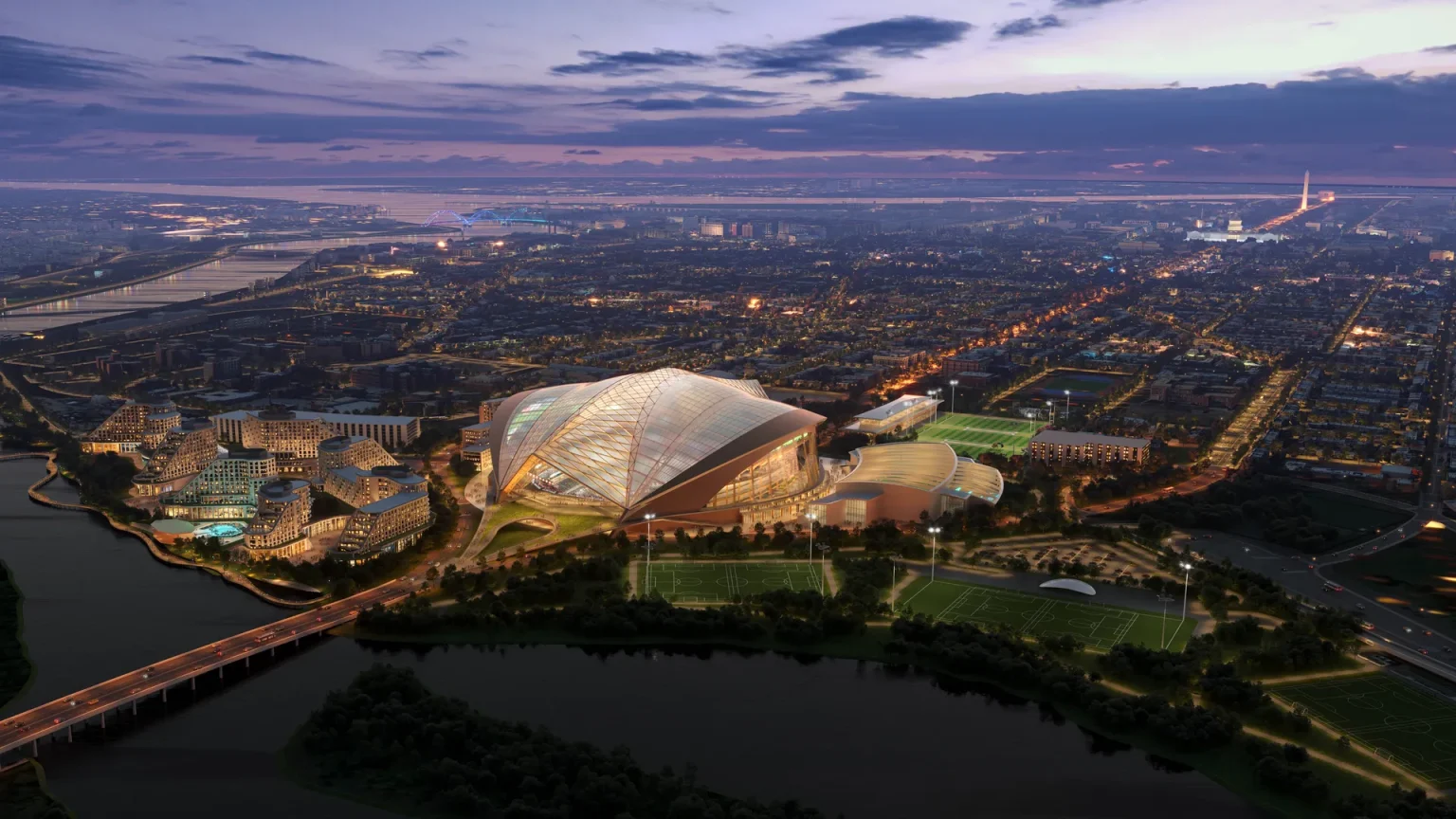
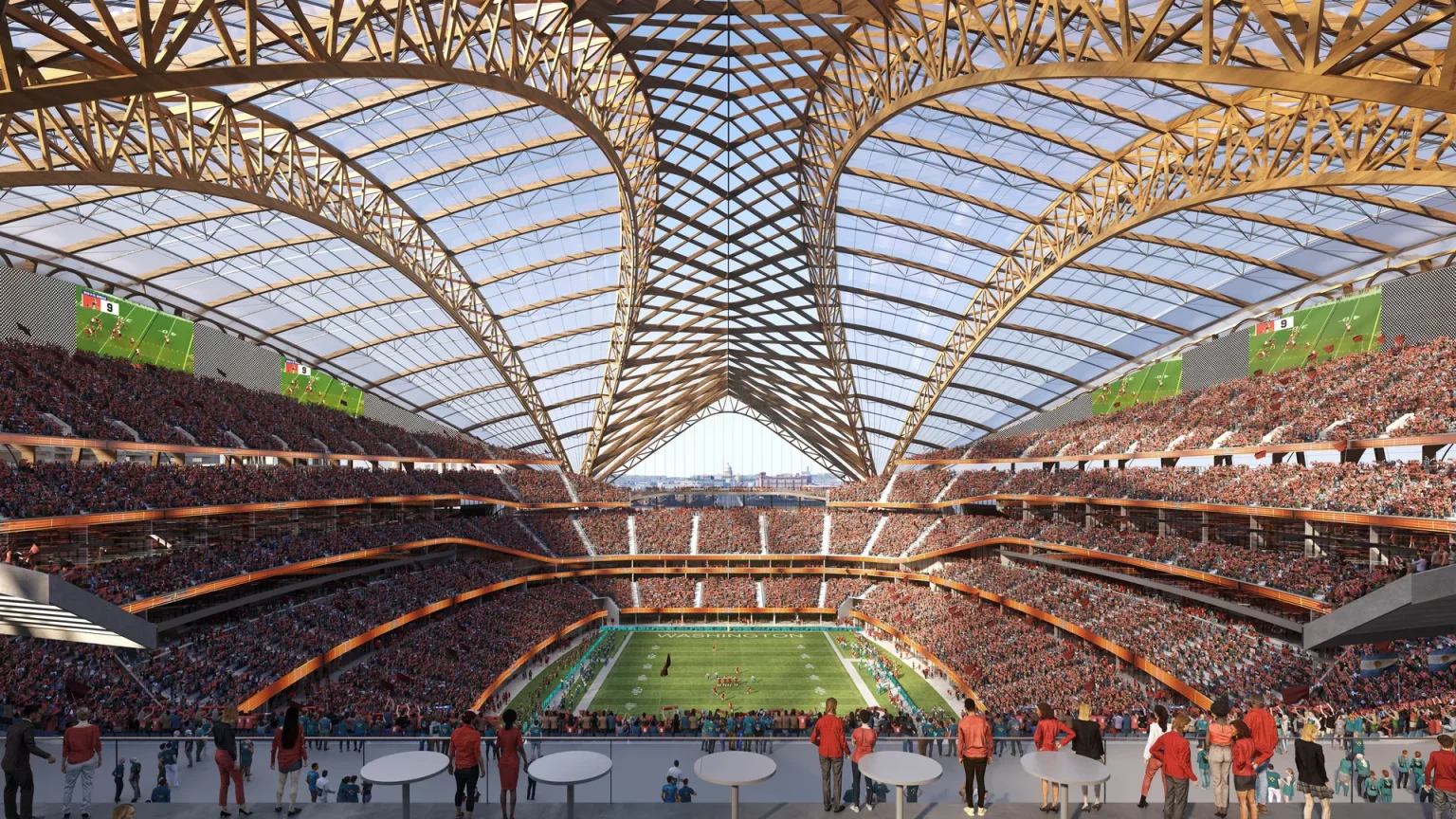


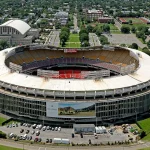
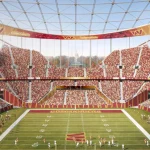
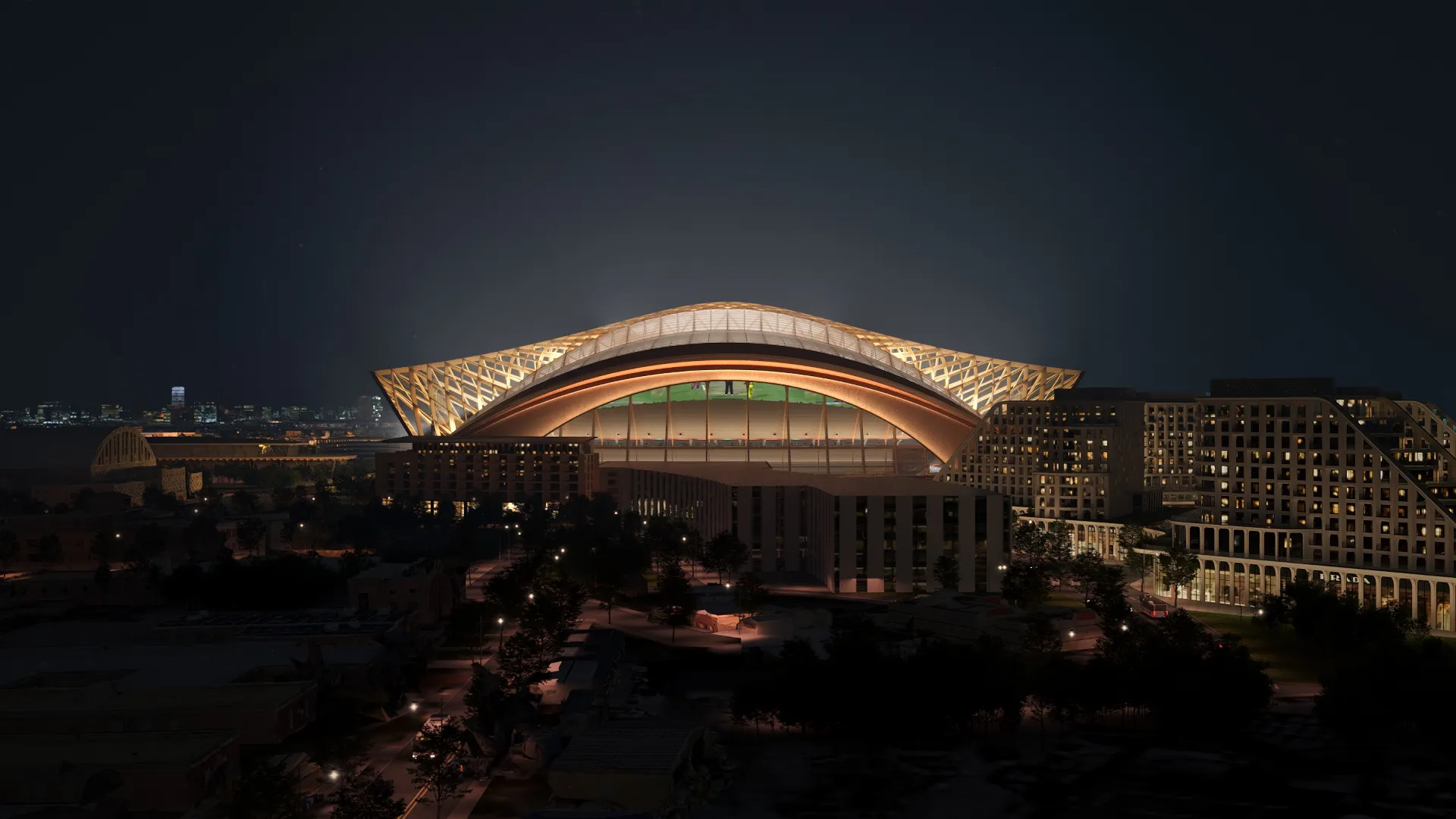
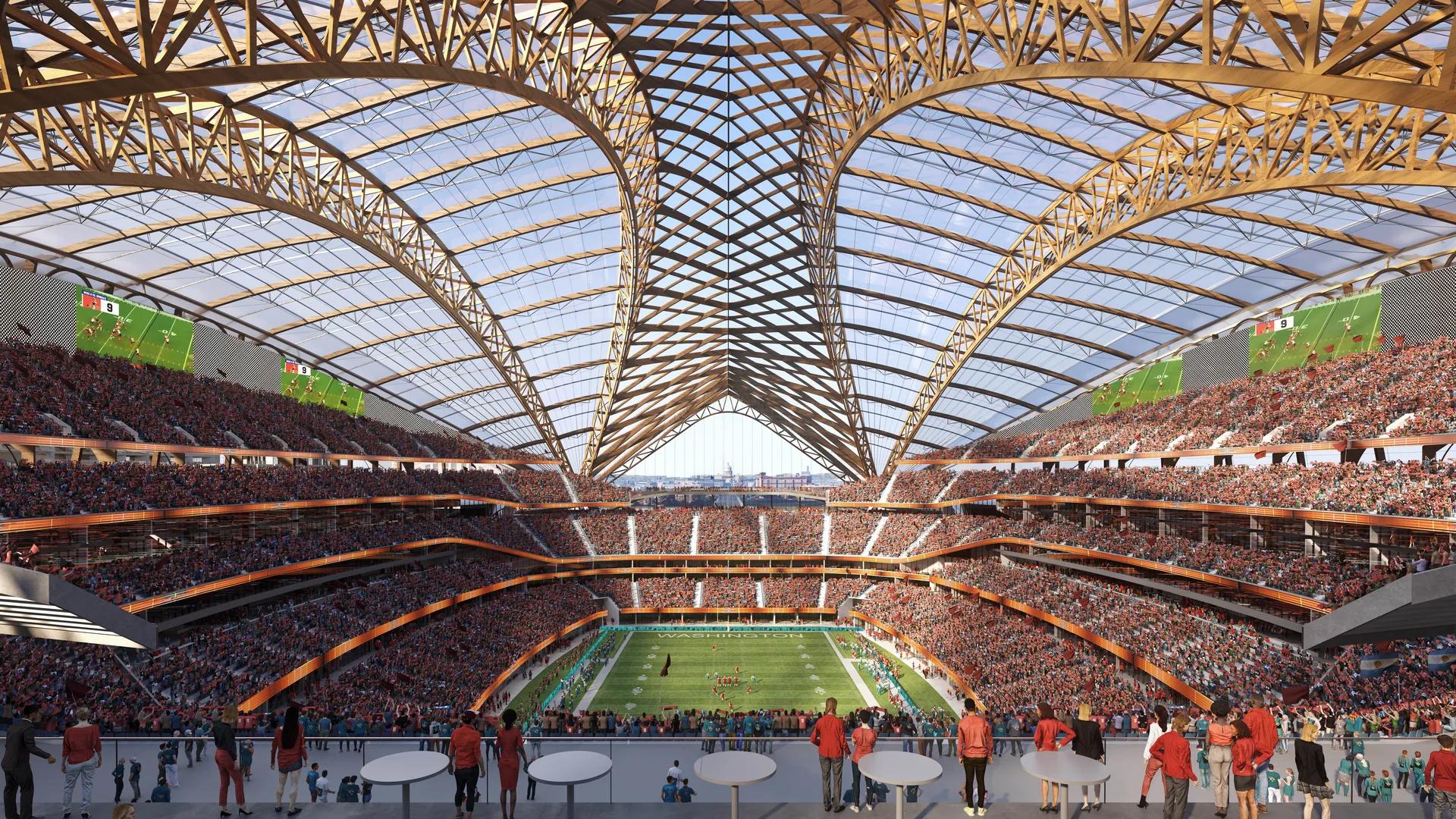
Plans for the Washington Commanders’ new NFL stadium at the former RFK Stadium site are moving forward with renewed focus on architectural character. The team and the District of Columbia are developing a 65,000-seat stadium designed by the global architecture firm HKS, with construction to begin in 2026 and the venue targeted to open by 2030.
A recent development in the design process centers on the recommendation that the stadium incorporate classical and neoclassical architectural elements that reflect the broader visual language of Washington, D.C. This push has come from the National Capital Planning Commission (NCPC) under chairman Will Scharf, a Trump administration appointee. Scharf has publicly said the design should “incorporate architectural features in keeping with the capital’s more generally classical and neoclassical elements,” tying it to the city’s historic built environment.
The suggestion for classical styling comes as part of ongoing advisory input from the NCPC. It underscores an intent to align the stadium’s appearance with the capital’s traditional architectural legacy, drawing subtle inspiration from forms and proportions associated with ancient Greek and Roman design. Specific features discussed include monumental scale, symmetry, and proportions that could echo the neoclassical context of nearby federal buildings and monuments.
The stadium project itself is a central piece of a larger $3.7 billion redevelopment of the 180-acre RFK stadium site in southeast Washington. The plan includes mixed-use real estate, housing, retail, and entertainment venues around the stadium footprint, aiming to anchor a vibrant, year-round destination for sports, events, and community activity.
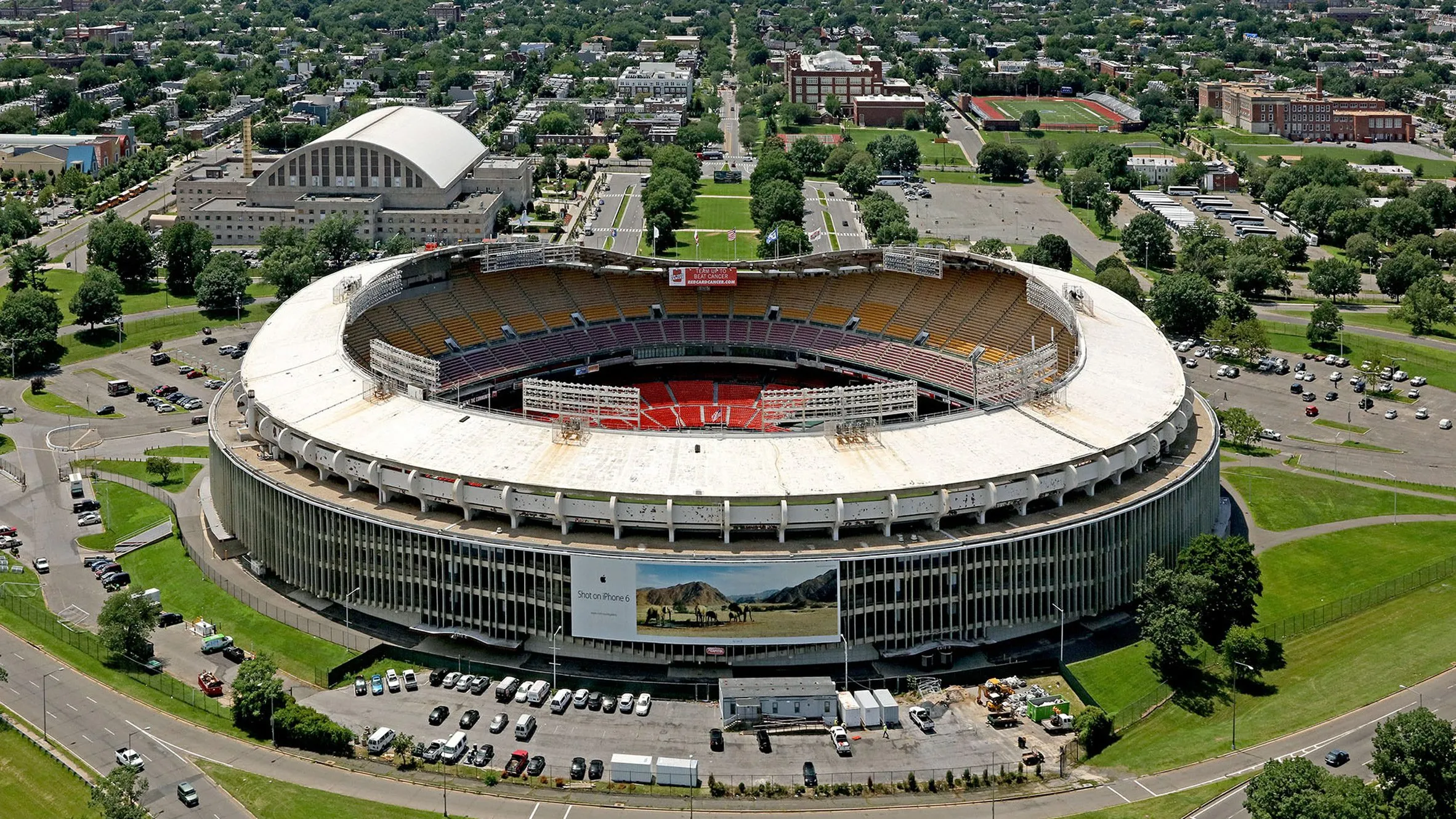
While the Commanders organization has previously described its vision as the “loudest, most dynamic” stadium, it has not confirmed how pronounced the classical design elements will be in the final architectural expression. The NCPC’s advisory role means its recommendations, once incorporated into early conceptual renderings by HKS, could shape the façade and public spaces, but design details will evolve as planning continues. The new stadium is expected to feature a translucent roof and interior amenities that support year-round use and potential future bids for large events like the Super Bowl.
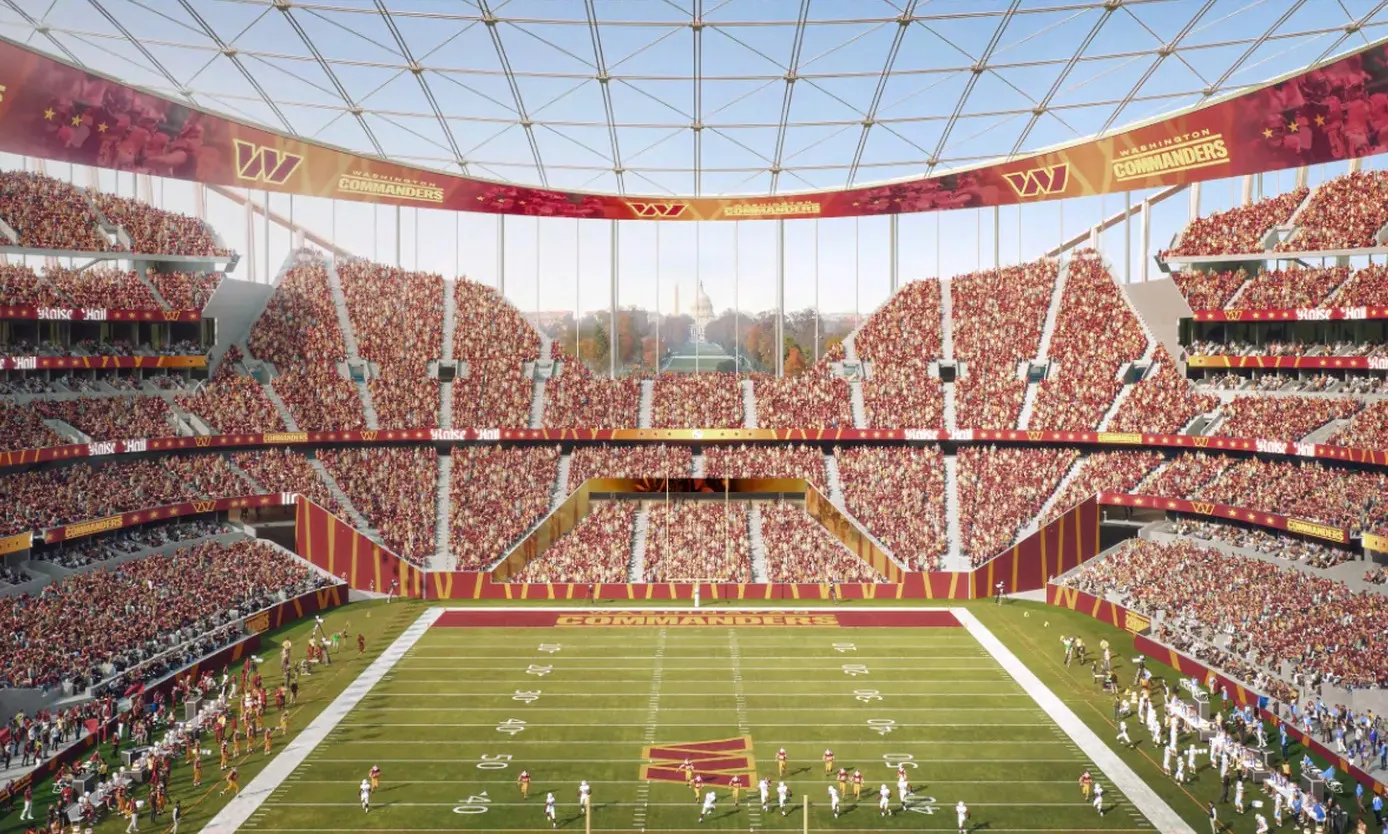
The integration of neoclassical elements into a major sports facility reflects ongoing debates about how large public-facing buildings in Washington should balance modern performance needs with architectural traditions rooted in the capital’s identity.