
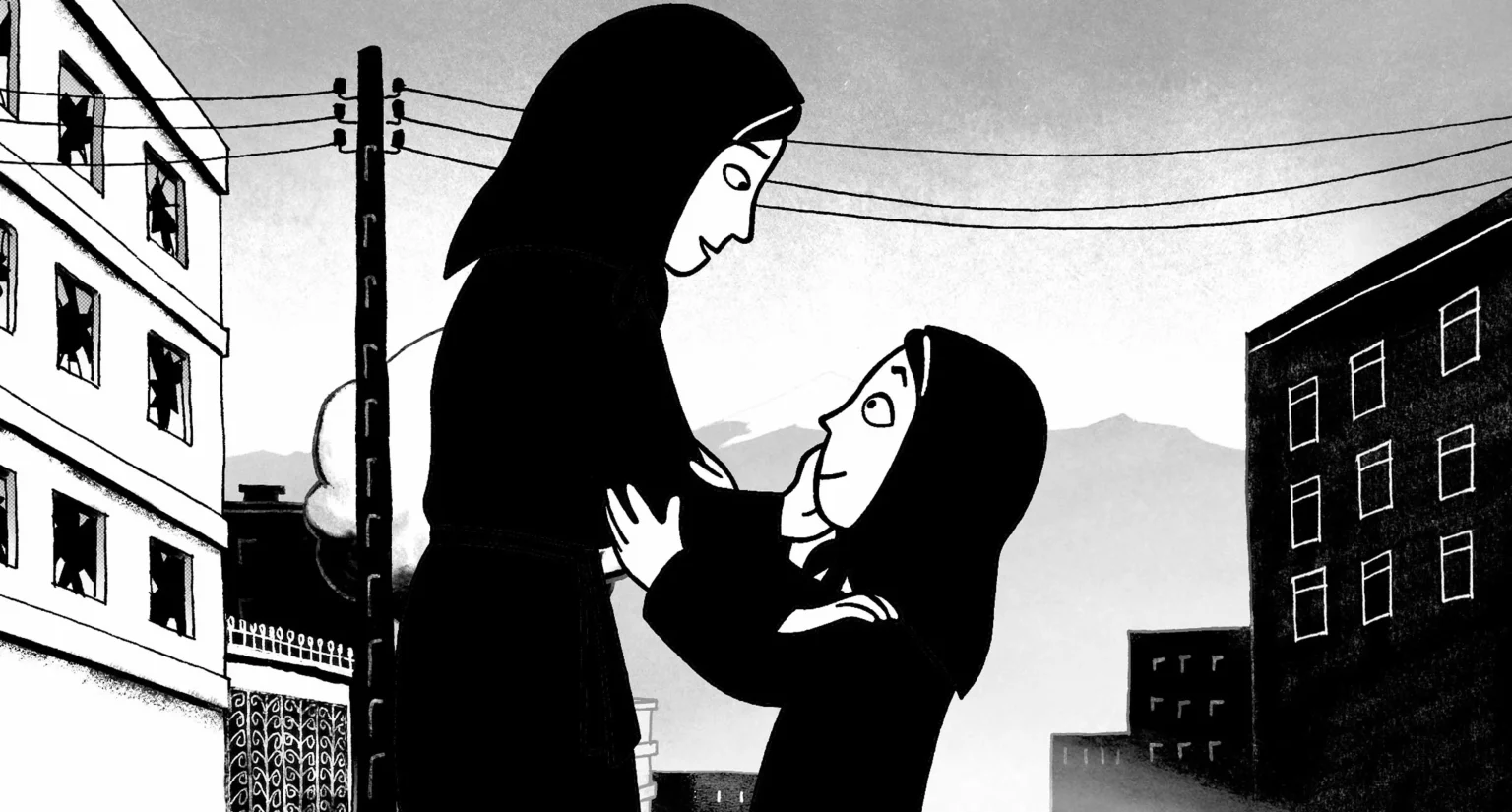




French-Iranian author, filmmaker, and graphic novelist Marjane Satrapi, best known for her internationally acclaimed memoir Persepolis, has died at the age of 56. News of her death was confirmed on June 4, prompting tributes from political leaders, artists, writers, and readers around the world who recognized her as one of the most influential cultural voices of her generation.
According to statements shared by her family, Satrapi passed away in Paris. Relatives said she had struggled deeply following the death of her husband, Swedish producer Mattias Ripa, in 2025. French President Emmanuel Macron led national tributes, describing her as an artist who transformed her personal experiences into a story that resonated across cultures and generations.
Marjane Satrapi’s Journey from Iran to Global Acclaim
Born in Rasht, Iran, in 1969 and raised in Tehran, Satrapi grew up during one of the most turbulent periods in modern Iranian history. The 1979 Islamic Revolution and its aftermath shaped much of her worldview and later became central themes in her work. As a teenager, she was sent to Vienna by her parents to continue her education before eventually settling in France, where she built a career that bridged literature, visual art, and cinema. She became a French citizen in 2006.
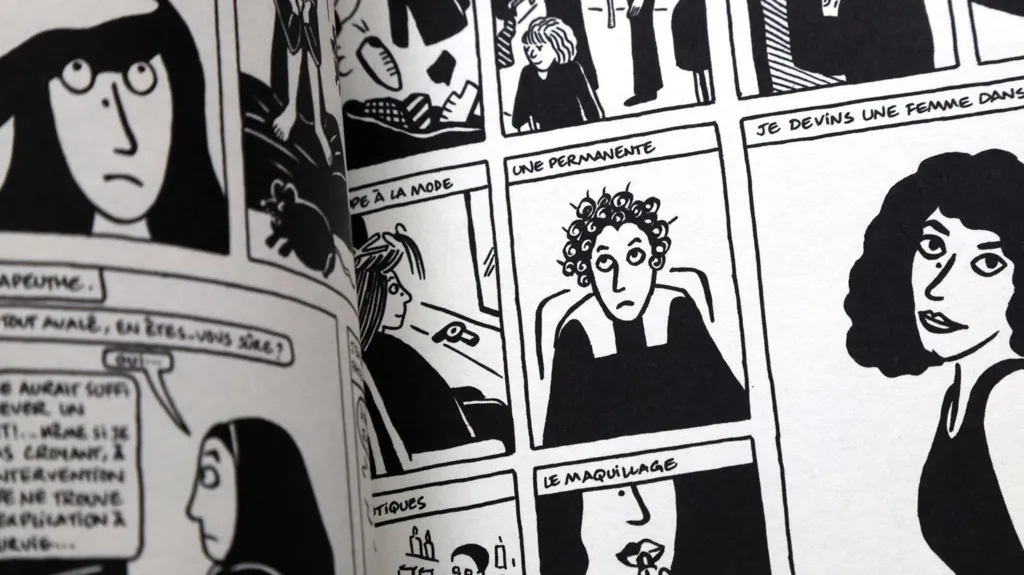
Satrapi achieved worldwide recognition with Persepolis, the autobiographical graphic memoir first published in 2000. Told through stark black-and-white illustrations, the work chronicles her childhood during the Iranian Revolution, her experiences of exile in Europe, and her struggle to reconcile multiple identities. The book offered readers an intimate account of life in Iran that challenged stereotypes and simplified narratives often seen in Western media. It quickly became one of the most widely read graphic memoirs in the world and was translated into numerous languages.
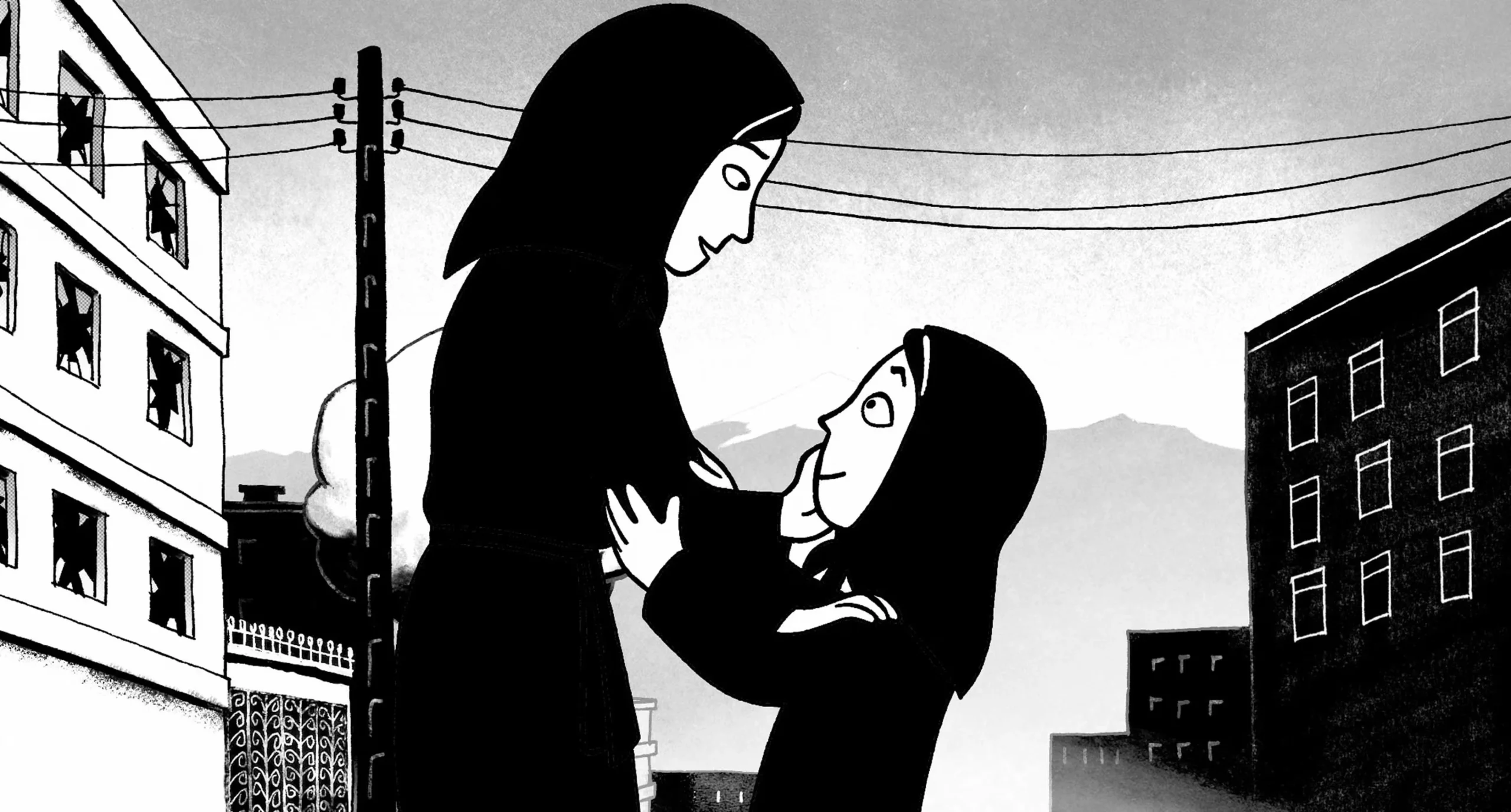
The success of Persepolis extended beyond publishing. In 2007, Satrapi co-directed an animated film adaptation alongside Vincent Paronnaud. The film premiered at the Cannes Film Festival, won critical acclaim, and later received an Academy Award nomination for Best Animated Feature. The adaptation helped introduce Satrapi’s work to an even broader global audience and cemented her reputation as a storyteller capable of moving between artistic media.
Beyond Persepolis, Satrapi produced a diverse body of work that explored memory, migration, family, and freedom. Her graphic novels included Chicken with Plums and Embroideries, both of which examined Iranian society through personal and often humorous narratives. Several of her works were adapted for the screen, and she later directed films such as The Voices and Radioactive, a biographical drama about scientist Marie Curie.

Throughout her career, Satrapi remained a prominent advocate for human rights and freedom of expression. She was an outspoken critic of authoritarianism and frequently addressed issues affecting women in Iran. Following the protests that erupted after the death of Mahsa Amini in 2022, Satrapi coordinated the graphic work Woman, Life, Freedom, bringing together artists and writers to document the movement and amplify Iranian voices.

Her influence extended far beyond the literary world. Scholars, artists, and activists often cited Satrapi’s work as an important bridge between cultures, offering nuanced portrayals of Iranian society while emphasizing universal themes of identity, resilience, and belonging. Through both her books and films, she helped redefine the possibilities of graphic storytelling and demonstrated how personal narratives can illuminate broader political realities.
Marjane Satrapi leaves behind a legacy that spans literature, cinema, and political discourse. For millions of readers, Persepolis was more than a memoir; it was a window into a complex society and a reminder of the human stories behind historical events. Her work continues to stand as a testament to the power of art in confronting injustice, preserving memory, and fostering understanding across borders.