With the fast pace of urban expansion, biophilic design has come as a revolutionary architectural concept, one that incorporates nature into construction. This approach is centered around nature and prioritizes human well-being by incorporating nature within everyday spaces. Therefore, biophilic design is not simply making spaces more beautiful but also contributing to mental and physical health improvement. In this article, we will discuss the growing trend of biophilic design, its impact on promoting wellness, its health impacts, and how it influences modern-day architecture by highlighting real-world examples.
Biophilic design is a new perspective on architecture and urban planning. By incorporating nature-centered features that promote the health and well-being of individuals, the concept of this design can change the cities, offices, and houses. While urbanization and climate change remain major challenges, biophilic design is a step in the right direction by designing spaces that are not just functional and aesthetically pleasing but are also in harmony and respectful of the natural environment.
The Growing Trend of Biophilic Design
Biophilic design is not merely a fashionable trend; it is a concept based on the central idea that humans have a natural connection to the environment. This connection, also known as “biophilia,” drives our affection for nature and shapes our moods, behaviors, and overall health. With the increase in urban populations, allowing cities to expand and buildings to exacerbate such expansion, the disconnection from nature has been instrumental in the activation of several issues, including mental stress, lack of creativity, and indecisiveness.
The re-emergence of biophilic design comes to these solutions by embedding components of nature like vegetation, water bodies, sunlight, and natural materials within built environments. This design ideology makes the lifeless spaces active and encourages growth in healthy and lively places. The significance of biophilic design has also increased due to the global trend towards sustainability, where there is not only an emphasis on efficient design and function of the buildings but also an improvement in their inhabitants’ wellbeing.
Benefits of Biophilic Design on Mental and Physical Health
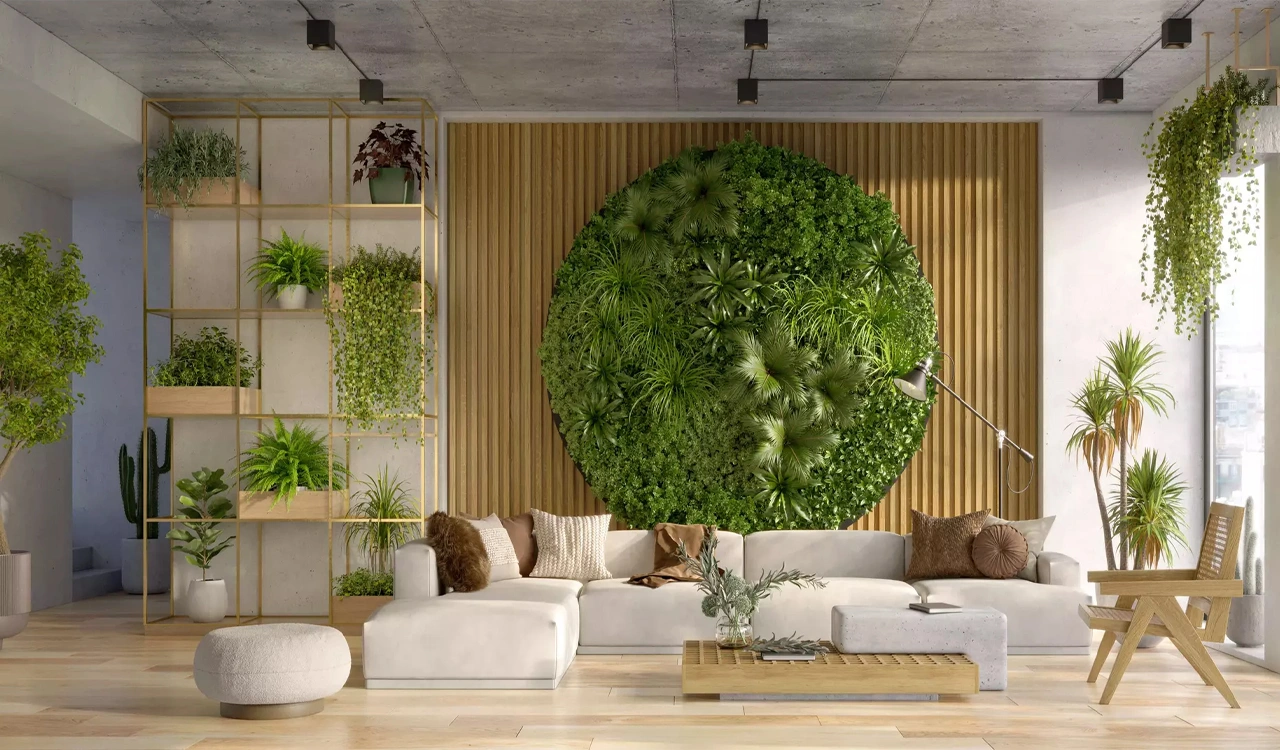
The relationship between nature and human health has been substantiated by numerous studies. Biophilic design helps to reduce stress, anxiety, and mental fatigue by incorporating natural elements into the built environment. Exposure to natural light, for example, helps in regulating the ever-elusive circadian rhythms, which in turn improve one’s sleep quality, leading to an improved disposition. Stress at the workplace has been said to decrease with the addition of green plants and natural scenery since concentration, creativity, and productivity have all been found to increase within the natural environment.
Physically, aspects of biophilic design focus on wellness by ensuring better air quality and availability of space for movement or physical exertion. These areas also help in promoting outdoor physical activity, thus reducing blood pressure, minimizing the chances of chronic diseases, and improving cardiovascular health. The use of natural materials like timber and stone has also been confirmed to induce calming and centering results, which foster health in turn.
How Biophilic Design is Shaping Modern Architecture
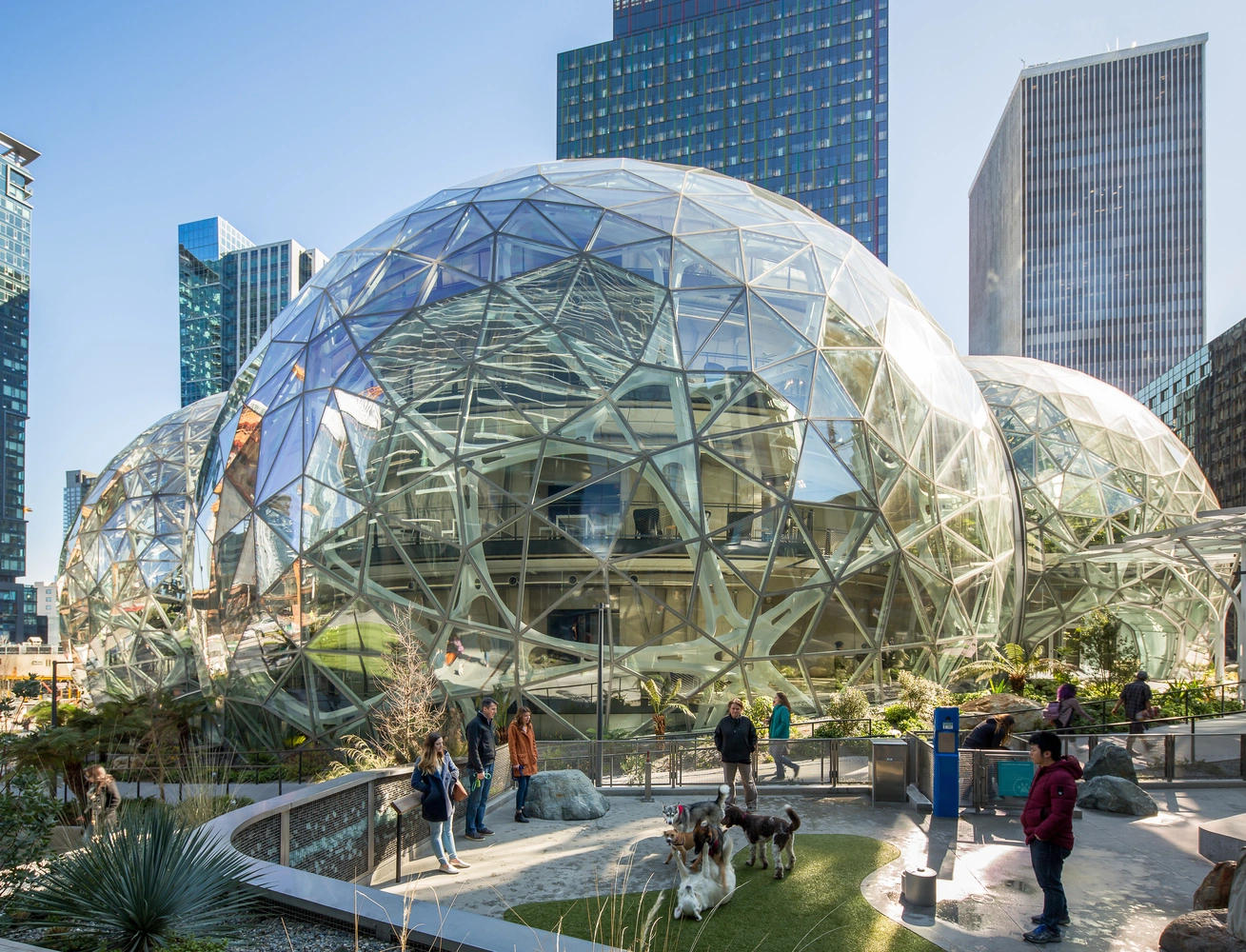
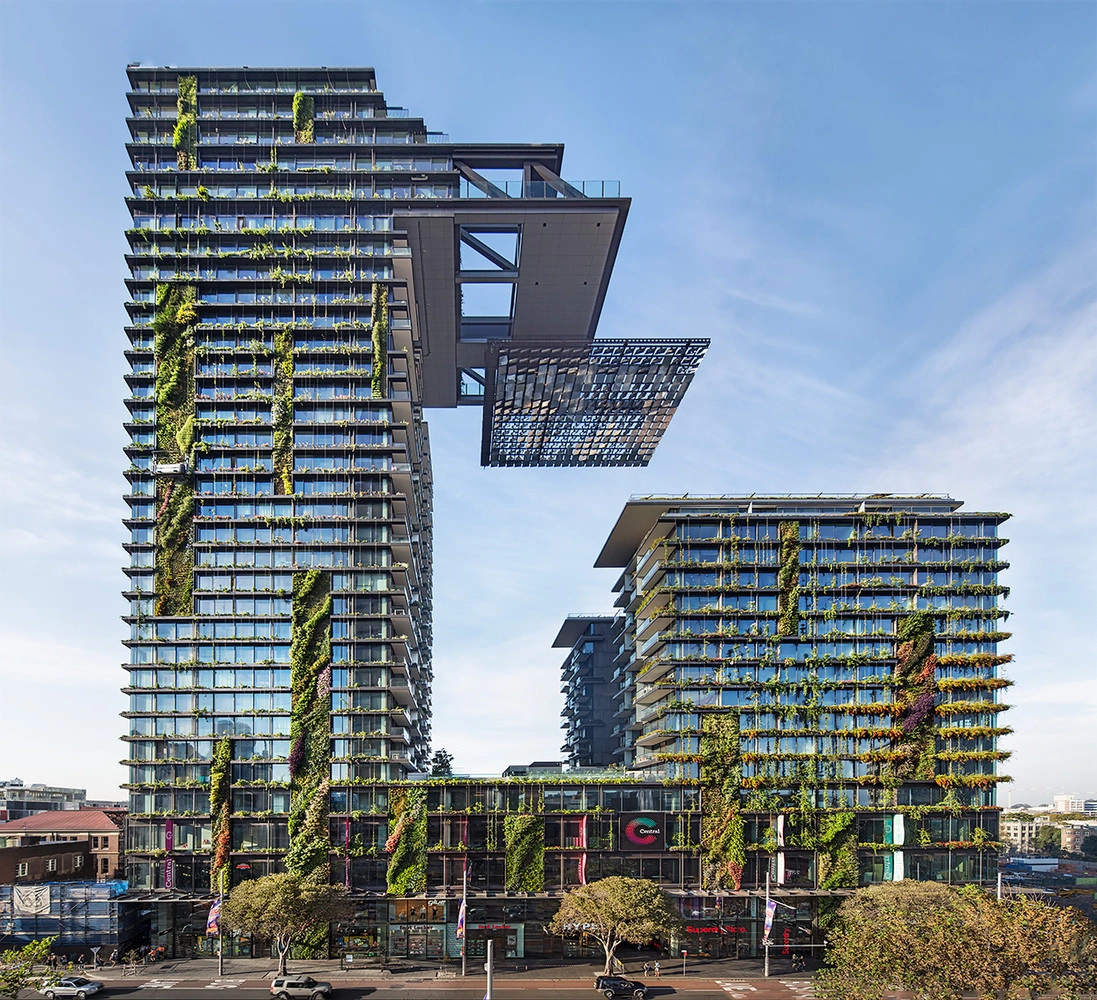
Biophilic design has taken center stage in modern architecture, which has elevated structures from functional buildings to comprehensive environments intended for the health and well-being of their inhabitants. Typical principles of biophilic design include natural light, fresh air and ventilation, water bodies, natural vegetation, and vertical gardens. Such features create a soothing atmosphere and help bridge the gap between nature and the city.
The potential of biophilic design can be witnessed through the numerous examples of successful projects incorporating biophilic design throughout the globe, which, as a result, affirms its usefulness in improving the constructed environment and human health. For instance, in Seattle, the Amazon Spheres feature an indoor ecosystem designed for employees to work surrounded by nature. Such glass domes have thousands of species of plants growing in the interiors, providing a workspace that encourages imagination and fosters creative teamwork and tranquility.
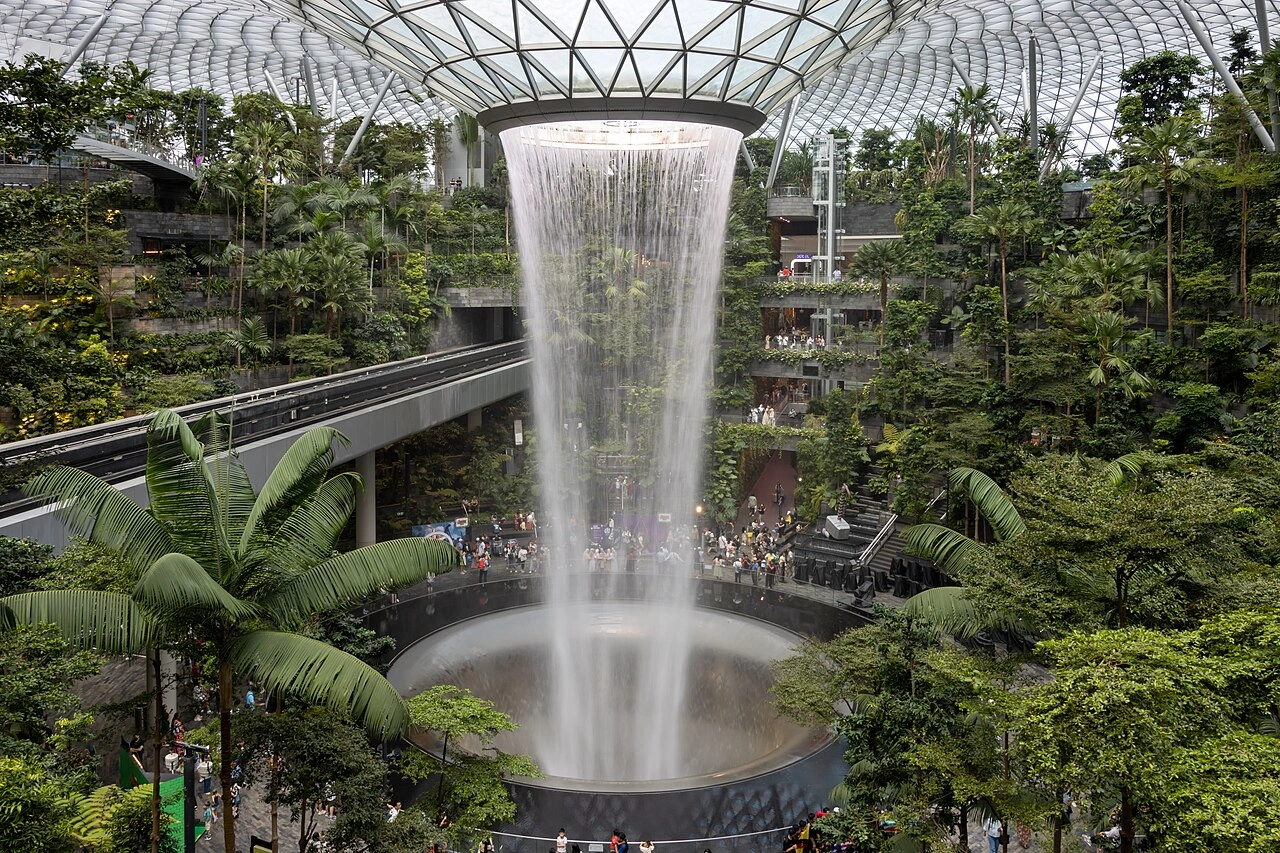
The trend of nature-centered design is on the rise in a handful of cities across the globe, from residential houses and offices to public buildings. For example, Singapore, often known as a ‘City in a Garden’ incorporates biophilic design heavily in urban planning. A perfect illustration of how modern architecture can transport its users and immerse them in nature, even if it is located in the middle of a city, is the Jewel Changi Airport, which houses an indoor rainforest and a waterfall.
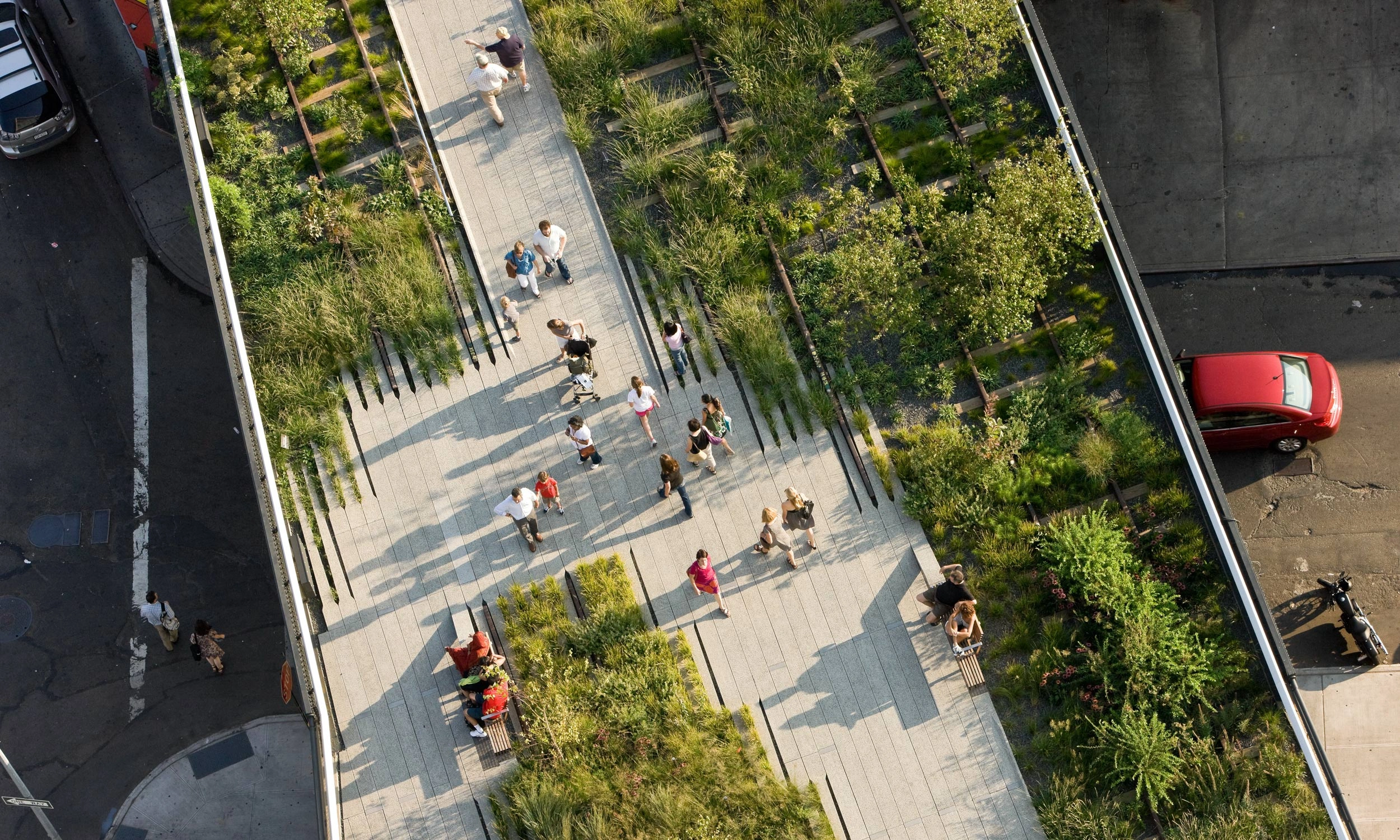
Looking at the example of High Line in New York City, a public park created out of a preserved railroad track elevated over the streets for pedestrians’ comfort. The park highlights how urban spaces can be enhanced through the use of biophilic design. Apart from becoming a common space for recreation, this green corridor has also enhanced the local biodiversity by providing the necessary nesting and roosting habitats for birds, insects and plants.
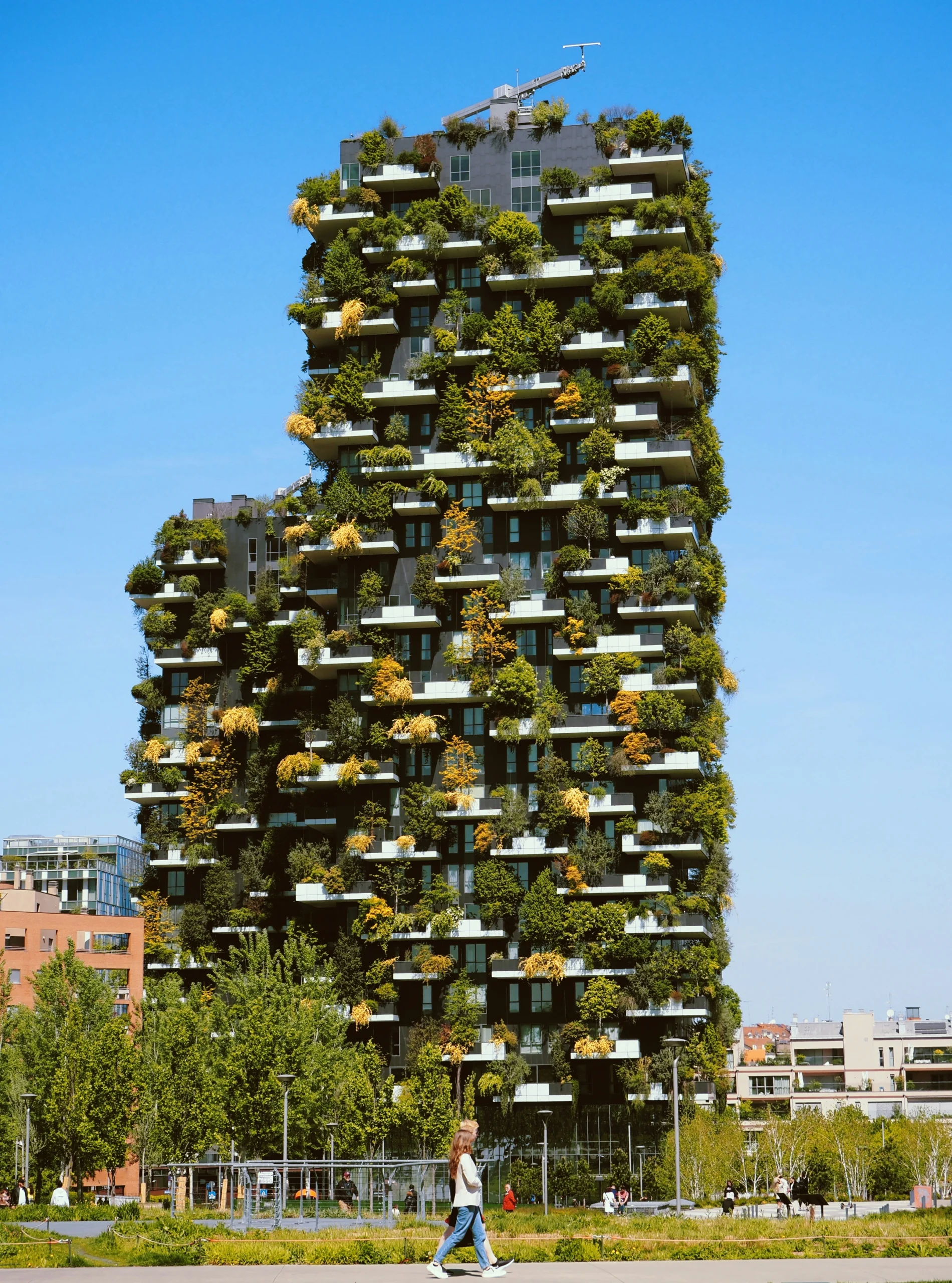
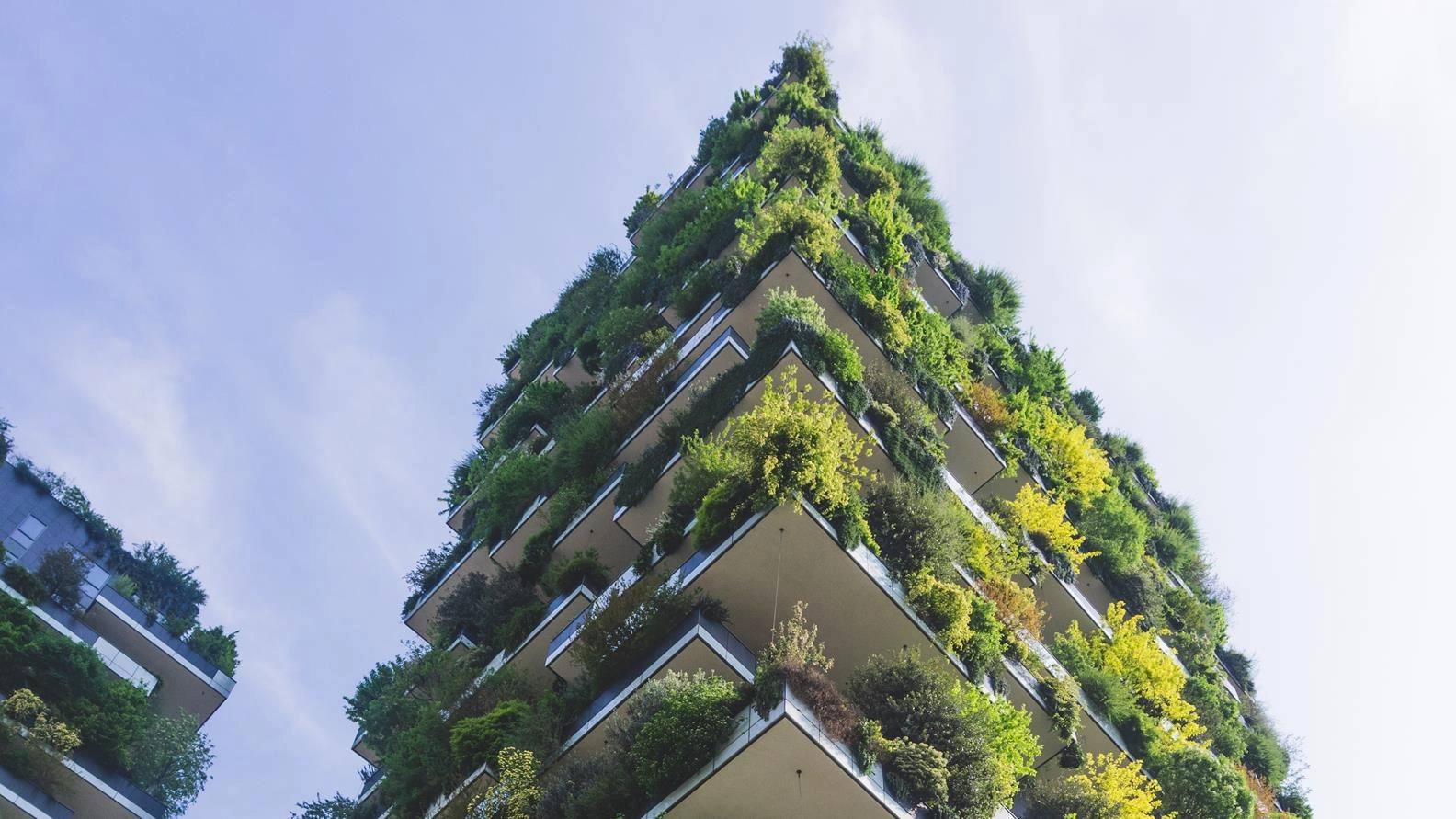
At a micro level, biophilic designs are also being incorporated in residential projects. From green roofs to vertical gardens, biophilic homes are designed to maximize the use of natural lighting, ventilation, and outdoor areas to foster physical and psychological well-being. For instance, the Bosco Verticale (Vertical Forest) of Milan has also transformed the possibilities of vertical residential settlement by designing it with thousands of trees and plants. This vertical forest enhances the quality of air pollution, serving as a nesting habitat for birds and insects, thus contributing to urban wildlife.
These samples illustrate how biophilic design is not only confined to beauty but helps in solving some of the problems that are brought about by the fast pace of urbanization like air pollution, biodiversity loss, and the stress caused by living in a city.
Challenges and Misconceptions
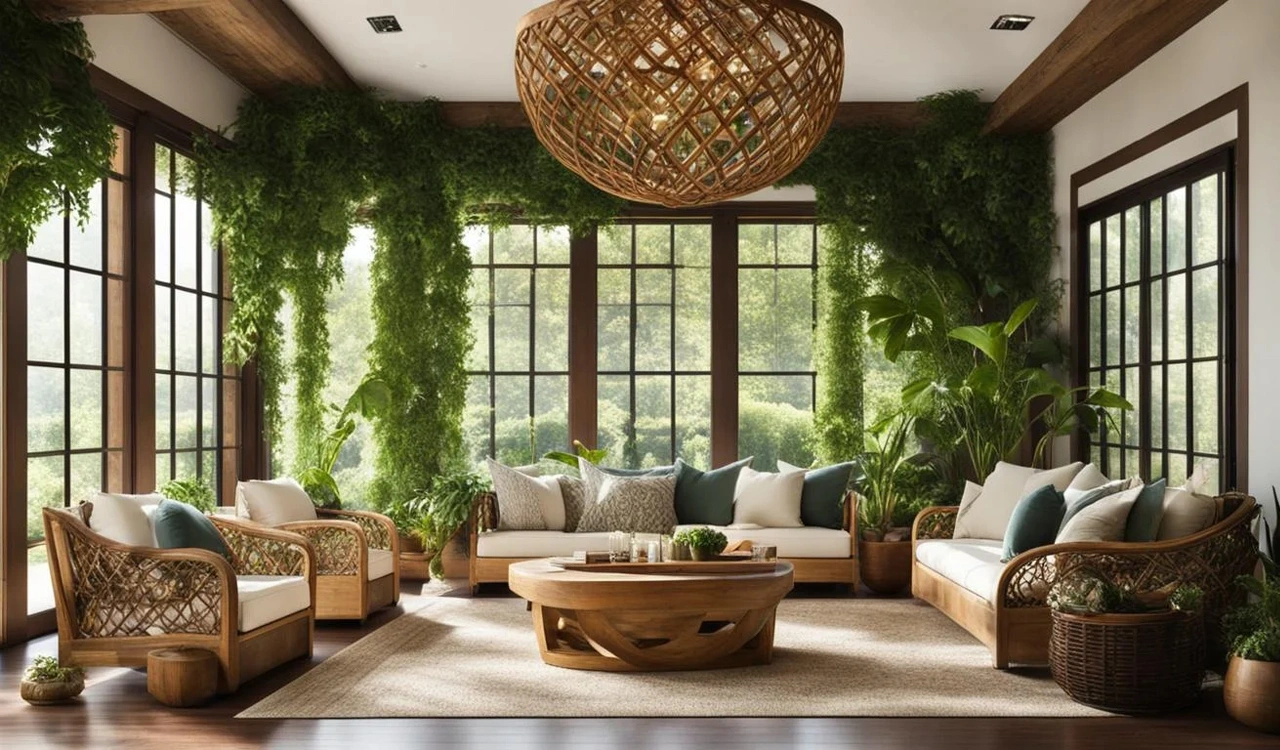
Though biophilic design is becoming more popular, it also faces certain drawbacks. A frequent misunderstanding associated with biophilic design is that it simply means putting plants in a built environment. The inclusion of green elements is crucial, but planting as many trees does not resonate with true biophilic design. It entails designing places that evoke their natural order and surroundings, encouraging attachment to nature through the sense of hearing, smell, and touch.
Another obstacle is the expense associated with the adoption of a biophilic design. The incorporation of elements such as natural light systems, indoor plants, courtyards, and water bodies is costly, especially in the case of already existing structures. However, proponents maintain that such upfront costs are justified by the long-term savings from lowered energy costs and better health and productivity outcomes.
The Future of Biophilic Design
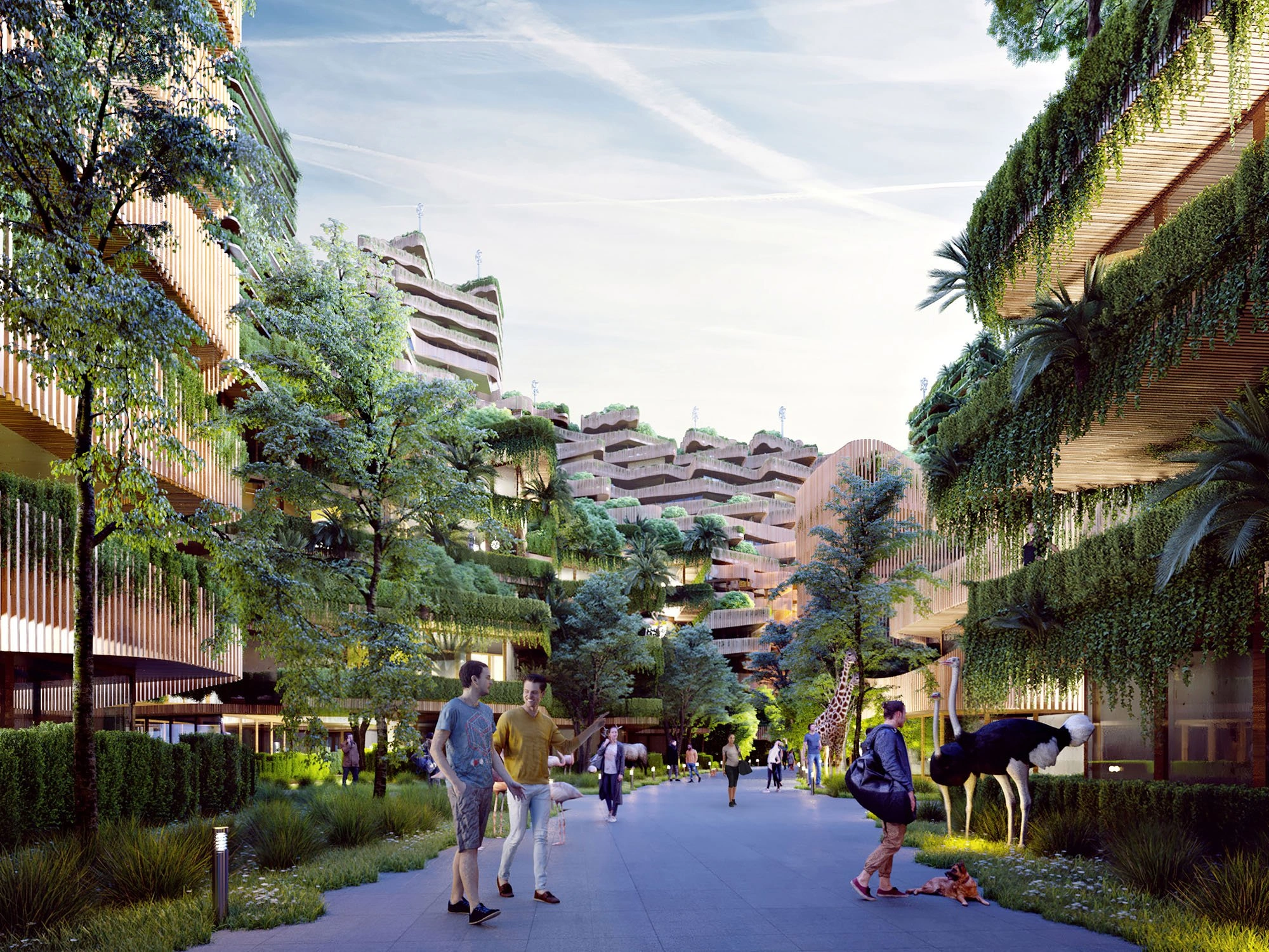
Given the pace of urbanization, it is likely that the architecture of the future will be influenced by biophilic design principles. There is a growing market for building designs that are nature-centric and promote wellness and healthy interaction with nature. There is a shift in the work of architects and urban planners from building functional structures to designing spaces that encourage the wellness of their occupants.
Furthermore, biophilic design complements contemporary society’s goals in mitigating climate change and developing sustainable cities. With architecture that incorporates natural systems within the landscape, biophilic design enhances energy efficiency, minimizes greenhouse effect contributions, and enhances climate change adaptability.