


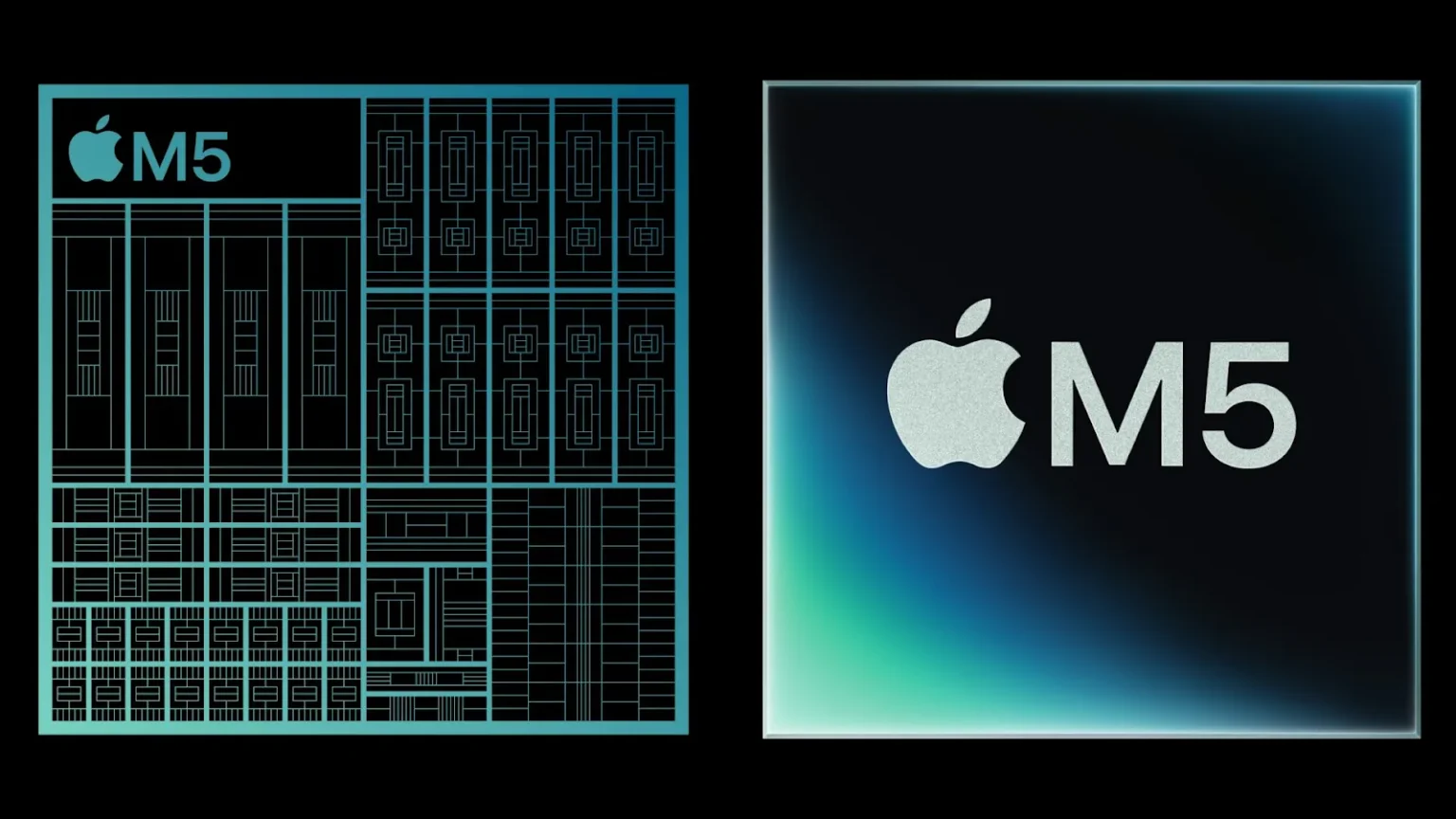





Apple has unveiled the M5 chip, marking a significant evolution in its Apple Silicon lineup with a strong focus on AI acceleration and GPU-driven performance. Built on third-generation 3-nanometer process technology, the M5 is engineered to deliver higher computational throughput, enhanced energy efficiency, and advanced neural processing capabilities across devices, including the 14-inch MacBook Pro, iPad Pro, and Apple Vision Pro.
Apple M5 GPU Integrates Neural Accelerators to Boost AI and Graphics Efficiency
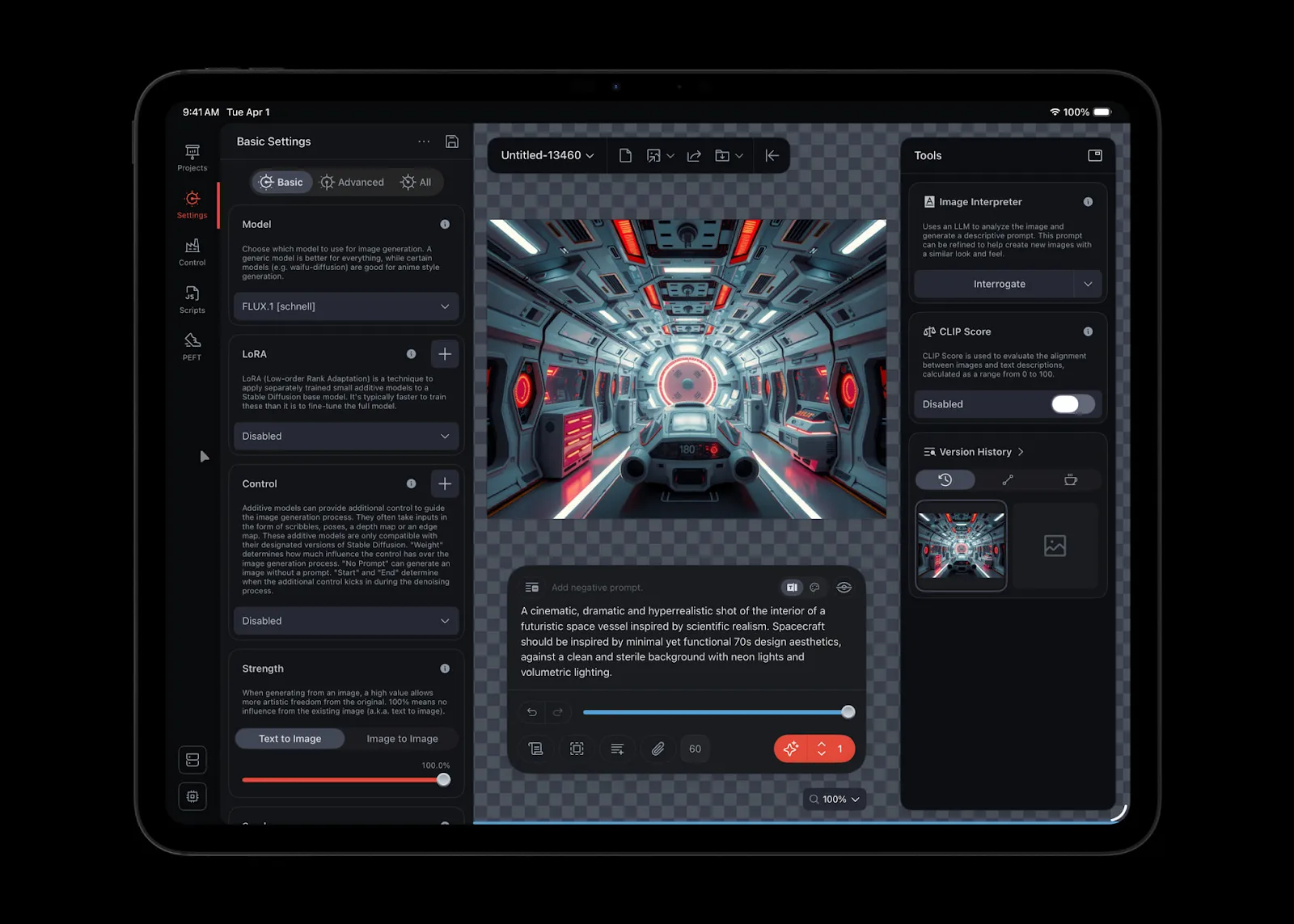
The M5’s architecture is a 10-core GPU, with each core now integrated with a dedicated Neural Accelerator, a major structural leap that allows AI workloads to run directly on the GPU. This advancement pushes AI compute performance up to 4× higher than the M4 and 6× higher than the M1, significantly improving the handling of complex models like diffusion and generative AI.
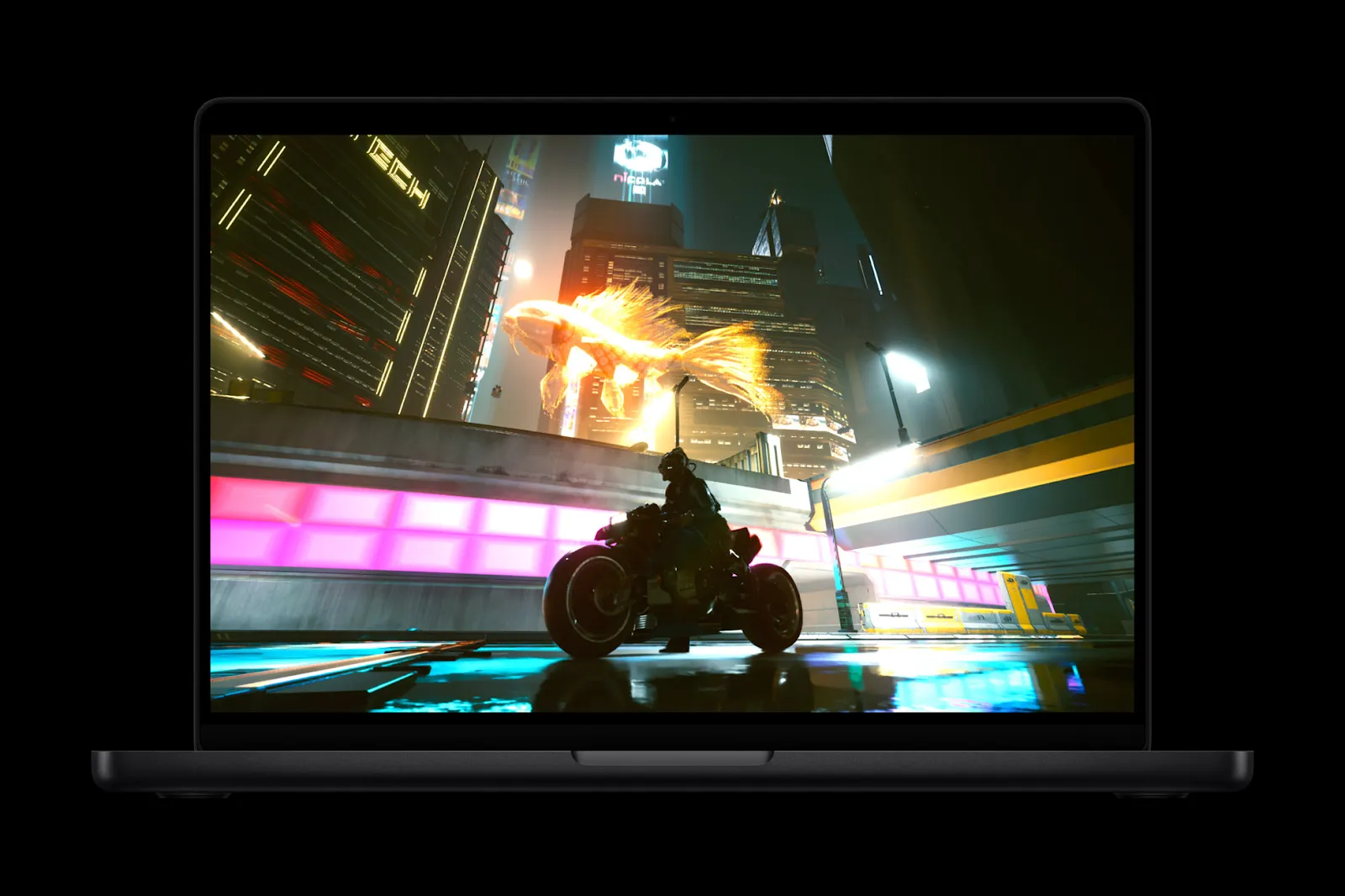
The GPU also introduces Apple’s third-generation ray tracing engine, enhancing visual fidelity by up to 45% compared to M4. The rearchitected dynamic caching system contributes to smoother frame rates and more efficient rendering for professional workflows and gaming, especially on the Vision Pro, where users benefit from higher refresh rates (up to 120 Hz) and more pixel precision on the micro-OLED display.
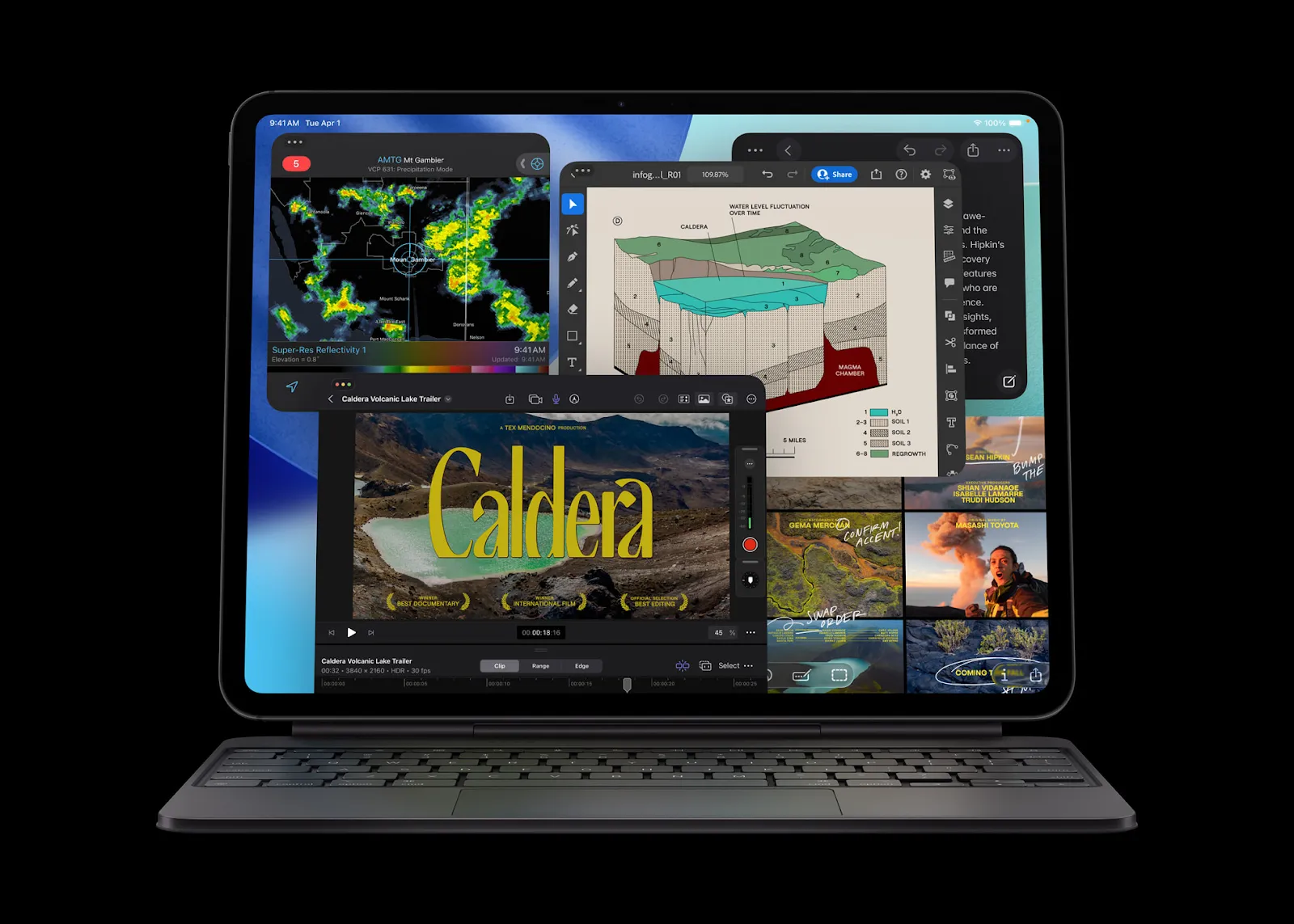
The M5 CPU features up to 10 cores, comprising four performance cores and six efficiency cores, resulting in up to 15% faster multithreaded performance over its predecessor. Apple claims it is now the world’s fastest performance core, pushing single-thread and system-wide efficiency to new highs.
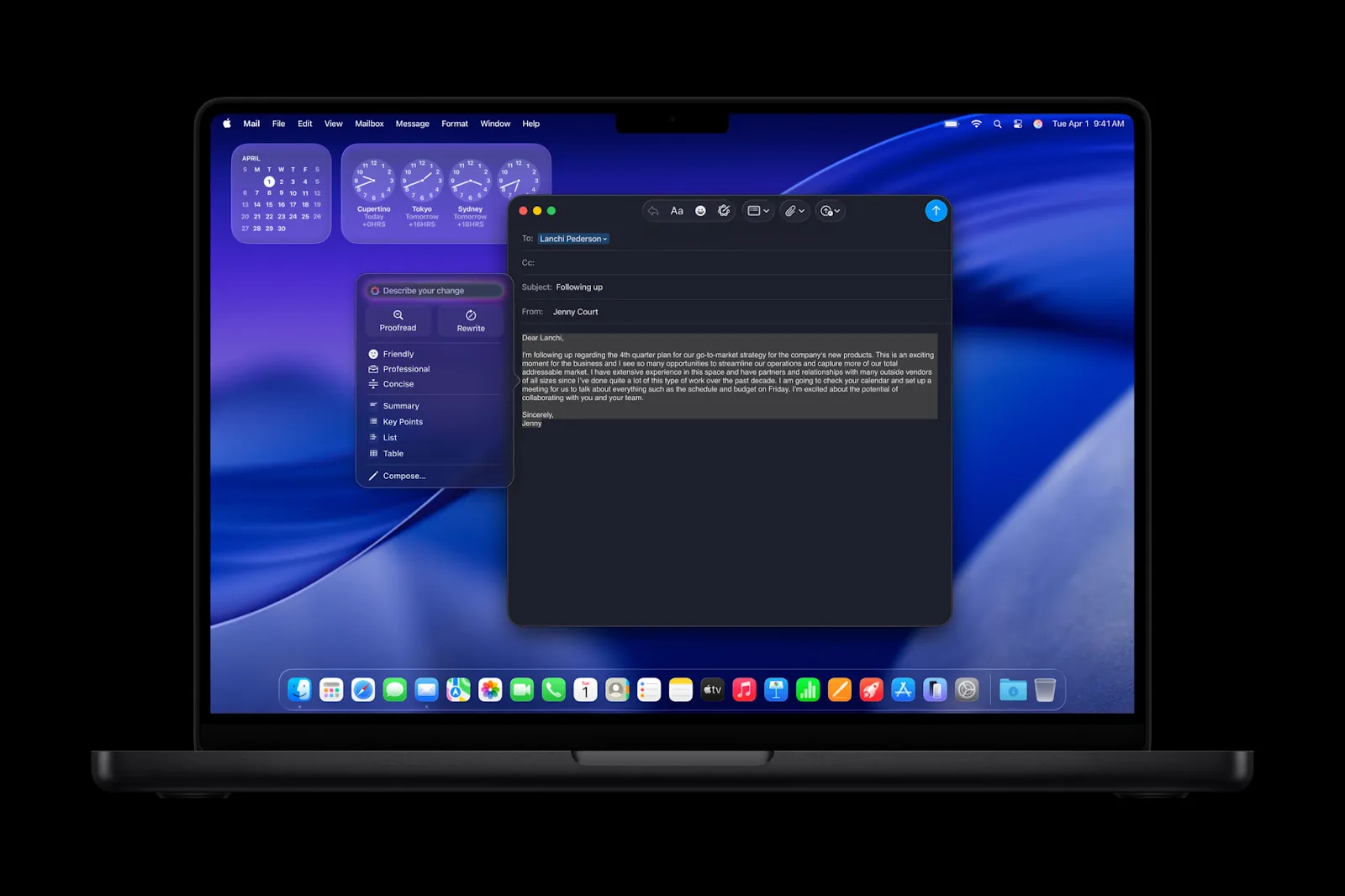
Meanwhile, the 16-core Neural Engine has been redesigned for higher power efficiency, enabling faster execution of Apple Intelligence features and third-party AI applications. This improvement particularly benefits tasks such as image generation in Image Playground, the creation of spatial scenes in Photos, and real-time AI inference for developers using Foundation Models and Core ML.
Memory Bandwidth and Unified Architecture
The M5’s unified memory bandwidth has been expanded to 153 GB/s, a near 30% increase over the M4 and more than double that of the M1. This increase allows for larger on-device AI model execution, accelerating multitasking in professional apps like Adobe Photoshop and Final Cut Pro, while maintaining responsiveness during background tasks such as large file uploads or cloud synchronization.
Hardware-Software Integration and Developer Tools
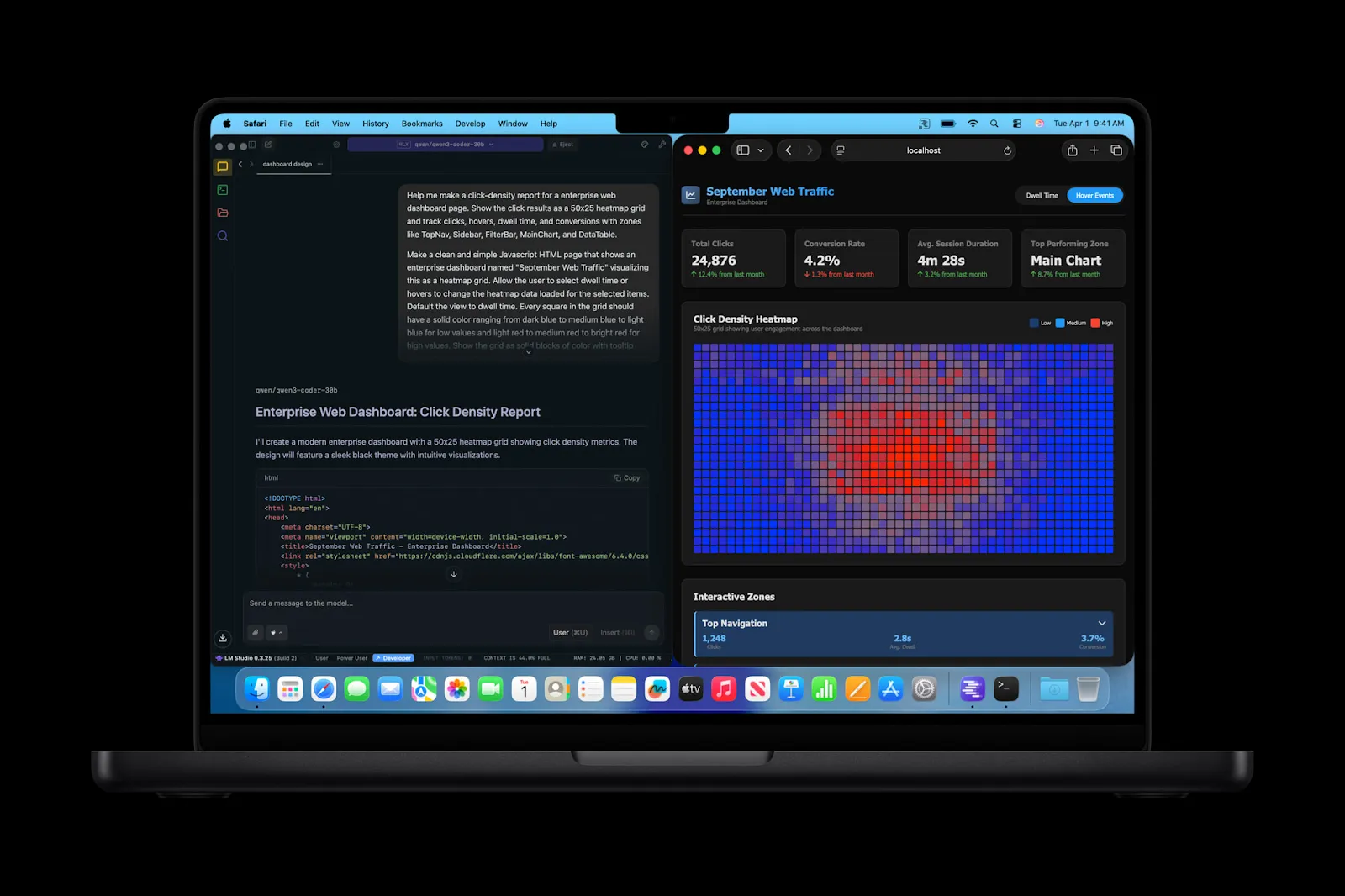
M5’s GPU is fully optimized for the software ecosystem. Applications using Metal 4, Core ML, or Metal Performance Shaders automatically leverage the new Neural Accelerators for higher performance without additional optimization. Developers can also directly access the Neural Accelerators using Tensor APIs, giving them finer control over AI and ML workloads.
Aligned with Apple’s 2030 carbon-neutral goals, the M5 maintains Apple’s hallmark of power-efficient performance. By minimizing energy consumption during intensive AI and graphics tasks, the chip supports Apple’s broader sustainability commitments, reducing the total lifetime energy footprint of supported devices.
The M5 chip strengthens Apple’s lead in high-performance, AI-ready processors. By adding Neural Accelerators to every GPU core and improving its unified memory design, M5 handles advanced AI and graphics tasks faster and more efficiently. Now powering the MacBook Pro, iPad Pro, and Apple Vision Pro, it shows how Apple is bringing true on-device AI performance to everyday computing.