




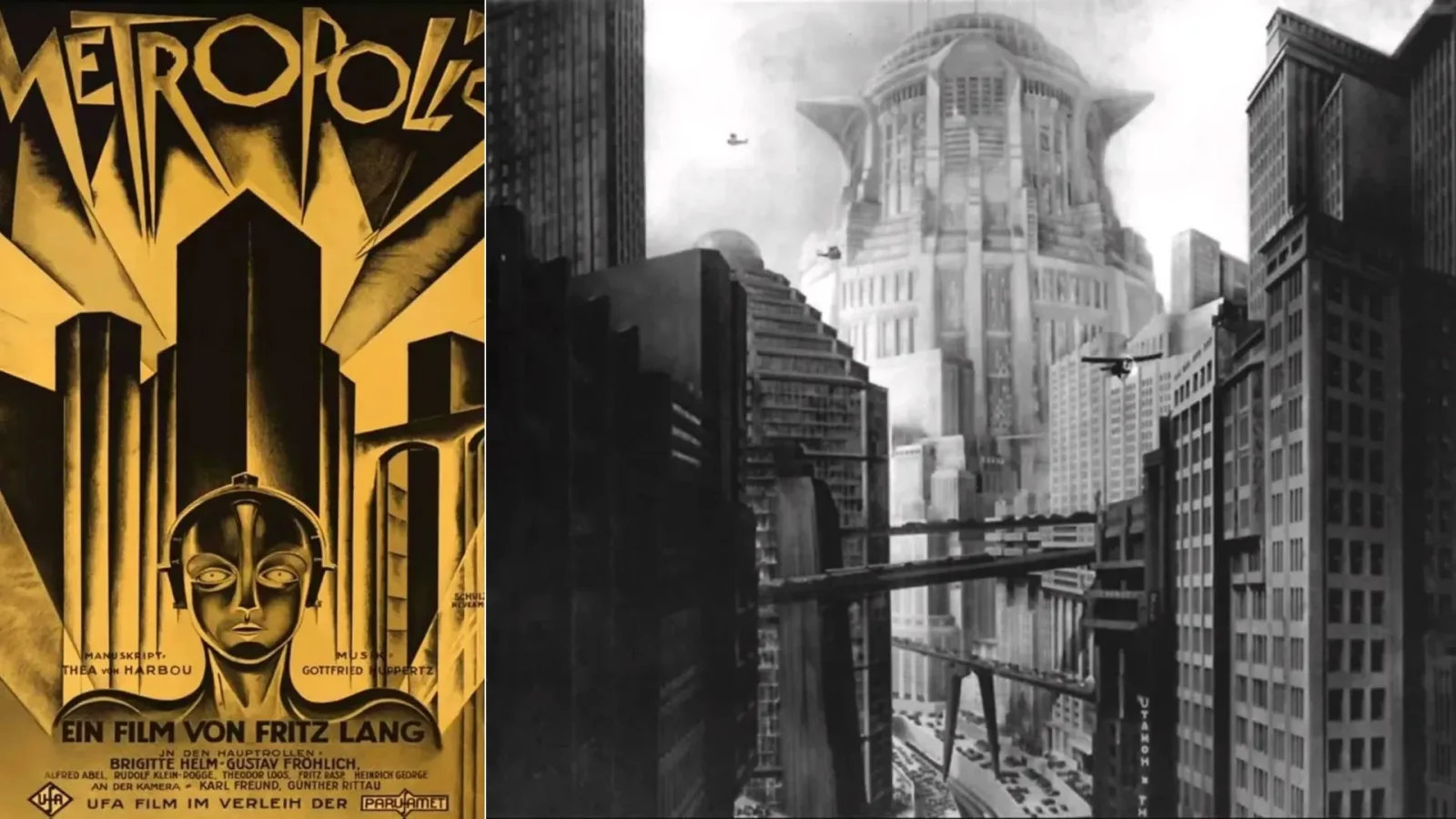
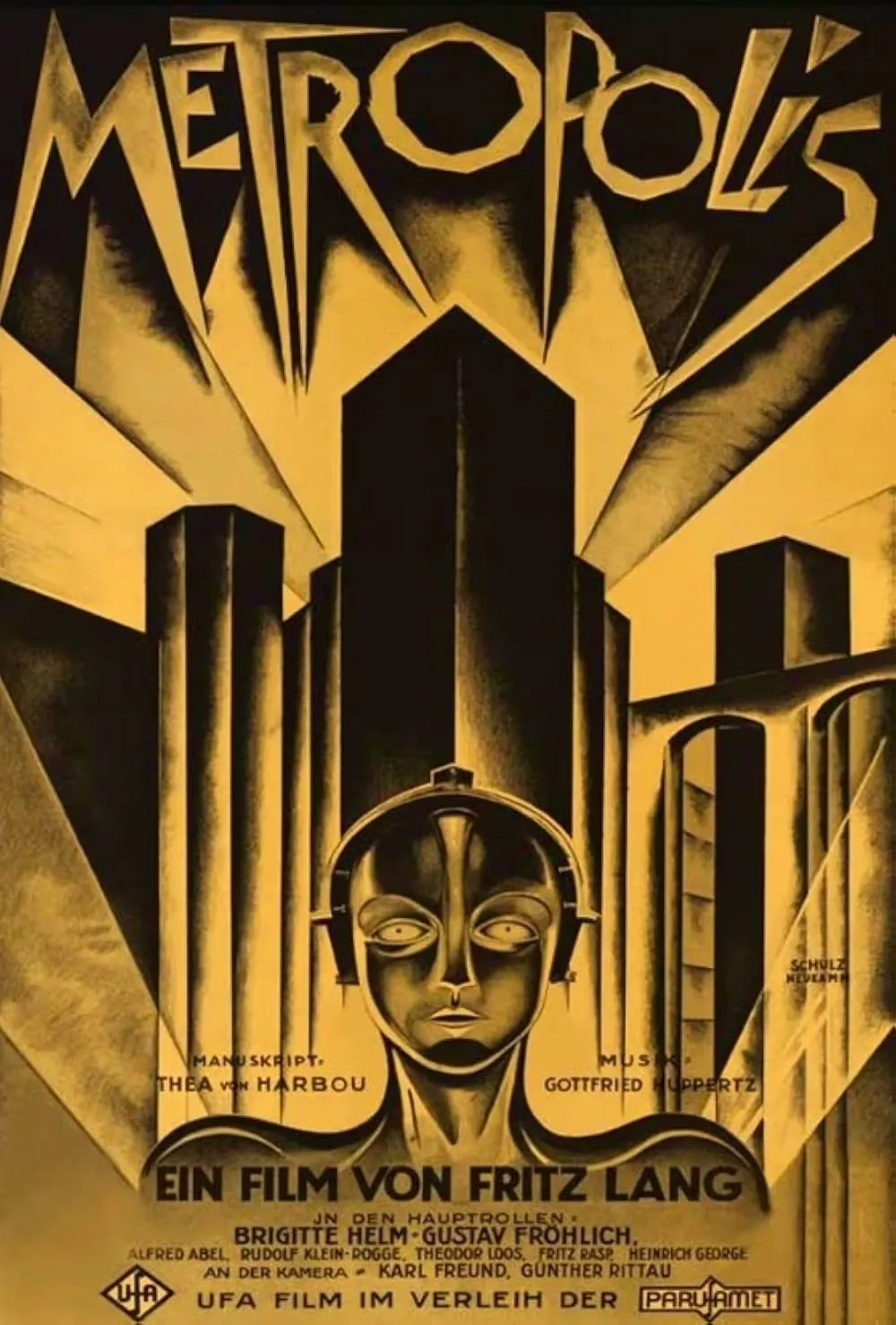
When Fritz Lang released the sci-fi film Metropolis in 1927, he did something rare even by today’s standards. He placed his story nearly a century in the future, setting it in the year 2026, and used that time to examine the pressures of his own era. The result was a sharply defined vision of a modern city pushed to its limits by technology, industrial growth, and social inequality.
Now that 2026 is no longer speculative but real, Metropolis invites a fresh look. It captured structural tensions that continue to shape modern urban life: who benefits from progress, who pays for it, and how technology changes human relationships when power is concentrated at the top.
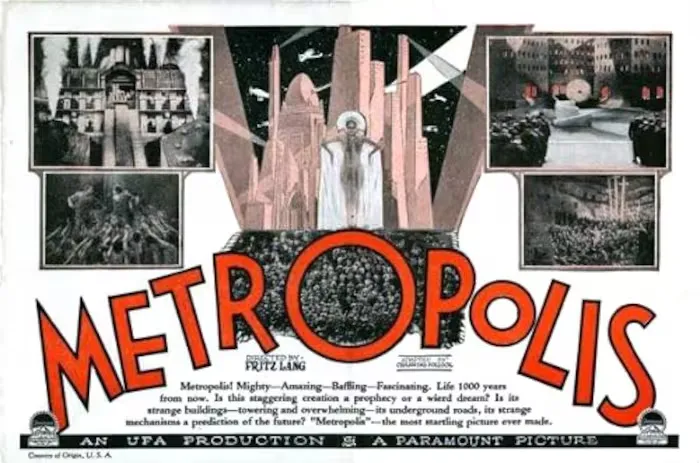
This article revisits Metropolis as a future-set film, examining how Lang envisioned the city of 2026, what he got right, what was symbolic rather than literal, and why the film remains relevant today.
A City Designed as a Machine
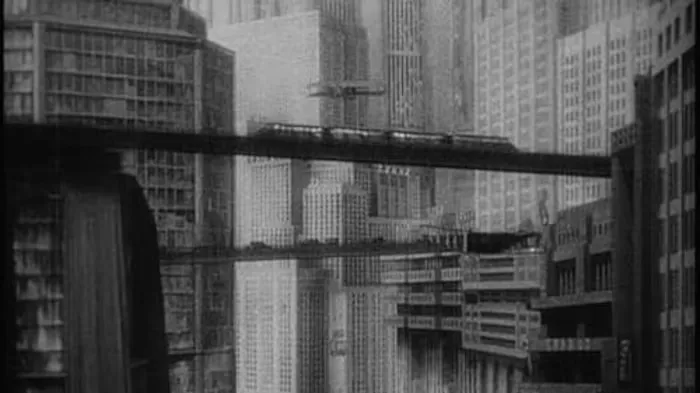
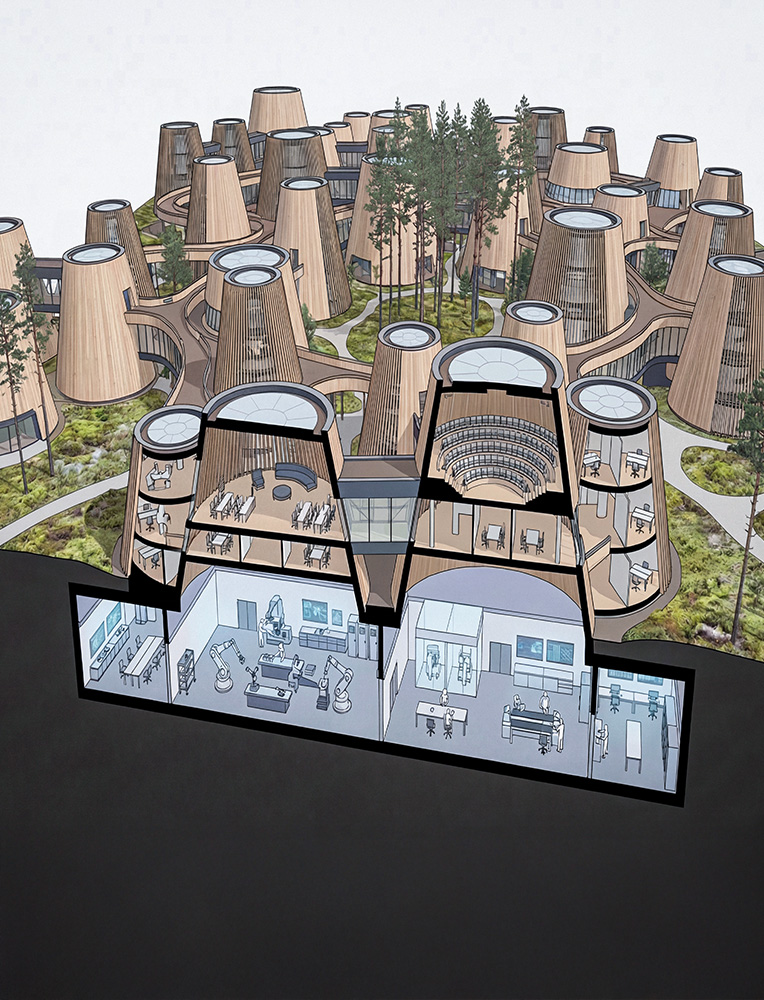
In Metropolis, the city itself is the main character. Lang envisioned a vertical megacity, built upward and downward at the same time. Above ground rise monumental skyscrapers, elevated railways, and synchronized traffic systems. Below ground lies an entirely separate world: factories, machine halls, and worker housing buried deep beneath the surface.
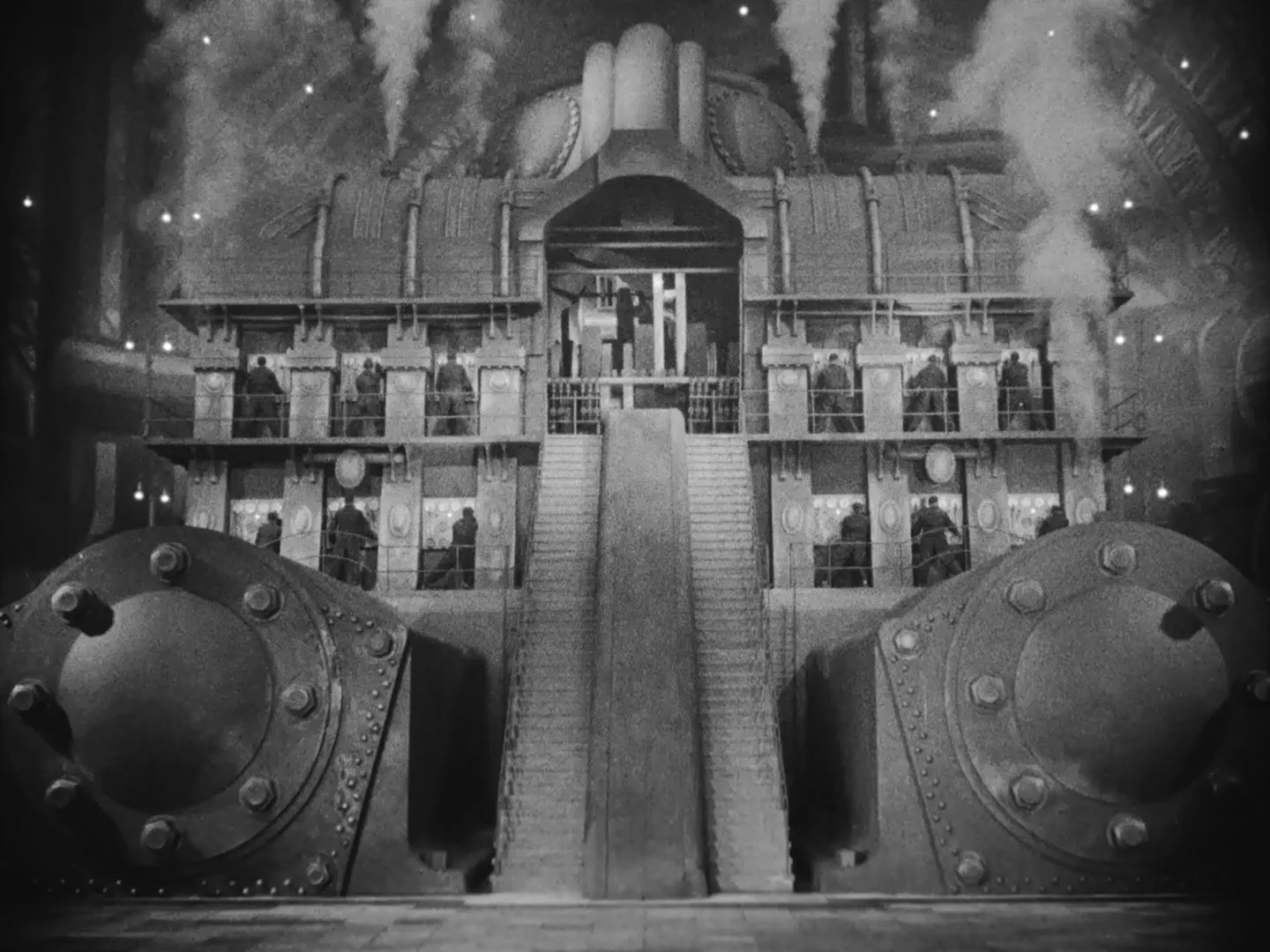
This vertical structure was deliberate. It visualized a strict hierarchy. The city runs smoothly because labor is hidden. The machines that power Metropolis never stop, and neither do the workers assigned to them.
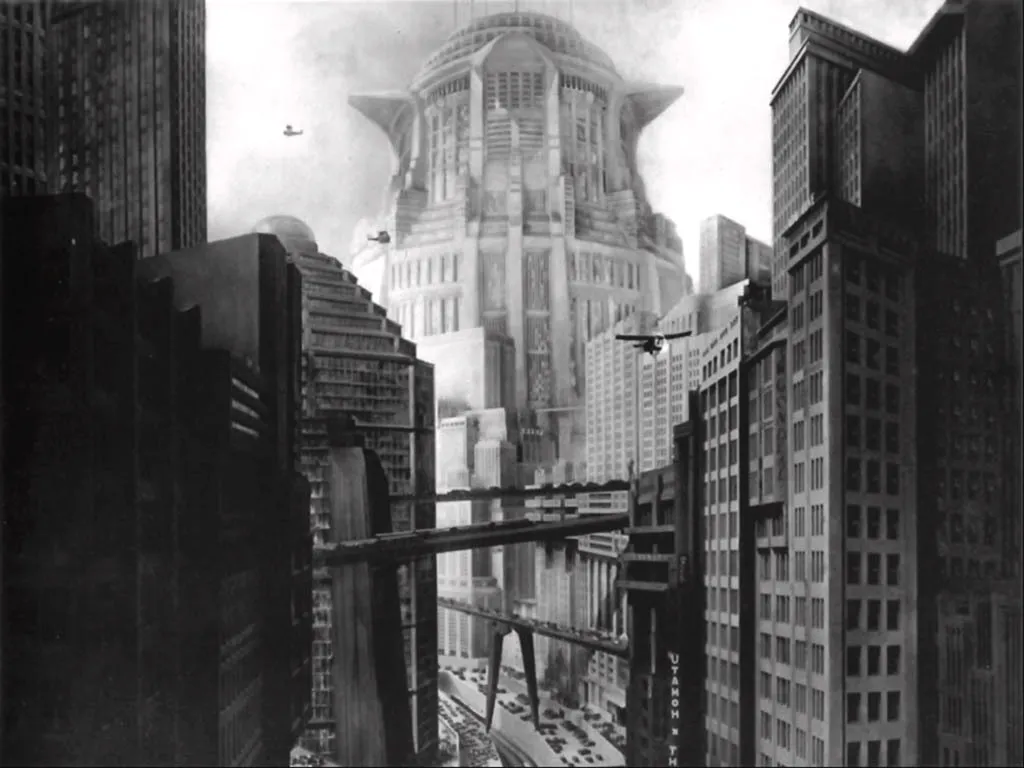
Lang’s urban design drew from real influences of the 1920s, including New York’s skyline, modernist architecture, and assembly-line factories. But he exaggerated them to make a point. Metropolis is efficient, orderly, and impressive, yet completely dependent on human exhaustion.
The Two Worlds of 2026
The film’s version of 2026 is defined by separation.
Above ground, the ruling class lives in controlled comfort. Joh Fredersen, the city’s master planner, governs from a tower that resembles both a corporate headquarters and a command center. His world is quiet, regulated, and detached. Leisure gardens, clean lines, and constant surveillance create an illusion of stability.
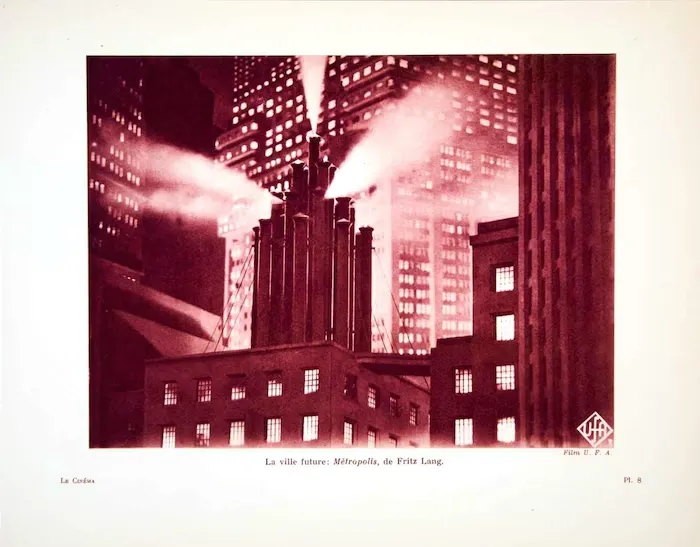
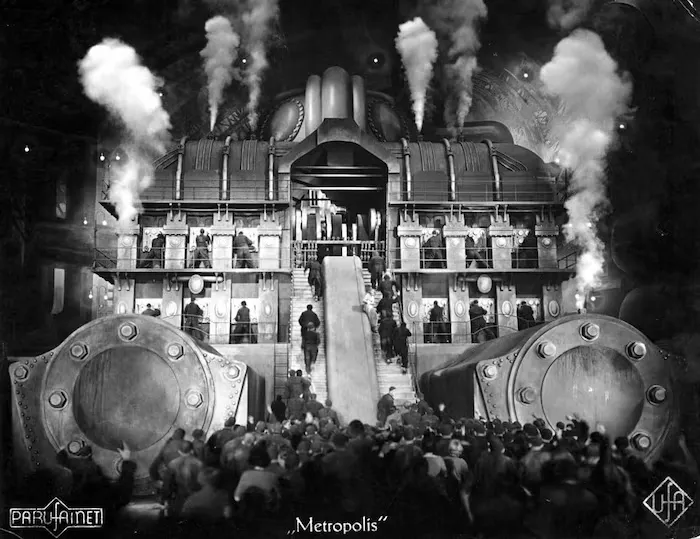
Below ground, workers live and move through fixed, exhausting labor cycles. They operate massive machines that resemble living creatures, often shot as if they demand sacrifice. Workers move in synchronized shifts, replace one another without individuality, and are identified more by function than by name.
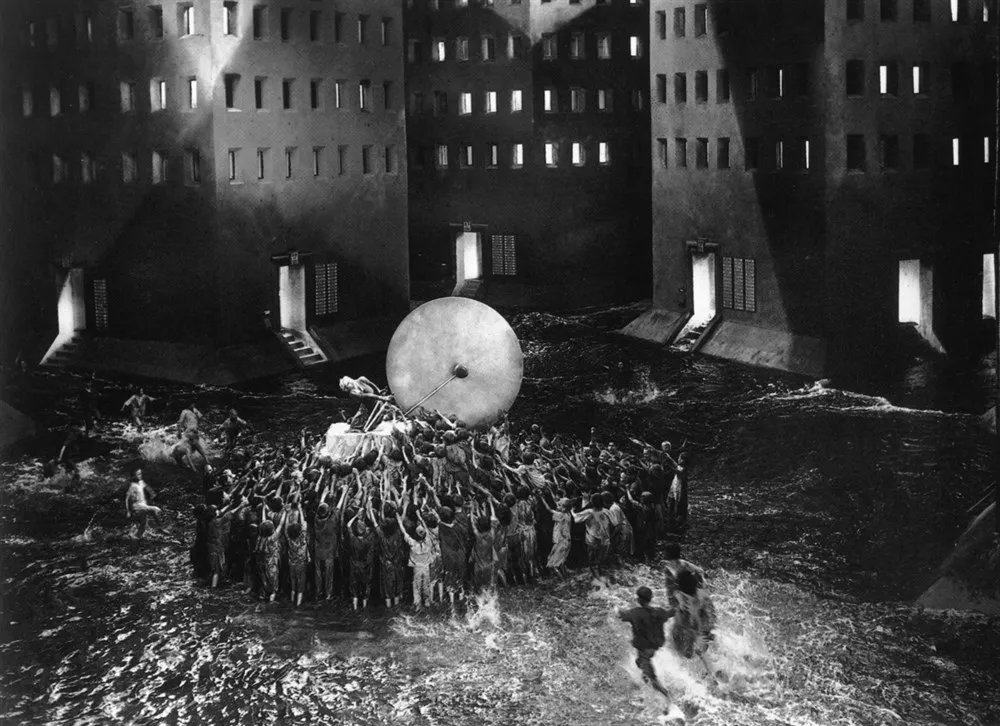
Lang portrayed industrial labor as physically draining and mentally erasing. The workers are not starving in the traditional sense; they are deprived of agency, time, and dignity.
Technology as Control, Not Liberation
One of Metropolis’s most enduring contributions to science fiction is its portrayal of technology as morally neutral but politically dangerous.

The machines in the film are advanced, automated, and visually striking. Yet they do not free humans from labor. They require constant human input and punishment when something goes wrong. In one of the film’s most famous sequences, a factory machine transforms into the god Moloch, devouring workers. This was not meant to be literal. It was Lang’s way of showing how systems can demand sacrifice without acknowledging it.
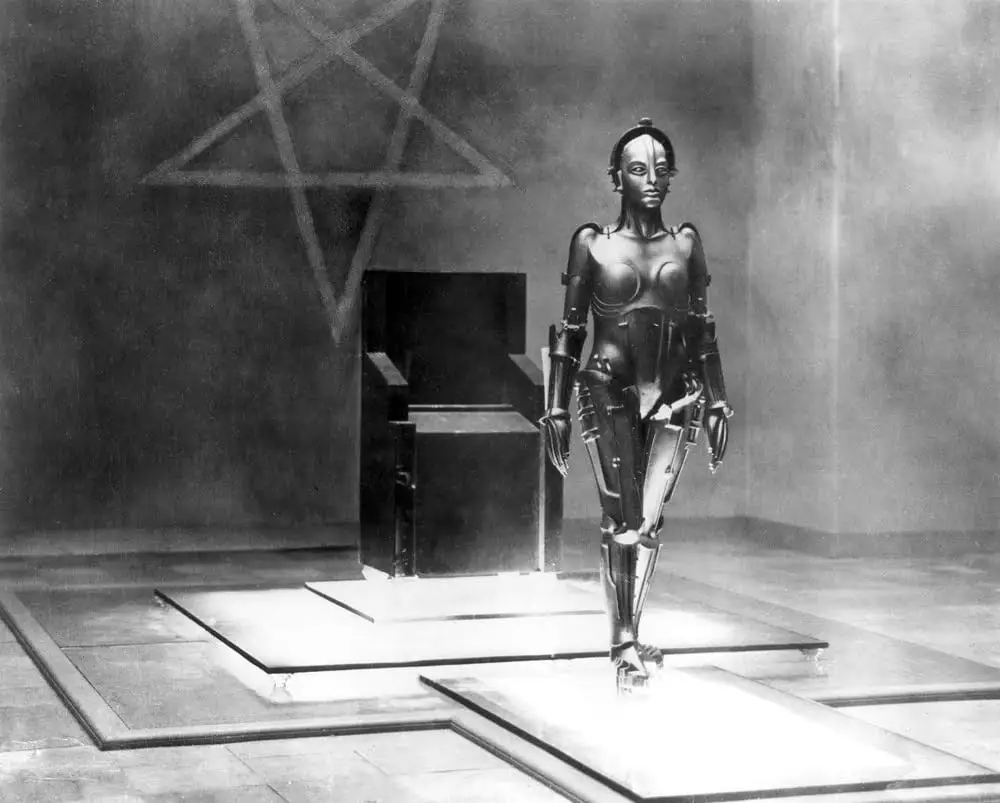
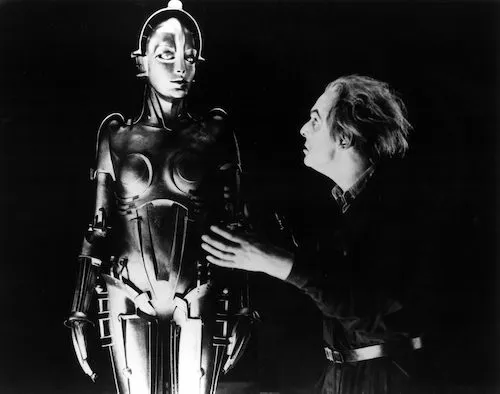
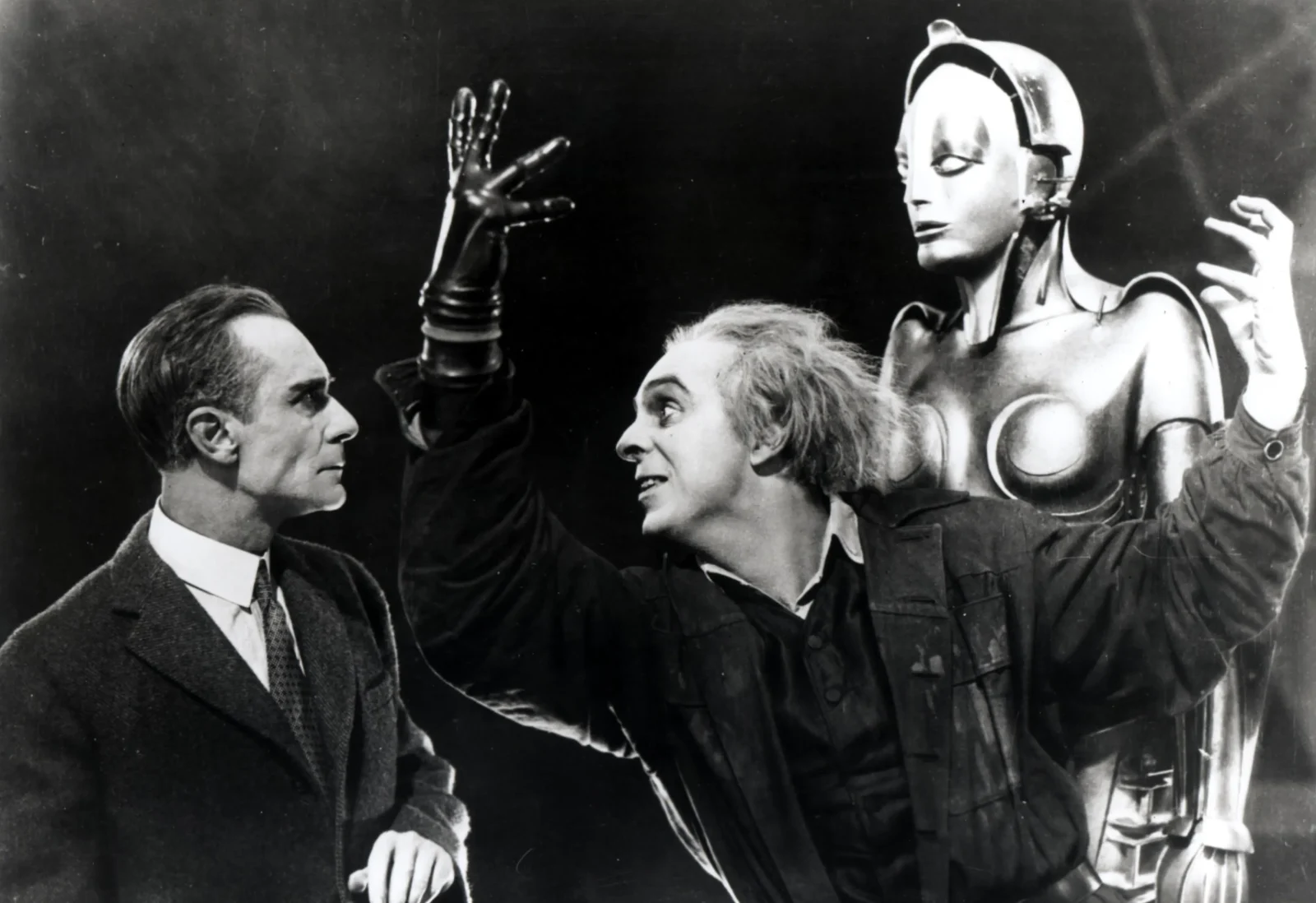
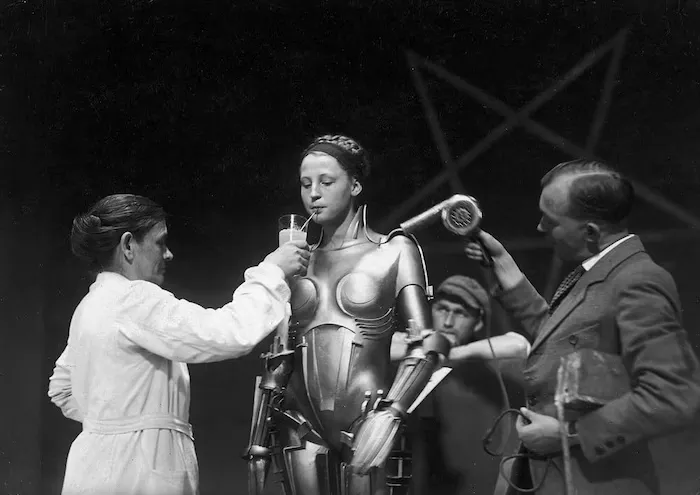
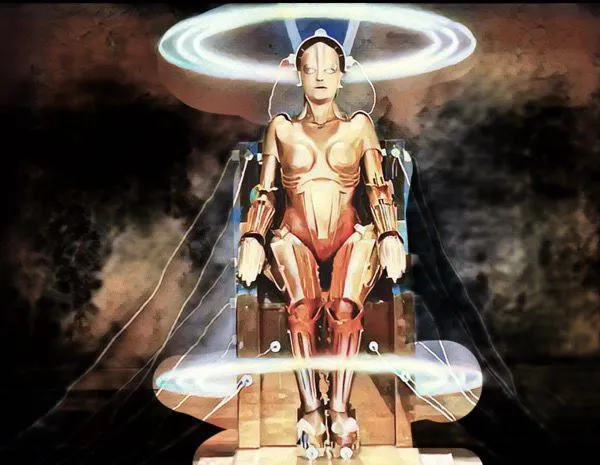
The most iconic technological figure is the HEL, also called Maschinenmensch, often described as cinema’s first humanoid robot. The robot is designed to take on human form and influence the masses. Created by the inventor Rotwang, she’s a crystal-and-silver being with eyes hinting at “tame madness.” Rotwag names her Parody, Futura, or Disillusionment, reflecting her imitation of humanity and partial femininity. When given the likeness of Maria, a peaceful mediator, the robot becomes a tool of manipulation, inciting chaos.
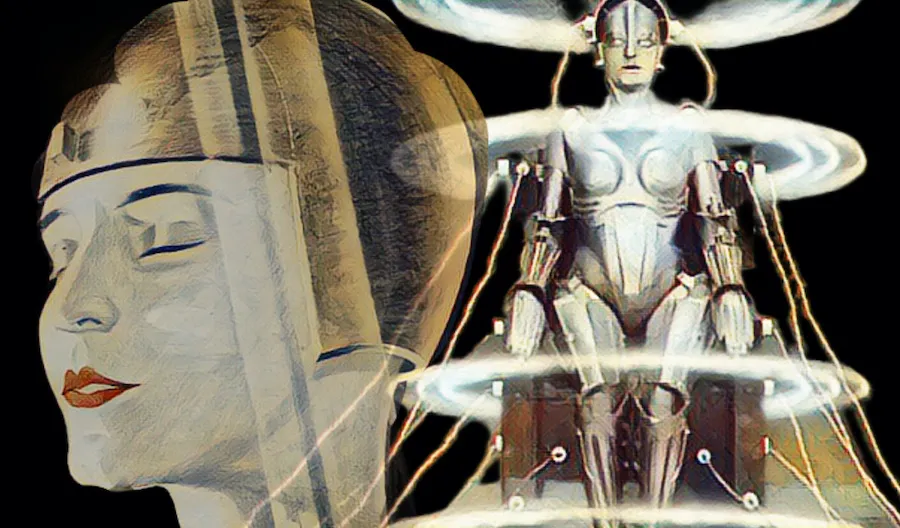
This aspect of Metropolis is especially relevant in discussions about misinformation, artificial authority, and the use of technology to shape public behavior. Lang was not predicting specific devices. He was questioning who controls them and to what end.
Class Conflict at the Core
Metropolis is a story about class conflict in an industrial society. Lang and screenwriter Thea von Harbou framed the city as a system where intellectual leadership (“the head”) and physical labor (“the hands”) are completely disconnected.
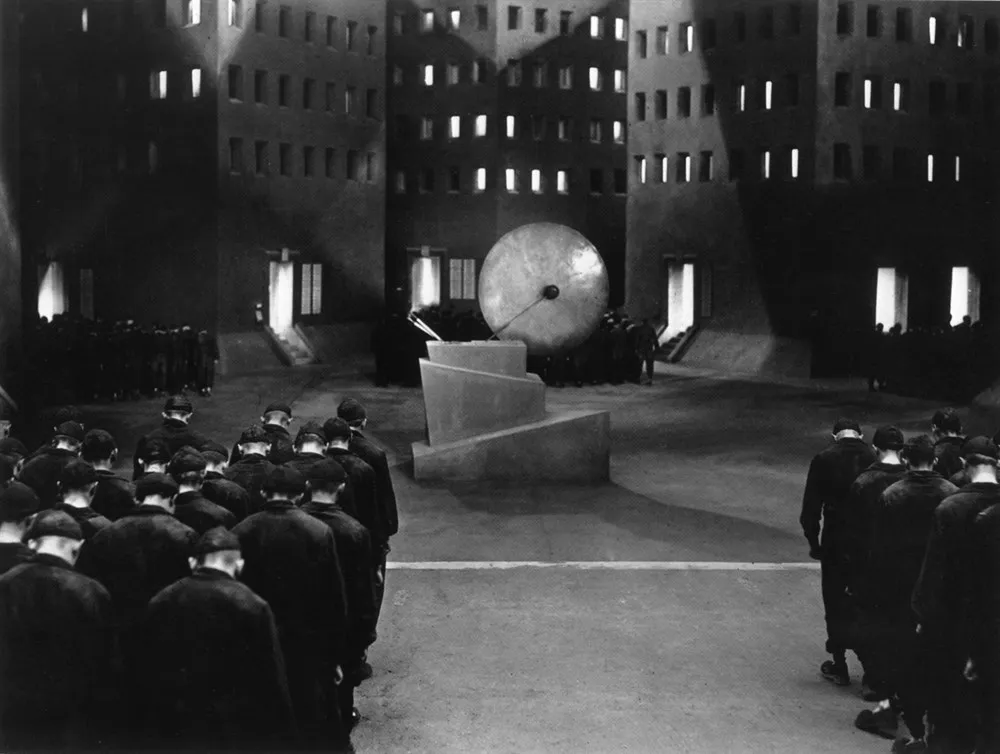
Freder, the son of Joh Fredersen, functions as the audience’s guide between these worlds. His shock at discovering the workers’ conditions mirrors the film’s central argument: progress without empathy creates instability, not order.
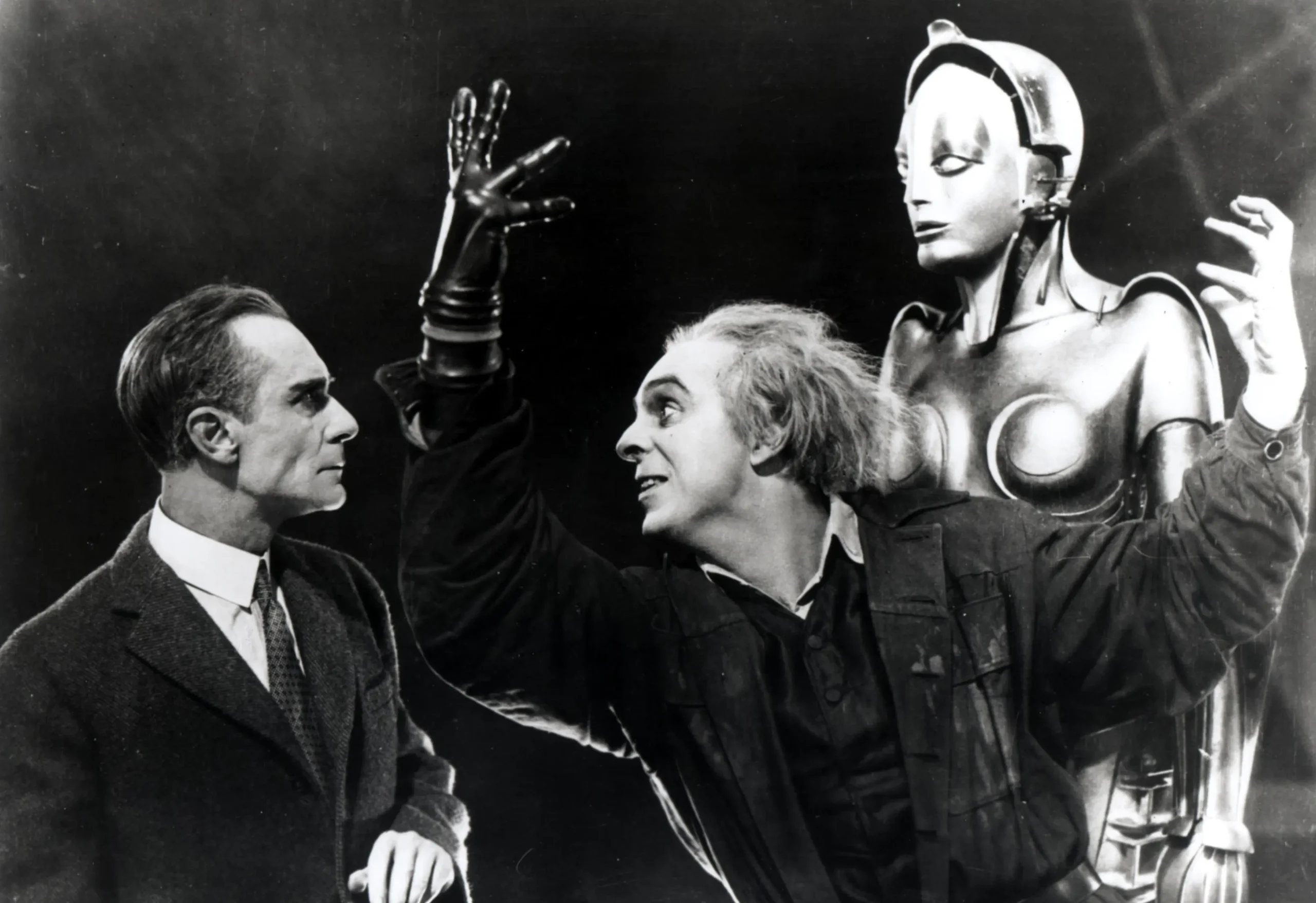
The film’s famous closing line, “The mediator between the head and the hands must be the heart,” has often been criticized as simplistic. But within the context of the film, it reflects a warning rather than a solution. Without understanding and accountability, technological societies fracture.
What Metropolis Got Right About 2026
Metropolis captured several enduring realities:
- Urban concentration of power, where decisions affecting millions are made by a small leadership class
- Invisible labor, especially in systems that prioritize efficiency and output
- Technological dependence, where infrastructure failures have immediate human consequences
- Social division masked by innovation, where progress is celebrated without examining who benefits
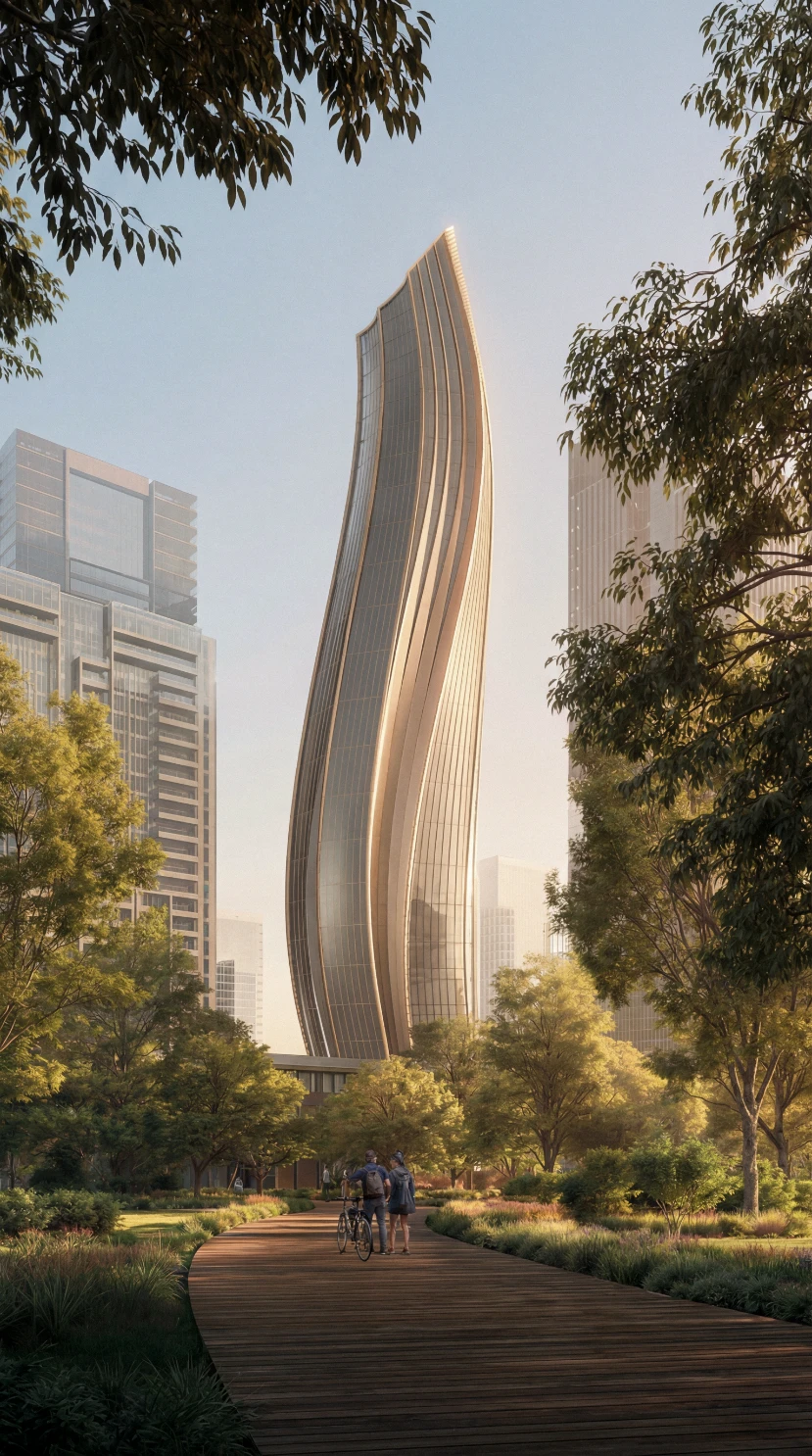
Metropolis did not predict how cities in 2026 would look, but it anticipated how power would operate within them. The film’s portrayal of invisible labor also feels familiar. In today’s world, much of the work that sustains digital systems remains hidden, from content moderation and data labeling to warehouse logistics and platform-based gig work. Efficiency is prioritized, while the people maintaining these systems are rarely visible to those who benefit from them. Like the workers beneath Metropolis, their labor is essential but largely unacknowledged.

Metropolis also recognized how deeply societies would come to depend on complex technological systems. Today, disruptions to power grids, networks, automated services, or AI-driven platforms can bring cities to a halt almost instantly. The film’s machines were fictional, but the dependency they represented was not.
Technological progress is often framed as universally beneficial, yet its advantages remain unevenly distributed. AI tools increase productivity and profit, but they also reshape labor, widen skill gaps, and concentrate wealth. Metropolis warned that progress without accountability creates distance, a lesson that continues to apply.
Why Metropolis Remains Relevant
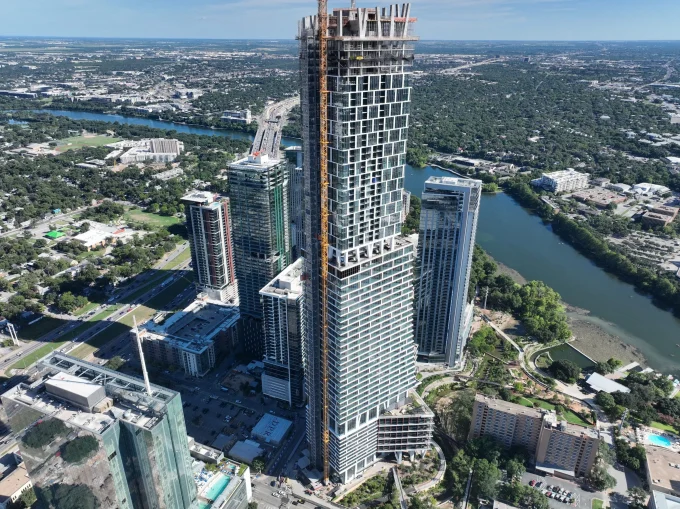
Almost a hundred years on, Metropolis continues to be studied for the clarity of its ideas and the scale of its vision. Its future setting was a tool for critique, not fantasy. As cities grow taller, work becomes more abstracted, and technology mediates more of daily life, Lang’s imagined 2026 reads less like a failed prediction and more like a framework for asking difficult questions.
What does progress cost? Who bears that cost? And what happens when systems run perfectly but people do not?
Metropolis endures because it never lets phenomenon replace responsibility. Even now, in the year it imagined, that question still matters.
Credits: Metropolis 1927
Explore Courses
.jpg%202.jpg "Building Performance with Forma & Opossum")

.jpg "Ondrej Chybik - Rethinking Architecture")