




Lebanon’s cultural heritage, spanning Phoenician, Roman, Byzantine, Islamic, Ottoman, and modern periods, is once again facing significant risks amid renewed hostilities in the country. Heritage experts, UNESCO, and Lebanese cultural authorities have warned that archaeological sites, historic monuments, religious landmarks, and traditional urban centers have suffered damage or remain vulnerable as military operations continue across parts of the country.
The concern extends beyond the loss of physical structures. Cultural heritage specialists emphasize that historic sites represent collective memory, identity, and continuity for communities that have already endured decades of conflict, economic instability, and reconstruction efforts.
UNESCO Calls for Protection of Heritage Sites
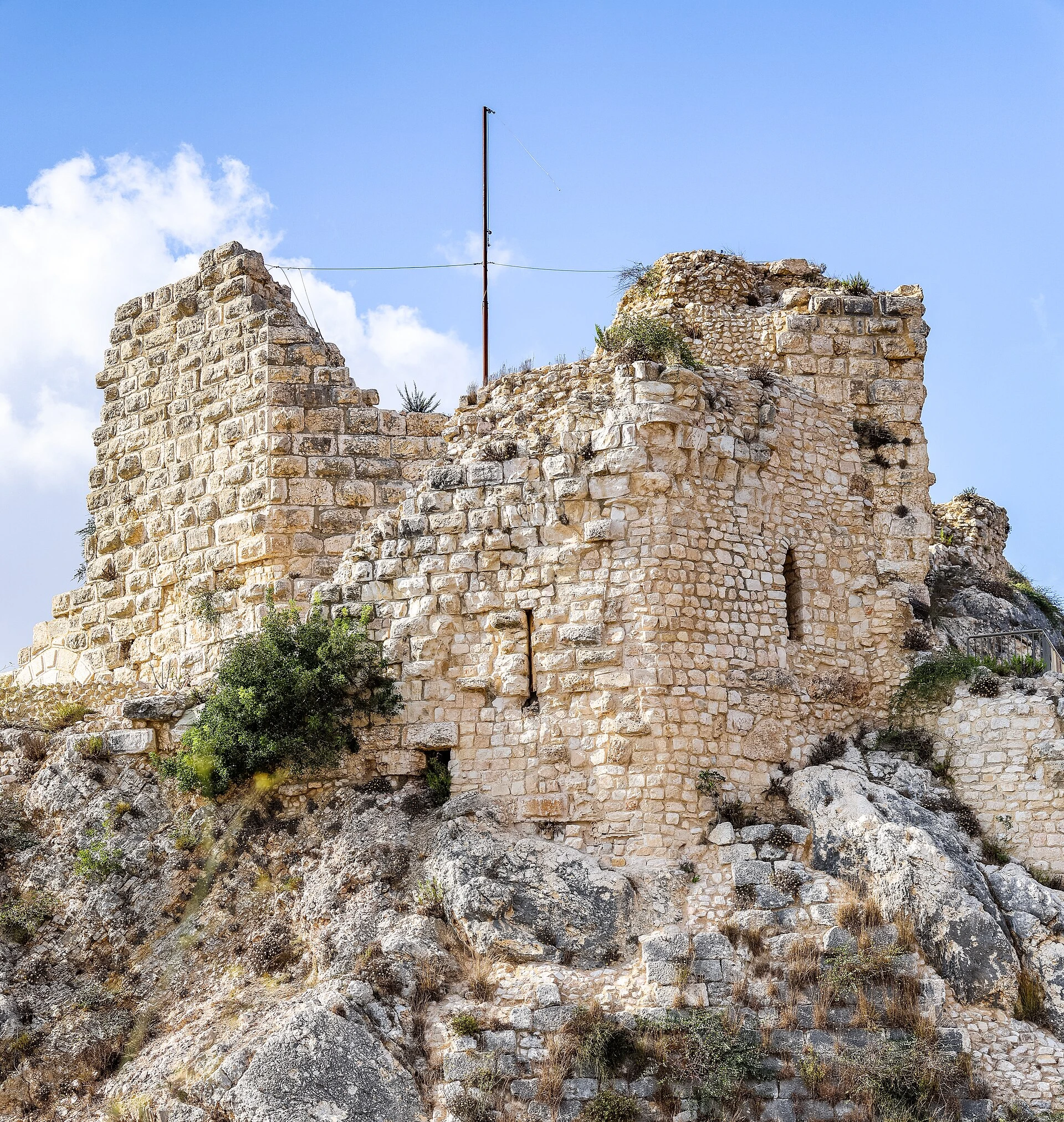
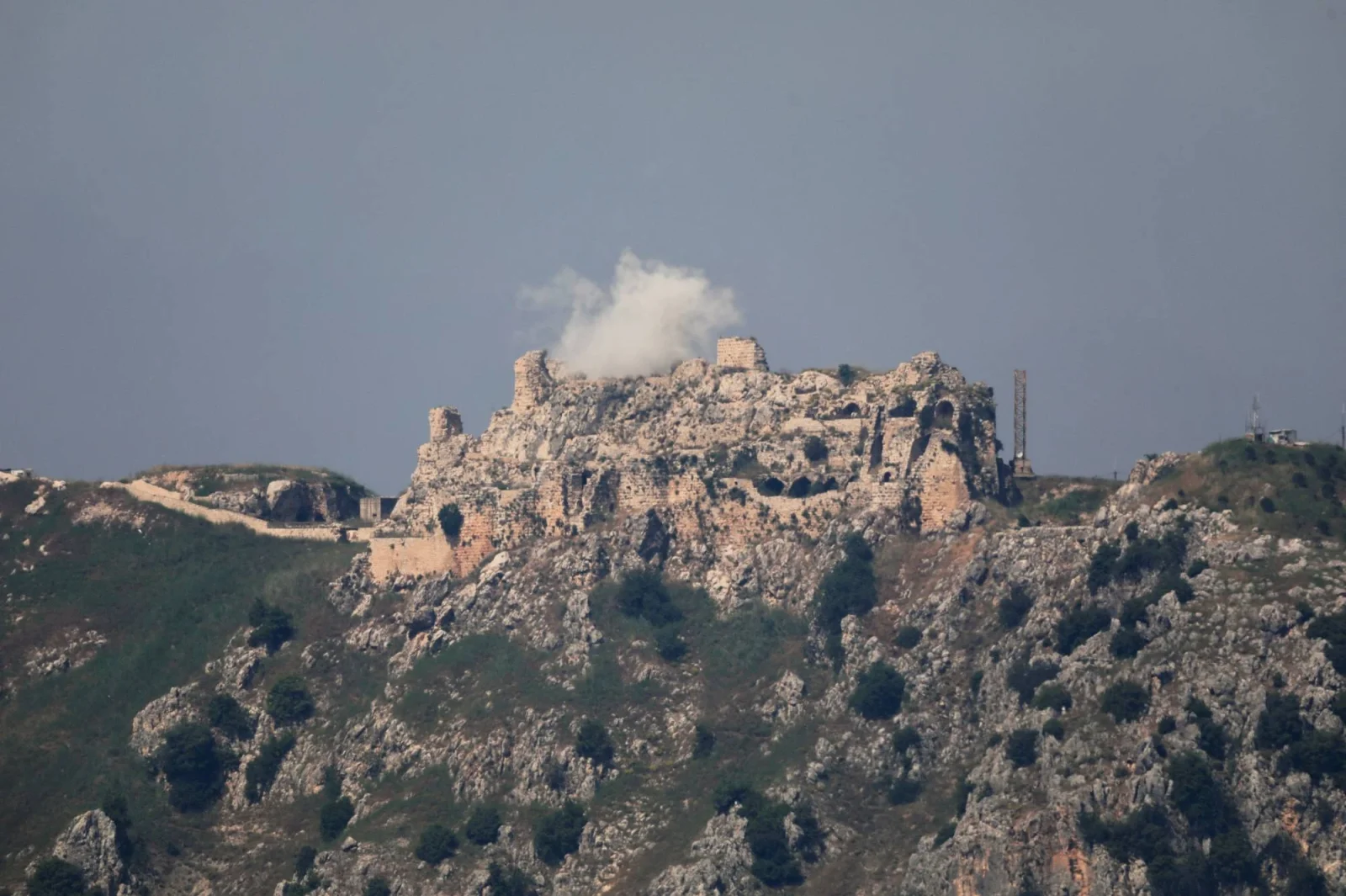
In recent statements, UNESCO expressed alarm over verified damage affecting Chamaa (Chamaa) Citadel in southern Lebanon and reports of strikes near Beaufort Castle, both protected under the framework of the 1954 Hague Convention for the Protection of Cultural Property in the Event of Armed Conflict. The organization also raised concerns regarding the condition of the ancient city of Tyre, one of Lebanon’s UNESCO World Heritage Sites.
Following requests from Lebanese authorities, UNESCO granted enhanced protection status to dozens of cultural properties across the country. In April 2026, an extraordinary session of the Committee for the Protection of Cultural Property in the Event of Armed Conflict placed 39 additional cultural properties under enhanced protection and approved emergency financial assistance for safeguarding measures.
Tyre: A World Heritage Site in the Spotlight
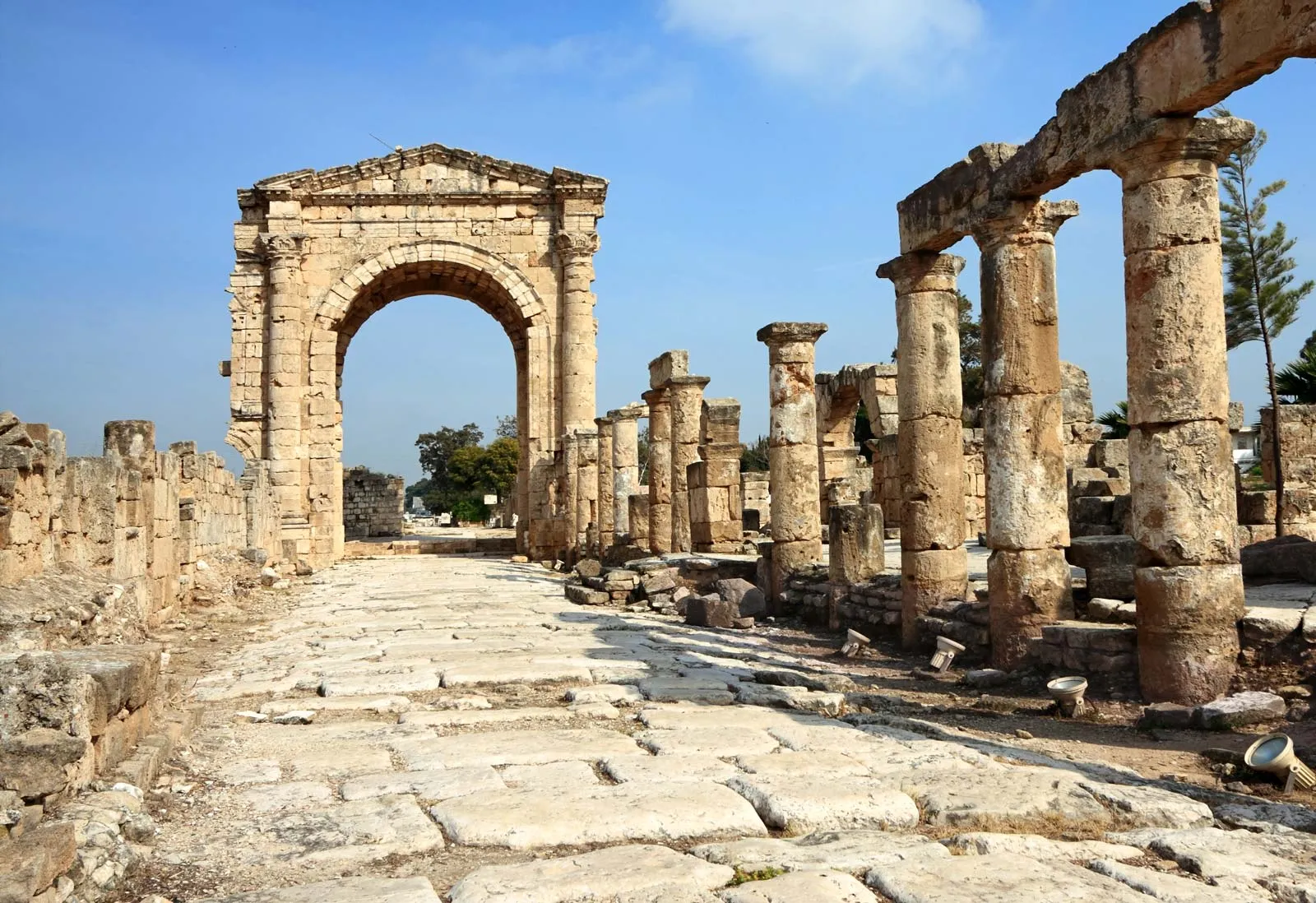
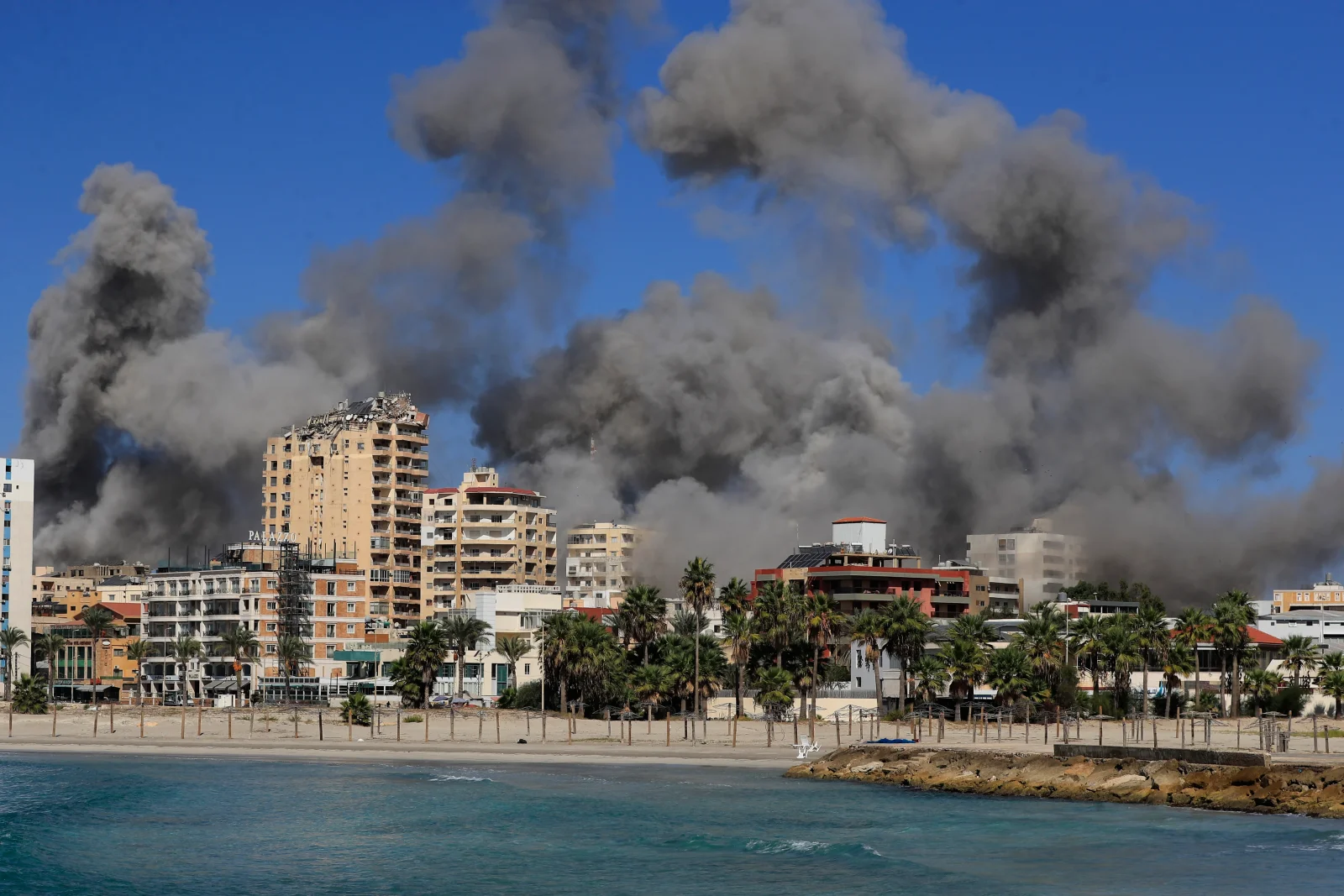
Among the sites drawing international attention is the ancient city of Tyre, one of the world’s oldest continuously inhabited urban centers. The site contains extensive Roman-era remains, including a monumental hippodrome, a necropolis, aqueducts, and a triumphal arch that reflect the city’s importance in antiquity.
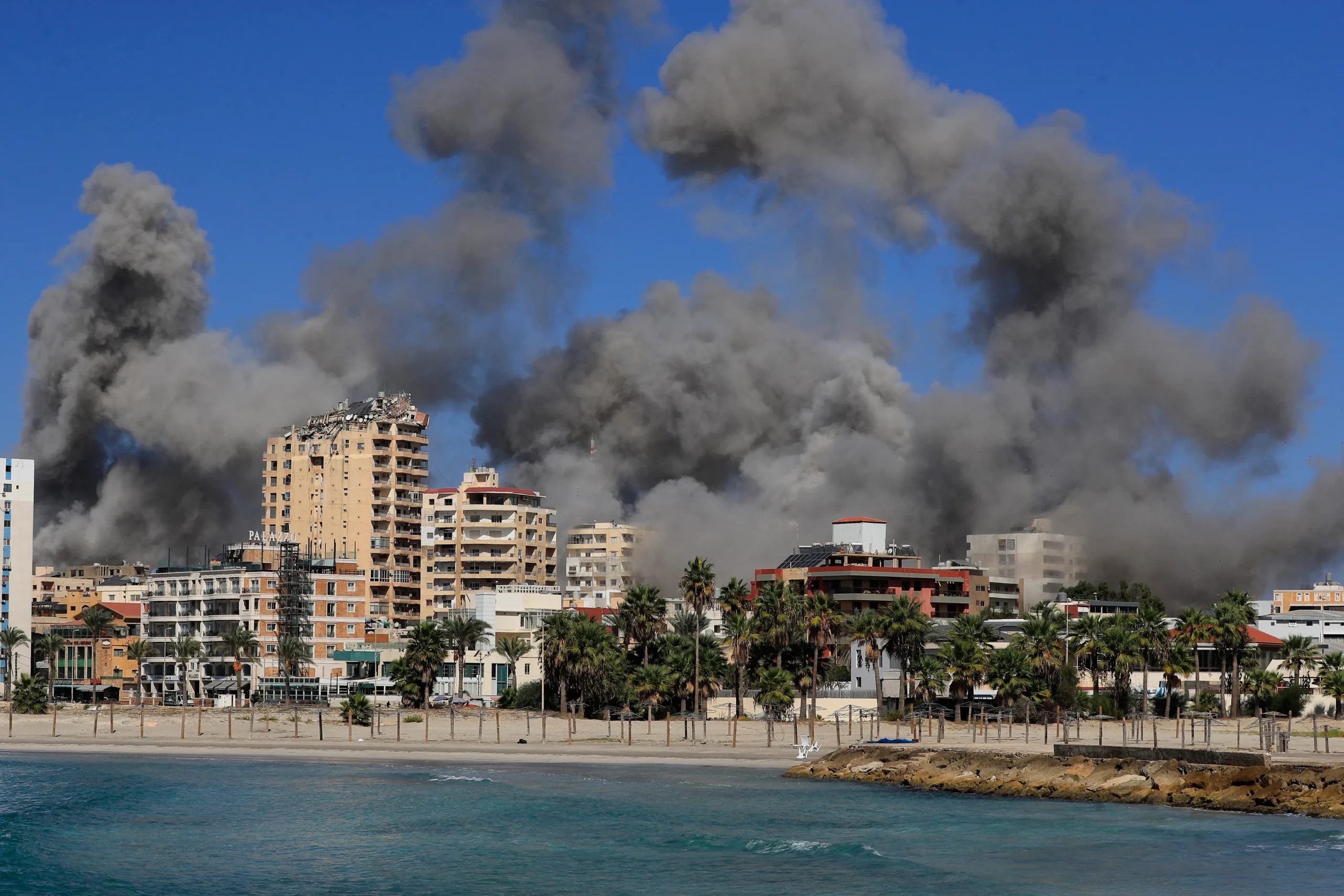
According to reports cited by heritage organizations, airstrikes conducted near the archaeological zone affected areas within the site’s protective buffer zone. Experts from the Lebanese branch of the International Council on Monuments and Sites (ICOMOS) warned that activity in such proximity poses a threat to the integrity of the World Heritage property.
UNESCO continues to monitor the site’s condition through damage assessment programs and satellite observation initiatives.
Chamaa Citadel Suffers Severe Damage
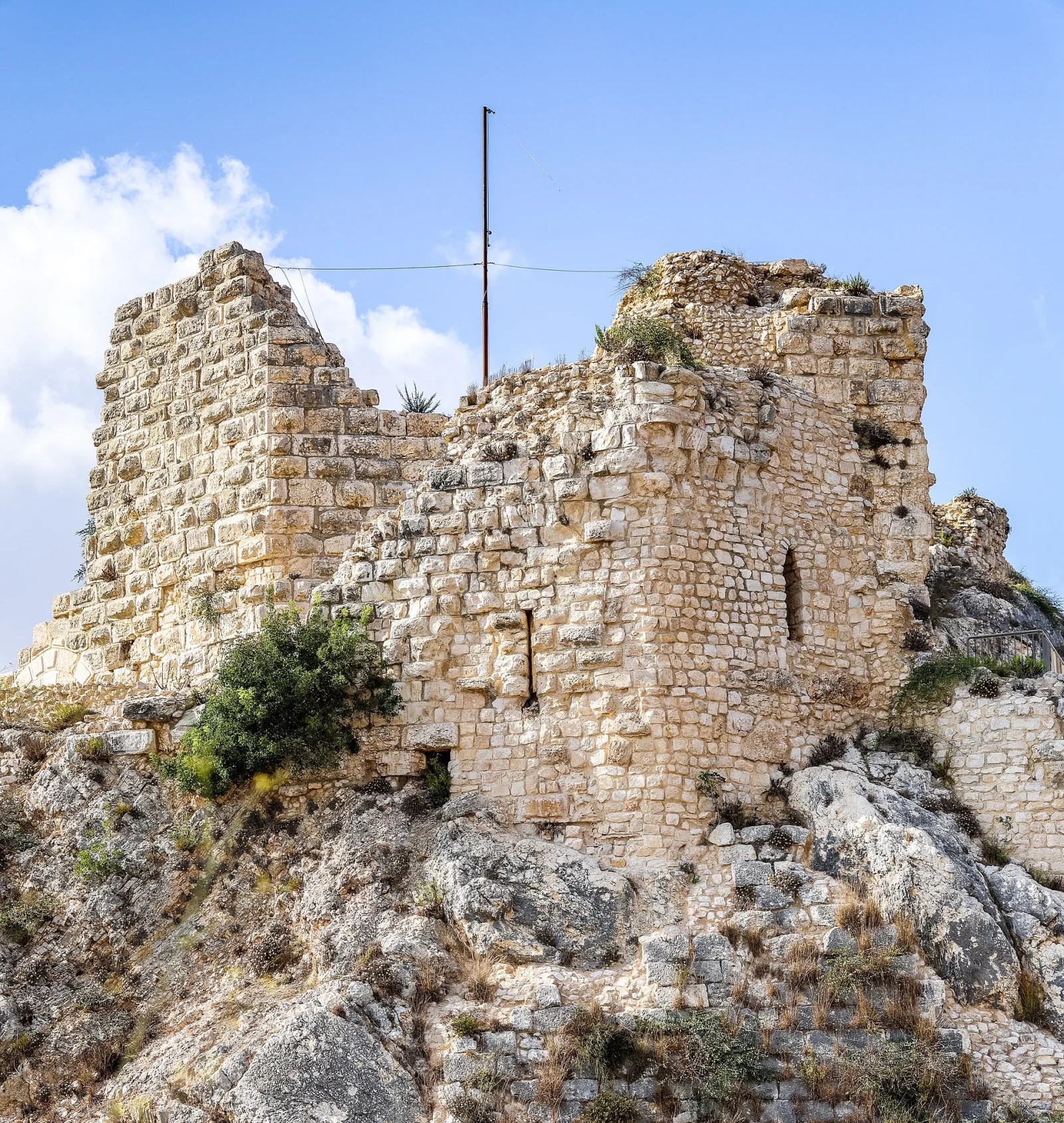
Another site that has become central to preservation concerns is Chamaa Citadel, a historic fortified complex included on UNESCO’s Tentative List and protected under enhanced heritage measures. Heritage organizations reported that an airstrike in April caused extensive damage to the site and the historic settlement enclosed within its walls.
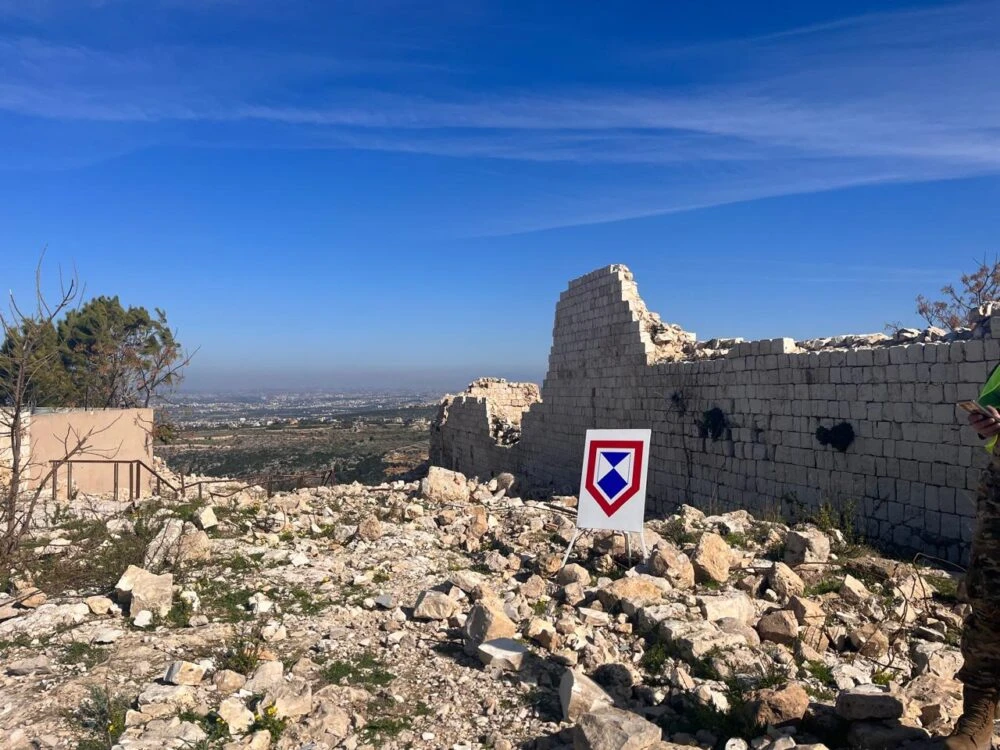
ICOMOS Lebanon described the citadel as a location of exceptional cultural and religious significance, where Christian and Islamic traditions intersect. Lebanese authorities subsequently submitted urgent appeals to UNESCO seeking international intervention and documentation of the damage.
Beaufort Castle and the Legacy of Conflict
The historic Beaufort Castle has also emerged as a symbol of the intersection between heritage and conflict. The Crusader-era fortress, built in the 12th century and strategically positioned above the Litani River, has witnessed repeated military occupations over centuries. Recent reports indicate damage in the vicinity of the castle amid renewed fighting in southern Lebanon.
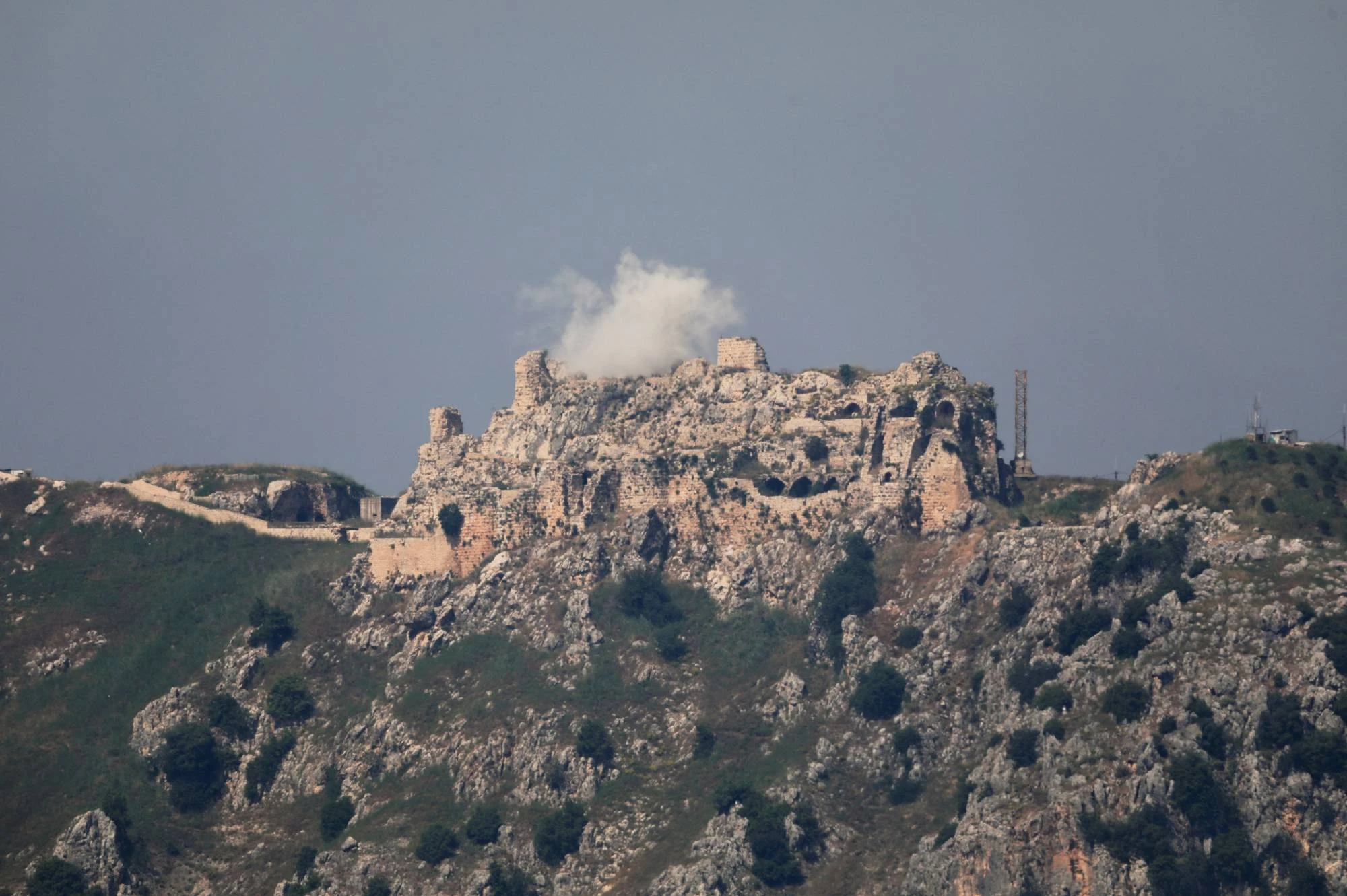
UNESCO has expressed concern about strikes near the site, noting its protected status under international cultural heritage conventions.
Baalbek and Earlier Damage Assessments
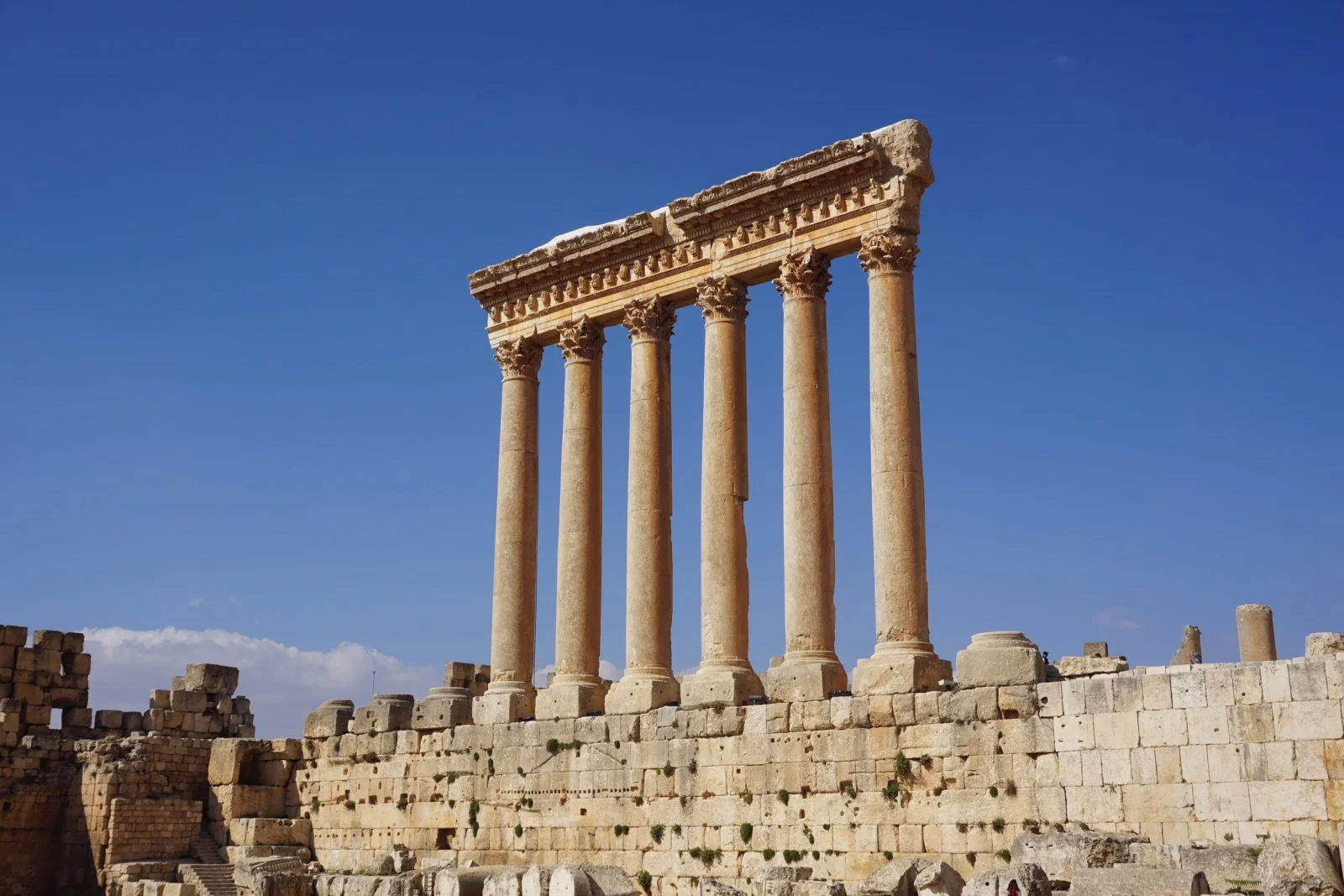
Attention has also focused on the archaeological landscape of Baalbek, home to some of the best-preserved Roman temples in the world. UNESCO assessments conducted after earlier hostilities identified damage to structures near the entrance of the archaeological complex, including heritage buildings and supporting infrastructure. The site received provisional enhanced protection in 2024 due to concerns arising from regional conflict.
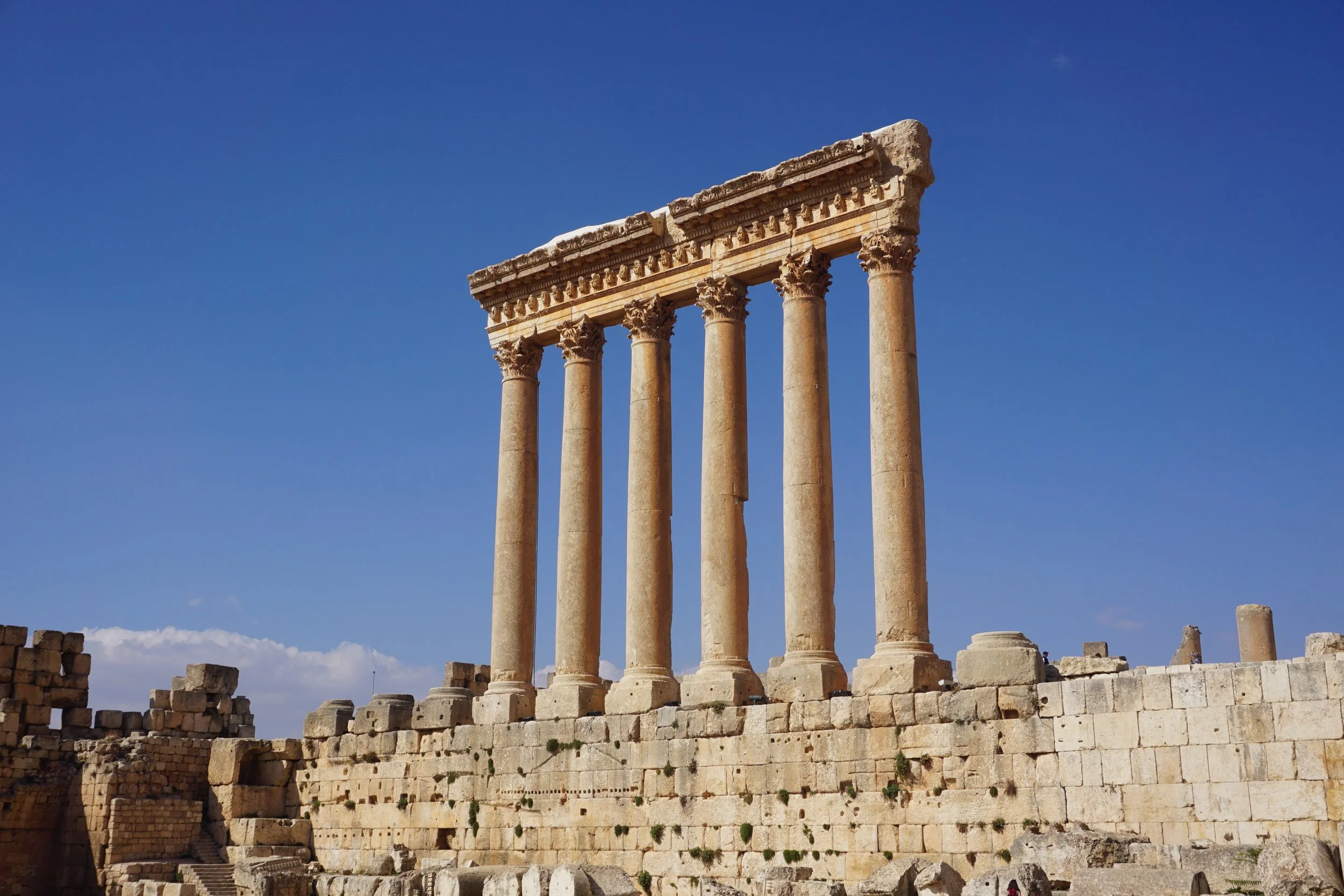
Although the monumental temple complex remains one of Lebanon’s most significant archaeological landmarks, conservation experts have repeatedly warned that nearby military activity and shockwaves from explosions can threaten ancient masonry even when direct strikes do not occur.
Religious and Vernacular Heritage at Risk
Beyond internationally recognized monuments, Lebanese cultural organizations have documented damage to churches, mosques, shrines, historic houses, and traditional village centers. Heritage advocates argue that many of these locations receive less international attention despite their importance to local communities and regional history.
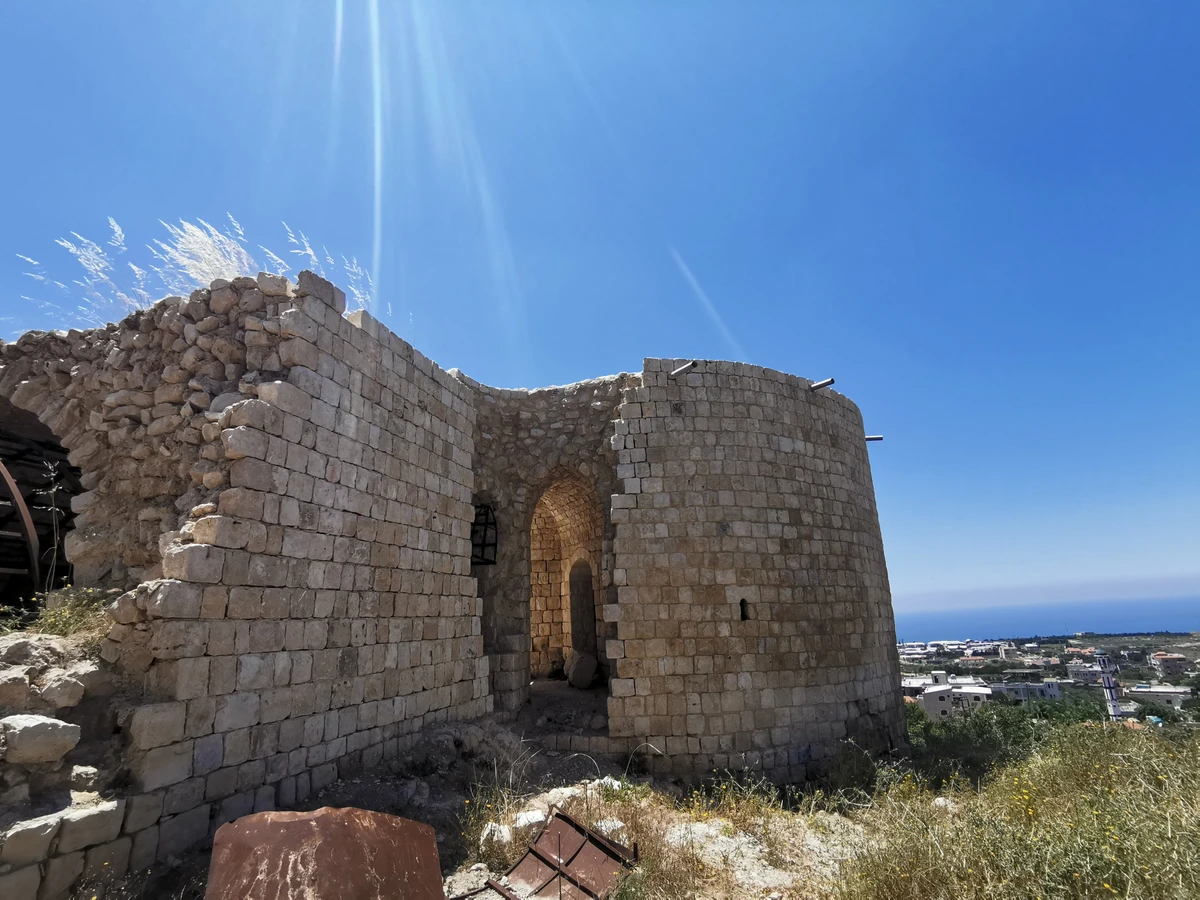
Researchers have highlighted concerns over the loss of Ottoman-era architecture, historic souks, pilgrimage sites, and traditional agricultural landscapes that contribute to Lebanon’s cultural identity. The destruction or deterioration of such places can have lasting consequences for both tangible and intangible heritage.
Cultural Heritage and Recovery
UNESCO maintains that cultural heritage protection remains essential during periods of conflict because historic sites serve as anchors of identity, social cohesion, and future recovery. The organization continues to work with Lebanese authorities to assess damage, implement emergency safeguarding measures, and monitor vulnerable locations across the country.
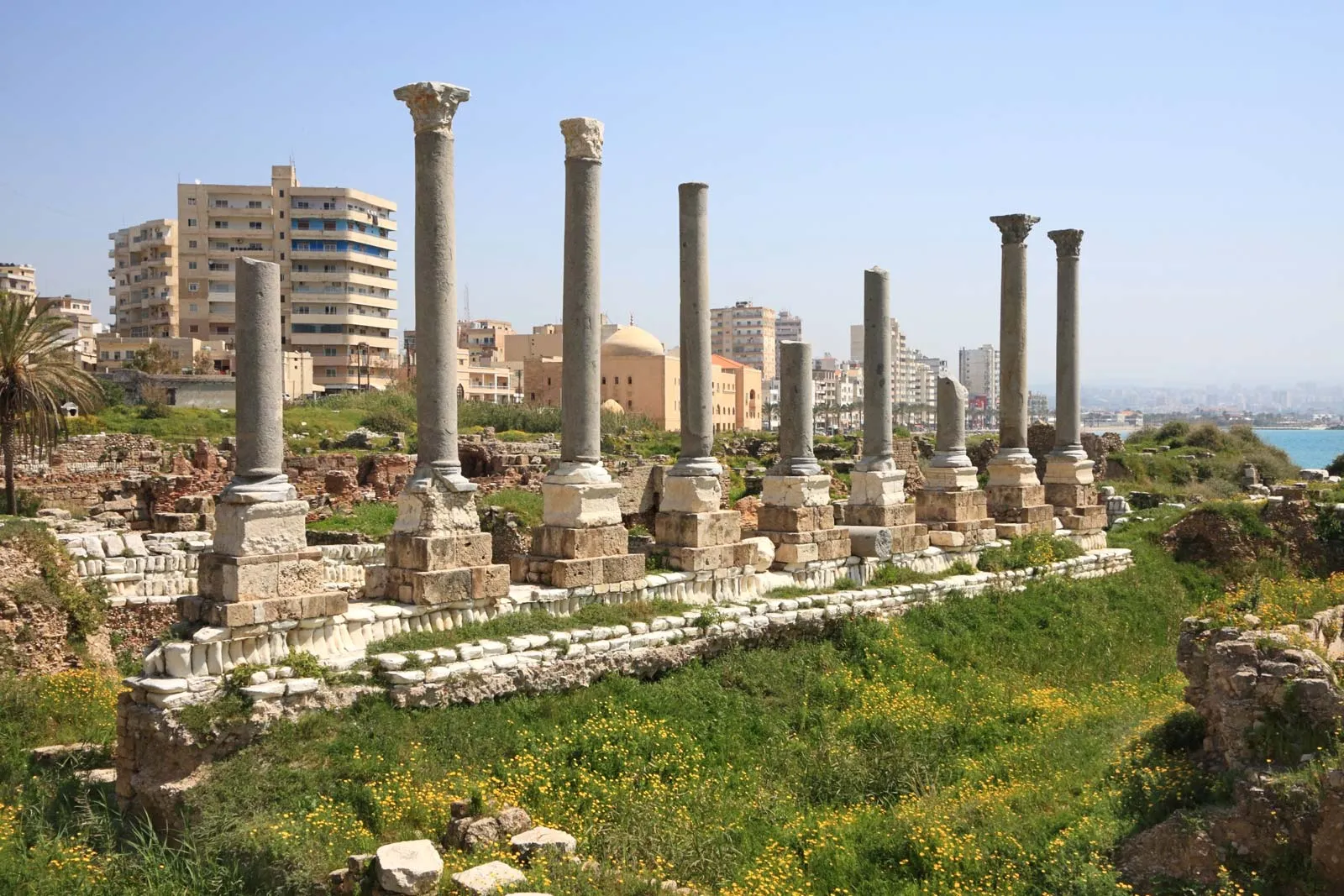
As the security situation evolves, preservation experts warn that the full extent of damage to Lebanon’s archaeological, architectural, and religious heritage may not be known for some time. Many affected areas remain difficult to access, making comprehensive assessments challenging. What remains clear, however, is that the protection of Lebanon’s cultural legacy has become an increasingly urgent issue amid ongoing instability.
Credit: Middle East Institute
Explore Courses

.jpg "Ondrej Chybik - Rethinking Architecture")