




In Japan’s bustling cities, where technology seamlessly integrates into daily life, an innovative approach to energy generation is emerging. By harnessing the power of human movement, Japan is converting the kinetic energy from footsteps into electricity through piezoelectric technology. This method not only contributes to sustainable energy solutions but also explores how cities can generate power from everyday activities.
Understanding Piezoelectric Technology
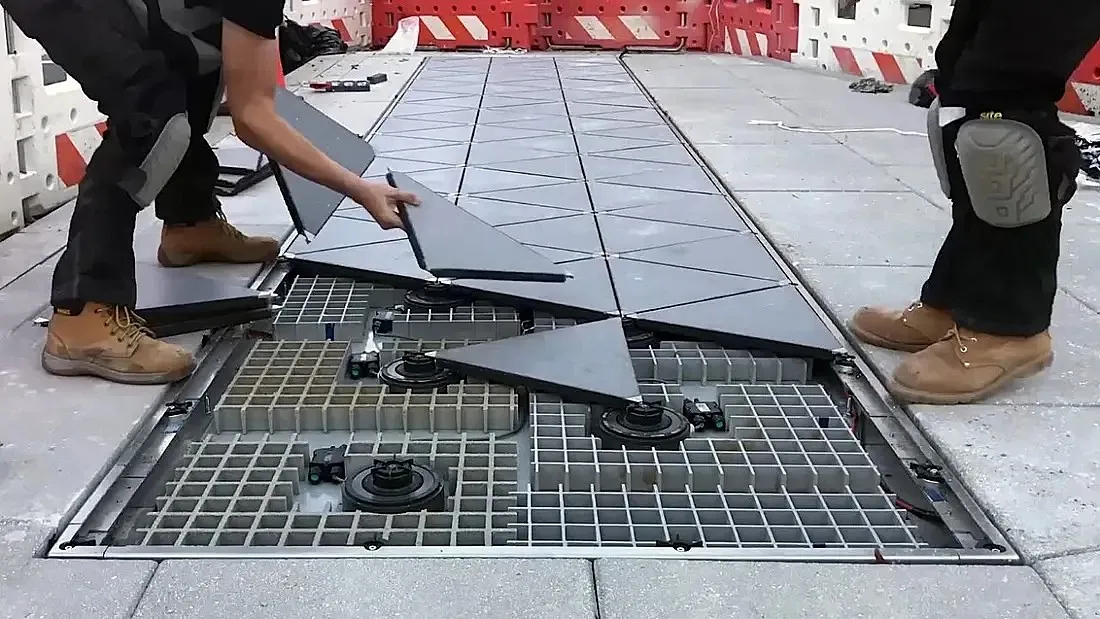
Piezoelectric materials have the unique ability to generate an electric charge in response to mechanical stress. When pressure is applied, such as a footstep, the material deforms slightly, producing a small electrical current. In Japan, these materials are embedded in floor tiles and mats in high-traffic areas, capturing the energy from millions of daily footsteps. The generated electricity can then be stored and used to power various devices, from LED displays to ticketing systems.
Applications in High-Traffic Areas
One of the notable implementations of this technology is at Shibuya Station in Tokyo, one of the world’s busiest railway stations, with over 3.8 million passengers passing through daily. In 2008, a piezoelectric power mat was installed to demonstrate the potential of self-generating energy. Every step on the 90-square-centimeter mat generates electricity, which powers a holiday light display and an LED board showing real-time power generation.
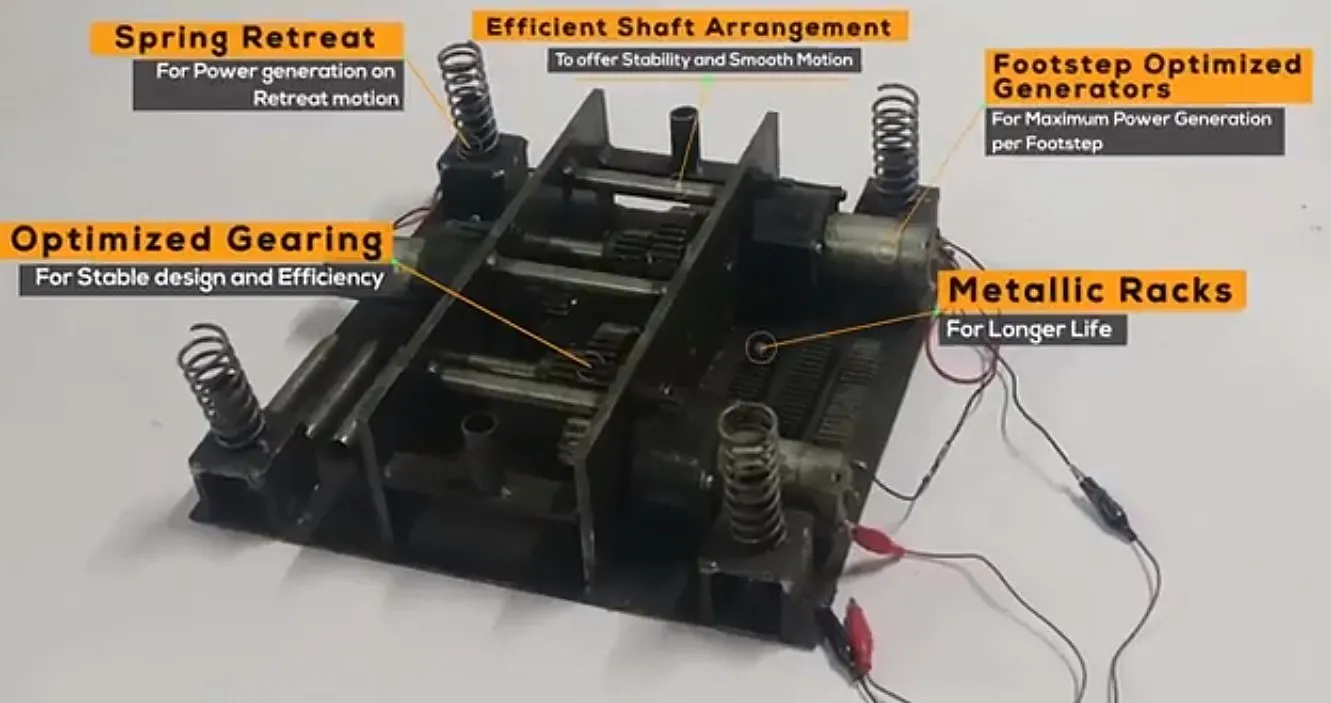
Similarly, East Japan Railway Co. has installed piezoelectric pads under ticket gates at Tokyo Station. Each time a commuter steps through the gate, pressure from the footsteps is turned into energy, contributing to the station’s overall energy efficiency.
Benefits of Footstep Energy Harvesting

1. Sustainable and Renewable Energy Source
Piezoelectric flooring turns human movement into electricity, offering a clean and renewable energy source. Unlike fossil fuels, this method does not produce carbon emissions, contributing to greener urban environments. Over time, the energy generated can power LED lighting, public displays, or small electronic devices, reducing reliance on traditional power grids.
2. Utilization of High-Traffic Spaces
Urban areas, train stations, shopping malls, and sidewalks see thousands of footsteps daily. By installing piezoelectric materials in these locations, cities can capitalize on existing foot traffic to generate electricity without requiring extra space or significant infrastructure changes.
3. Encouraging Public Awareness and Engagement
Visible footstep-powered installations can inspire people to think about sustainability. Interactive displays that show real-time energy generation make the process tangible, turning a simple daily action, walking, into an opportunity to educate the public on energy conservation.
4. Low Operational Costs
Once installed, piezoelectric systems require minimal maintenance and do not need fuel or other consumables. This makes them cost-effective over time, particularly in high-foot-traffic areas where energy generation is continuous.
5. Potential for Urban Integration
Footstep energy harvesting can be integrated with other smart city initiatives, such as interactive pavements, energy-efficient street lighting, or public art installations. This dual purpose improves urban infrastructure while generating electricity.

Challenges of Footstep Energy Harvesting
1. Limited Energy Output
The electricity generated from a single footstep is relatively small. To produce meaningful amounts of energy, installations must be in very high-traffic areas or combined with other energy-harvesting technologies.
2. High Initial Installation Costs
Piezoelectric floors and mats can be expensive to manufacture and install, which may limit adoption. Large-scale projects require planning and investment to ensure the return on energy generation is worth the upfront costs.
3. Material Durability and Maintenance
Piezoelectric materials must withstand continuous pressure and wear over the years of heavy use. Ensuring durability and performance over time is critical, as replacement or repair can be costly and disruptive.
4. Variability in Human Traffic
Energy generation is dependent on foot traffic patterns, which fluctuate throughout the day, week, or season. Low-traffic periods can significantly reduce electricity output, limiting reliability as a consistent energy source.
5. Integration Challenges
Incorporating piezoelectric systems into existing infrastructure, train stations, sidewalks, or commercial spaces—requires a better design perspective to avoid interfering with usability or accessibility. Balancing energy generation with aesthetic and functional considerations is a key challenge for urban planners and architects.
Future Prospects
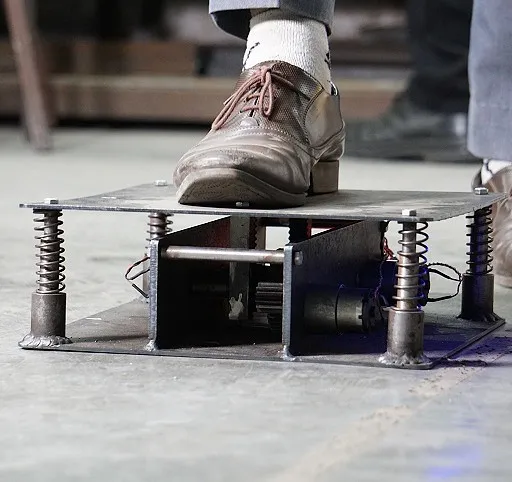
As technology advances, the efficiency of piezoelectric materials is expected to improve, making footstep-powered energy harvesting more viable. Researchers are exploring new materials and designs to enhance energy output and reduce costs. Additionally, integrating these systems with other renewable energy sources, such as solar or wind power, could create hybrid solutions for urban energy needs.
The success of footstep-powered energy harvesting in Japan serves as a model for other cities worldwide. By embracing such innovative technologies, urban areas can move towards more sustainable and resilient futures.
Explore Courses
.jpg "Ondrej Chybik - Rethinking Architecture")