

Artificial intelligence is no longer a futuristic layer in architecture, as we can already see it reshaping how spaces are conceived, preserved, and constructed. From restoring historic monuments to generating adaptive, organic structures, AI in architecture is emerging as a quiet yet powerful collaborator in the design process.
In a Gen Z-driven design landscape that values speed, sustainability, and narrative, AI acts as a bridge between heritage and innovation. Instead of replacing architects, it expands creative potential, enabling more responsive, data-driven, and expressive approaches to shaping the built environment.
Intelligent Architectural Restoration

AI is transforming architectural restoration by making it more precise and less intrusive. Instead of relying solely on manual surveys, AI-powered systems can be used to scan, analyze, and reconstruct damaged heritage structures with incredible accuracy. This ensures that historical integrity is preserved while reducing time and human error.
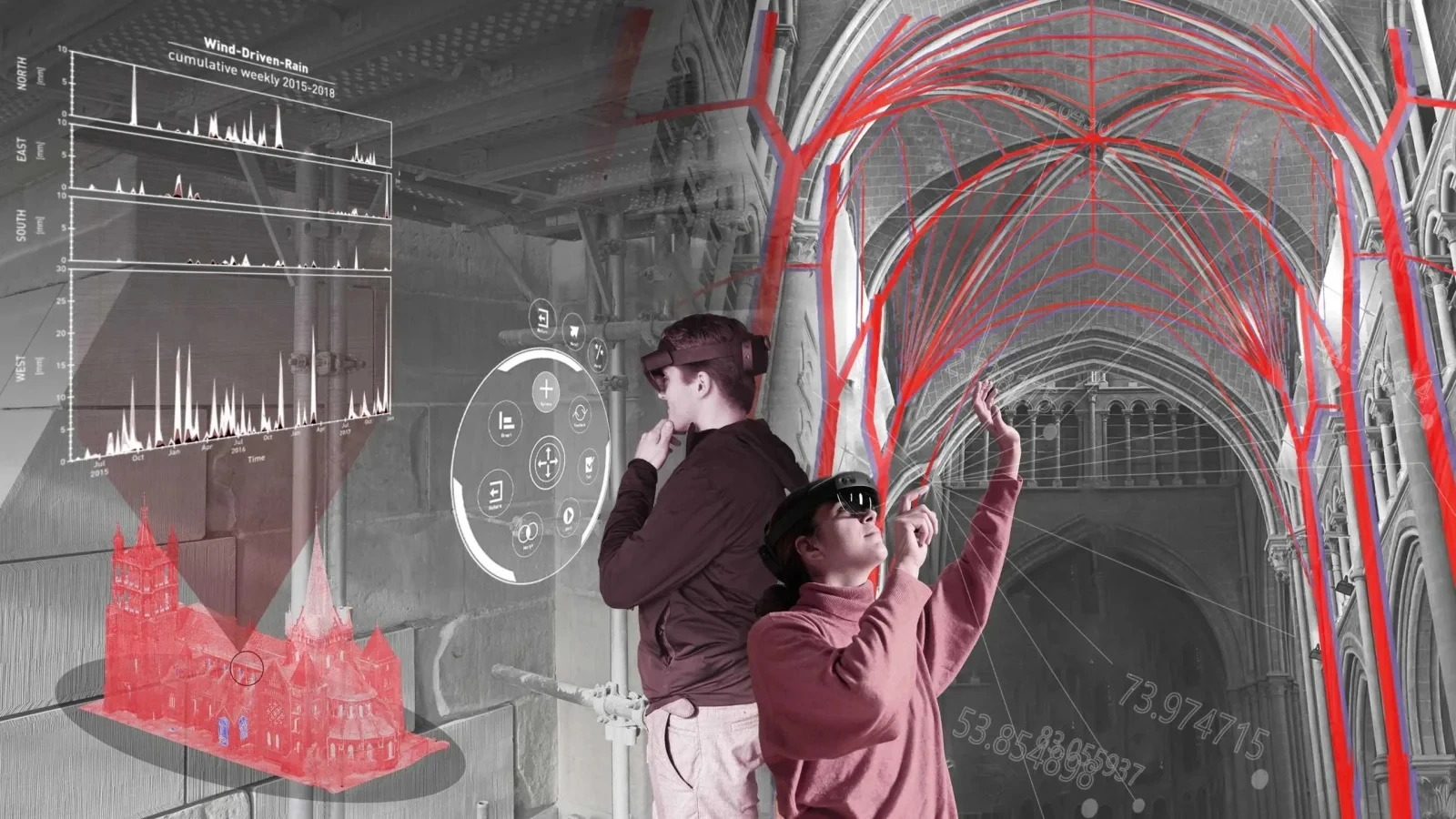
In projects like historic restorations, AI acts as a co-pilot, combining XR and real-time data to guide interventions. In such a scenario, you are not just repairing structures but are decoding history through data. This approach allows architects to make informed decisions while maintaining the authenticity of cultural landmarks.
Researchers at ETH Zurich are developing such a digital system, tested at the Lausanne Cathedral, where AI and extended reality assist on-site analysis. Detailed 3D mapping, material data, and environmental insights help specialists understand deterioration patterns, especially in fragile sandstone. By integrating scientific research with immersive visualization, this approach strengthens conservation strategies and ensures historic structures can adapt to future climate challenges.
Bio-architecture Shaping Living Environments
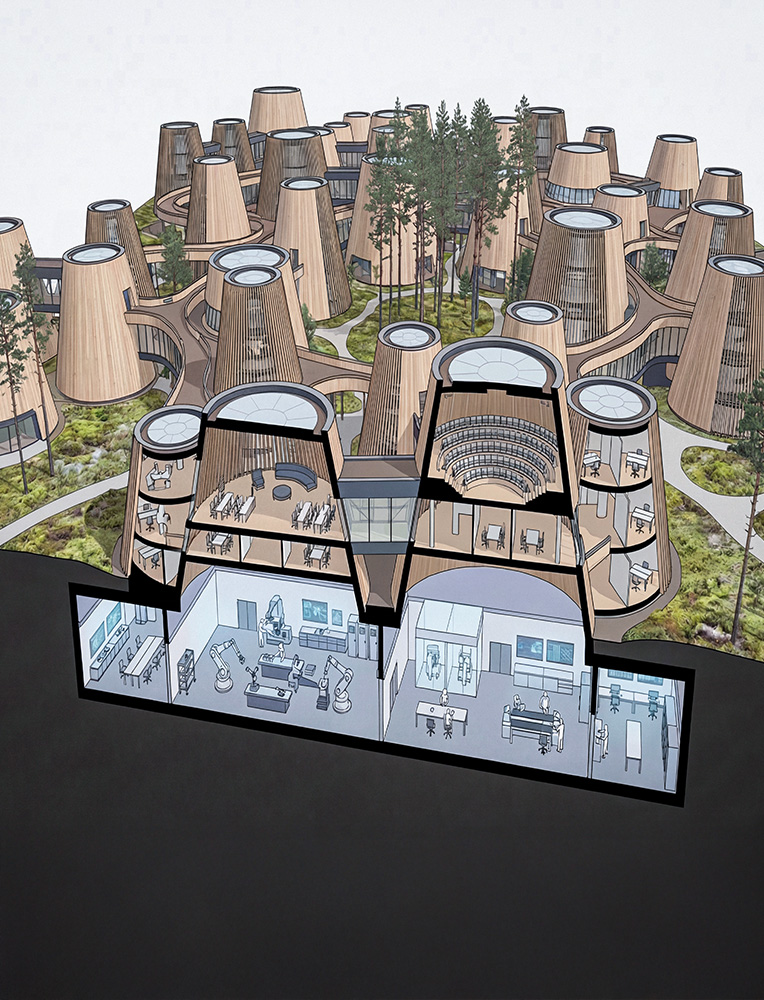
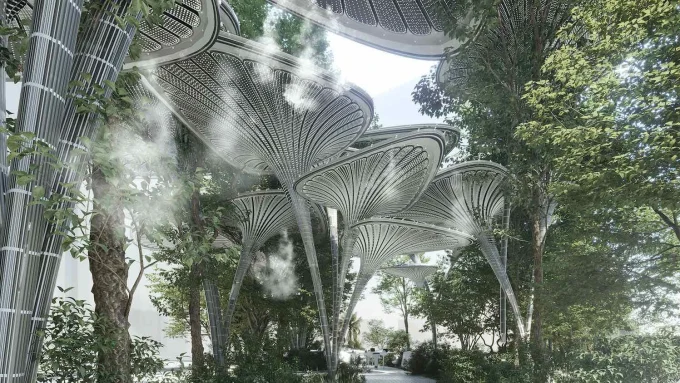
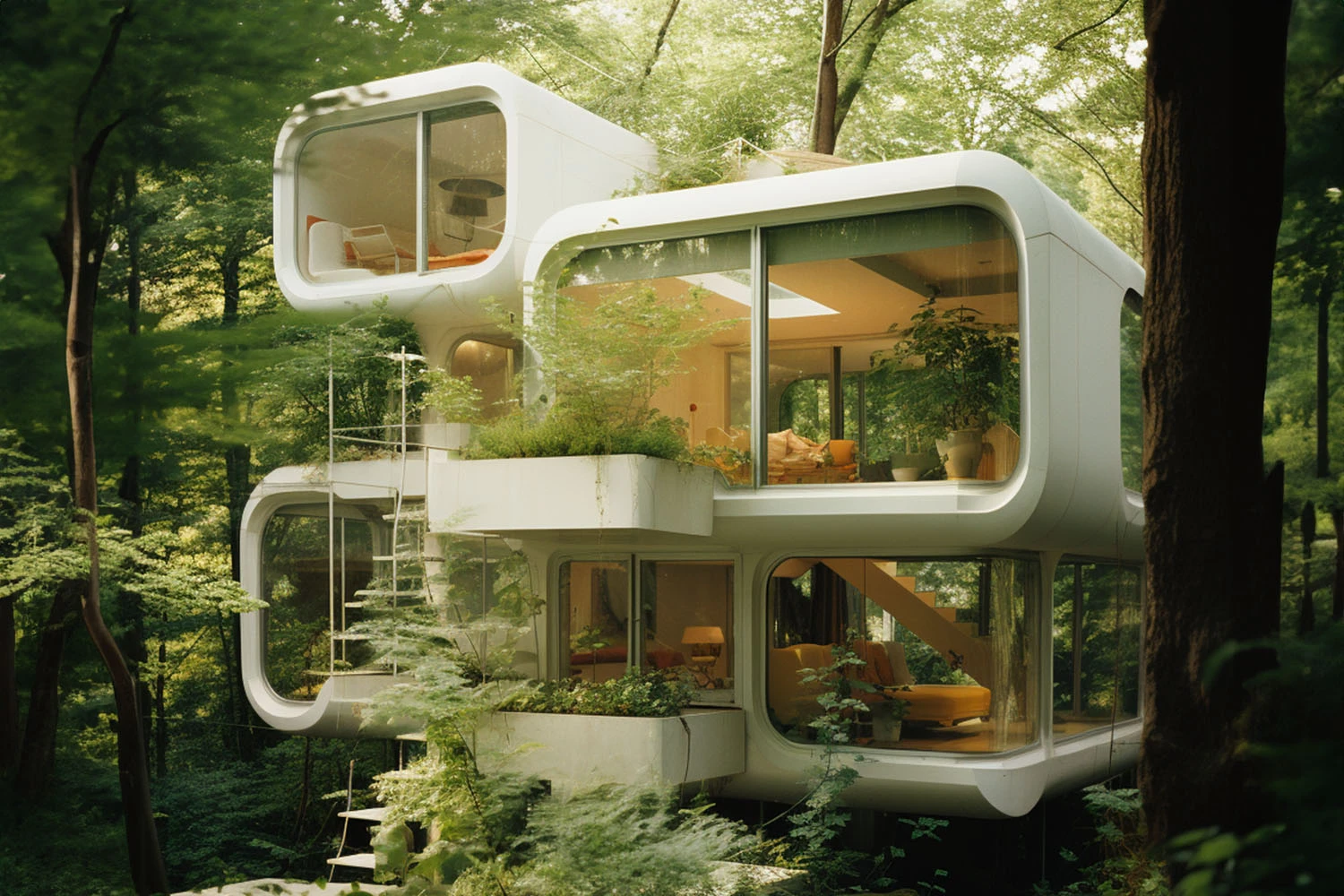
AI in architecture is opening new possibilities in bio-architecture by helping one design in harmony with natural systems. Instead of static buildings, we can create adaptive environments that respond to climate, energy flows, and ecological patterns. AI analyzes complex biological data and translates it into architectural strategies that feel organic and efficient.

This shift is especially relevant as sustainability becomes non-negotiable. As a result, one is no longer designing against nature but with it. AI enables forms inspired by growth patterns, material behavior, and ecosystems, making architecture more resilient, regenerative, and aligned with the planet’s future. In bio-architecture, this means moving beyond rigid construction toward systems that evolve, adapt, and respond to environmental conditions.
As cities expand, AI helps us rethink architecture as part of a living ecosystem and not an isolated object. It supports designs that integrate terrain, climate, and biodiversity, turning natural constraints into opportunities. This approach demands a mindset shift, where progress aligns with ecological balance, allowing architecture to coexist with nature in a more meaningful and sustainable way.
AI in Architecture from Sketch to Design
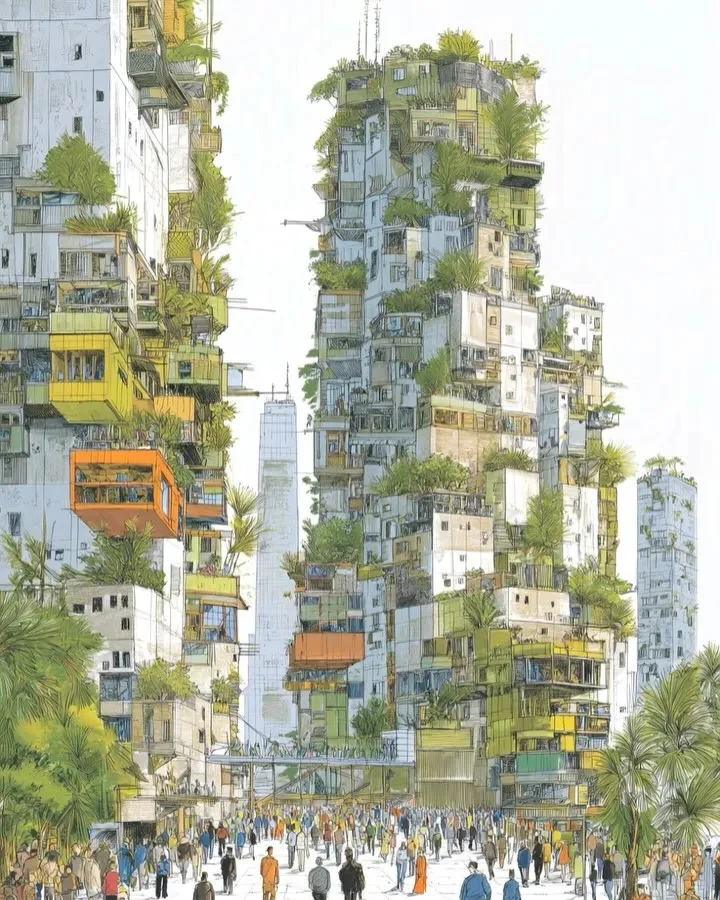
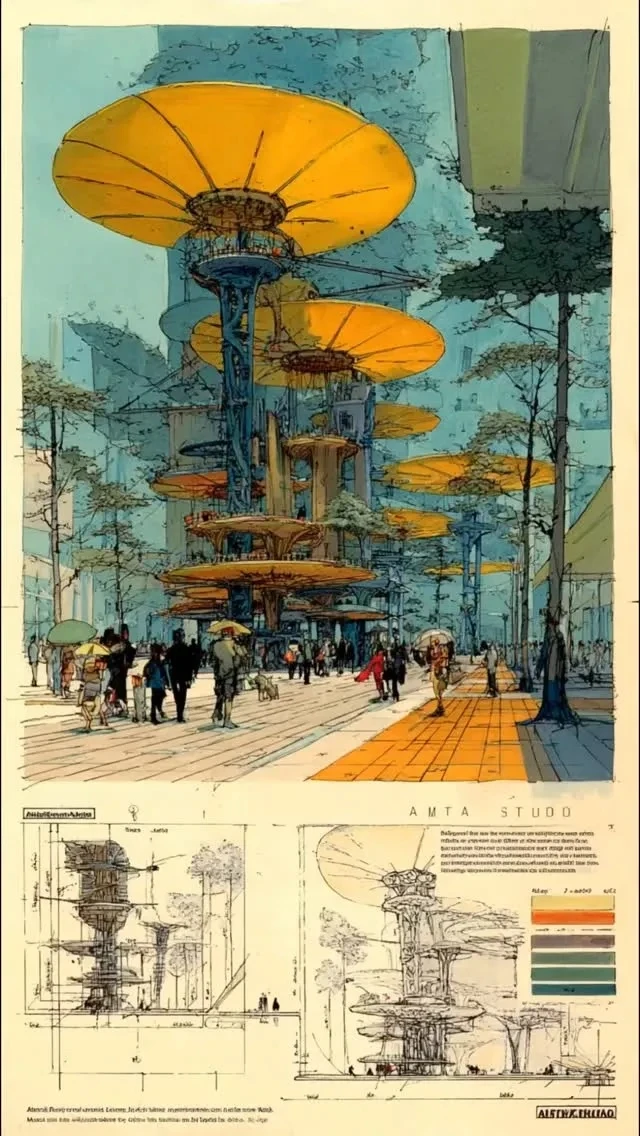
The transition from hand-drawn sketches to AI-enhanced models is redefining early-stage design. We can now input rough sketches, and AI tools interpret, refine, and expand them into detailed architectural concepts. This keeps the emotional and intuitive quality of sketching alive while adding computational intelligence.
Explore Courses
.jpg "Architecture Diagram Mastery: Concept to Portfolio")
.jpg%202.jpg "Building Performance with Forma & Opossum")

.jpg "Ondrej Chybik - Rethinking Architecture")