












When Ove Arup founded what would become the Arup Group to build the Penguin Pool at London Zoo, he probably wasn’t thinking about legacy. He certainly wasn’t imagining that his name would one day sit atop a multinational professional services firm employing around 17,000 people across more than 90 offices in 35 countries, with projects spanning over 160 nations. Decades after he stepped down from managing the company in 1970, his name still holds the top position. It’s remarkable how some founders’ names become permanently etched into their firms’ identities, while others eventually fade away or get deliberately replaced.
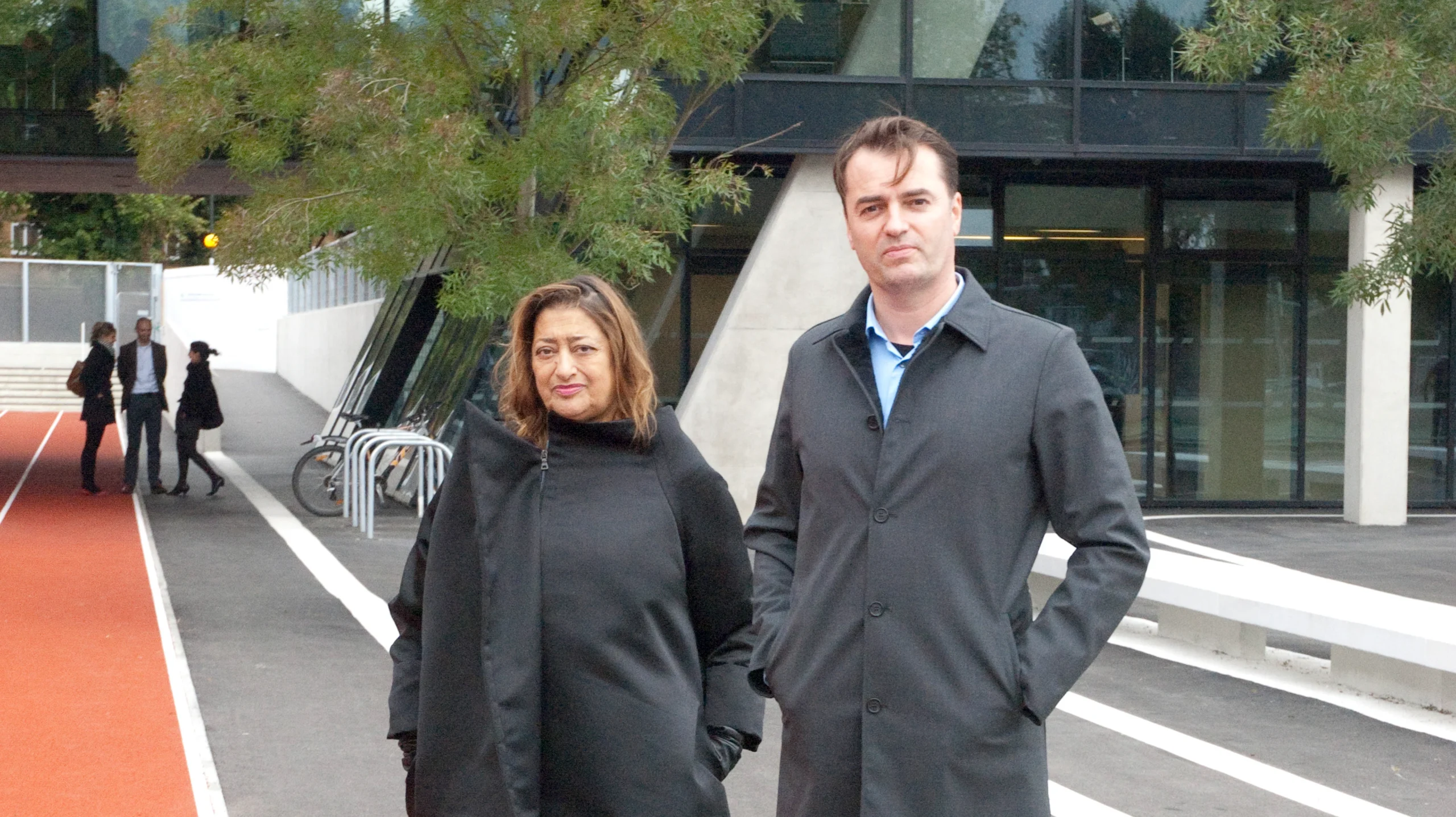
Consider Patrik Schumacher’s recent decision to rename Zaha Hadid Architects. The architecture world, a community that revered the late diva Hadid with something approaching religious devotion, took notice. It was big news. And to truly understand the weight of that decision, it helps to look at how some of the oldest architecture firms around the world have handled the transition from founder to future.
“To found an architectural firm is to establish a way of thinking about design.”
Throughout architectural history, countless individual architects have seen their approaches and their work die with them. It’s actually surprisingly rare for practices founded before the 20th century to still be operating today. And here’s the thing: to make a lasting impact on the discipline, a firm needs to do more than just build beautiful buildings. It needs to educate and inspire students who will carry forward, develop, and even challenge those founding principles. That’s how ideas survive. That’s how names endure.
What follows is a look at some of the oldest architectural companies still in operation and how they’ve navigated the tricky waters of life after their founders. To make this list, a practice had to be predominantly architectural—designing and constructing buildings and similar structures, still using the founder’s name (or the main name), and operating continuously since its founding.
The Absolute Oldest: Kongō Gumi (Japan), Over 1,400 Years
If we’re defining an “architecture company” as a business specializing in the design and construction of buildings, then the undisputed winner is Kongō Gumi, a Japanese construction firm with a history that boggles the mind.
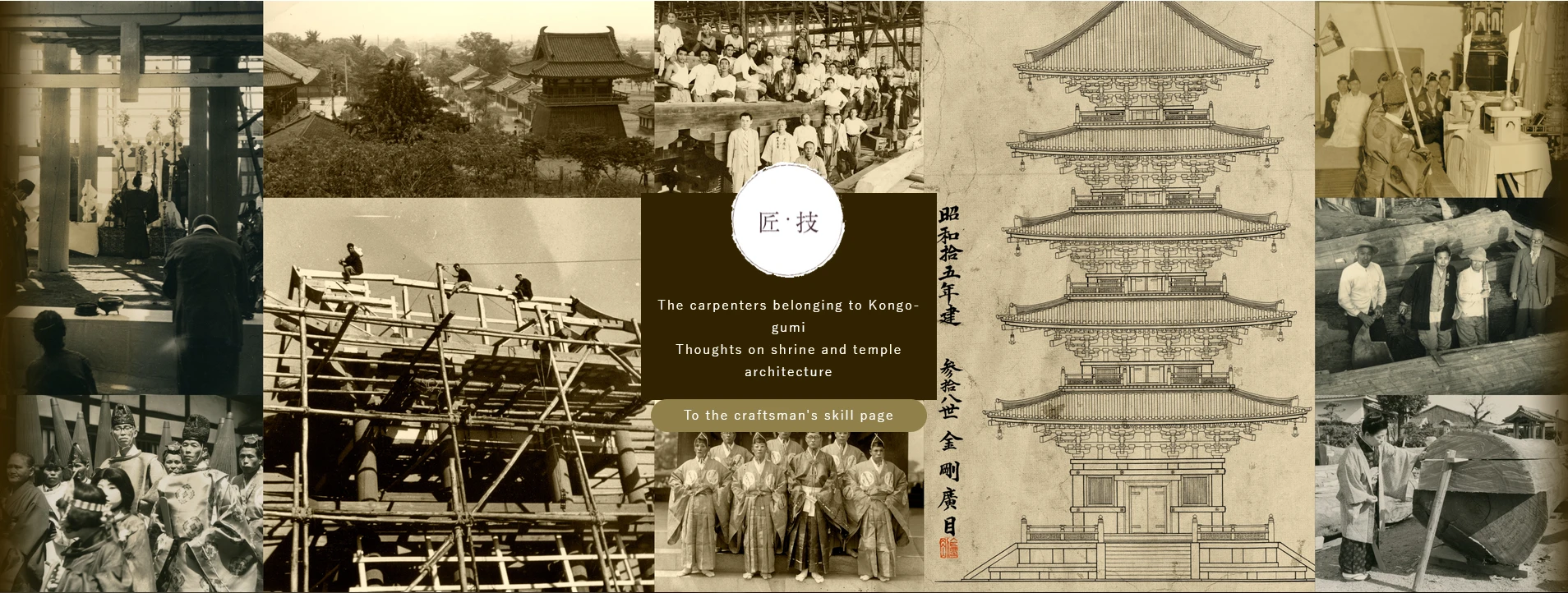
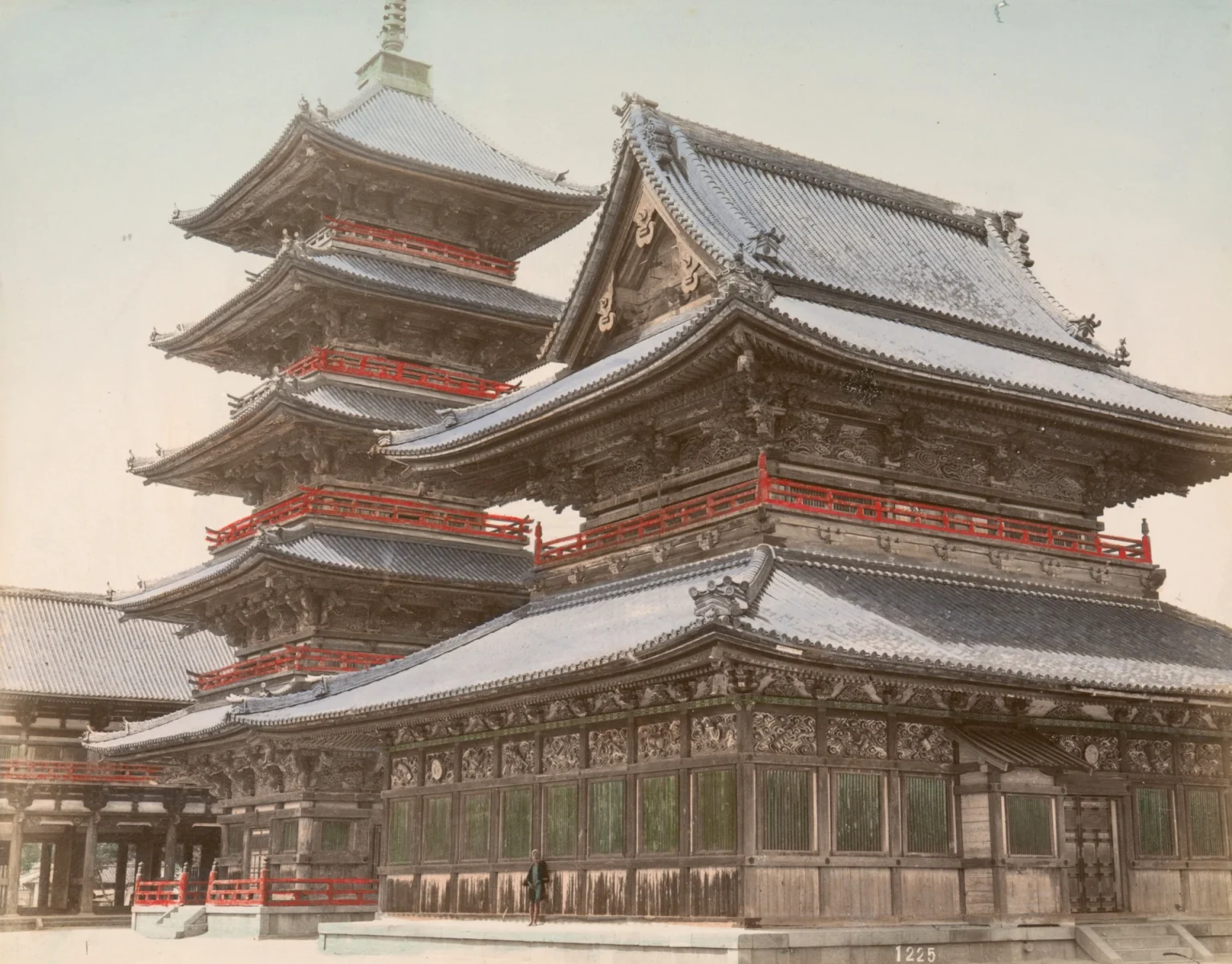
Founded in 578 A.D. in Osaka, this company spent centuries as master temple carpenters. Prince Shōtoku himself commissioned them to build Shitennō-ji, Japan’s first Buddhist temple. For generations, they specialized in temple and castle construction, honing skills that were passed down through 40 generations of the same family.
Their secret to longevity? Strict principles of primogeniture, bringing capable sons-in-law into the family, and focusing relentlessly on a single, enduring market. It worked for over fourteen centuries.
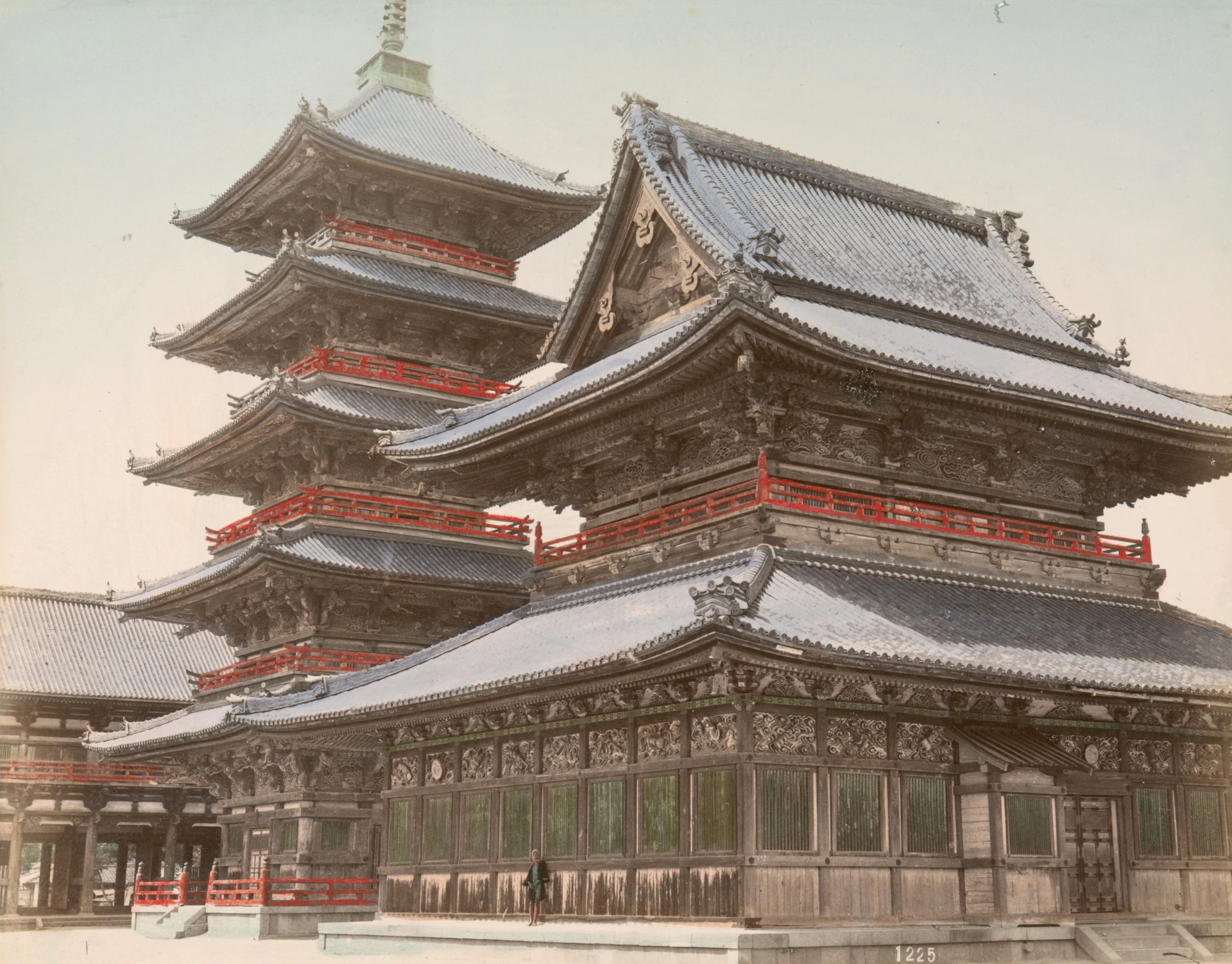
In 2006, Kongō Gumi was absorbed as a subsidiary of the Takamatsu Construction Group. The brand survives, and the craft skills continue, but the independent architectural company that had outlasted empires finally ceased to exist in its original form. Still, over 1,400 years is one hell of a run.
Oldest Continuously Operating “Modern” Architecture Firm in the US
SmithGroup, established in 1853 by architect Sheldon Smith, holds the title of the longest continually operating architecture and engineering firm in the United States that isn’t a wholly owned subsidiary. That’s no small feat.

Sheldon Smith was a self-taught architect who opened his first office in Ohio. His first credited project came later that same year, a hotel in Sandusky. In 1855, he moved the firm to Detroit, and by 1861, his son Mortimer had joined as a partner. When Sheldon died in 1869, Mortimer took over. The firm’s name has changed over time, and in 2000, it became simply SmithGroup.

What’s notable here is that the name Smith has persisted through generations and name changes. It’s a thread connecting the present firm to its 19th-century origins. That continuity matters. It says something about identity and values that transcends any single individual’s tenure.
Edgington, Spink & Hyne
Founded in 1856 by Thomas Edgington as Edgington and Son in Windsor, this practice has a long tradition of architectural excellence. Thomas had already worked on several heritage projects when he moved his family to Windsor and established the firm. His sons joined the practice, though tragedy struck when the eldest died, and Thomas the Younger found himself unable to be as active as necessary.
Yet the firm endured. It adapted. And today, it continues under a name that still carries the Edgington legacy, a testament to the power of a founding name to anchor a practice through generations of change.
Australia’s oldest architecture dynasty, Wilson Architects
Since Alex B. Wilson founded Wilson Architects in 1884, three additional generations of his family have followed in his footsteps, shaping the city and suburbs of Brisbane, Queensland. One hundred and thirty continuous years as a family-led architectural practice make it the oldest architectural dynasty Australia has ever seen.
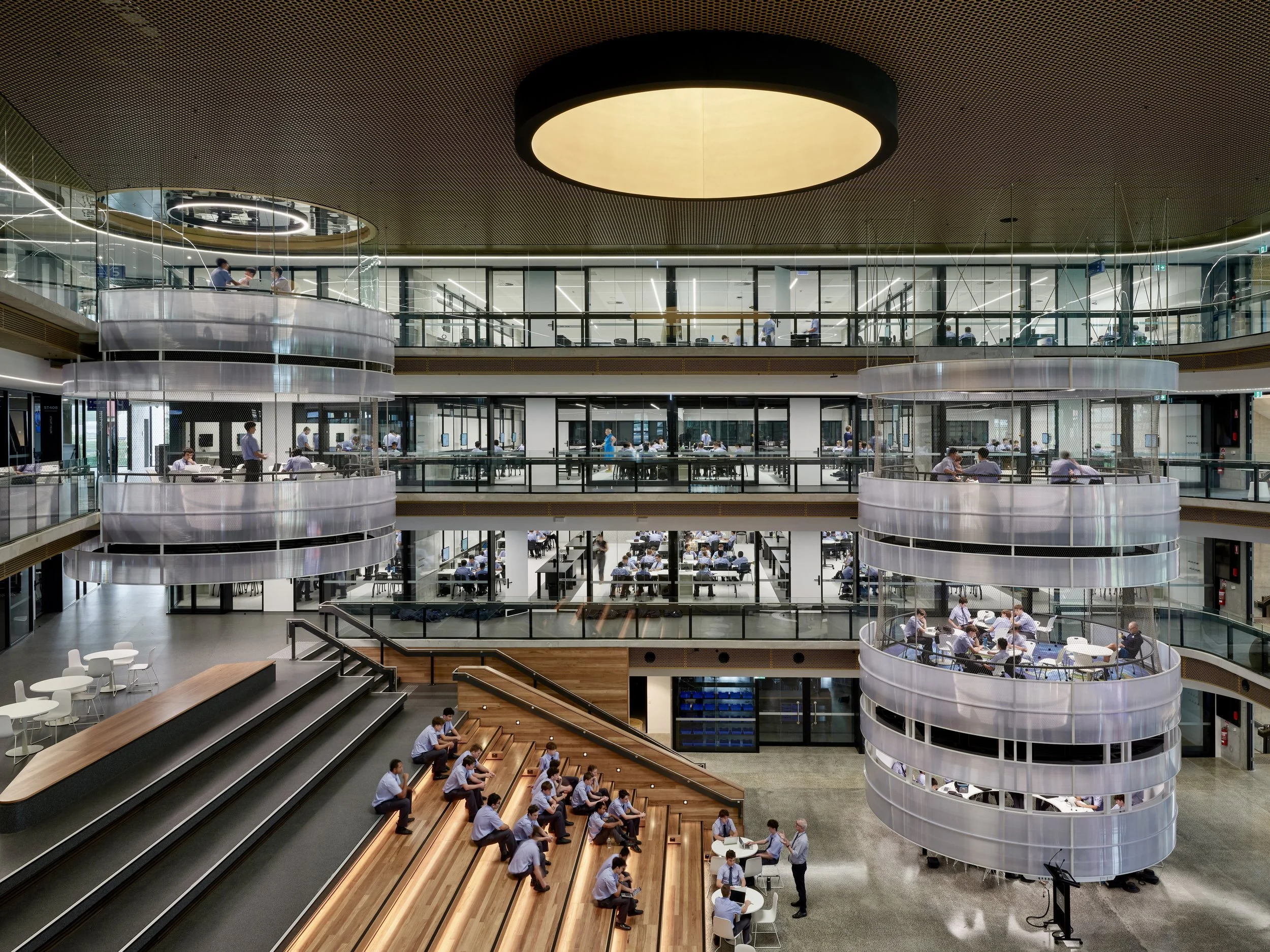
Think about that for a moment. Three generations. A century and a quarter. The Wilson name has become synonymous with Queensland architecture because it has been there, consistently, through wars, economic booms and busts, shifting tastes, and evolving technologies. That’s what happens when a name means something and the people carrying it forward respect what it stands for.
ZHA, a legacy?
Zaha Hadid was more than an architect. She was an icon of an era, a role model to countless girls and female architects who saw in her a path to the highest echelons of a notoriously difficult profession. She opened Zaha Hadid Architects in London in 1980 and spent decades developing her company across various aspects of design and practice.
On March 31, 2016, Hadid died of a heart attack at Mount Sinai Medical Center in Miami at the age of 65. It was a shock that reverberated through the architecture world and far beyond.

The firm she built continued. Zaha Hadid Architects maintained its global presence and activity, even after its founder’s passing. The name had power, and that was commercial, cultural, and emotional. It represented not just a person but a philosophy, a distinctive aesthetic, a way of challenging what architecture could be.
But in June 2026, a licensing agreement relating to the firm’s continued use of Hadid’s name ended following a court ruling. The firm rebranded as “ZHA,” and legally registered as ZHA Architects Ltd.
Three letters. A clean, modern abbreviation. It’s efficient. It’s corporate. And it’s a profound loss.
Why the Name Matters
Here’s the thing about names in architecture: they’re not just branding. They’re not just marketing. When a firm carries the name of its founder, it carries a promise. It says, “These are the values we stand for. This is the person whose vision guides us. We are stewards of a legacy, not just a business.”
Look at Arup. Ove Arup stepped down decades ago, but his name still inspires confidence, innovation, and integrity. Look at SmithGroup, Wilson Architects, Edgington & Son. These names have survived because they represent something larger than any single individual, yet they remain anchored to the individual who started it all.

Zaha Hadid was not just a name. She was a force of nature. Her work transformed the skyline of cities and the possibilities of architectural form. To reduce her firm to three letters, ZHA is to sanitize the story. It’s to pretend that a corporate abbreviation carries the same weight as the woman who shattered glass ceilings and redefined what architecture could be.
The court ruling may have forced the change. Legal agreements are legal agreements. But naming is about more than contracts. It’s about identity, memory, and respect.
Hadid’s name should not have been omitted from her firm. It should have been preserved as a reminder of where the practice came from and what it stands for. Because when we lose the name, we lose a piece of the story. We lose a connection to the founder’s vision. We lose the human element that makes architecture more than just a building, as it makes it art, advocacy, and legacy.
The oldest firms in the world understand this. They’ve kept their founders’ names not out of sentimentality, but out of a recognition that names carry meaning. They tell us who we are and where we’re going.
Zaha Hadid Architects should have remained Zaha Hadid Architects. Not just for legal reasons, but for the simple, profound reason that her name mattered, and it still does.