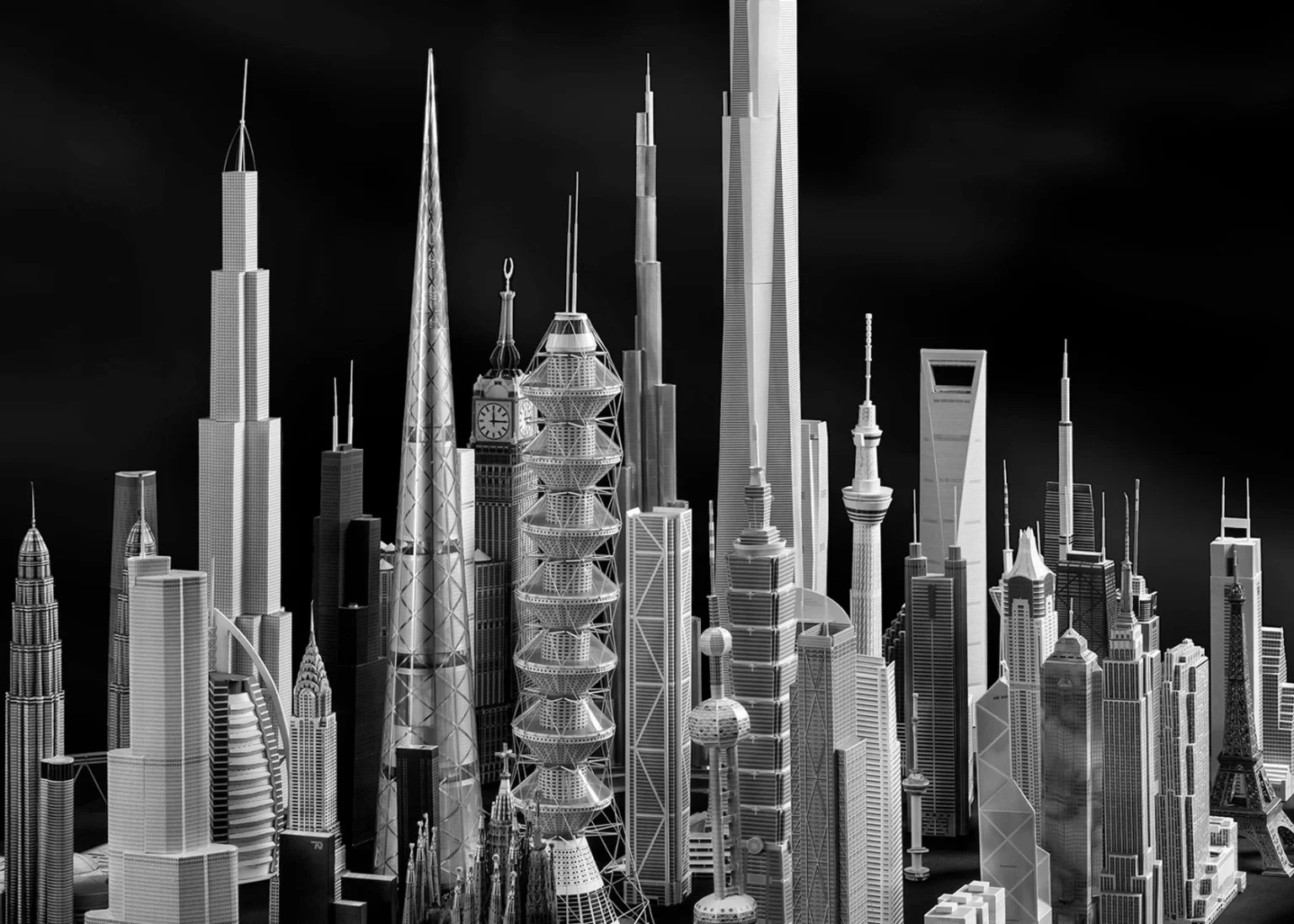



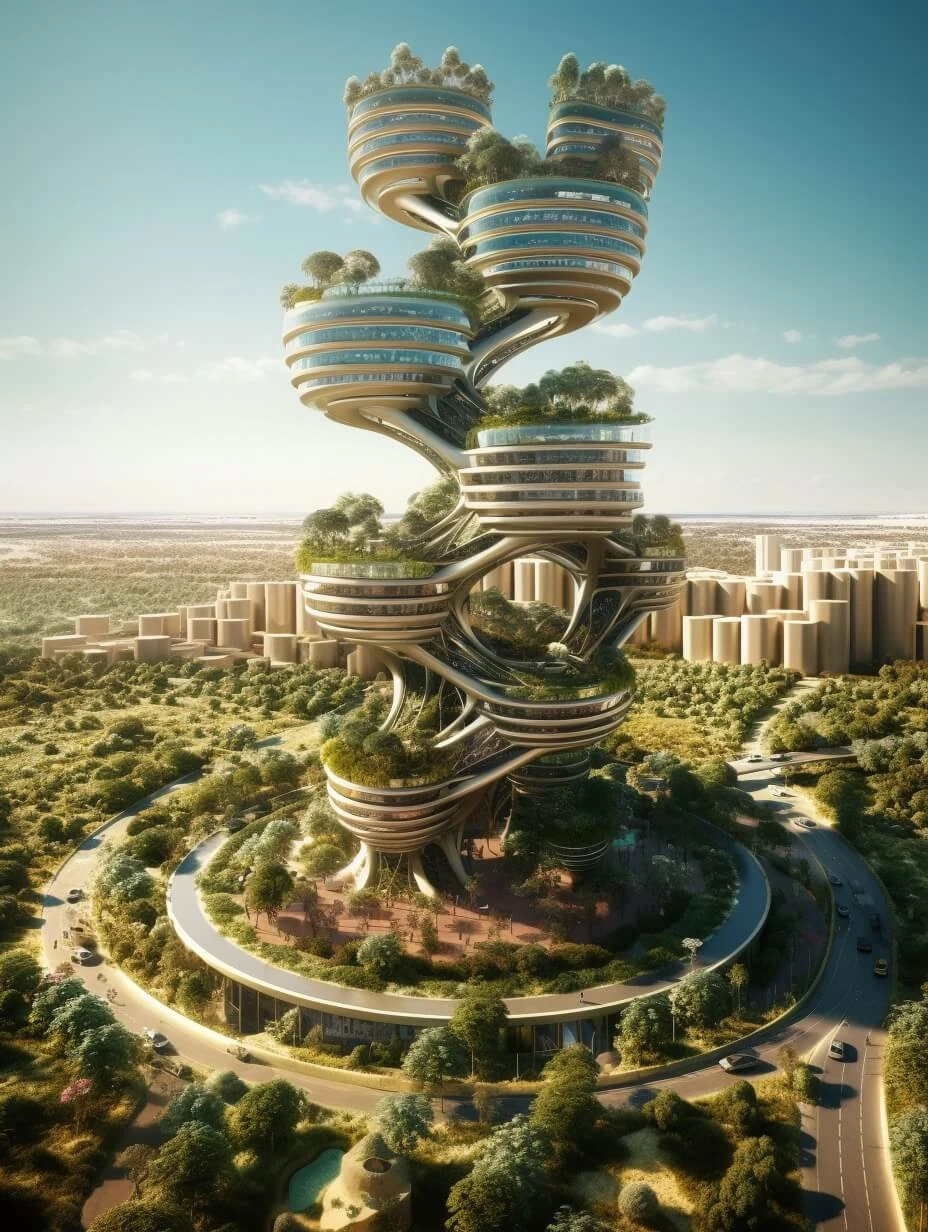
The trajectory of vertical urbanism is no longer defined by a singular pursuit of height, but by a transition toward multidimensional complexity, where architectural form, structural efficiency, and digital lifecycle management converge. Algorithm-driven technology now plays a central role in shaping this transformation, allowing skyscrapers to respond more intelligently to wind, climate, material efficiency, and human occupancy. From the kilometric aspirations of Jeddah Tower to the algorithmic geometry of the Museum of the Future, a new paradigm is taking shape, one driven by density, carbon accountability, and the maturation of construction technologies often described as ConTech 3.0.
The Megatall Threshold: Engineering at the Edge of Possibility
The pursuit of the one-kilometer tower is less about spectacle and more about confronting the limits of what can be built. At this scale, architecture becomes indistinguishable from atmospheric science.
Designing Against the Wind
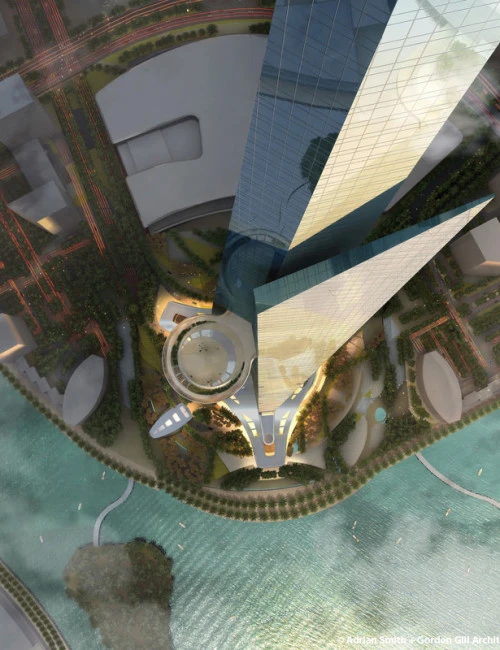
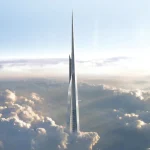
Jeddah Tower evolves the buttressed core system first realized in Burj Khalifa, but shifts the emphasis from resistance to negotiation. Its tapering, three-legged form does not fight wind loads through mass alone; it disrupts them. By continuously altering its profile, the tower prevents the formation of synchronized vortices, the invisible rhythms that can induce structural sway. The building, in effect, misleads the wind, diffusing its energy before it can accumulate. This is not brute engineering but is calibrated misdirection.
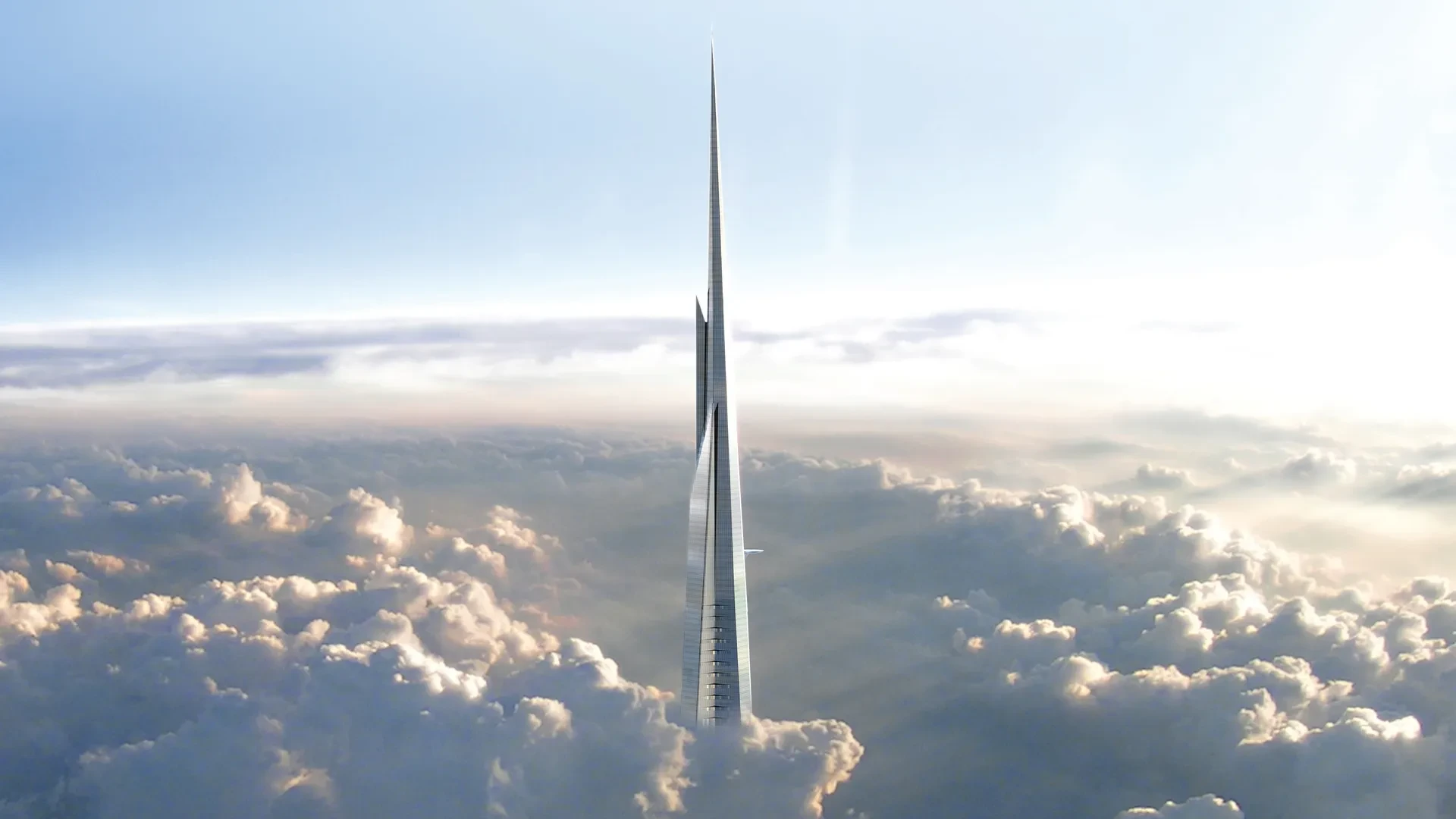
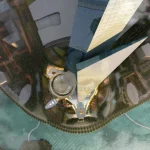
Beneath the tower lies a five-meter-thick raft foundation anchored by hundreds of deep piles, extending over 100 meters into the ground. This is where high-performance concrete becomes critical as a structural necessity. Strength allows reduction; reduction enables height.
Algorithmic Form: Museum of Future
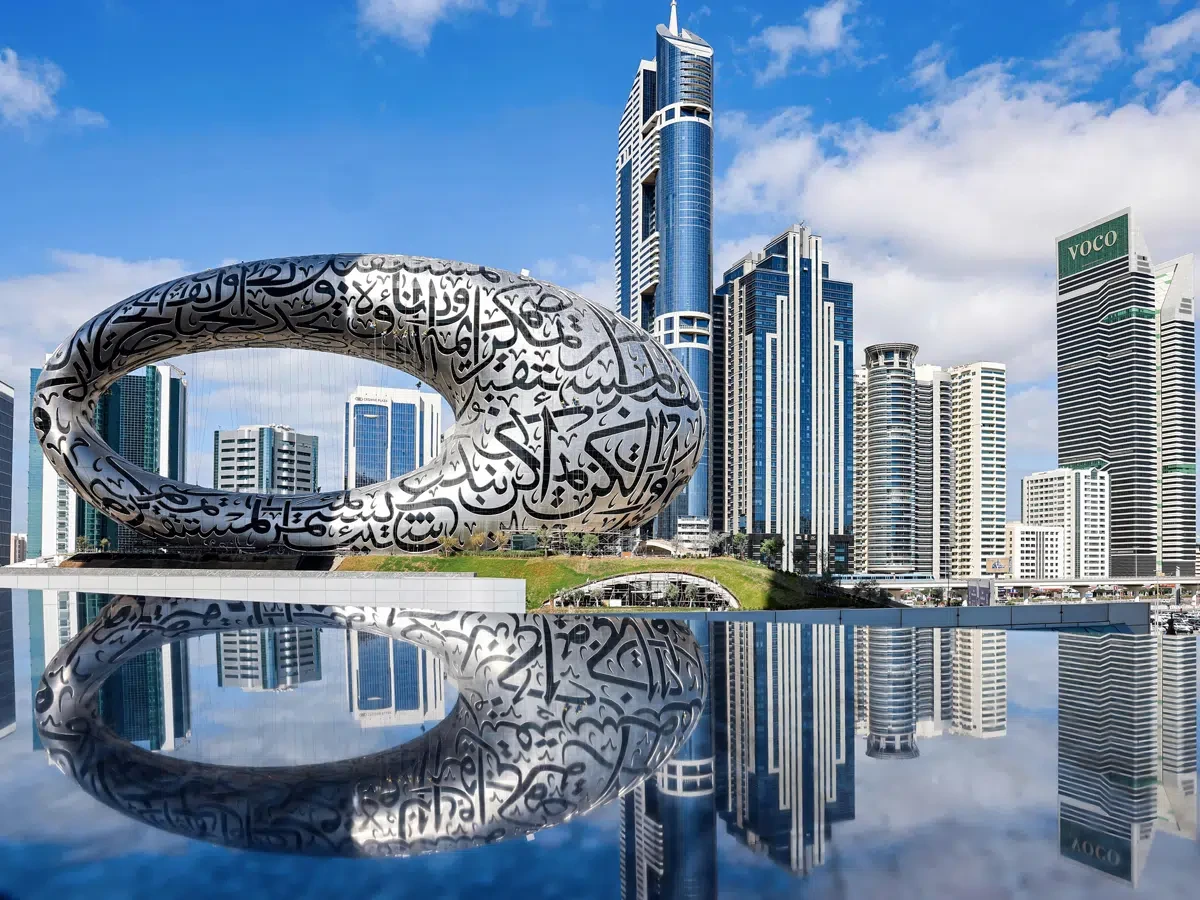
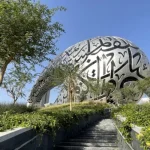
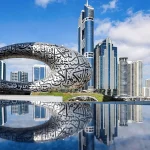
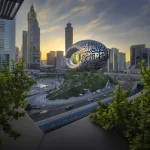
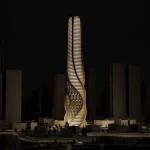
If megatall towers stretch the vertical limit, buildings like the Museum of the Future dismantle the very idea of linear form. Its toroidal geometry signals a departure from drafting toward computation, where architecture is no longer drawn but generated. The world’s most complex towers reveal a future for construction that is characterized by deep integration across disciplines. The siloed approach of the past, where architects, engineers, and contractors worked in isolation, is being replaced by a unified, data-centric workflow centered on the digital twin.
The Logic of the Diagrid
The building’s structural system, a dense diagrid of intersecting steel members, was not designed in the traditional sense. Through parametric modeling and custom algorithms, engineers established a balance between stiffness and material efficiency.

The realization of the Museum of the Future would have been impossible without the integration of parametric design and Building Information Modeling (BIM). The building’s structural integrity is maintained by a complex diagrid, a framework of 2,400 diagonally intersecting steel members. To optimize this arrangement, structural engineers at BuroHappold developed custom growth algorithms.
These algorithms were designed to achieve a balance between structural stiffness and material efficiency, ensuring that all steel members were of a uniform diameter that could be easily procured, while simultaneously minimizing the number of connection points.
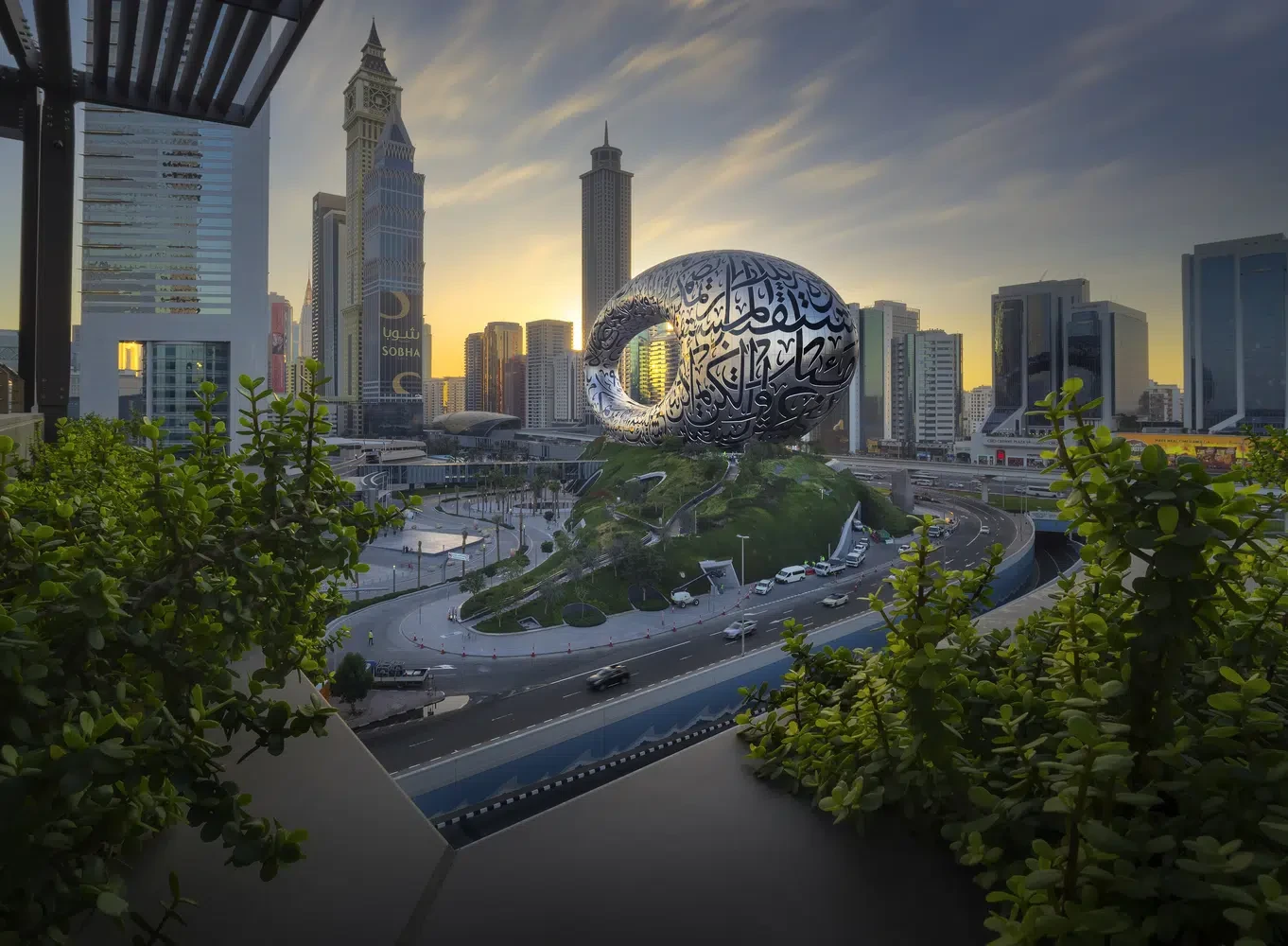
In a torus-shaped building, moving a single window or adjusting a curve has immediate structural and mechanical implications across the entire project. Algorithmic thinking ensures that any change to one parameter automatically updates the requirements for the diagrid, the mechanical systems, and the interior wall placements, maintaining a perfectly coordinated digital model.
The exterior of the Museum of the Future is covered in 1,024 unique stainless steel composite panels, each of which features molded-in Arabic calligraphy that functions as the building’s windows. These panels are not merely a decorative skin but function as a structural envelope that is waterproof, airtight, and capable of resisting environmental stress.
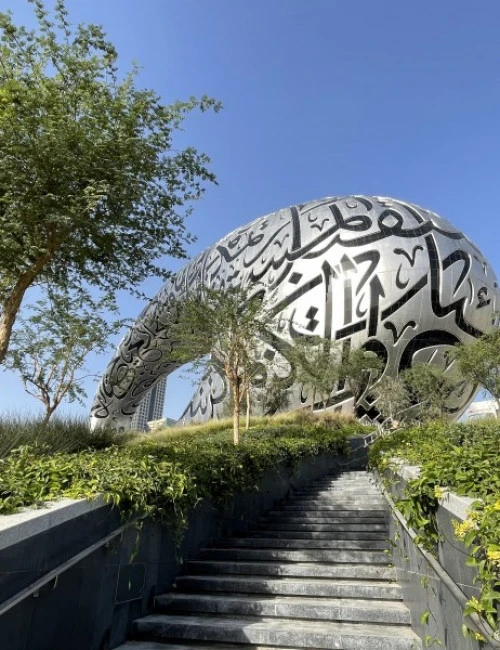
The calligraphy was positioned using parametric scripts to balance aesthetic vision with functional requirements, such as controlling solar heat gain and maximizing natural light. Each panel was individually manufactured using robotic processes, illustrating a future where the building envelope is as technologically advanced as the internal structural frame
The Horizontal Turn: Reclaiming Space in the Sky
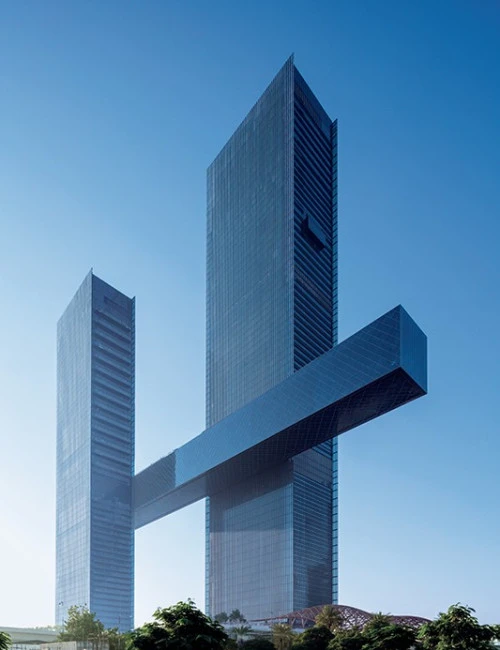
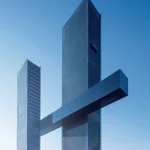
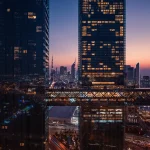
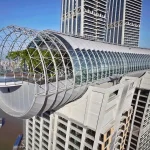
The emergence of horizontal skyscrapers redefines connectivity, turning voids into inhabited ground. Projects like One Za’abeel and Raffles City Chongqing propose a new kind of urbanism: one in which public space is elevated and infrastructure becomes experiential.
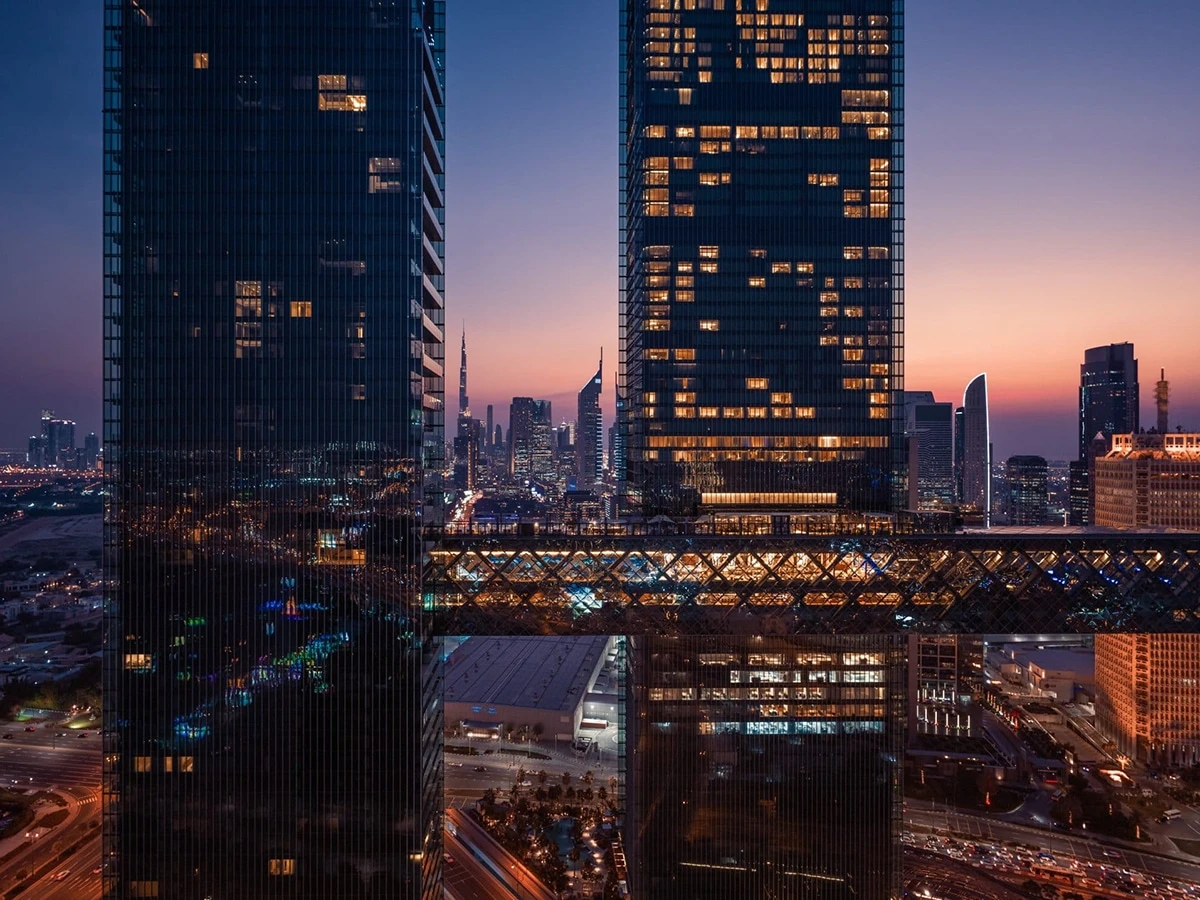
At One Za’abeel, The Link stretches across two towers as the world’s longest occupied cantilever. Towers were intentionally misaligned during construction, allowing the weight of the bridge to correct their geometry as it settled into place.
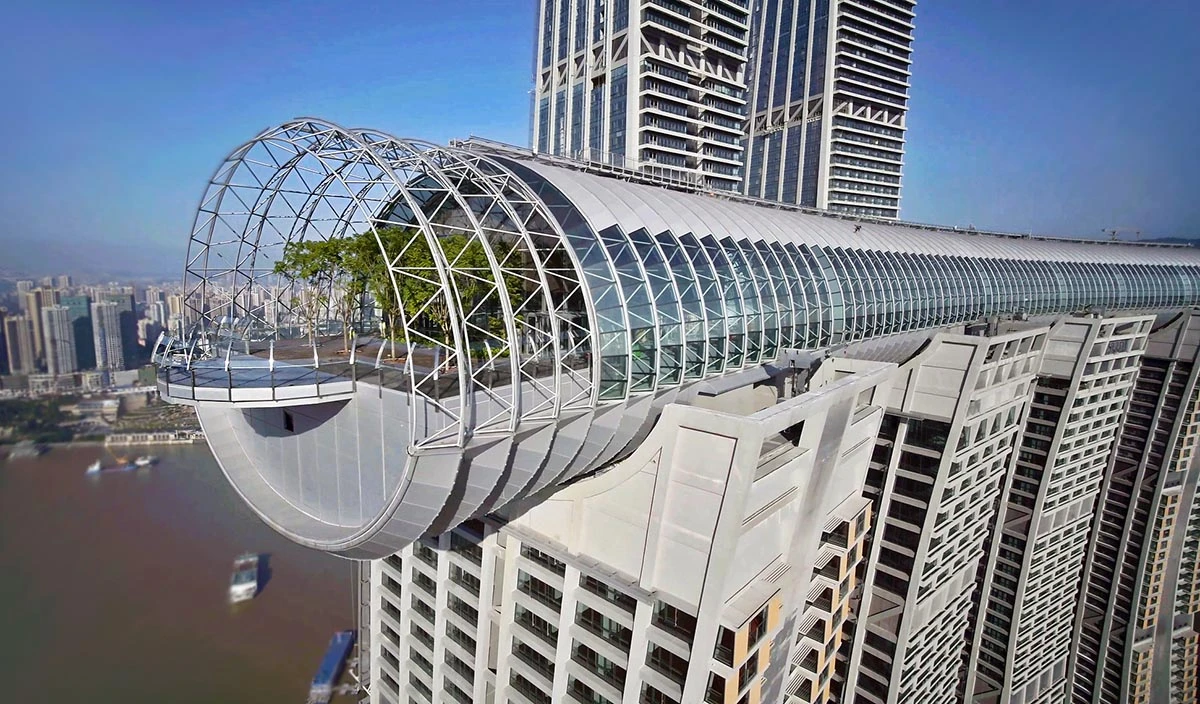
In Chongqing, the skybridge known as “The Crystal” rests atop towers that behave differently under seismic stress. Instead of forcing uniformity, the structure accepts divergence. Through friction pendulum bearings and dampers, it floats, absorbing movement and does not transmit it.
The Invisible Layer: Digital Twins and Predictive Construction
The complexity of contemporary towers cannot be managed through drawings alone. The real building now exists twice, once in reality and once as data. 4D BIM introduces time into the model, allowing construction to be simulated before it begins. With 5D BIM, every design decision carries immediate financial feedback.
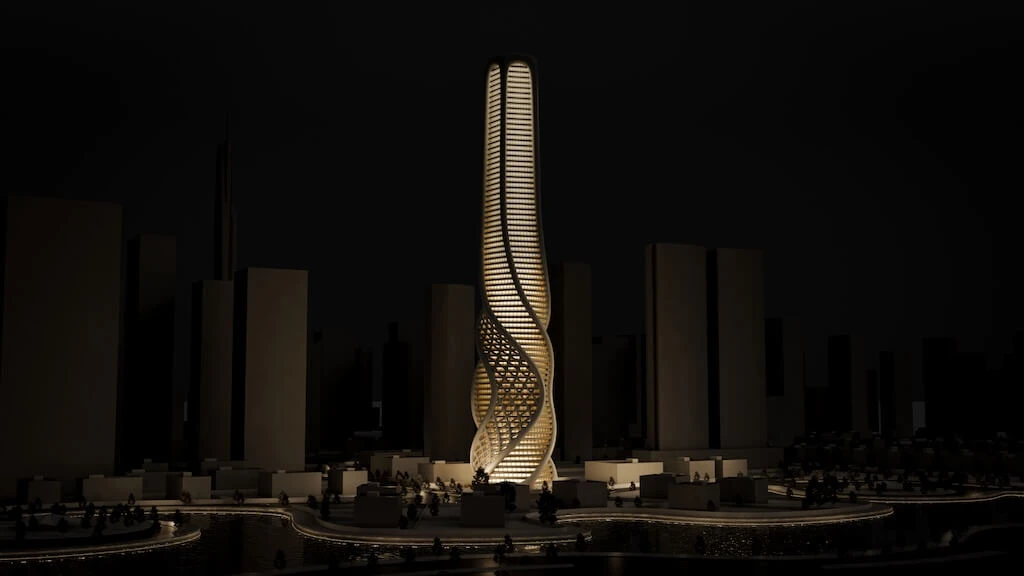
The site is no longer purely a place of assembly, but it is transforming into a controlled production environment. Automated climbing formwork systems now lift entire core segments without cranes, enclosing workers in safer, weather-independent platforms. Robotics handles precision tasks, layout, façade anchoring, and inspection with tolerances beyond human consistency.
Material Futures: Building with Consequence
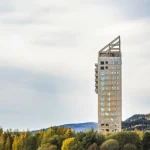
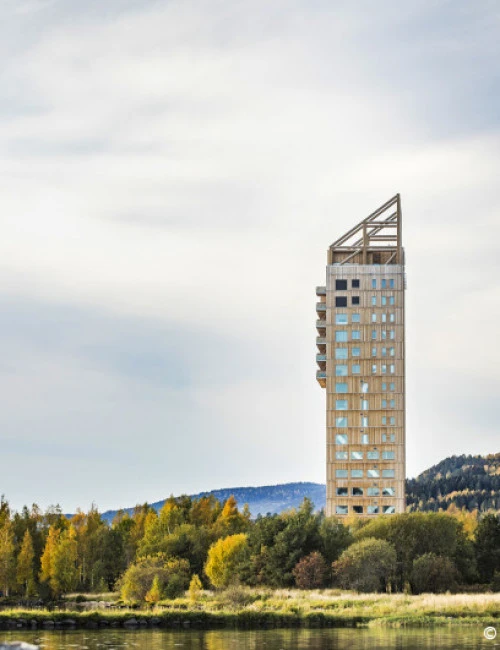
Mass timber buildings like Ascent MKE and Mjøstårnet shift the way construction handles carbon, quietly storing CO₂ within their structure. Ultra-high-performance concrete follows this evolution, making it possible to create slimmer forms and longer, more elegant spans. Carbon fiber then pushes the idea further, hinting at a future where buildings feel woven and fluid rather than simply put together.
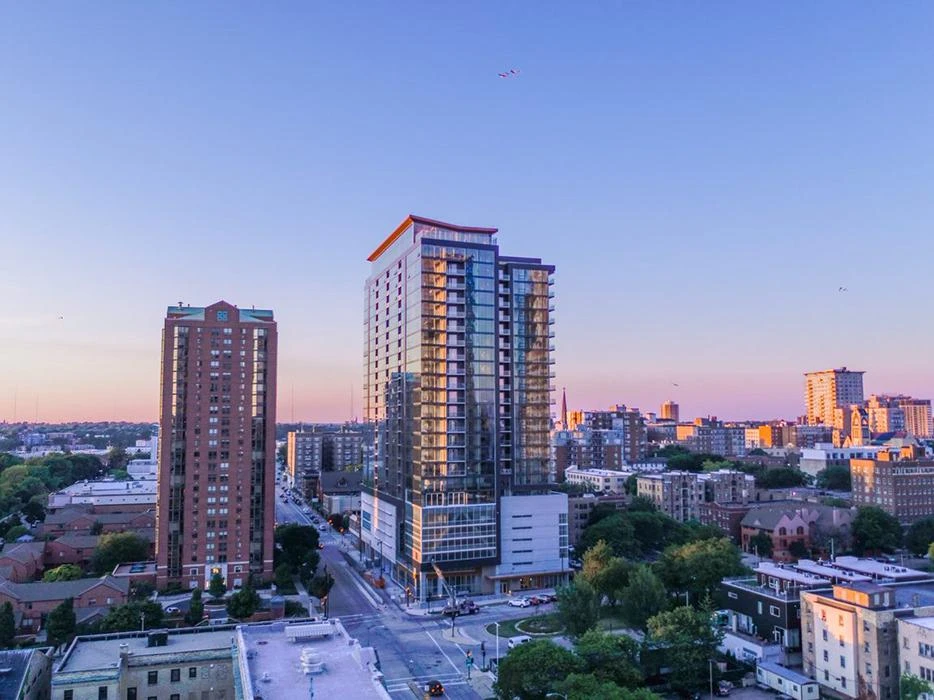
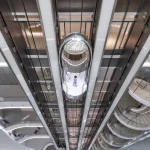
This same sense of intelligence continues inside. At The Edge, thousands of sensors read occupancy, light, and climate, allowing the building to respond in real time. At One Taikoo Place, predictive systems learn patterns of movement, gently preparing elevators before people even arrive.
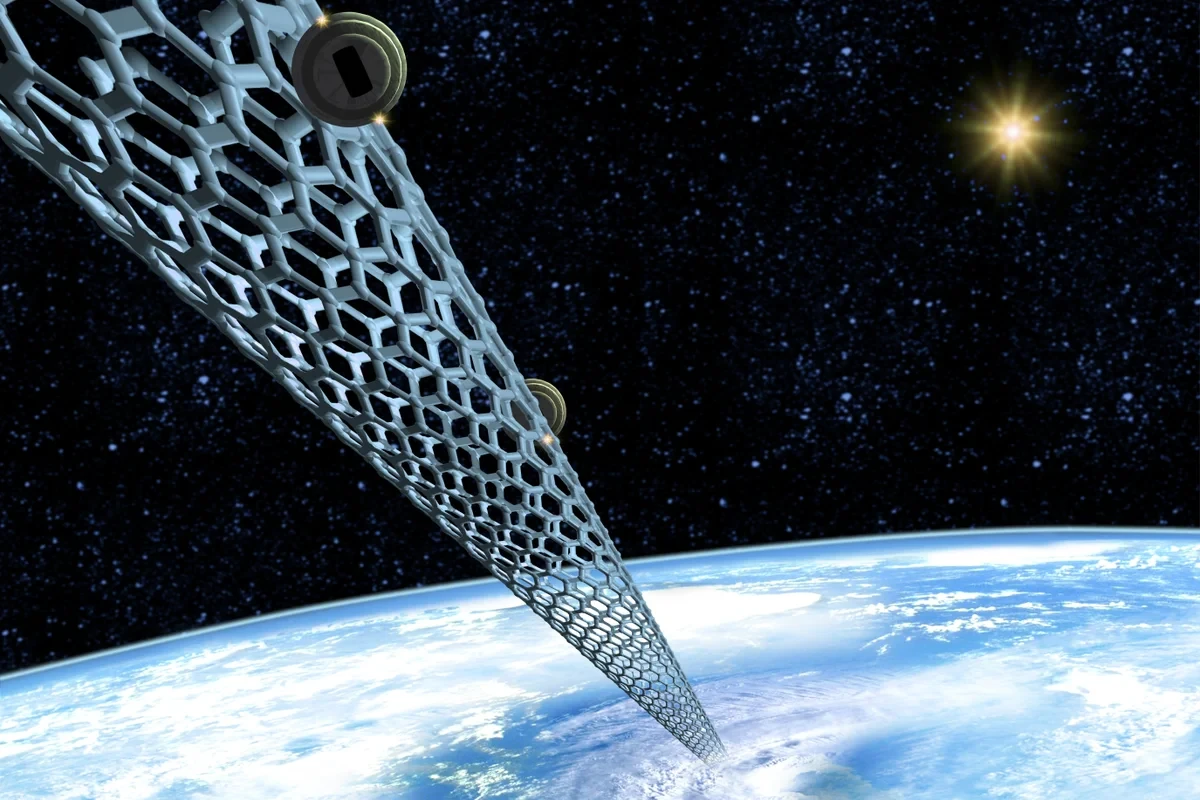
Beyond today’s megatall ambitions lie speculative futures, arcologies like the Shimizu Mega-City Pyramid or planetary infrastructures such as the Space Elevator. These visions may remain unbuilt, but they serve a critical purpose as they expand the boundaries of what architecture is allowed to imagine.
The towers of the future will not only be taller and more complex but will be smarter, more efficient, and more responsive to the needs of the urban population they serve. This progress has stepped beyond pushing architectural boundaries and is about building the infrastructure for a more resilient and sustainable global future.