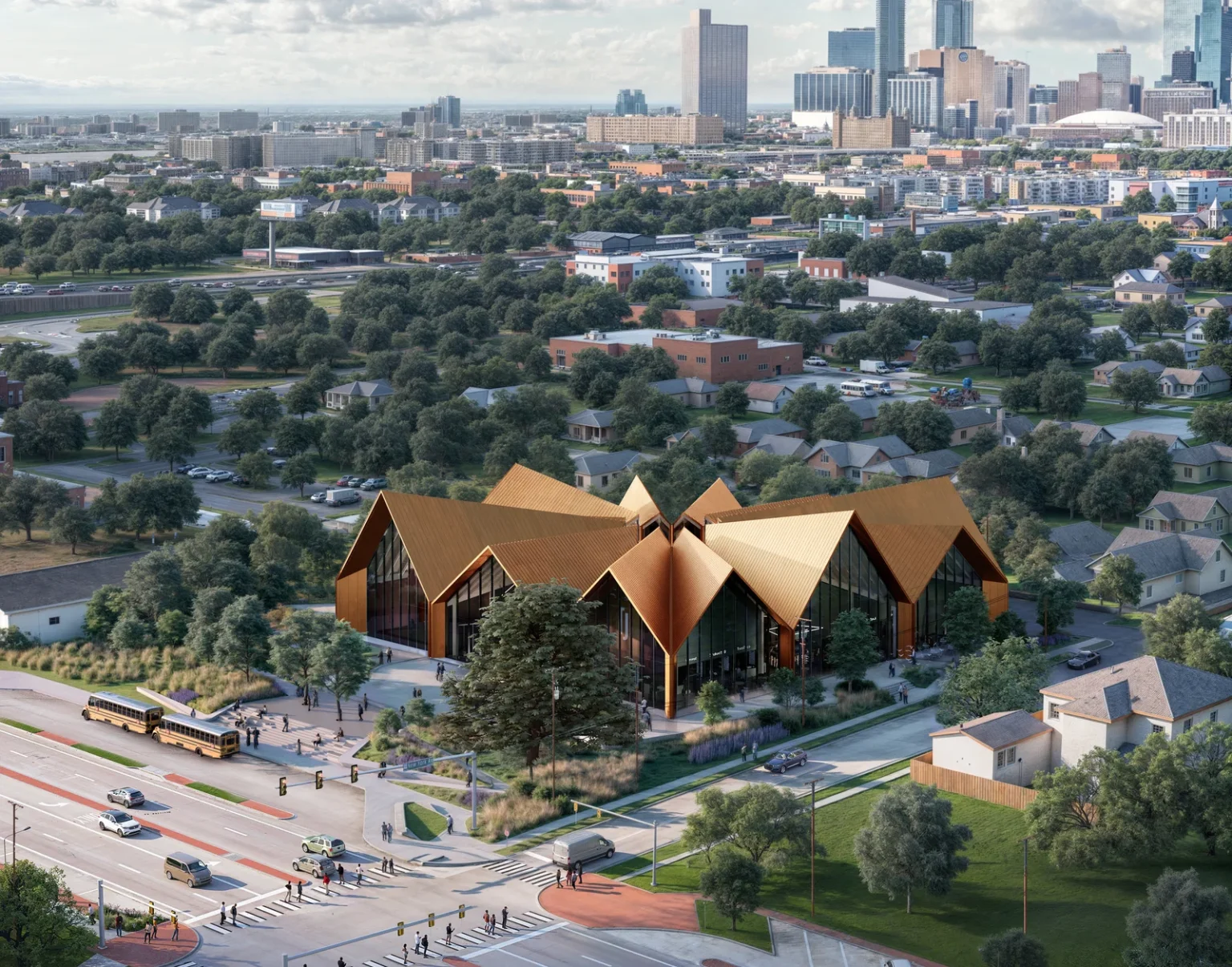






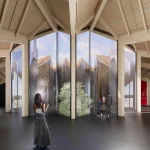
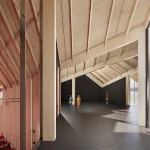

The story of Juneteenth has long been told through history books, community gatherings, and annual celebrations. Now, it is set to gain a permanent architectural landmark. Designed by Bjarke Ingels Group (BIG) in collaboration with Alligood Song Architects and a multidisciplinary team, the National Juneteenth Museum in Fort Worth, Texas, is envisioned as a cultural destination, educational hub, community anchor, and symbolic representation of freedom itself.
Following the approval of the Southside Community Center site by the Fort Worth City Council, the project has reached a significant milestone, accompanied by the release of new renderings that reveal a design deeply rooted in African American history, community identity, and the symbolism of the Juneteenth flag.
At approximately 72,000 square feet, according to BIG’s project information, the museum is currently in design development and is expected to become a national destination celebrating the history, legacy, and continuing relevance of Juneteenth.
From the Juneteenth Flag to Architectural Form
BIG transformed the visual language of the Juneteenth flag into the fundamental geometry of the building.
The Juneteenth flag contains four major symbolic elements: the central star representing Texas, the final Confederate state where freedom was officially enforced for enslaved African Americans; the bursting nova surrounding the star, symbolizing a new beginning; the horizon arc representing opportunity and progress; and the red, white, and blue colors that affirm African Americans’ place within the American story.
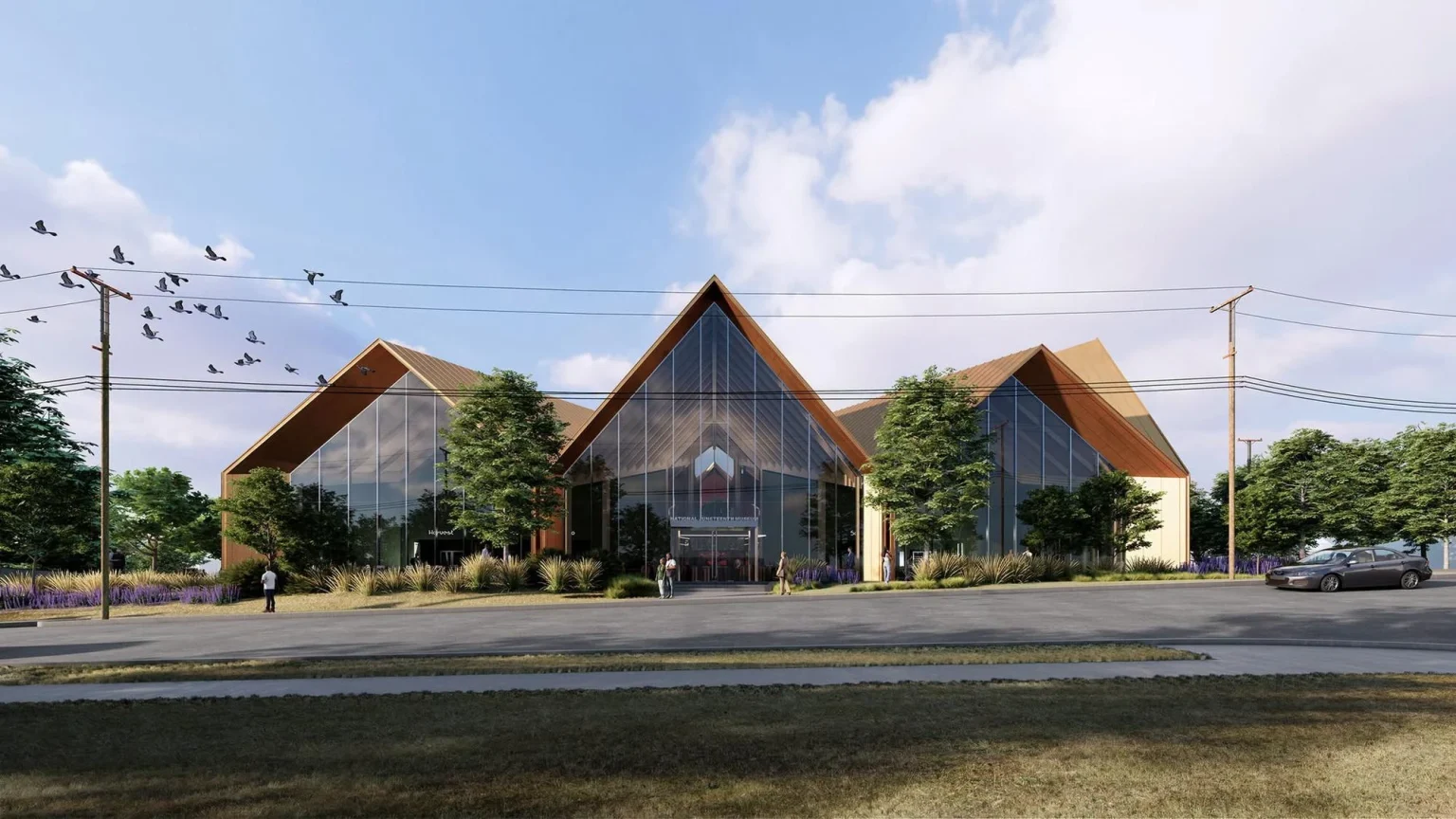
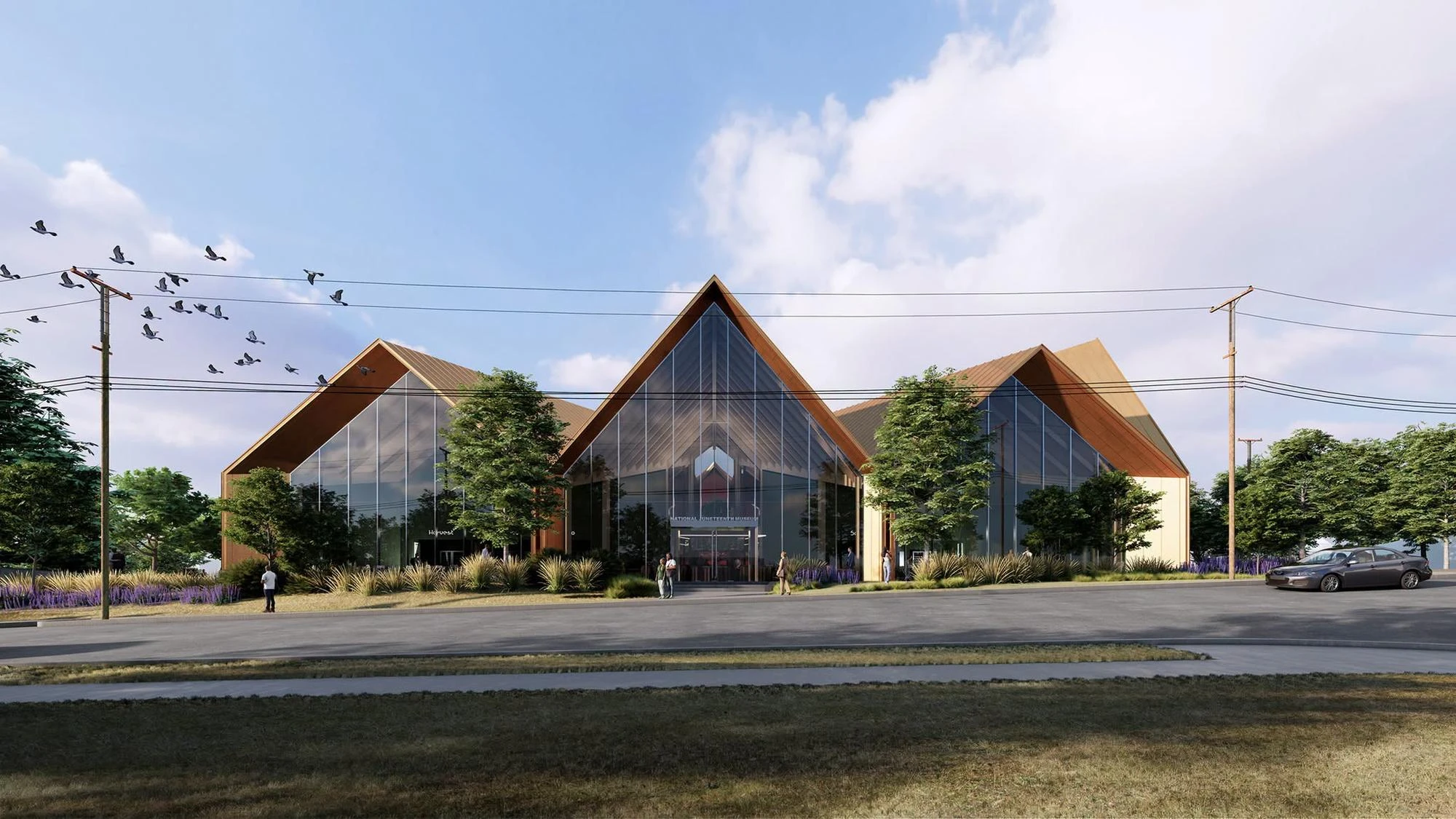
BIG translated these symbols into architecture through what it calls a “symbolic vernacular.” The design draws inspiration from the narrow residential house typology commonly found in African American communities across the southern United States. These homes, characterized by their pitched roofs and front porches, become the building blocks of the museum itself.

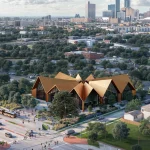
The result is a composition of house-like volumes arranged around a twelve-point star. What begins as a familiar neighborhood form expands outward into a civic landmark, allowing the architecture to simultaneously feel local and monumental.
This approach is particularly significant because it avoids creating a detached cultural institution. Instead, the museum emerges from the architectural language of the communities whose stories it seeks to honor.
BIG’s Community-Focused Vision for Historic Southside
The project’s location within Fort Worth’s Historic Southside is central to its mission.
According to the museum organization, the development is intended to act as both a cultural destination and an economic catalyst for the neighborhood. The design seeks to strengthen community connections while attracting visitors from across the United States and beyond.
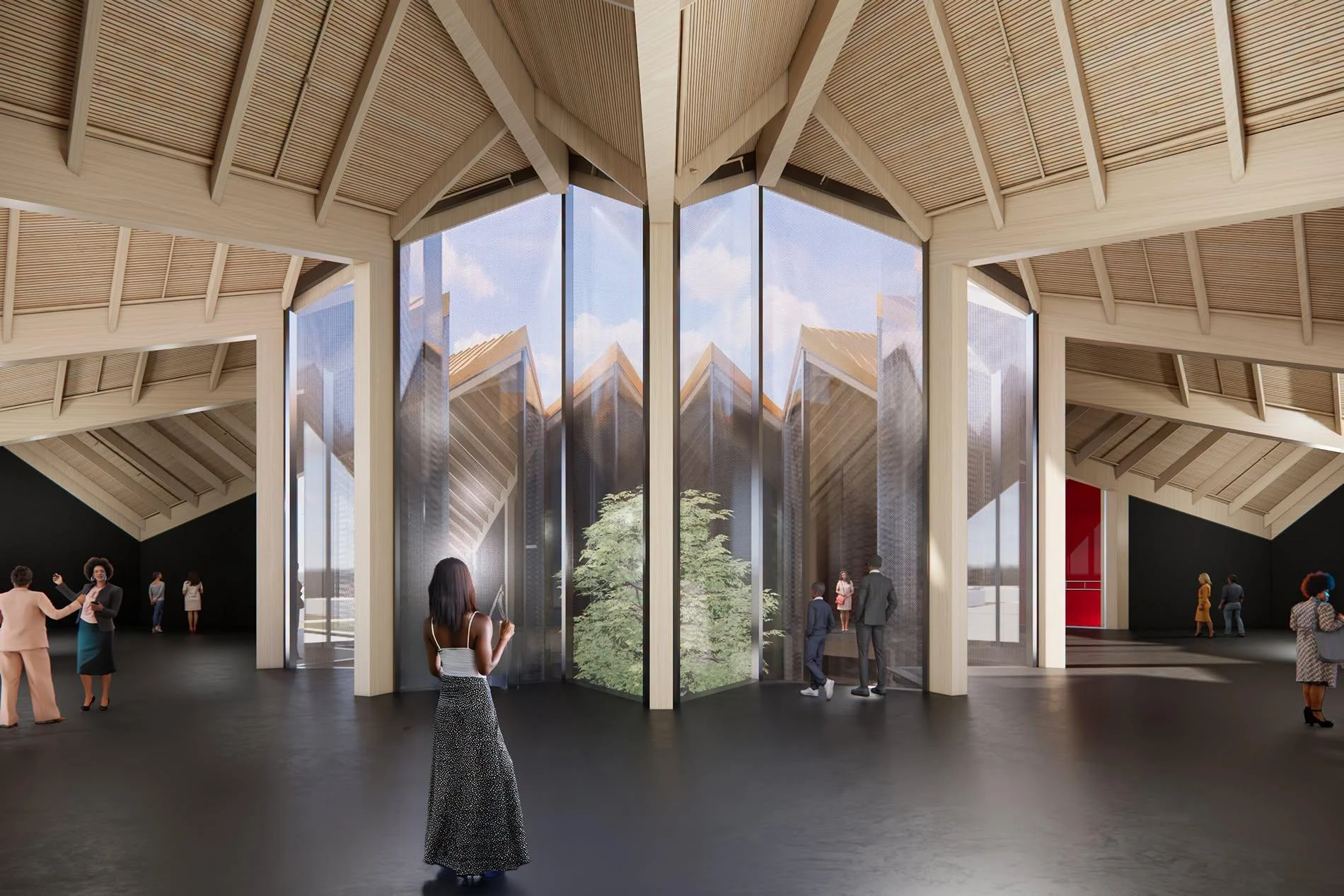
BIG and its collaborators engaged closely with community members and with Juneteenth activist and founding board member Dr. Opal Lee, whose decades-long advocacy played a pivotal role in securing federal recognition of Juneteenth. This dialogue informed many of the project’s architectural decisions, ensuring that the building reflects lived experiences.
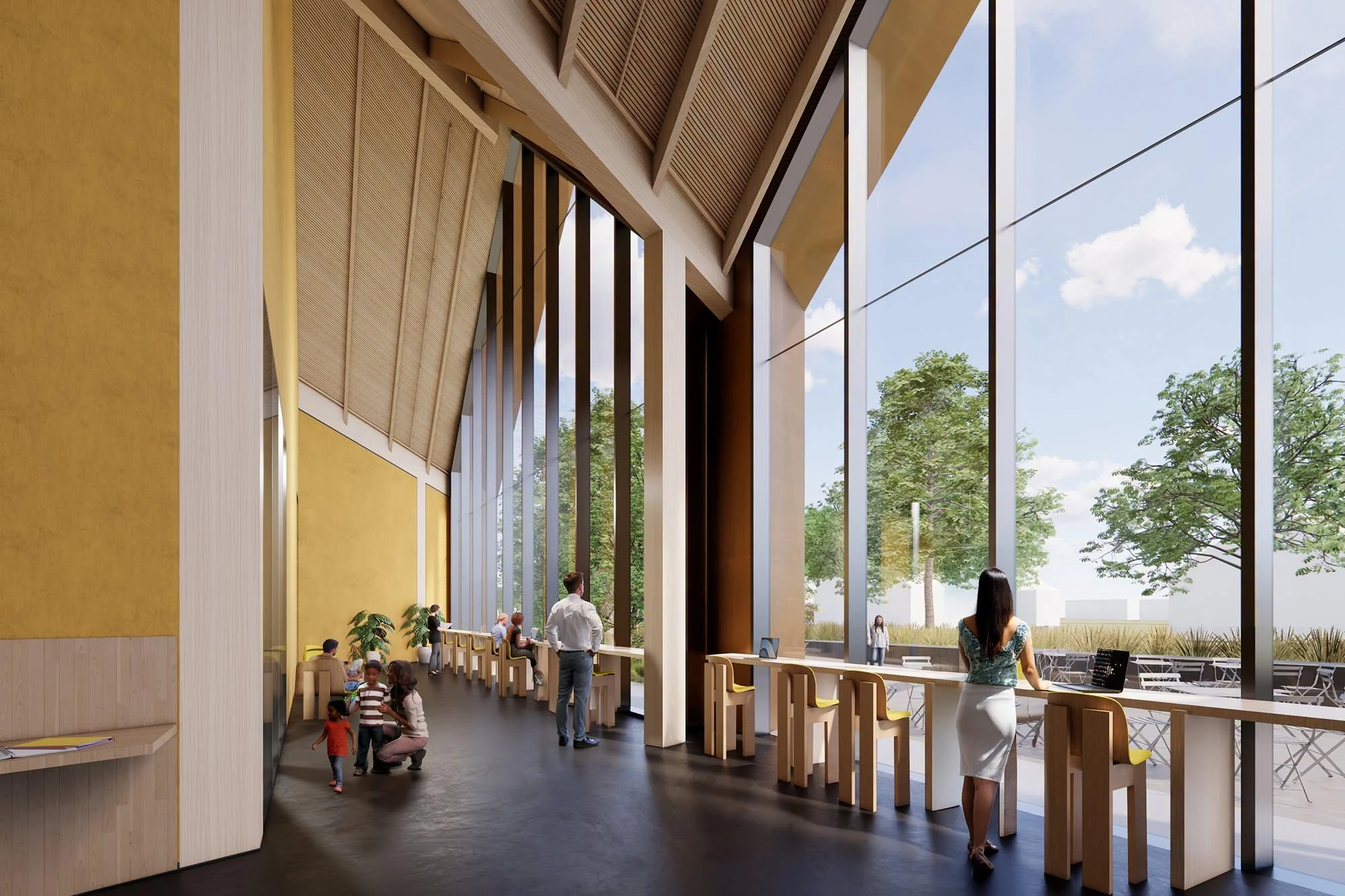
The design intentionally positions the museum as a gateway into Historic Southside, creating a destination that remains deeply connected to its immediate context.
Architecture as Gathering Space, Learning Space, and Economic Engine
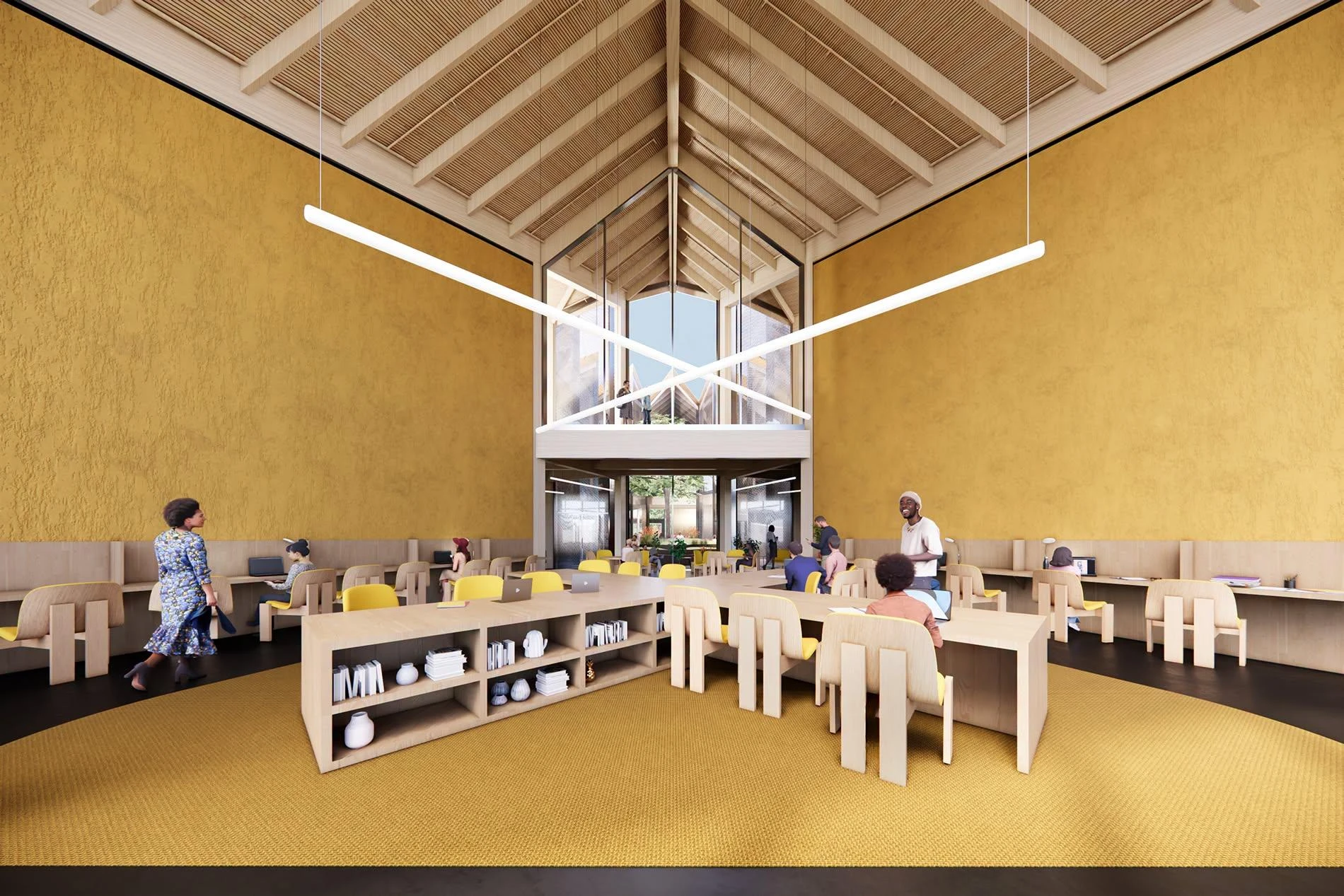
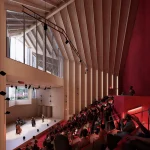
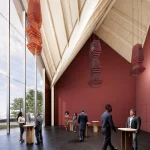
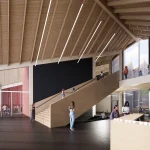
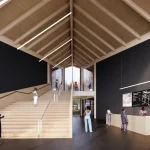
One of the most compelling aspects of the National Juneteenth Museum is that it expands the definition of what a museum can be. The project combines cultural, educational, entrepreneurial, and public functions within a single integrated environment. According to the museum’s latest plans, the facility will include approximately 10,000 square feet of immersive exhibition galleries dedicated to storytelling and educational experiences. A 250-seat theater will host lectures, performances, and community events, while a flexible black-box venue will accommodate seminars, traveling exhibitions, and public programs.
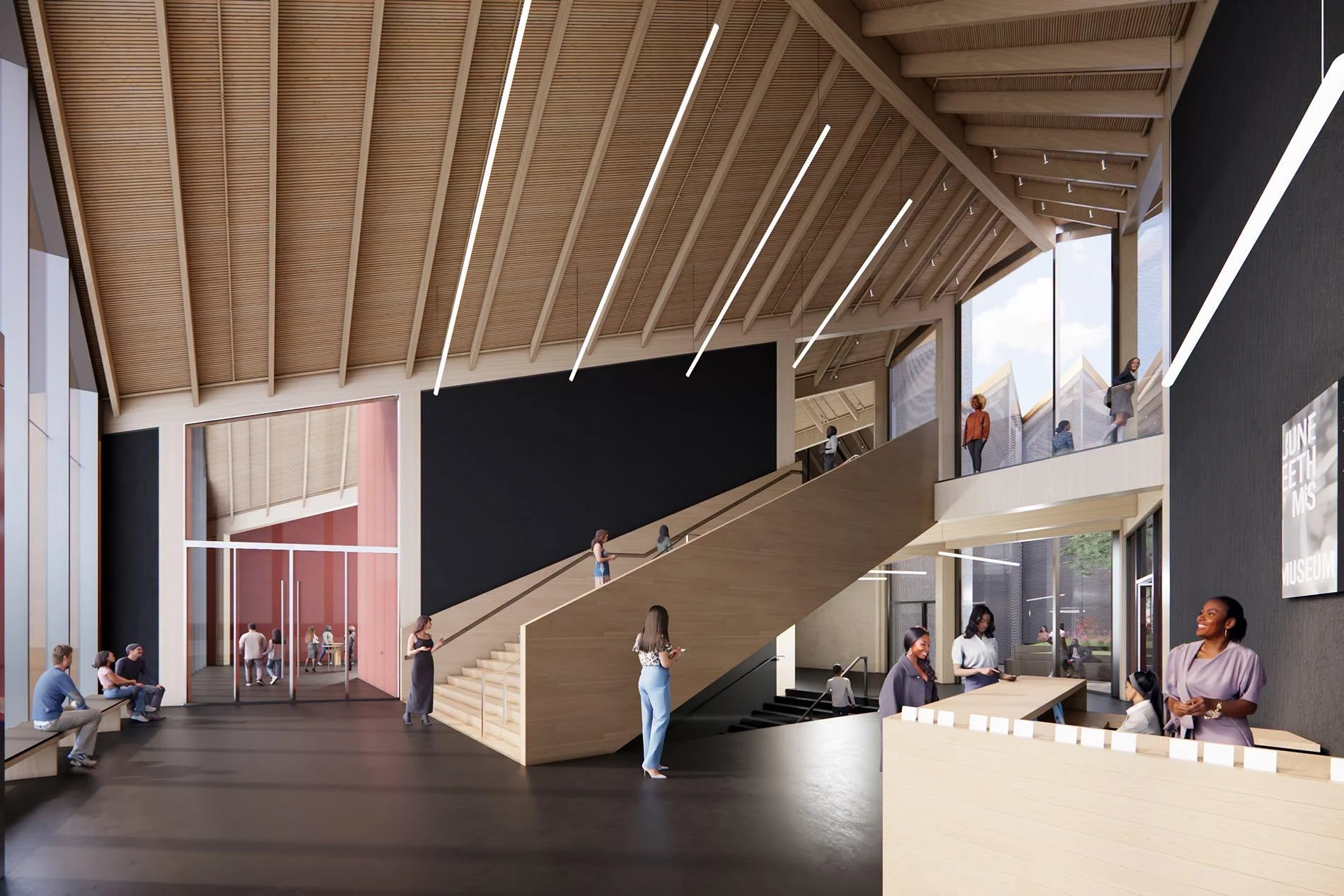
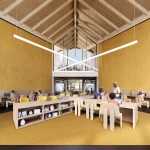
The museum will also house a business incubator and co-working facilities aimed at supporting emerging entrepreneurs. This entrepreneurial component reflects a broader interpretation of freedom as historical liberation, access to economic opportunity, and community advancement.
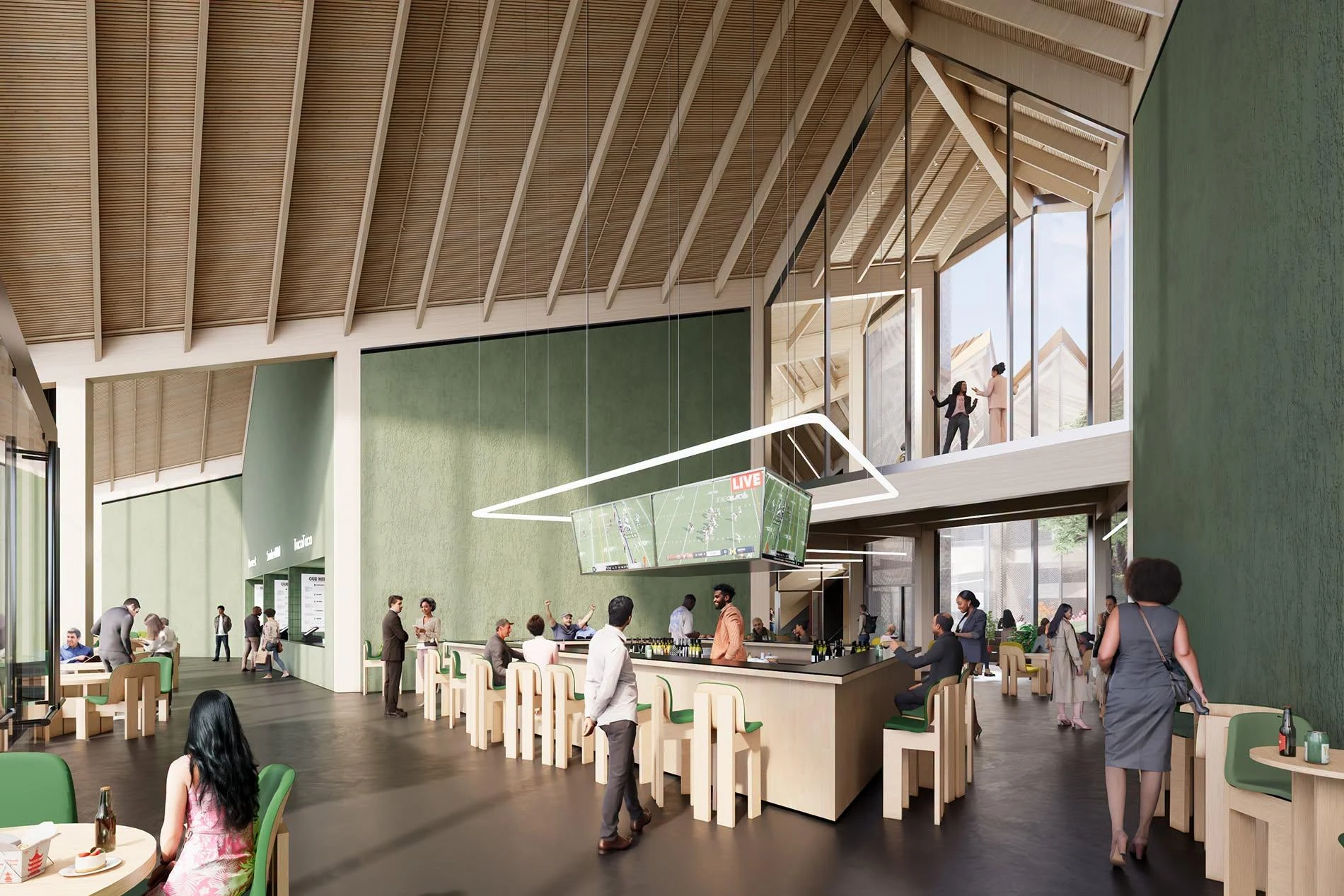
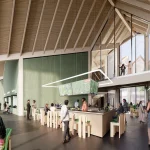
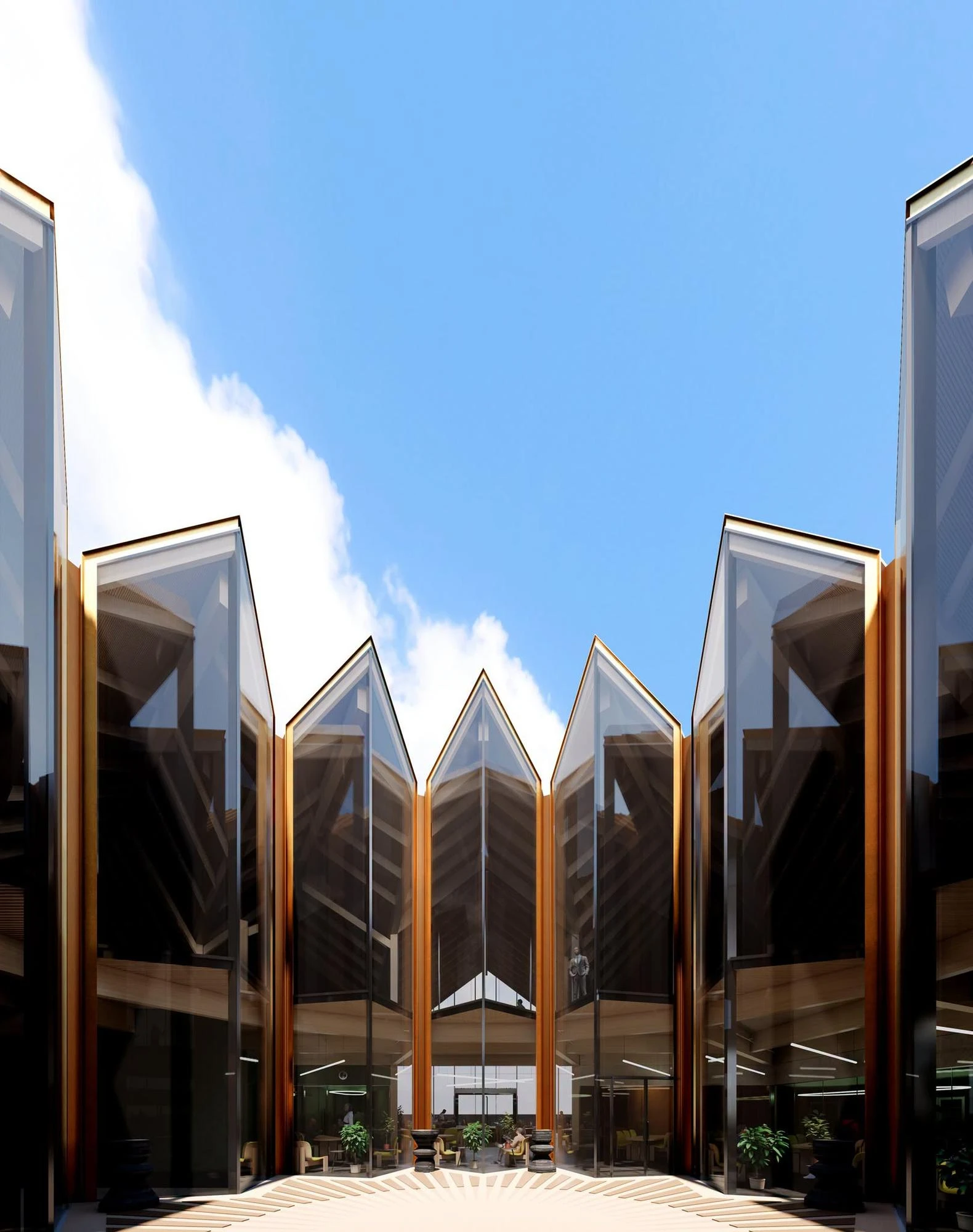
Complementing these functions is a food hall celebrating diverse culinary traditions and a public courtyard known as the National Juneteenth Plaza. Together, these spaces transform the museum into an active civic campus.

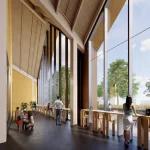
The house-shaped volumes surround a central courtyard that functions as a communal gathering space. Generous roof overhangs create shaded porch-like environments along the perimeter, extending activities outdoors and recalling the social role of front porches within Southern communities. The varied roof heights further differentiate the museum’s internal programs, giving each component its own identity while maintaining cohesion across the overall composition. Meanwhile, the enlarged auditorium volume demonstrates how the simple house form can be adapted to accommodate larger civic functions.
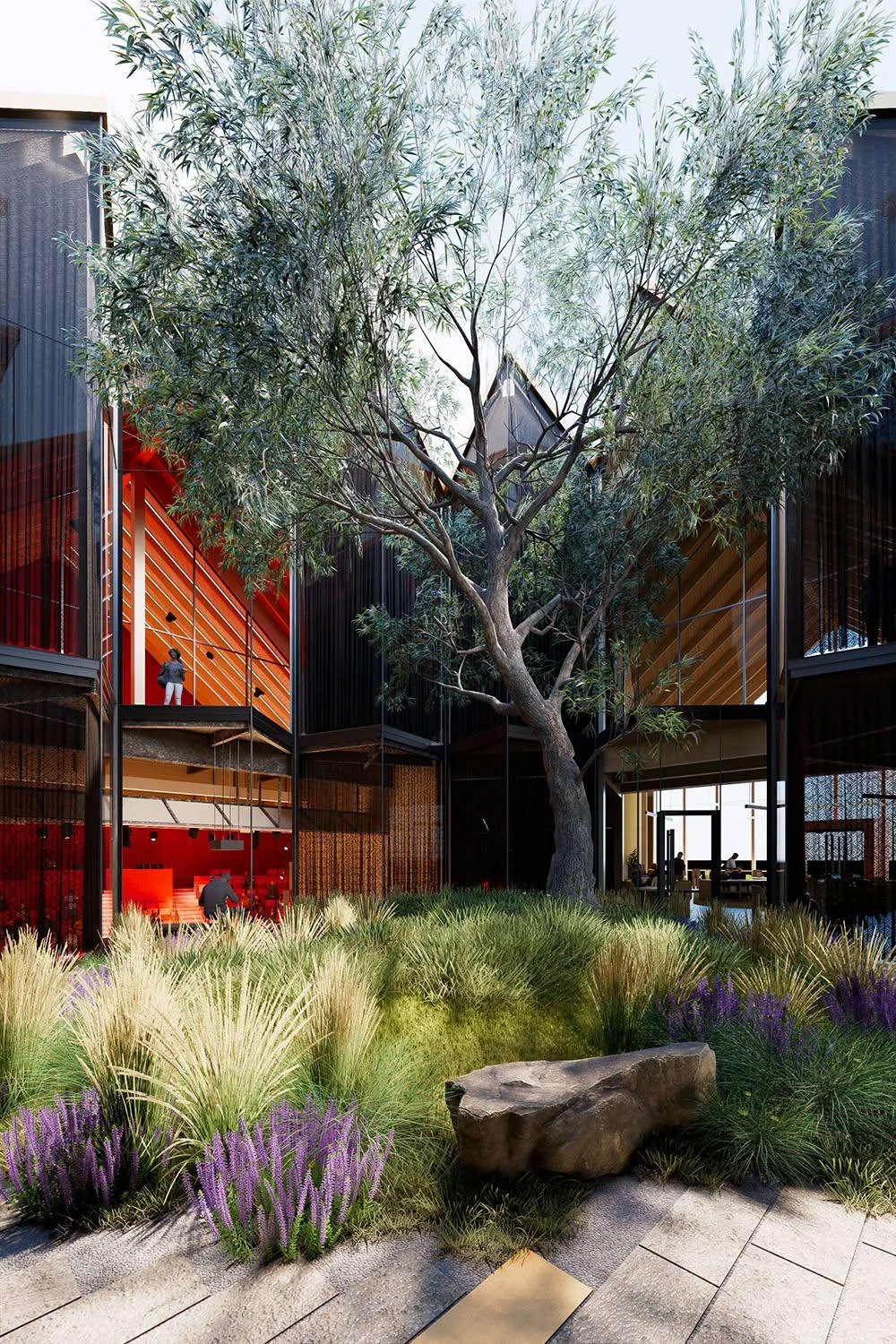
What distinguishes the National Juneteenth Museum is its decision to draw from everyday architecture rather than monumental forms. BIG builds the project from familiar house-shaped volumes inspired by the residential fabric of African American neighborhoods across the South. Arranged around a twelve-point star derived from the Juneteenth flag, these structures create a civic campus that feels both symbolic and approachable.
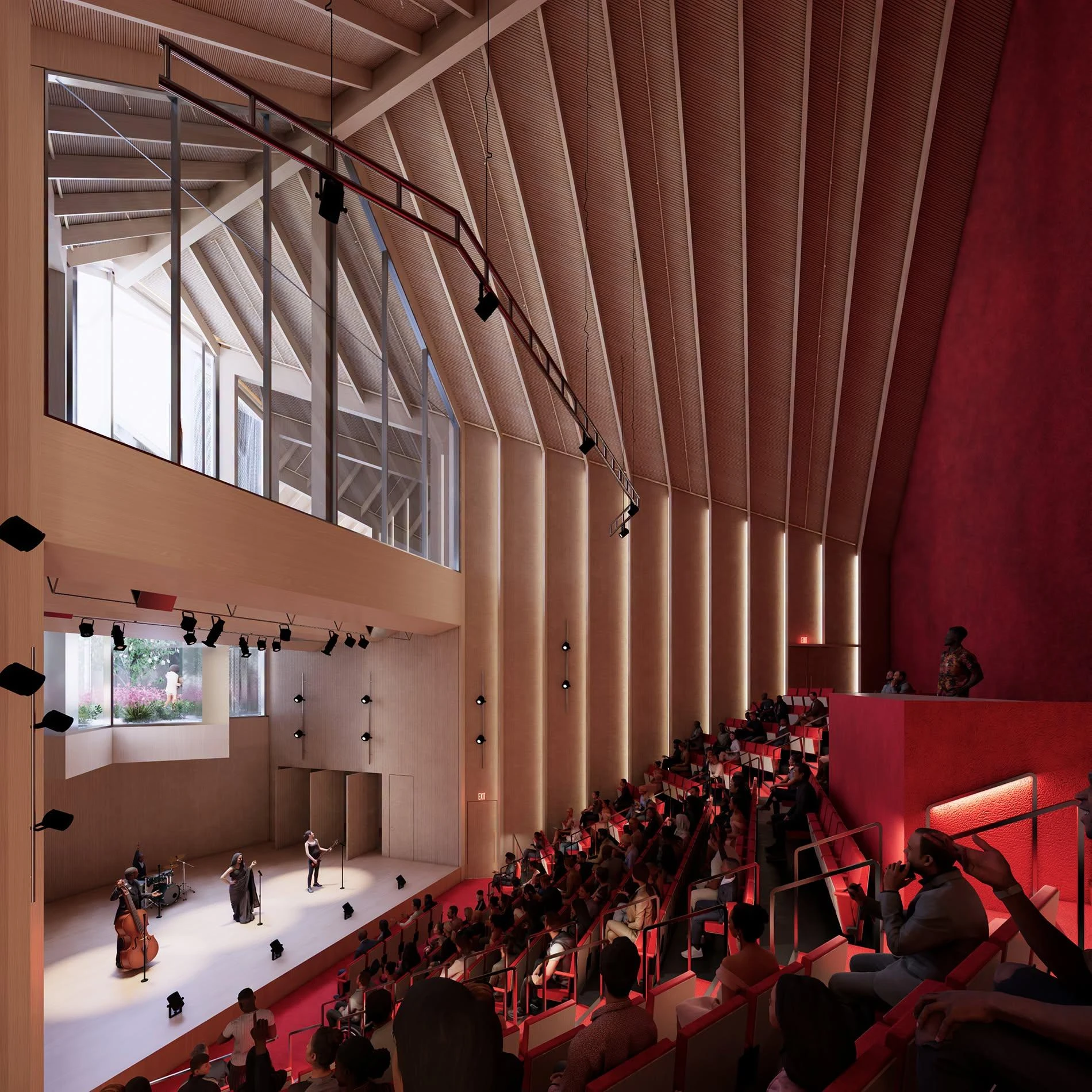
As new renderings reveal the project’s evolution, the museum, with its public plaza, theater, food hall, business incubator, and community spaces, reflects the broader role Juneteenth continues to play in American culture. Rooted in Fort Worth’s Historic Southside, the project translates a story of emancipation into a place designed for gathering, learning, and opportunity.
Image credit: BIG / Source: afasia archzine