




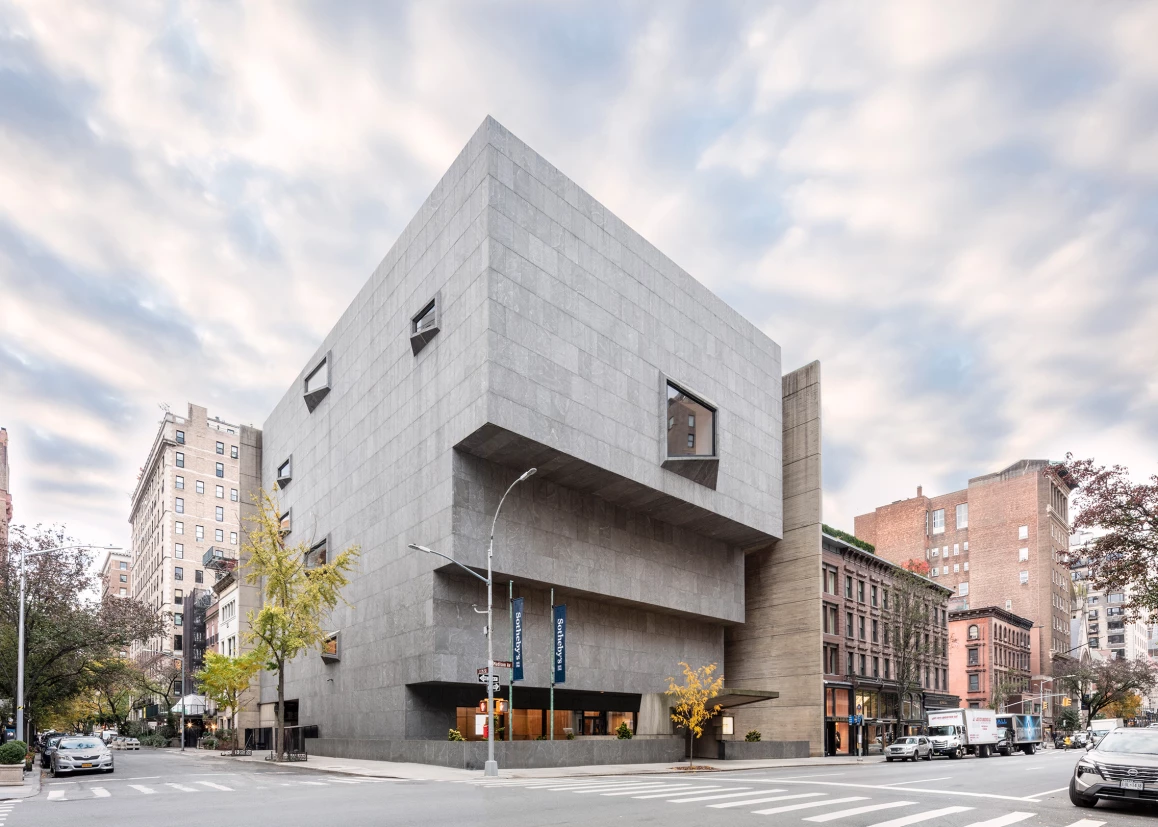
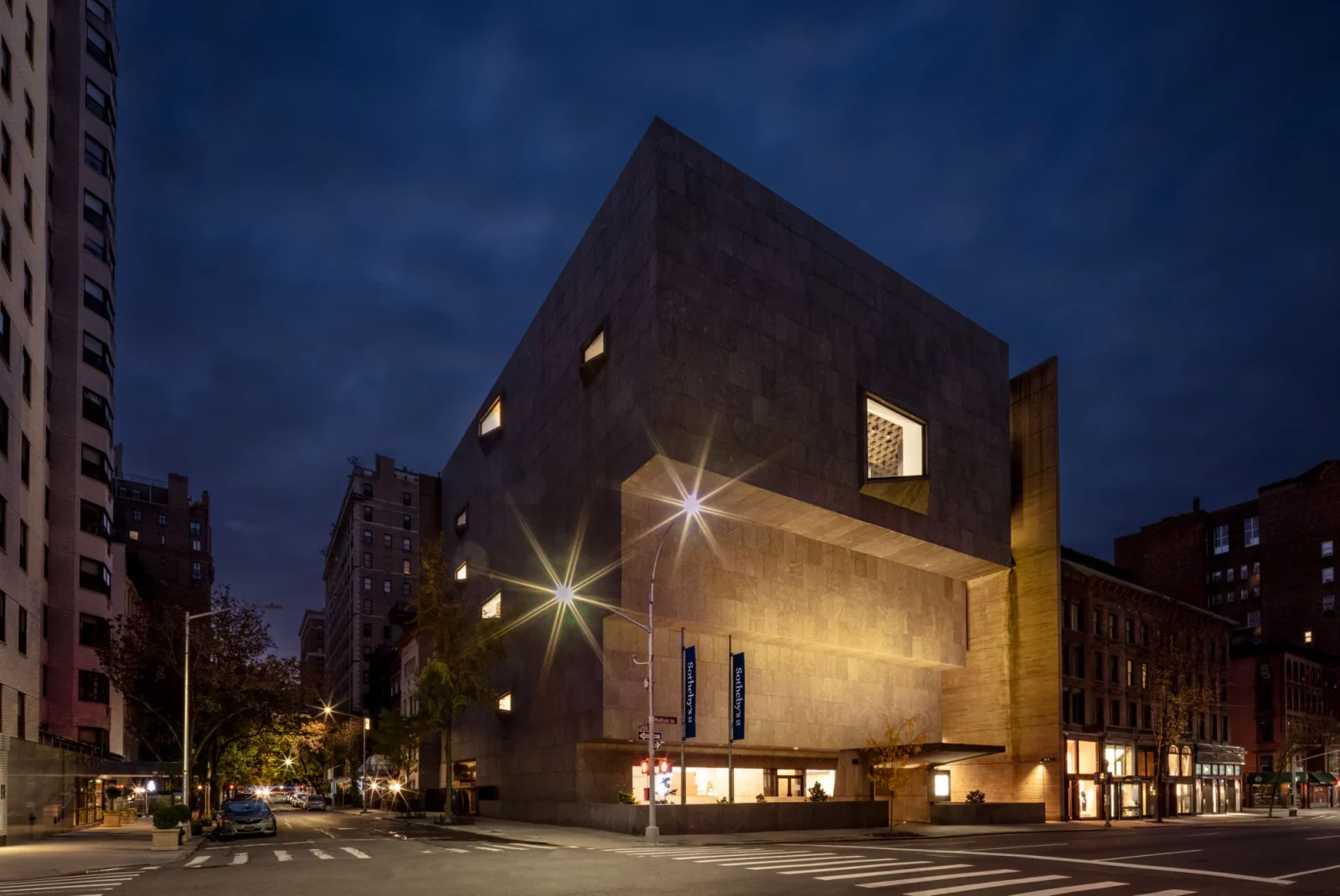
The building at 945 Madison Avenue, originally known as the Breuer Building, reopened in late 2025 as the global headquarters of Sotheby’s after a careful restoration and adaptation of its original design by Swiss firm Herzog & de Meuron (in collaboration with local partner PBDW Architects). The landmark structure, designed by modernist architect Marcel Breuer and completed in 1966, is widely considered a masterpiece of Brutalist architecture and is now entering a new chapter.
Architectural Significance & Historical Context
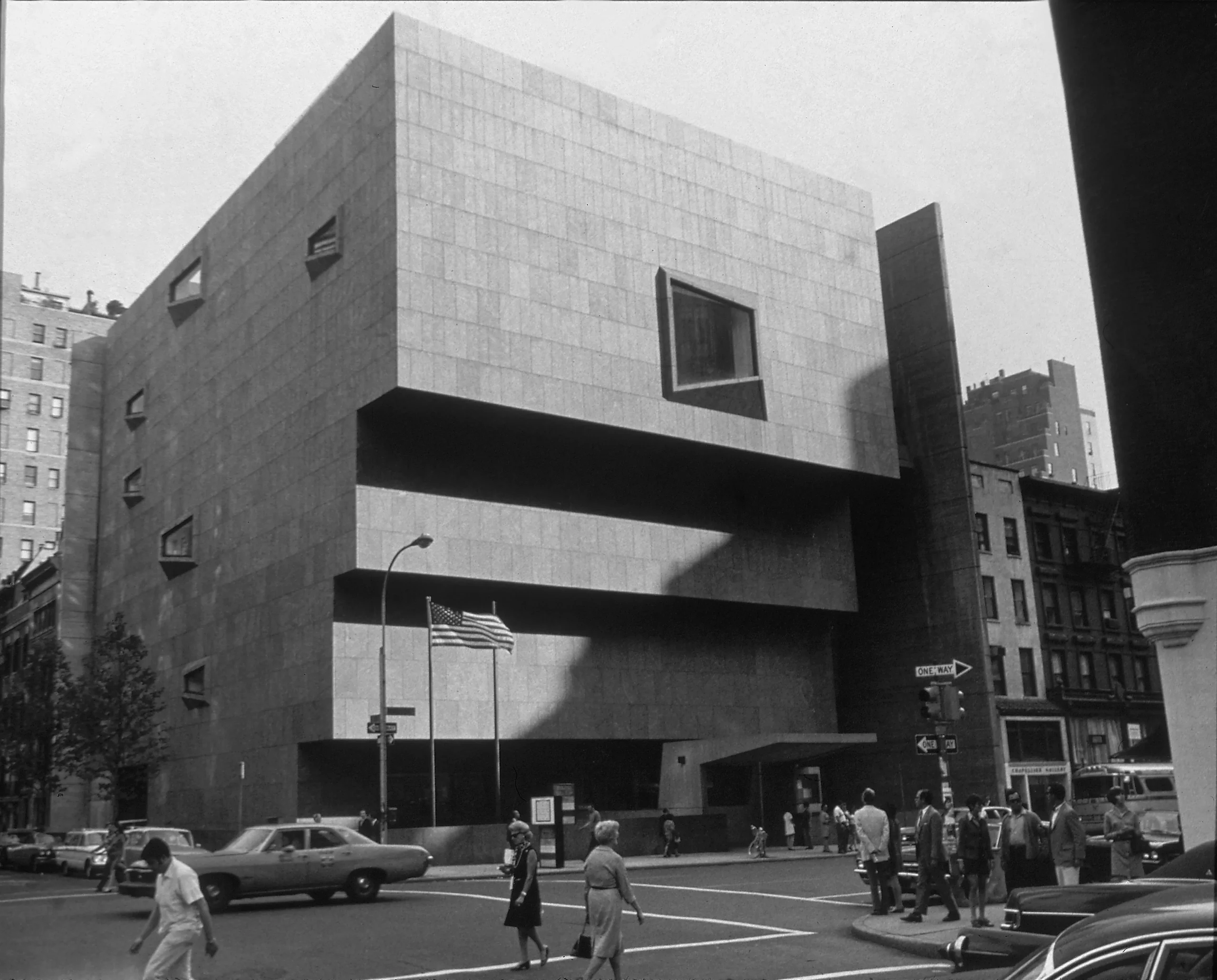
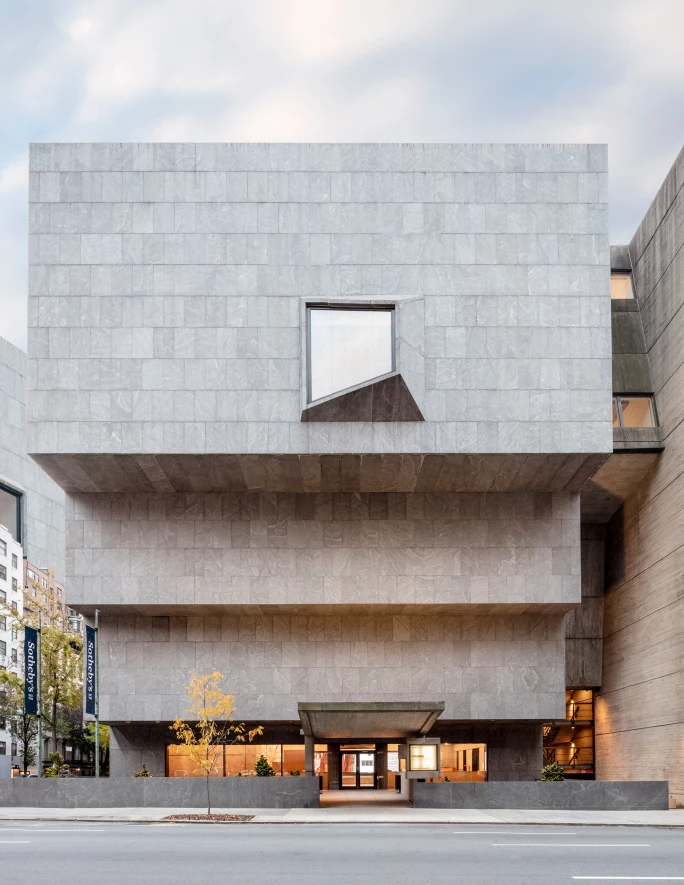
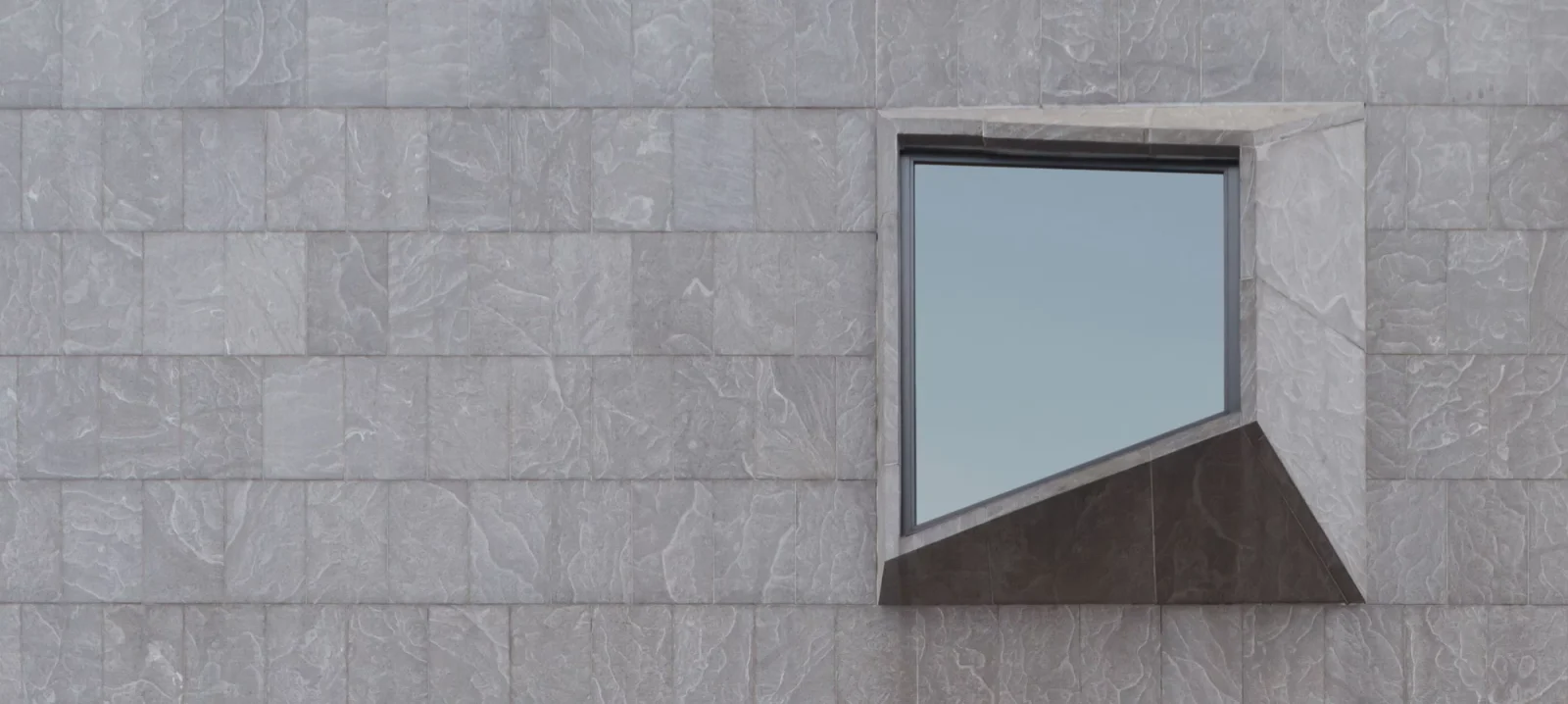
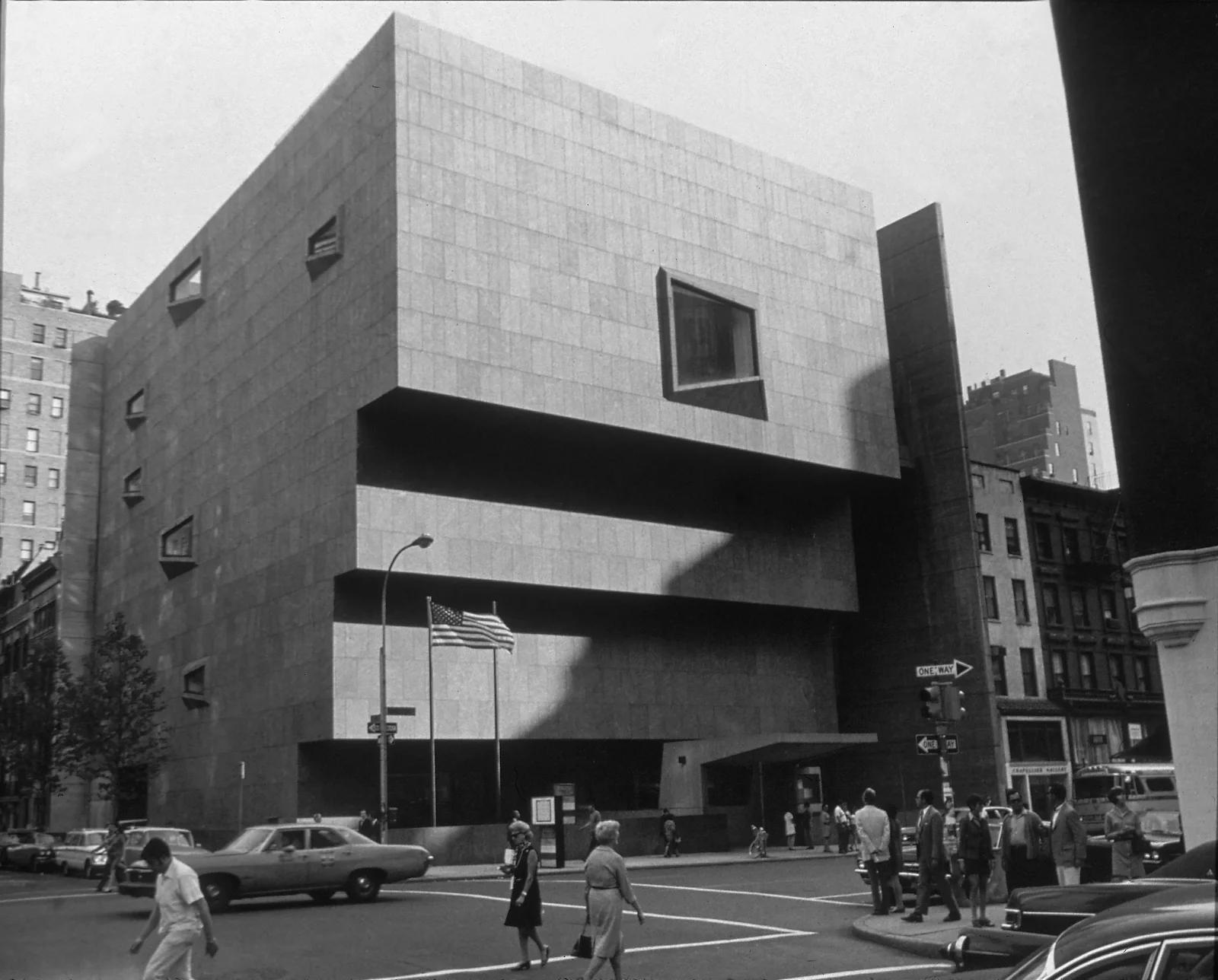
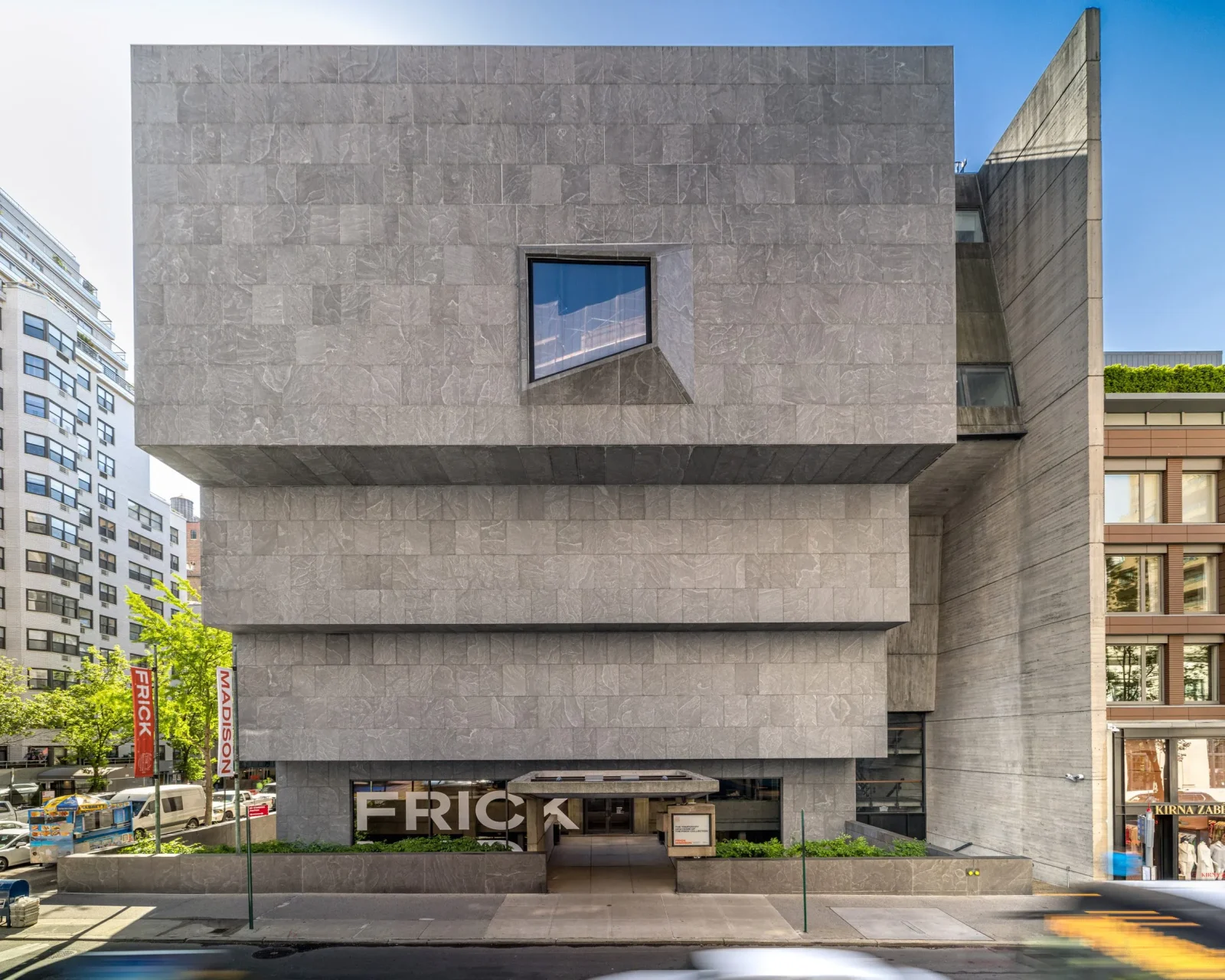
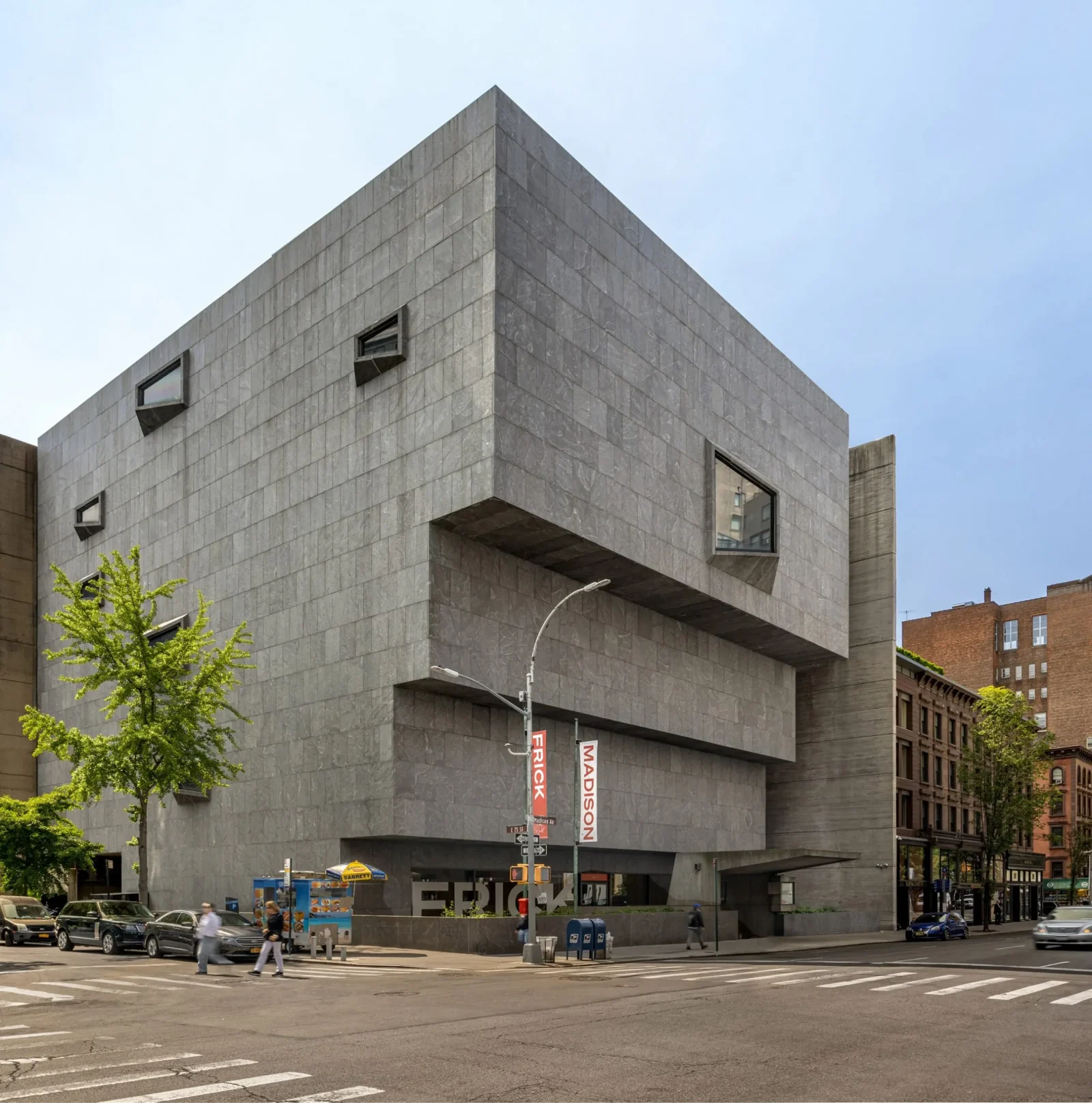
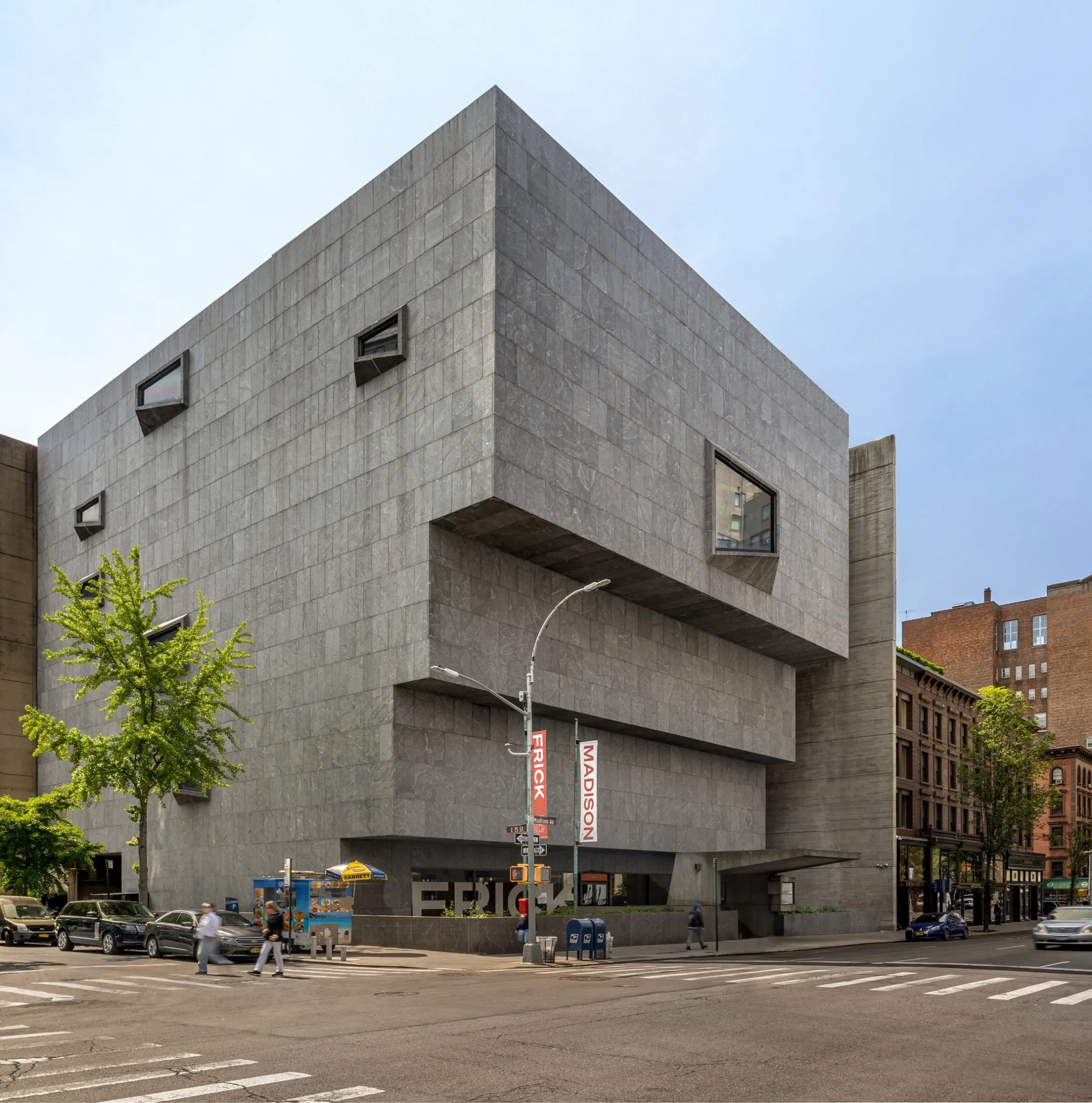
Breuer’s building was commissioned by the Whitney Museum of American Art and opened in 1966 at Madison Avenue and East 75th Street in Manhattan. Dramatic overhanging floors, distinct trapezoidal windows, and heavy materials such as board-formed concrete and granite cladding characterize its design, elements that set it apart from the surrounding Upper East Side townhouses and high-rises.
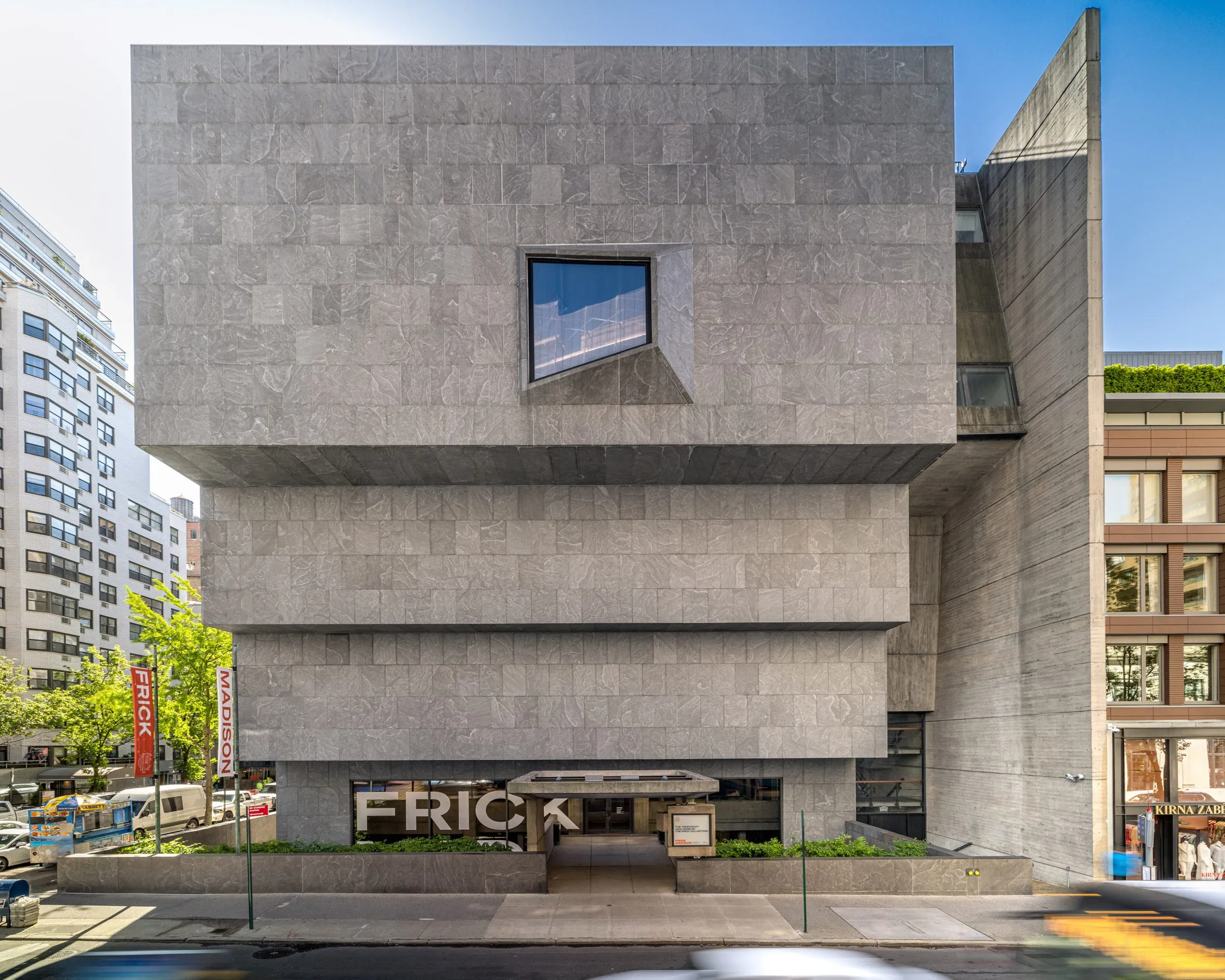
Breuer himself explained his goal: he wanted a museum that “transforms the vitality of the street into the sincerity and profundity of art.” Over the decades, the building has served the Whitney (until 2014), then housed the Metropolitan Museum of Art’s branch known as Met Breuer, and more recently, the Frick Collection’s temporary venue (Frick Madison). In May 2025, the New York City Landmarks Preservation Commission designated both the exterior and certain interior portions of the building as individual landmarks, a recognition of its cultural value.
The Restoration & Adaptation by Herzog & de Meuron
When Sotheby’s acquired the Breuer Building in 2023, the company commissioned Swiss architectural firm Herzog & de Meuron to lead a comprehensive restoration and adaptation of the iconic structure. Their approach was intentionally restrained, a “light-touch” intervention that sought to preserve the integrity of Marcel Breuer’s Brutalist design while subtly modernizing the building to meet the functional demands of a 21st-century global auction house.
The architects emphasized maintaining the original spatial atmosphere, materials, and proportions rather than imposing drastic stylistic changes.
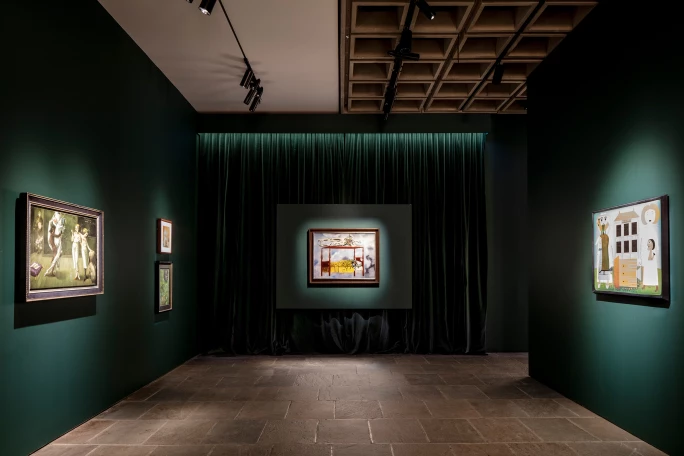
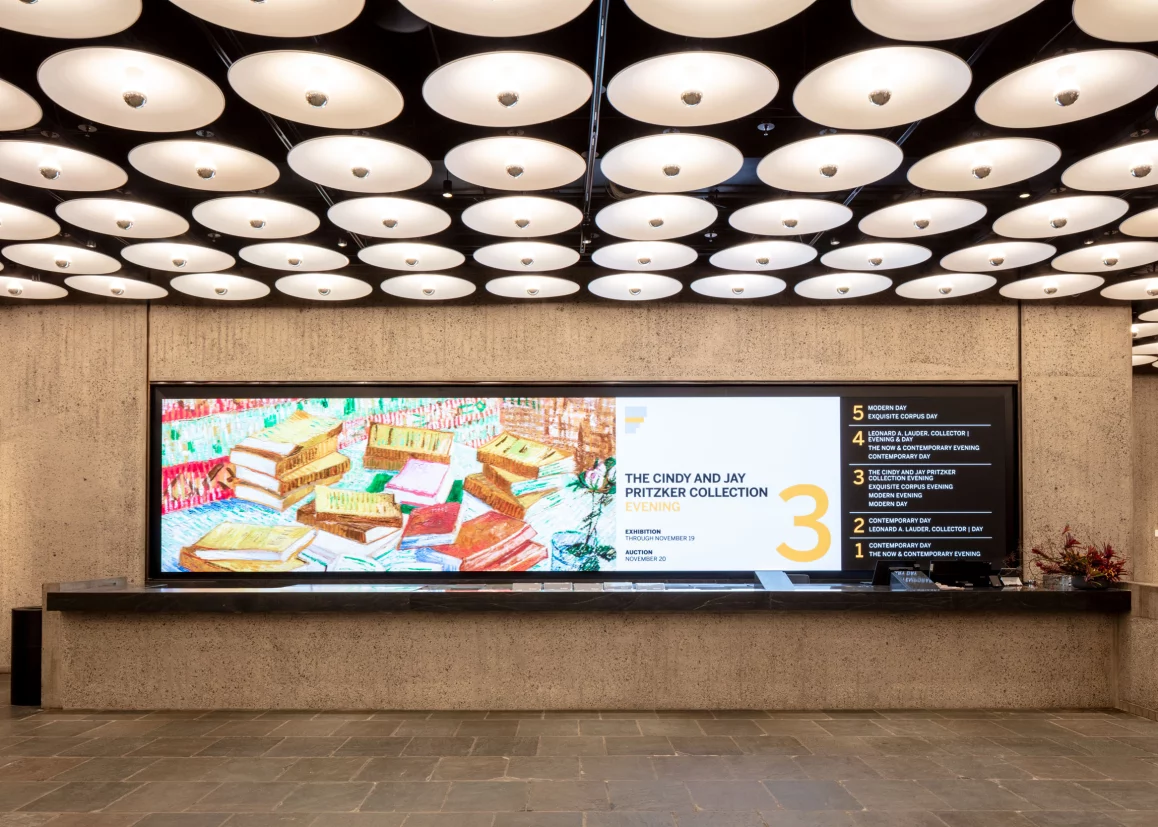
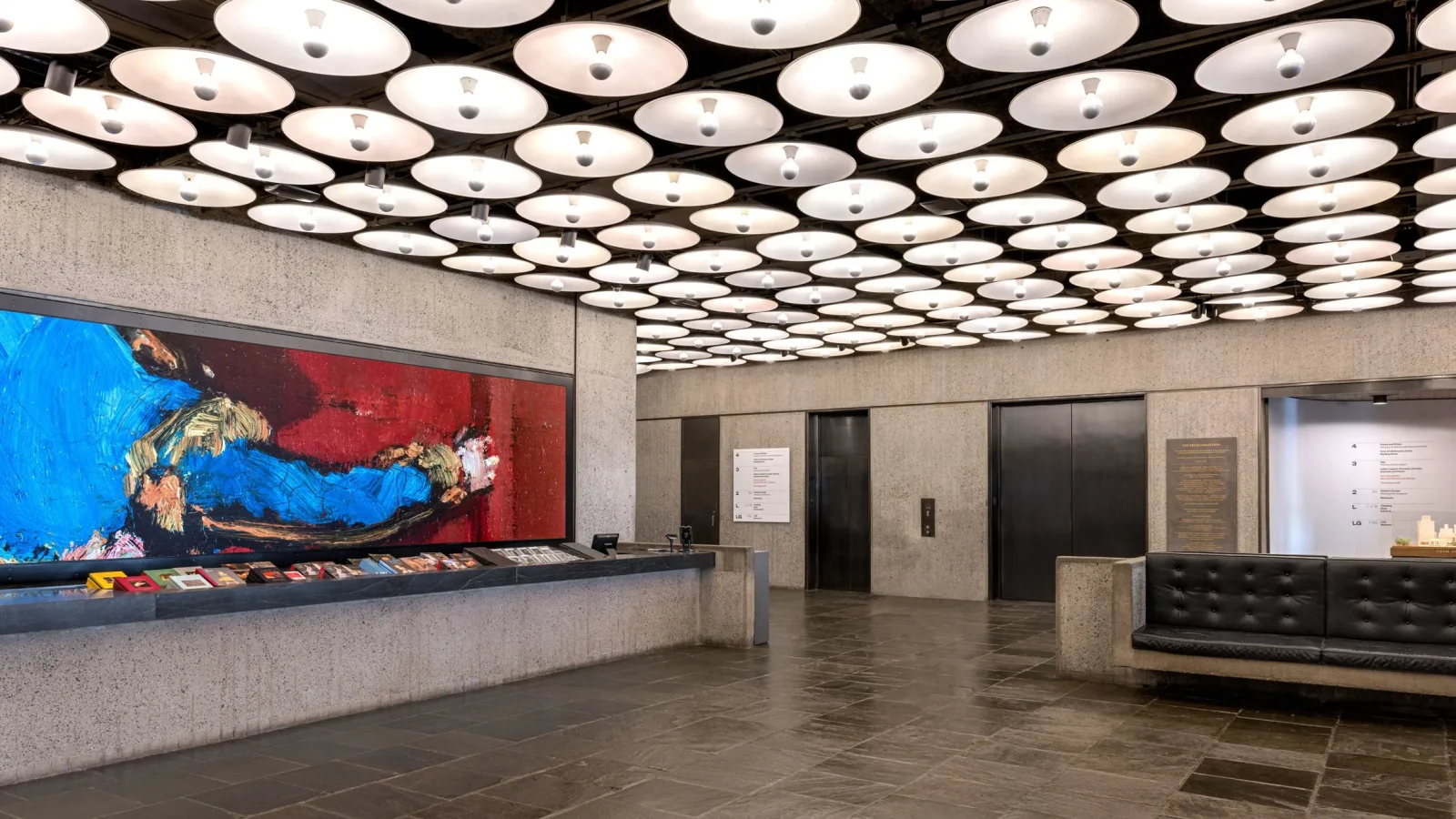
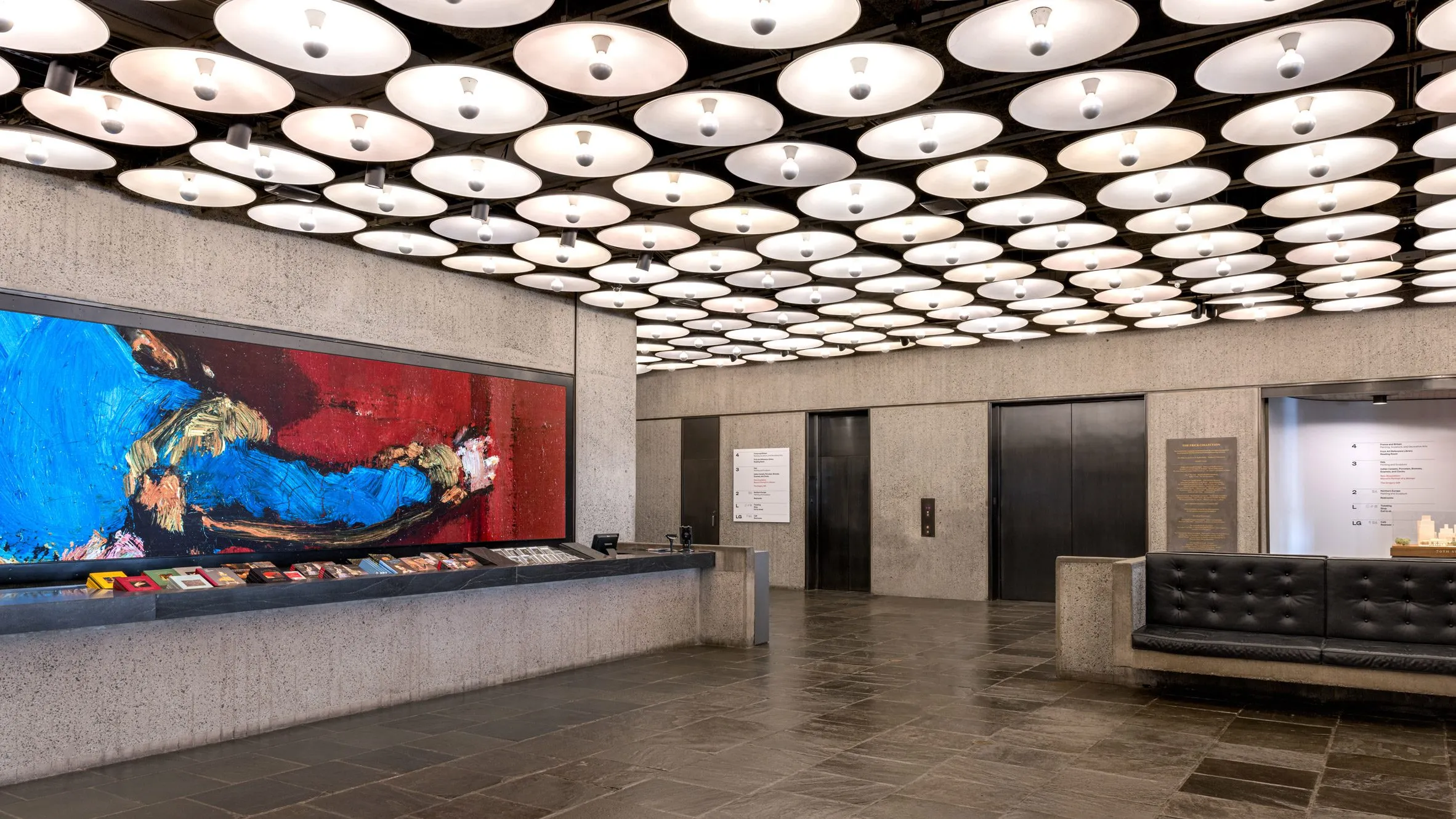
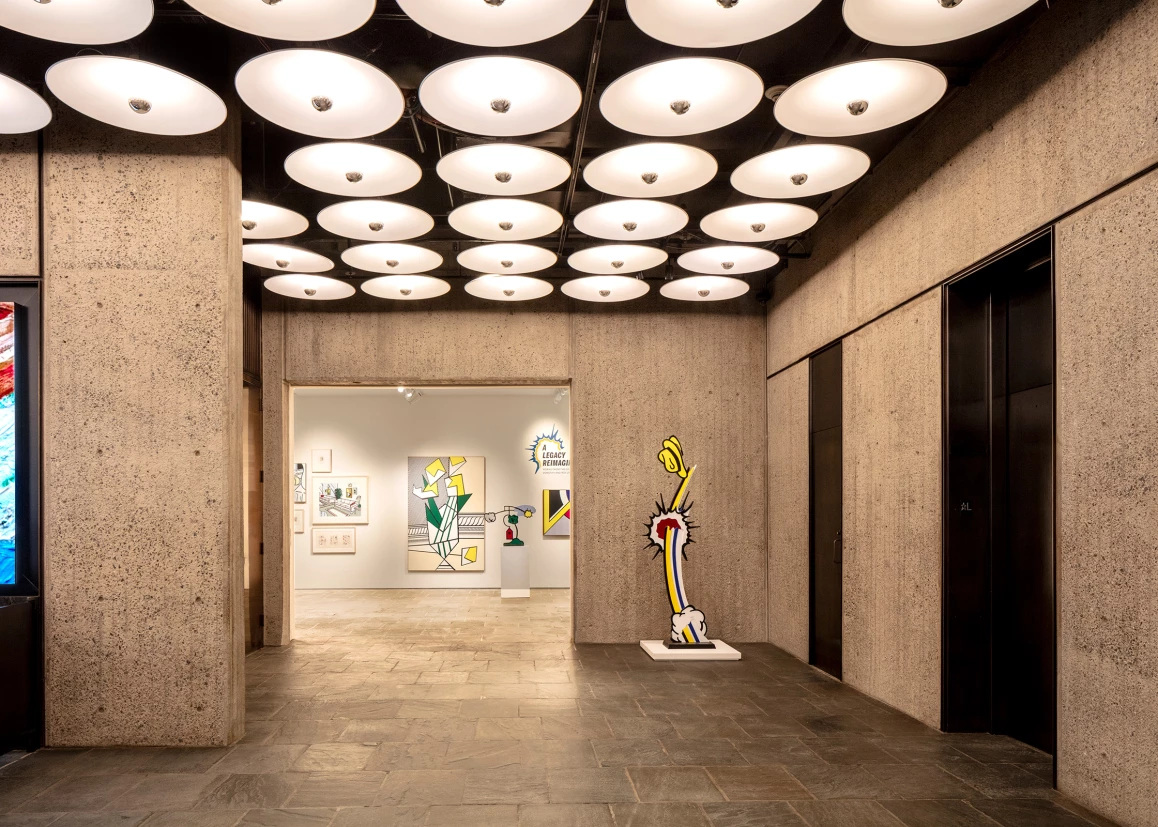
The restoration carefully conserved key architectural features that have long defined the building’s identity. The original bluestone flooring was retained throughout the public interior spaces, reinforcing continuity between Breuer’s vision and the new program.
The bush-hammered and board-formed concrete surfaces, a signature texture of Breuer’s Brutalist style, were meticulously cleaned and repaired, particularly in the lobby and main gallery levels. Herzog & de Meuron also preserved the sculptural central staircase and the distinctive lobby lighting fixtures, which were updated with modern, energy-efficient lamps while maintaining their historic form.
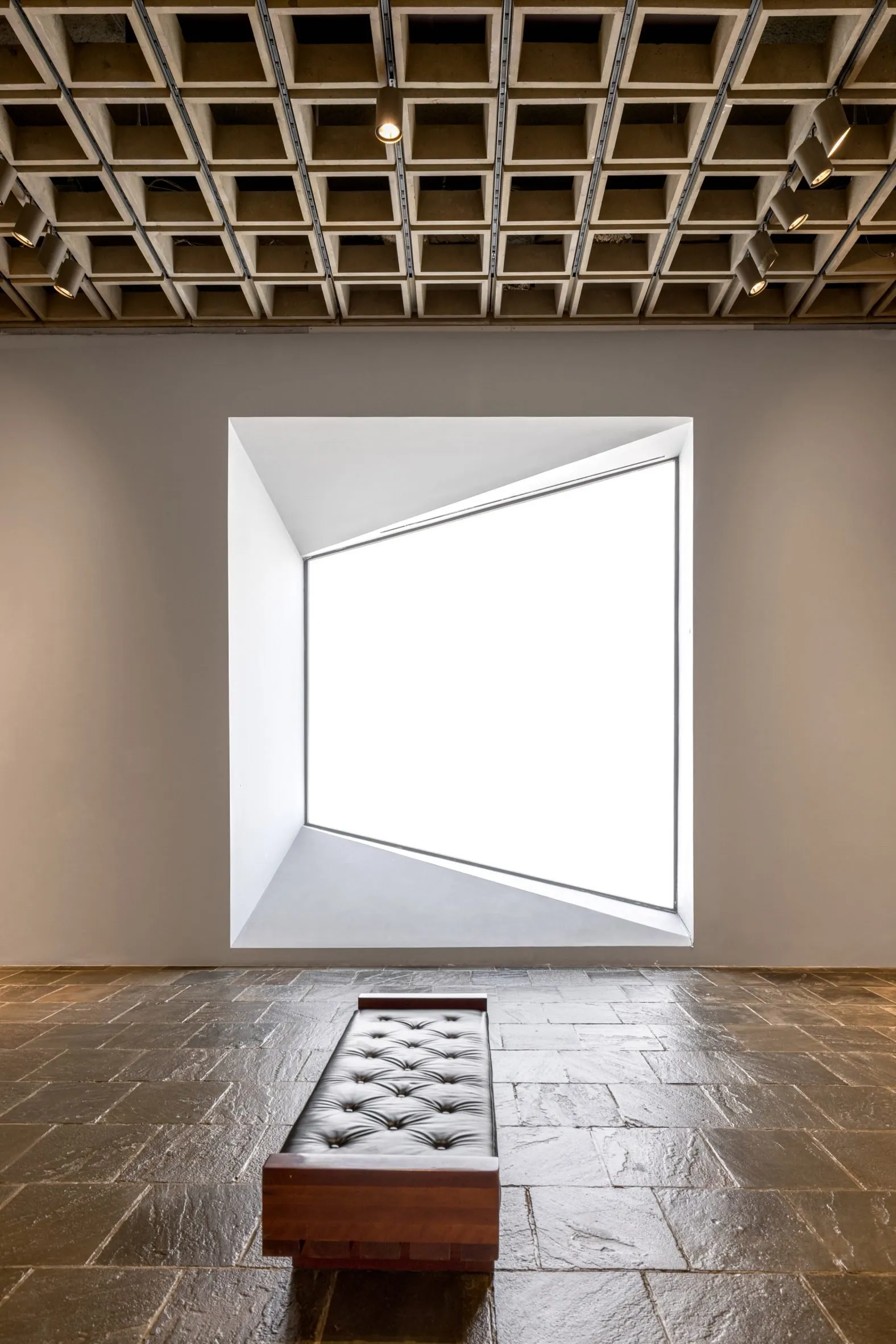
Perhaps the most striking visual aspect of the building, the trapezoidal windows and cantilevered façade, remains untouched. These elements continue to project the building’s sculptural presence on Madison Avenue, anchoring it as one of the most recognizable works of post-war architecture in New York.
Alongside preservation, several functional upgrades were introduced to enhance the building’s performance without compromising its character. A new central freight elevator, positioned discreetly at the rear, now supports efficient art handling and visitor circulation. Multiple gallery floors were reconfigured to allow flexible use for exhibitions, auctions, and public programming, enabling Sotheby’s to adapt spaces seamlessly between sales and cultural events. These reworked layouts improve accessibility and curatorial flow while maintaining the contemplative rhythm of the original galleries.
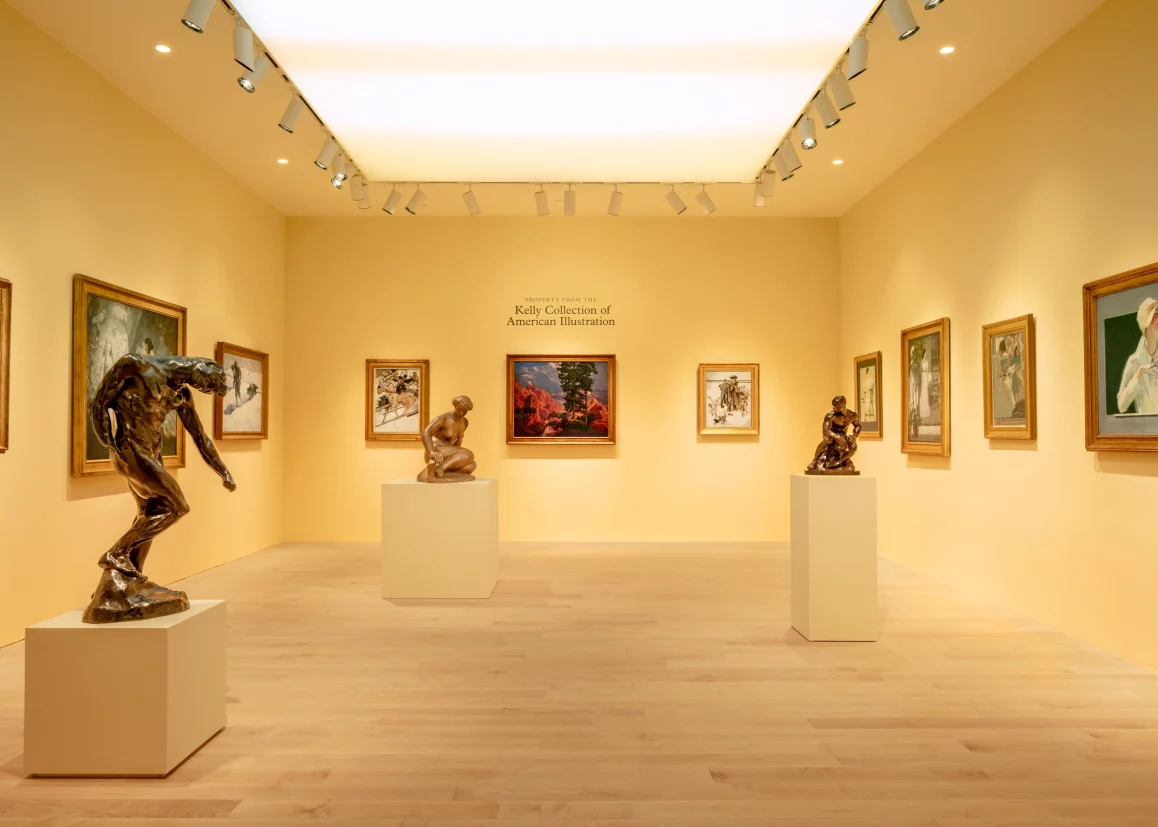
To complement these interior improvements, lighting systems were overhauled with a combination of ambient and directional fixtures designed to enhance both artwork display and the architectural qualities of the concrete surfaces. Externally, subtle façade uplighting was introduced to illuminate the building at night, revealing the depth of its texture without diminishing its sculptural gravitas. Overall, Herzog & de Meuron’s restoration achieves a rare balance, revitalizing a Brutalist icon for contemporary use while preserving the clarity and material honesty that define Marcel Breuer’s original masterpiece.
The Re-Opening & Programmatic Future
The building officially opened to the public on 8 November 2025. The opening coincides with Sotheby’s relocation of its global headquarters to the site and a fresh exhibition program. According to Sotheby’s, the galleries will remain open to the public free of charge, positioning the building as both a cultural venue and operational headquarters.
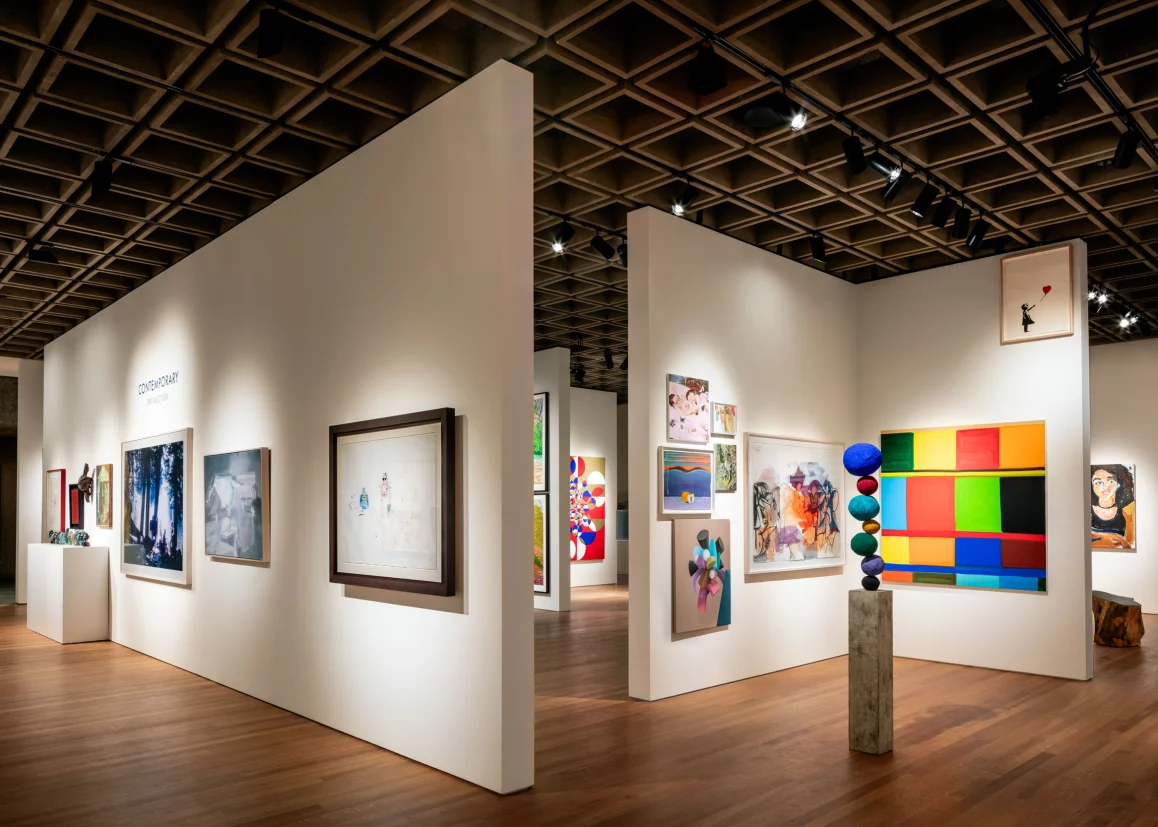
Sotheby’s has signalled that the inaugural program includes major sales such as the collection assembled by Leonard A. Lauder and works by artists including Jean‑Michel Basquiat and Maurizio Cattelan, thereby aligning the building’s history with high-profile art market events.
Significance of the Breuer Building’s Brutalist Transformation
The adaptive reuse of the Breuer Building stands out as a thoughtful example of how historic architecture can be preserved while adapting to contemporary cultural and commercial needs. In revitalizing this post-war modernist landmark, Herzog & de Meuron and Sotheby’s have ensured that Marcel Breuer’s Brutalist icon remains relevant within the fast-changing landscape of New York City. Rather than allowing the structure to become a static relic, the project reactivates it as a living space, one that continues to engage with the city’s artistic and architectural discourse.
This transformation also underscores the evolving role of museum architecture in the modern era. Once created purely as an exhibition space for the Whitney Museum of American Art, the building now operates as a hybrid institution, part public gallery, part auction headquarters, and part cultural monument.
The reconfiguration allows the building to function dynamically, hosting both curated art experiences and commercial events under the same roof. This flexibility reflects a broader trend in architecture where historic spaces are reimagined to serve multiple purposes while maintaining their historical integrity.
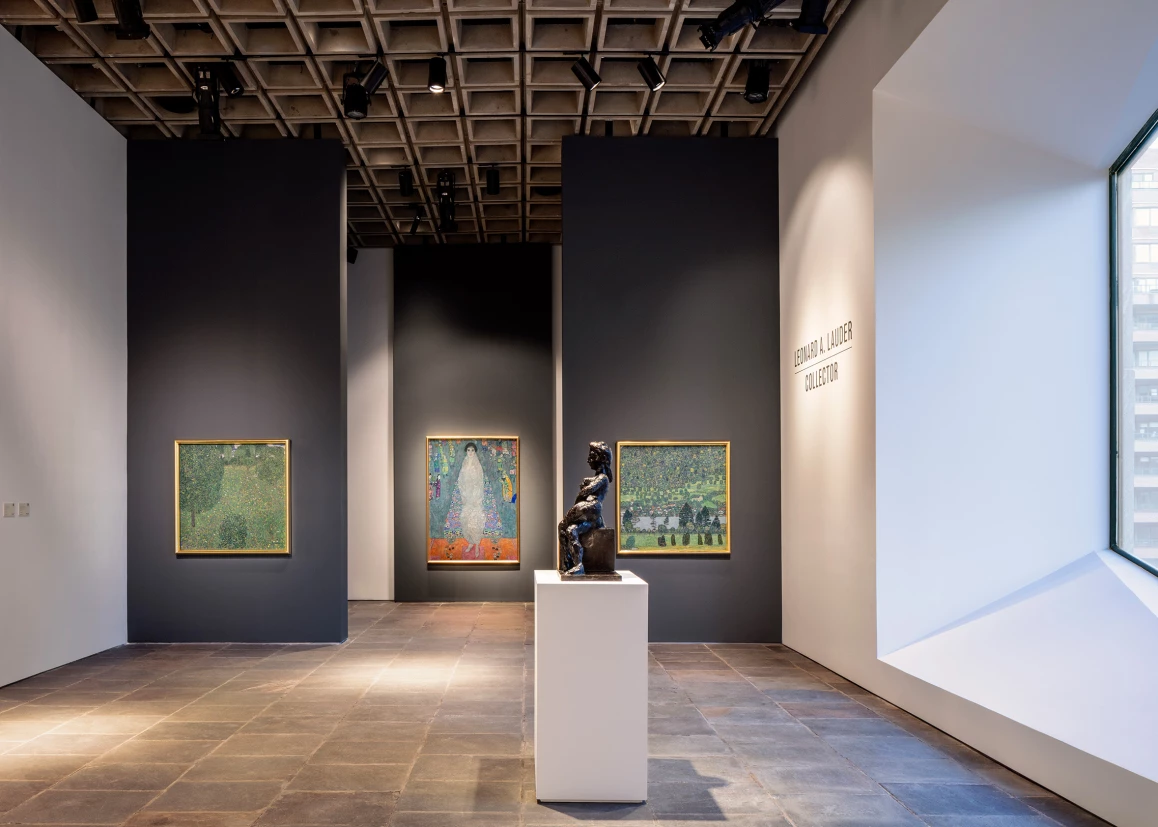
For Sotheby’s, the move carries deep symbolic and strategic significance. Occupying such an architecturally celebrated building reinforces the company’s identity as a steward of cultural heritage and a leader in the global art market. Its new location on Madison Avenue places it among some of New York’s most prestigious art and cultural institutions, strengthening its connection to the city’s rich artistic ecosystem.
Explore Courses

.jpg2.jpg "Carlo Ratti - Rethinking Architecture")
.jpg "Architecture Diagram Mastery: Concept to Portfolio")
.jpg%202.jpg "Building Performance with Forma & Opossum")