



What if clothing could function like architecture, creating its own microclimate, regulating comfort, and responding to environmental conditions in real time? At Paris Fashion Week Spring/Summer 2027, that question moved from speculation to reality through a series of air-conditioned clothes that transformed the runway into a showcase of climate-responsive design.
Fashion designer Rick Owens reunited with Adidas after nearly a decade to present a collection that blurred the boundaries between fashion, architecture, engineering, and climate adaptation. The result was a series of inflatable clothes equipped with cooling technology, transforming the runway into a testing ground for the future of wearable environments.
A Decade-Long Reunion Built on Innovation
The collaboration marks the first apparel partnership between Owens and Adidas since their influential footwear projects between 2013 and 2017. While the earlier collaboration became known for exaggerated sneaker profiles and sculptural forms, the new chapter turns its focus toward comfort, performance, and adaptation to rising temperatures.
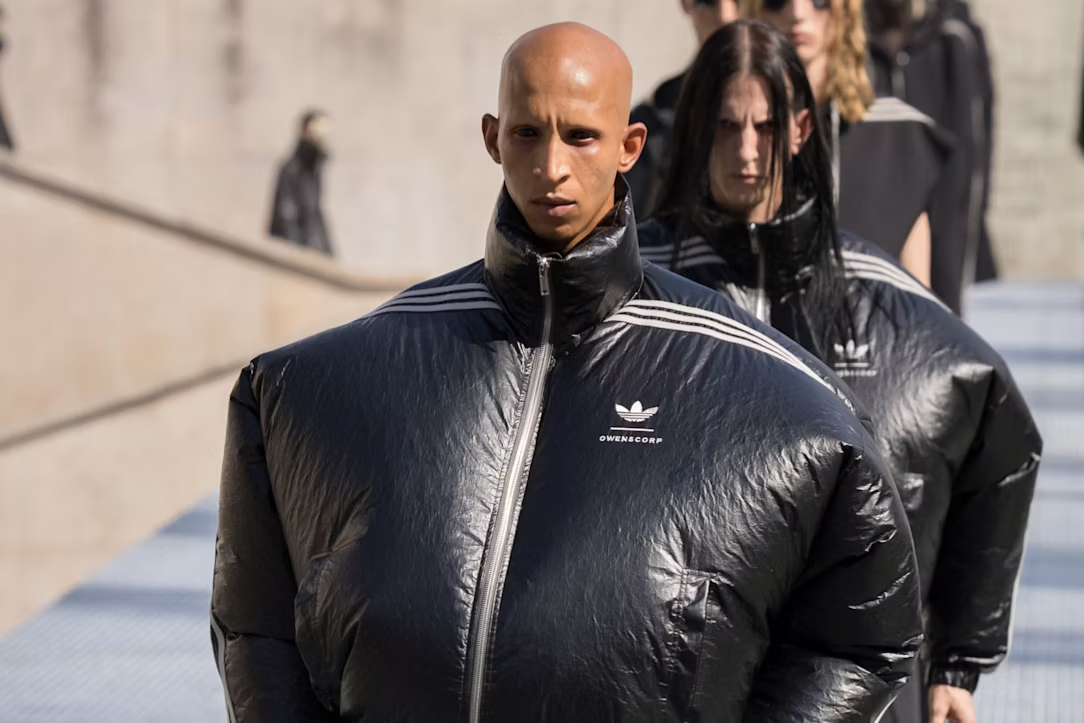
Presented at the Palais de Tokyo in Paris, the SS27 collection arrived during one of the hottest Fashion Weeks in recent memory. Instead of treating the heatwave as an obstacle, Owens incorporated it into the concept itself, using the runway as a platform to question how clothing might function in increasingly extreme climates.
When Air Becomes a Design Material
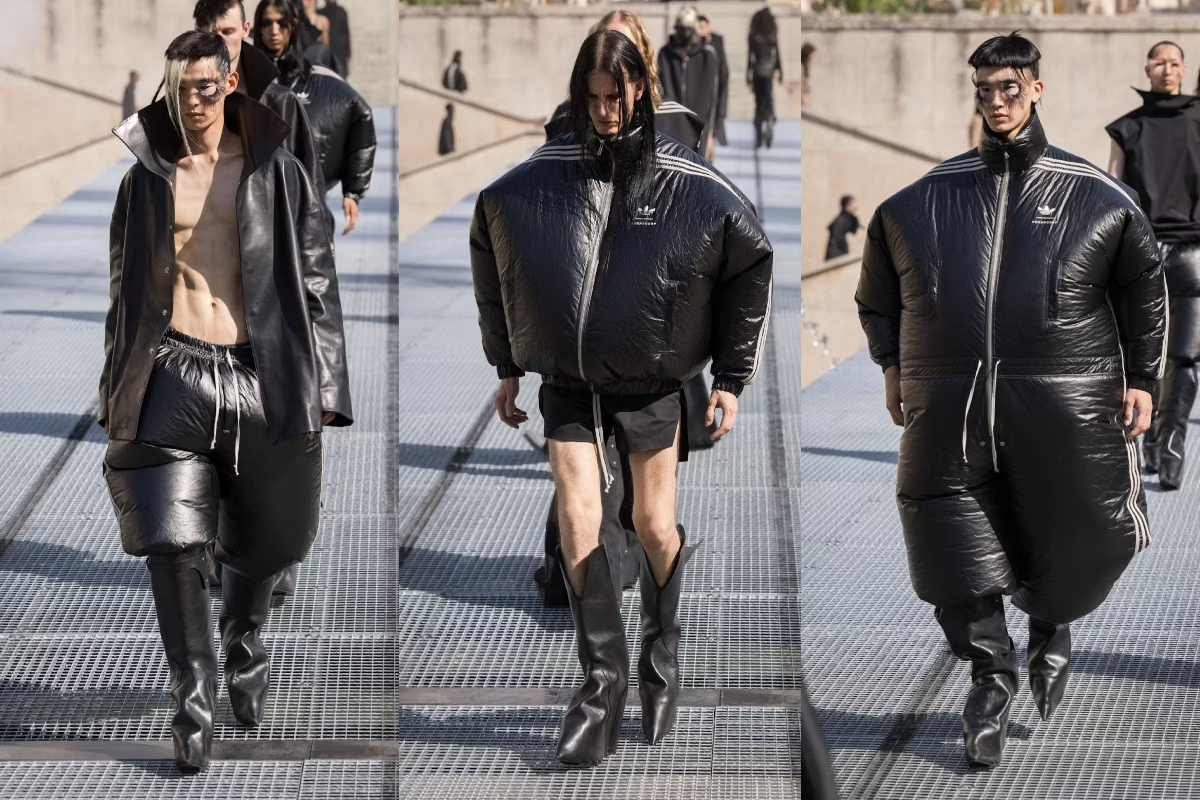
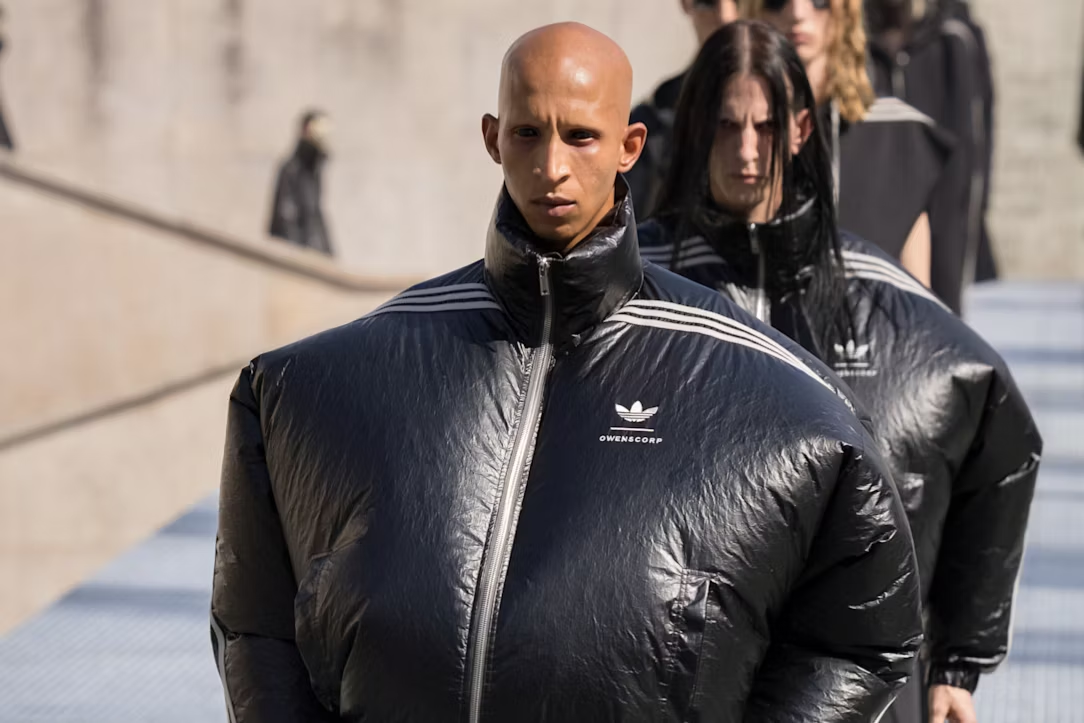
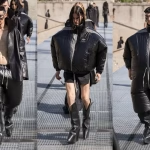
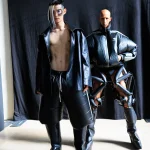
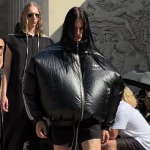
A defining feature of the collection was a series of oversized jackets and balloon-like shorts engineered with Adidas’ Climacool technology. Hidden fans circulated air through the garments, creating a wearable microclimate around the body. Some looks were paired with cooling vests originally developed for elite athletes competing in high-temperature environments.
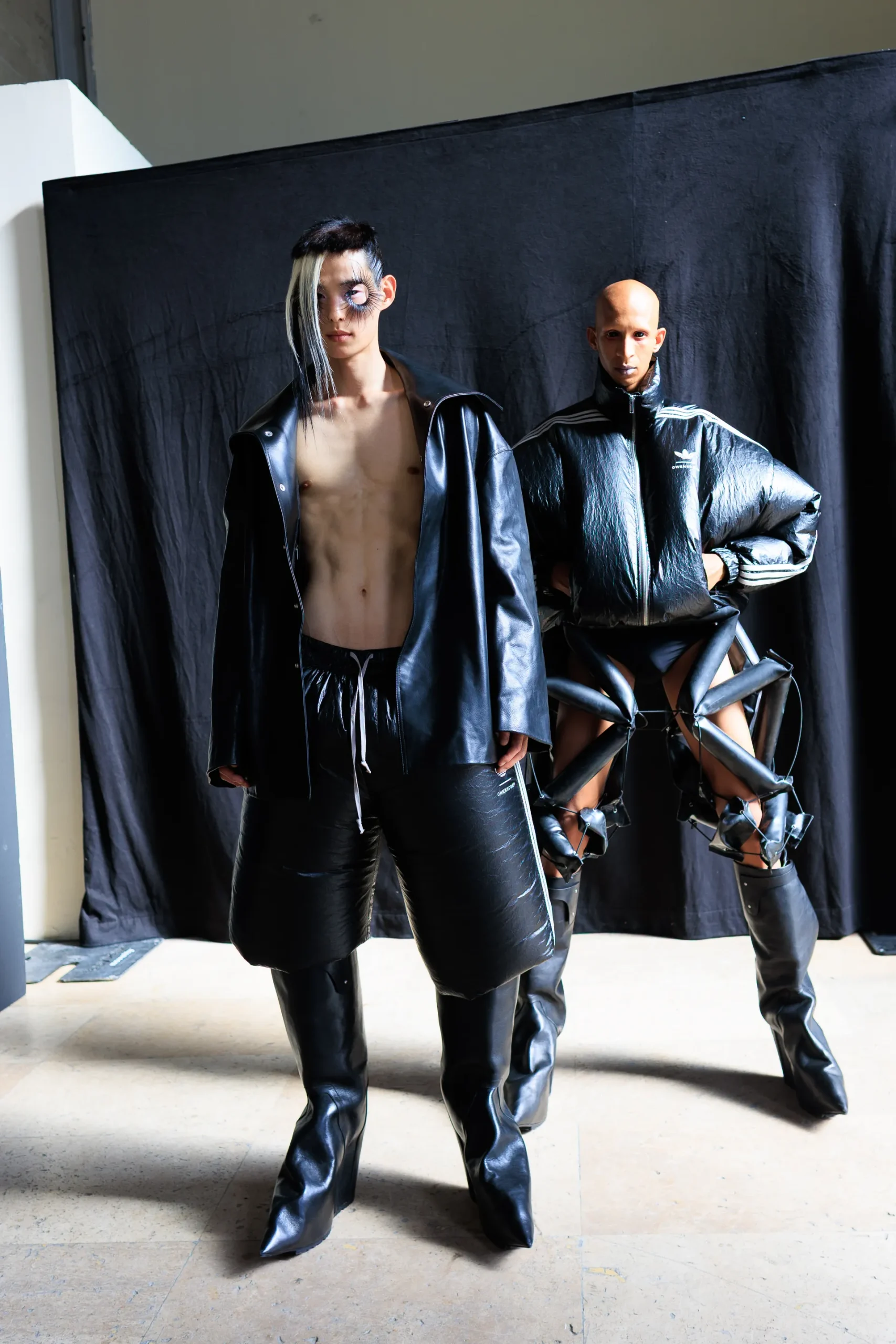
The inflated silhouettes appeared almost architectural, resembling mobile pavilions or temporary structures wrapped around the human body. The garments expanded outward into sculptural forms, turning airflow into a visible design language.
This approach reflects a recurring theme in Owens’ work, fashion as spatial design. Throughout his career, the designer has explored monumentality, ritual, and unconventional proportions. Here, those ideas merged with performance engineering, creating garments that functioned as both clothing and environmental devices.
How Fashion Is Responding to Rising Temperatures
The collection’s significance extends beyond its technological novelty. Across Europe, fashion brands are increasingly confronting the realities of rising temperatures and changing environmental conditions. Paris Fashion Week itself became a symbol of this challenge, with several designers adjusting schedules and venues to accommodate extreme heat.
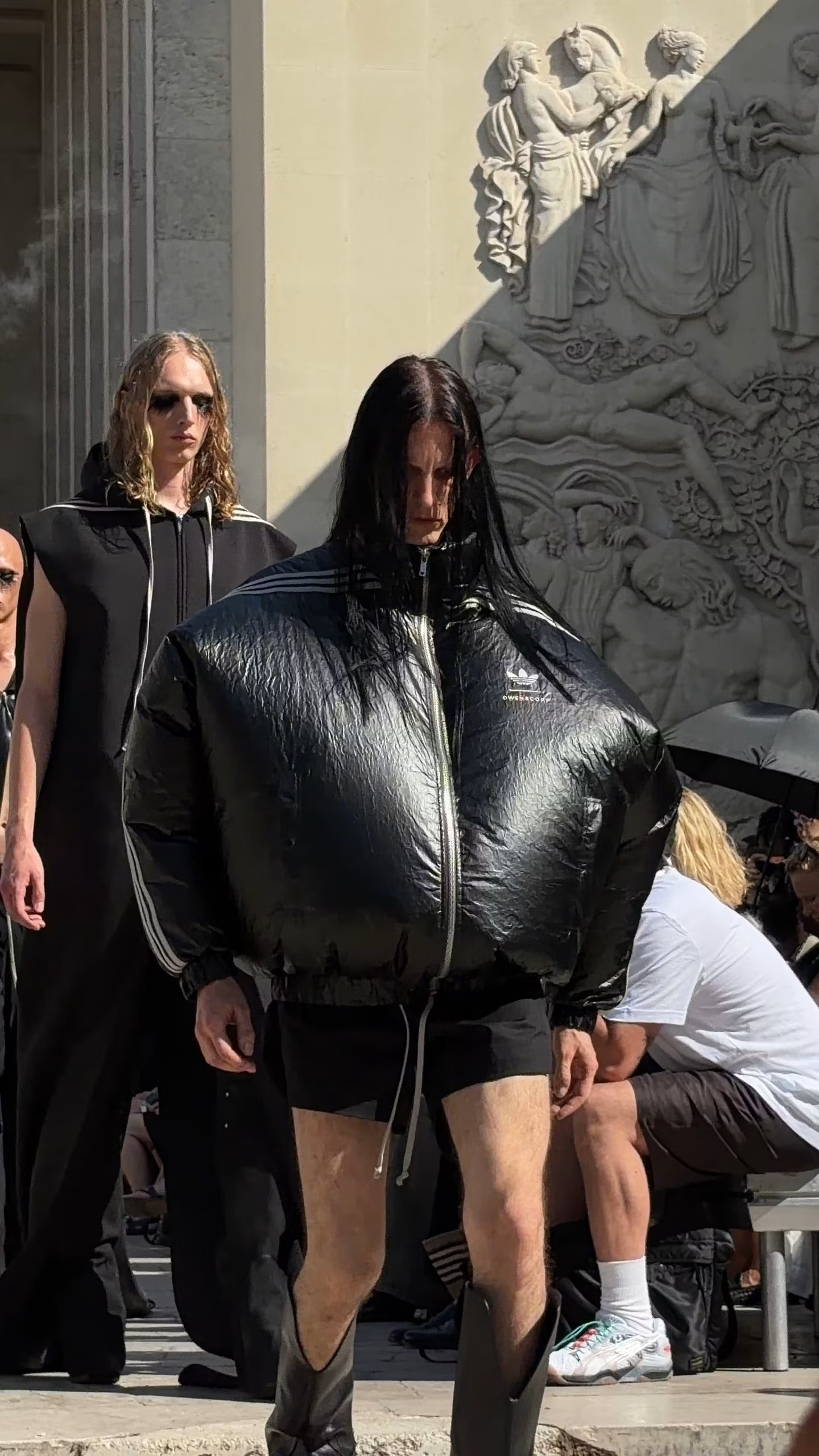
Owens’ Adidas collaboration offered a direct response. Instead of designing around climate conditions, the collection integrated climate management into the garment itself. In doing so, it raised a broader question: Should future fashion be designed for environmental resilience?
Materiality, Form, and Rick Owens’ Design Philosophy
Despite the technological focus, the collection remained unmistakably Rick Owens. Black-and-white palettes dominated the runway, accompanied by leather, technical fabrics, and sharply structured tailoring. Futuristic running shoes and updated versions of the designer’s iconic Springblade-inspired footwear reinforced the collection’s blend of performance and experimentation.
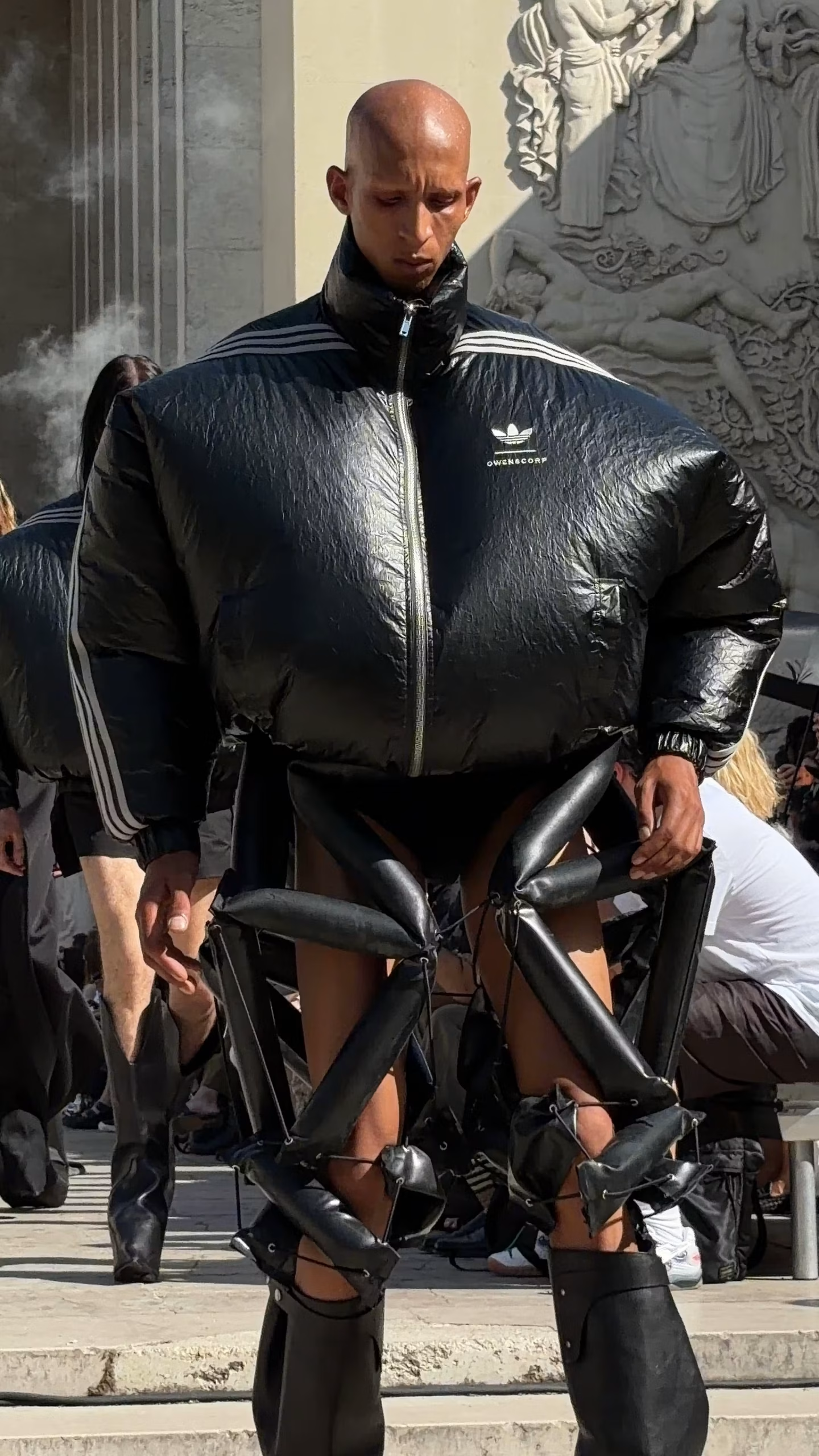
The inflated sportswear pieces contrasted with Owens’ signature dark minimalism, creating a dialogue between utility and spectacle. The garments resembled kinetic sculptures activated by air and movement.
Designing for a Changing Climate
What makes the Adidas x Rick Owens project particularly noteworthy is its multidisciplinary nature. The collection sits at the intersection of fashion design, industrial design, wearable technology, and environmental thinking. It demonstrates how contemporary fashion is increasingly borrowing methods from engineering and product design to address real-world challenges.
In an industry often criticized for prioritizing spectacle over practicality, Owens and Adidas delivered both. The collection offered visuals while presenting a tangible response to climate conditions affecting cities worldwide.
The Future of Climate-Adaptive Fashion
Fashion Week has long been a stage for predicting the future. This season, Rick Owens suggested it might also predict future living conditions. As heatwaves become more frequent and urban temperatures continue to rise, garments capable of regulating comfort may move from runway experiments to everyday necessities.
The SS27 collaboration demonstrates that climate adaptation can become part of the design process itself. Whether wearable air conditioning becomes mainstream or remains a luxury innovation, Owens and Adidas have introduced a provocative idea: the next frontier of fashion reshapes the environment around the body.