



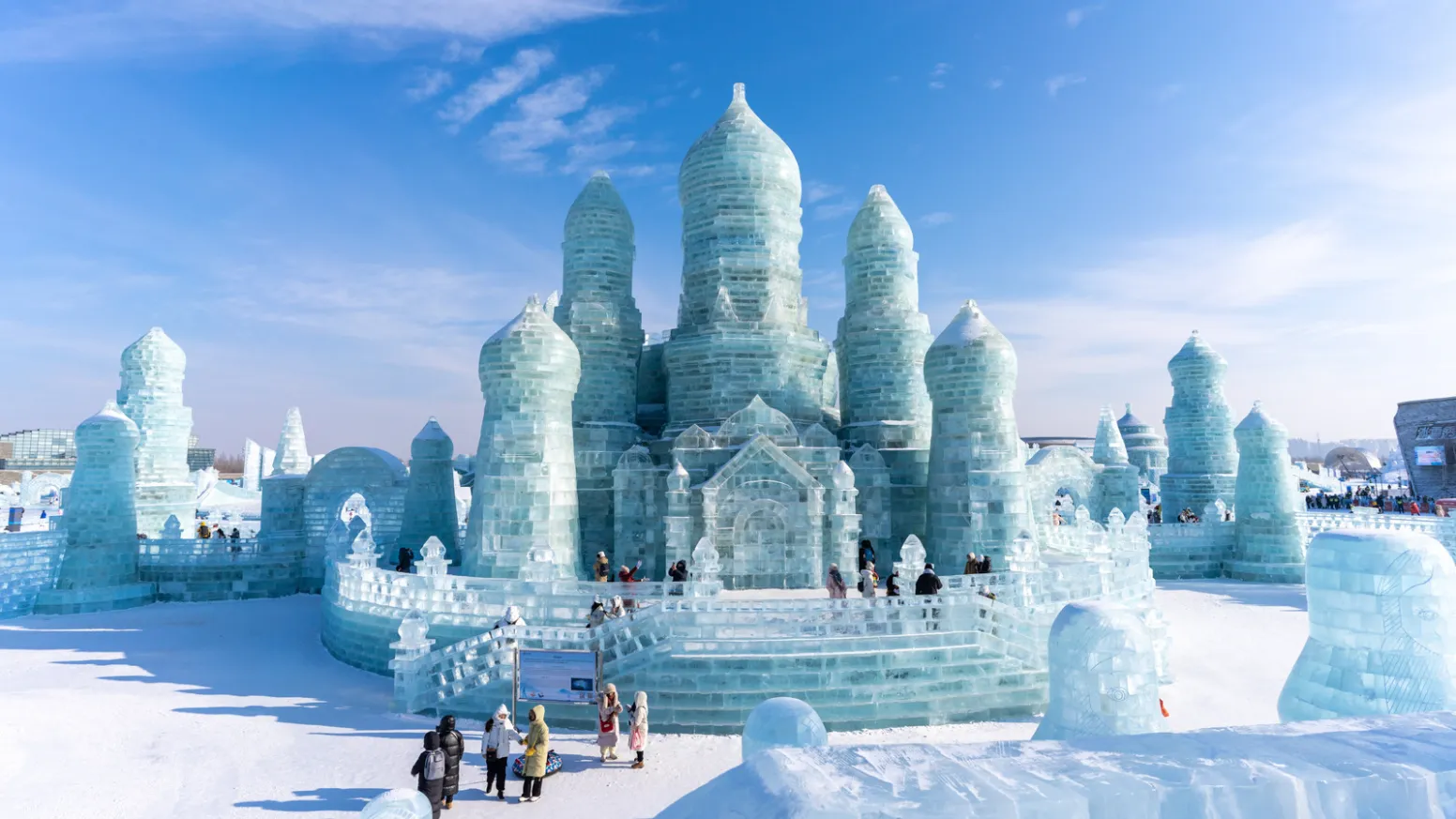
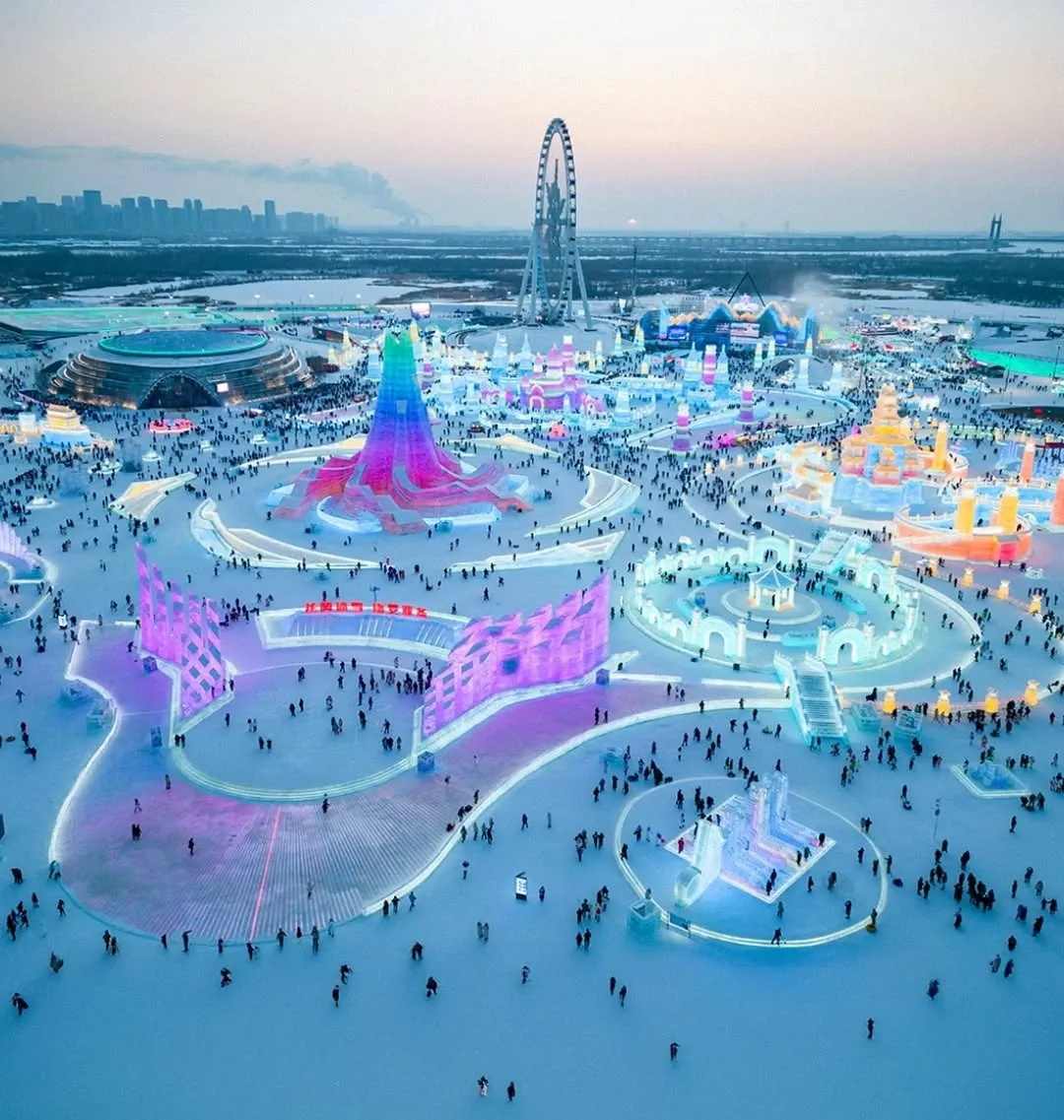
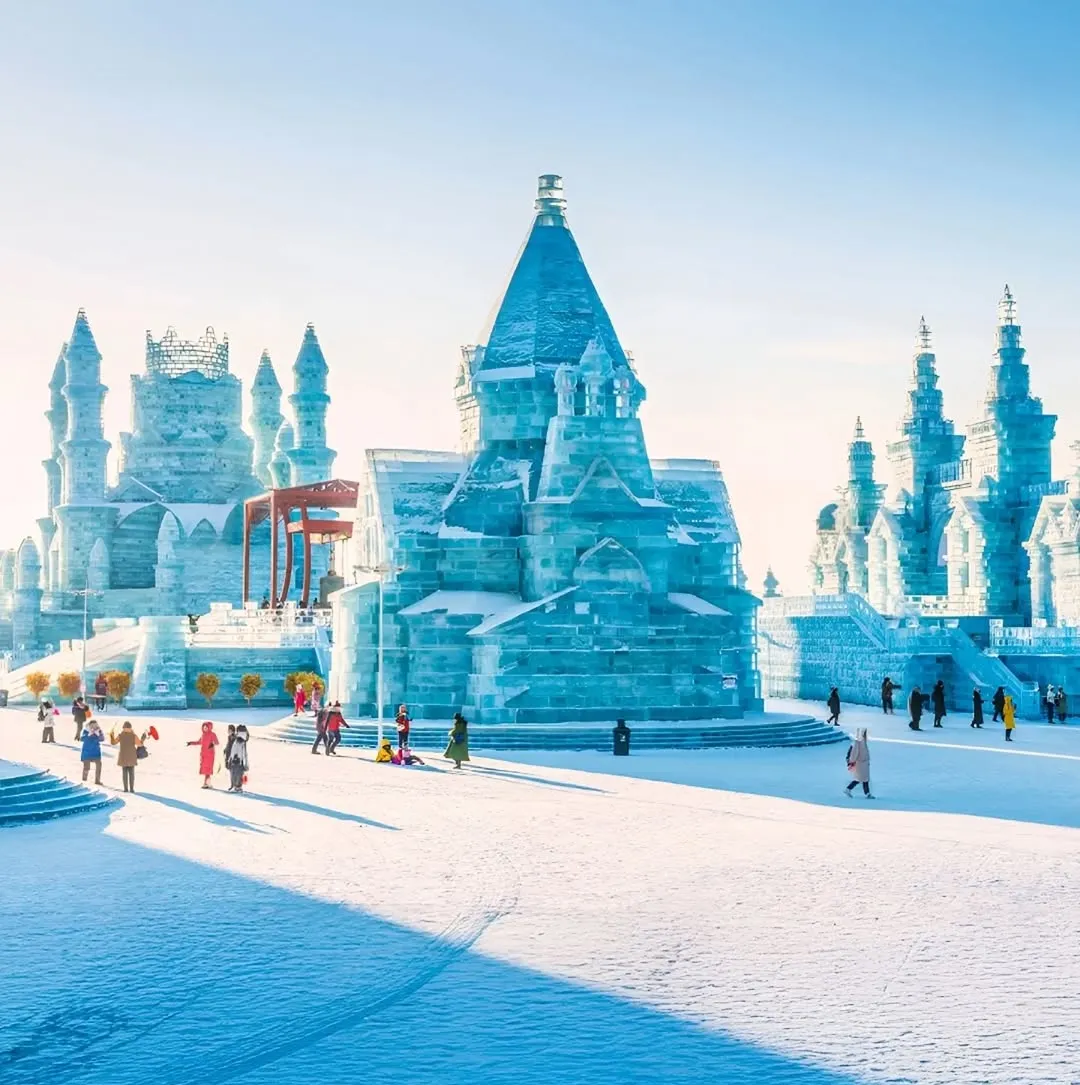
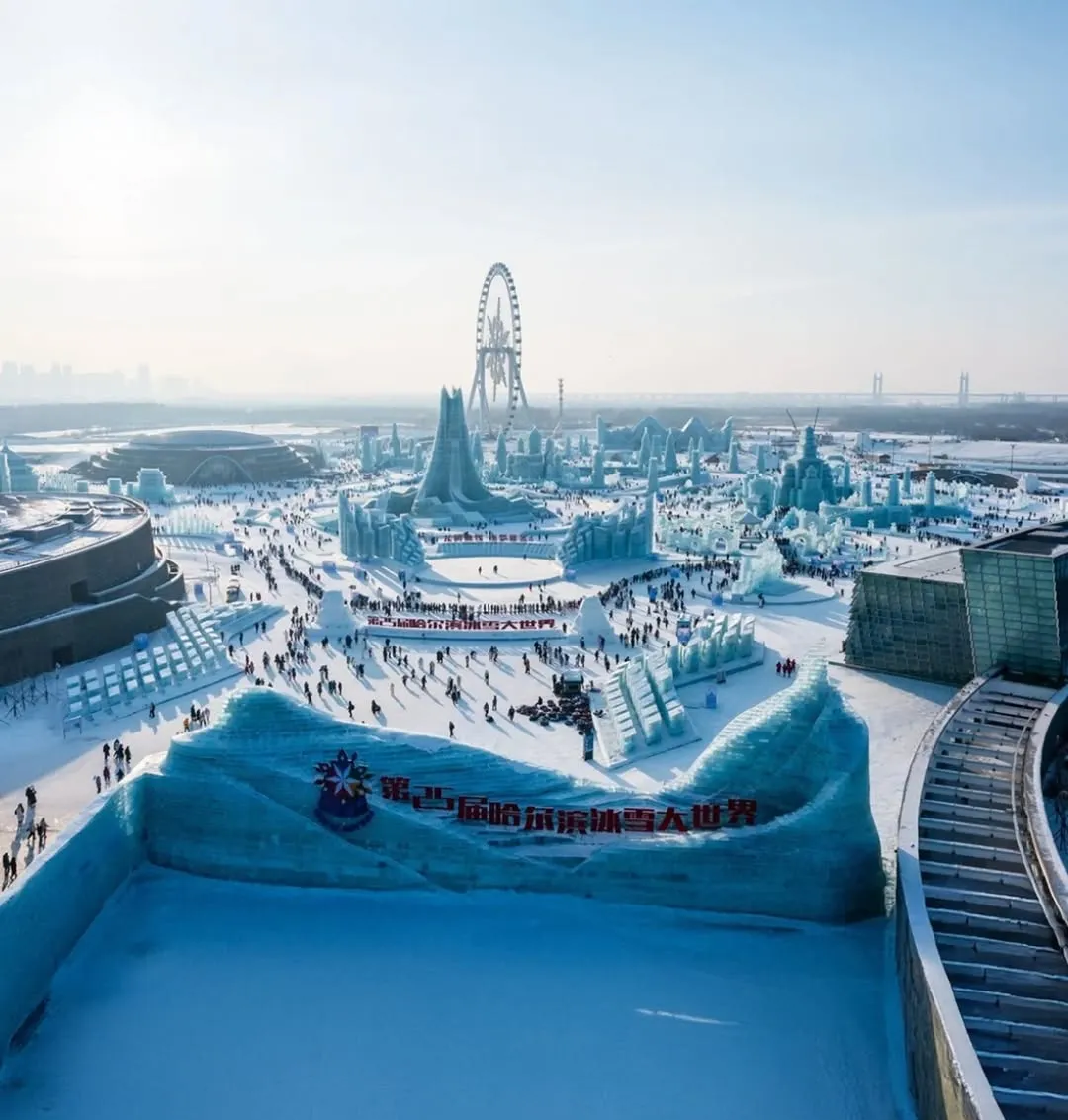
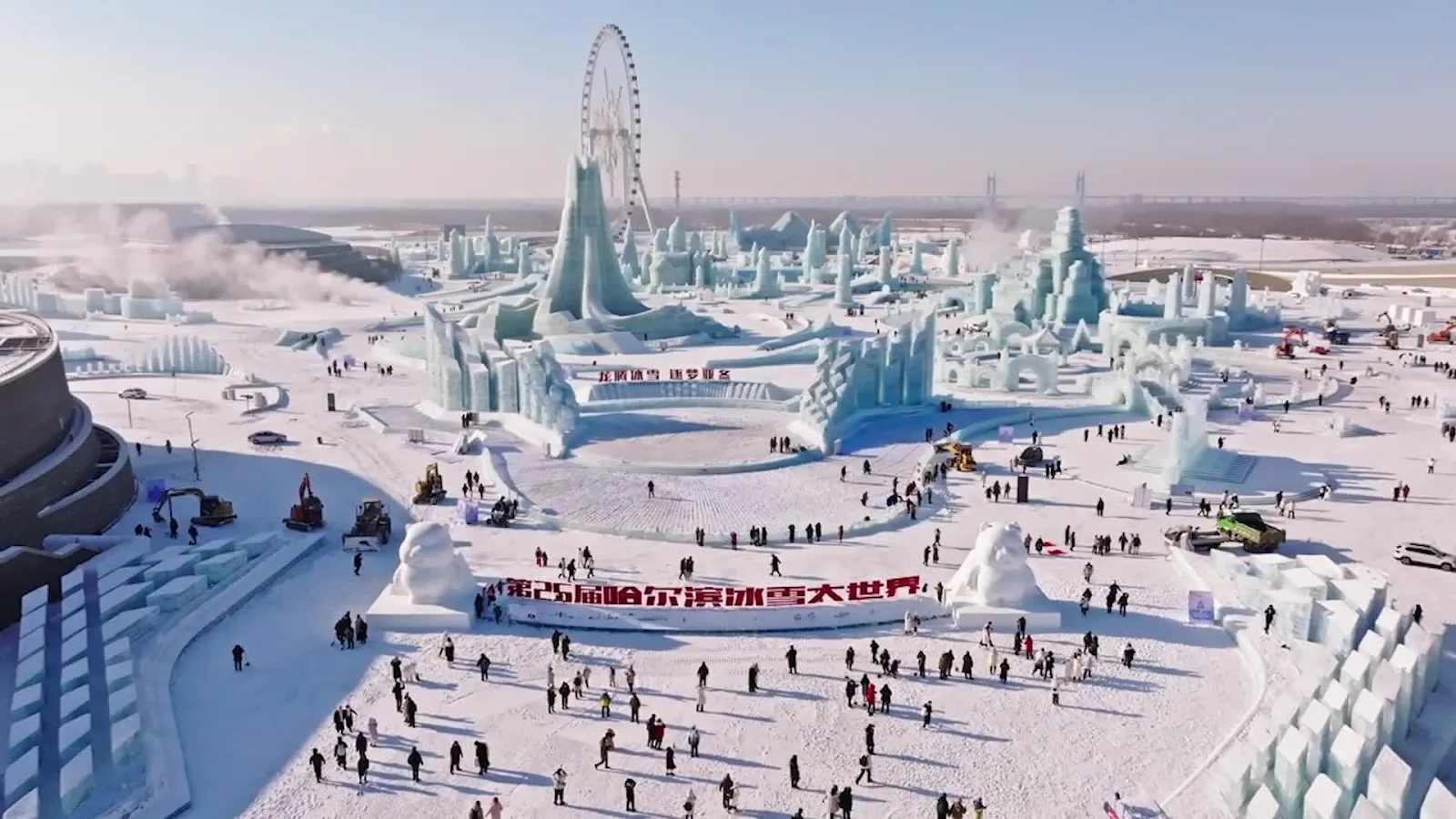
Every winter, Harbin in northeast China transforms into an extraordinary frozen wonderland. Officially known as the Harbin International Ice and Snow Festival, it is the largest event of its kind in the world. Spanning several weeks, this spectacle attracts millions of visitors who come to witness towering ice castles, intricate snow sculptures, and dazzling light displays. With its unique combination of artistry, culture, and extreme winter conditions, Harbin has earned the title of China’s “Ice City.”
How Harbin Became the World’s Ice City
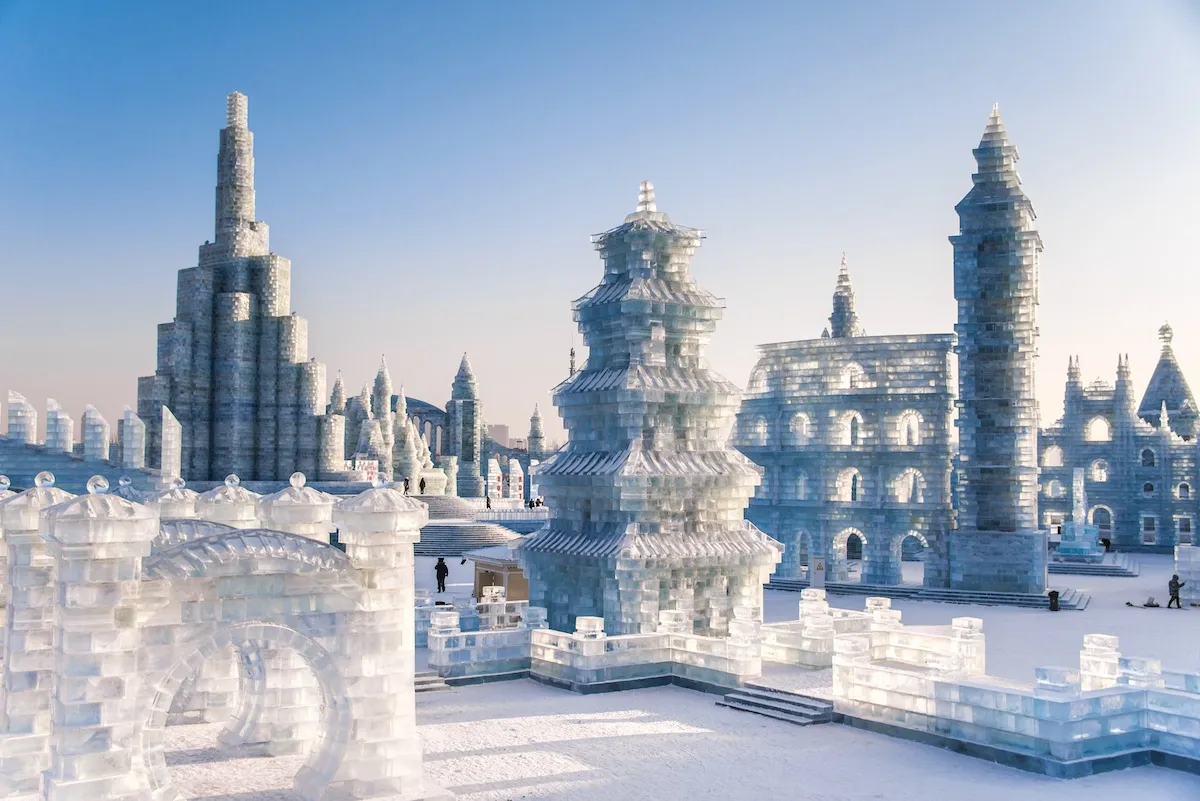
The festival traces its roots back to 1963, when simple ice lantern displays were first introduced. It grew steadily, and today it is a global attraction that opens every year on January 5th, with some sections accessible as early as December. Depending on the weather, the event continues until late February or early March. Harbin’s natural sub-zero climate, where temperatures can plummet below -38°C, ensures the sculptures remain intact throughout the season.
The Scale and design of the Ice Festival
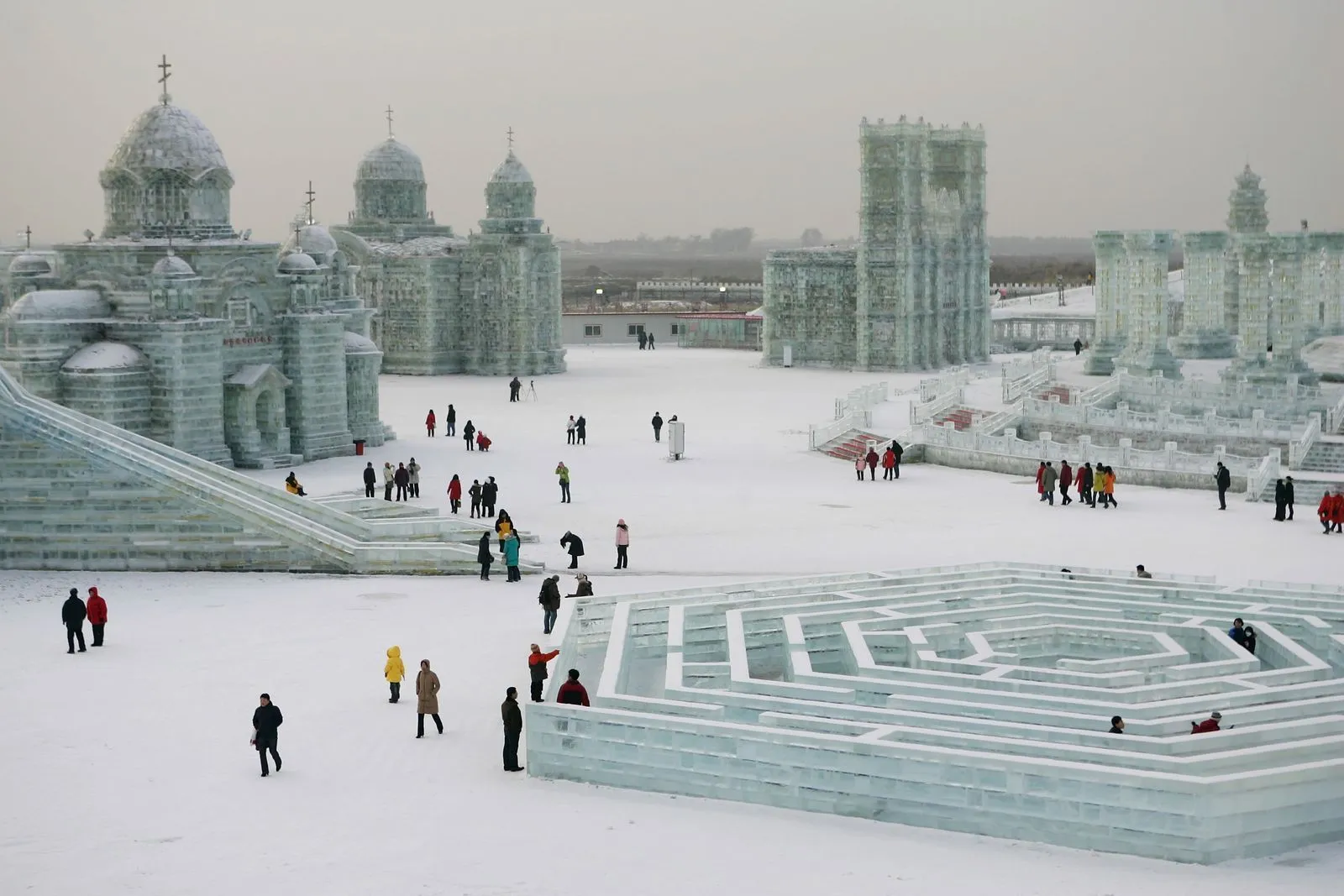
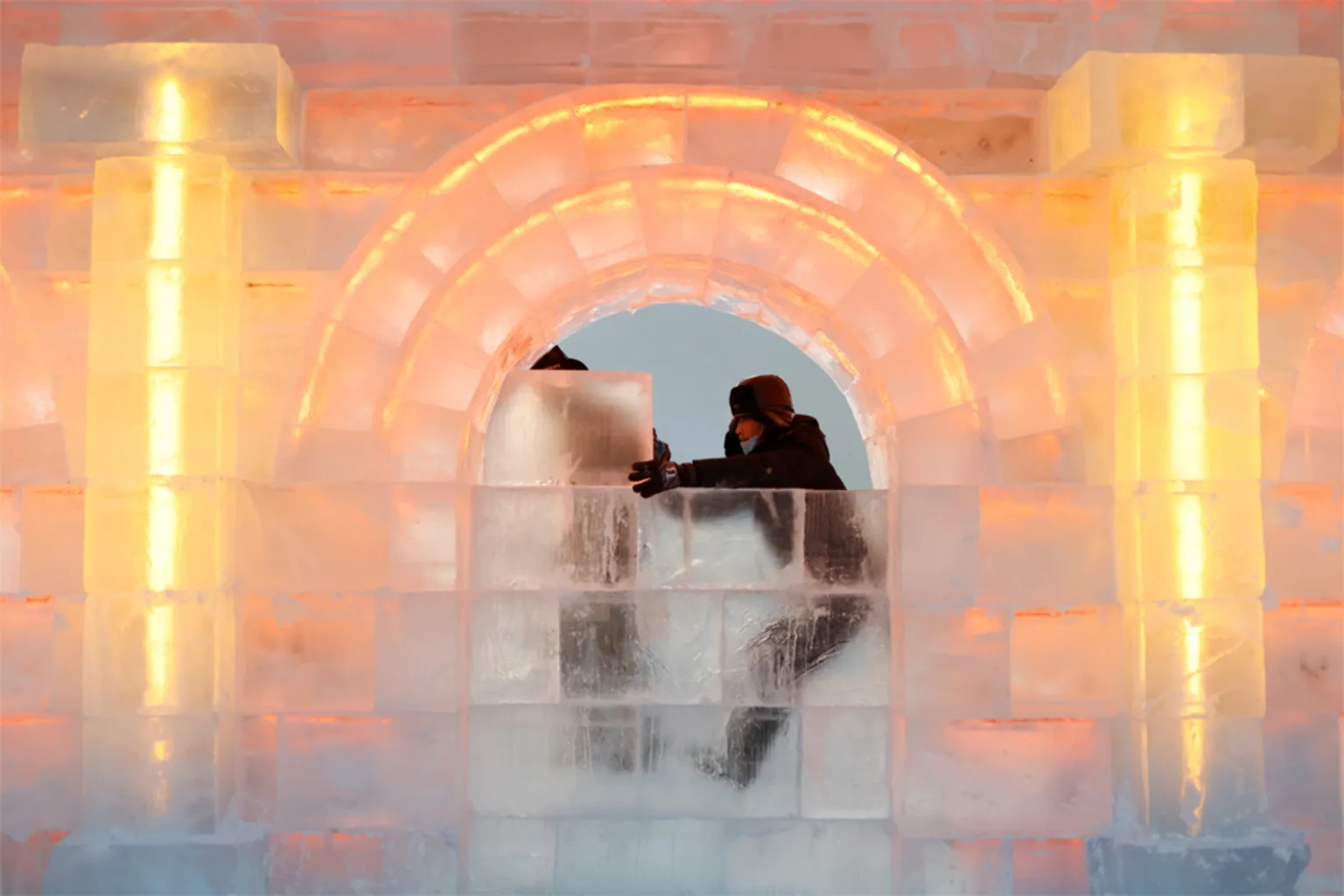
Harbin Ice and Snow World alone covers around 816,000 square meters, roughly equivalent to 300 football fields. Each year, nearly 250,000 cubic meters of ice are harvested from the Songhua River. Thousands of workers, including miners and local farmers, shape these blocks into spectacular forms.
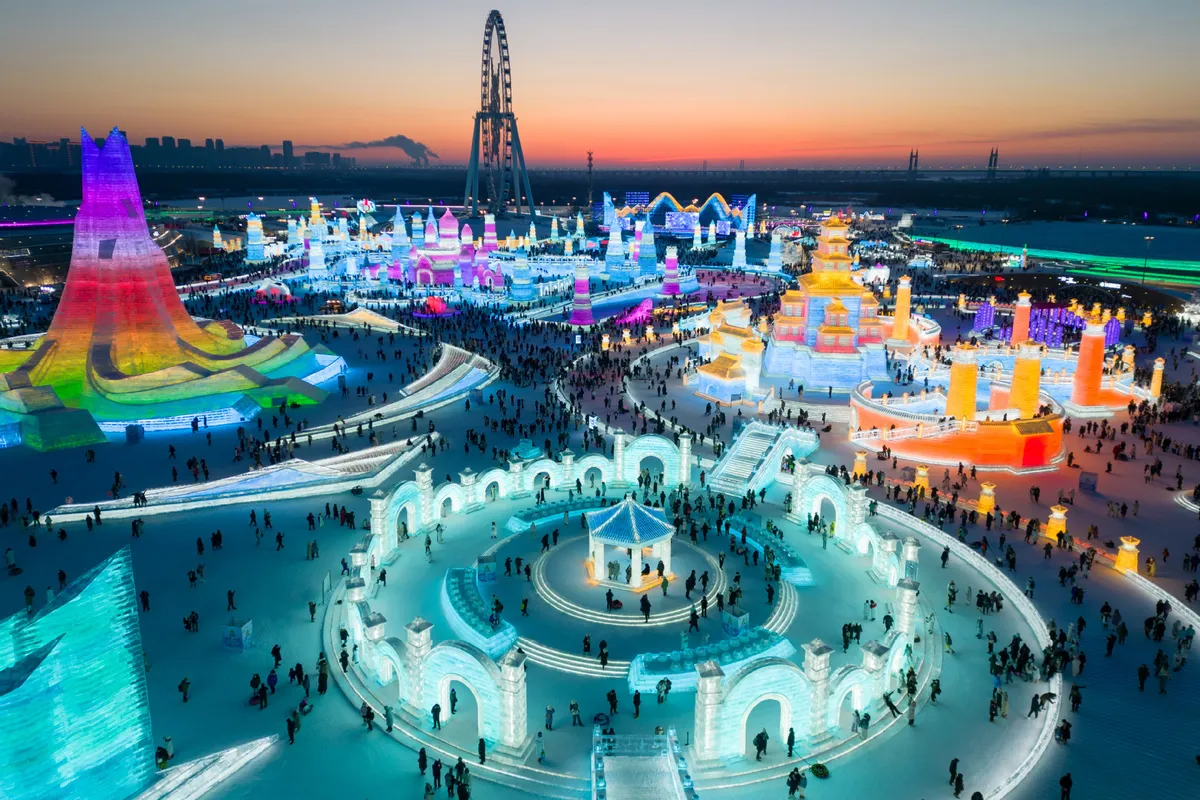
The festival incorporates both natural and artificially produced ice, with refrigeration systems supporting the massive constructions. The entire process costs more than $500 million annually, making it one of the most ambitious and expensive winter festivals worldwide.
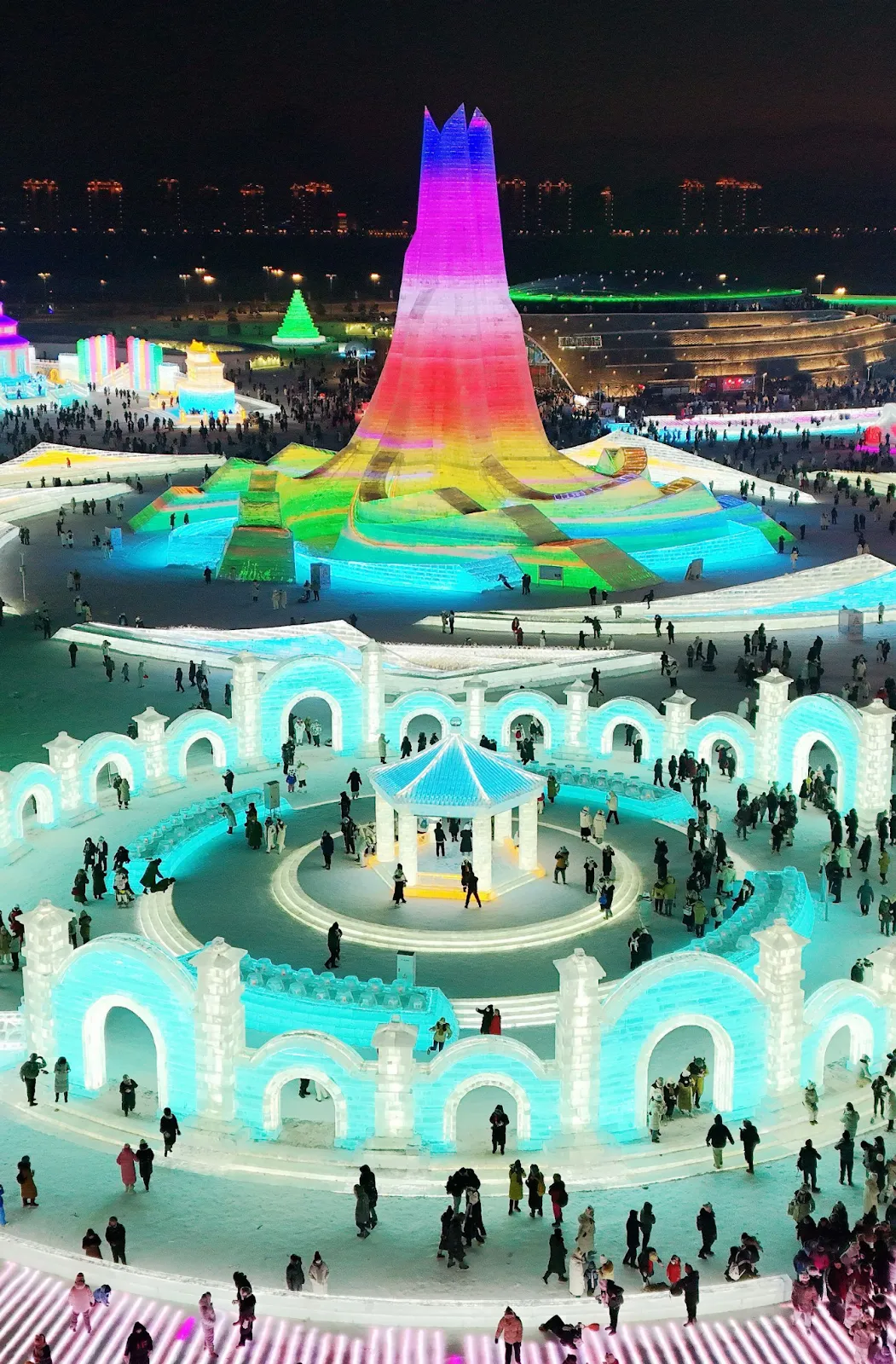
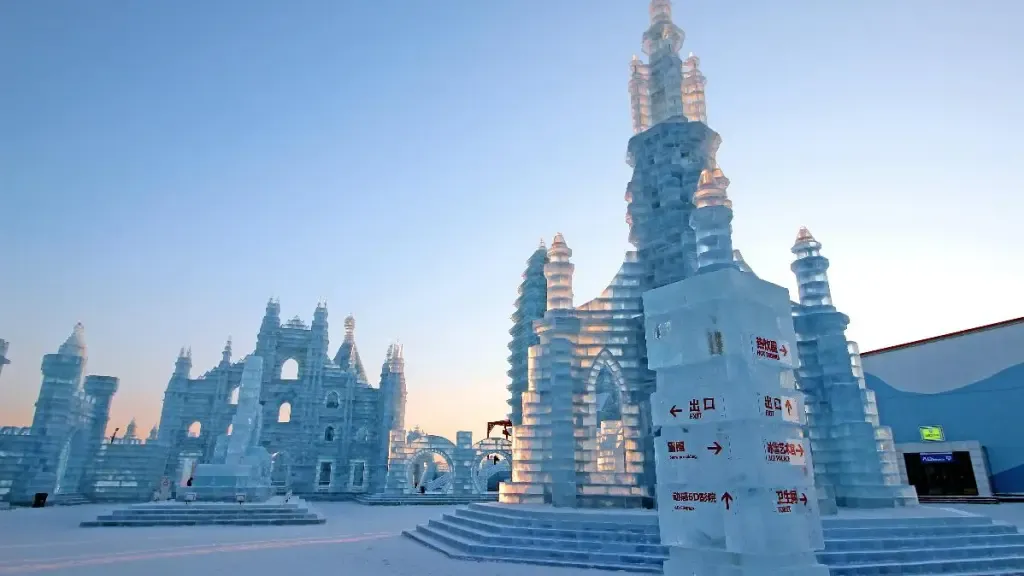
The ice city is a marvel of design and engineering. Skilled artisans use traditional tools alongside modern techniques to carve landmarks, fairy-tale castles, palaces, and bridges. Once built, these structures are illuminated with colorful LED lights, turning the city into a glowing spectacle at night. Designs often take inspiration from iconic Chinese architecture, such as the Temple of Heaven, and global landmarks, offering a blend of cultural and artistic expression.
Attractions and Theme Parks
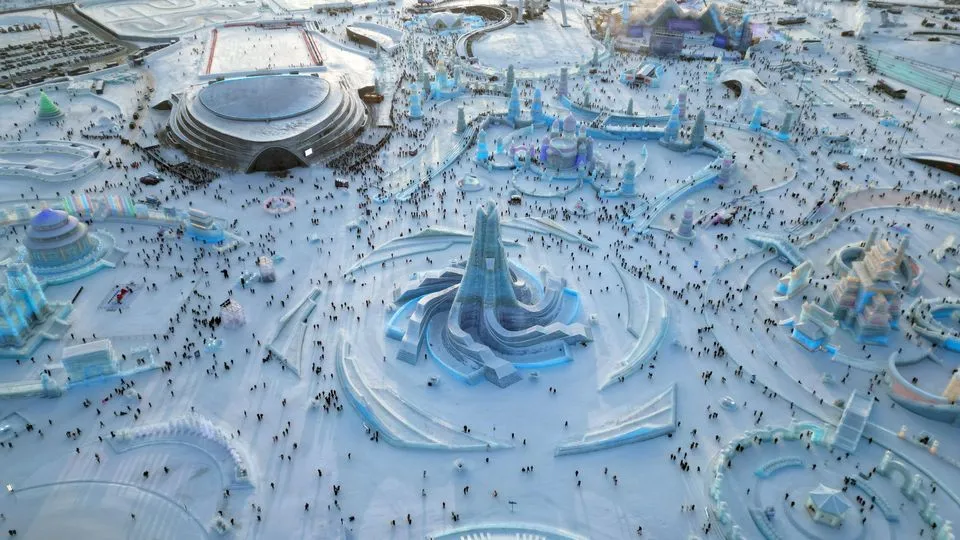
The Harbin Festival is divided into several major areas, each with its own highlights:
- Harbin Ice and Snow World: The heart of the festival, featuring castles, enormous slides, mazes, skating grounds, and even functional ice buildings like restaurants and hotels.
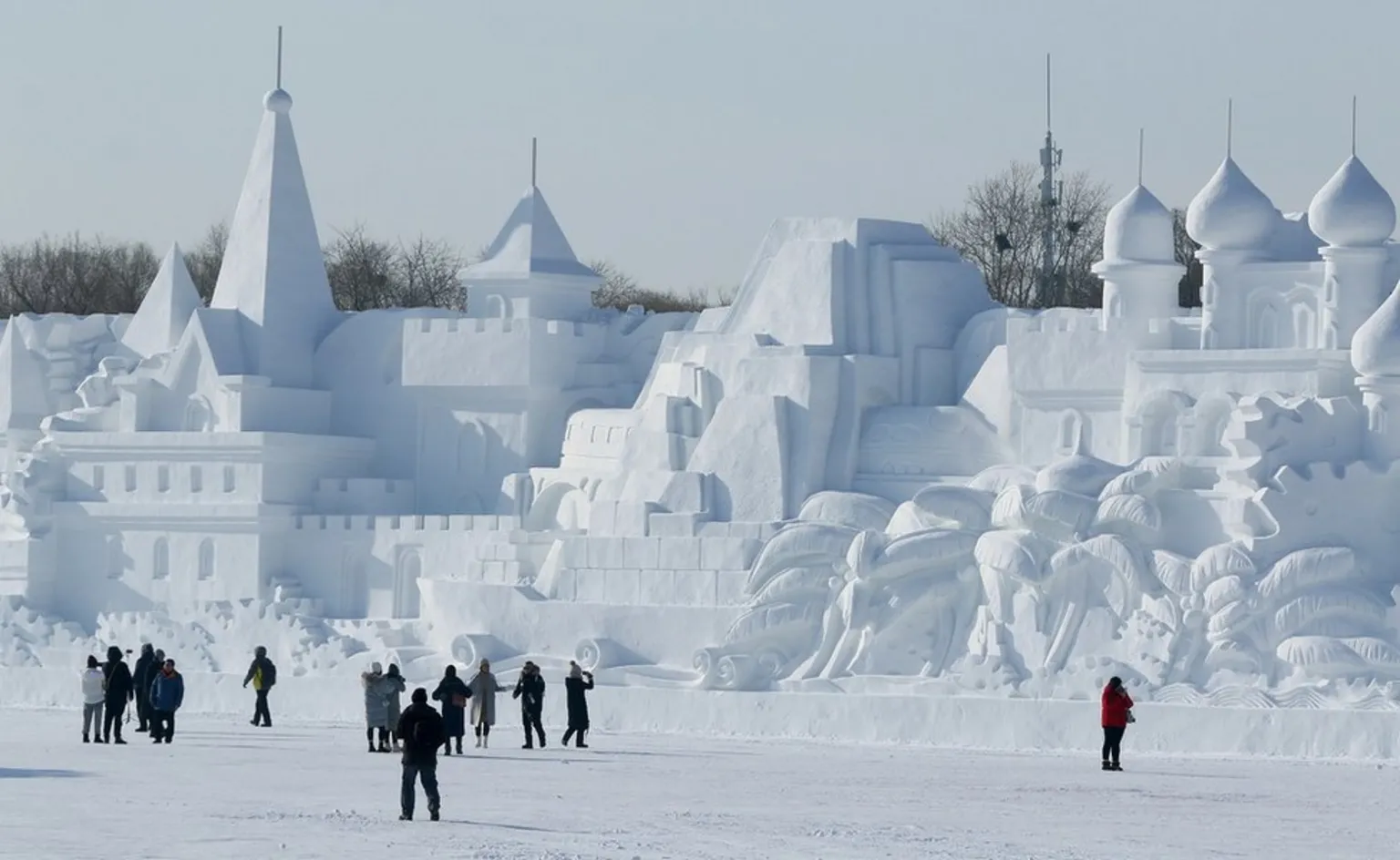
- Sun Island International Snow Sculpture Art Expo: Home to massive snow sculptures crafted by artists from around the world.
- Zhaolin Park Ice Lantern Fair: Famous for its dazzling lantern displays, best experienced after dark.
- Wanda Ice Lantern World: Showcasing smaller but intricate lantern works by students and local artists.
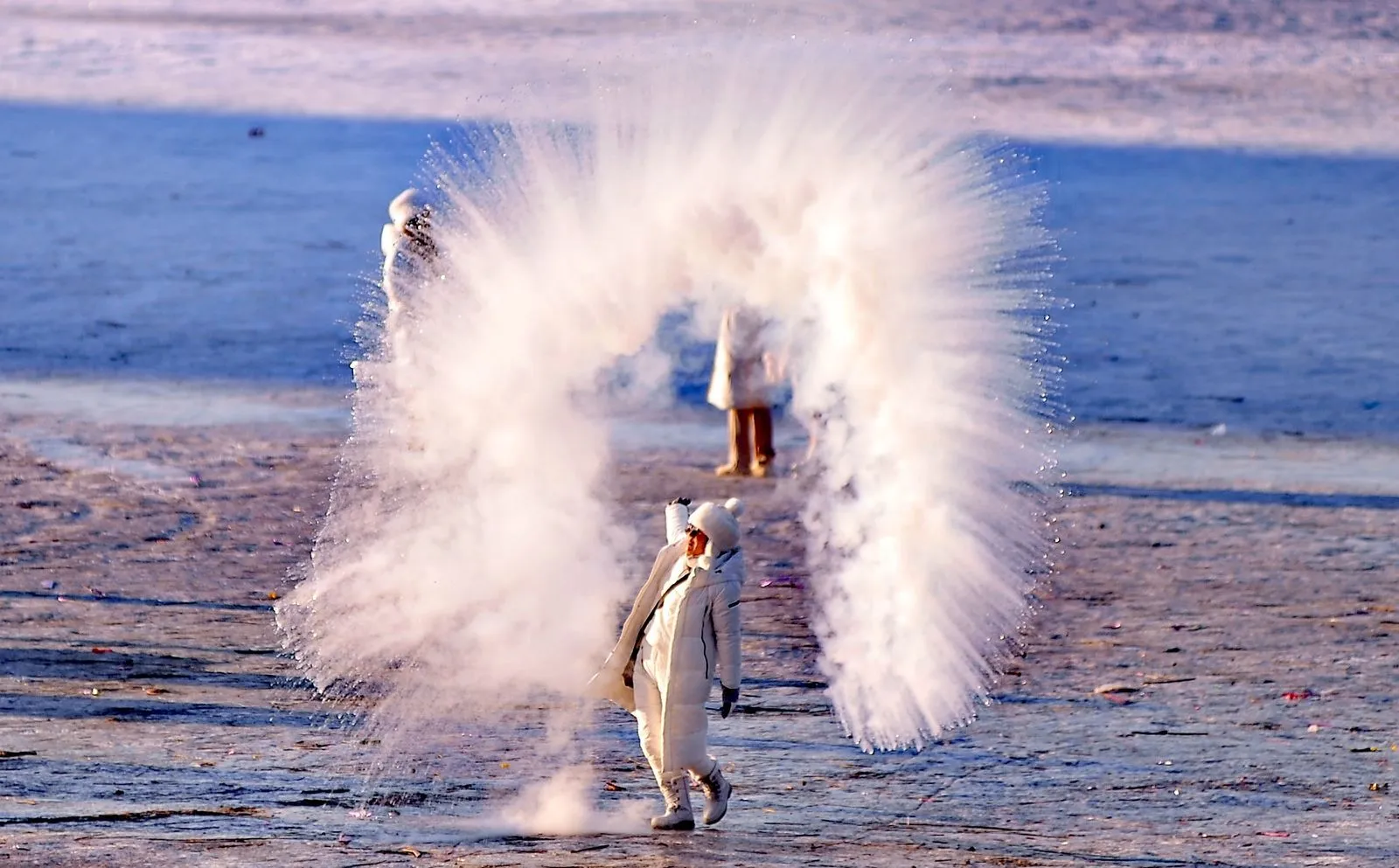
- Songhua River Ice Carnival: Offering activities like ice swimming, snowball fights, archery, golf, and cultural performances.
Activities and Visitor Experience
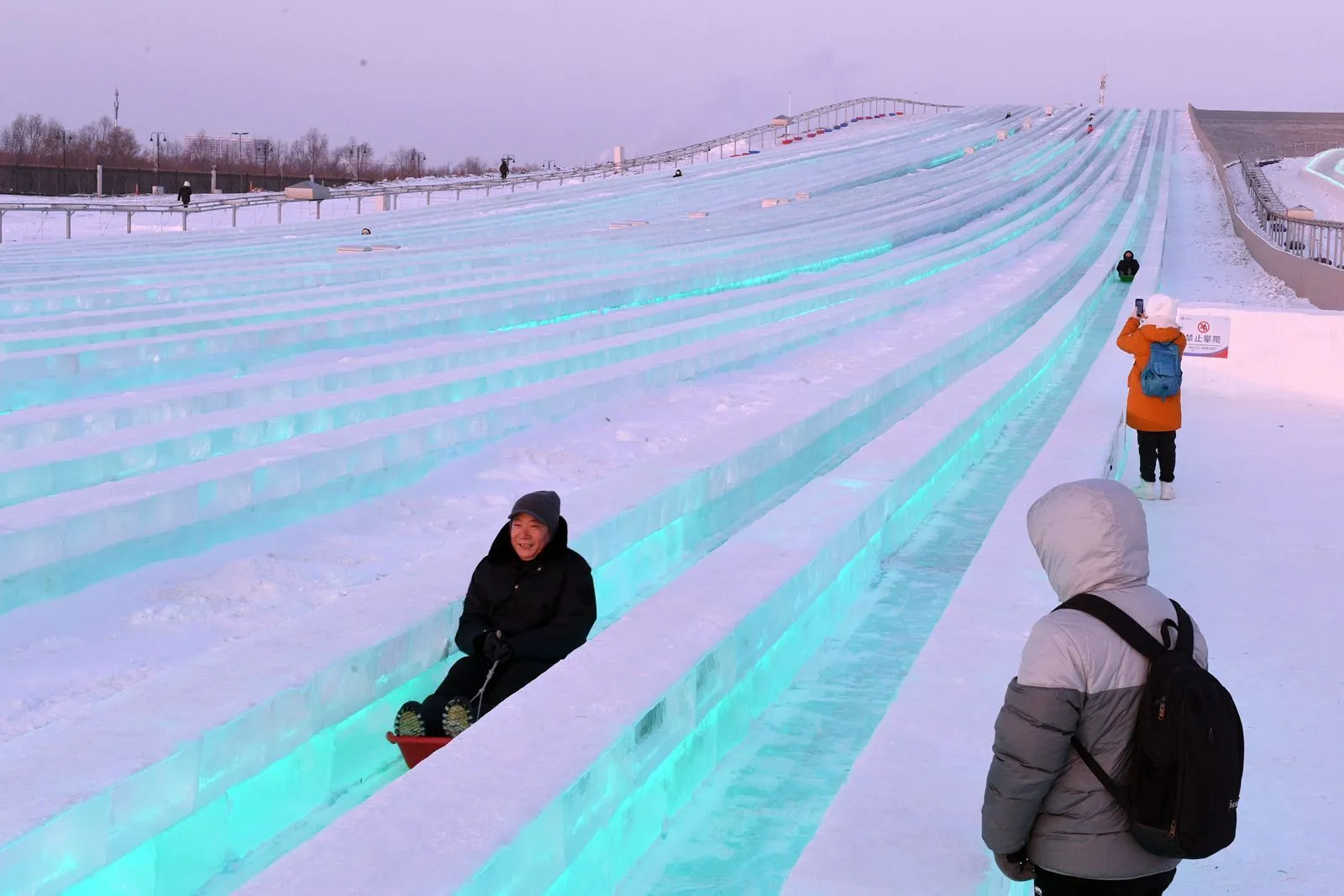
The festival offers more than just visual wonders. Visitors can enjoy a wide range of winter sports and cultural events, including:
- Ice slides (some stretching nearly 1,000 feet)
- Ice biking and skating
- Ice rock climbing and skiing
- Cultural performances such as dance, acrobatics, and music shows
- Interactive exhibits and food stalls, including hotpot served in ice-built restaurants
For those seeking immersive experiences, there are even ice hotels where guests can stay overnight surrounded by ice.
Despite the staggering scale and expense, Harbin’s Ice City is a temporary creation. As spring approaches, the structures gradually melt away, vanishing completely within two months. This fleeting existence only enhances its global appeal, making each year’s edition a once-in-a-lifetime experience.
Accessibility and Travel
Harbin is located in Heilongjiang Province and is easily accessible via domestic flights from Beijing, Shanghai, Guangzhou, or Shenzhen, with travel times averaging two hours. High-speed trains also connect Harbin with major Chinese cities, offering visitors multiple travel options.
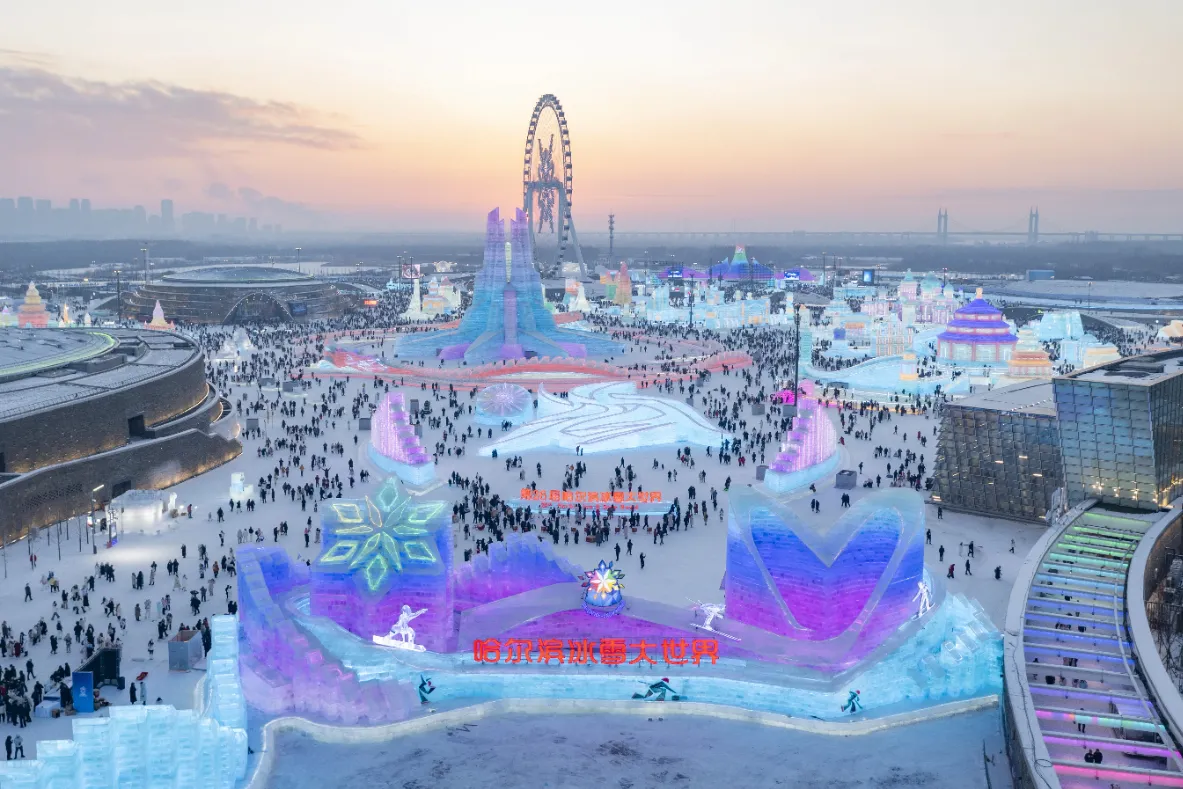
The Harbin International Ice and Snow Festival is a seasonal event and a symbol of human creativity and resilience against extreme winter conditions. With its vast scale, monumental investment, and fleeting beauty, Harbin’s Ice City has become a must-visit global destination. Each year, millions gather to marvel at this frozen masterpiece, securing its reputation as the world’s largest and most spectacular ice festival.
Explore Courses

.jpg "Ondrej Chybik - Rethinking Architecture")