


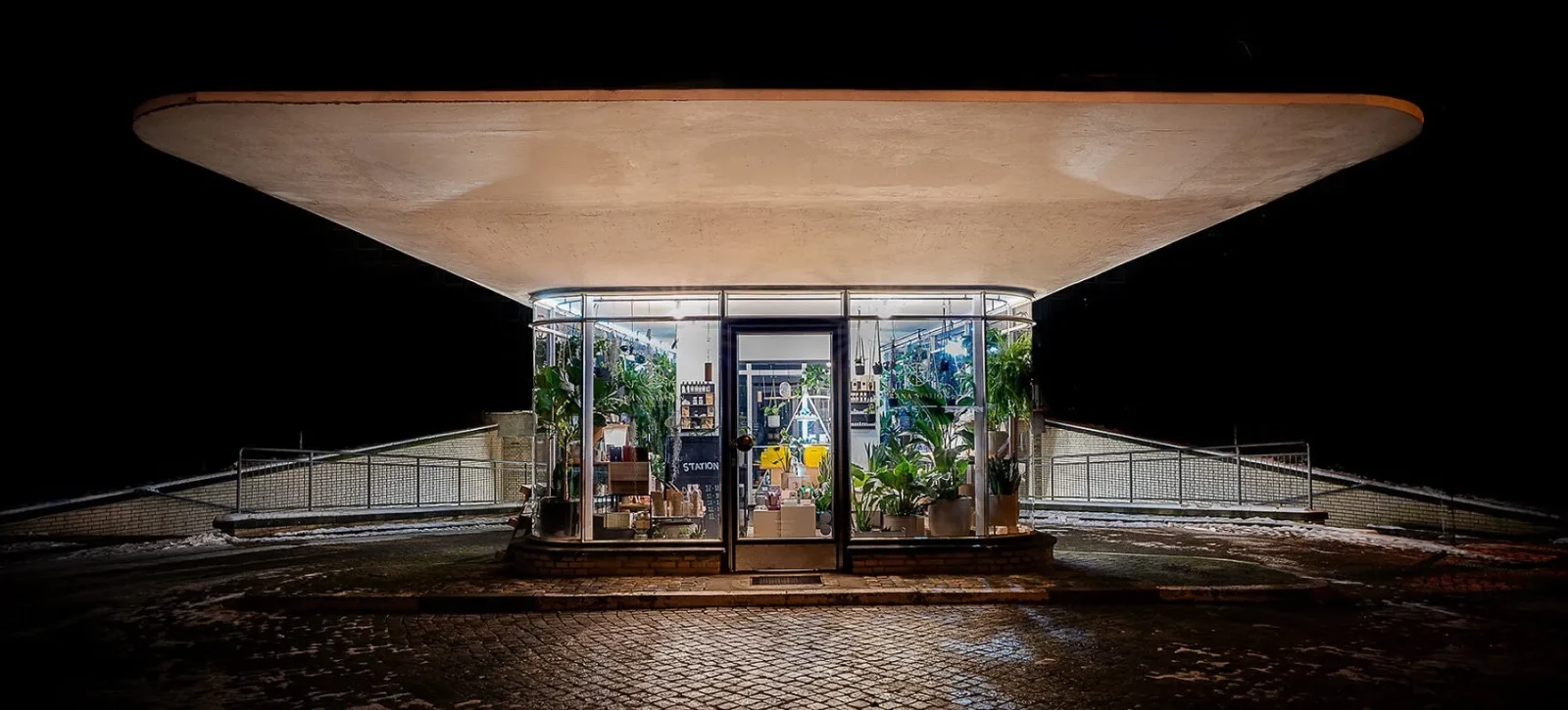
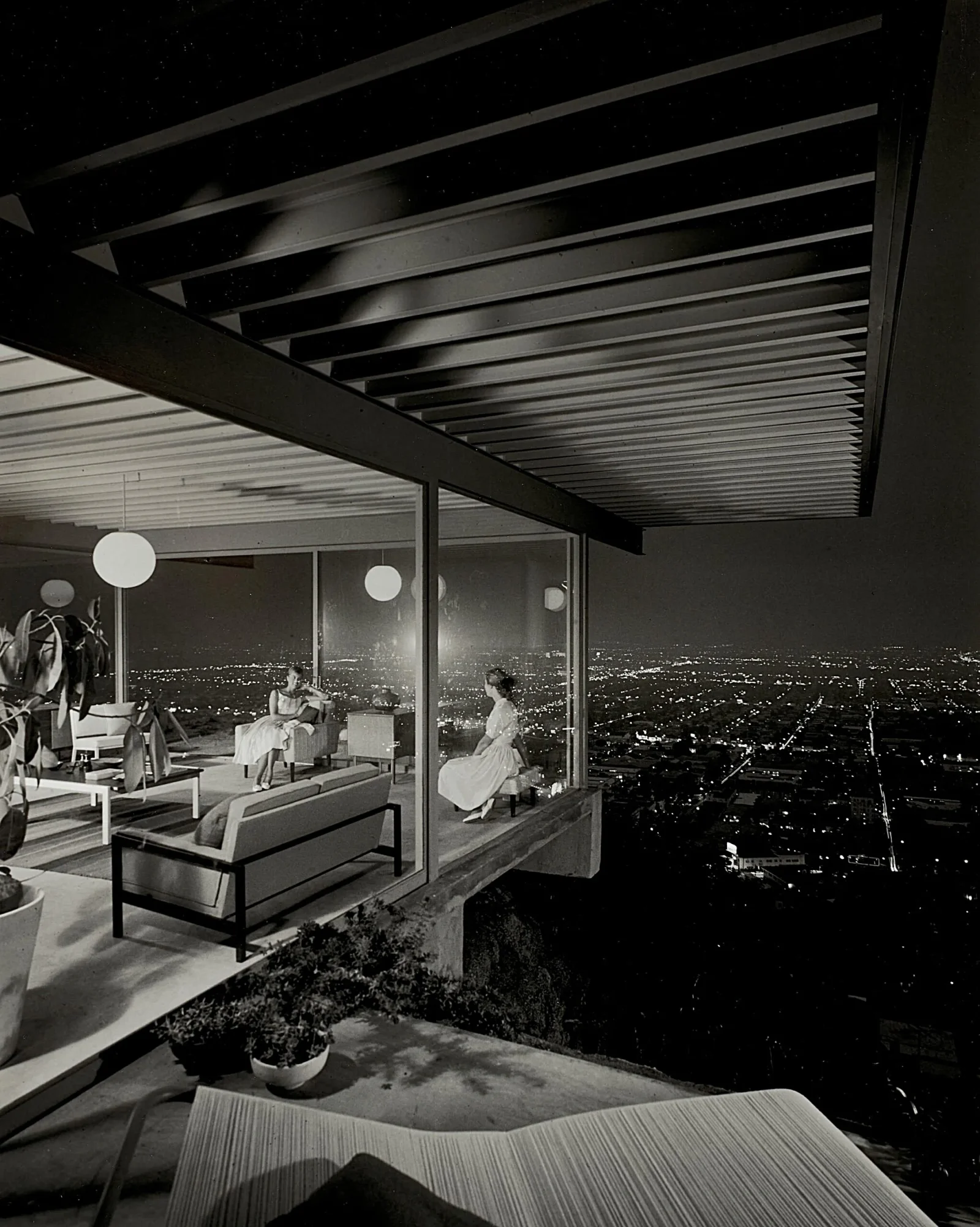
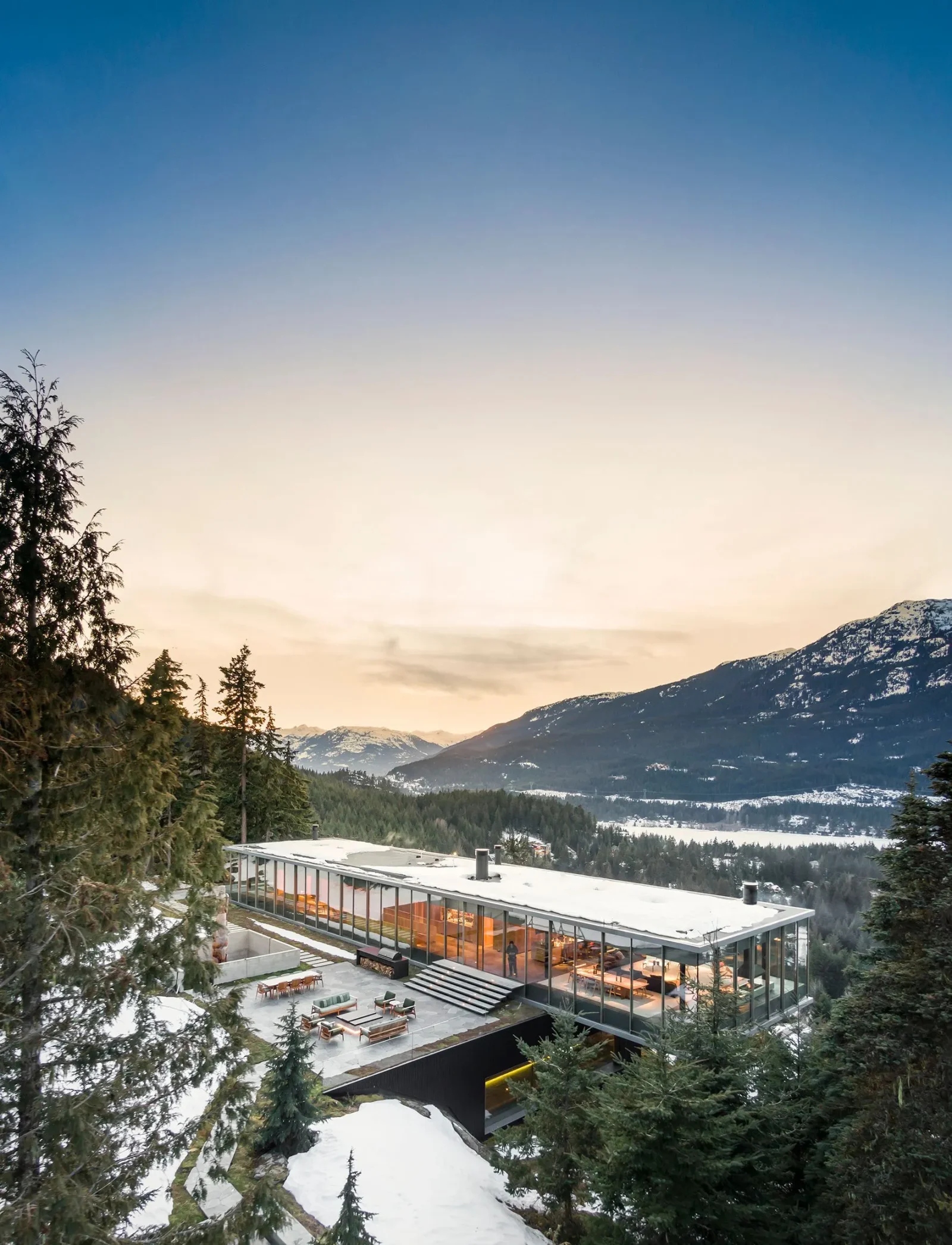
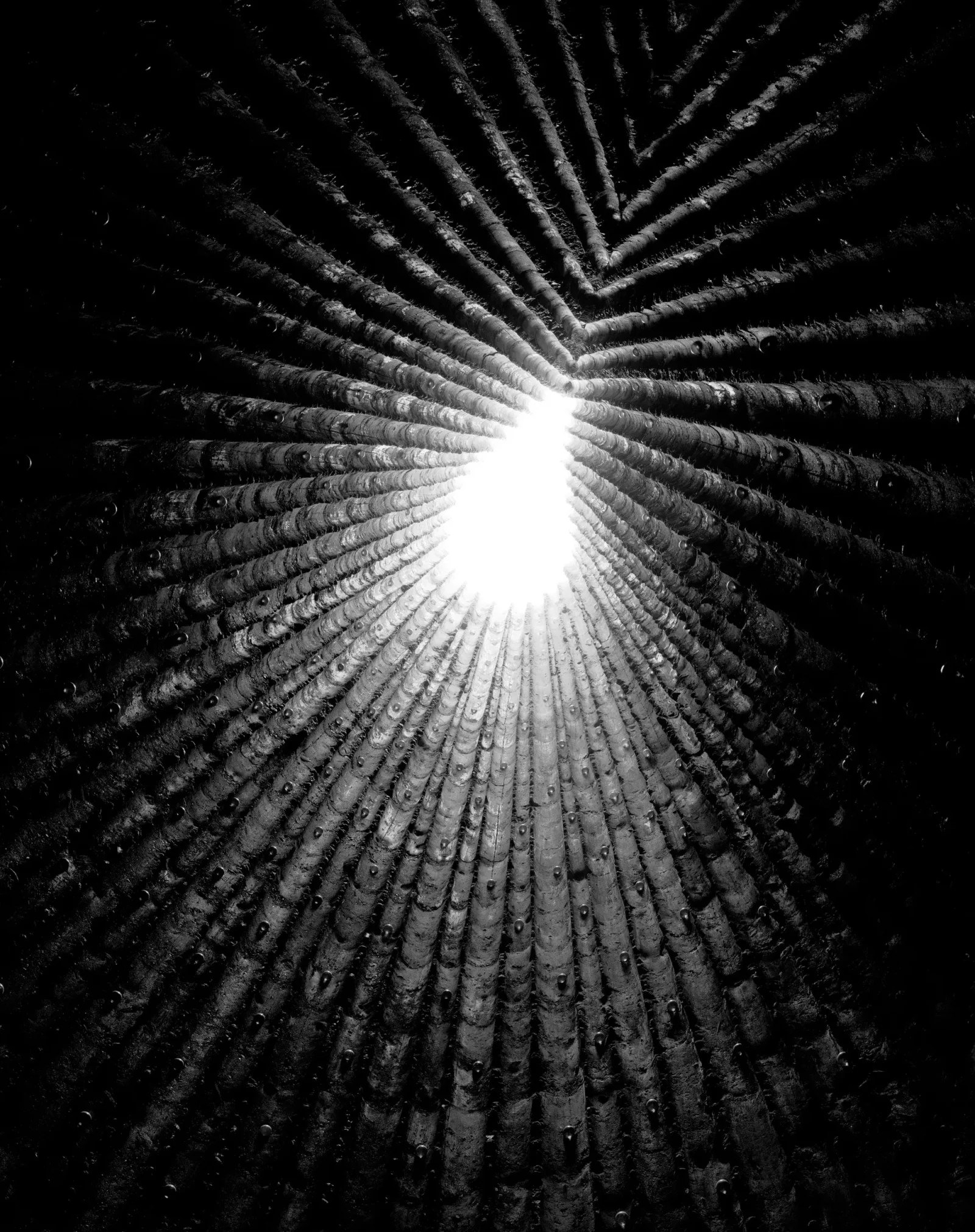
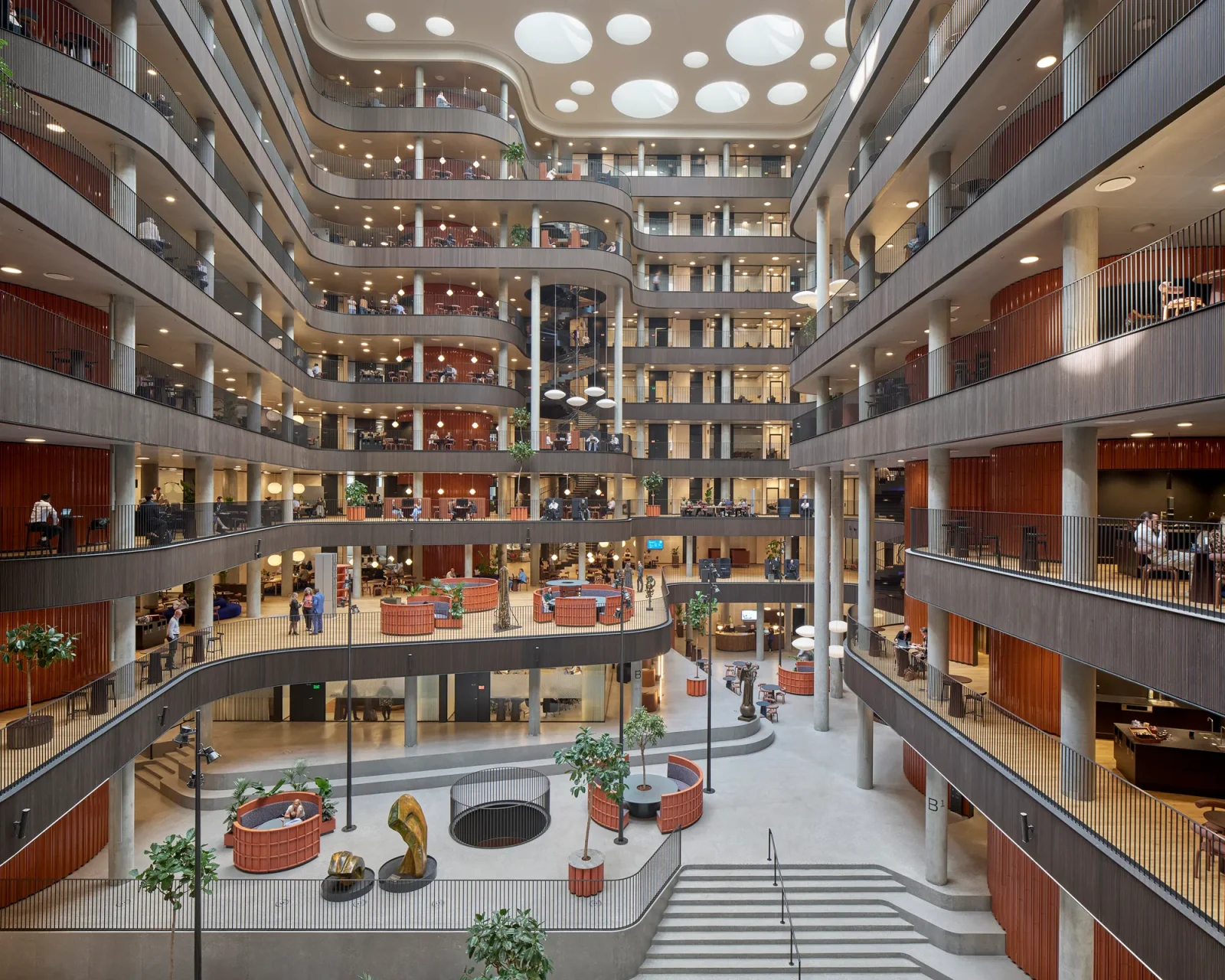
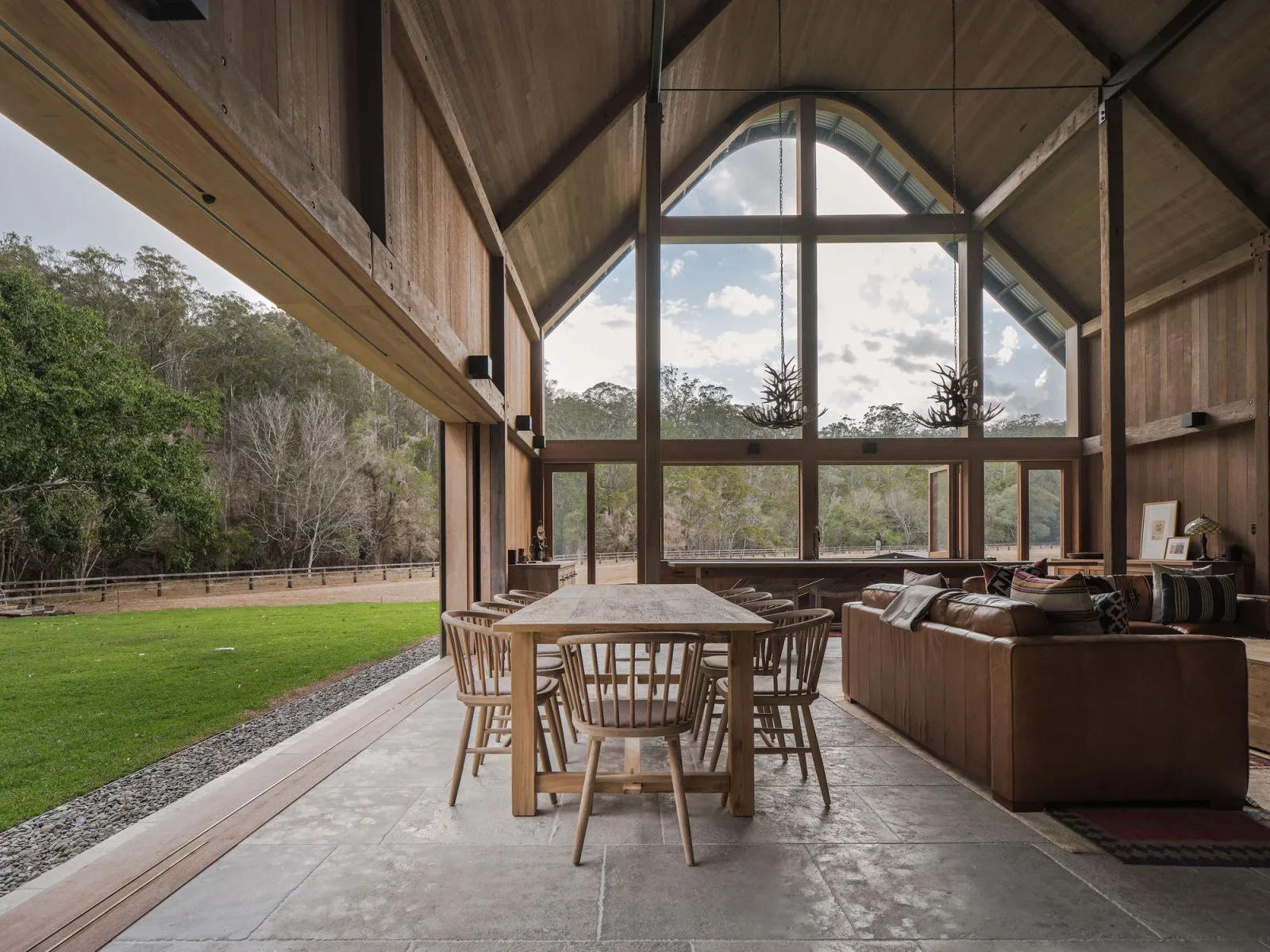
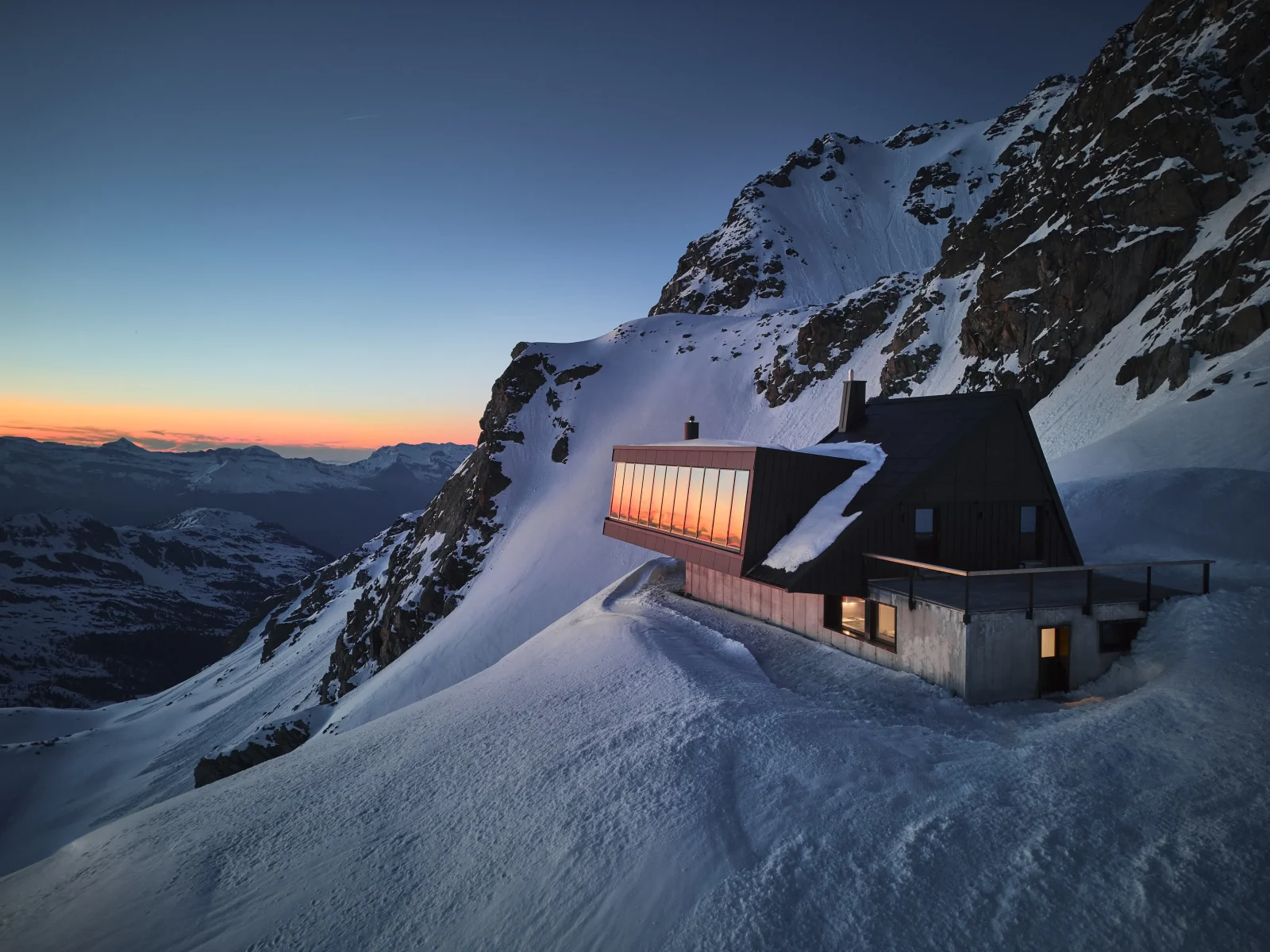
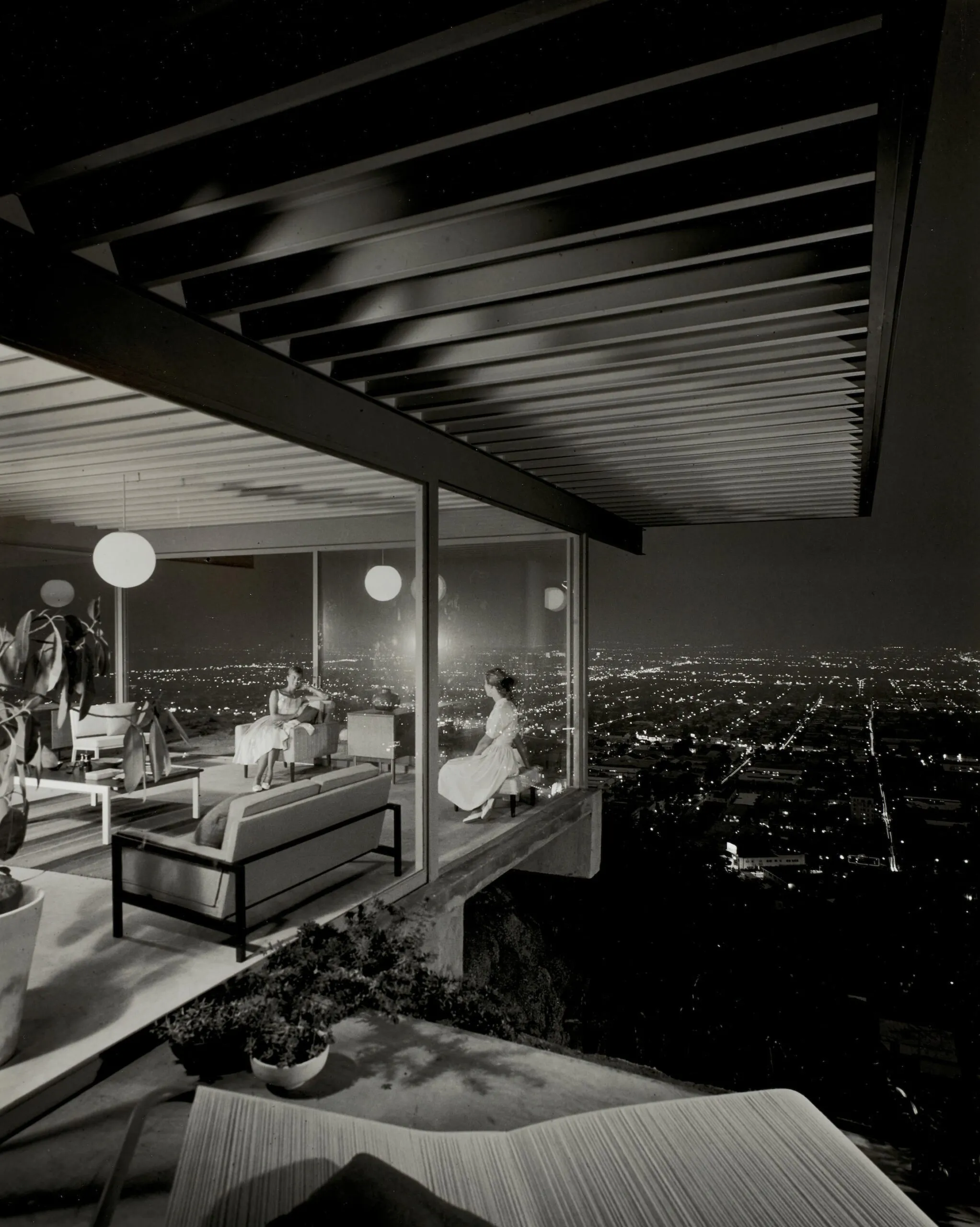
Julius Shulman captured Pierre Koenig’s Case Study House No. 22 hovering above the night lights of Los Angeles, and decades later, a simple shot of a 1950s gas station was voted Photo of the Year by the Architecture Photography Awards 2025. It reminded us of the true power of the medium.
Architectural photography translates an architect’s vision into images that reveal the form, purpose, and feeling of a space. Photographers record buildings and highlight their unique qualities, influencing how architecture is seen, valued, and remembered around the world.
Design Amplification
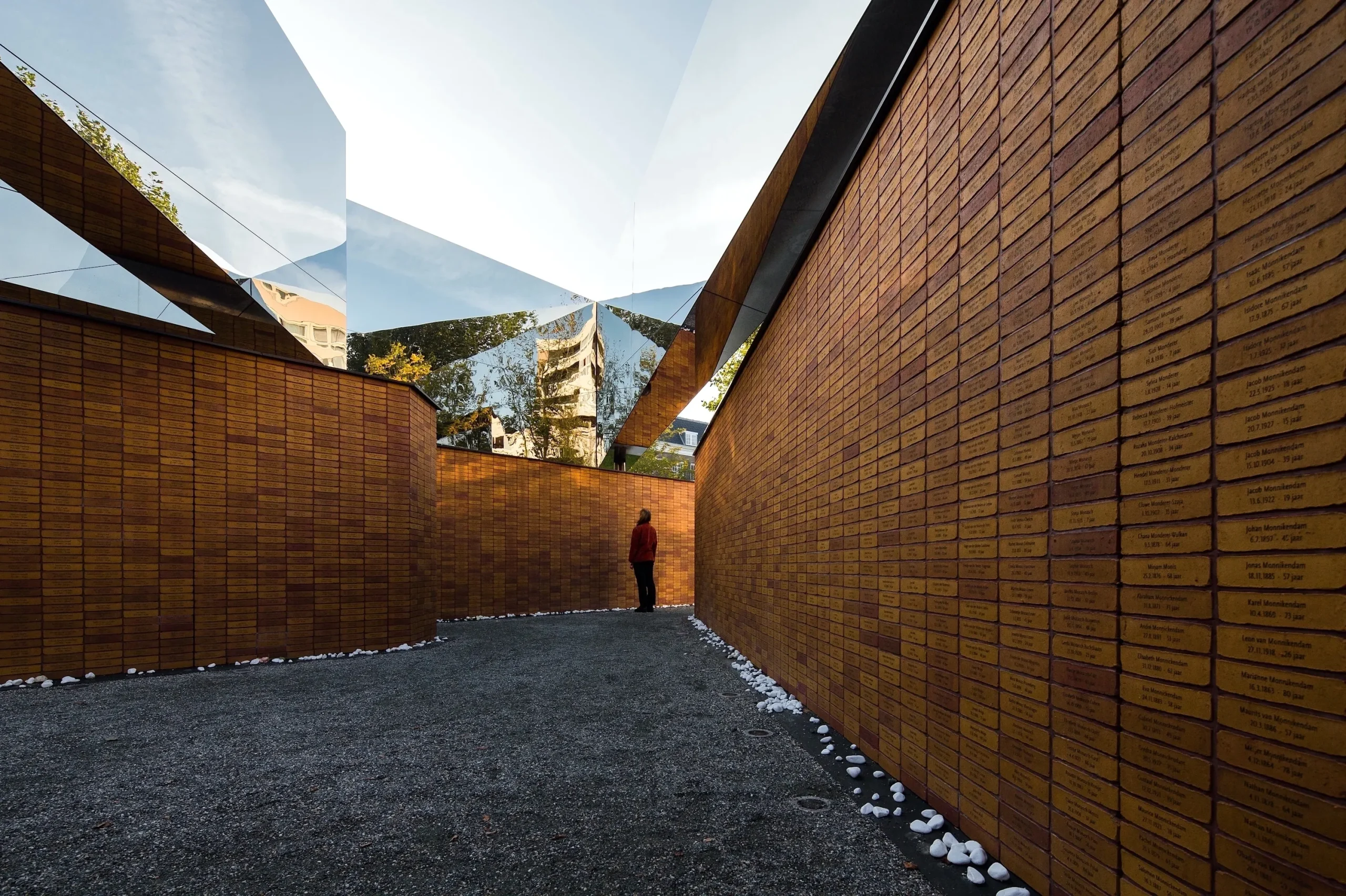
The art of architectural photography lies in its ability to tell stories through images. A skillful photographer understands how to use perspective, light, composition, and context to translate the design intent of an architect into a visual representation that stimulates viewers’ imagination.
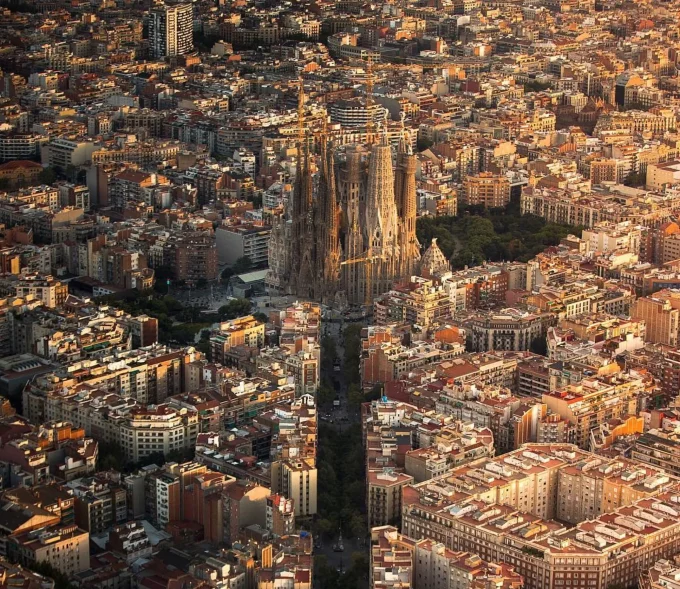
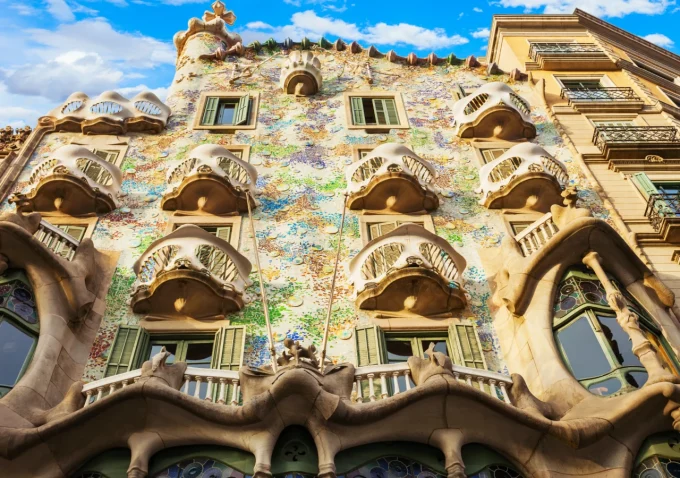
A good photographer knows how to use framing elements of structure, space, and detail to reveal the core concepts behind the architecture. They carefully select what to show, whether it is a wide shot that places the building in its environment or a close-up that draws attention to fine details and materials. This approach means that photography doesn’t just document a building; it interprets and communicates the deeper meaning of the design that words alone can’t fully describe.
Influencing Public Perception
The public’s understanding of architecture is often shaped more by photographs than direct experience. Architectural photography is a widespread form of architectural communication; it makes structures and designs accessible to larger audiences, many of whom may never visit the buildings in person. By emphasizing the beauty, scale, and intention of built environments, photographs reinforce cultural, technological, and social values.
Iconic imagery circulating through magazines, websites, and social media can add prestige to entire cities or regions. Whether highlighting a new development or preserving a historical monument, the narrative of the built environment is inevitably influenced by the way it is photographed and presented to the world.
Documentation and Artistry
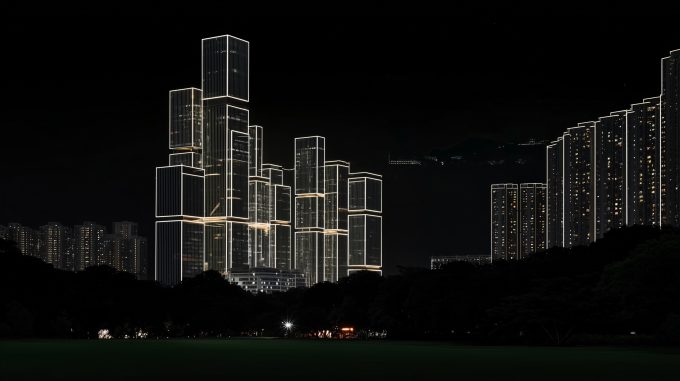
While architectural photography has a documentary role in recording structures for historical and technical reference, its artistic dimension is equally significant. Photographers use lighting, timing, and composition to transform everyday buildings into powerful images. Morning light can infuse images with warmth, accentuating textures and forms; dramatic artificial lighting at night can reveal a building’s sculptural qualities. Photographers choose precisely which moments and angles to capture, analyzing how architecture is understood and remembered for generations.
Techniques that Shape the Narrative
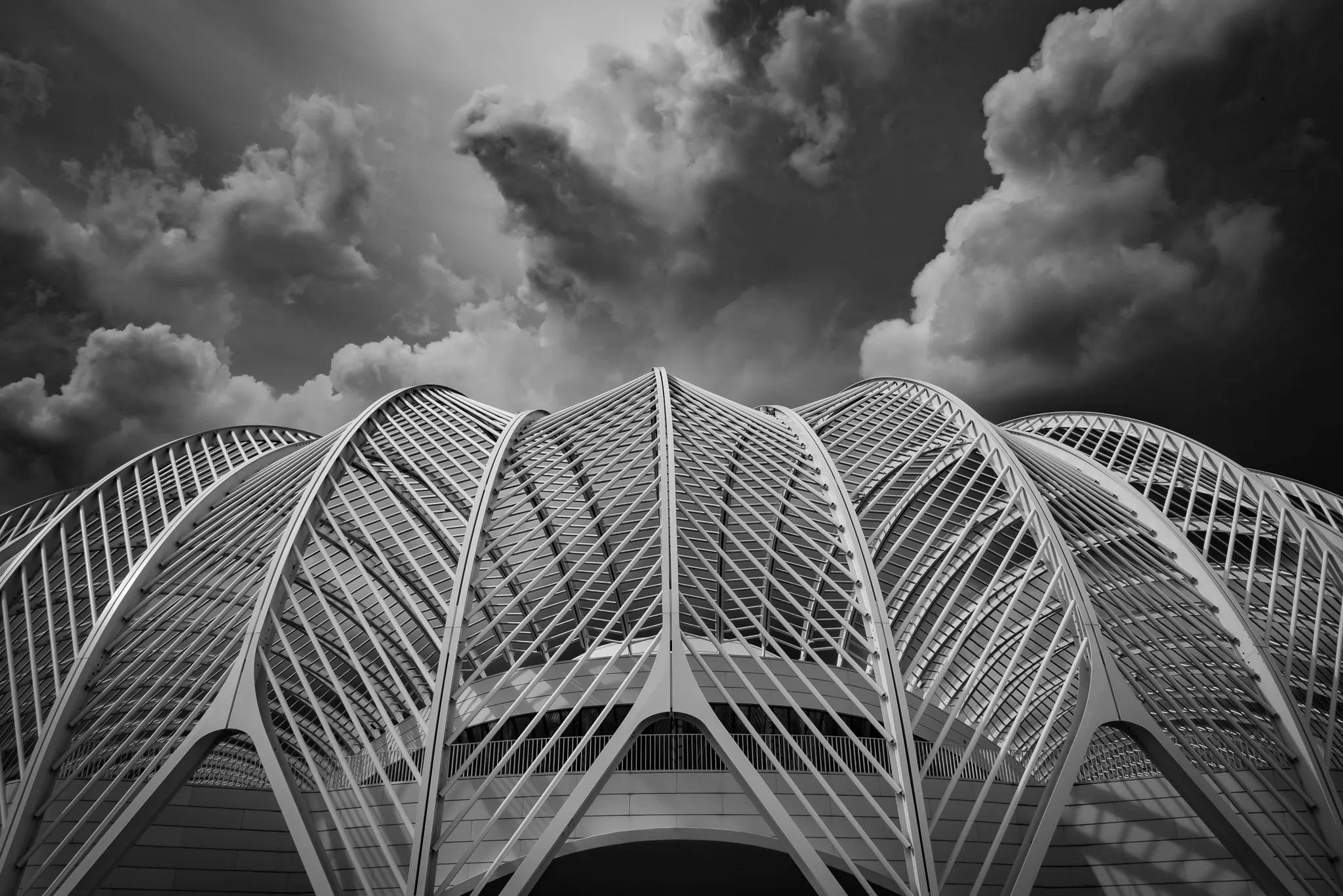
The techniques photographers use directly affect how architecture is conveyed. Wide-angle shots give a sense of place and scale, while detail shots focus on textures and craftsmanship that might otherwise go unnoticed. Adding people to photos helps viewers relate to the space on a human level. Natural light brings out authentic colors and moods, while dramatic lighting draws attention to form and design elements. A series of photos tells more complex stories by showing multiple perspectives, going beyond just one image to create a fuller experience.
Five Influential Architectural Photographers
Architectural photography is as much about interpretation as it is about documentation. The photographers behind the lens bring their own approaches to architecture. From capturing the human spirit within a space to celebrating light and form, these photographers stand out globally for their outstanding contributions and unique perspectives on the built environment. Here is a glimpse into their work philosophies and what makes their photography remarkable.
1. Julius Shulman
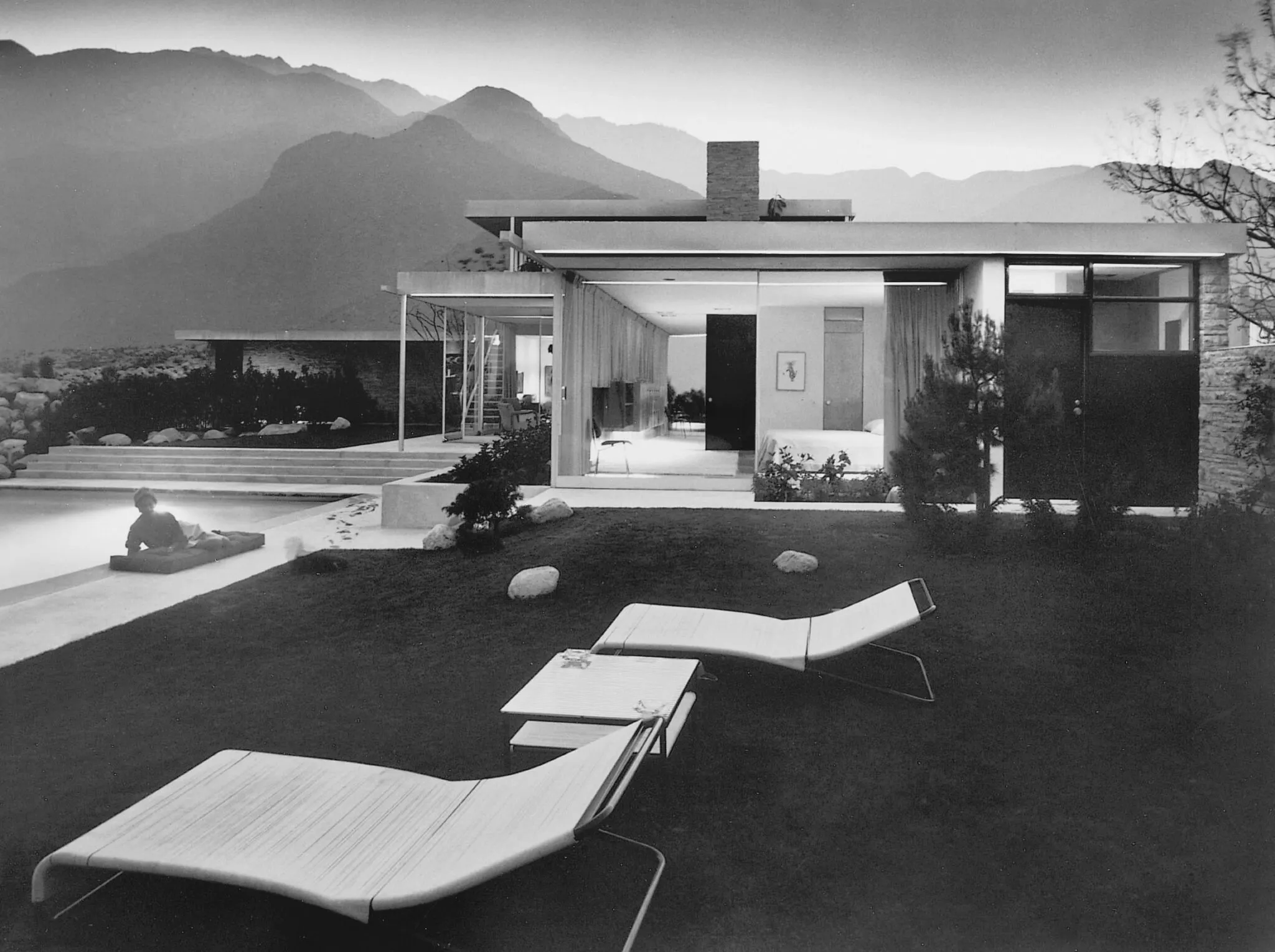
Julius Shulman is a legendary figure in architectural photography, best known for his iconic images of mid-century modern architecture in California. His work captures the spirit of an era. Shulman’s photographs of renowned structures like Pierre Koenig’s Case Study House No. 22 and Richard Neutra’s Kaufmann House portray composition mastery. He often included inhabitants in his images, giving life to architectural forms. His legacy remains a guiding light for photographers. The Julius Shulman Institute Excellence in Photography Award is an annual honor presented by Woodbury University, celebrating photographers who continue Julius Shulman’s legacy of visually narrating architecture and the built environment. Past recipients include renowned names such as Iwan Baan, Catherine Opie, Benny Chan, and James Florio, each recognized for their contributions to architectural photography.
2. Fernando Guerra
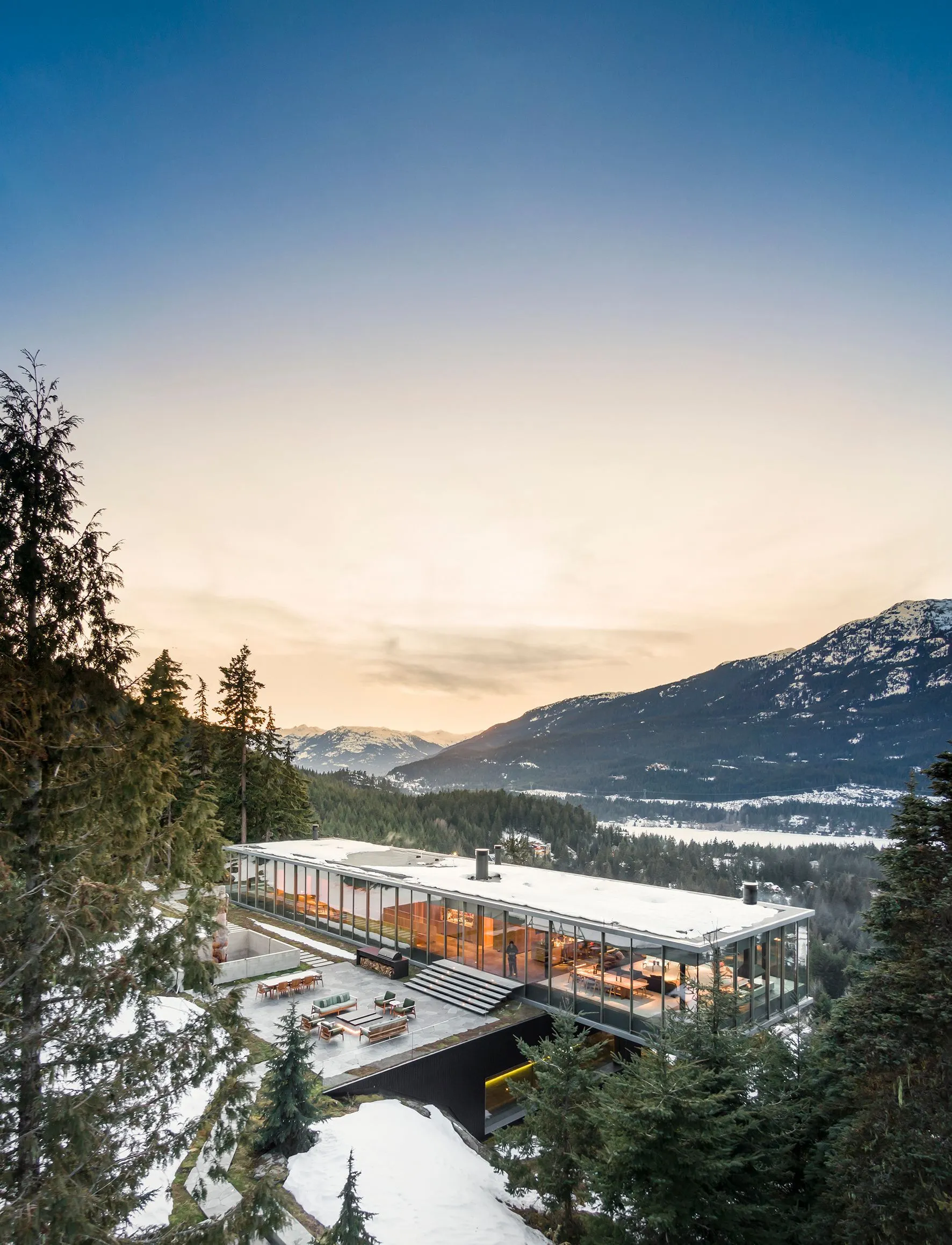
Fernando Guerra brings a unique perspective as an architect and a photographer. He perfectly conveys the emotional experience. Guerra’s work highlights spatiality through movement and detailed observation. His approach is to present architecture as neutral, emphasizing the feeling a place generates. Over 22 years, his photography has played a significant role in disseminating contemporary Portuguese architecture worldwide.
3. Hélène Binet
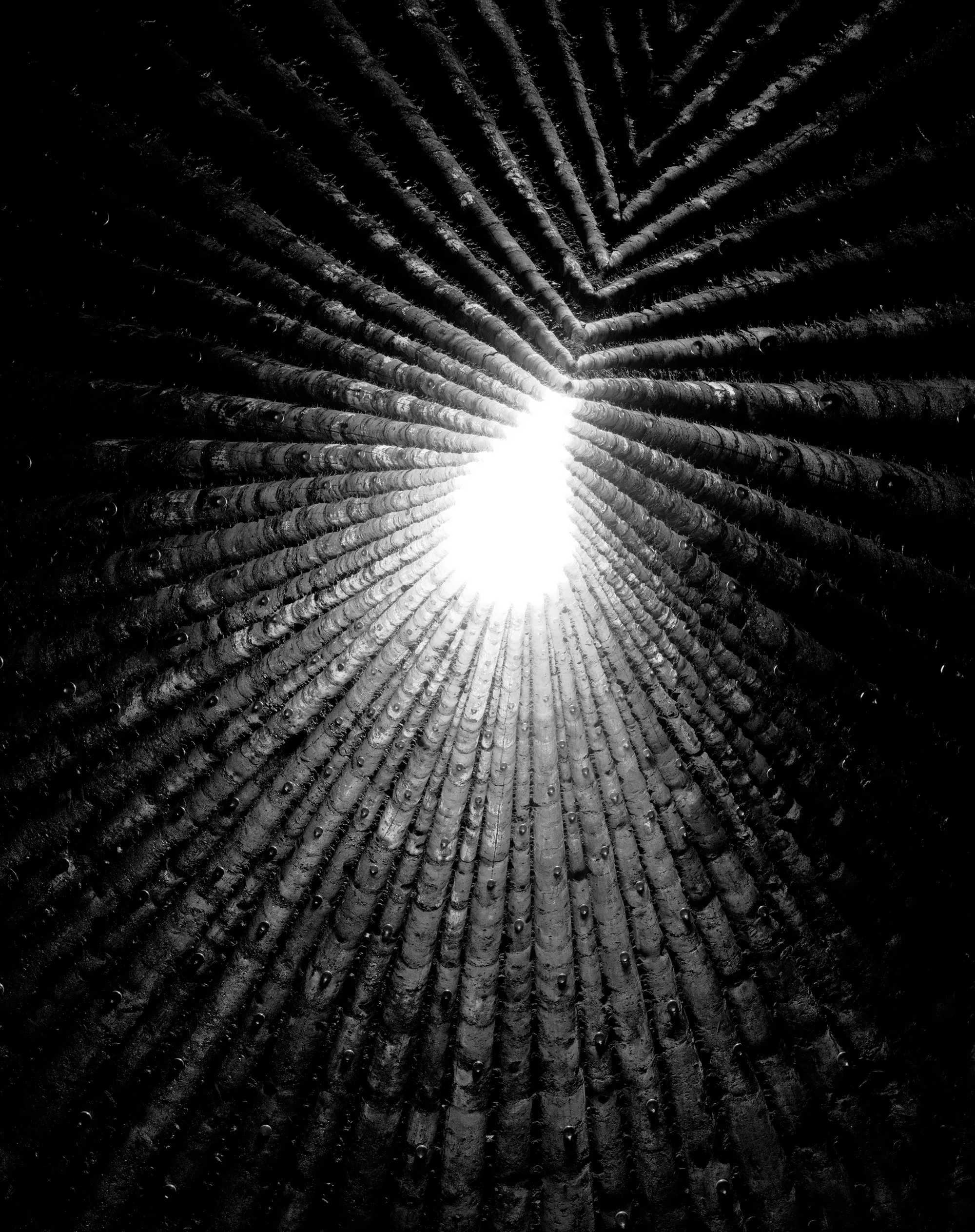
Hélène Binet is known for her commitment to analog photography, capturing architecture with an almost poetic quality. Over more than two decades, her work has chronicled modern masterpieces by Zaha Hadid, Daniel Libeskind, Peter Zumthor, and Le Corbusier. Binet’s philosophy centers on the interplay between light, texture, and form, often revealing the architectural essence with minimal manipulation.
4. Adam Mørk
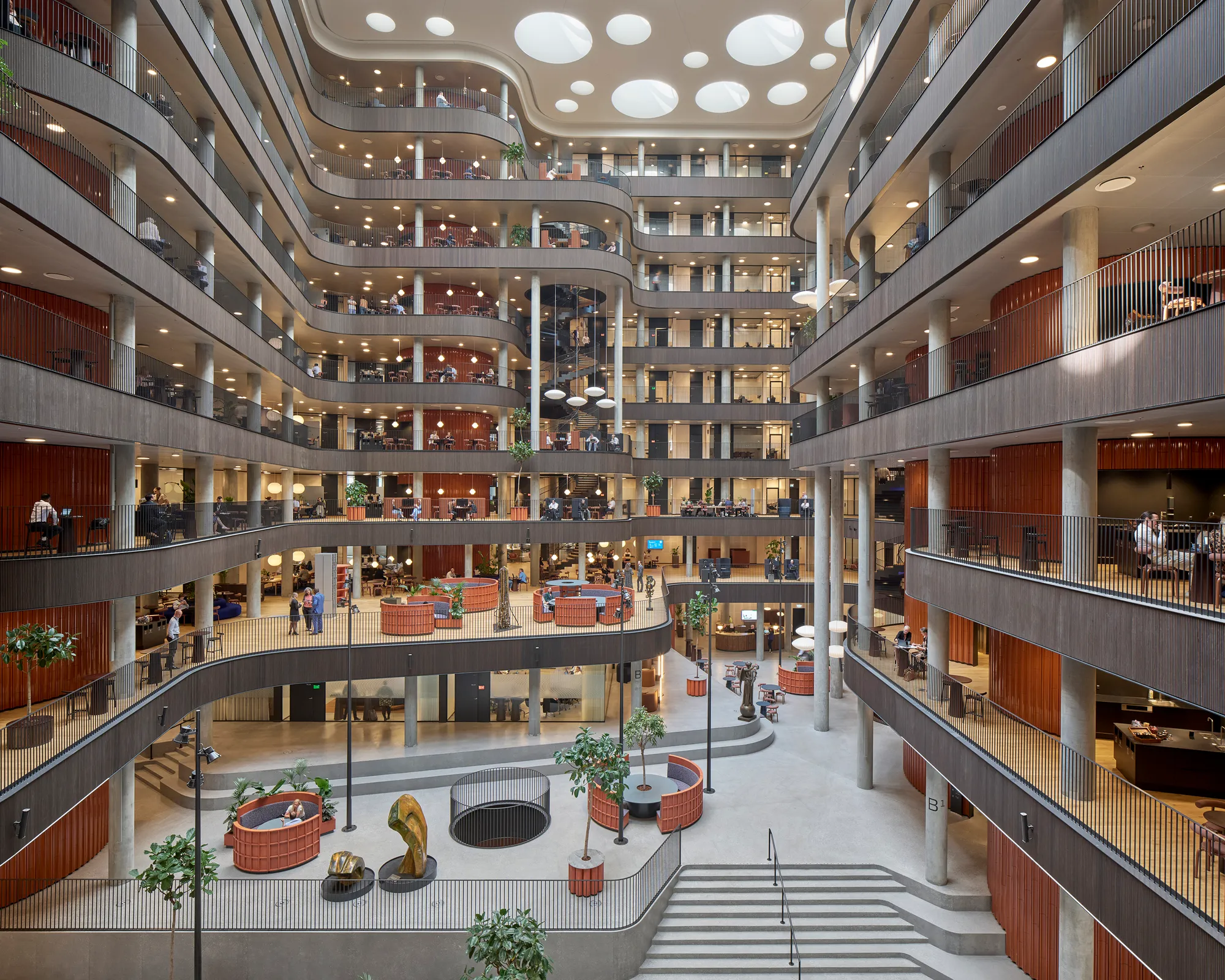
Architect-turned-photographer Adam Mørk understands design with a strong artistic sensibility. His photography focuses on the nuanced relationship between light, space, materials, and human presence. Mørk captures architecture as static and living forms. Operating from Copenhagen, he is highly sought after by leading architects across Scandinavia, Germany, and China for his ability to evoke the poetic soul of buildings through his lens.
5. Andy Macpherson
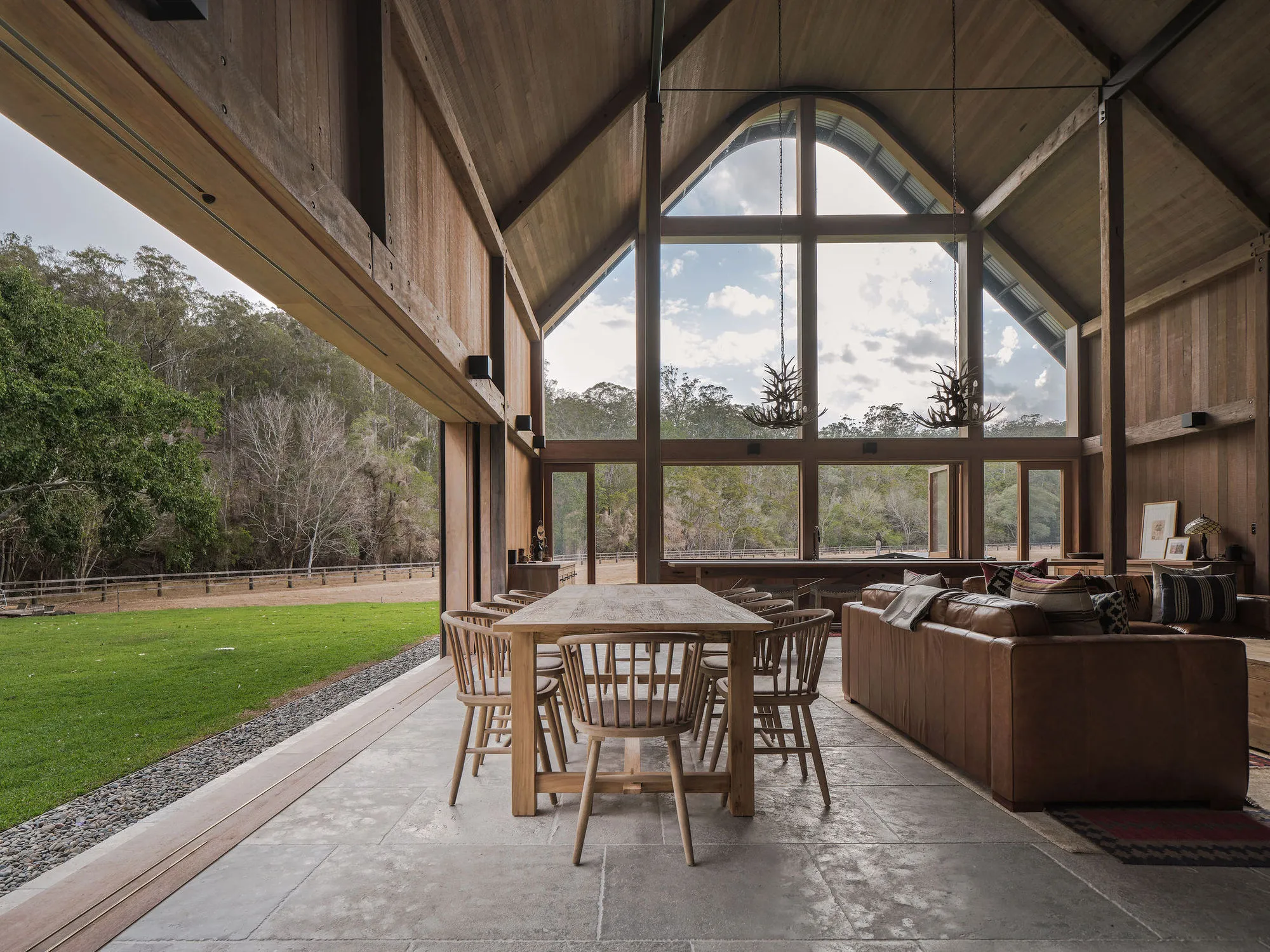
Andy Macpherson is recognized for his architectural images that integrate the human element naturally within urban and architectural settings. His philosophy emphasizes enjoyment in the photographic process, ensuring that each project is a collaboration full of energy. Macpherson’s work is nationally and internationally acclaimed, reflecting a dedication to representing architecture’s genuine character and vibrancy.
Major Architectural Photography Competitions
Competitions in architectural photography hold a special place in the creative world. These contests challenge artists to hone their skills and give them freedom to experiment with styles, techniques, and themes they might not try in regular assignments.
One of the biggest benefits of architectural photography competitions is the exposure they provide. Winners and even participants often get their work featured in exhibitions, publications, and online platforms that reach a global audience. This visibility can open doors to professional opportunities such as collaborations with architects, brands, or gallery shows.
Participating in competitions also offers valuable networking opportunities. Photographers engage with peers, mentors, and industry leaders, exchanging ideas and gaining inspiration.
1. Architecture Photography MasterPrize (APMP) Award
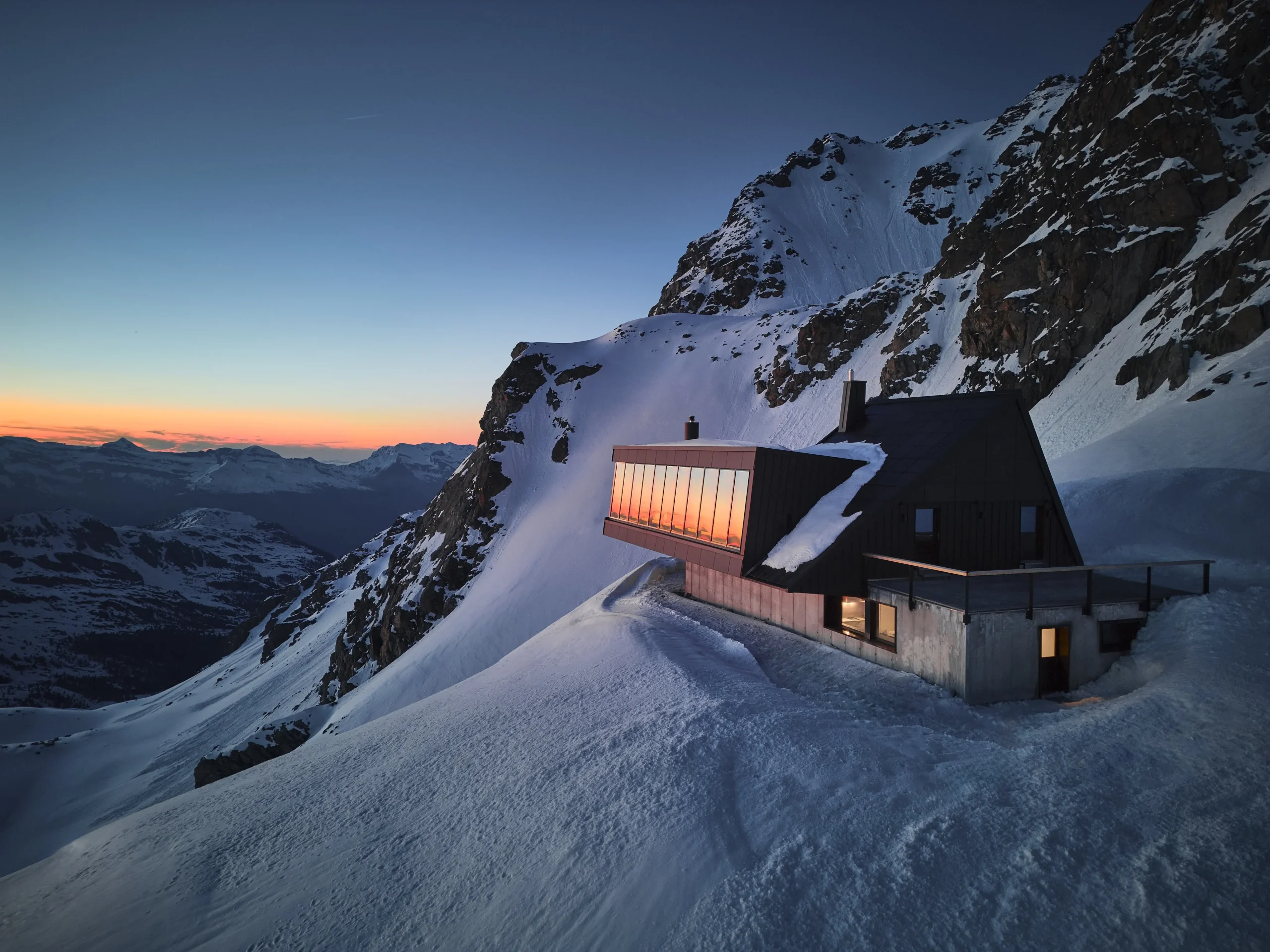
Presented by the Architecture MasterPrize, this award recognizes outstanding architectural photography of the built environment, including exteriors, interiors, and design details. Open to amateurs and professionals globally, winners are honored with the MasterPrize trophy, international publicity, and inclusion in an annual book. The judging panel consists of renowned designers, architects, and curators, and the competition is highly regarded in architectural media circles.
2. Luis Ferreira Alves International Photography Competition
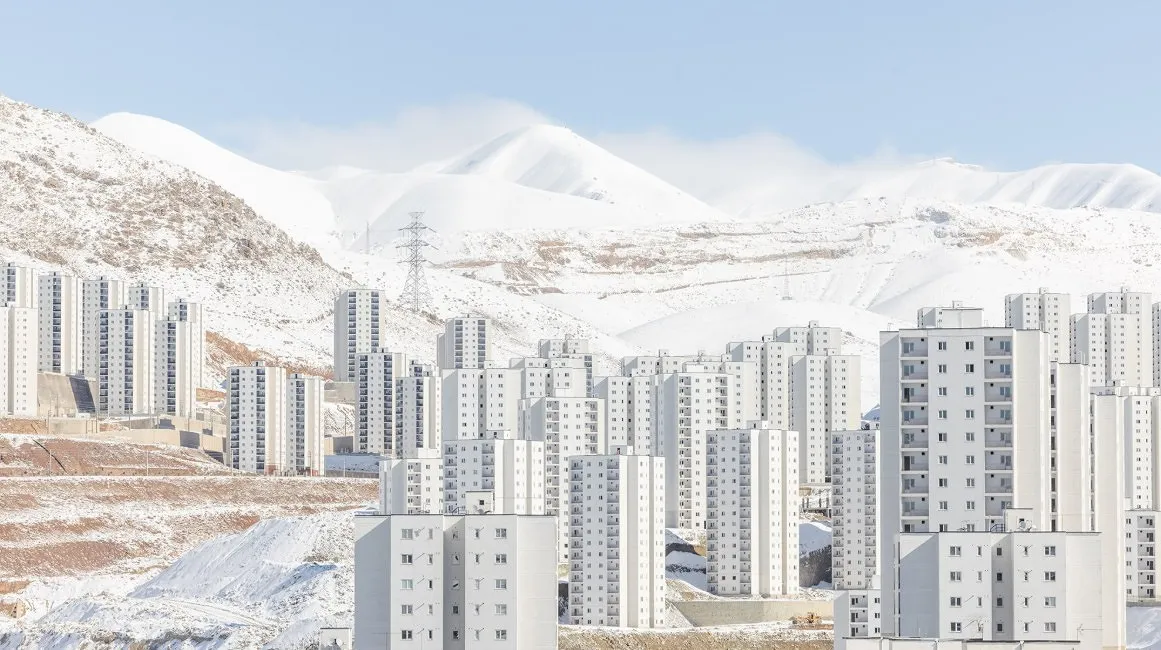
This biennial competition is inspired by Portugal’s pioneer architectural photographer, Luis Ferreira Alves. It resonates between architectural practice and photography, highlighting emerging and established talents. Winners receive monetary and equipment prizes, and their works are exhibited and catalogued. The program is supported by influential cultural and academic partners and aims to enhance the understanding of architectural photography on a global scale.
3. The Art of Building Photography Competition
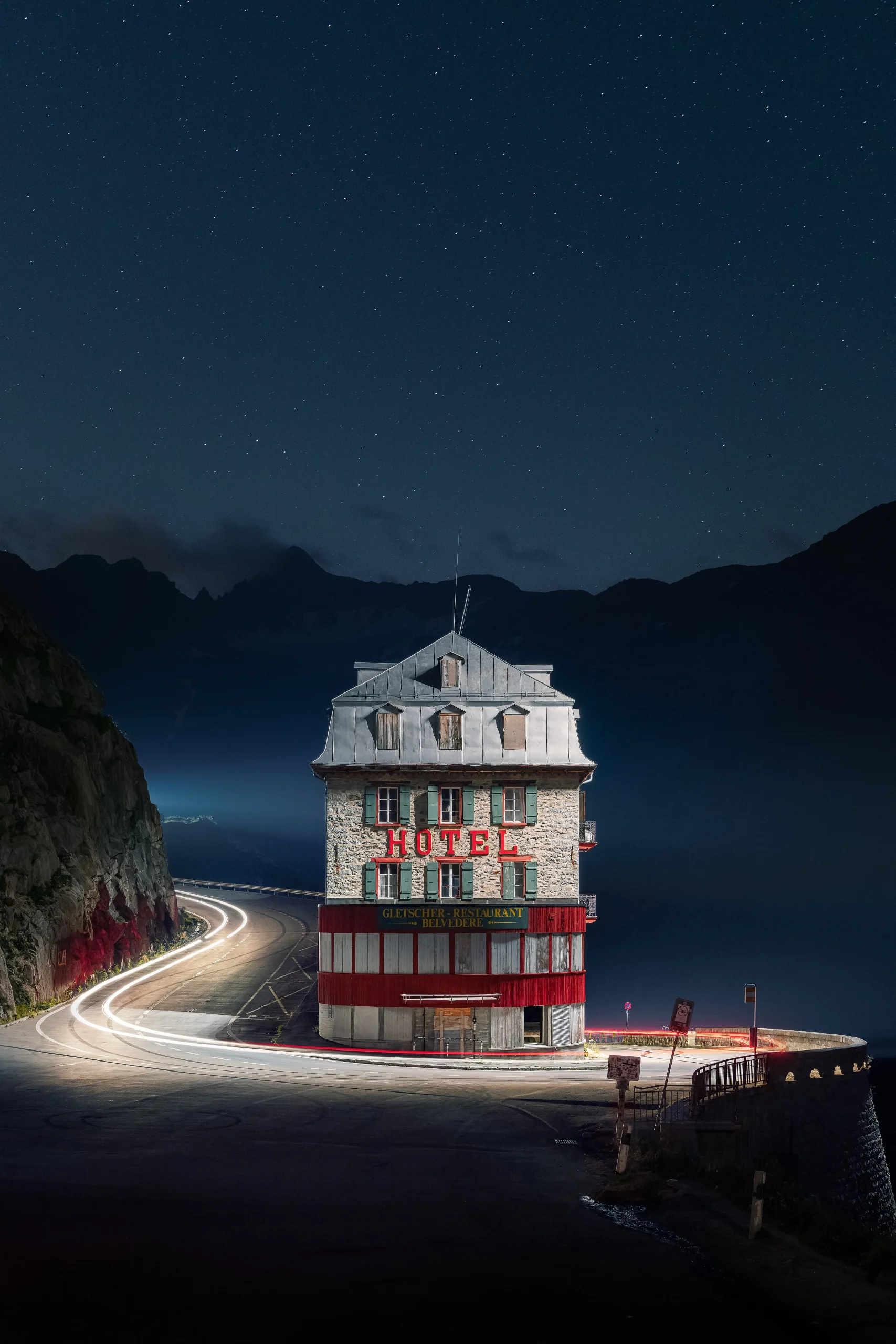
Organized internationally, the Art of Building photography competition showcases the best digital photography of the built environment. Free to enter, it features public voting and media attention for winners, who often gain press coverage in outlets such as the BBC. The competition aims to promote creative talent that inspires and influences viewers worldwide.
4. International Photography Awards (IPA)
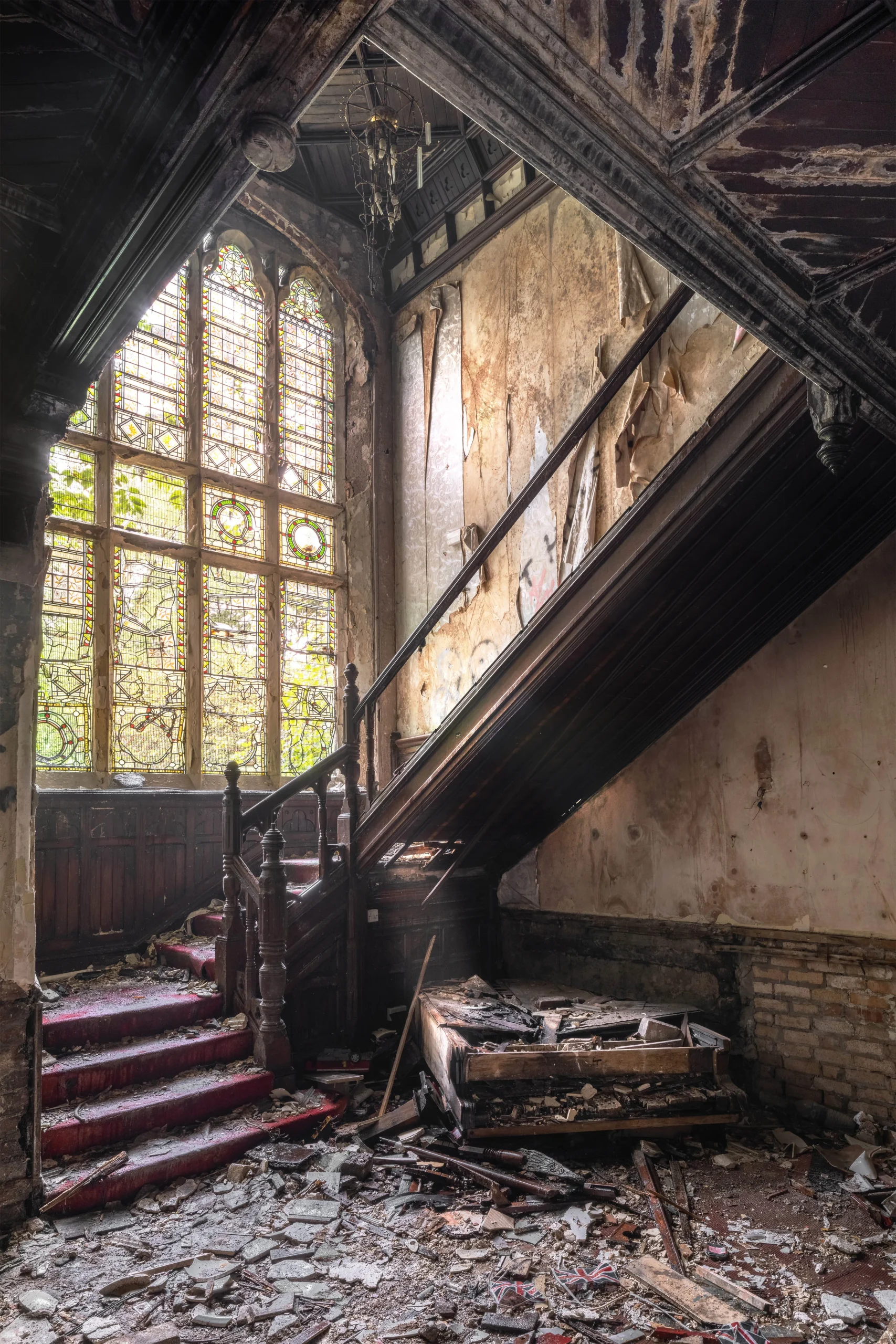
The IPA conducts one of the largest annual competitions for professional, amateur, and student photographers, featuring an Architecture Photography of the Year award category. With thousands of entries globally, the IPA is renowned for its comprehensive jury and top prizes, including global exhibitions and festival participation. Winning images are recognized across categories like architecture, fine art, and editorial photography.
Architectural photography is a powerful form of storytelling that connects design with the people who experience it. It preserves design legacies and inspires a wide audience to see and engage with the built environment. If you’re inspired by architectural photography and eager to explore how space and time are conveyed, then the Capturing Space and Time workshop from PAACADEMY is an excellent next step. It’s designed to deepen the understanding of architectural photography and sharpen the ability to tell stories through images.
Explore Courses
.jpg "Ondrej Chybik - Rethinking Architecture")