

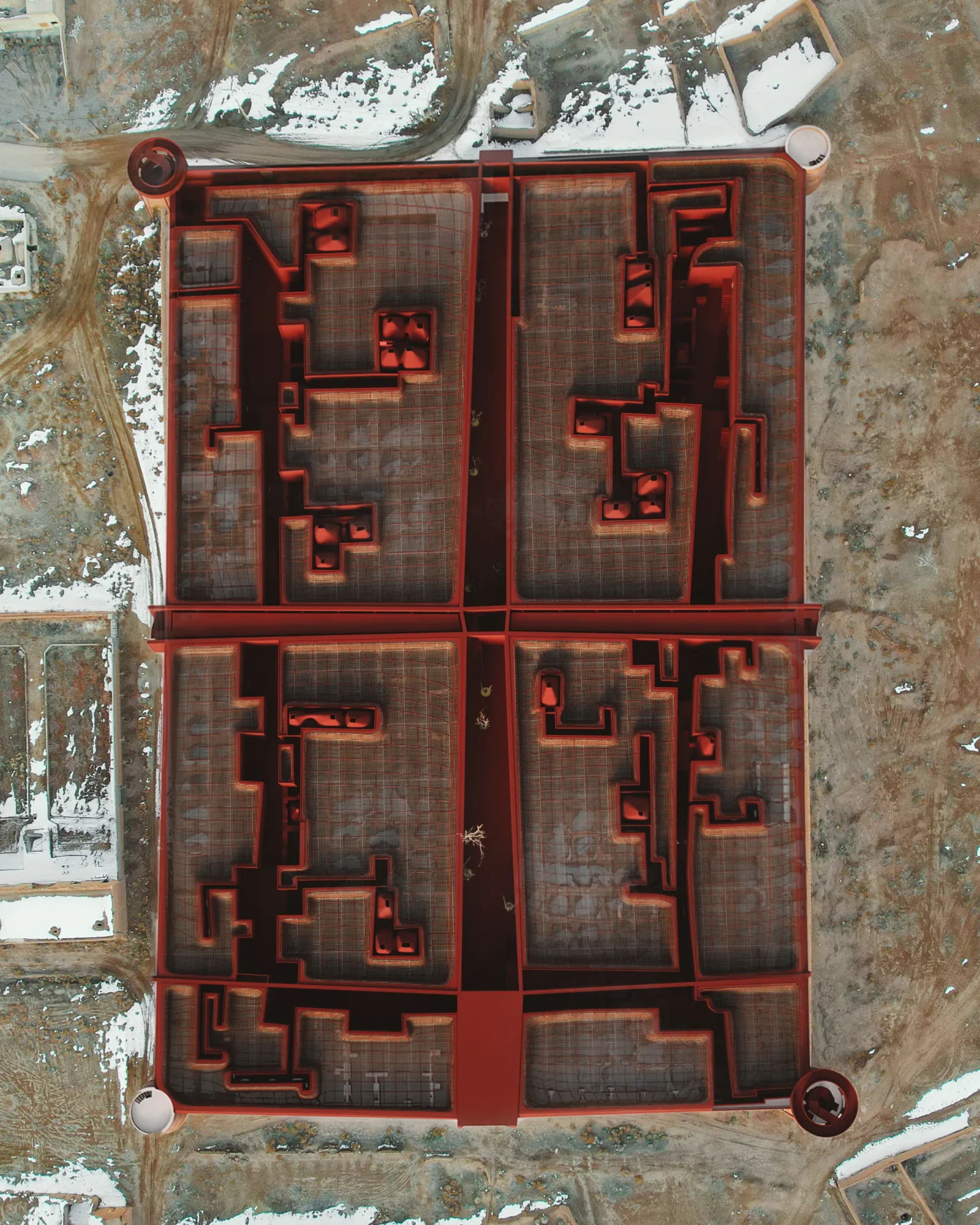
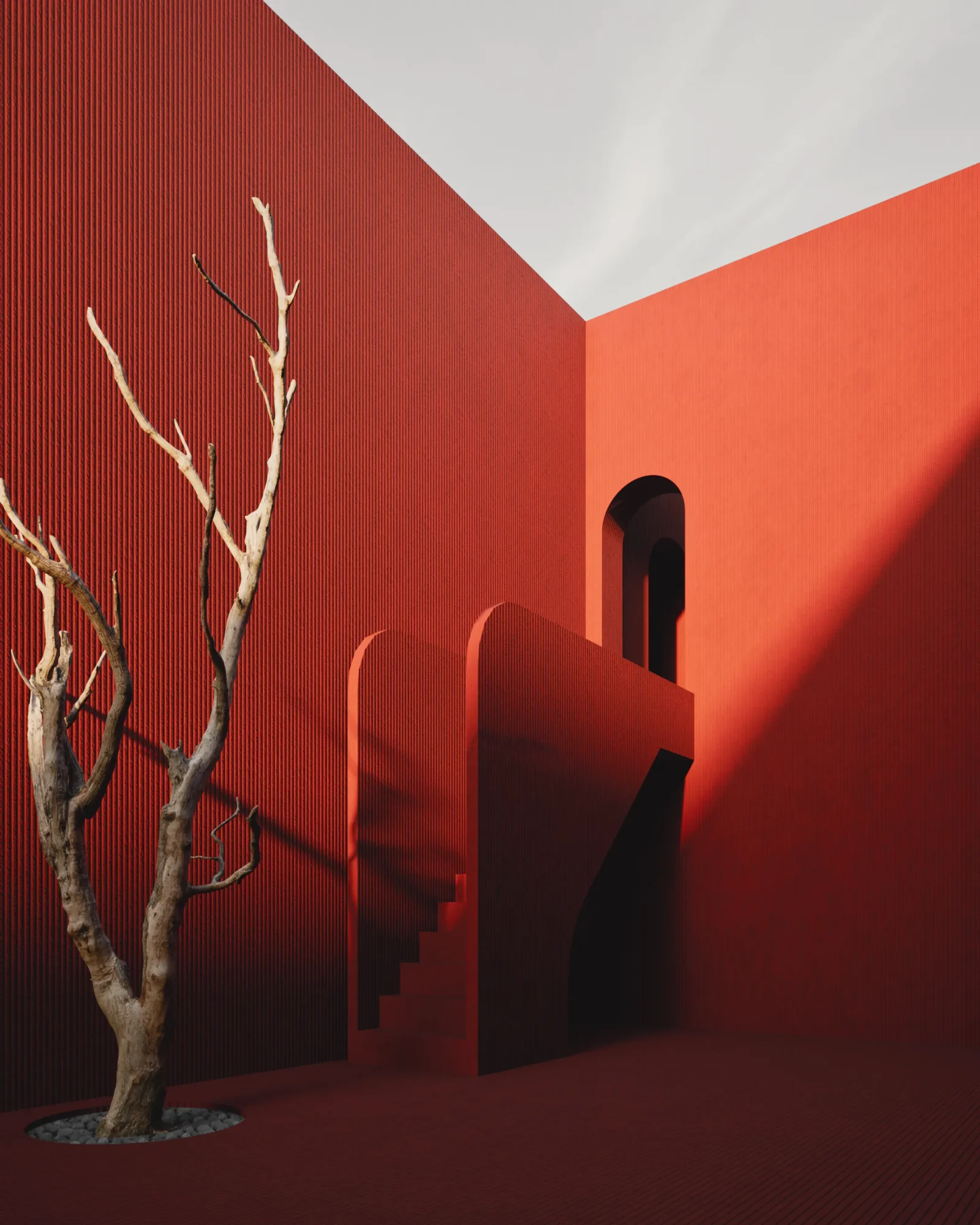
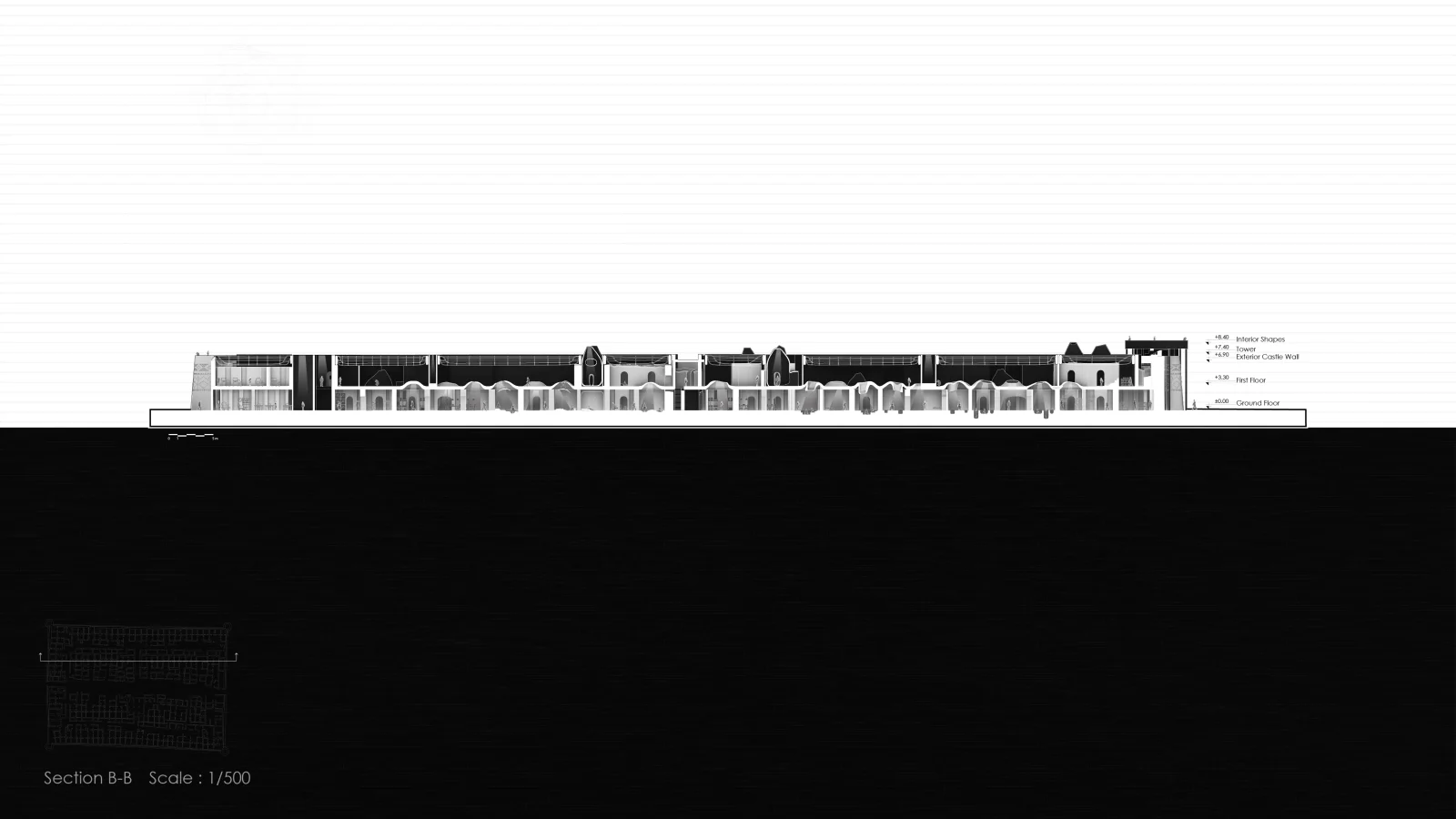
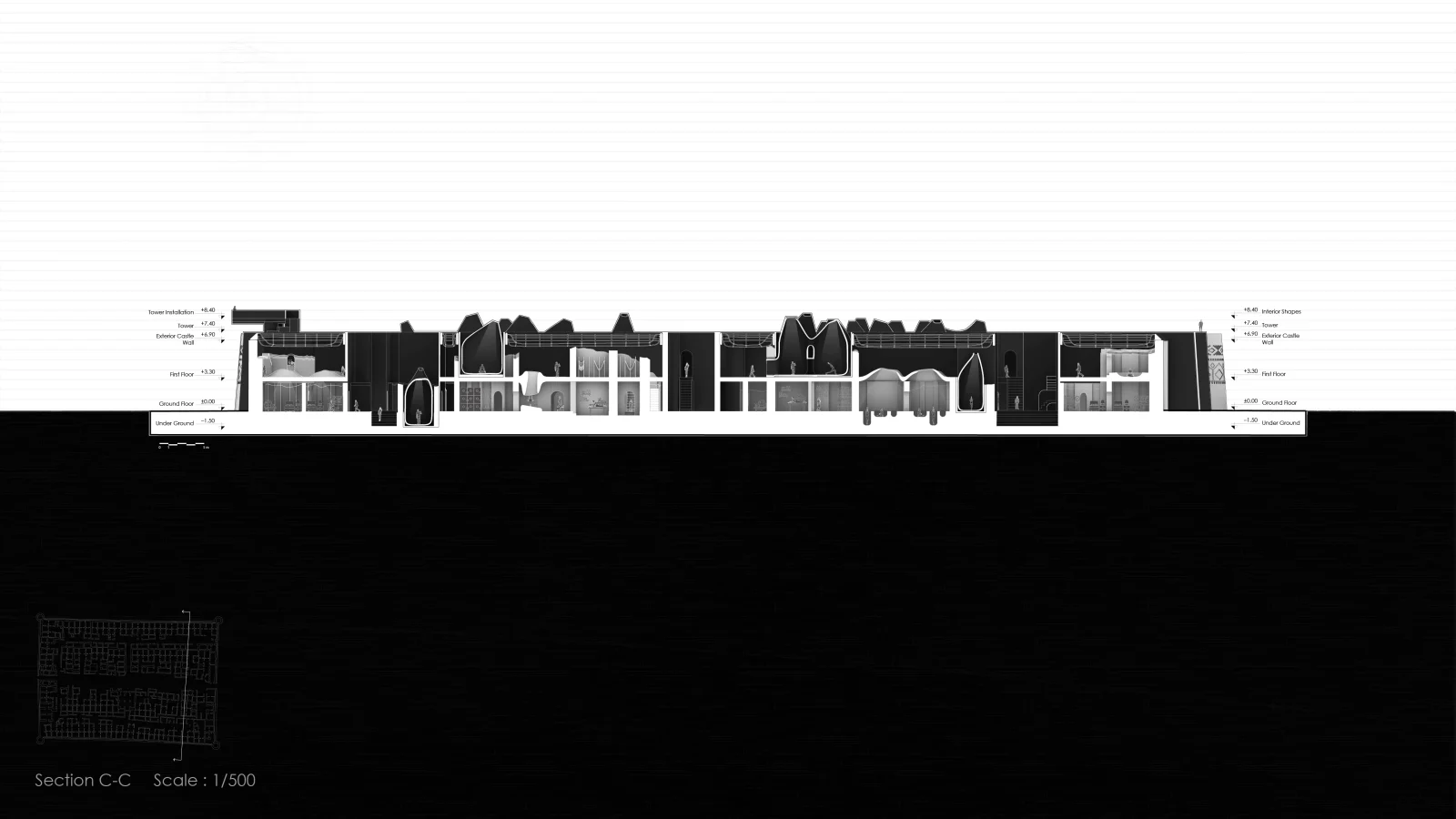
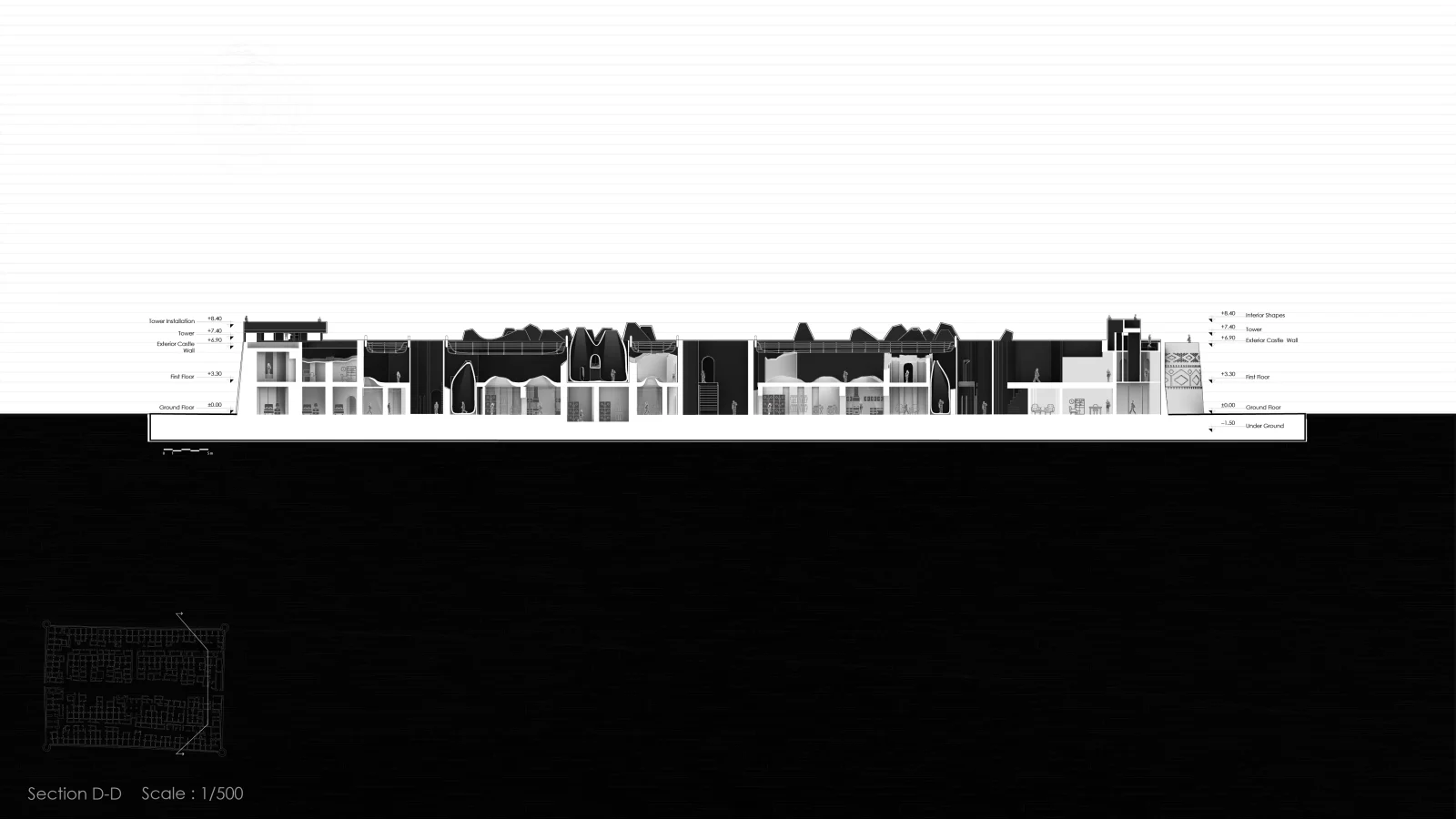
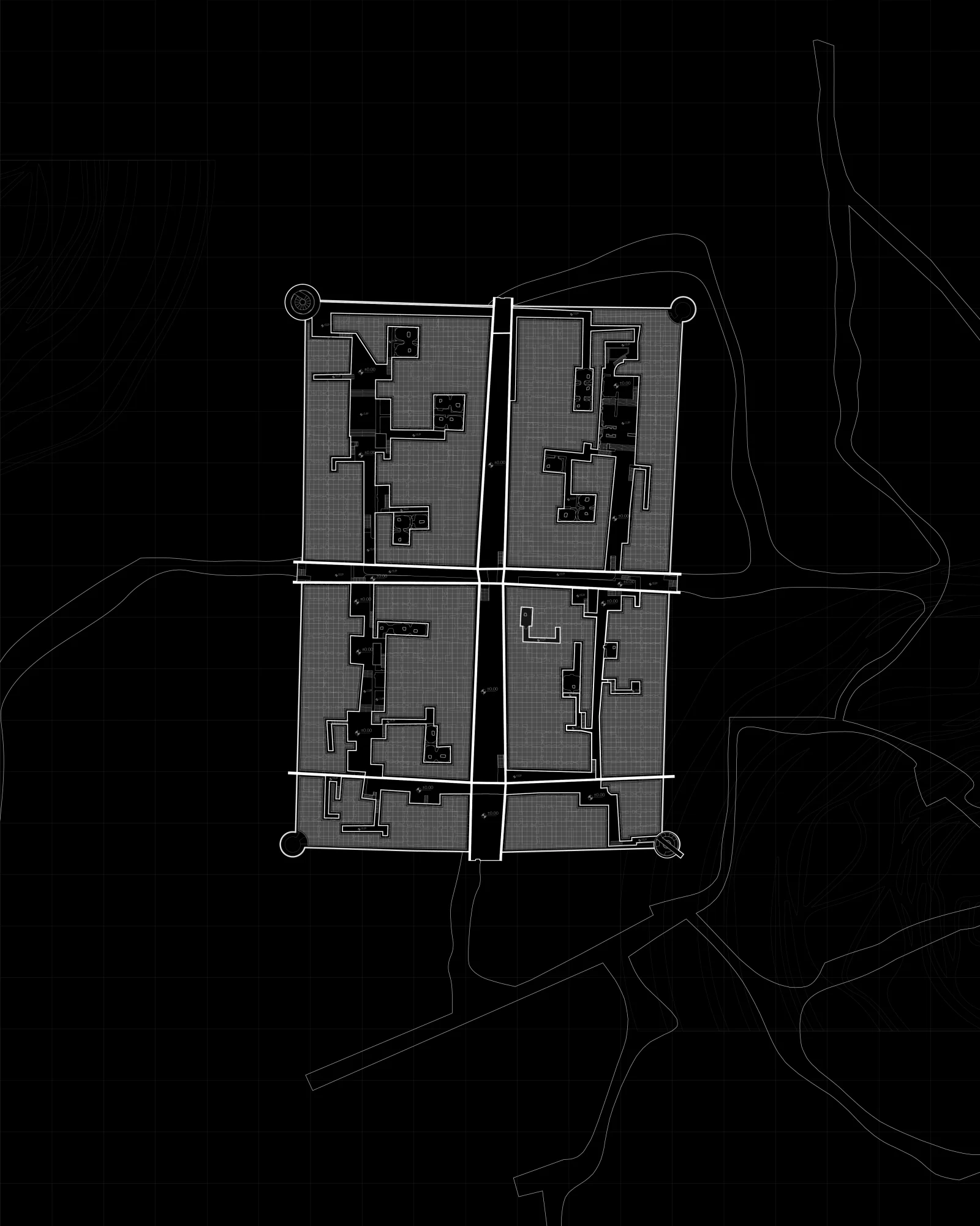
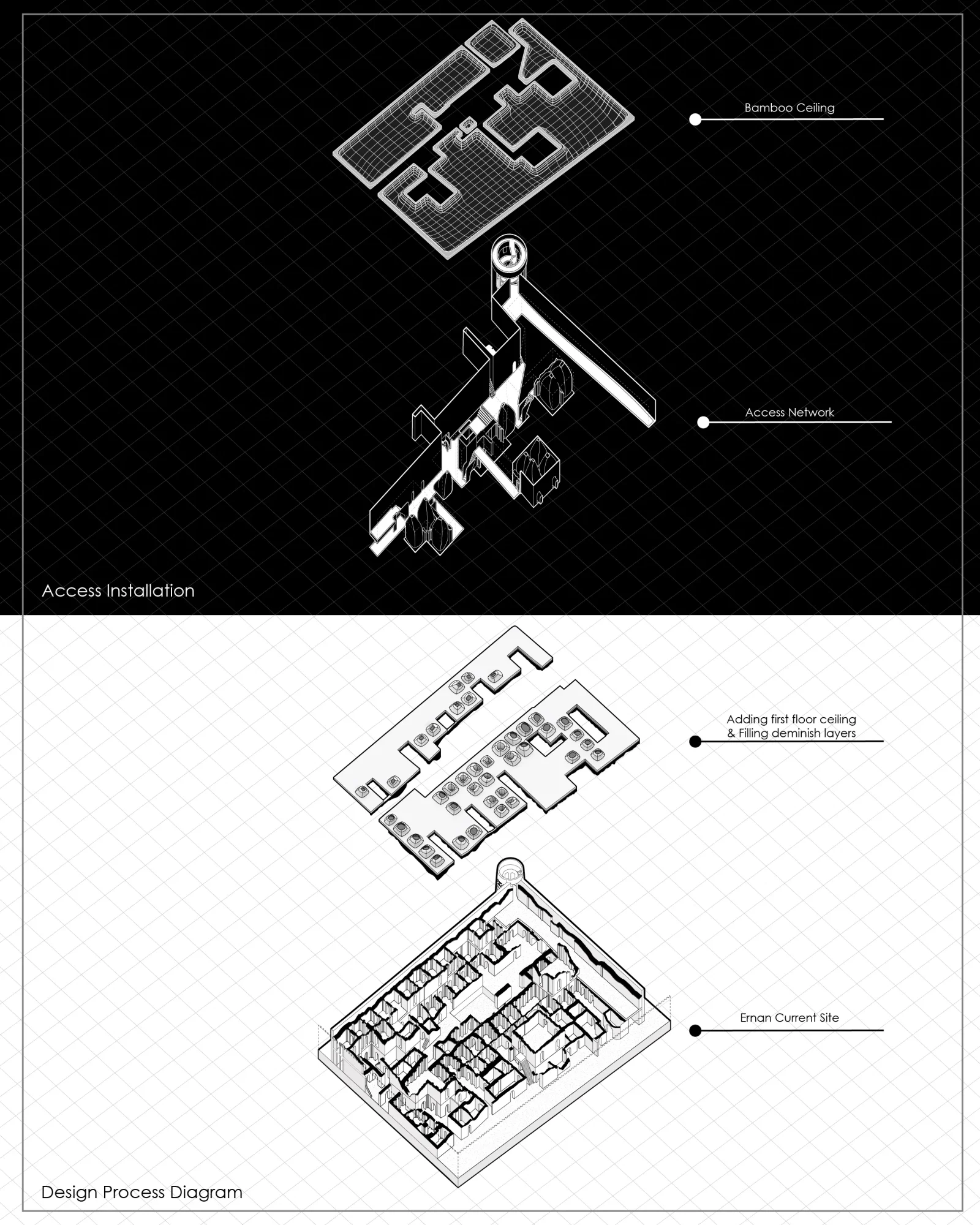
Kalbod Studio unveils the Ernan Boutique Hotel in Iran, an architectural intervention in one of the world’s most historically significant arid environments. The project demonstrates the adaptive reuse of a historic ruin, preserving its memory, history, and cultural significance while supporting high-end tourism.
The UNESCO Heritage of Yazd
Located in Ernan Village near Mehriz, Yazd, a site renowned by UNESCO for its exceptional earthen architecture and climate-adaptive strategies. Yazd, a city known for its earthen architecture, largely escaped rapid modernization and continues to prioritize the restoration and preservation of its traditional architecture. The noteworthy marvels of the city include the qanat system, channels developed to draw underground water, which continue to supply the desert settlement; badgirs (windcatchers); and sunken spaces that protect from the harsh desert climate.
Significance of Ernan Castle
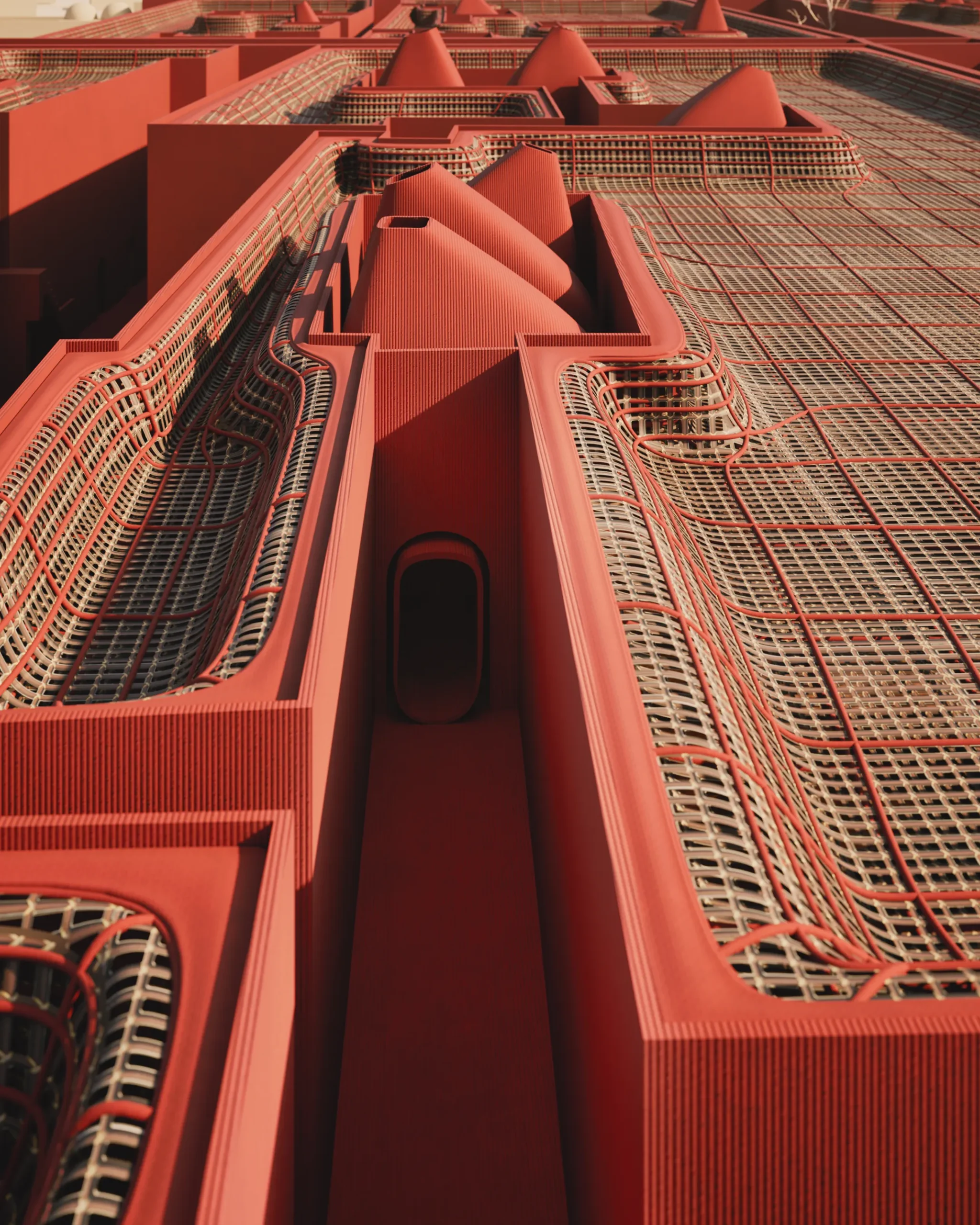
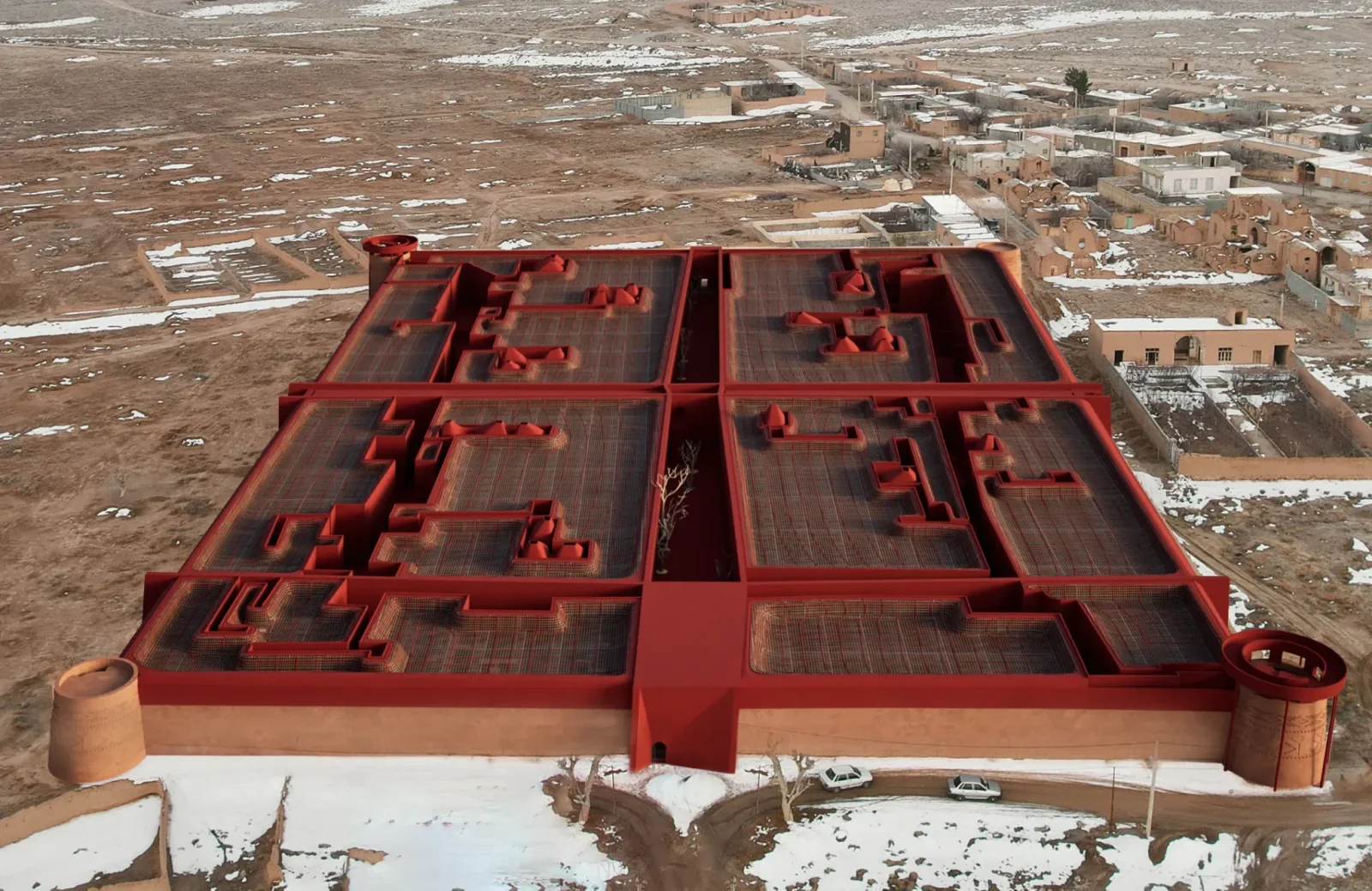
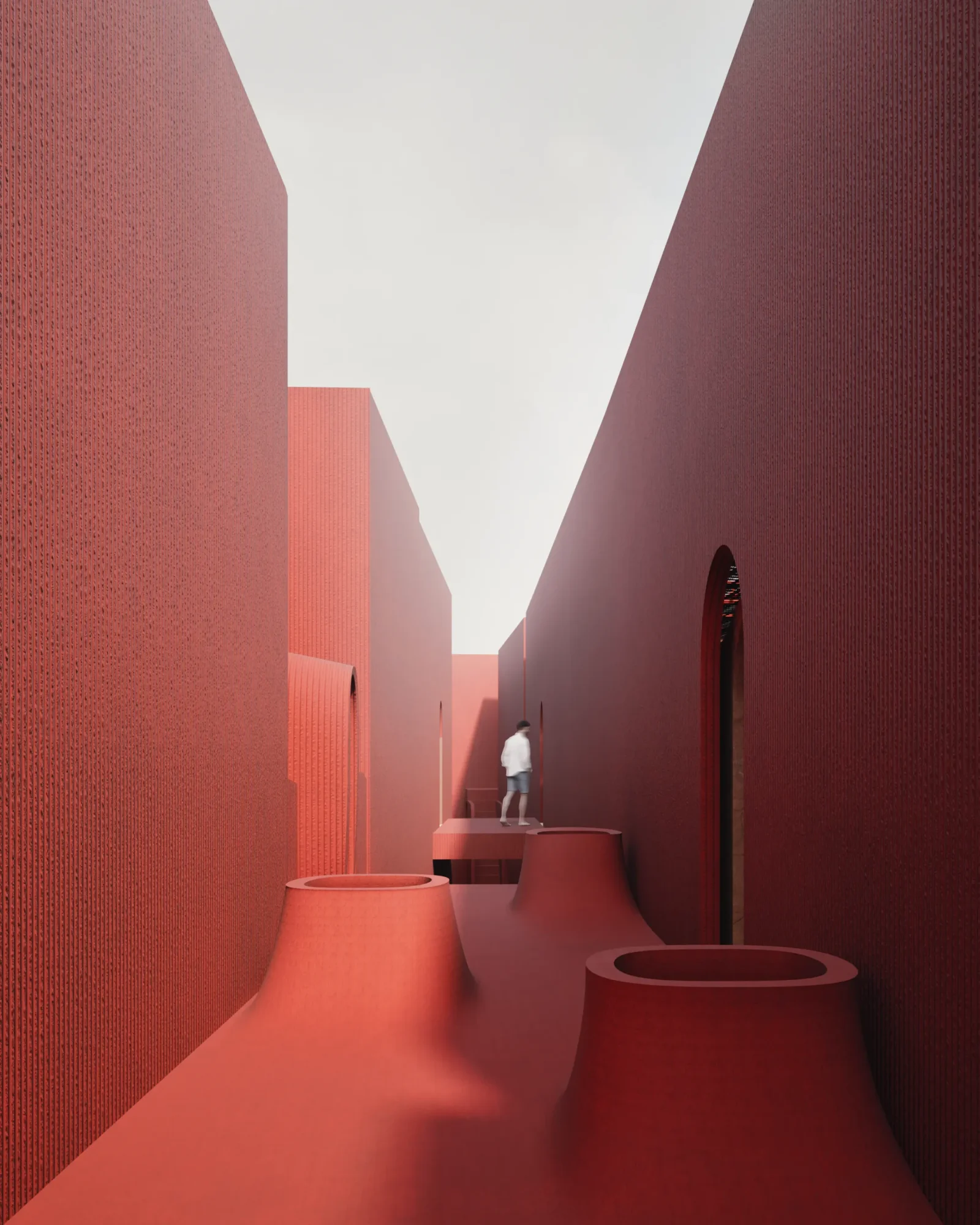
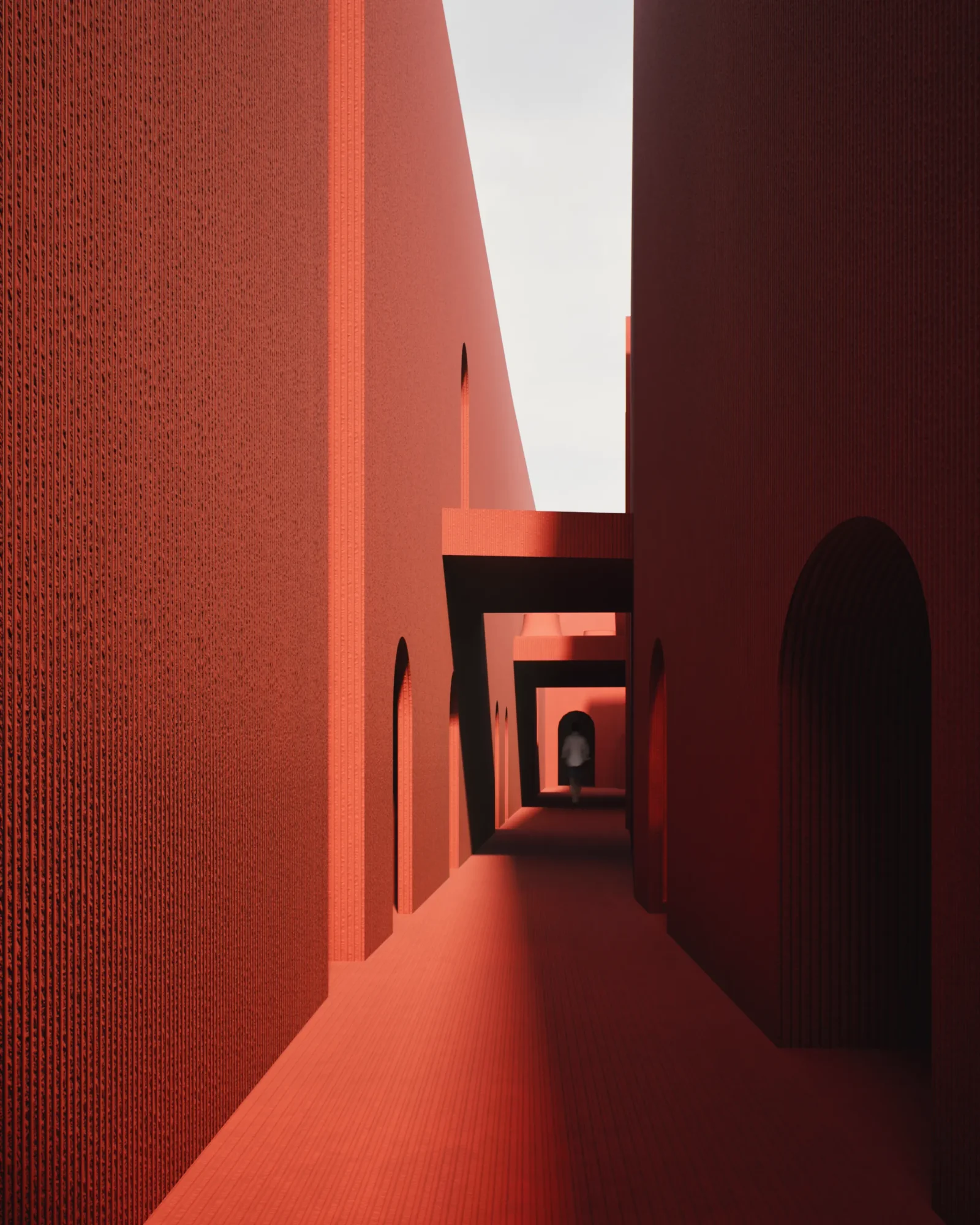
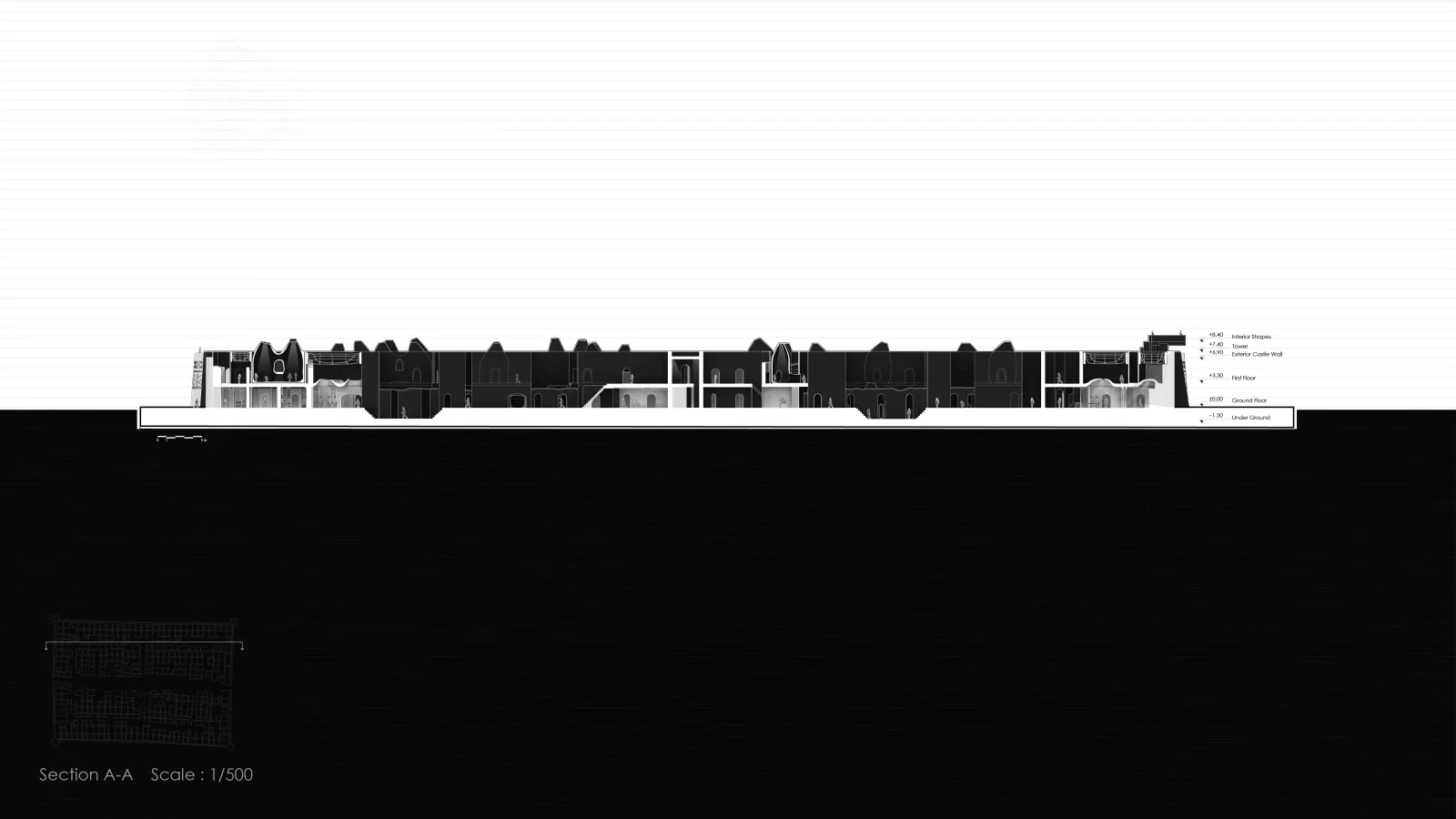
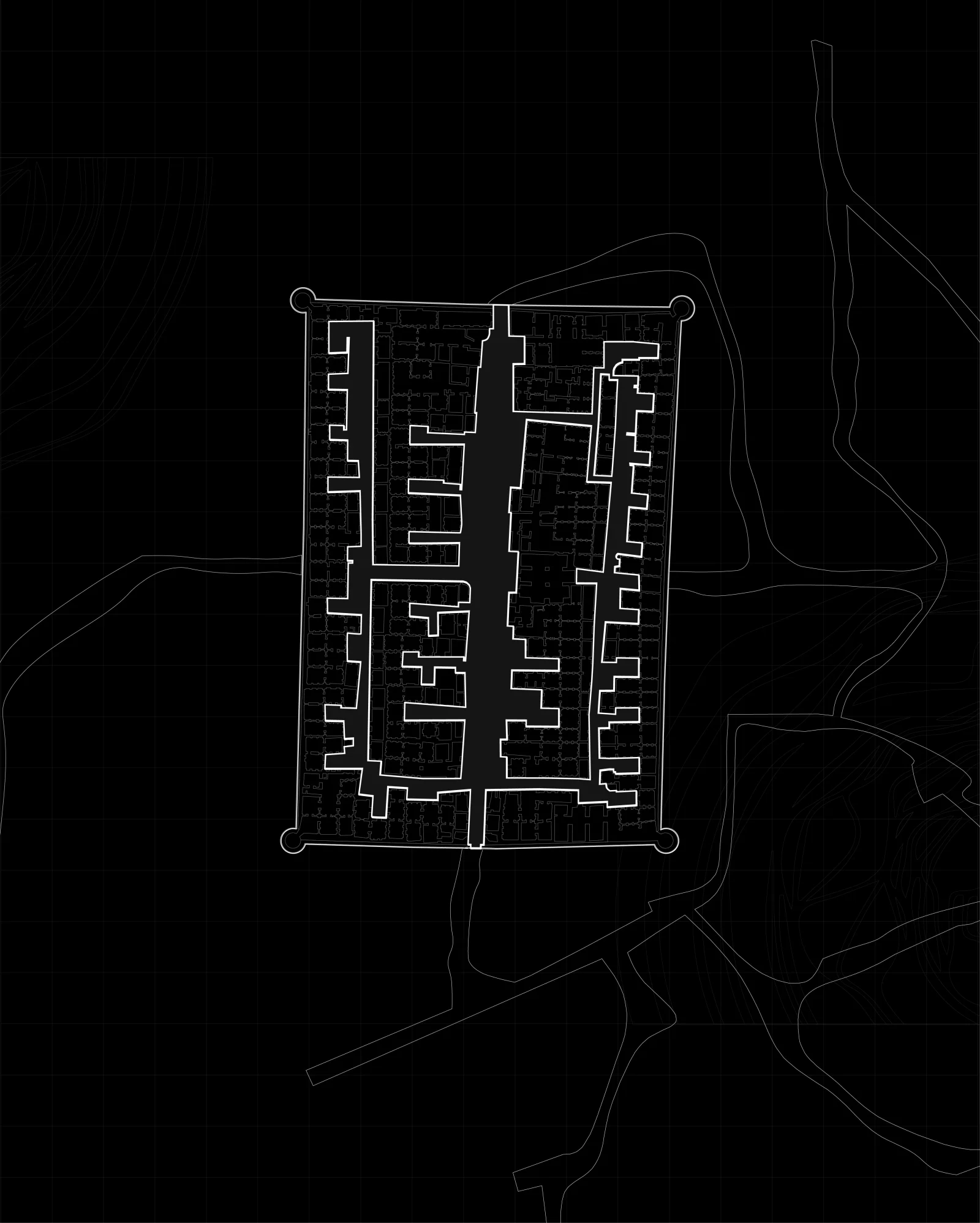
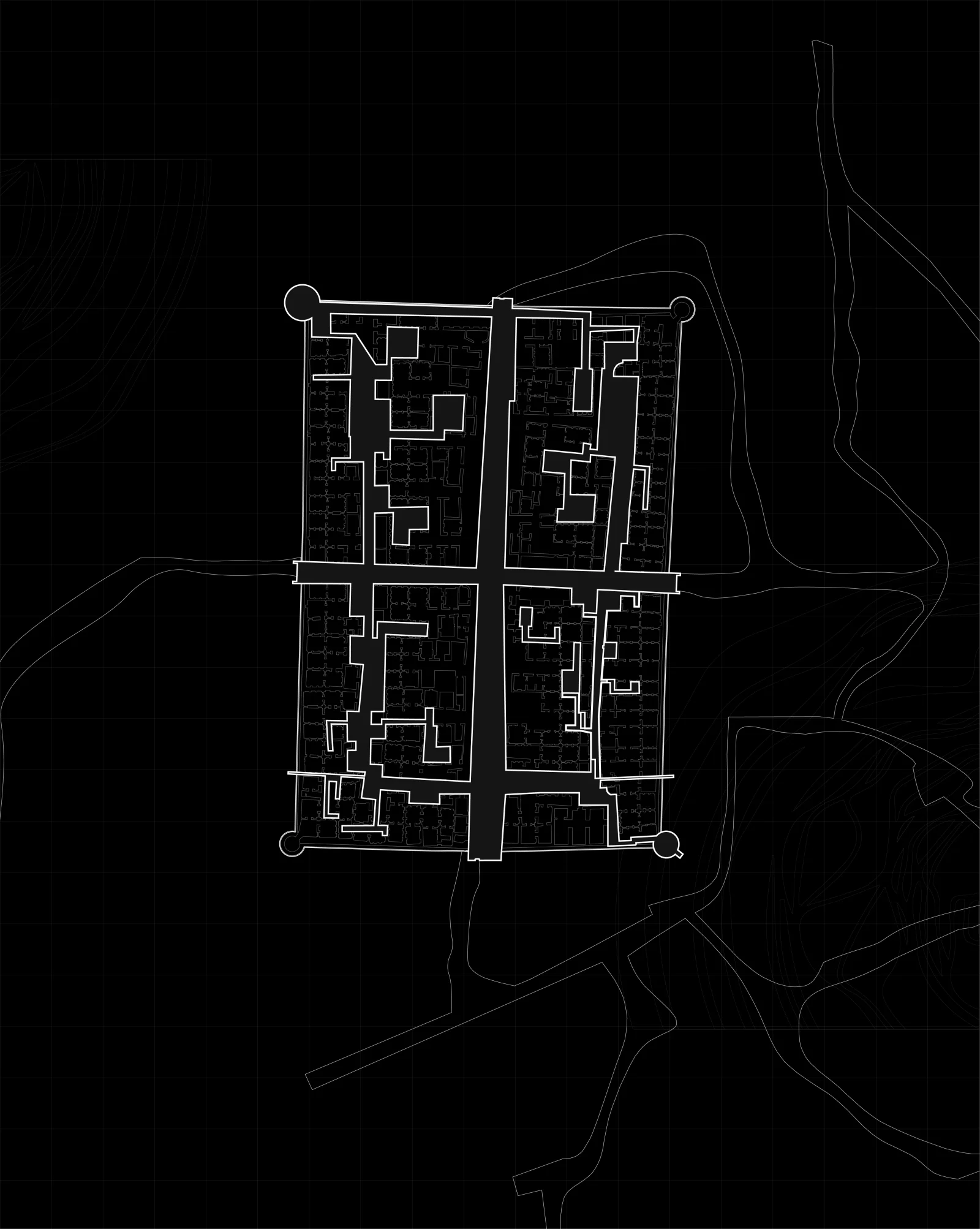
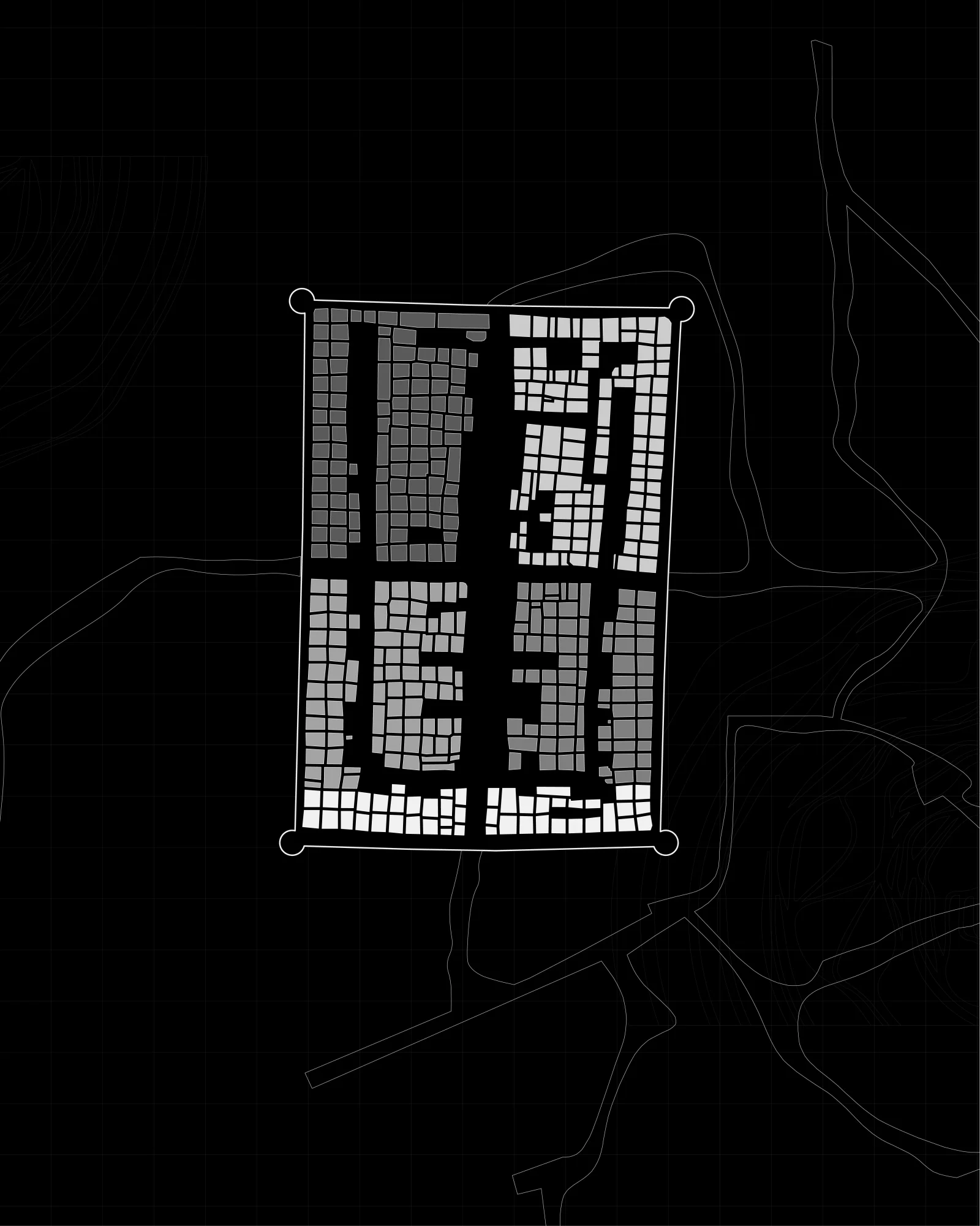
The Ernan Boutique Hotel sits on the centuries-old Ernan Castle, a fortified structure in Mehriz. The castle, conceived as a compact city, features intersecting pathways and secondary routes embedded within its load-bearing mud walls. Before the intervention, the castle had fallen into a state of deterioration, which became a driving force behind the project, presenting a profound challenge: maintaining the memory and physical presence of the ruin while ensuring structural stability and crafting contemporary spaces.
Kalbod Studio’s Vision: Between Past and Present
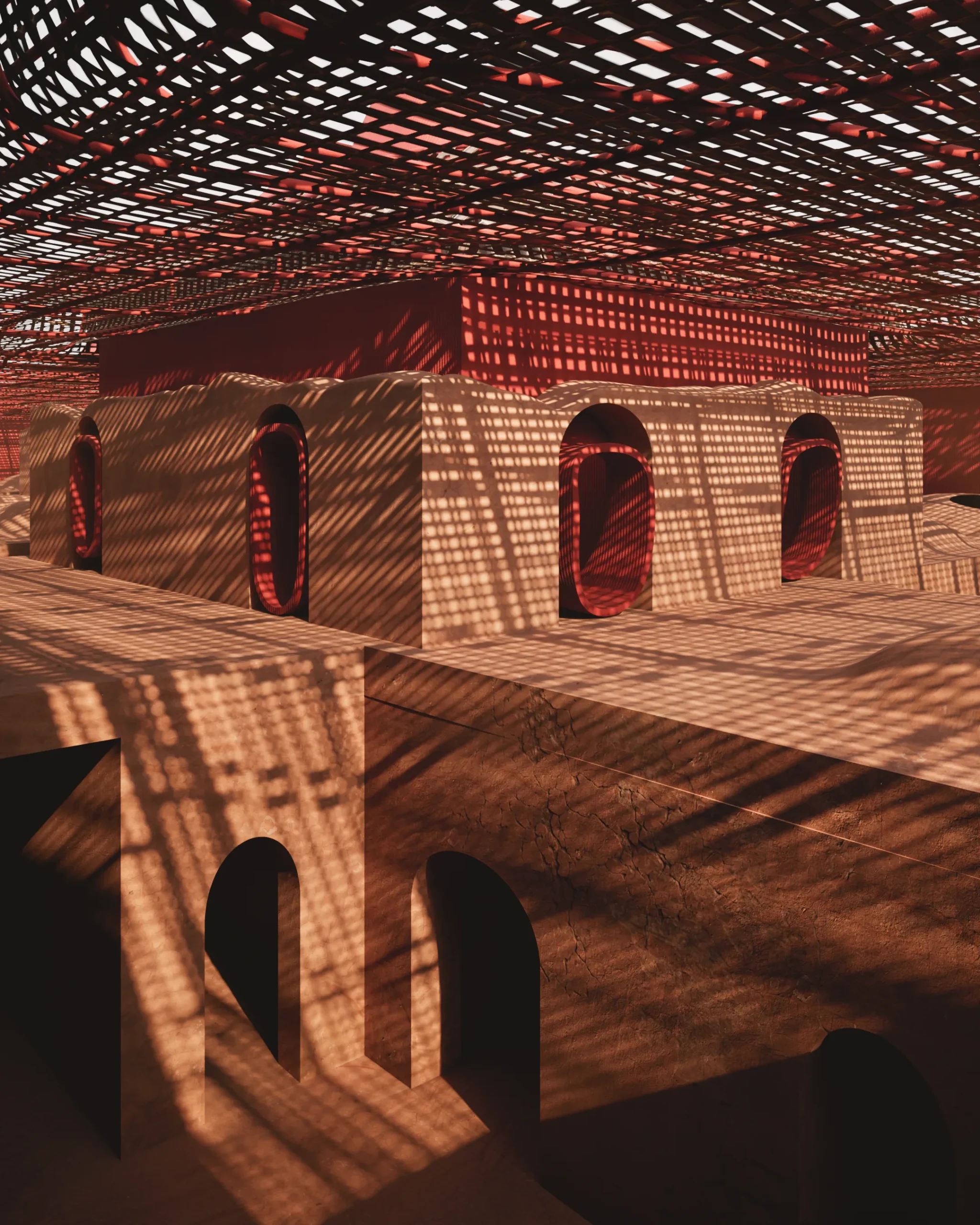
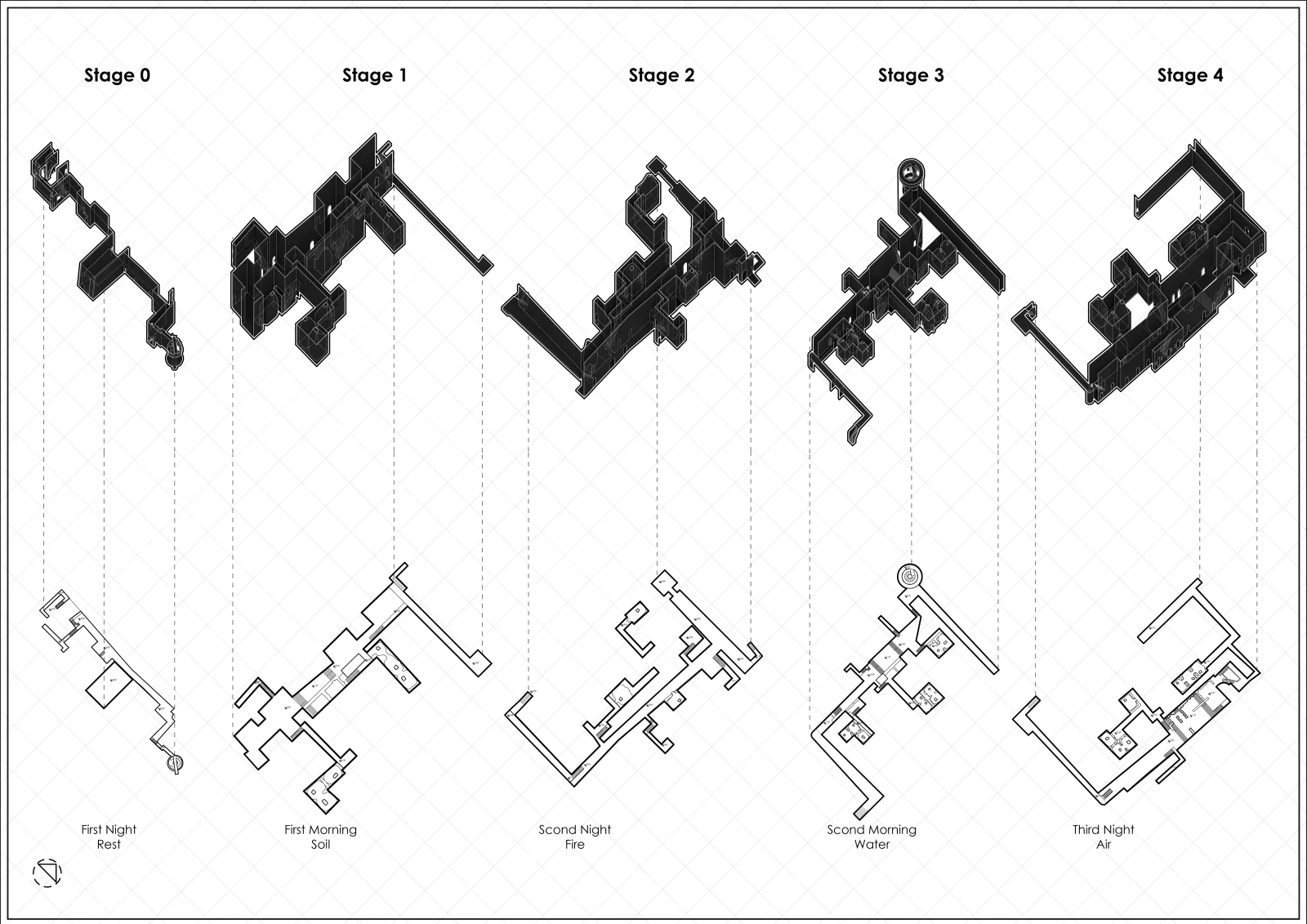
The design philosophy questions whether the restoration of a historic structure could become a design process, rather than merely the design objective. Accordingly, the proposal deliberately introduced an innovative intervention that elevates the existing elements and retains the spatial qualities of the structure, and adds a new architectural layer. The design emphasizes the idea of movement through the structure, creating an active spatial sequence that unfolds a layered narrative.
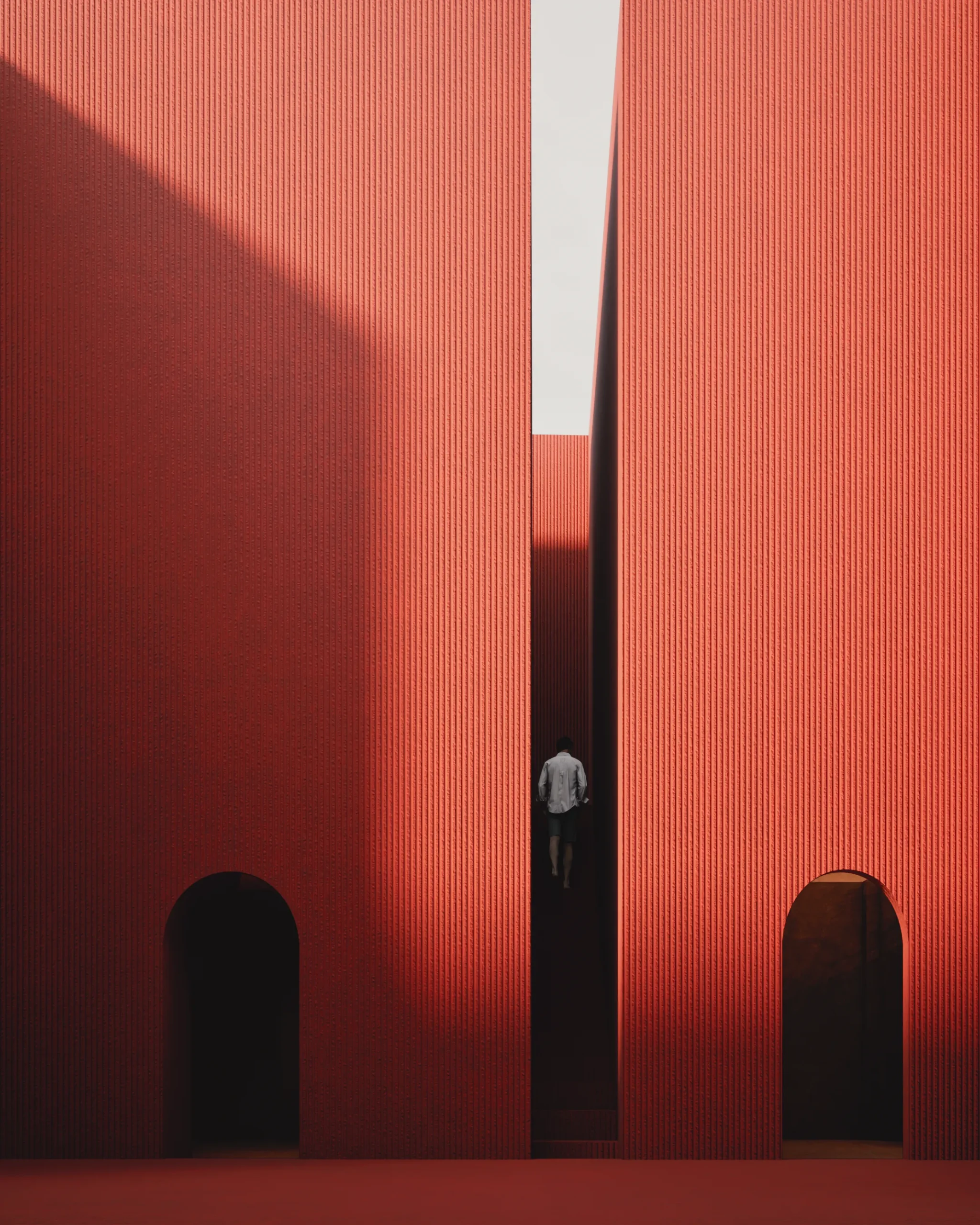
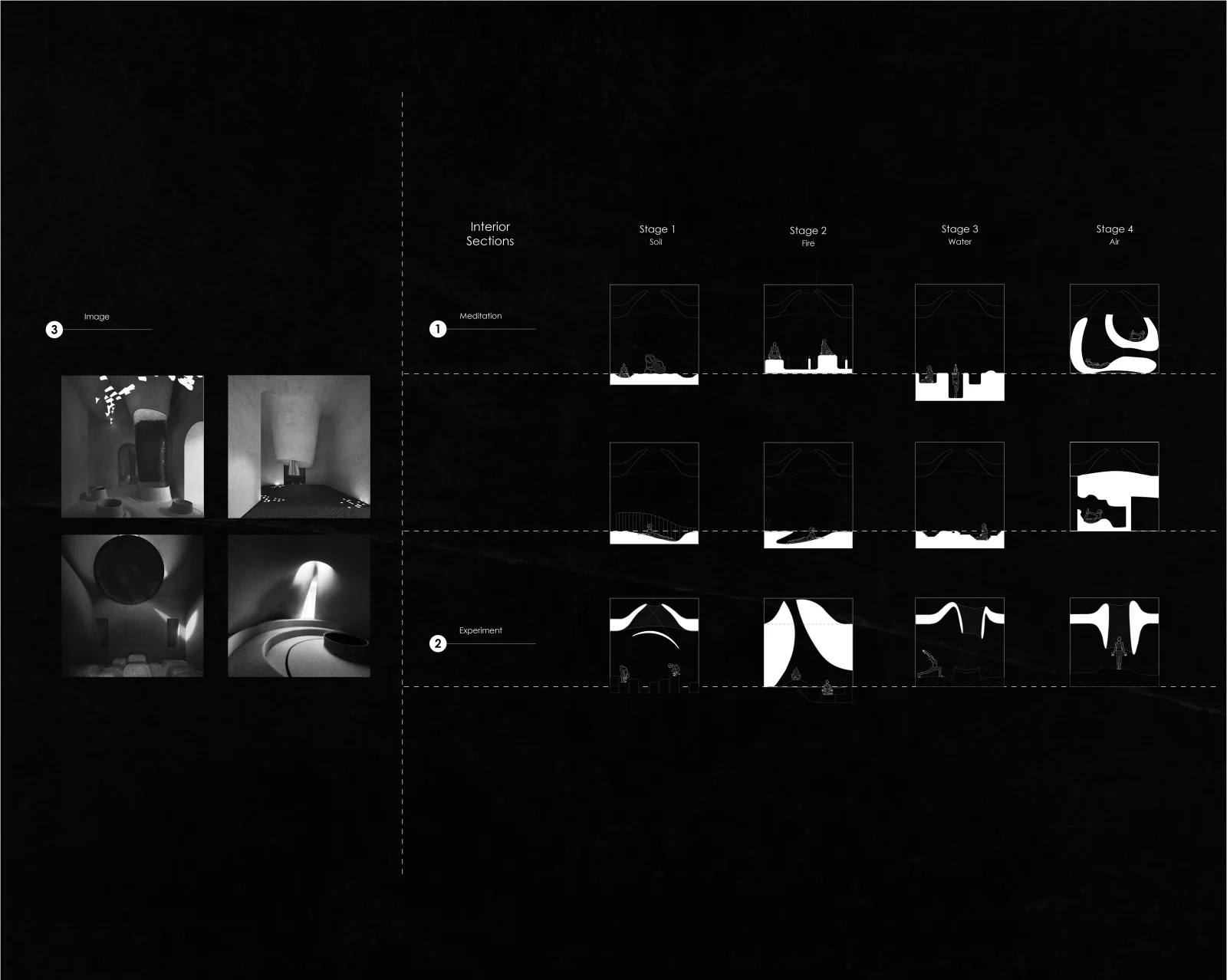
The architectural language prioritizes user experience, transforming the structure into a destination that is explored as much as it is inhabited. Spatially conceptualized around four main themes of natural elements, Earth, Fire, Water, and Air, the design includes programmatic activities such as meditation sessions, hands-on workshops, and a gallery, further enriching the boutique hotel experience.
The Duality of Structure: Castle and Canopy
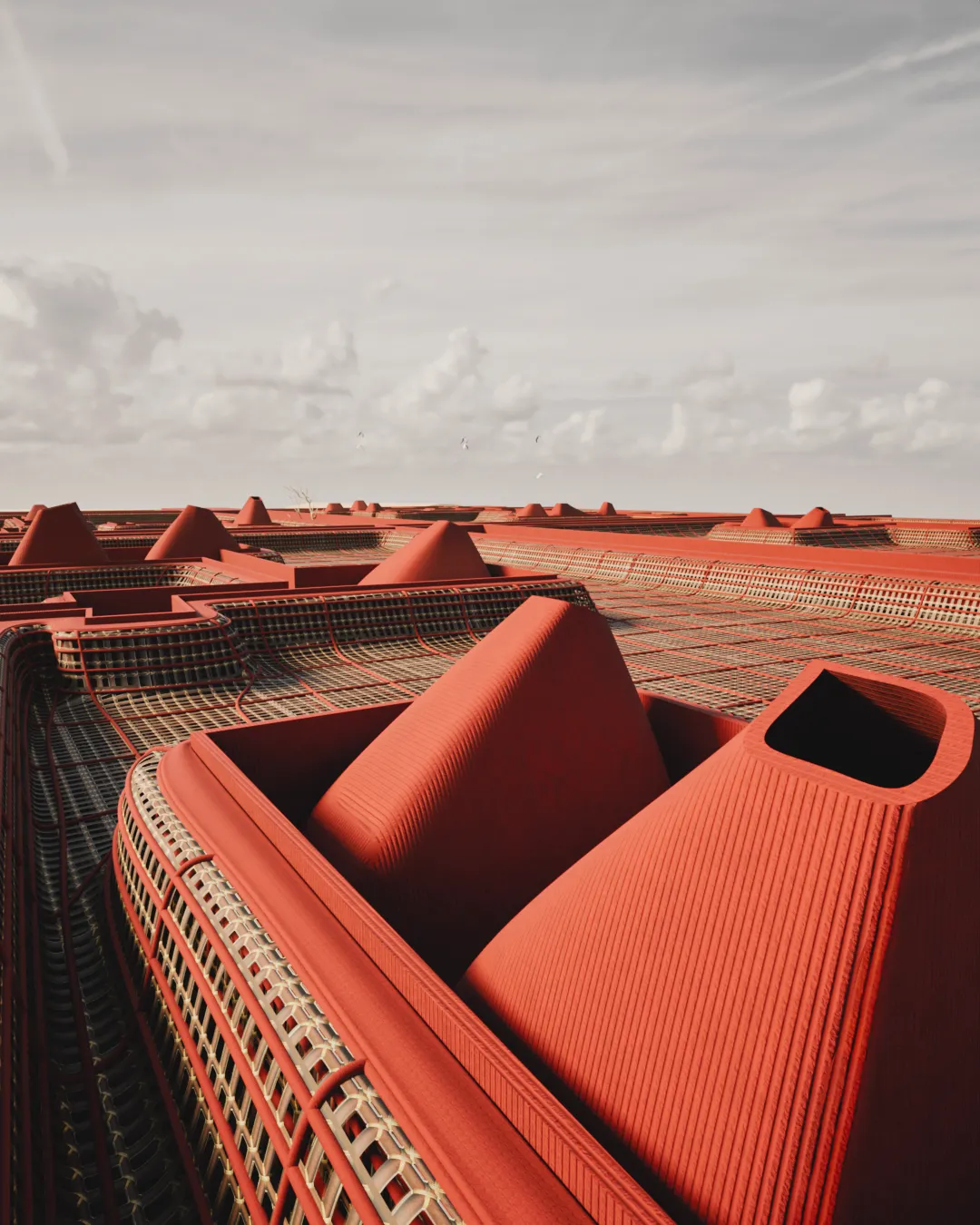
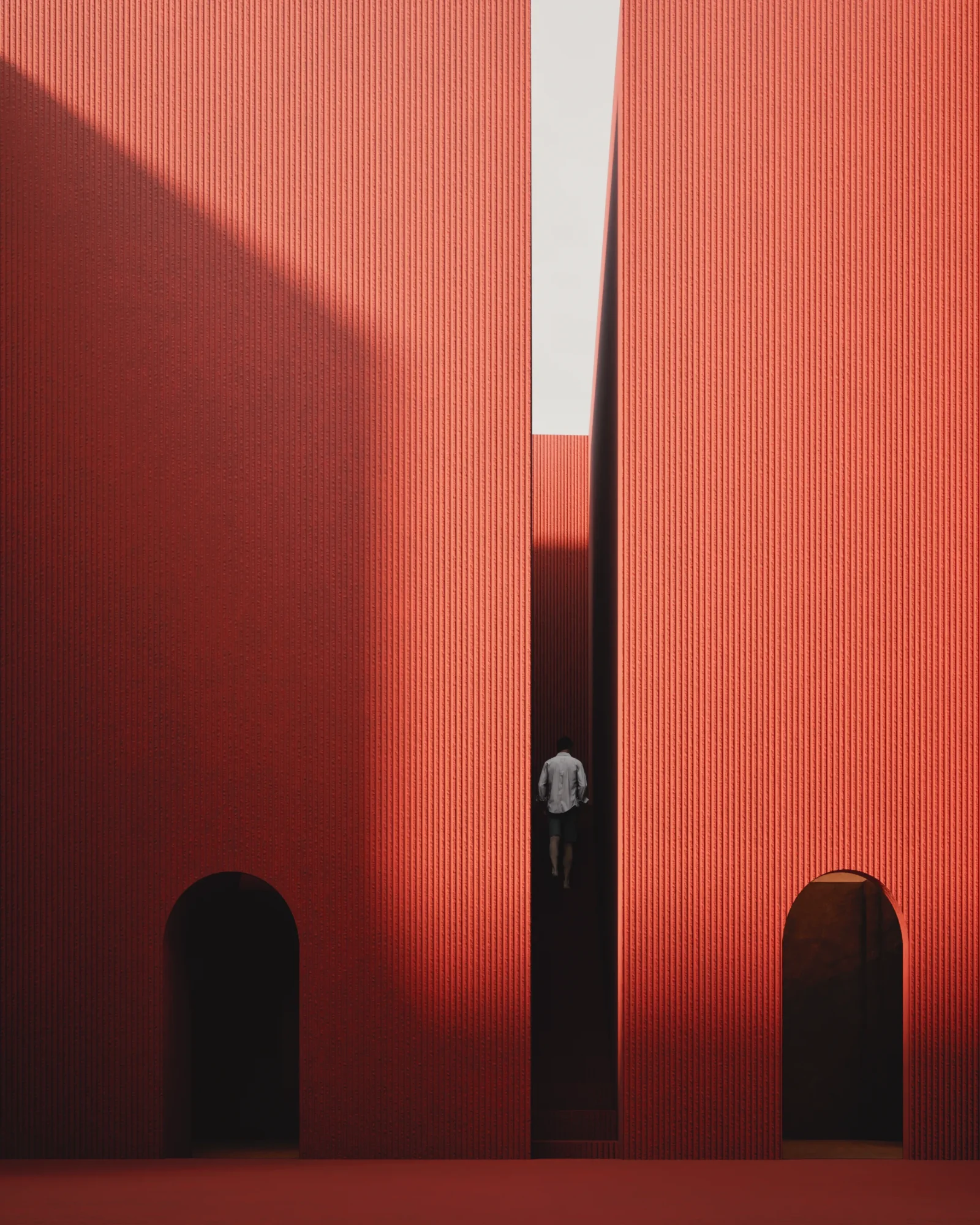
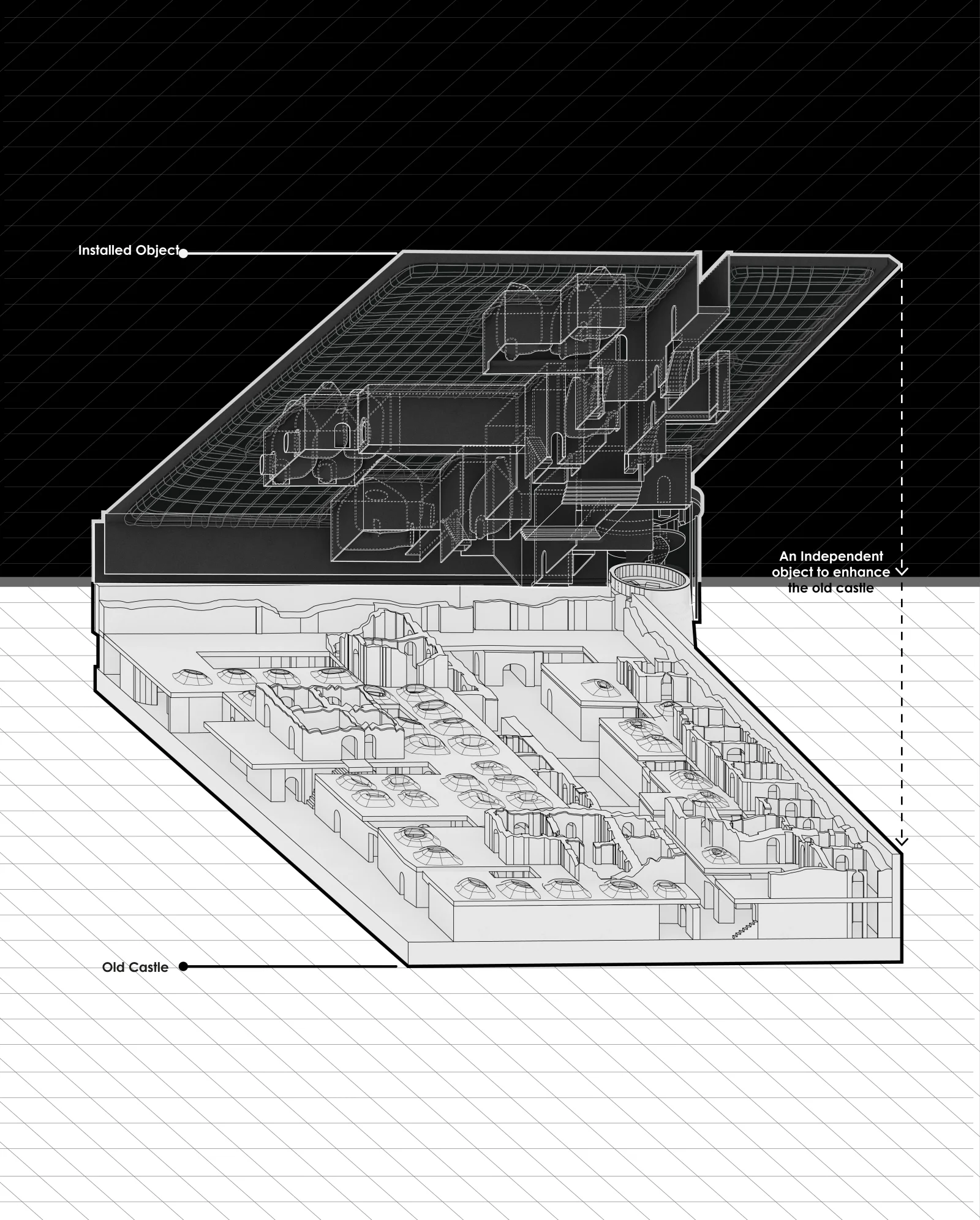
The designers envision the structure as two architectural elements set side by side: the original mud-brick castle, restored to retain its historical integrity and scars, and a bold, futuristic red rooftop. Together, they create a powerful contrast that does not dissolve into a single form but rather interacts dynamically while maintaining distinct identities.
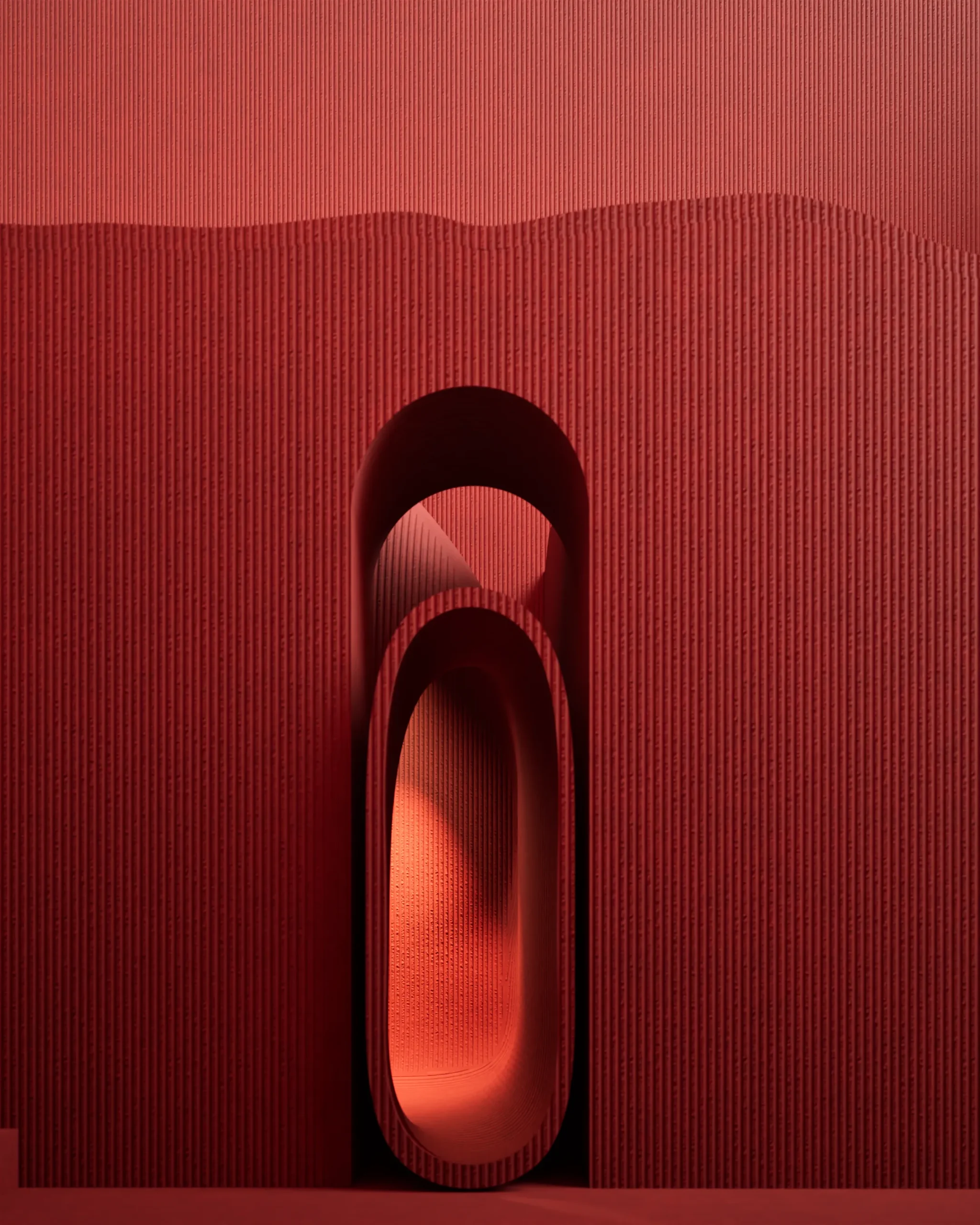
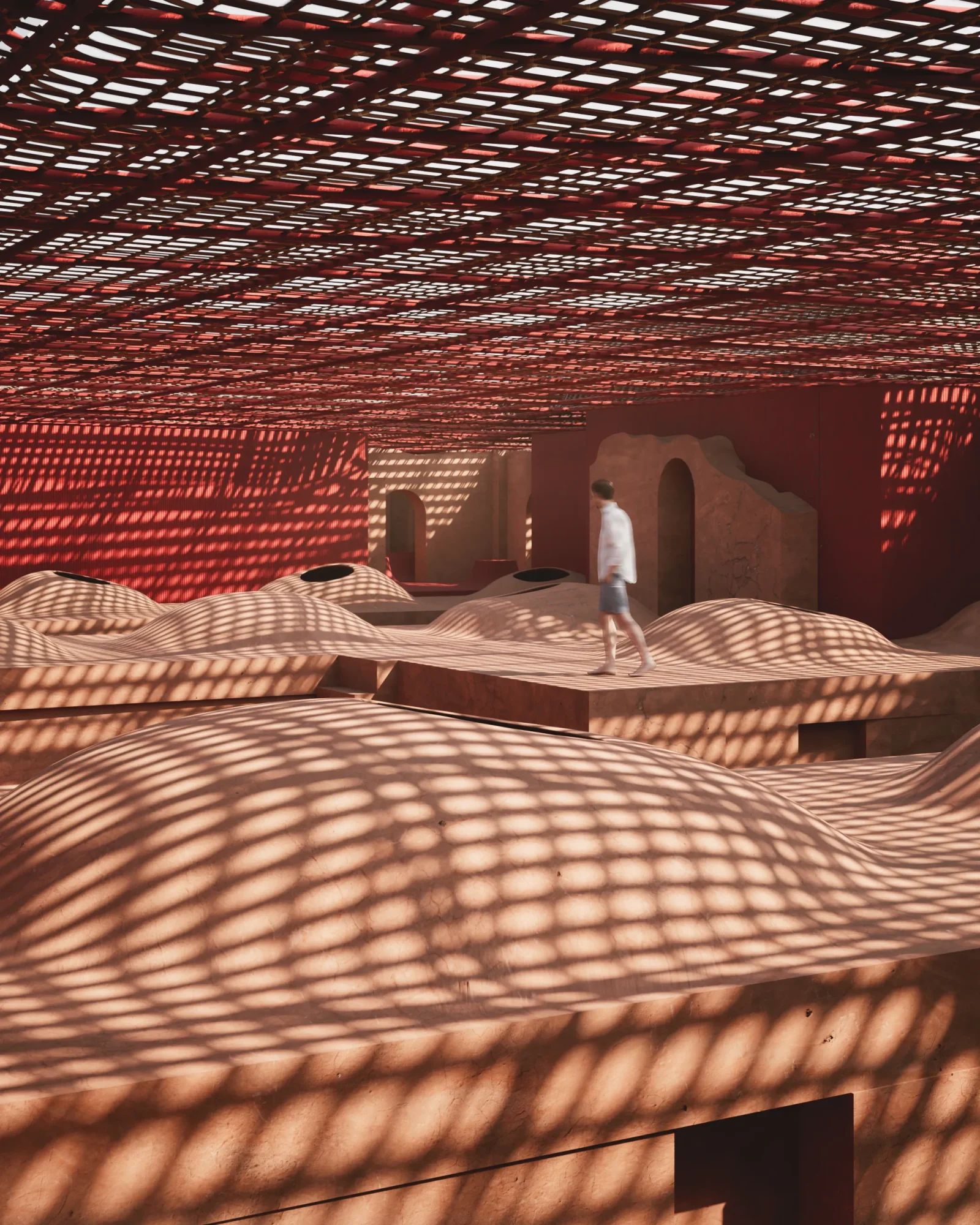
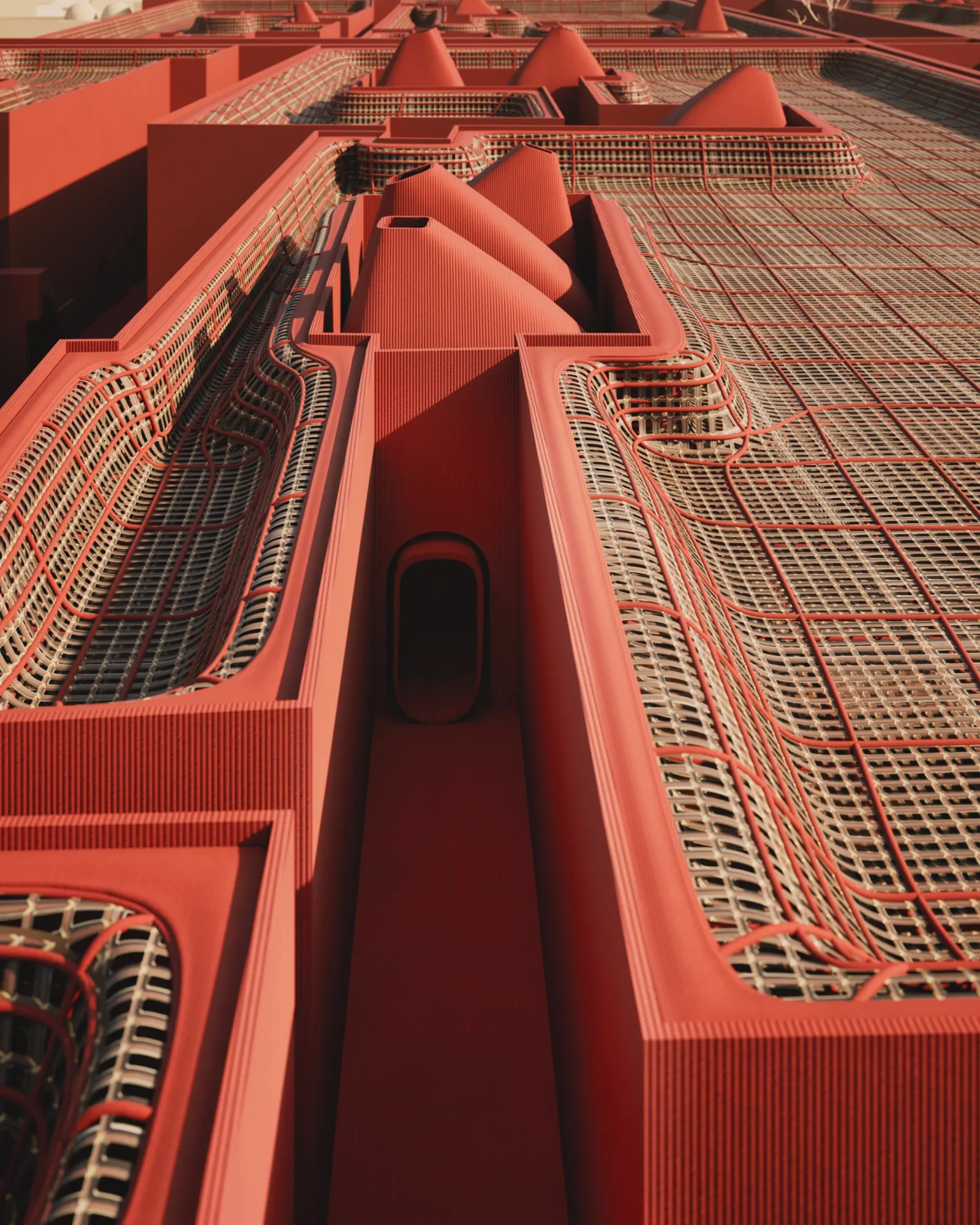
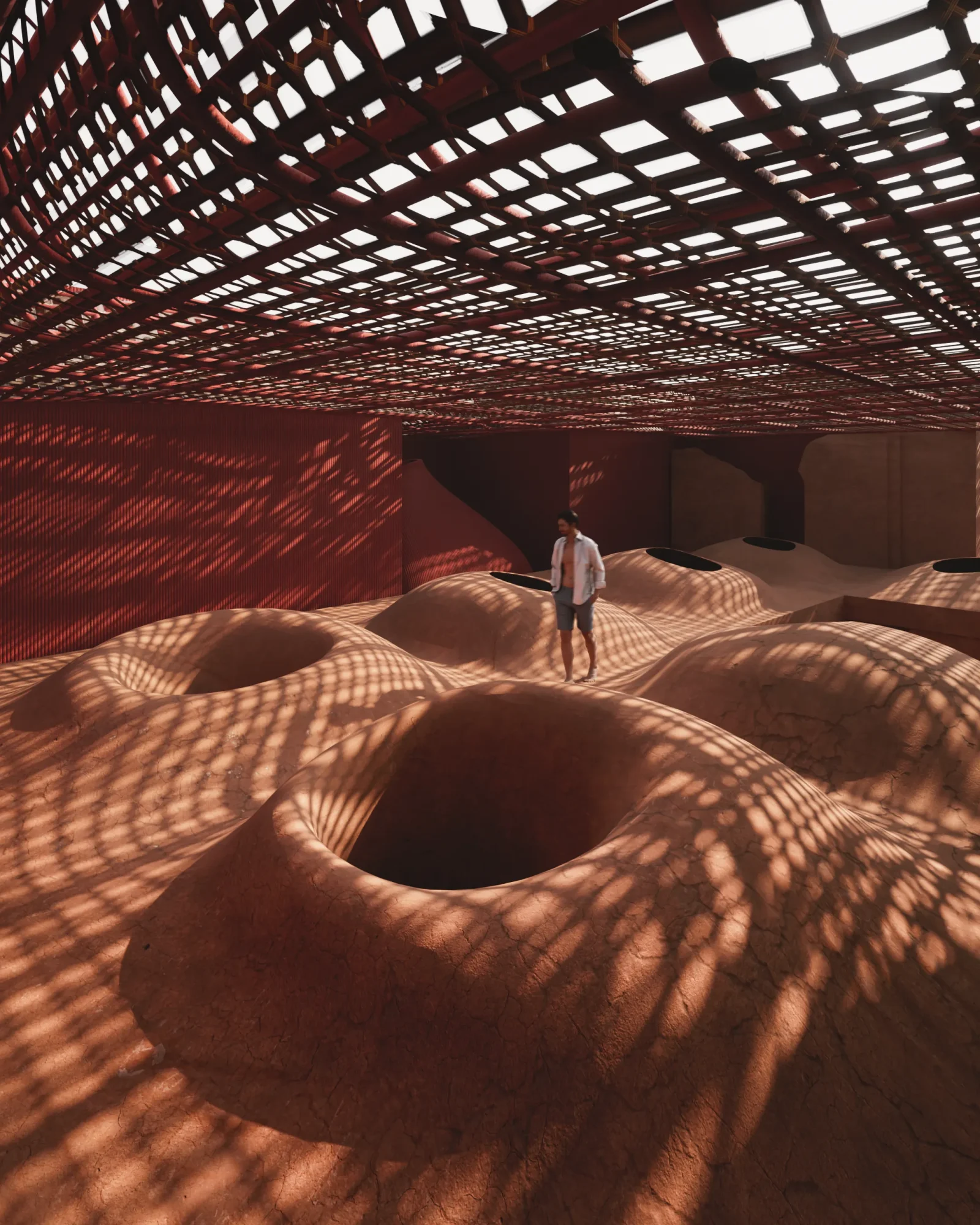
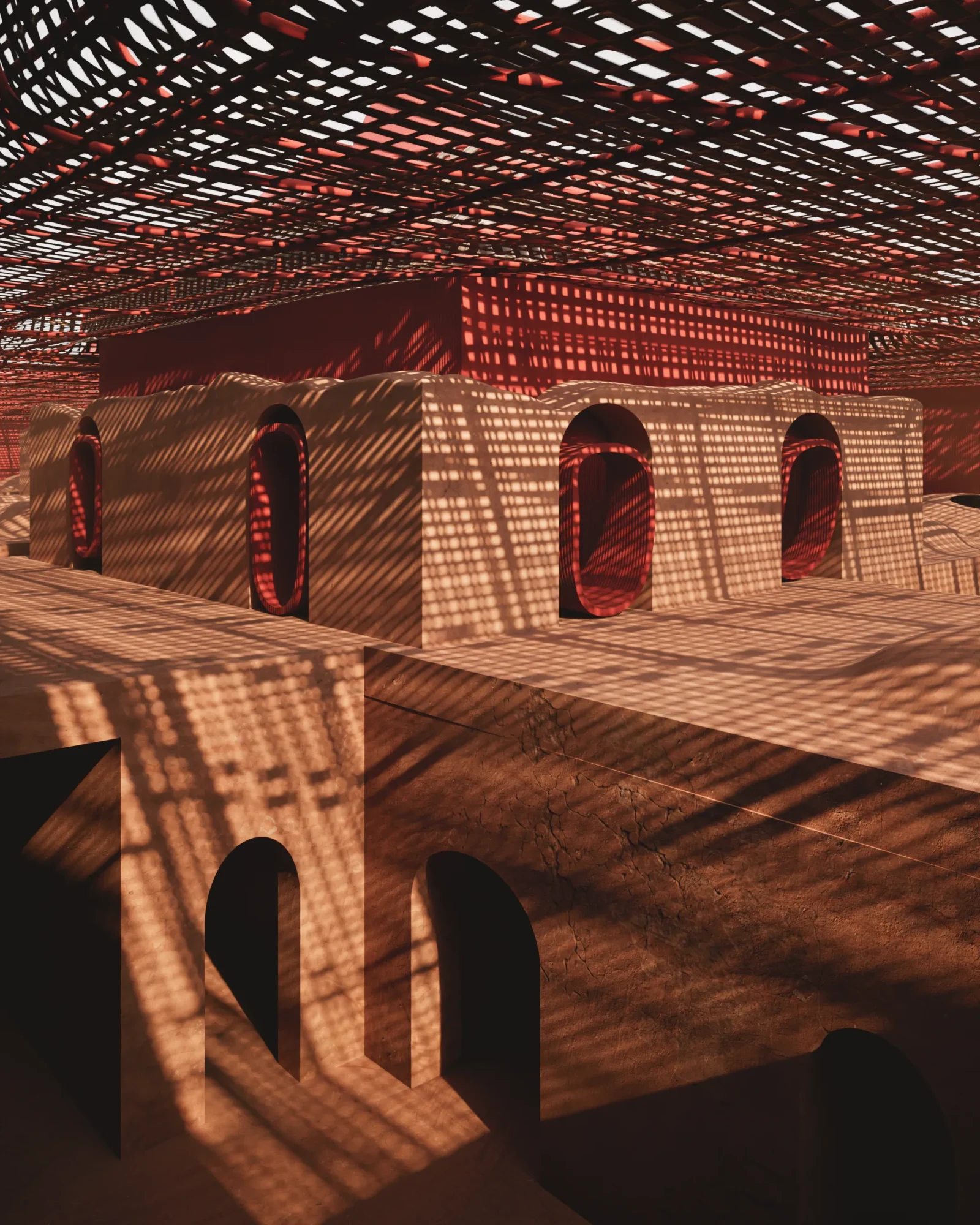
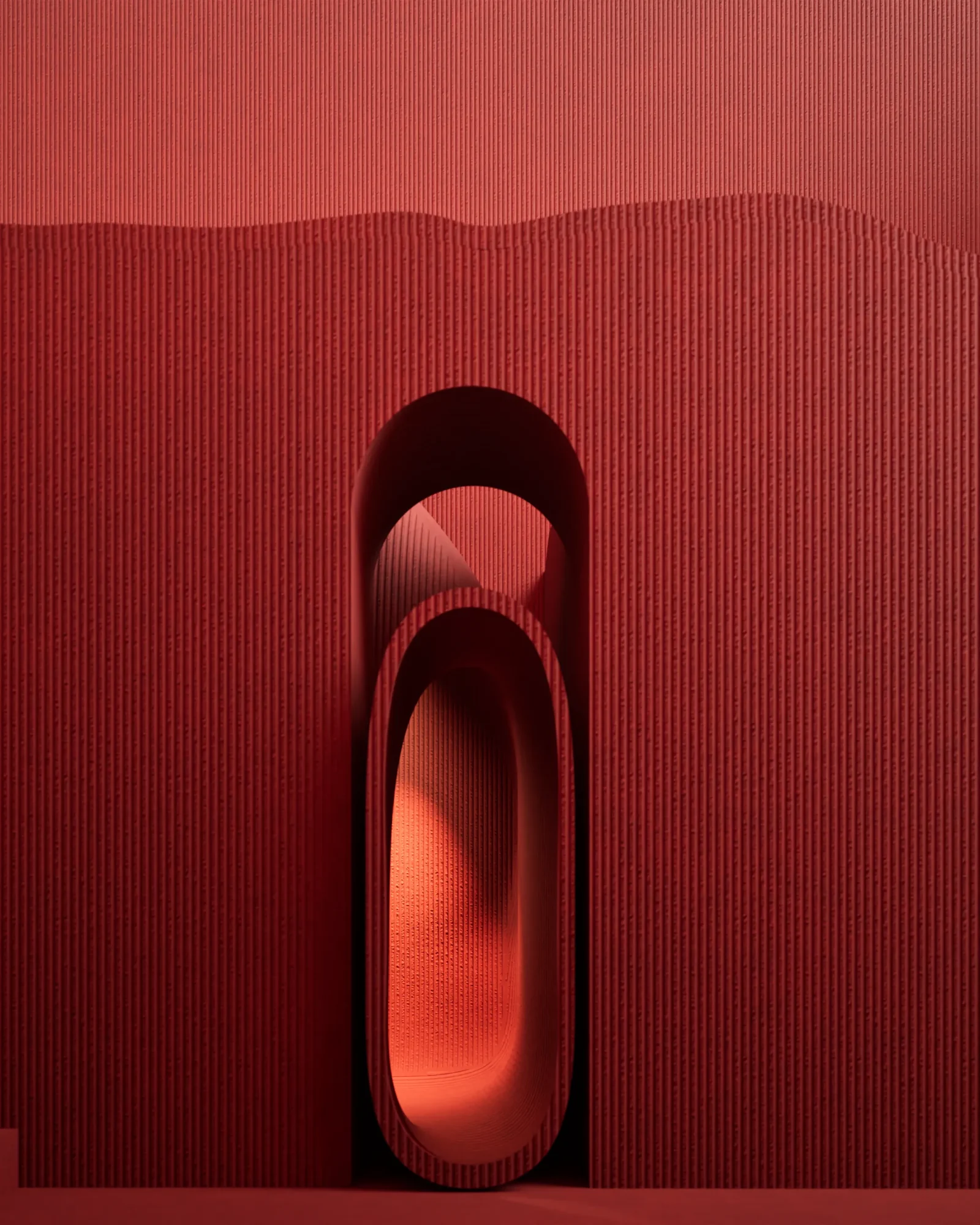
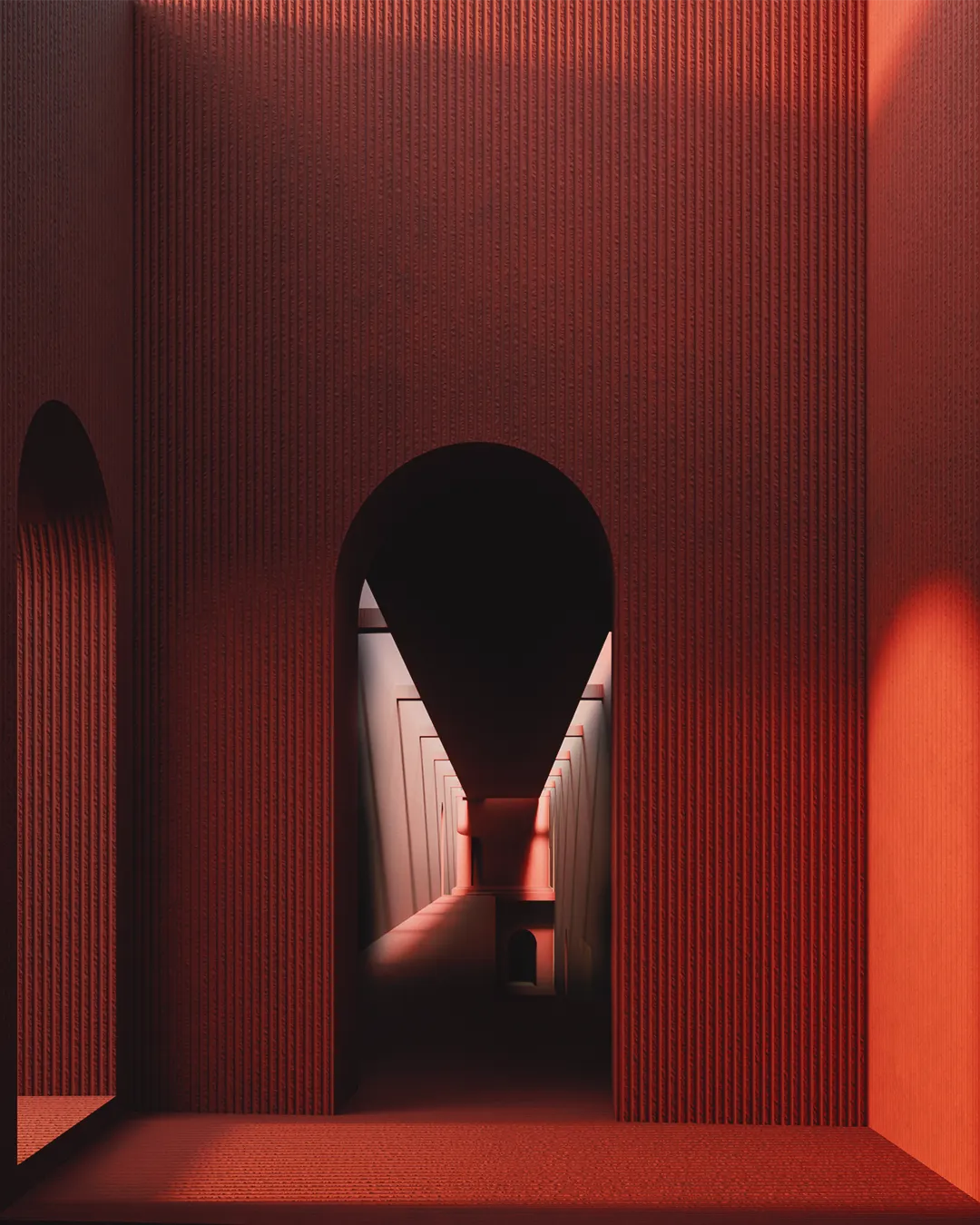
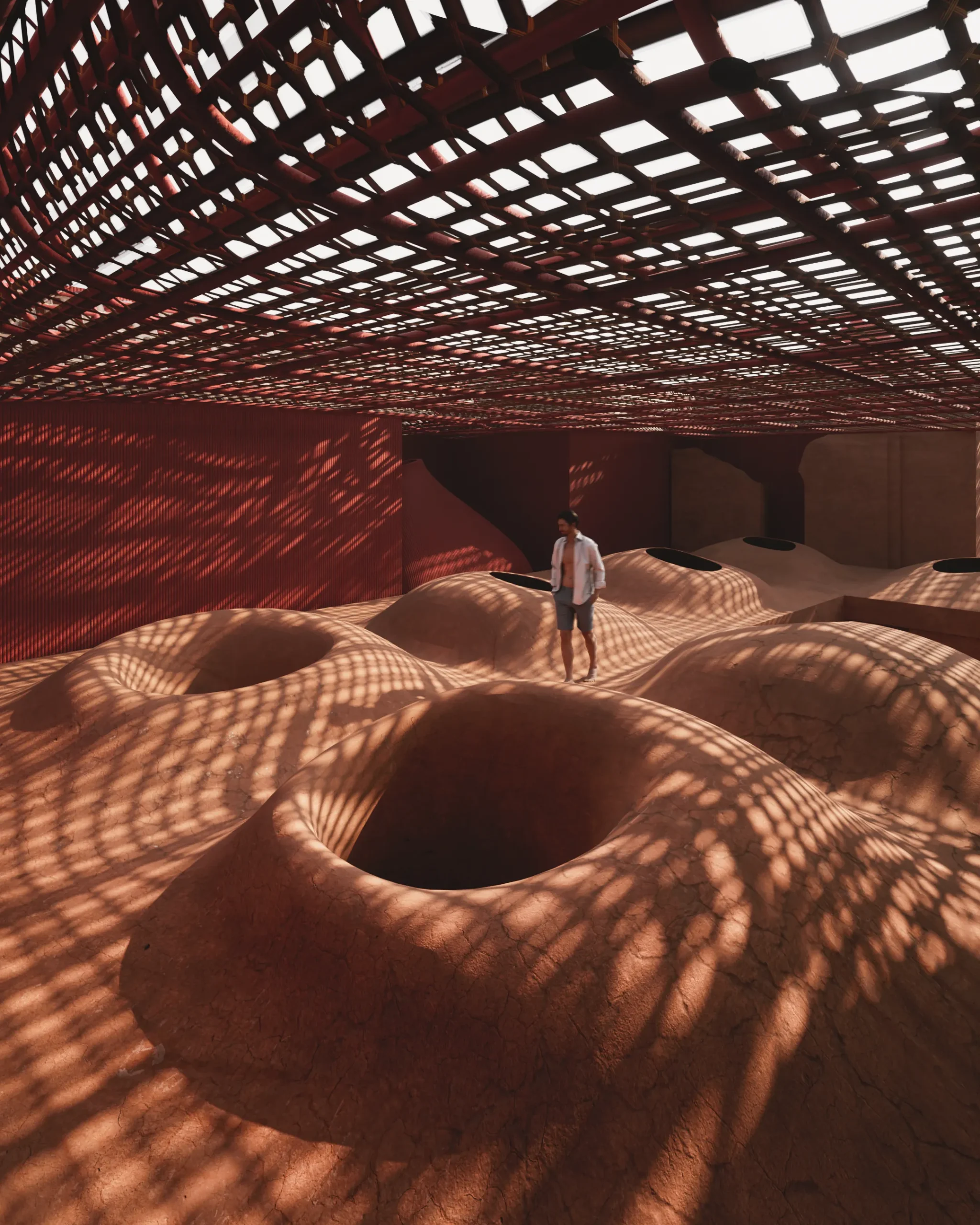
The preservation work included structural reinforcement of the masonry walls, employing earthen plaster that integrates with historical elements, allowing guests to sense the tactility and directly engage with the textured plastered walls. In contrast, the new steel roof structure appears to float above the historical base, defined by its bold, futuristic red color and perforated lattice design. This spatial strategy creates pockets of light, shadow, and unexpected geometry while maintaining a clear boundary between the historical past and the contemporary interventions.
Red Floating Roof
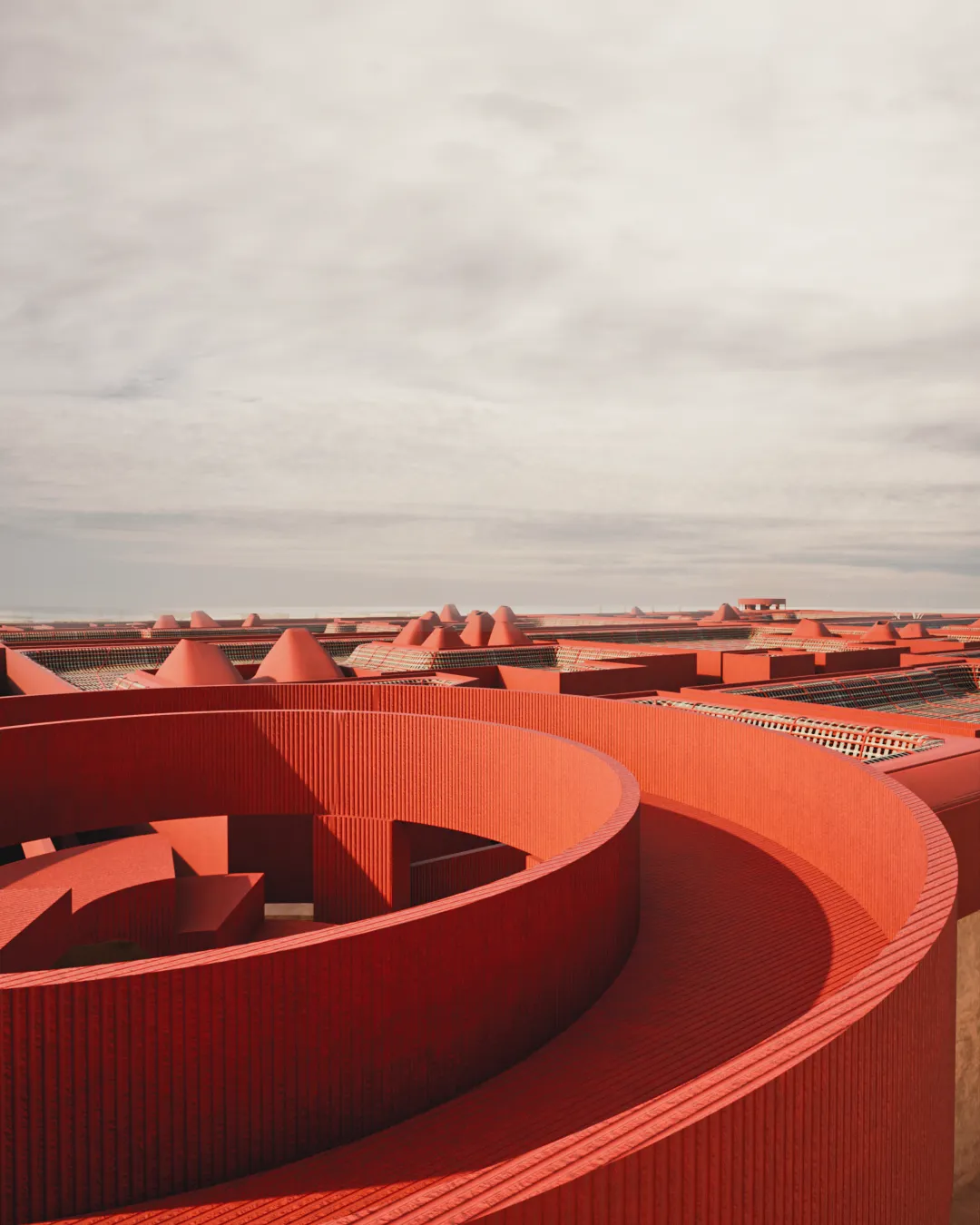
The new roof functions as a solar control element, with its perforated lattice design filtering daylight, animating dramatic light-and-shadow effects on the mud walls, and enhancing sensory engagement. This modern reinterpretation of Badgir allows the expansive rooftop terrace to remain comfortable and functional throughout the day, acting as a passive defense against the sun. The circulation system uses vibrant red color along the pathways, serving as a visual guide that orchestrates the experiential narrative.
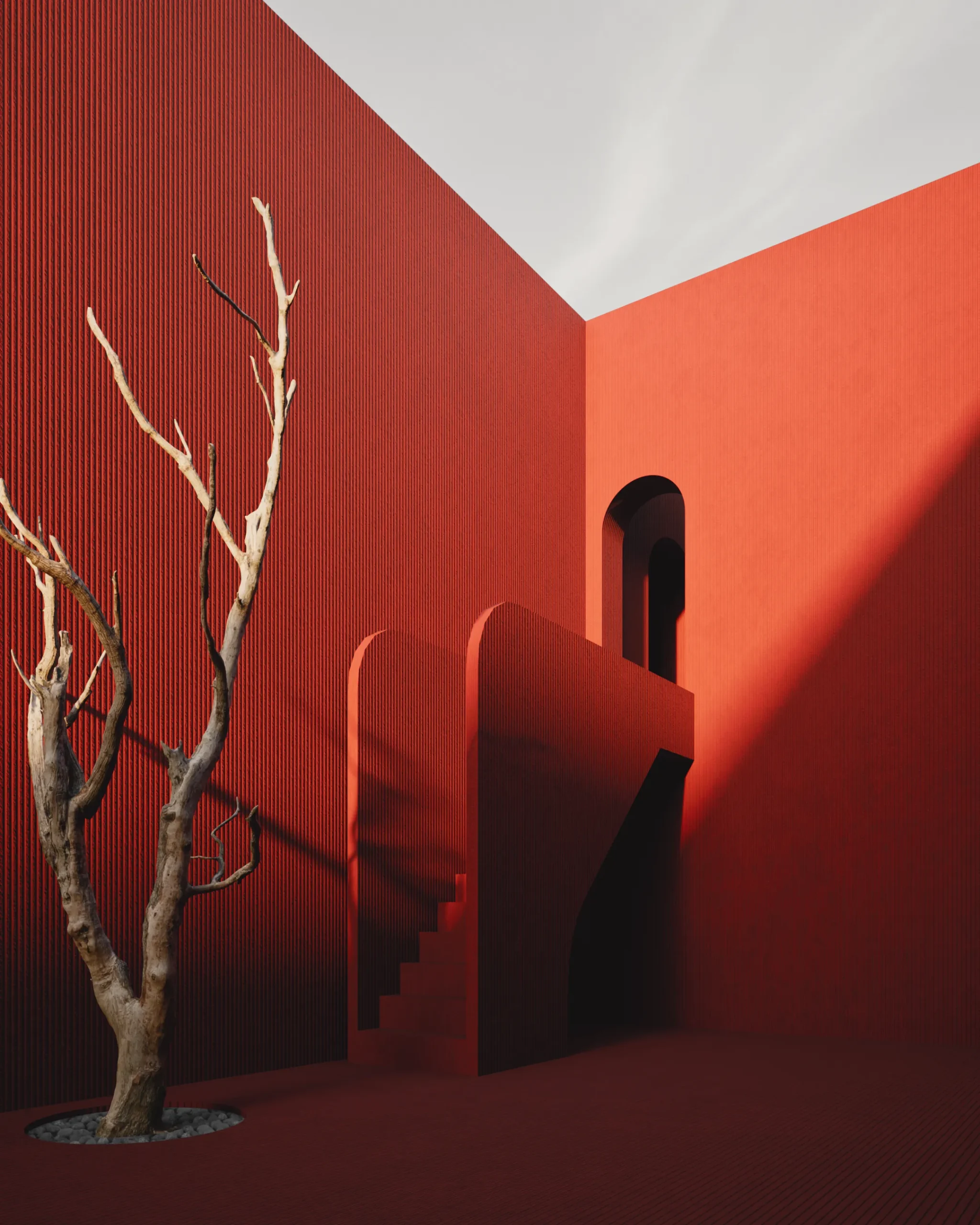
The project addresses significant structural ruin while fundamentally challenging the philosophical foundations of conventional heritage preservation. The Ernan Boutique Hotel embodies the complexities of adaptive reuse and contemporary vernacular architecture within the context of Yazd, creating sensory-rich spatial experiences.
The Ernan Boutique Hotel Project Details
Architect: Kalbod Design Studio
Location: Mehriz, Yazd Province, Iran
Principal Architect: Mohammad Rahimizadeh
Lead architect: Shaqayeq Nemati
Design team: Nastaran ShabanZadeh, Tanaz AhmadiNasab, Asha Atashband
Visuals: © Ziba Baghban, Kalbod Studio
R&D: Pegah Samei
Explore Courses
.jpg "Ondrej Chybik - Rethinking Architecture")