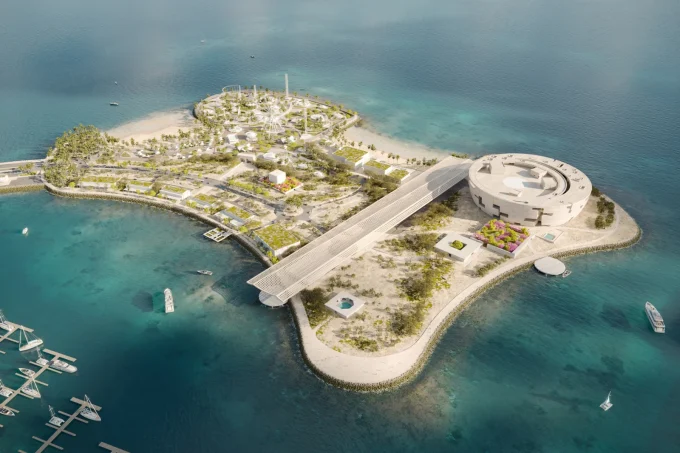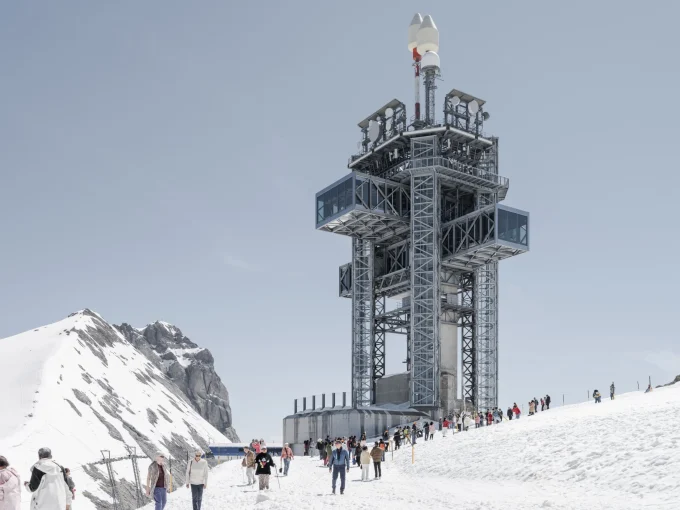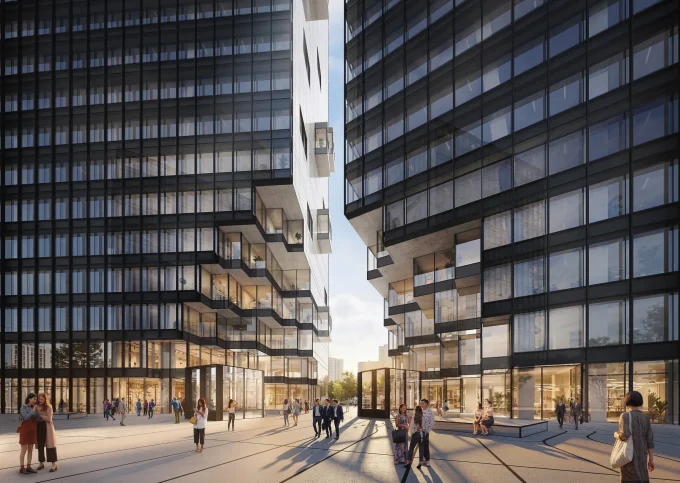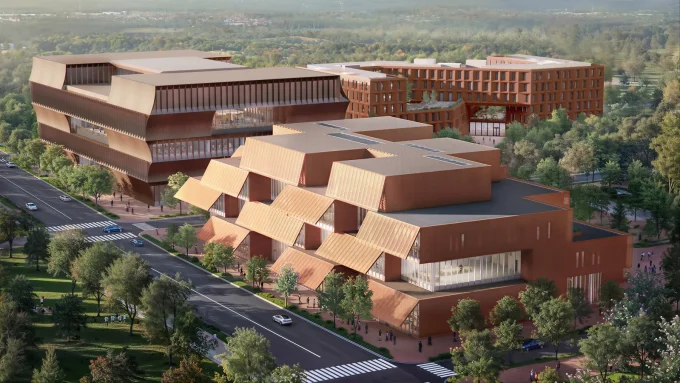


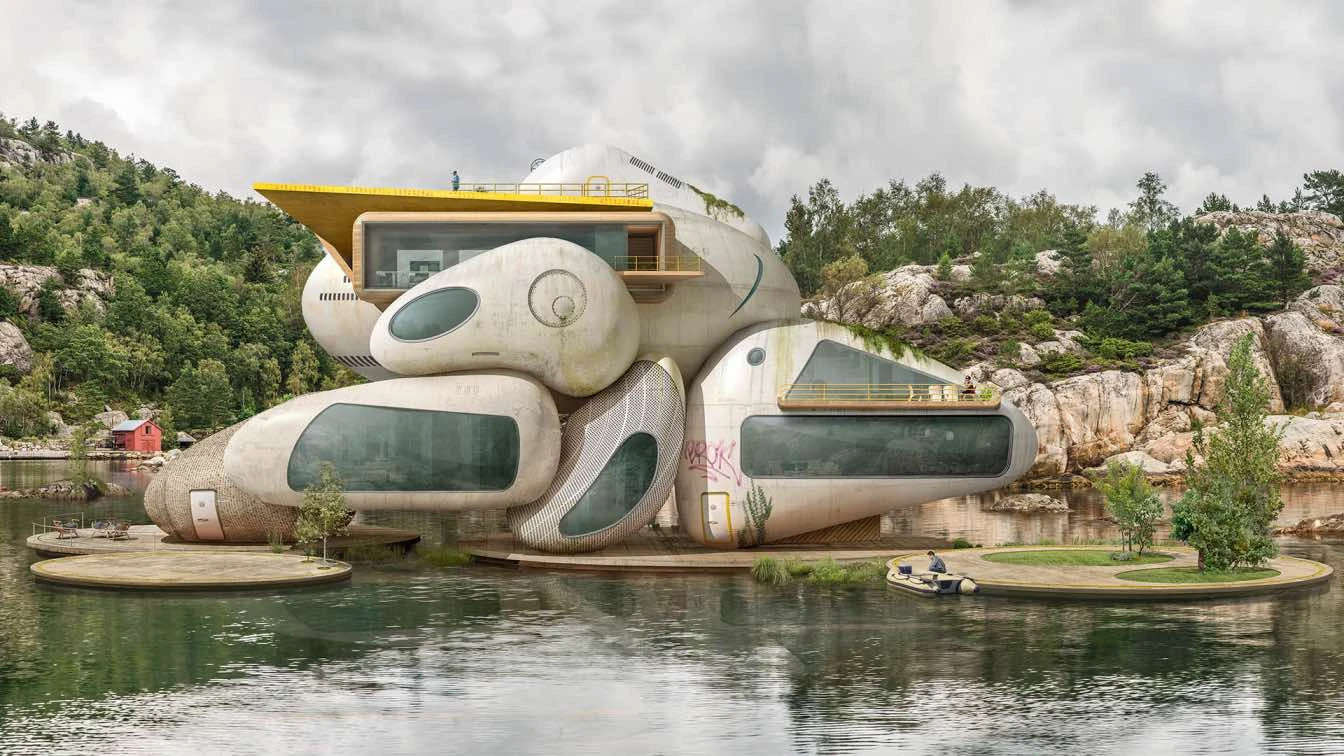
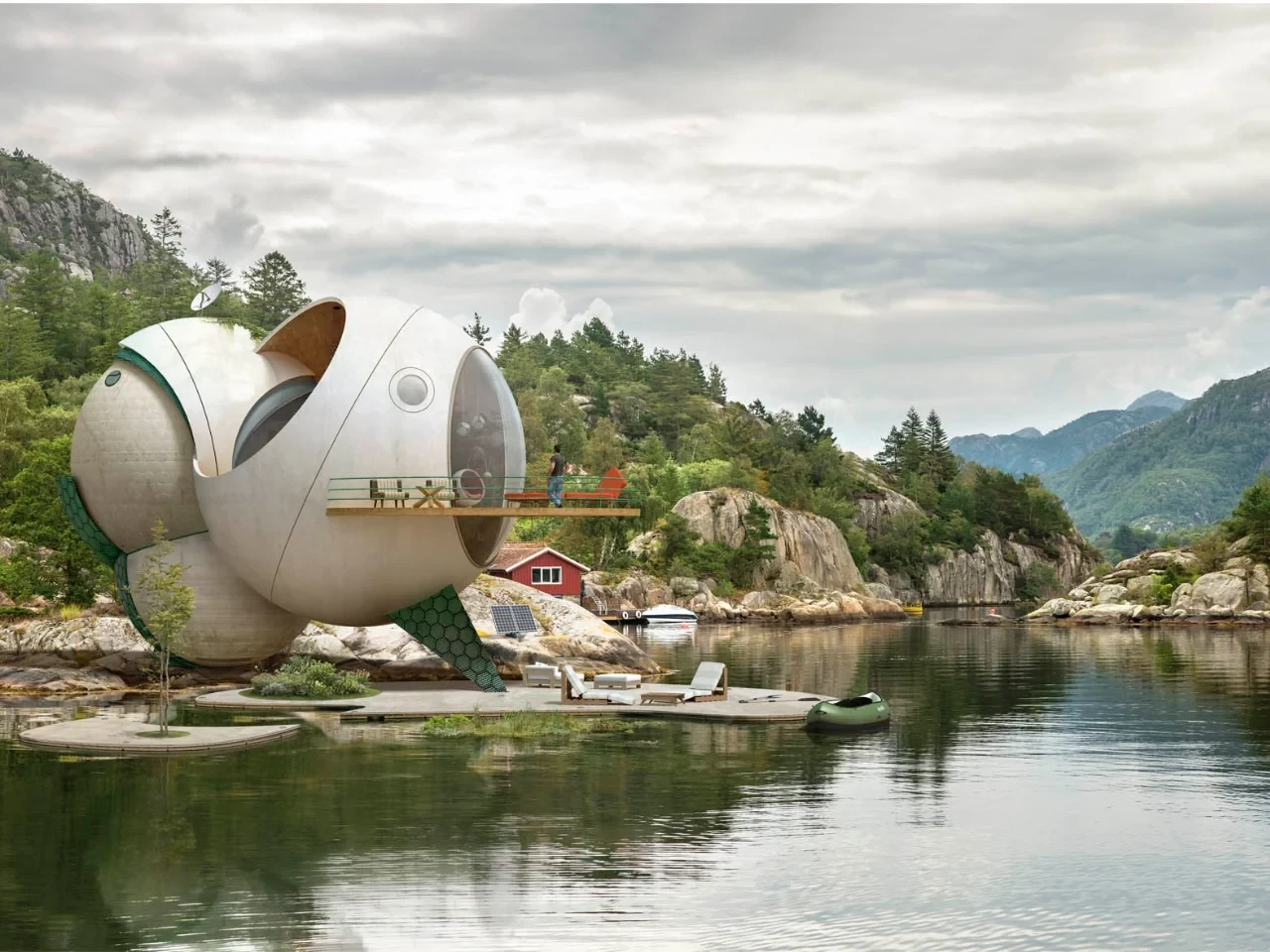
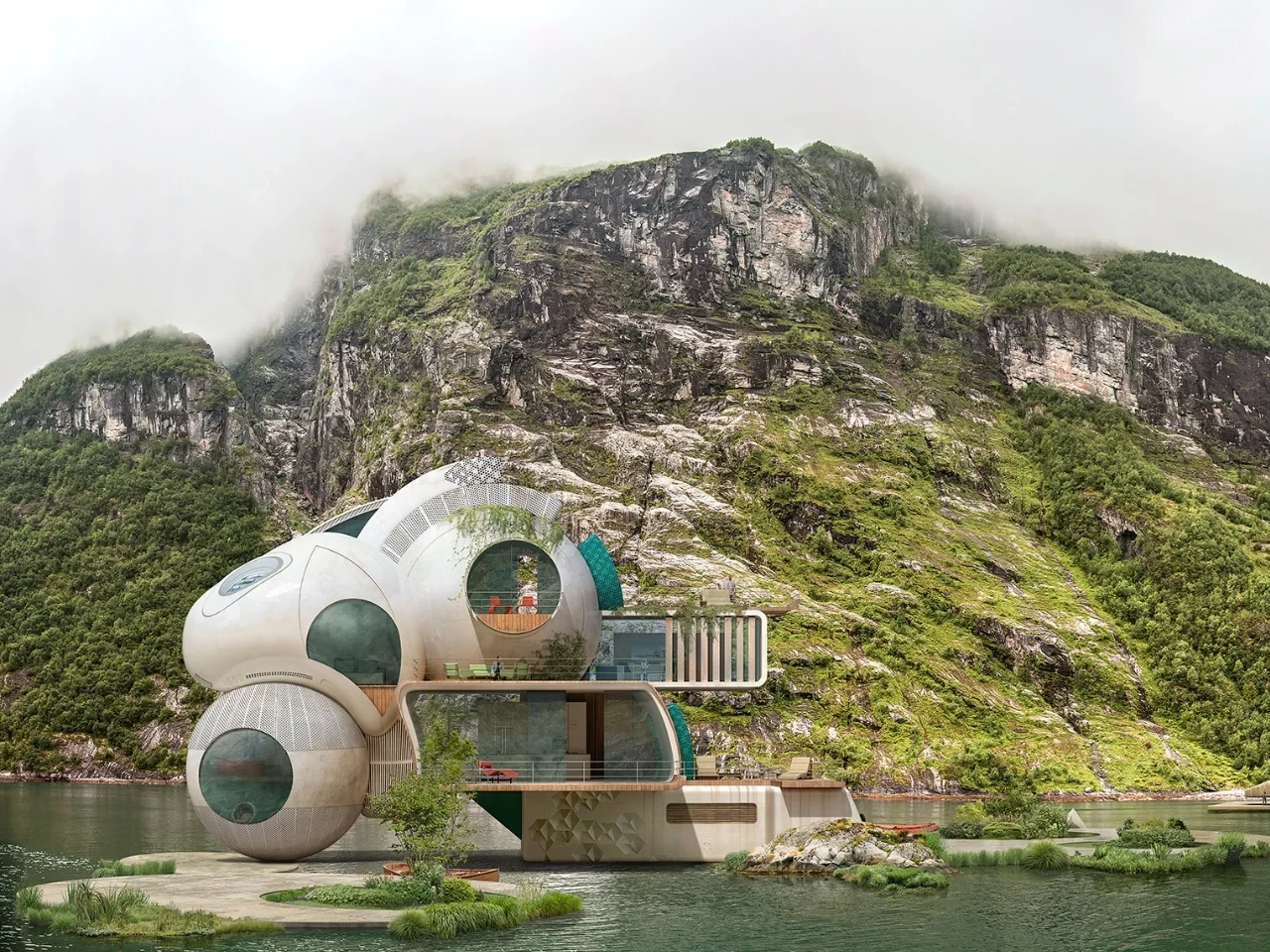
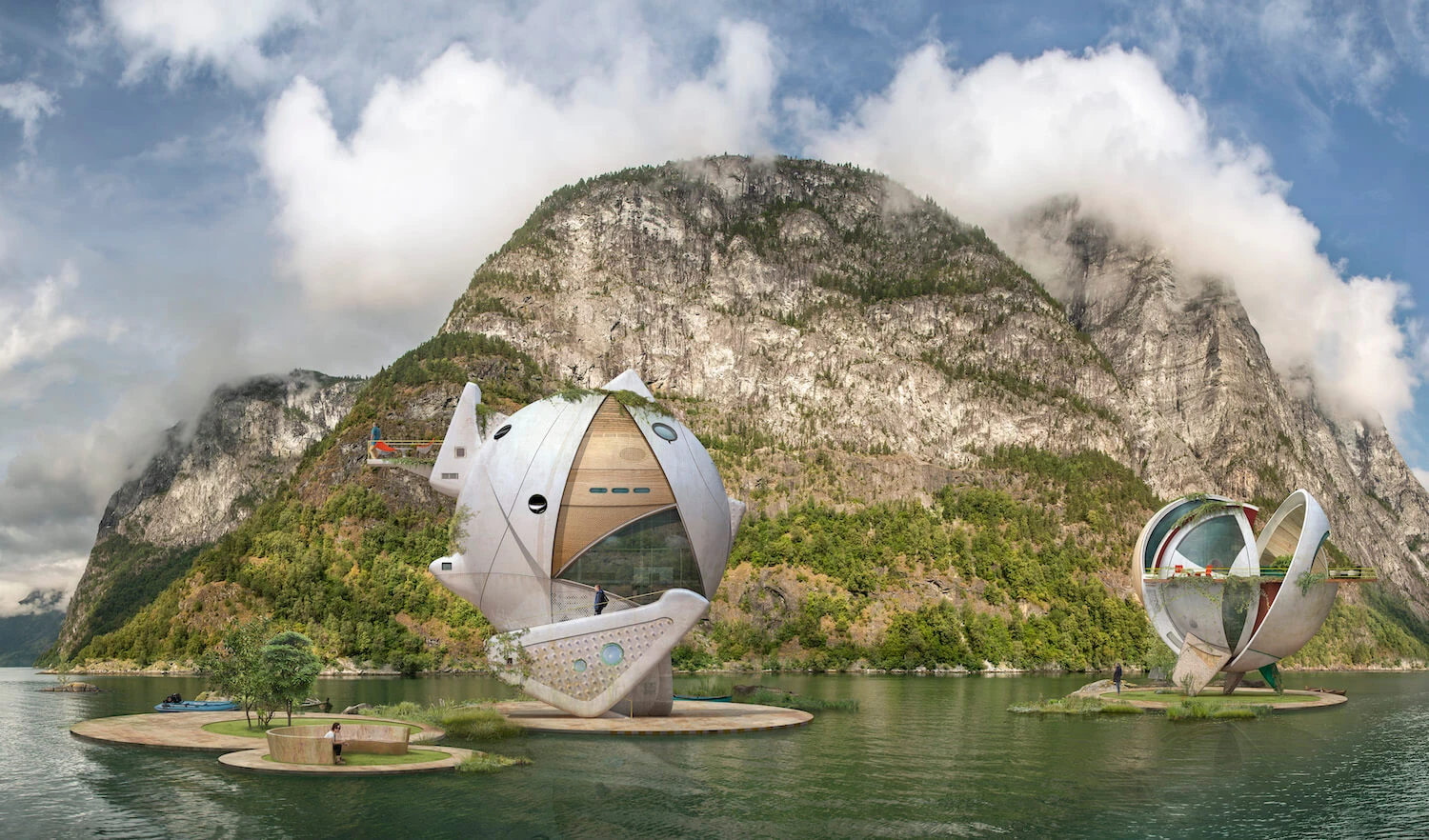
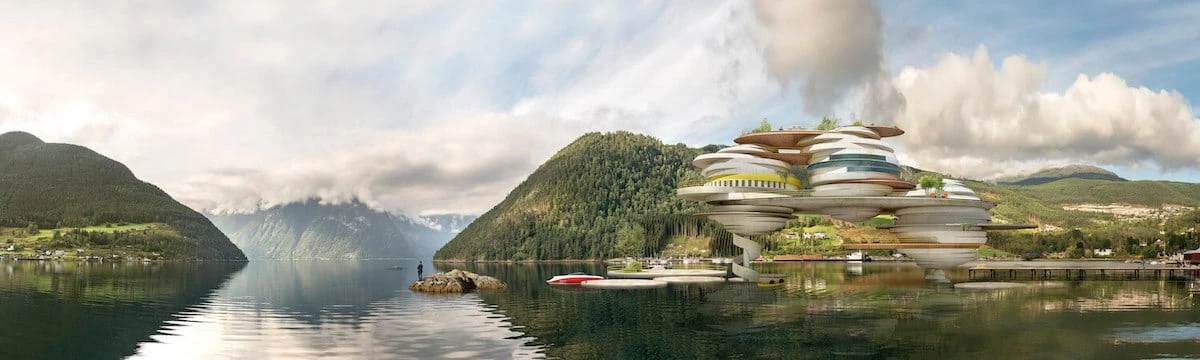
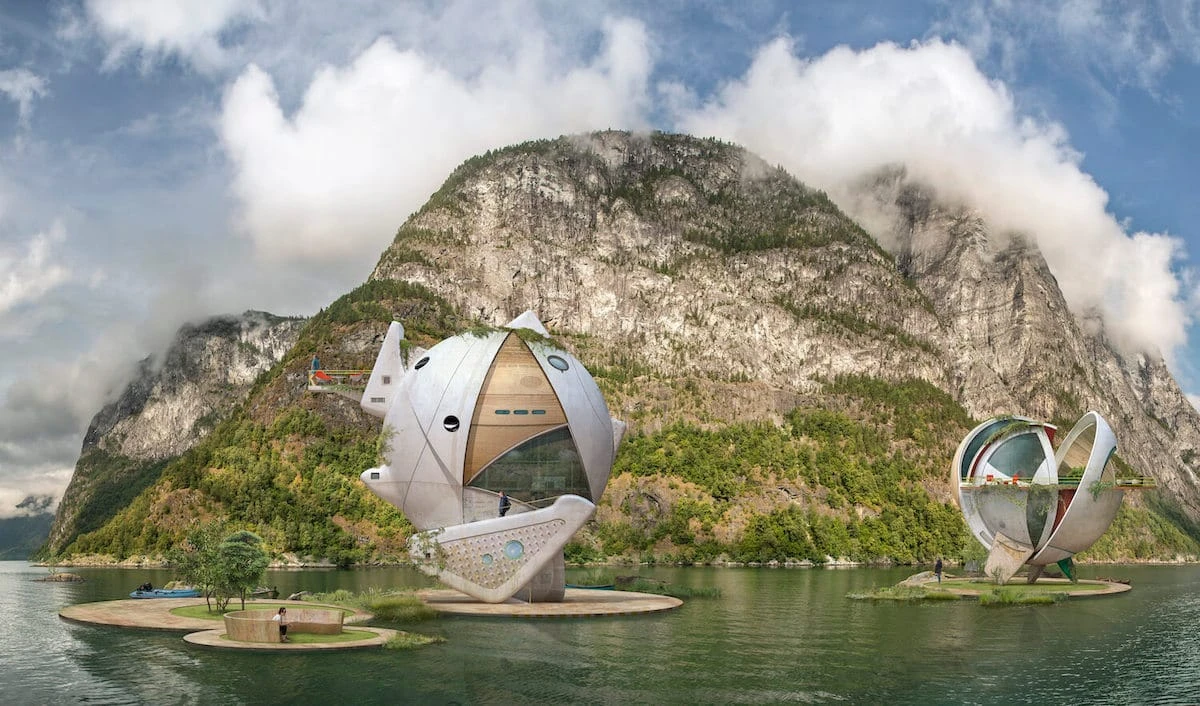
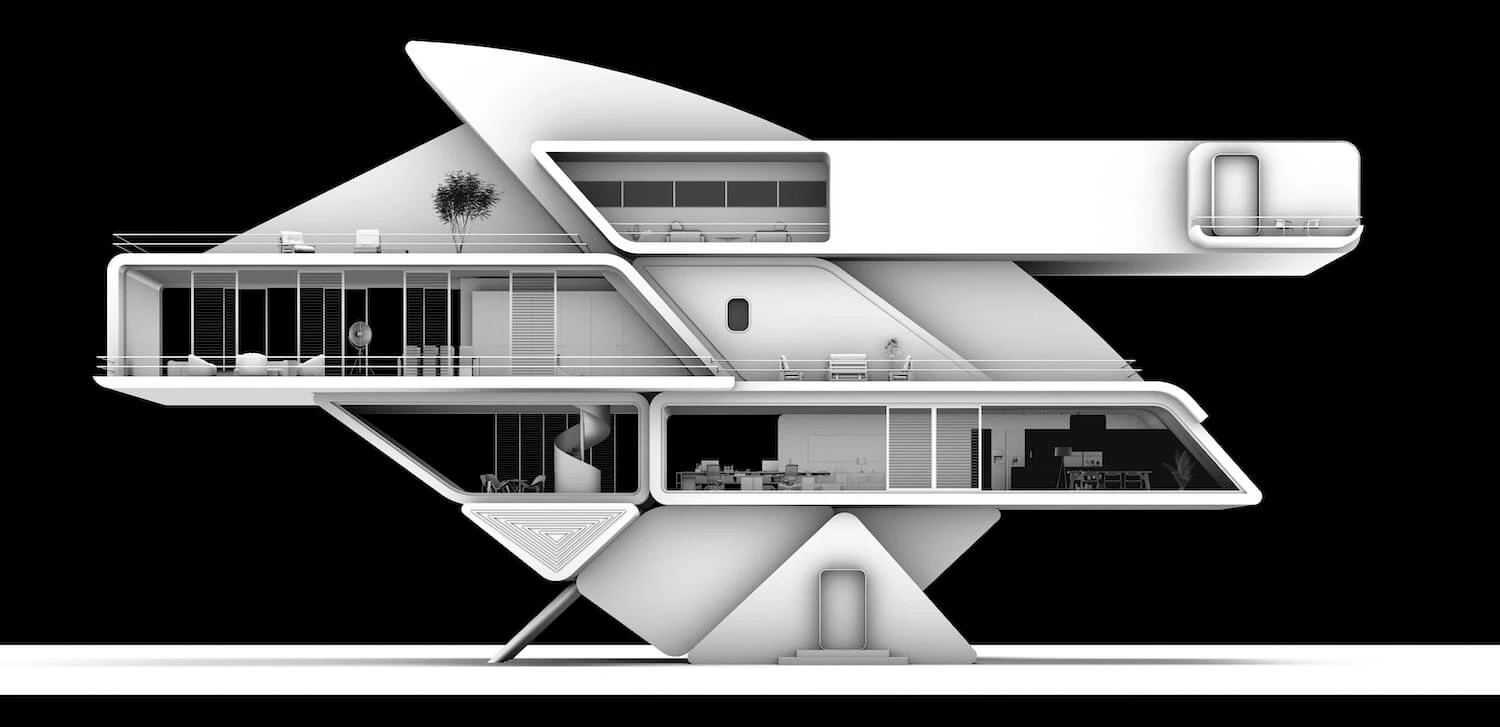
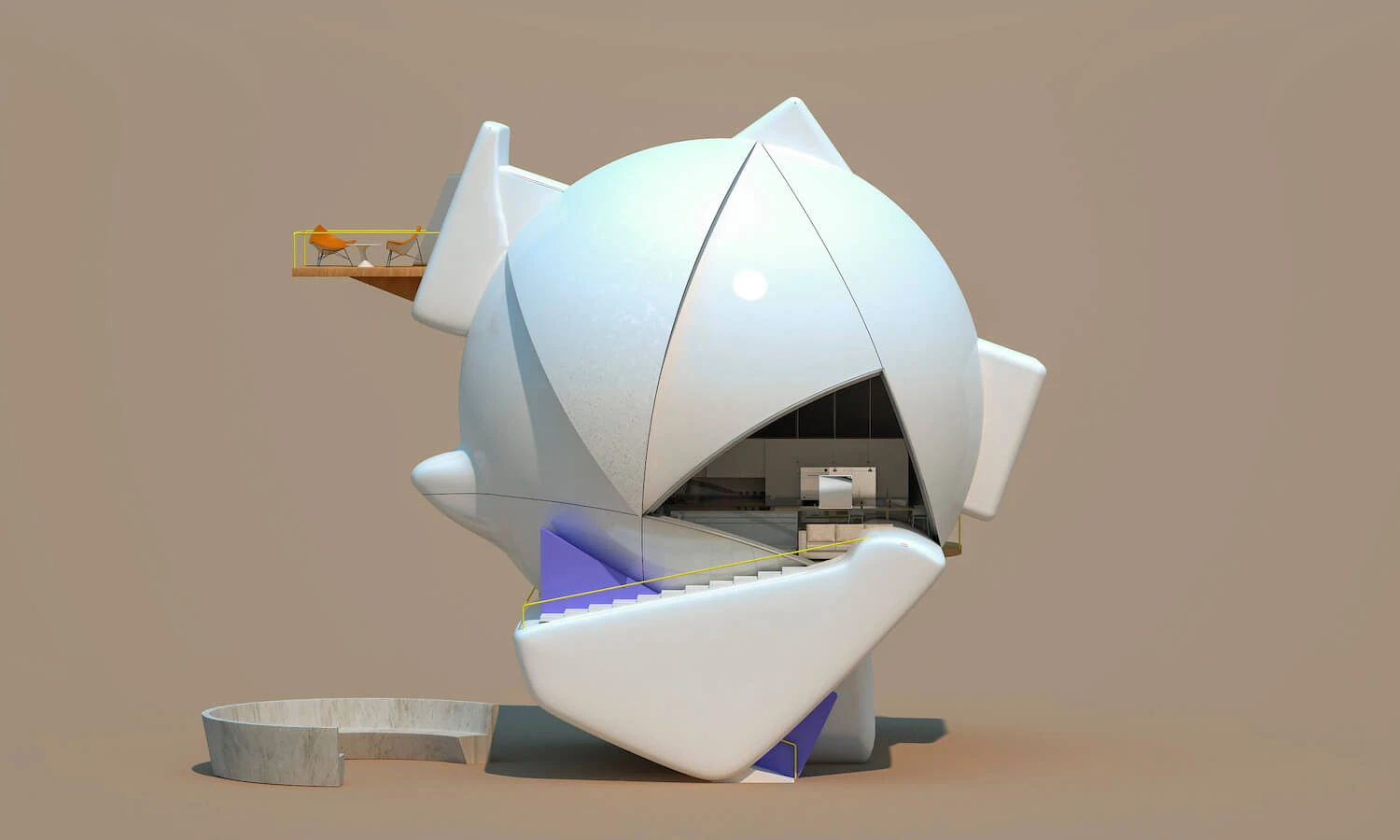
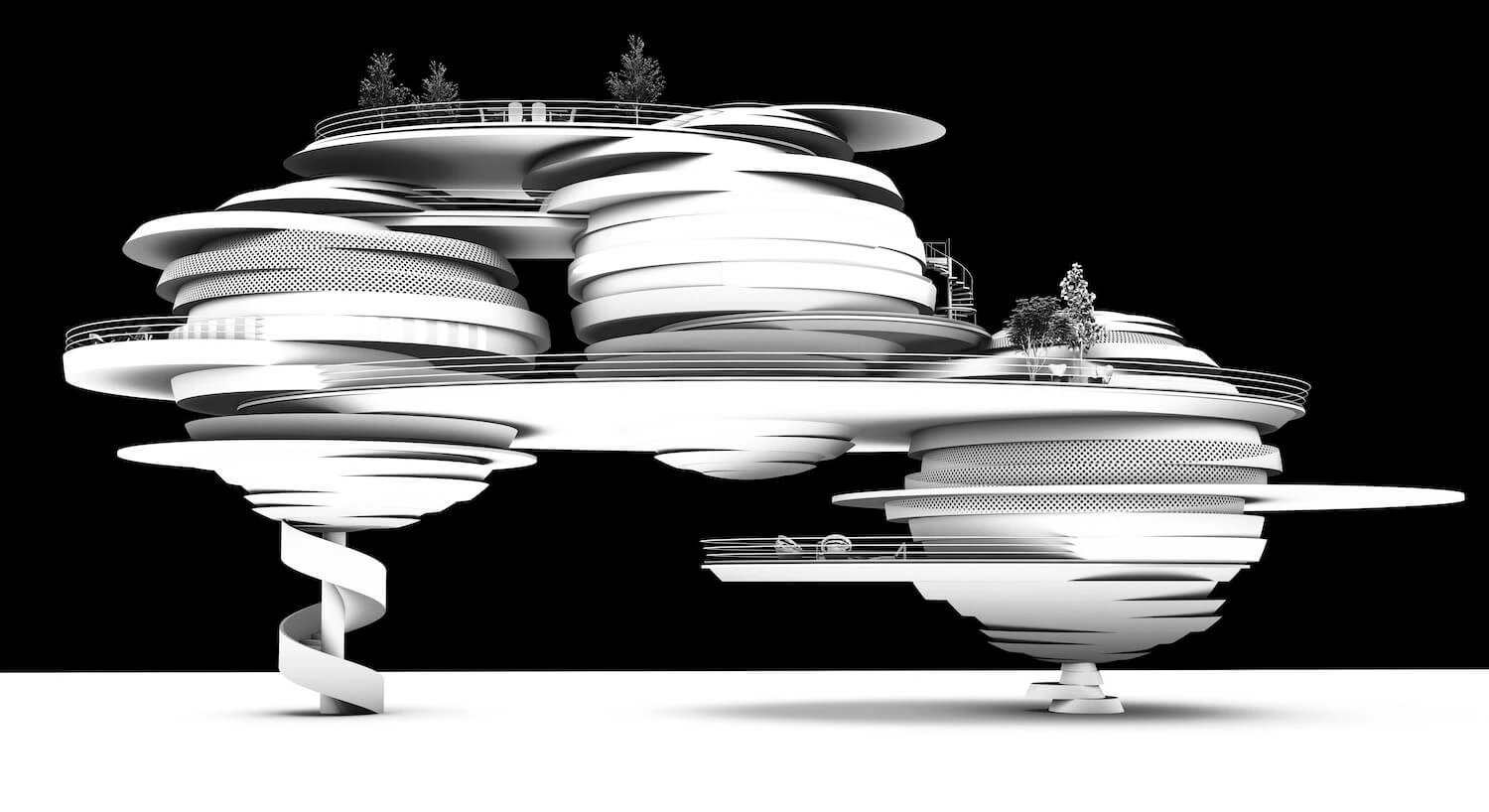
A series titled Wittgenstein Cabin by the Spanish visual artist Dionisio González explores the intersection of architecture, philosophy, and digital art. These amphibious structures, defined by worn metals and organic, industrial geometries, serve as prototypes for thought while bridging the gap between the ascetic simplicity of the early twentieth-century hut and the complex, fluid demands of twenty-first-century existence.
Wittgenstein Cabin as Prototypes for Thought
The body of work developed during the coronavirus pandemic’s isolation period explores the legacy of Ludwig Wittgenstein’s self-imposed exile in Skjolden, Norway. He created a series of livable designs on the rugged Sognefjord, turning the philosopher’s quest for clarity into a modern architectural project.
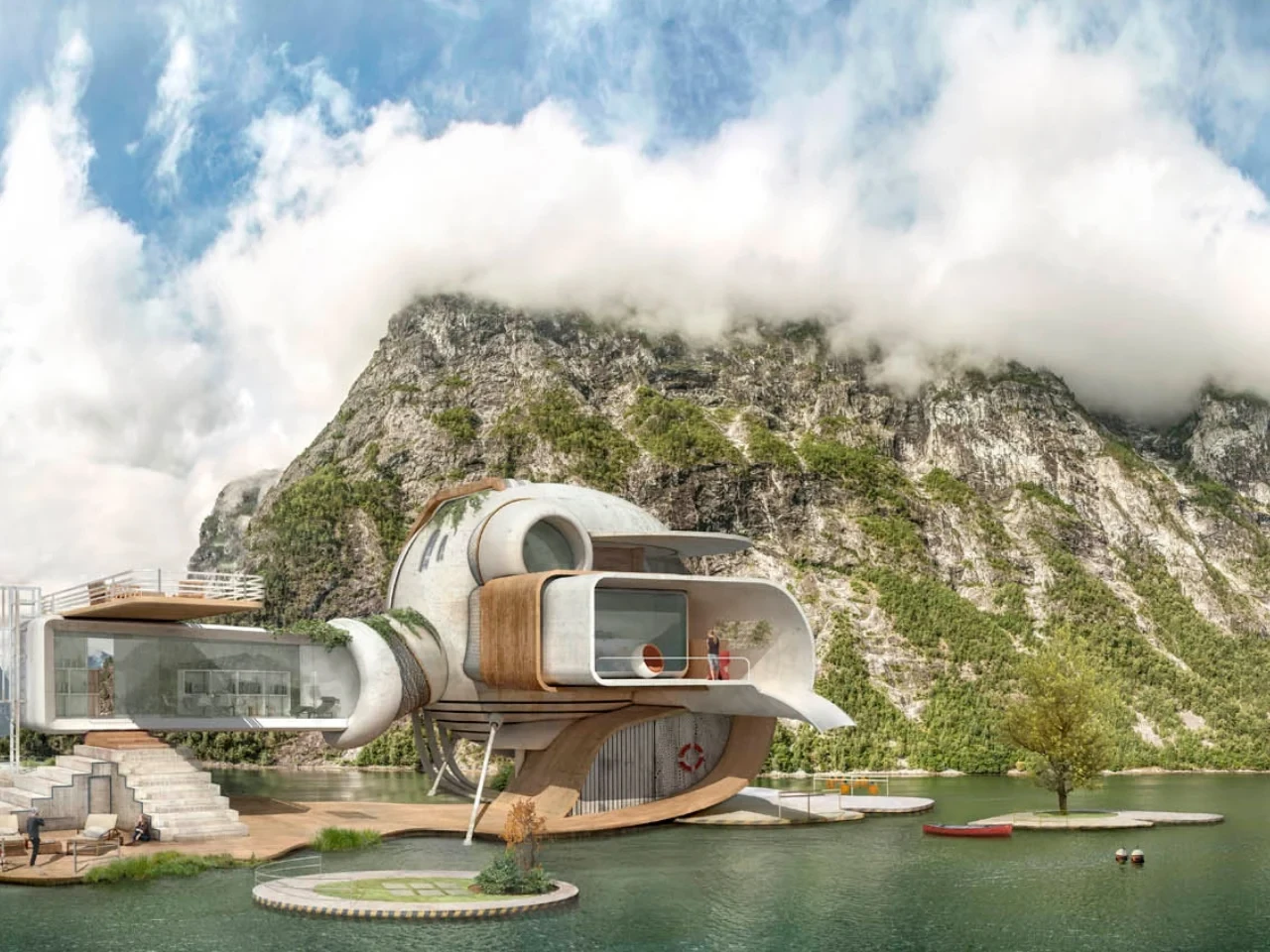
In 1913, Wittgenstein, a student of Bertrand Russell at Cambridge, went to the remote Norwegian village of Skjolden seeking complete seclusion to tackle key problems in mathematical logic.
Dionisio González: The Artist as Architectural Provocateur
Dionisio González is a visual artist and professor at the University of Seville’s School of Fine Arts, exploring how people live in extreme conditions. His work, which blends photography, digital manipulation, and architectural fiction, is held in prestigious international collections such as the Centre Pompidou in Paris and the Museum of Contemporary Photography in Chicago.
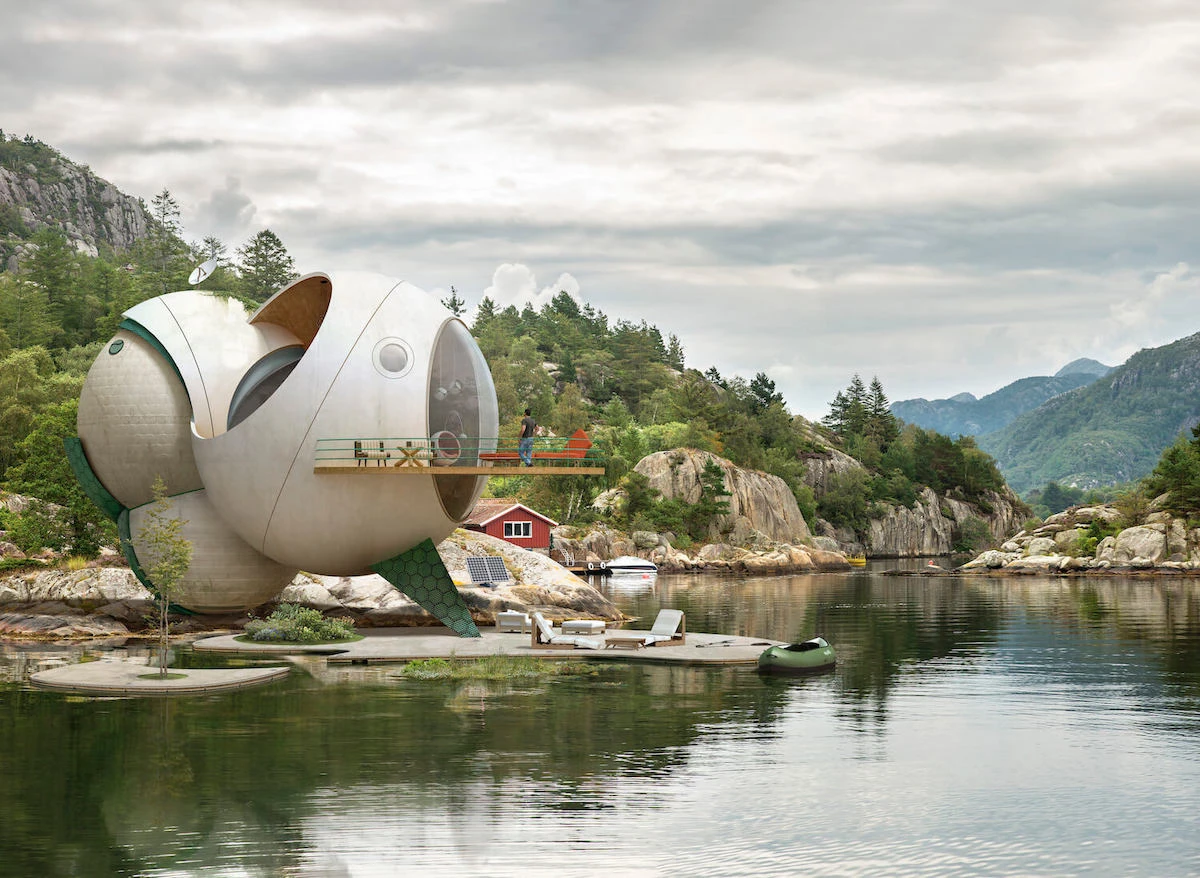
With the Wittgenstein’s Cabin series, González moves from exploring environmental challenges to exploring intellectual ones, treating the cabin as a structure that allows escape from the world and a space for contemplation. Unlike Wittgenstein’s original fixed hut, González imagines the cabin as an amphibious, flexible structure. These designs are whimsical, playful, and futuristic, yet they carry a sense of historical weight.
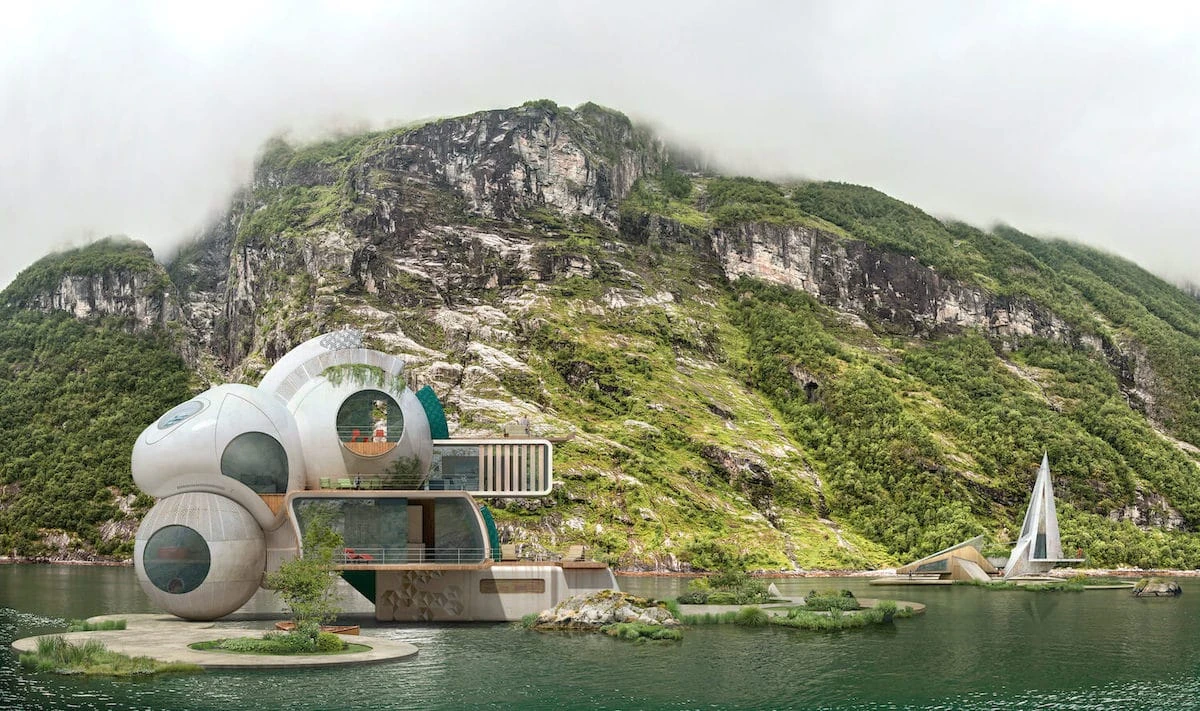
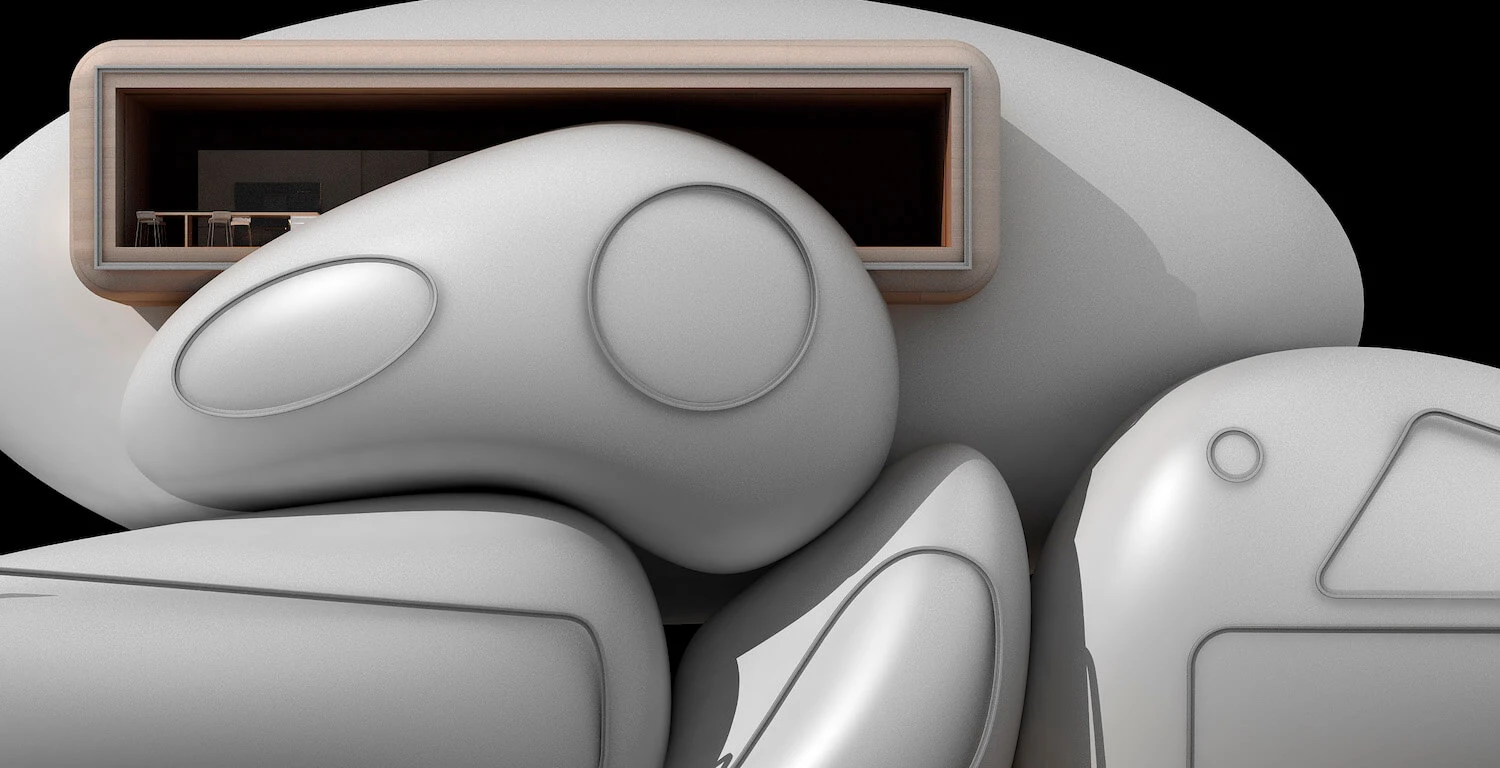
Drawing inspiration from Matti Suuronen’s Futuro House, the cabins echo the industrial, futuristic aesthetics of spaceships and submersibles. Using digital manipulation, González creates an alternate reality that feels remarkably real.
Wittgenstein’s Cabin (Noruega 01) is made with chromogenic silicone printing on polished methacrylate, backed with dibond, and framed in aluminum. Other pieces, like Wittgenstein’s Cabin 10, use inkjet printing on Canson Baritado Diasec. These materials highlight the polished, high-tech look of the works, contrasting with the rough textures of traditional stone and wood cabins.
Institutional Trajectory
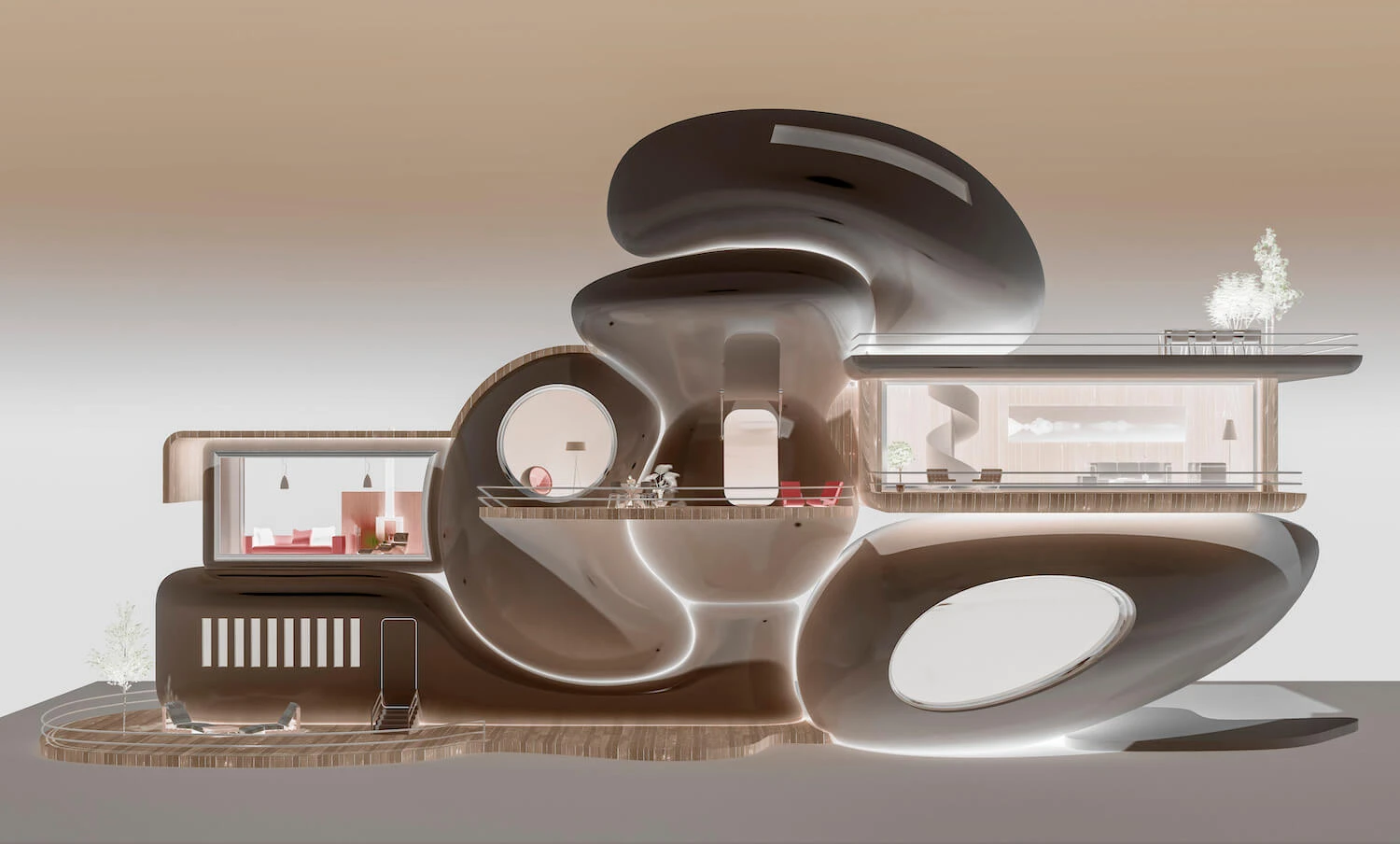
The cabin becomes a spatial sculpture that captures fragile memory with respect to the Norwegian landscape. The Wittgenstein’s Cabin series has gained international attention in exhibitions and acquisitions. Wittgenstein’s Cabin 10 was acquired in 2025 by the Friends and Patrons of art karlsruhe e.V. for the permanent collection of the Staatliche Kunsthalle Karlsruhe. This acquisition was facilitated during the 2025 edition of the art karlsruhe fair from the Taubert Contemporary gallery.
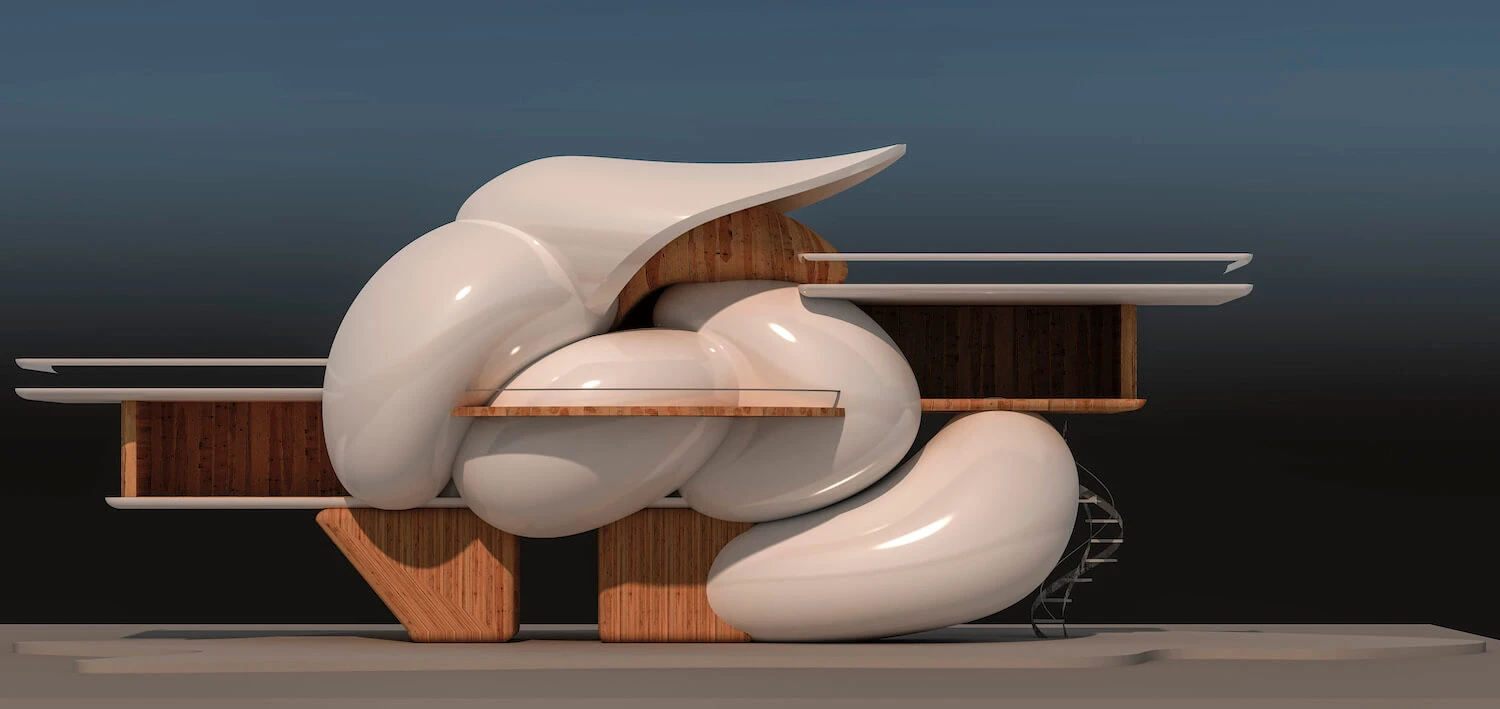
The series has also been featured at the Valerius Gallery in Luxembourg City and Galerie Richard in Paris and New York City. By reinterpreting the historical retreat of Ludwig Wittgenstein in the Norwegian fjords, González has created a visual language that addresses the contemporary need for clarity of thought amidst modern confusion.
The Persistence of the Solitary Gesture
These amphibious dwellings are not just fantasies but are practical experiments connecting the rigid rules of logic with the fluid realities of the 21st century. Through the use of worn metals, futuristic forms, and the romantic backdrop of the Sognefjord, González successfully transforms the hermit’s cave into a strong signal for the future of contemporary art and architecture.
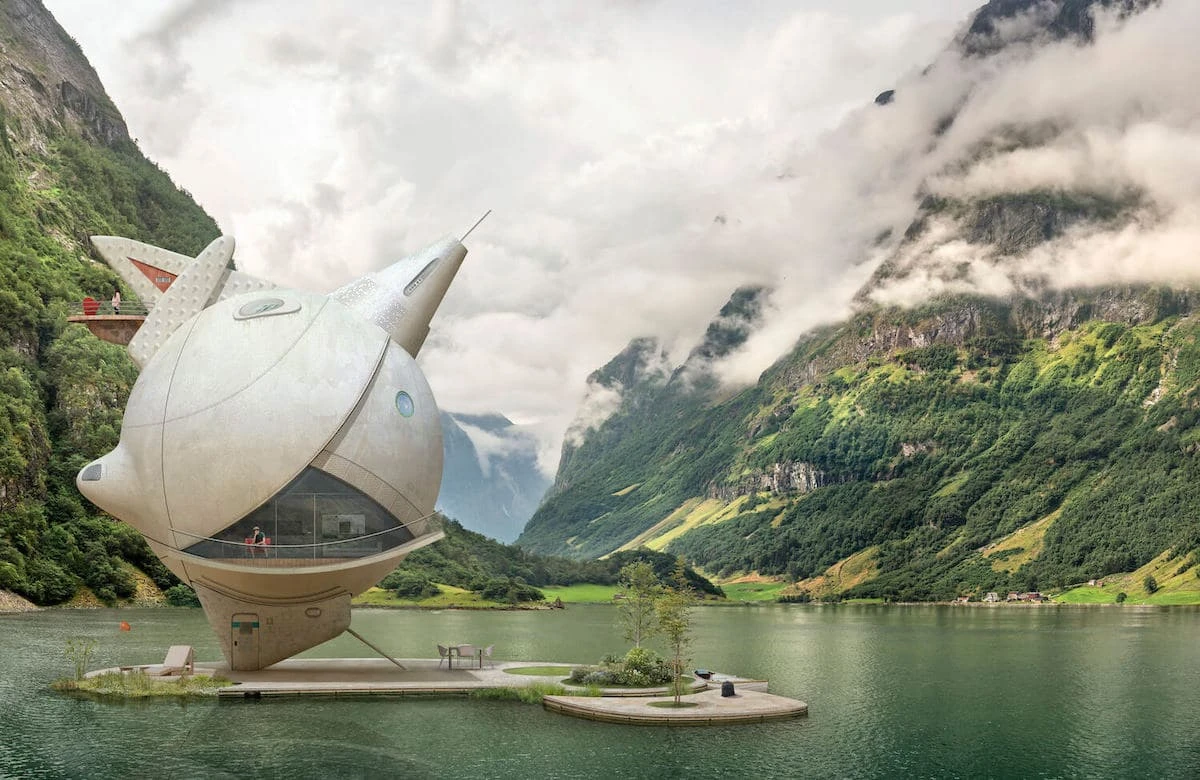
The work successfully revisits ideas of solitude and philosophy in a contemporary context, ensuring that new generations can experience the workspace of the philosopher and be inspired to challenge their own ideas.
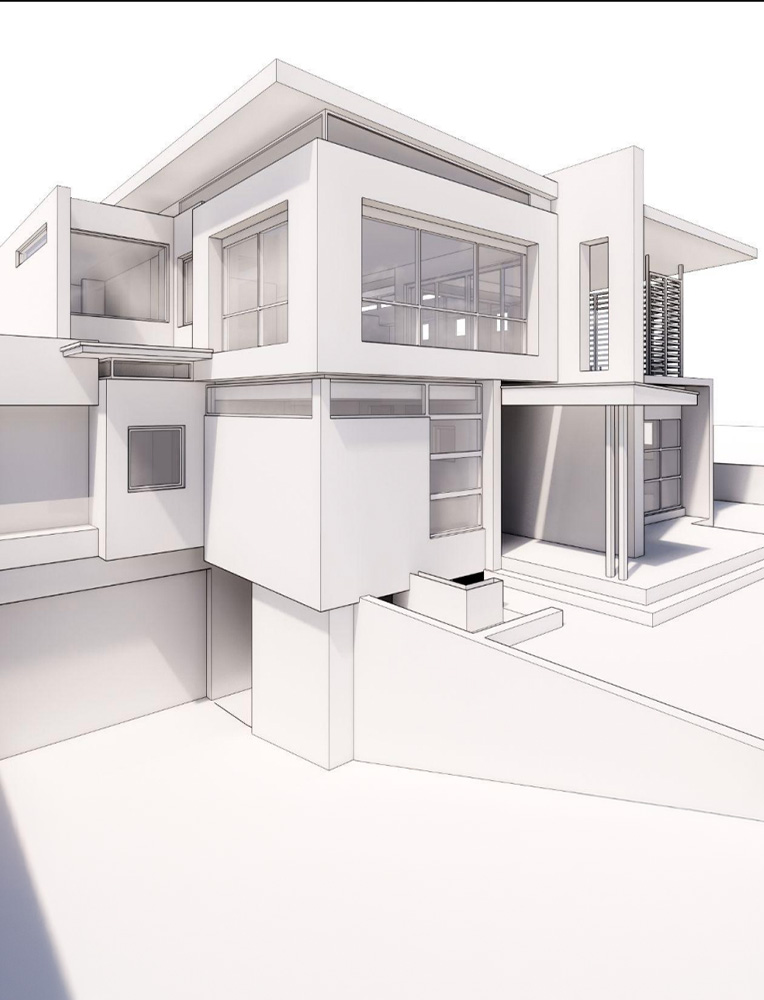
Visualization: © Dionisio González
Explore Courses
.jpg "Architecture Diagram Mastery: Concept to Portfolio")
.jpg%202.jpg "Building Performance with Forma & Opossum")
.jpg "Ondrej Chybik - Rethinking Architecture")