



David Chipperfield Architects, in collaboration with Arup, is nearing completion on one of Milan’s most significant new cultural and sporting venues, the Arena Milano in the Santa Giulia district. Set to be a central site for the Milano-Cortina 2026 Winter Olympic Games, the arena is rapidly progressing on its 2023–2025 construction schedule, combining contemporary design with functional innovation.
The arena is designed to accommodate up to 16,000 spectators, with 12,000 seated and 4,000 standing, for ice hockey and other competitive events during the Olympics and Paralympics. The project is part of a much larger urban renewal originally masterplanned by Foster + Partners, which includes housing, education, commercial spaces, and broad public amenities.
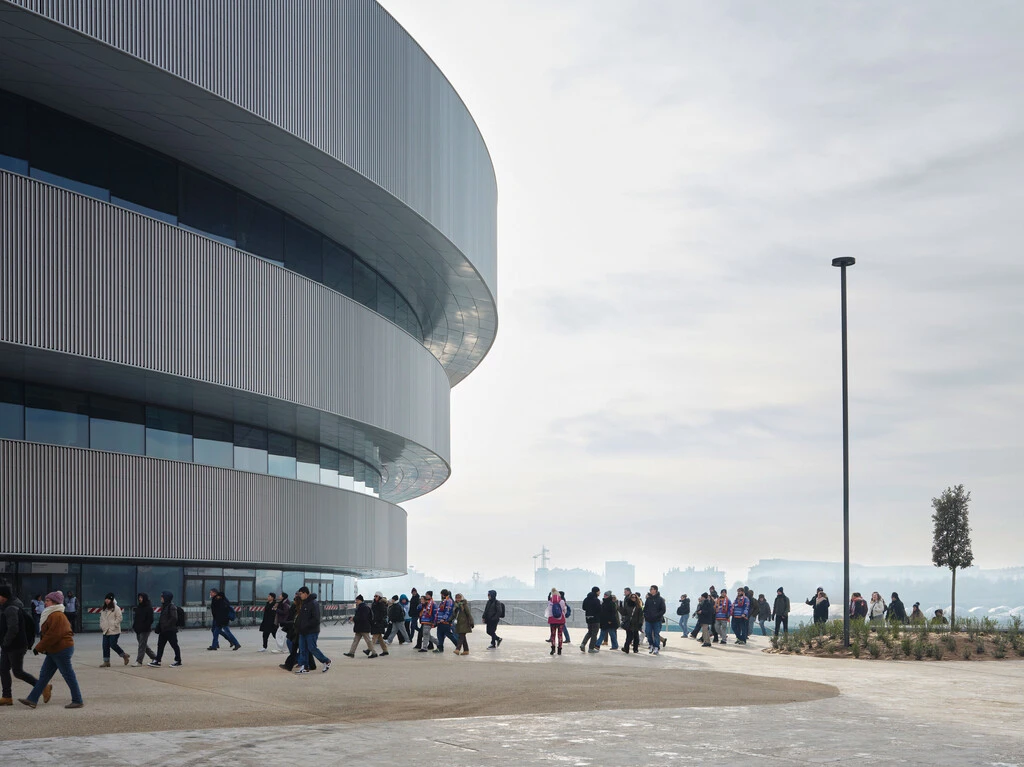
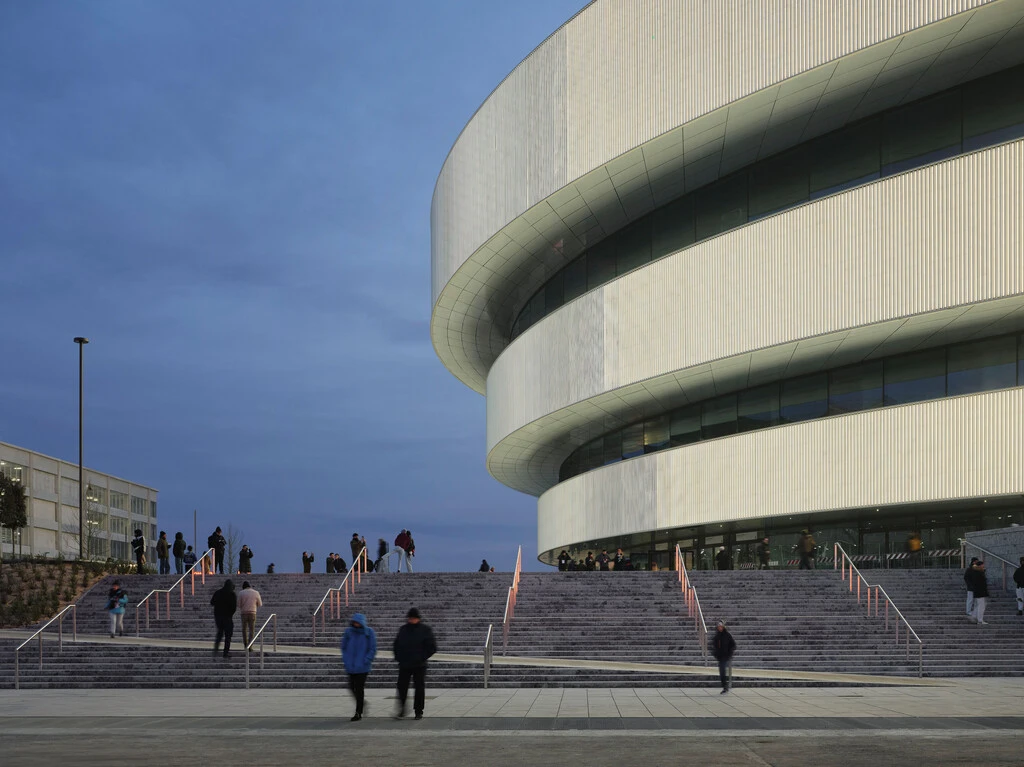
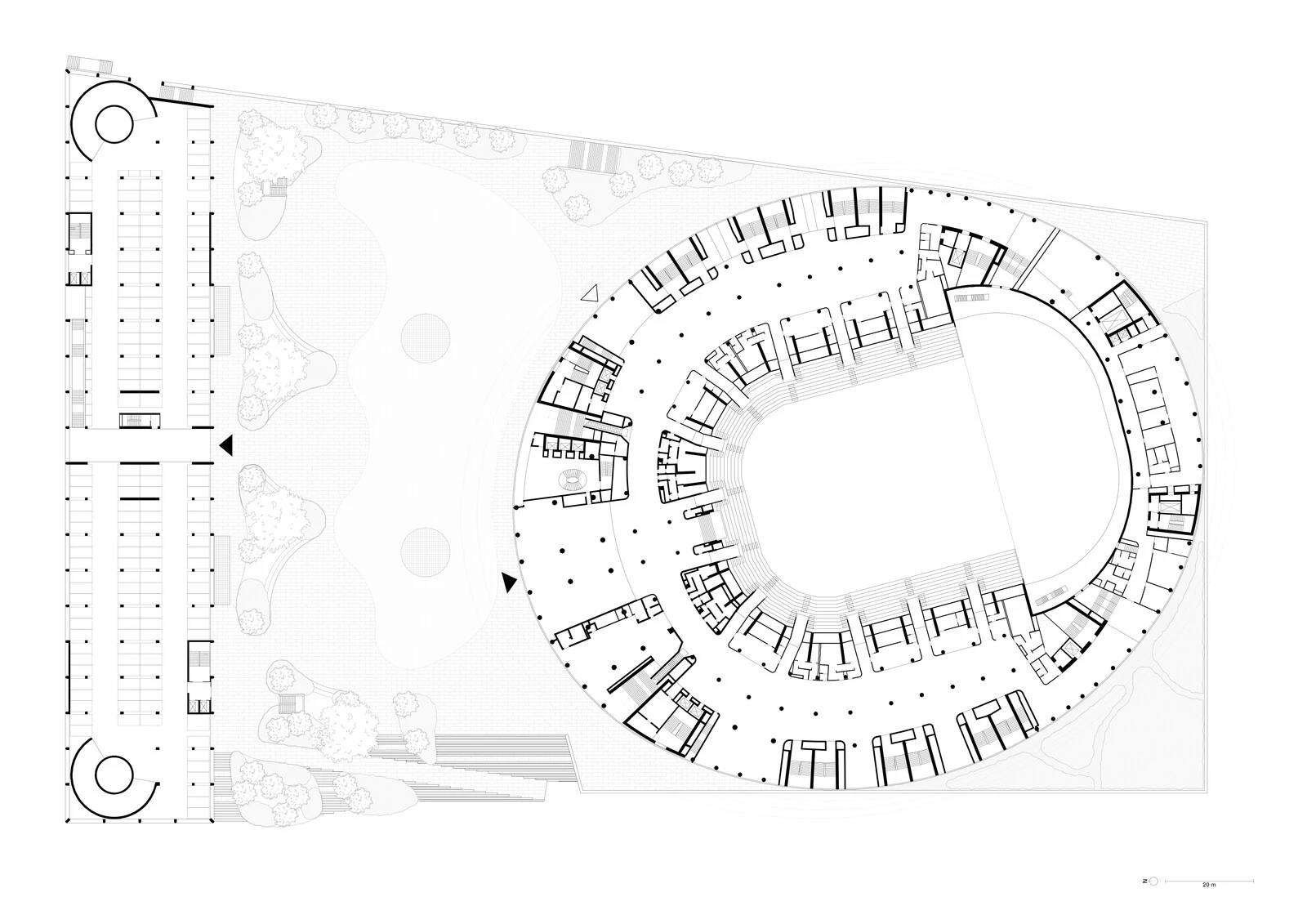
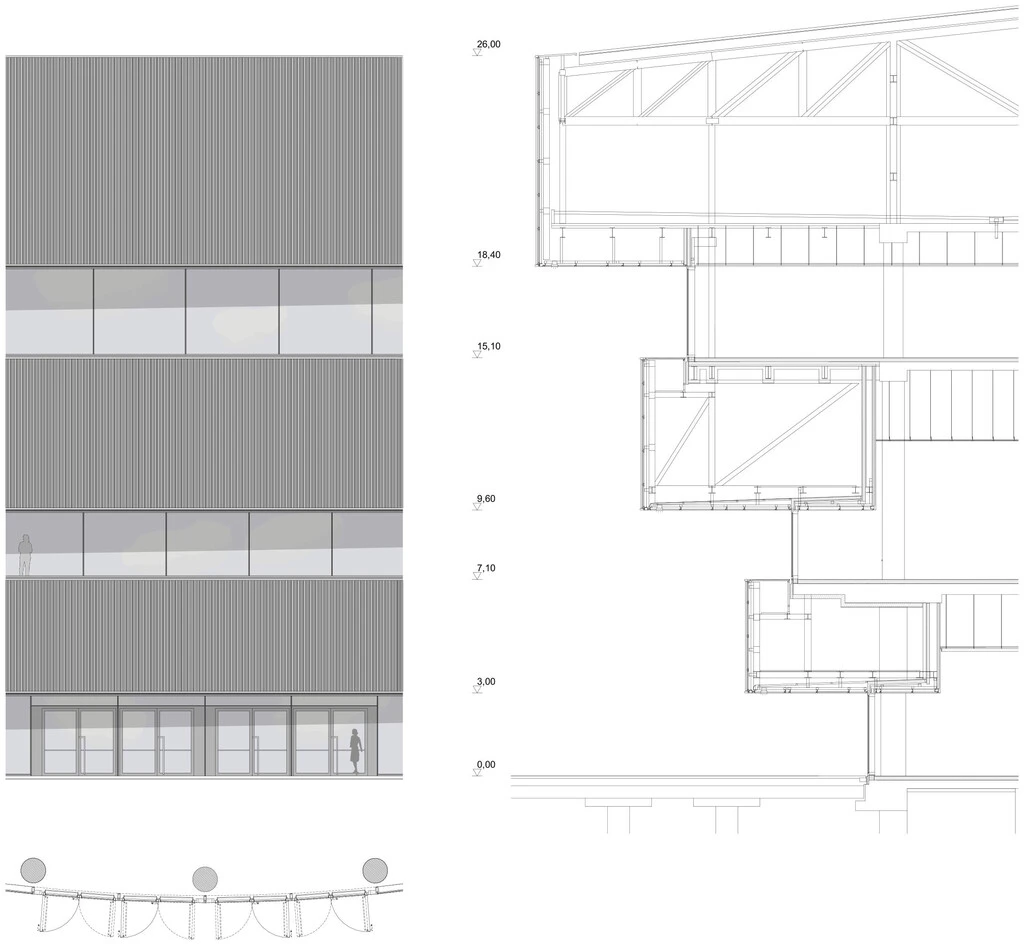
The building echoes the elliptical footprint of Milan’s ancient Roman amphitheater, reinterpreted through a modern lens. Its form is defined by three metallic rings that appear to float above a raised platform. The rings’ surfaces, composed of shimmering aluminum tubes and integrated LED lighting, create an engaging façade that transforms from day into night. Spacious glass bands between the rings provide transparency and lightness, while the structure’s rotation from the north-south axis orients the main entrance towards the west, inviting visitors up broad steps onto the platform and into the arena.
The arena’s public realm is a key component. A new piazza of over 10,000 square meters surrounds the building, providing flexible outdoor space for community gatherings, cultural activities, and events outside of scheduled competitions. The outdoor spaces are designed to foster interaction among Santa Giulia residents and the wider Milanese population, underlining the project’s purpose to function as a year-round asset.
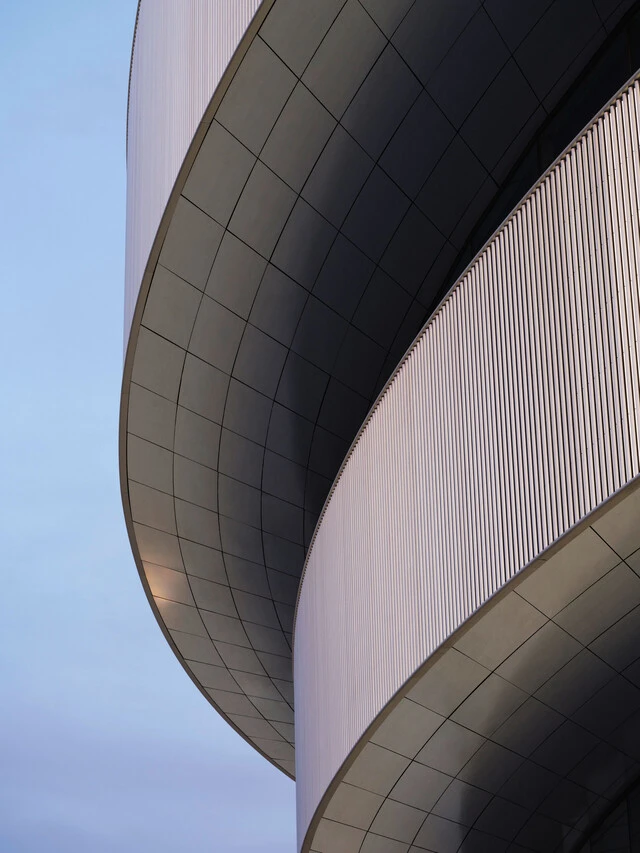
The layout prioritizes circulation and experience. Two spectator tiers rise above the parterre, with lounges and skyboxes at the upper levels. Wide lobbies on every level give access to seating and hospitality facilities, while parking is integrated within the platform and adjacent multi-storey structures. Sustainability is central to the design ethos. Photovoltaic panels installed on the roof are intended to supply a significant portion of the arena’s energy needs, reinforcing Milan’s broader environmental goals.
Arena Milano Set to Become a Major Events Venue
As of late January 2026, new images released by David Chipperfield Architects show the arena in its testing phase, hosting competitive ice hockey events ahead of the Olympics. These test events have drawn tens of thousands of spectators and provided valuable data on logistics, spectator flow, and transport, even as final work continues on sections of the venue. Officials overseeing Milano-Cortina 2026 have expressed satisfaction with the arena’s readiness and performance, while acknowledging ongoing construction tasks in the run-up to the Games’ opening on February 6.
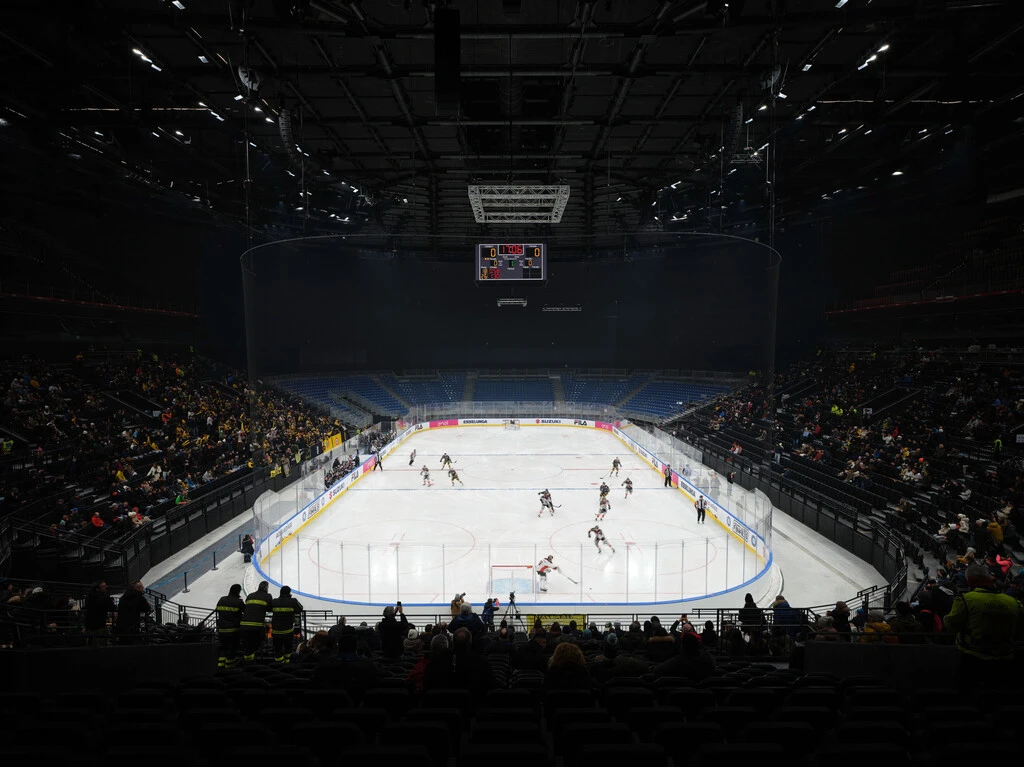
Once the Olympics conclude, the Arena Milano is poised to become a major cultural and entertainment hub for Milan, hosting concerts, sports events, and festivals. Its combination of thoughtful architectural design and strategic urban integration reflects a broader vision for infrastructure that serves both global events and local communities.
Explore Courses
.jpg "Architecture Diagram Mastery: Concept to Portfolio")
.jpg%202.jpg "Building Performance with Forma & Opossum")
.jpg "Ondrej Chybik - Rethinking Architecture")