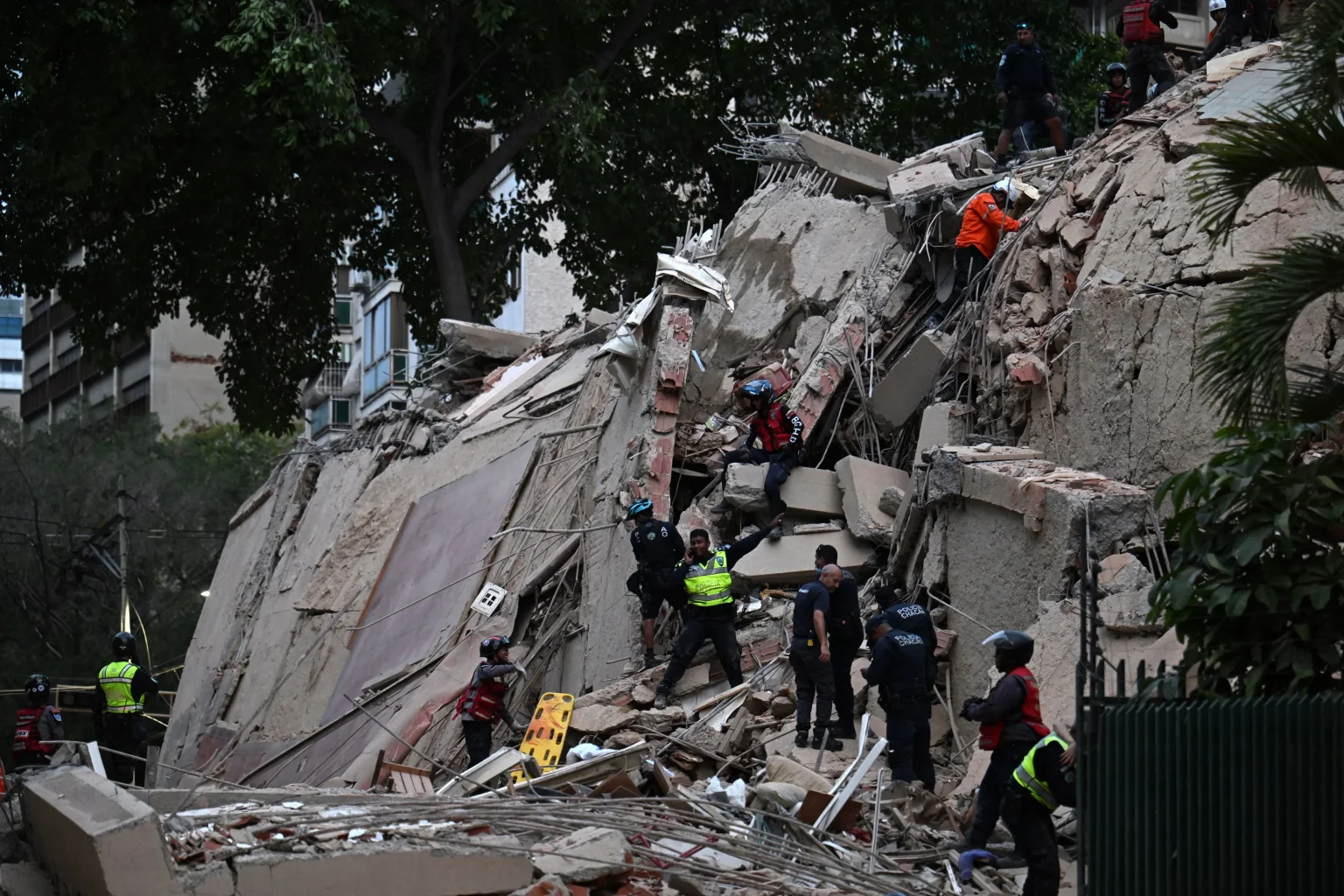

Venezuela has declared a nationwide state of emergency after two powerful earthquakes measuring 7.2 and 7.5 magnitude struck the country within less than a minute of each other, causing widespread damage, building collapses, transport disruptions, and emergency rescue operations across several regions. Authorities have suspended classes and non-essential activities while search-and-rescue teams continue to assess the scale of the disaster.
According to reports from the U.S. Geological Survey (USGS) and Venezuelan authorities, the first earthquake, measuring 7.2 magnitude, was followed approximately 40 seconds later by a stronger 7.5-magnitude event. The epicenters were located in western and north-central Venezuela near the cities of San Felipe and Morón, with tremors felt across much of the country and neighboring regions.
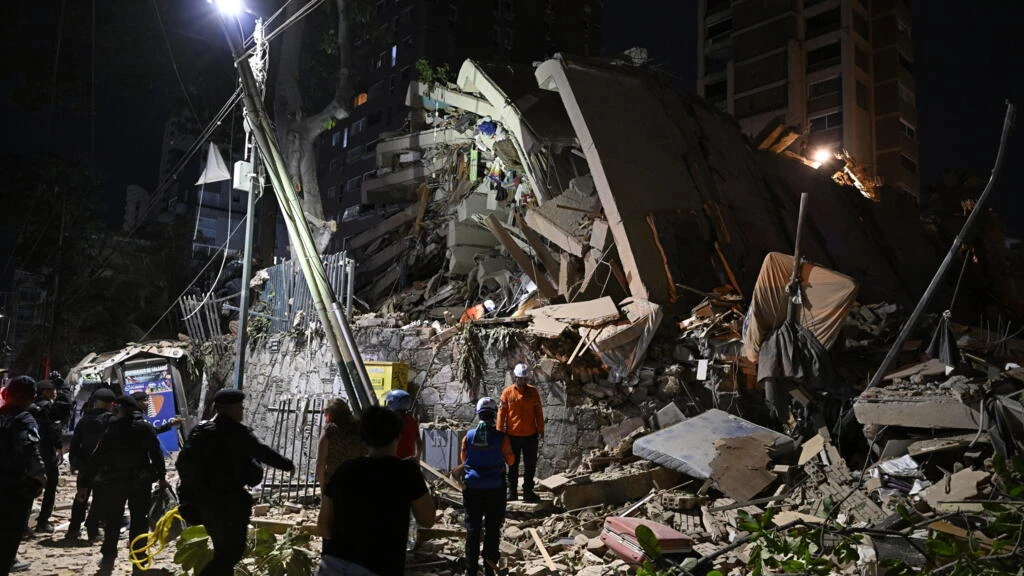
The earthquakes triggered scenes of panic in the capital, Caracas, where residents evacuated homes, offices, and public buildings as structures shook violently. Several buildings reportedly collapsed or suffered severe structural damage in Caracas and surrounding states, including Miranda, La Guaira, Aragua, Carabobo, and Falcón. Emergency personnel were deployed throughout the night to search for survivors trapped beneath debris.
Venezuelan interim President Delcy Rodríguez announced the state of emergency in a televised address, confirming that schools and non-essential services would remain closed until further notice. Authorities have also activated public and private healthcare networks in the most affected areas to support emergency medical operations.
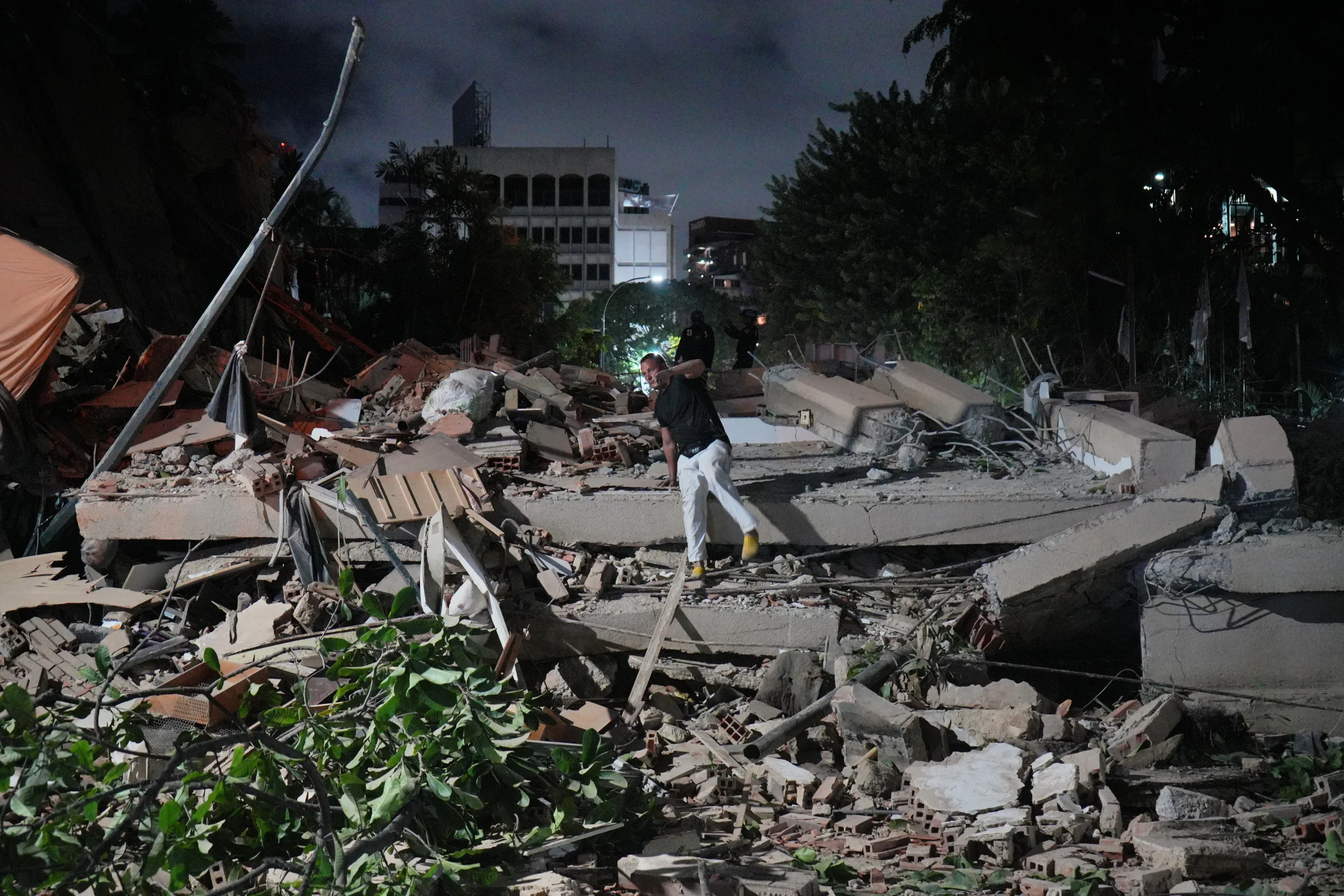
The seismic event was followed by more than 20 aftershocks, raising concerns about additional structural failures and complicating rescue efforts. Emergency officials urged residents to avoid damaged buildings and remain alert for further tremors.
One of the country’s key transport hubs, Simón Bolívar International Airport near Caracas, was temporarily closed after sustaining damage linked to the earthquakes. Authorities are inspecting infrastructure, including roads, bridges, and public facilities, before allowing normal operations to resume.
Initial assessments indicate that the earthquakes rank among the strongest to affect Venezuela in decades. Seismologists have described the event as a rare “doublet earthquake,” in which two major earthquakes of similar strength occur in rapid succession along the same fault system. The unusual sequence amplified shaking intensity and increased the potential for structural damage across a wider area.
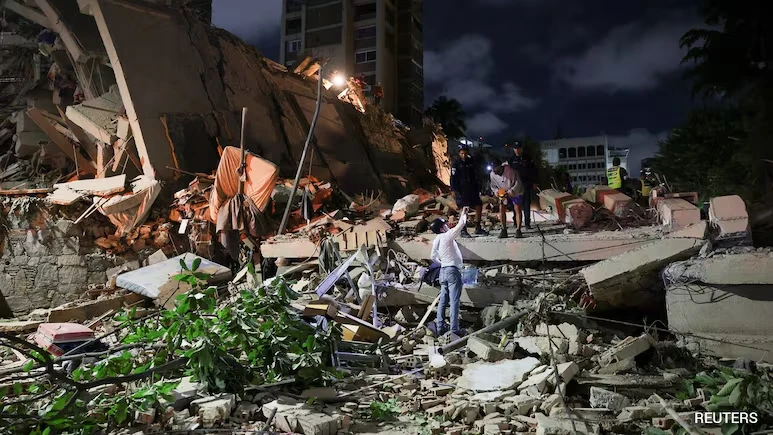
Casualty figures remain subject to verification as rescue operations continue. Multiple international media organizations reported fatalities and hundreds of injuries, while officials have not yet released a final nationwide assessment. Emergency workers are continuing searches in collapsed buildings and densely populated urban areas where the risk of people being trapped remains high.
The earthquakes also prompted tsunami advisories for parts of the Caribbean shortly after the tremors were detected. Monitoring agencies later reviewed the threat as additional seismic data became available. Authorities nevertheless urged coastal communities to follow official instructions and remain informed through emergency channels.
International offers of assistance have begun arriving as Venezuela responds to the disaster. Governments and humanitarian organizations are monitoring developments while local authorities focus on rescue operations, damage assessments, and restoring critical services.
With aftershocks continuing and infrastructure inspections underway, emergency agencies say the coming hours will be critical in determining the full human and economic impact of one of the most significant seismic events to hit Venezuela in recent history.