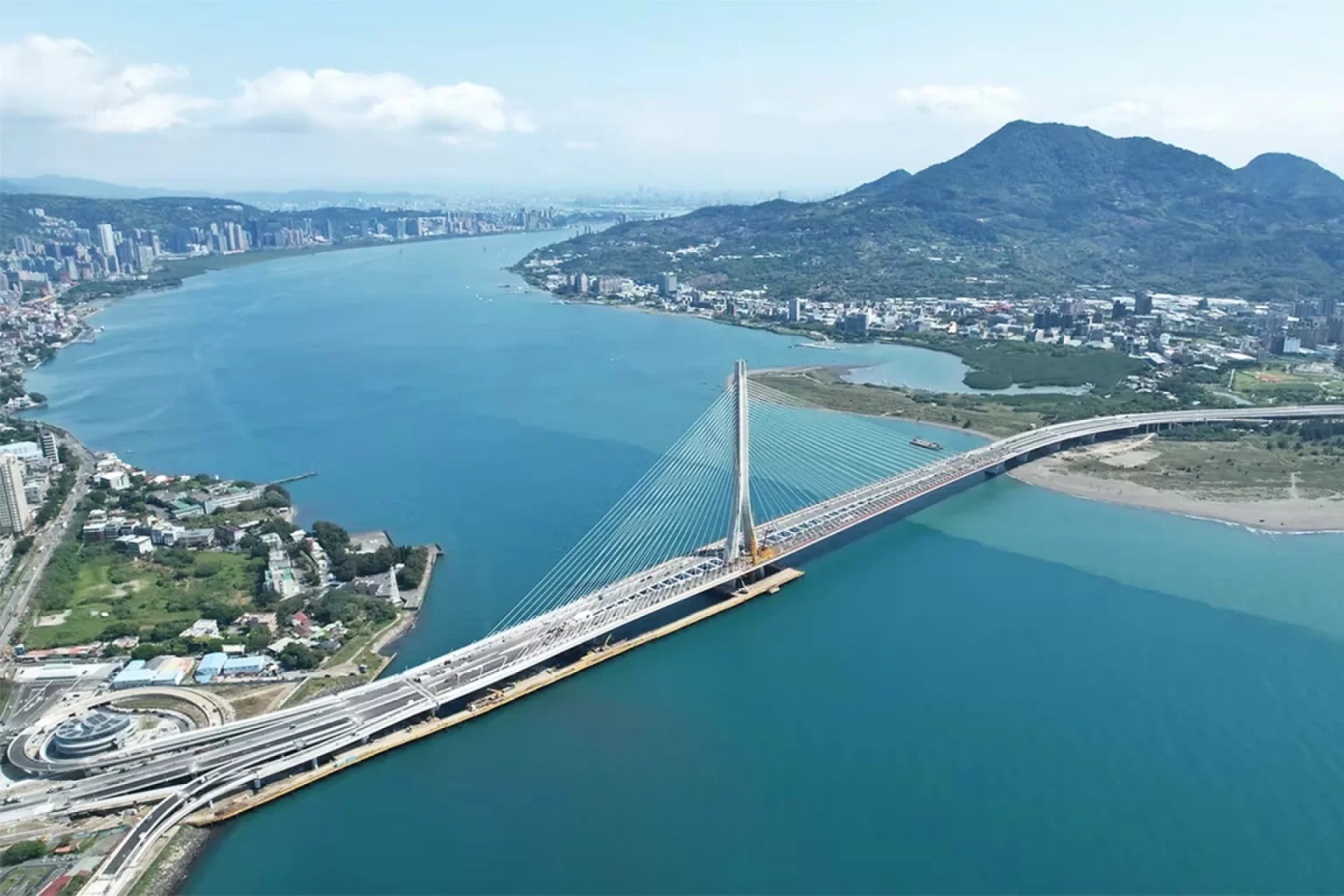


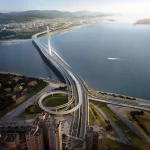
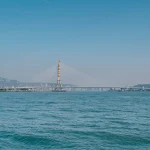
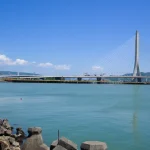
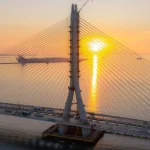
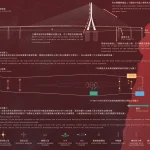
Taiwan has officially opened the Danjiang Bridge, a landmark infrastructure project now recognized as the world’s longest single-mast asymmetric cable-stayed bridge. Stretching across the mouth of the Tamsui River in northern Taiwan, the bridge connects the districts of Tamsui and Bali in New Taipei City and is expected to significantly improve regional mobility while becoming a new architectural icon for the country.
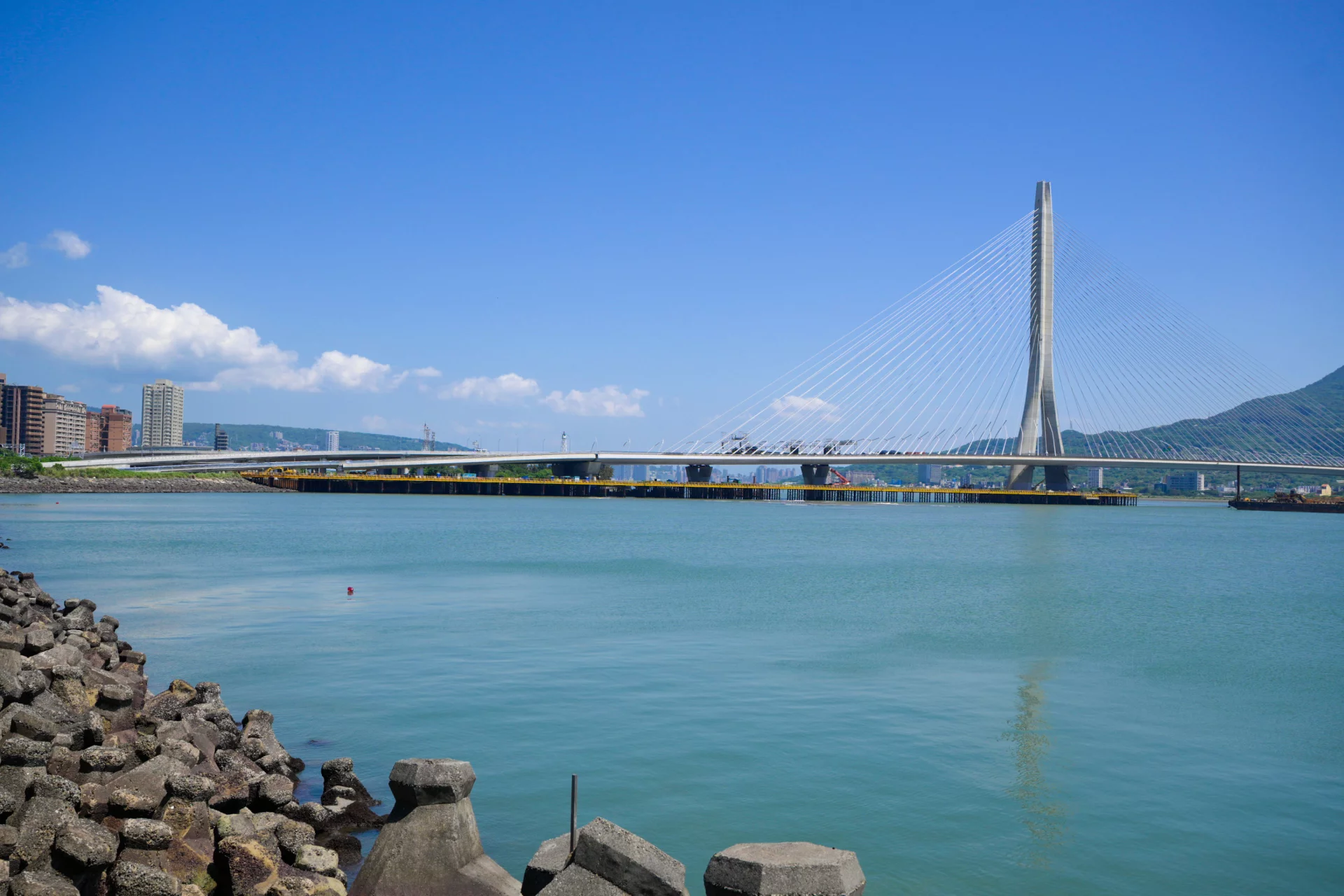
Zaha Hadid-Designed Danjiang Bridge
Designed by Zaha Hadid Architects in collaboration with engineering firms Leonhardt, Andrä and Partner and Sinotech Engineering Consultants, the bridge was first conceived nearly a decade ago after winning an international competition in 2015. Construction began in 2019 after years of planning and technical preparation, with the bridge officially opening to traffic on May 12, 2026.
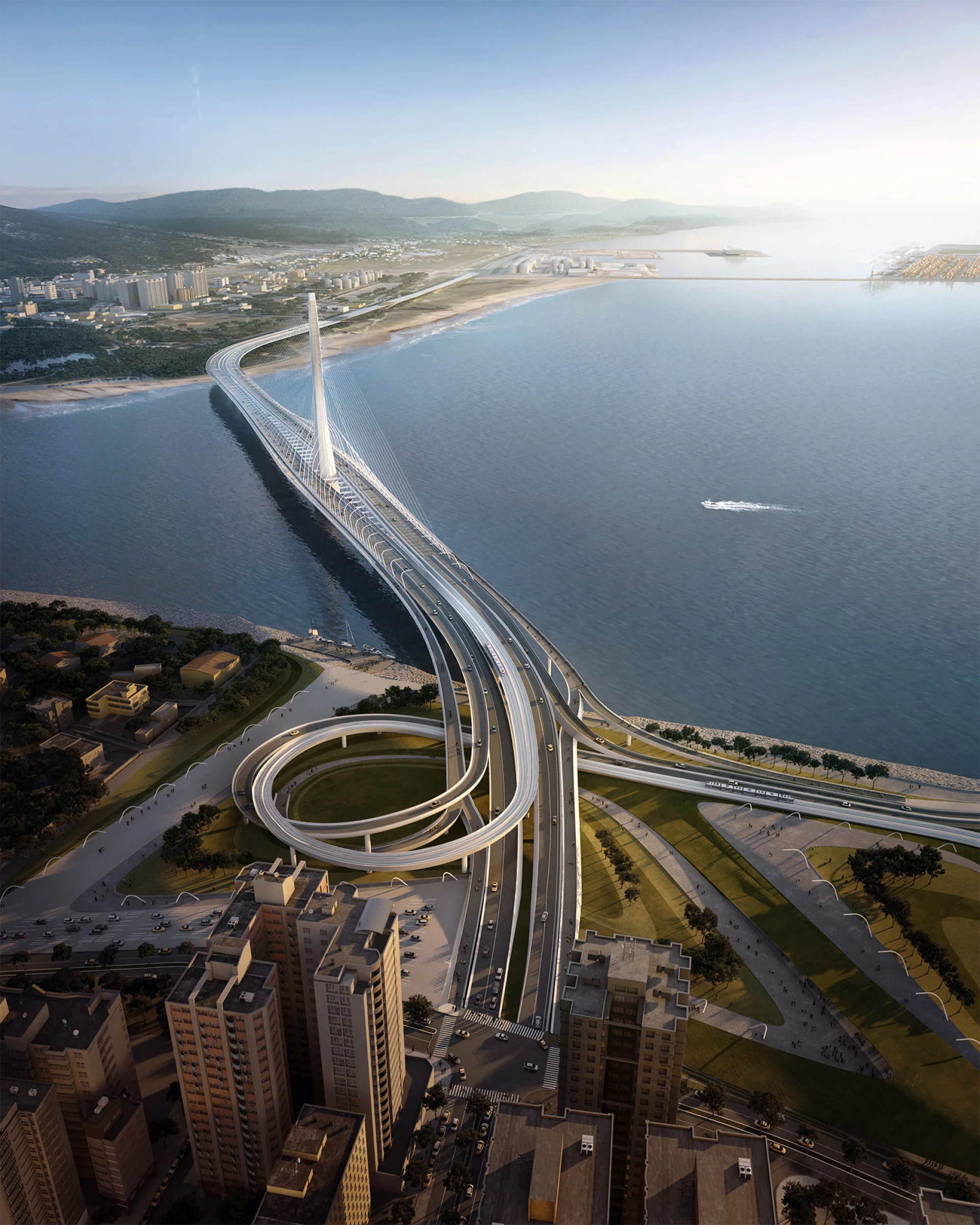
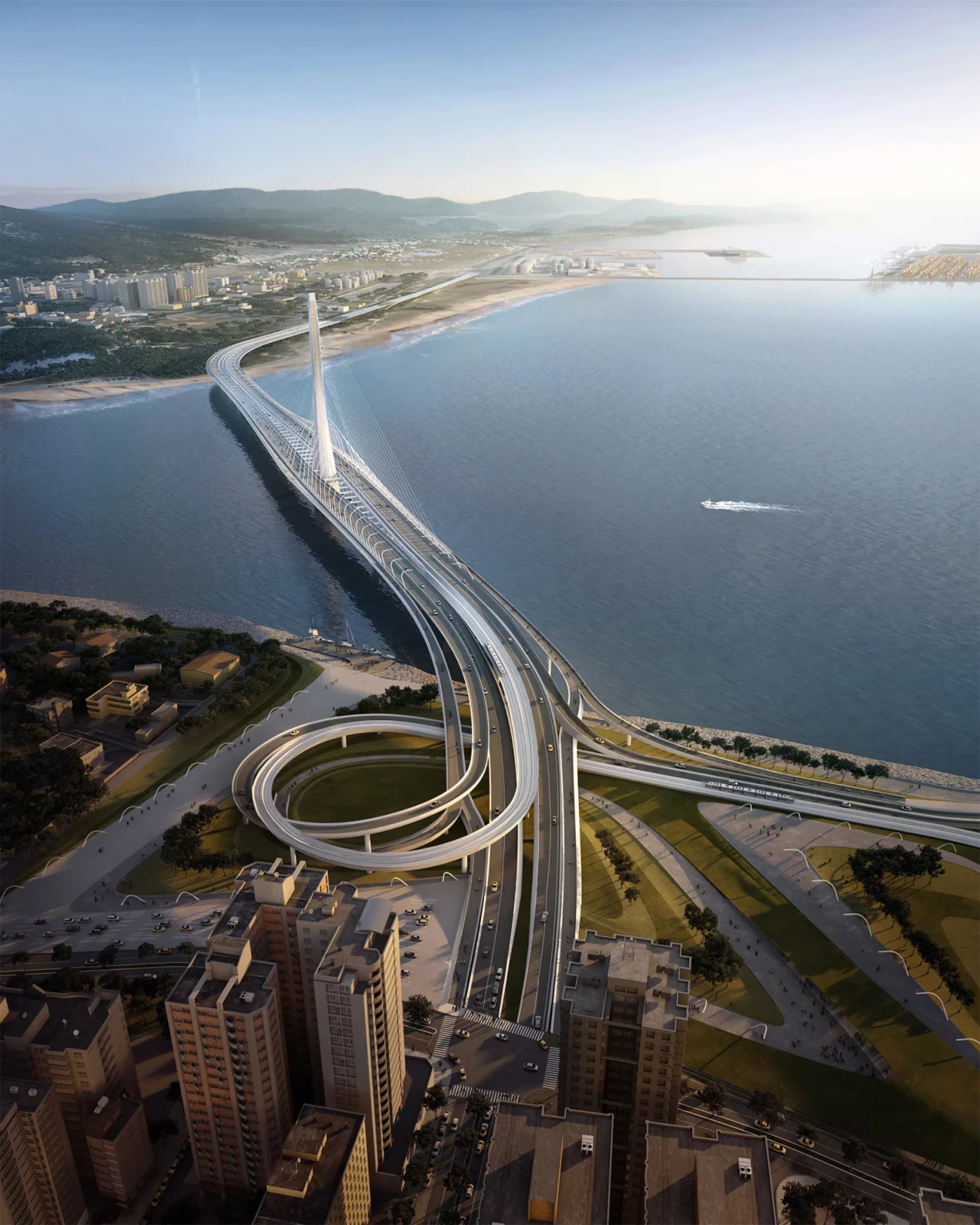
The Danjiang Bridge spans approximately 920 meters in total and is supported by a single 200-meter-high concrete mast that anchors the asymmetrical cable system. Its central span stretches around 450 meters, setting a world record for a single-tower asymmetric cable-stayed bridge. The structure accommodates multiple transportation modes, including cars, buses, scooters, bicycles, pedestrians, and a future extension of the Danhai Light Rail Transit system.
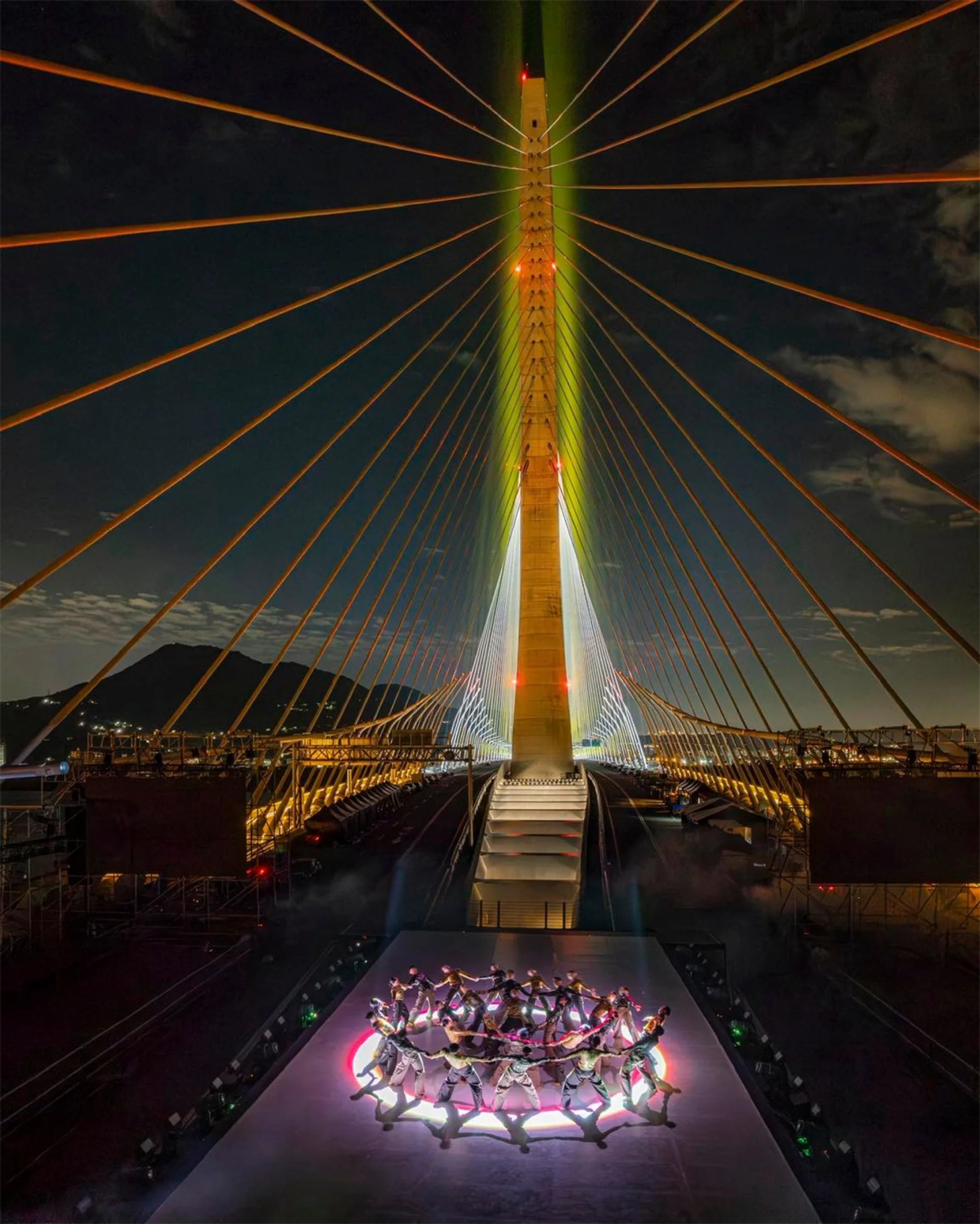
Positioned at the estuary of the Tamsui River, the bridge plays a critical role in Taiwan’s broader transport infrastructure upgrade. Officials say the new crossing will reduce congestion around the heavily used Guandu Bridge while improving links between Highway 2, Highway 15, the West Coast Expressway, Taipei Port, and Taoyuan International Airport. Authorities estimate the project could reduce travel distances by nearly 15 kilometers and cut commute times in the area by approximately 25 minutes.
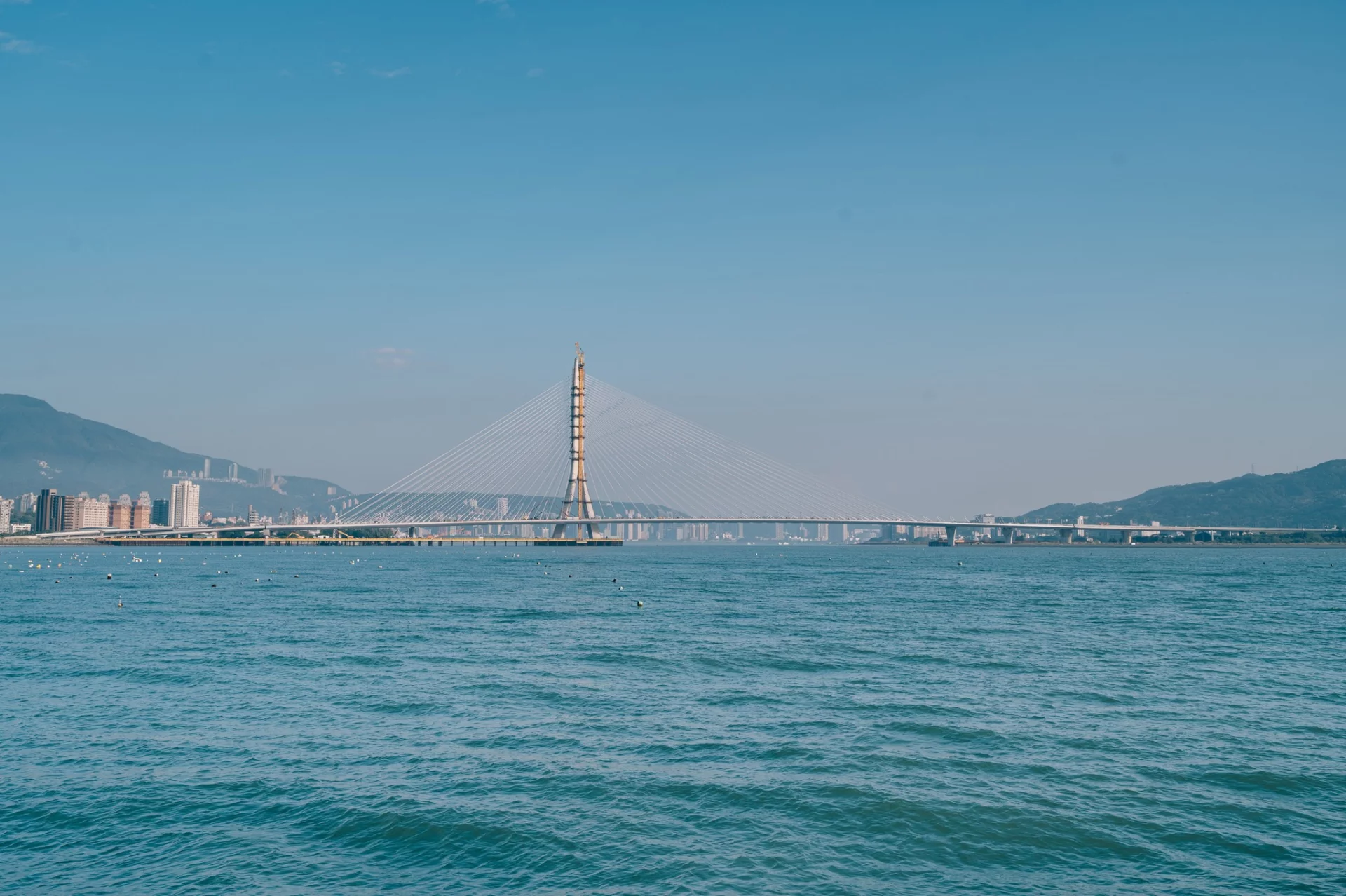
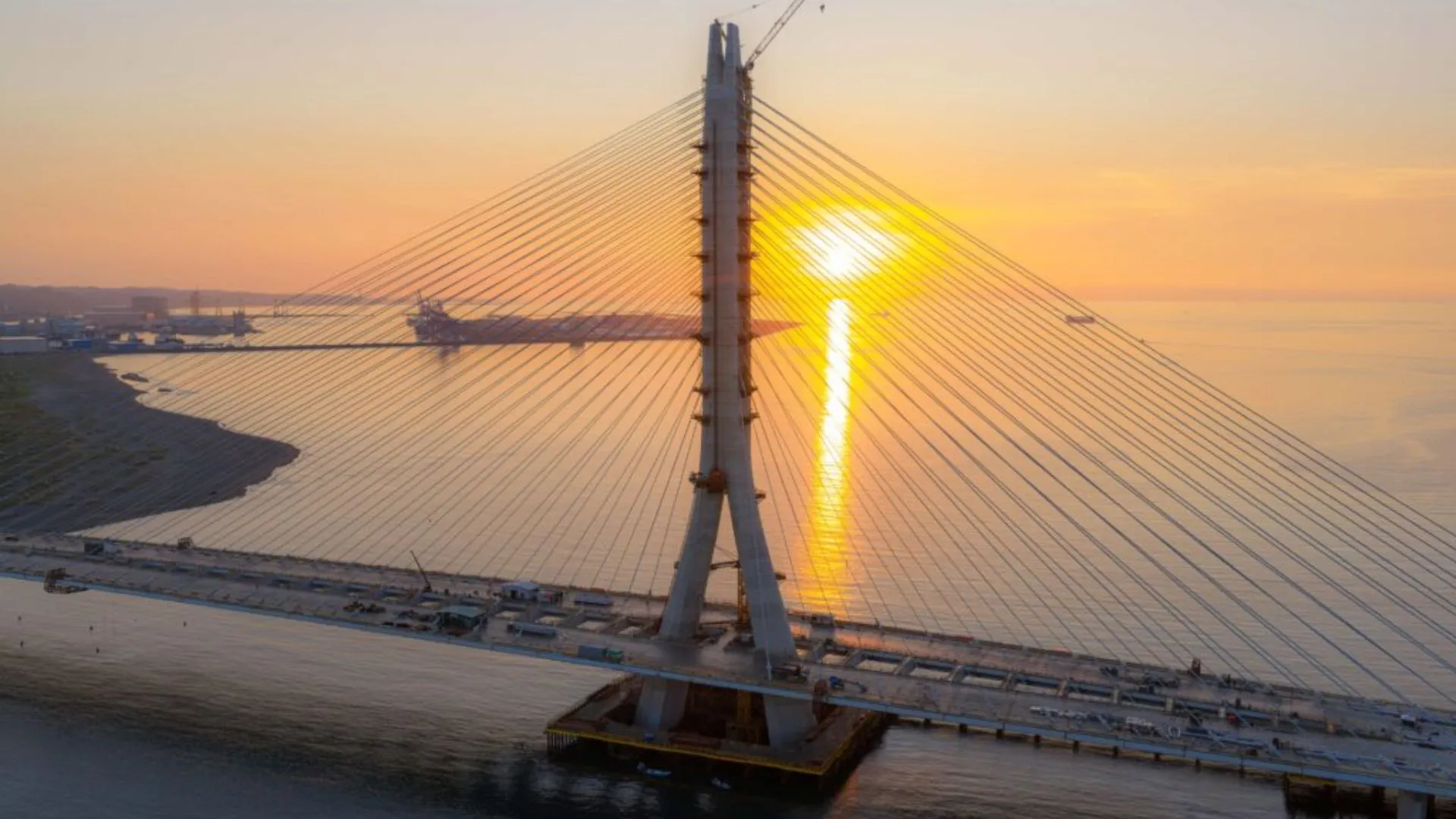
Beyond its transportation role, the Danjiang Bridge has drawn global attention for its sculptural and environmentally sensitive design. Zaha Hadid Architects intentionally opted for a single-mast configuration to minimize the bridge’s visual impact on the riverfront skyline and preserve the famous sunset views along the Tamsui waterfront. Detailed 3D environmental mapping reportedly informed the exact placement and height of the mast to maintain navigability for river vessels while reducing interference with the surrounding landscape and estuary ecosystem.
The bridge also represents a major engineering achievement due to Taiwan’s challenging environmental conditions. Engineers had to account for frequent earthquakes, strong coastal winds, typhoon exposure, and active shipping routes passing beneath the structure. Reports describe the project as a “mission impossible” because of the complex balance required between structural safety, engineering efficiency, and architectural elegance. Advanced anti-earthquake technology and carefully engineered steel deck systems were integrated into the bridge to enhance resilience against seismic activity and extreme weather.
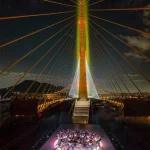
Taiwanese President Lai Ching-te described the Danjiang Bridge as a symbol of national pride during the inauguration ceremony, calling it a new international landmark for Taiwan. The opening celebrations featured large-scale lighting displays and public events along the riverfront, reinforcing the bridge’s cultural significance in addition to its infrastructural value.
With its record-breaking span, distinctive asymmetrical profile, and technical construction, the Danjiang Bridge now stands as both a critical transport link and a monumental piece of contemporary bridge architecture in Taiwan.
Image credit: © Northern Region New Construction Branch Office, Highway Bureau, MOTC Taiwan