

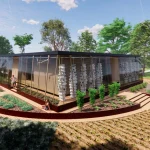
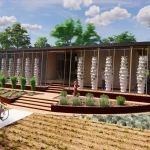
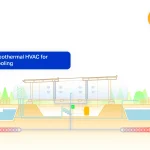
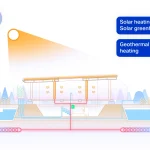
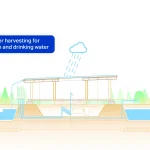
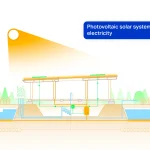
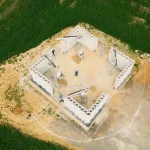
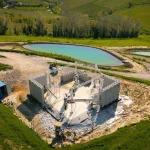
Itaca is a self-sufficient 3D-printed housing and farming model developed by WASP (World’s Advanced Saving Project). The project was presented publicly during Italian Tech Week and later realized as a full-scale construction in Northern Italy, within WASP’s open-air research site known as Shamballa. Itaca is designed as a certified, permanent structure that meets the same regulatory standards as conventional buildings, including seismic resistance.
The project aims to demonstrate how 3D printing, digital manufacturing, and localized resource use can support a circular micro-economy capable of sustaining human life with minimal reliance on external infrastructure. Itaca is designed to support up to four people without connections to electricity, water, or gas networks.
3D Printing Technology and Construction Process
Massimo Moretti, founder and president of WASP, first introduced the Itaca project at Italian Tech Week in Turin as a 3D-printed, self-sufficient farm and housing model built around a circular micro-economy.
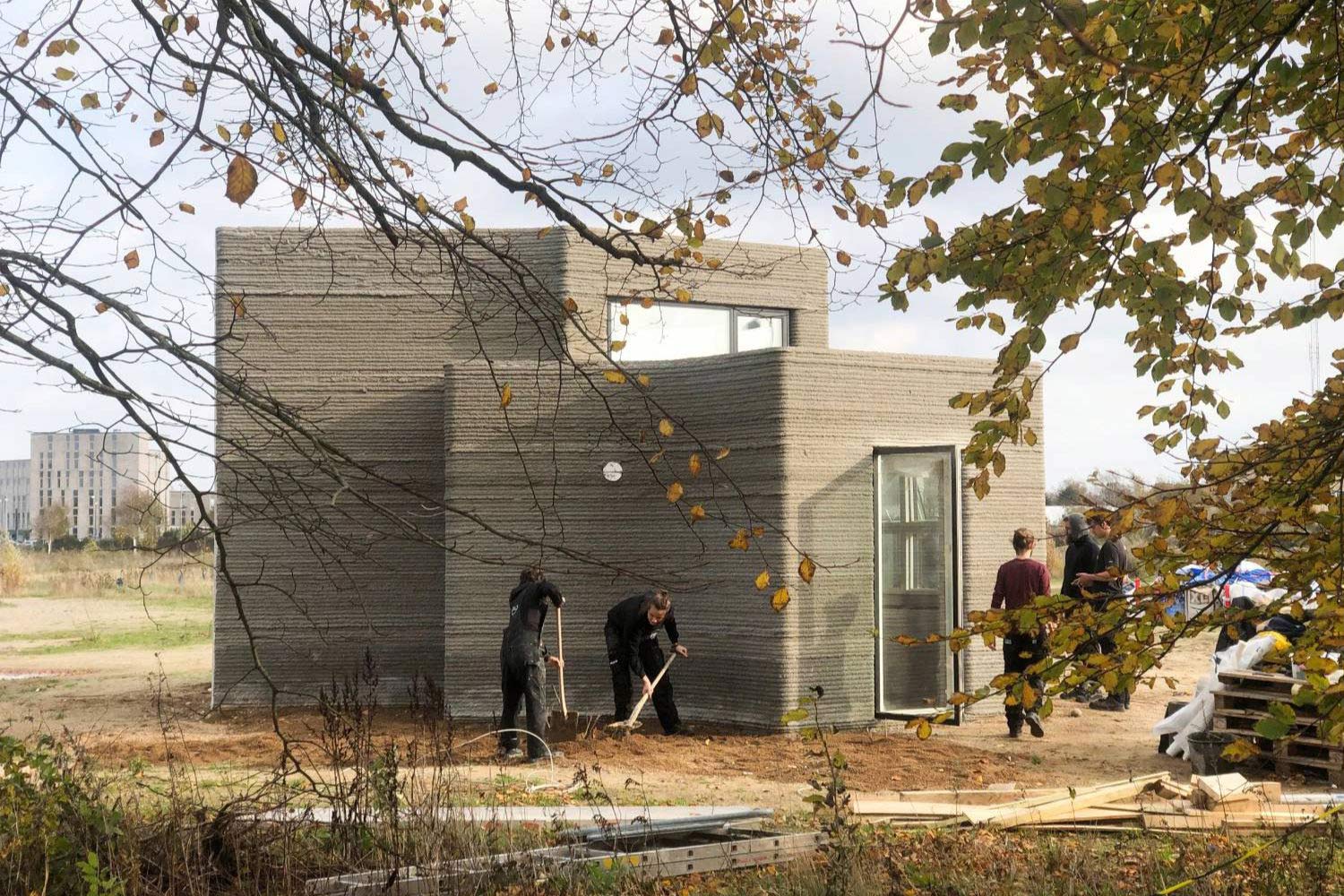
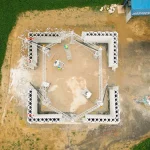
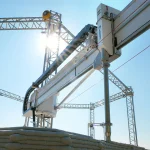
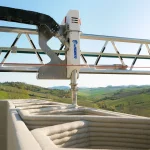
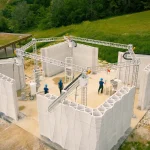
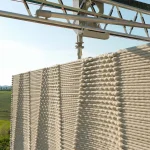
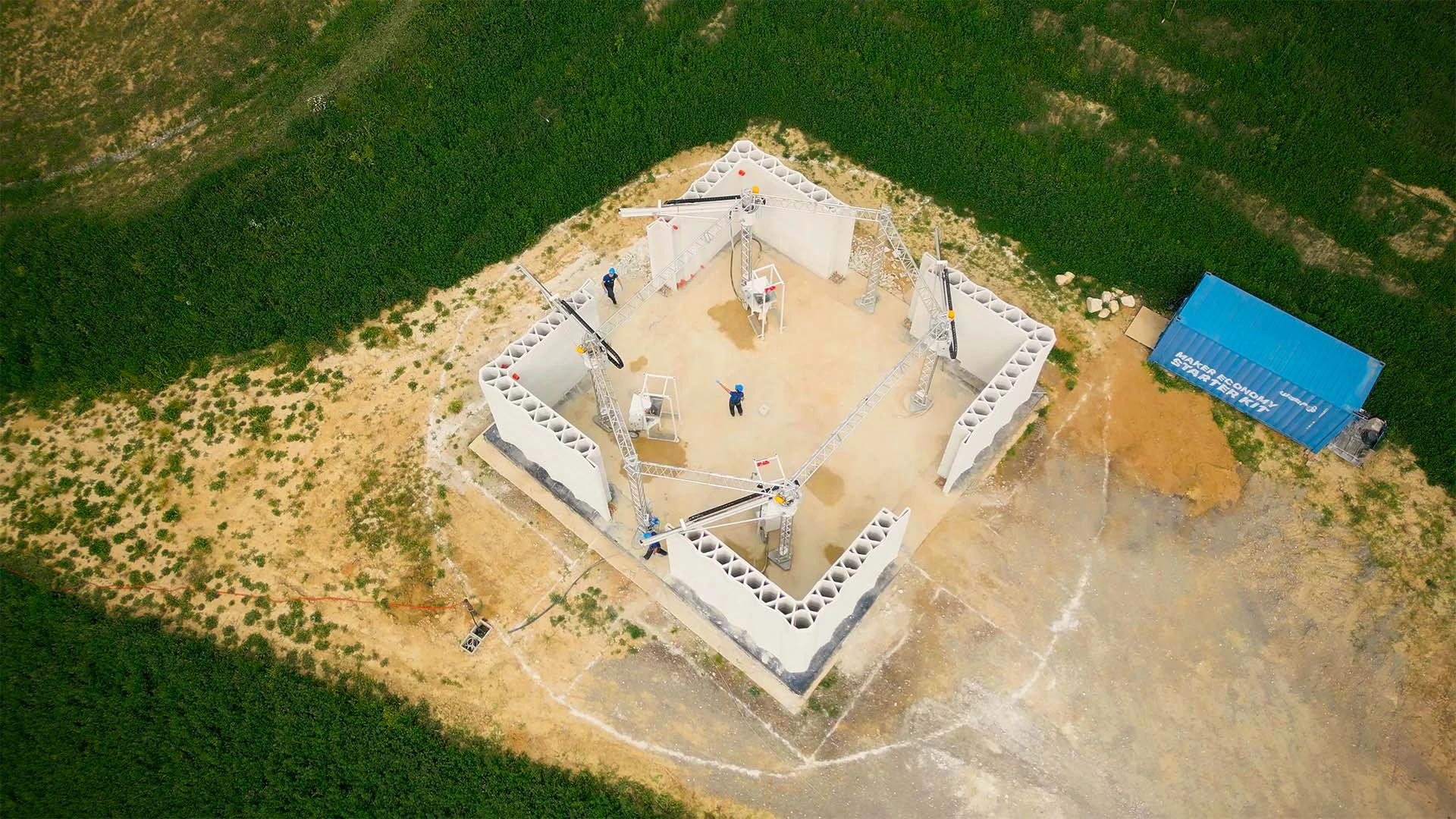
The construction of Itaca was carried out by WASP 3D Build using the Crane WASP system. For this project, the system was configured with four robotic arms positioned at the vertices of a hexagonal layout. This setup enables multiple wall sections to be printed simultaneously, significantly reducing construction time.
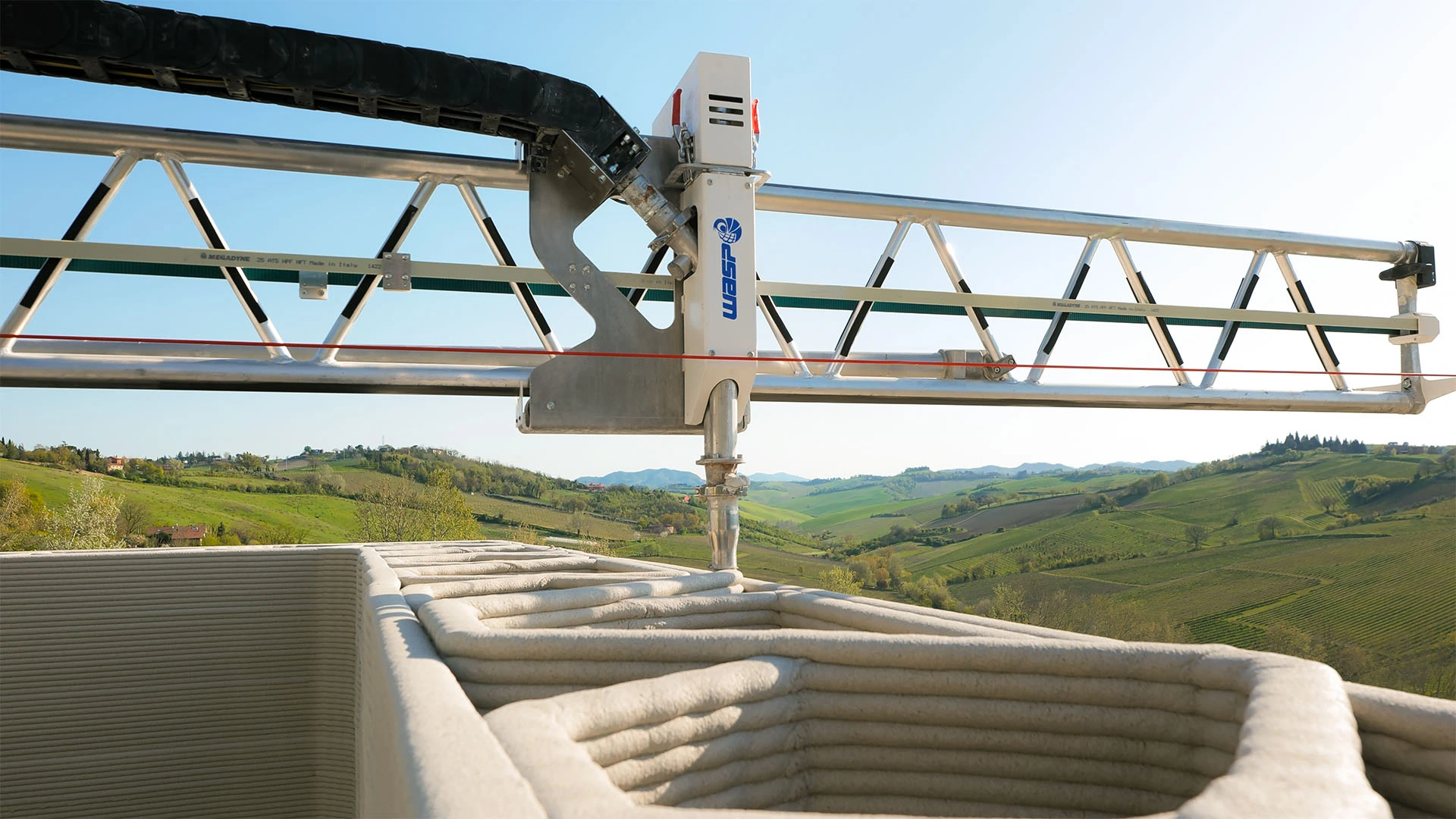
Each wall section required approximately 24 hours to print. When all four arms operate simultaneously, the full structural shell can be completed in a few days. This approach demonstrates the scalability of large-format 3D printing for permanent buildings.
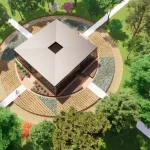
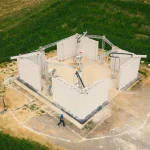
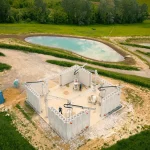
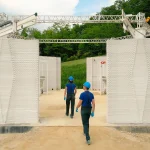
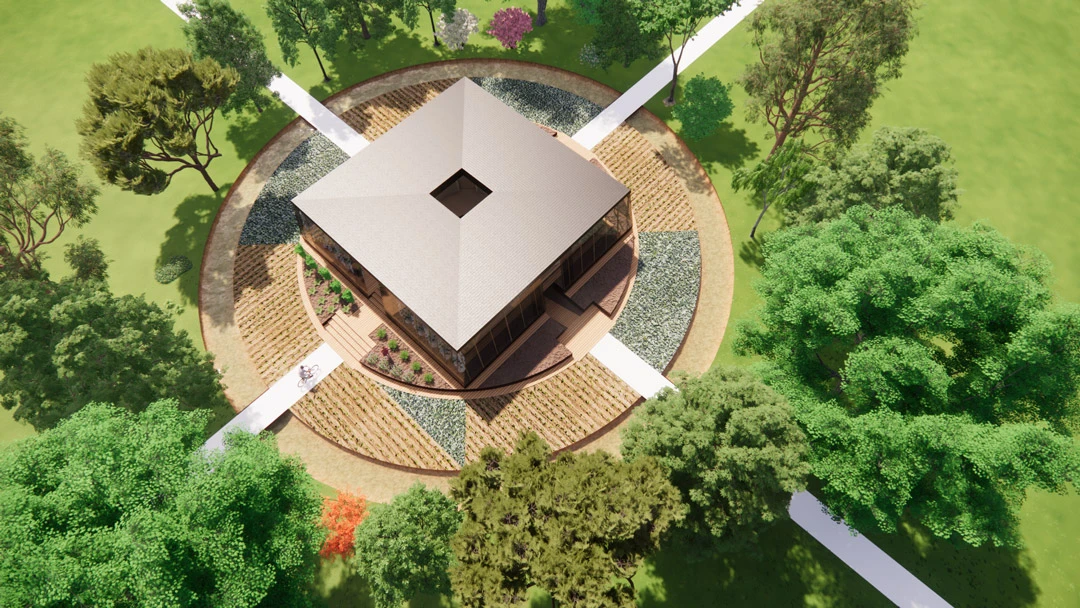
The building layout is based on a geometric scheme inspired by a mandala. The plan consists of a square inscribed within a circle, with four primary walls placed at the corners of the square. Each wall includes a central opening.
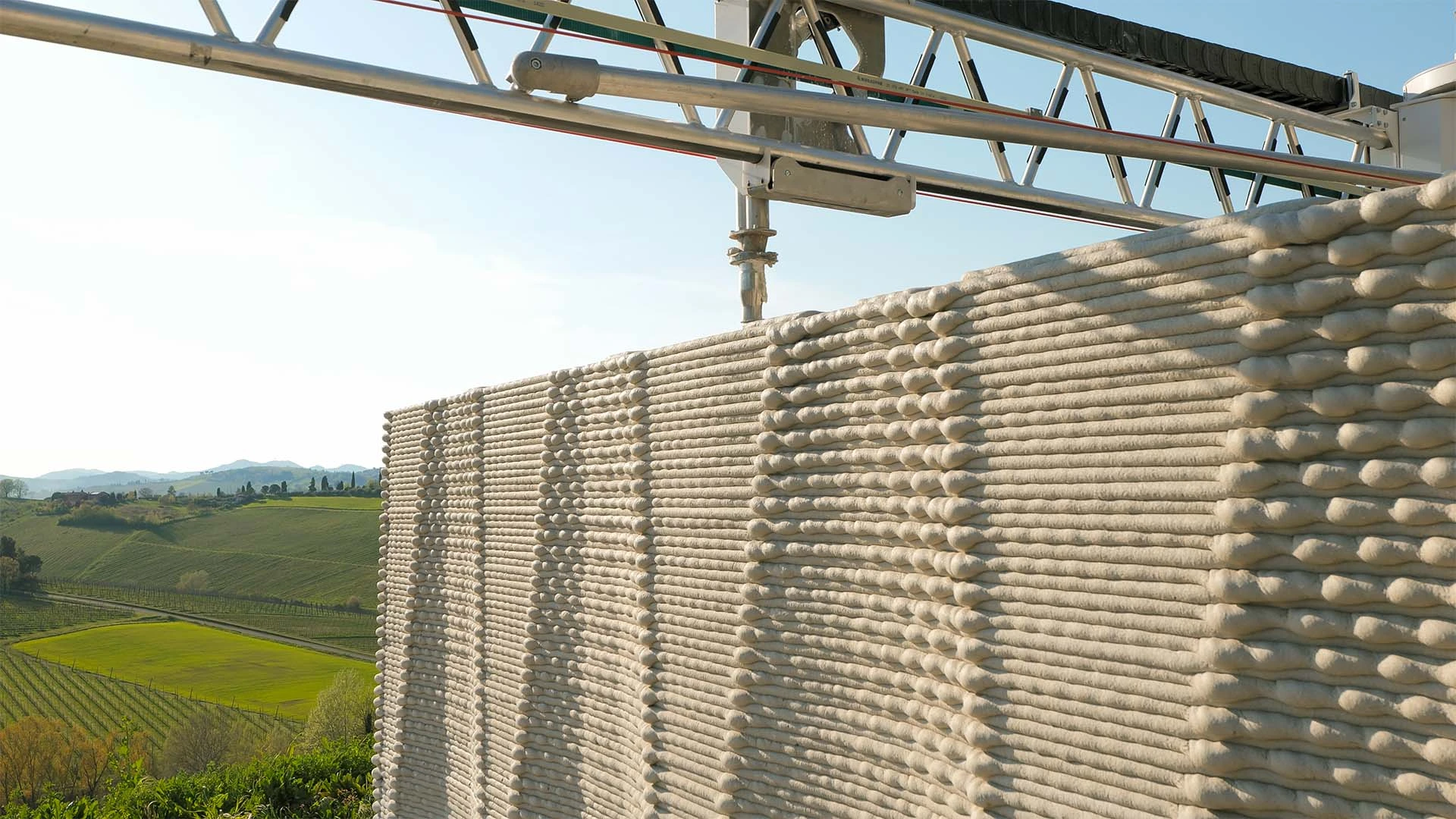
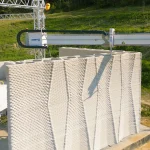
The total floor area of the structure is 164.9 square meters. The walls reach a height of 3.8 meters and have a thickness ranging from 60 to 70 centimeters, a key factor in both structural stability and thermal performance.
Materials, Structural Performance, and Energy Design
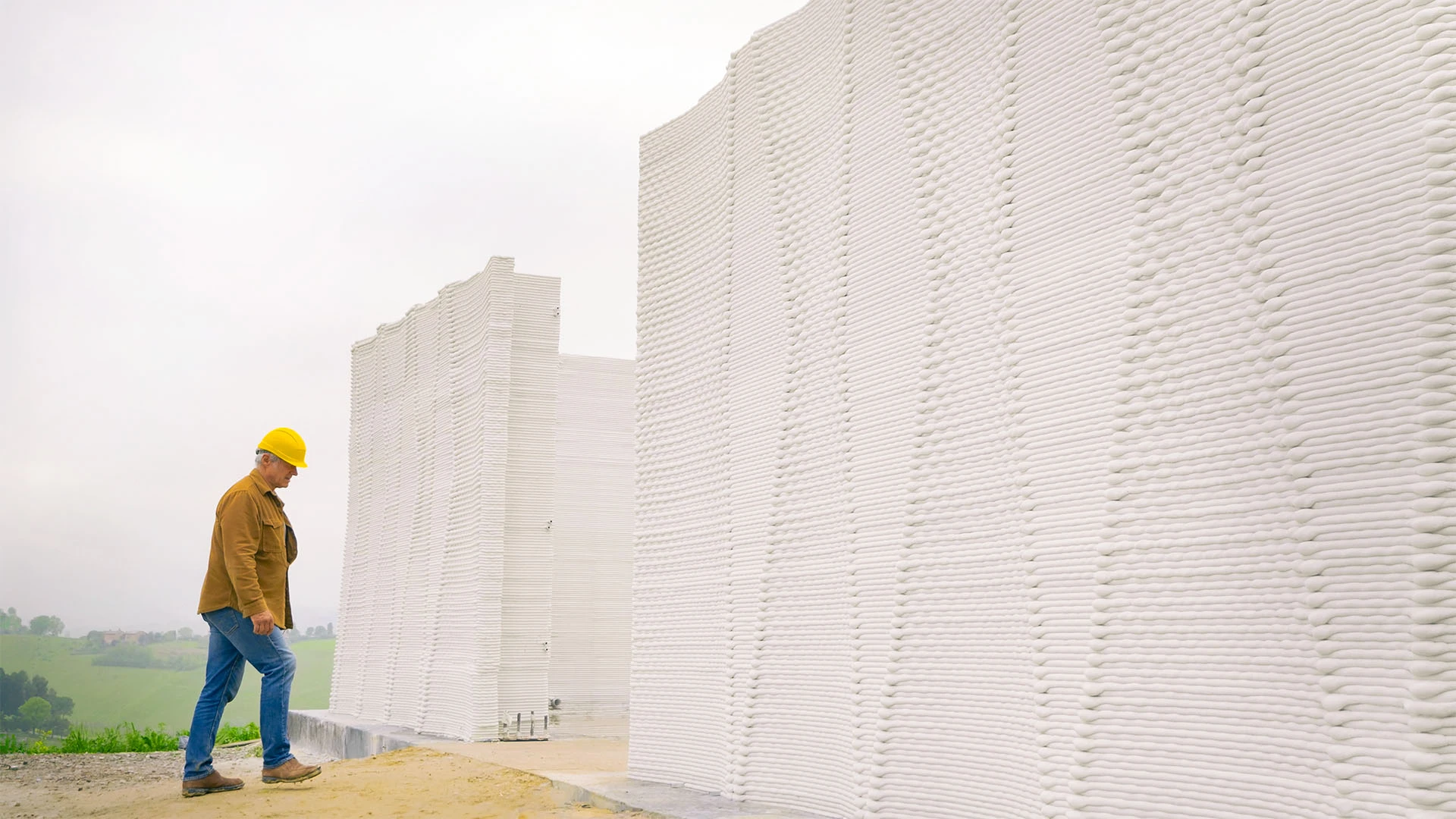
The walls of Itaca were printed using a lime-based mixture that does not include cement. This material was selected to reduce carbon emissions compared to conventional concrete while still meeting durability and safety requirements. The mixture also offers high breathability, which helps regulate humidity and reduce the risk of mold.
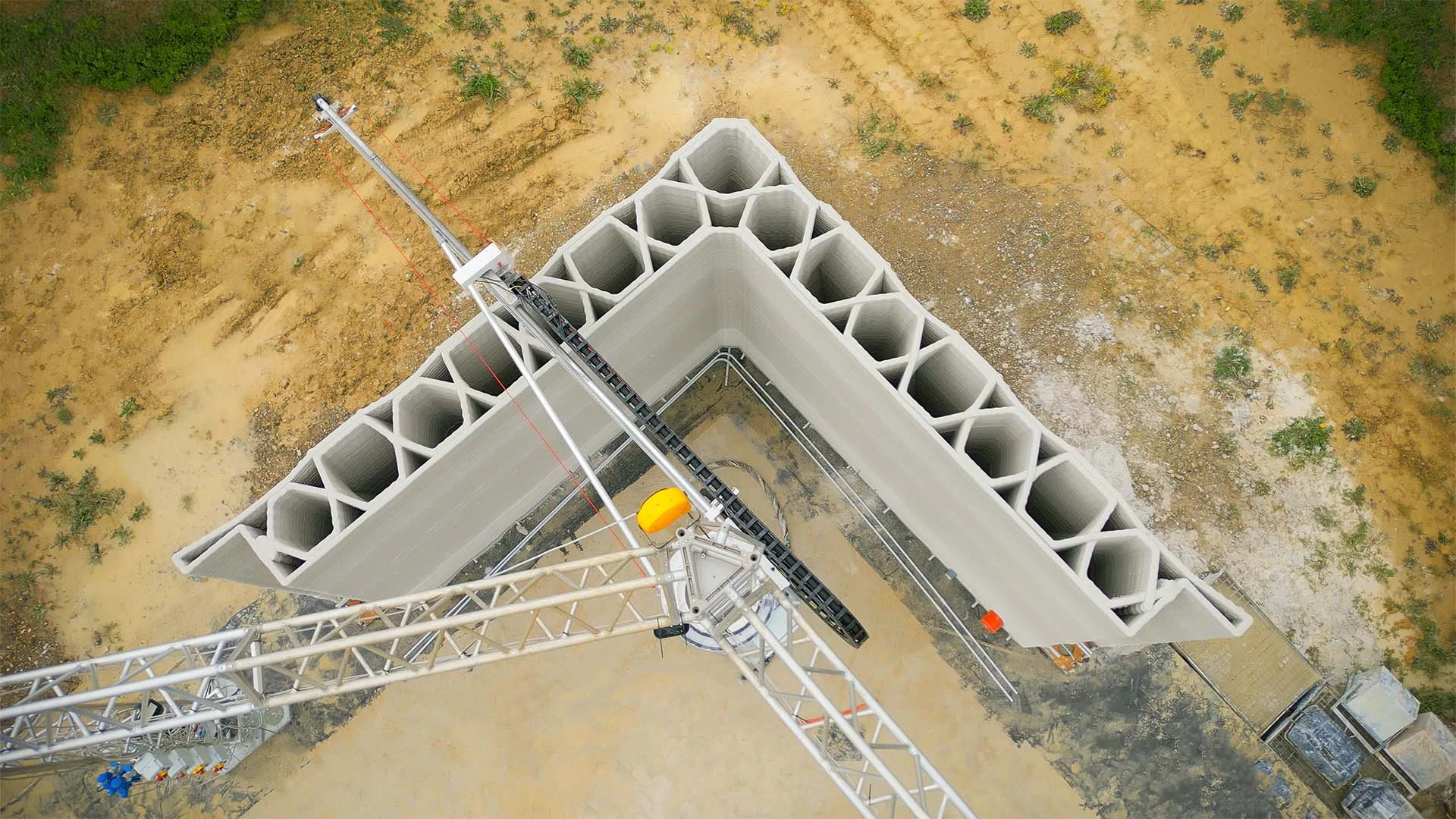
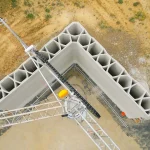
Inside the walls, reinforcement columns are added to increase structural strength, ensure compliance with earthquake regulations, and support the load of the green roof installed above the building.
The wall cavities are filled with a combination of rice husks, sourced from agri-food waste, and natural lime powder. This creates internal insulation rather than an external layer, contributing to passive energy performance.
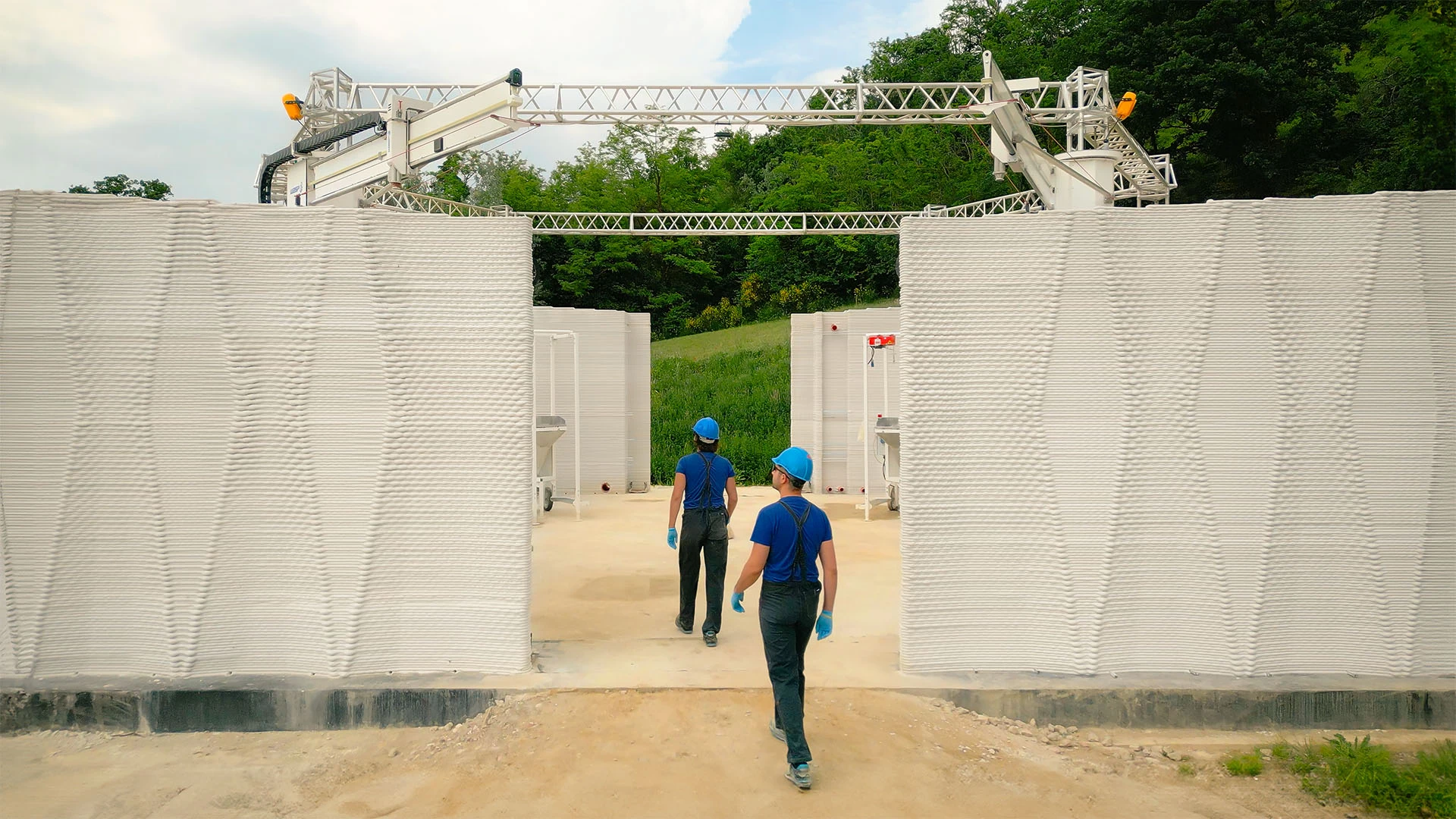
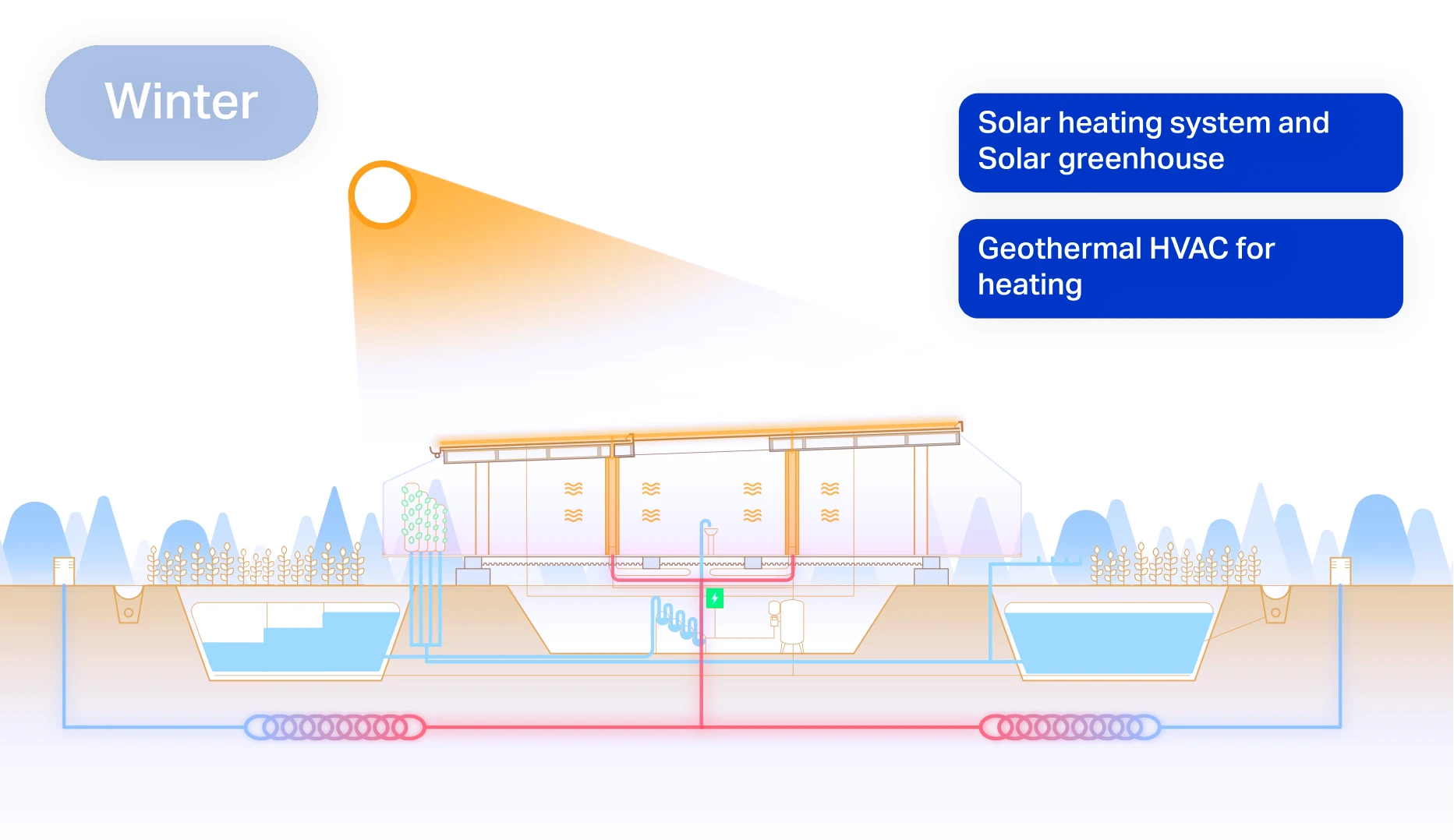
The wall design includes ventilated infills that help stabilize indoor temperatures and reduce heating and cooling demand. Heating systems, electrical wiring, and ventilation channels are integrated directly during the printing process. This eliminates the need for post-construction installation, allowing air to circulate throughout the structure.
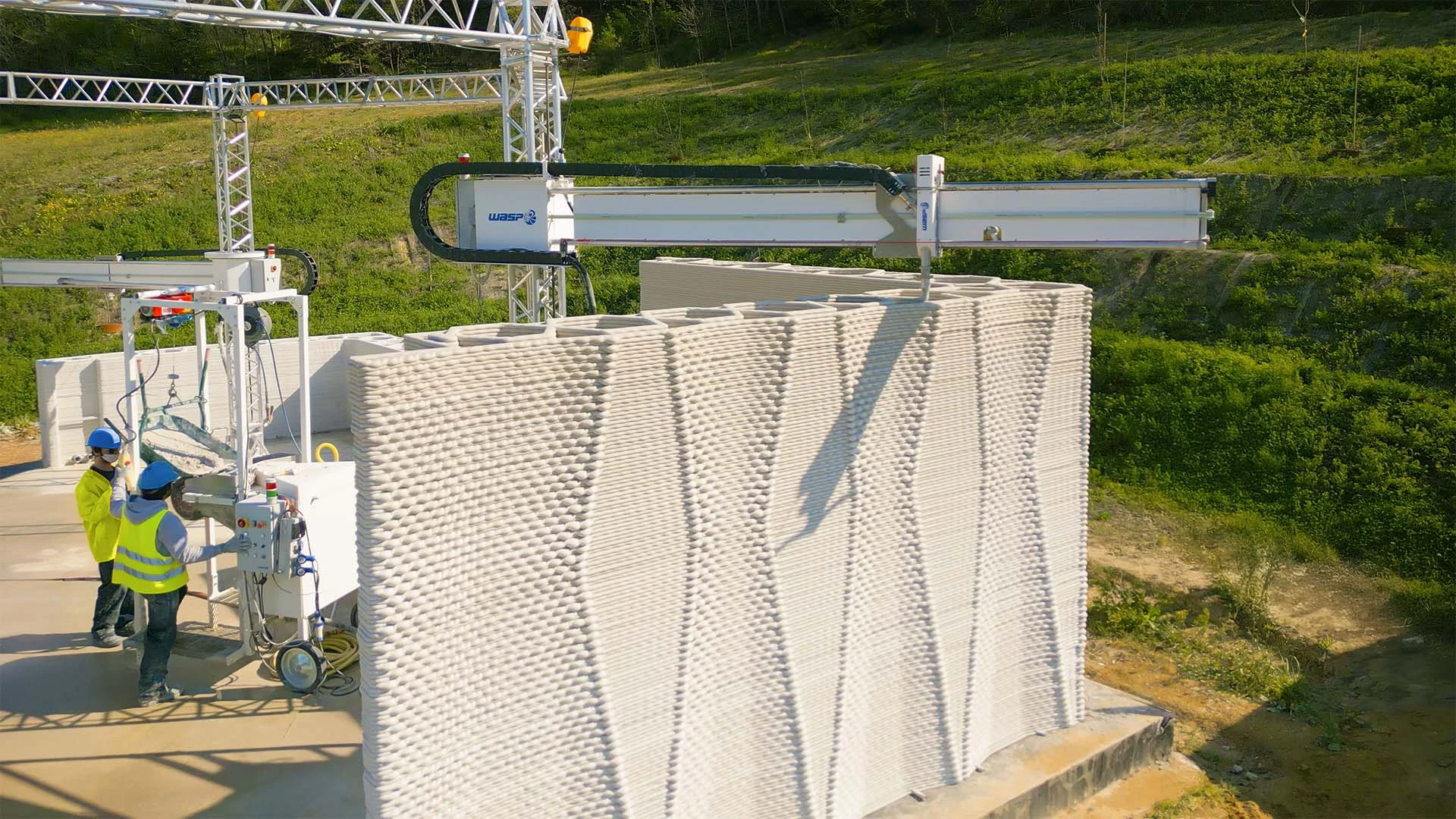
The ventilation system also supports air sanitation by enabling the distribution of substances within the airflow, contributing to indoor air quality. According to WASP, the combination of materials and construction methods allows the walls to achieve a negative CO₂ emissions balance.
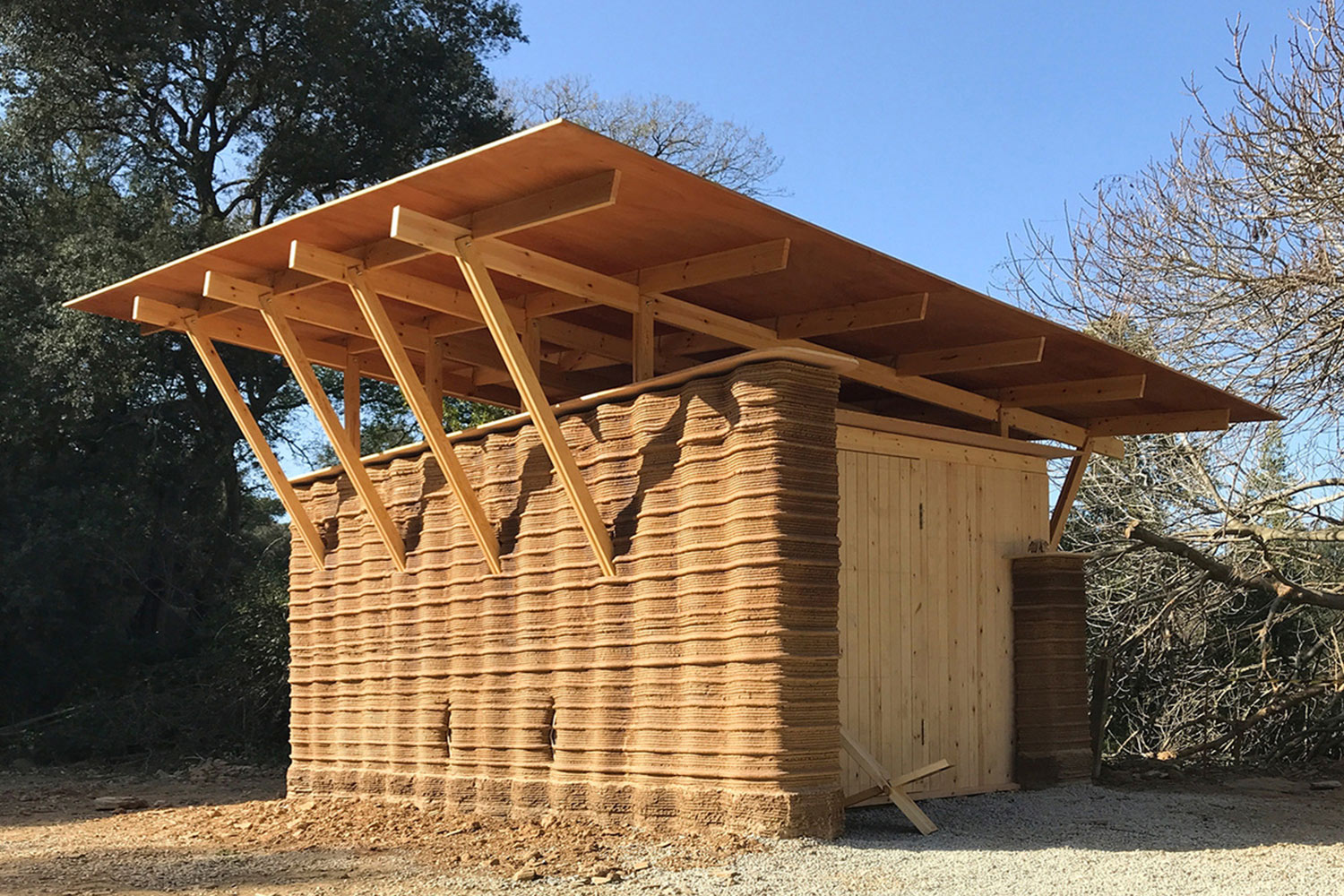
In regions where regulations permit, the same architectural model can be built using earth-based materials instead of lime-based mixtures, further reducing environmental impact.
Environmental Systems and Self-Sufficiency Strategy
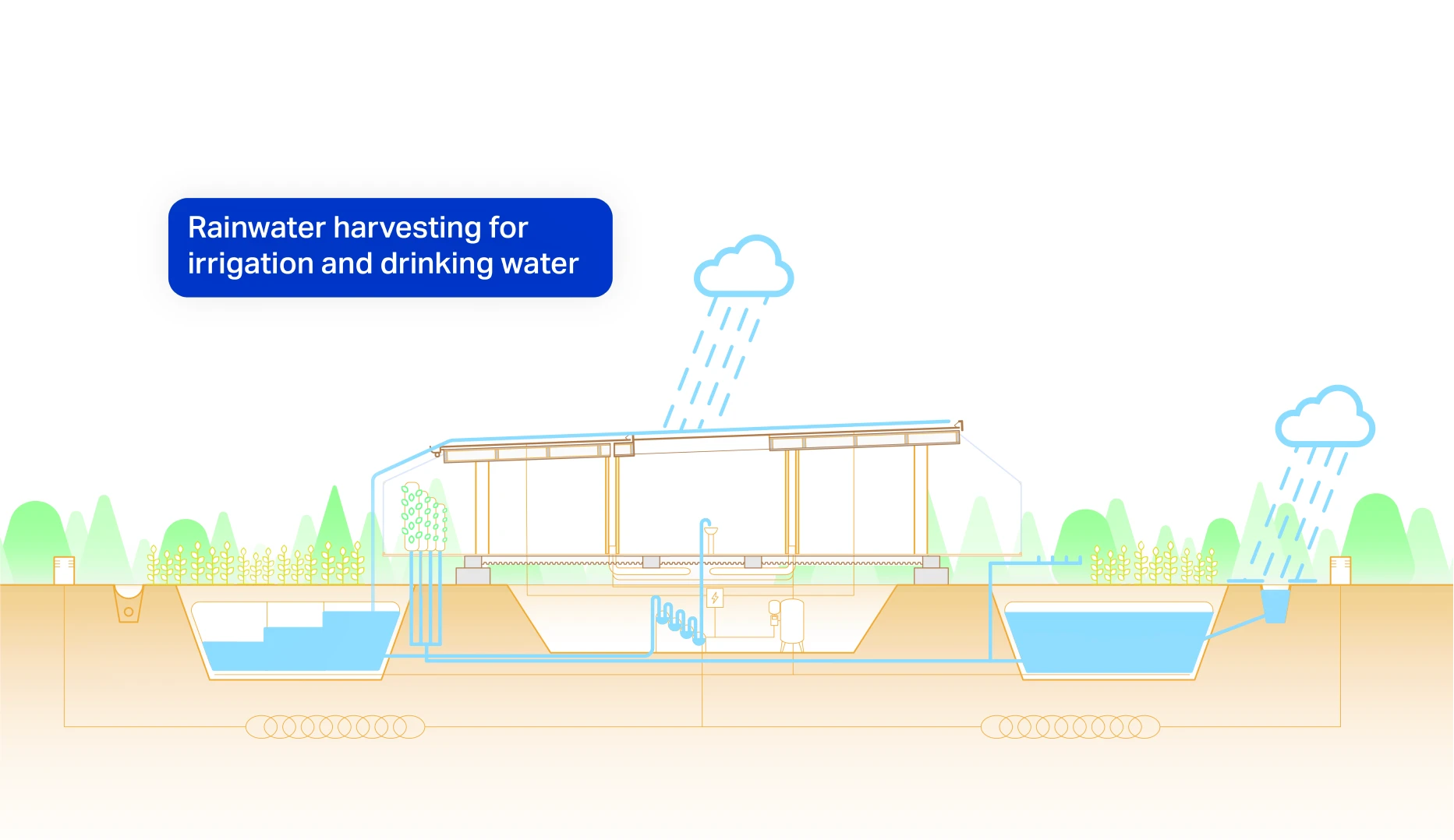
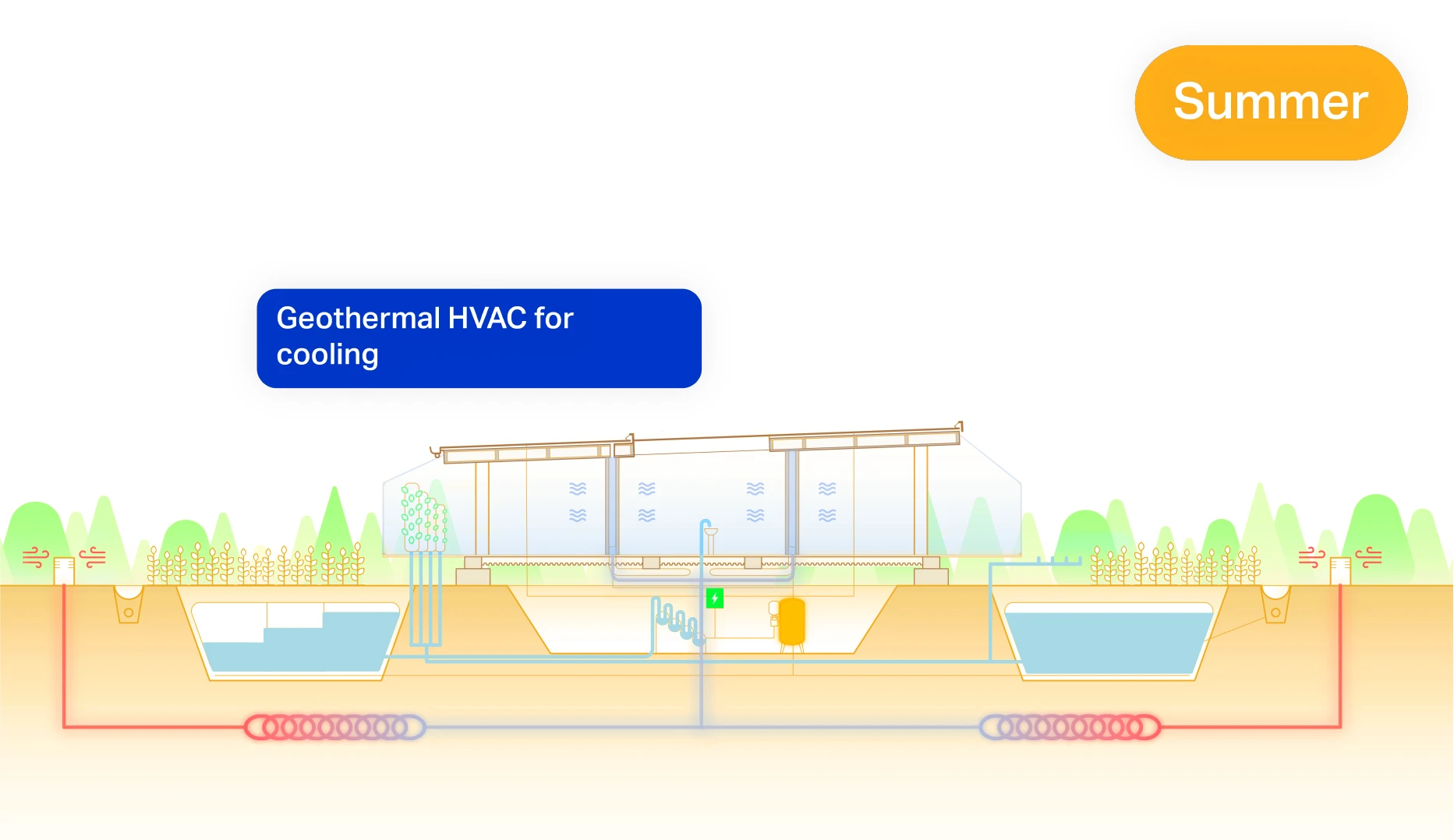
The Itaca project extends beyond the building itself to include land management strategies. Two rainwater collection basins were created to retain runoff, reduce soil erosion, and support irrigation. These basins function as bio lakes and address seasonal water scarcity in the area.
This intervention transformed land previously affected by runoff and drought into a more stable and biodiverse environment suitable for agricultural use.
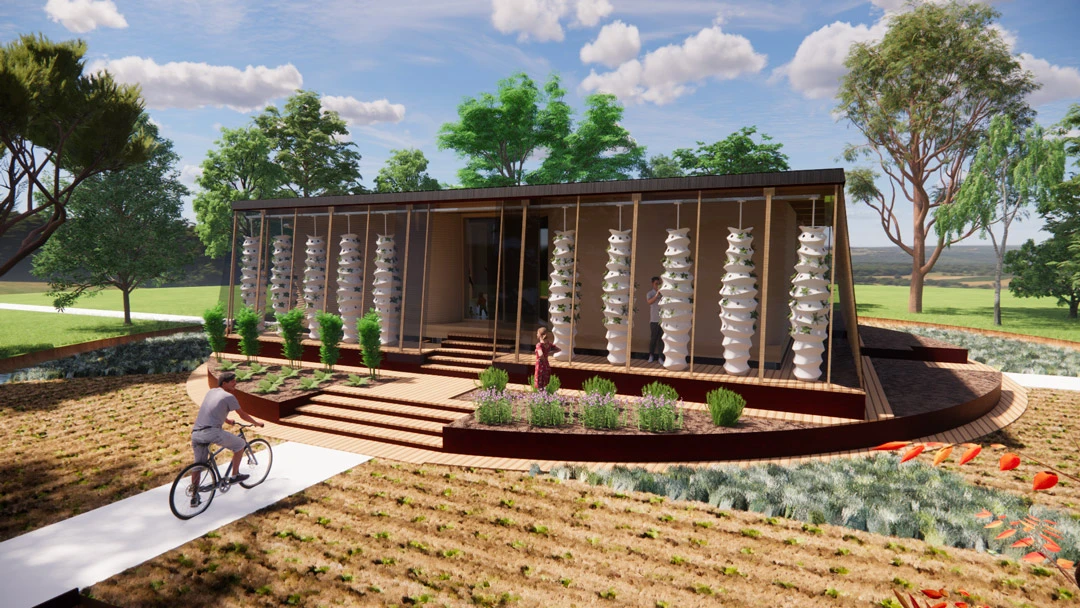
The surrounding land is part of a broader reforestation and agroforestry initiative. The plan includes planting over 500 trees and approximately 50,000 aromatic and medicinal plants. These measures aim to restore biodiversity and support local food and resource production.
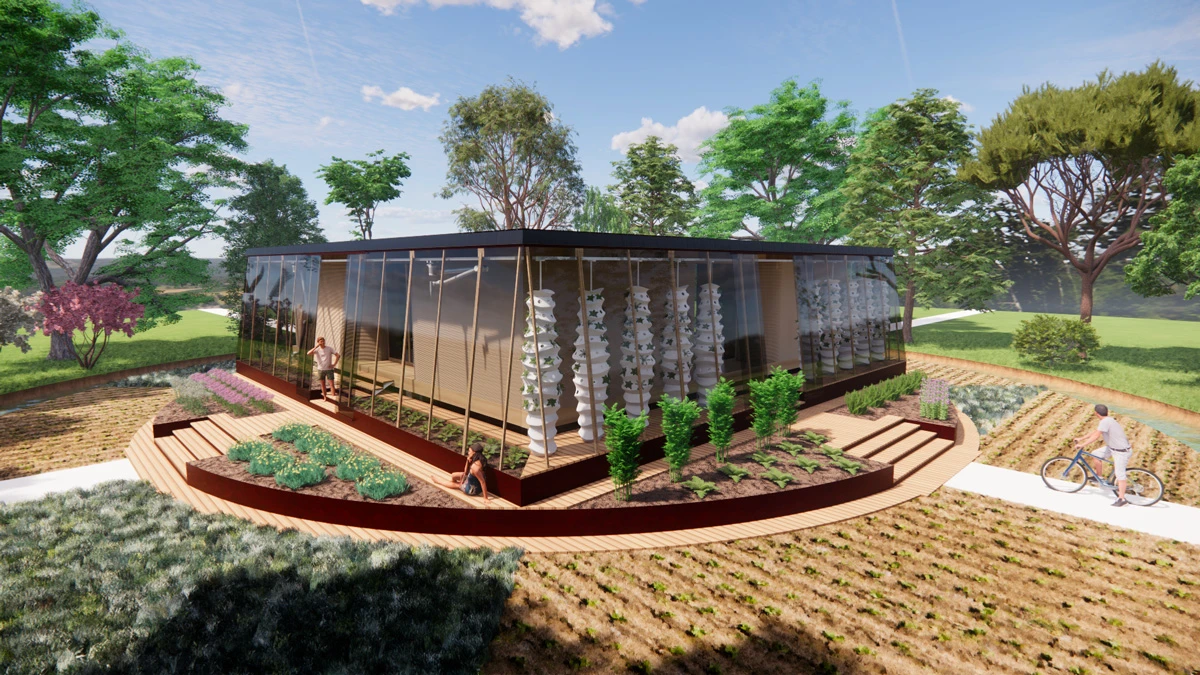
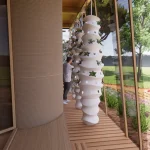
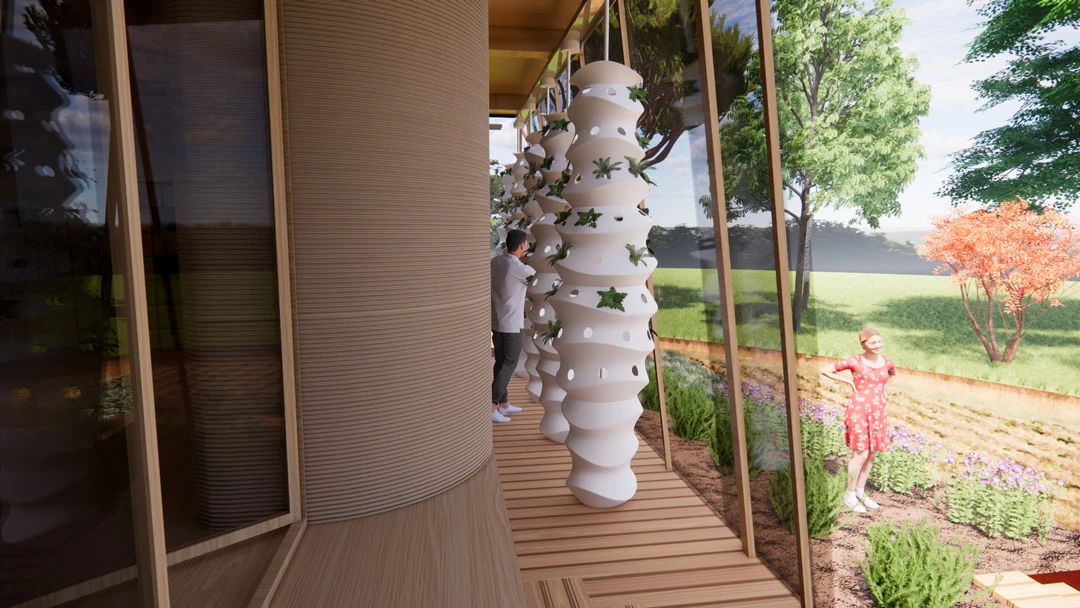
Vertical hydroponic systems produced through 3D printing are planned to provide year-round vegetable cultivation using limited water. An AI-assisted automatic garden system is also under development to optimize cultivation, reduce physical labor, and make small-scale farming more accessible.
Energy Systems and Research Functions
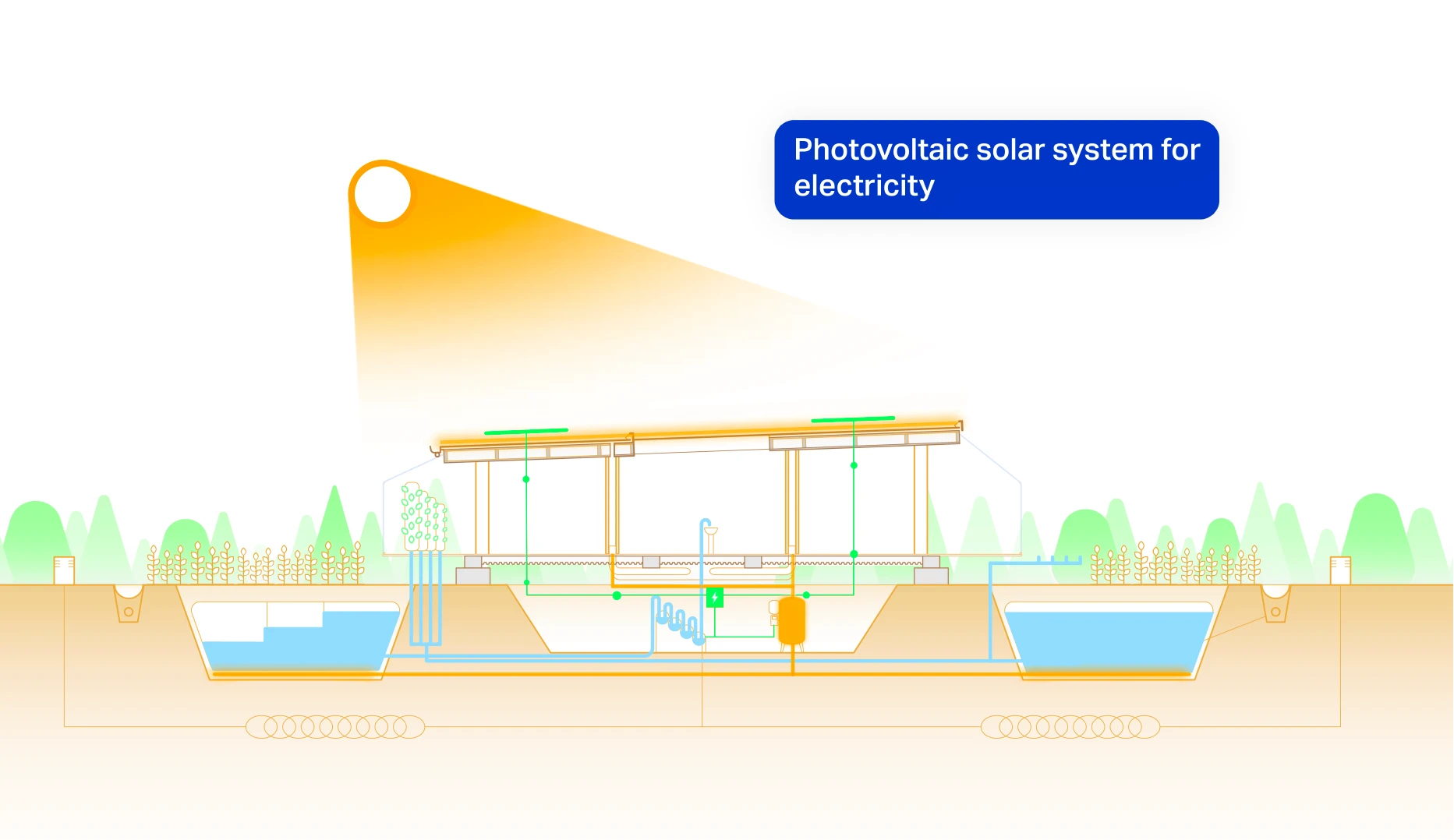
A green roof will be installed on top of the building to improve insulation, reduce energy demand, and support biodiversity. Solar panels integrated into the roof system will provide on-site energy generation, contributing to the building’s off-grid operation.
Inside the structure, a laboratory space is planned for extracting active compounds from plants and conducting biological research. This space is intended to support experimentation related to agriculture, sustainability, and resource optimization, using technologies aligned with the broader goals of the Shamballa research site.
Open-Source Approach and Replicability
Itaca is conceived as a collective research and development model. All technical solutions used in the project are intended to be digitized and shared. WASP positions the project as an open-source laboratory, inviting collaboration and adaptation in different geographic and social contexts.
The project is based on the premise that a circular, self-sufficient system can be achieved within a limited physical footprint. According to the design thesis, a circular area with a diameter of 33 meters can support the independence of up to four people when food, water, energy, and construction systems are integrated.
Future Outlook
The Itaca structure has been designed to comply with Italian and European building regulations, including seismic requirements. Given Italy’s strict construction standards, this certification is presented as evidence of the model’s potential applicability in other regions.
The official inauguration of the Itaca project and the Shamballa site is planned for Spring 2026. The completed structure serves both as a functional living environment and as a testbed for sustainable construction, self-sufficiency, and digitally driven building systems.
Credit: WASP