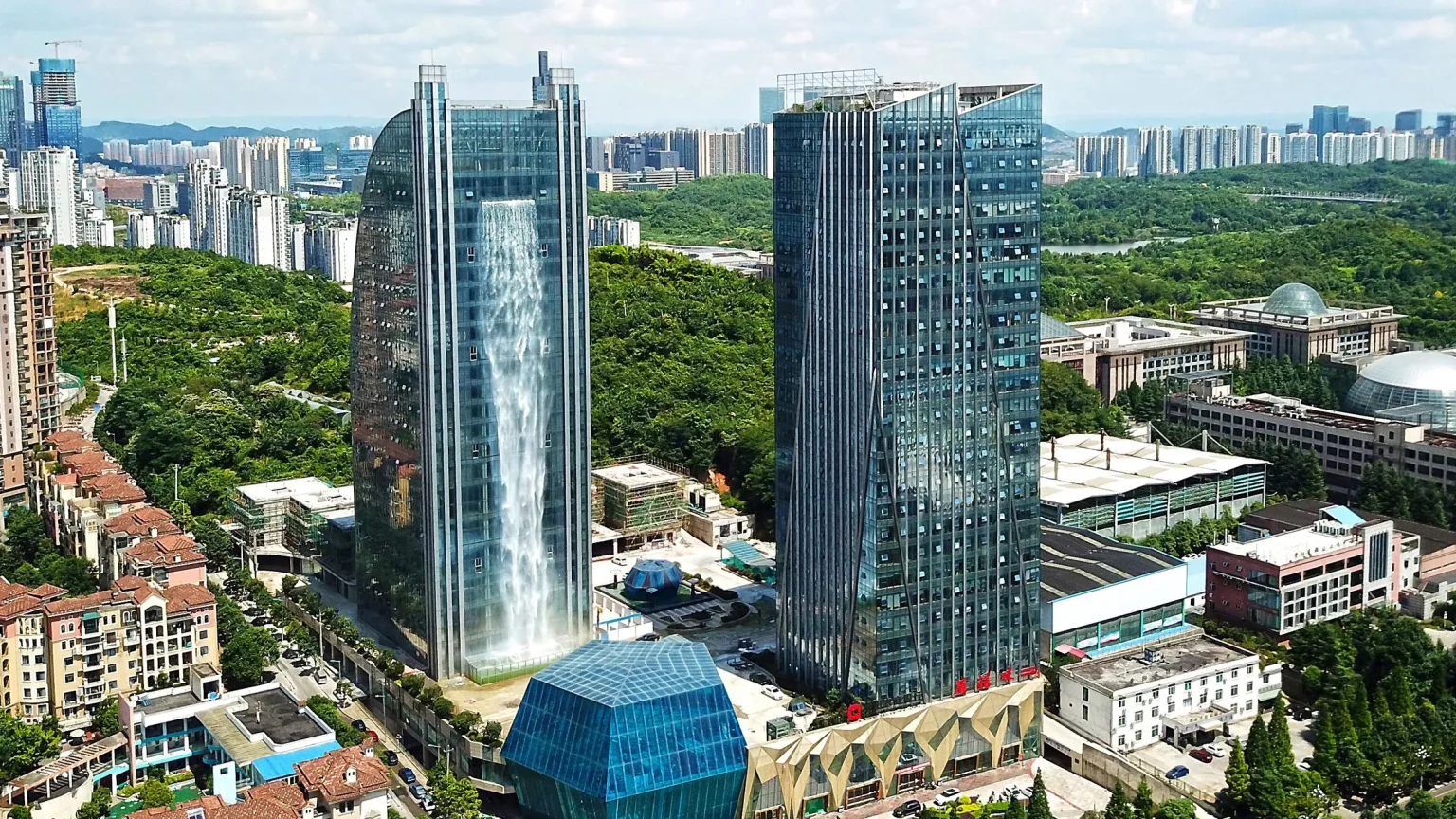
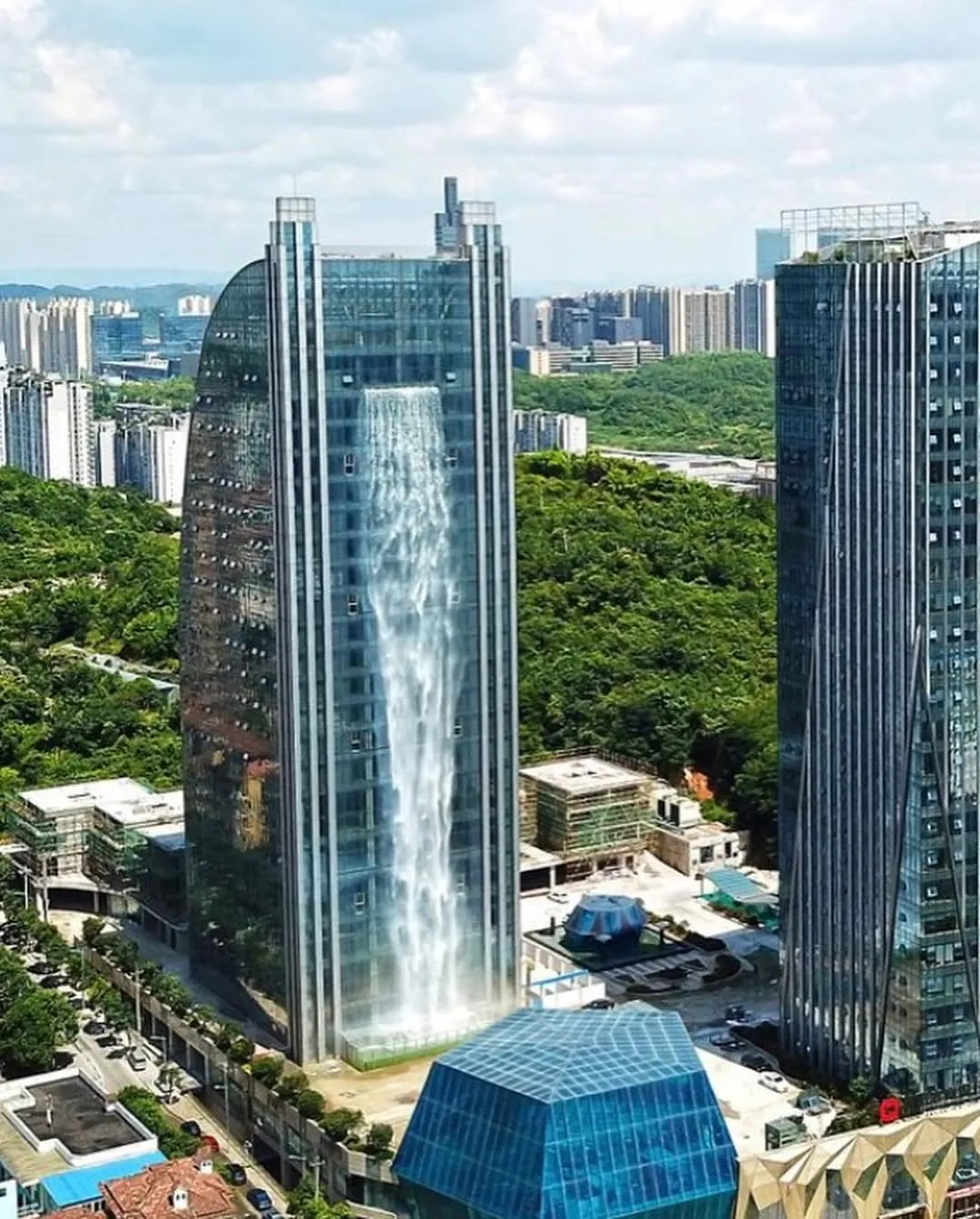
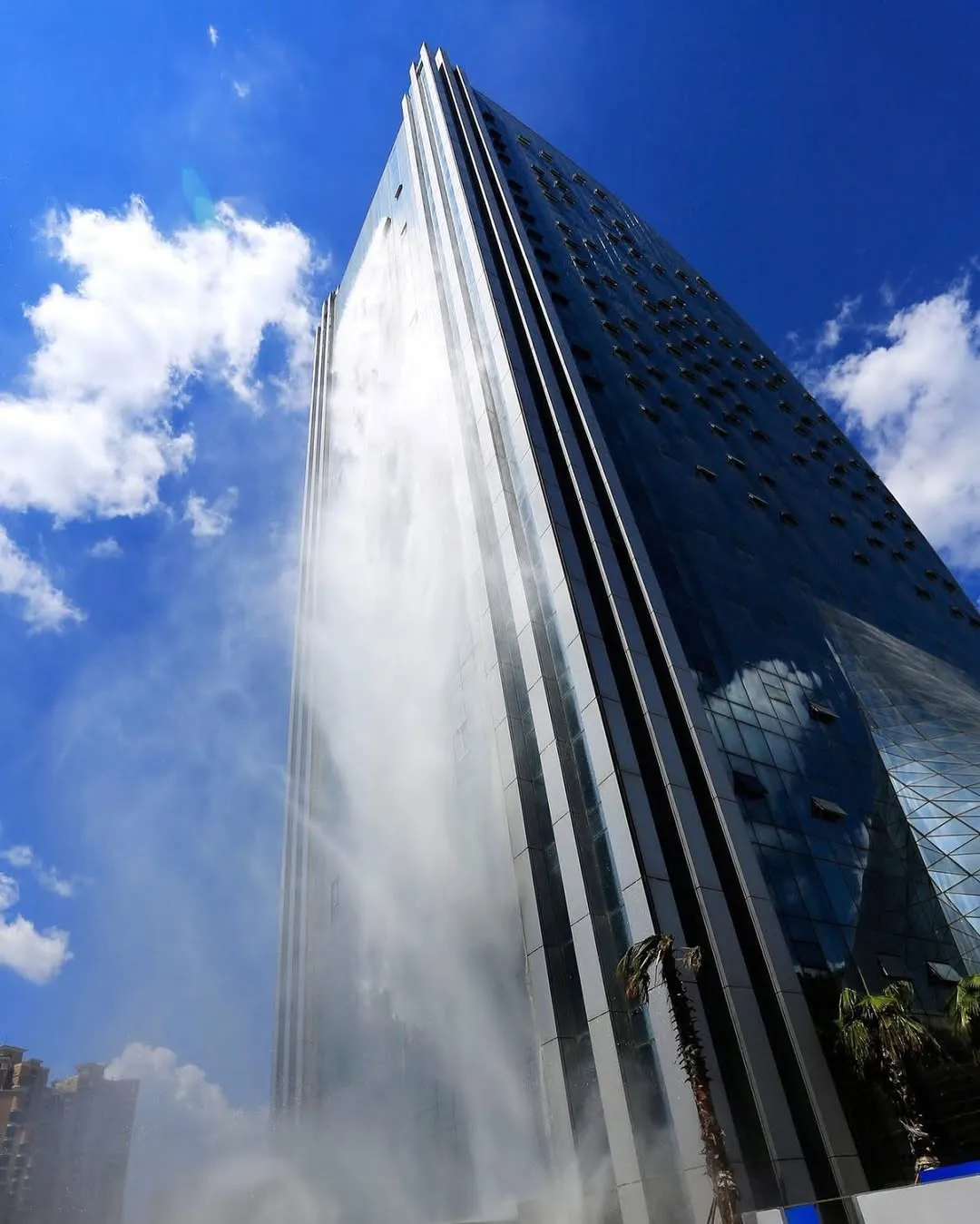
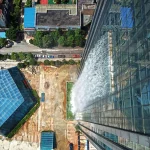
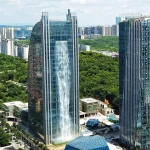
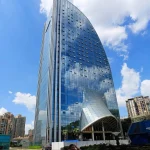
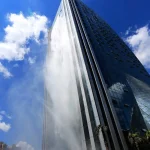
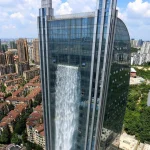
In Guiyang, southwestern China, a striking architectural landmark has captured international attention: the Liebian International Building, a 121-meter-tall skyscraper featuring a 108-meter artificial waterfall flowing down its glass façade. The design has become a distinctive city feature and a viral talking point online, incorporating commercial architecture with a natural sense of engineering.
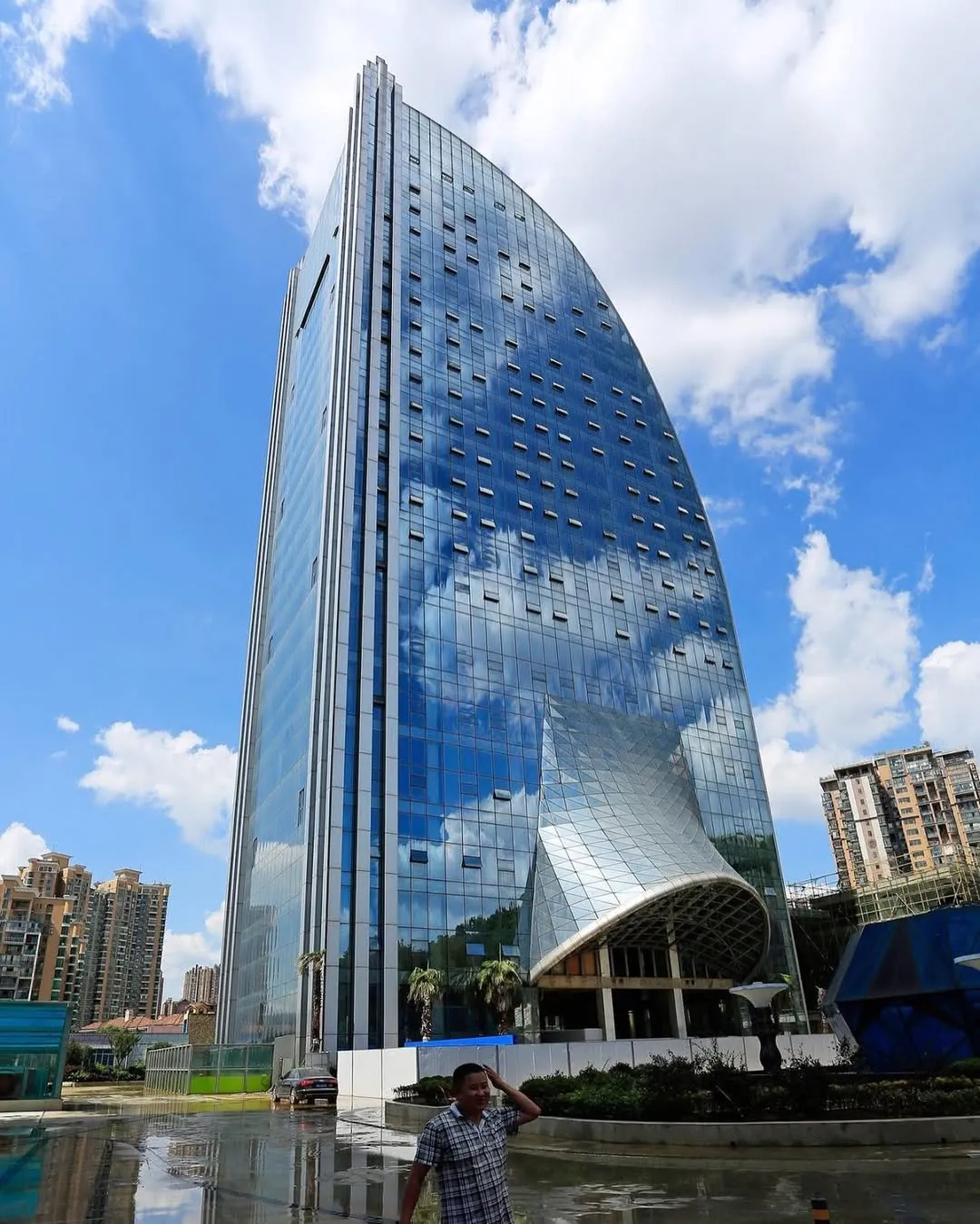
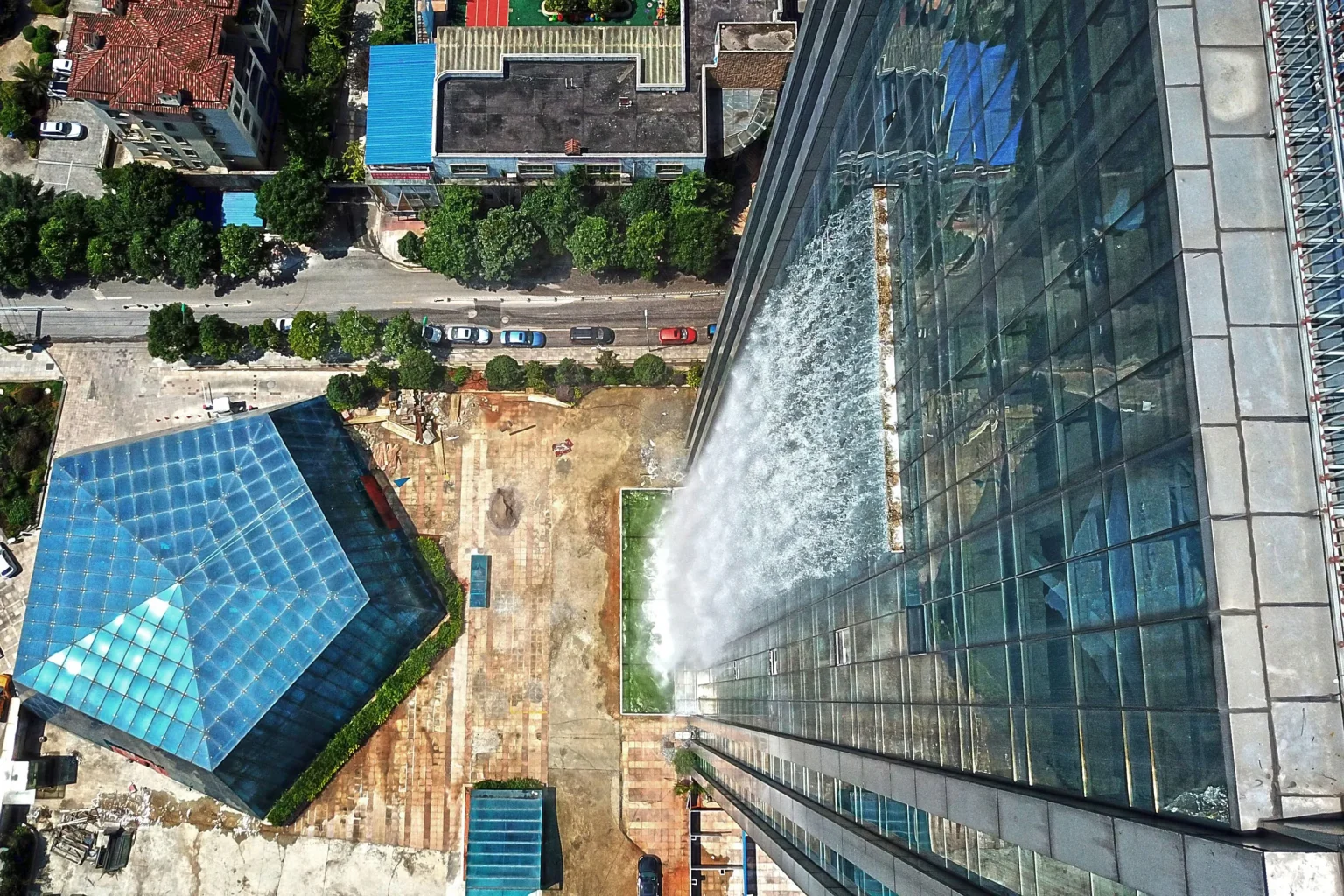
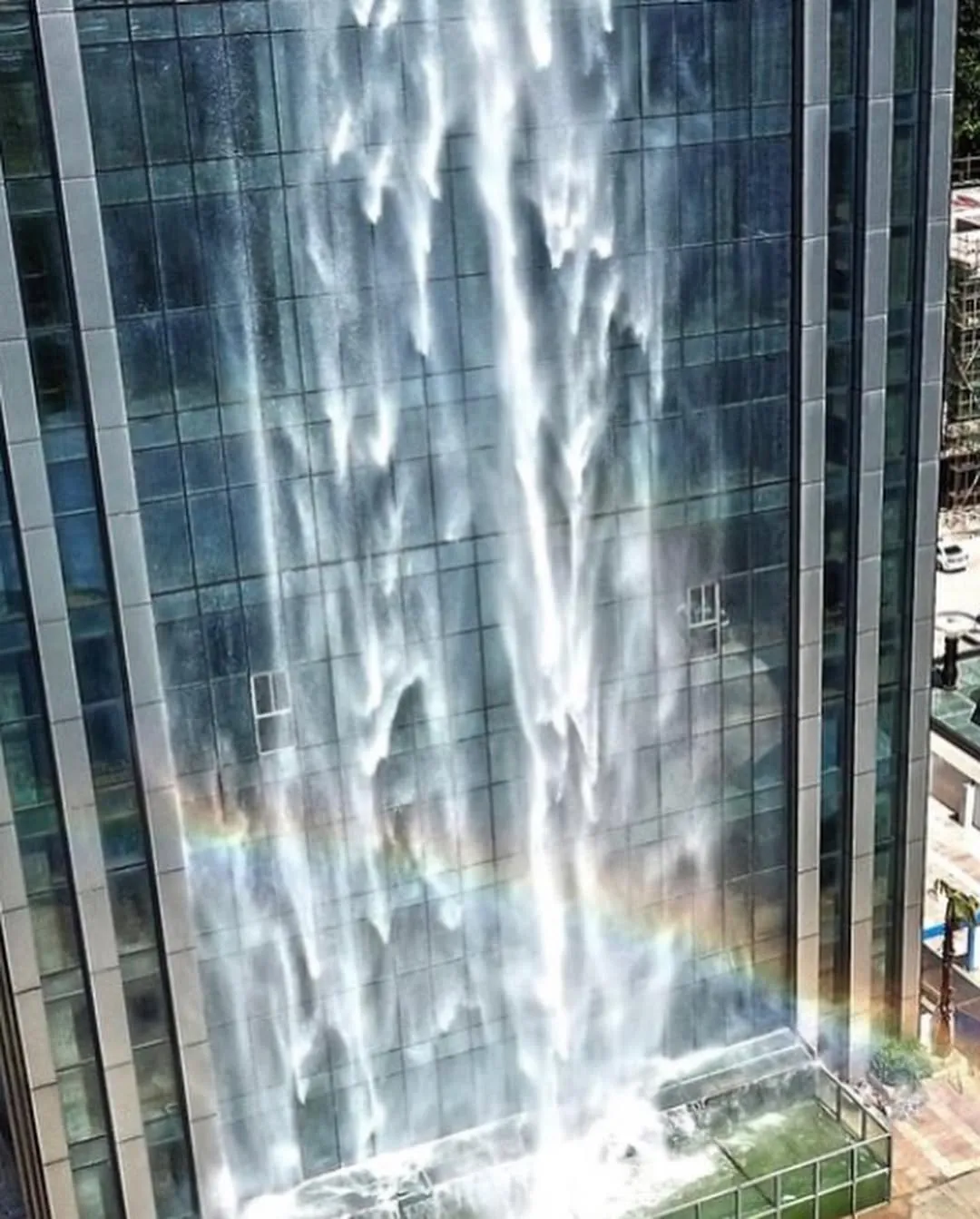
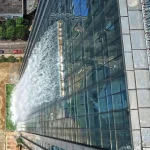
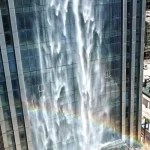
The Liebian International Building rises 121 meters (about 397 feet) above Guiyang’s central business district. While its primary functions include office spaces, a shopping mall, and a luxury hotel, what truly sets it apart is the vast waterfall that appears on one side of the tower. The 108-meter waterfall begins near the top of the building. It pours toward the plaza below, making this one of the tallest artificial waterfalls integrated into a skyscraper anywhere in the world.
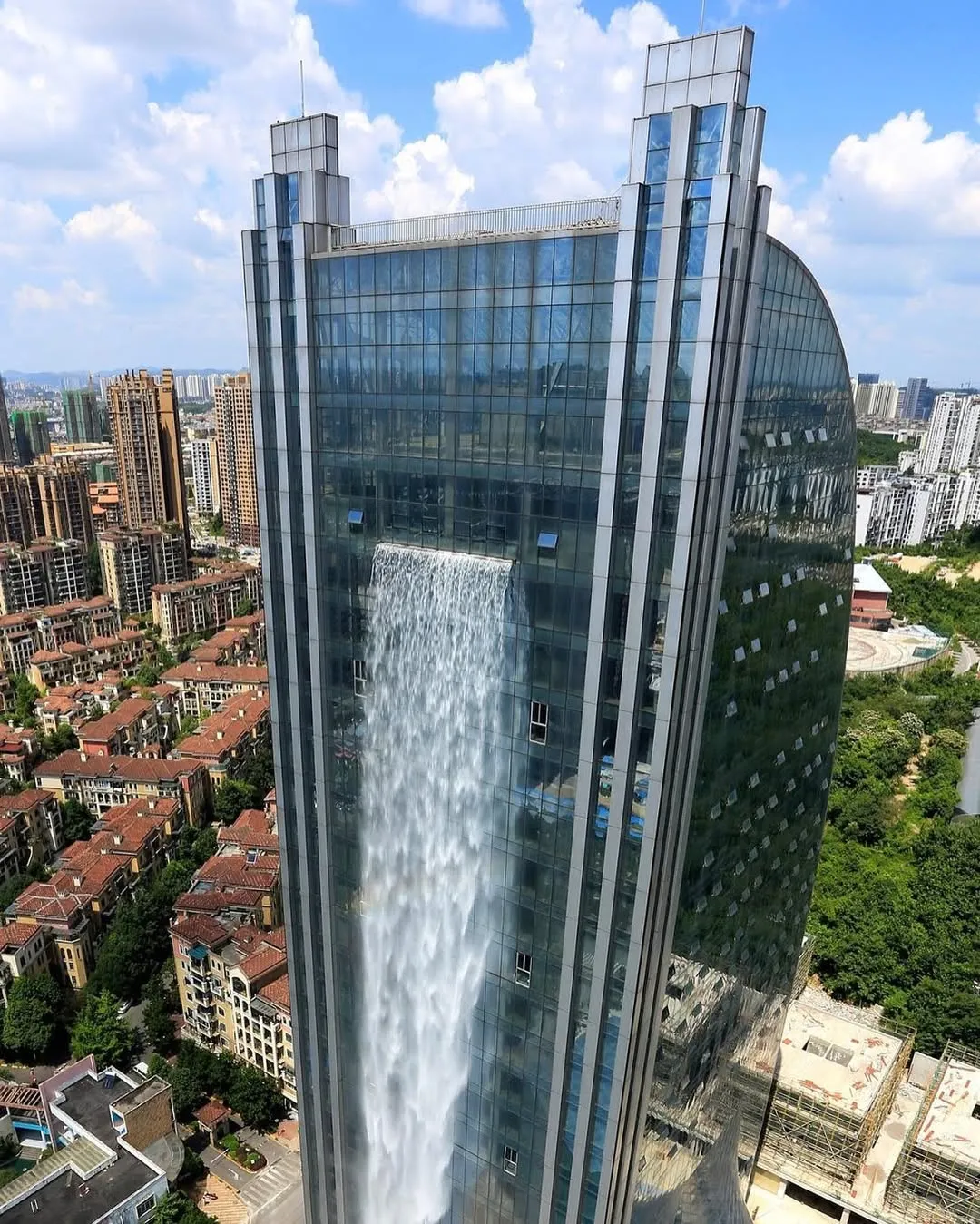
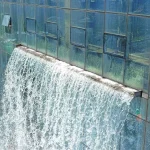
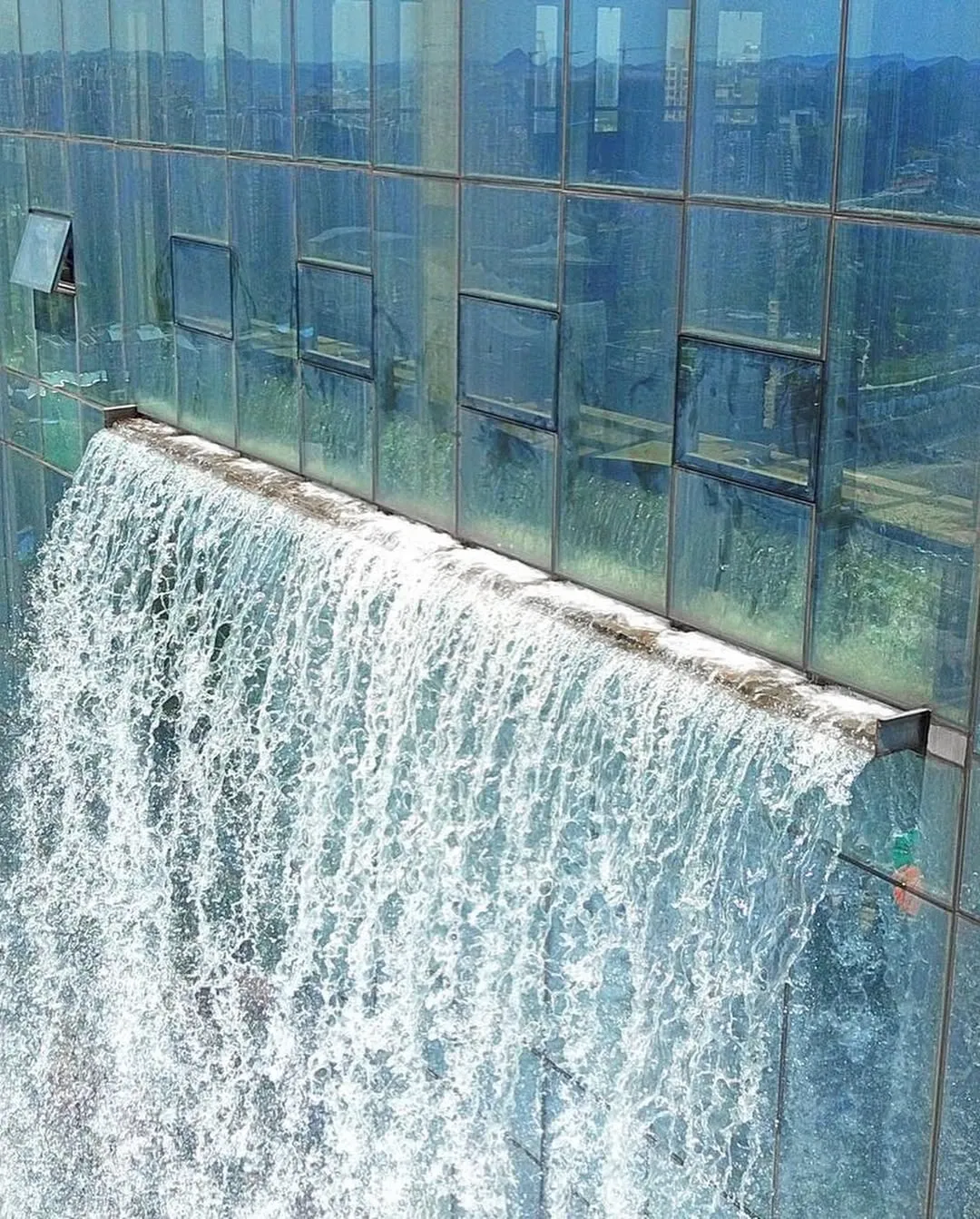
Designed by the Ludi Industry Group, the waterfall isn’t a natural river or cliffside flow. Instead, engineers installed four powerful pumps at the base of the building to lift water from underground reservoirs up to the roof. From there, the water pours down the face of the tower through a dedicated channel system, creating the illusion of a dramatic free-fall waterfall.
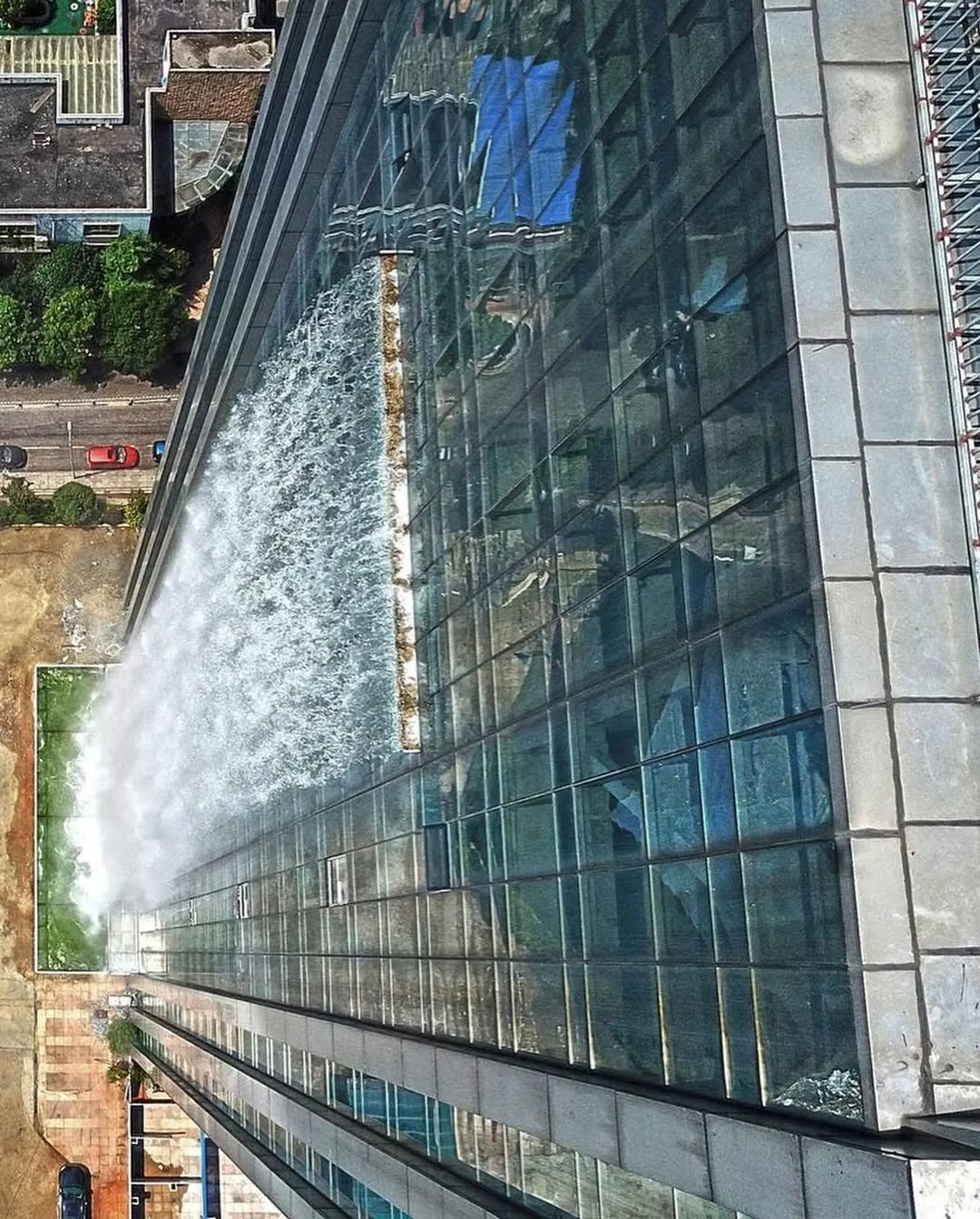
Creating the artificial waterfall involved overcoming several technical hurdles. Water for the feature is sourced largely from stored rainwater and recycled runoff, reducing some environmental impact but adding complexity to maintenance and operations. The pumps required to lift water nearly 121 meters are energy-intensive, and running the waterfall is costly; estimates suggest it can cost around 800 yuan (roughly US$120) per hour to operate. As a result, the waterfall is usually activated only on special occasions rather than continuously.
Despite the invention, reactions have been mixed. While the installation quickly garnered global curiosity for its boldness, it also attracted criticism from some observers who called it impractical, citing high running costs and questions about its everyday appeal and utility.
Though still relatively new, the Liebian Building’s artificial waterfall has become a signature landmark in Guiyang. It points to a broader trend in contemporary architecture where buildings are designed not just for function but also to serve as visual and cultural icons.