


Parametric architecture is often described as a product of computation or an outcome of scripts, algorithms, and digital workflows. But if you strip away the software, what remains is a way of thinking. The form becomes a response to forces. To constraints. To systems working together.
Long before computers, architects were already doing this, especially in sacred architecture. Churches have always carried more than a program. They hold ritual, symbolism, climate response, acoustics, and structural ambition all at once. That pressure often produces something interesting, where buildings behave like systems and not just objects.
Take a look at these eight churches that were built across different centuries and geographies, each of which shifts how we understand form-making. And once you see that, you start reading architecture differently.
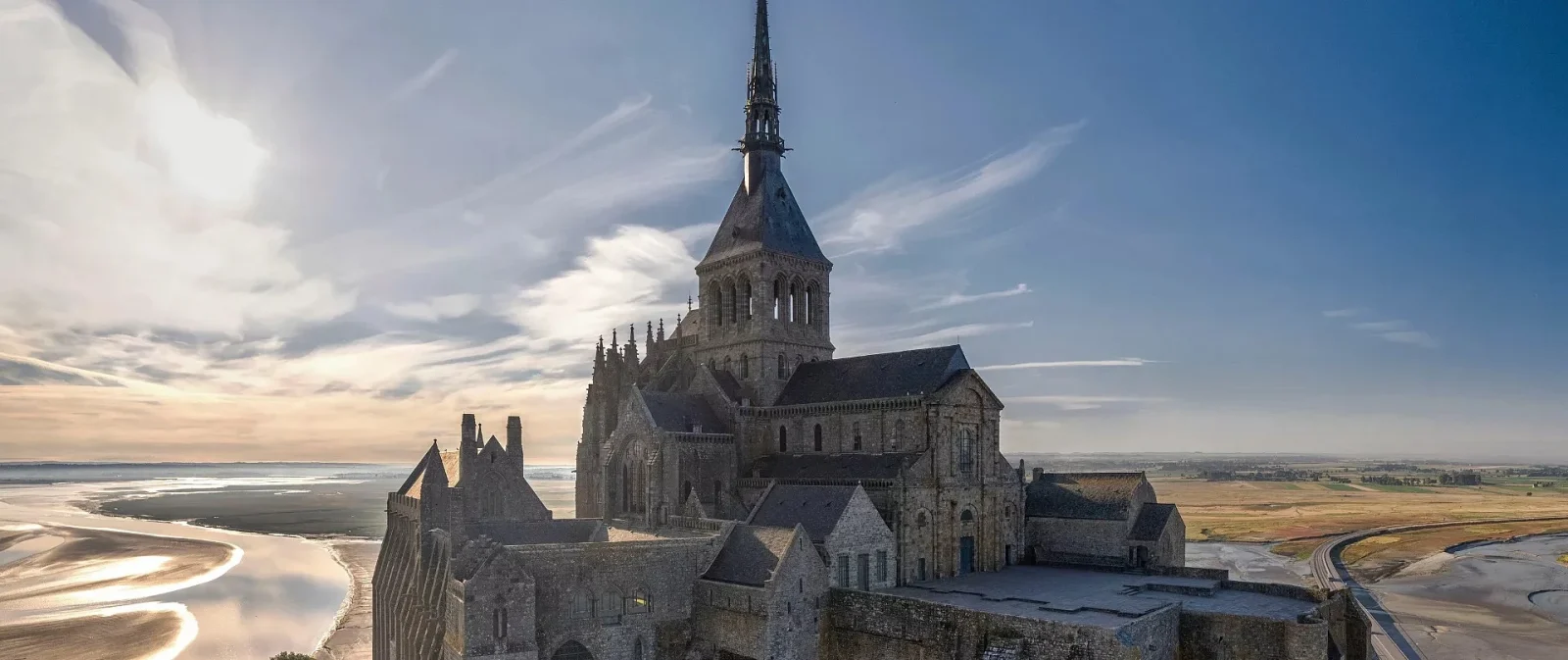
1. Mont-Saint-Michel Abbey — Normandy, France
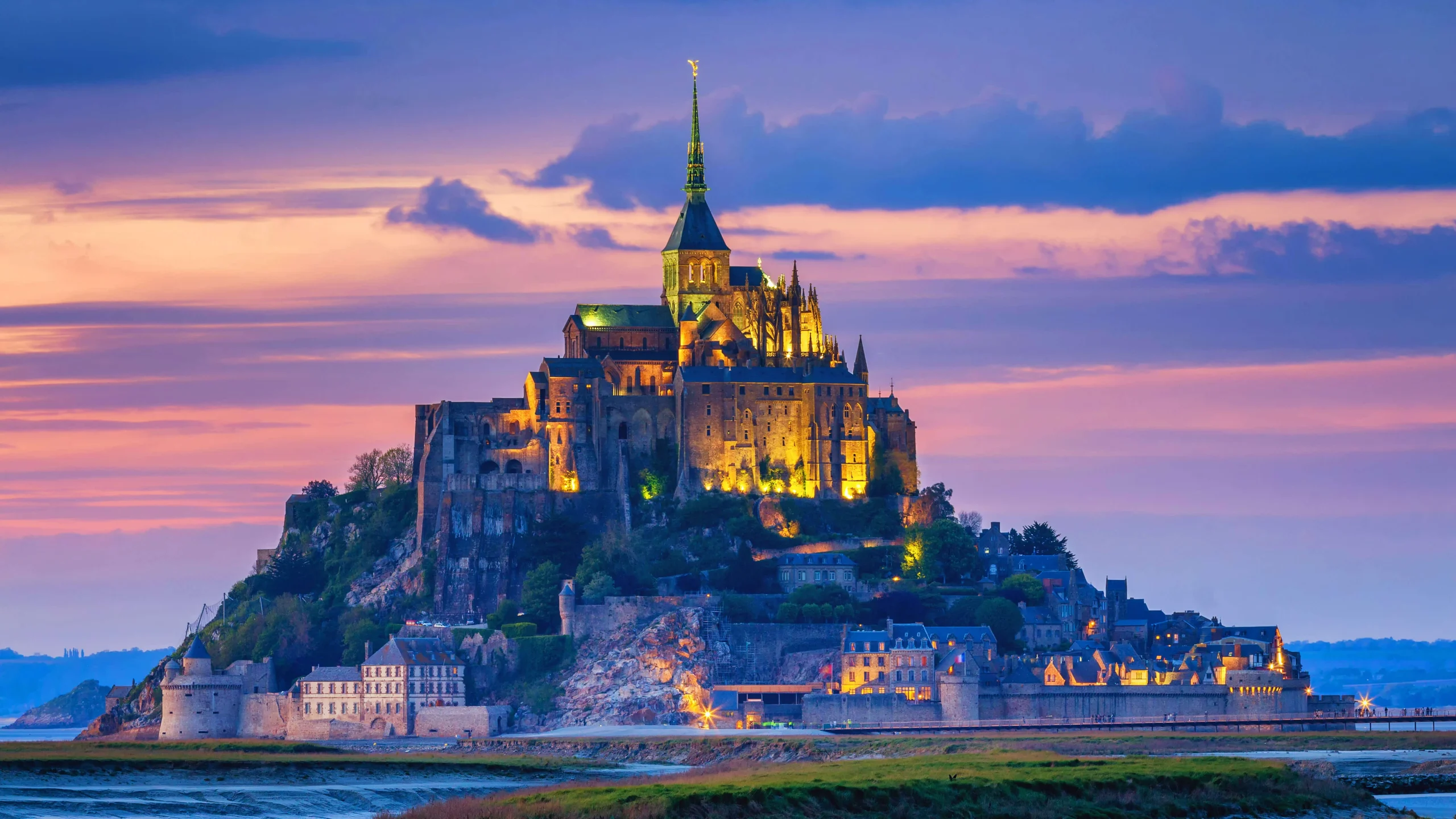
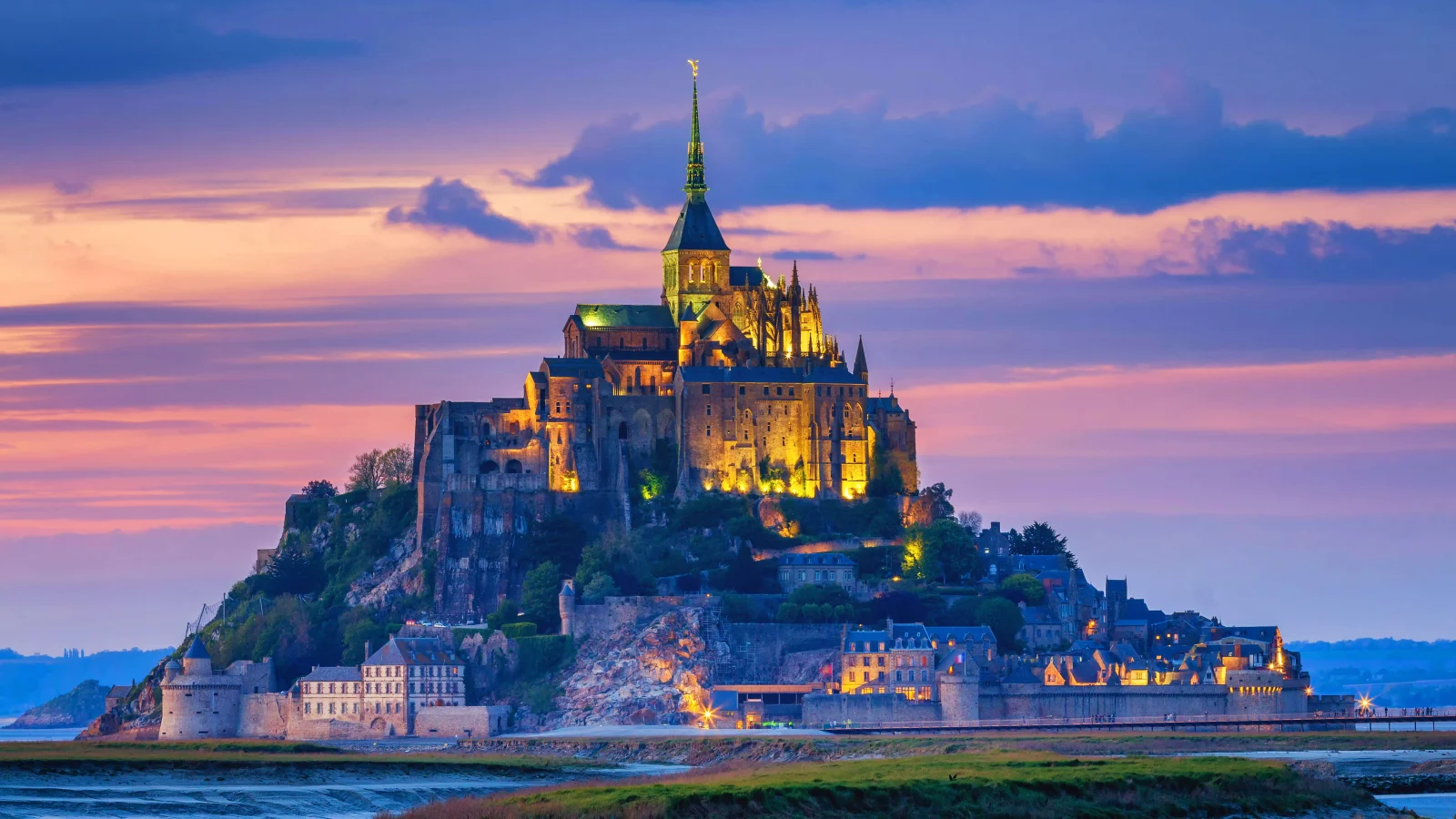
Founded in the 8th century after a vision of Archangel Michael, Mont-Saint-Michel Abbey grew over nearly 800 years into one of medieval Europe’s most important pilgrimage sites. It was developed through the Romanesque and Gothic periods. Set against the shifting tides of Normandy, Mont-Saint-Michel Abbey is a vertical negotiation with the landscape. The island’s granite outcrop offers minimal buildable area, forcing vertical expansion. This results in a section-driven architecture, where spatial organization is stacked one above the other. The lower levels were thick-walled and minimally fenestrated and served defensive and storage functions, while the upper levels became progressively lighter, culminating in the cloister and abbey church.
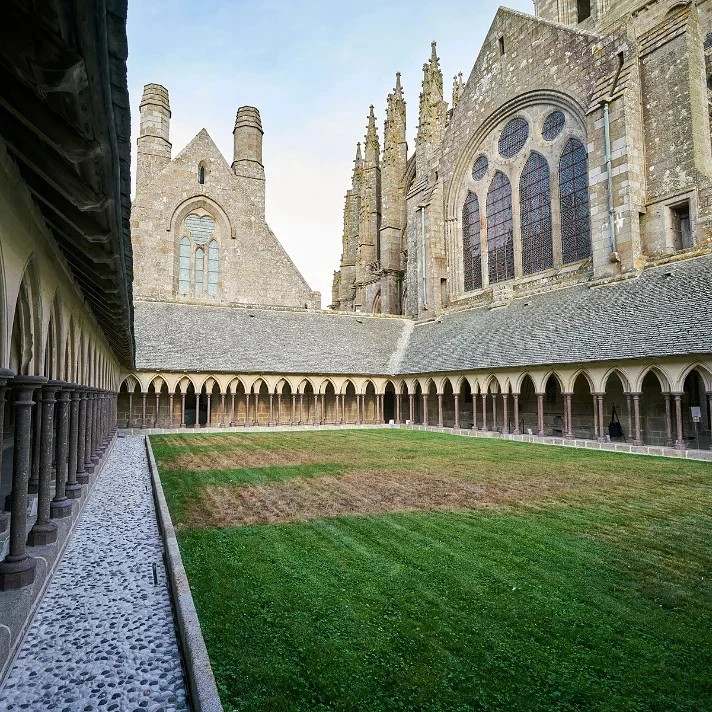
Structurally, the building relies on load-bearing masonry, with buttressed walls adapting to irregular rock geometry. Gothic elements such as pointed arches and ribbed vaults reduce lateral thrust, allowing taller and more open interior spaces despite the constrained footprint. One of the most remarkable features is the cloister, which sits atop the complex. Its slender columns and open arcade contrast with the heavy mass below, demonstrating load distribution through vertical layering.
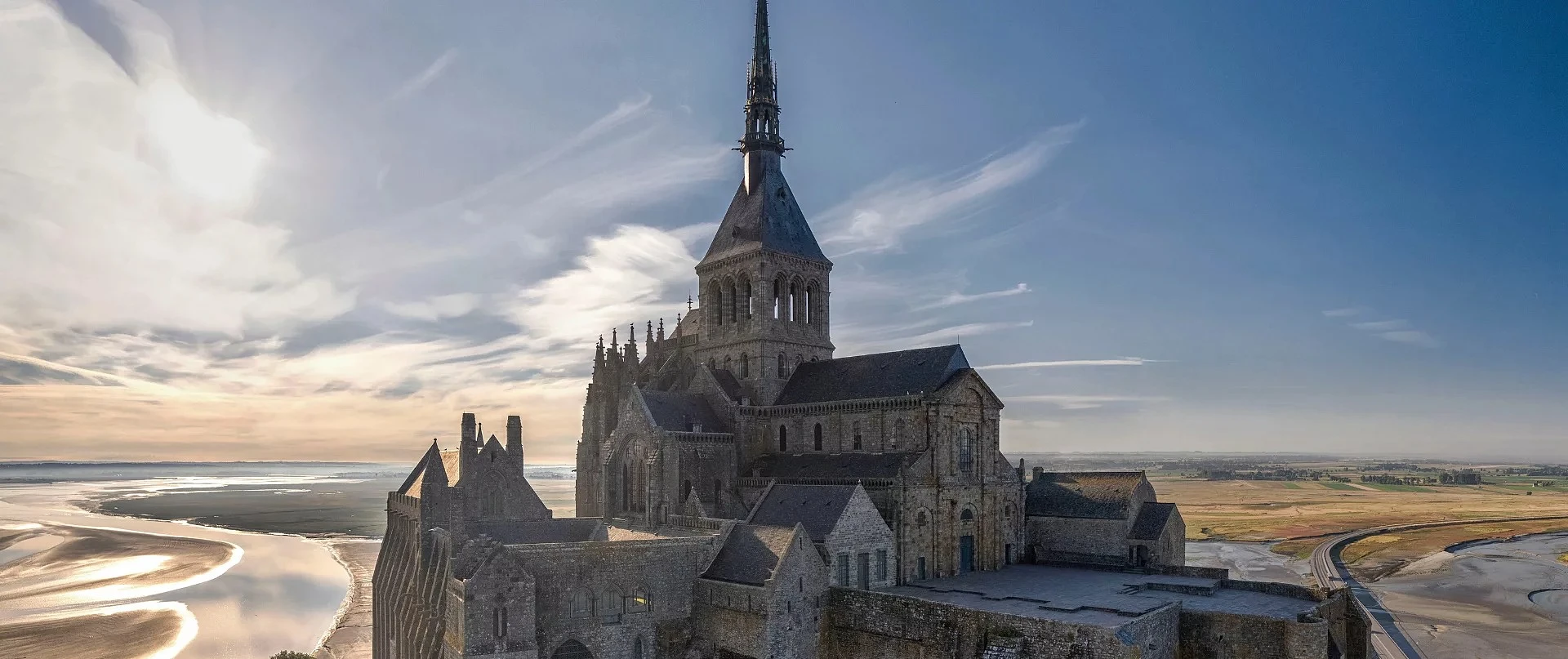
Hydrology also plays a role. The tidal environment historically affected foundations and access, requiring constant adaptation. Even today, the causeway and surrounding landscape are engineered to restore natural tidal flow. What makes Mont-Saint-Michel proto-parametric is its incremental evolution. It was never “completed” in a single vision. Instead, it adapted over centuries, each addition responding to existing constraints—terrain, tides, and use.
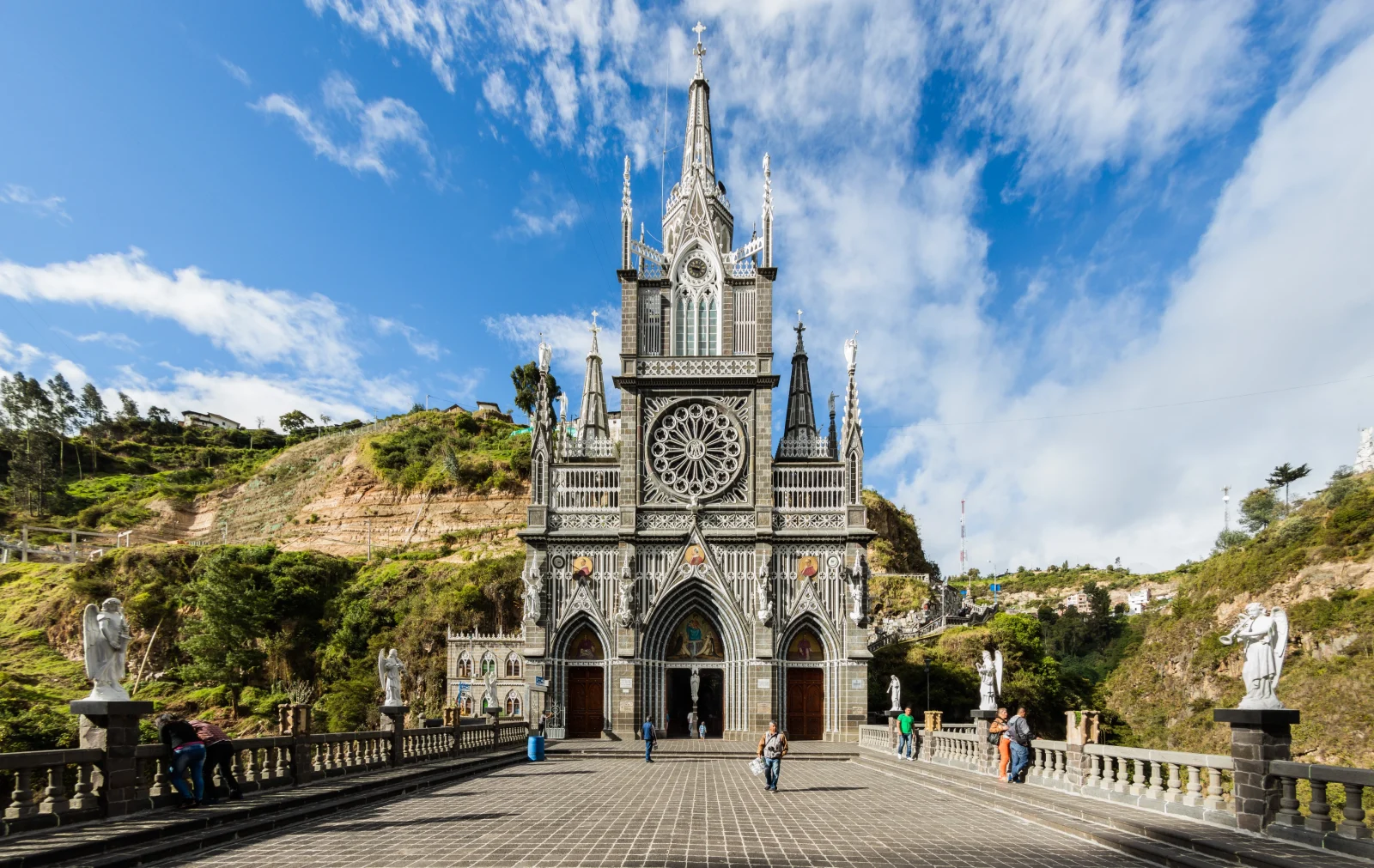
2. Las Lajas Sanctuary — Colombia
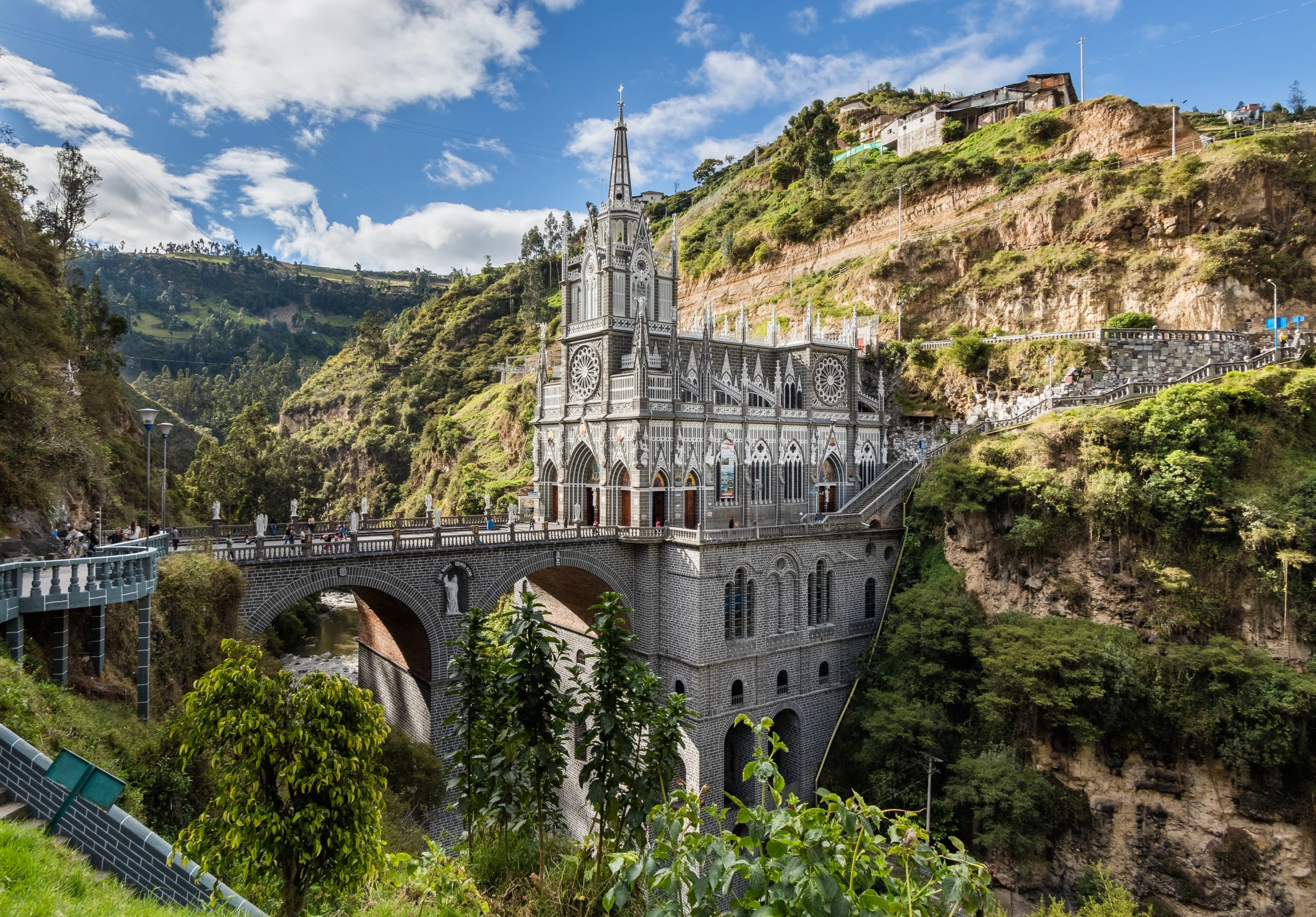
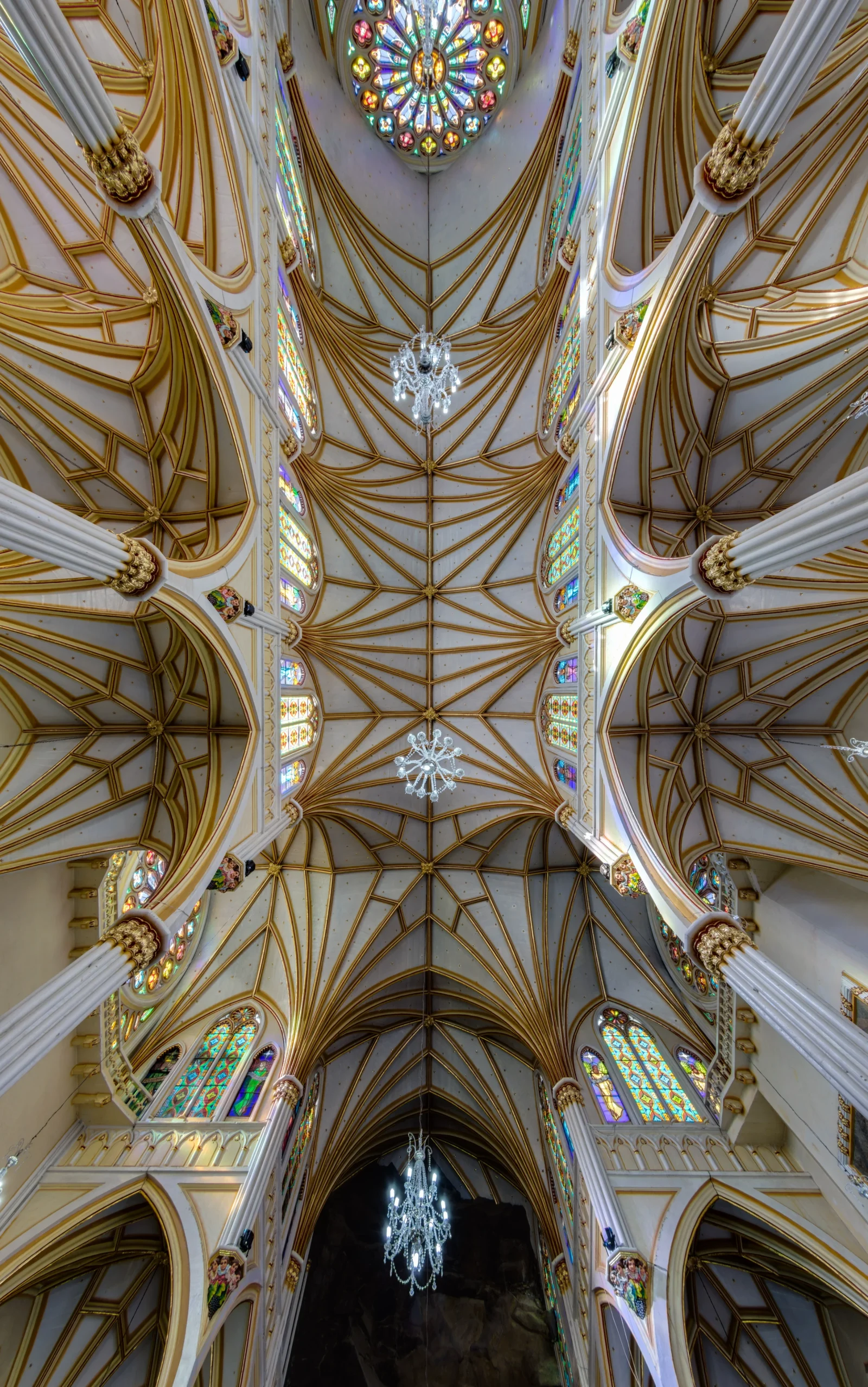
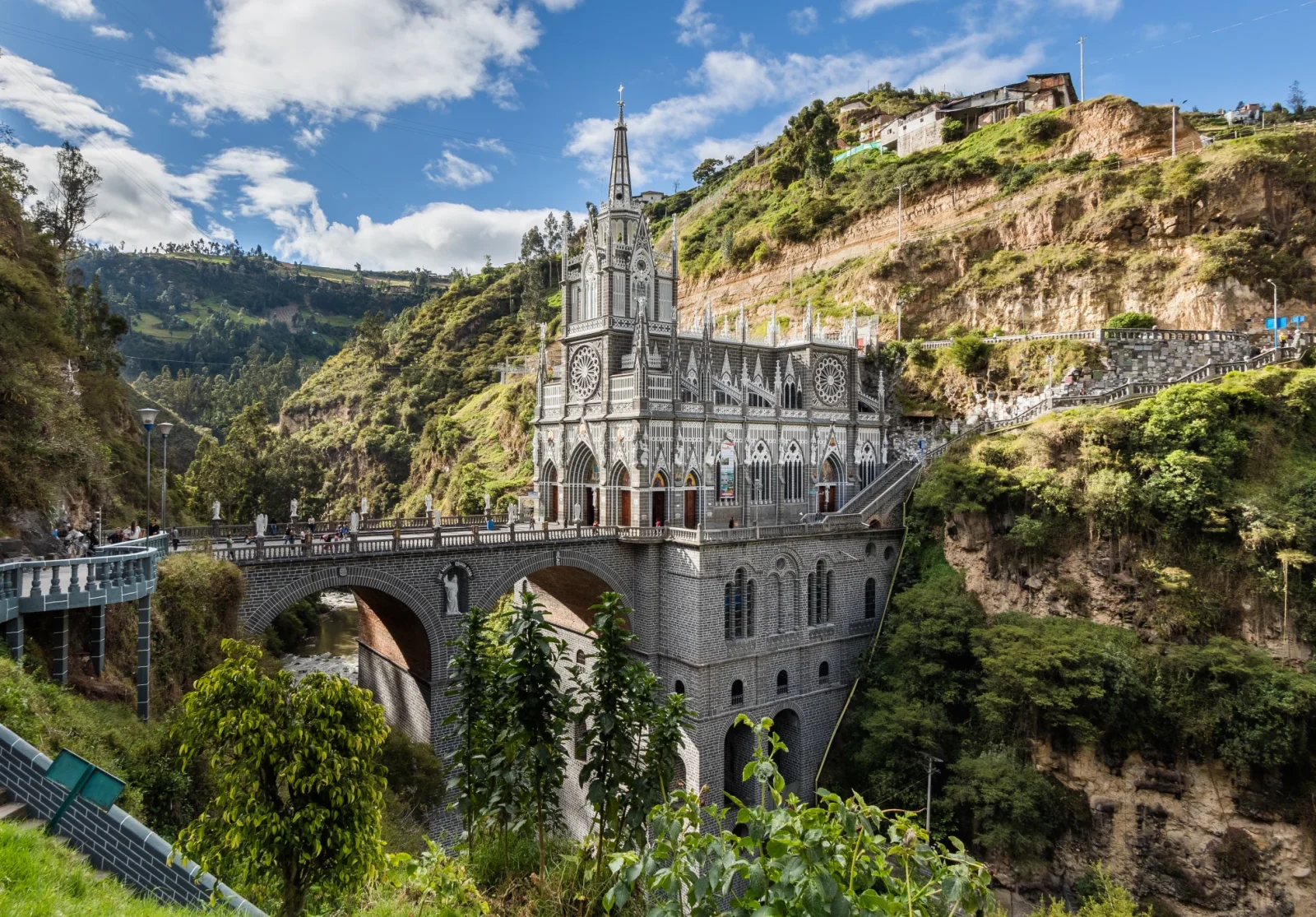
Las Lajas Sanctuary was built in the 1900s on the site of a reported Marian apparition. It holds deep religious significance for pilgrims in Colombia. Built over a deep river gorge, it challenges conventional assumptions about foundations and load transfer.
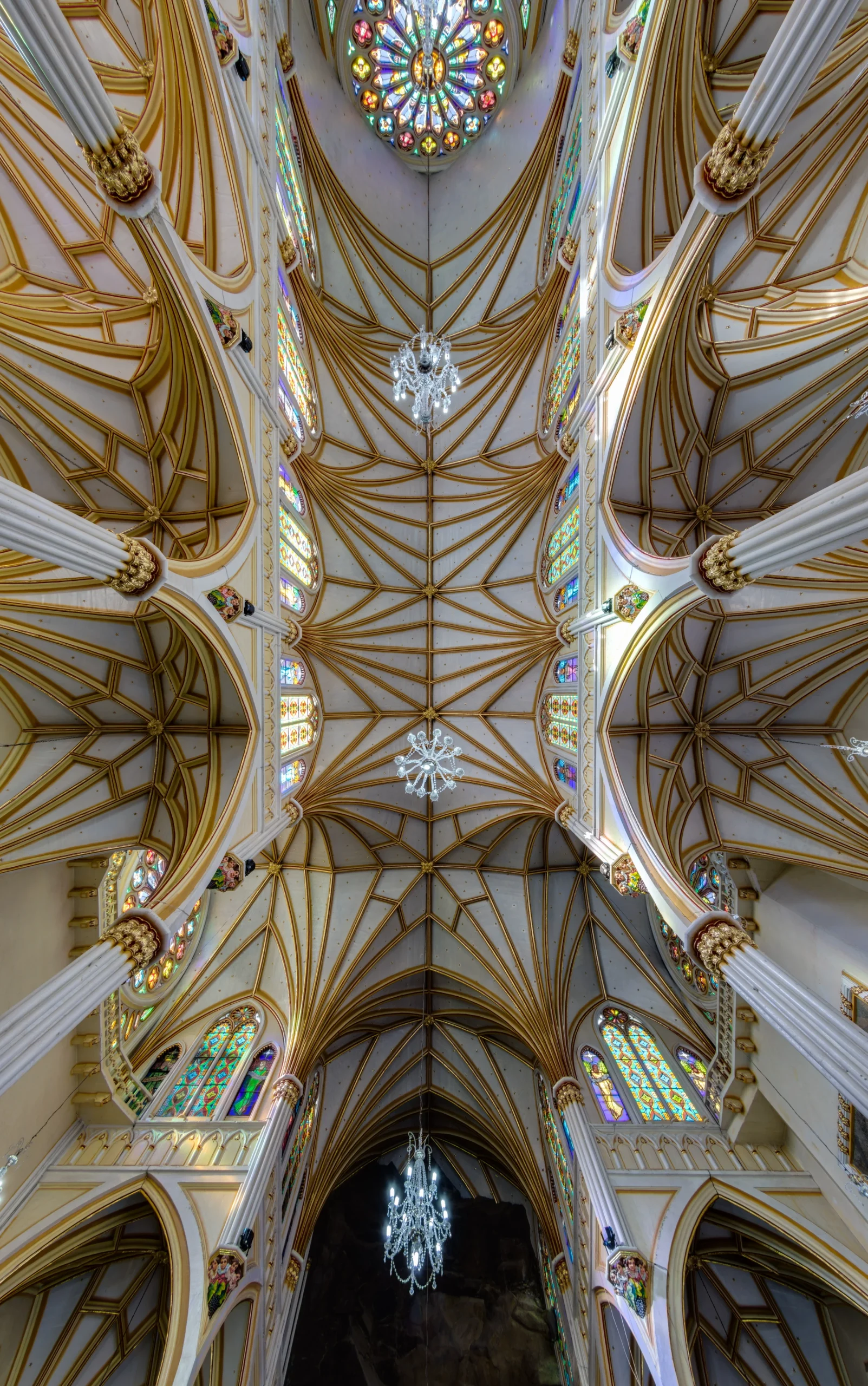
The church is anchored into two opposing cliff faces, with a multi-span bridge acting as the primary structural system. This bridge distributes loads laterally into the rock, effectively bypassing the need for a traditional ground-based foundation. The church is built in the Neo-Gothic style. Pointed arches channel compressive forces downward, while ribbed vaulting distributes loads across the span. The vertical emphasis aligns with the structural logic of spanning a void.
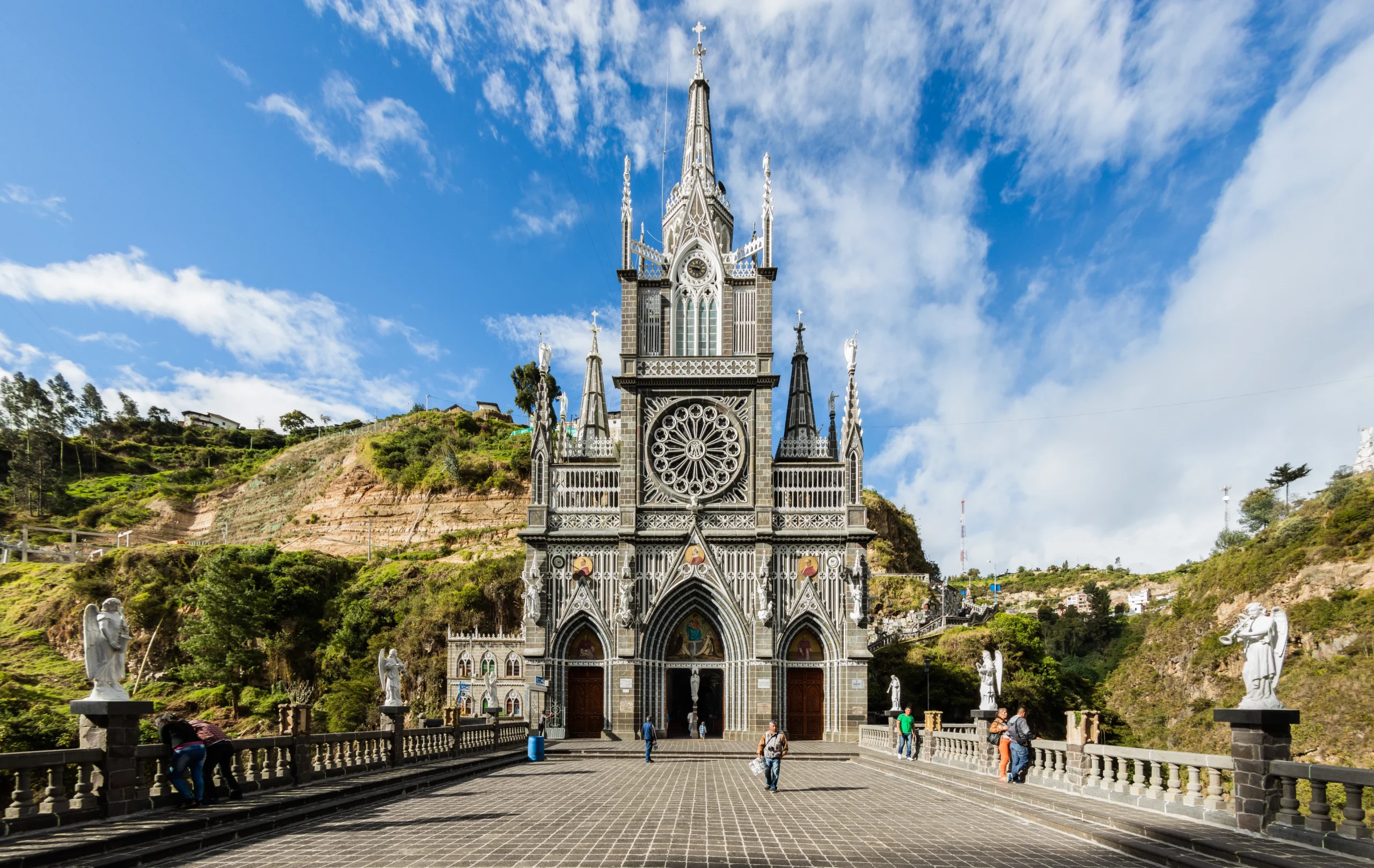
The use of stone and reinforced concrete allows for compression and tensile resistance, enabling the complex geometry of the bridge-church hybrid. The sanctuary also frames the sacred rock where the apparition is believed to have occurred.
3. St. Peter’s Basilica — Vatican City
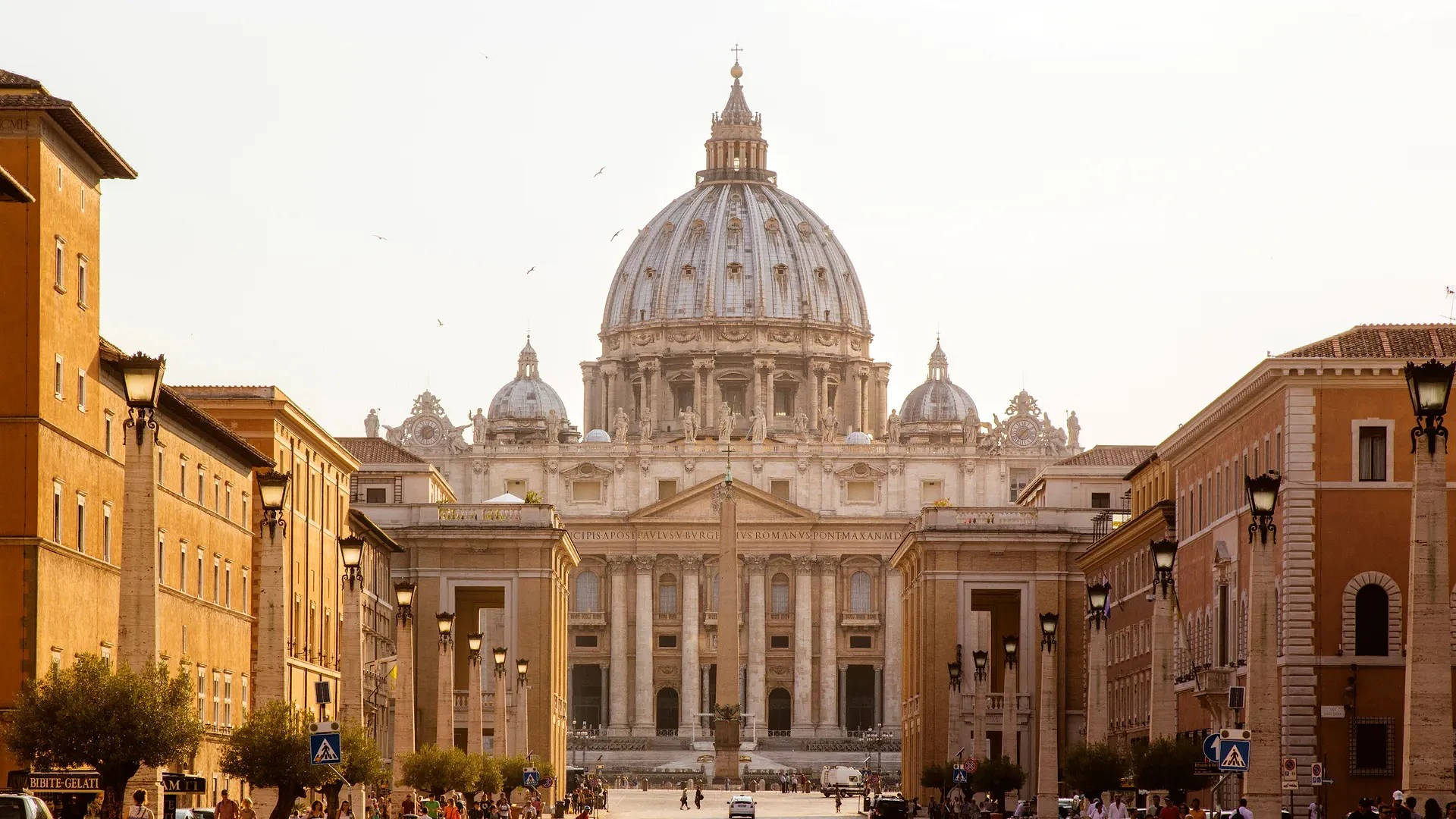
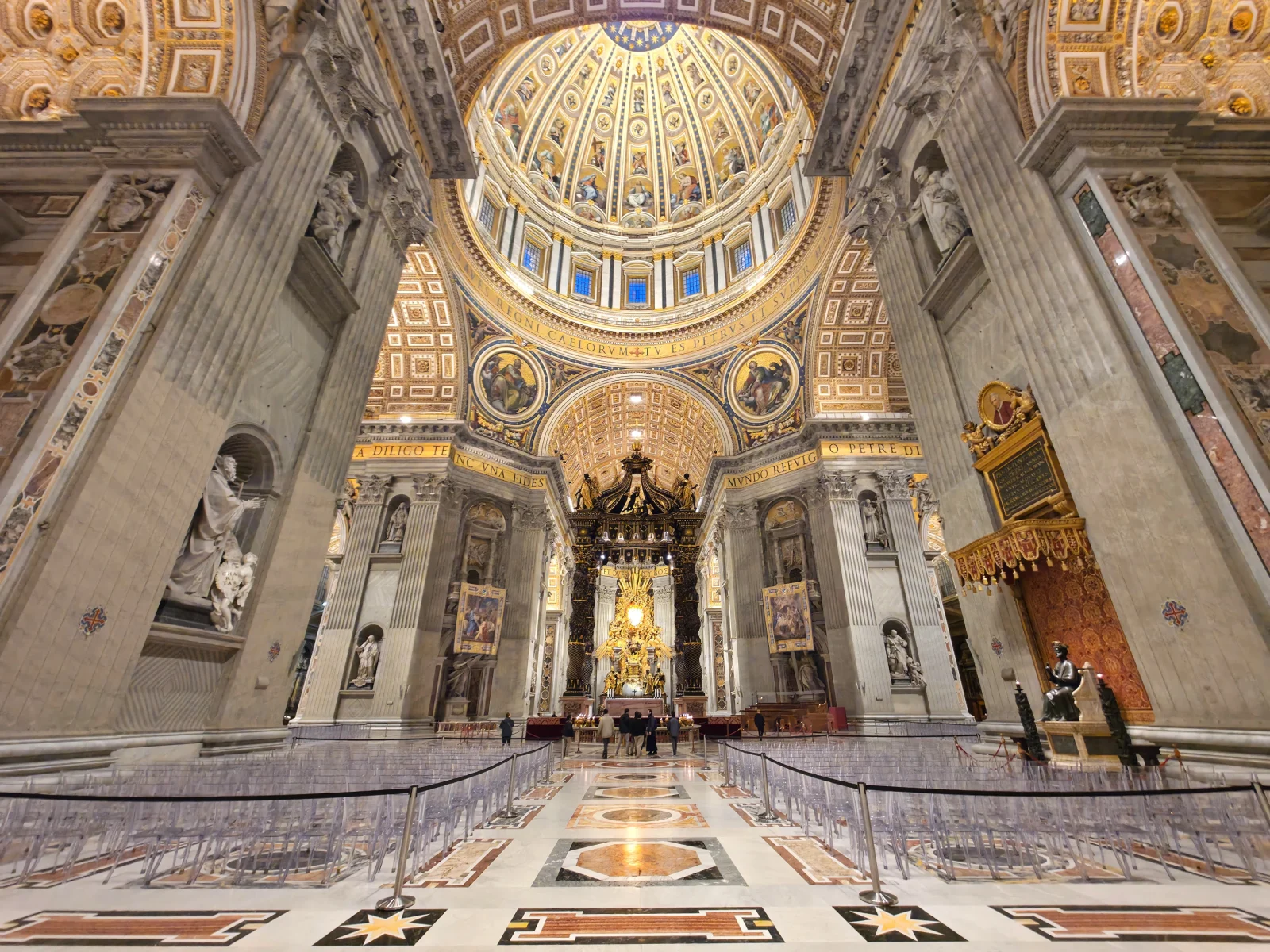
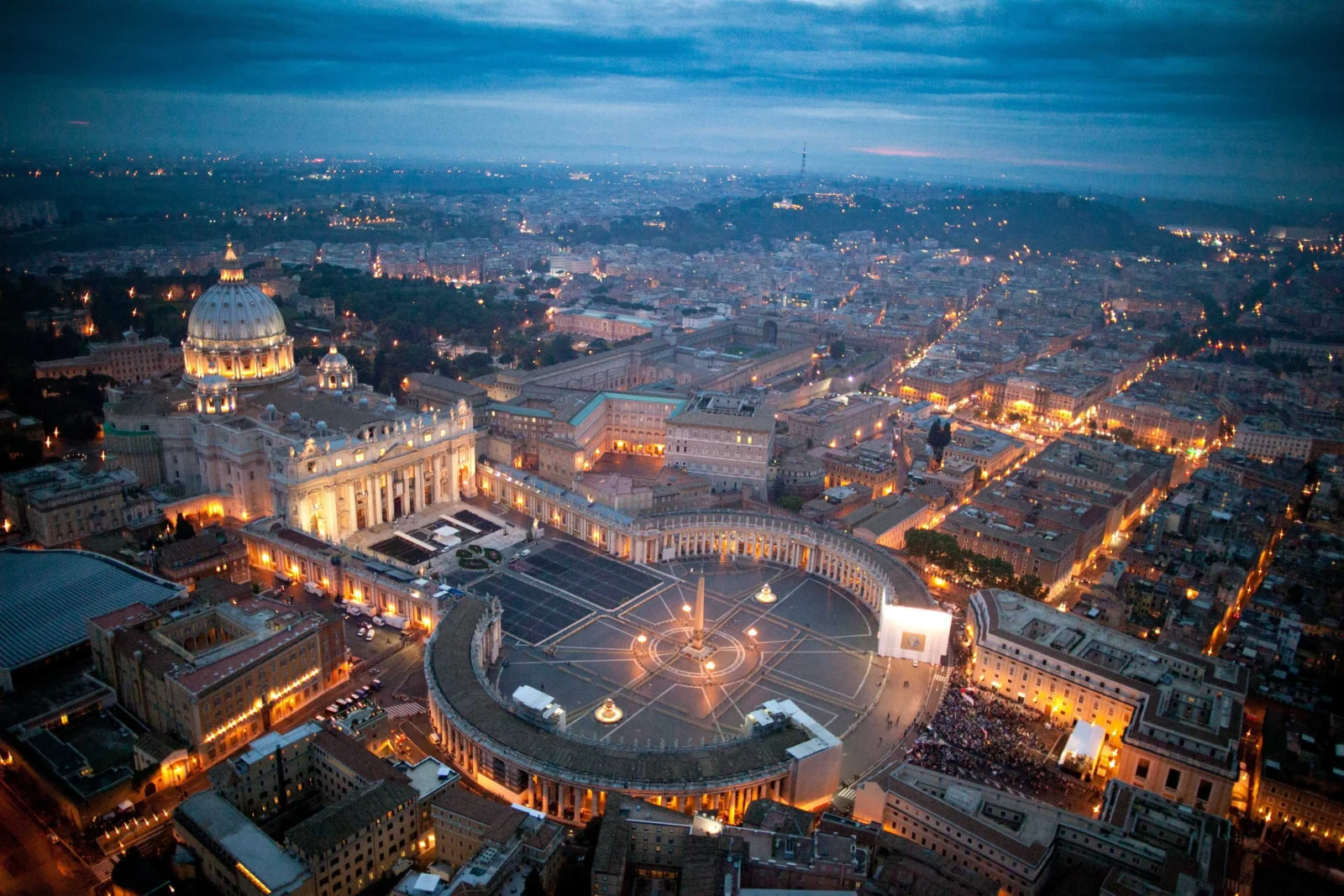
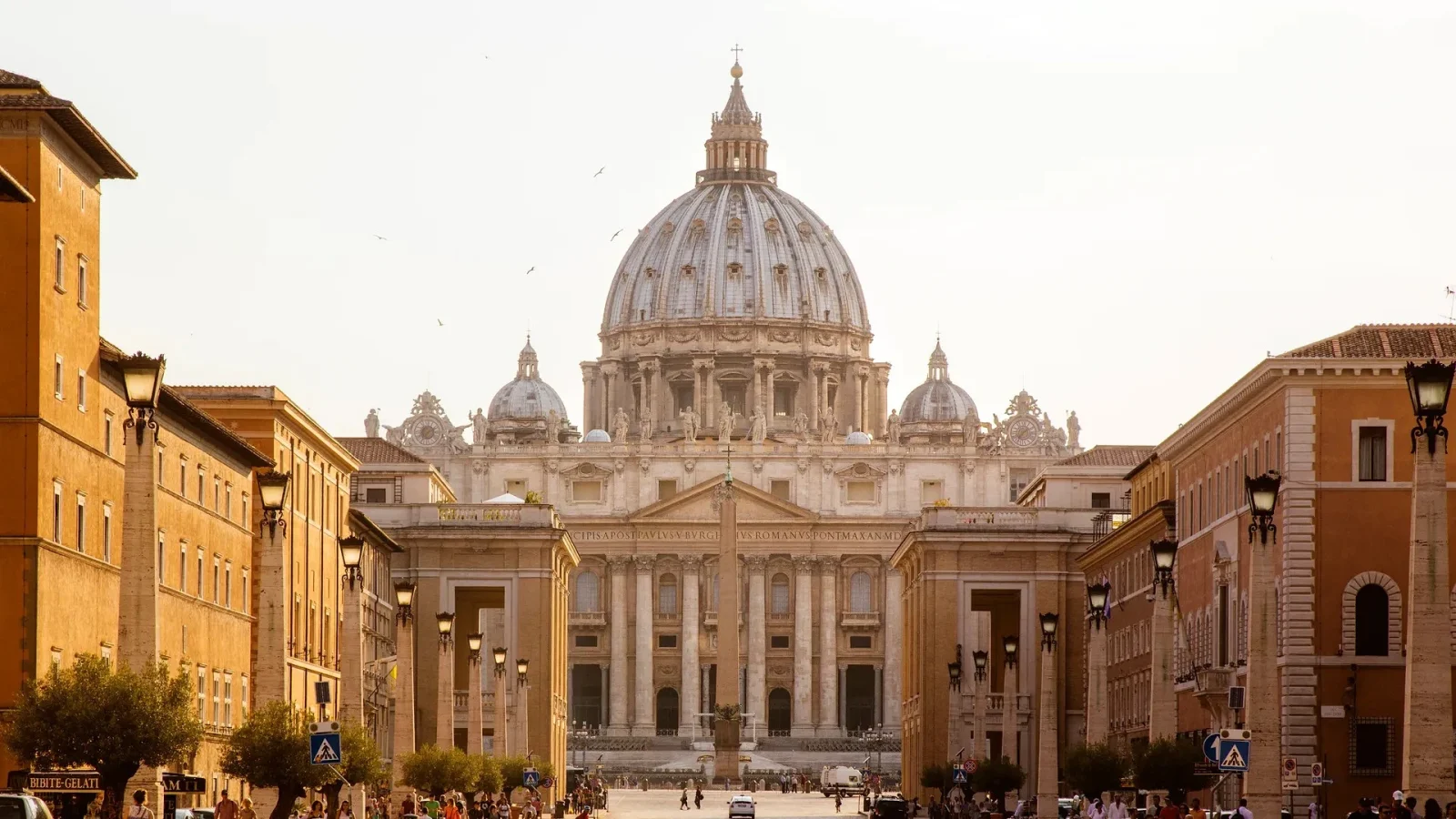
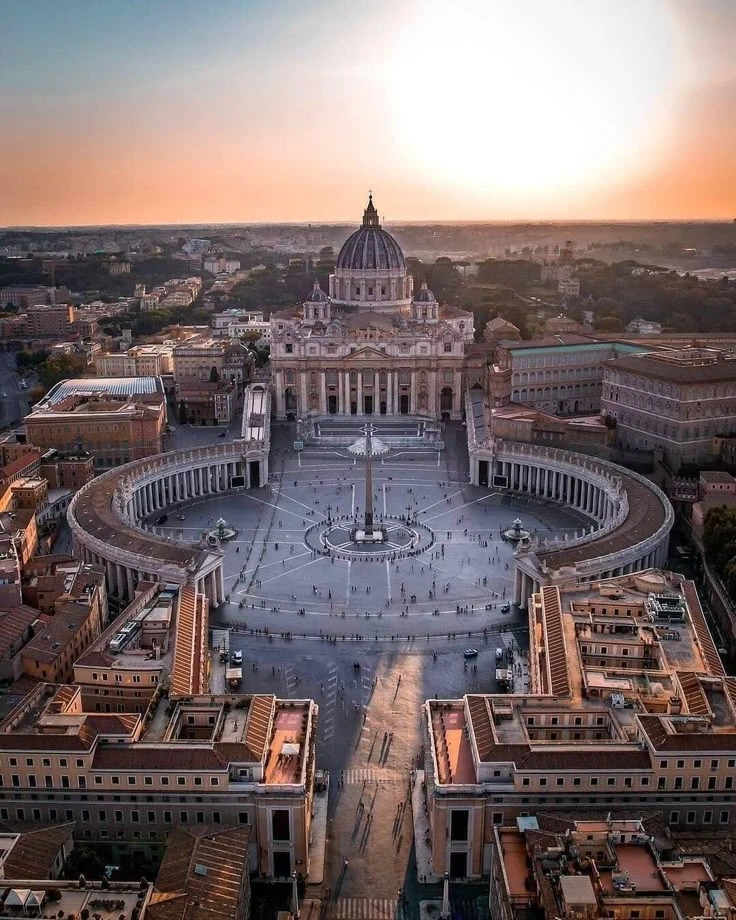
Constructed between 1506 and 1626 over the burial site of Saint Peter, St. Peter’s Basilica is one of the most significant churches in Christianity. Its architectural importance lies in its process of evolution. The basilica was shaped by multiple architects, including Donato Bramante, Michelangelo, and Carlo Maderno. Each contributed to a different design framework rather than executing a fixed plan.
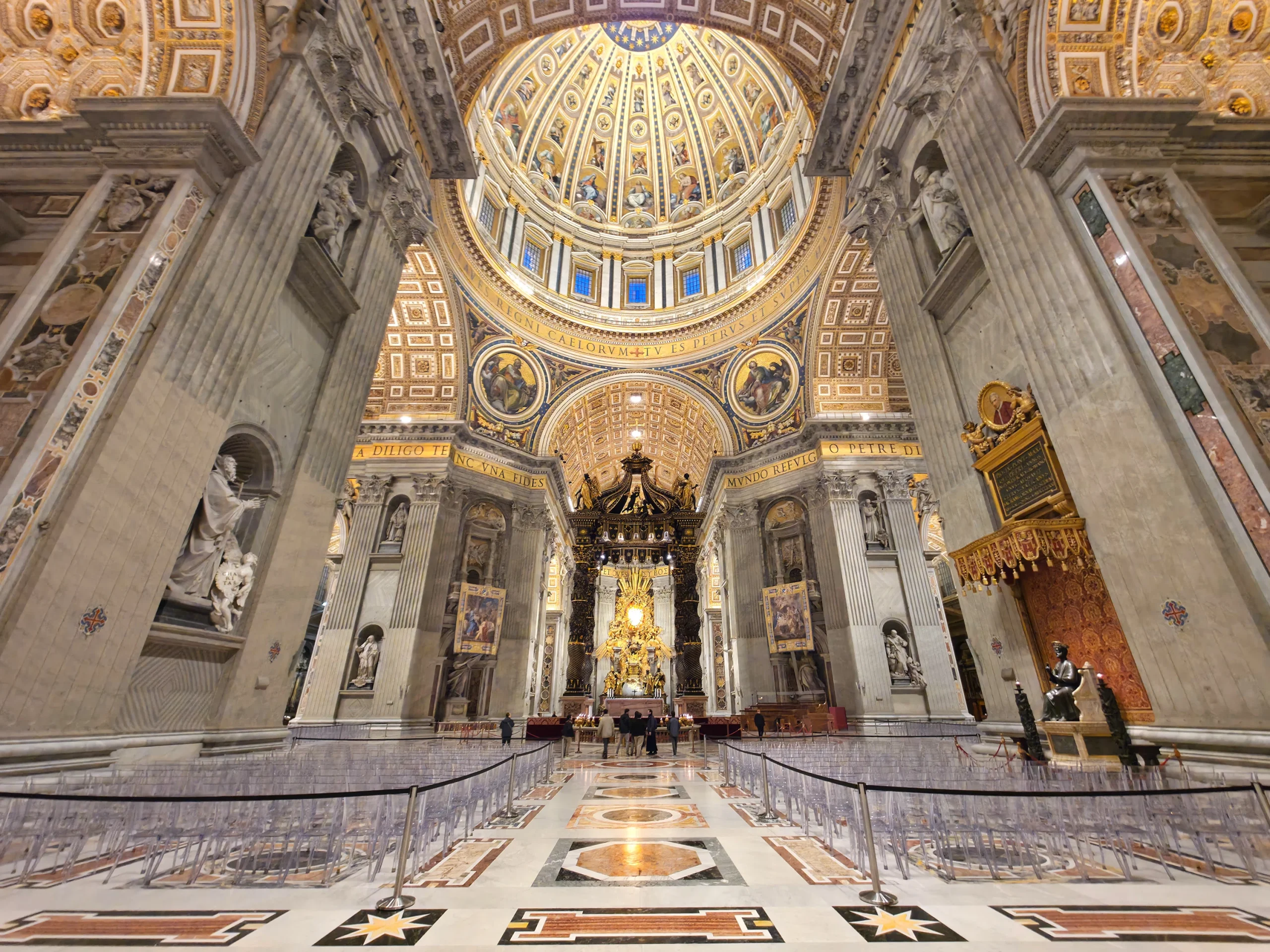
The basilica’s defining feature is its dome, engineered by Michelangelo. It employs a double-shell system, where an inner structural dome supports an outer shell, reducing weight while maintaining visual scale. Radial ribs act as stiffeners, distributing loads evenly and preventing deformation. The transition from Bramante’s centralized Greek cross plan to Maderno’s longitudinal extension reflects changing programmatic requirements. This shift demonstrates how geometry can adapt to evolving functions without losing coherence.
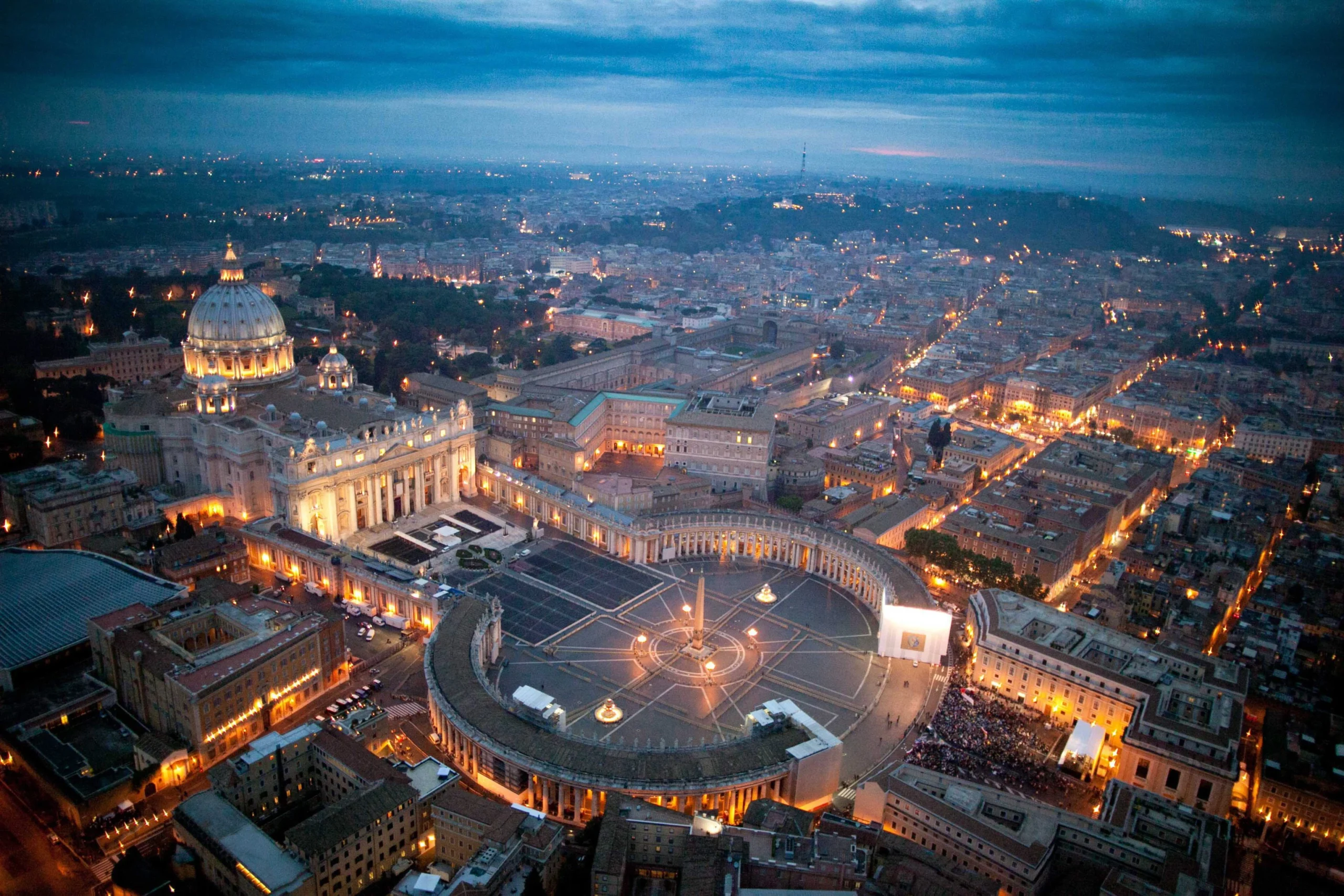
The use of travertine stone, brick masonry, and iron chains embedded within the structure ensures stability under immense loads. The dome’s curvature is calculated to balance compression forces, preventing collapse. Light is treated as an architectural element. Openings in the drum and lantern create a controlled illumination gradient, enhancing spatial hierarchy.
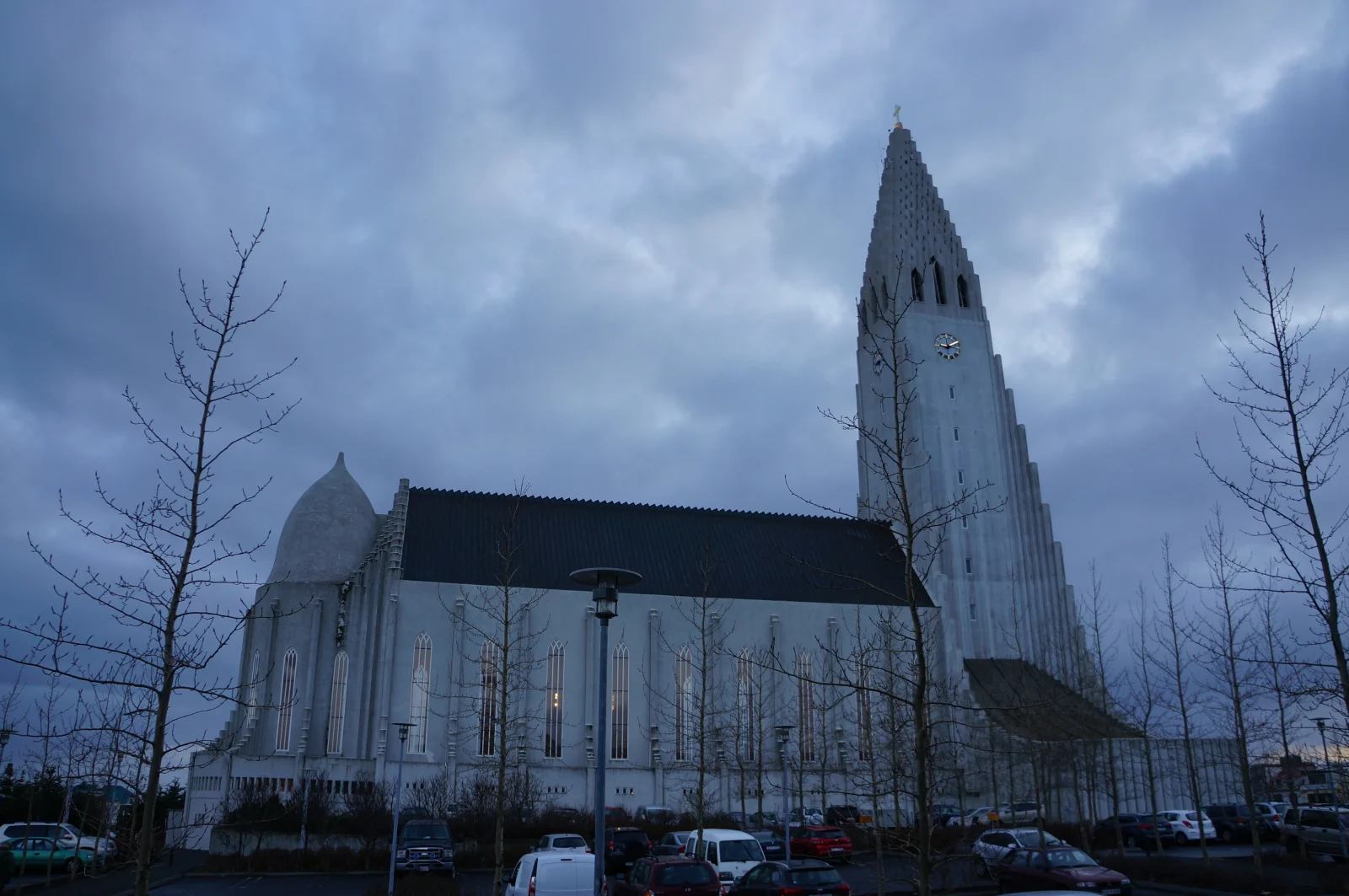
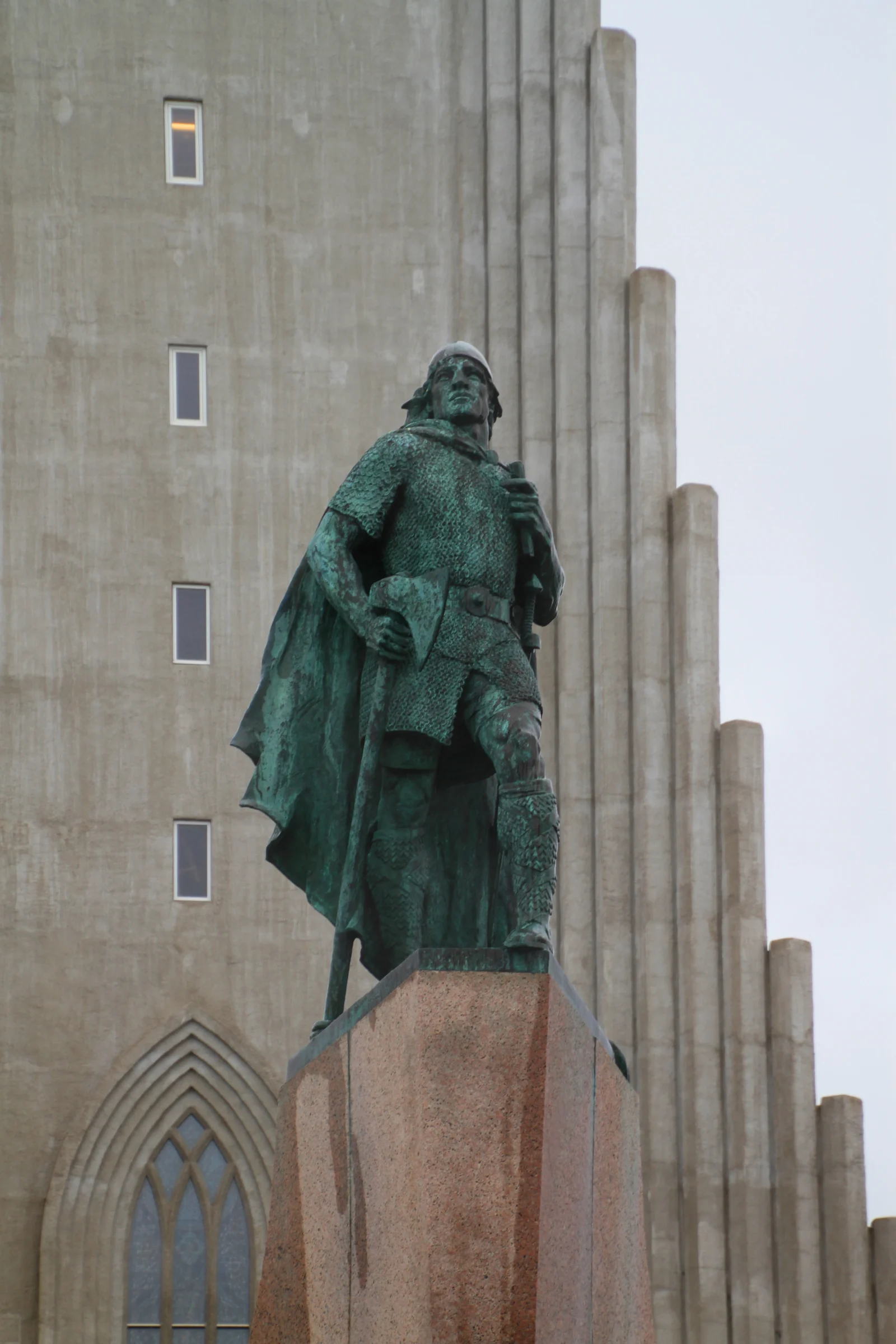
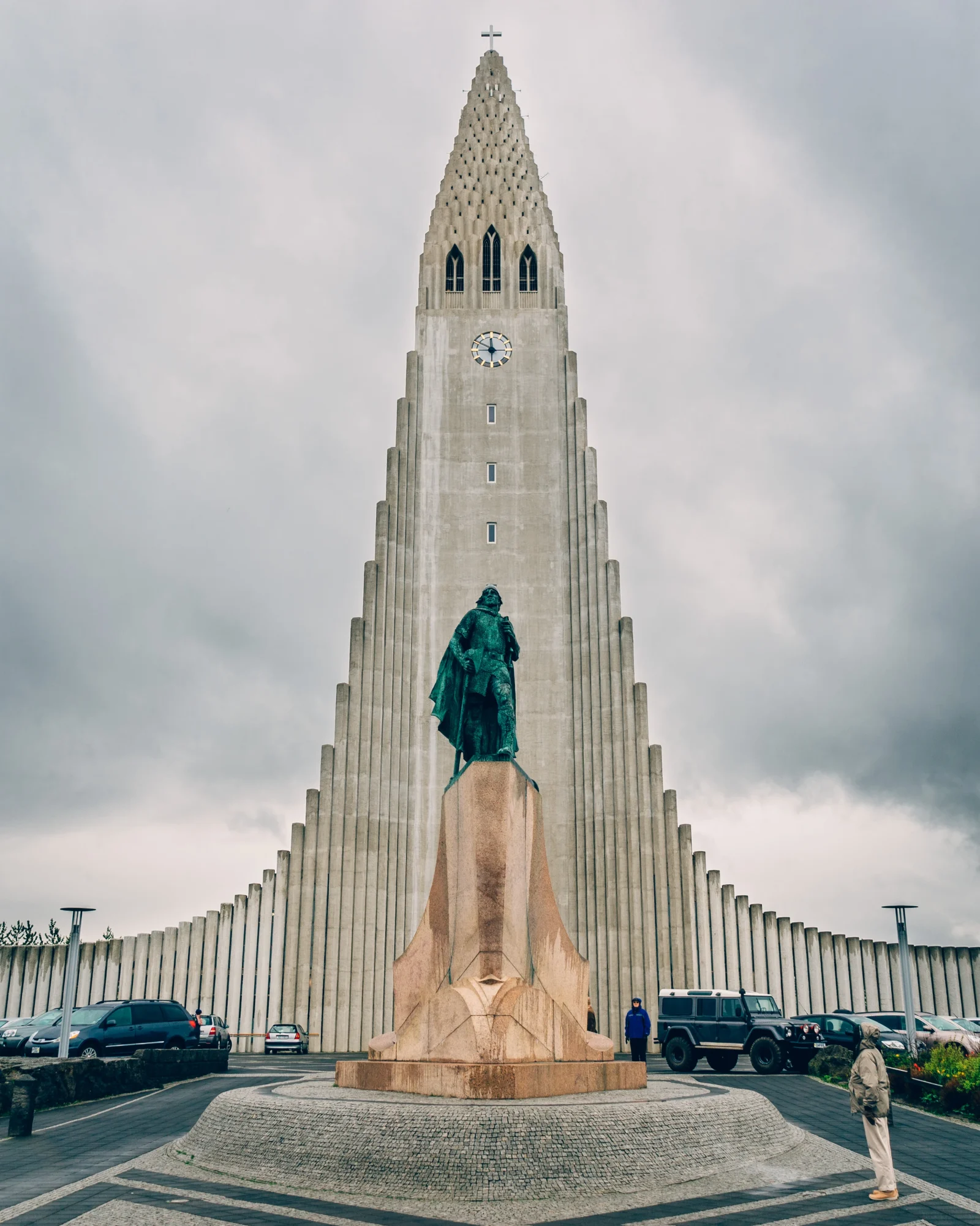
4. Hallgrímskirkja Church — Reykjavik, Iceland
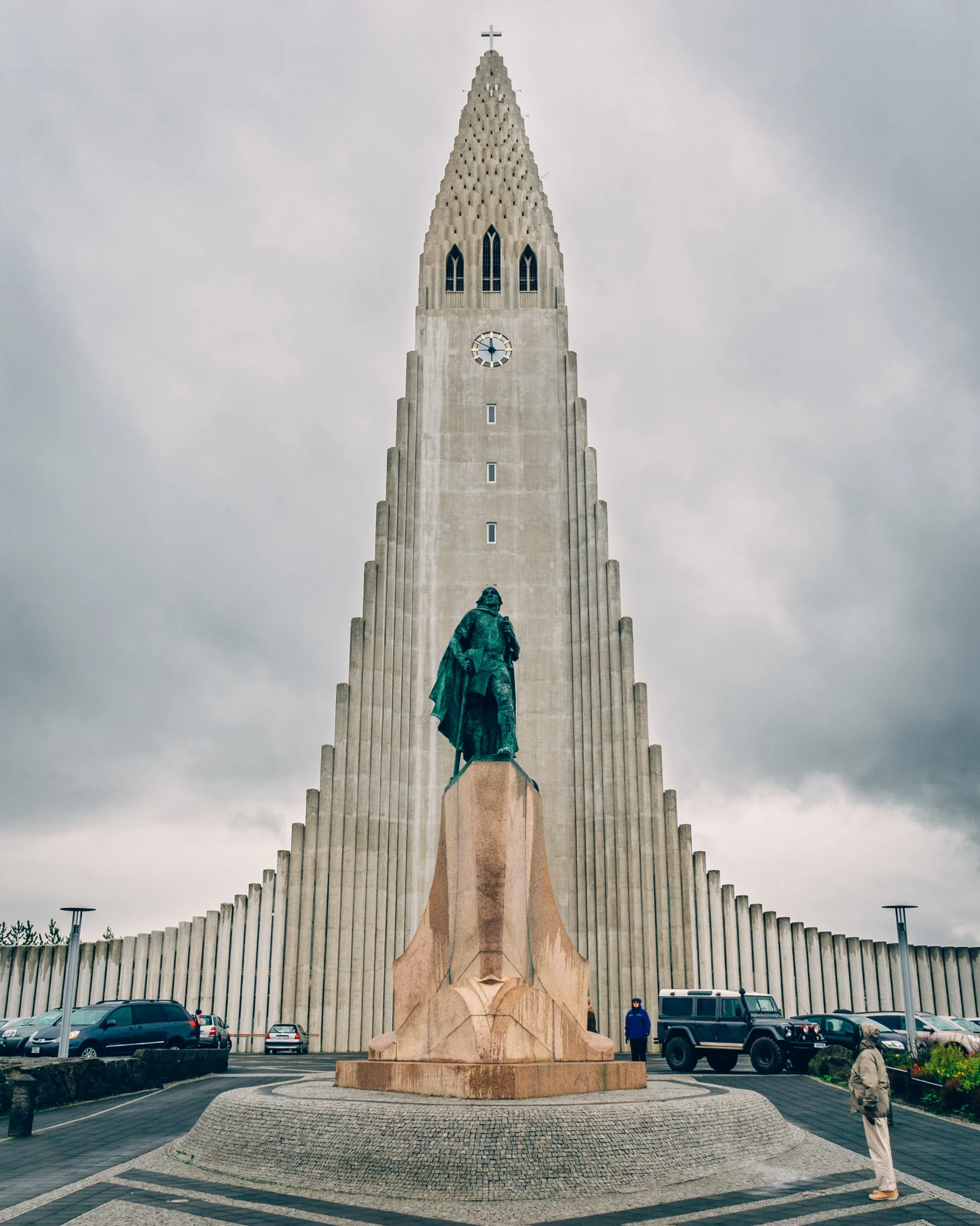
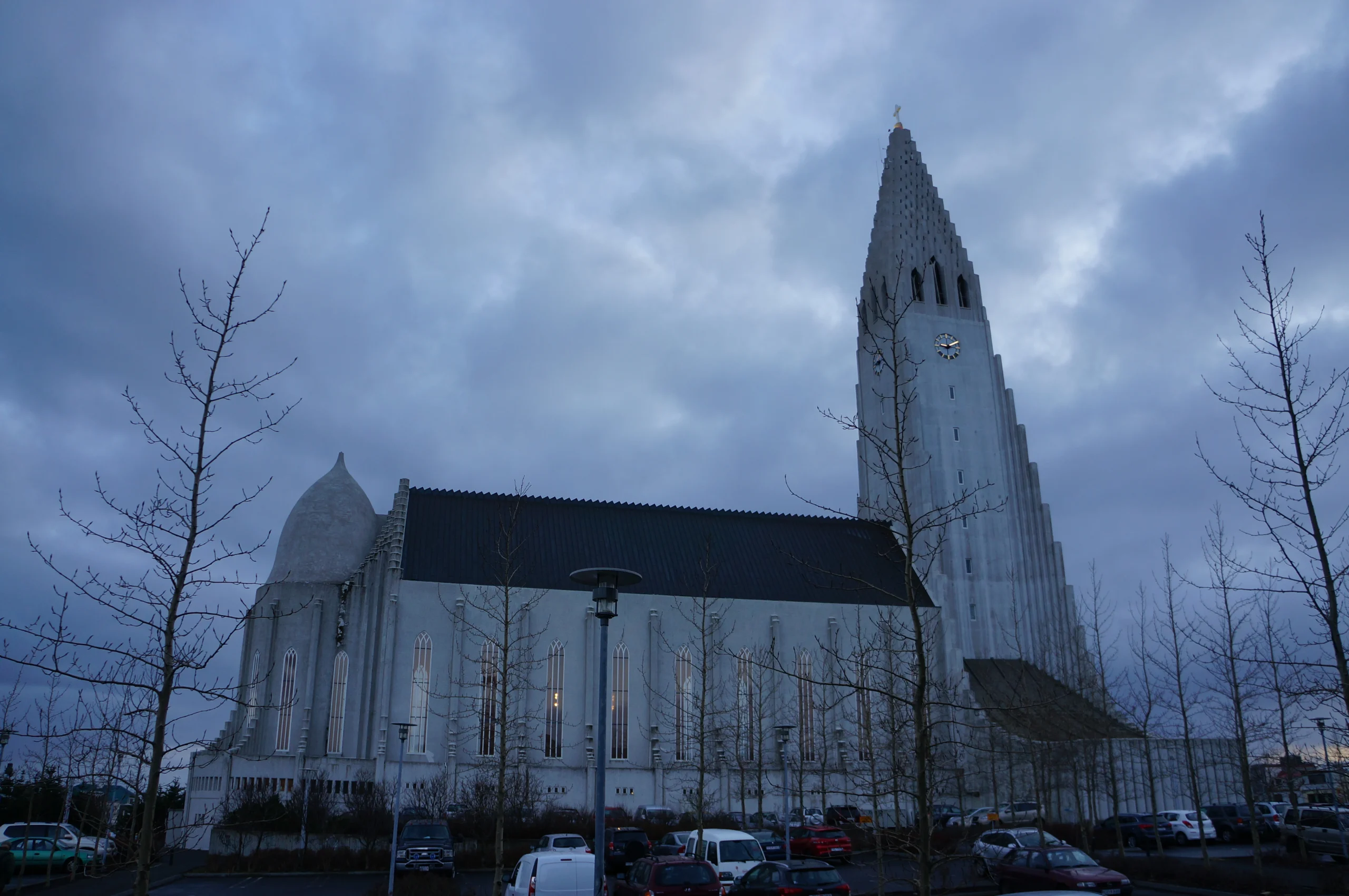
Completed in 1986, Hallgrímskirkja by Guðjón Samúelsson translates geological processes into architectural form. The church is named after the Icelandic poet Hallgrímur Pétursson. It was envisioned as a national monument, reflecting Iceland’s identity and landscape.
The facade is inspired by basalt columns, which form through thermal contraction of lava, producing hexagonal patterns. This natural process is inherently parametric, where material behaviour generates geometry.
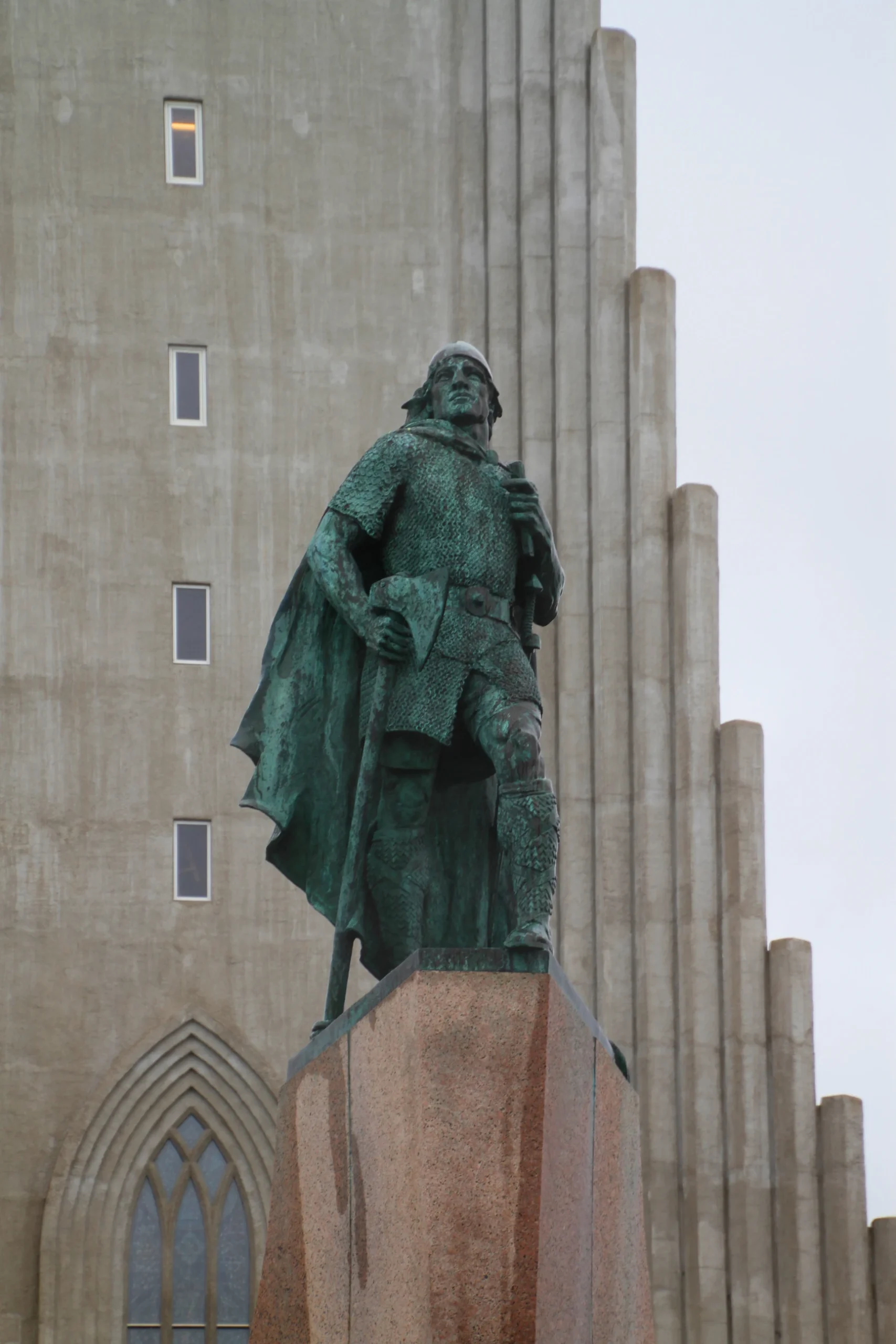
Samúelsson abstracts this into a reinforced concrete facade composed of vertical fins that vary in height and spacing. These elements are modular yet differentiated, creating a gradient effect. Structurally, the building uses a reinforced concrete frame that supports the expressive facade while resisting Iceland’s harsh climatic conditions, including strong winds and seismic activity. The tower stabilises the overall form. Inside, the nave is linear and uncluttered, allowing the vertical emphasis to dominate.
Completed in 1969 by brothers Timo Suomalainen and Tuomo Suomalainen, Temppeliaukio Church is a landmark of site-integrated modernism. Instead of building on the site, the architects carved into it. The church is excavated from solid granite, making geology the primary determinant of form. This reduces the need for additional load-bearing systems and provides excellent thermal mass.
The circular plan enhances acoustic performance, with sound reflecting evenly across the space. The rough rock surfaces act as natural diffusers, eliminating the need for artificial acoustic treatments. The copper dome is supported by radial reinforced concrete beams, distributing loads evenly around the perimeter. A continuous skylight separates the dome from the rock walls, introducing indirect natural light.
This detail creates a dynamic lighting condition, where illumination changes with time and season. The building becomes responsive without relying on mechanical systems. Its significance lies in how it integrates structure, material, acoustics, and light into a single system.
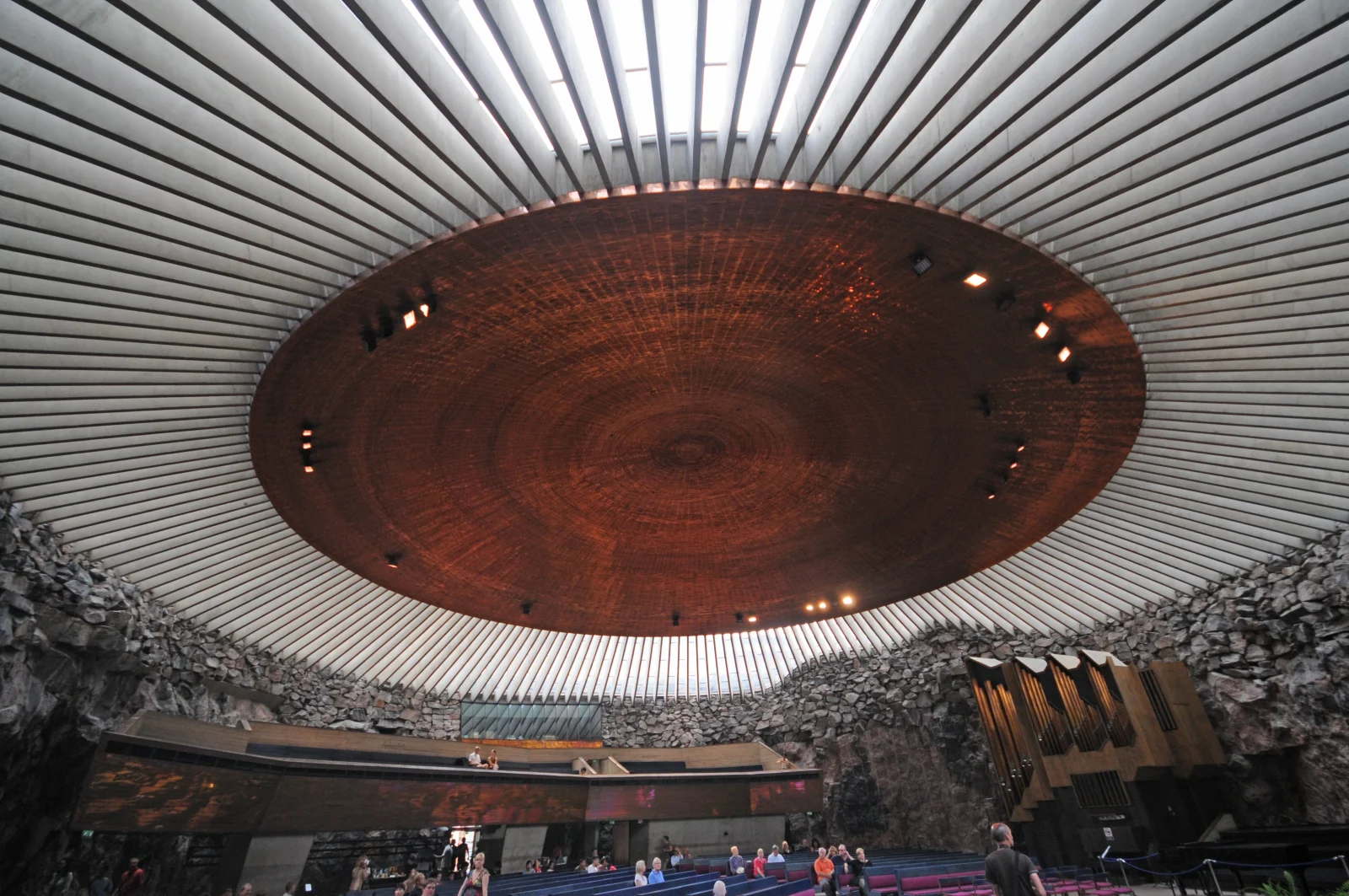
5. Temppeliaukio Church — Helsinki, Finland
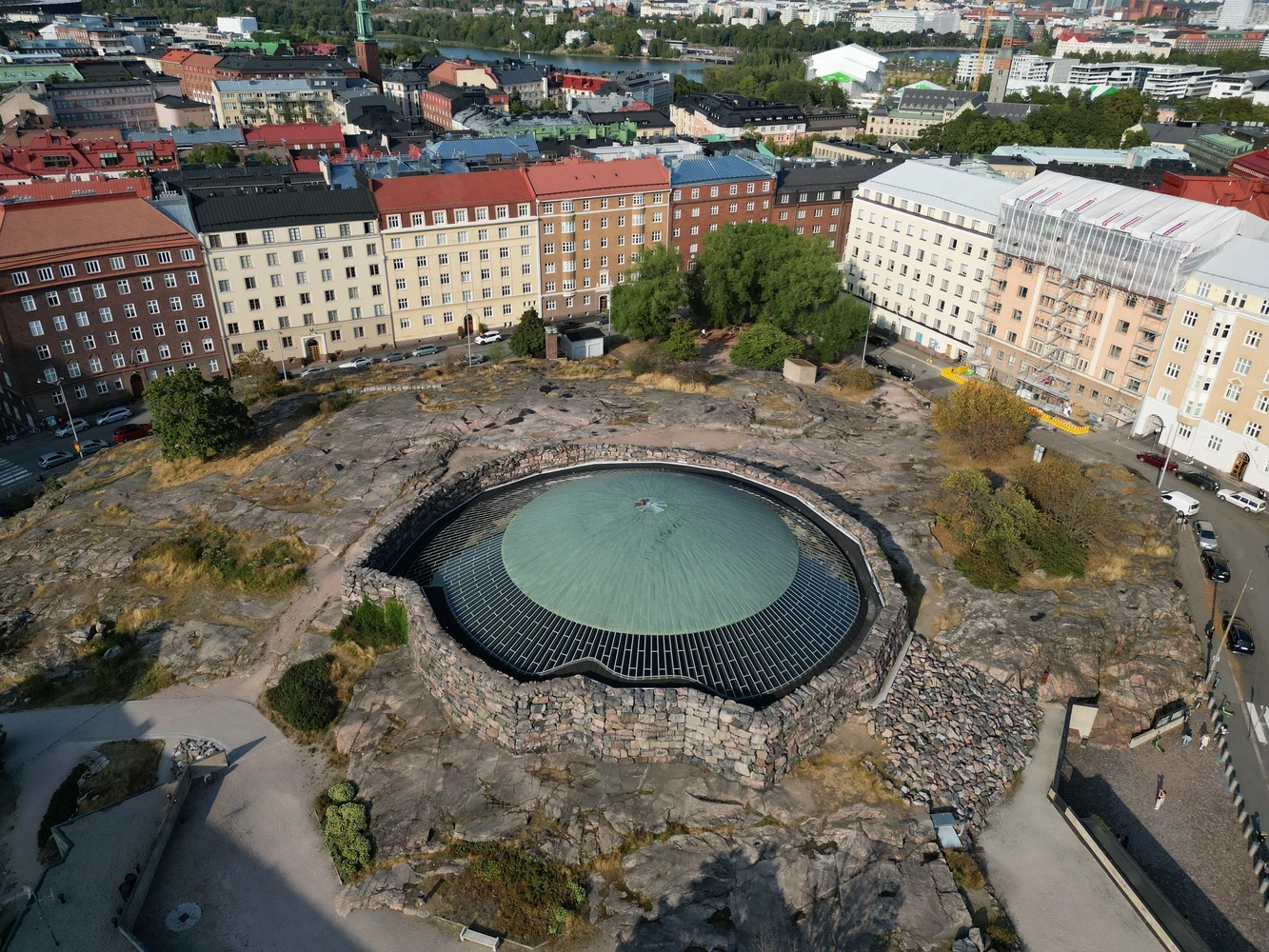
Completed in 1969 by brothers Timo Suomalainen and Tuomo Suomalainen, Temppeliaukio Church is a landmark of site-integrated modernism. Instead of building on the site, the architects carved into it. The church is excavated from solid granite, making geology the primary determinant of form. This reduces the need for additional load-bearing systems and provides excellent thermal mass.
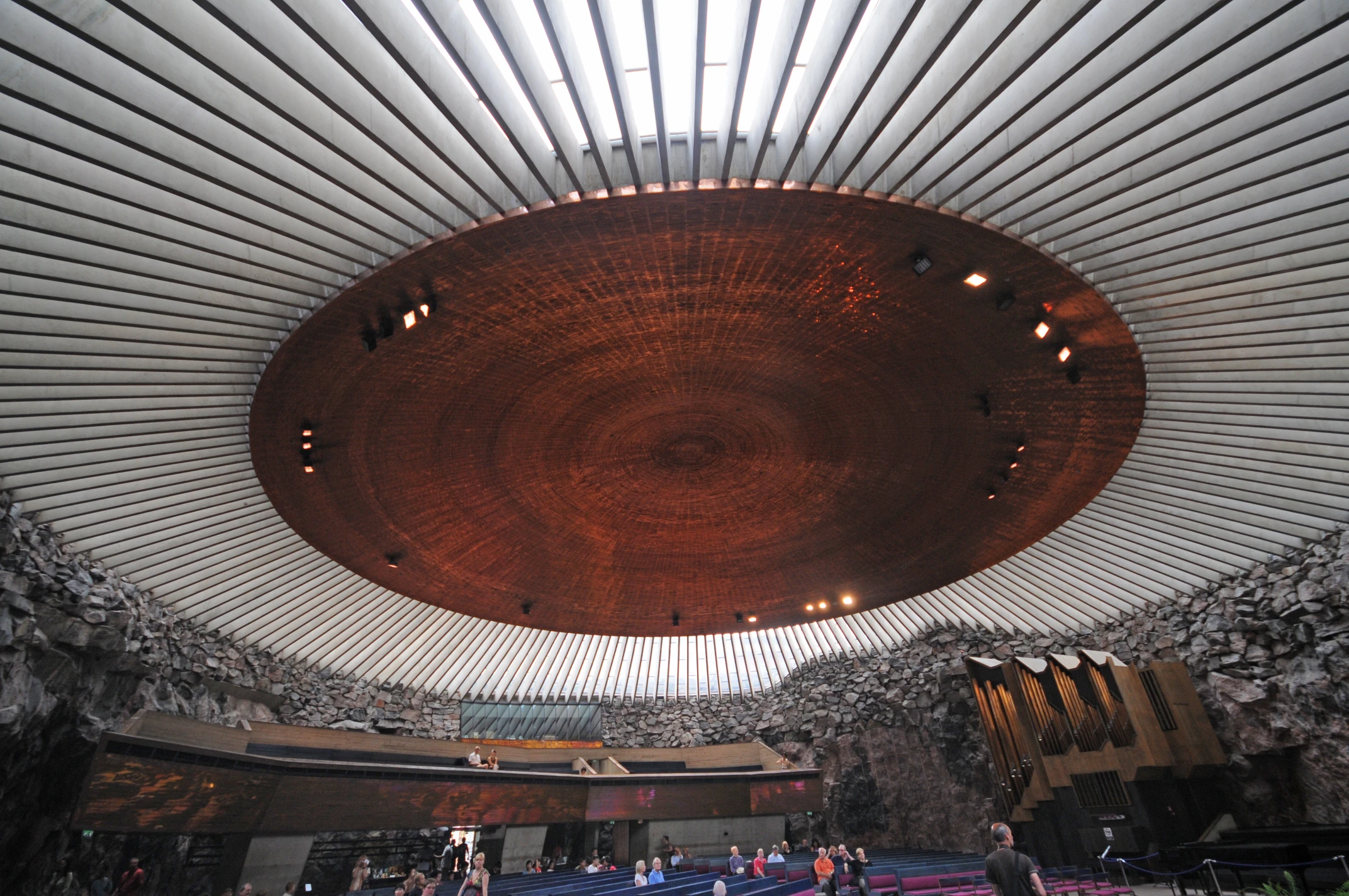
The circular plan enhances acoustic performance, with sound reflecting evenly across the space. The rough rock surfaces act as natural diffusers, eliminating the need for artificial acoustic treatments. The copper dome is supported by radial reinforced concrete beams, distributing loads evenly around the perimeter. A continuous skylight separates the dome from the rock walls, introducing indirect natural light.
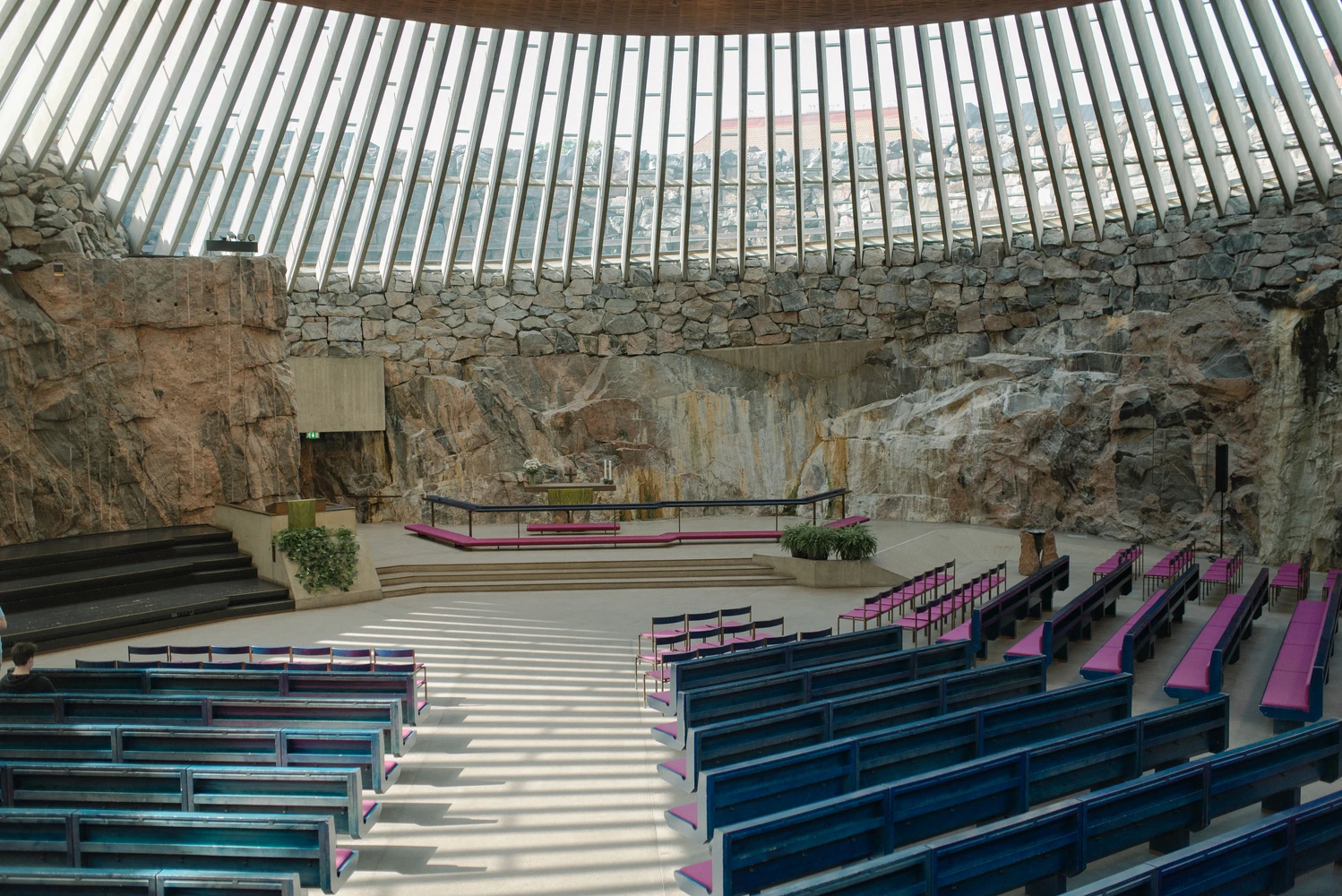
This detail creates a dynamic lighting condition, where illumination changes with time and season. The building becomes responsive without relying on mechanical systems. Its significance lies in how it integrates structure, material, acoustics, and light into a single system.
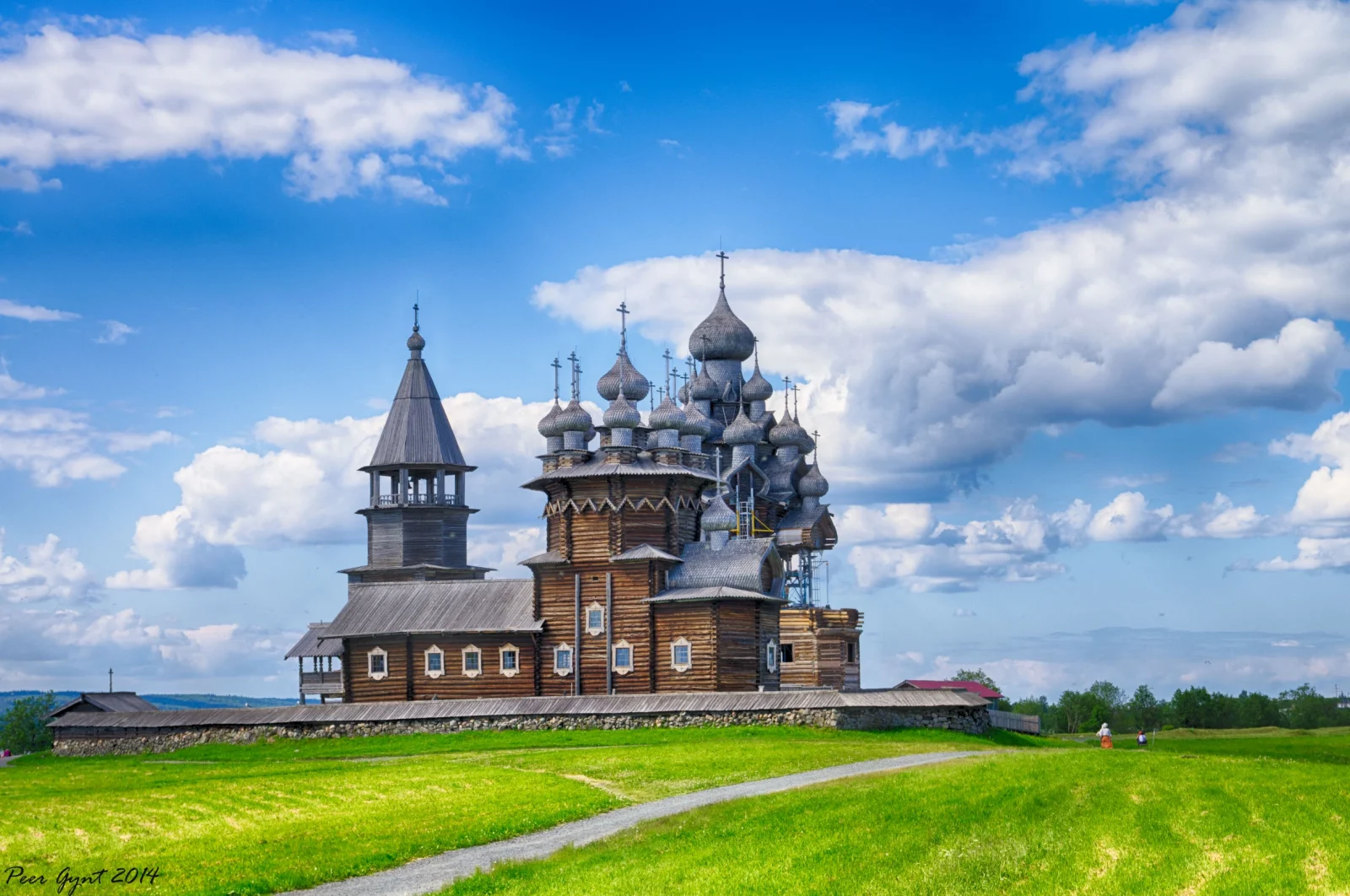
6. Church of the Transfiguration — Kizhi Island, Russia
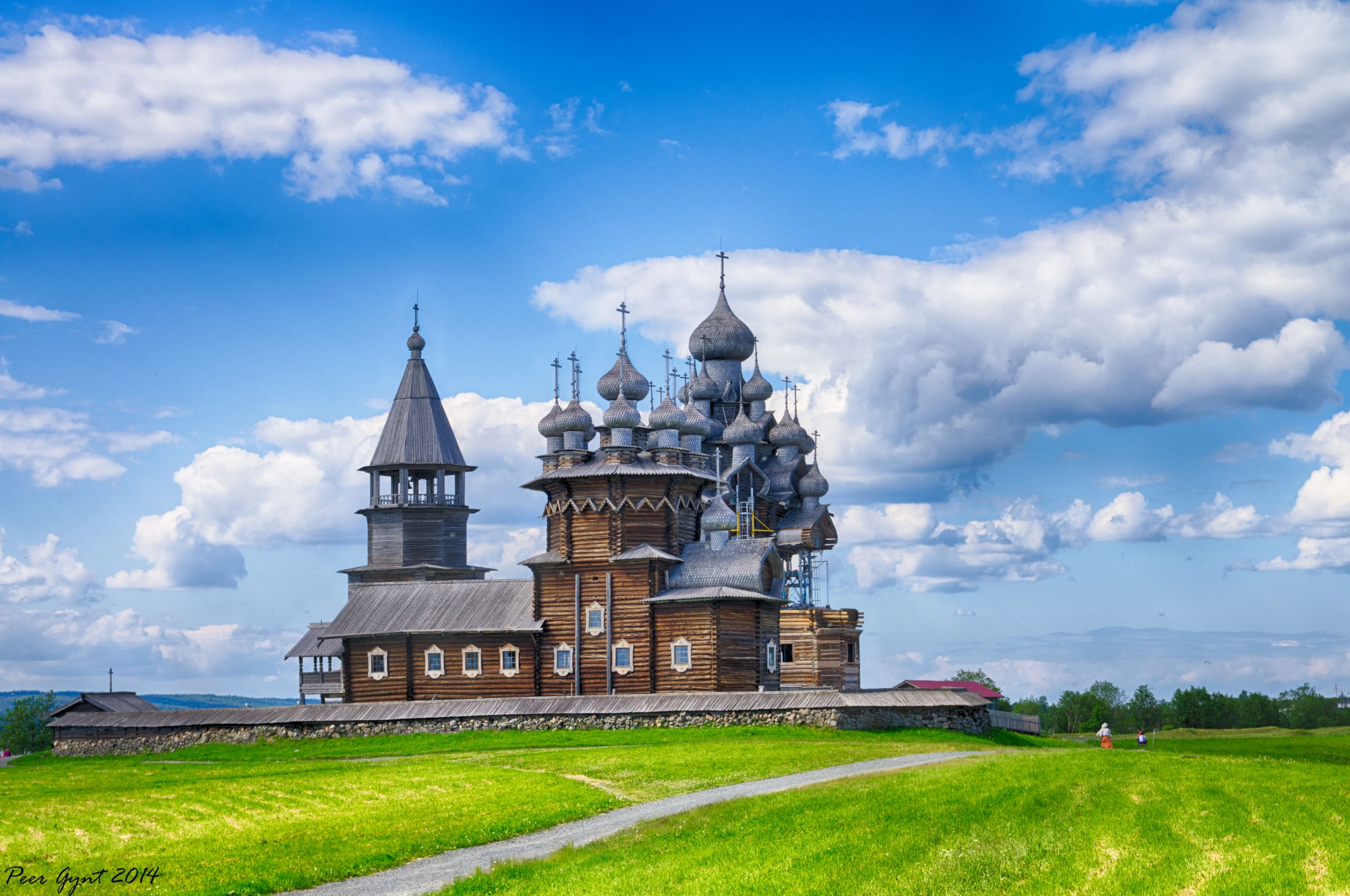
Built in 1714 on Kizhi Island, Church of the Transfiguration, Kizhi Island, is part of a UNESCO World Heritage ensemble known for its wooden architecture. It reflects the craftsmanship and climatic adaptation of northern Russia.
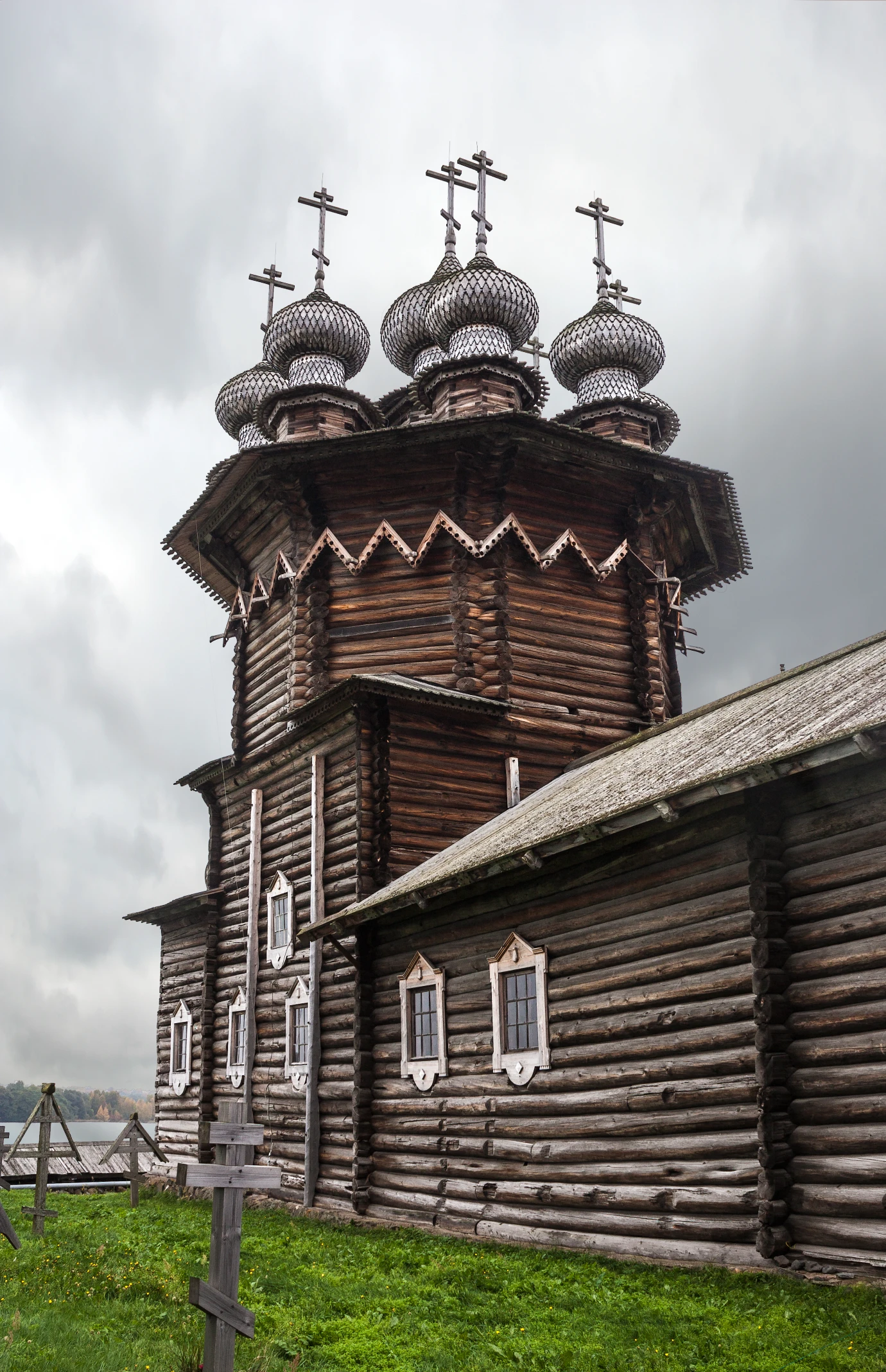
The church’s 22 domes are arranged in a hierarchical system, each constructed using log frameworks and wooden shingles. The geometry is repetitive but varied, creating a complex silhouette from simple rules. The structure is assembled without nails, relying on interlocking joinery techniques. This allows the building to expand and contract with temperature changes, increasing its durability in extreme climates.
The steeply pitched roofs are designed to shed snow efficiently, reducing structural load. The wooden shingles are layered to create a weather-resistant surface. Internally, the load is transferred through a system of vertical logs and horizontal beams, distributing weight evenly across the structure.
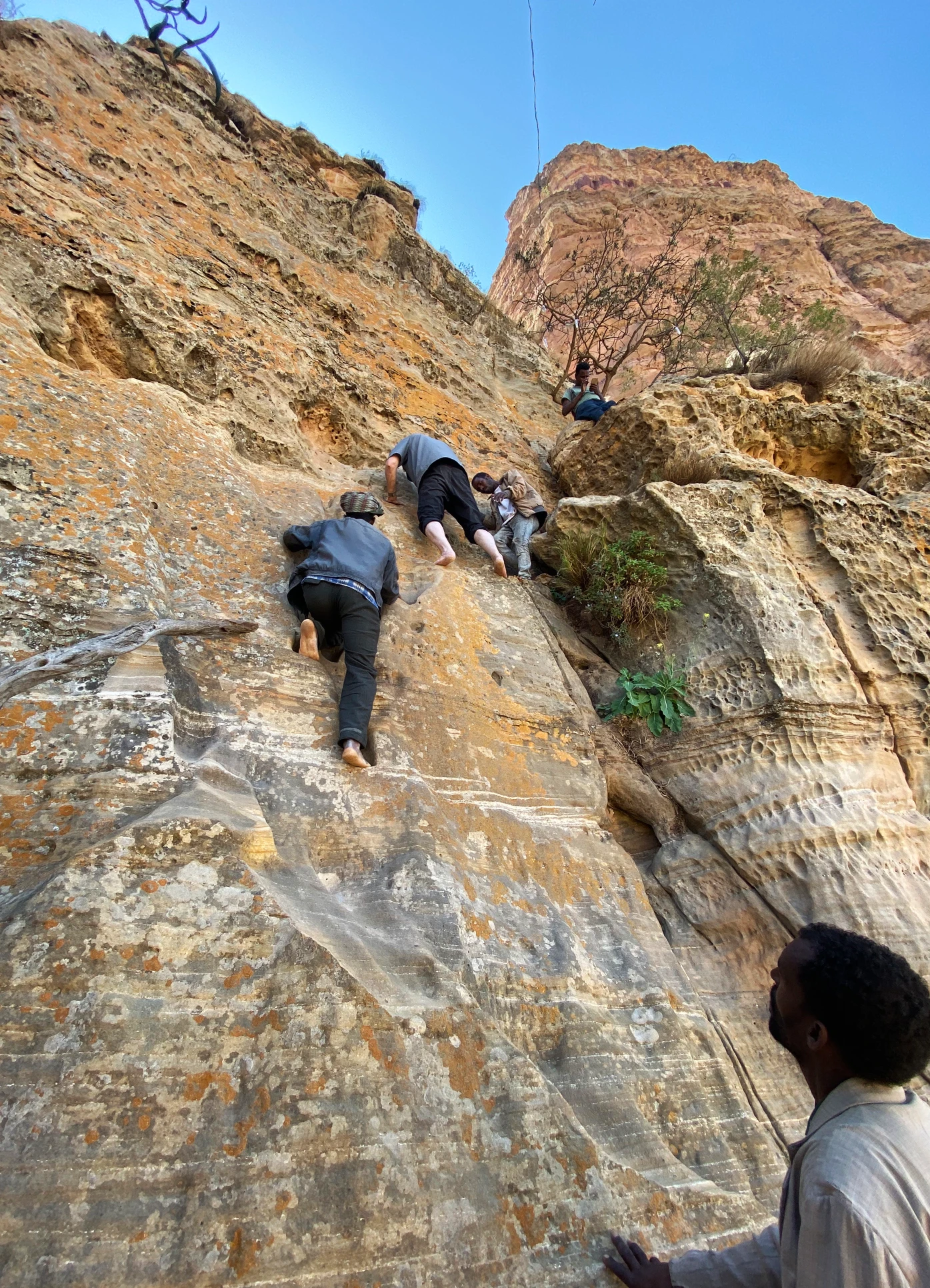
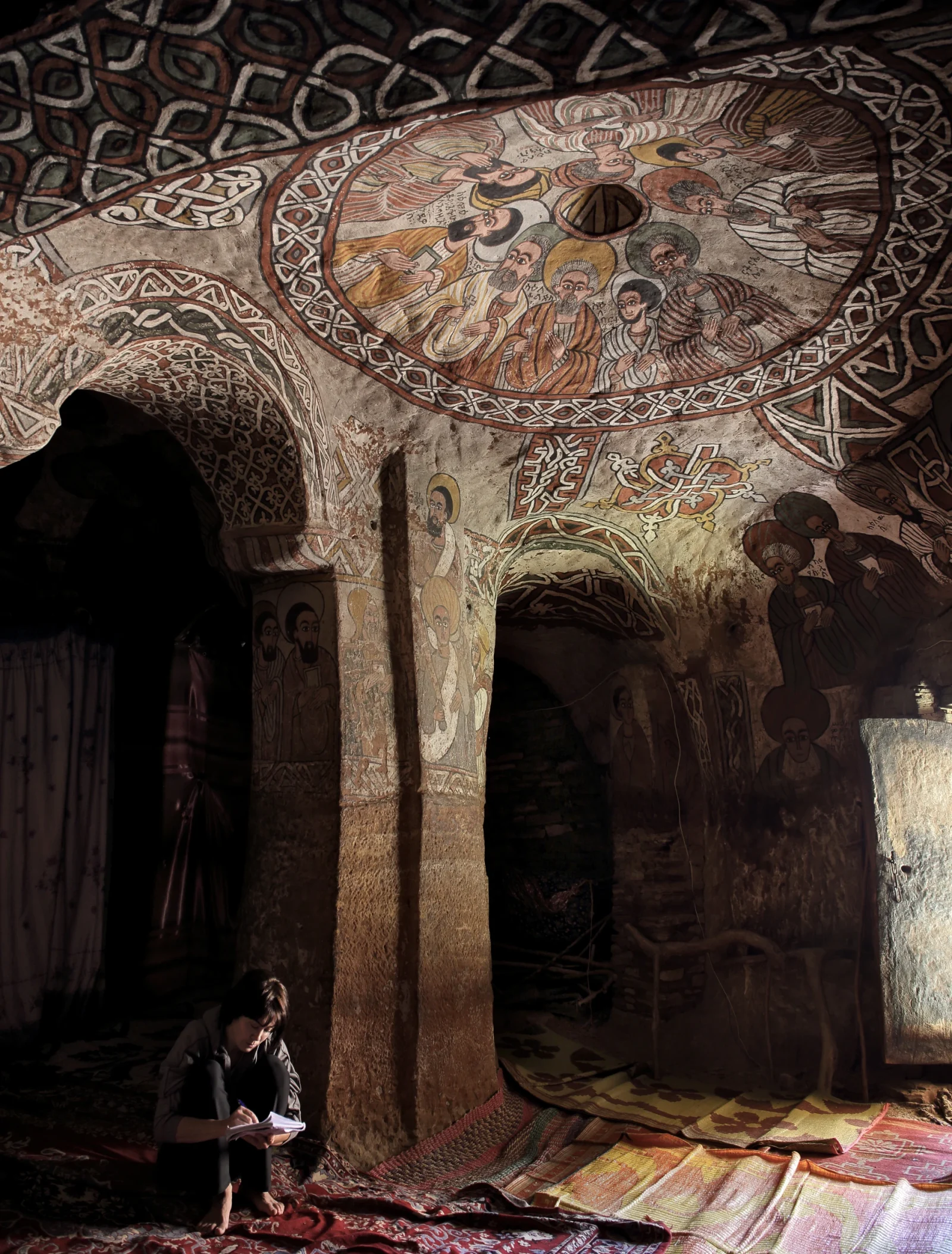
7. Abuna Yemata Guh — Gheralta Mountains, Ethiopia
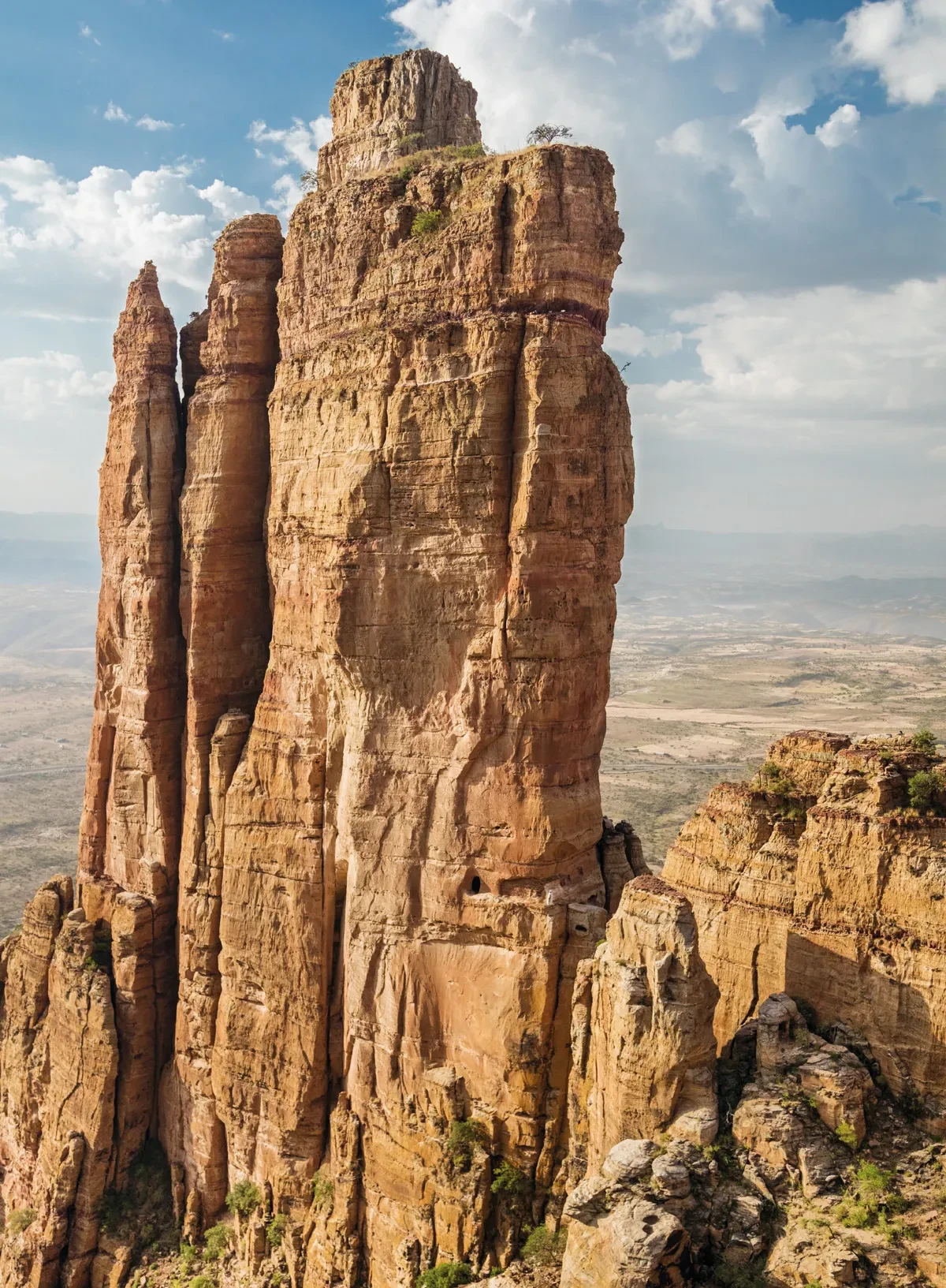
Dating back to the 5th century, Abuna Yemata Guh is one of Ethiopia’s oldest rock-hewn churches. It is believed to have been established to create a secluded place of worship, removed from conflict and accessible only through effort. The church is carved directly into a cliff face. It represents one of the earliest examples of rock-hewn ecclesiastical architecture.
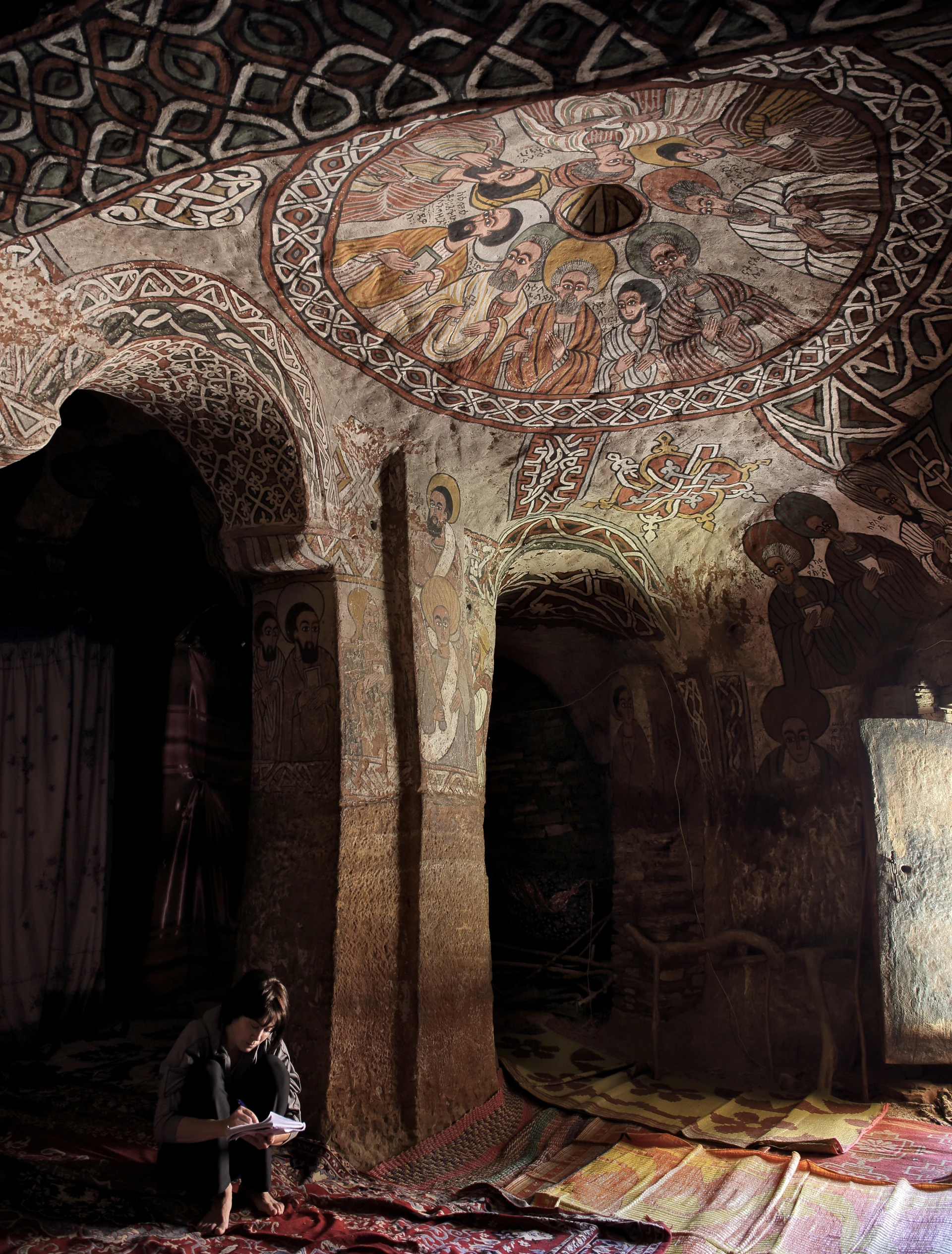
The church is carved directly into a vertical cliff, with no added structural system. Every spatiality—size, shape, and openings—is dictated by the rock’s structural limits. The rock itself provides stability, meaning the architecture is entirely dependent on geological conditions. Spatial dimensions are determined by the rock’s integrity. Openings are placed to avoid weakening the structure, while still allowing light and ventilation.
The interior frescoes follow the natural contours of the rock, integrating art with structure. There is no imposed geometry—only adaptation. Access requires climbing along narrow ledges, reinforcing the building’s isolation. This physical journey becomes part of the experience.
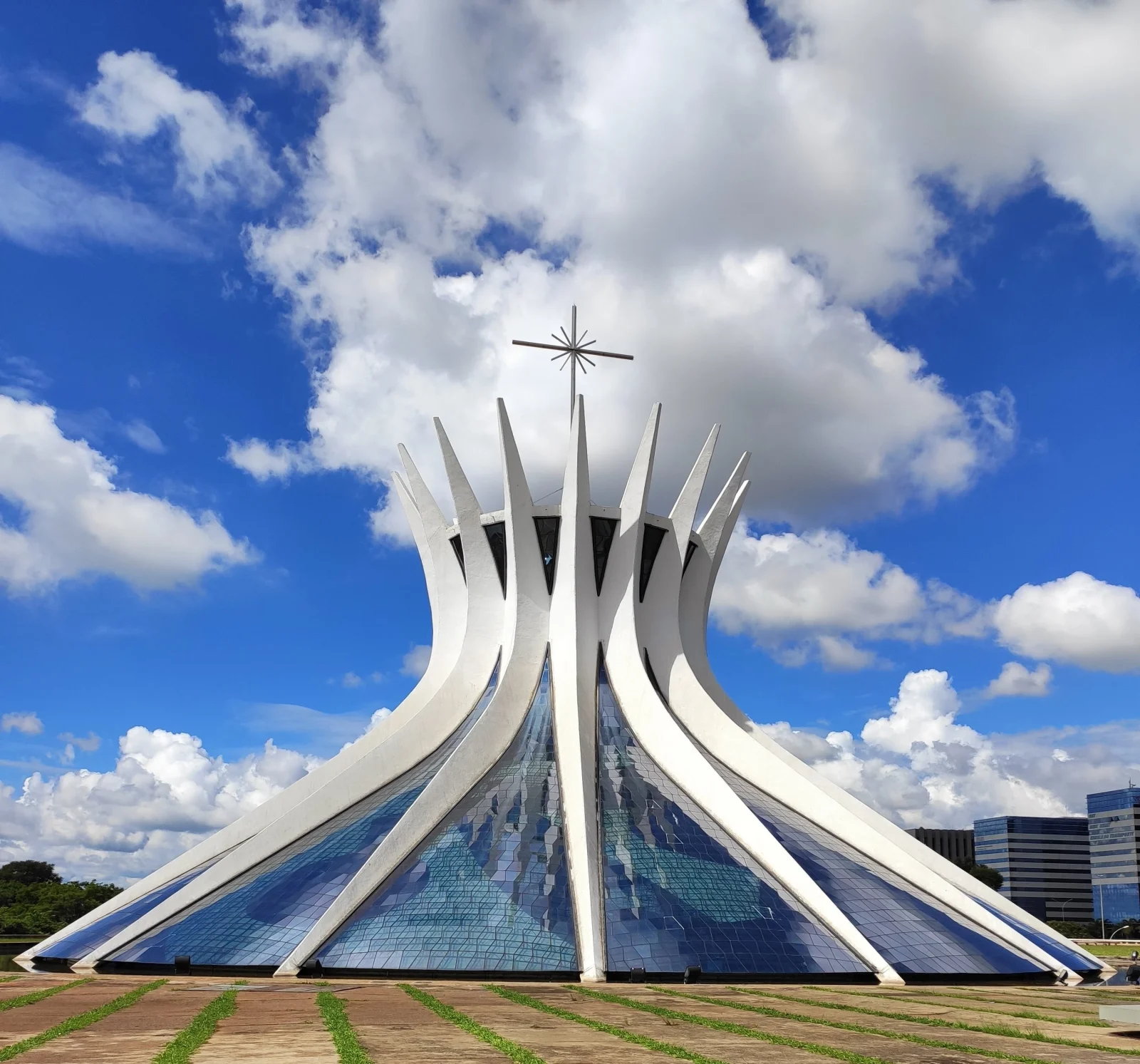
8. Cathedral of Brasília — Brasília, Brazil
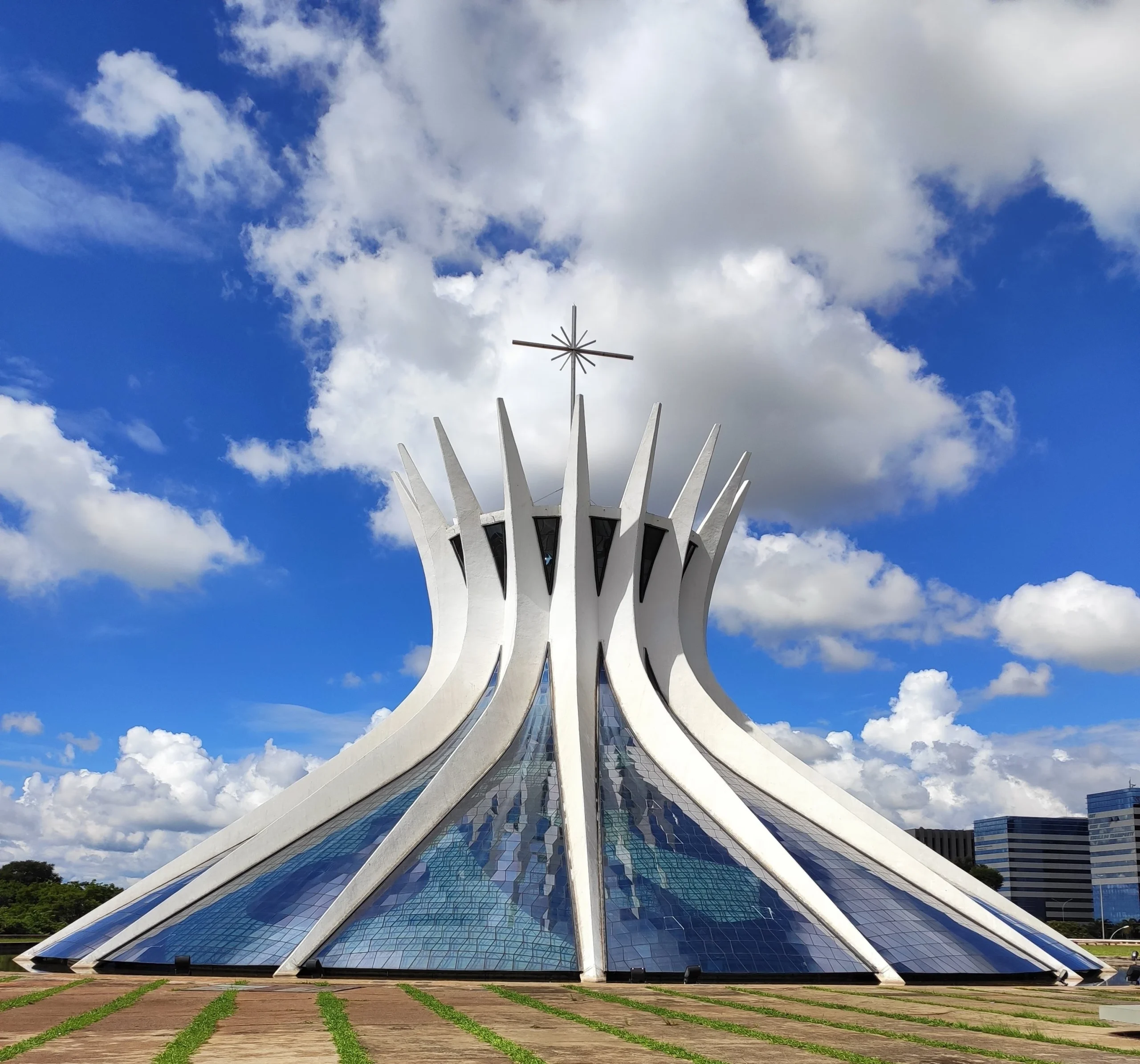
Completed in 1970 as part of Brasília’s modernist masterplan, the Cathedral of Brasília by Oscar Niemeyer reflects Brazil’s ambition to project a new architectural identity.
The structure consists of 16 reinforced concrete columns forming a hyperboloid geometry. This shape is generated through straight lines but produces a curved surface. The columns are inclined and interconnected, distributing loads evenly while creating an open interior space. The absence of internal supports enhances spatial continuity.
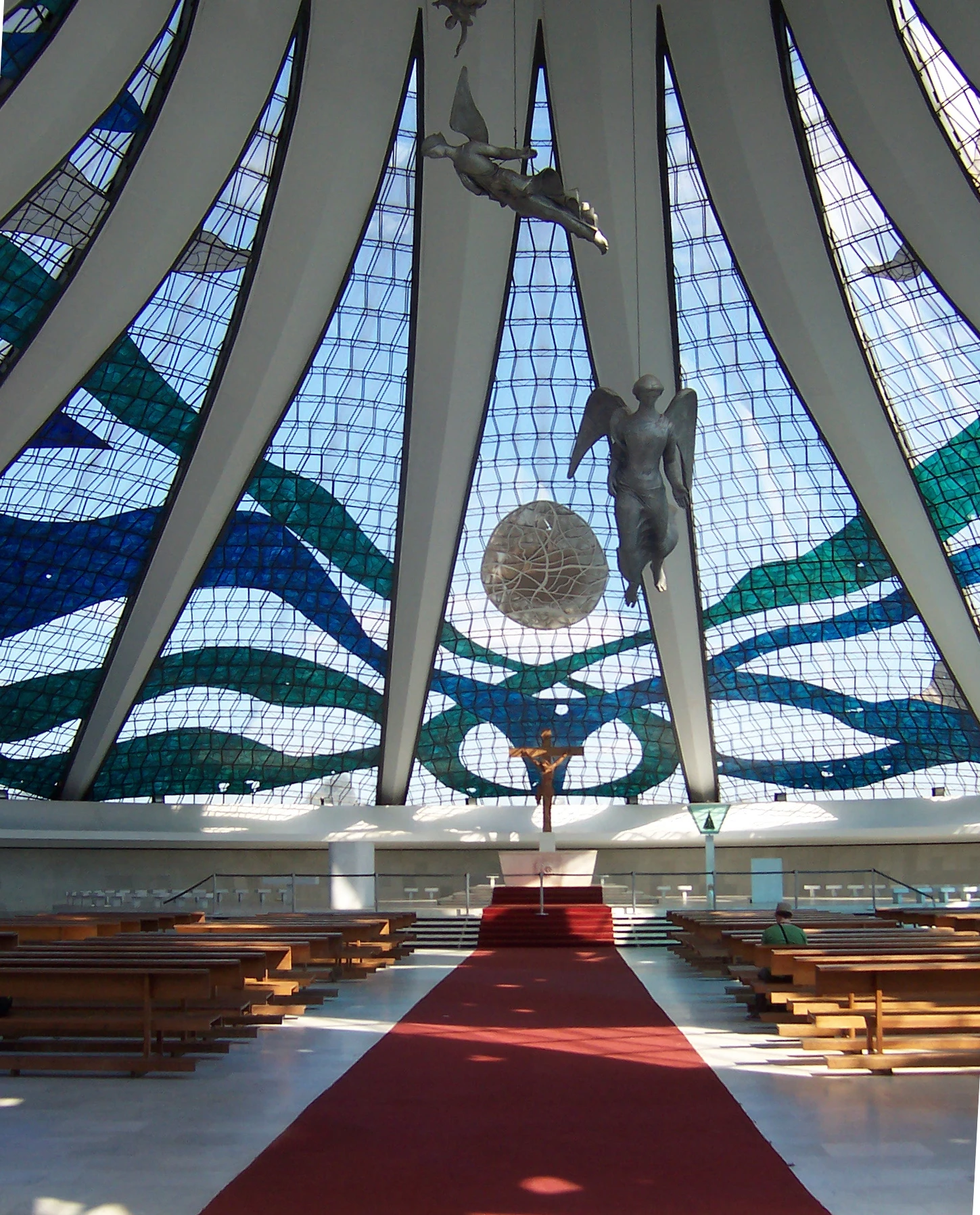
Between the columns, stained glass panels filter light, creating a dynamic interior environment. The interplay of structure and light defines the experience. This cathedral marks a transition from intuitive system-based design to calculated form-making.
Before the Algorithm, There Was Intent
If parametric architecture today is about controlling variables, these churches remind us that architects have always been negotiating them, just without naming the process.
What feels astonishing is not that these buildings resemble parametric outcomes, but that they arrived there through entirely different means. No scripts. No simulations. Just an acute awareness of gravity, material, climate, ritual, and terrain.
What changes today is not the logic, but the speed and precision with which we can engage it. Digital tools allow us to simulate countless iterations, optimise performance, and visualise complexity instantly. But they also risk distancing us from the very conditions that once grounded design. These churches offer a different lens. They suggest that parametric architecture, in many ways, is not an invention; it is a continuation.
Explore Courses
.jpg "Ondrej Chybik - Rethinking Architecture")