

Architecture often plays a subtle yet pivotal role in film, shaping worlds, evoking emotions, and guiding narratives without a single word. For architects, visiting these cinematic settings offers a way to experience design as form and function. These locations, immortalized on screen, invite you to step beyond the frame and into spaces where fiction was grounded in real material, proportion, and light.
Whether ancient, modern, or natural, these sites reveal how the built environment can evoke a sense of wonder. For those who design for the real world, walking through these once-fictional spaces becomes an immersive study in how architecture can move people, on screen and off.
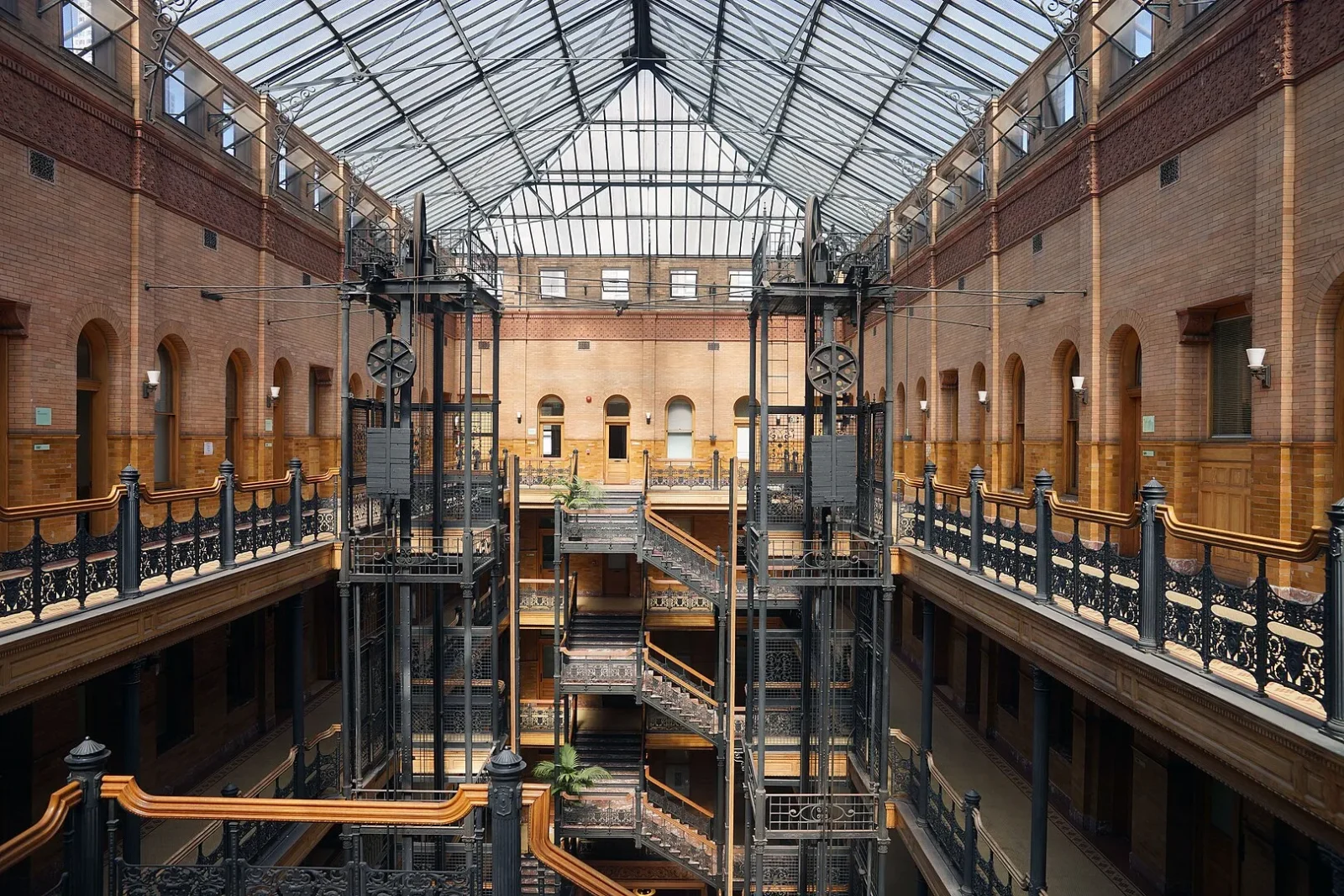
1. The Bradbury Building, Los Angeles, California
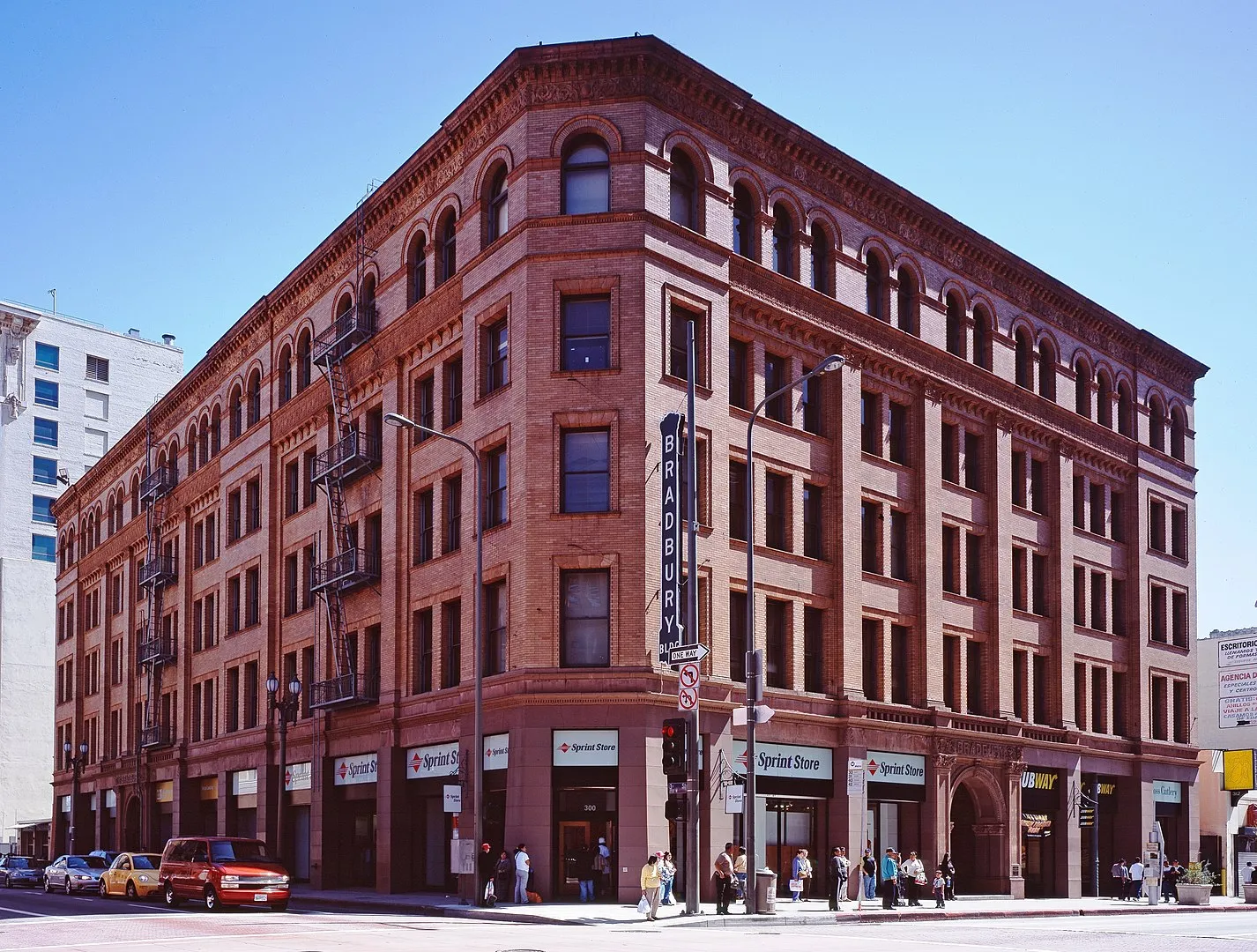
The Bradbury Building is one of the most cherished architectural treasures in downtown Los Angeles, having been finished in 1893. George H. Wyman, who drew inspiration for the building’s design from a futuristic section of Edward Bellamy’s Looking Backward, created a simple Romanesque Revival structure with arched windows, brown brick, and sandstone trim.
The real architectural drama, however, is found inside the five-story atrium, which is framed by elaborate staircases, open-cage elevators, and exquisite wrought-iron railings and is bathed with natural light from a giant skylight. The combination of marble, glass, polished wood, and cast iron lends the room a feeling of coziness, artistry, and drama.
The interior of the Bradbury feels more like a Victorian greenhouse or steampunk cathedral. Its detail, expressive material palette, and vertical openness were ahead of their time in terms of atmosphere and function. In addition to letting light into the interior of the building, the central court serves as a platform for people to walk around freely, cross over balconies, and ride elevators. When combined with exquisitely wrought craftsmanship, this openness transforms the area from a commercial office environment into an architectural spectacle.
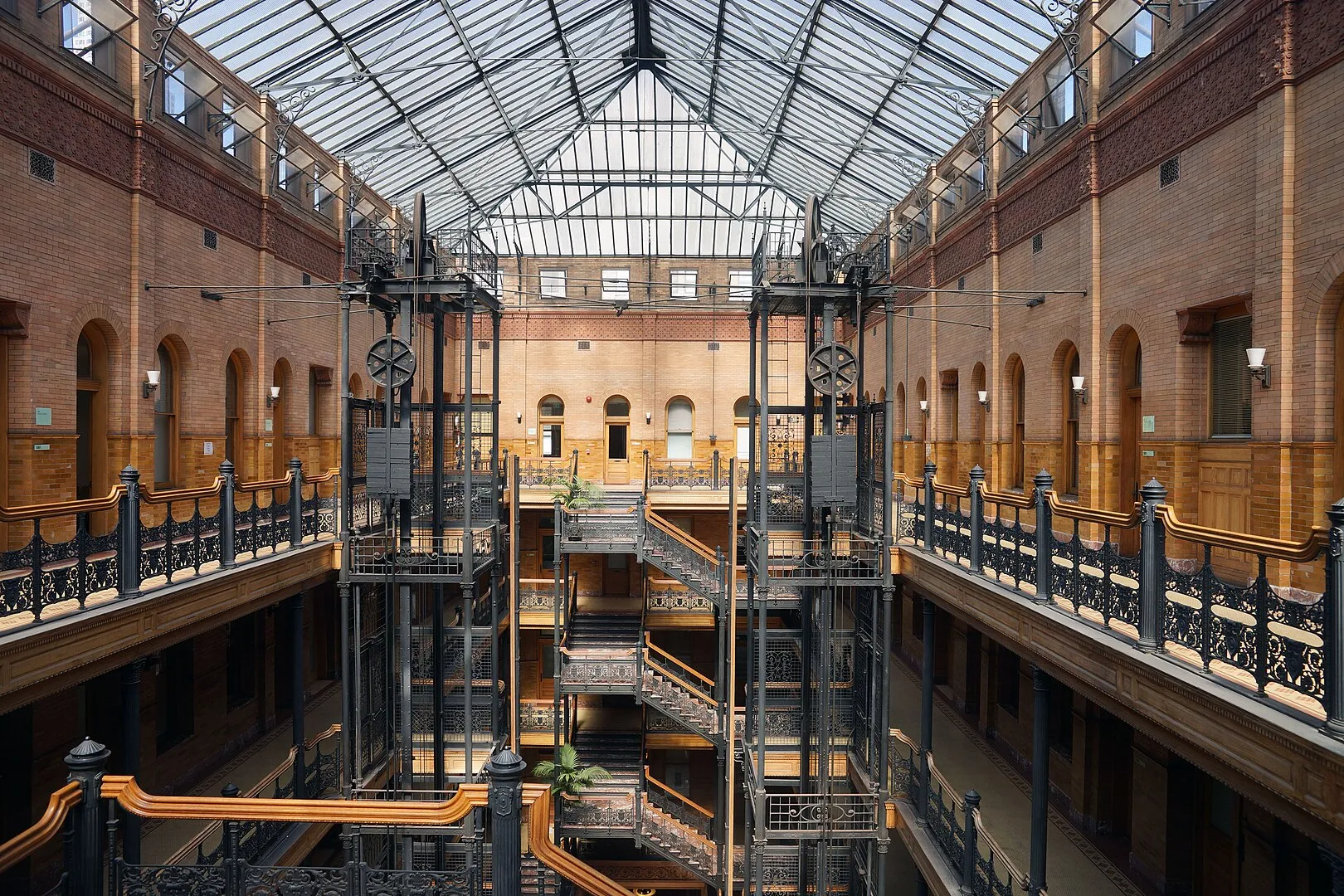
Because of its cinematic properties, The Bradbury frequently appears on screen. It is most famously seen in Blade Runner as the spooky, dilapidated residence of J.F. Sebastian, which is reframed with noir shadows and lighting. Among other films, it appears in Chinatown, The Artist, and 500 Days of Summer. Bradbury epitomizes romanticism and nostalgia. It is a living example of Los Angeles’ architectural creativity and one of the few structures where Victorian ornamentation and urban congestion mix so well.
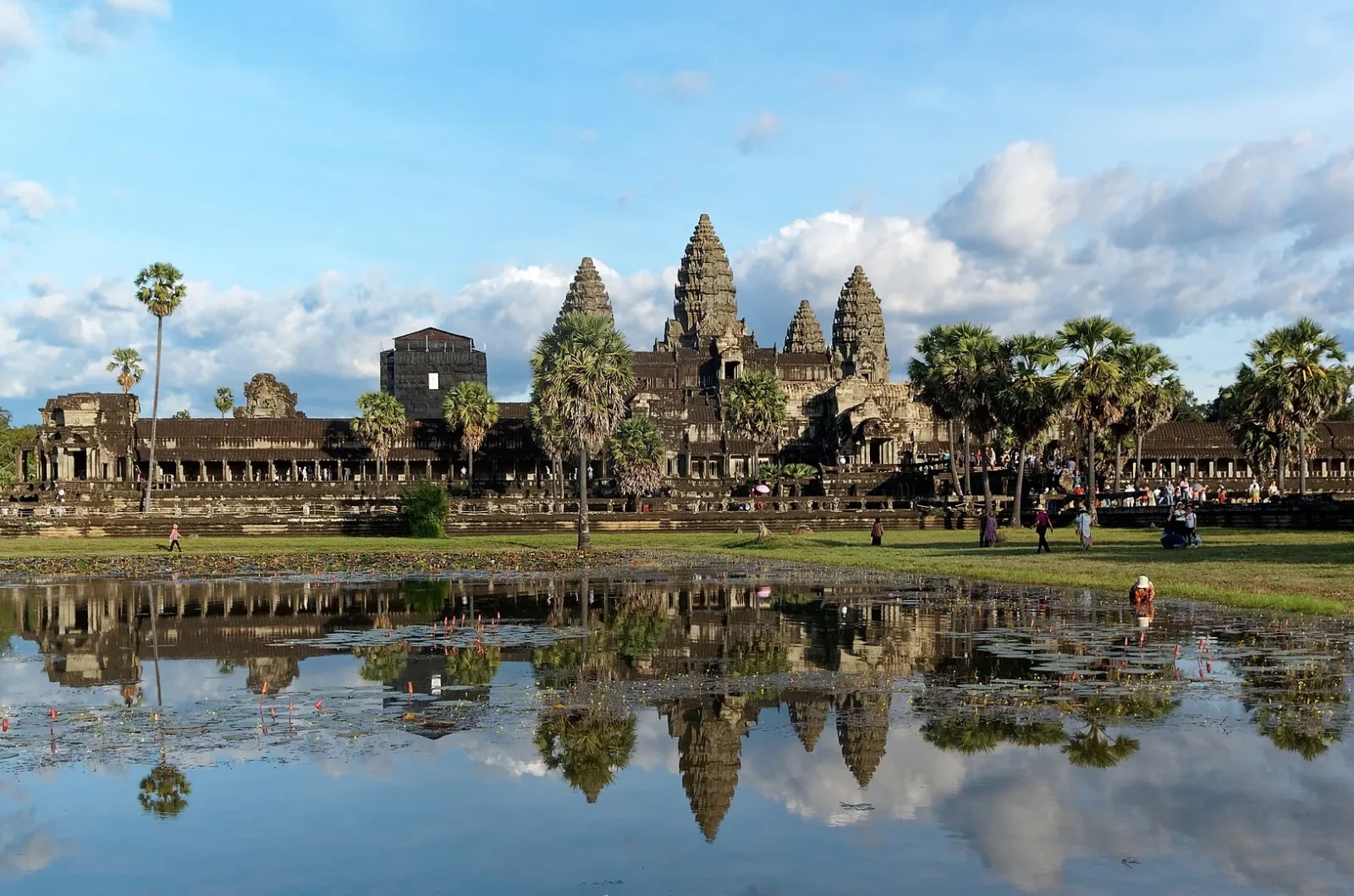
2. Angkor Wat, Cambodia
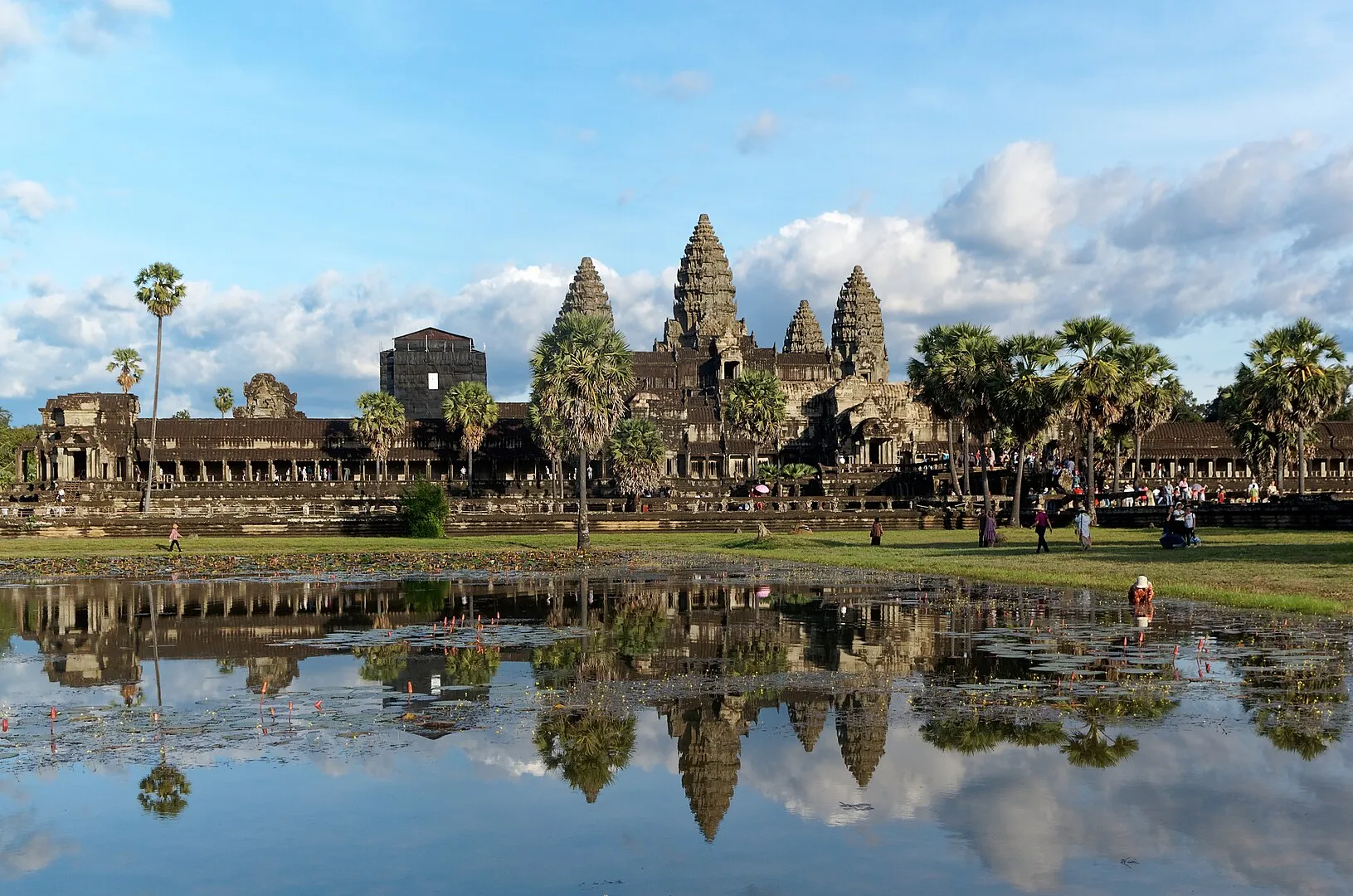
Lara Croft: Tomb Raider set the scene for action when it revealed one of the most amazing architectural marvels in human history to a worldwide audience. The world’s biggest religious monument, Angkor Wat, was constructed by King Suryavarman II in the early 12th century as a vast temple complex devoted to Vishnu that was later modified for Buddhist purposes. However, the film’s most famous sequences were filmed in Ta Prohm, a nearby temple where enormous silk-cotton and banyan trees grow through crumbling stone. It’s a chilling picture of deterioration and resiliency, disorder and order.
It is an architectural mandala carved from sandstone, with a flawlessly aligned axial plan, tiered towers, and rhythmic galleries that represent a cosmos in miniature. Every corridor and bas-relief illustrates a harmony between elaborate detail and massive scale. Ta Prohm’s overgrowth, on the other hand, is a living metaphor for the conflict between permanence and impermanence, natural force and created form. Walking these ruins is an opportunity to see how architecture transforms into myth.
3. The Salk Institute, California
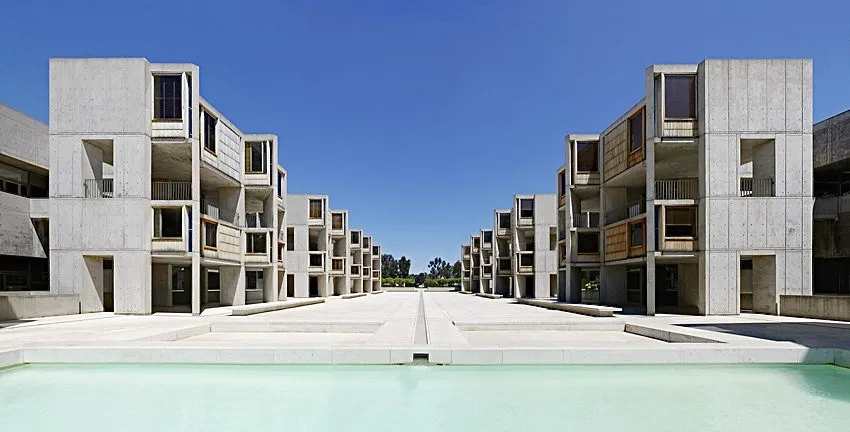
Known for its calm composition and massive scale, Louis Kahn’s 1965 Salk Institute for Biological Studies at La Jolla, California, is a masterpiece of modern architecture. The campus is symmetrically arranged, with a broad travertine plaza flanked by two parallel laboratory buildings. Following Luis Barragán’s instructions and removing all vegetation, this plaza creates a visual axis toward the Pacific Ocean by directing attention to a central water channel that aligns with the horizon. In addition to framing the sky and sea, this open area creates a reflective ambiance that is suitable for a research facility.
The project’s impact is dependent mainly on materiality and detailing. To express Kahn’s conviction in material honesty, the structures are made of warm-toned, pozzolanic concrete that has been left exposed and unpolished. While the outside teak wood used for the offices and study was intentionally left untreated to deteriorate naturally over time, each lab wing features large light wells that allow sunlight to enter the underground areas.
Due to the use of prestressed concrete trusses, the labs themselves are column-free, allowing for adaptable interiors. Each lab has a mechanical systems service floor above it; these are what Kahn referred to as the “servant spaces” that support the “served program” below.
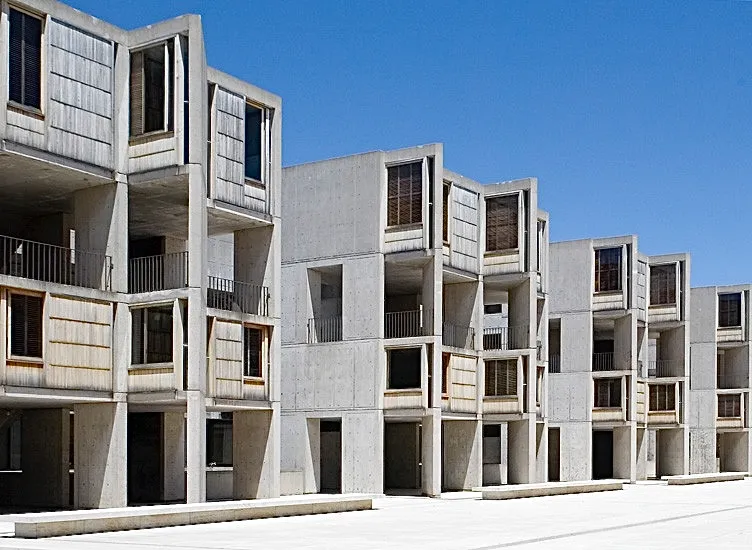
The Salk Institute was designed to be a place of contemplation and intellectual interaction, rather than just a research center. Glass and teak are used to create a tactile contrast with the concrete massing of the west-facing offices, each of which offers a view of the ocean. These more compact study towers and meeting areas encourage seclusion and group discussion.
It was featured in the 2014 documentary, Cathedrals of Culture. Filmmakers, architects, and artists are all drawn to it because of its cinematic geometry and poetic relationship to light and landscape.
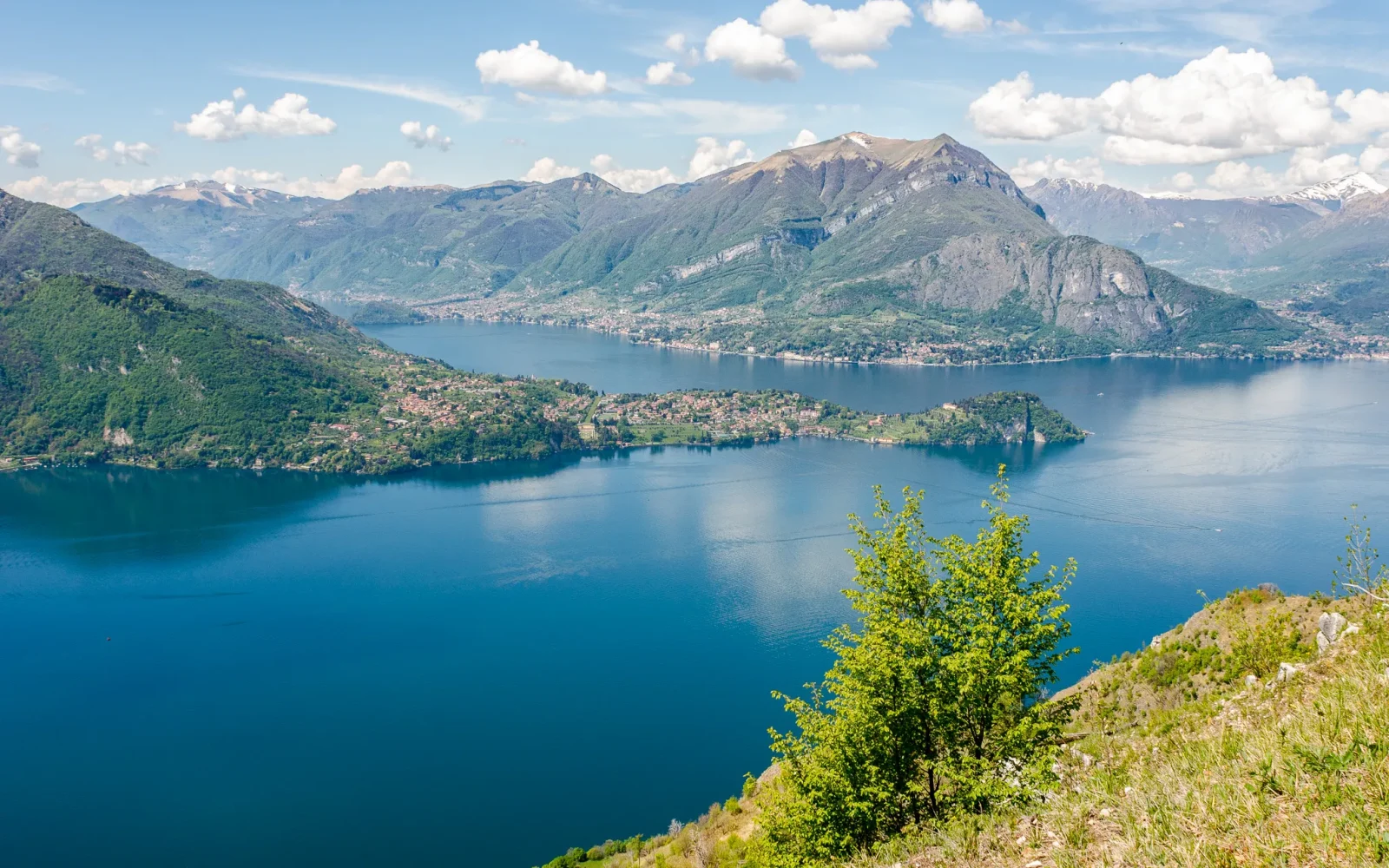
4. Lake Como, Italy
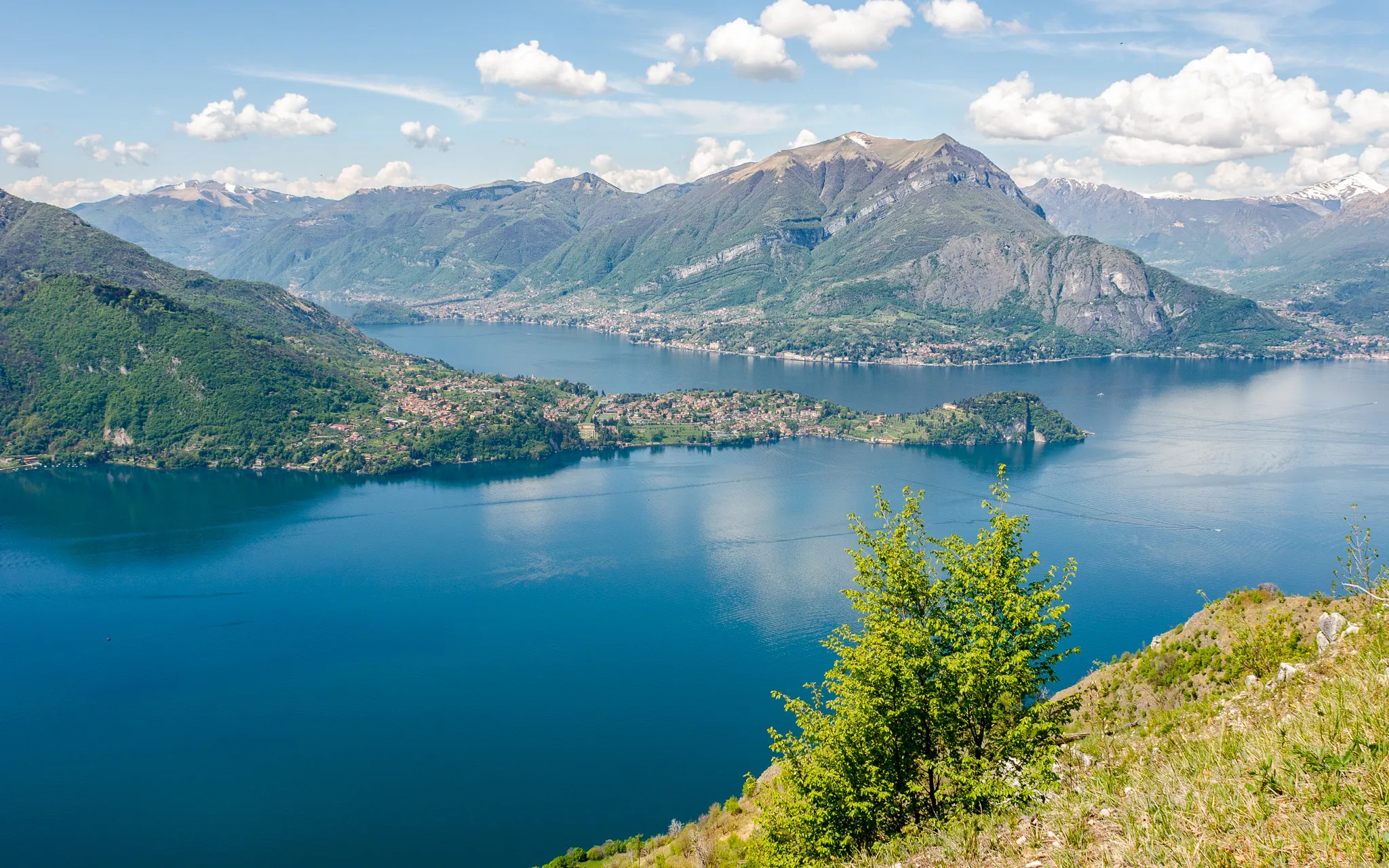
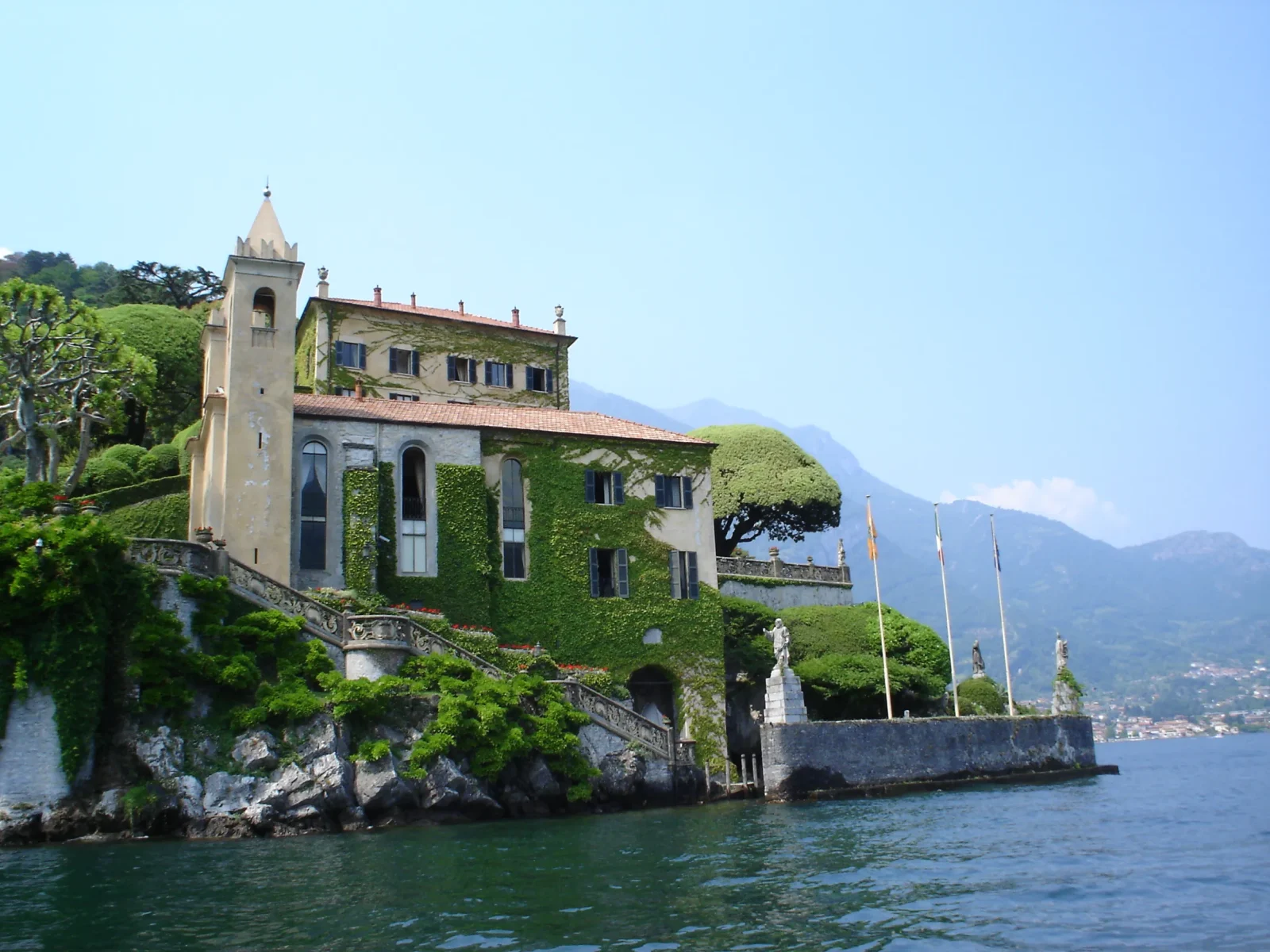
In Star Wars: Episode II: Attack of the Clones, the tranquil waters and alpine setting of Lake Como become a symbol of galactic romance. In a scene where Anakin and Padmé had their secret wedding at the Villa del Balbianello, it is placed gently on the lake’s edge.
The mansion, which was first constructed as a Franciscan convent in the 18th century, is an ideal substitute for Naboo’s royal retreat due to its arching loggias, stone balustrades, and terraced gardens, which frame the surroundings that seem almost unreal.
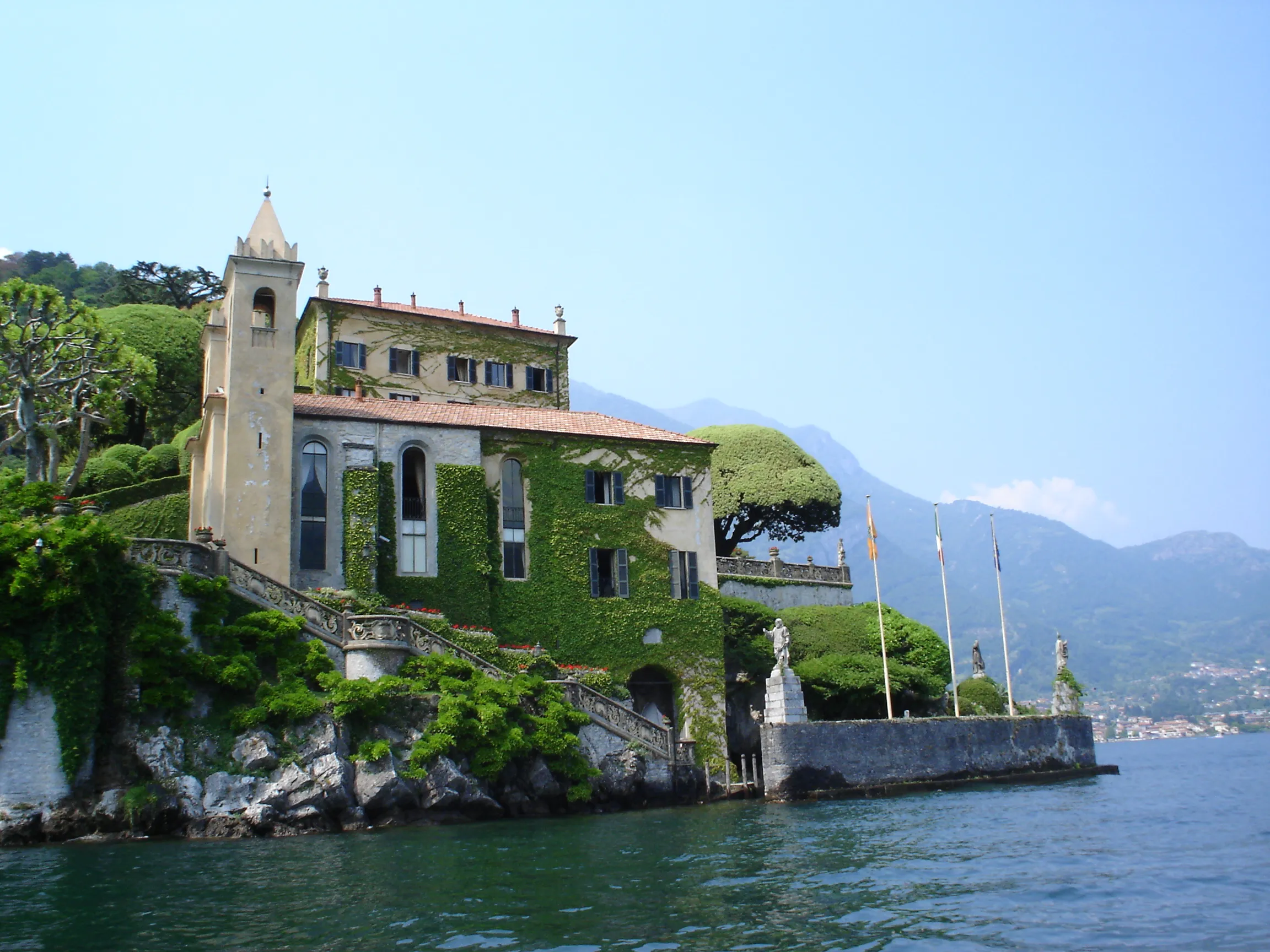
Lake Como is a masterwork of site-sensitive design for architects, offering more than just picture-perfect beauty. Instead of competing with the natural topography, the villas that line its shores, particularly Balbianello, show how constructed shapes may complement and extend it. In contrast to the lake’s fluctuating moods, stone, stucco, and classical craftsmanship seem unchanging.
Contemplative, proportional, and firmly anchored in the terrain, the setting embodies the best qualities of romantic architecture. Similar to Star Wars, the lake serves as a reminder that architecture reverts to the language of place and harmony, even in the most futuristic stories.
5. Tokyo Metropolitan Government Building
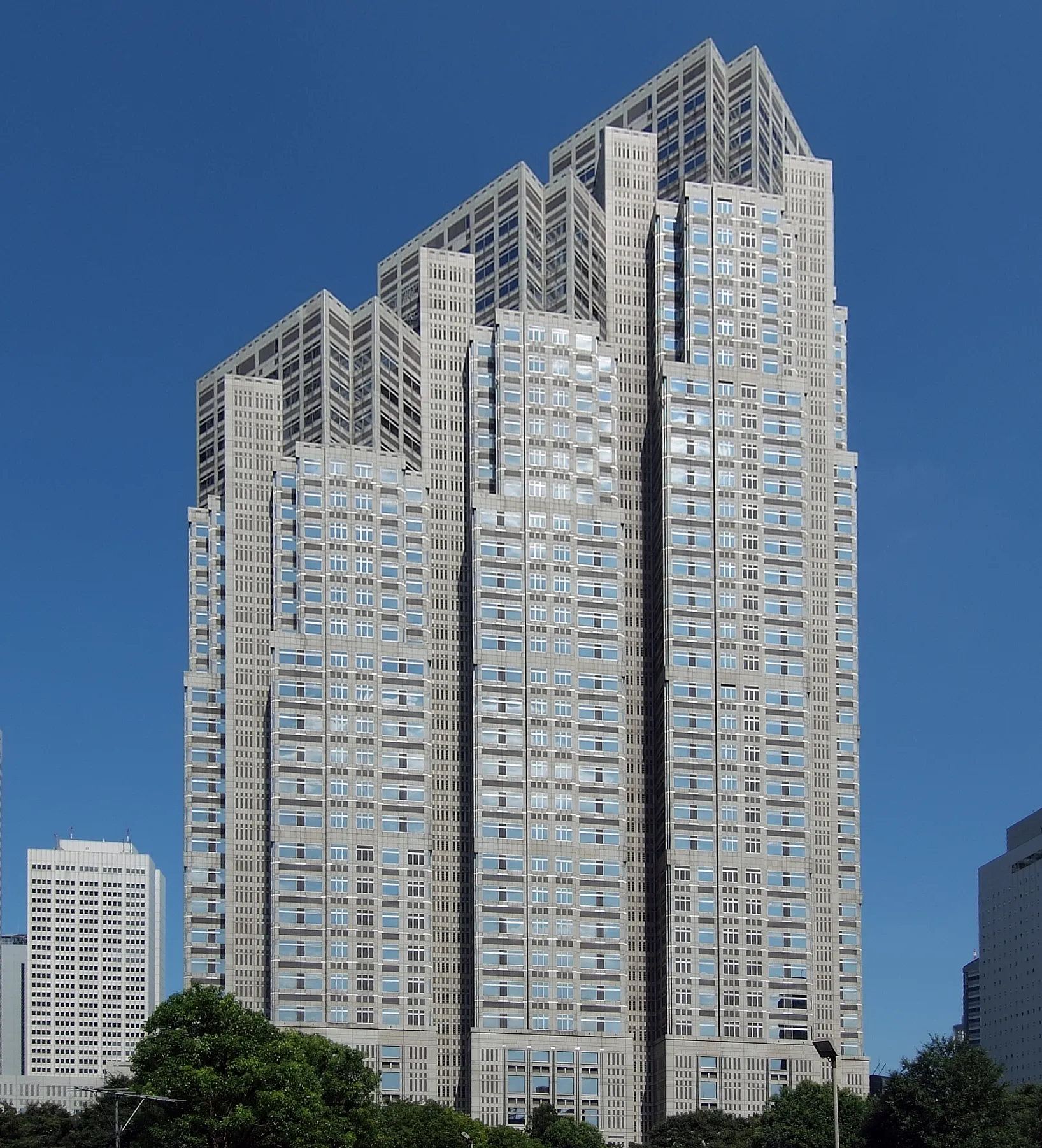
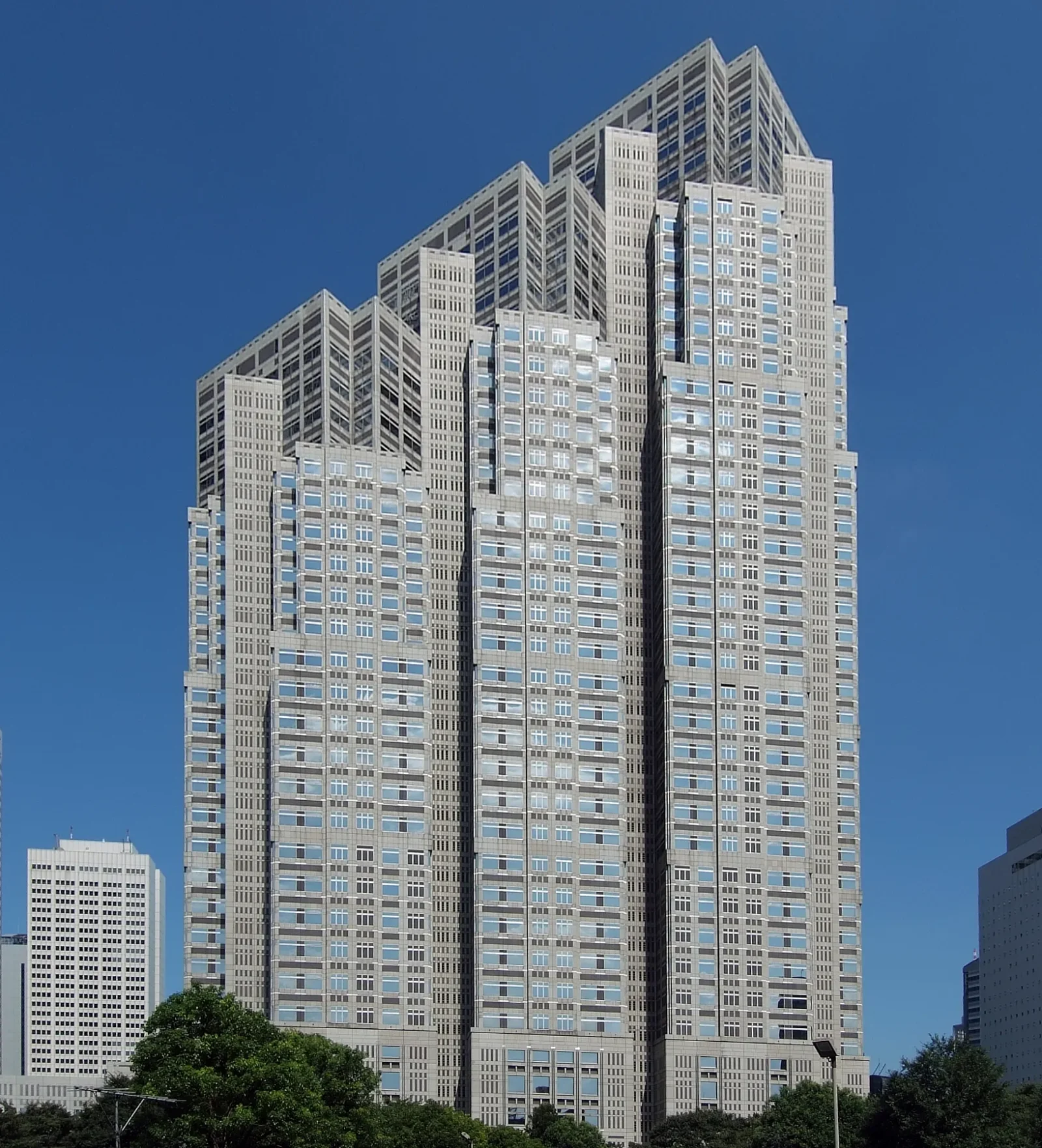
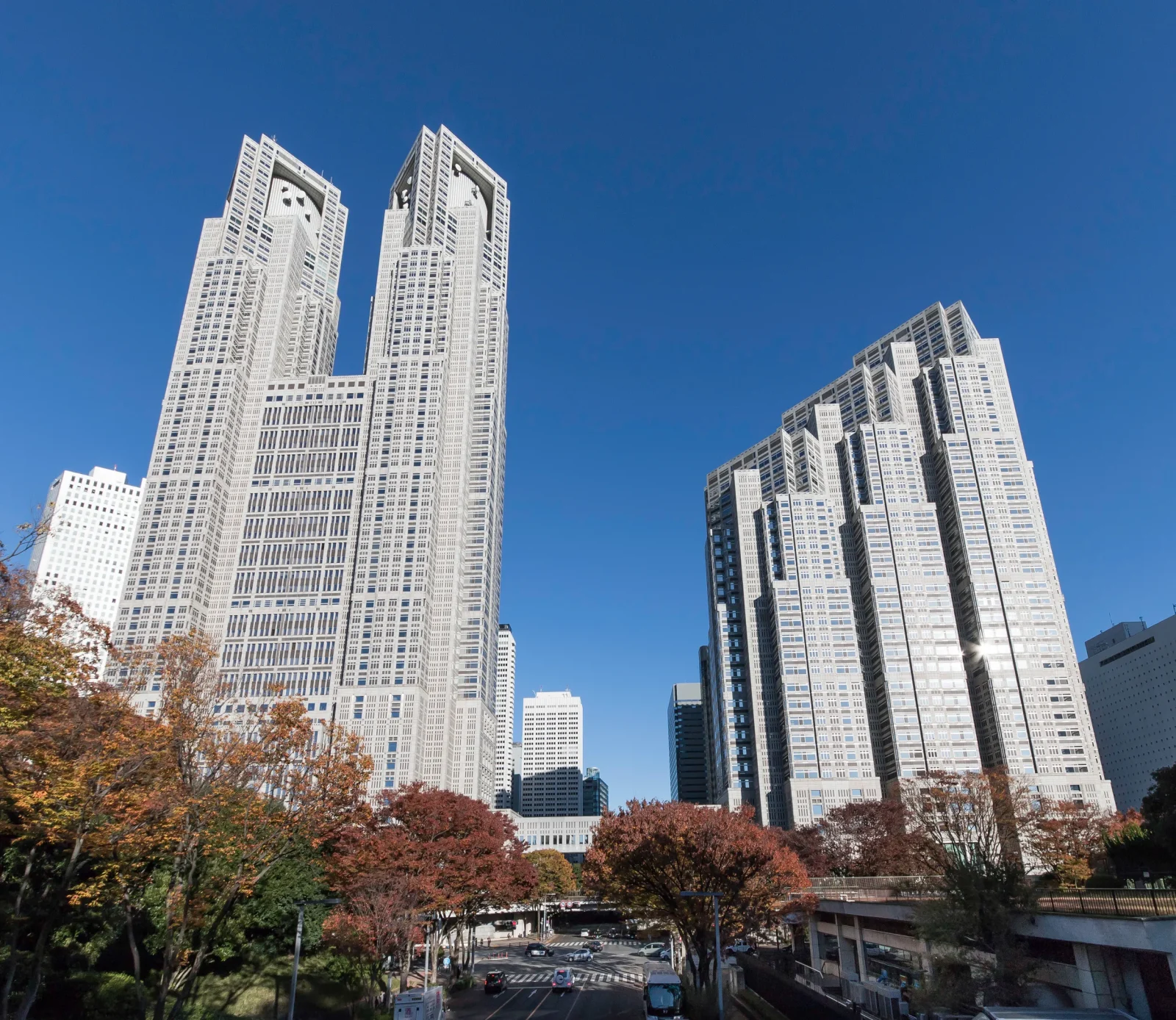
The Tokyo Metropolitan Government Building, a twin-towered skyscraper with 48 storeys and a height of 243 meters, was designed by Kenzo Tange and finished in 1990. Its characteristic shape was influenced by the circuitry of a computer chip and the spires of Gothic cathedrals. The complex comprises three separate buildings: a secondary office tower, a semicircular assembly hall situated below street level to create a peaceful plaza, and the main twin towers, united above the 33rd floor. The shape of the facade is reminiscent of traditional Japanese screen paneling.
On clear days, the building’s 45th-floor public observation decks offer expansive vistas of Tokyo and even Mount Fuji. Three basement floors beneath the urban activities house municipal services, as well as a planted courtyard. Raised walkways (piloti) enhance pedestrian movement and provide a smooth connection between the three buildings. Within a dense urban fabric, Tange’s use of concrete, steel, and glass highlights democratic accessibility and structural clarity.
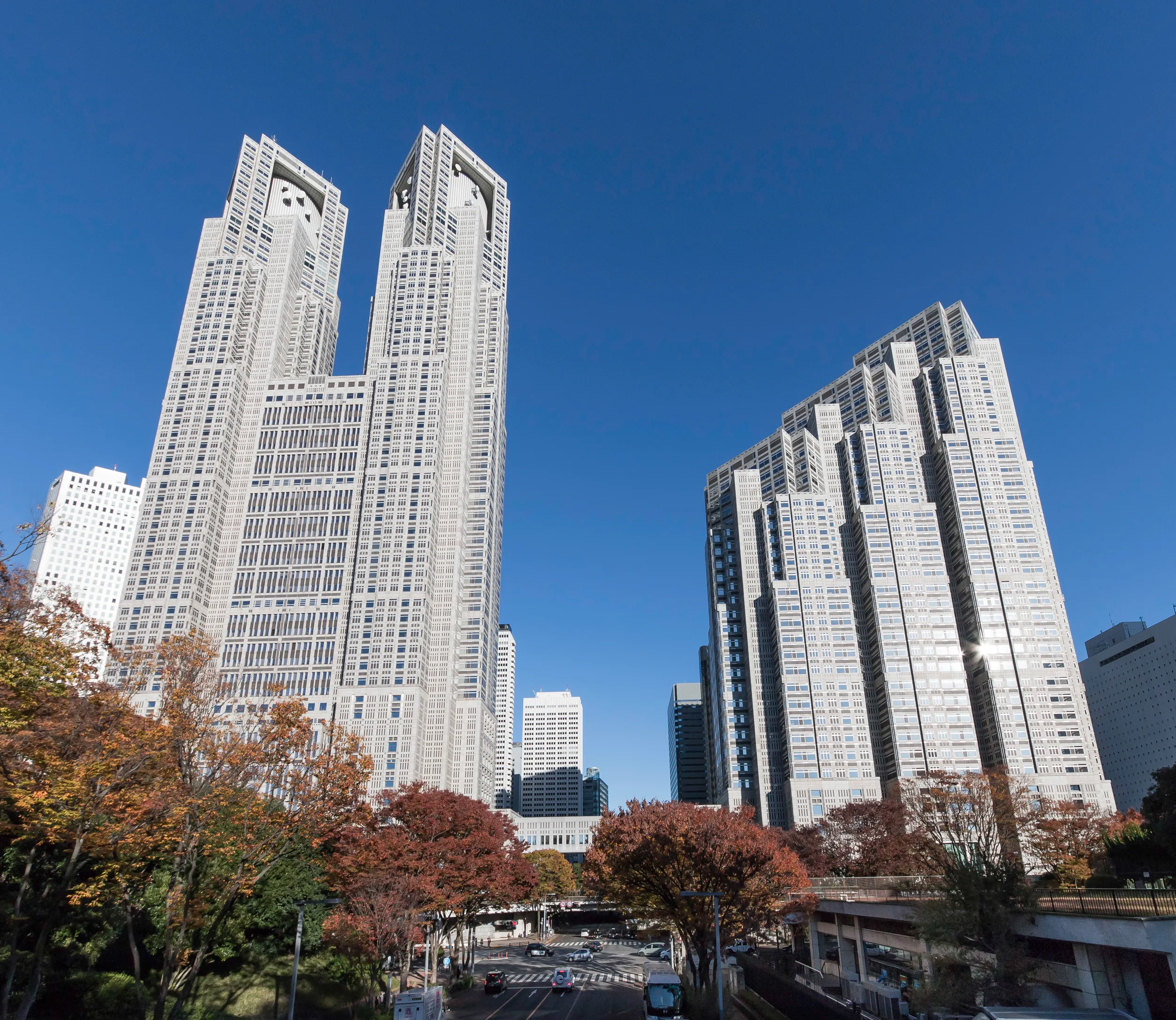
The building denotes emotional or spatial transitions and has been a key motif in well-known Japanese anime films such as 5 Centimeters per Second and The Garden of Words. Additionally, it makes an appearance in Godzilla vs. King Ghidorah, where it is spectacularly demolished.
The Tokyo Metropolitan Government Building remains a recurring symbol in movies and animation, serving as a visible example of urban modernity.
6. Wadi Rum Desert, Jordan
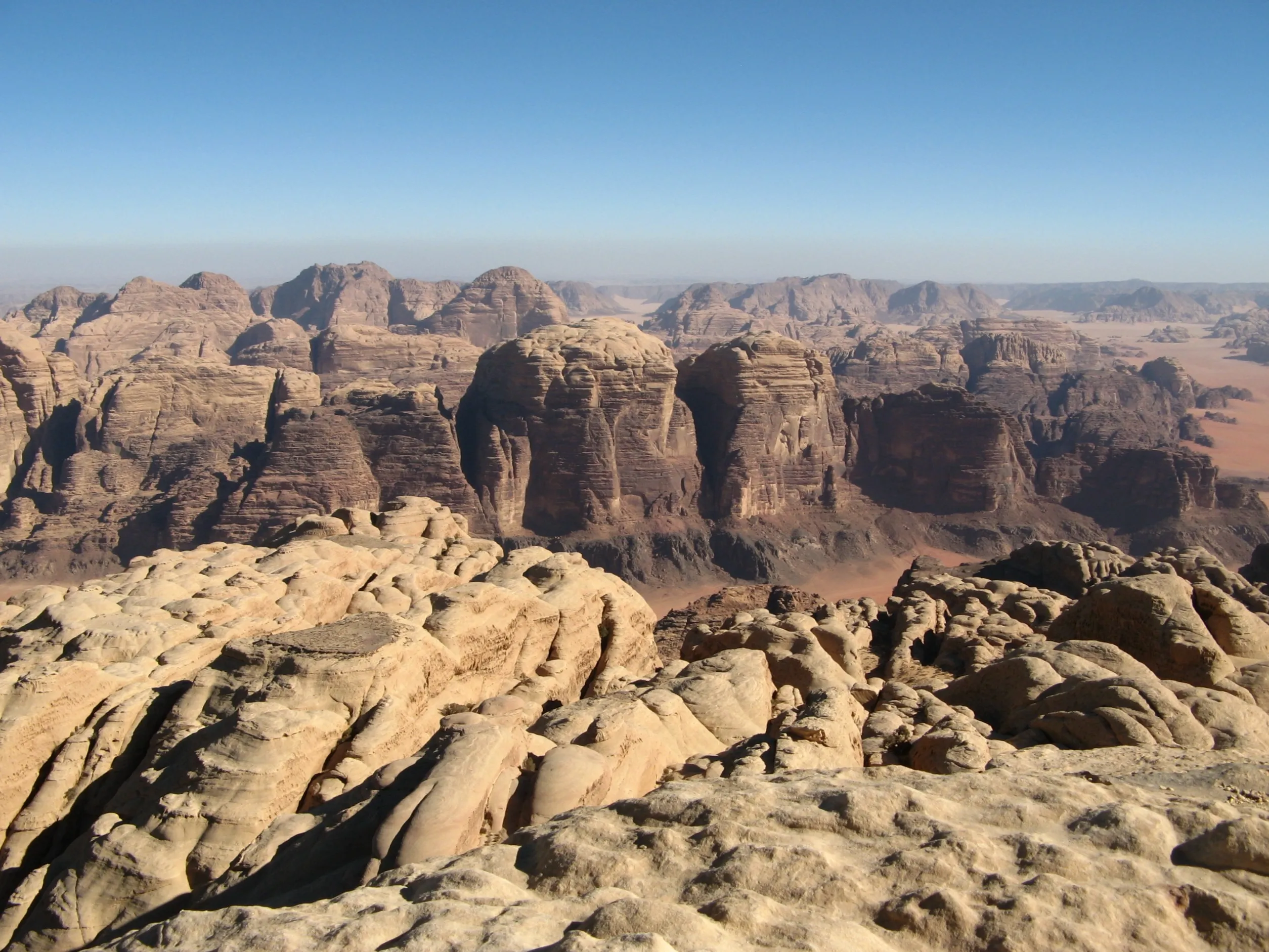
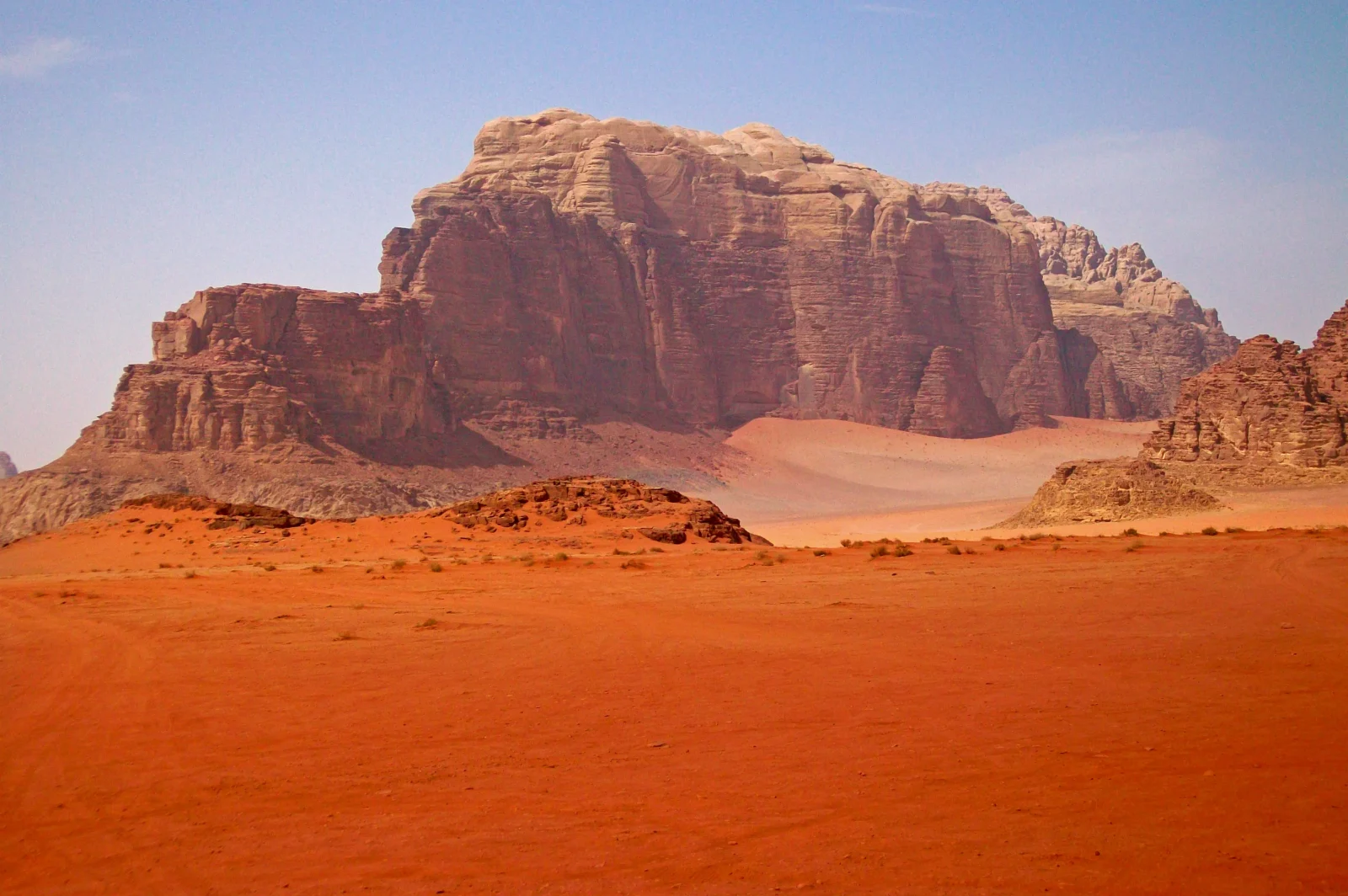
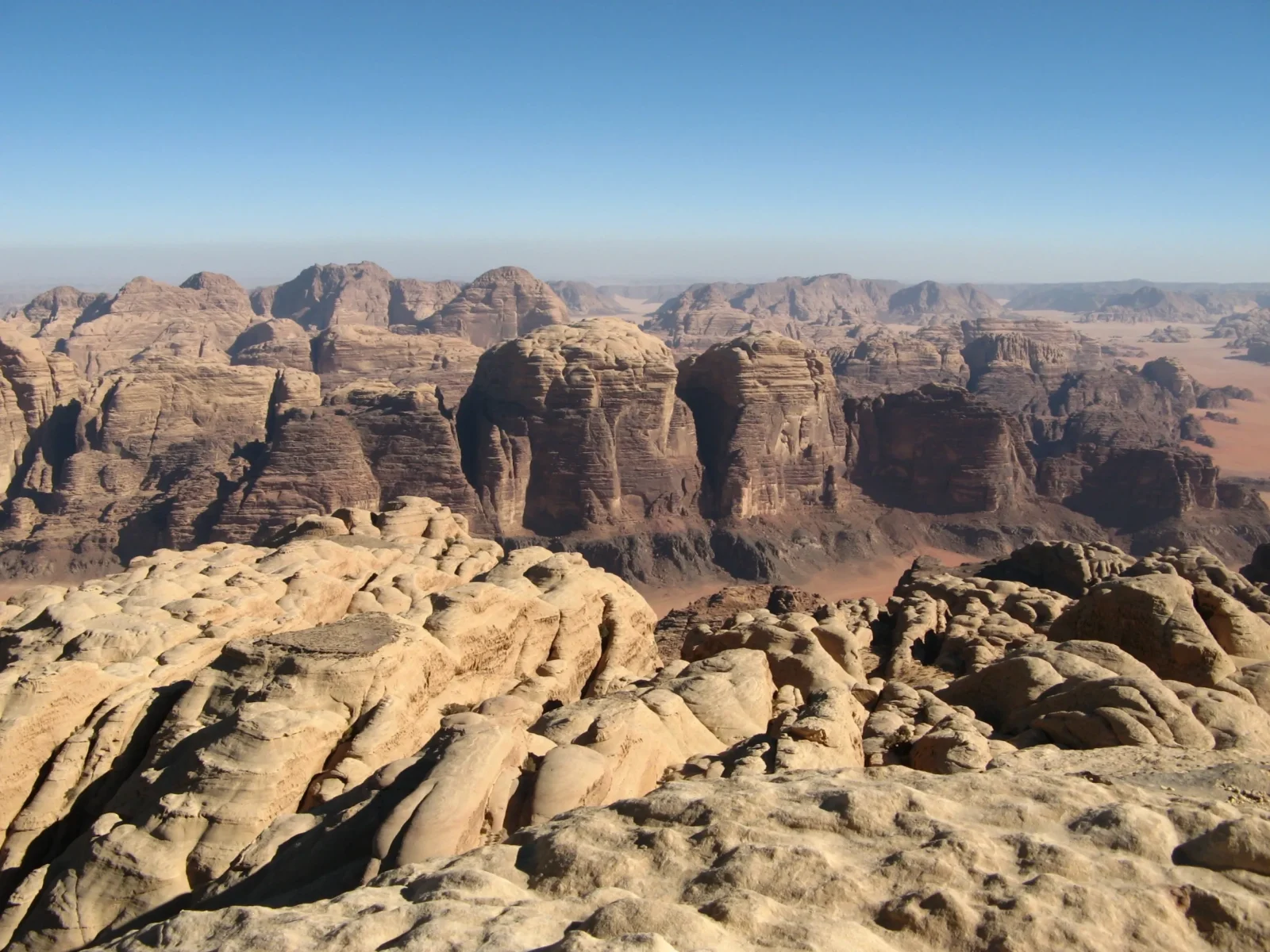
This bizarre desert terrain, which is frequently referred to as the Valley of the Moon, is made up of massive granite and sandstone structures that rise like monoliths from a level red plain. Wadi Rum provides an architect with a unique spatial experience.
The natural ballet of form, void, and light created by the gorges, narrow siq’s, and rock bridges begs to be compared to the colossal works of Tadao Ando or Louis Kahn. Here, however, erosion is the designer and wind and water are the tools of the trade, in contrast to man-made structures.
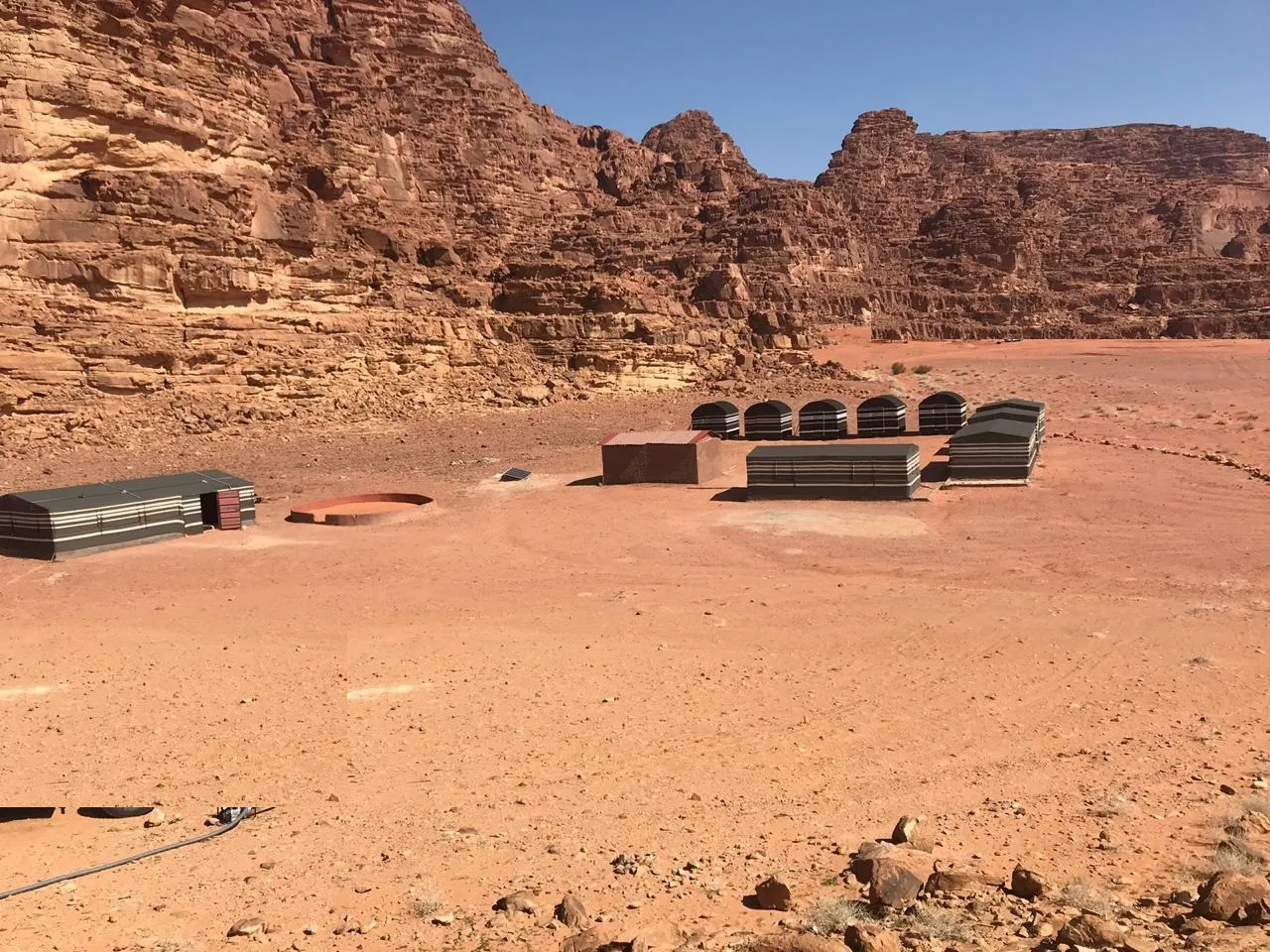
Wadi Rum is a lesson in contextual living. Bedouin homes in Wadi Rum are traditionally tents called beit ash-sha’ar, made from woven goat hair and vegetable fibers. The modular and flexible traditional homes reflect the environment’s spirit of fortitude. Structures react precisely to sun angles, wind patterns, and thermal mass out of necessity.
Every design element is delicately influenced by the desert’s color scheme of rich reds, sandy golds, and smoky greys. Given that Wadi Rum’s naturally carved architecture already has an unearthly feel, it is not surprising that movies like Dune and The Martian used it to represent other planets.
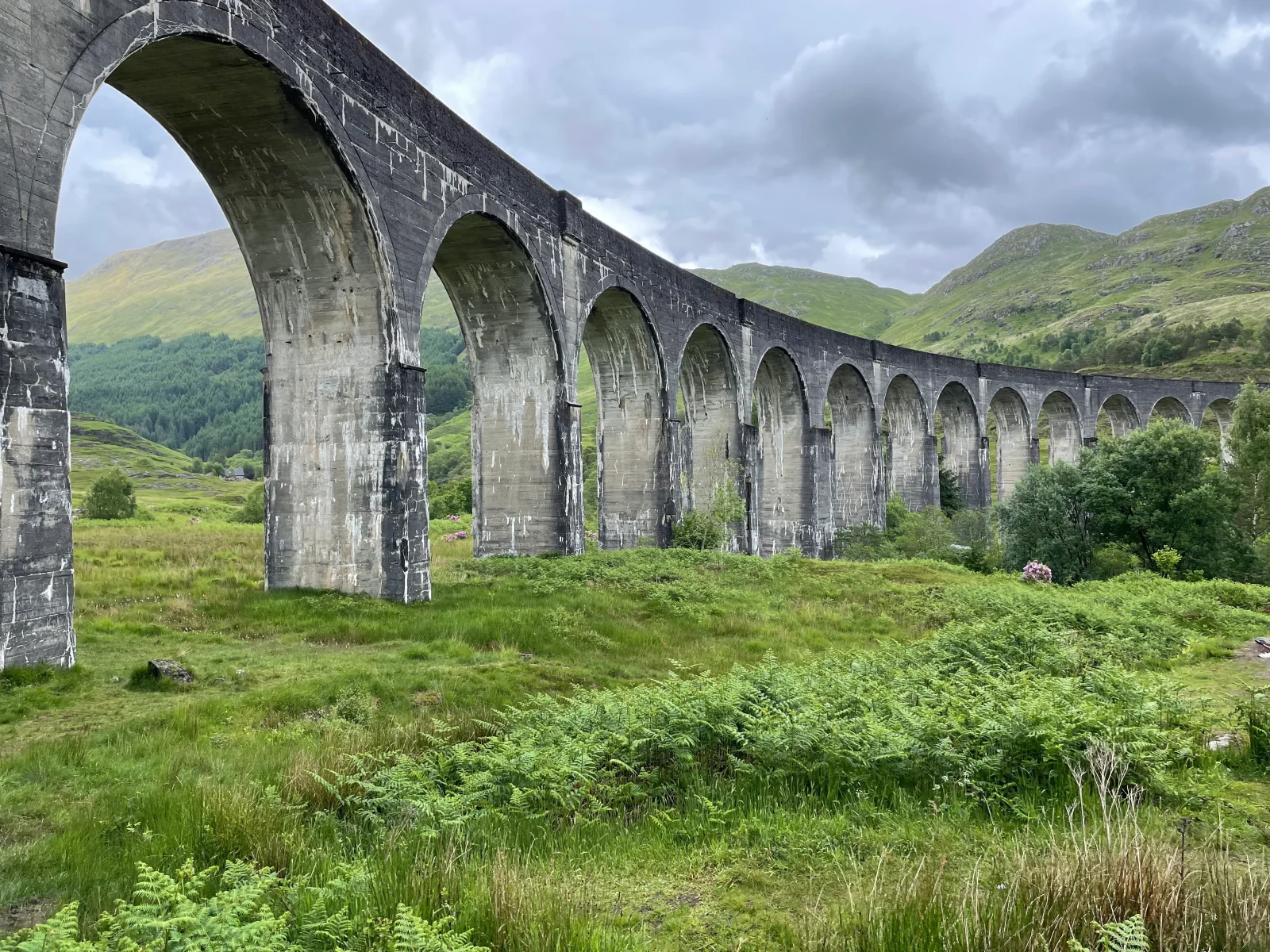
7. Glenfinnan Viaduct, Scotland

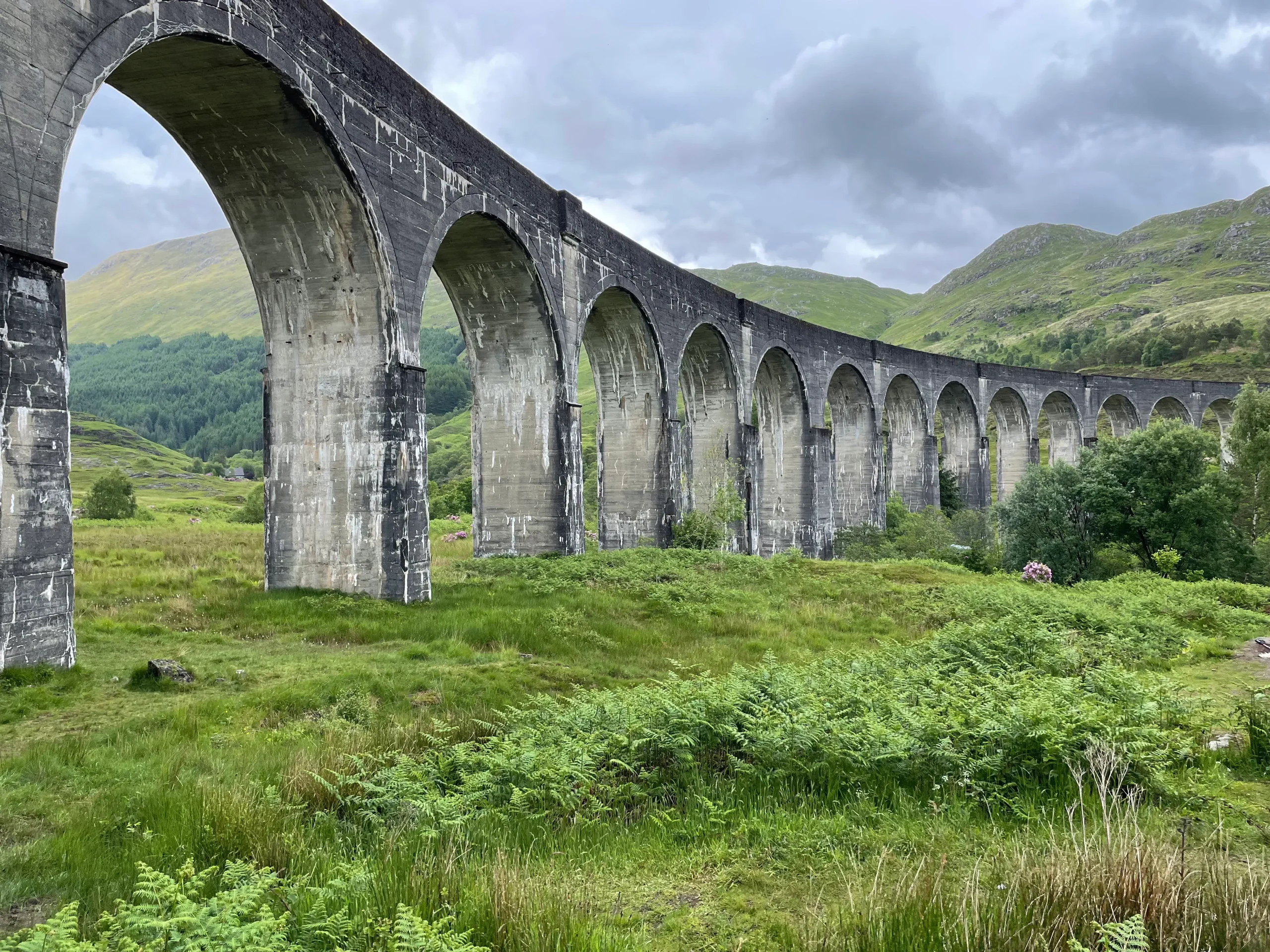
The Glenfinnan Viaduct is more than just a technical marvel; it’s a permanent work of cinematic magic. This 21-arched concrete bridge, completed in 1901 and gracefully spanning the verdant Scottish Highlands, gained worldwide recognition as the Hogwarts Express route in the Harry Potter movies.
Beyond its enchanted fame, however, it has a profound architectural interest. Its curve, which is intended to follow the natural contours of the environment, is both graceful and strategic. Its framing of the valley and loch below reflects an early 20th-century view of infrastructure as integration rather than intrusion.
Although Glenfinnan has a lot of mass, it is never overpowering. Each arch functions as a musical note in a lengthy concrete sonata. Boldness is demonstrated by the use of unreinforced concrete, which was still experimental at the time. When one stands in front of it, they experience more than just a bridge; they also feel the weight of progress, poetry, and the timeless appeal of form and narrative coming together.
These movie sets provide architects with the opportunity to explore how space conveys ideas beyond schematics, including how it evokes emotions, frames narratives, and shapes memories. The layers of fiction are stripped away when you visit them in person, revealing what makes architecture so timeless. It’s the feeling of a place while you’re standing there, not the celebrity or the spectacle. And occasionally, the design lessons that are concealed between story and shadow are the most enduring.
Explore Courses
.jpg%202.jpg "Building Performance with Forma & Opossum")
.jpg "Ondrej Chybik - Rethinking Architecture")