


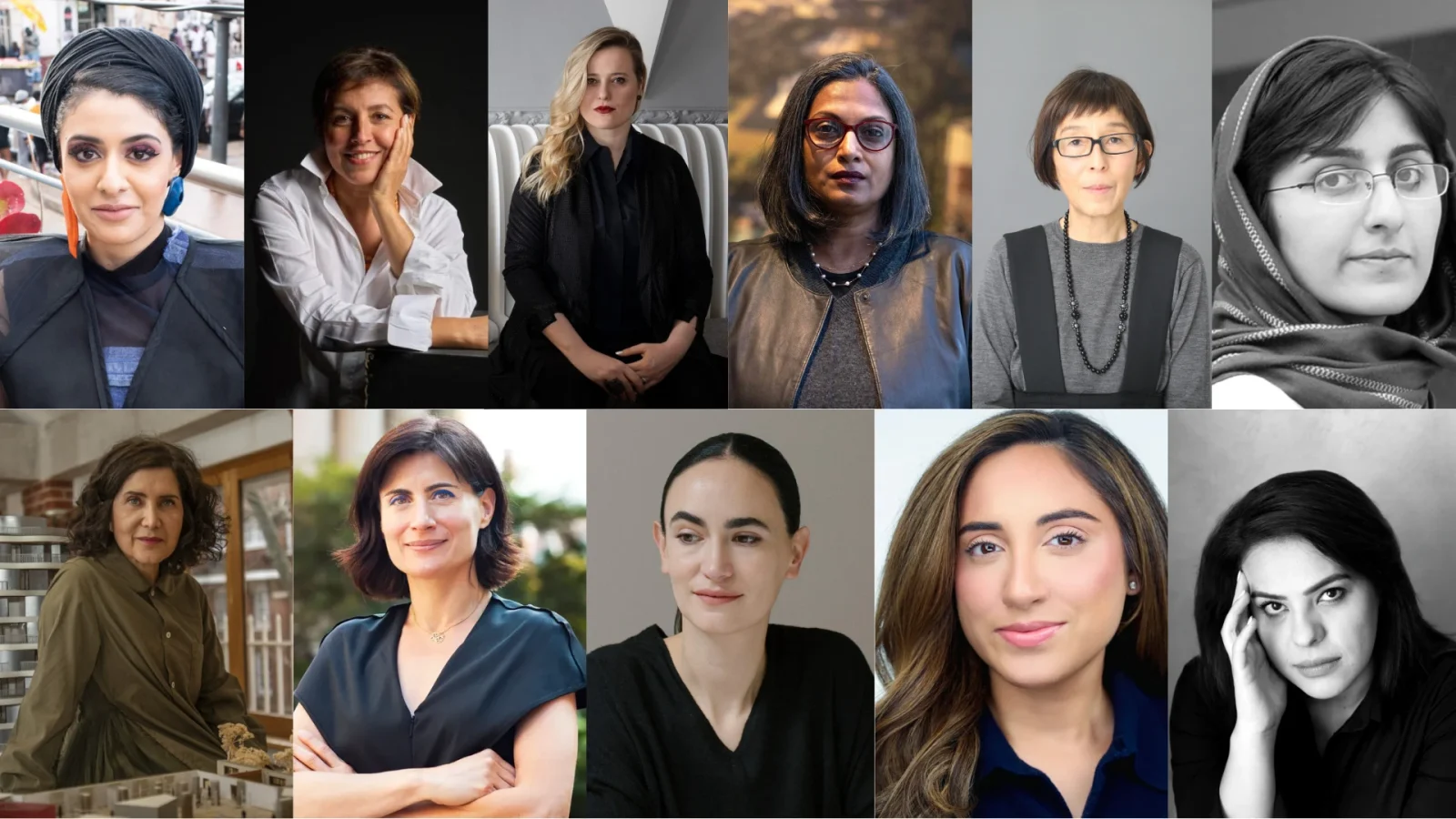
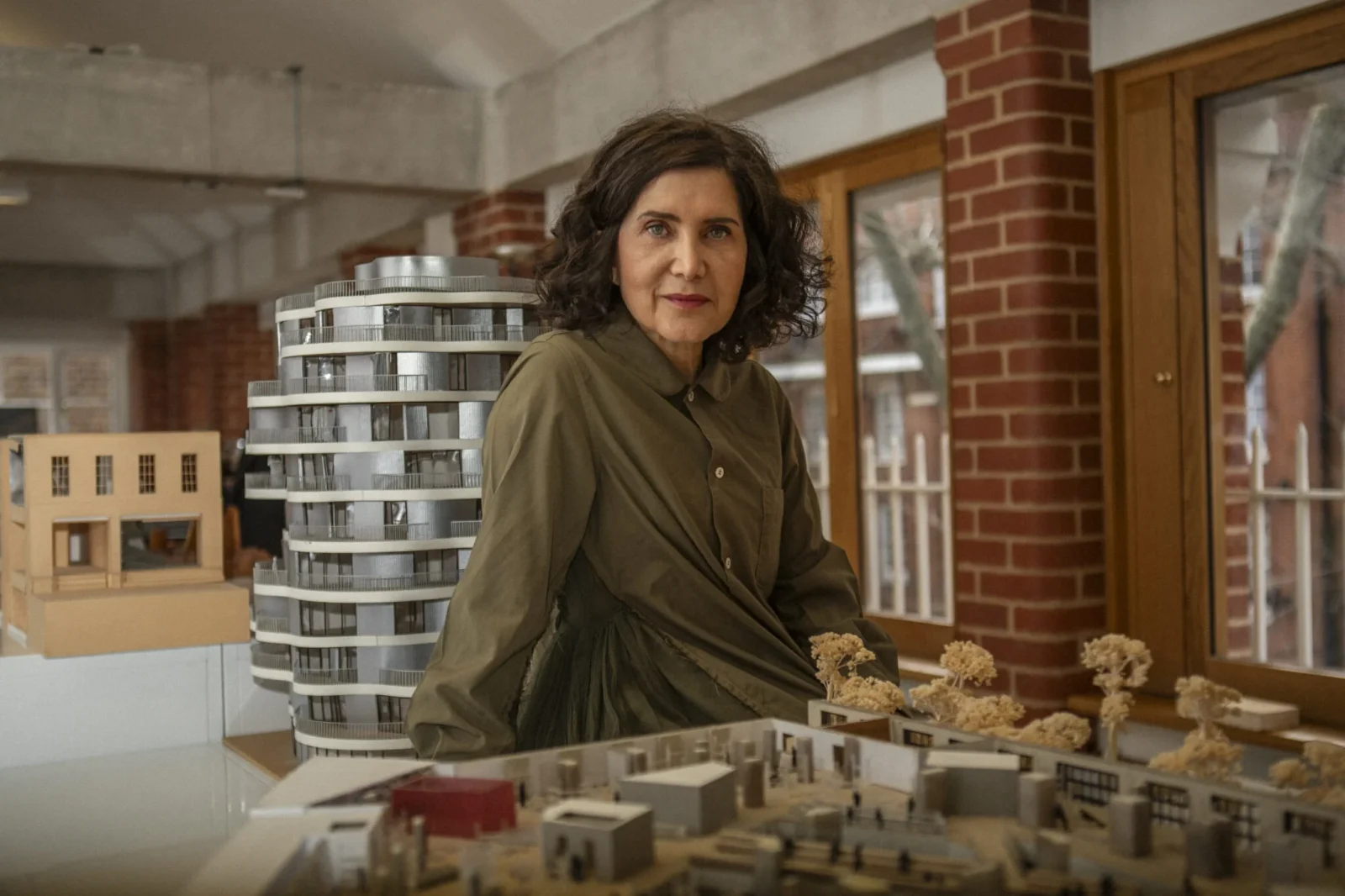

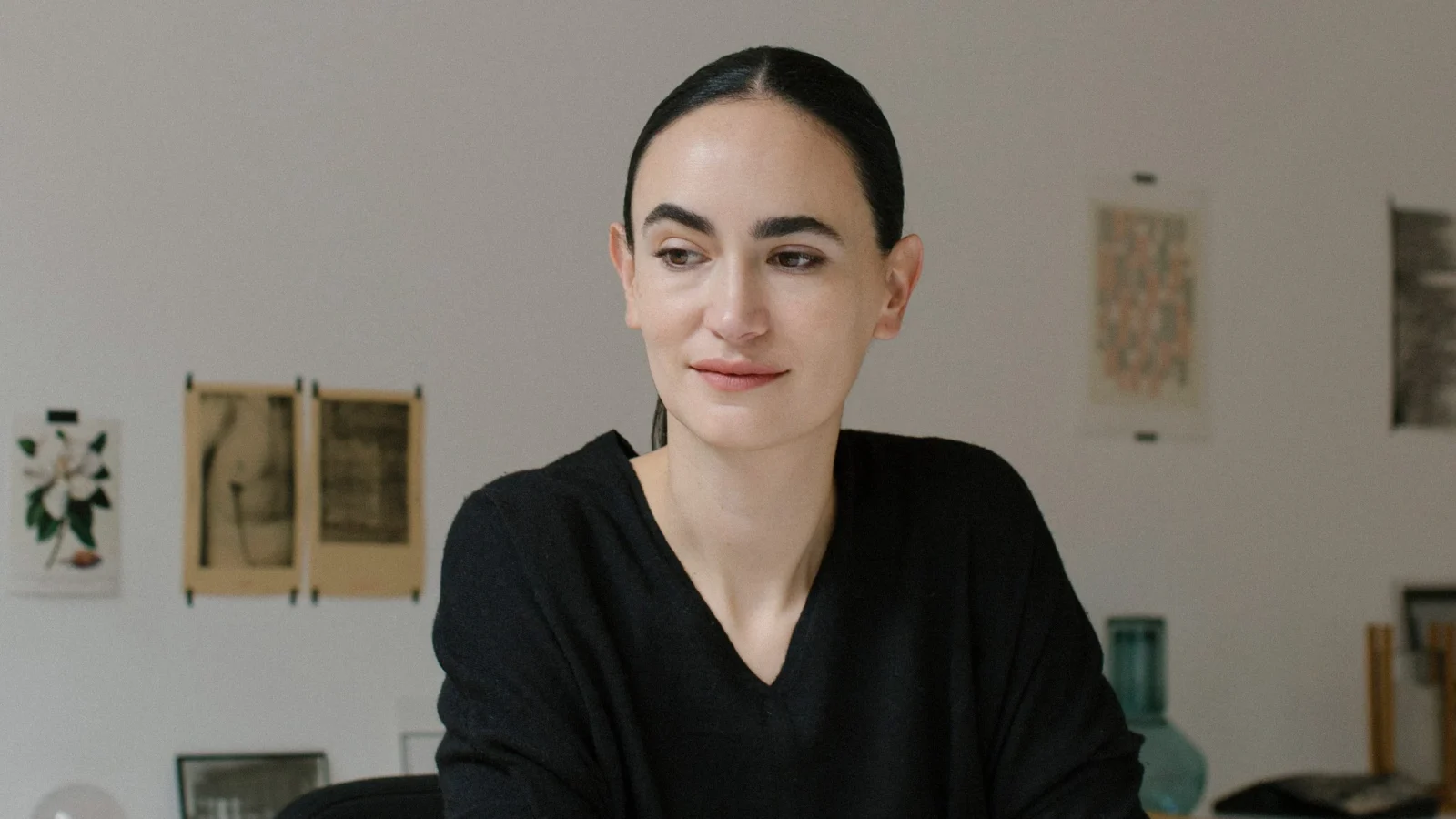



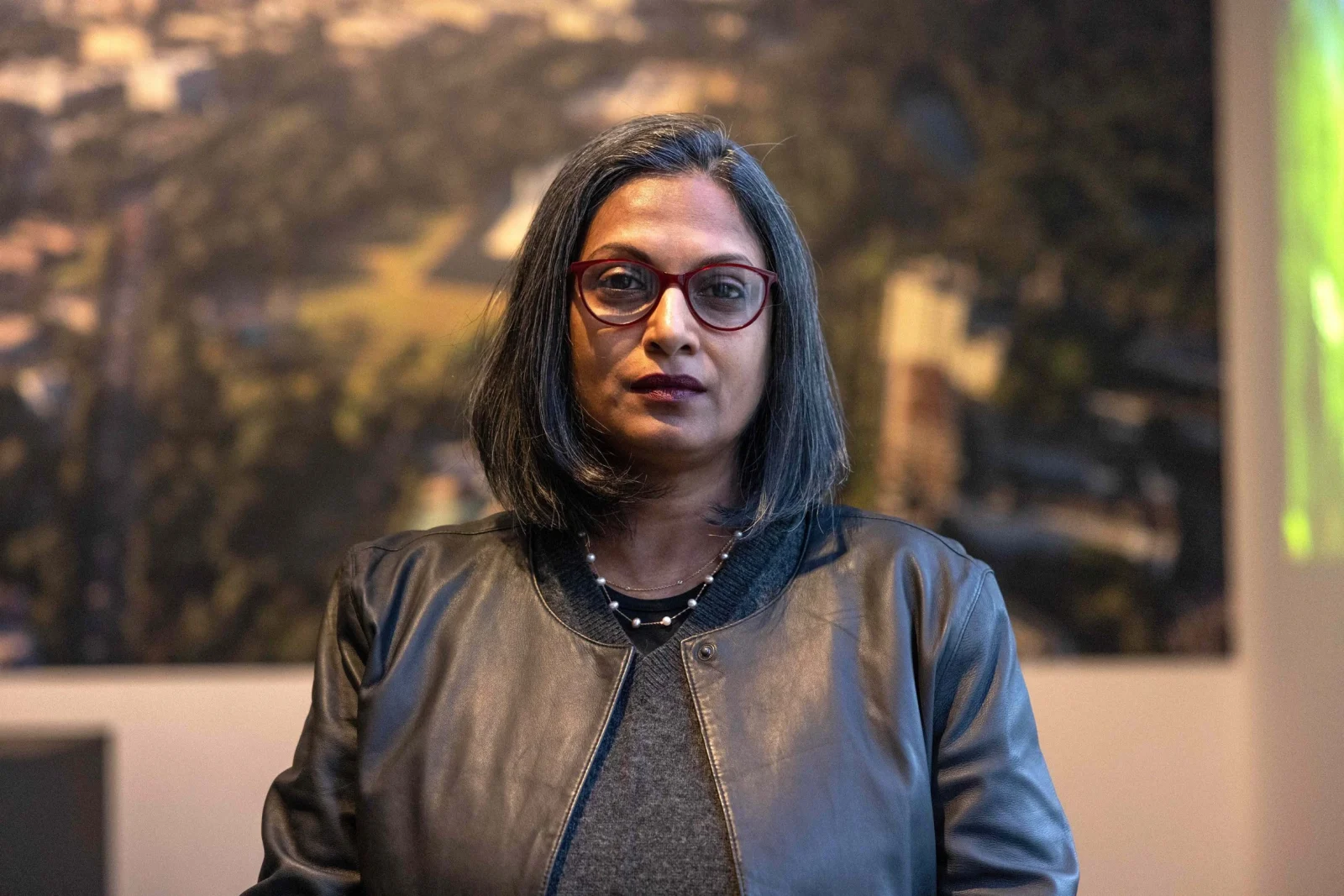

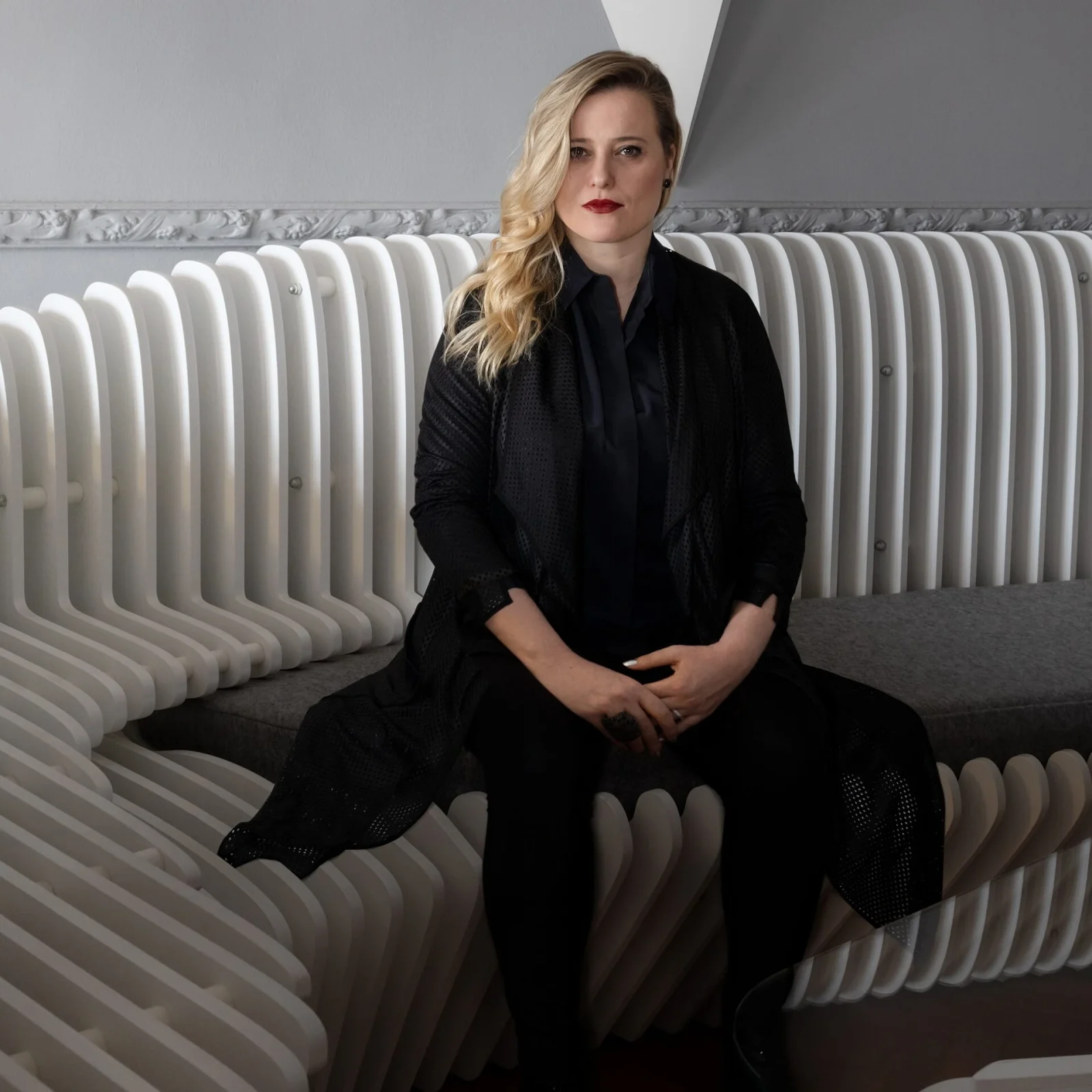


On International Women’s Day, we celebrate women who have made significant contributions to the male-dominated world of architecture. These young female architects, challenging gender inequality and becoming influential figures in the field, shape contemporary architecture with their unique and distinctive designs. Beyond creating aesthetically powerful structures, these rising women also address the social responsibility of architecture, breaking stereotypes with their bold approaches and innovative perspectives. Thanks to these powerful role models who inspire young designers, women’s contributions, sometimes overshadowed in architectural history, shine brightly today.
Here are 11 influential women architects shaping the profession today.
1. Marina Tabassum
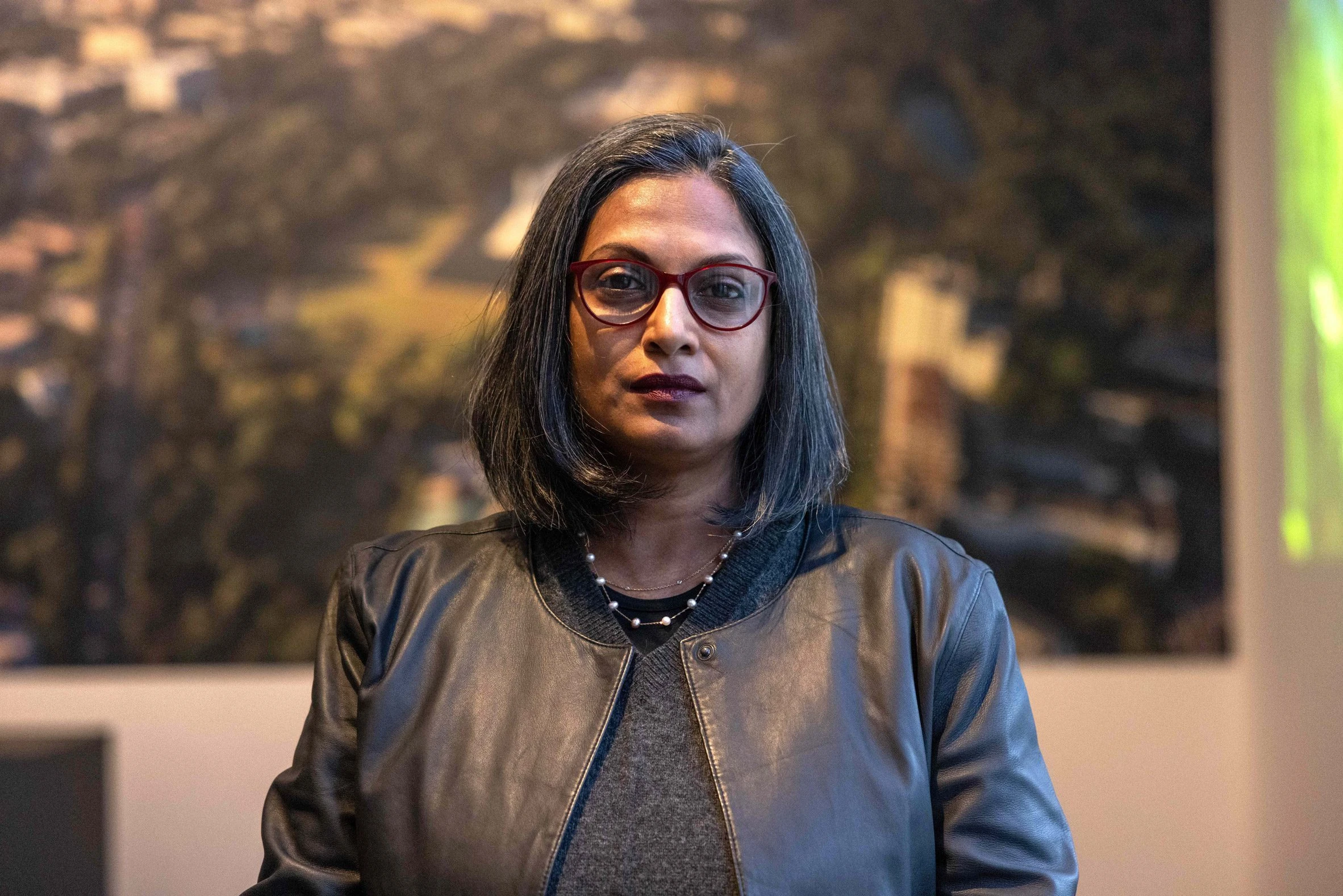
Marina Tabassum, one of the most important female architects of the 21st century, is the founder of Marina Tabassum Architects Studio, based in Dhaka and operating exclusively in Bangladesh. She is also a Professor at Delft University of Technology in the Netherlands and has won numerous awards, including the Aga Khan Award for Architecture, the Arnold Brunner Memorial Award from the American Academy of Arts and Letters, the Gold Medal from the French Academy of Architecture, and the Sone Architecture Medal from the United Kingdom.
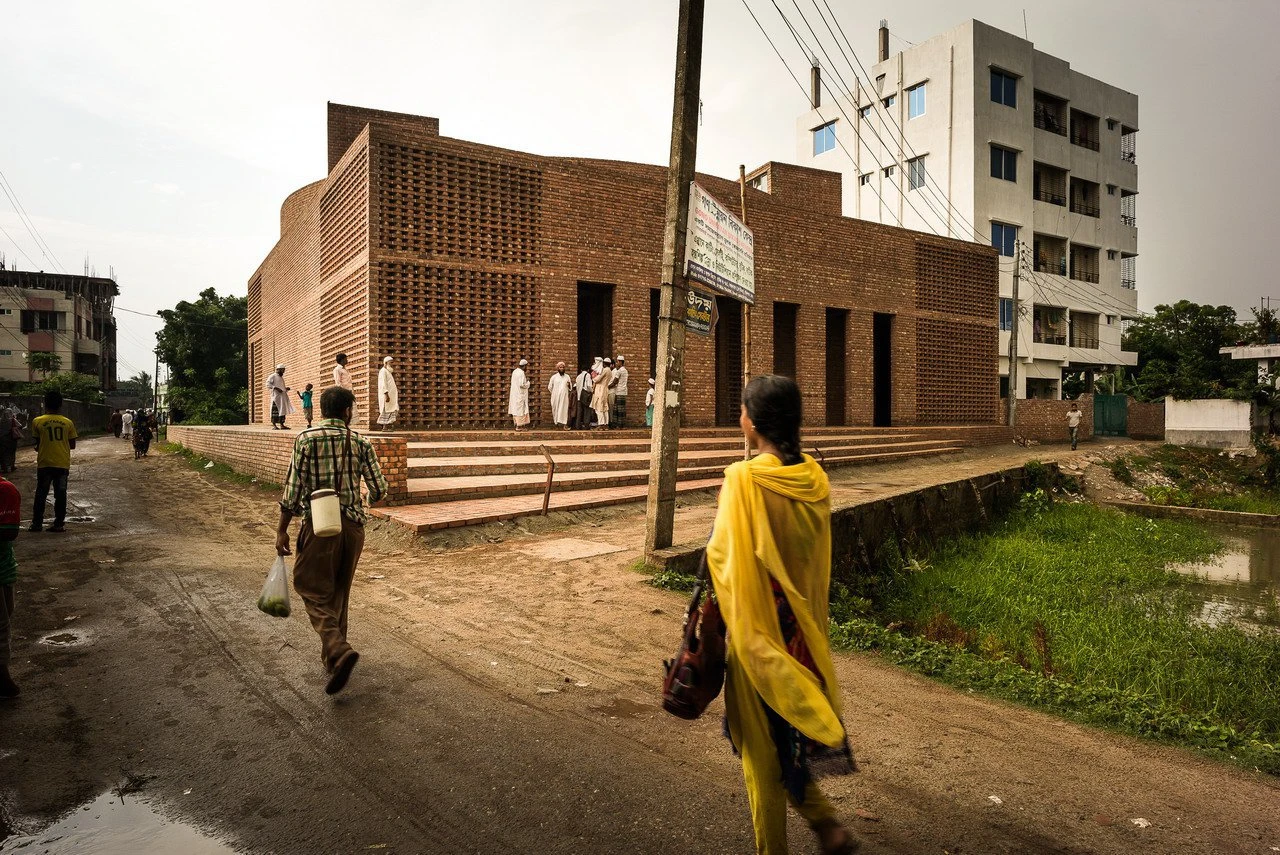
In her work, Tabassum aims to create an architectural language that is contemporary yet rooted in an ecological framework reflecting climate, context, culture, and history. Her architectural work, focused on improving the lives of low-income communities across the country, is known for its use of local materials and adaptation to local climatic conditions. Her notable works, including the Bait Ur Rouf Mosque and the Friendship Centre, have earned her international recognition for a human-centered design approach in religious and public projects.
2. Habibeh Madjdabadi

Habibeh Madjdabadi, one of the rising young figures in the world of architecture, is among Iran’s most prominent contemporary architects. Known for her innovative ideas that prioritize culture, geographical context, and material expression, Madjdabadi’s works transcend architectural boundaries, blending traditional craftsmanship with contemporary design. Viewing architecture not merely as building structures but as an art linked to cultural context, geography, and the expressive power of materials, Madjdabadi’s philosophy centers on the concept of “approach,” embracing controlled imperfections to enrich architectural complexity.
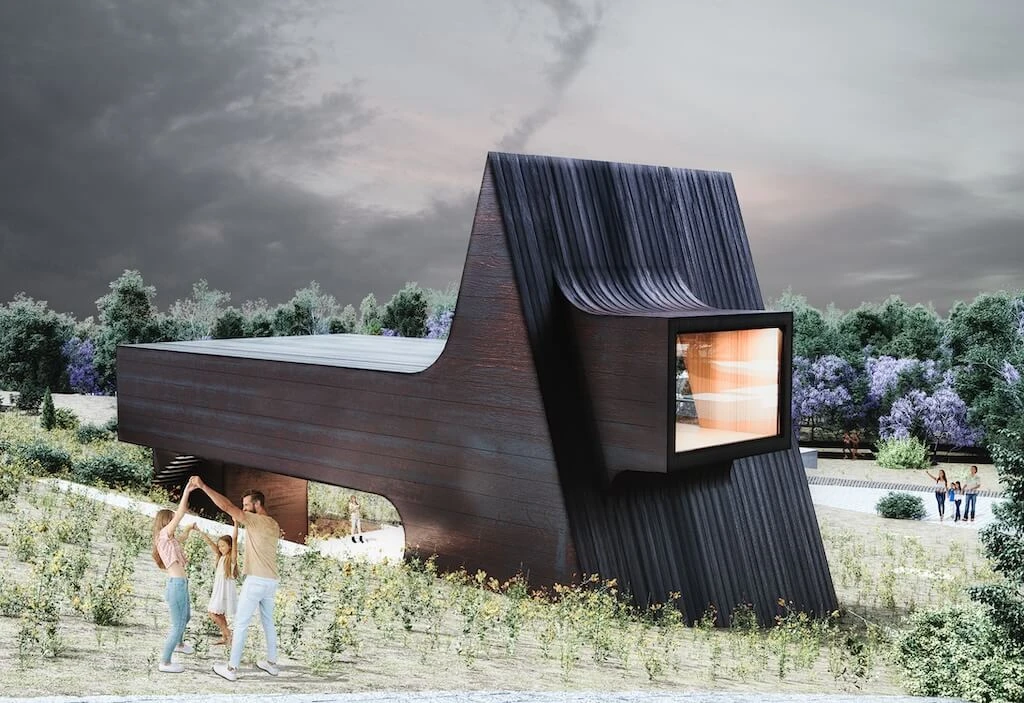
Madjdabadi uses the word “Khassiat” to describe an abstract quality that answers the basic “why” of a design. She explains Khassiat as ‘the active component that transforms a design into something meaningful and coherent with its context and purpose,’ representing the essence that elevates a project from merely functional to impactful and extraordinary. Projects such as Mutant Hut, Meydan Commercial Building, and Approximation House have earned her international renown.
3. Leila Araghian

Leila Araghian, one of the most recognized young figures in contemporary Iranian architecture, is a rising name in the field. Particularly noteworthy for her projects that redefine public spaces with a human-centered perspective, Leila Araghian co-founded Diba Tensile Architecture with Alireza Behzadi in 2005. Araghian’s designs go beyond mere structure, integrating social interaction and environmental sensitivity.
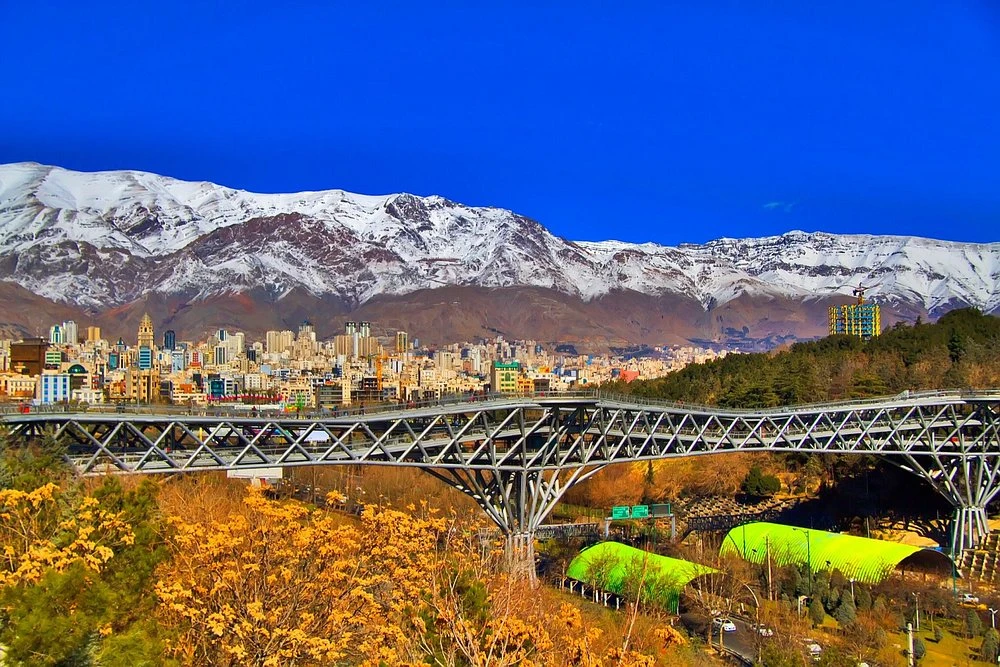
She is the lead architect and designer of the Tabiat Bridge in Tehran, a three-level pedestrian bridge spanning 270 meters that connects two major parks. Araghian has received the 2016 Aga Khan Architecture Award and the Popular Choice Award in the Highways & Bridges category of Architizer’s 2015 A+ Awards for this project.
4. Melike Altınışık
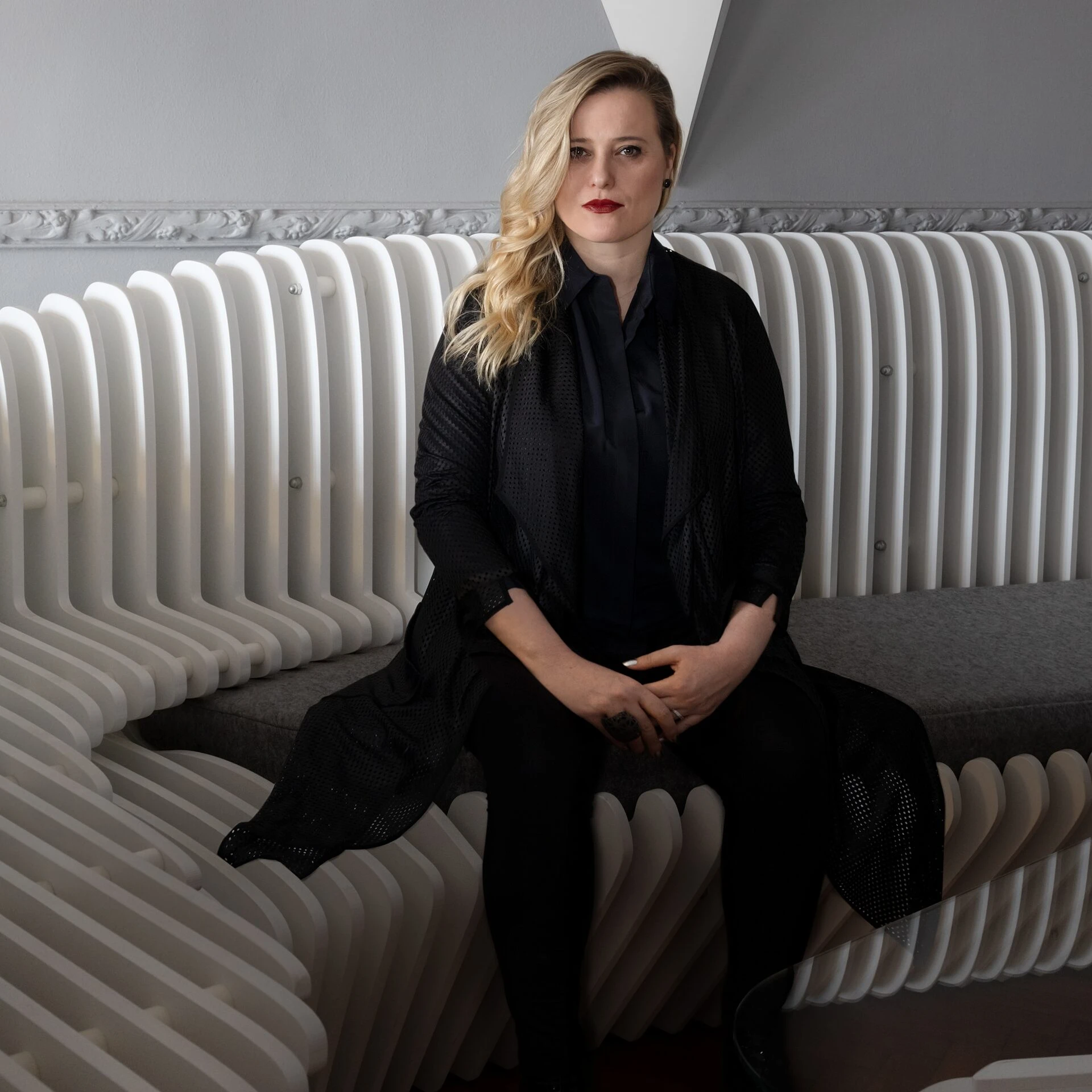
Melike Altınışık, founder and principal of Melike Altınışık Architects (MAA), is an internationally recognized Turkish architect, designer, and academic. Dedicated to developing innovative and visionary projects in architecture, urban design, and design, Altınışık graduated from Istanbul Technical University in 2003 and worked at Zaha Hadid Architects in London from 2006 to 2013 before establishing her own firm. Her education allows her to manage projects of varying scales, from master plans, high-rise buildings, and cultural centers to private interiors, institutions, and product designs, from initial concept to implementation.
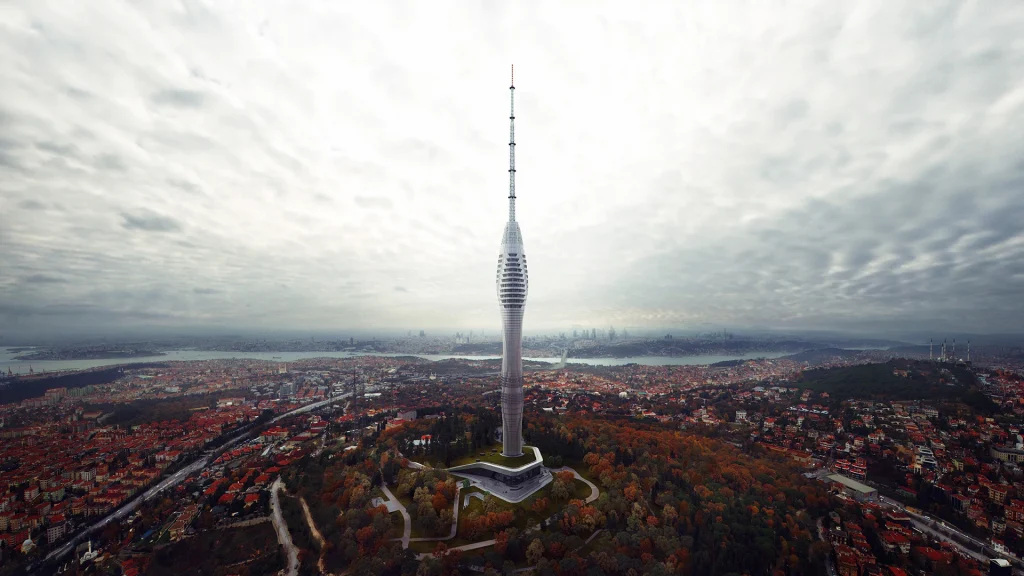
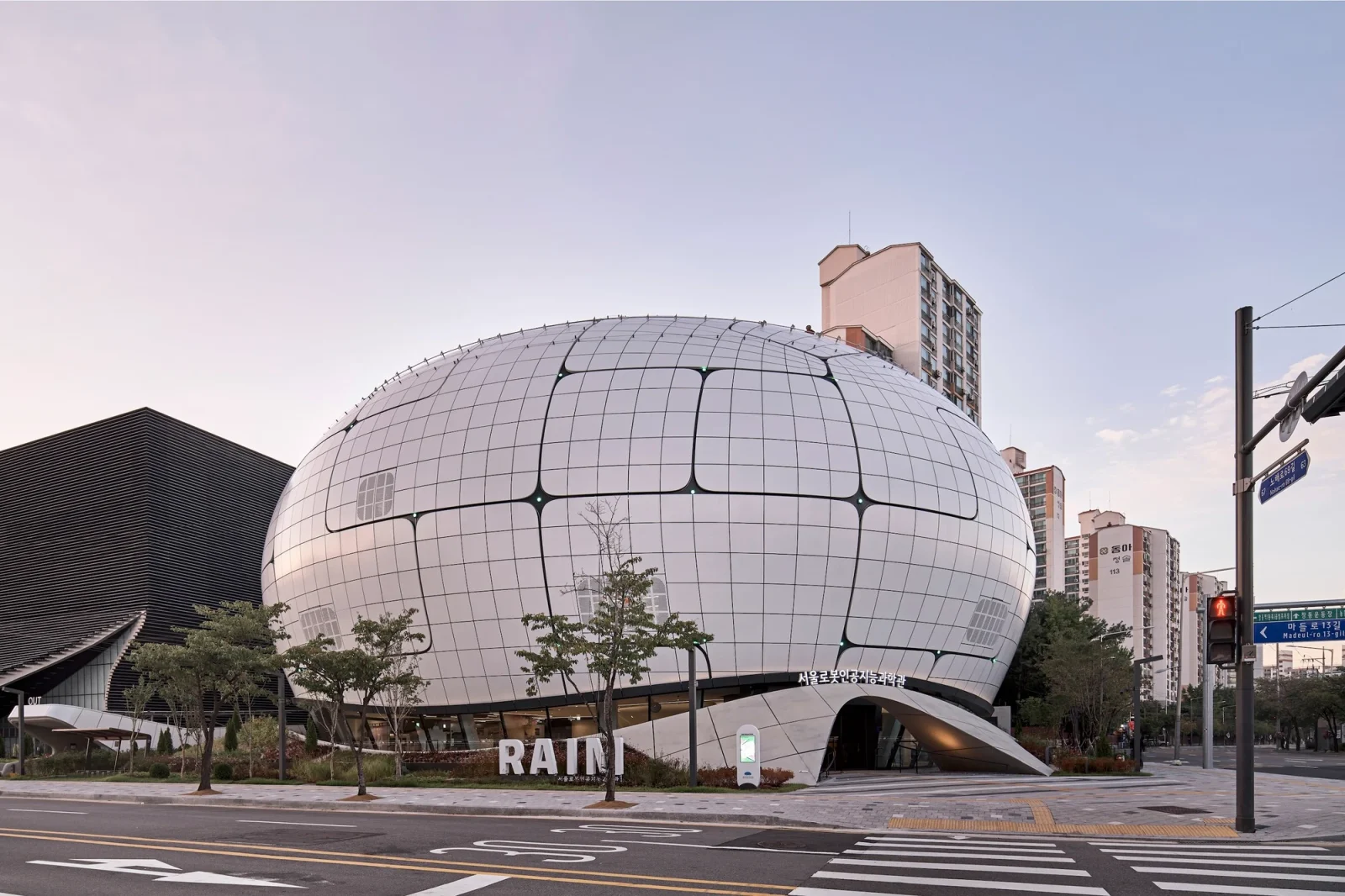
Altınışık has received numerous awards, including Europe’s 40 Under 40, the FEIDAD Design Award, and the Swiss Art Award. Her projects include technologically advanced and innovative structures such as the futuristic 369-meter Istanbul TV and Radio Tower and the world’s first Robot and AI Museum (RAIM) in Seoul, South Korea.
5. Farshid Moussavi
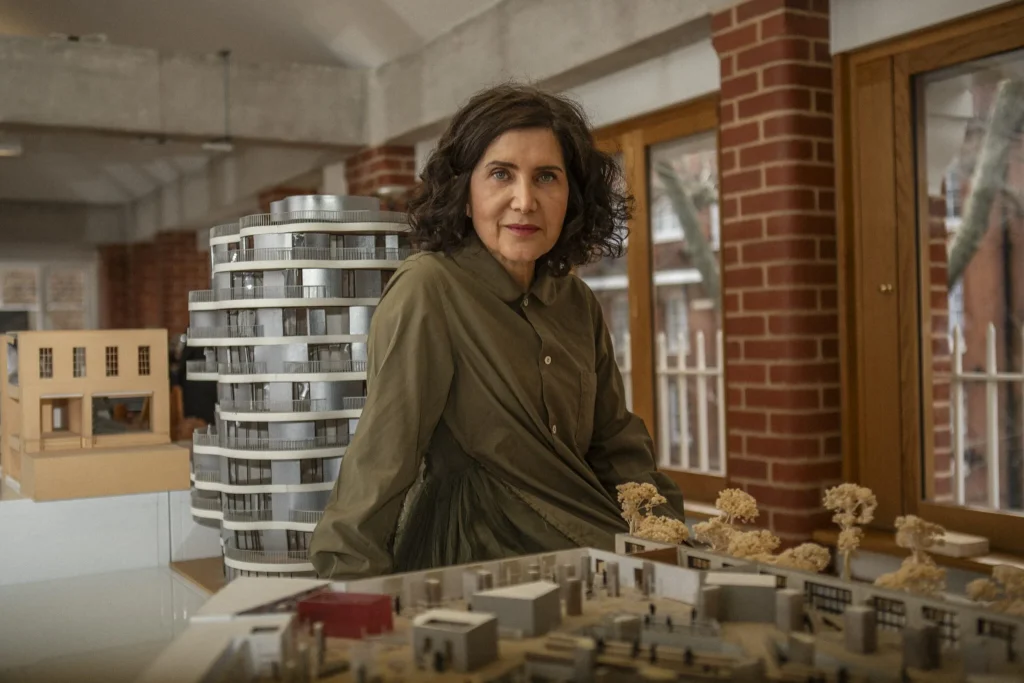
Farshid Moussavi, an Iranian-born British architect, is influential in both the practical and theoretical realms of contemporary architecture. She is the founder and director of Farshid Moussavi Architecture (FMA) and serves as Professor of Practice in Architecture at Harvard University’s Graduate School of Design. Moussavi’s approach is characterized by openness to change and a commitment to the intellectual and cultural life of architecture. Reconsidering the concepts of form, facade, and ornamentation, Moussavi offers a critical perspective on the rigid aesthetic sensibilities of modernism.
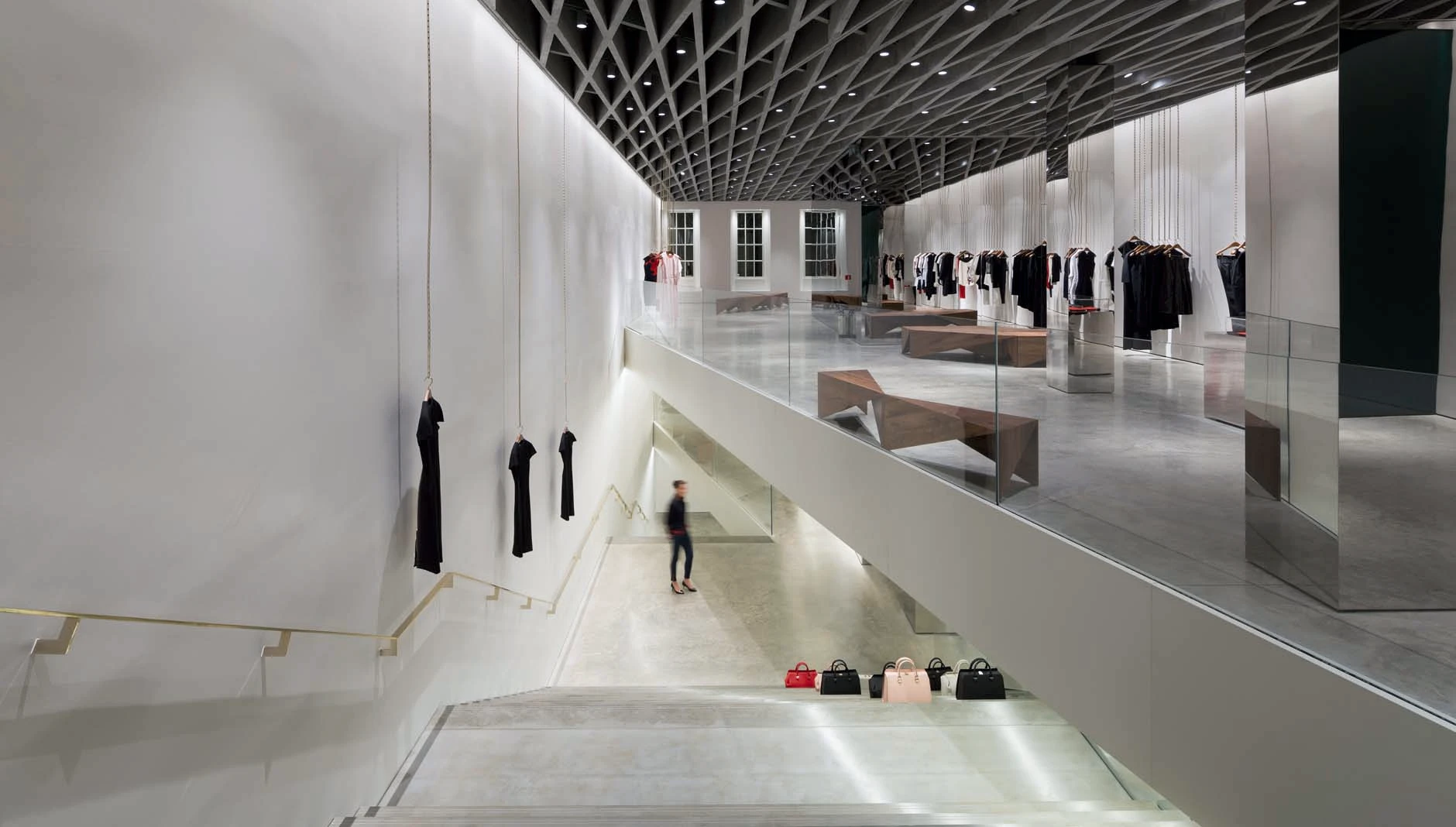
Recognized for her contributions to architecture, Moussavi was awarded the Order of the British Empire in the 2018 Queen’s Birthday Honours. She was elected a Royal Academician in 2015 and became a Professor of Architecture at the RA Schools in 2017. Some of her most notable projects include the Yokohama International Passenger Terminal, known for its folding surfaces, and the Victoria Beckham Flagship Store, distinguished by its minimal yet powerful use of materials.
6. Kazuyo Sejima

Kazuyo Sejima, one of the leading women in contemporary architecture, is the co-founder of the Japanese architectural studio SANAA alongside Ryue Nishizawa. Interested in exploring the cognitive possibilities of architecture, how built works can influence how we know our world and ourselves, and how knowledge is acquired through experience, Sejima is known for her designs featuring understated modernist elements such as sleek, clean, and glossy surfaces made from materials like glass, marble, and metal.
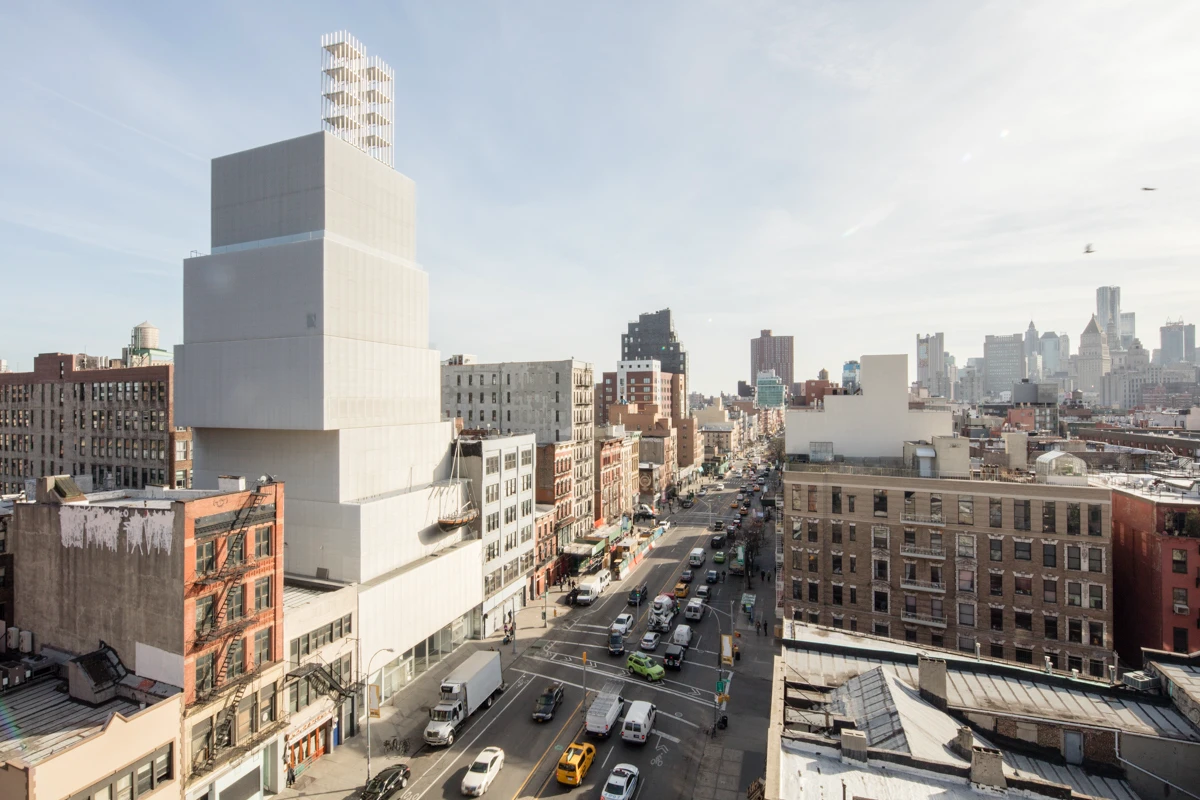
Her preference for smooth and modern surfaces is evident in the New Museum project in New York, a structure composed of stacked metal boxes that dominate the Bowery as if it came from a century in the future. Sejima currently serves on the award jury and was the second woman to win the Pritzker Architecture Prize in 2010.
As a designer, her independent projects range from a Prada bag with removable zippered pockets to large-scale Japanese transportation designs, including mirrored suburban trains and trains with massive passenger windows.
7. Frida Escobedo
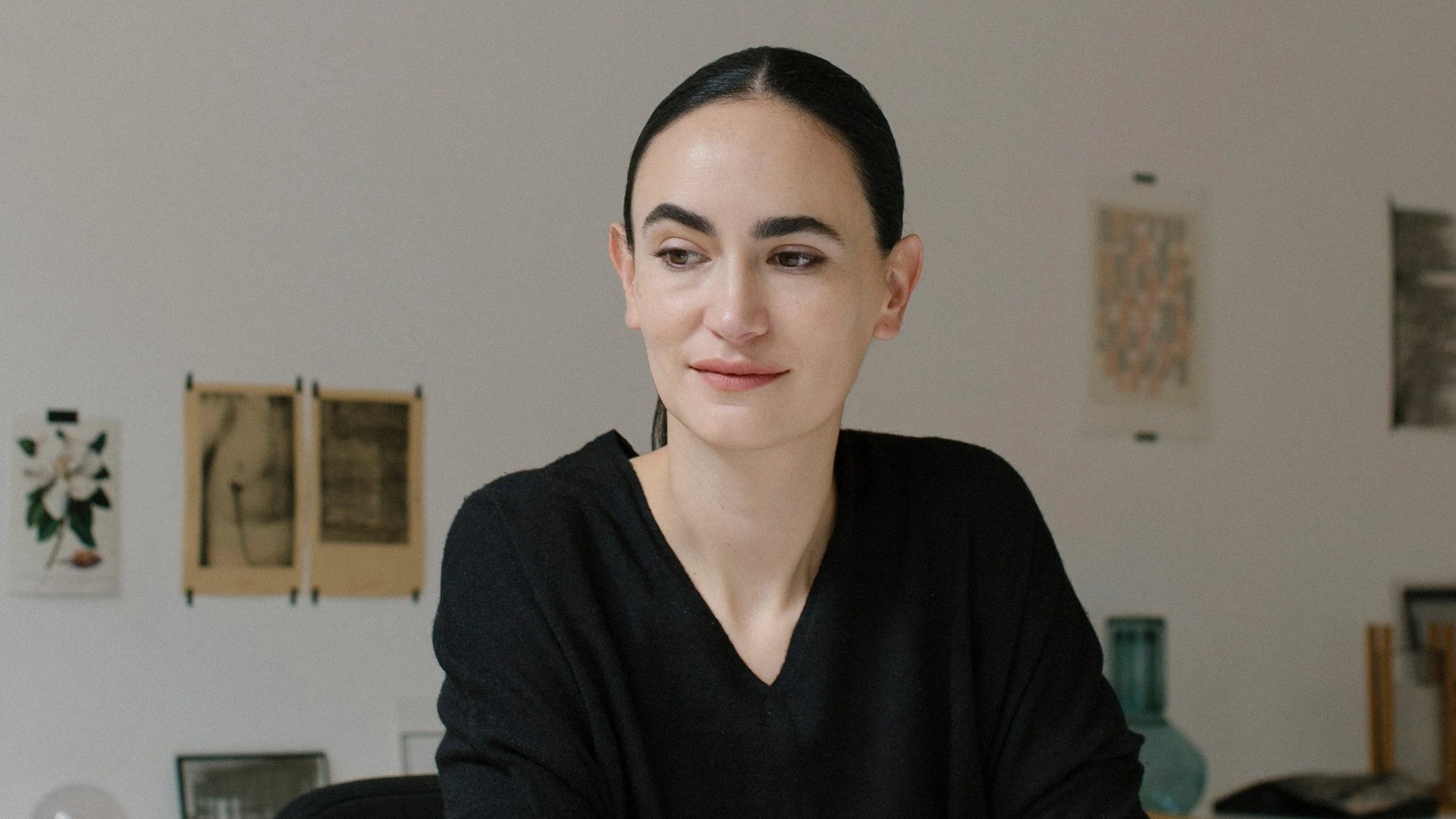
Frida Escobedo, one of the rising young women architects, is among the most prominent figures in contemporary Mexican architecture. She studied architecture at Universidad Iberoamericana and founded Frida Escobedo Studio in 2006. Escobedo, who constructs space through time, light, and shadow, has developed a unique approach shaped by her belief that architecture and design are, above all, vital tools for questioning and interpreting social, economic, and political phenomena.
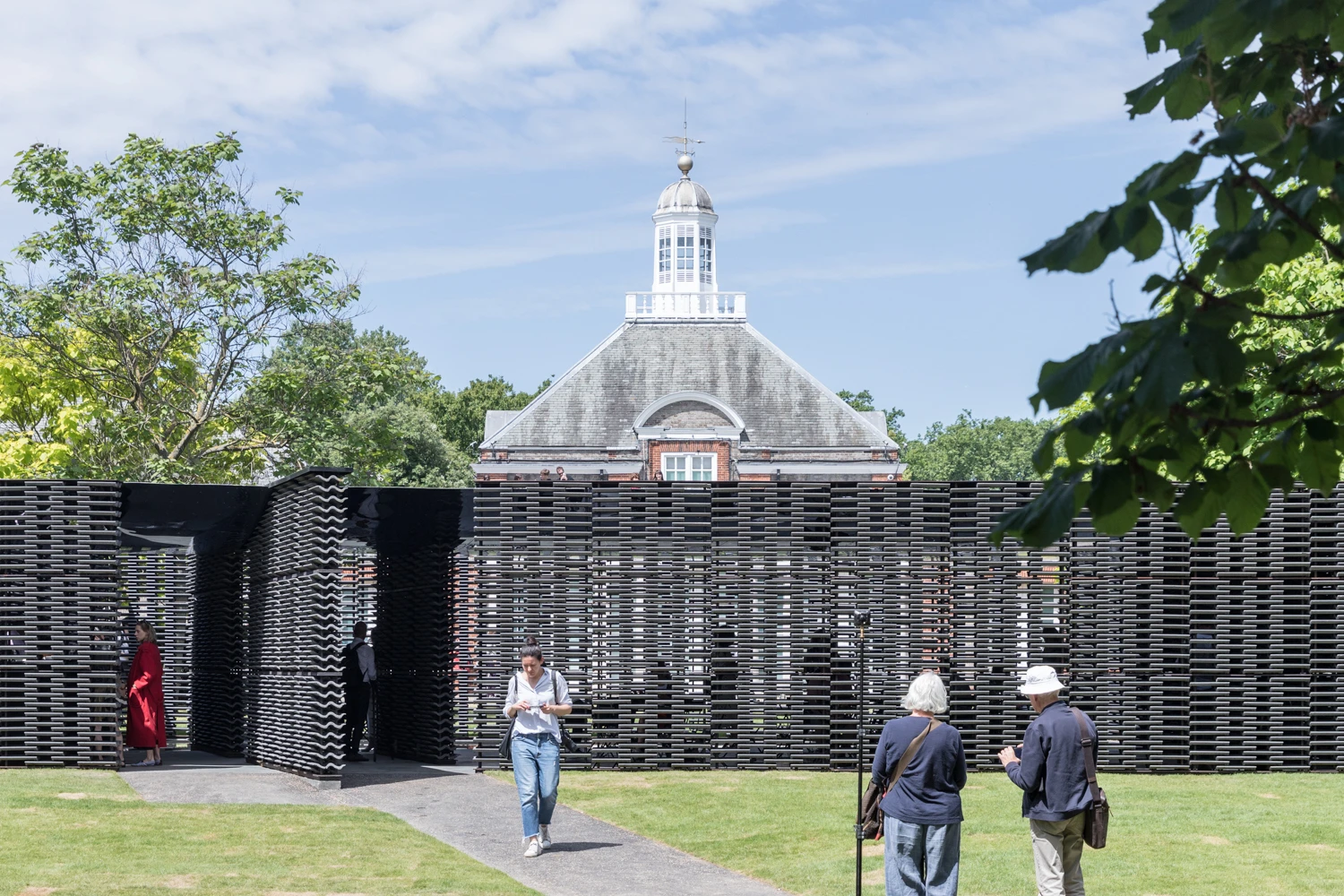
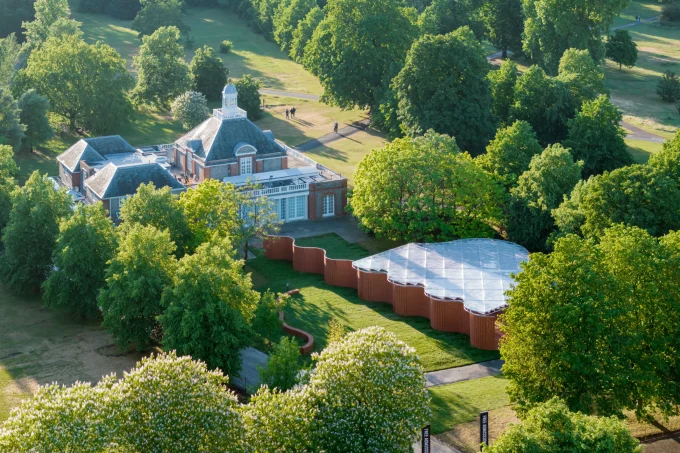
Pushing the traditional boundaries of the discipline, Escobedo works across a wide range of scales and media, including buildings, experimental preservation projects, temporary installations, public sculptures, limited-edition objects, publications, and exhibition designs. In 2018, she became the youngest architect to design the Serpentine Gallery’s Summer Pavilion. The pavilion, inspired by English brickwork and Mexico’s celosia tradition, features a woven system that, along with its courtyard typology, water surface, and reflections, makes the movement of time and light within the space visible.
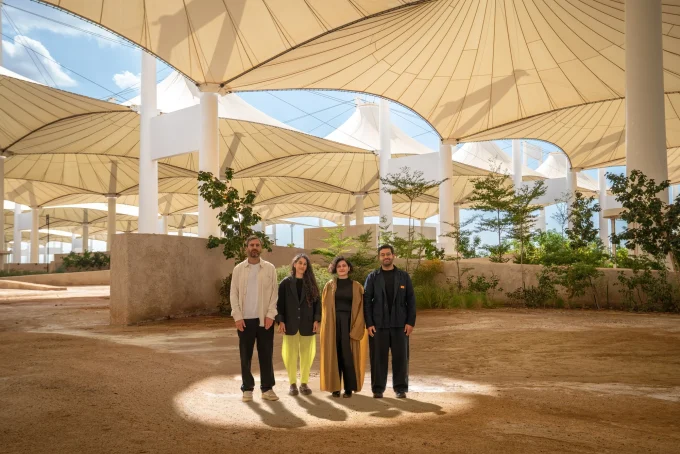
8. Sumayya Vally
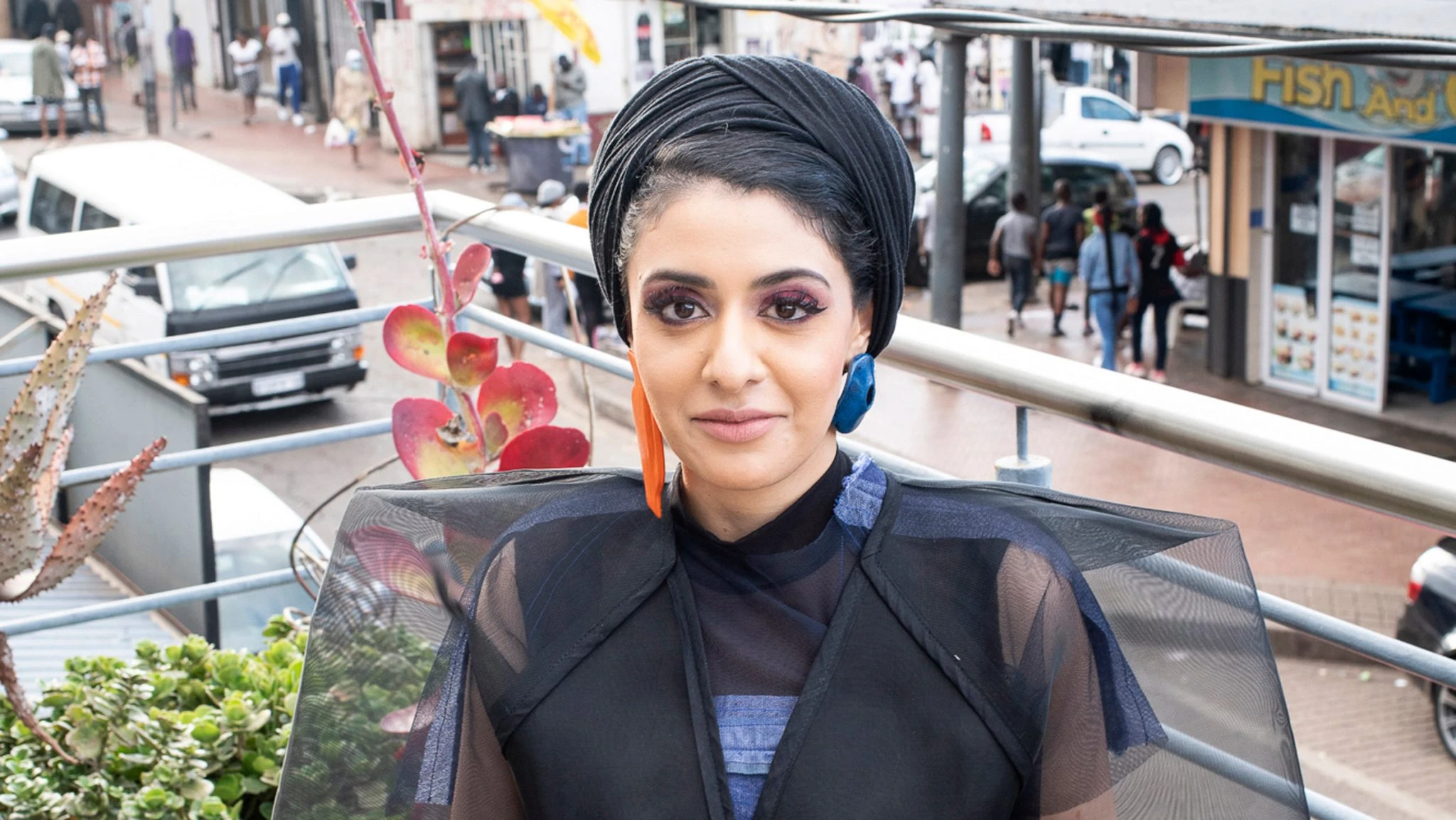
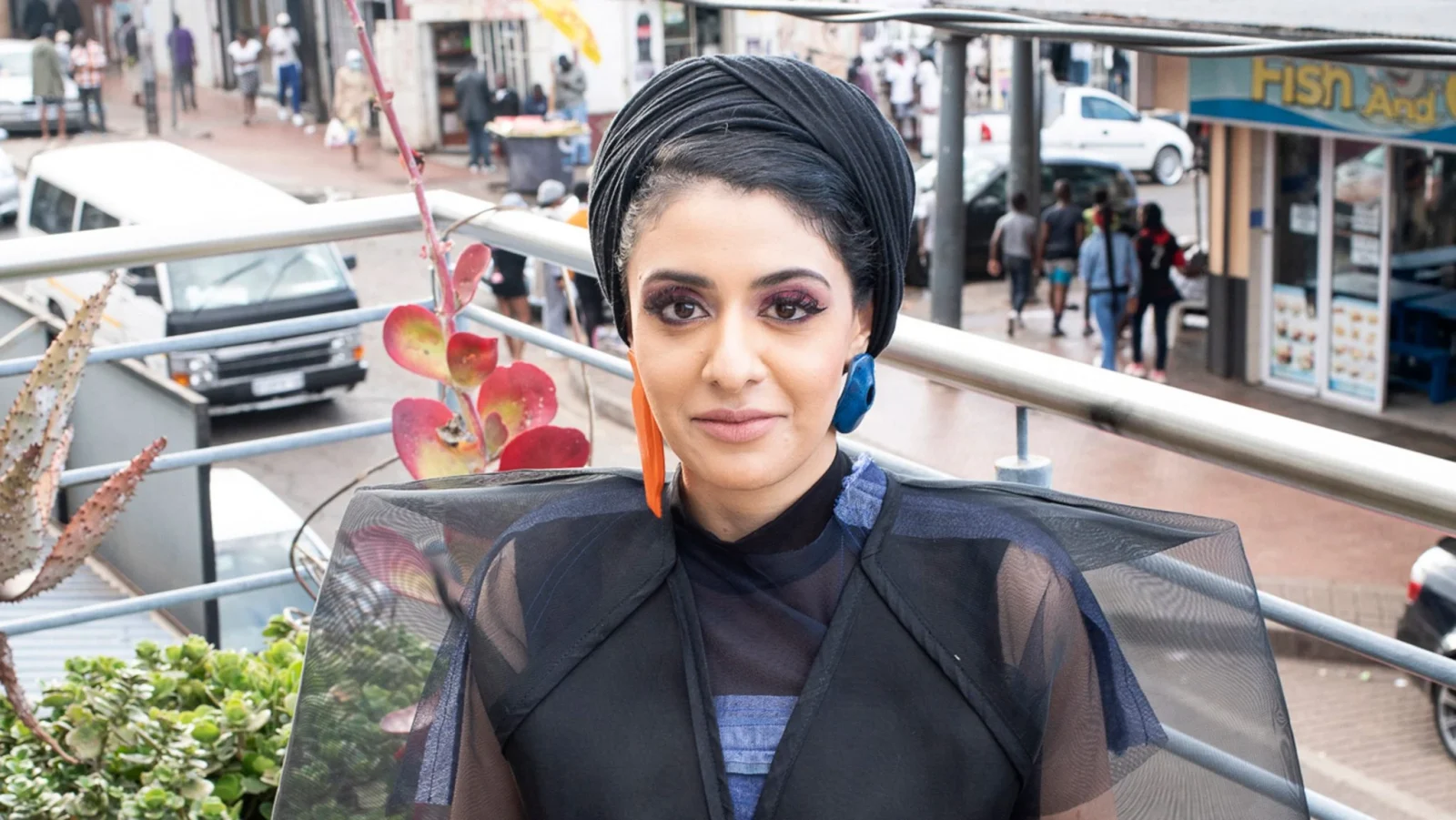
Sumayya Vally, a South African architect working on Islamic culture, diaspora experiences, and post-colonial spatial memory, is one of the rising young women architects. As the director of Counterspace Studio, Vally integrates design, research, and pedagogical practice in her pursuit of expression within hybrid identities and contested spaces, aiming to uncover the unseen through archaeological and design languages. Vally’s work often has a forensic nature, using performance, the supernatural, the unconventional, and the overlooked as productive spaces for history and study.
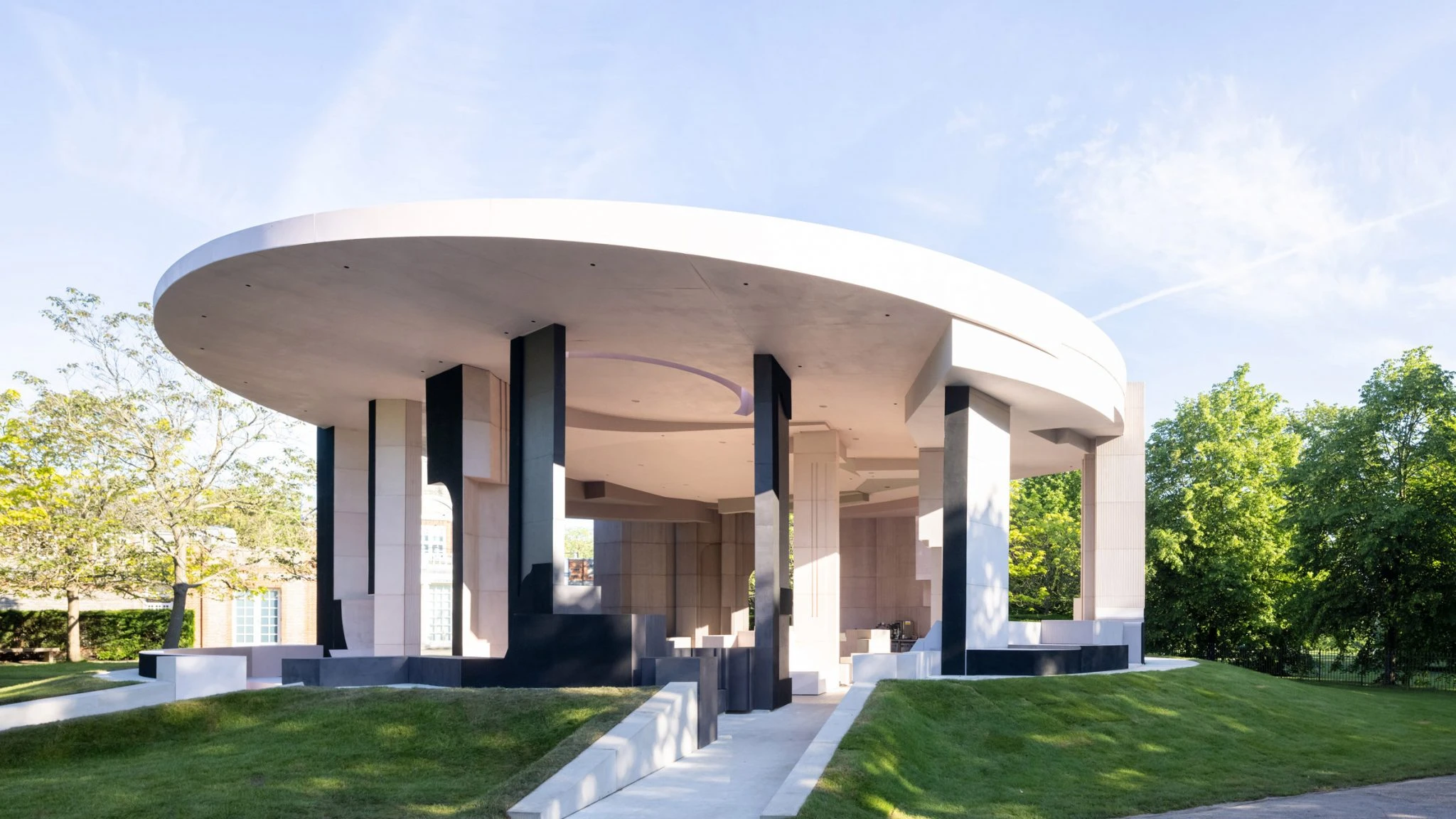
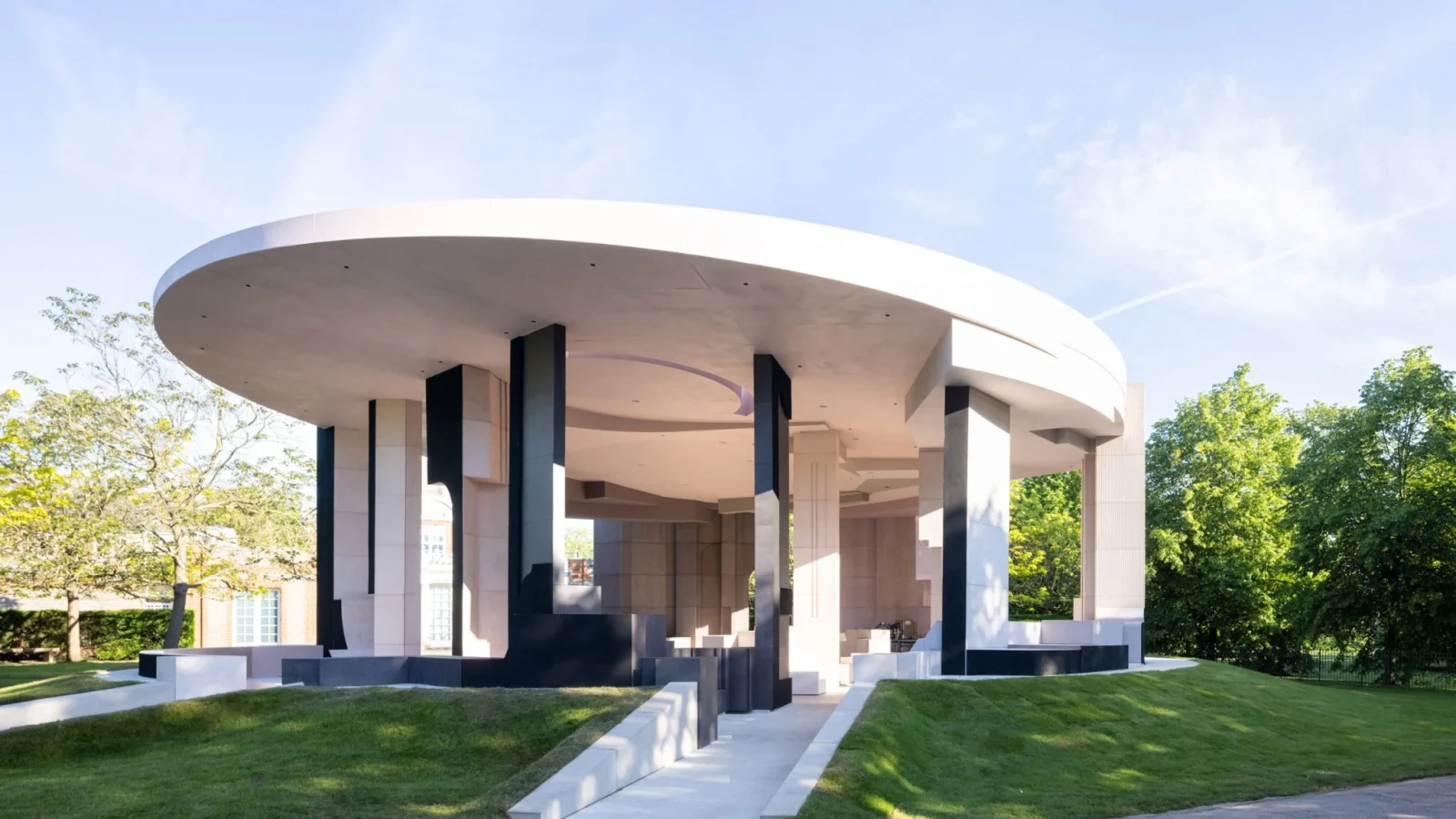
Sumayya Vally, the youngest female architect ever commissioned for the Serpentine Pavilion in 2021, drew inspiration for her design from the spatial memory of London’s immigrant communities. Selected as one of TIME100 Next’s most influential innovation leaders in 2021, Vally is the only architect among the world’s leading figures recognized for shaping society through innovative design.
9. Shahira Fahmy

Shahira Fahmy is a leading figure in Egyptian architecture. After studying Architecture at Cairo University and working at Dar Al Handasah, Fahmy founded Shahira H. Fahmy Architects in 2005, a visionary and design-oriented architecture, interior, and product design firm. Starting as a team of three, the studio became one of Egypt’s leading firms within five years, receiving accolades and awards both locally and internationally.
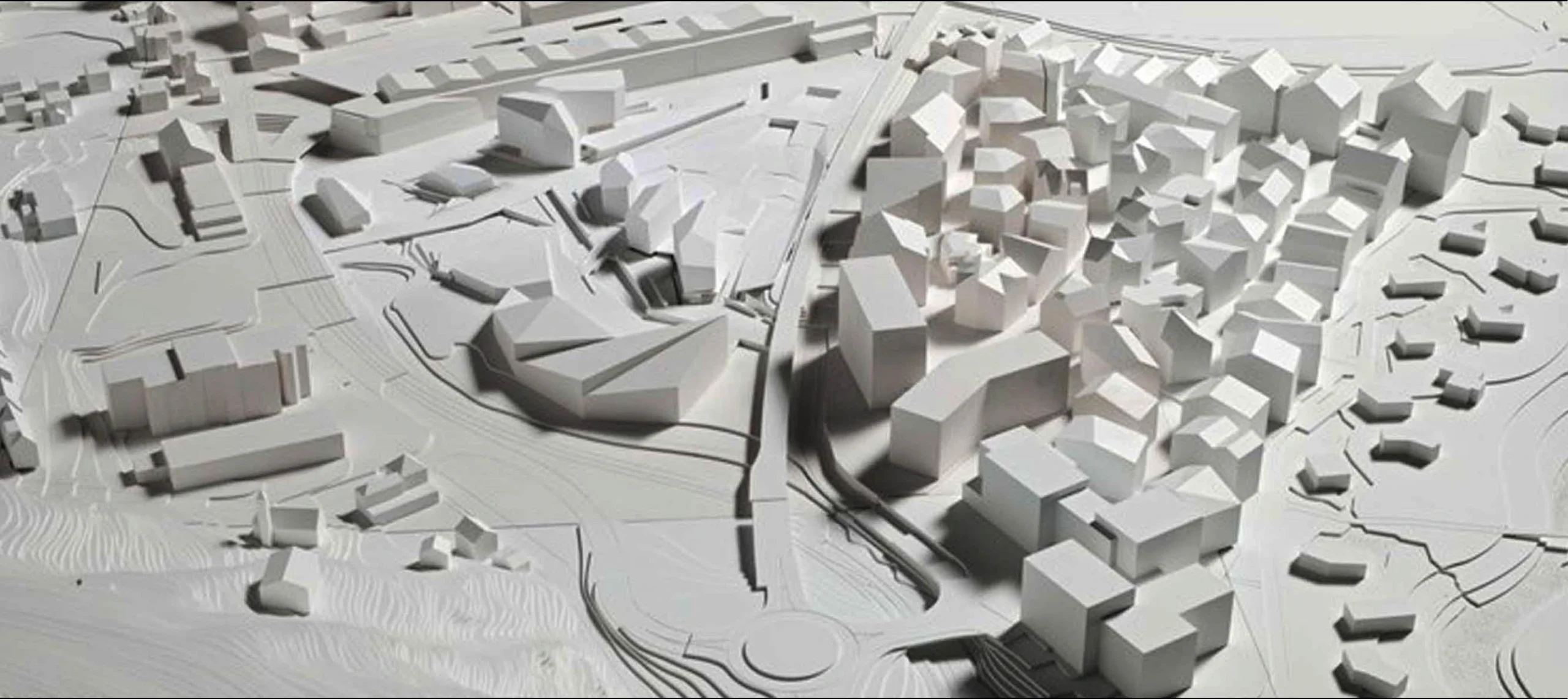
Recognized as one of the architects shaping the Arab future, Shahira Fahmy integrates the Mediterranean climate, Islamic architectural traditions, and modernist language in her practice. Seeking a design language that encompasses all areas of design, from city-scale projects to interiors and furniture, Shahira uses simple geometries and strong mass compositions.
10. Gayatri Desai

Gayatri Desai is a designer and technologist working at the forefront of contemporary architectural design technology. As Director of Design Technology at Ennead Architects, she leads the integration of artificial intelligence, computation, BIM, visualization, coding, and digital fabrication across the firm’s practice, supporting projects across multiple typologies from early concept to project delivery.
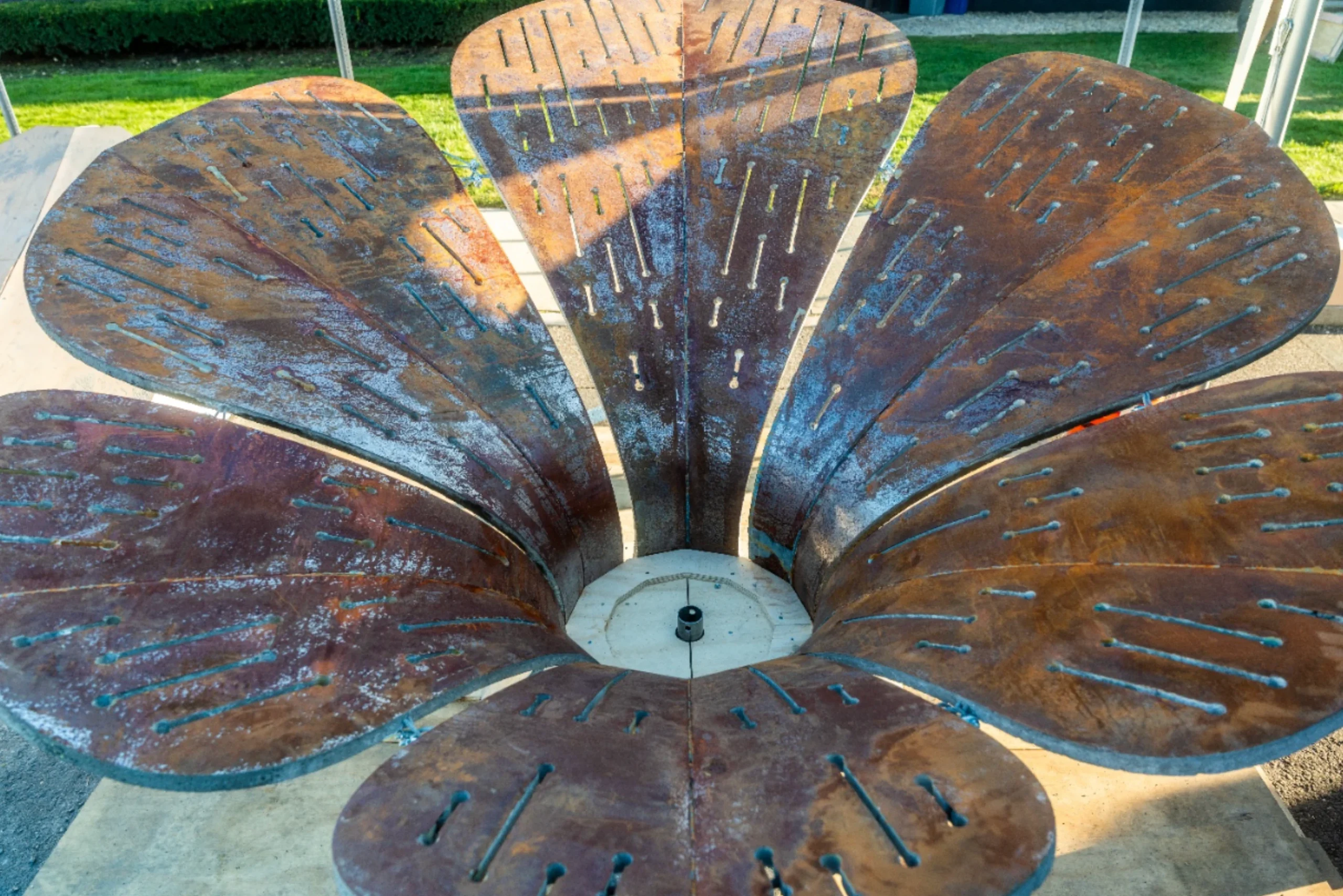
Her work explores the evolving relationship between technology, materiality, and the built environment, positioning digital tools not simply as instruments of production but as drivers of new architectural possibilities. Desai views architecture and technology as catalysts for ecological and cultural innovation, advocating for a profession that is more inclusive, optimistic, and technologically fluent. Alongside her professional work, she is also committed to supporting and empowering women working in fields such as BIM, computational design, and coding within architecture.
11. Amale Andraos
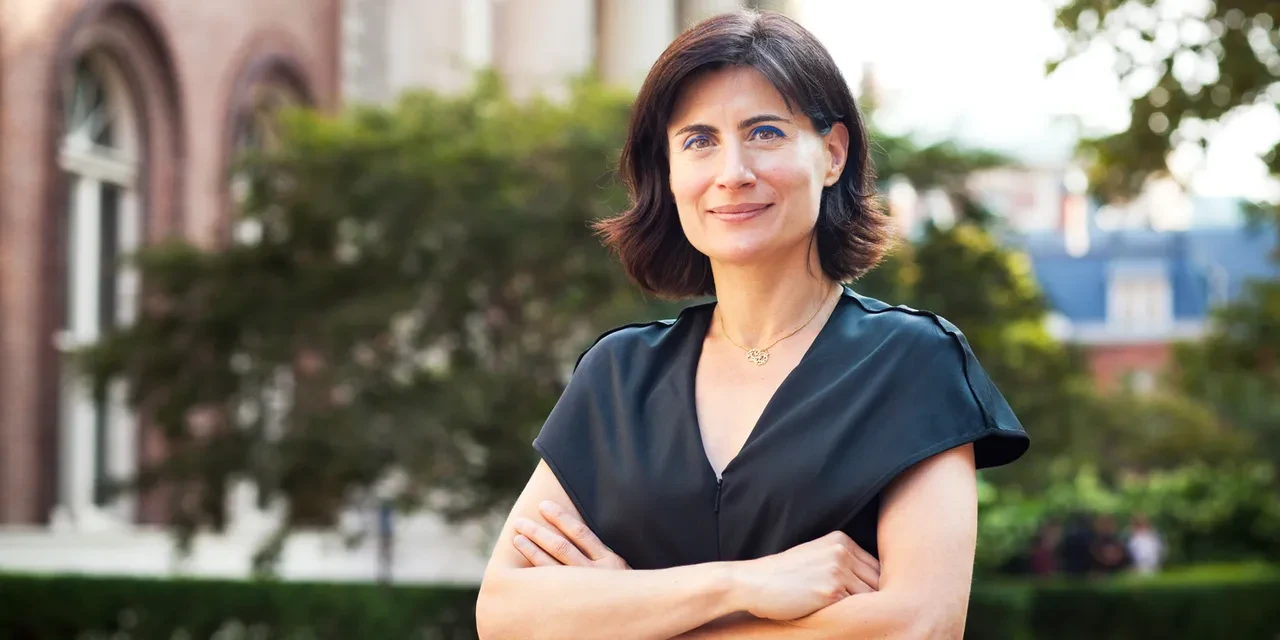
Amale Andraos, co-founder and director of WORKac, an award-winning architecture and design firm, is dedicated to creating architectural works that address environmental and social concerns, with a particular focus on public, cultural, and urban projects. Reimagining architecture at the intersections of urban, rural, and natural contexts, WORKac has gained international recognition for projects such as the Edible Schoolyards in Brooklyn and Harlem, a public library for Kew Gardens Hills in Queens, the Miami Museum Garage, the Student Success Center at Rhode Island School of Design, a new branch of the Brooklyn Public Library in DUMBO, and two community centers in Mexico City in collaboration with IUA.
Amale Andraos, passionate about design research, is Professor and Dean Emeritus (2014-2021) at Columbia GSAPP. Her writing focuses on climate change and its impact on architecture, as well as the problem of representation in the age of global practice. Her publications include We’ll Get There When We Cross That Bridge (Monacelli Press, 2017), Architecture and Representation: the Arab City (Columbia Books on Architecture and the City, 2015), co-edited with Nora Akawi, 49 Cities (Inventory Press, 2015), and Above the Pavement, the Farm! (Princeton Architectural Press, 2010), co-authored with Dan Wood.
Explore Courses
.jpg "Ondrej Chybik - Rethinking Architecture")