

MVRDV has spent more than three decades treating architecture as both a laboratory and a public experiment. Founded in 1993, the Rotterdam-based studio approaches every project as a question rather than a conclusion, using collaboration and research not as slogans but as working instruments. Their practice is rooted in a simple but demanding premise: if the city is growing more complex, the tools used to shape it must evolve just as quickly.
Where traditional tectonics privilege the craft of joining brick to brick or timber to frame, MVRDV advances a digital tectonic language, one built through computational modeling, parametric systems, and fabrication technologies that test how far form, structure, and performance can be pushed without losing touch with real-world constraints.
Much of this work flows through MVRDV NEXT, the firm’s internal innovation engine, where architects and technologists develop intricate geometries and translate them into buildable strategies. Algorithmic design, material research, environmental simulation, and machine-assisted fabrication become part of a continuous loop between idea and execution.
The result is a practice that treats digital tools not as aesthetic shortcuts but as storytelling instruments, capable of revealing new ways for buildings to behave, adapt, and respond. MVRDV’s architecture often feels speculative, yet it remains firmly anchored in the social, ecological, and urban pressures shaping contemporary life, a balance that has placed the firm at the forefront of today’s design conversation.
Here is the list of 10 projects demonstrating MVRDV’s mastery of Digital Tectonics:
1. Villa VPRO
Location: Hilversum, Netherlands
Completion Year: 1997
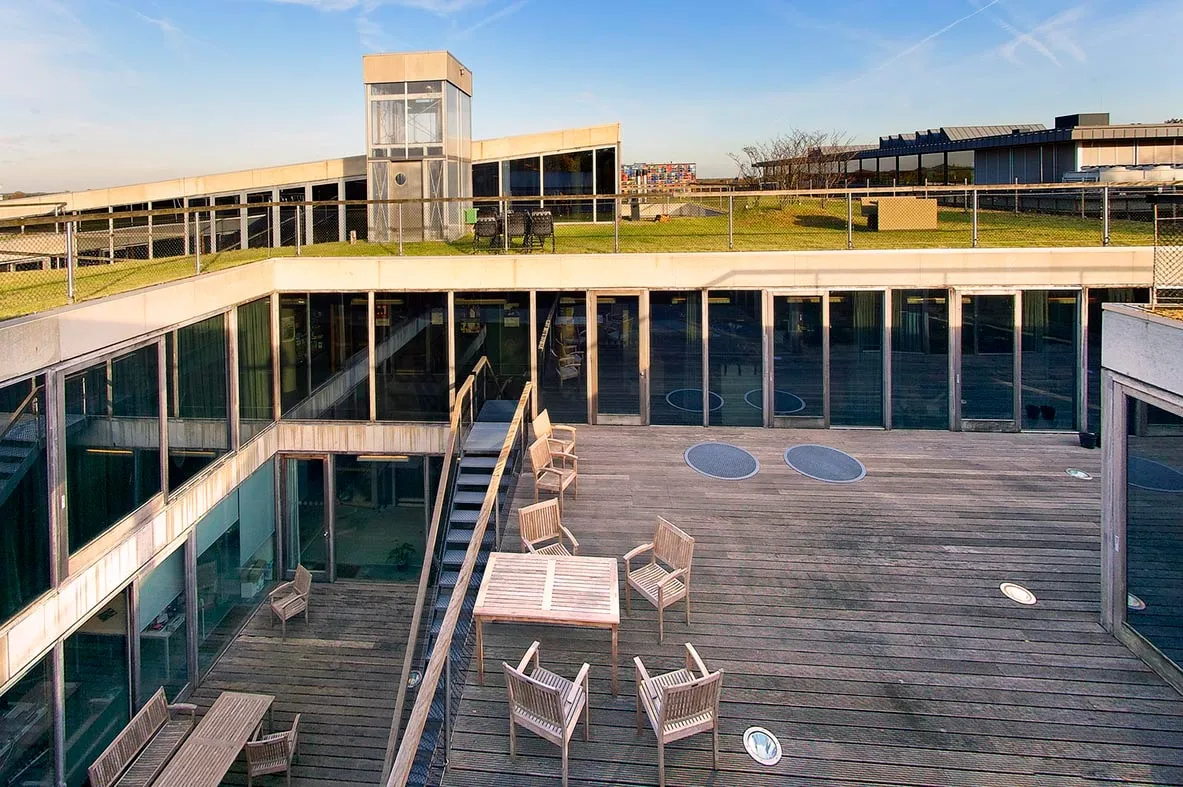
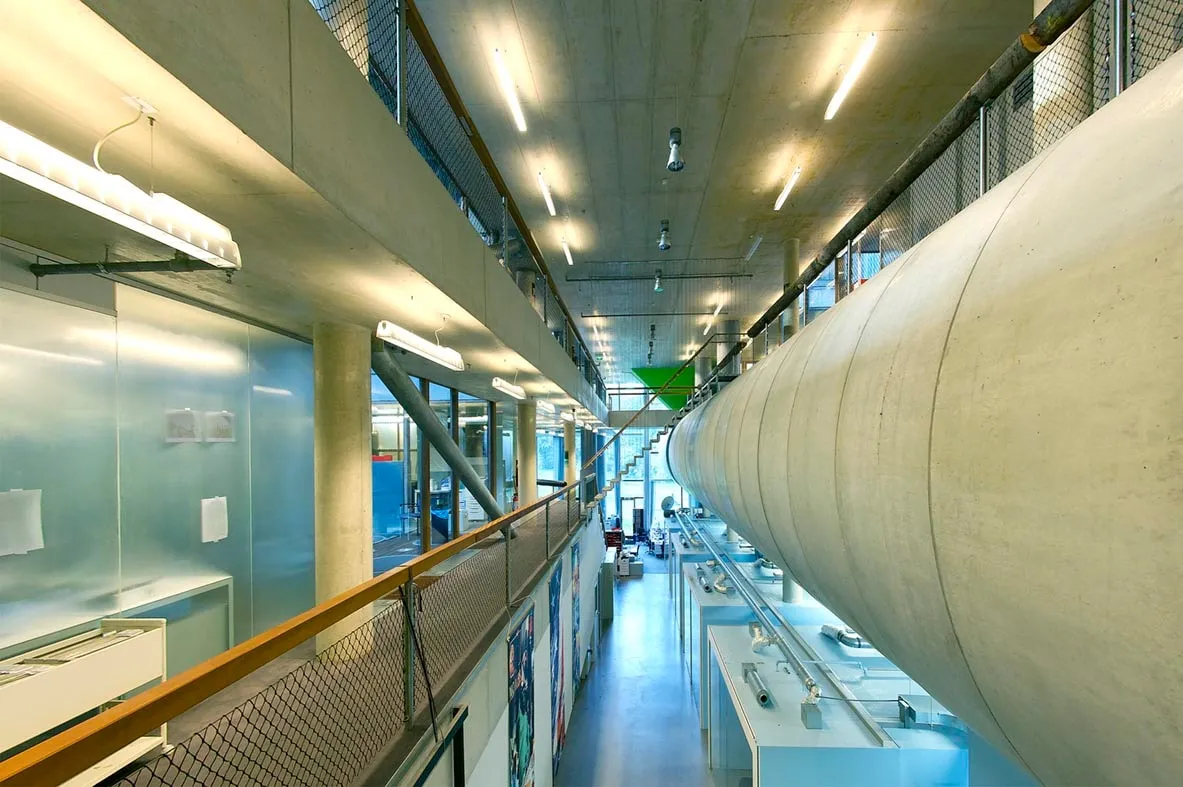
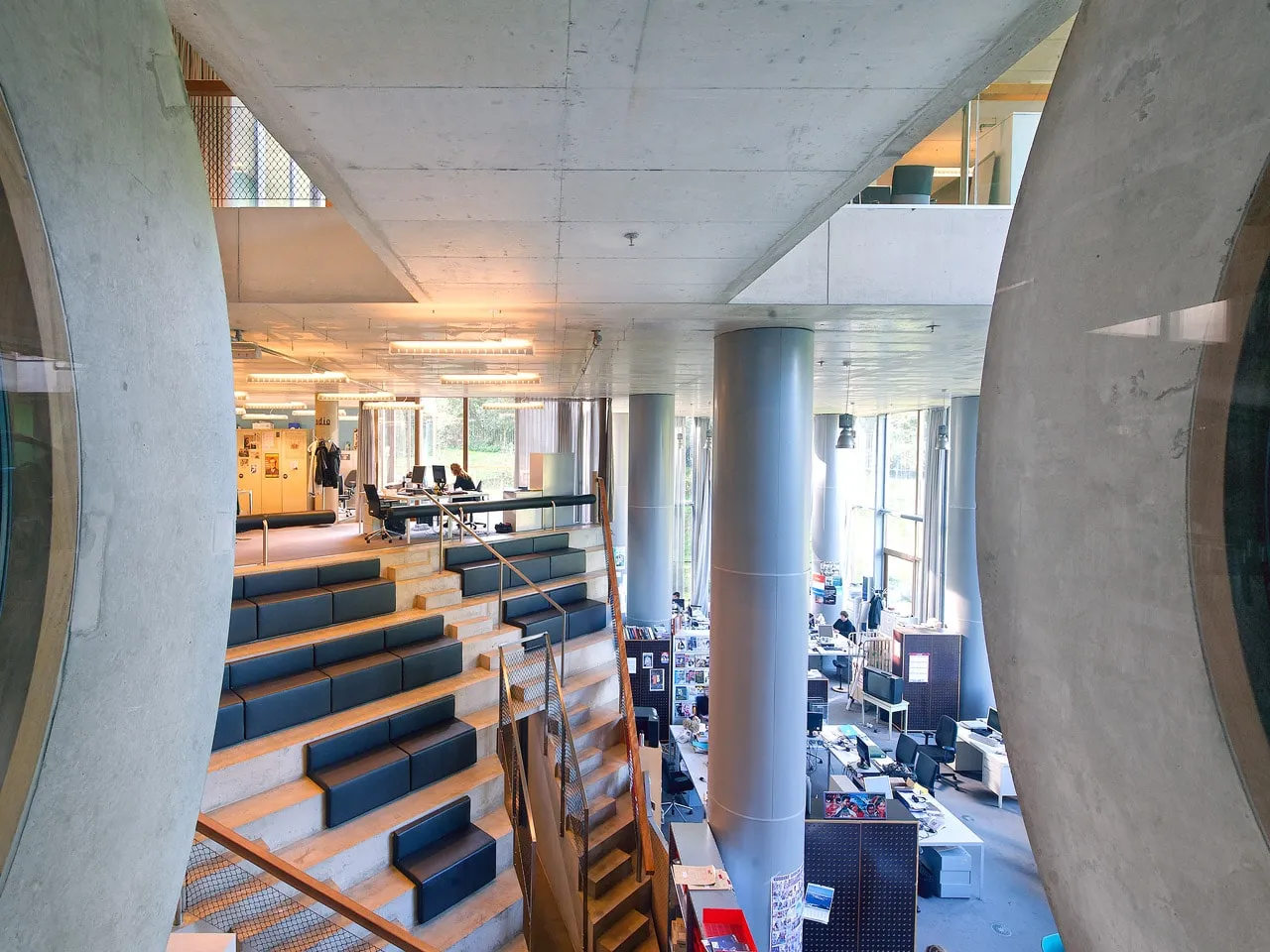
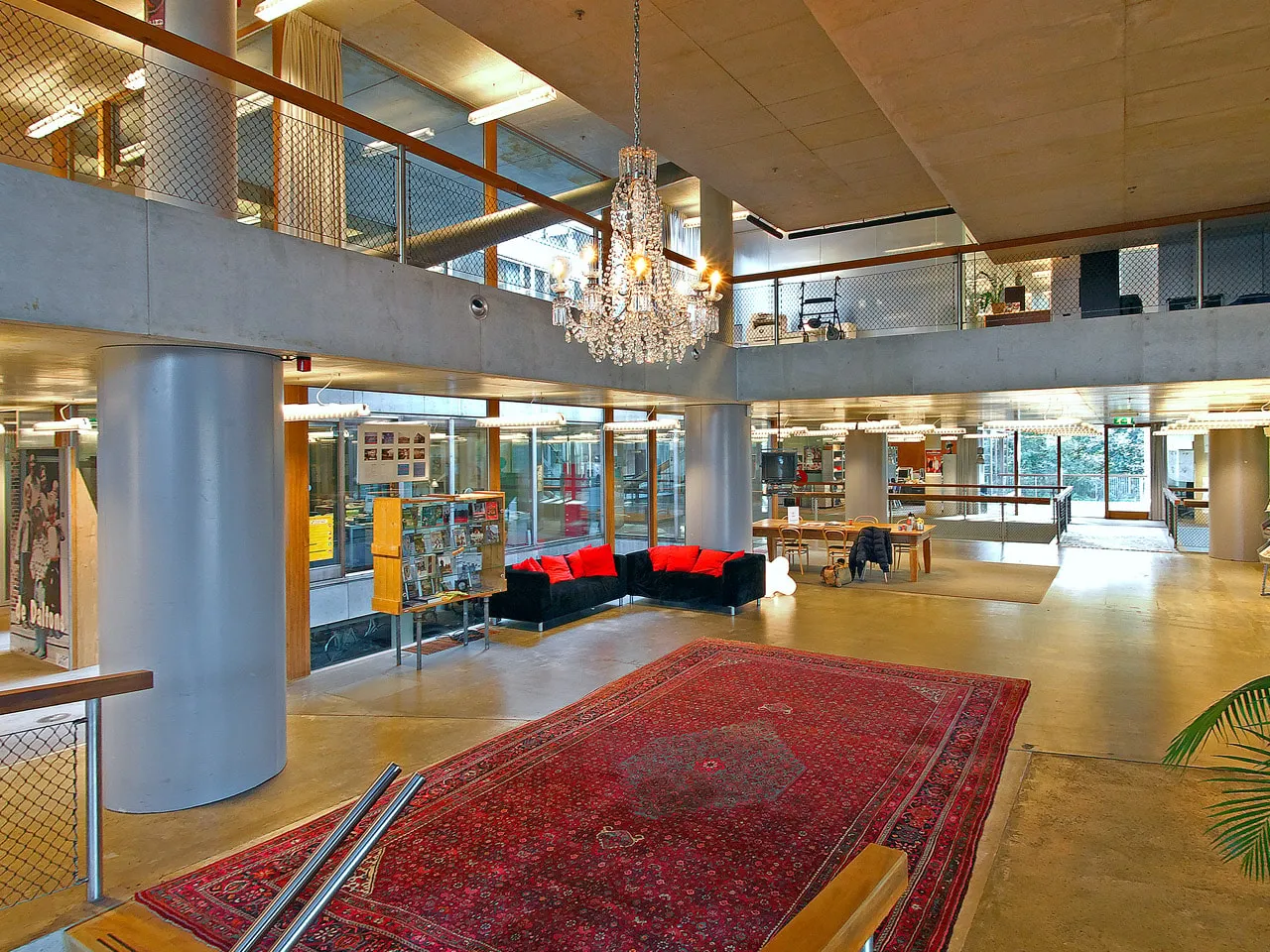
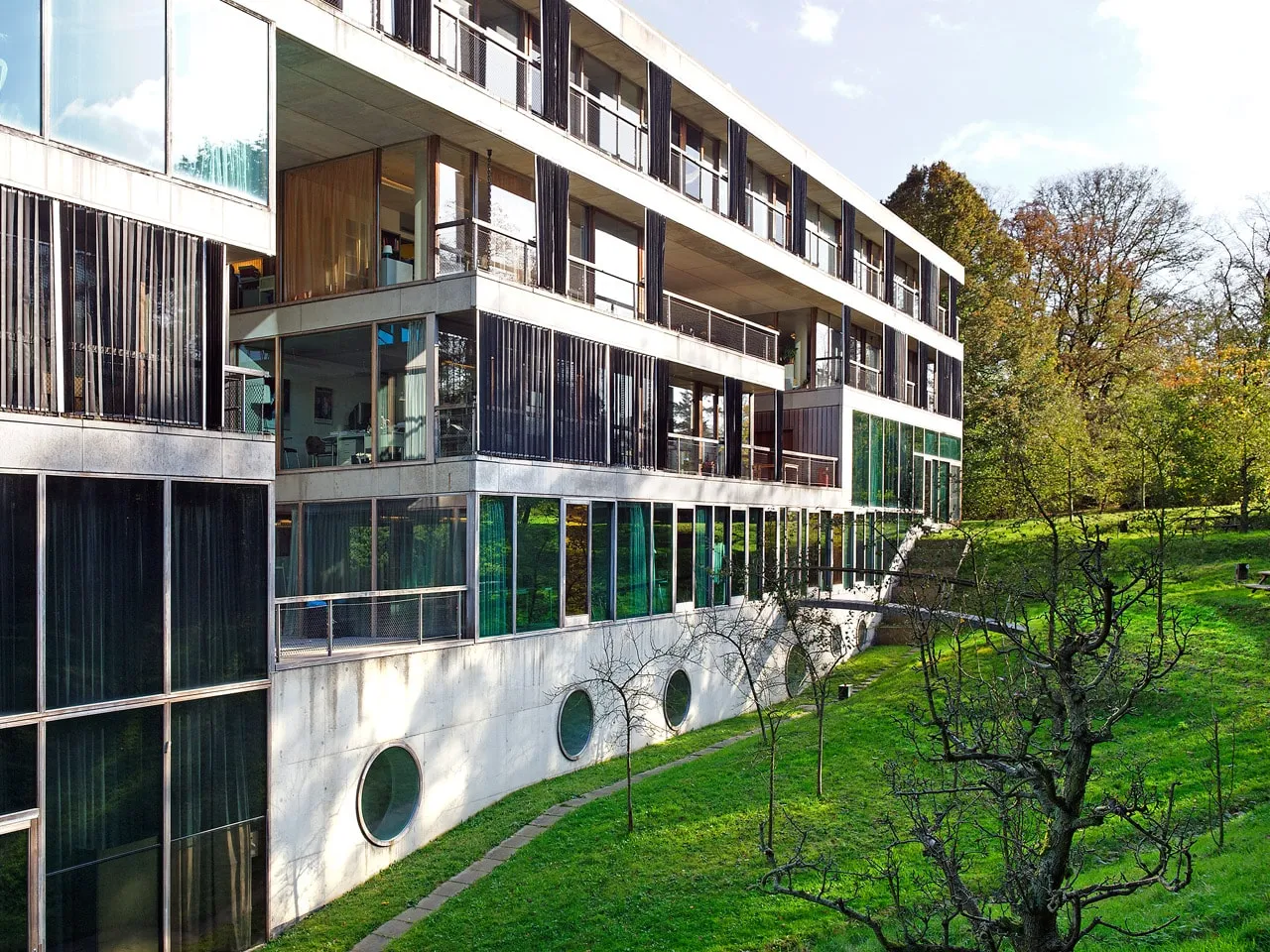
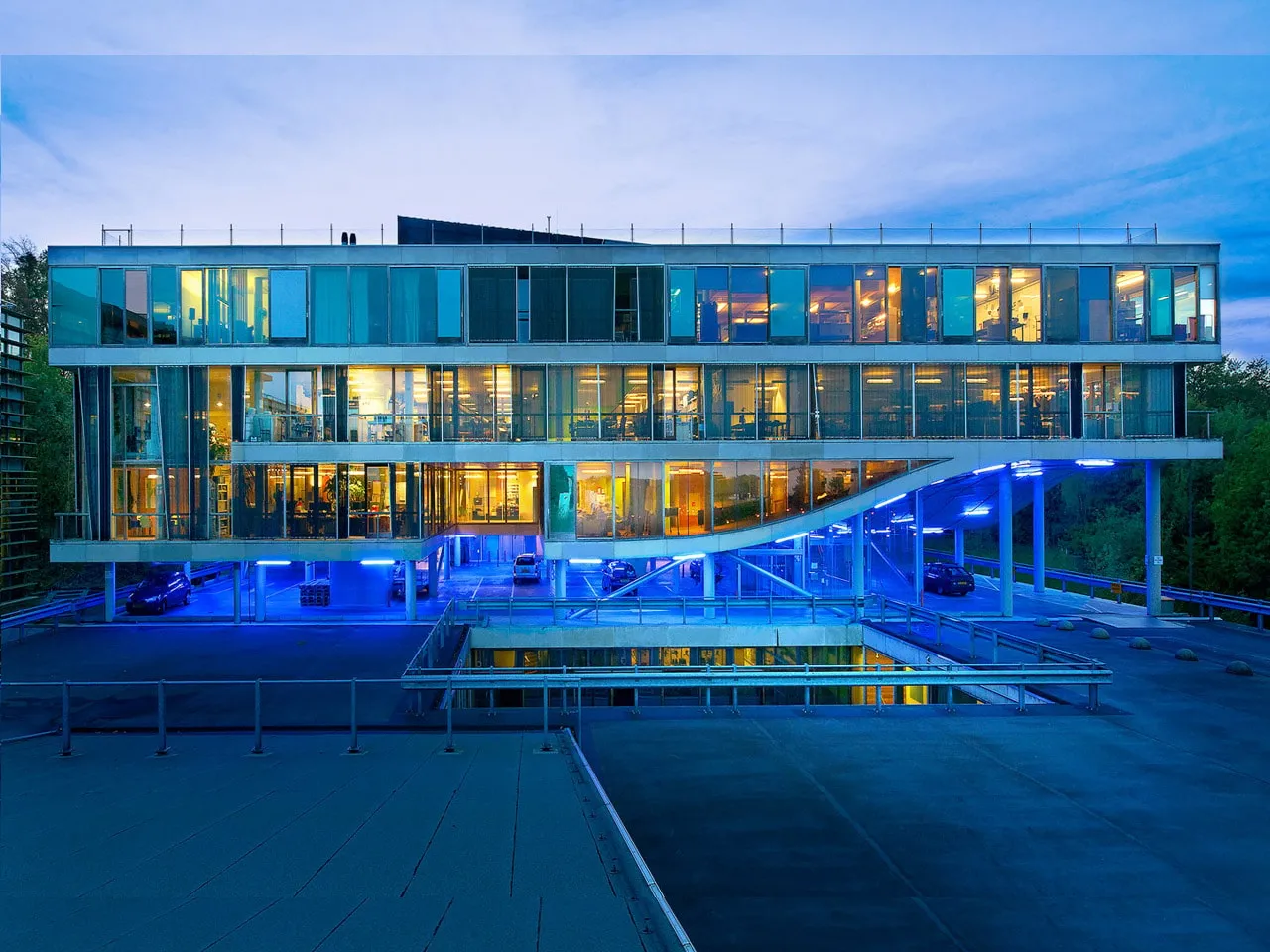
It is considered MVRDV’s foundational project in topological manipulation and material differentiation, marked by the early use of parametric tools and computational design strategies. The deep office building’s interior features an undulating and stepped concrete landscape, allowing users to transition from one level to another using ramps, offsets, and steps, thereby creating typologically distinct office spaces.
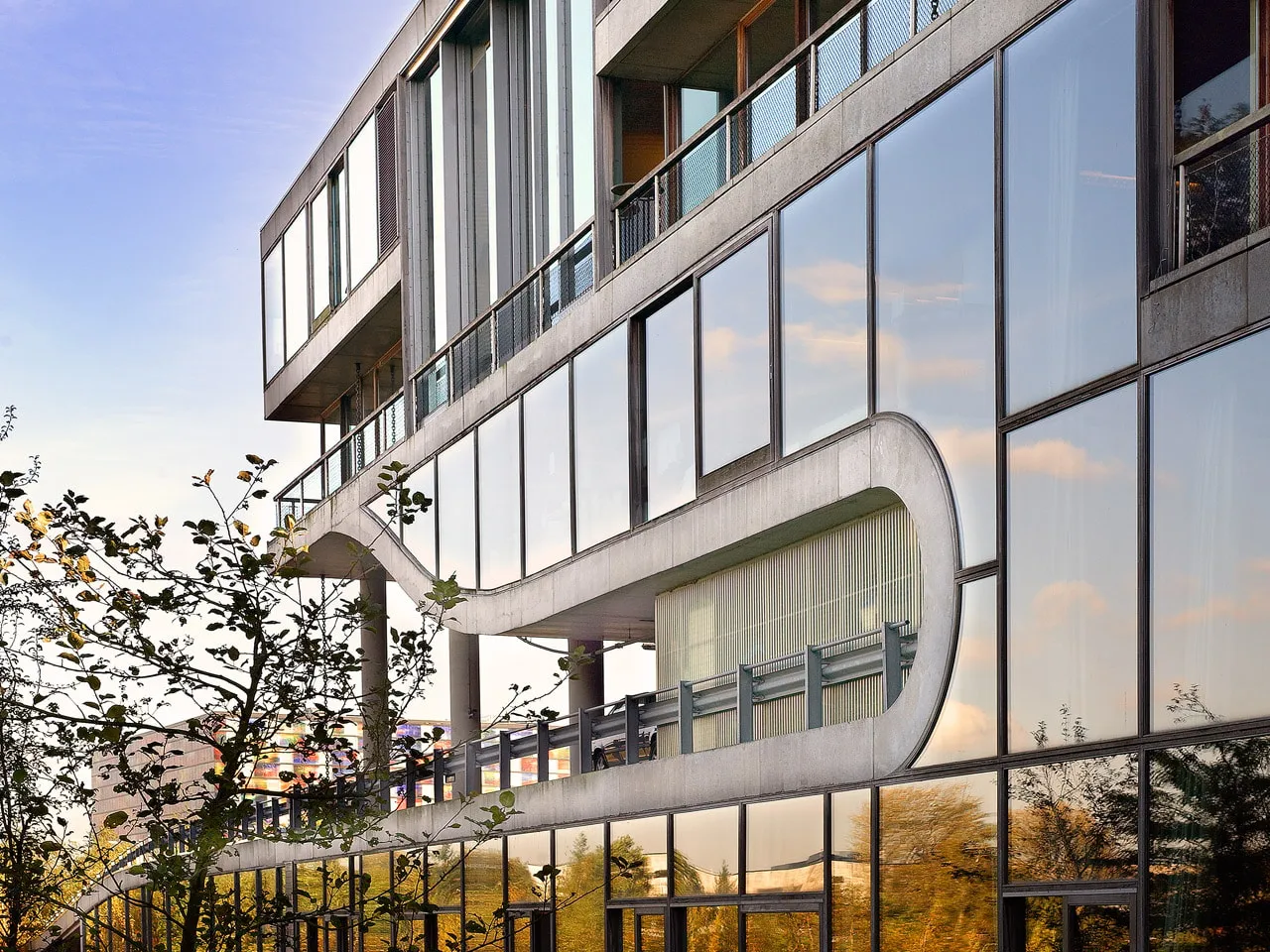
The exterior facade uses 35 different types of glass, varied in color, reflection hue, and degree of transparency, ensuring visual balance and functionality. This project remains a precedent for early digital architecture.
2. Silodam
Location: Amsterdam, Netherlands
Completion Year: 2002
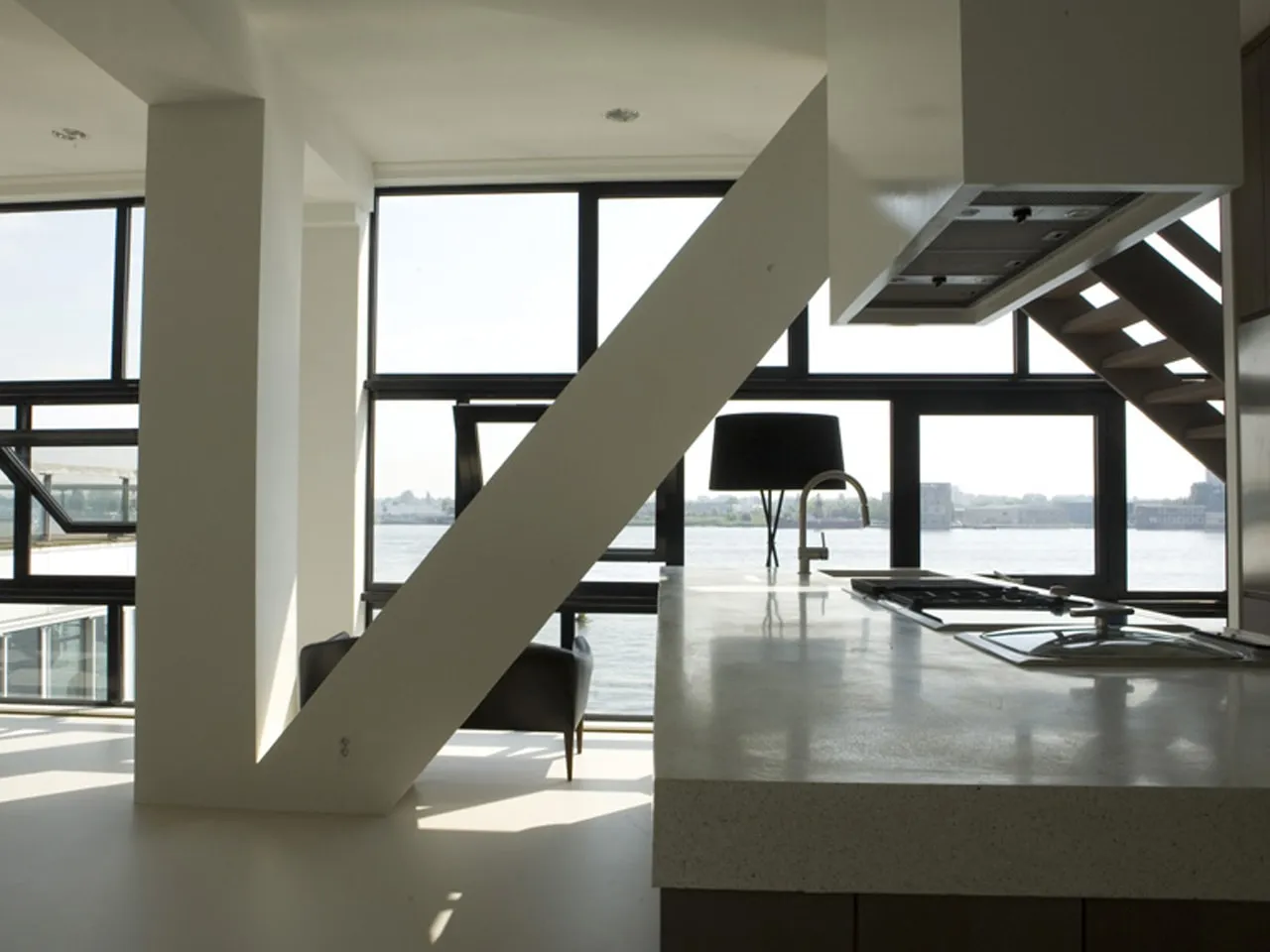
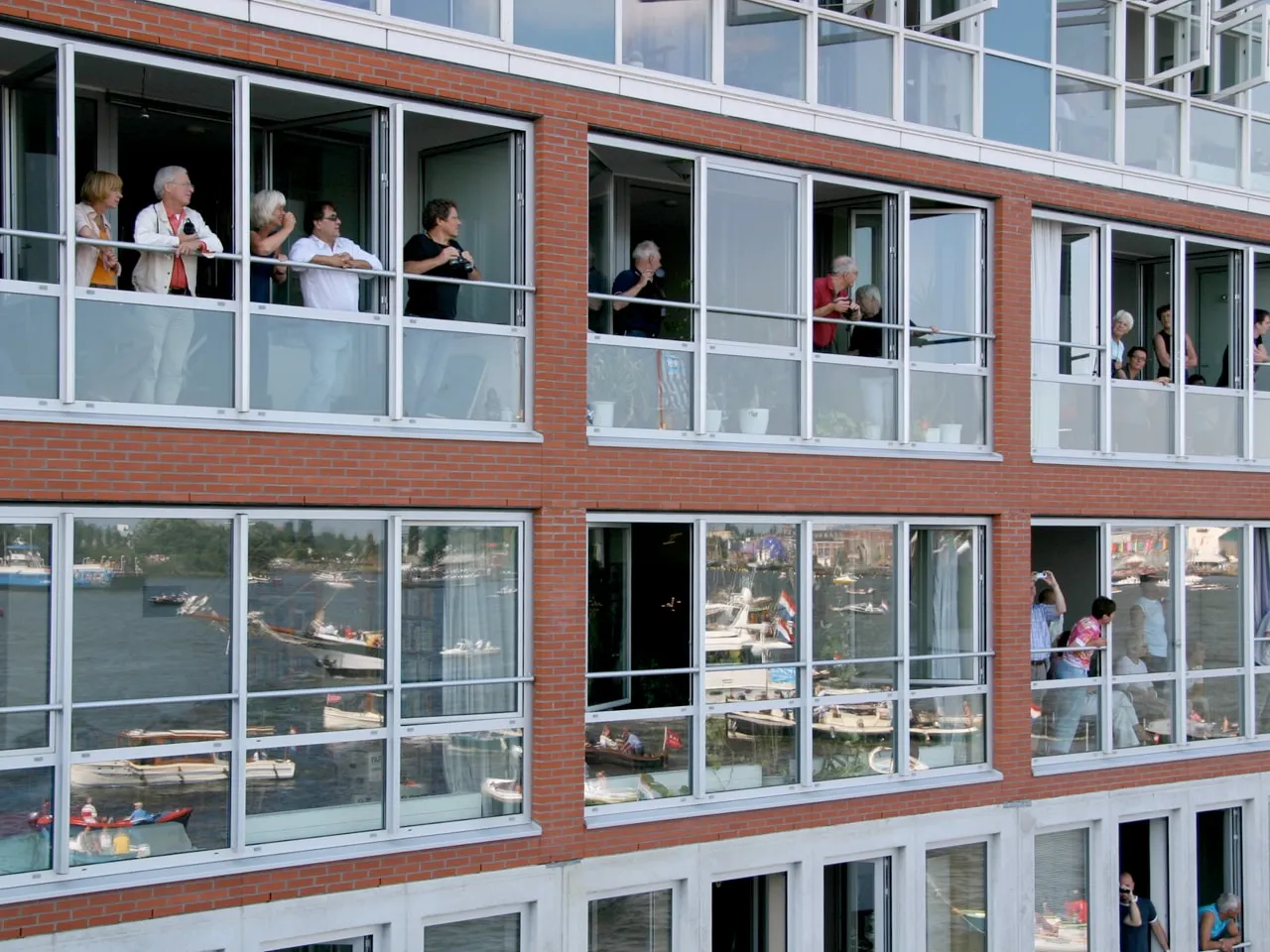
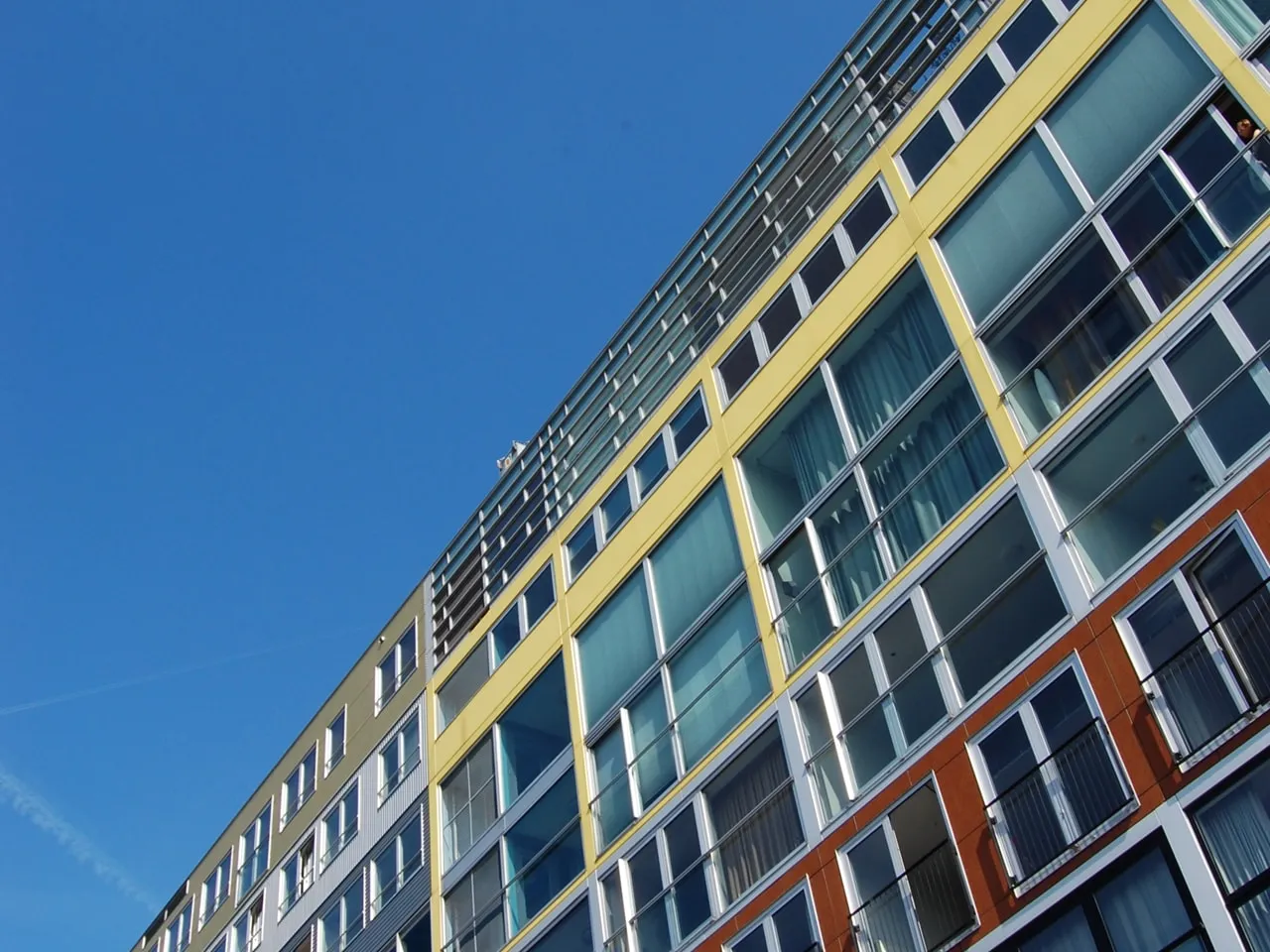
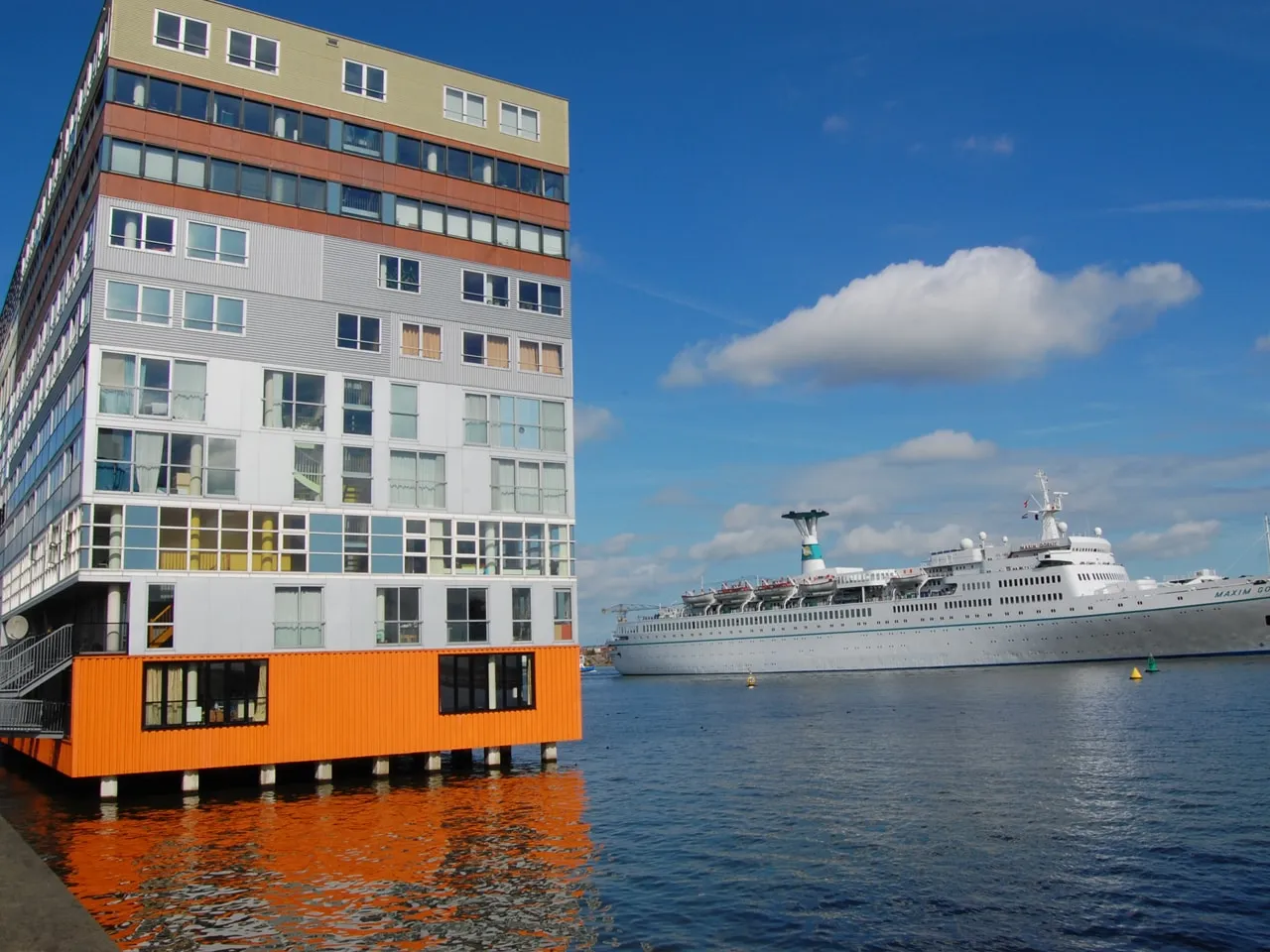
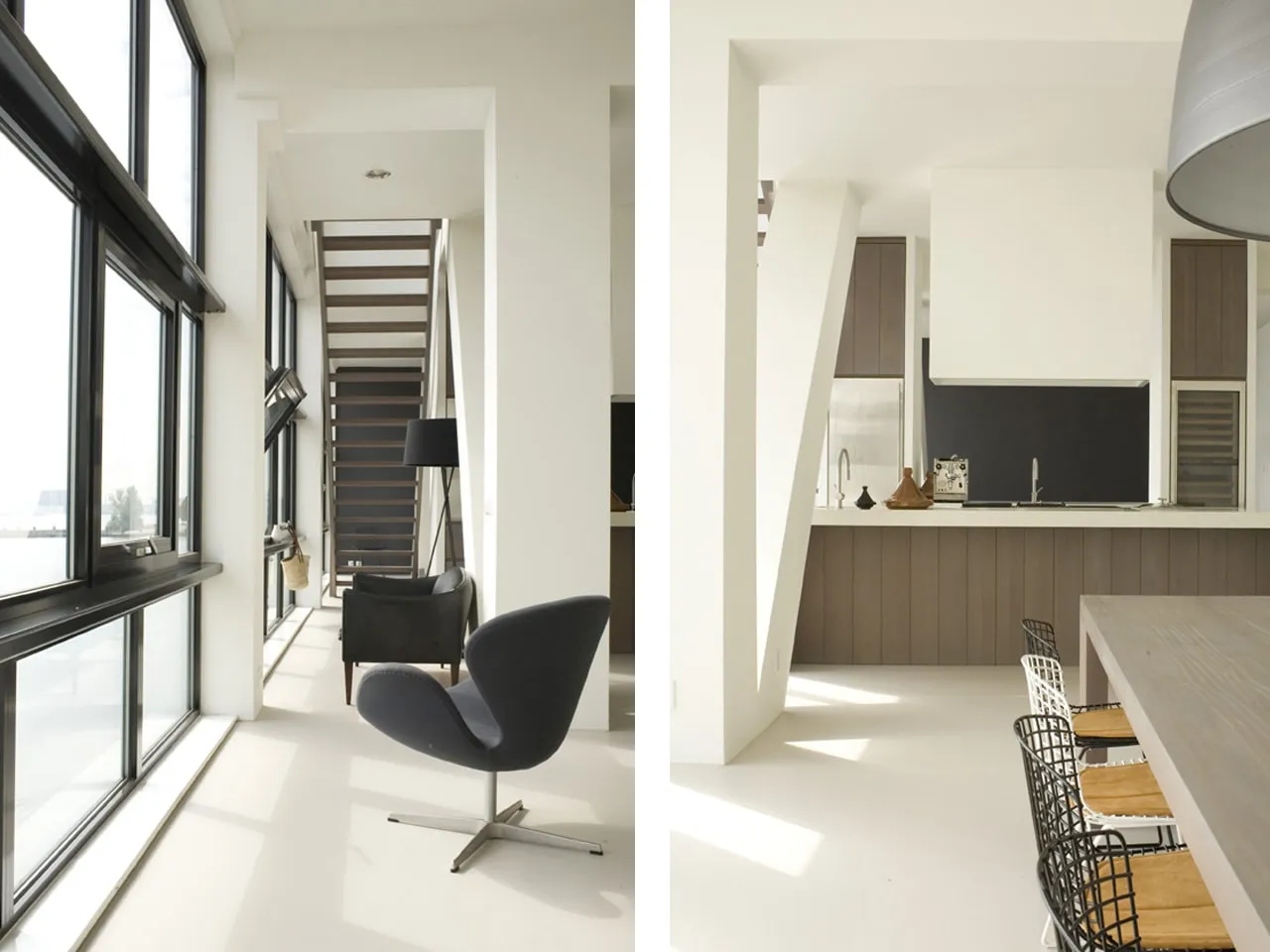
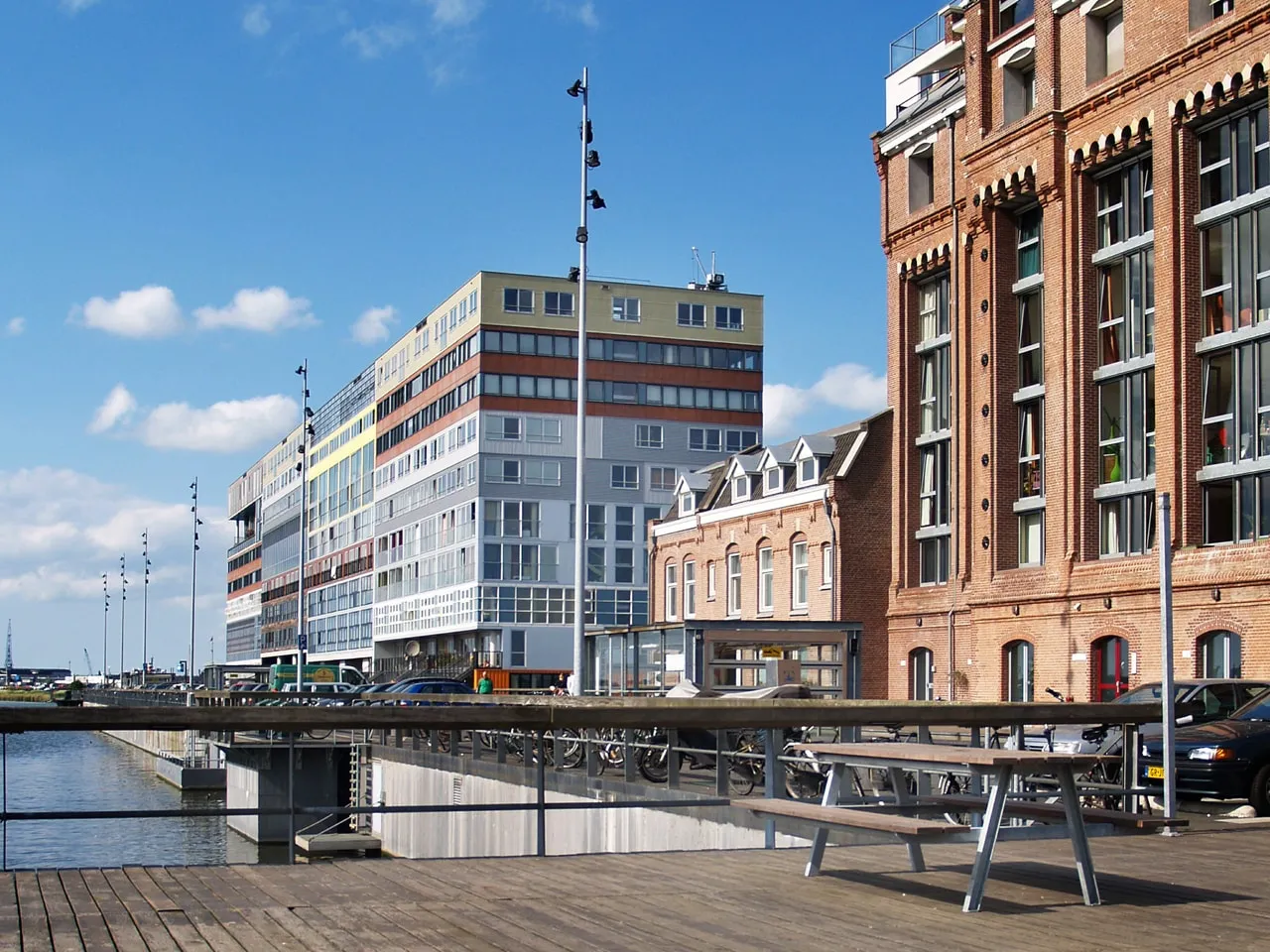
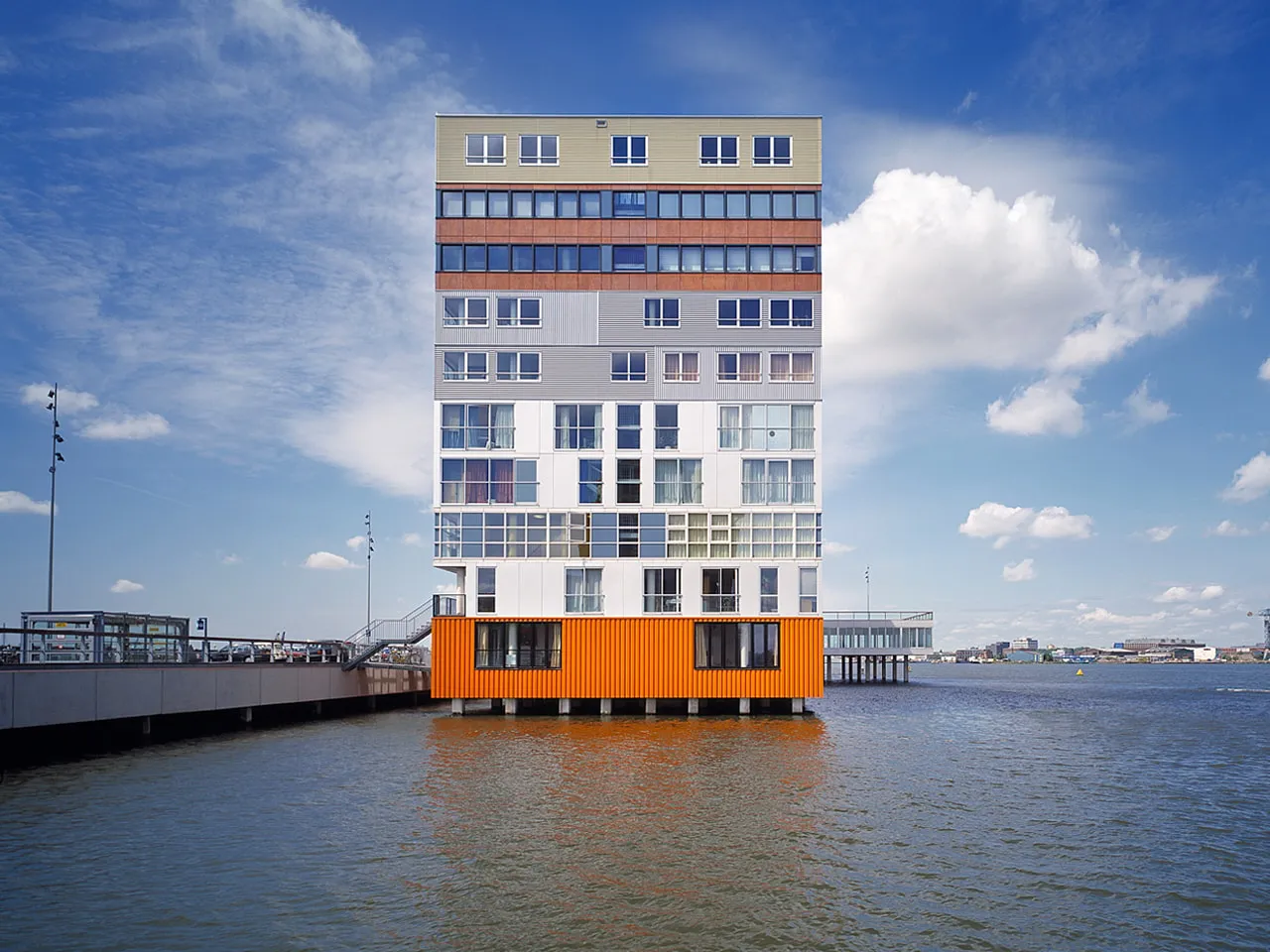
A masterpiece of residential architecture, the Silodam housing block demonstrates high-density housing design while simultaneously adhering to the specific, varied character associated with the Dutch tradition of housing design. Designed on the philosophy of stacking, the diverse programs and spatial typologies are interlocked within a single large envelope, resulting in 150 different dwelling types.
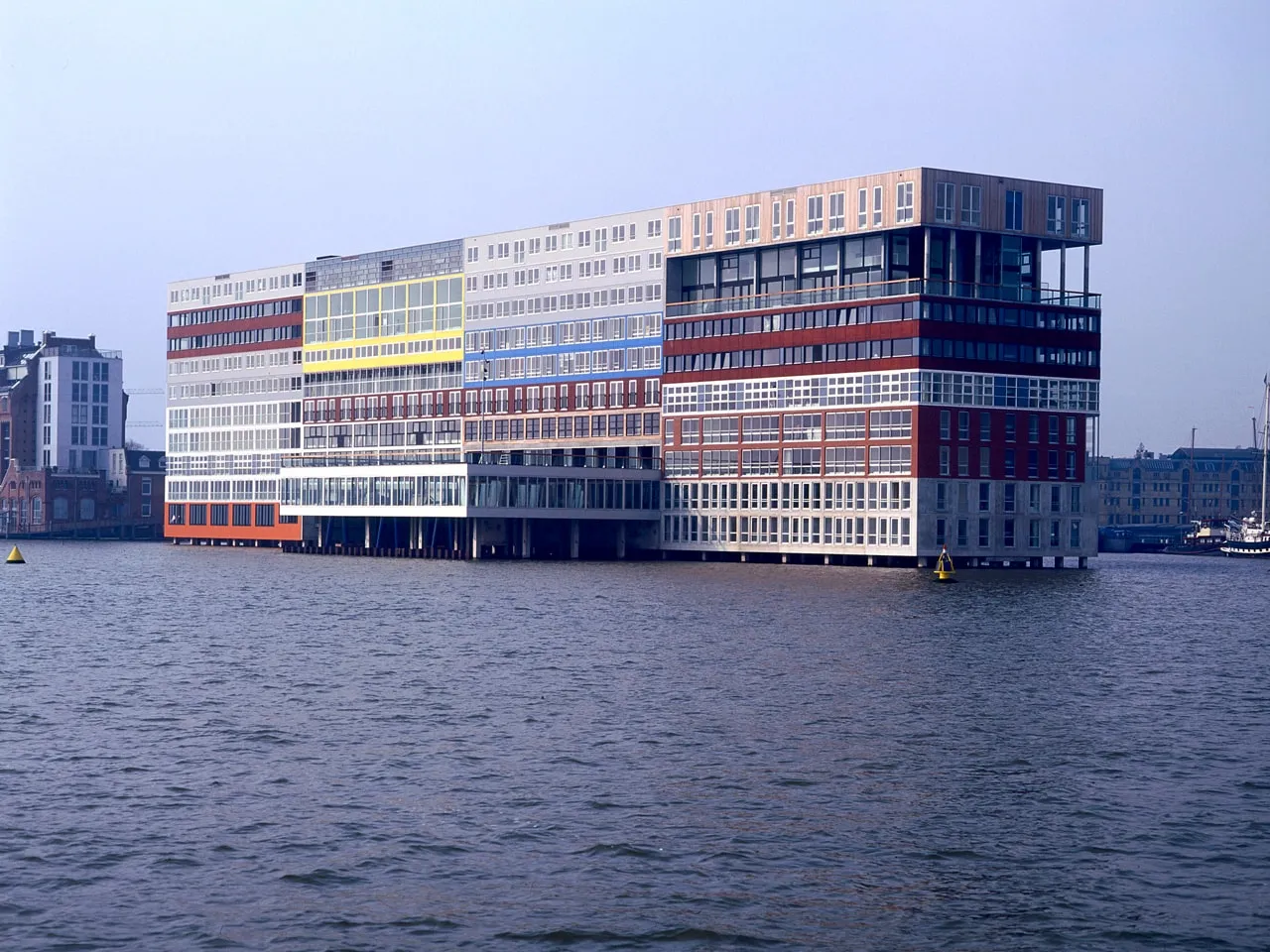
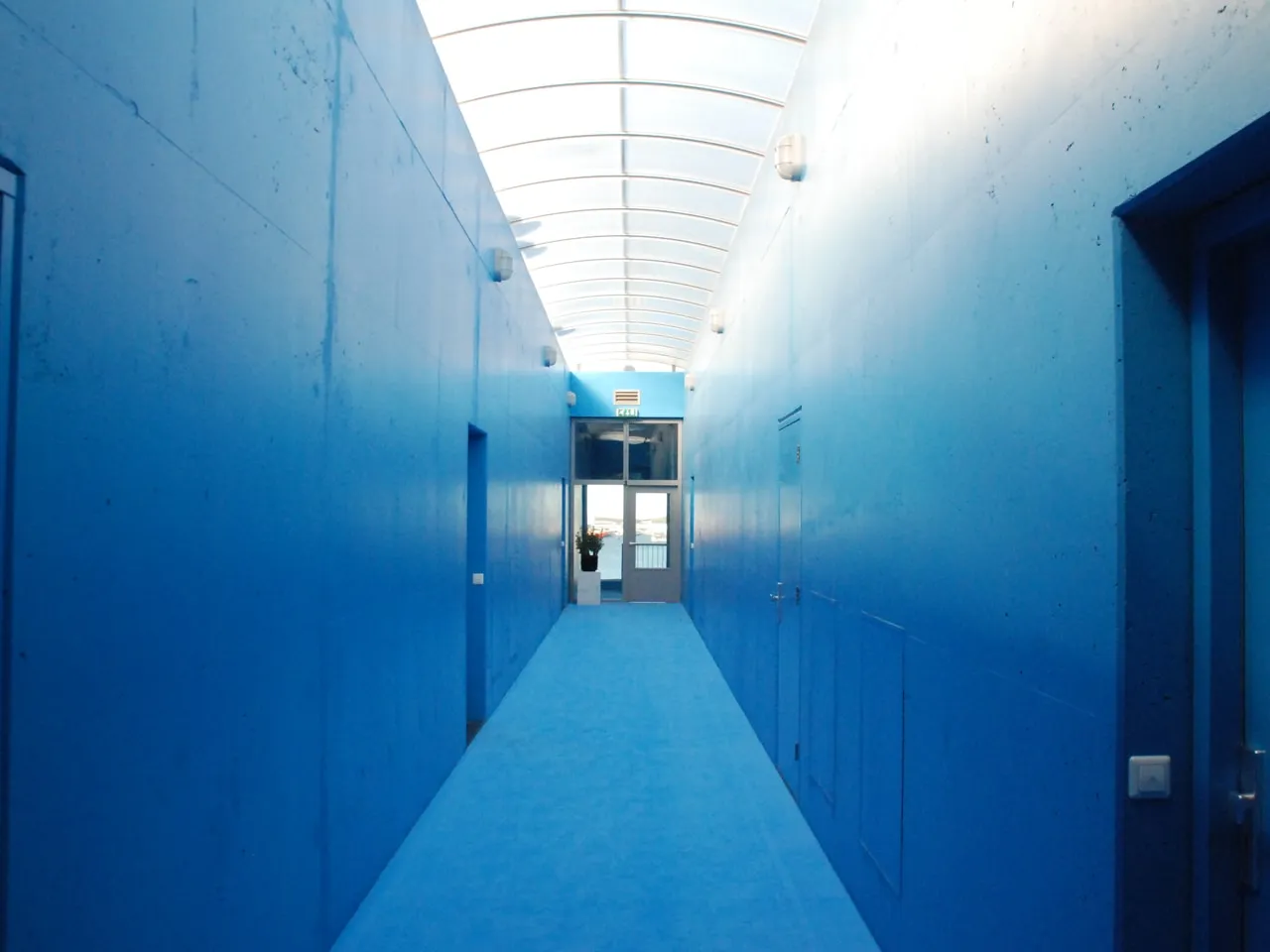
These types range from conventional apartments and compact lofts to larger, multi-level townhouses and specialty work/live units. It exists within a single building, but internally, it functions as a highly fragmented, diverse community of individualized homes. The design incorporates vertical shafts, differentiated corridors, and internal streets or voids to create functional and visual hierarchy.
3. Markthal
Location: Rotterdam, Netherlands
Completion Year: 2014
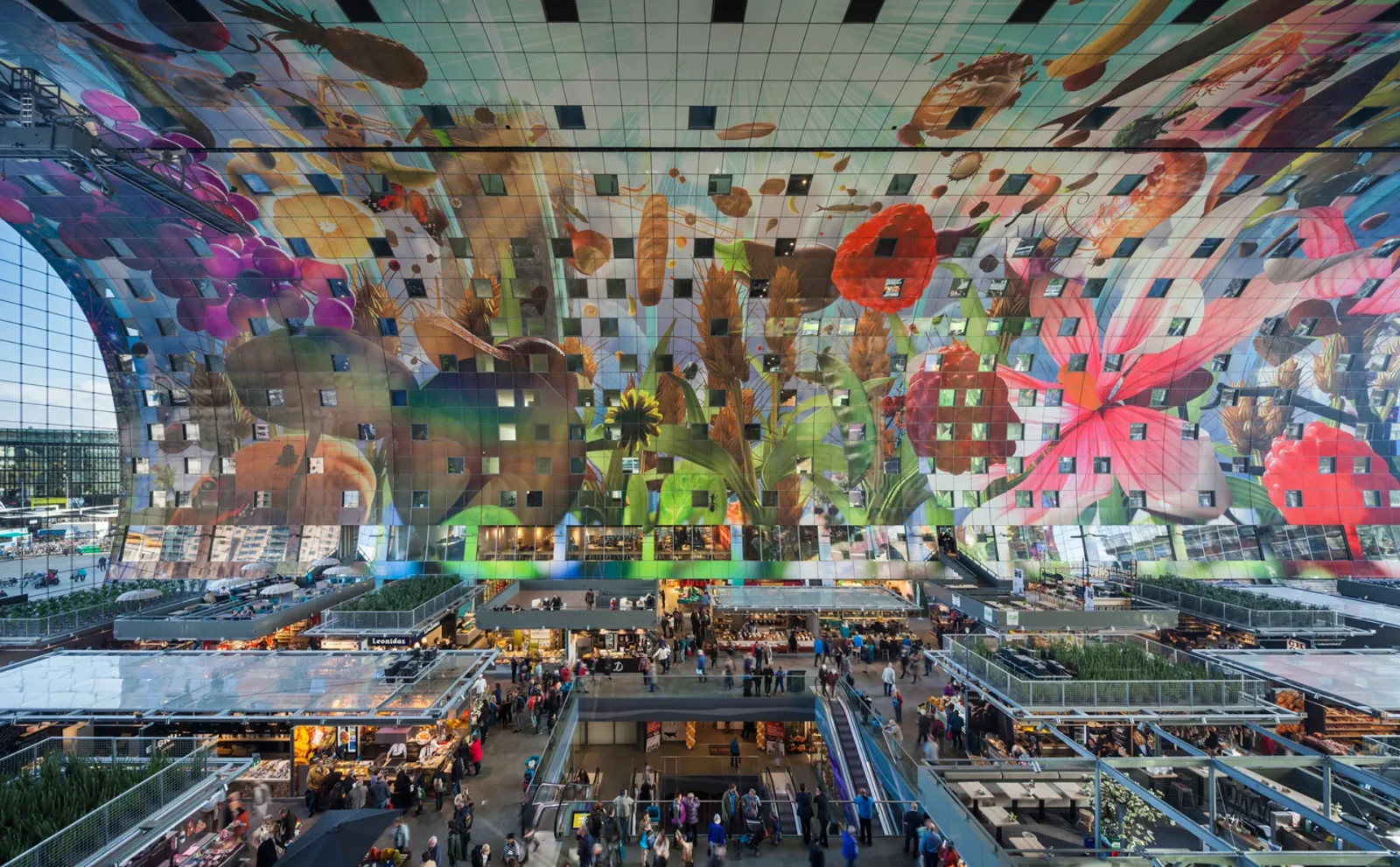
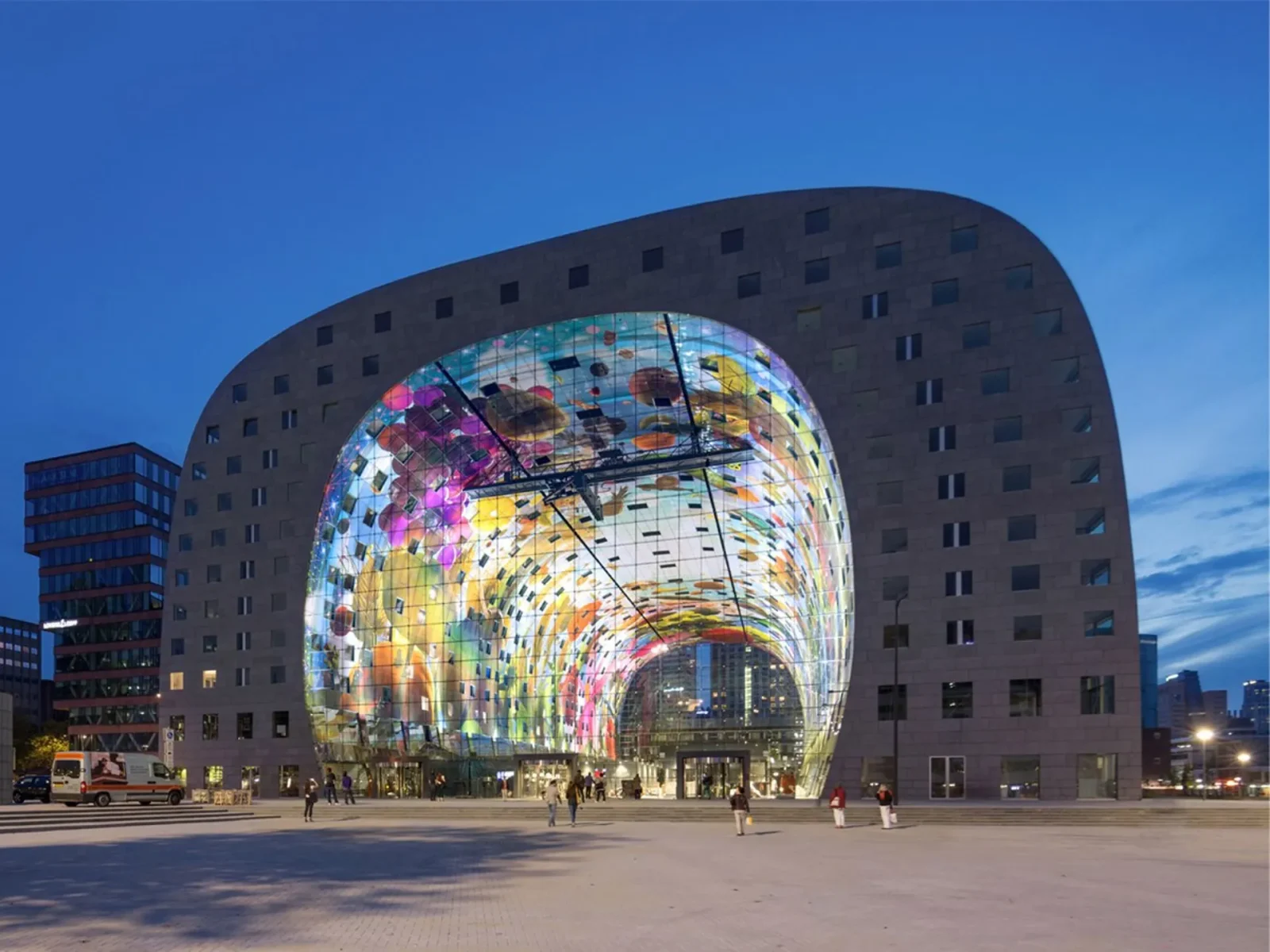
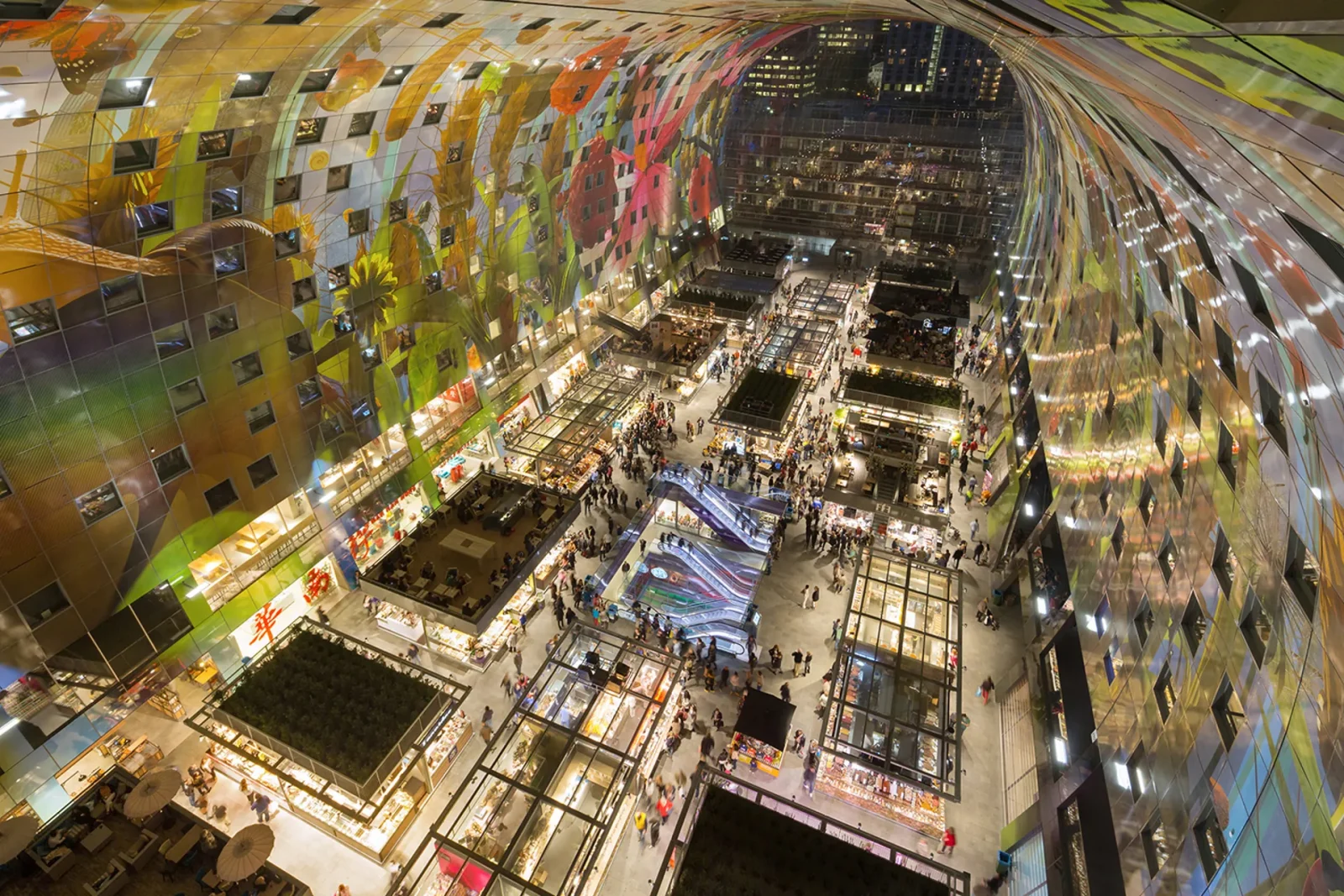
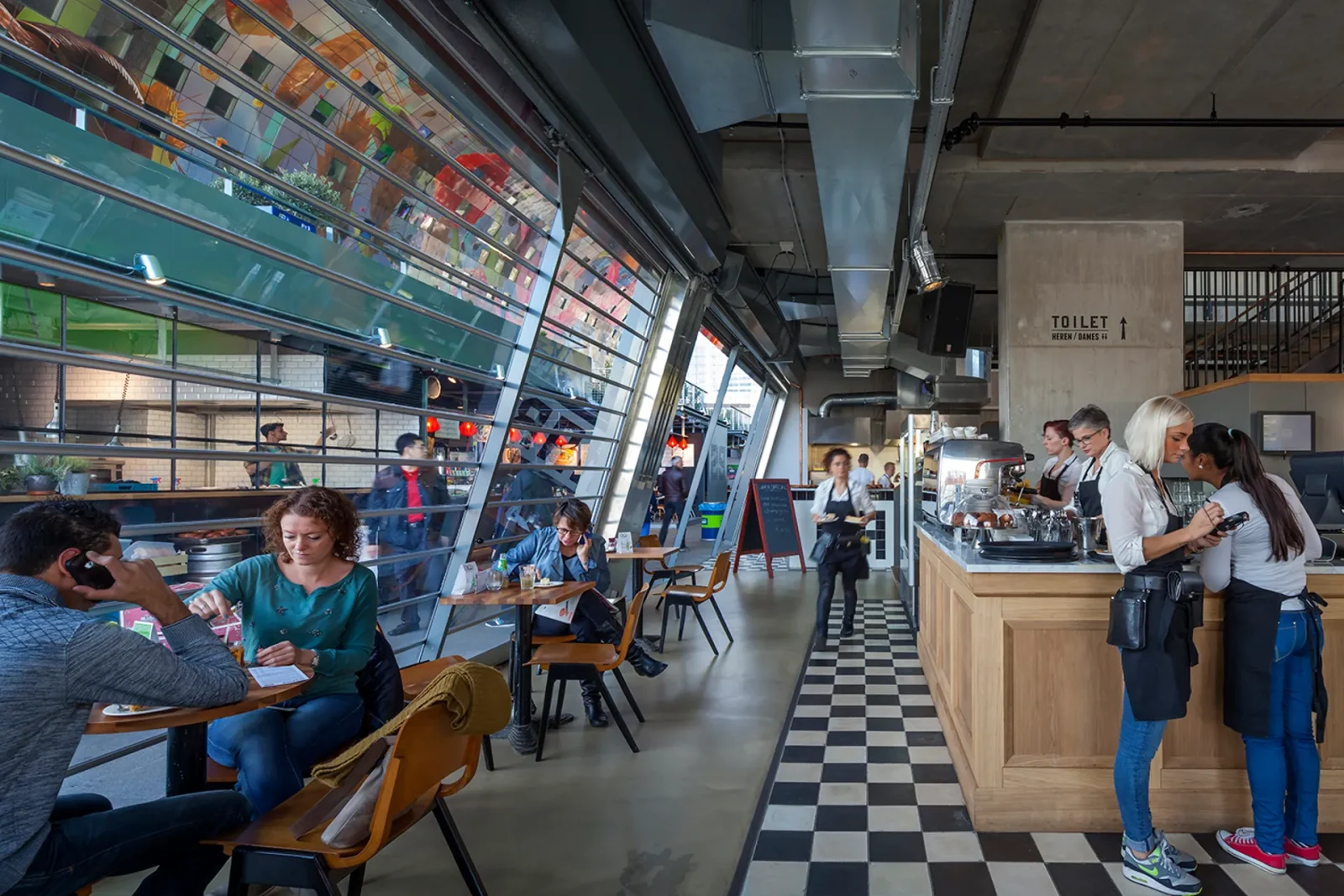
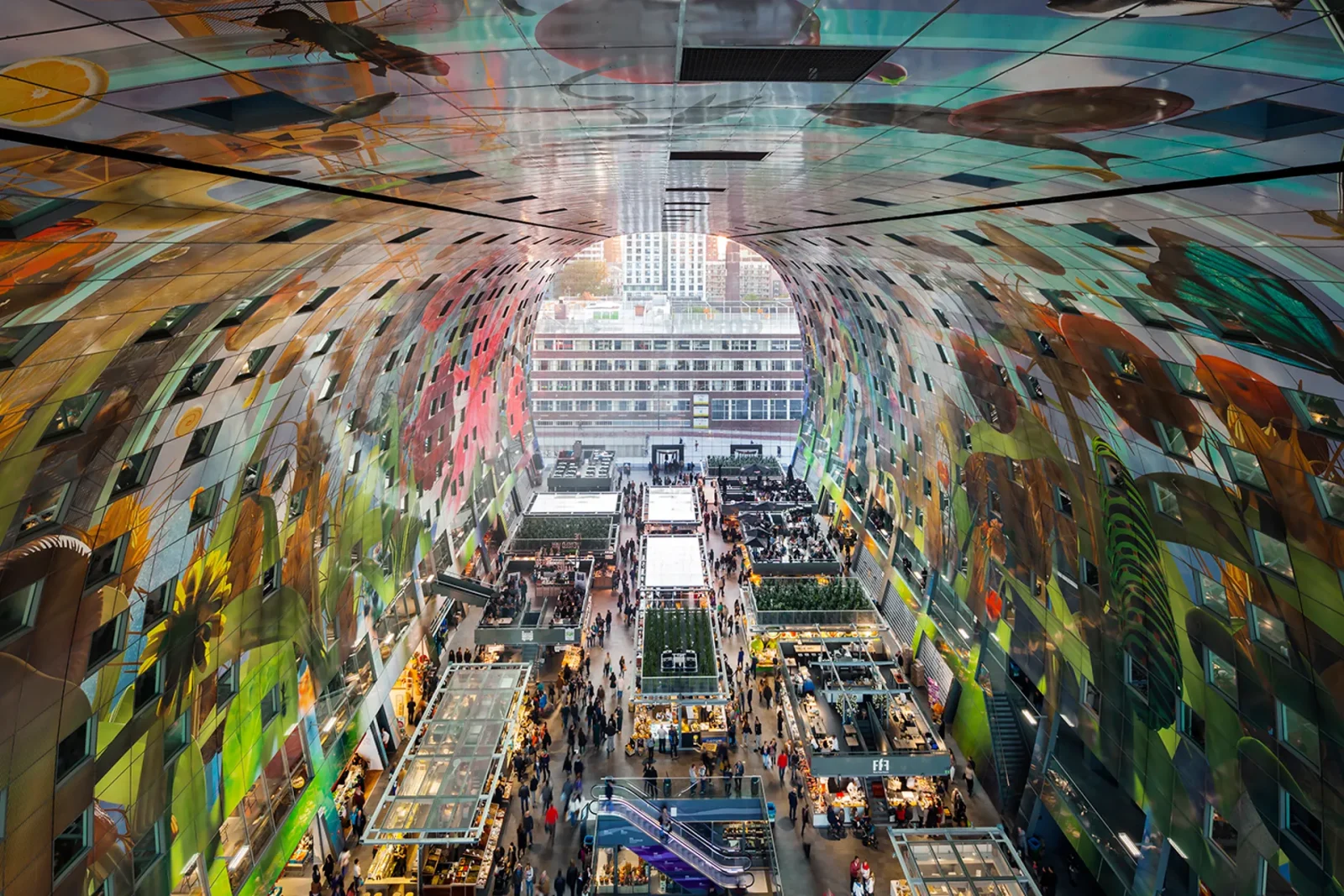
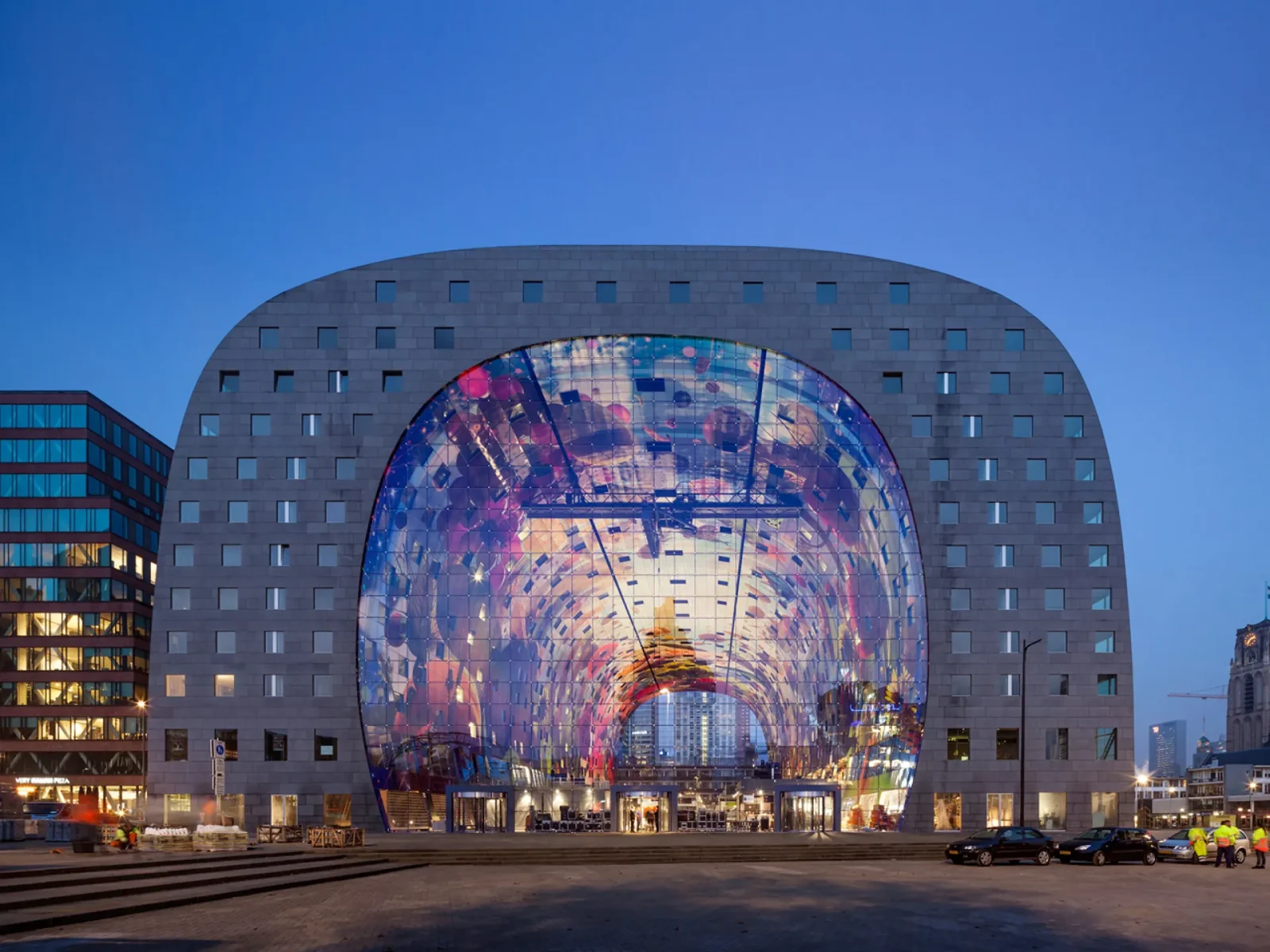
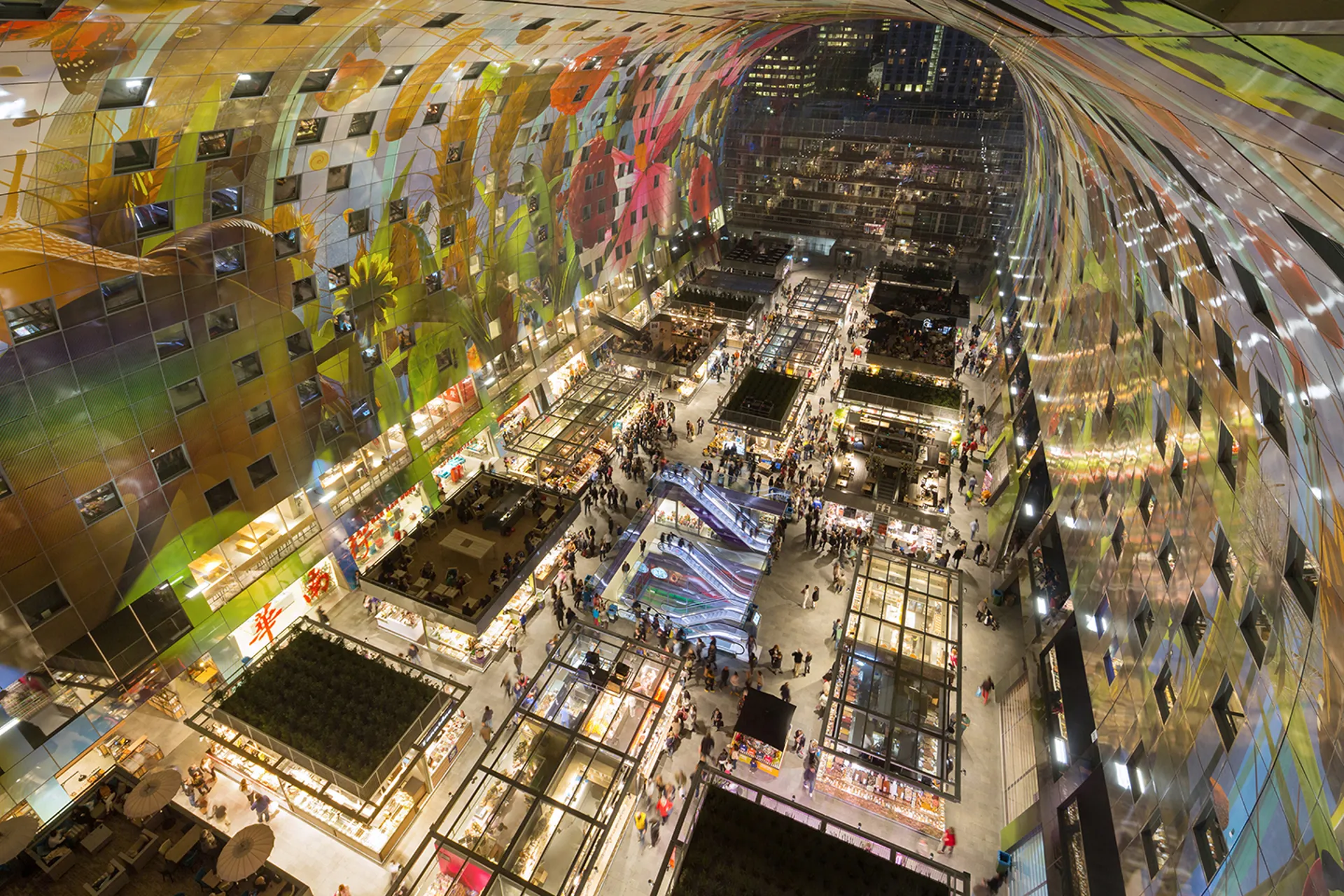
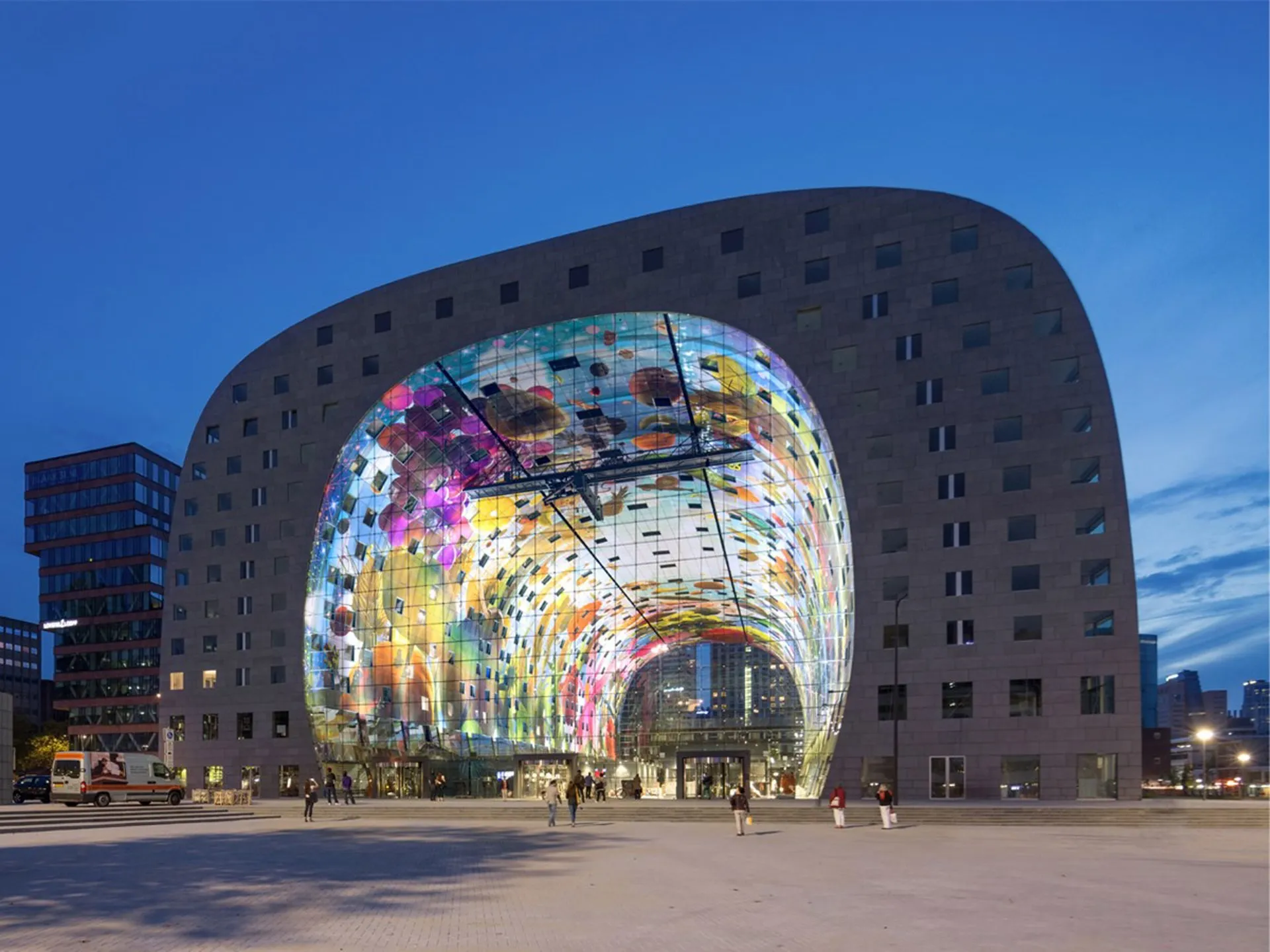
Markthal represents an innovative mixed-use urban architecture typology integrating a covered public food market with 228 residential units beneath a single, vast arch structure. The design challenge was significant, with open sides of the arch that required closure and also provided transparency. The cable net facade, crafted from pre-stressed steel cables, creates a suspended net onto which the glass panes are hung.
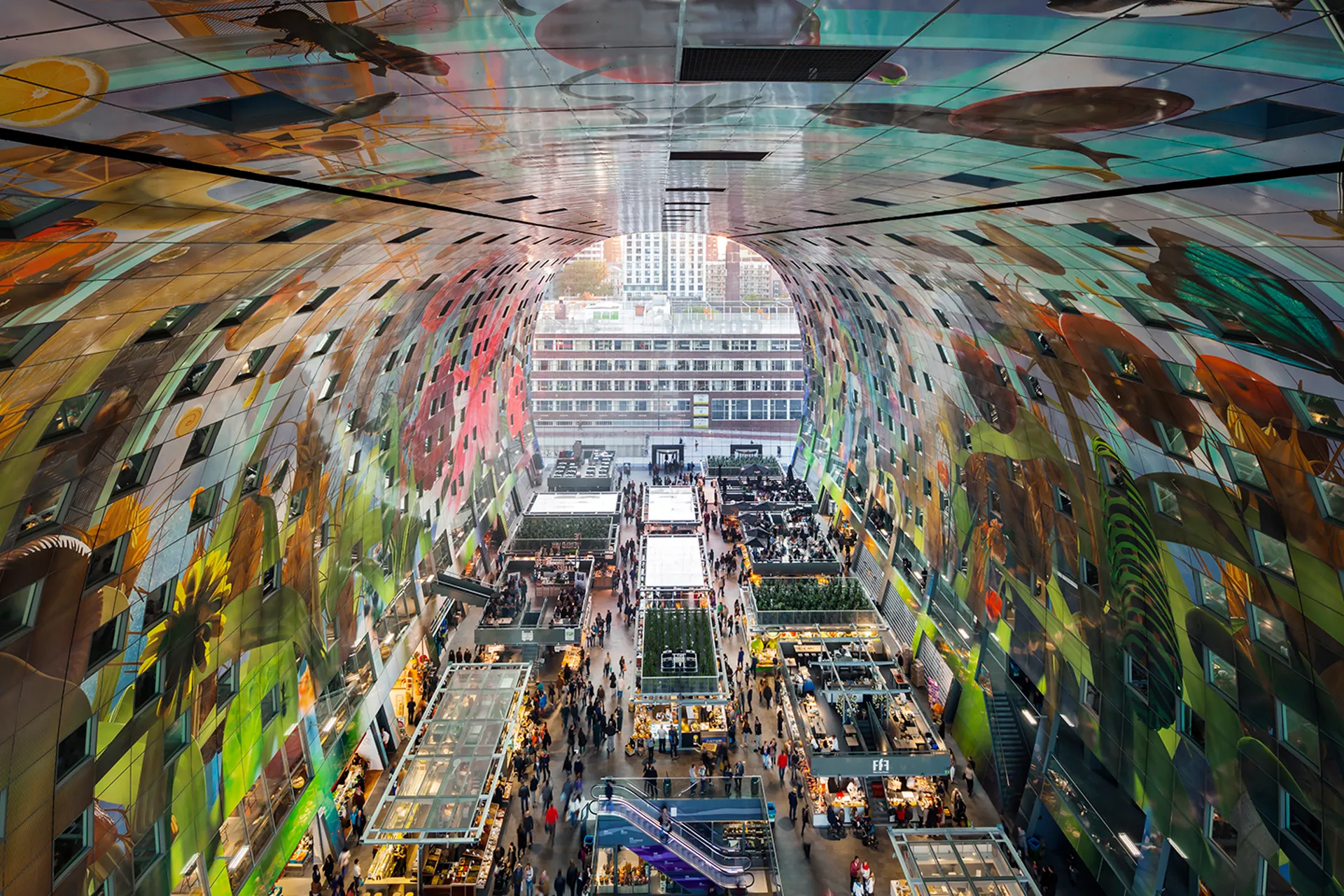
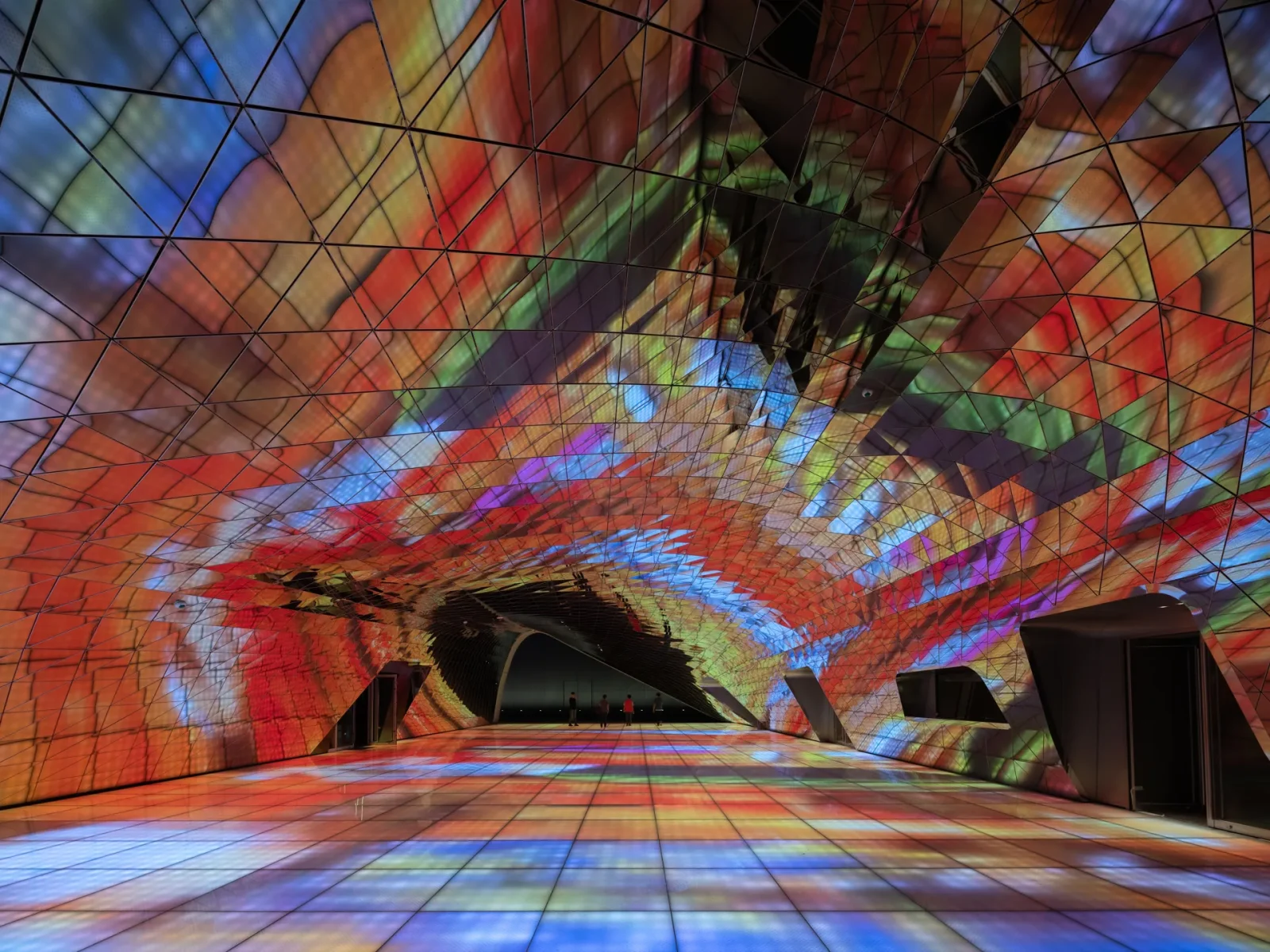
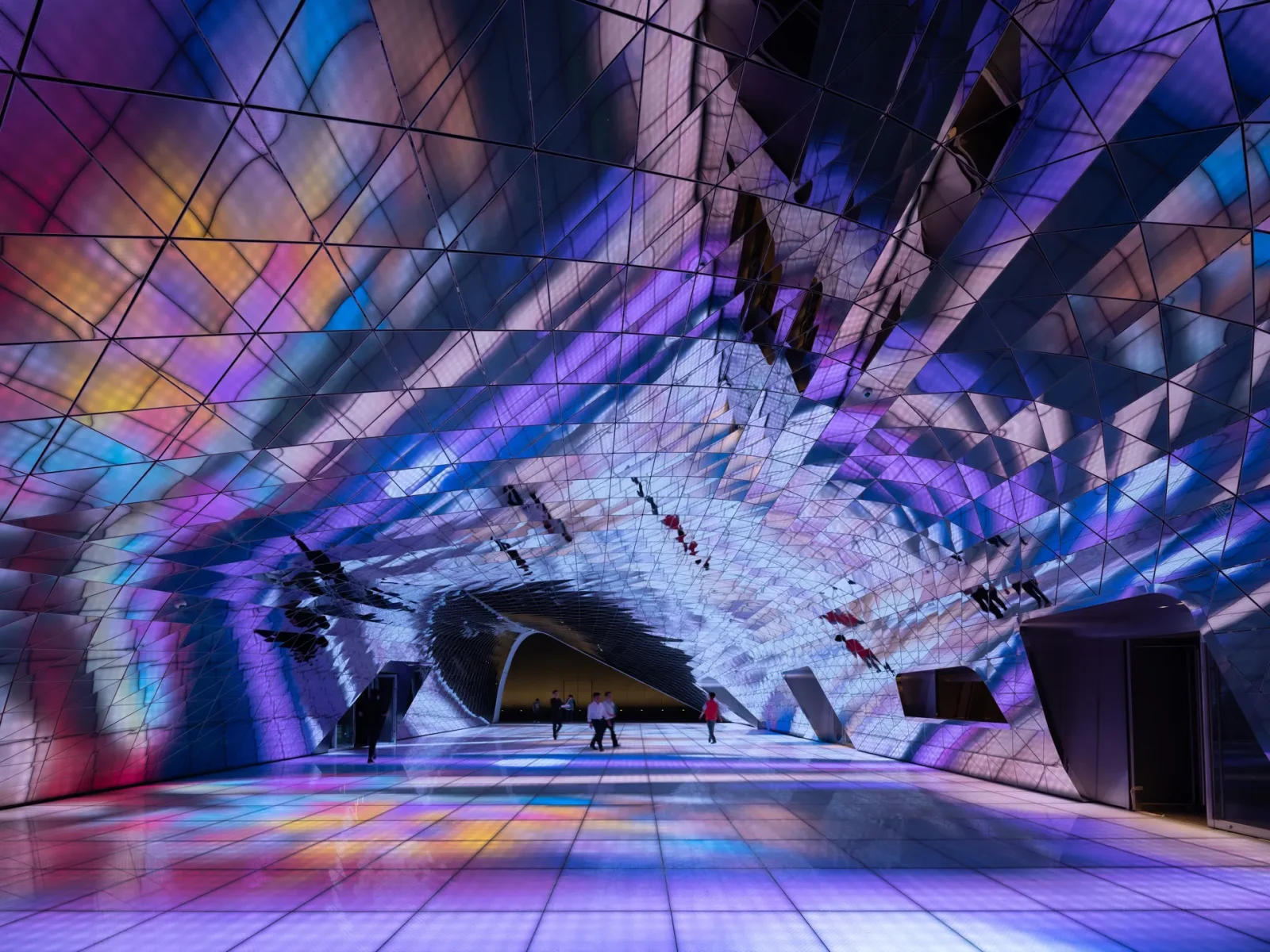
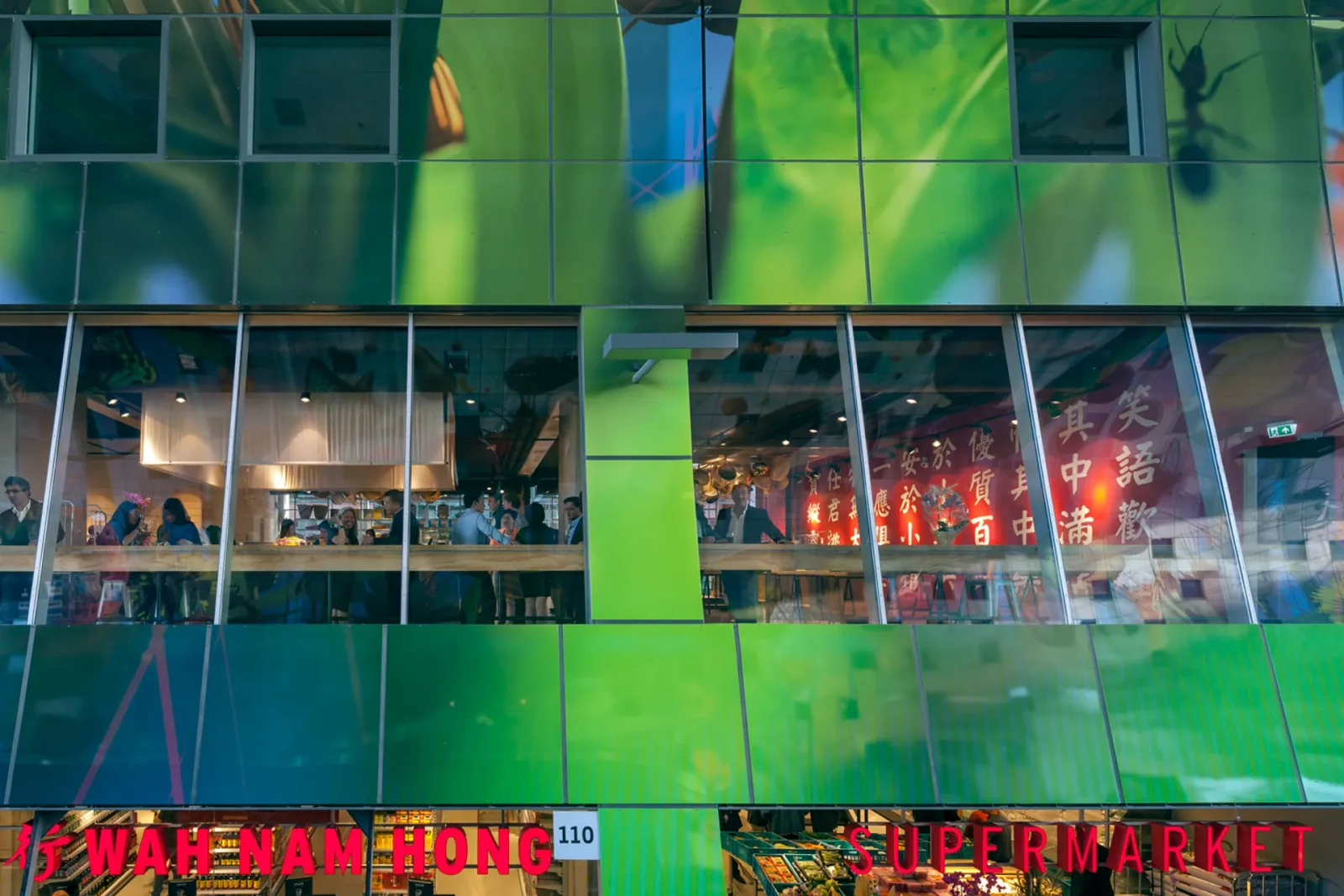
The Markthal cable-net facade is the largest of its kind in Europe, demonstrating excellence in advanced facade engineering to withstand heavy loads. The arched ceiling features a digital mural, ‘Cornucopia,’ created by artists Arno Coenen and Iris Roskam, printed on perforated aluminum panels. The building was also recognized for its energy efficiency, achieving a BREEAM “Very Good” rating, emphasizing sustainable architecture.
4. The Crystal Houses
Location: Amsterdam, Netherlands
Completion Year: 2016
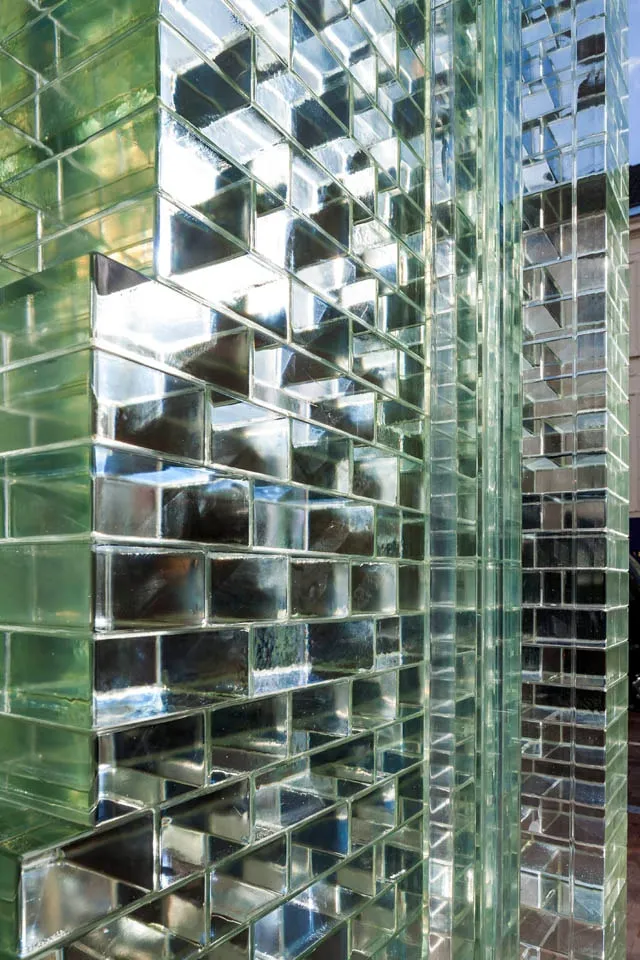
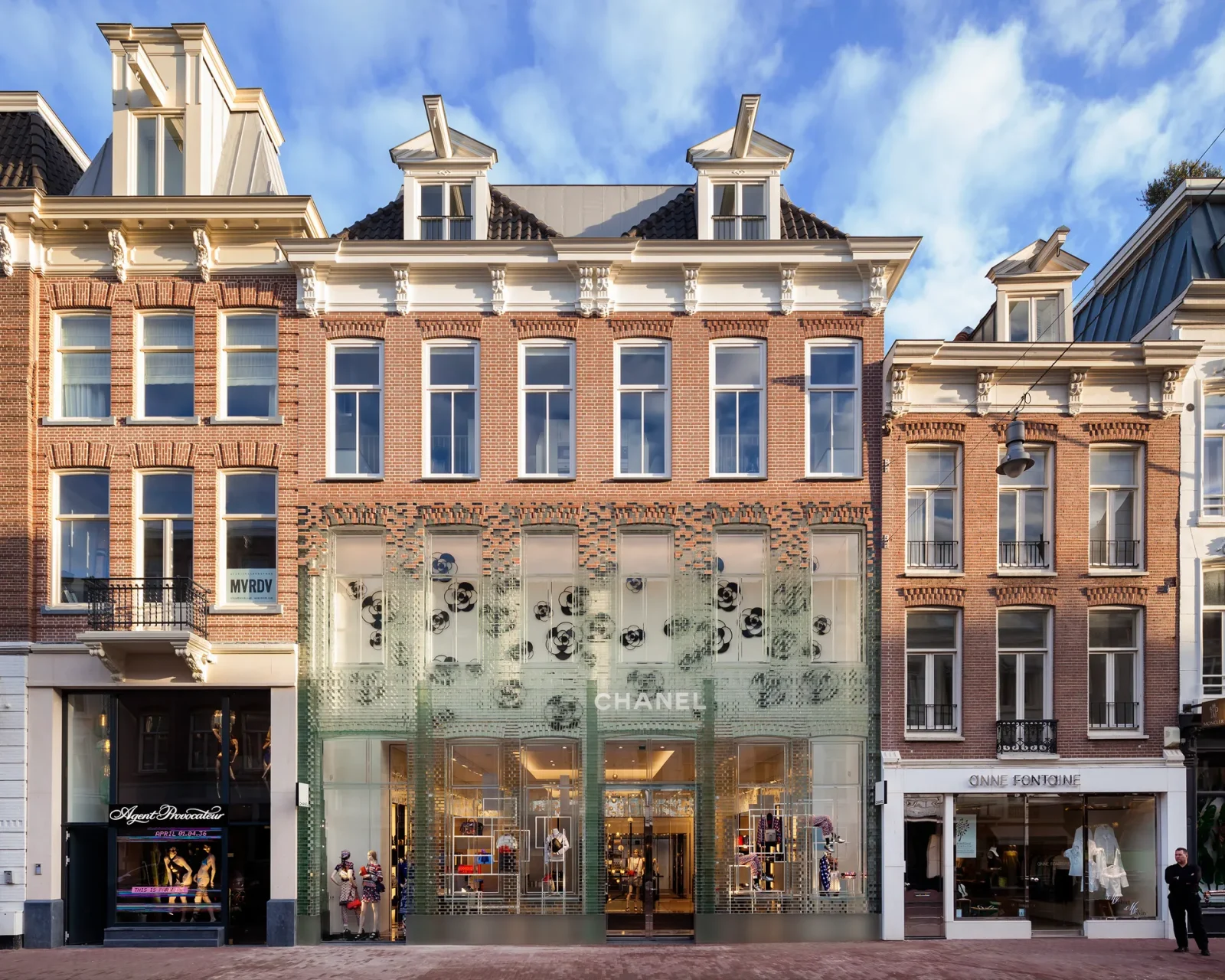
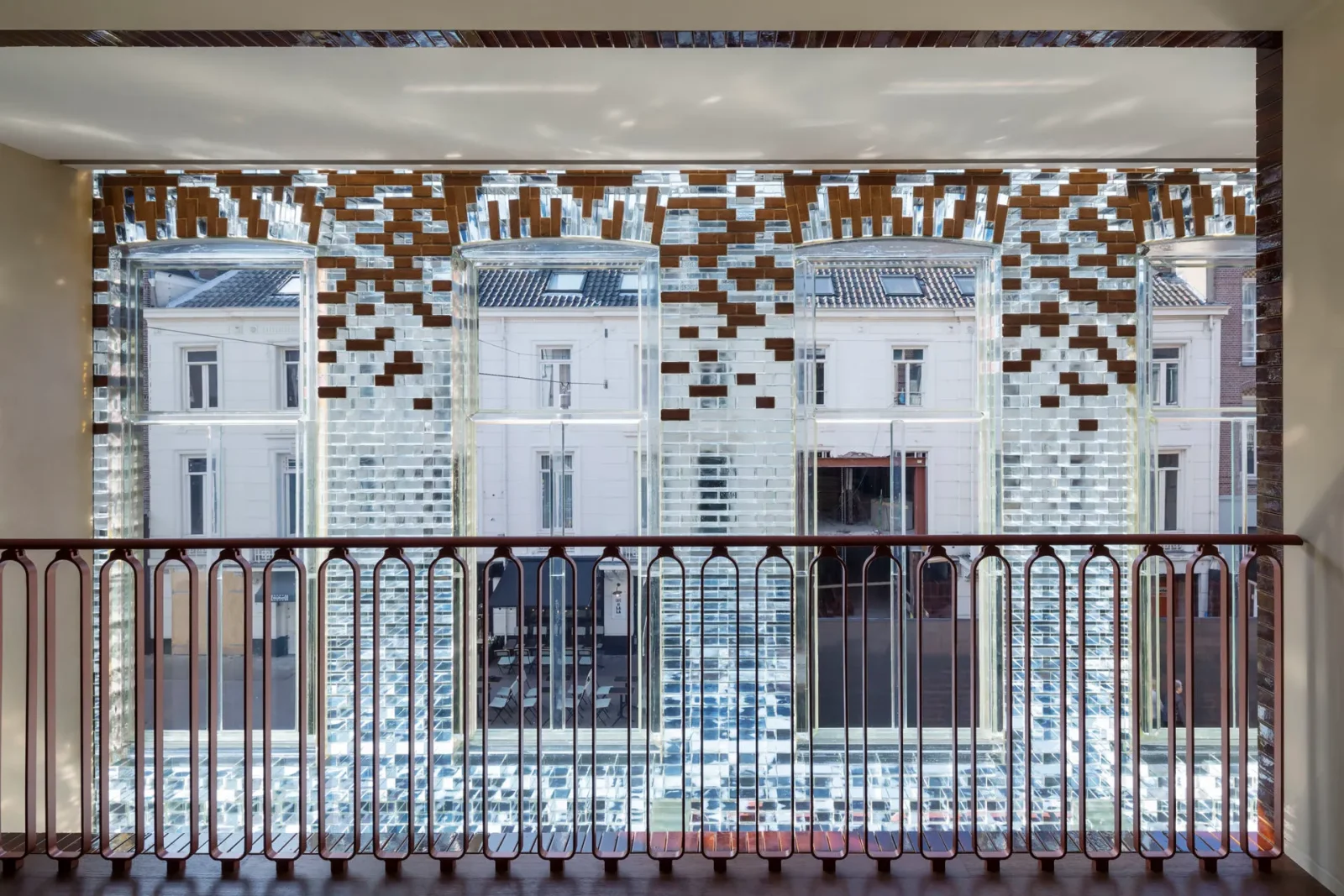
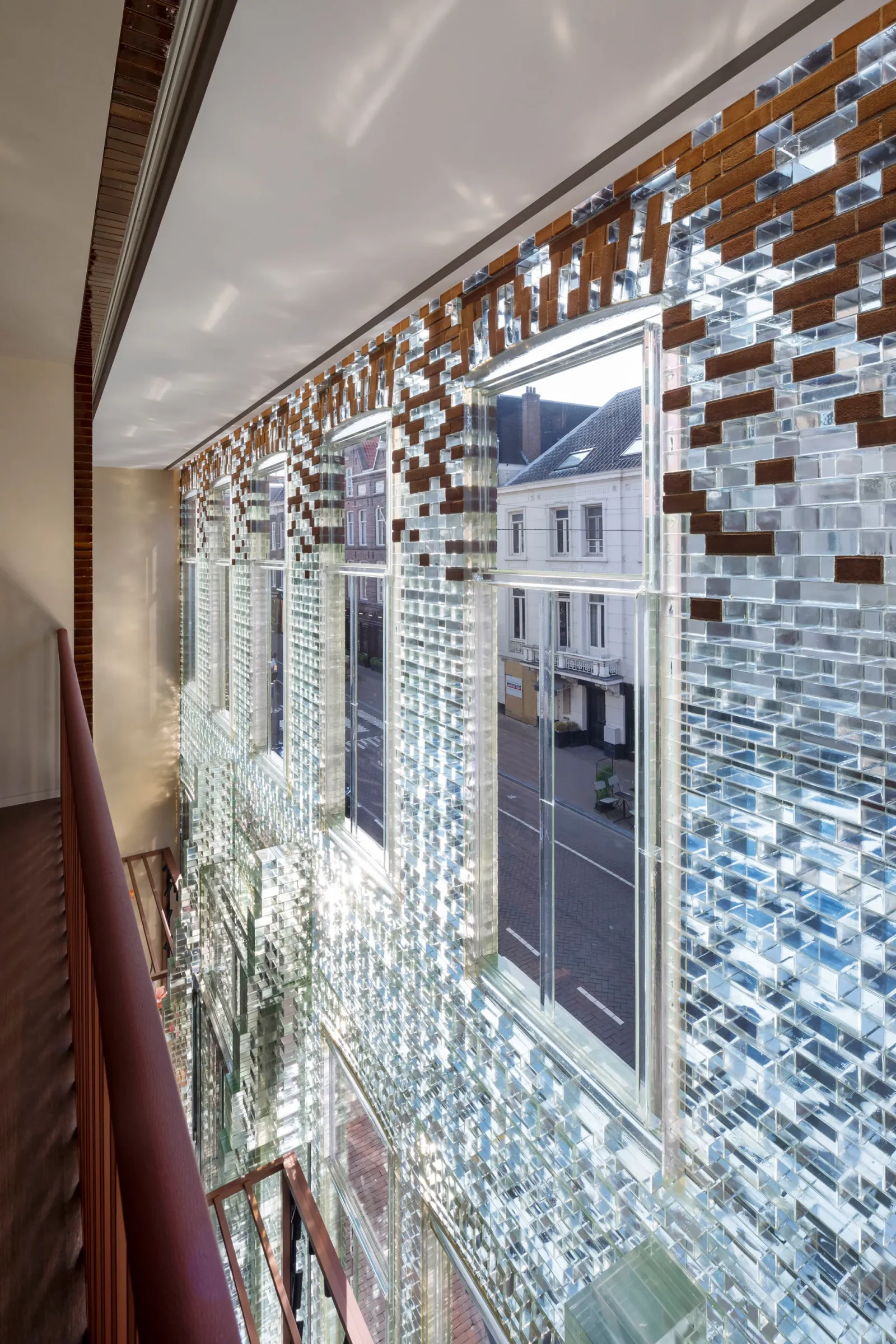
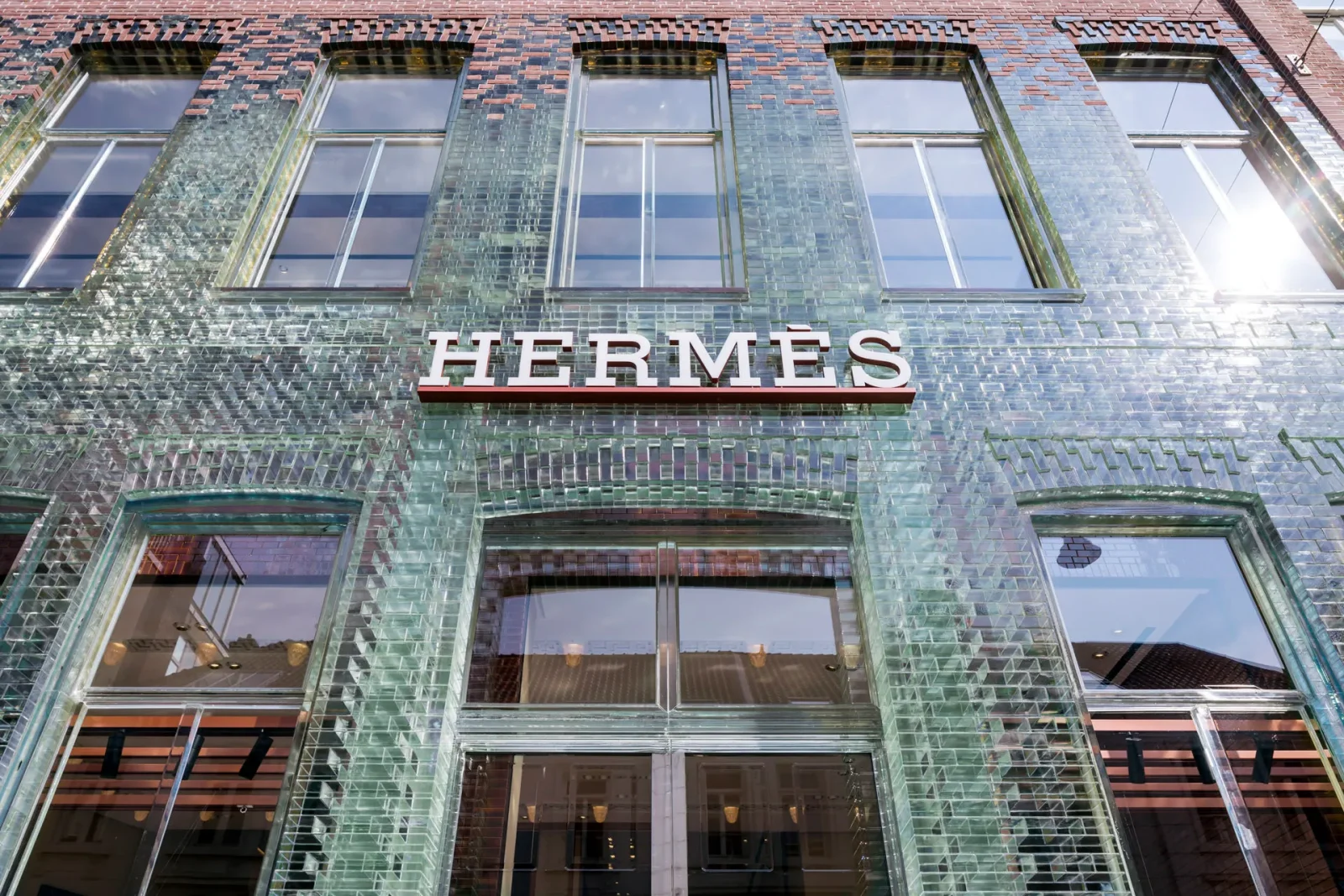
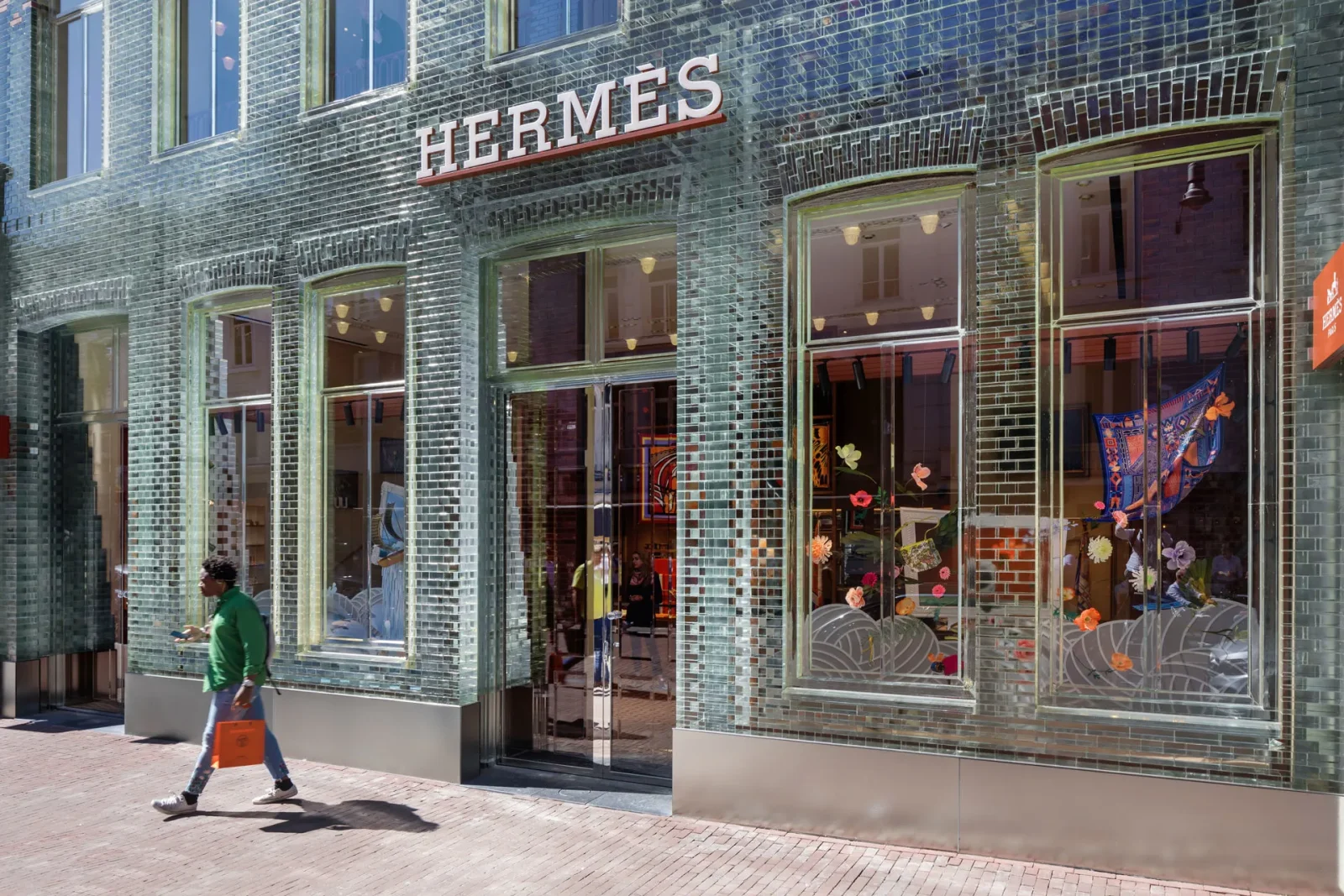
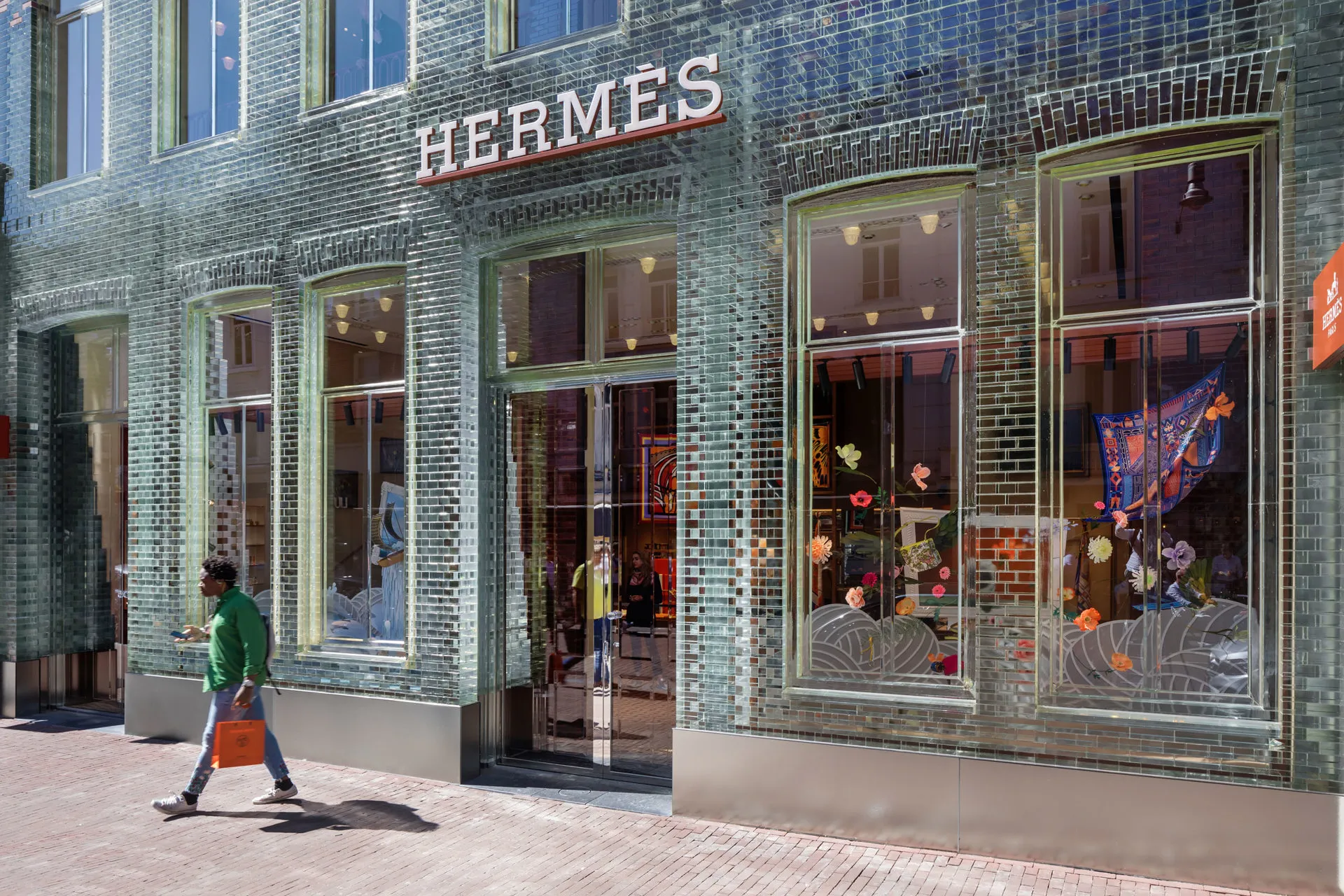
The Crystal House project explores the application of structural glass technology, offering a transparent facade for a high-end flagship store in Amsterdam. The design aim was to evoke the historic P.C. Hooftstraat by replicating the traditional brick, window, and complex geometric forms using glass.
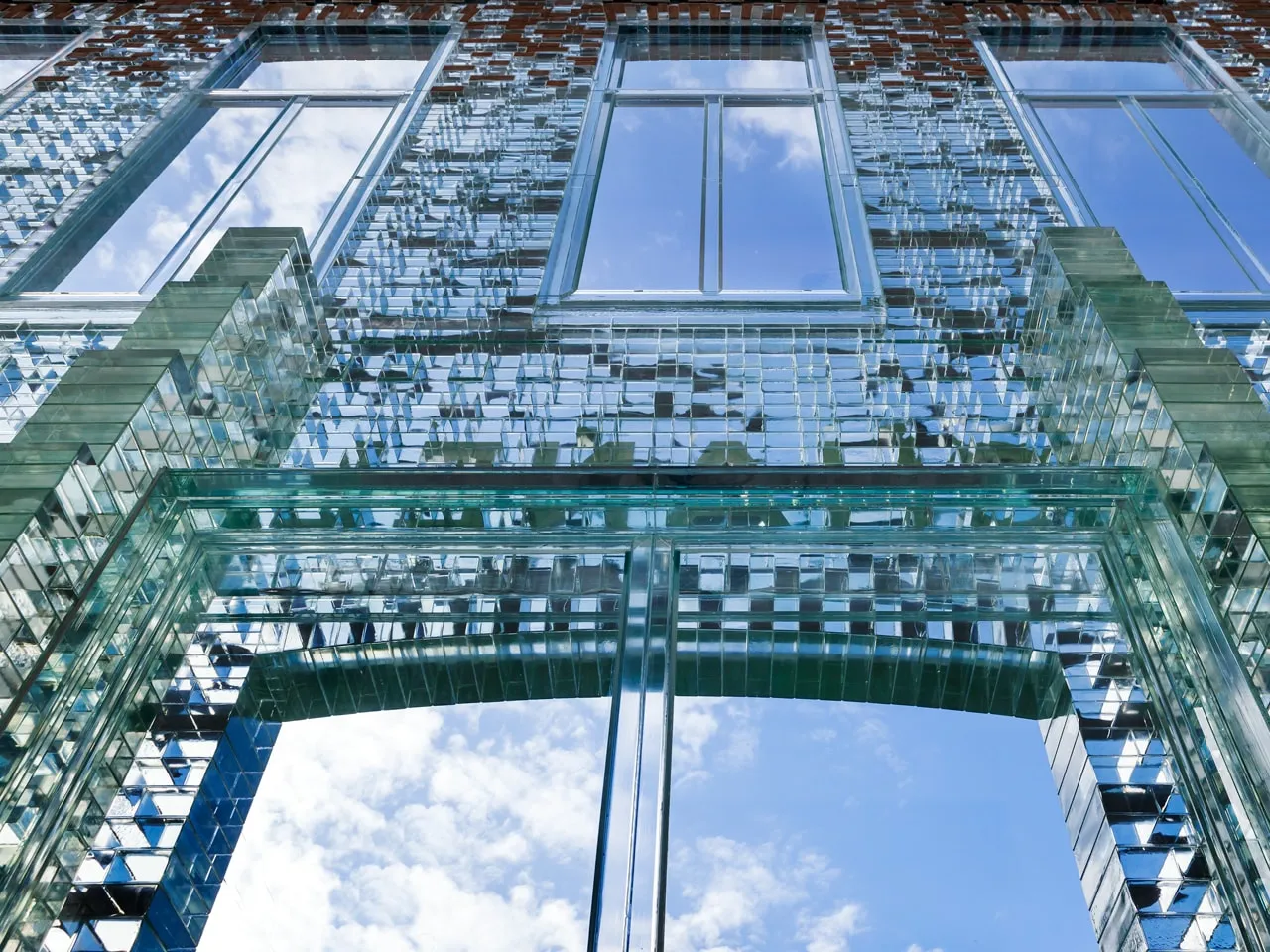
The design innovation focuses on two main material specifications: the choice of solid glass bricks and the bonding agent. Crafted by Poesia near Venice, the solid soda-lime glass bricks were used for their cross-section properties and the inherently high compressive strength of glass. The bricks were bonded using a colorless, UV-curing, high-strength acrylate adhesive, pushing the boundaries of material experimentation, precision fabrication, and digital detailing.
5. The Imprint
Location: Incheon, South Korea
Completion Year: 2018
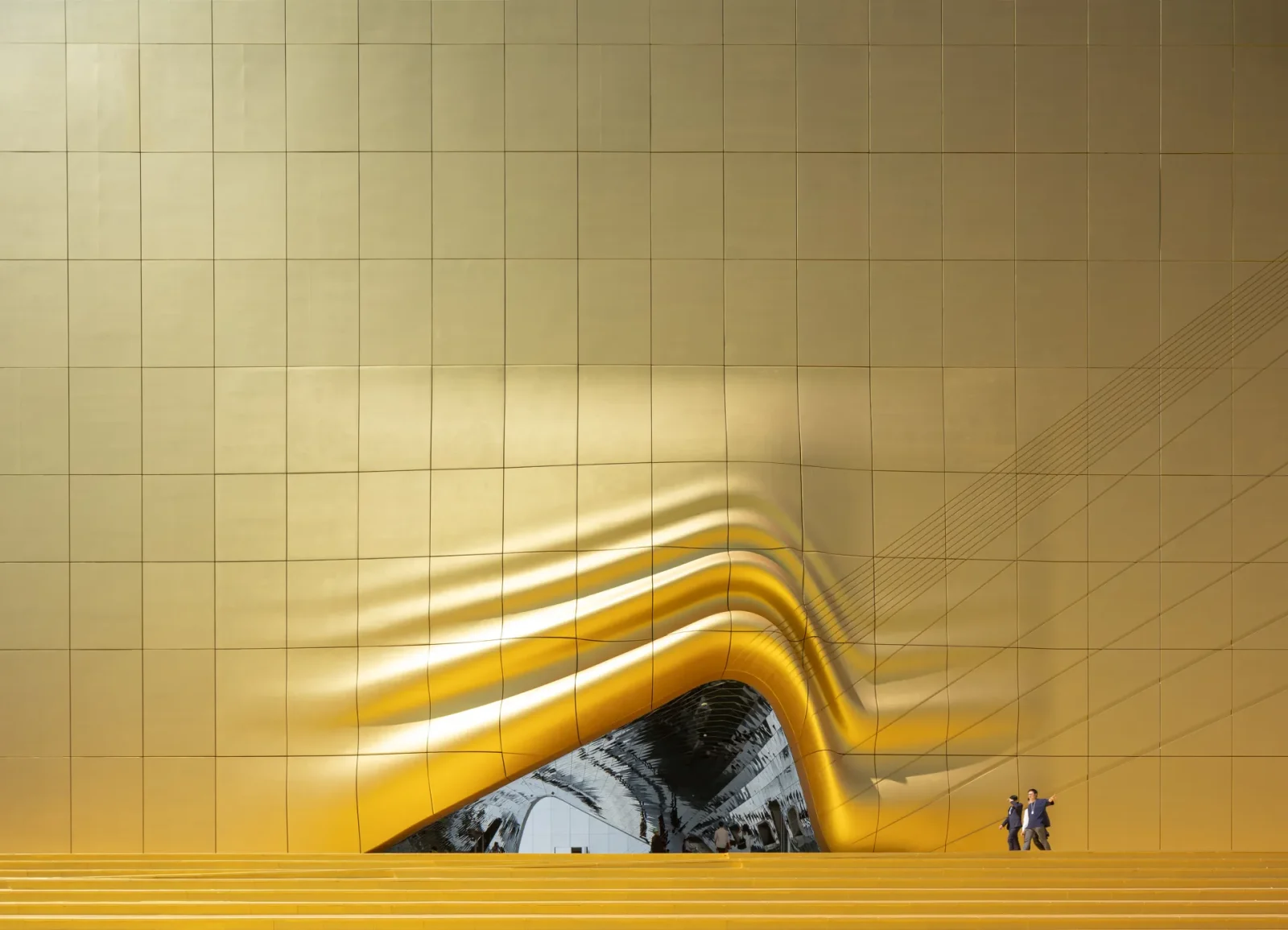
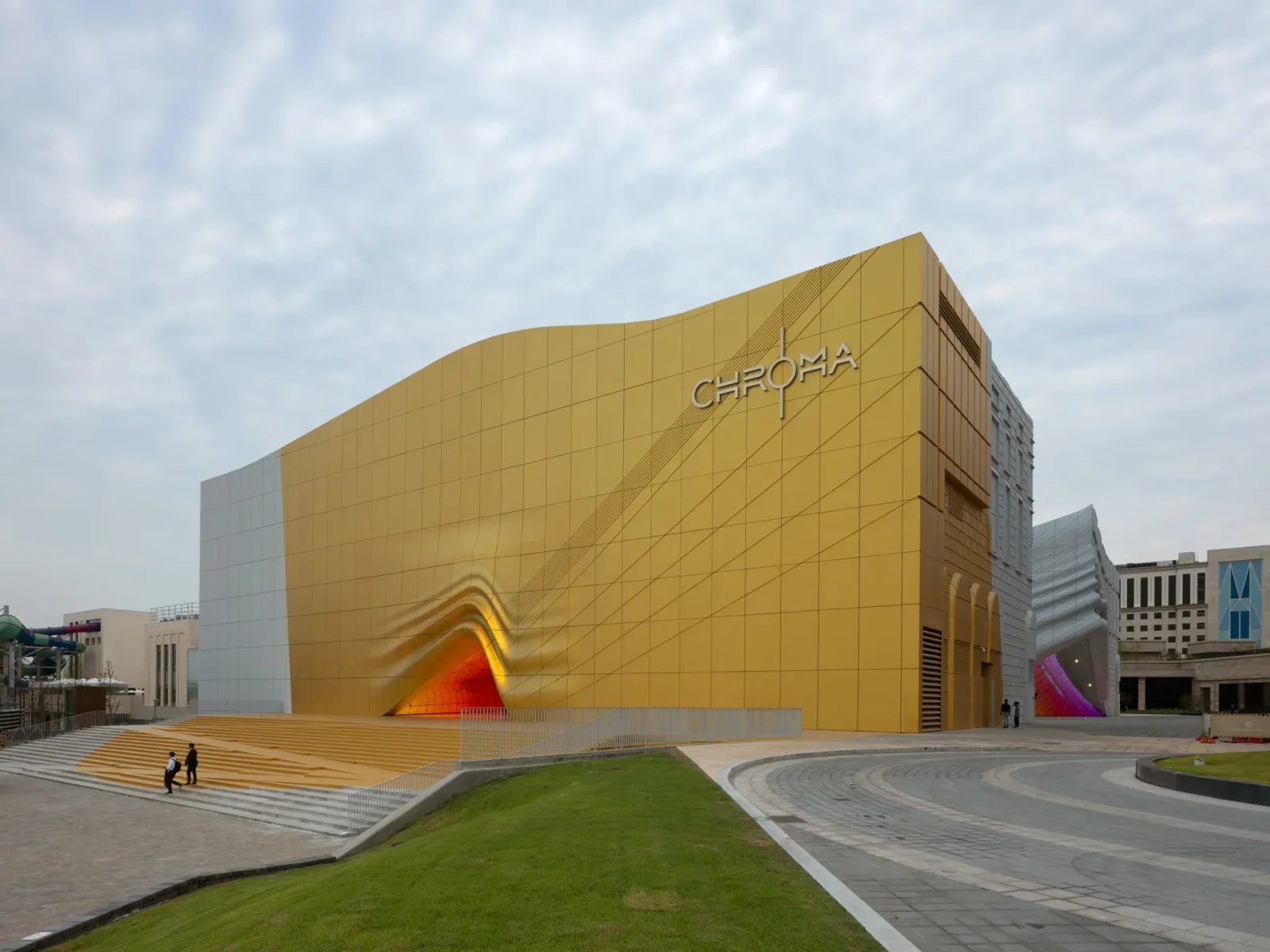
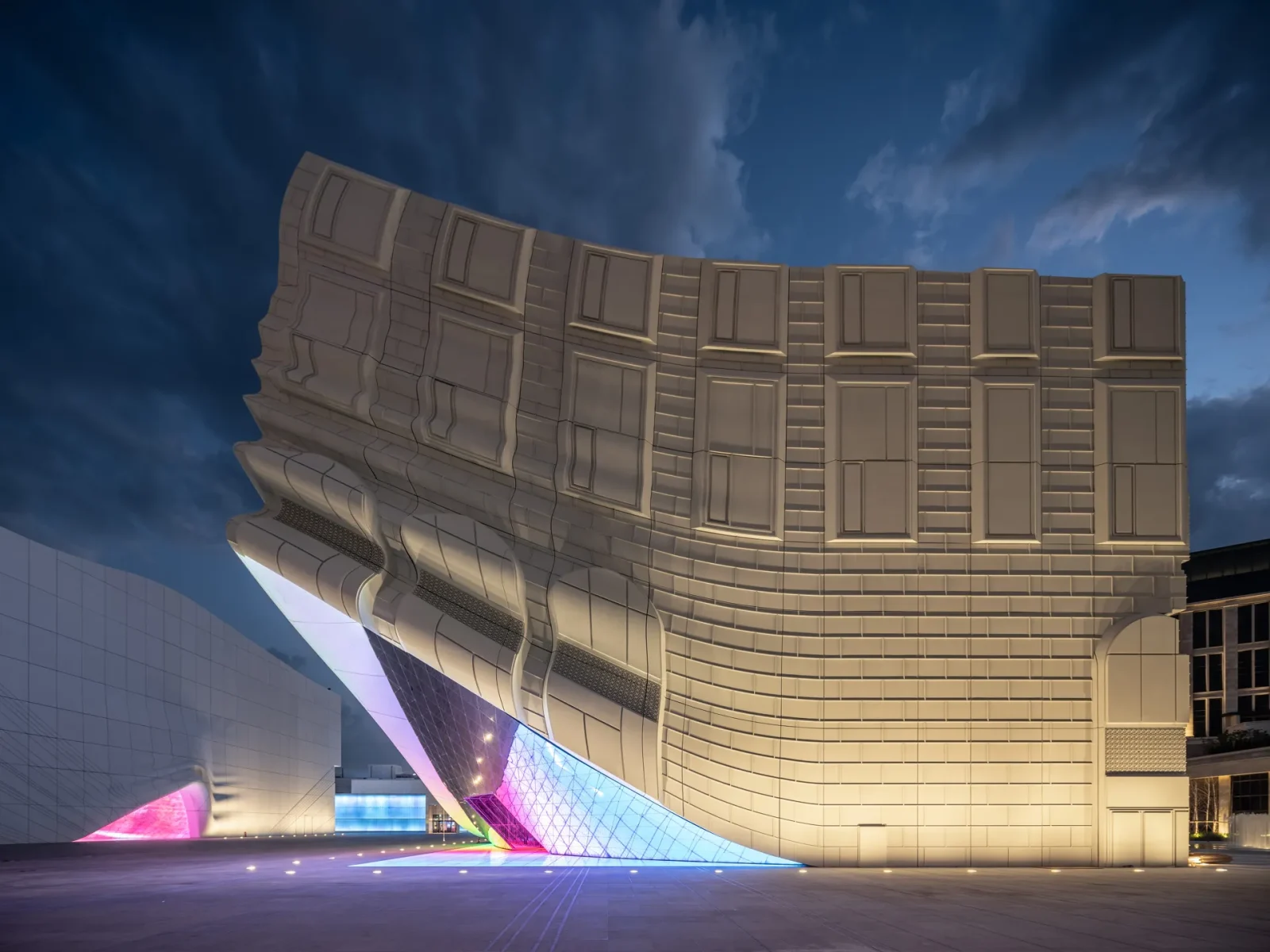
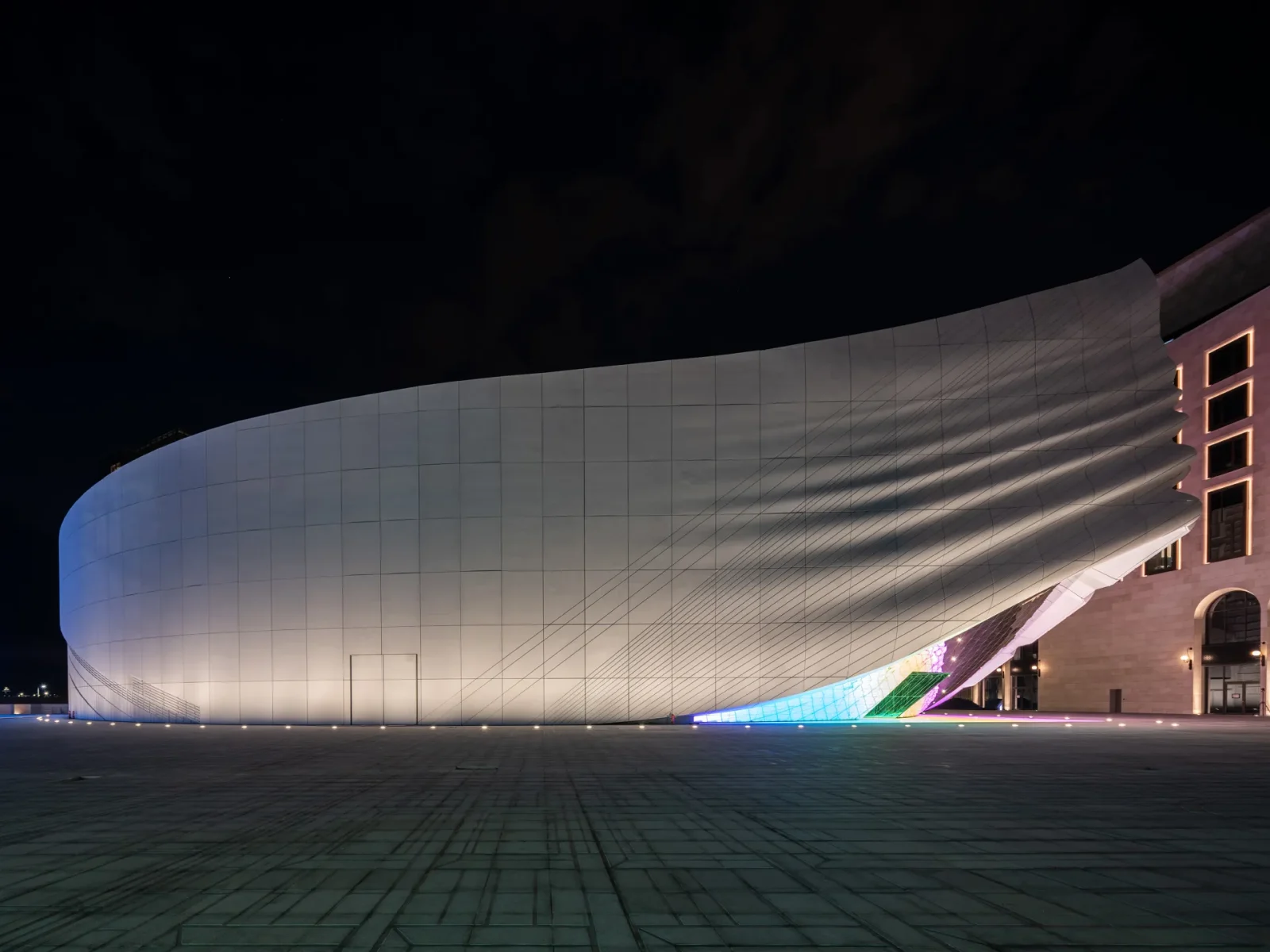
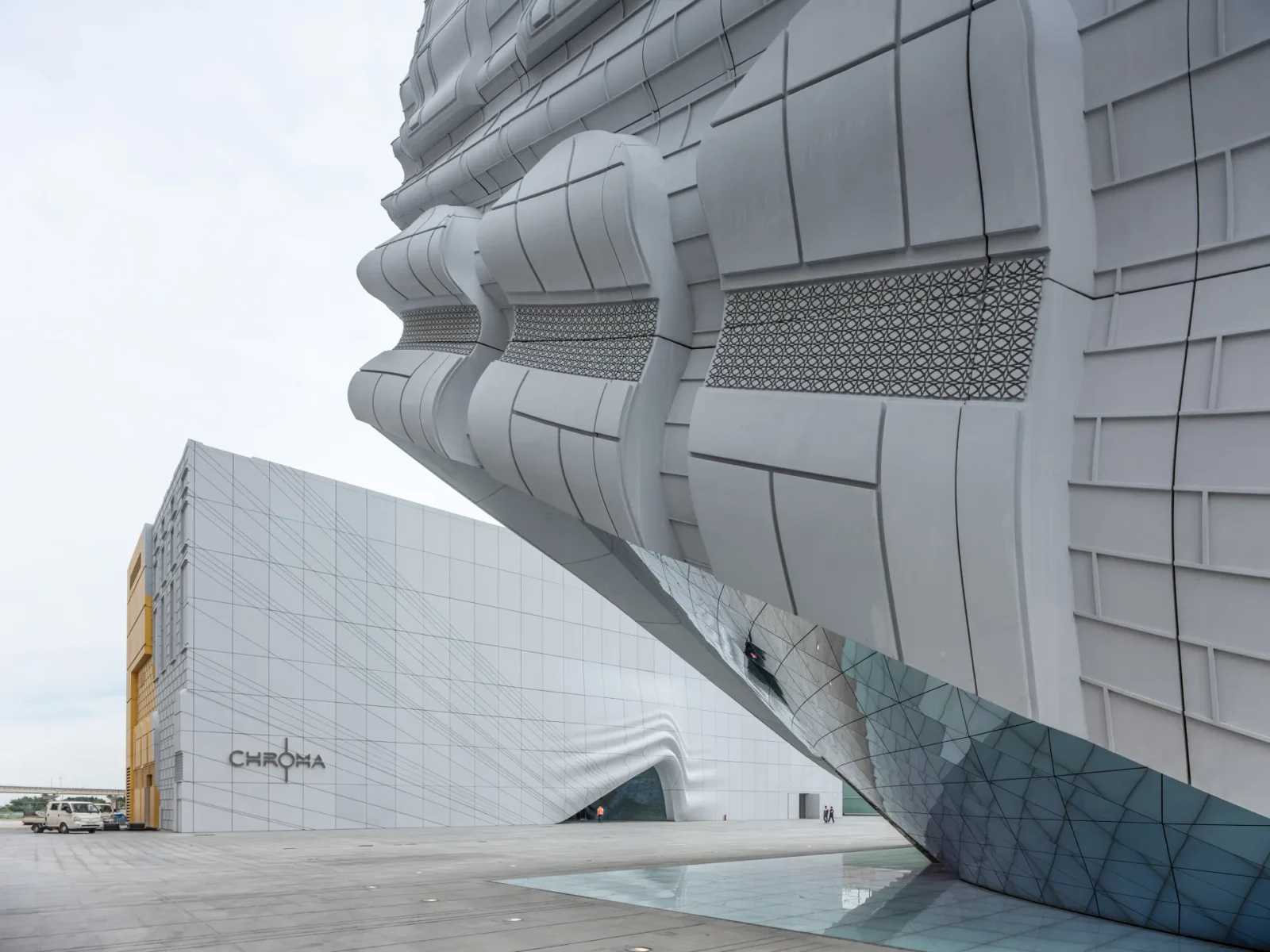
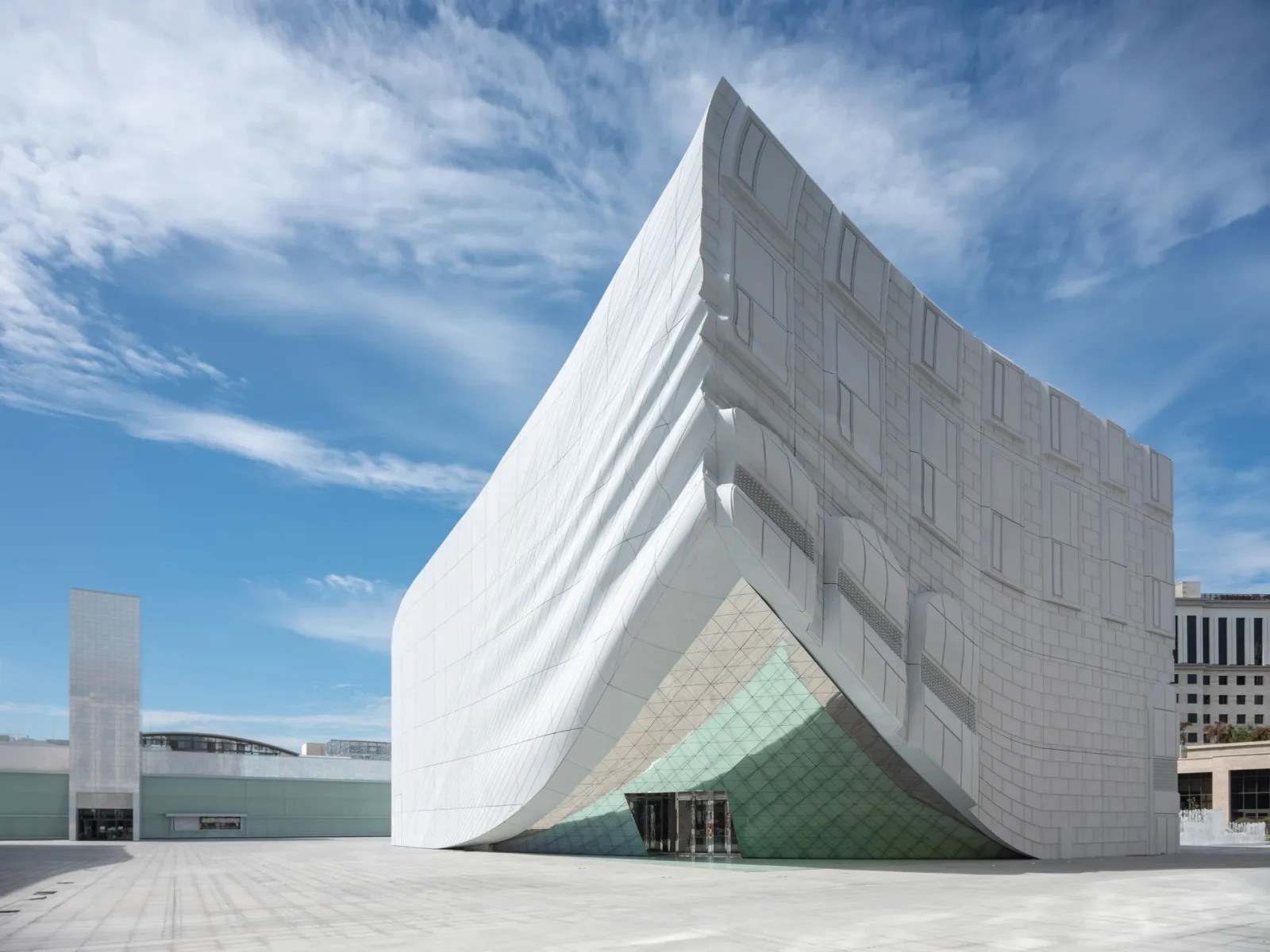
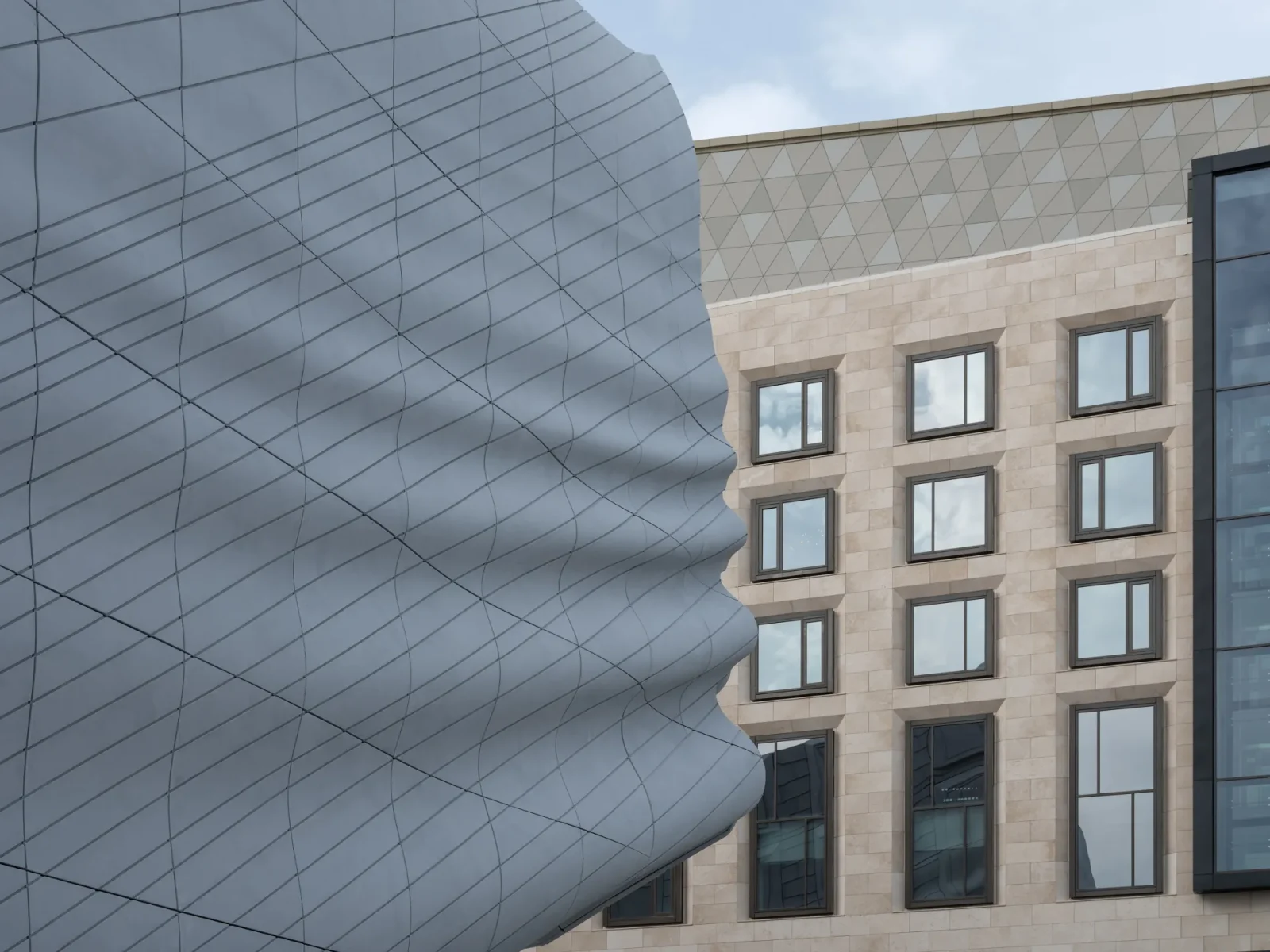
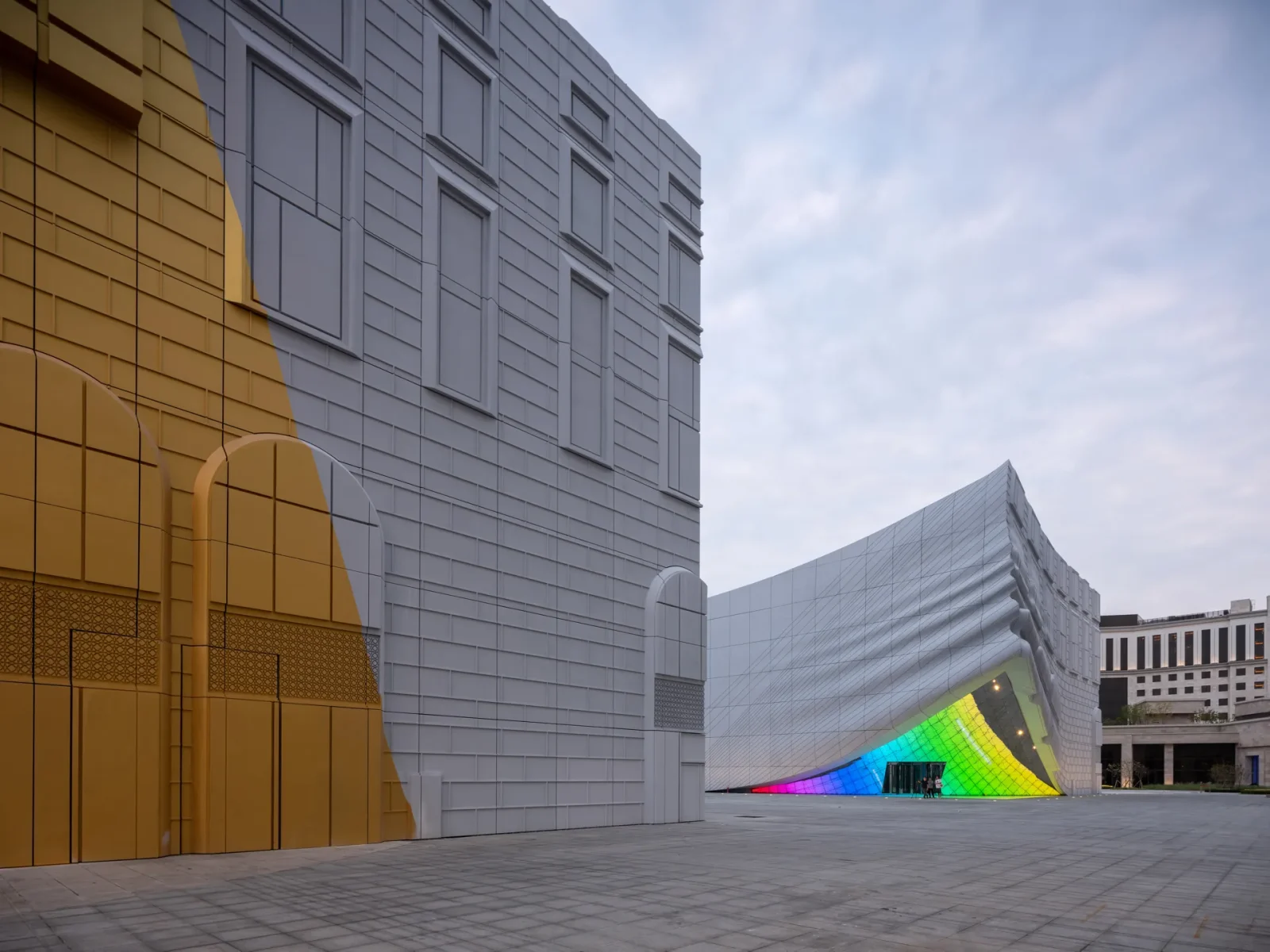
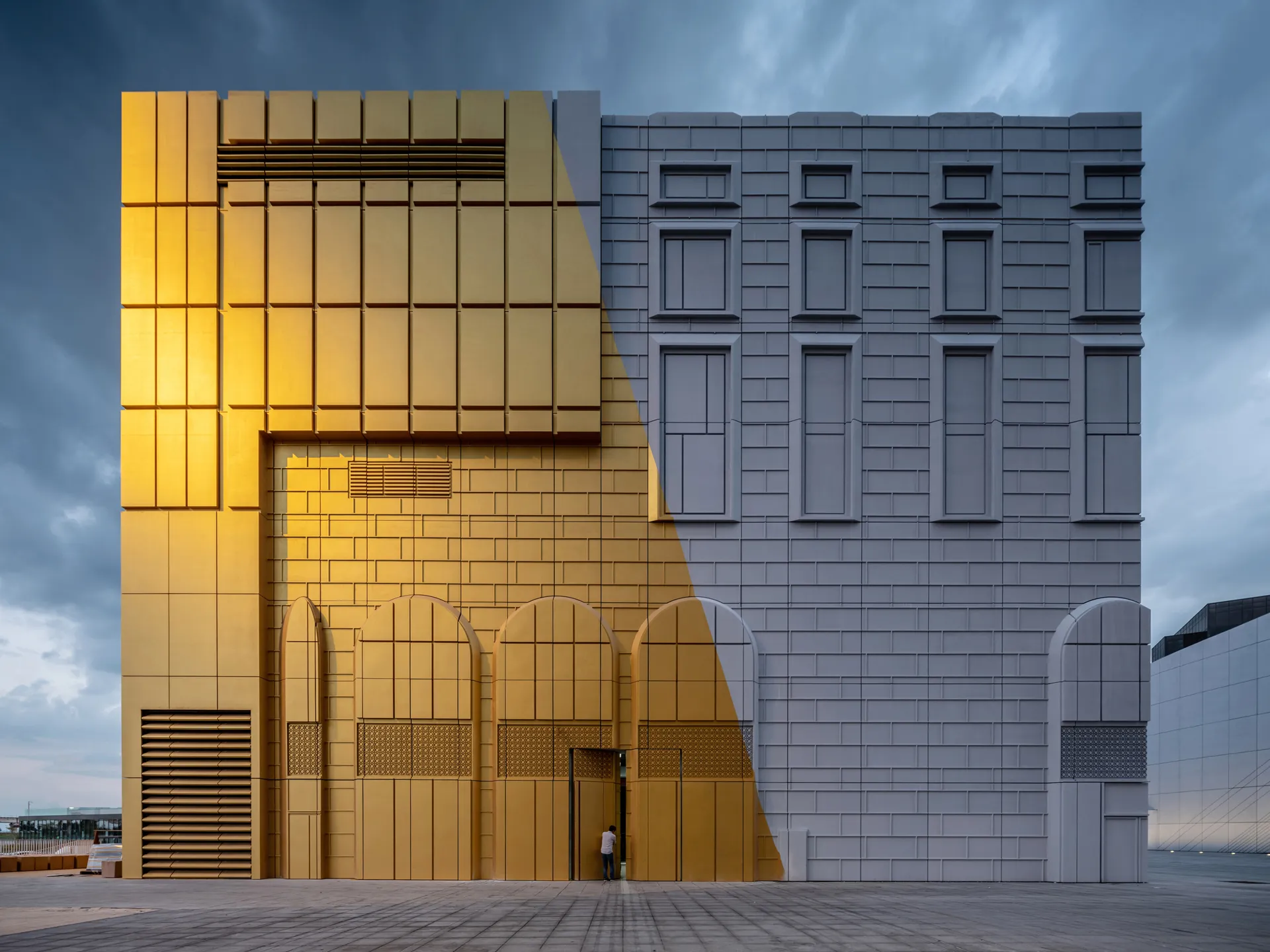
Located near Incheon Airport, Imprint is a part of the larger Paradise City complex, featuring a two-building art-entertainment complex housing a nightclub and an indoor theme park. The design involves imprinting the facade of the neighboring buildings, as if draped like a shadow, onto the surface as a large-scale relief pattern.
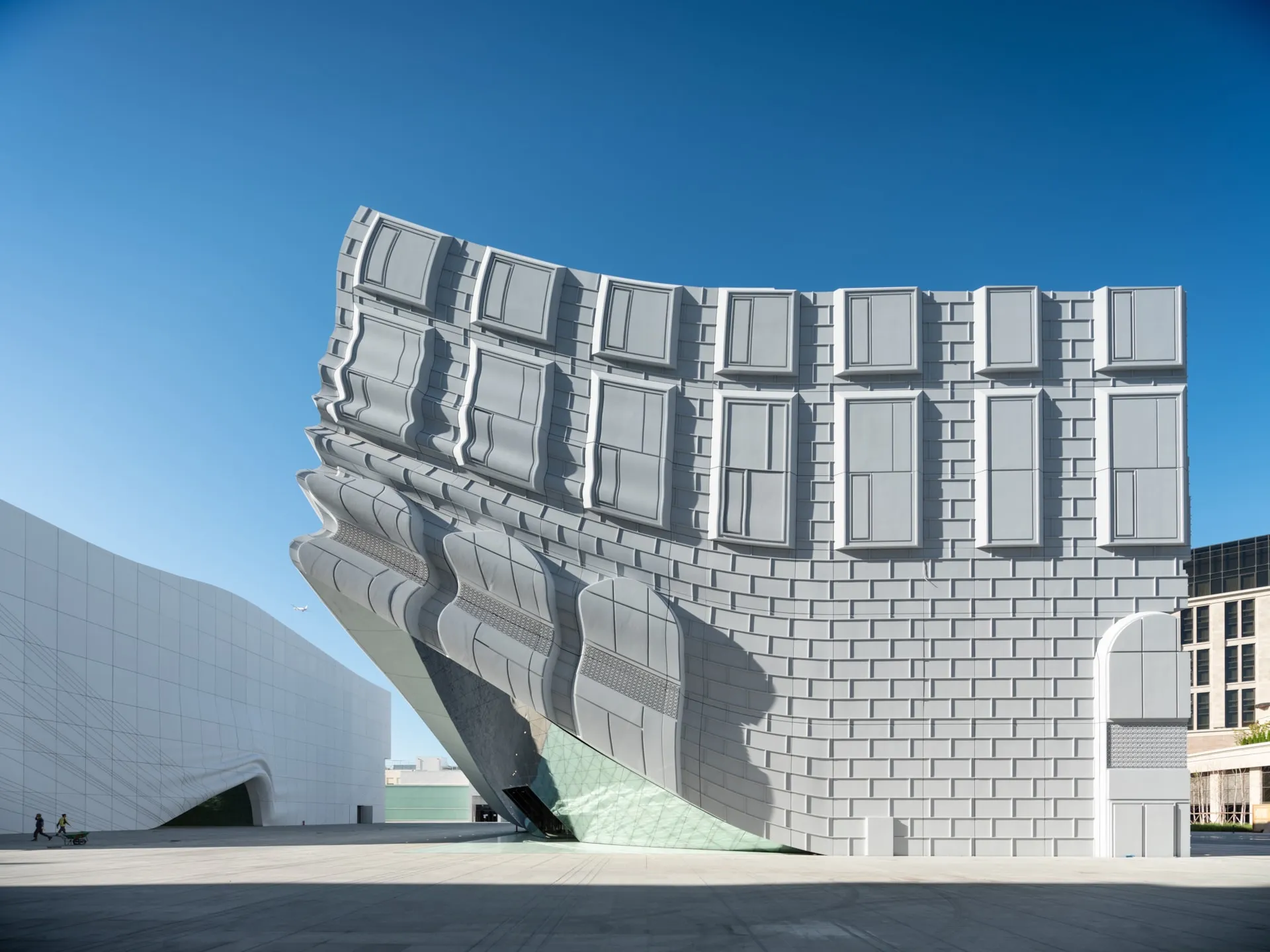
The team chose Glass-Fibre Reinforced Concrete (GFRC) panels for the detailed and non-repetitive components required for the facade. The construction process included the fabrication of 3,869 unique GFRC panels, demonstrating mastery of digitally sculpted facade and computationally driven ornamentation.
6. Tainan Spring
Location: Tainan City, Taiwan
Completion Year: 2020
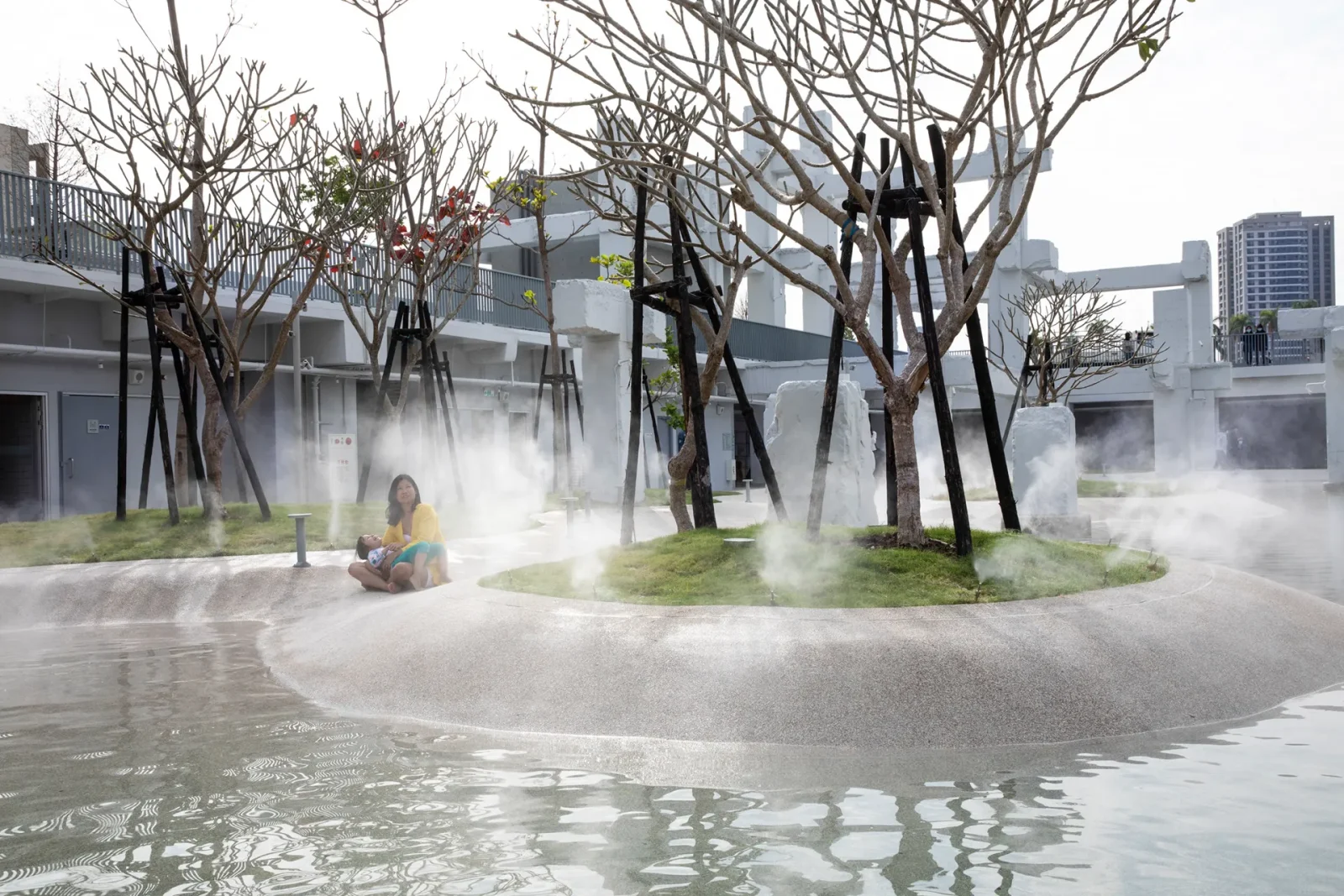
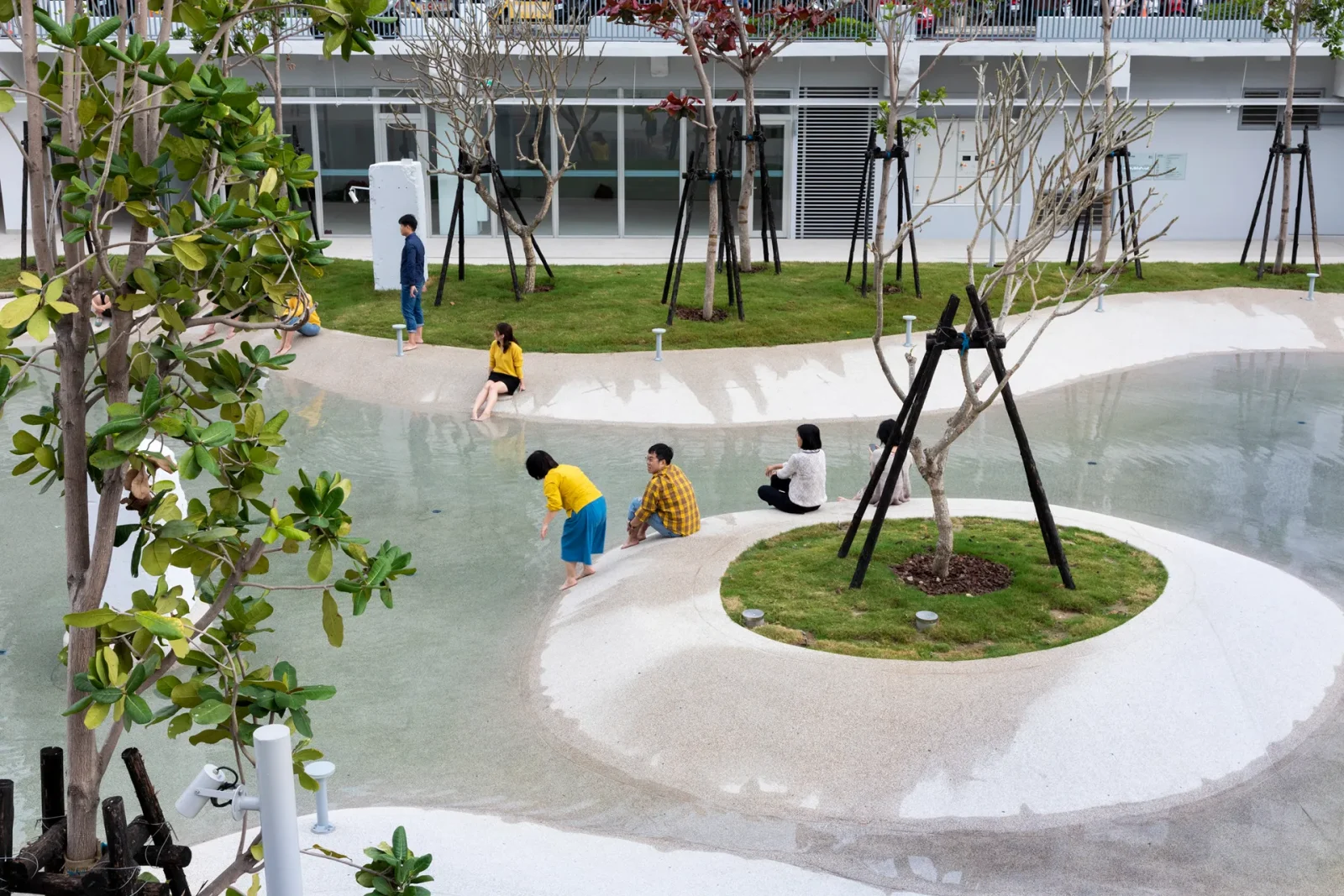
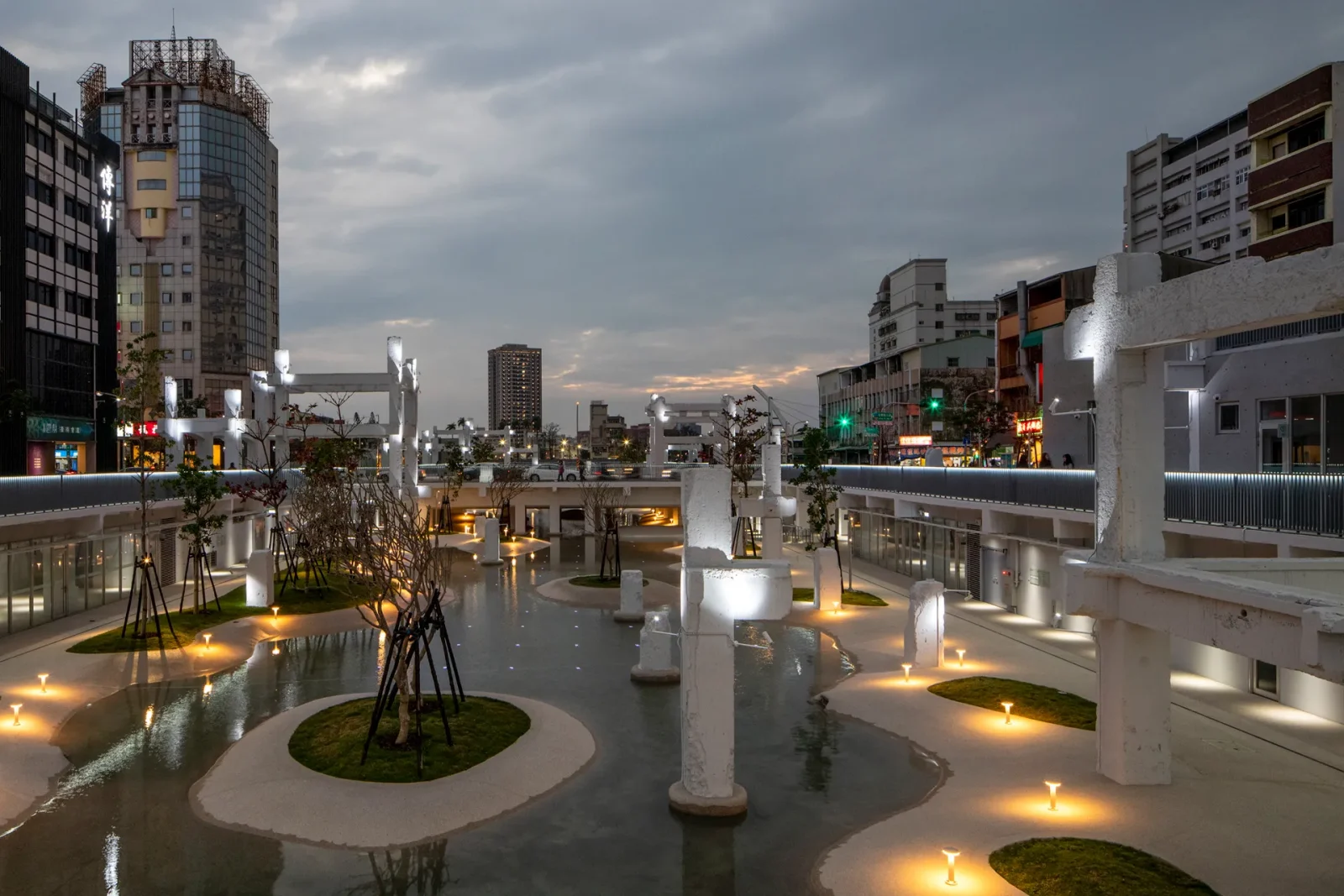
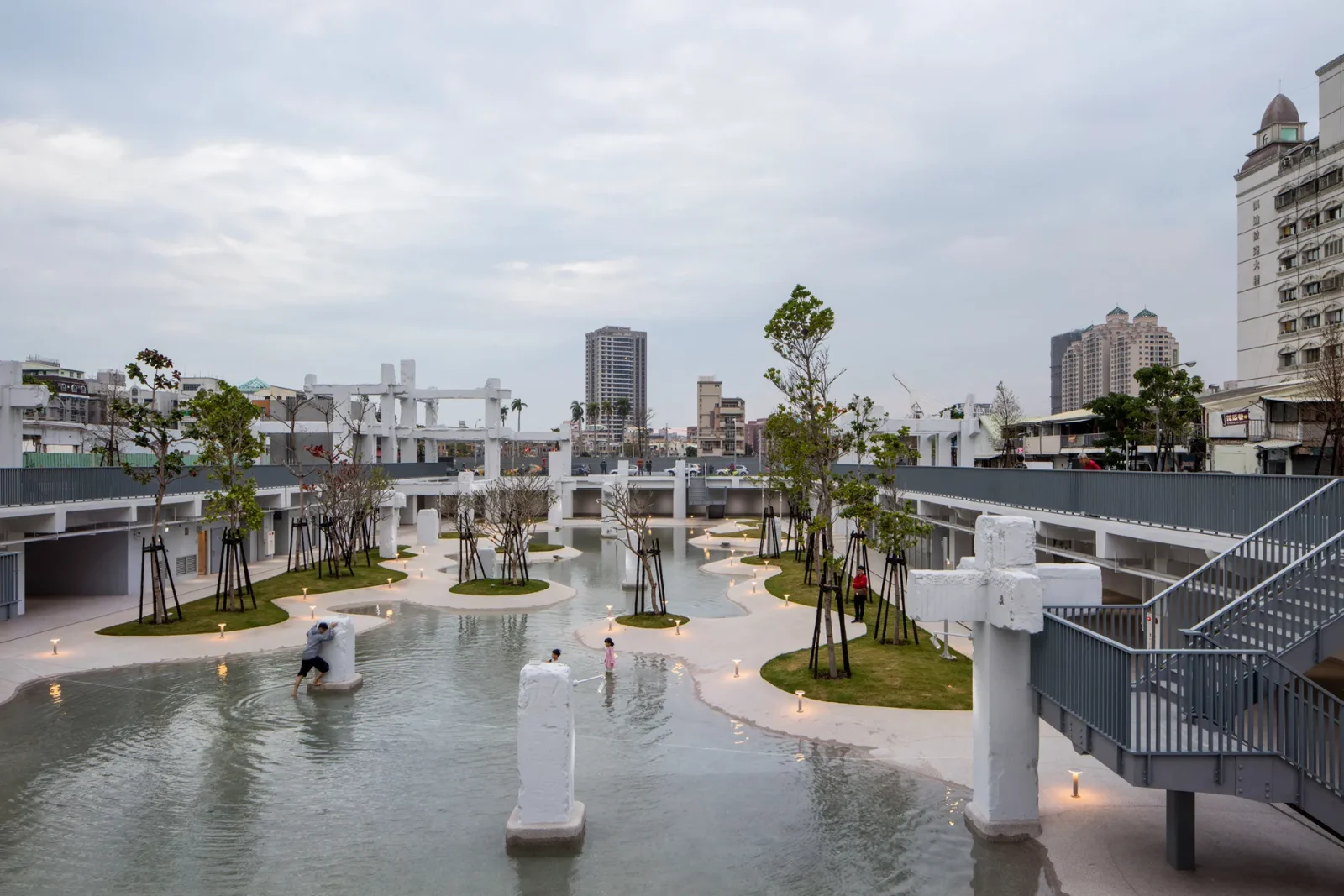
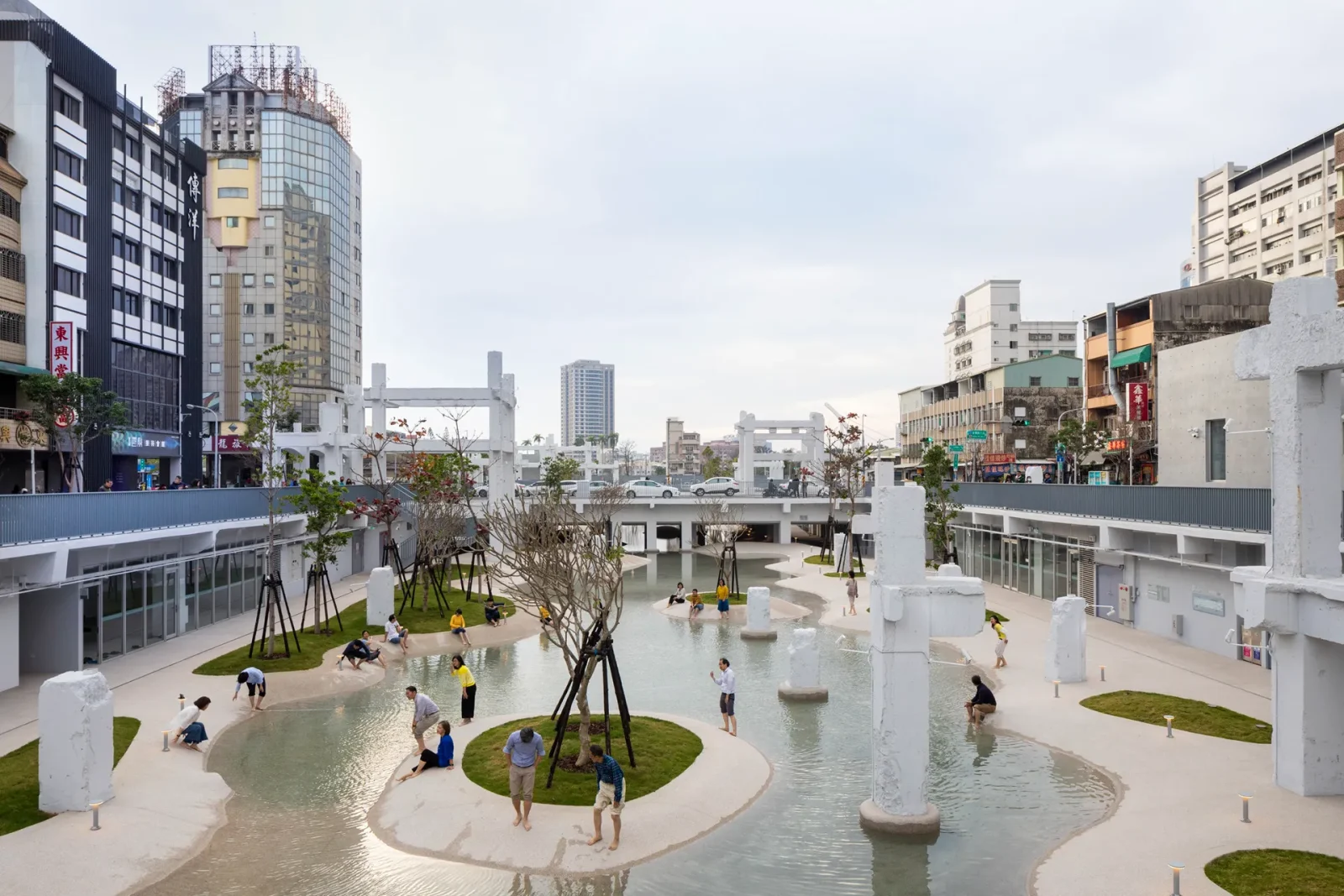
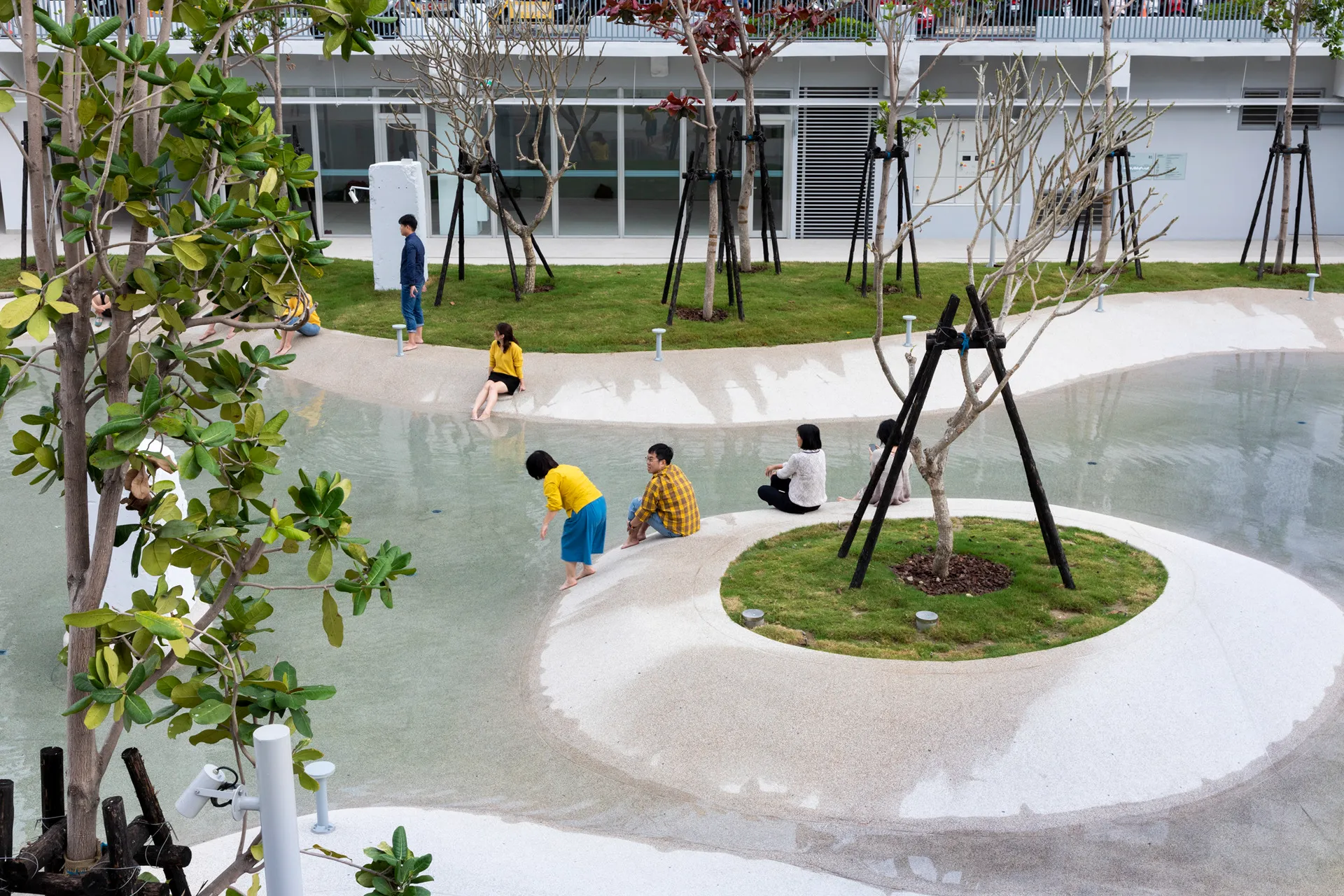
Transforming computational analysis into adaptive reuse, this project involved the strategic demolition and transformation of a mall into a sunken public lagoon. The new geometry is defined through complex subtractive solutions, shaping the public spaces. The intervention adapts the existing commercial concrete structure for aquatic and landscape use, requiring specialized material treatments and precise geometric removal to ensure structural integrity.
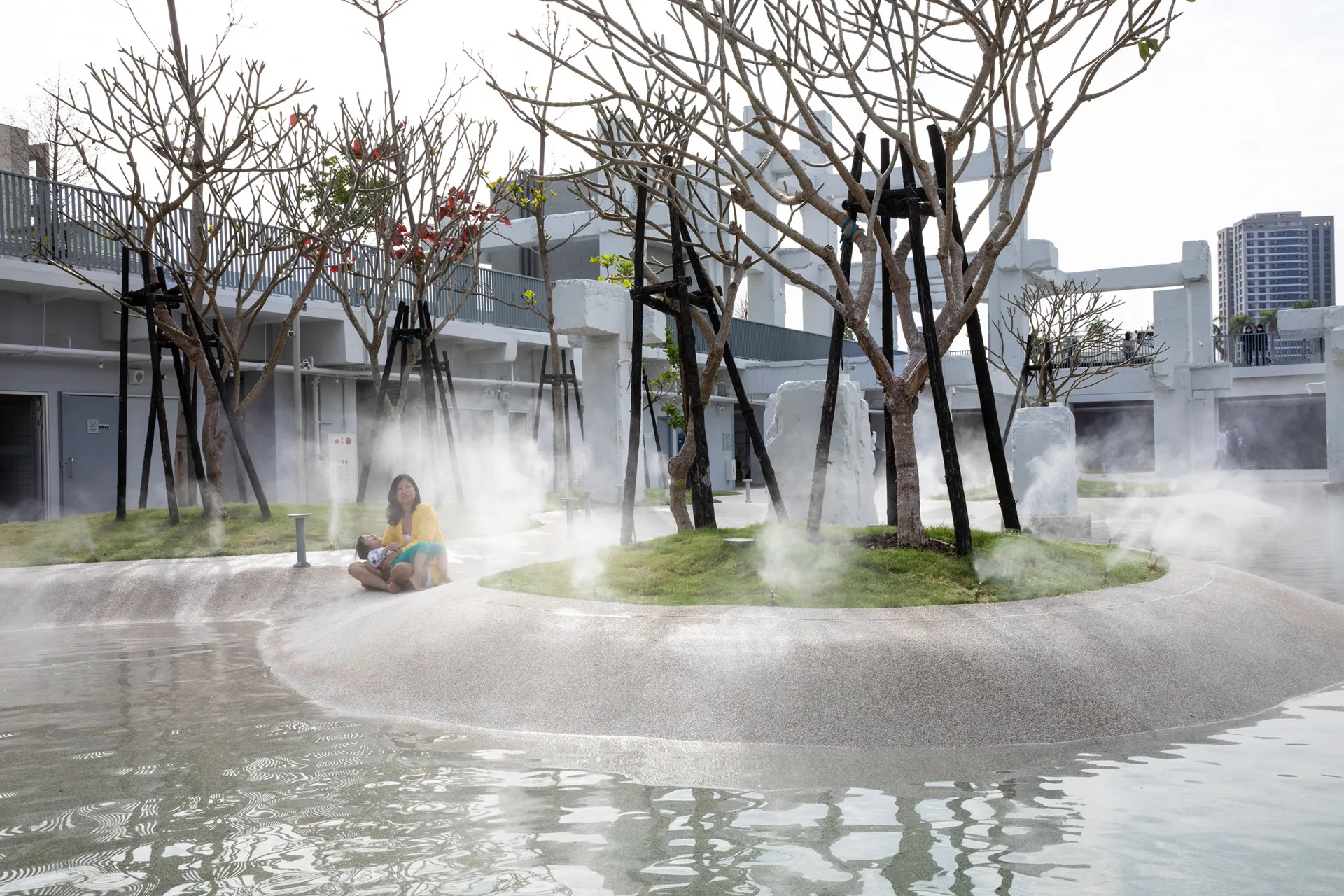
The sunken spaces provide environmental advantages, including passive shading, urban cooling, and microclimate stabilization, ensuring climate-responsive design.
7. Valley
Location: Amsterdam, Netherlands
Completion Year: 2022
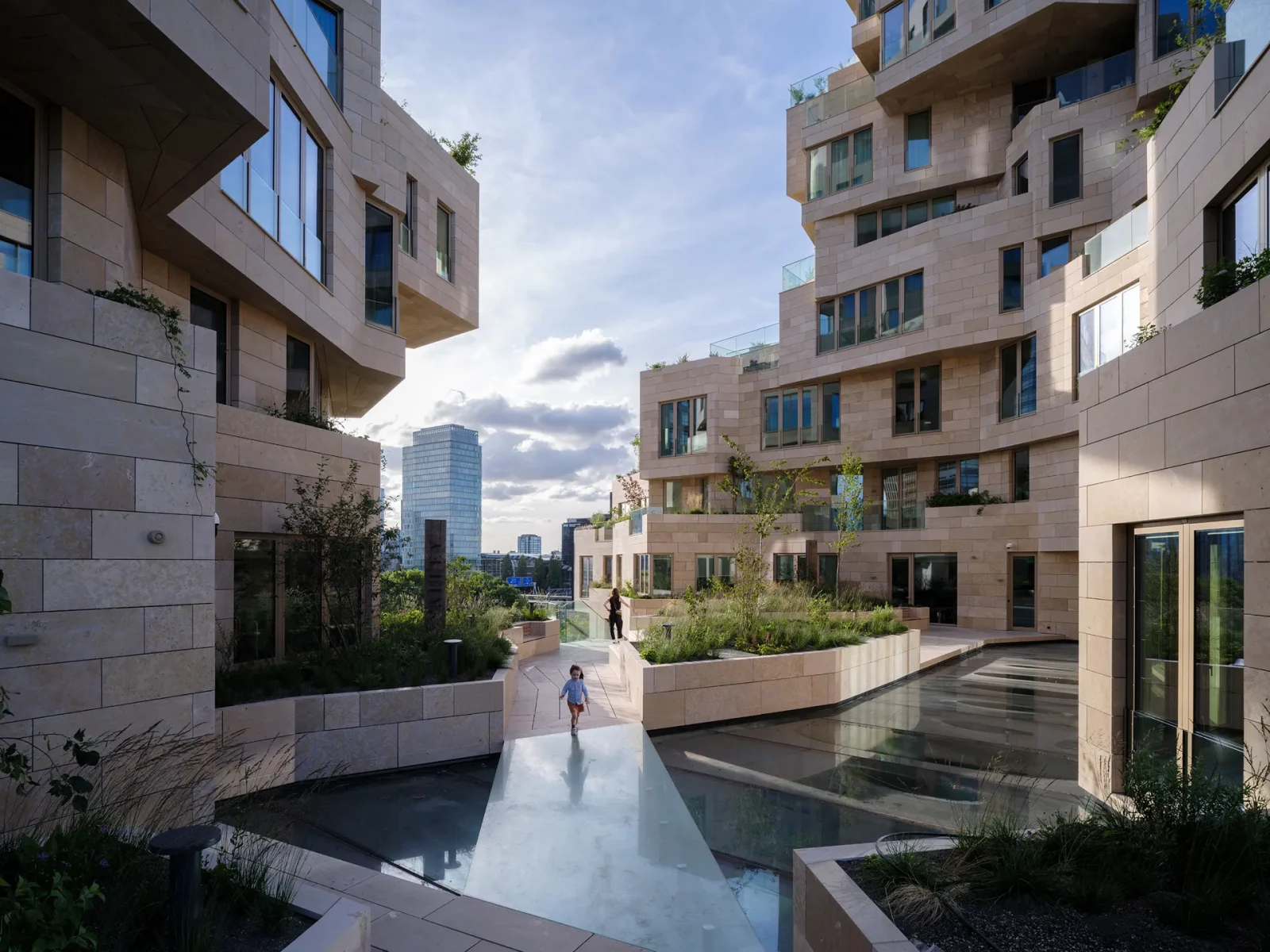
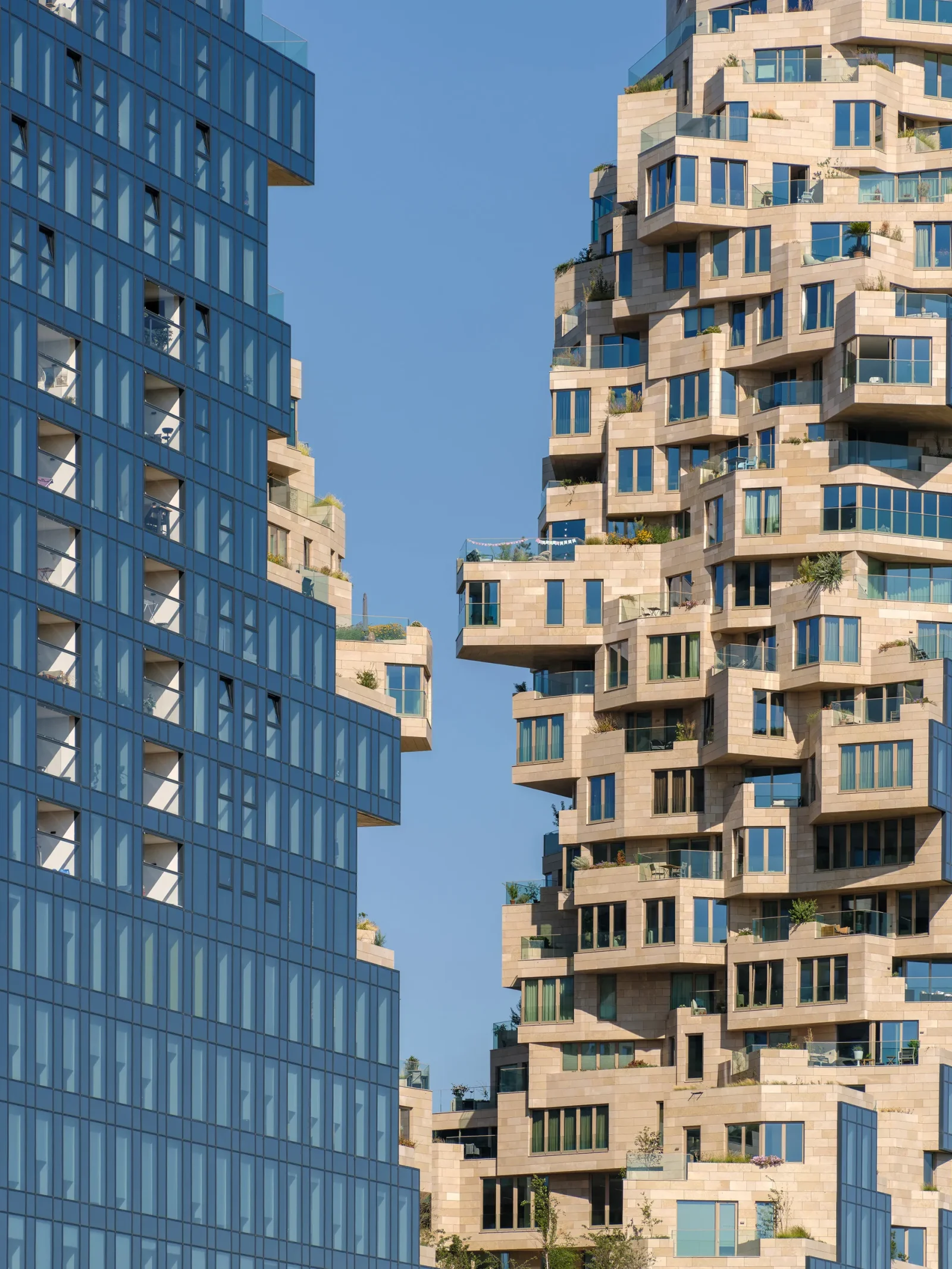
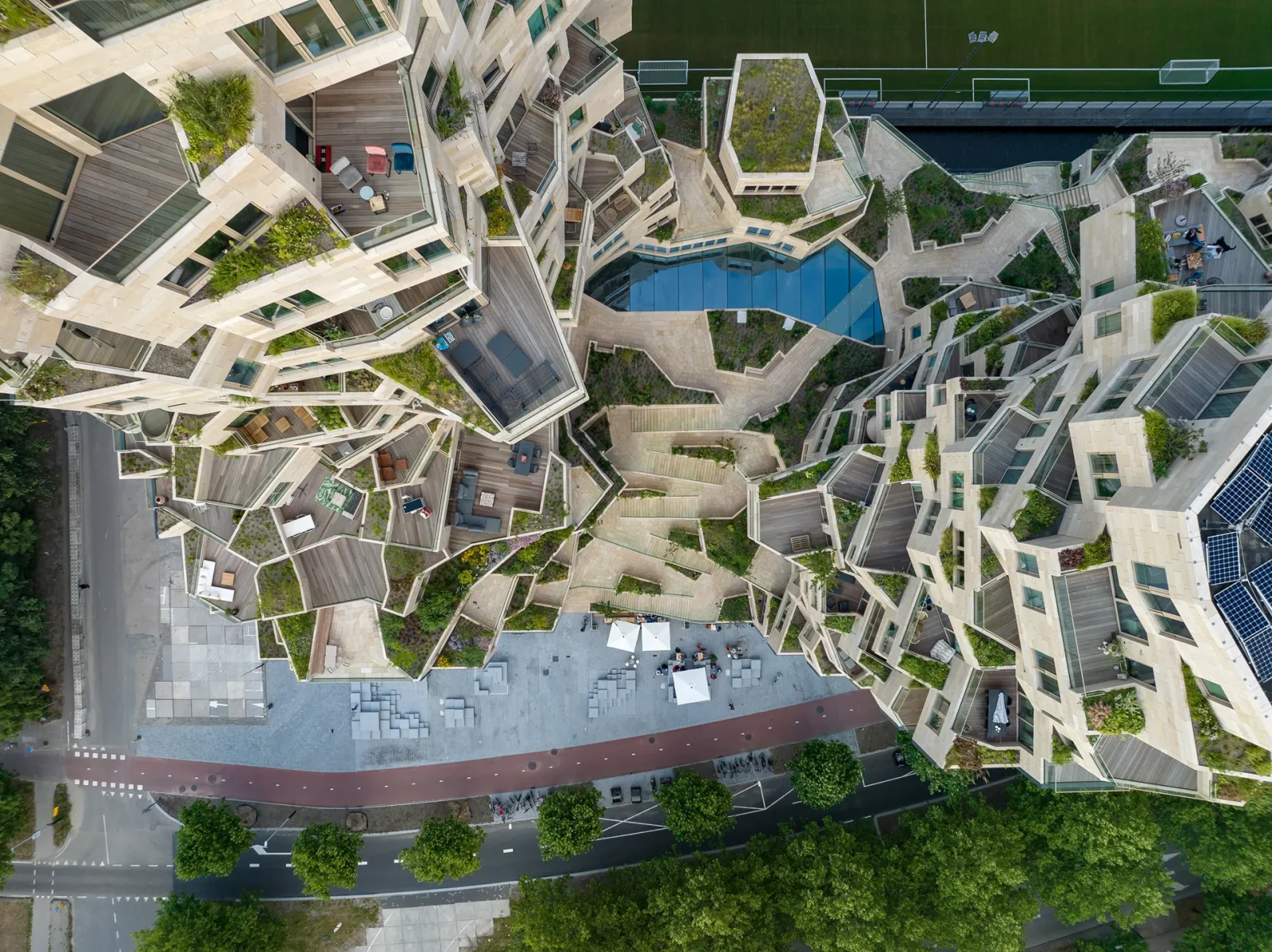
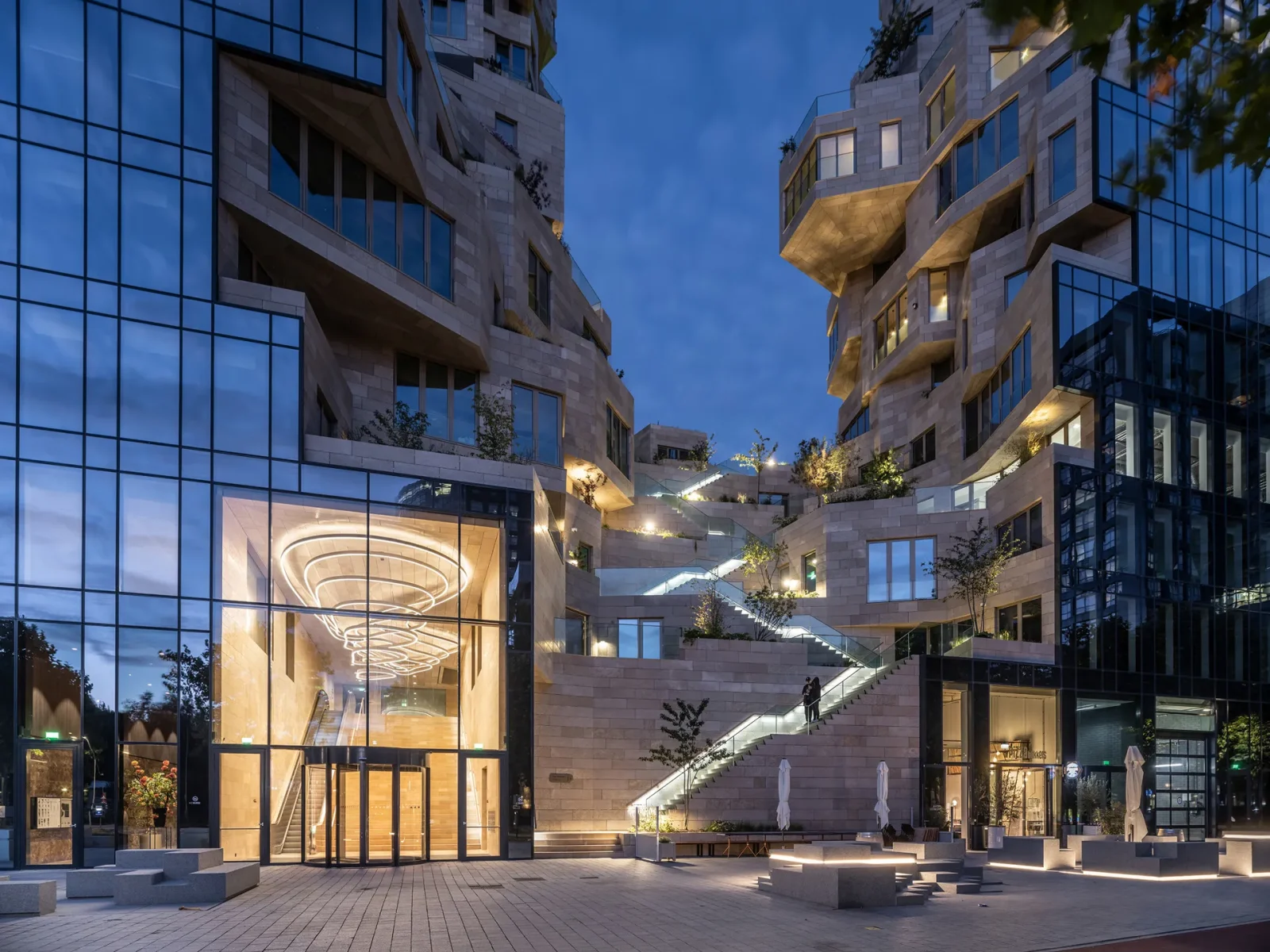
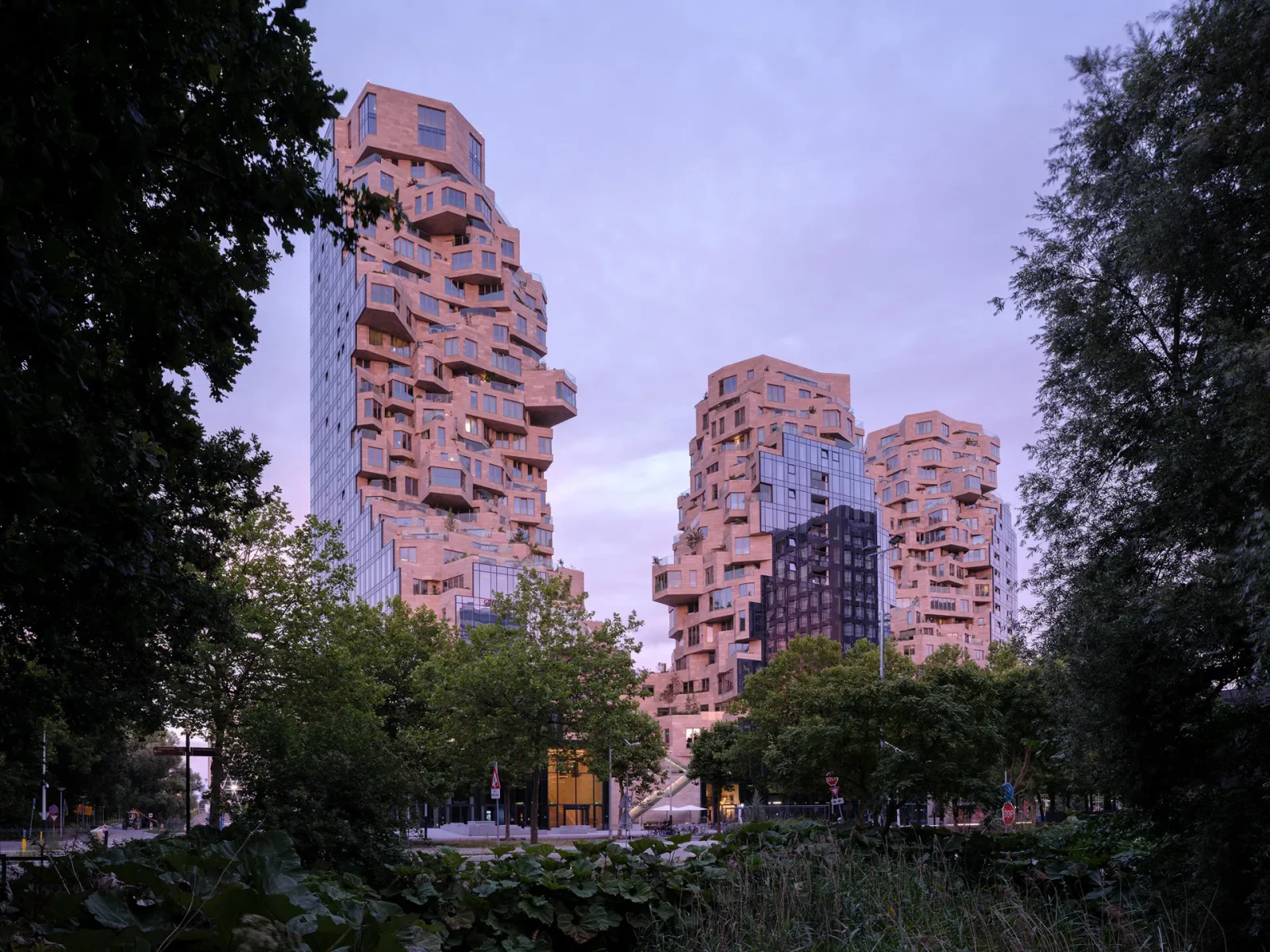
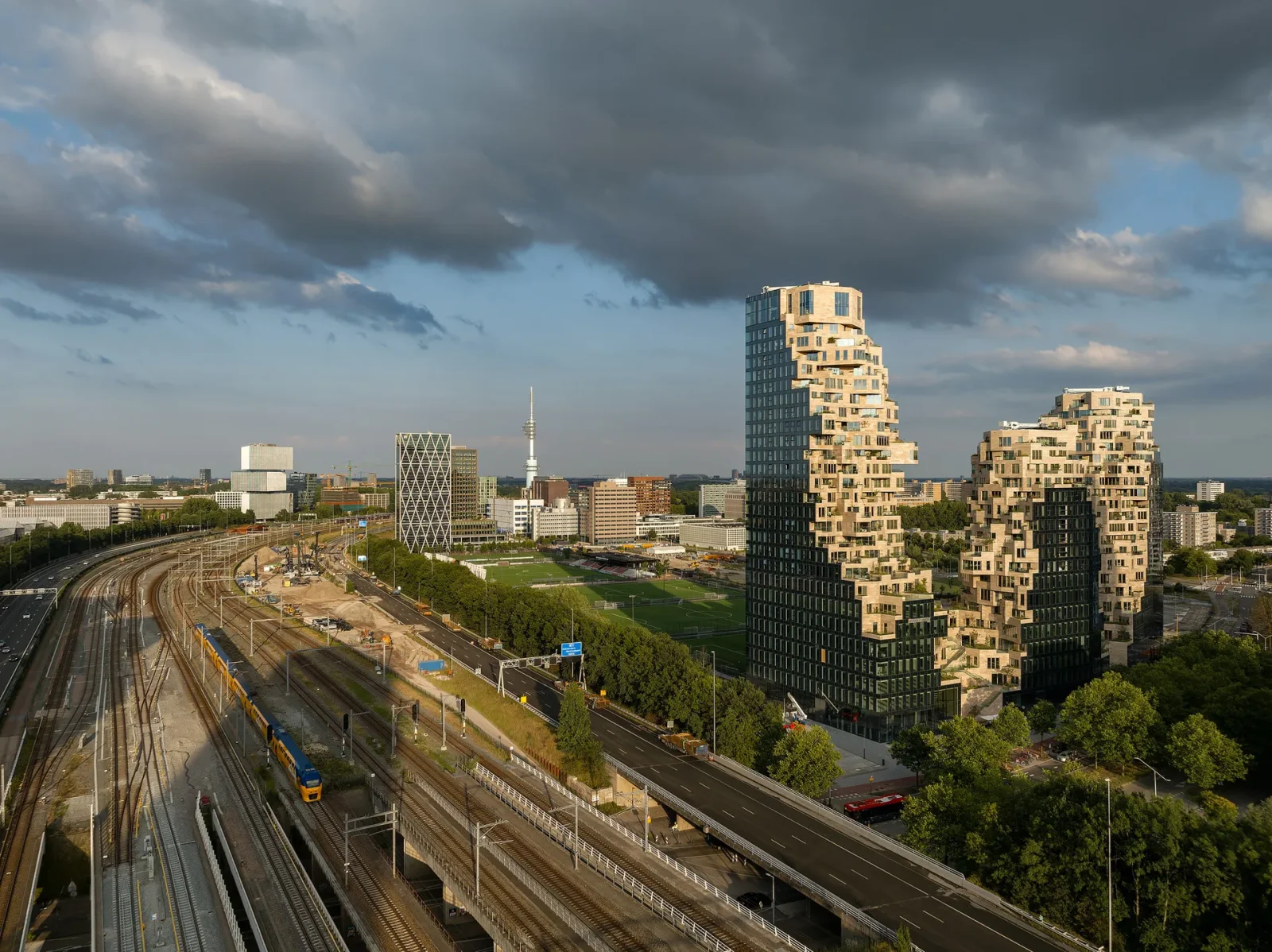
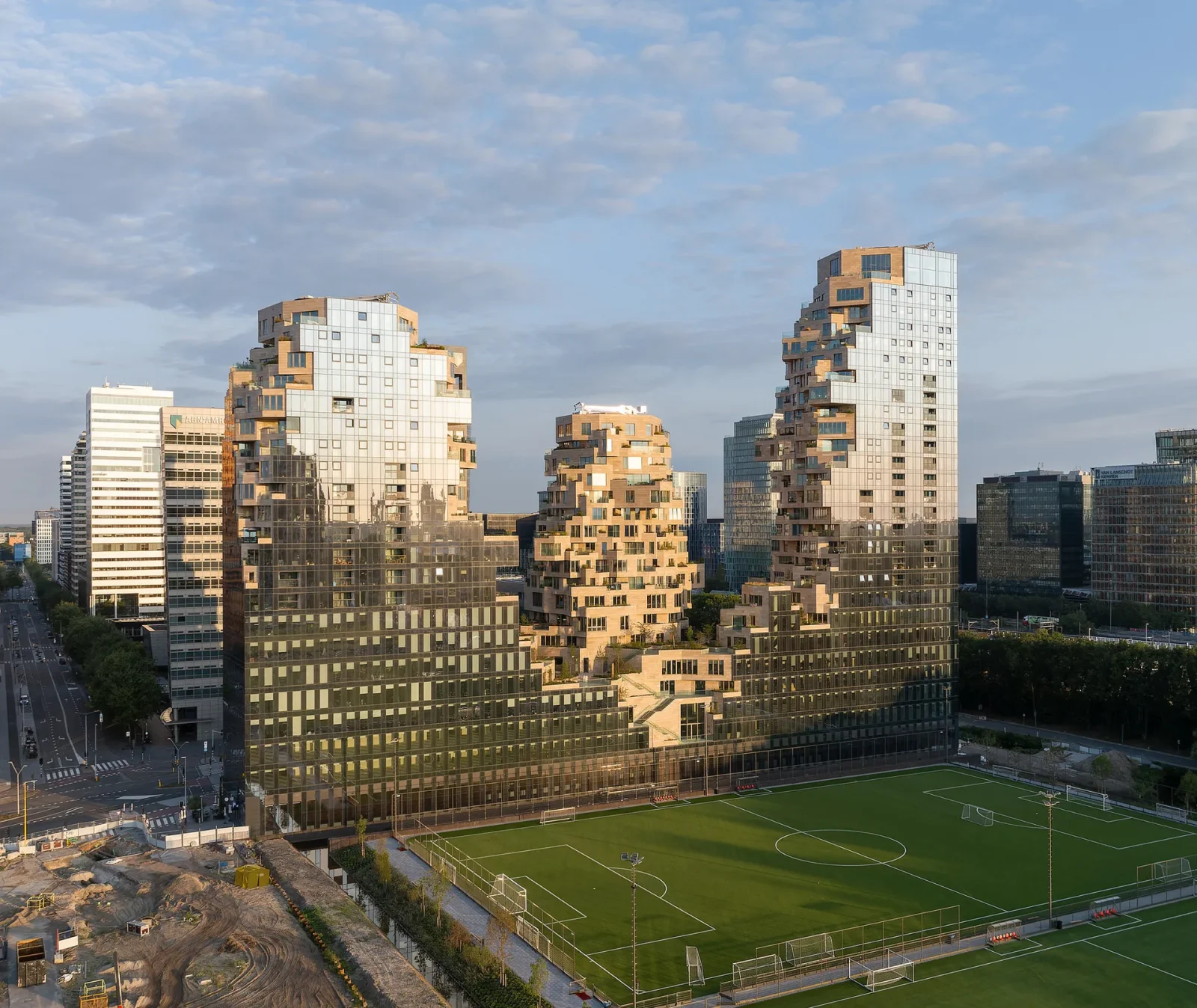
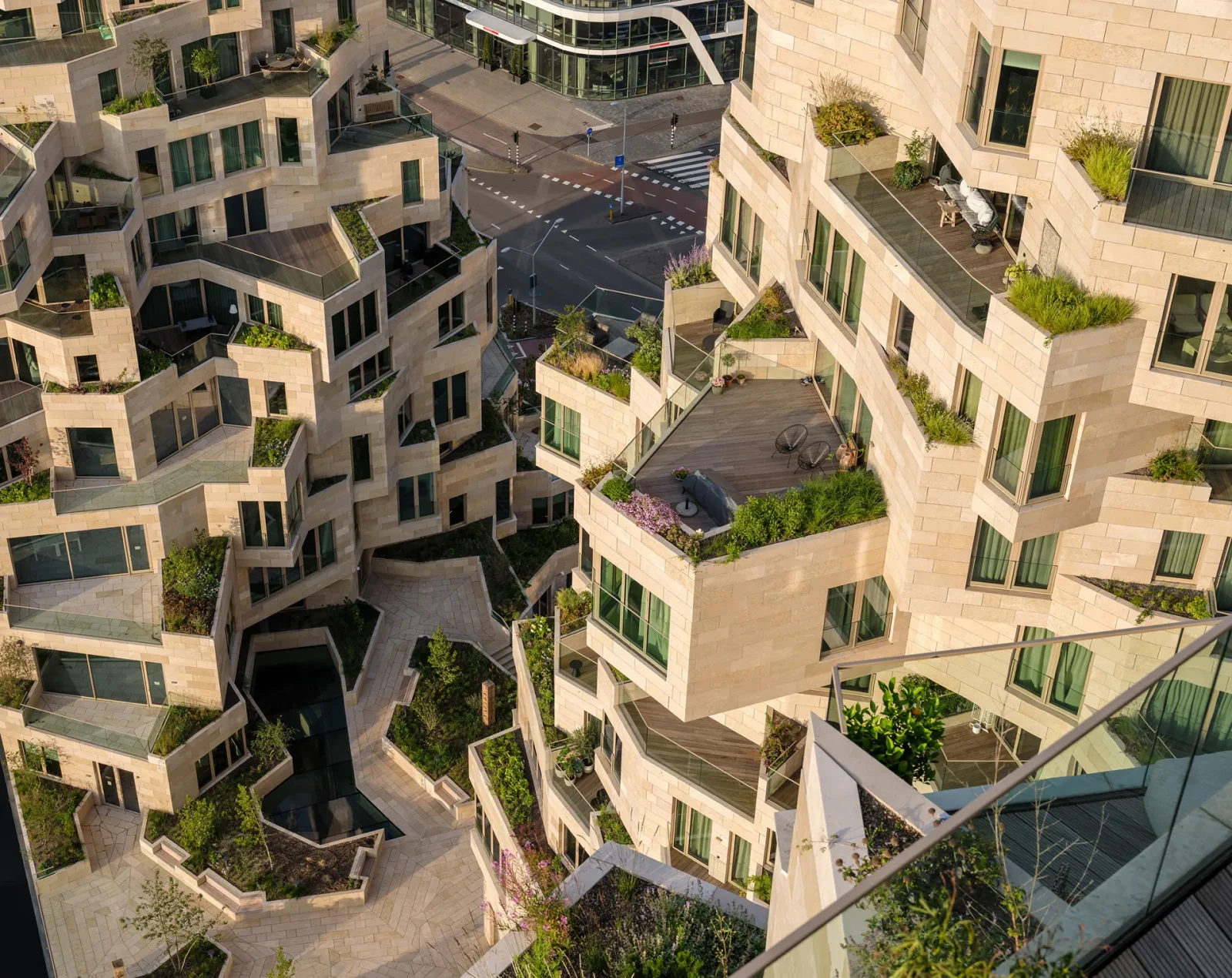
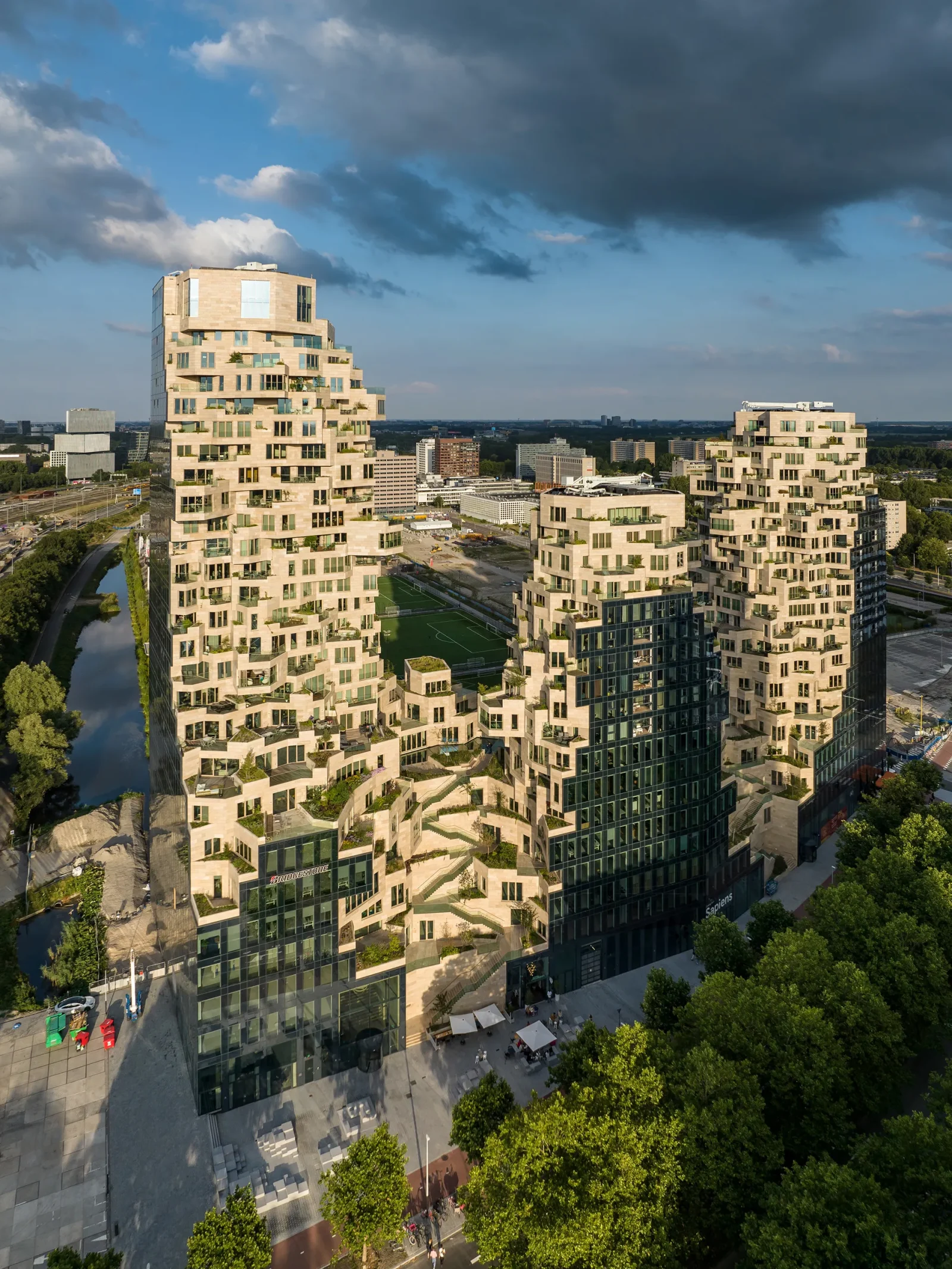
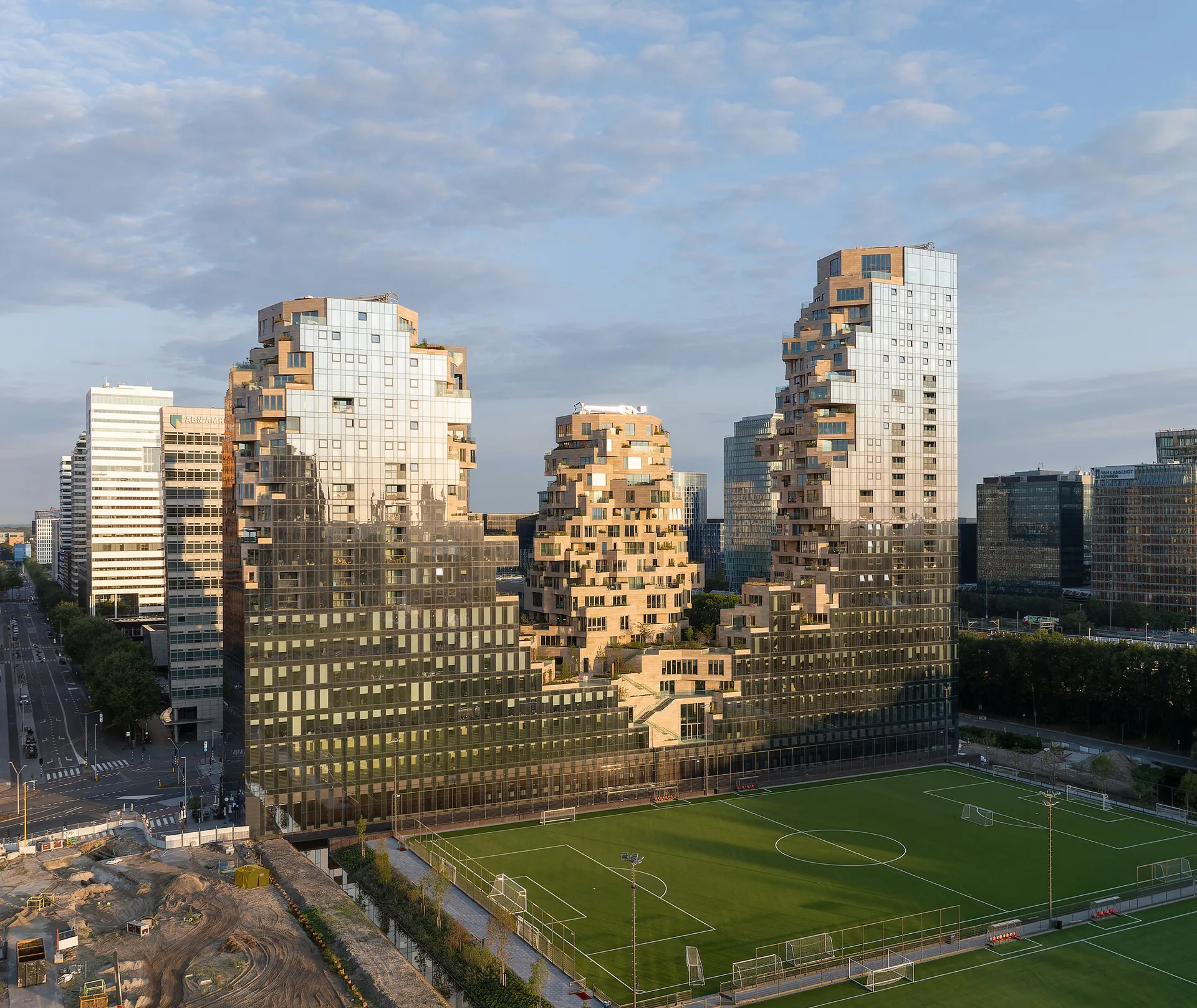
A multi-use complex features a reflective glass facade, while the inner volume includes a complex, rugged geometry resembling a carved-out rock. The 42,000 square meters of irregular inner surfaces are covered in vegetation and were developed with algorithmic design tools into precise, constructible components, specifically hundreds of unique cuts for the natural stone cladding.
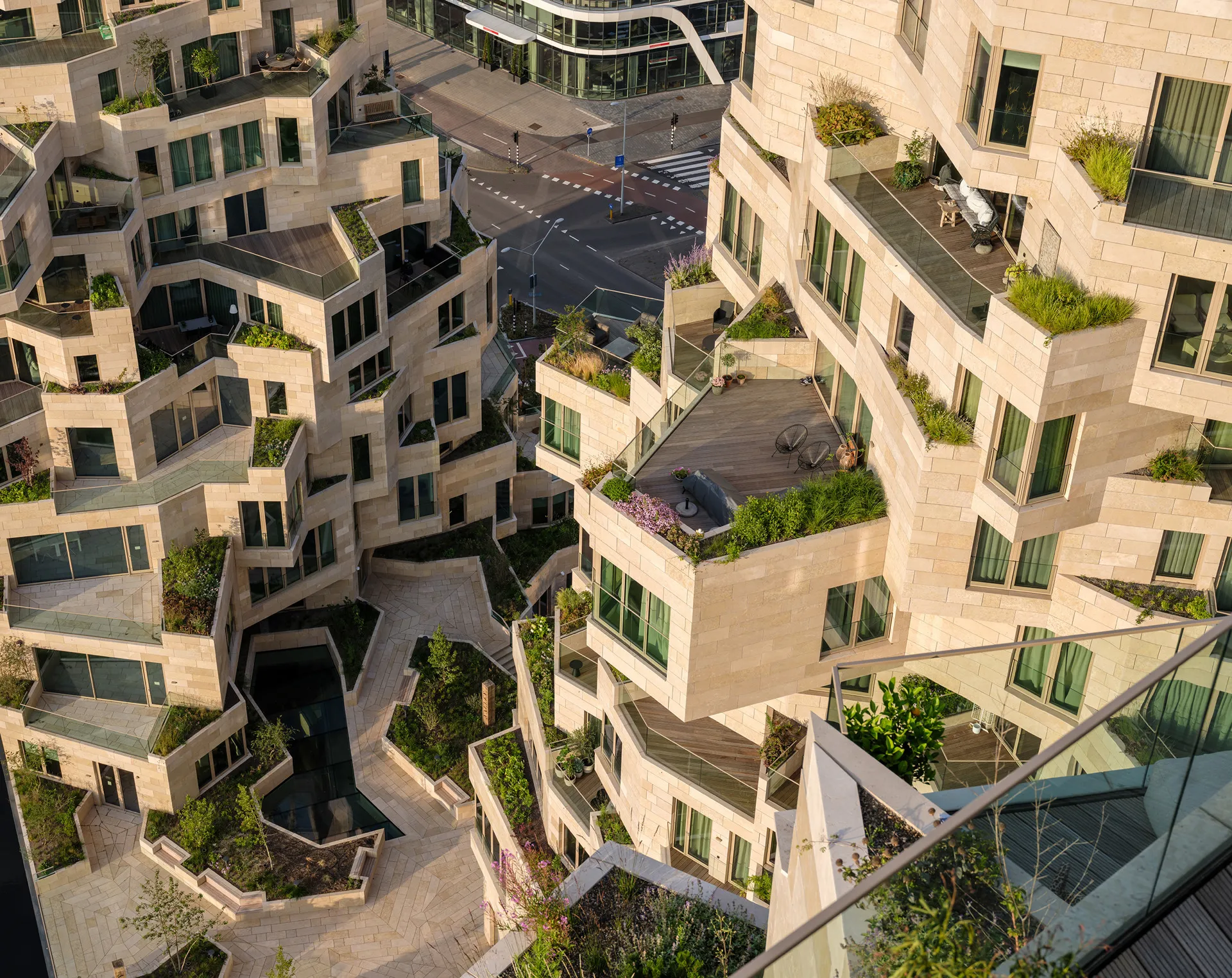
The script followed the irregular geometry by standardizing the material inputs: only five predefined tile sizes (200, 400, 800, 1200, and 1600 mm in length) were used. These processes also employed a wild bond pattern, avoiding excessive waste. The algorithmic design and digital R&D replace high variable manual labor costs, minimizing material waste and ensuring the buildability of highly non-standard forms.
8. Depot Boijmans Van Beuningen
Location: Rotterdam, Netherlands
Completion Year: 2022
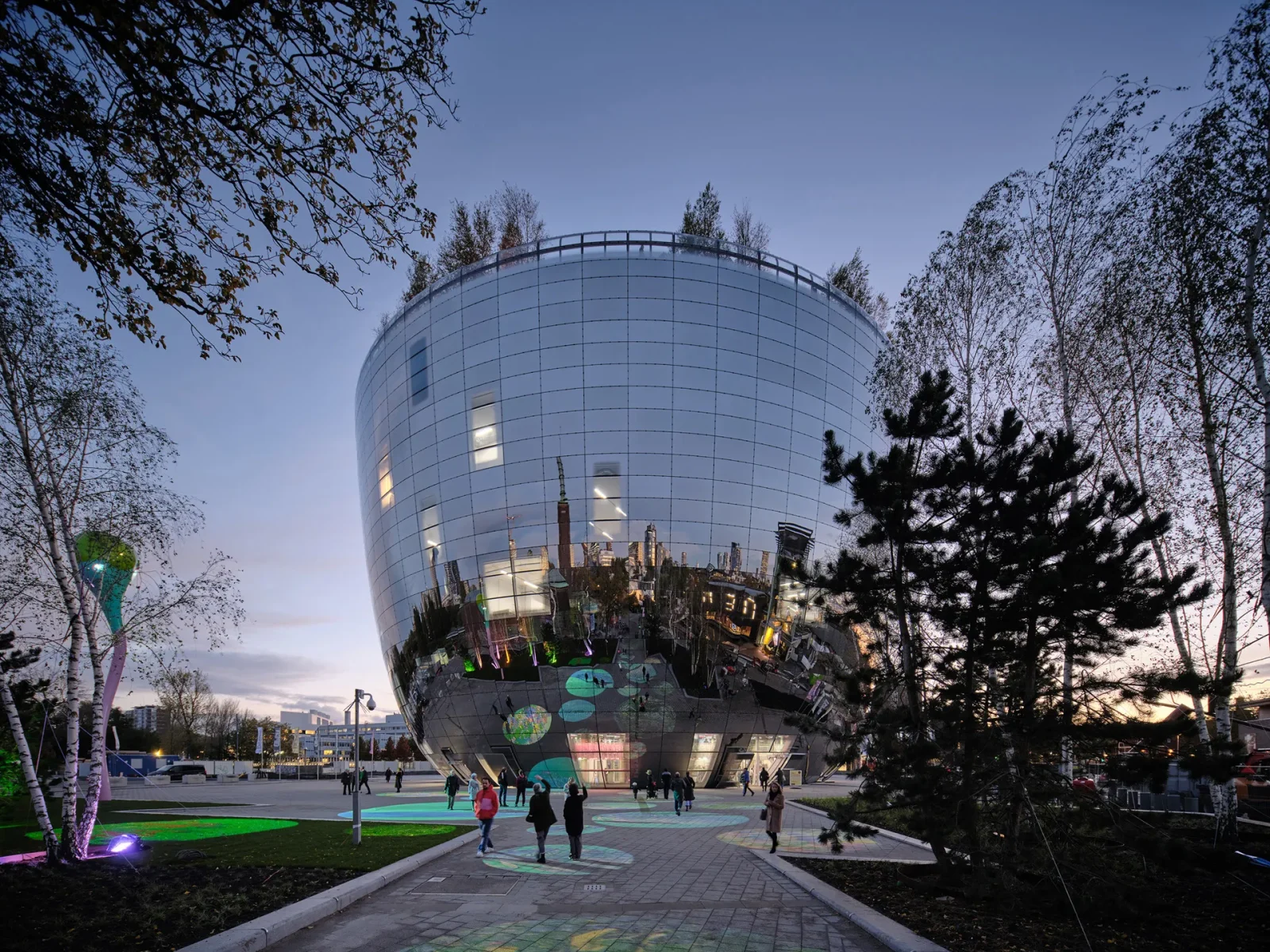
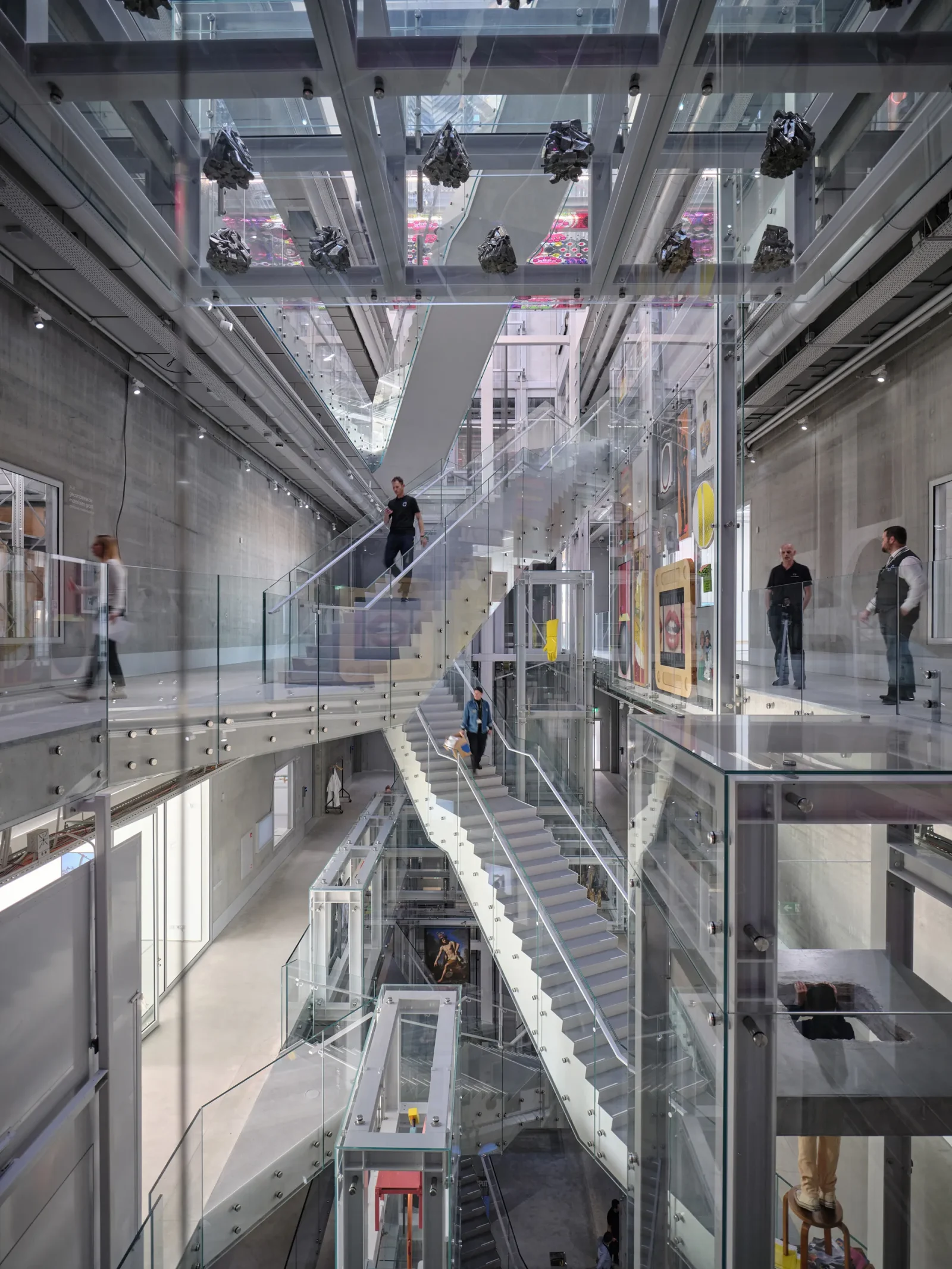
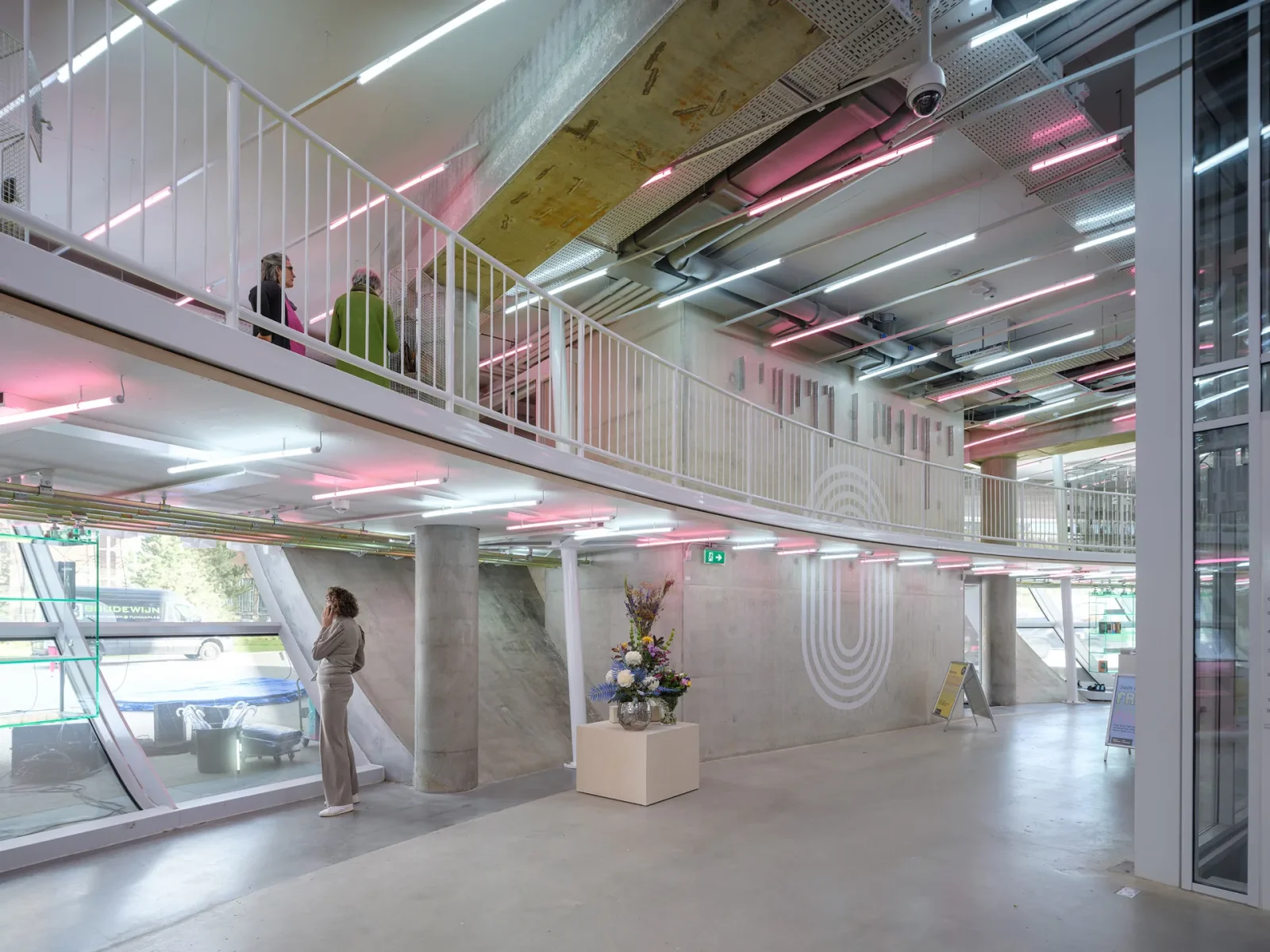
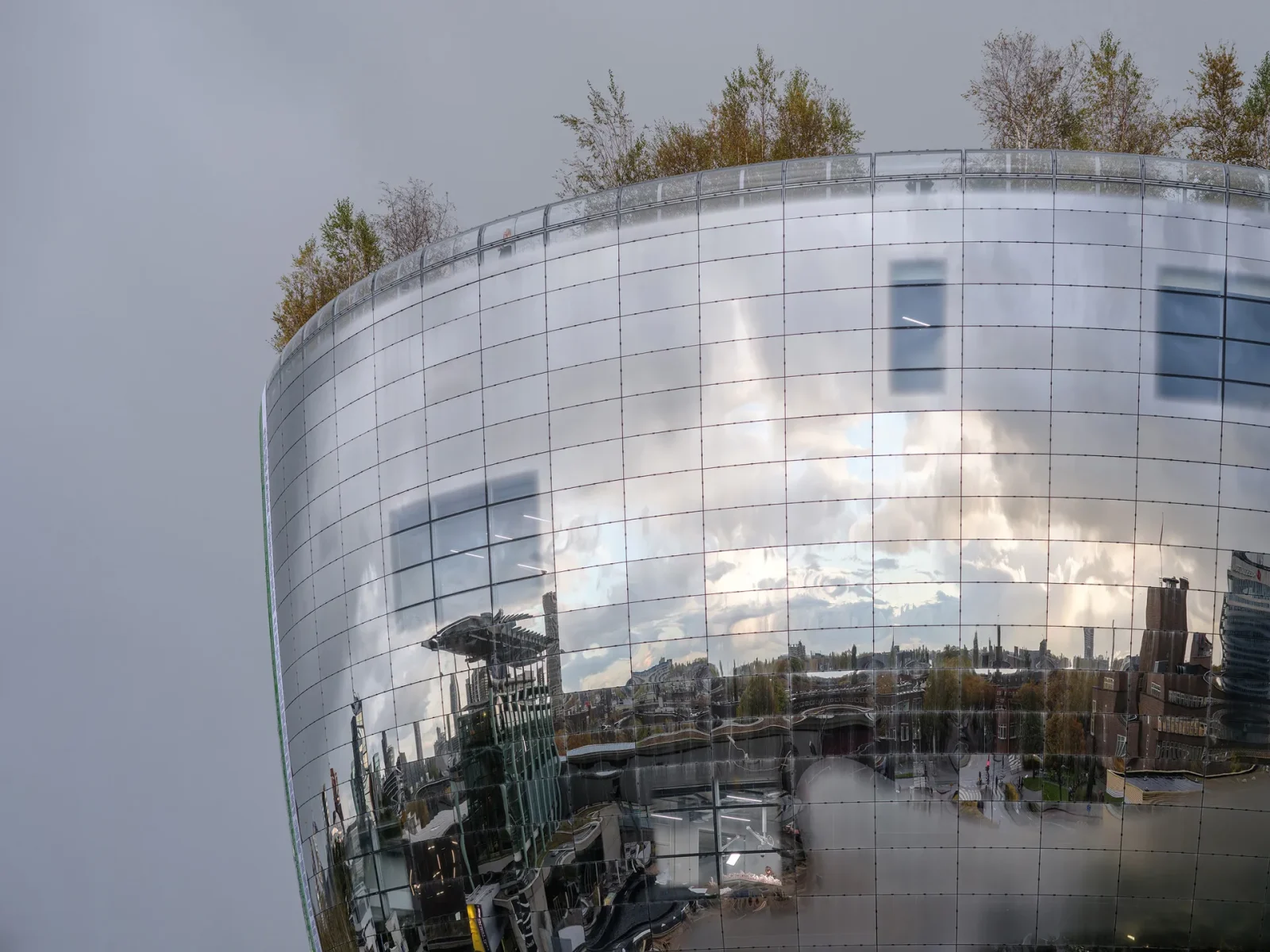
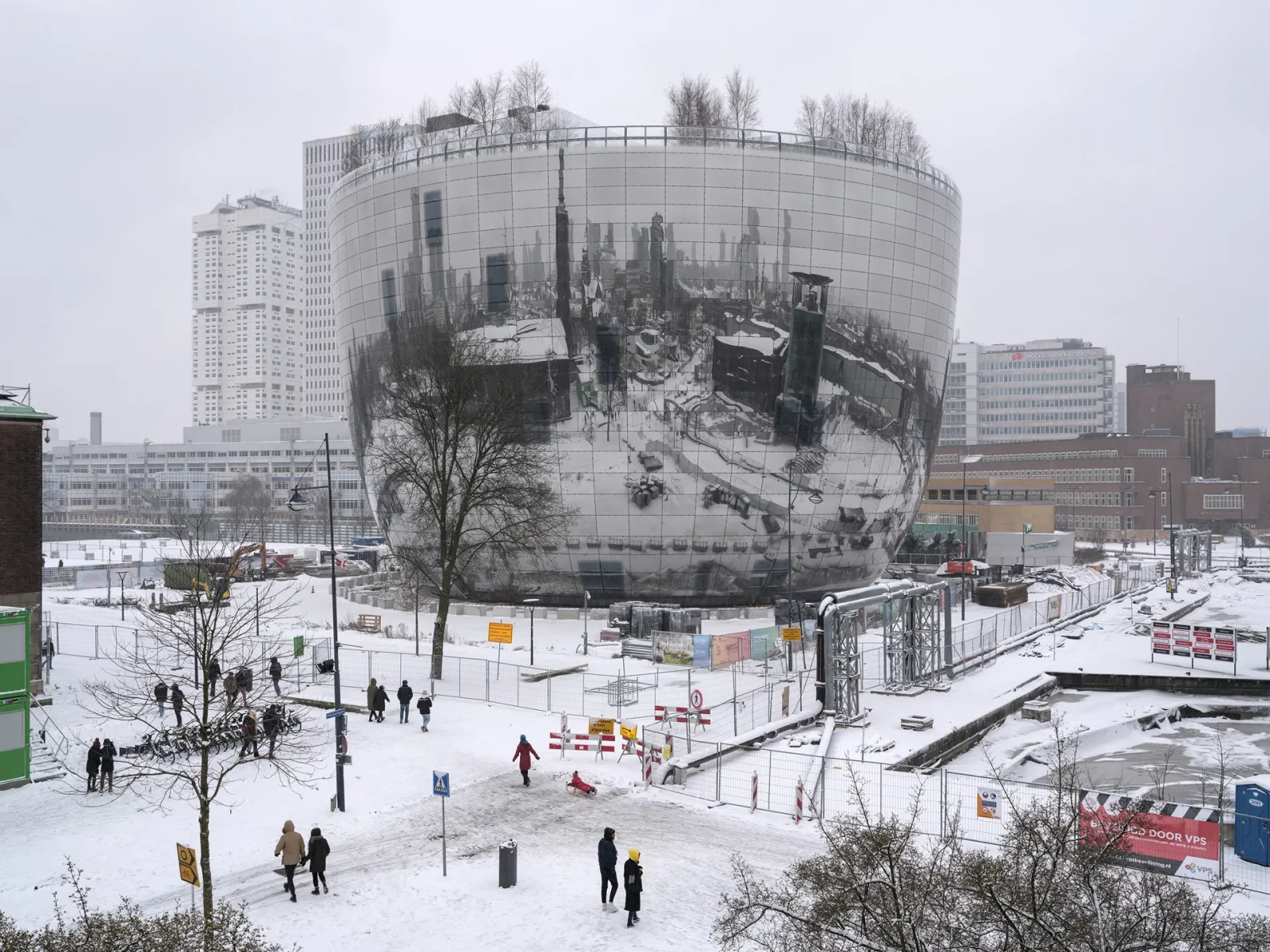
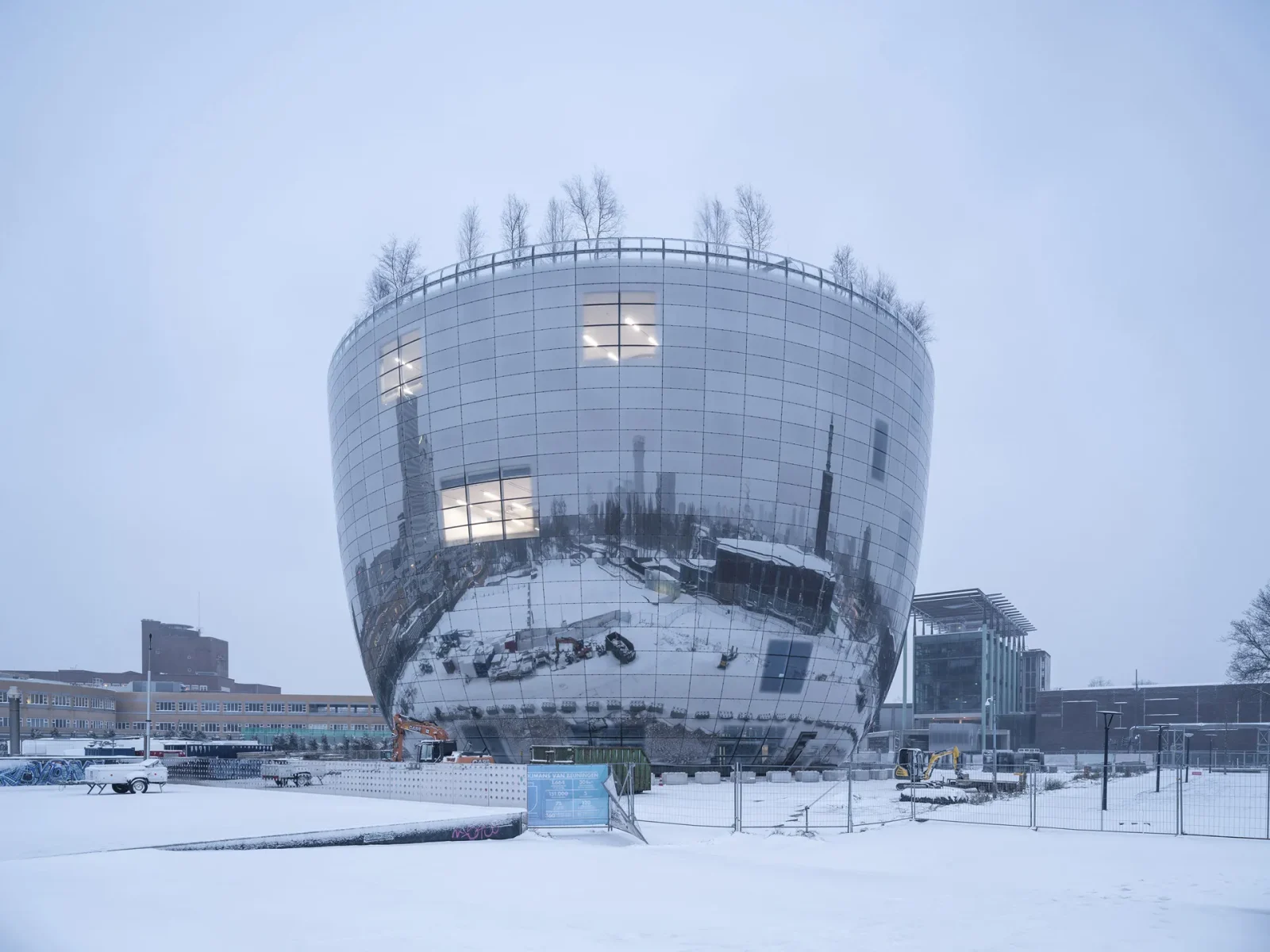
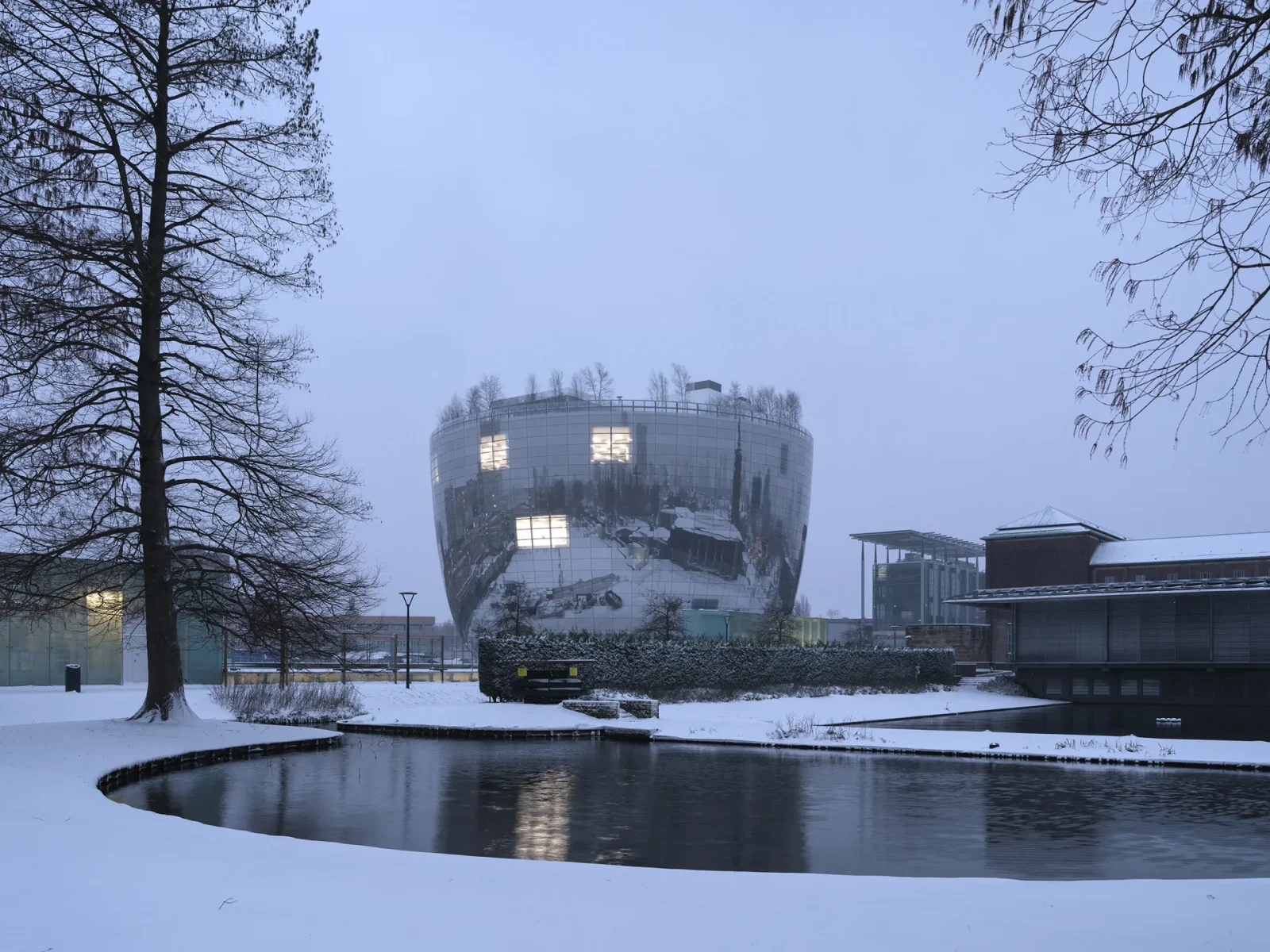
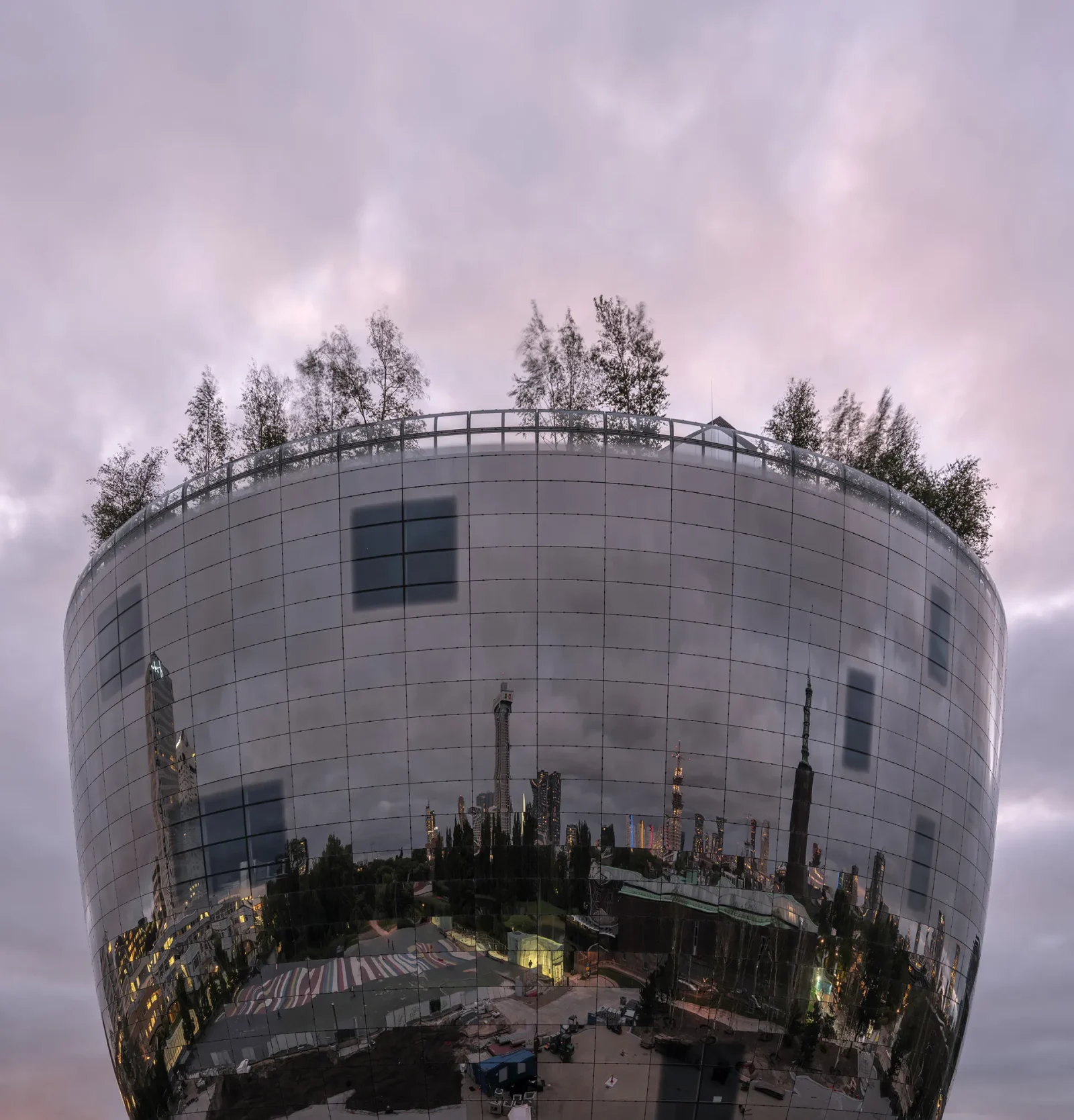
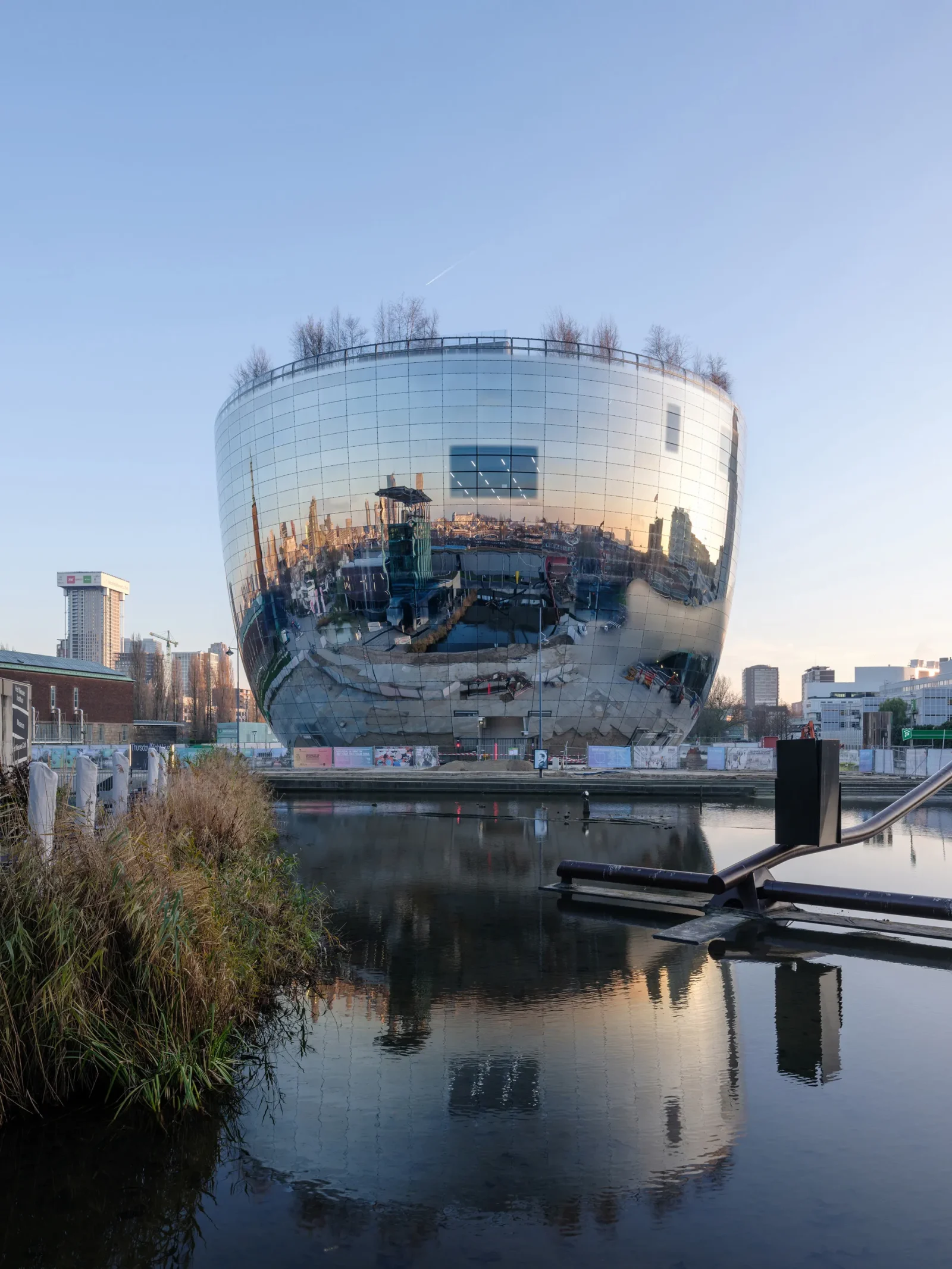
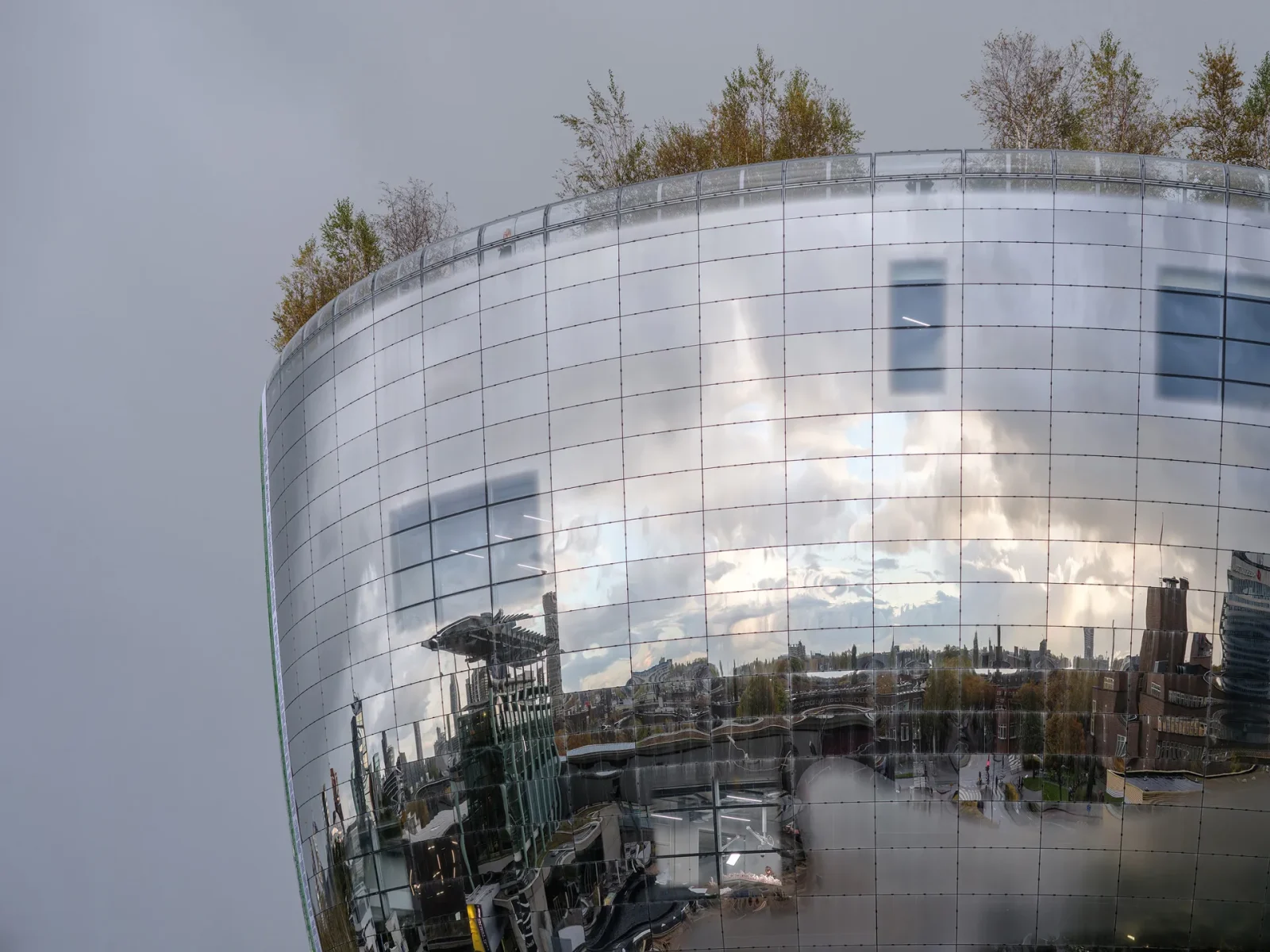
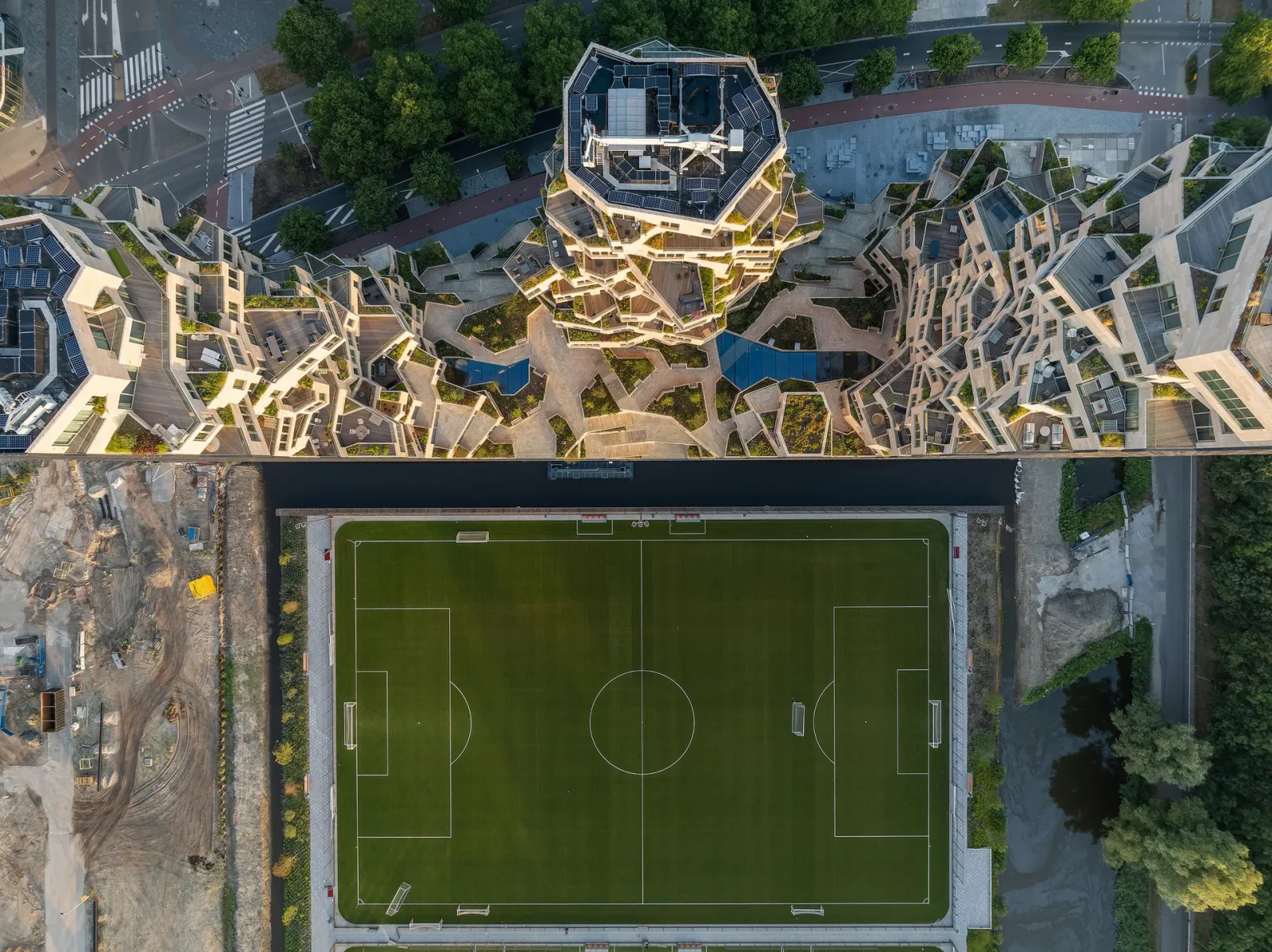
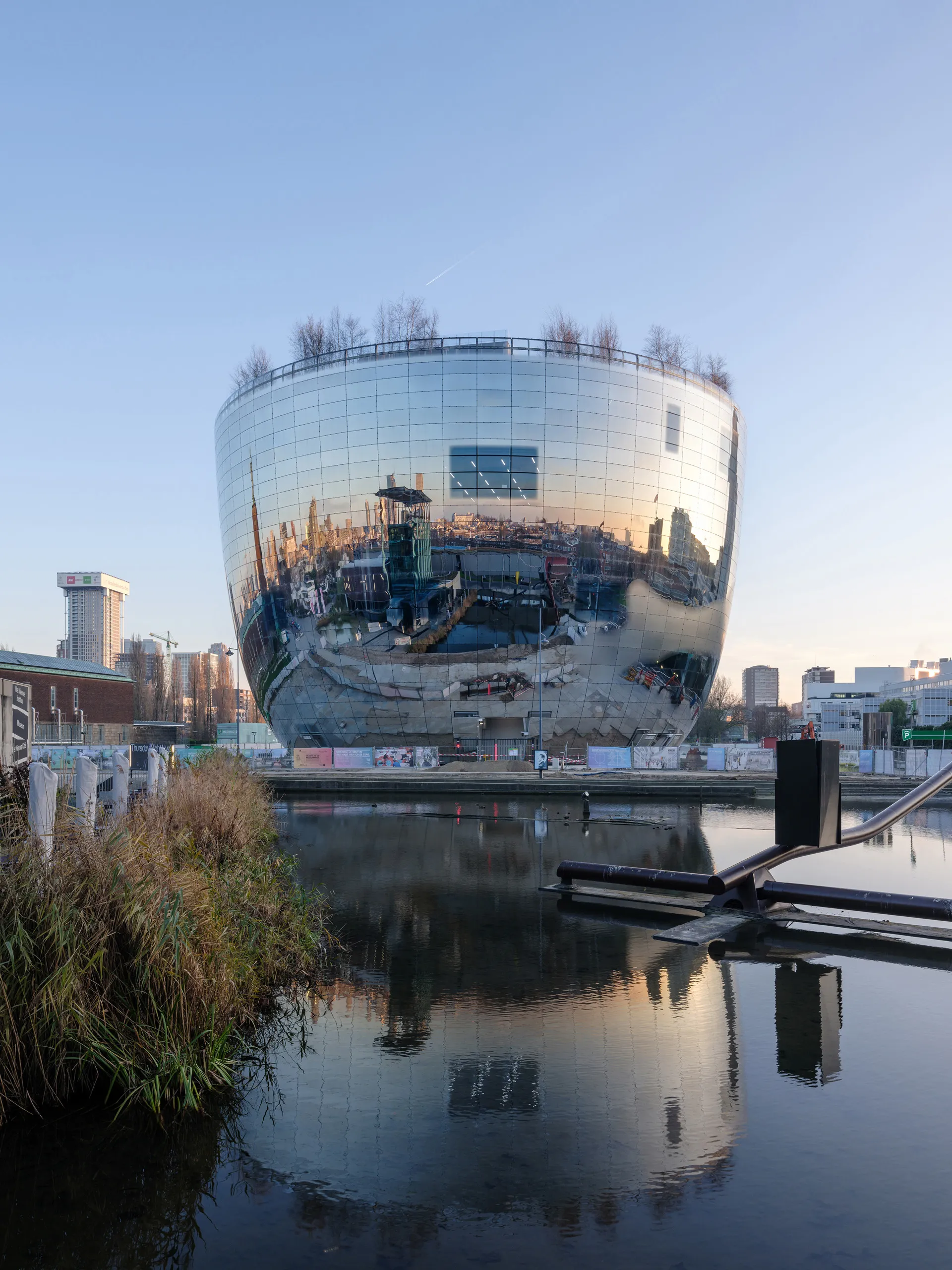
The world’s first fully accessible art storage facility that houses a collection of more than 152,000 artworks and designs. An inverted-cone structure clad in a curved mirror facade is composed of 1,664 mirrored panels, totaling 6,609 square meters of glass, which reflect the surrounding park and Rotterdam’s skyline. The reflection concept extends to the roof garden featuring 75 birch trees and 20 pine trees, allowing the greenery of the roof to blend visually with the park when viewed from above, reinforcing principles of urban biodiversity and green building design.
9. Tiffany & Co. Cancún
Location: Cancún, Mexico
Completion Year: 2024
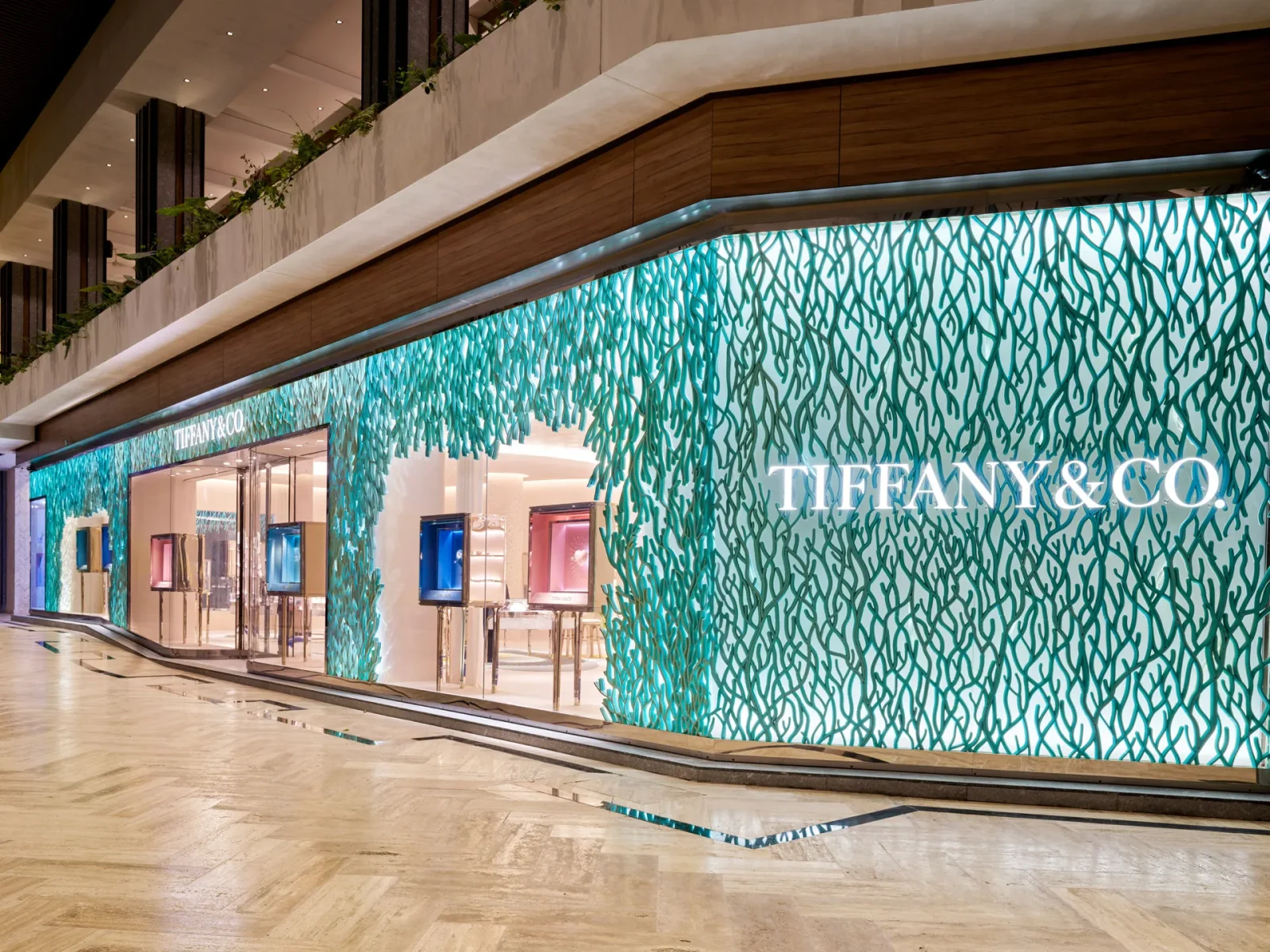
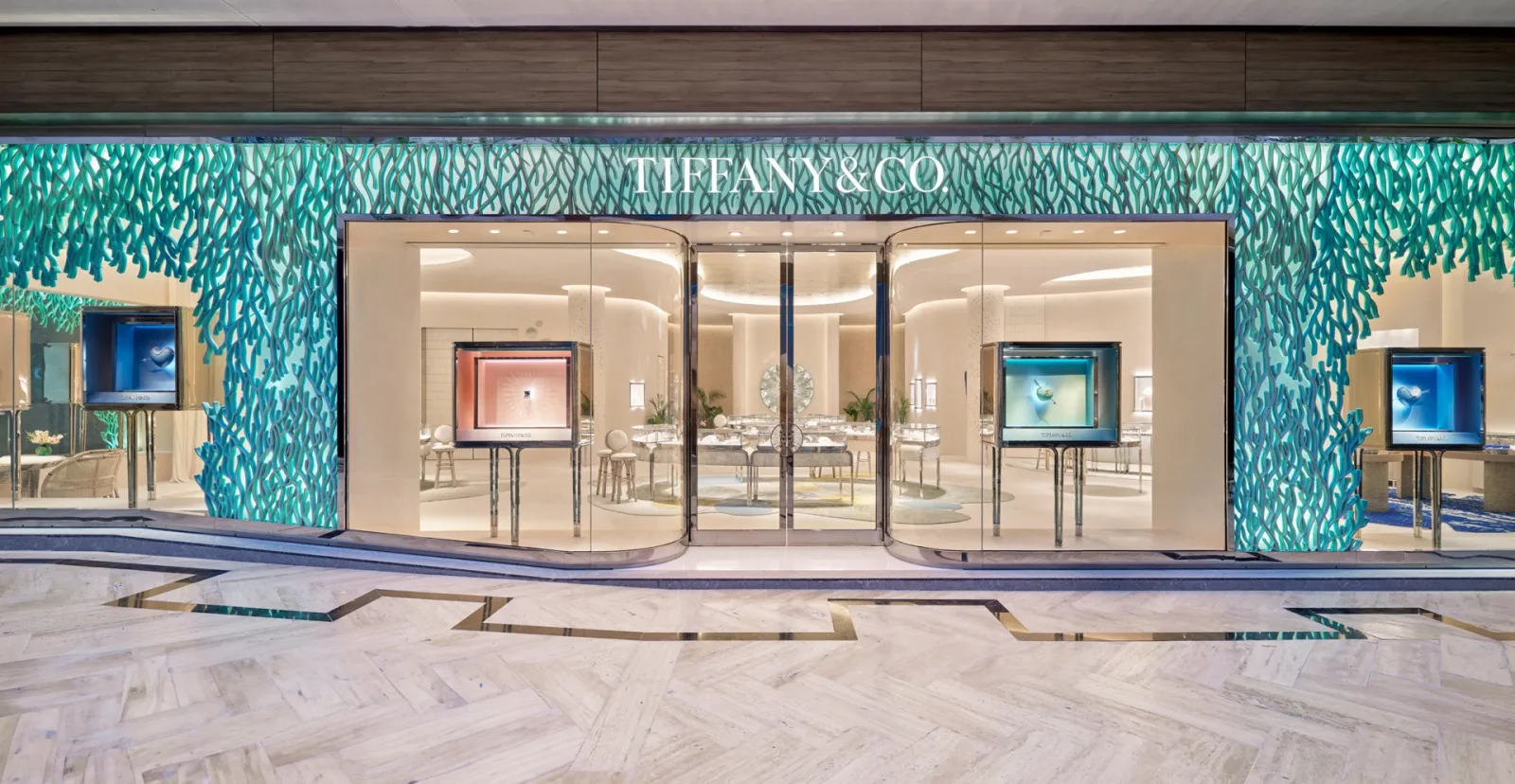
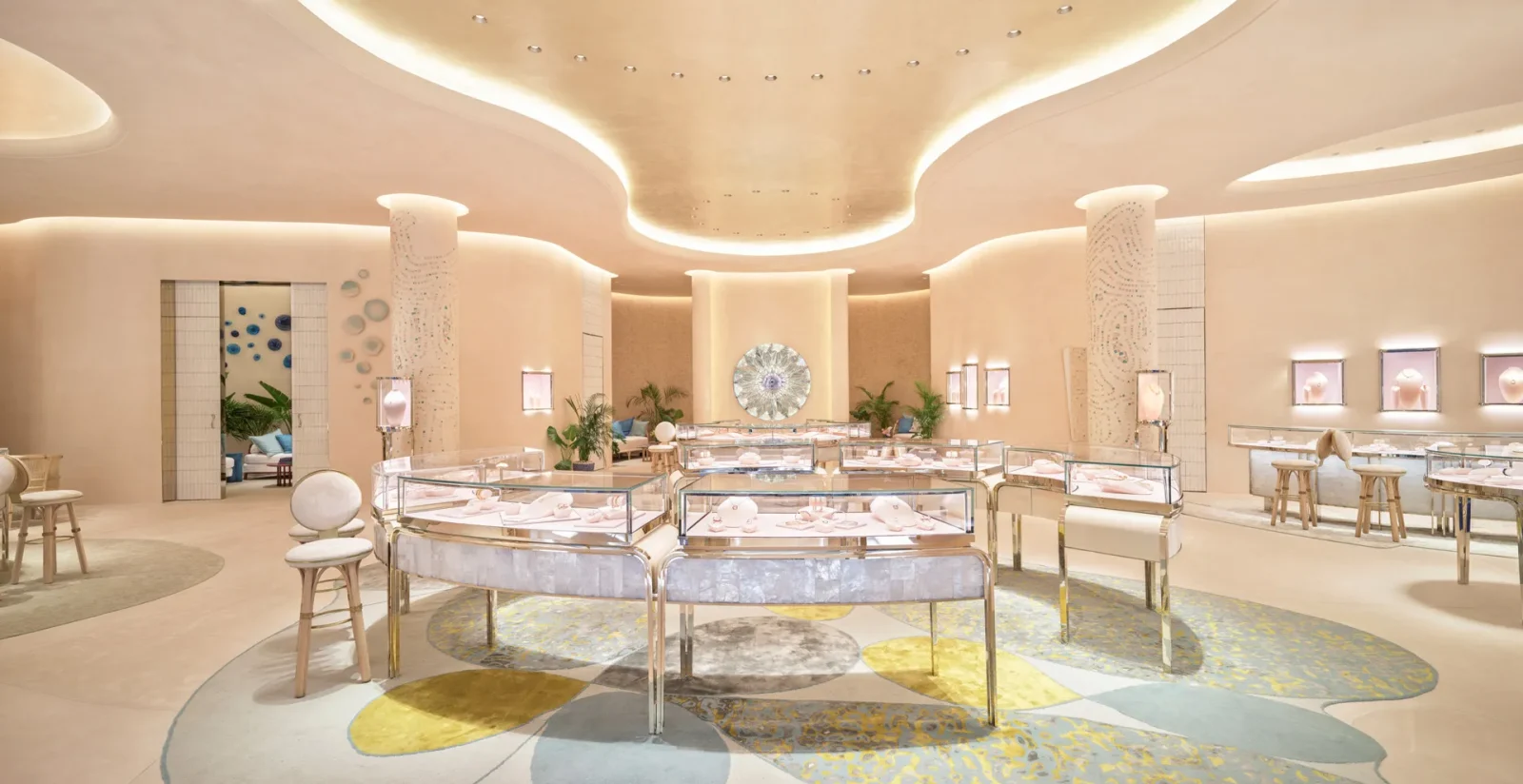
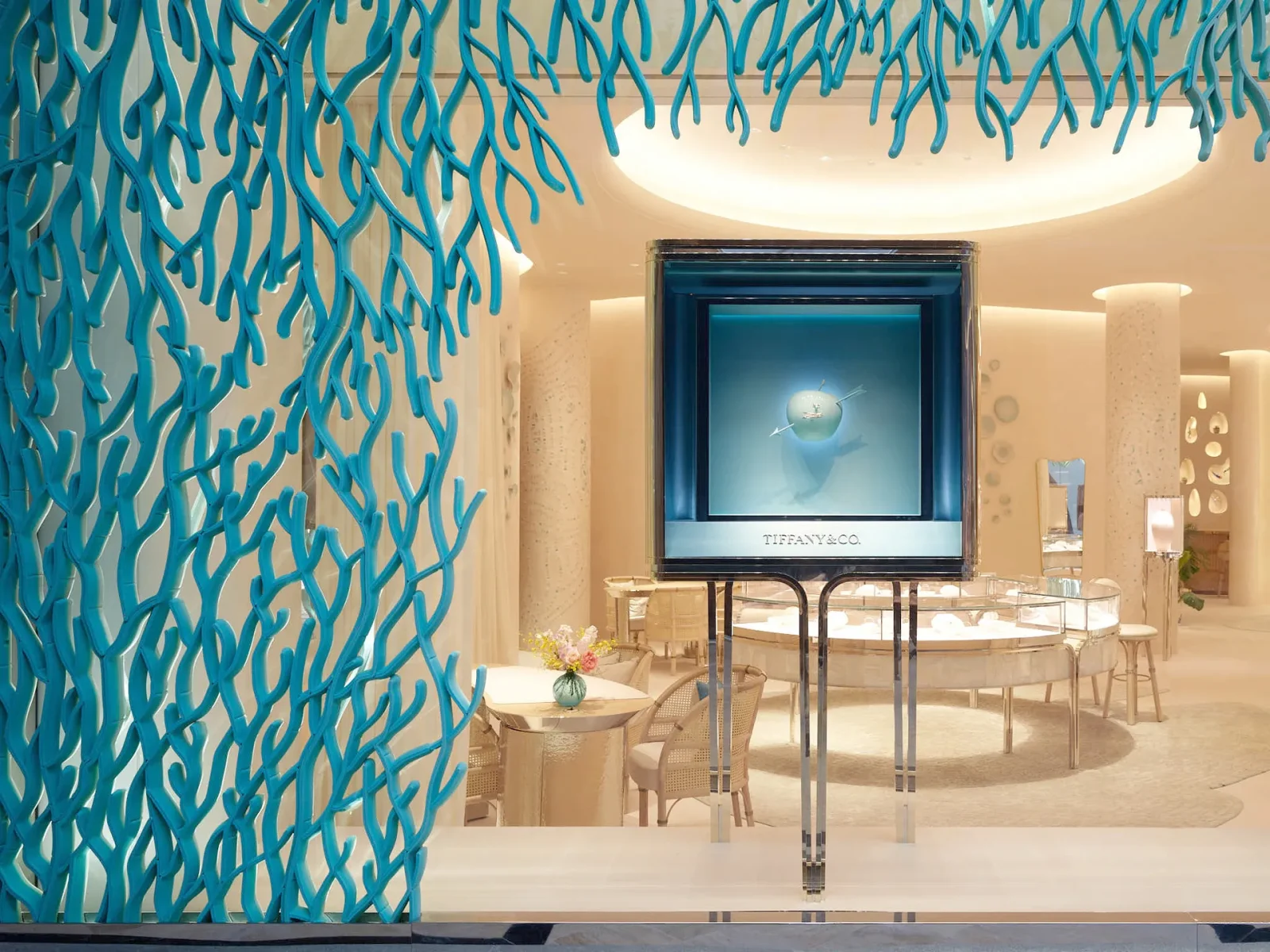
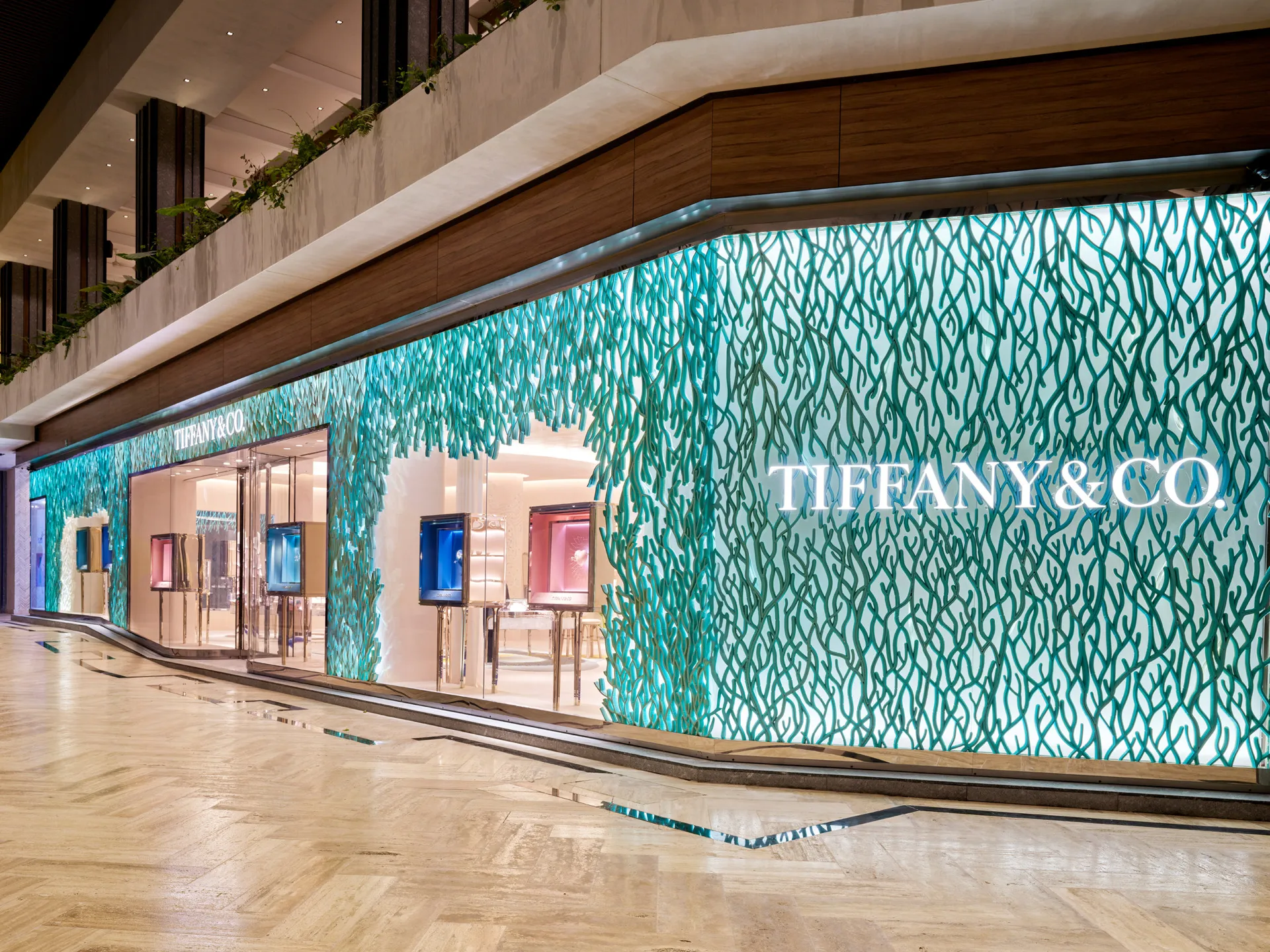
Inspired by the local Caribbean Sea Fan corals, MVRDV designed a facade for Tiffany & Co. that illustrates the application of digital fabrication, additive manufacturing, and 3D-printed components for a global retail identity. The assembly of the elements eliminates on-site traditional mechanical fixings by shaping the panel’s edges to interlock, allowing them to be held in place primarily with glue.
10. Tencent Campus
Location: Qianhai, Shenzhen, China Mainland
Expected Completion Year: 2025
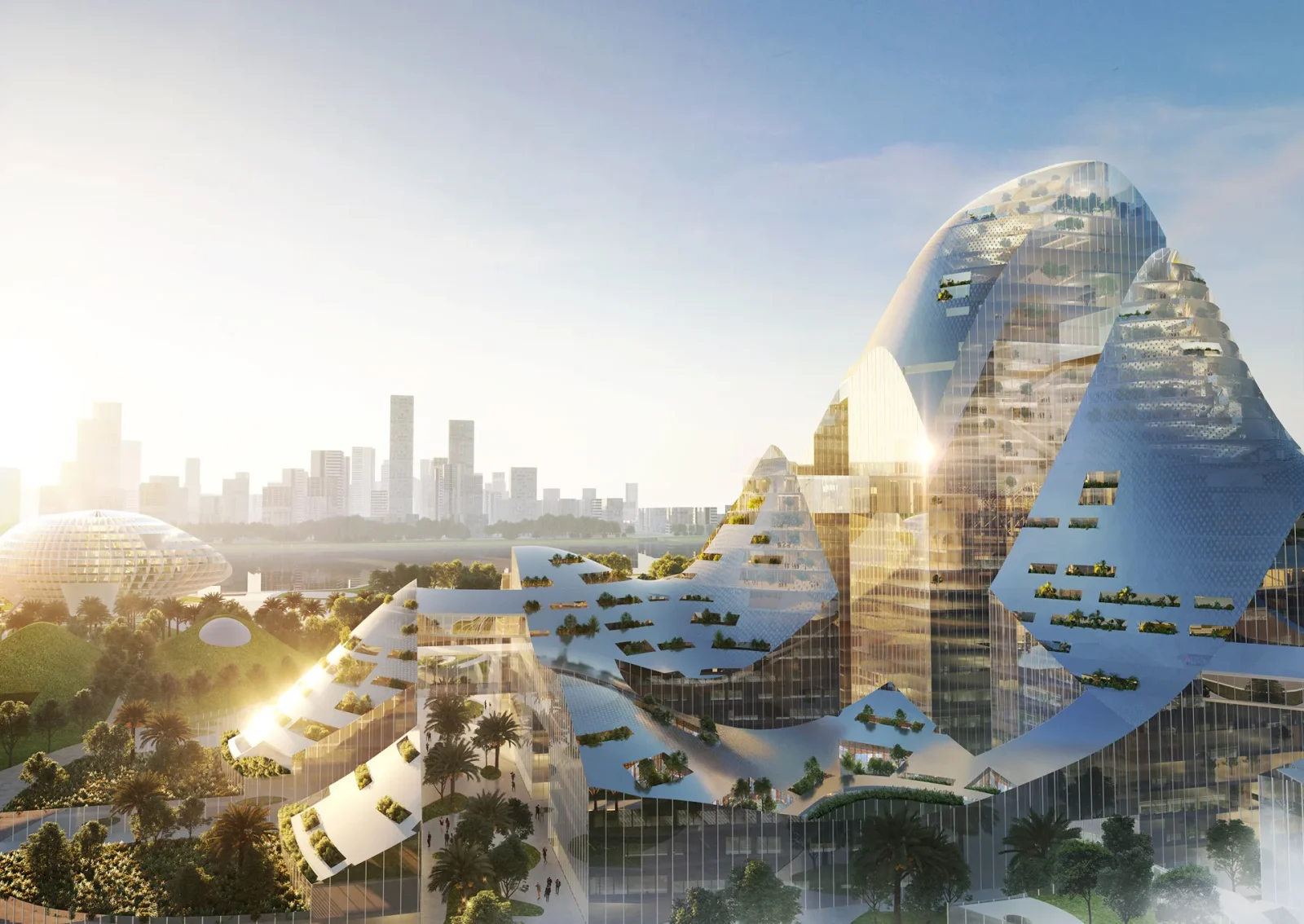
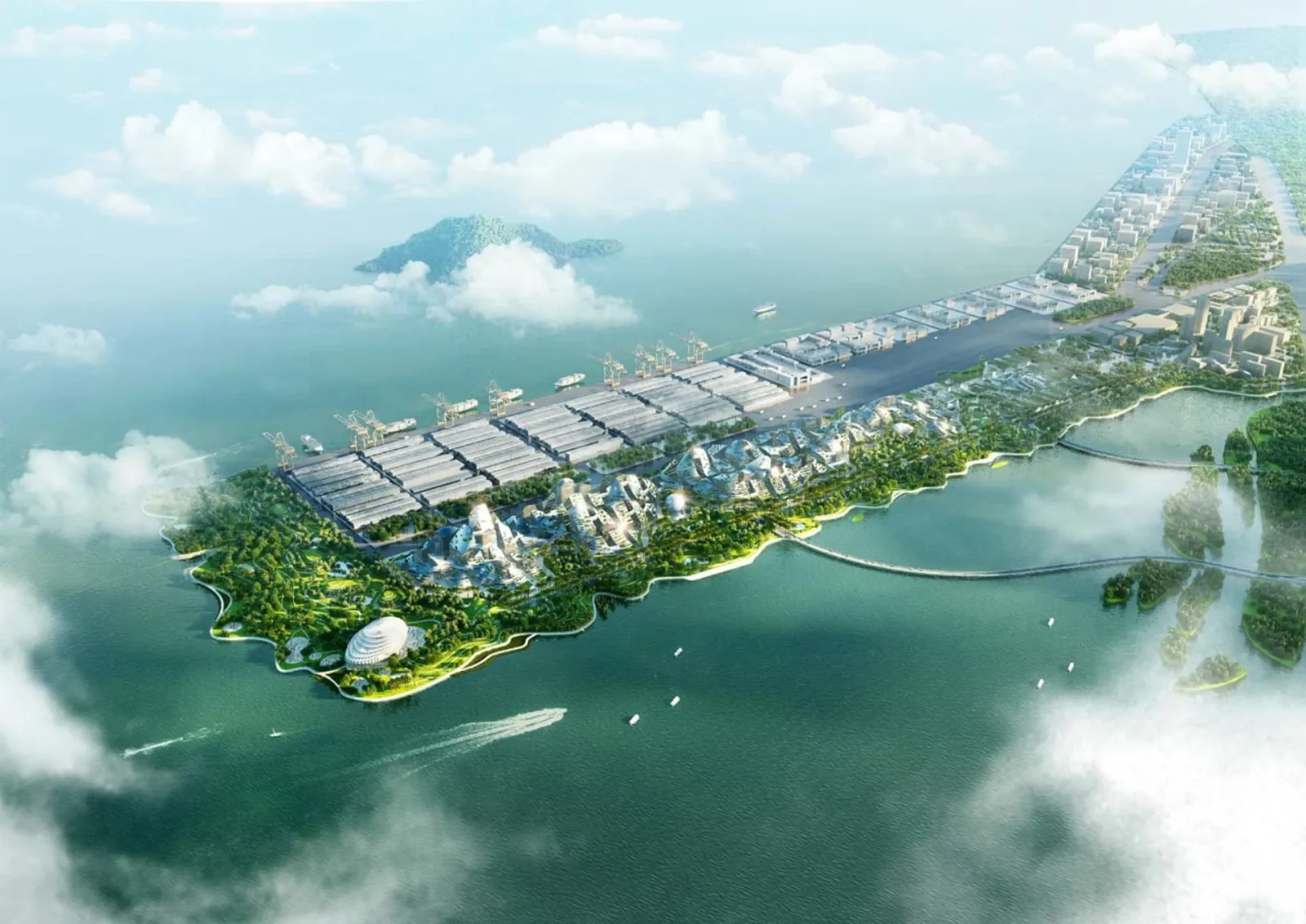
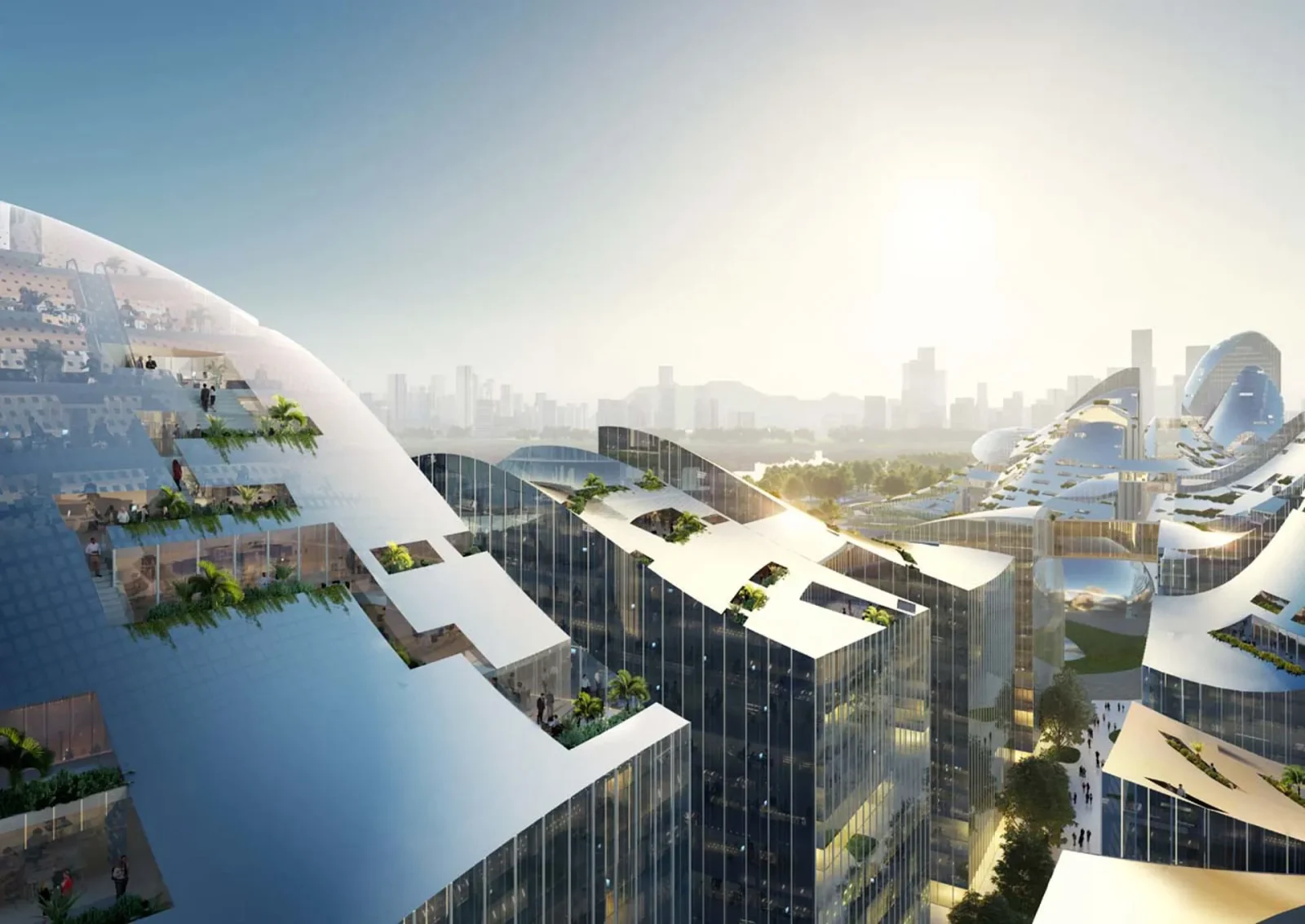
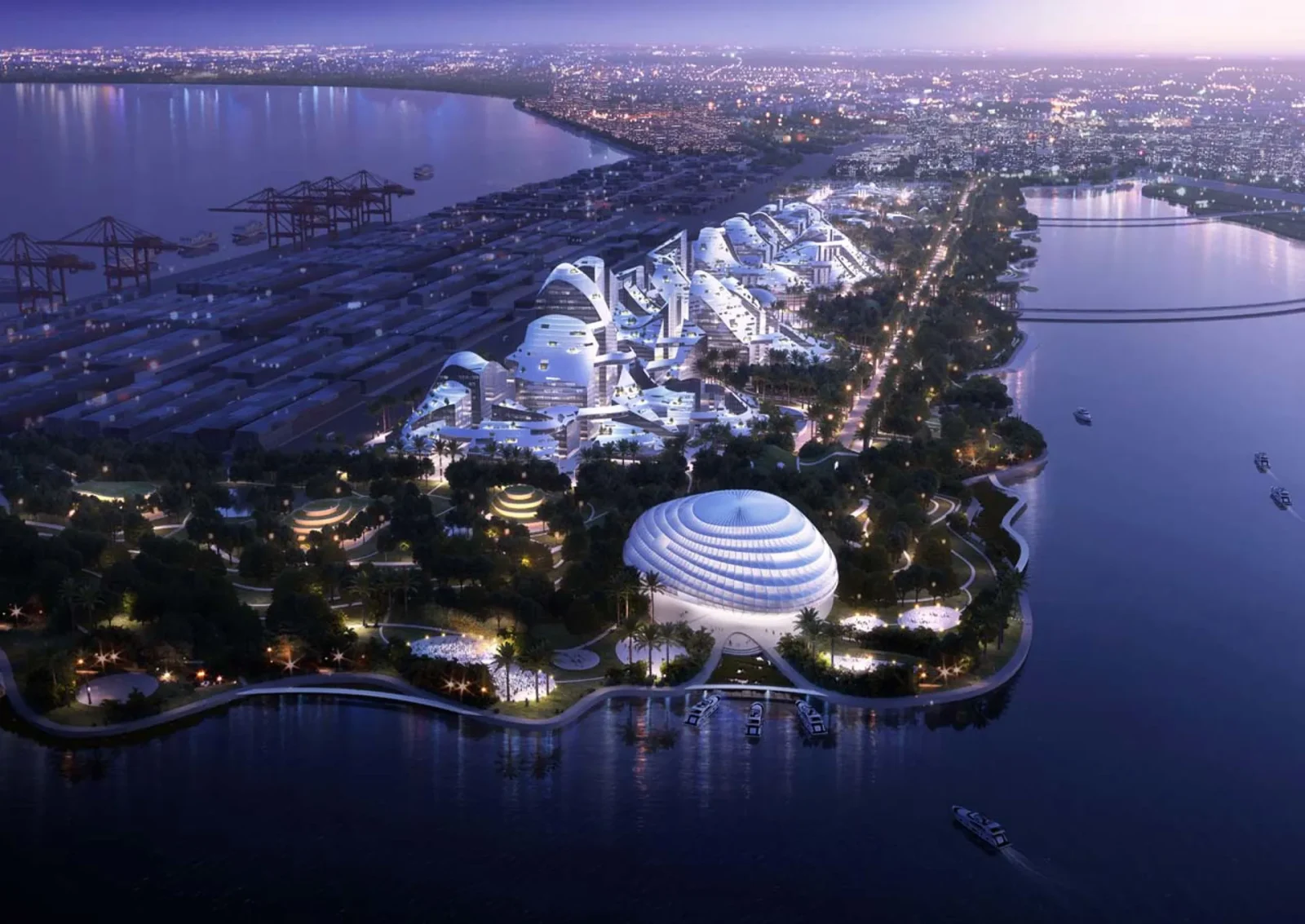
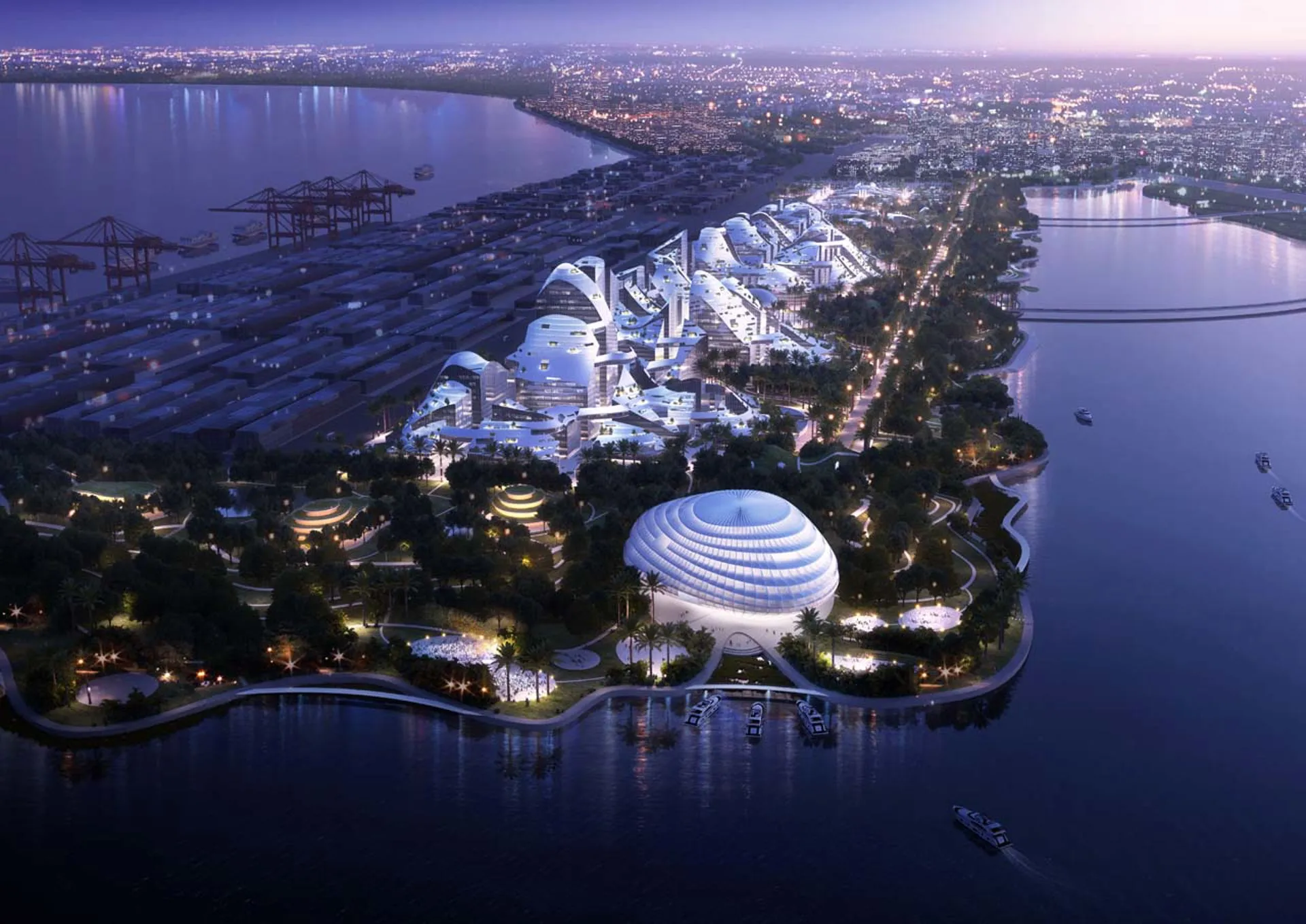
Spanning a 133-hectare site in Qianhai Bay for the Chinese tech giant Tencent, the master plan integrates its components into a continuous, undulating mountain range with a waterfront park winding around the base. The striking element of the design is the Information Plaza, a spherical space carved from the building corners, designated as the project’s beating heart.
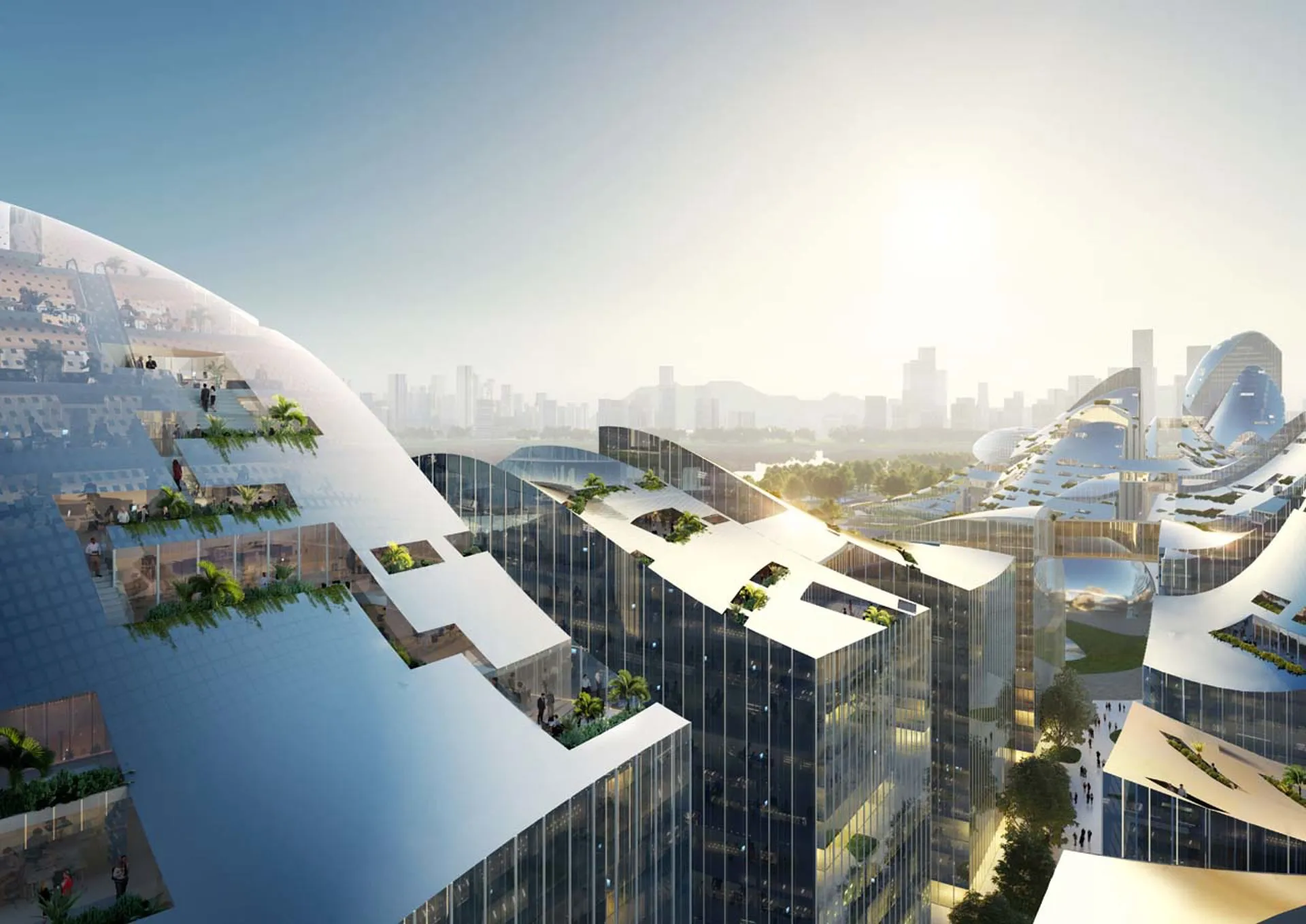
The design allocates 2 million square meters of floor space to accommodate 80,000–100,000 employees. The campus uses real-time operational data, smart technologies, and photovoltaic roofs, reinforcing its role as a leading example of smart city design and tech-driven urban planning.
Photo Credits: © MVDRV
Explore Courses
.jpg%202.jpg "Building Performance with Forma & Opossum")
.jpg "Ondrej Chybik - Rethinking Architecture")