













Every project shaping the skyline of our cities is unique and special. From design to construction, each project takes weeks or even years to complete. Throughout history, some projects have stood out not only for their architectural impressiveness but also for the extraordinarily long construction times they took. Disagreements, wars, crises, technological challenges, and many other factors have caused iconic structures in many parts of the world to have construction periods that lasted for years. While some of these projects, which took years to complete, were only finished by subsequent generations, others were completed far beyond their original design.
In this article, we examine the 8 longest construction projects of all time, showcasing the determination of human perseverance, and focus on the stories behind them.
1. The Great Wall Of China
Location: China
Construction Begins: 400 BC
Completion: 17th Century AD
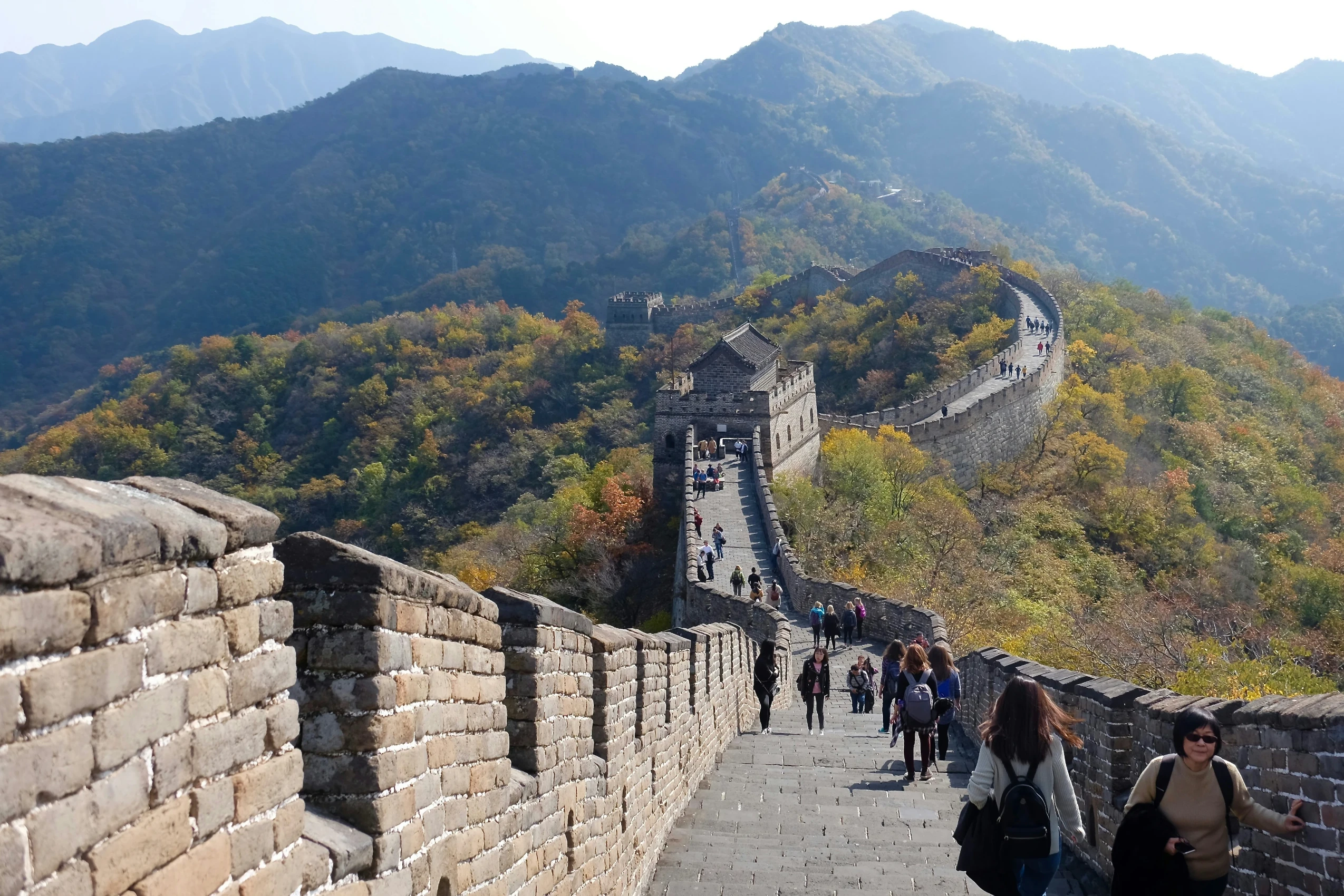
The Great Wall of China is the longest construction project of all time, taking a total of 2000 years to complete. Stretching for more than 13,000 miles, the wall served as a defensive barrier across northern China. Construction continued intermittently over many centuries, with successive dynasties adding their own sections until the project was largely completed in the early 17th century. Each ruler added their own touch, using locally available materials such as rammed earth, wood, and later brick and stone.
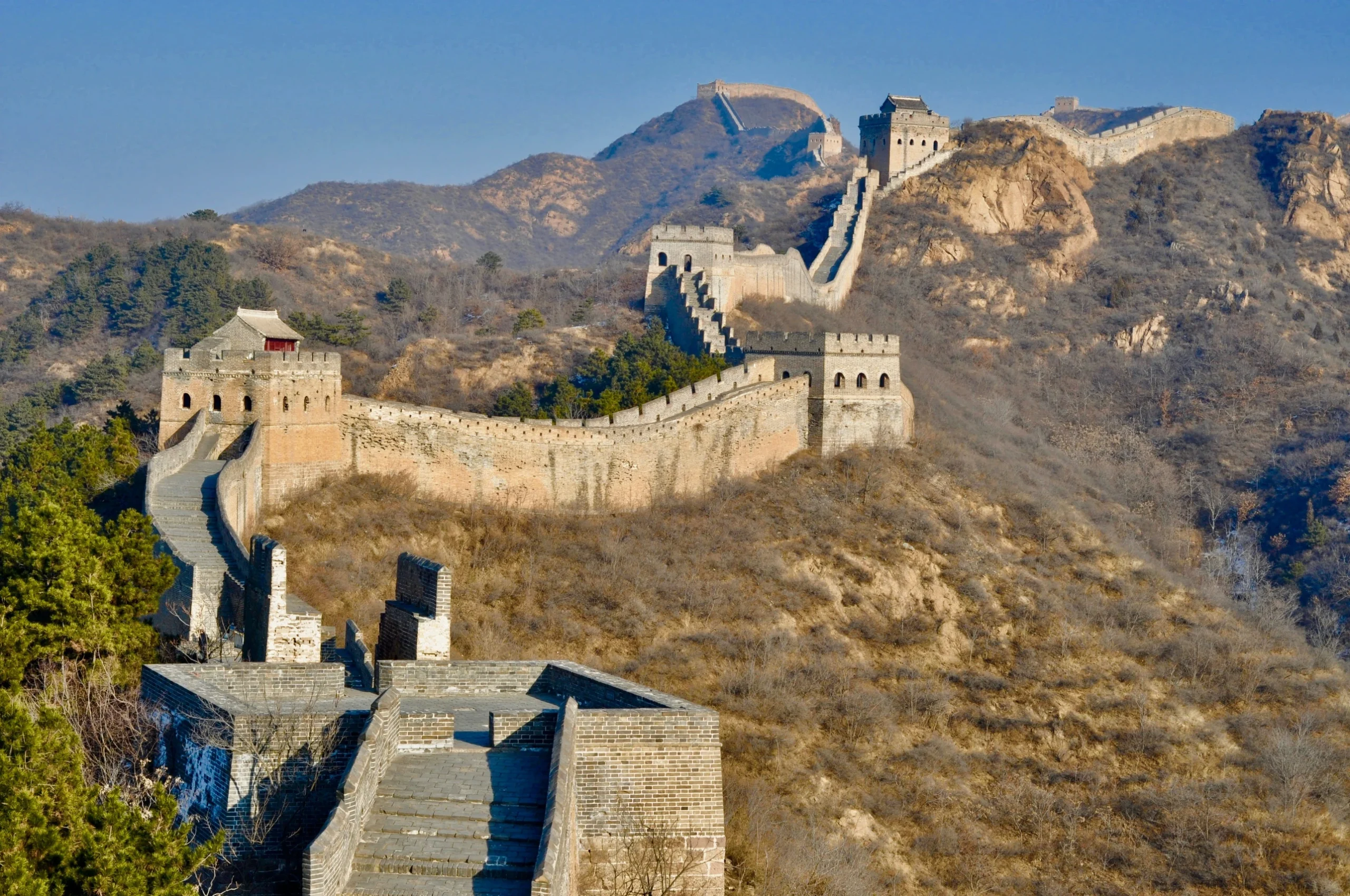
Although some sections of the wall date back to the 5th century BC, the Chu State Square Wall was completed as early as the 7th century BC. Although not considered a single construction project because it connected many pre-existing walls and fortifications, Qin Shin, China’s first emperor, managed to connect many of the Great Wall’s sections in the 3rd century BC. Most of the sections that are best known today were built during the Ming Dynasty, between the 14th and 17th centuries. The mountainous and desert terrain complicated construction; labor shortages led to the conscription of peasants and soldiers.
2. Cologne Cathedral
Location: Cologne, Germany
Construction Begins: 1248
Completion: 1880
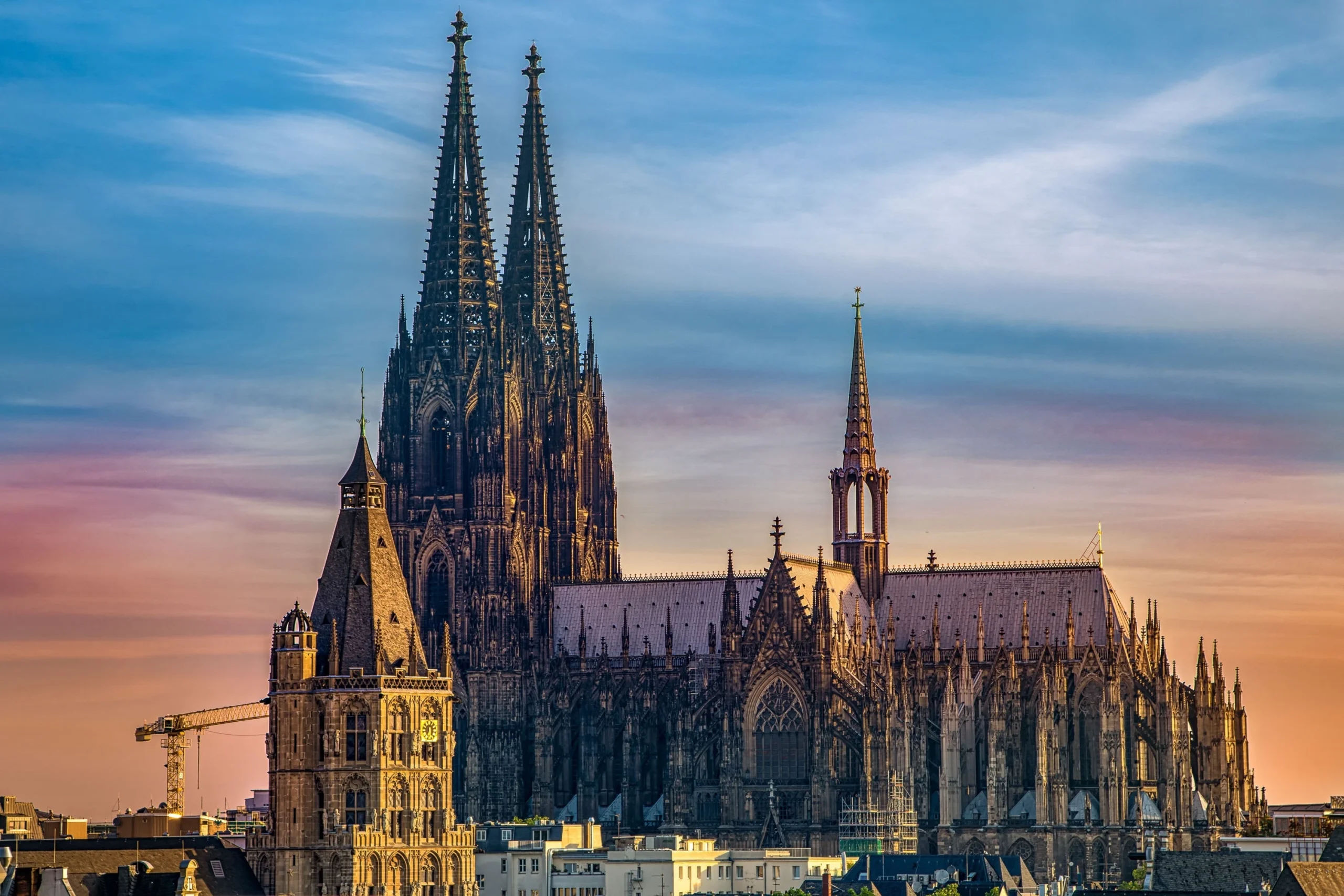
One of the most iconic examples of Gothic architecture, Cologne Cathedral in Germany, is among the longest construction projects in European history, taking more than 600 years to complete. Construction began in 1248, and significant progress was made before the 16th century, including the completion of the choir and apse. However, due to insufficient funding and changing styles, construction was halted for approximately 300 years, starting in 1560. Political instability and religious change reduced interest in the Gothic style, leading to the cessation of construction at Cologne Cathedral and the region’s shift toward other priorities.
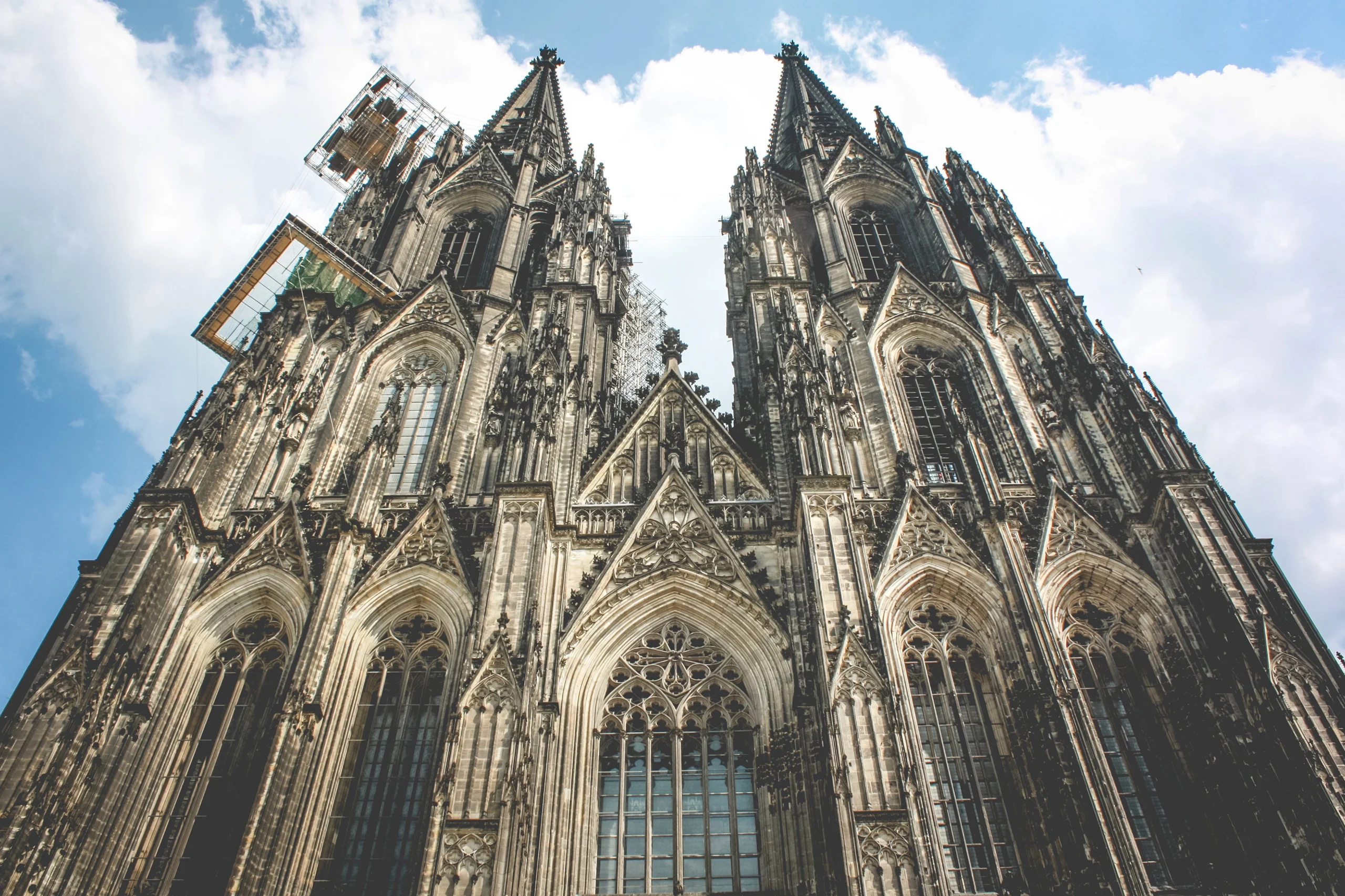
In the 1800s, King Frederick William IV of Prussia spearheaded the completion of Cologne Cathedral by financing it through donations. Completed according to its original medieval plans, the cathedral, at 157 meters high, held the title of the tallest building of its time. Today, Cologne Cathedral remains one of Germany’s most visited landmarks and is recognized as a UNESCO World Heritage Site.
3. Temple of Olympian Zeus
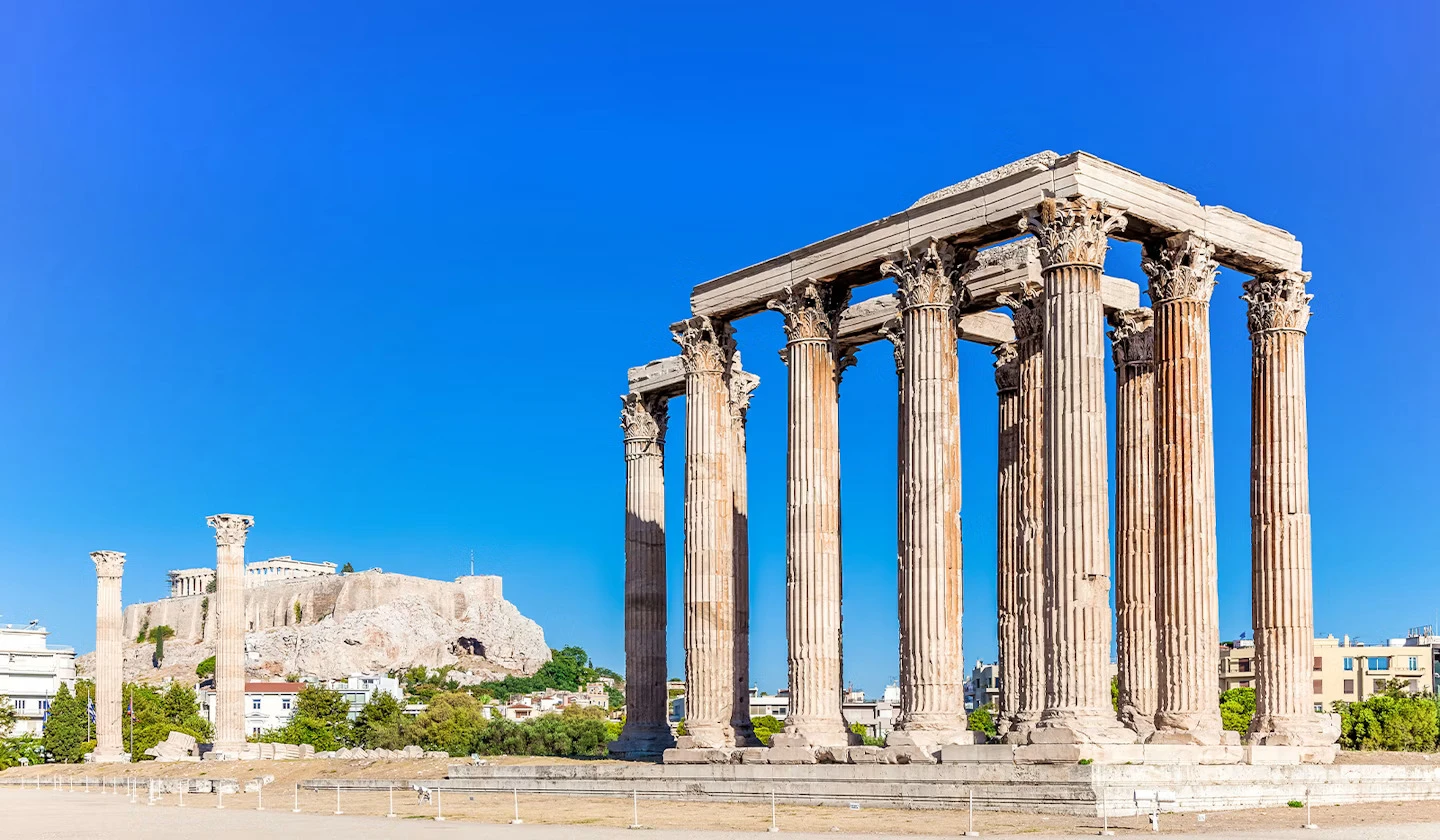
Location: Athens, Greece
Construction Begins: 6th Century BC
Completion: 132 AD
Designed as the city’s largest temple with its extraordinarily tall columns and ambitious plans, the Temple of Olympian Zeus, with its 600-year construction period, became one of the longest construction projects in the world. Designed by architects Antistates, Callaeschrus, and Antimachides as a monumental tribute to Zeus and a demonstration of Athens’ power, the temple’s construction did not progress beyond the limestone foundation before Peisistratos was deposed and the project was abandoned.
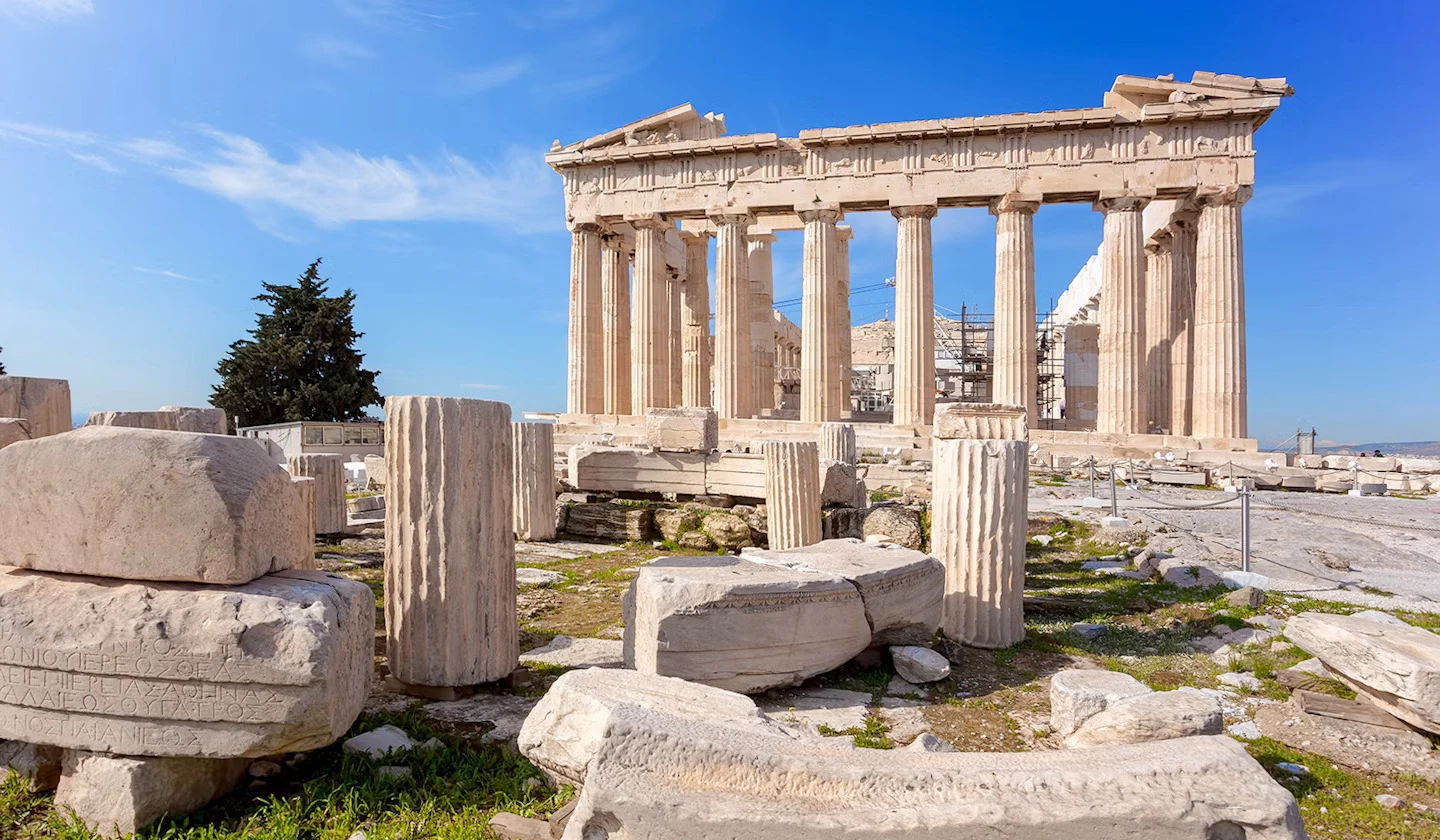
Construction of the temple, which had resumed in 174 BC during the reign of King Antiochus IV Epiphanes of Syria, began with the erection of Corinthian columns and beams. Yet following Antiochus’s death, construction once again came to a standstill. The project was revived under the Roman Emperor Hadrian around AD 124 and was finally completed in AD 132. A rectangular wall was built around the temple, Roman baths were added to the area, and the Hadrianic Arch, a monumental 18-meter-high arch, was placed at the entrance to the new sanctuary.
4. Milan Cathedral
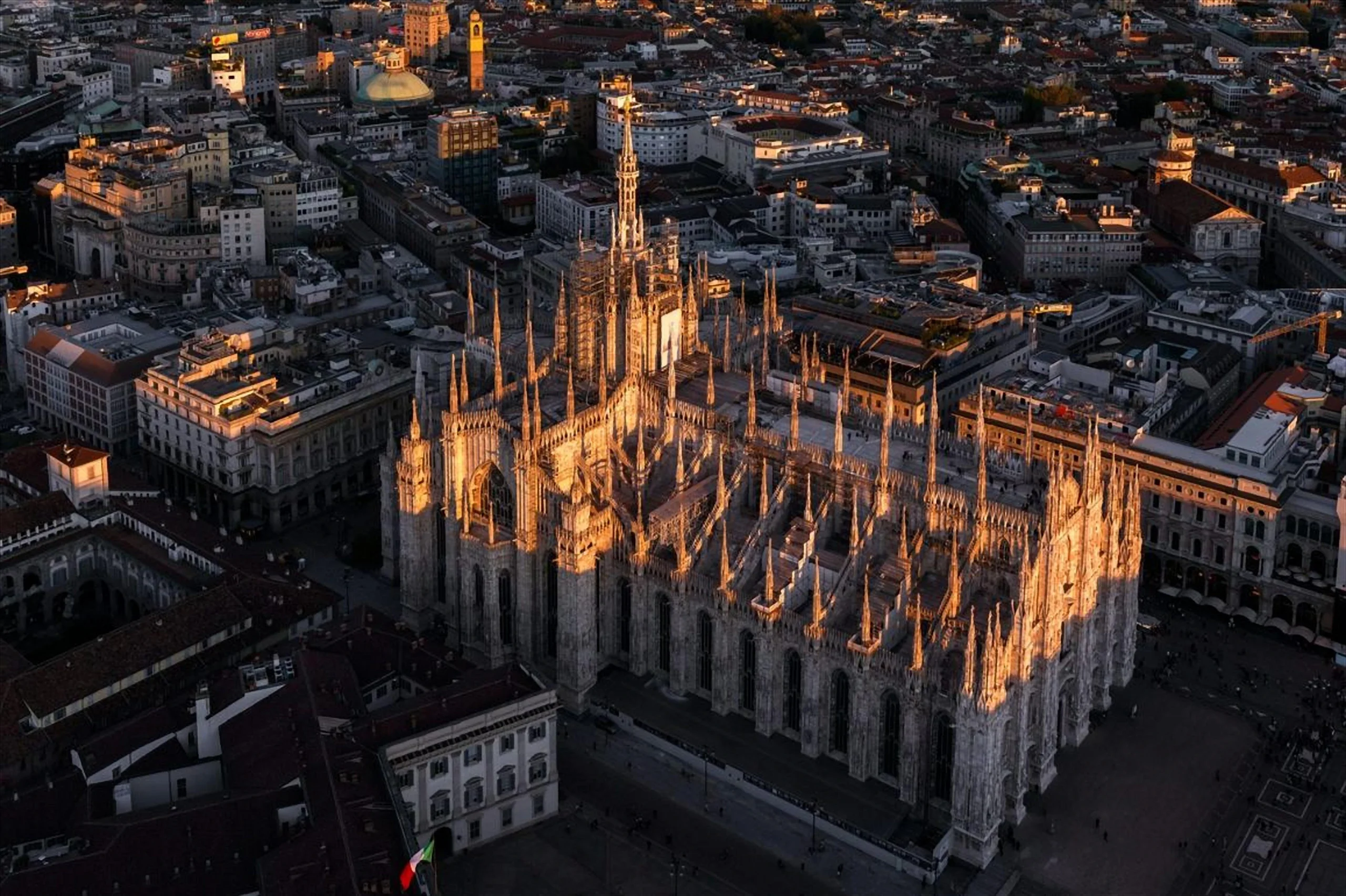
Location: Milan, Italy
Construction Begins: 1386
Completion: 1965
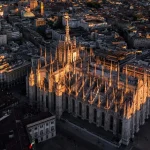
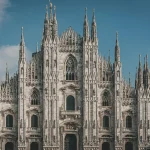
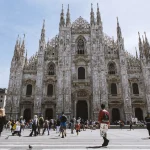
Milan Cathedral, the symbol of Milan, Italy, began construction during the height of the Gothic architectural era. Completed 578 years after construction began, it is one of the longest-running construction projects in the world. Built in 1386 by Archbishop Antonio da Saluzzo in a central location where all the main streets of the city originated, the Milan Cathedral was consecrated with a papal altar in 1418, with Leonardo da Vinci also contributing to its design. During the reign of Napoleon, much of the façade and several spires were installed, while interior work continued slowly but steadily.
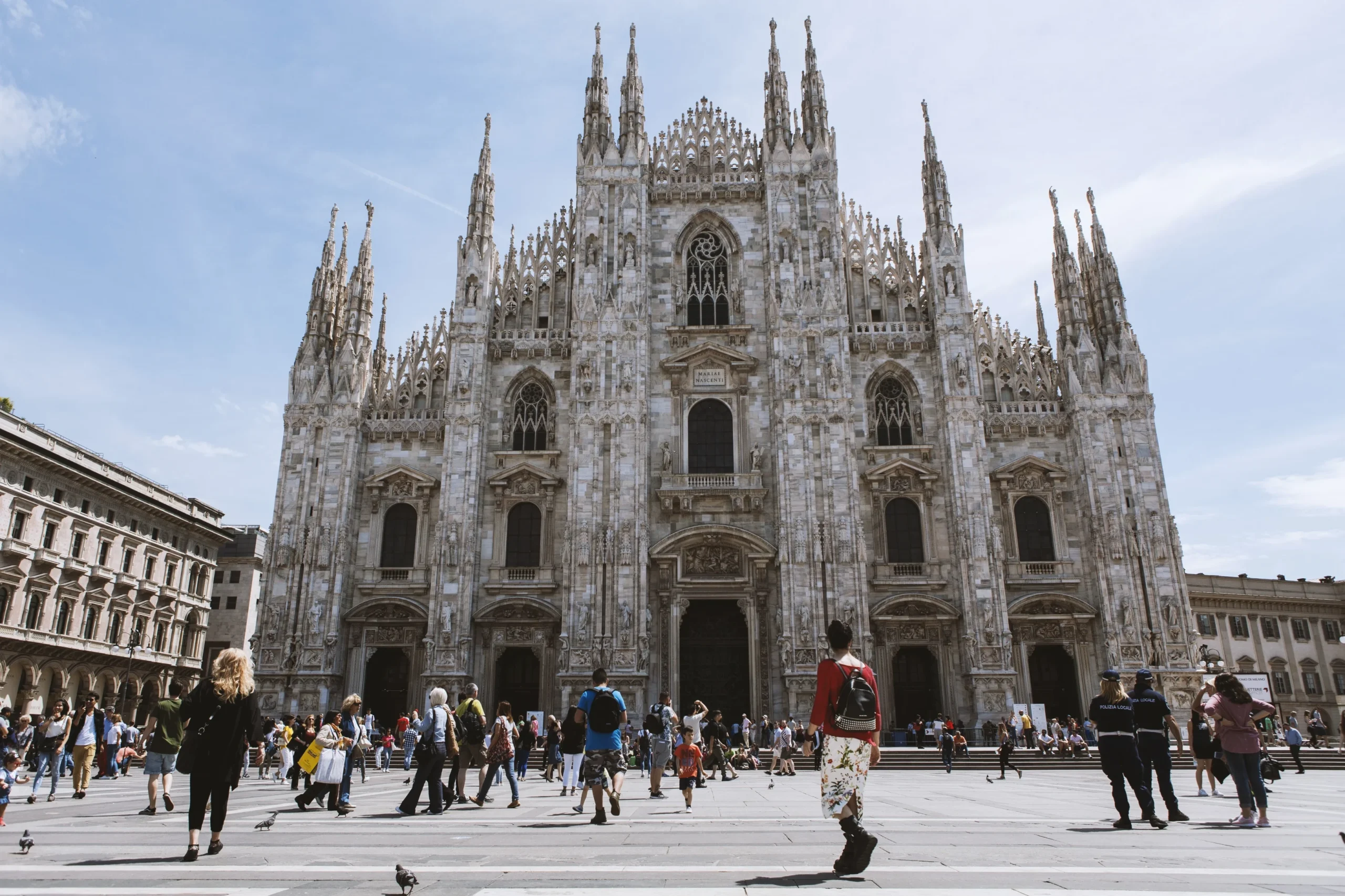
Due to a lack of funds and ideas, the construction of Milan Cathedral progressed haphazardly over the next 500 years. As with many of its architectural elements, the façade lacked a definitive plan until the late 18th century. Between the 17th and 18th centuries, the tiburio was completed with the installation of the large central spire and the statue of the Virgin Mary (1774). Further renovations, including glasswork and additional work on the facade, brought the cathedral to its present appearance in 1965.
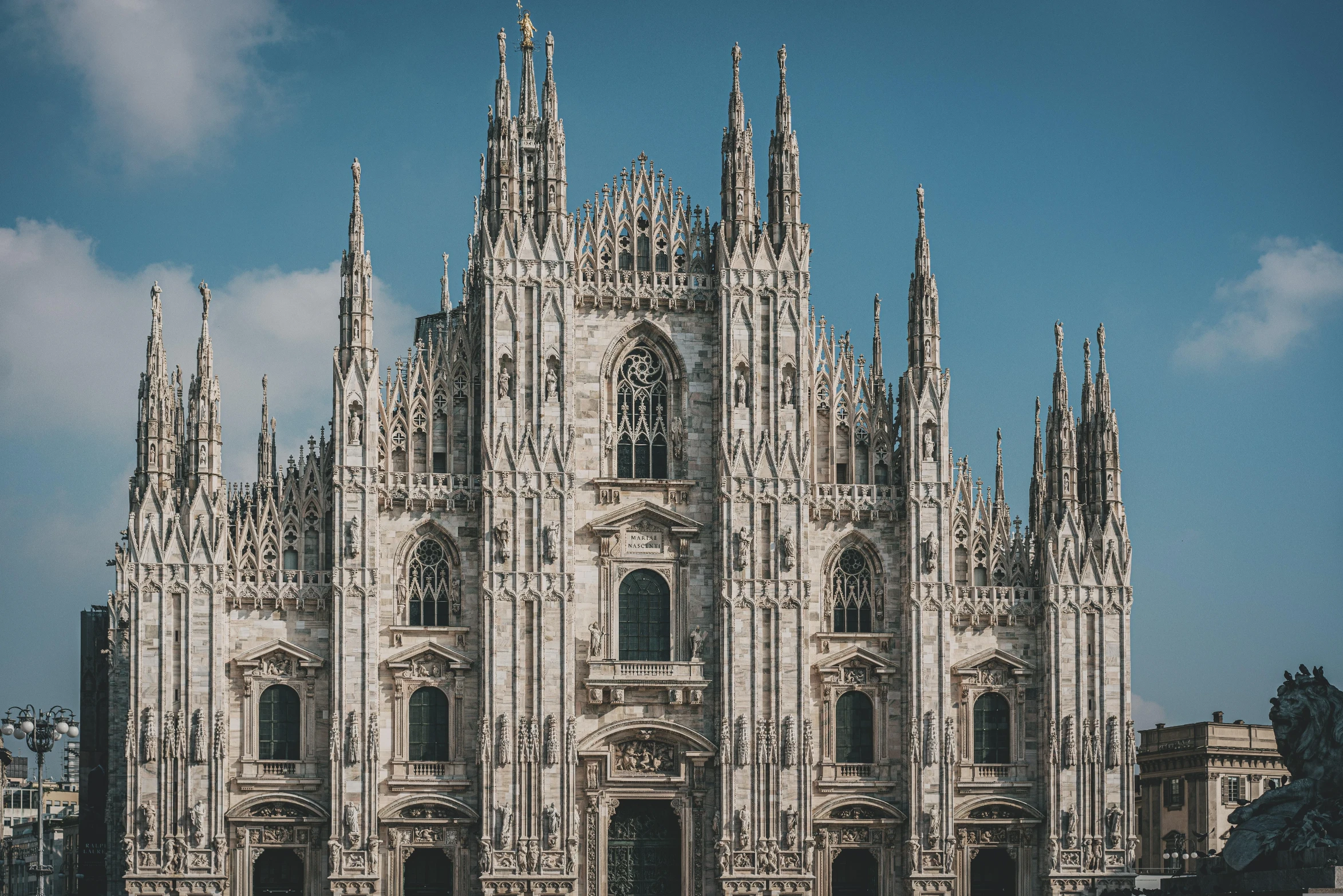
Because construction spanned multiple centuries, Milan Cathedral presents a striking architectural blend: a French Gothic eastern apse with numerous spires, flying buttresses, and intricate window tracery; an octagonal Renaissance dome; an 18th-century spire; and a Neoclassical façade with bronze doors added in the 20th century.
5. Winchester Cathedral
Location: Winchester, UK
Construction Begins: 1079
Completion: 1532
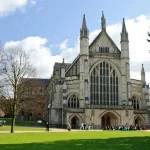
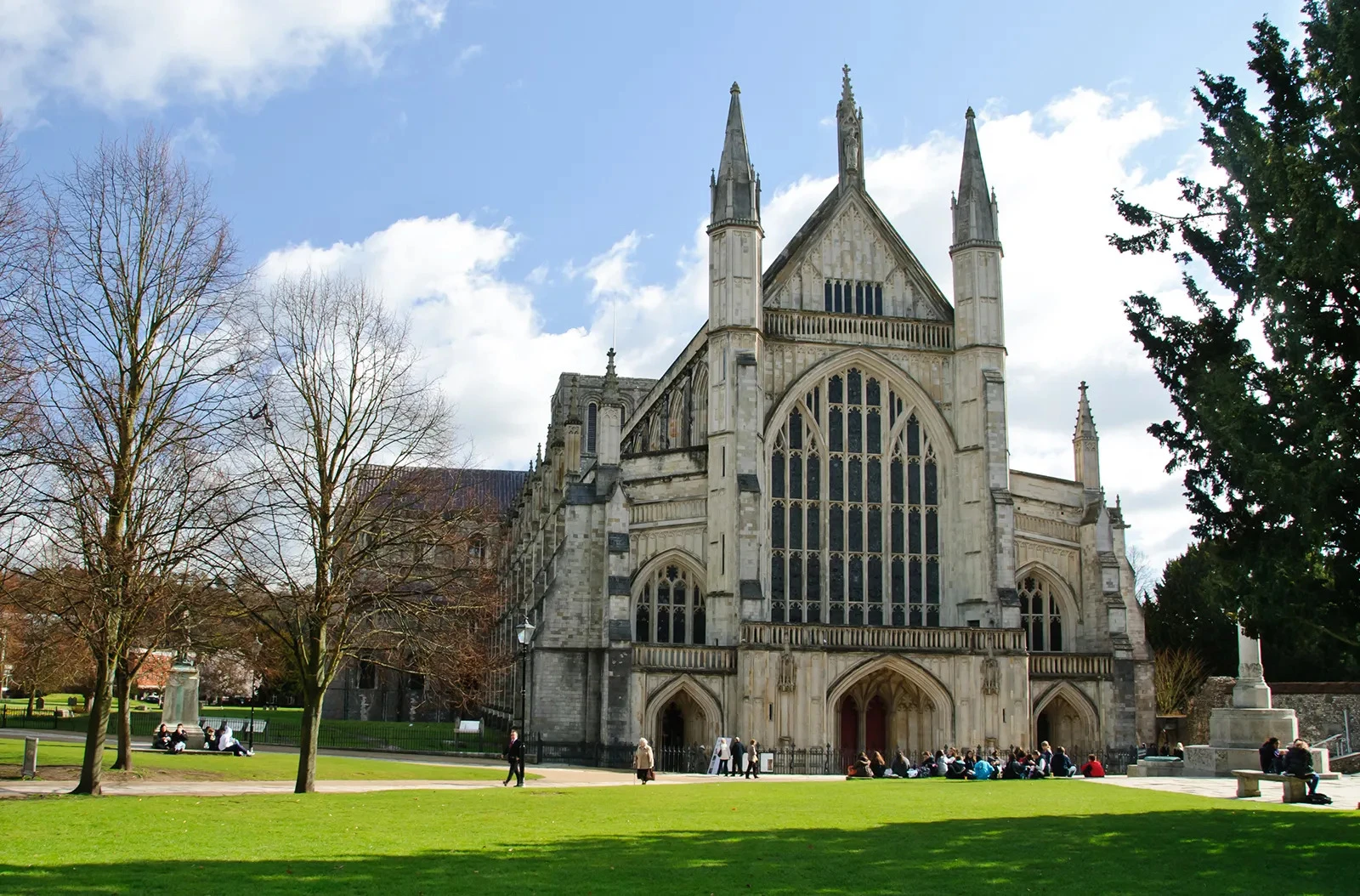
One of the most impressive examples of Gothic architecture, Winchester Cathedral is one of the longest construction projects in history, with a 500-year construction period. In 1079, the Norman bishop began construction by demolishing an old monastery to build a new cathedral, which was consecrated in 1093. The core of the present structure was largely established by the early 12th century. In the 13th century, the construction of the eastern end on marshy ground created significant engineering challenges, requiring the structure to be built on a massive timber raft foundation.
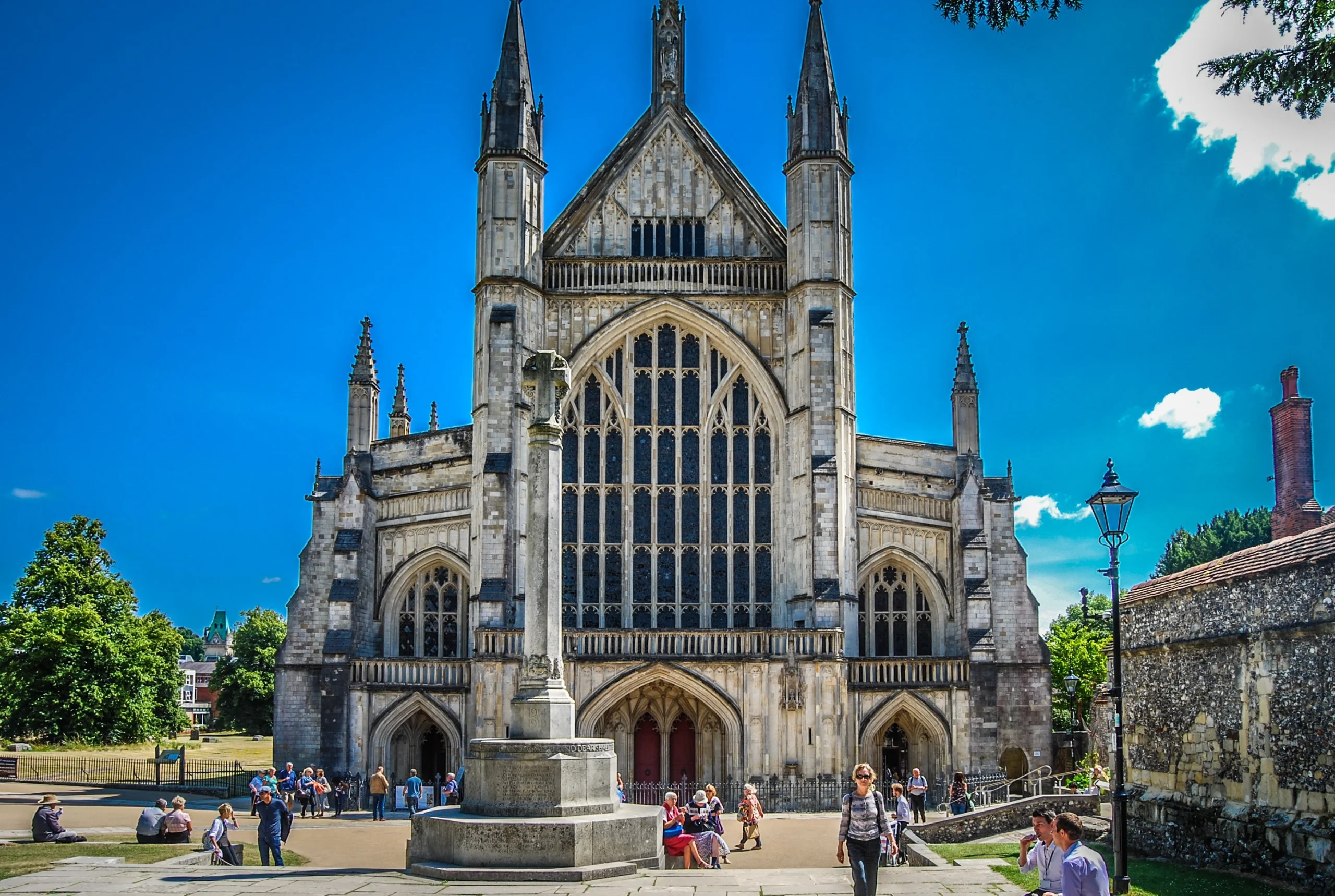
The rest of the building, including the magnificent nave and choir, was rebuilt in the 14th century. Reconstruction of the west end stalled for about twenty-five years after the Black Death of 1349 and was completed around 1420. During the English Civil War, the large west window was destroyed and later rebuilt in mosaic form. Extensive reconstruction and structural improvements to the nave, west façade, and towers continued until 1532, marking the completion of the cathedral. In the early 20th century, the timber raft foundation began to fail, but engineer William Walker famously worked underwater to stabilize and save the structure, ensuring its survival to the present day.
6. Notre Dame Cathedral
Location: Paris, France
Construction Begins: 1163
Completion: 1345
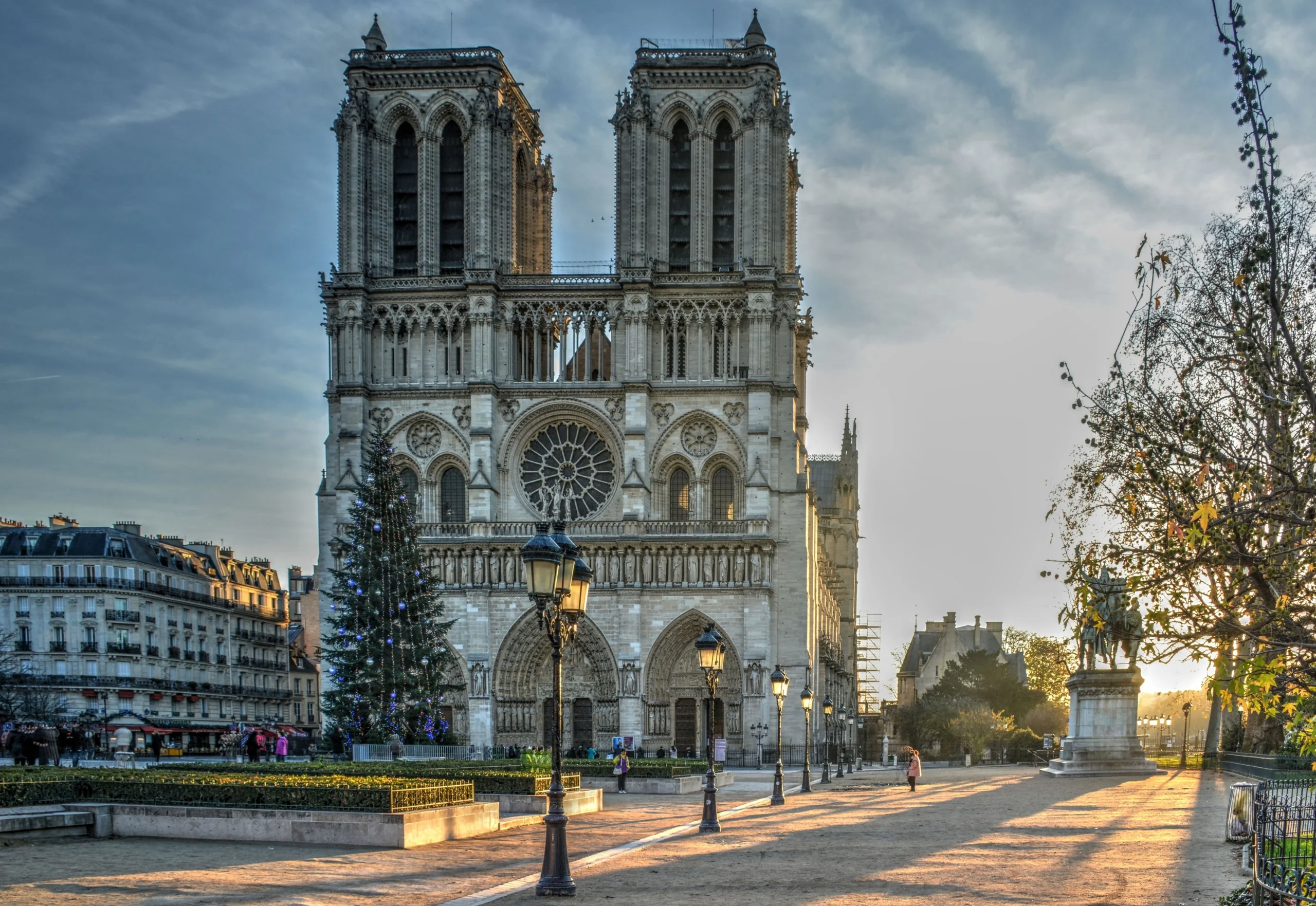
One of the earliest and most influential examples of Gothic architecture, Notre Dame Cathedral is one of the longest construction projects in history. Construction began in the mid-12th century and lasted for nearly two centuries, with additional modifications in the 18th century and a major restoration in the 19th century. Completed in 1345, the Gothic style of the cathedral fell out of favor during the Renaissance as artistic and architectural tastes evolved. Interest in the cathedral was revived in the 17th century under King Louis XIII, who dedicated France to the protection of the Virgin Mary. During this period, several modifications were made due to concerns that the interior was too dark and the entrances too narrow.
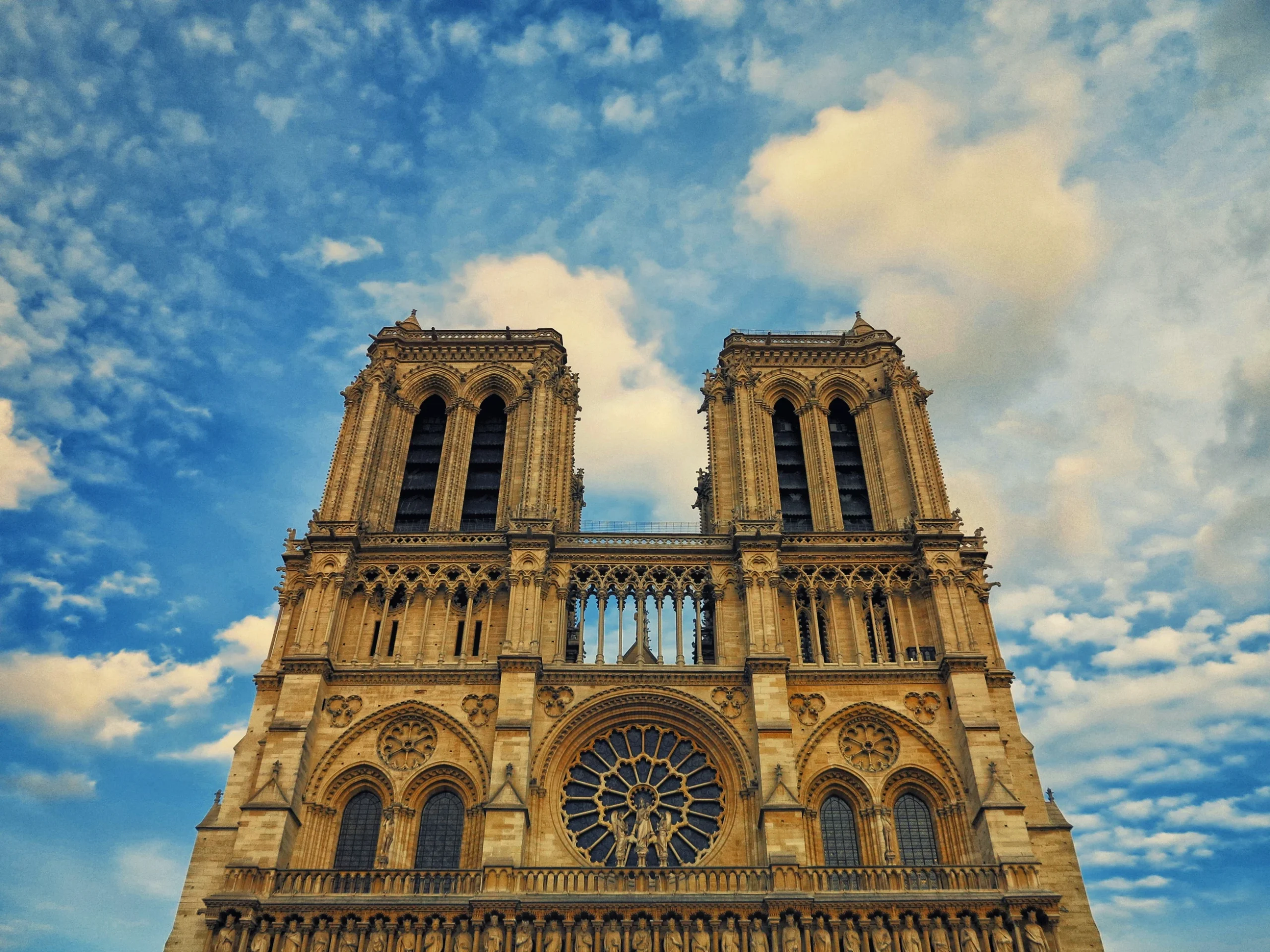
In the 19th century, the neglected Notre-Dame Cathedral was in dire need of extensive restoration. Following Victor Hugo’s novel The Hunchback of Notre-Dame, public attention increased, leading to a major restoration campaign in 1844 led by Jean-Baptiste Lassus and Eugène Viollet-le-Duc. As part of the work, the lost gallery of kings was recreated, new decorative elements such as chimeras were added, and a new spire was constructed to replace the one removed in the 1780s. Due to a lack of funding, the restoration was interrupted between 1851 and 1859 and was finally completed in 1864.
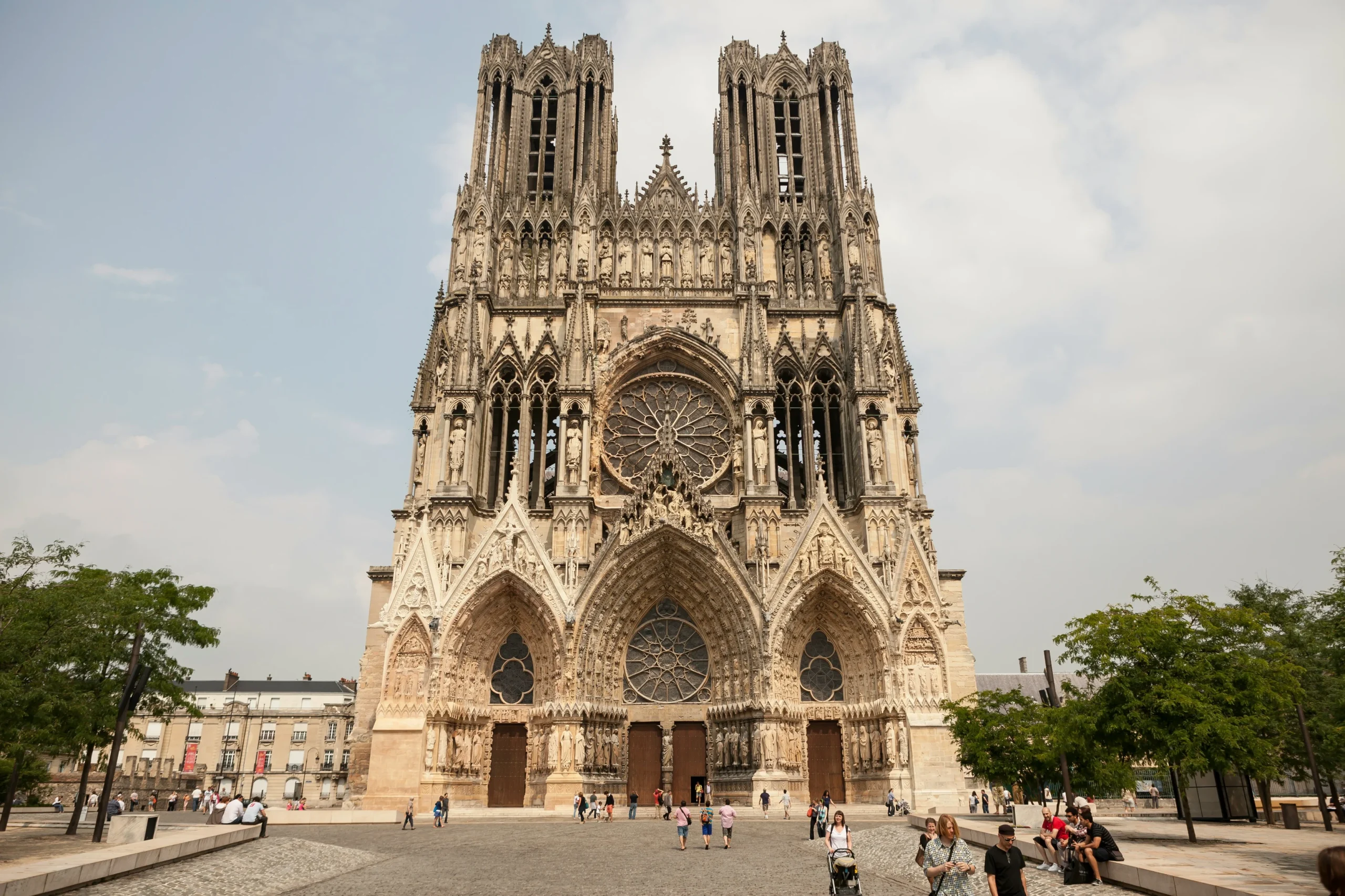
On April 15, 2019, the entire scope of the project changed with a devastating fire under the roof of Notre-Dame Cathedral. The fire destroyed the spire and caused extensive damage to the cathedral’s roof, vaults, and interior. Following a massive restoration effort led by chief architect Philippe Villeneuve, with assistance from Rémi Fromont and Pascal Prunet, Notre Dame Cathedral reopened on December 7, 2024.
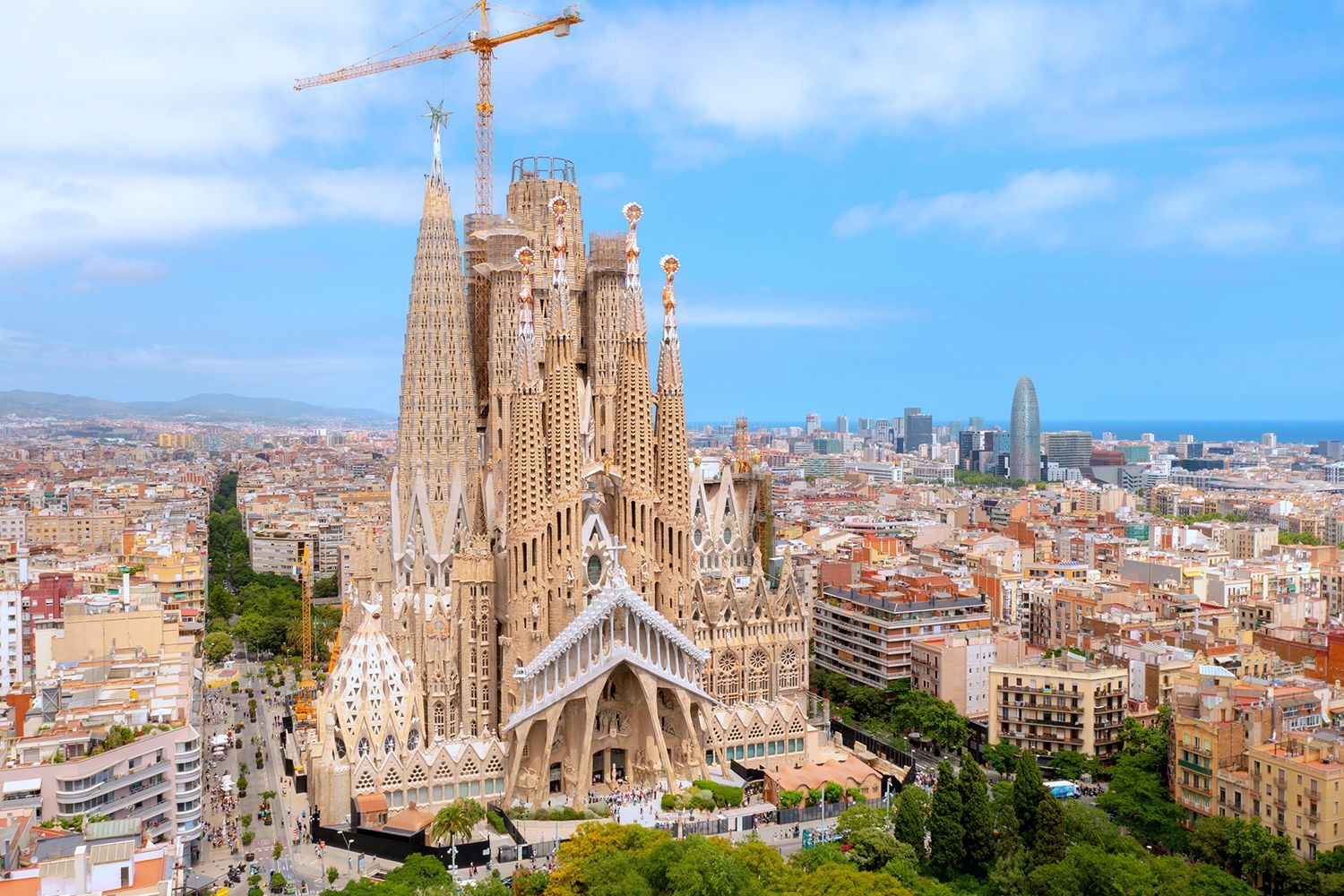
7. Sagrada Familia
Location: Barcelona, Spain
Construction Begins: 1882
Completion: 2026
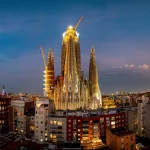
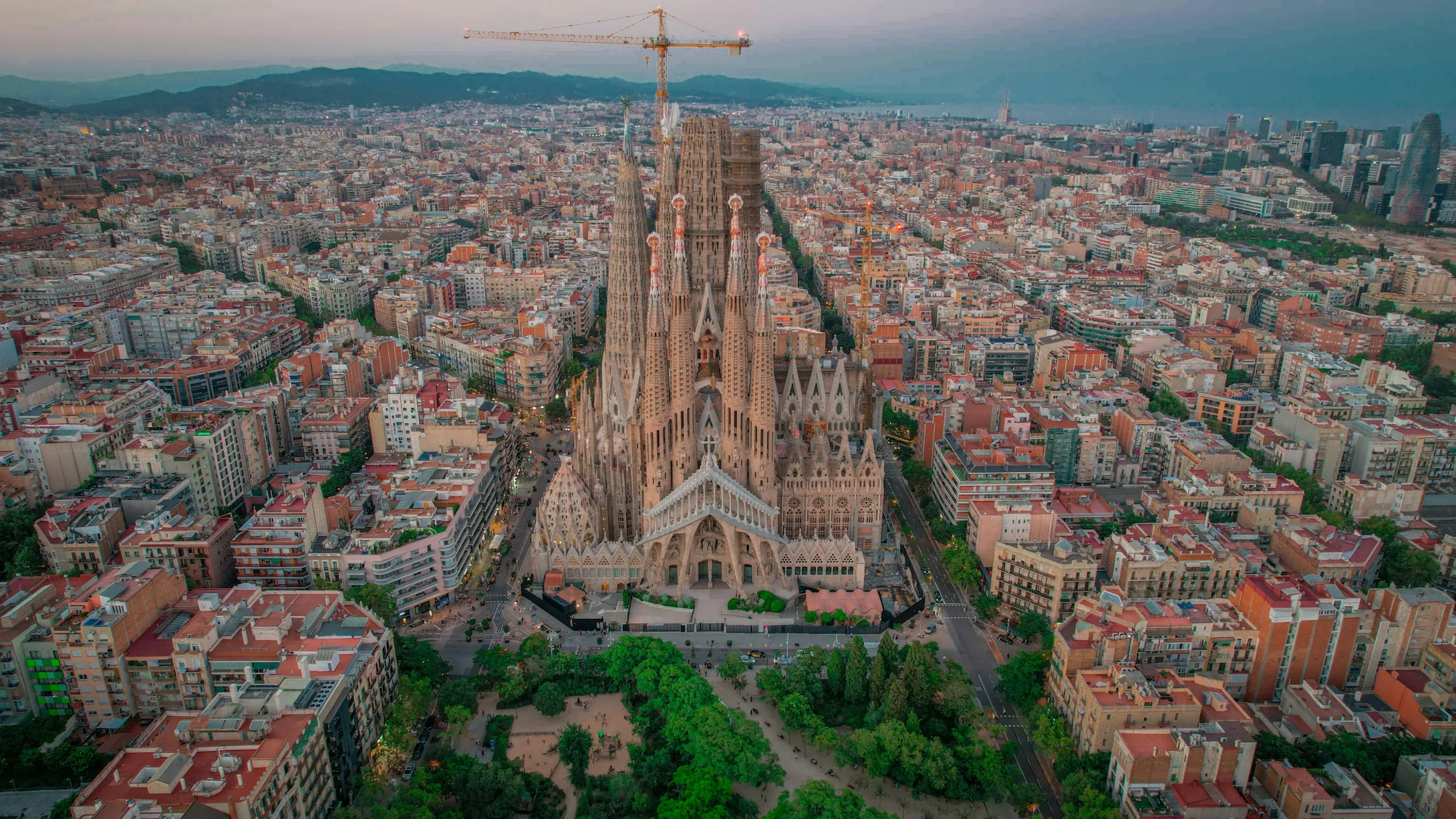
The Sagrada Familia, one of Barcelona’s iconic landmarks, is one of the cathedrals with the longest construction period. Designed by Francisco de Paula de Villar in 1882, the project was taken over by Antoni Gaudí in 1883. Construction slowed after Gaudí died in 1926 and was interrupted for a long time due to events such as the Spanish Civil War. During the war in 1939, surviving plans, photographs, and materials from Gaudí’s workshop were recovered, allowing construction to continue based on his vision. The bell towers of the Passion façade were completed in 1976, marking an important milestone in the project’s gradual progress.
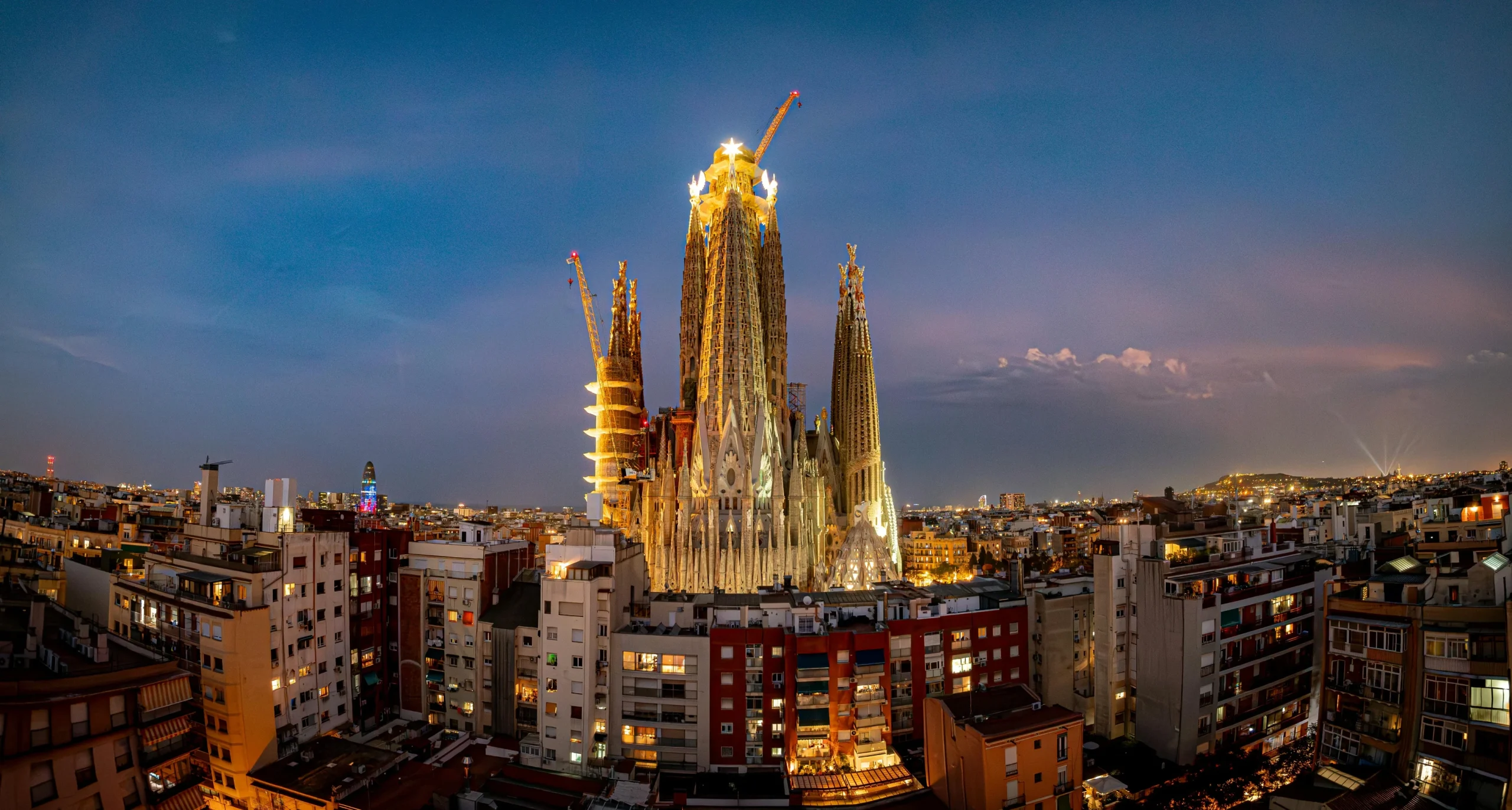
In 1986, work began on the foundations, columns, vaults, and facades of the main nave, transepts, passageway, and apse, and was completed in 2010. The construction process, which continued steadily for years, was halted in March 2020 due to COVID-19. The opening of the Virgin Mary Tower took place on 8 December 2021. On February 20, 2026, the upper part of the Tower of Christ was completed with the upper arm of the cross. Thus, after more than 144 years, the Sagrada Familia reached its final appearance.
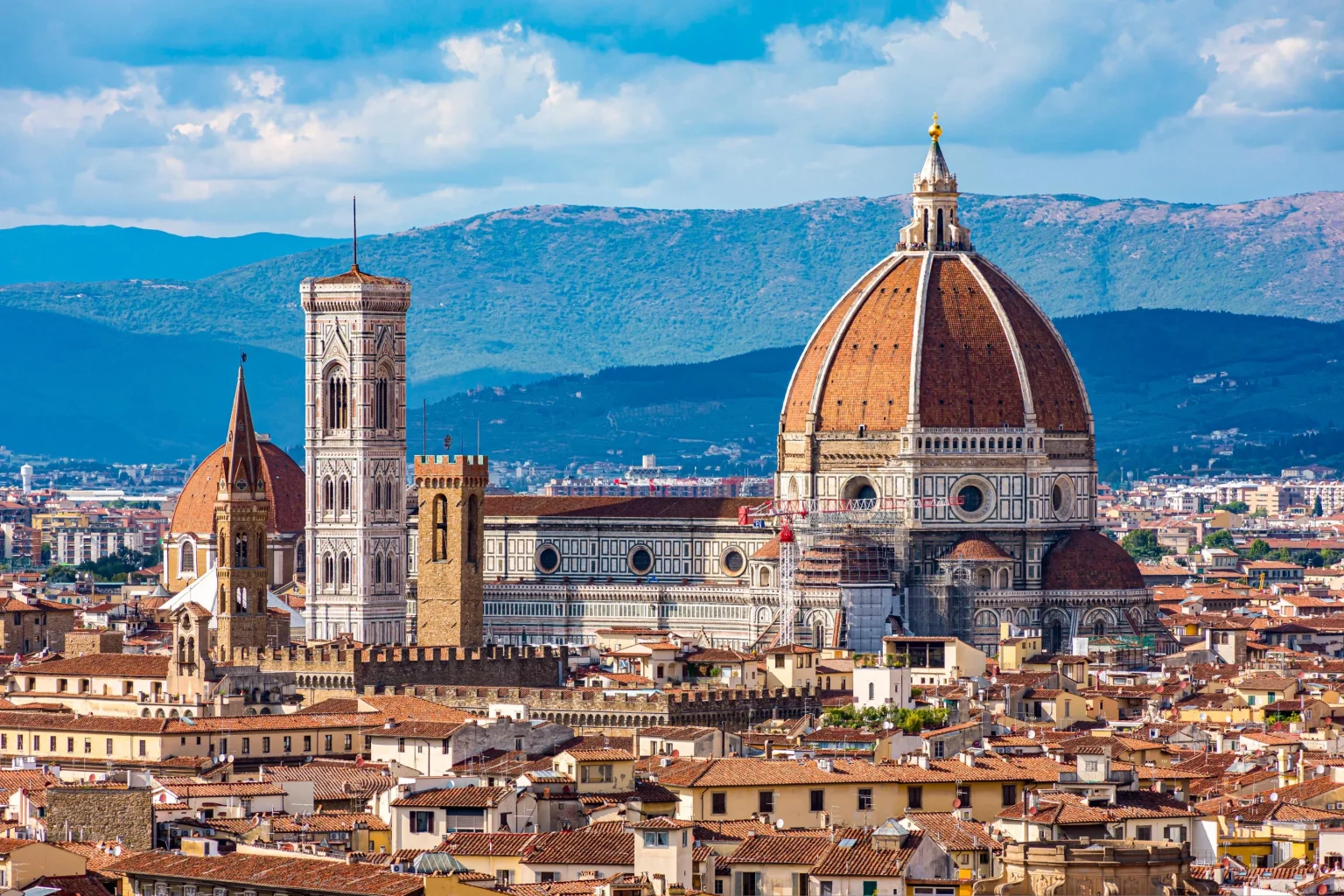
8. Santa Maria del Fiore
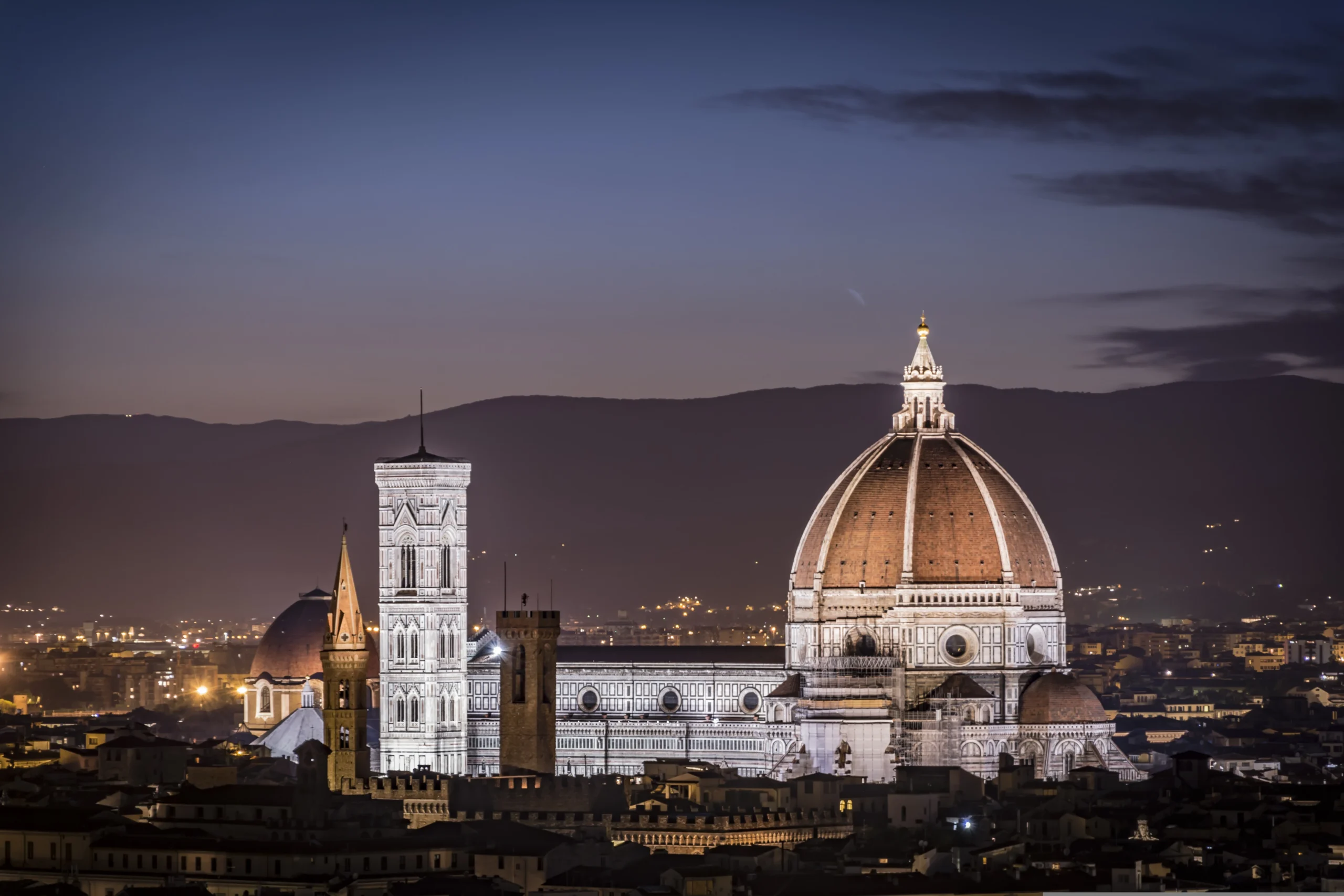
Location: Florence, Italy
Construction Begins: 1296
Completion: 1436
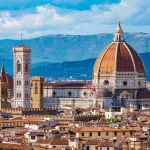
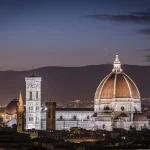
Santa Maria del Fiore, also known as Florence Cathedral, is one of the most recognizable buildings in Europe. Construction began in 1296, and the main body of the cathedral was largely completed during the 14th century, but the biggest problem was how to construct the massive central dome. The enormous size of the span and the inadequacy of traditional methods slowed progress at the point where the dome needed to be raised.
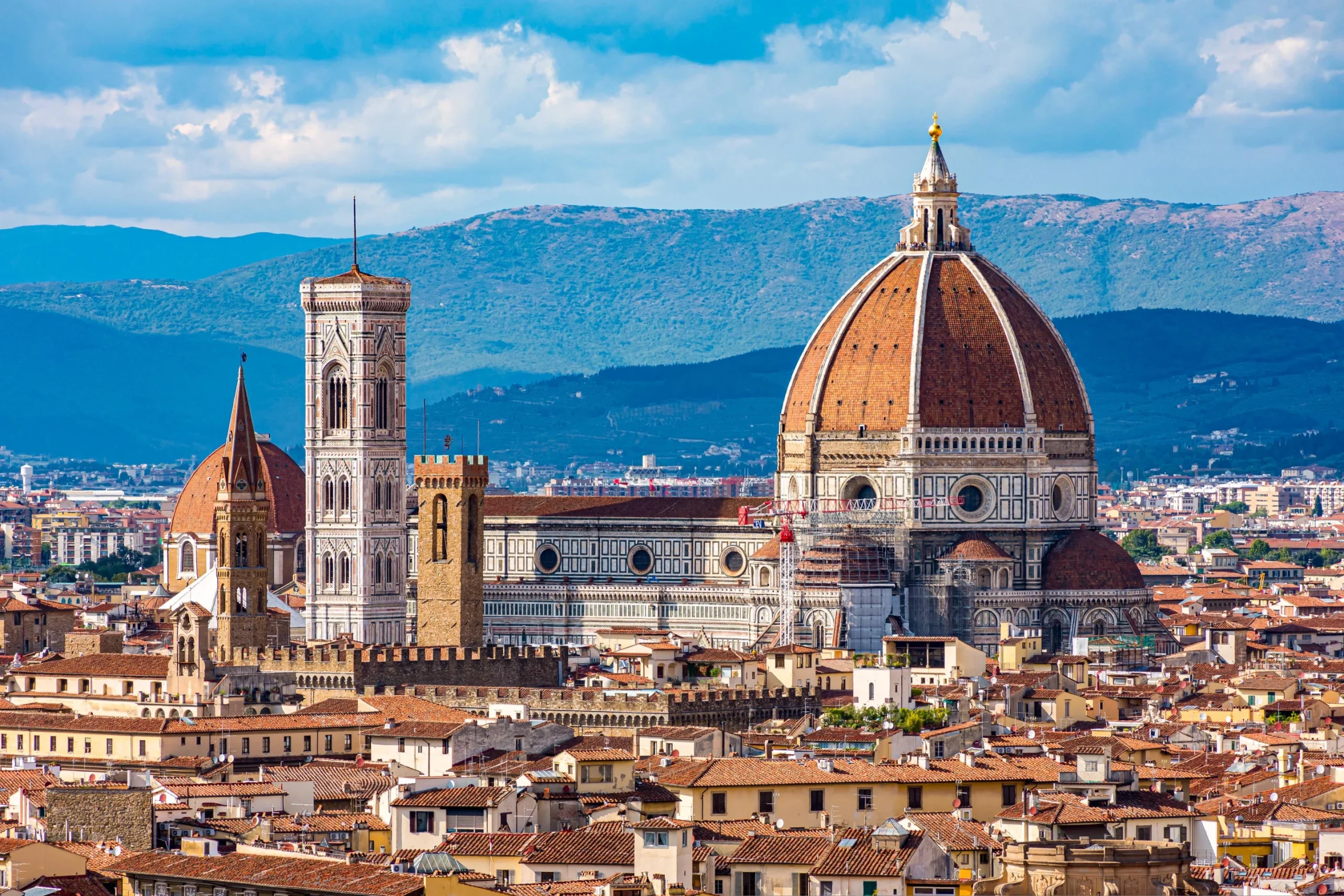
In the 15th century, Filippo Brunelleschi developed an innovative dome design that ultimately solved this engineering problem. Thanks to his groundbreaking approach, the cathedral was completed in 1436, marking a construction period of around 140 years. This innovative approach is one of the greatest engineering achievements of Renaissance architecture. The facade decorations, certain details, and complementary sections, which continued for years, have transformed the Florence Cathedral into a complex that brings together the aesthetic sensibilities of different periods.