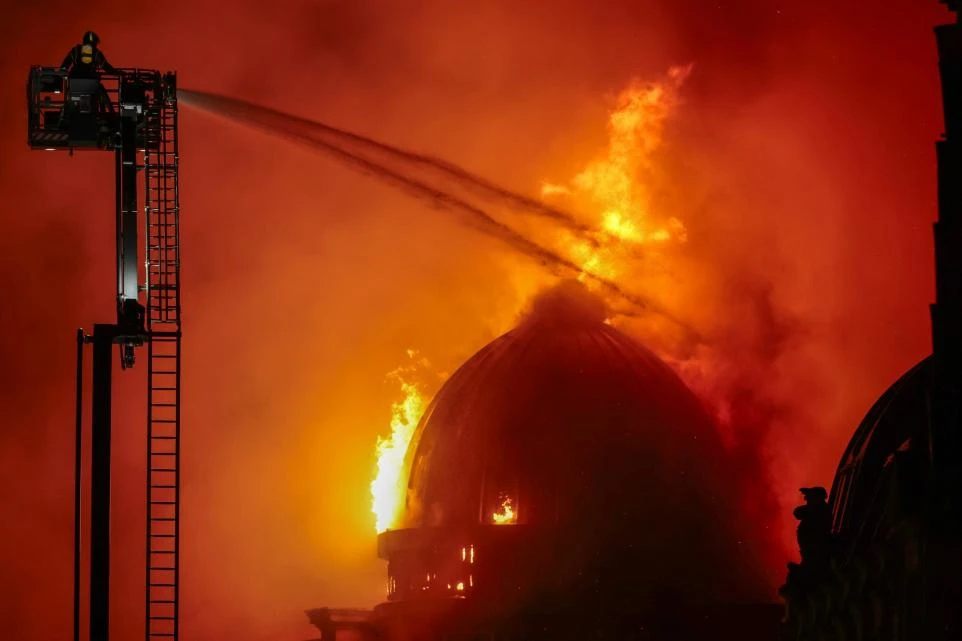


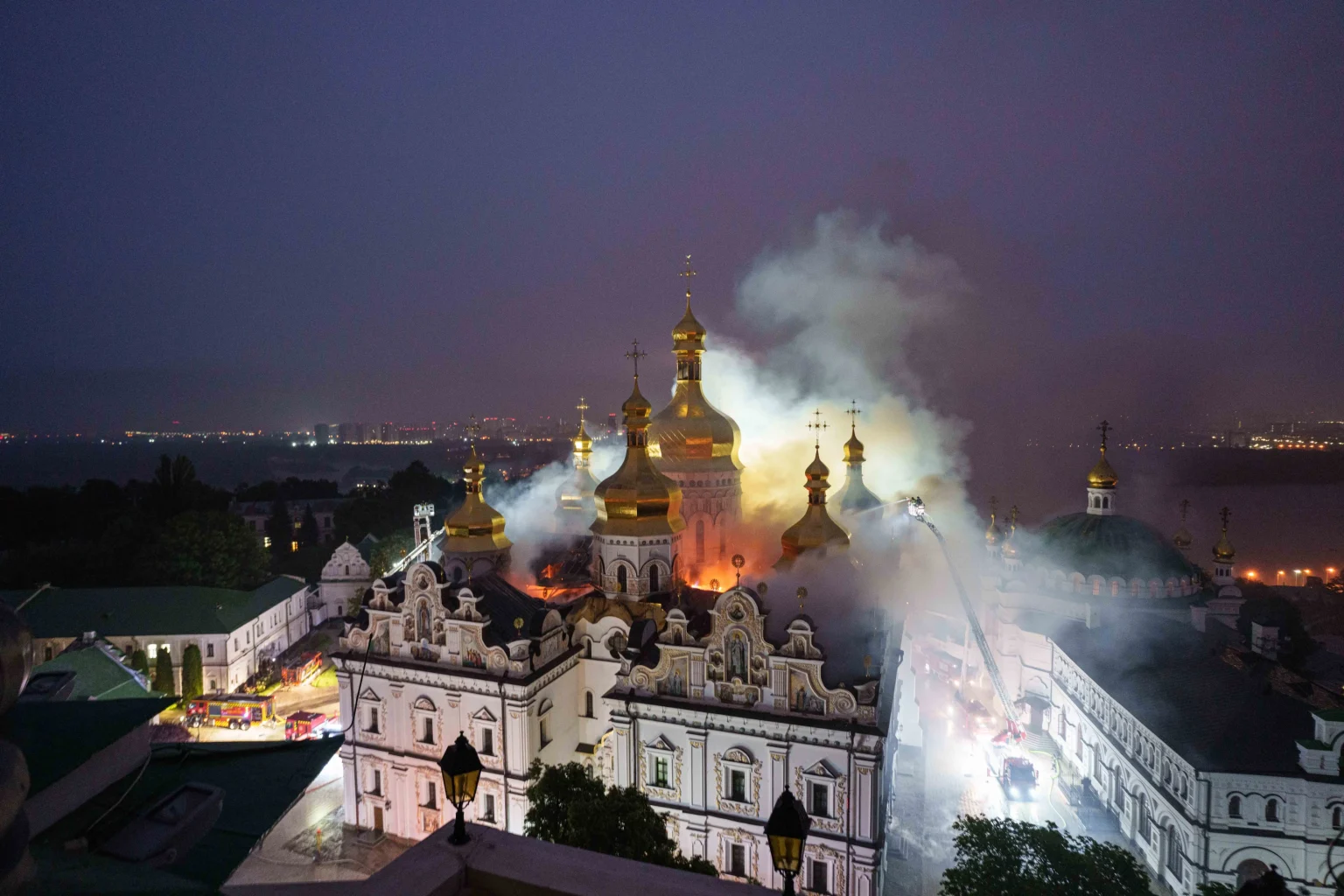
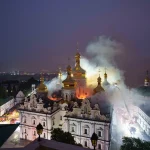

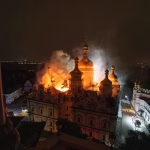
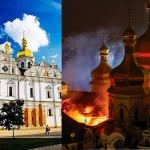
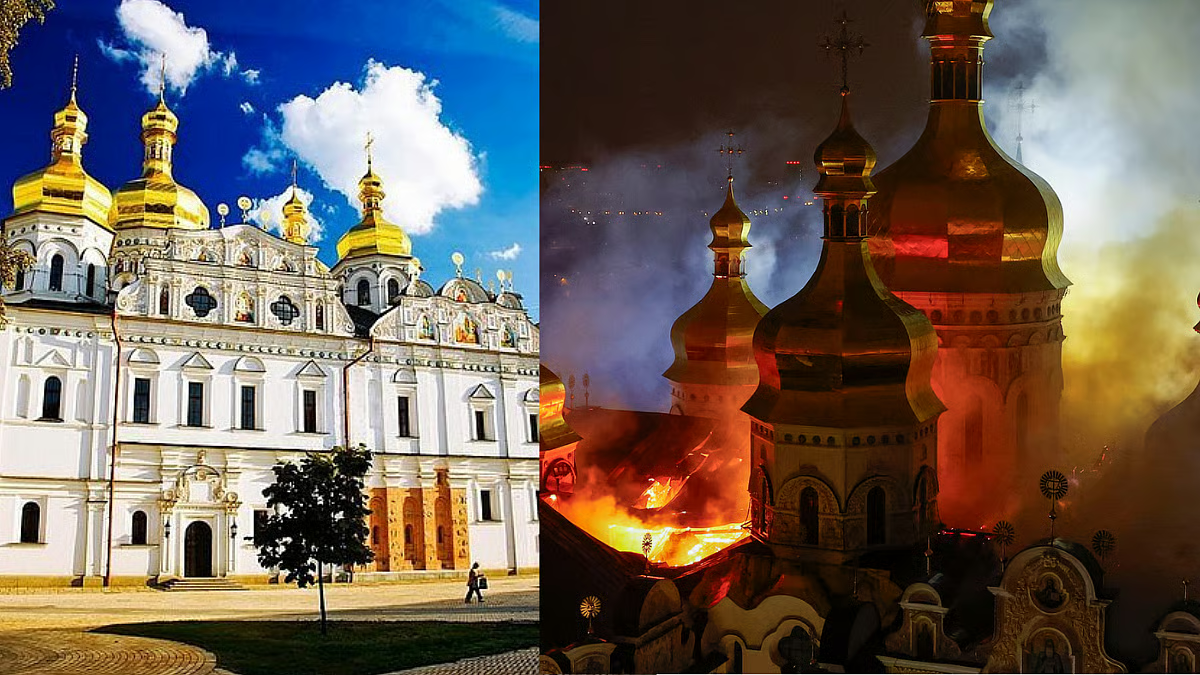
A Russian missile-and-drone attack on Kyiv has severely damaged the Dormition Cathedral at the UNESCO-listed Kyiv Pechersk Lavra, one of Eastern Christianity’s most revered architectural landmarks. Ukrainian officials report extensive roof damage and losses across the historic monastery complex, while restoration experts warn recovery could take years. The strike occurred during a large-scale overnight barrage on 15 June, when hundreds of drones and dozens of missiles targeted Ukrainian cities, leaving extensive damage across the capital and other regions.
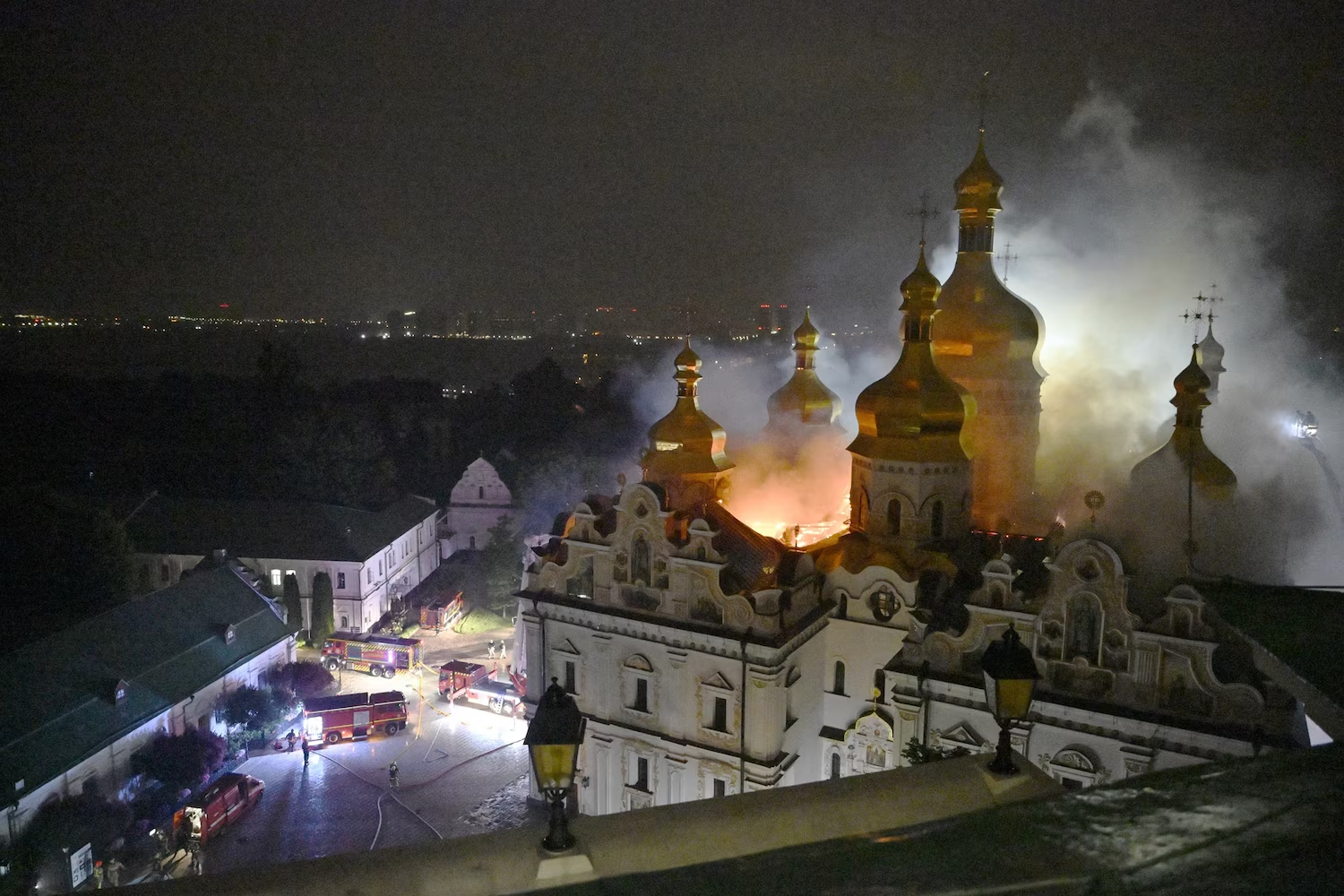
The fire broke out after a drone struck the roof of the Dormition Cathedral, igniting one of the most revered religious landmarks in Eastern Europe. Emergency crews worked through the night to contain the blaze and prevent it from spreading into the cathedral’s historic interiors. According to Ukrainian authorities, the attack formed part of one of the largest aerial assaults launched against the country in recent months.
A UNESCO World Heritage Site Shaped by Centuries
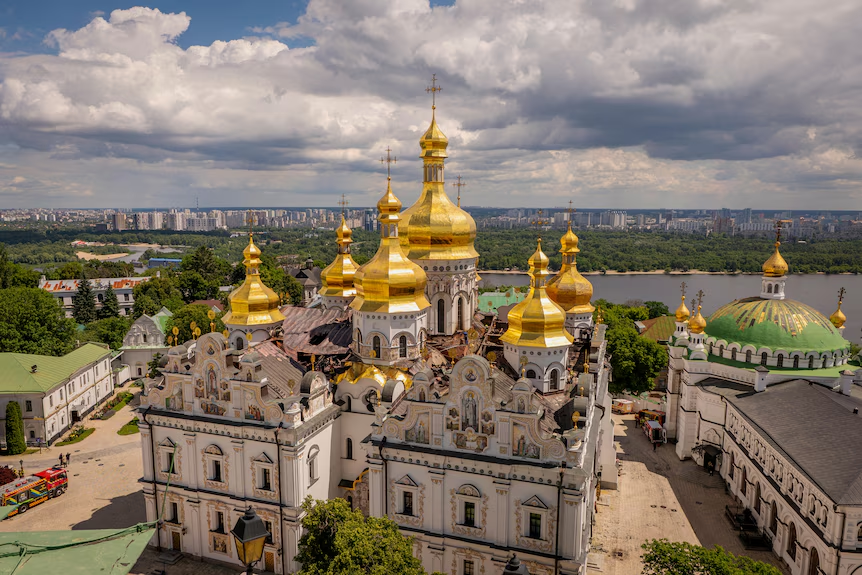
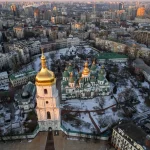
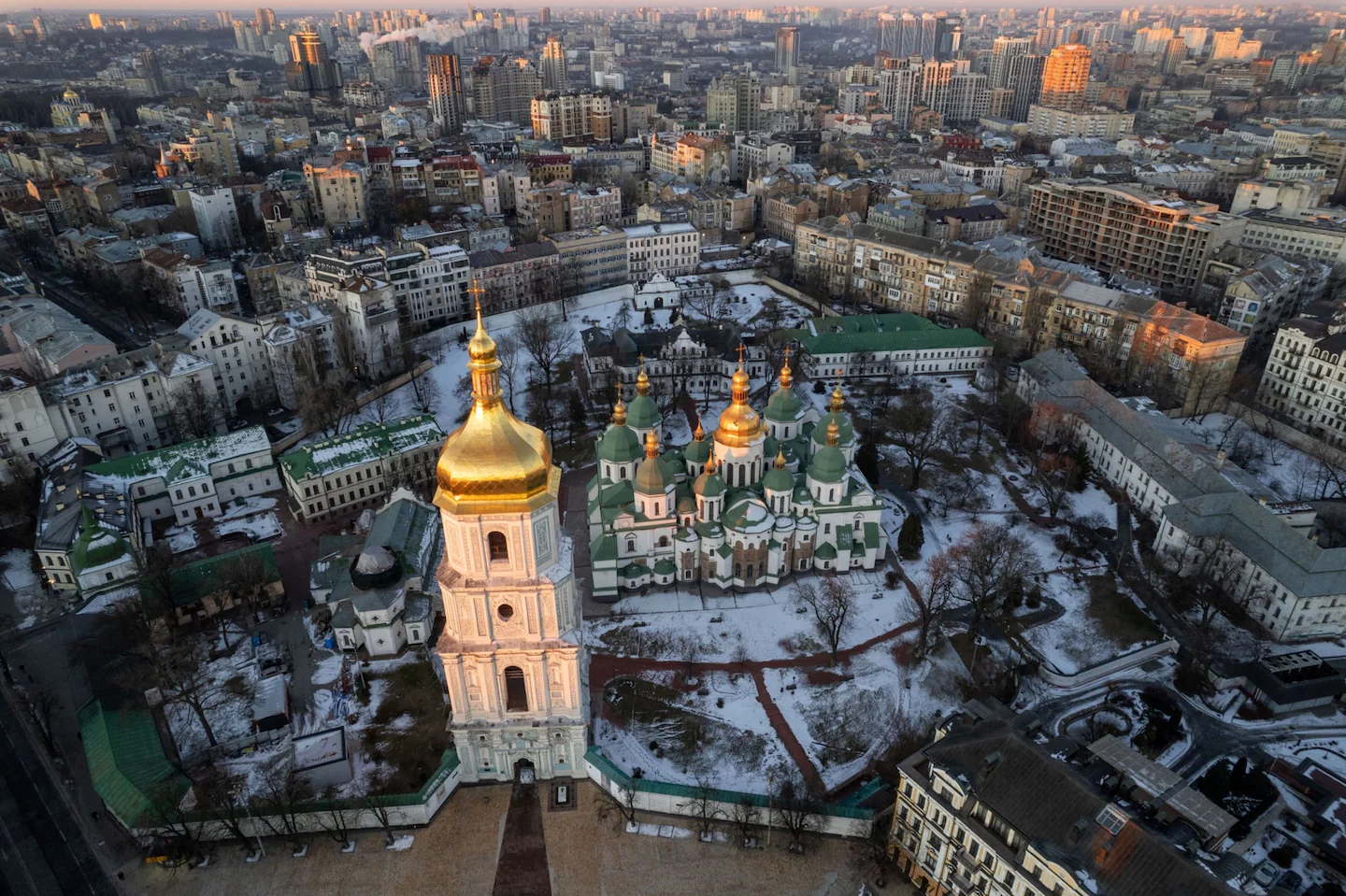
The Dormition Cathedral stands at the centre of the Kyiv Pechersk Lavra, a monastic complex founded in the 11th century and jointly inscribed on UNESCO’s World Heritage List alongside Saint Sophia Cathedral. Often referred to as the Monastery of the Caves, the Lavra is regarded as one of the most important spiritual, cultural, and architectural sites in Eastern Orthodox Christianity.
Originally constructed between 1073 and 1078, the cathedral evolved through centuries of reconstruction and expansion, blending Byzantine traditions with Ukrainian Baroque influences. The structure was destroyed during the Second World War and remained in ruins for decades before being rebuilt after Ukraine’s independence. The restored cathedral was consecrated in 2000 and has since become a symbol of national identity and religious continuity.
Extensive Damage to the Cathedral Roof
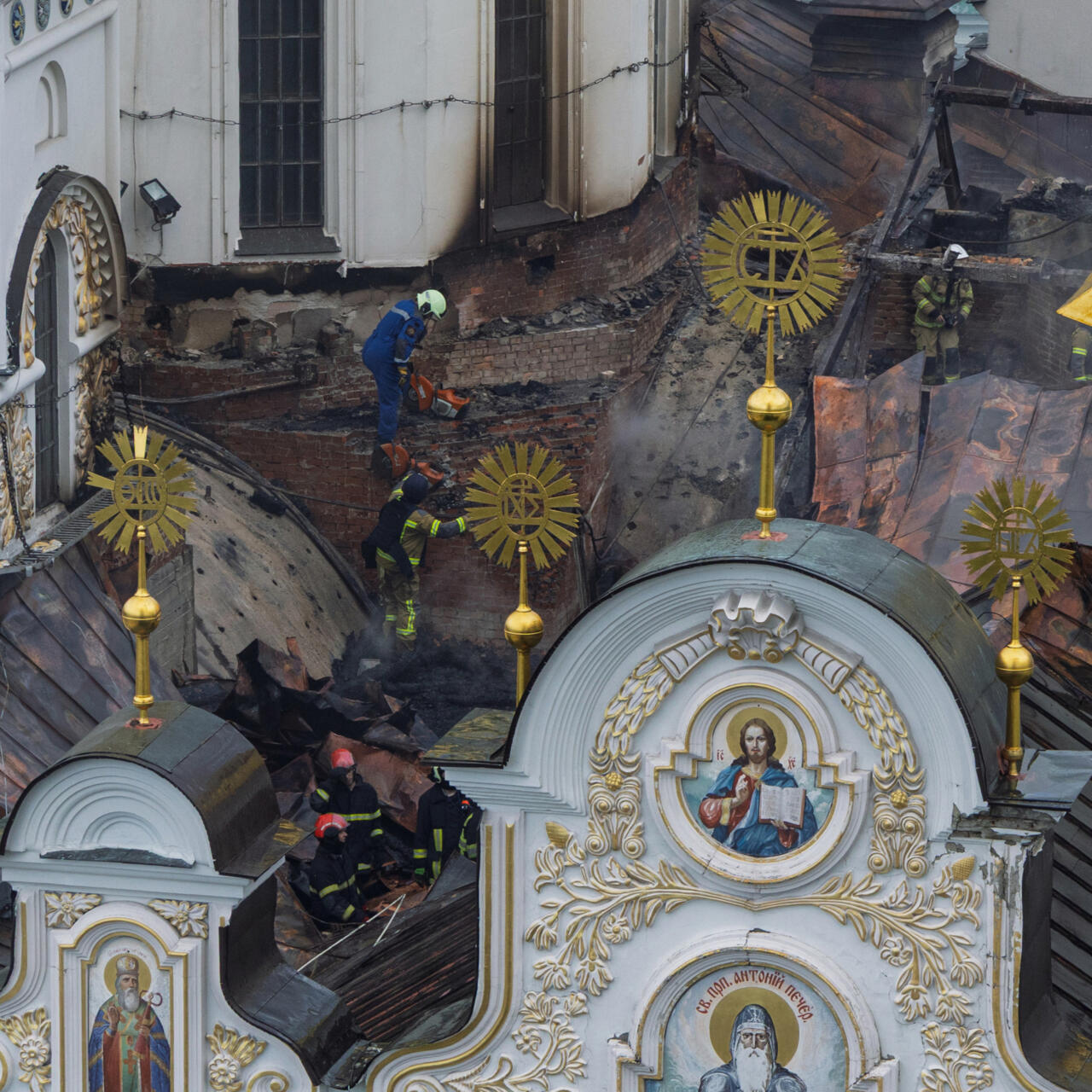
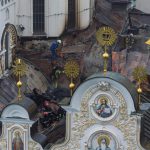
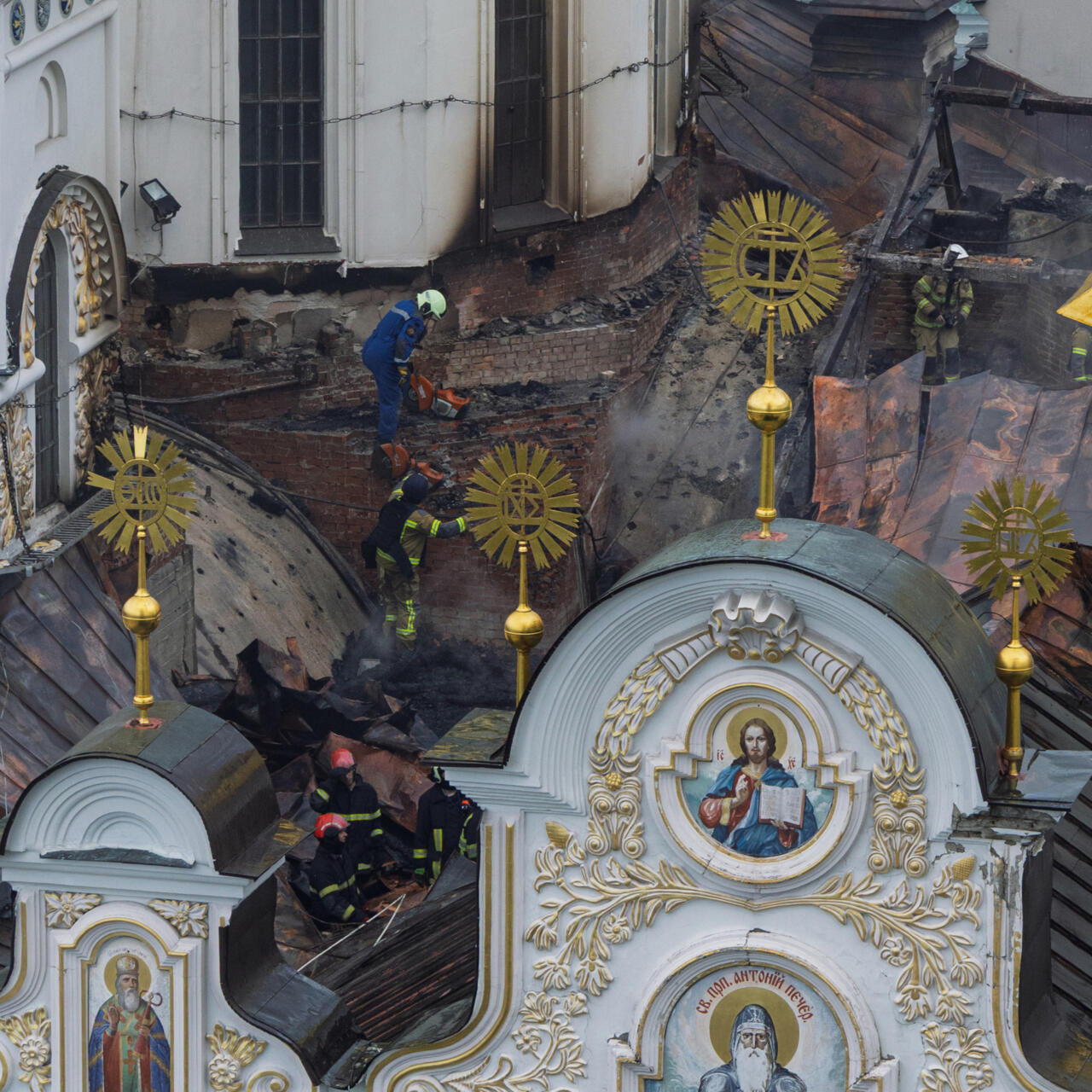
Initial assessments indicate that more than 80 percent of the cathedral’s roof sustained damage in the fire. Ukrainian officials reported that the strike struck the altar section of the building and caused widespread damage to the roof structure. Firefighters managed to prevent the flames from reaching the iconostasis and significant interior spaces, helping save some of the cathedral’s most valuable artistic and religious treasures.
Images released following the attack showed blackened roofing, charred structural elements, and emergency workers removing religious artifacts and furnishings from the cathedral. Water damage from firefighting operations has also raised concerns about the long-term preservation of frescoes, decorative finishes, and historic interiors.
Beyond the cathedral itself, officials stated that at least seventeen additional structures within the monastery complex sustained damage, including heritage buildings and elements of the site’s historic fortifications.
International Condemnation and Cultural Concerns
The attack has drawn widespread condemnation from cultural organizations, governments, and heritage experts. Ukrainian President Volodymyr Zelenskyy described the strike as one of the most serious crimes against Christian culture committed during the war. At the same time, cultural officials characterized the attack as a direct assault on global heritage rather than solely on Ukraine.
UNESCO acknowledged reports of significant damage to the cathedral and surrounding historic structures, while international observers have compared the incident to an attack on some of Europe’s most recognizable religious monuments. The organization has previously documented hundreds of cases of damage to cultural sites across Ukraine since the full-scale invasion began in 2022.
Russia has denied responsibility for the destruction, claiming the damage resulted from a Ukrainian air-defense missile. Ukrainian authorities reject that explanation and say evidence recovered at the site points to a Russian drone strike.
Restoration Efforts Begin
Conservation specialists and emergency crews have already begun stabilization work across the complex. Temporary protective coverings are being installed over damaged sections of the roof while experts assess the condition of the cathedral’s interiors and historic fabric. Ukrainian officials estimate that repairs could take up to two years and cost more than 500 million hryvnias.
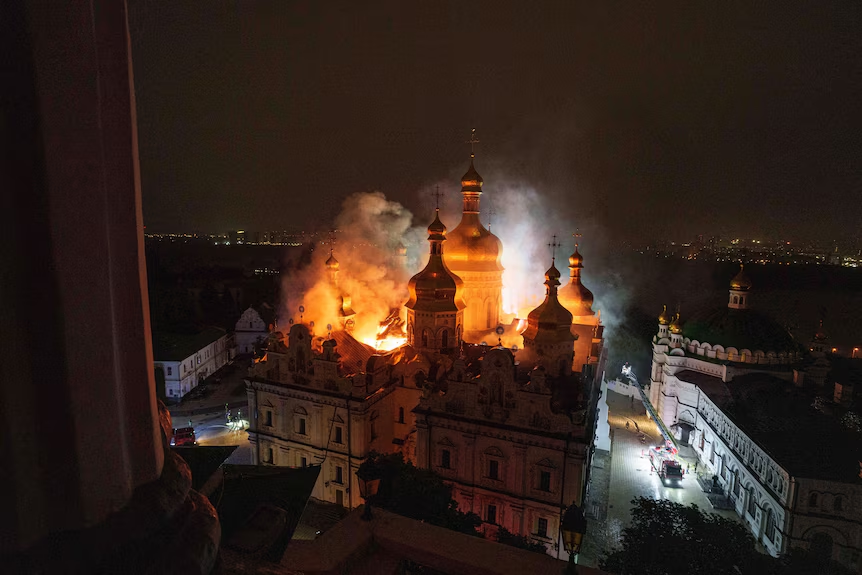
For Kyiv, often called the “City of Golden Domes,” the damage extends beyond architecture. The Dormition Cathedral is a religious monument, a powerful symbol of Ukrainian history, memory, and resilience. Its survival through centuries of wars, occupations, and political upheavals has made it one of the country’s most significant cultural landmarks. The latest attack now adds another chapter to that long and turbulent history.