


Renowned international architectural firm Oppenheim Architecture, led by Chad Oppenheim, is a leading design studio in contemporary architecture that transforms the mundane into the poetic, focusing on simplicity, sustainability, and harmony with nature. Their design philosophy is deeply rooted in minimalism and organic architecture, emphasizing function over form. Chad Oppenheim’s design evokes spaces that belong to the land and reconnect people with nature, enhancing their lifestyle.
As part of his continued exploration into the power of design, Chad Oppenheim will share his philosophy and iconic projects in the upcoming free lecture “Chad Oppenheim – Rethinking Architecture” on October 3, 2025, hosted by PAACADEMY.
Here are 10 sustainable and organic built forms of Oppenheim Architecture
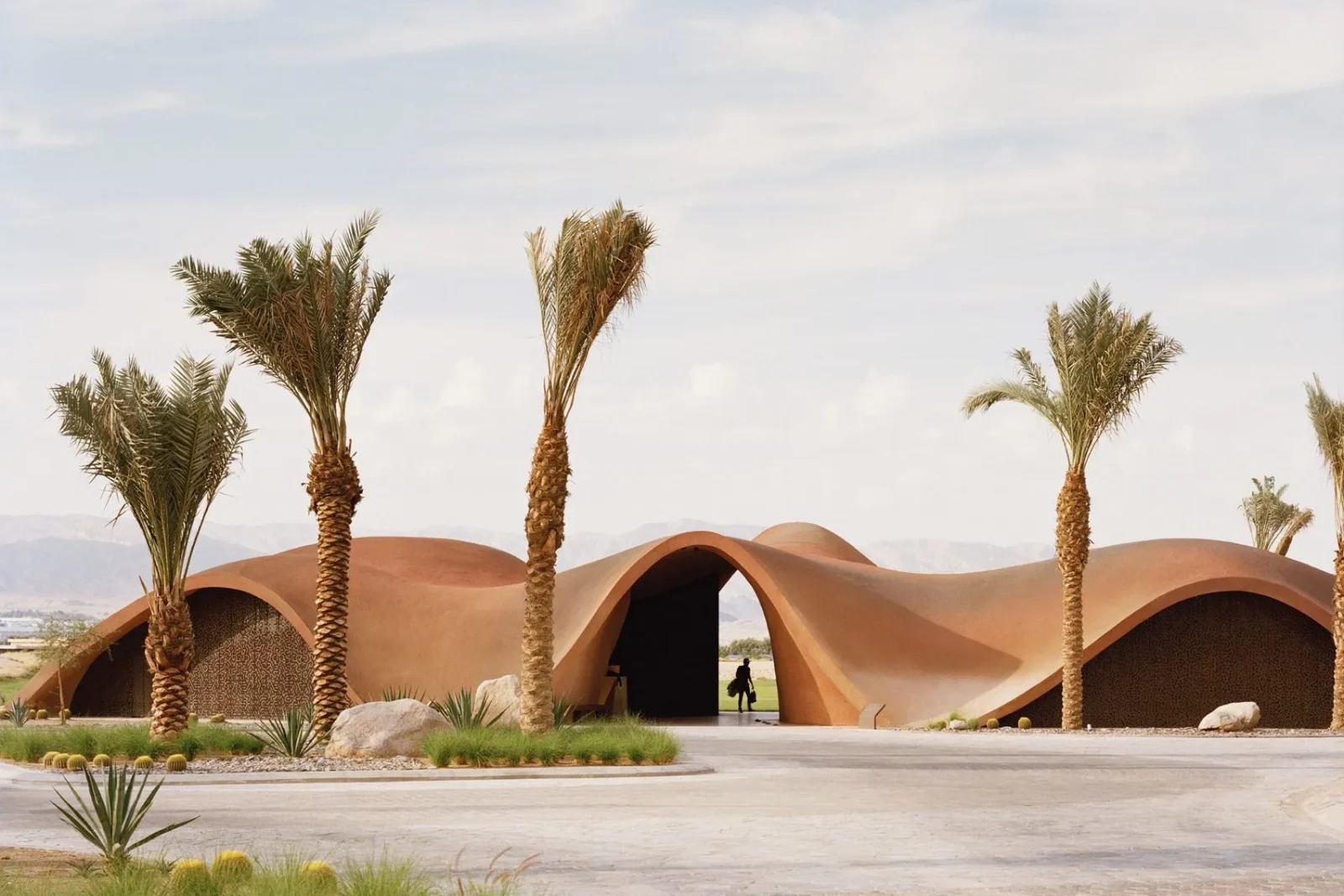
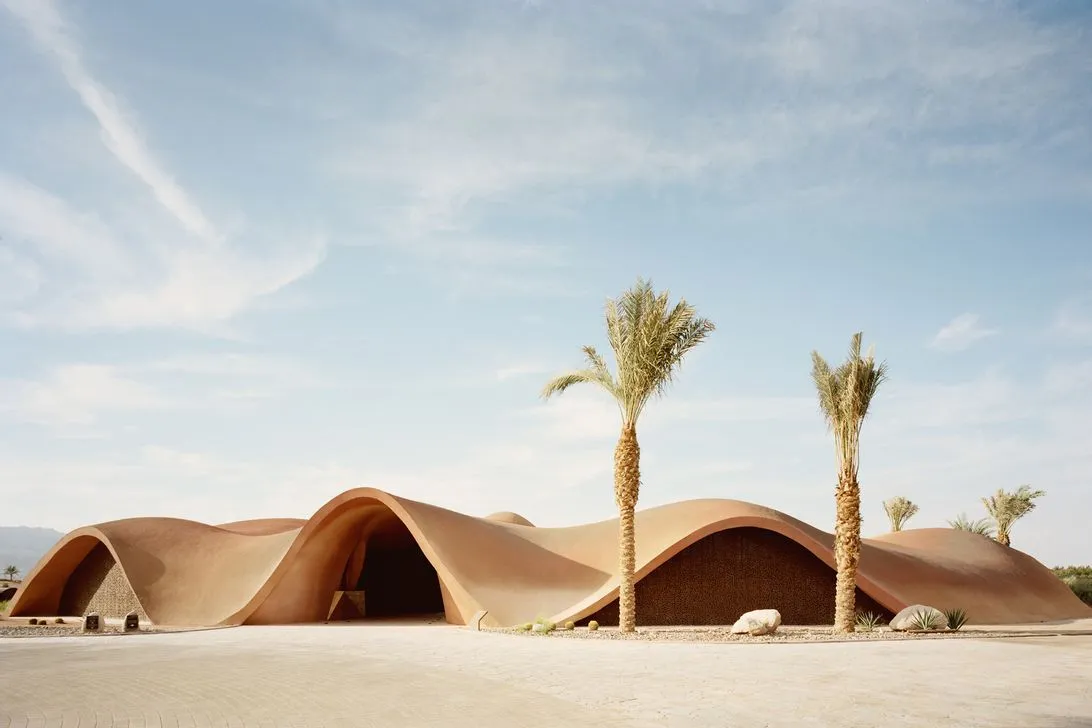
1. Ayla Golf Clubhouse
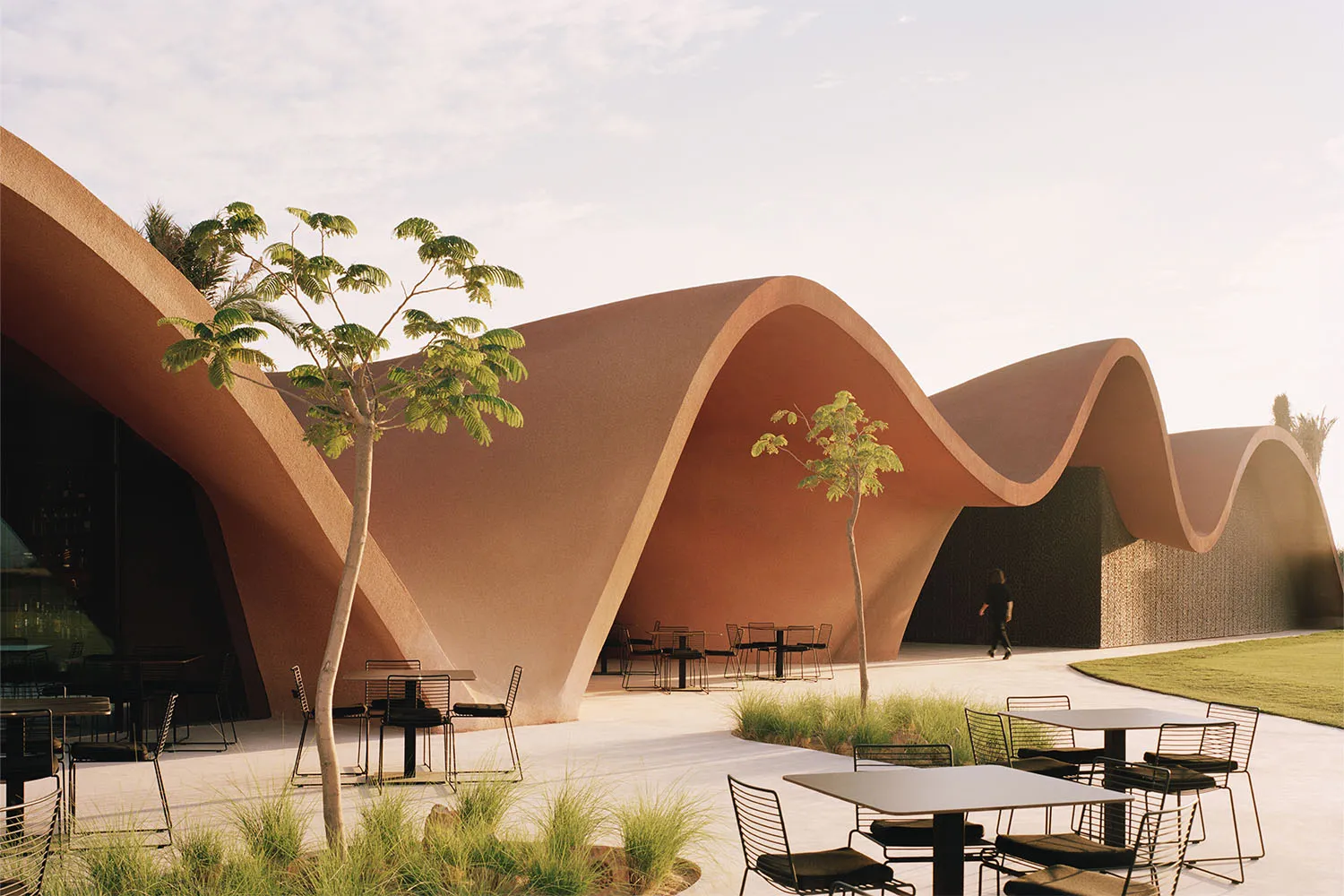
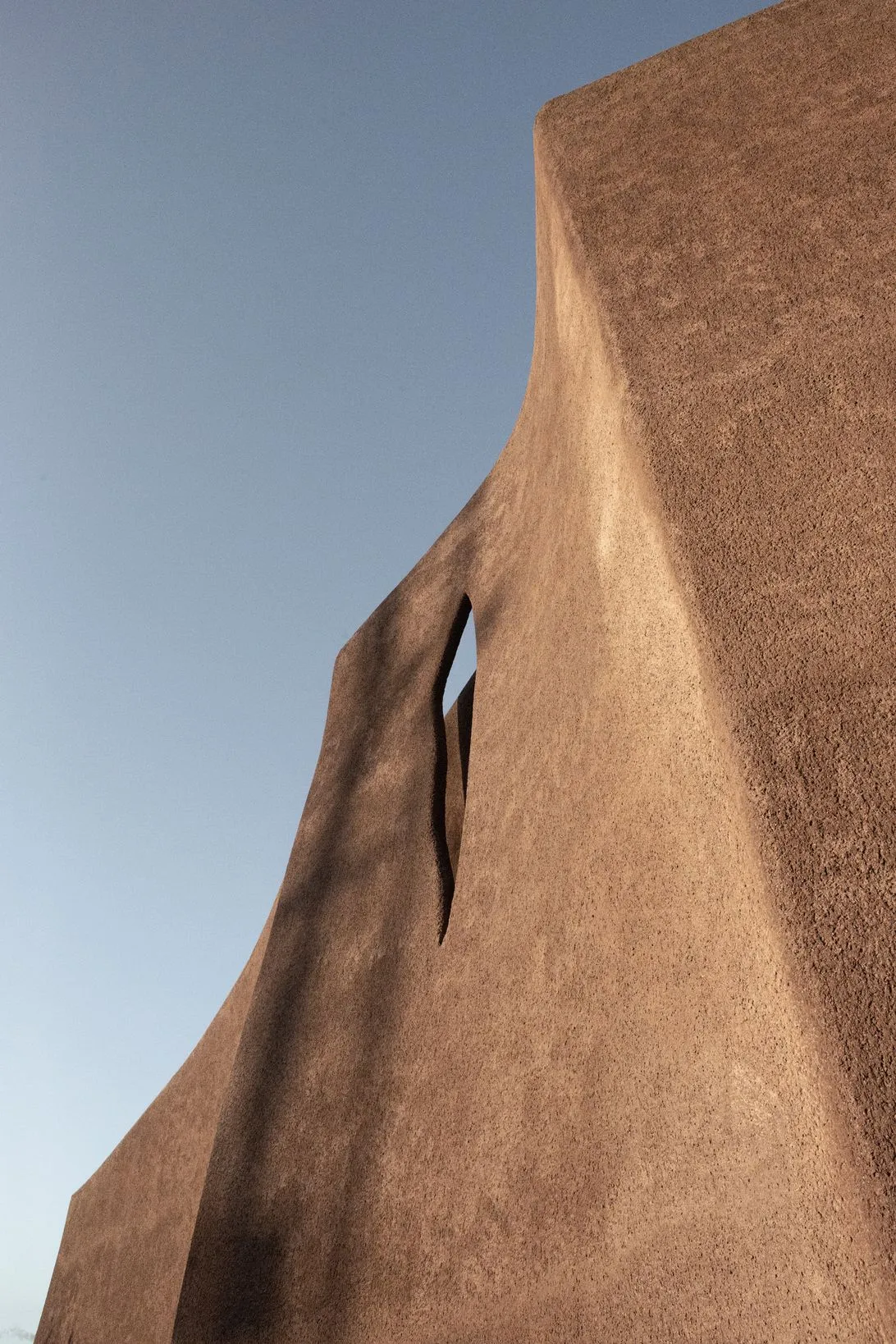
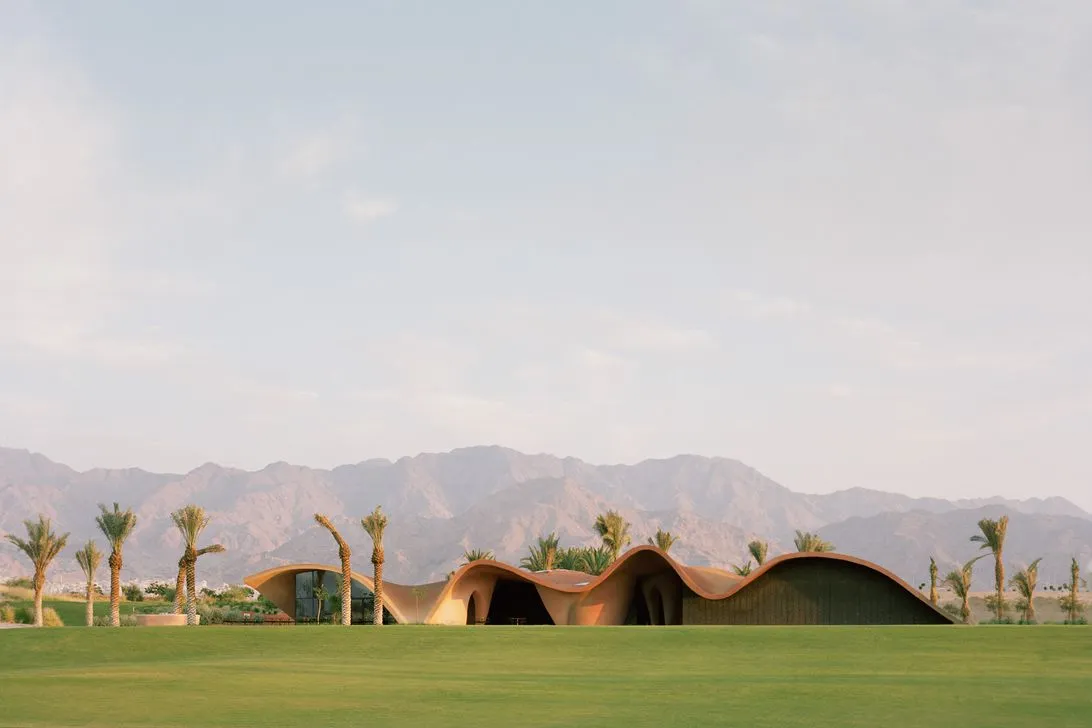
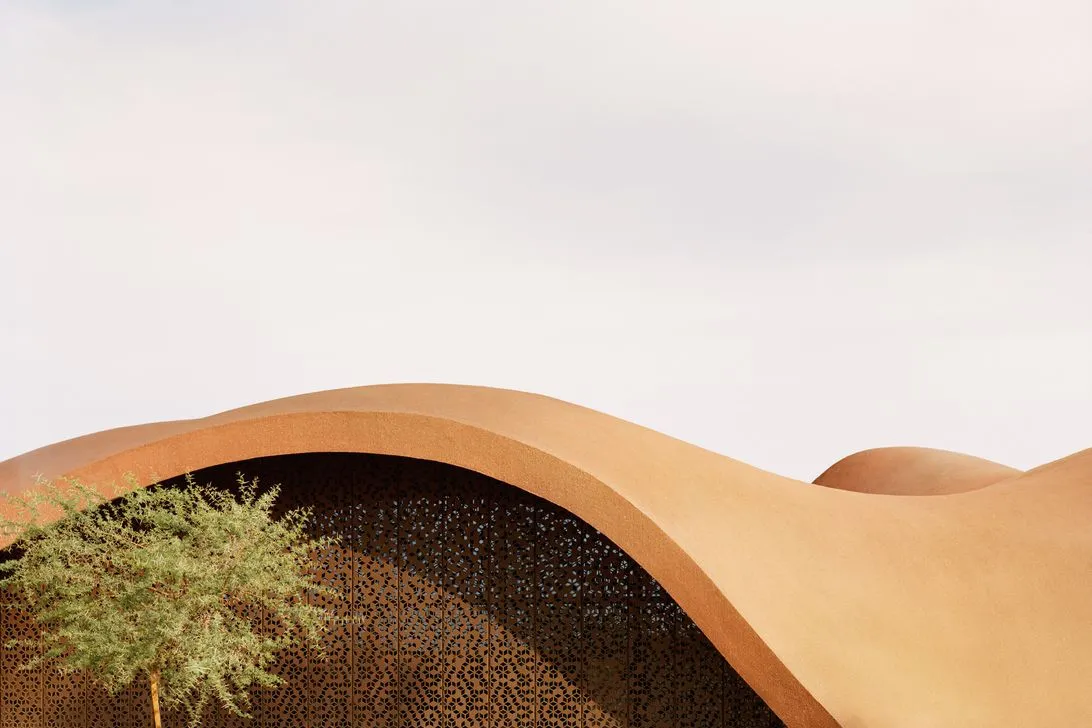
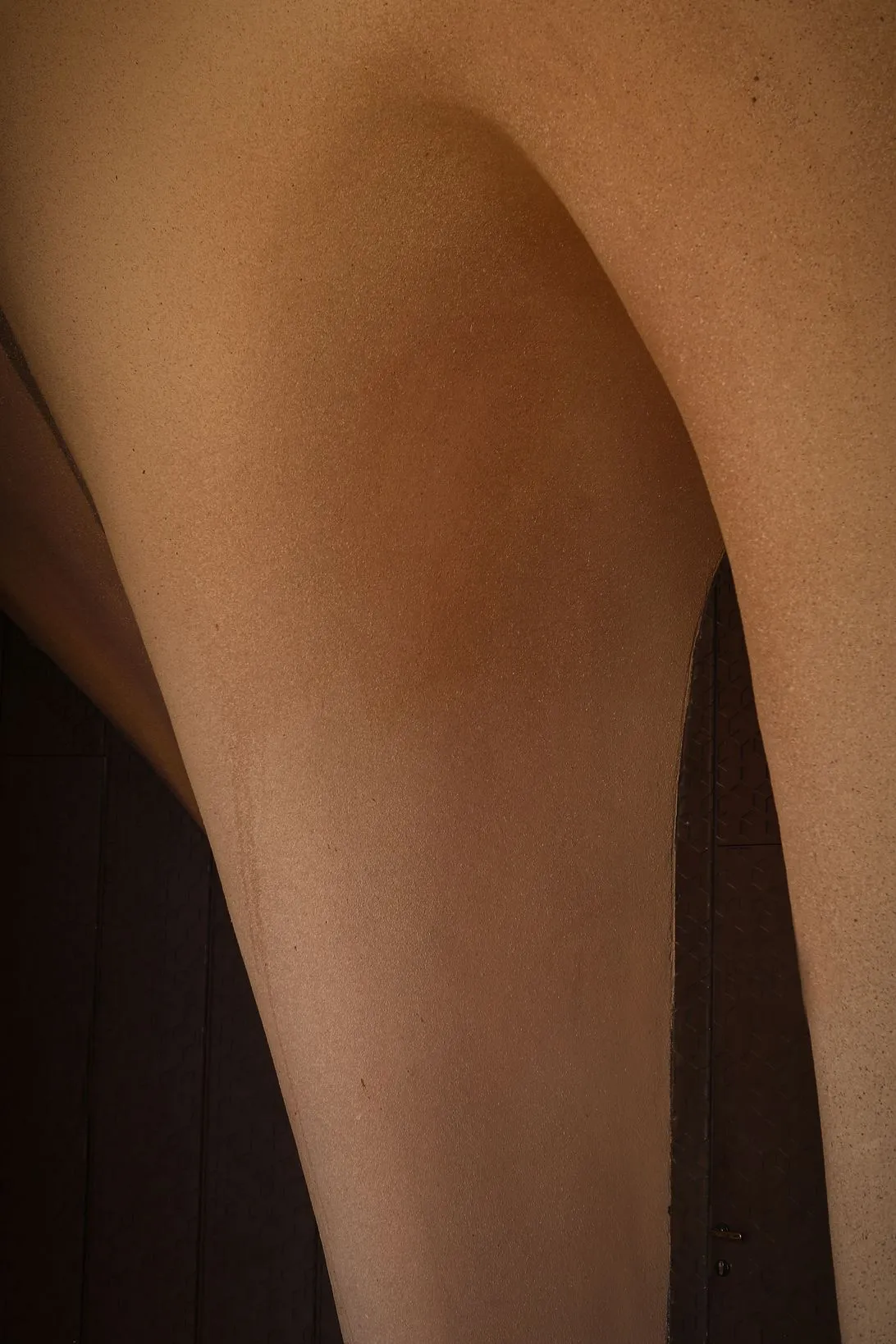
Located in Aqaba, Jordan, Ayla Golf Club represents a powerful, sustainable design responding to the desert’s context. The distinctive organic structure developed using the shotcrete method created a free-flowing form inspired by the undulating dunes and the traditional Bedouin tents.
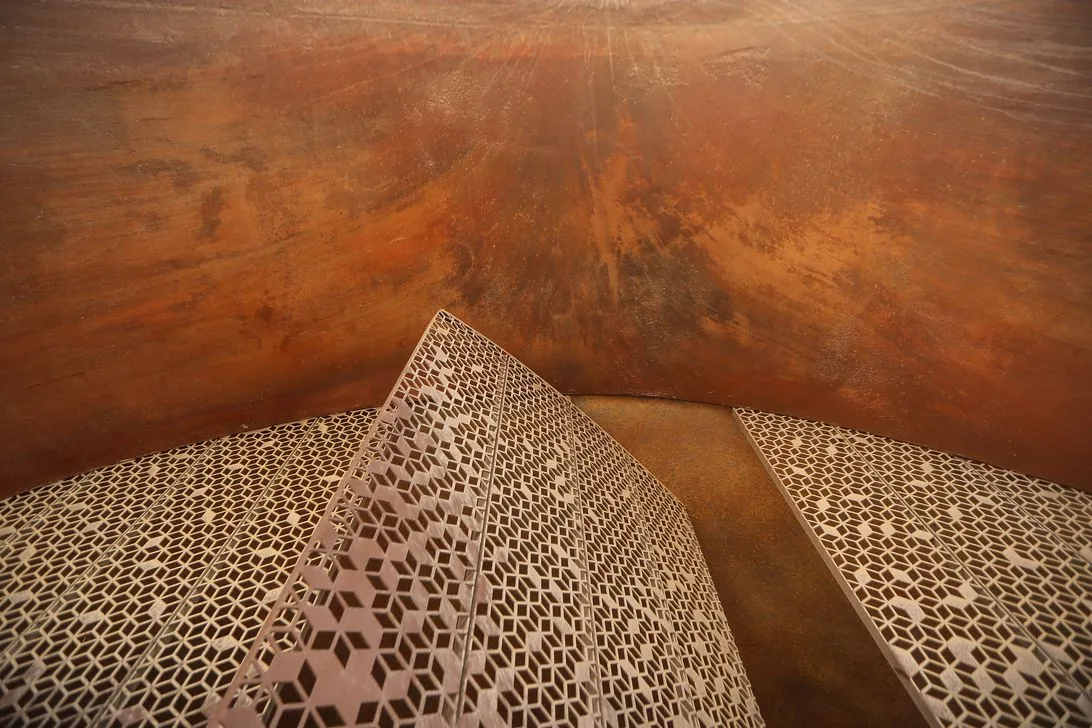
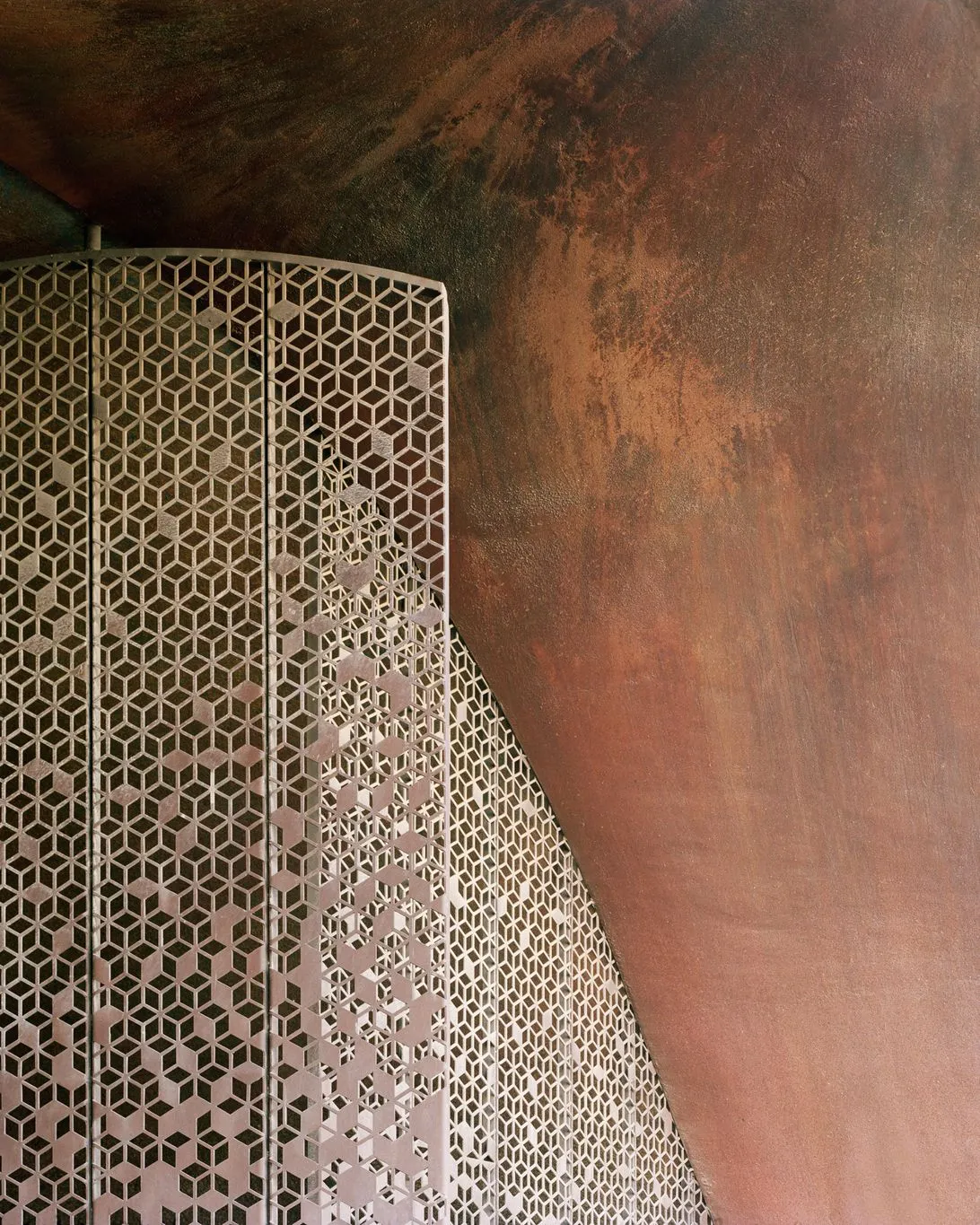
The concrete was pigmented with local sand and minerals and deliberately chosen to blend with the surrounding landscape. The eco-friendly design approach includes passive design strategies, cross-ventilated systems, and shading by perforated Cor-ten steel screens inspired by traditional Arabic mashrabiya.
2. New Boulevard Tower
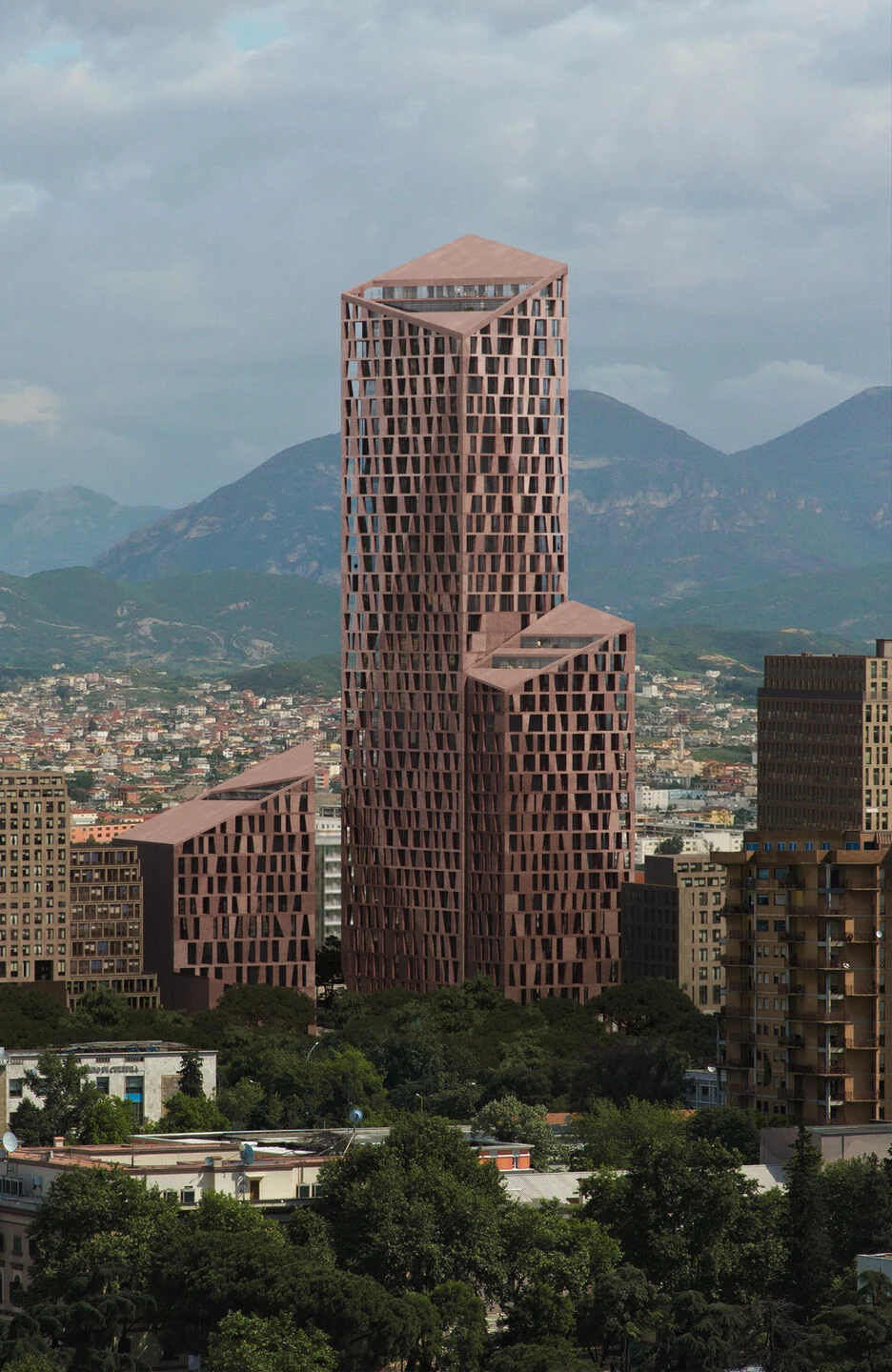
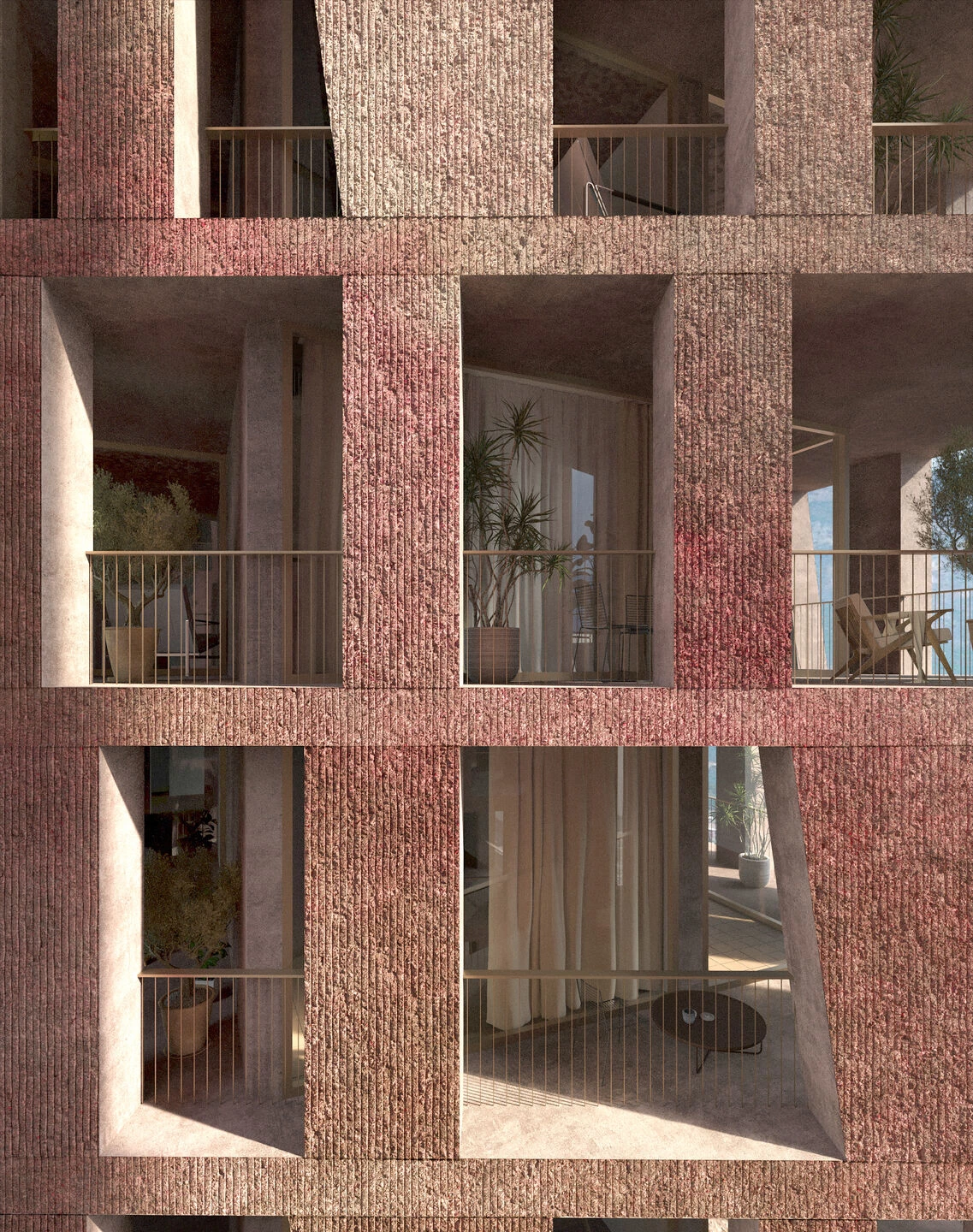
Albania’s capital, Tirana, has undergone urban transformation, striving to transform the city’s historical core while maintaining its cultural identity and historical significance. The project, Tirana Historic Center, focuses on adaptive reuse and the design of green spaces. Part of Tirana’s master plan, the new Northern Boulevard, located at the northern edge, features a public plaza at its base and connects the boulevard, a public square, and a future central park.
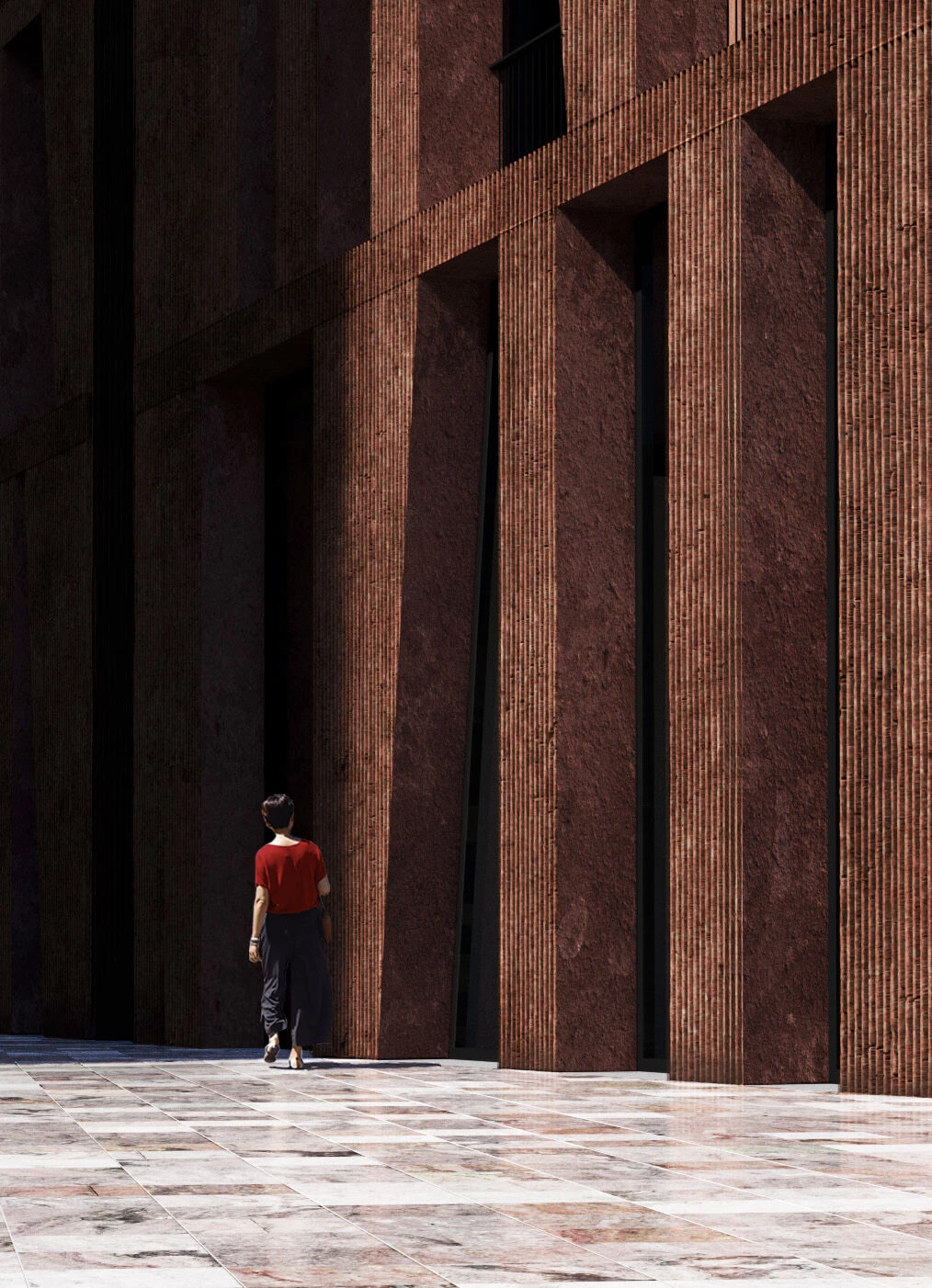
Reflecting the context and surroundings, the facade of a 38-story residential building was created using cast-in-place concrete with pigments and textures. A cluster of significant civic and residential designs, the Tirana Historic Center contributes to the city’s new identity.
3. Besa Museum
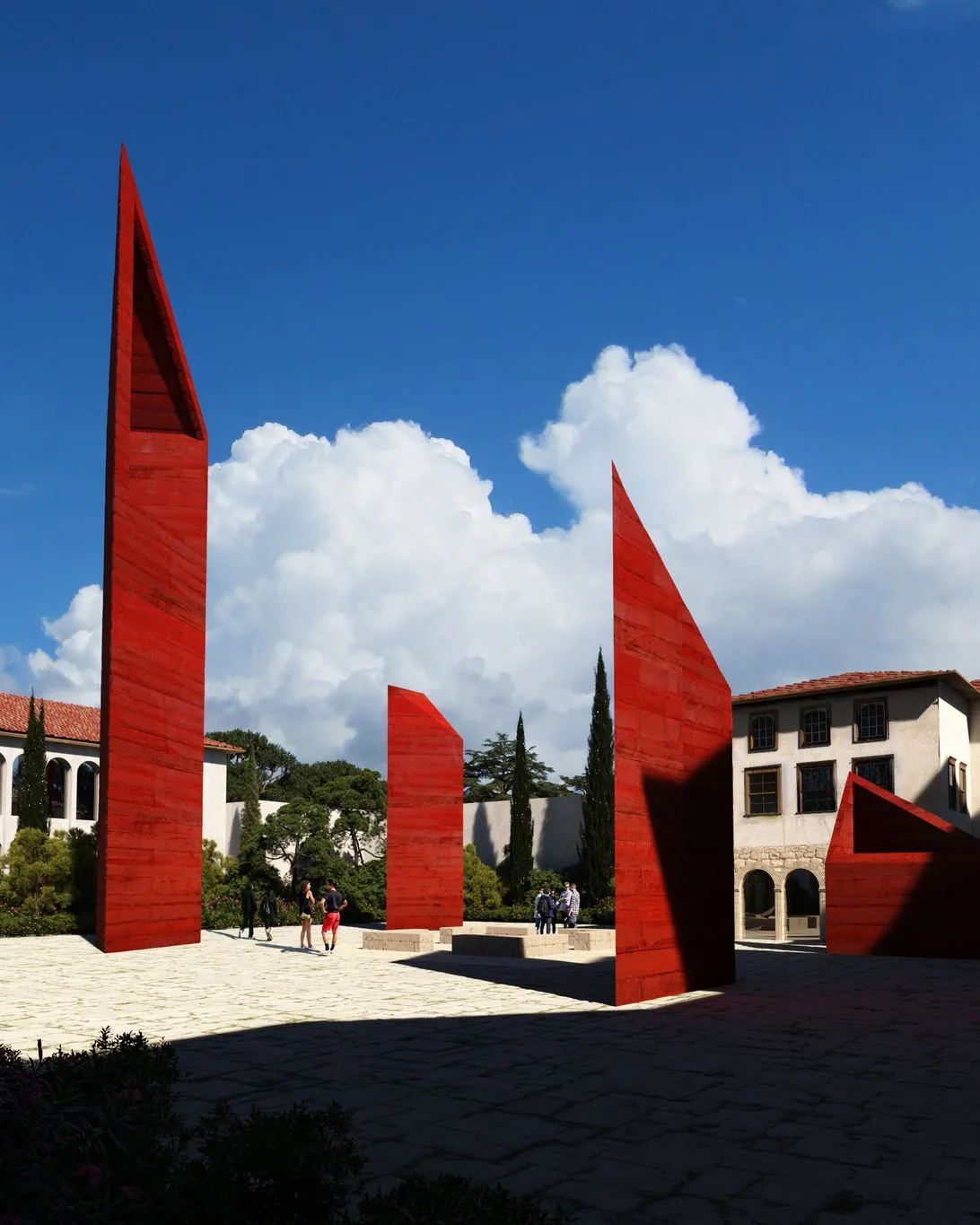
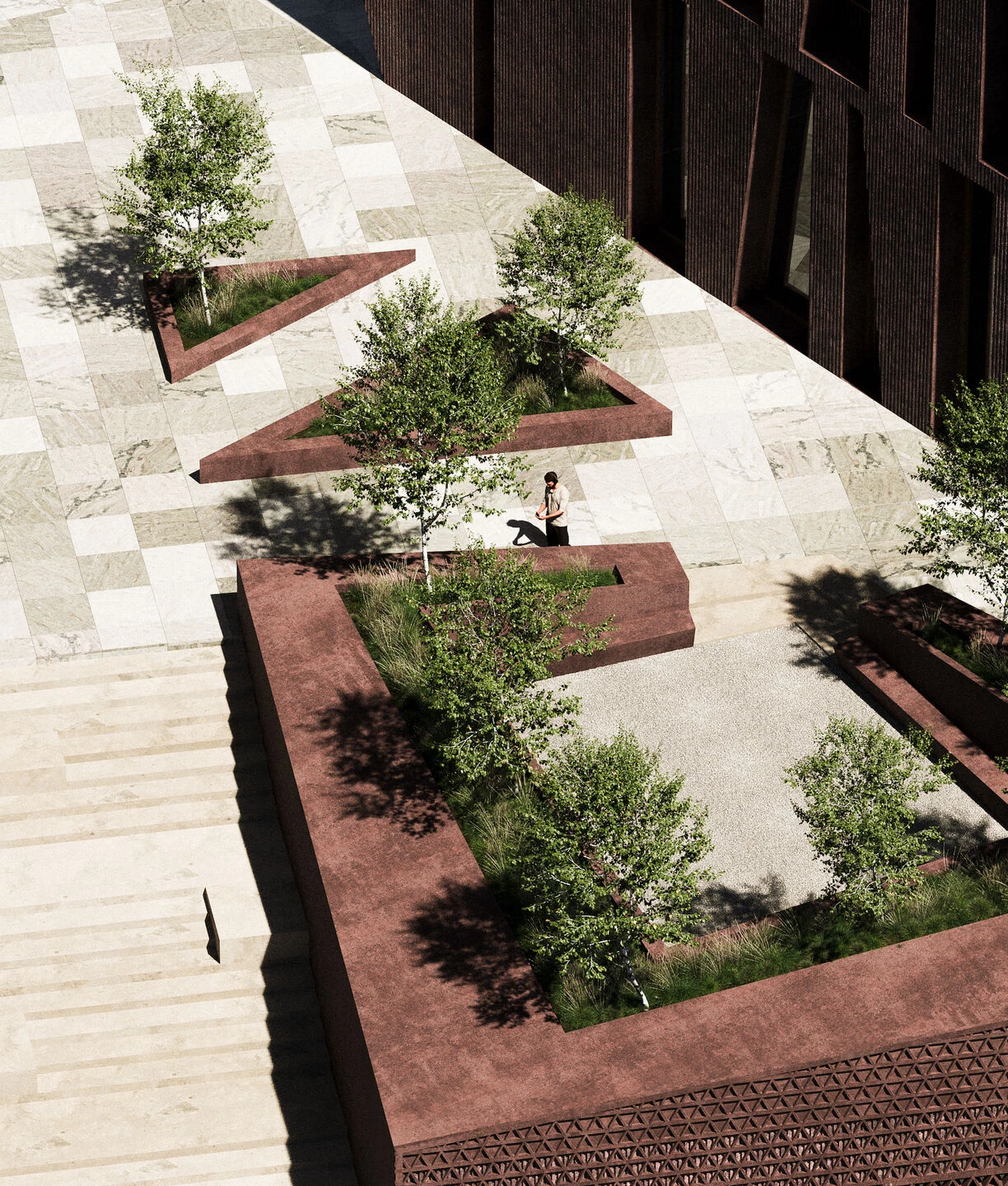
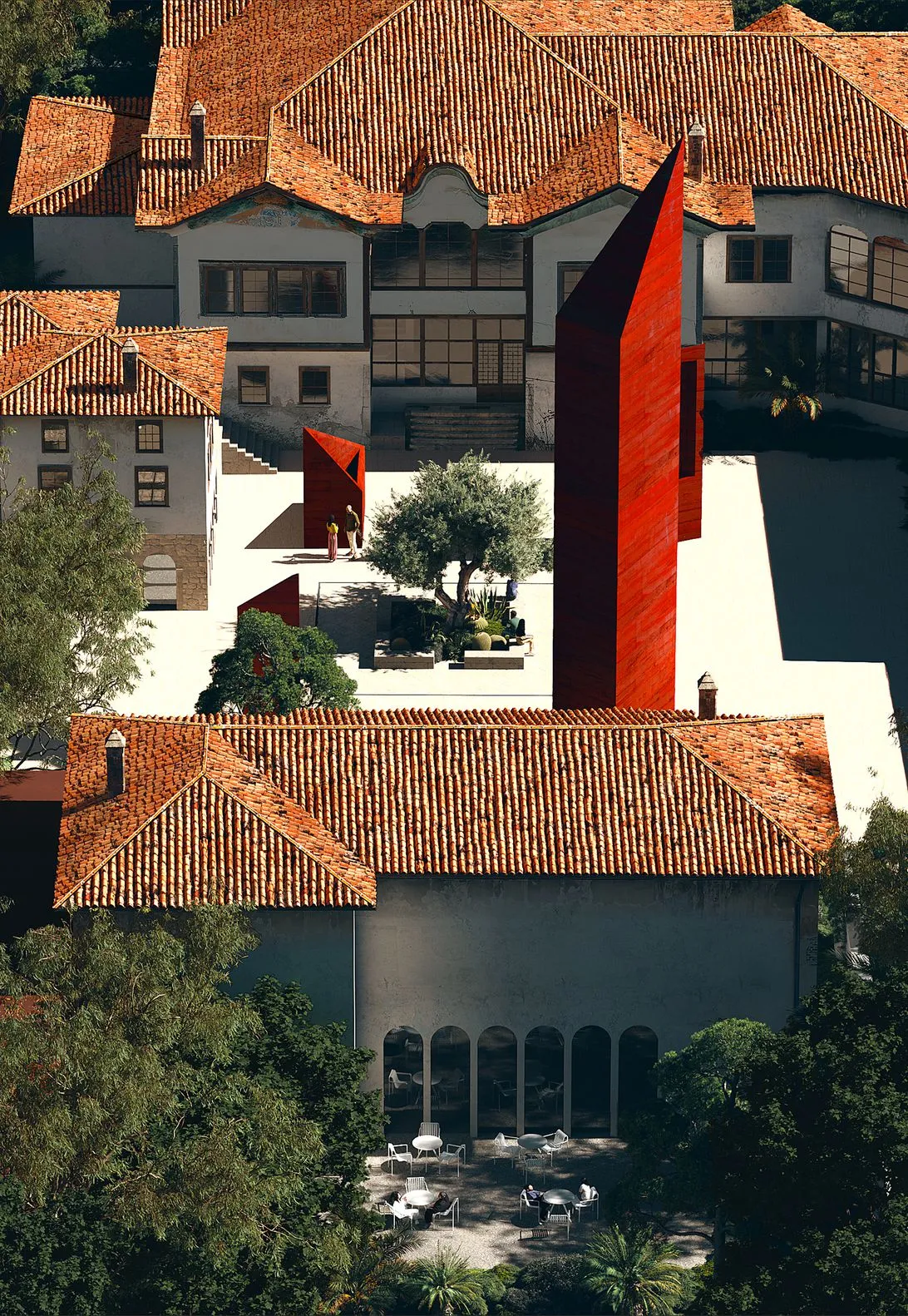
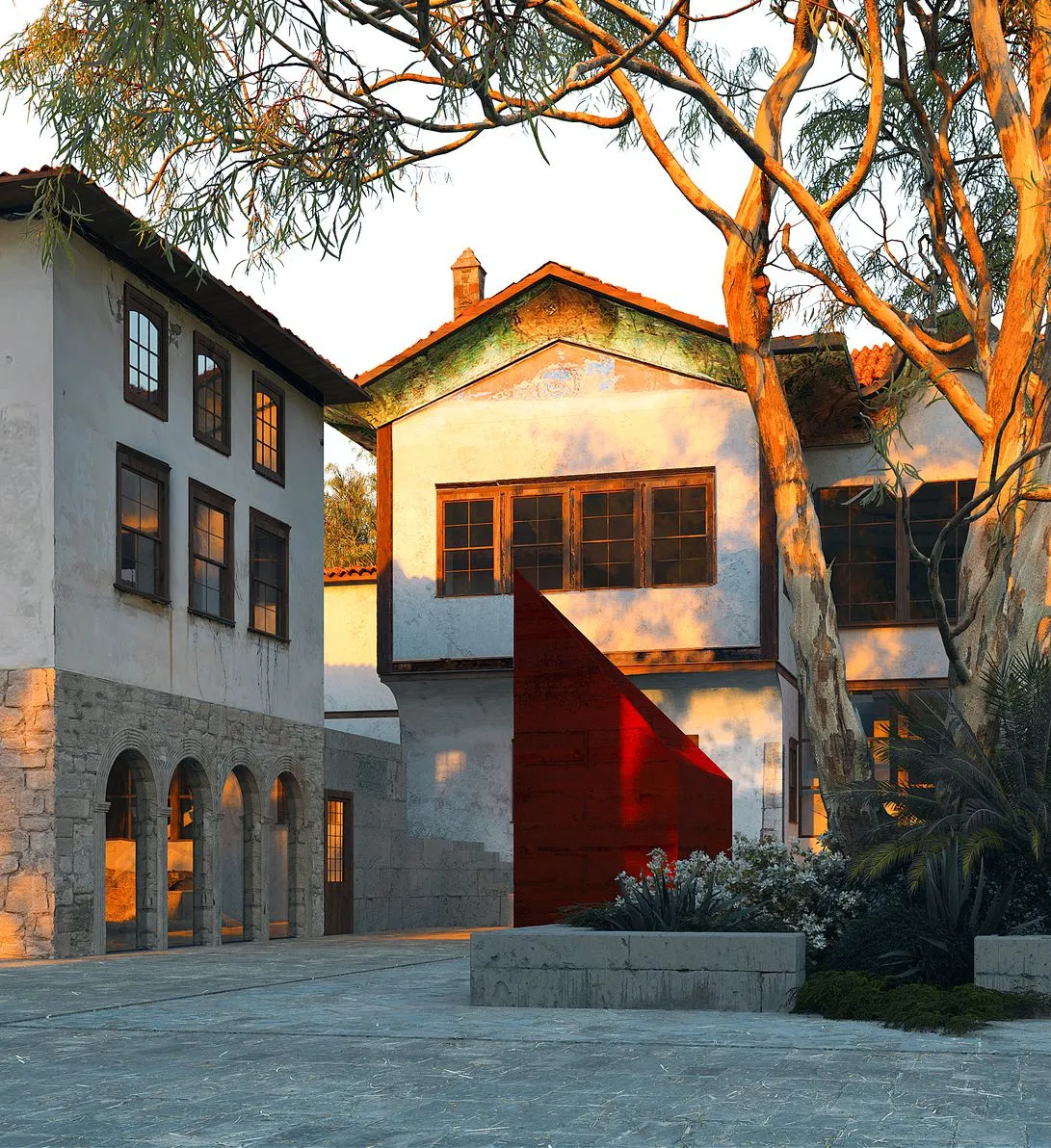
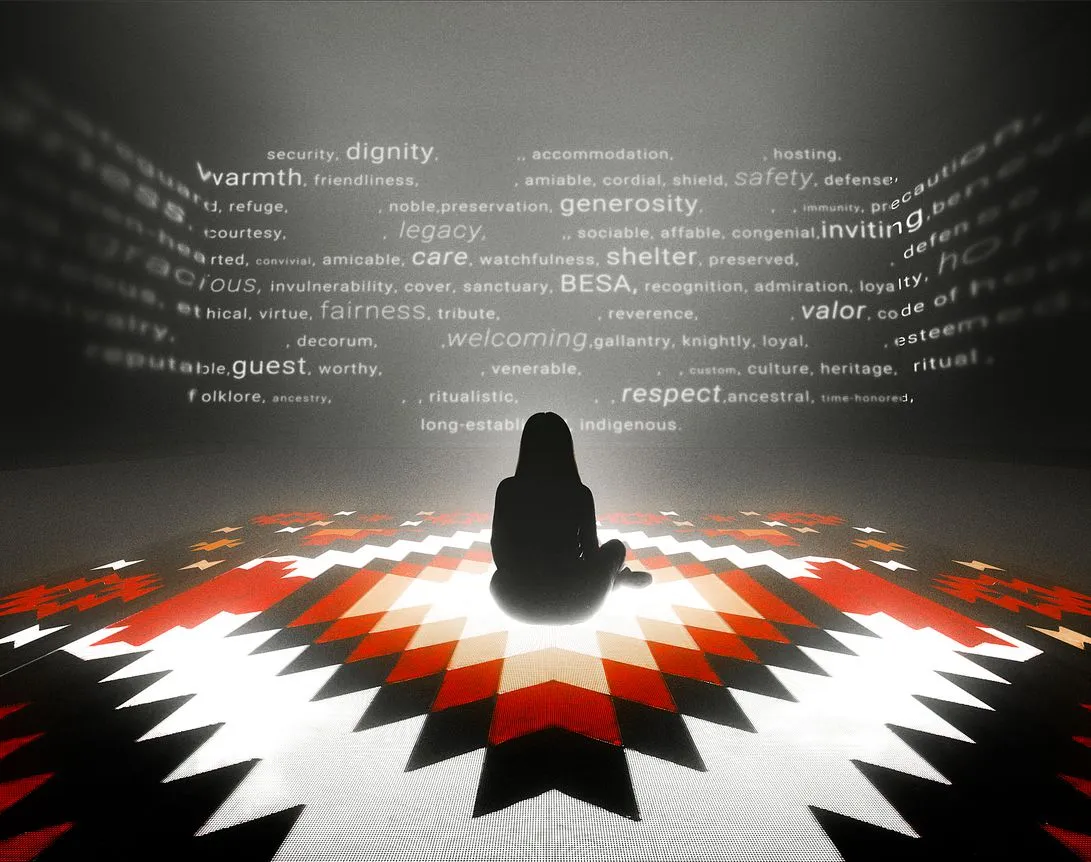
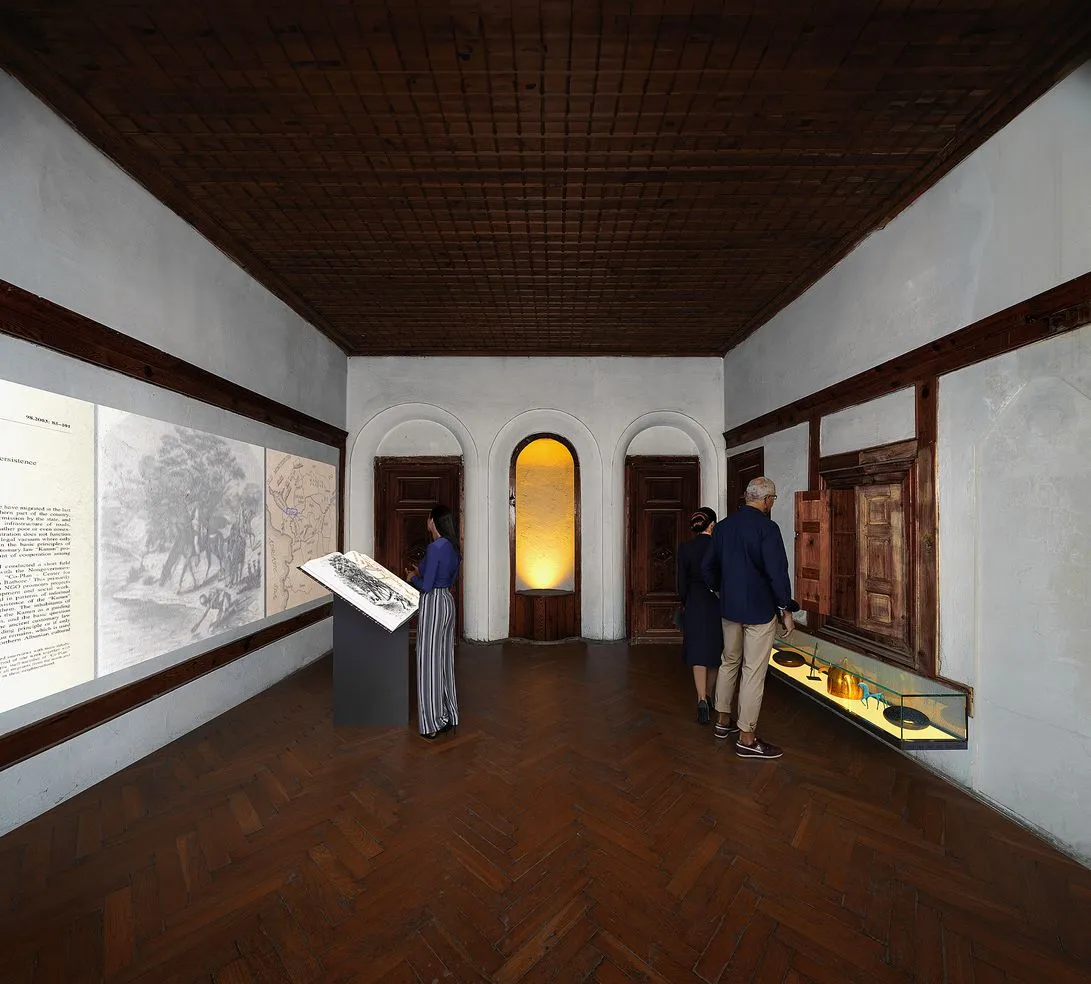
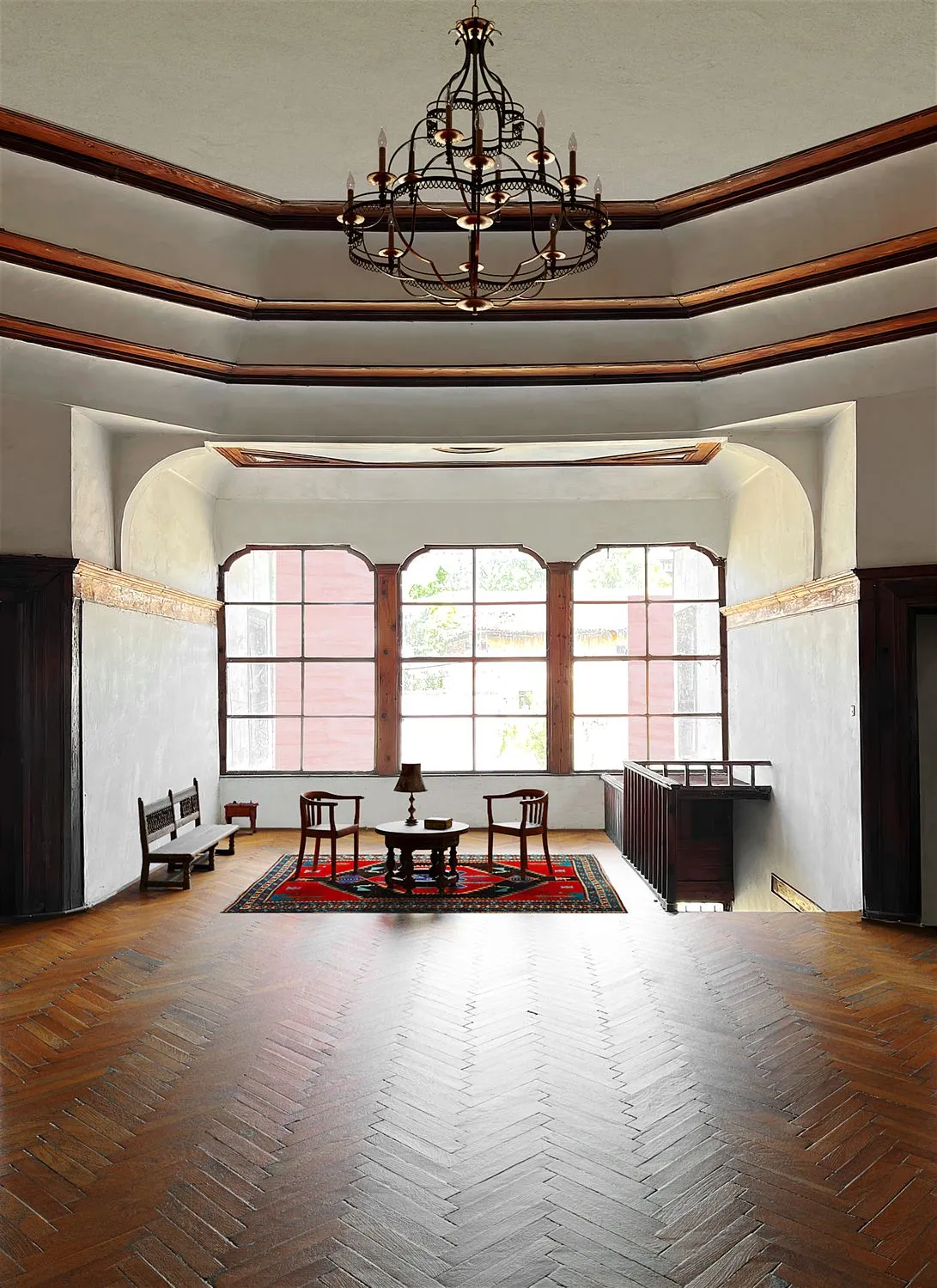
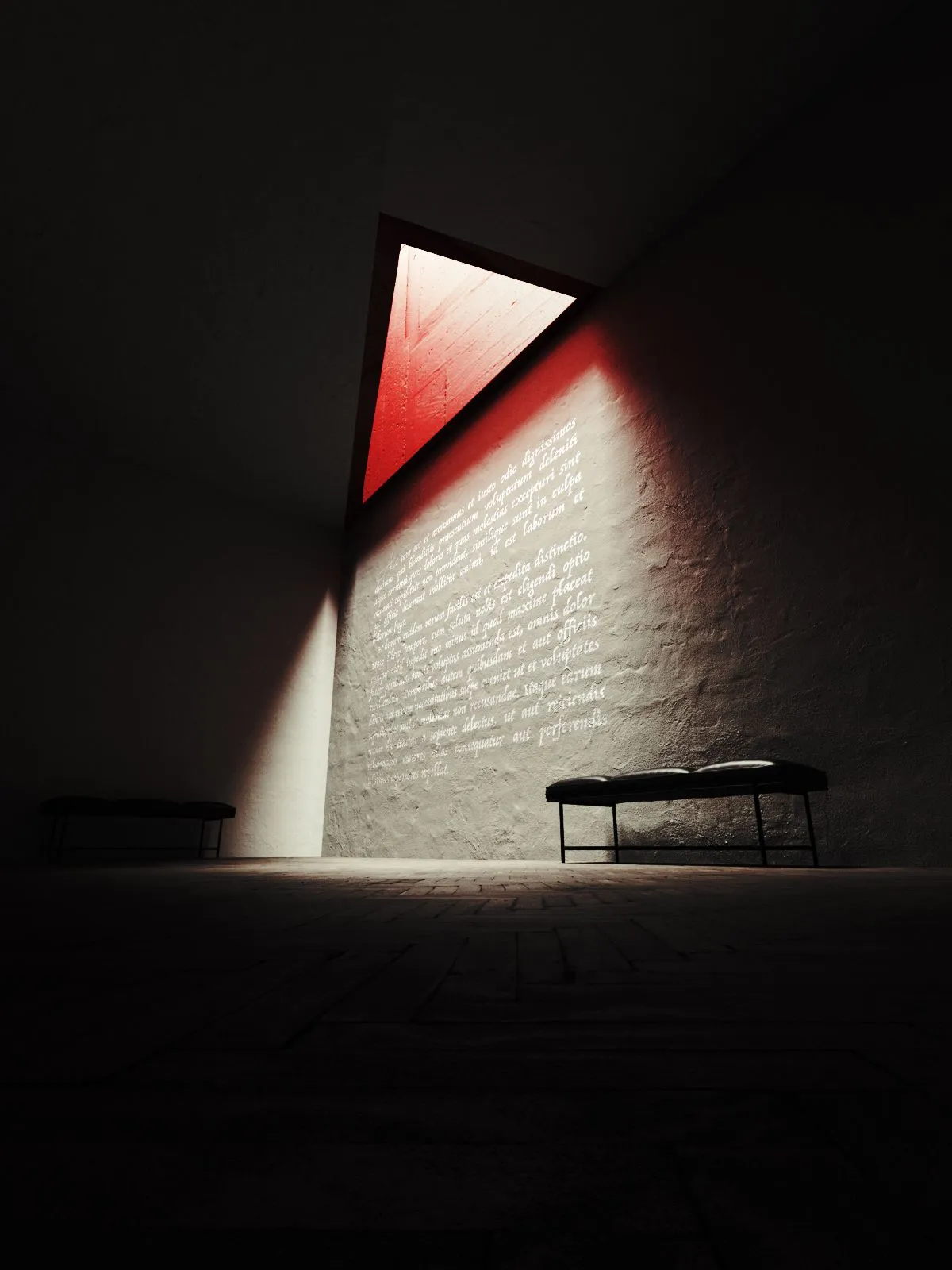
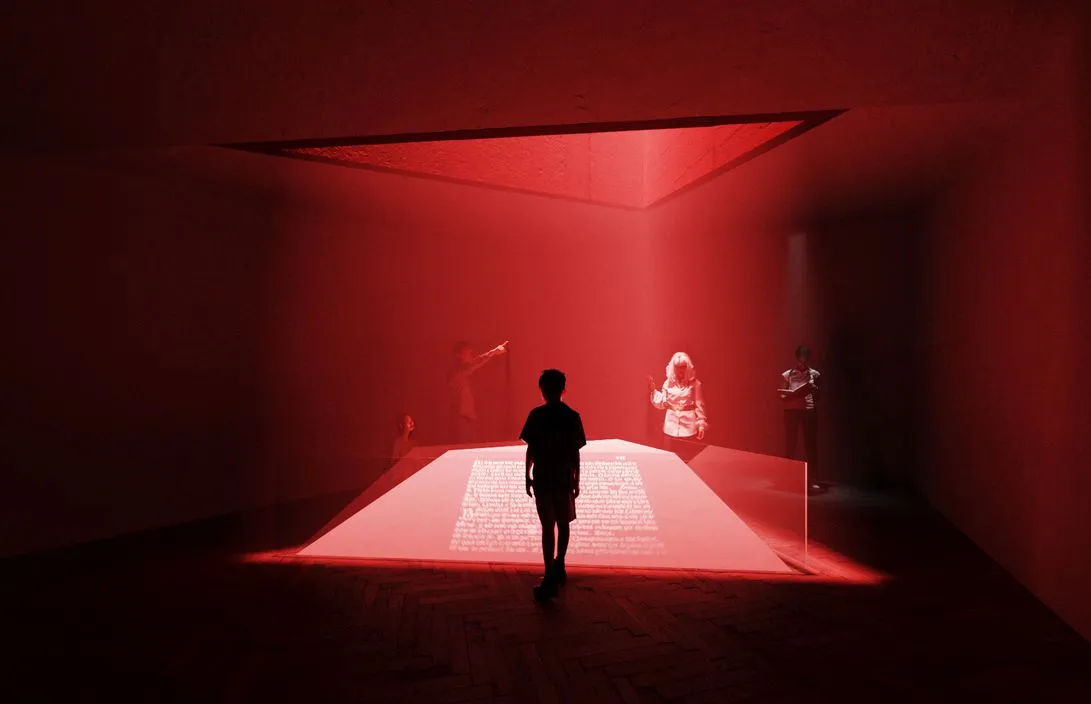
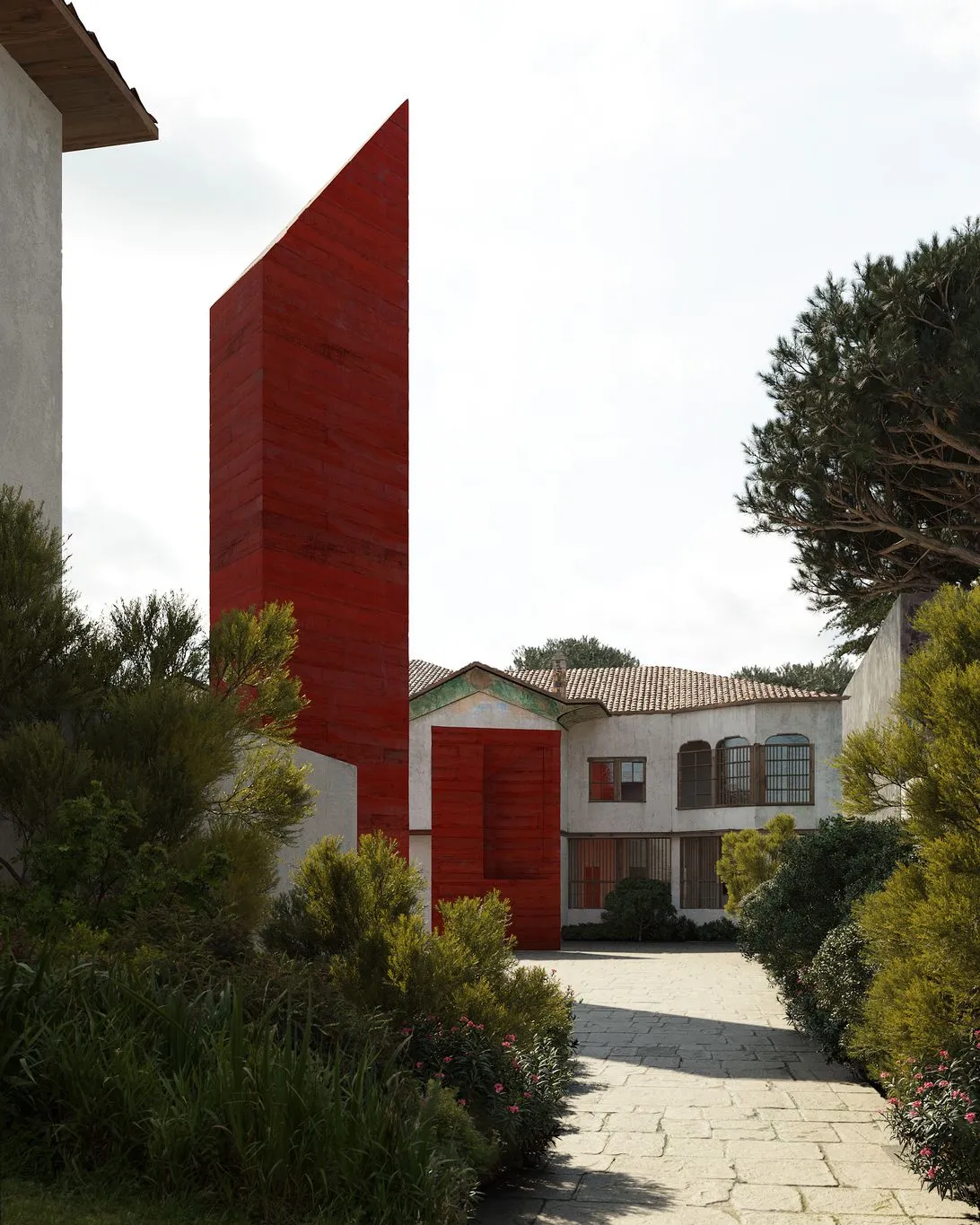
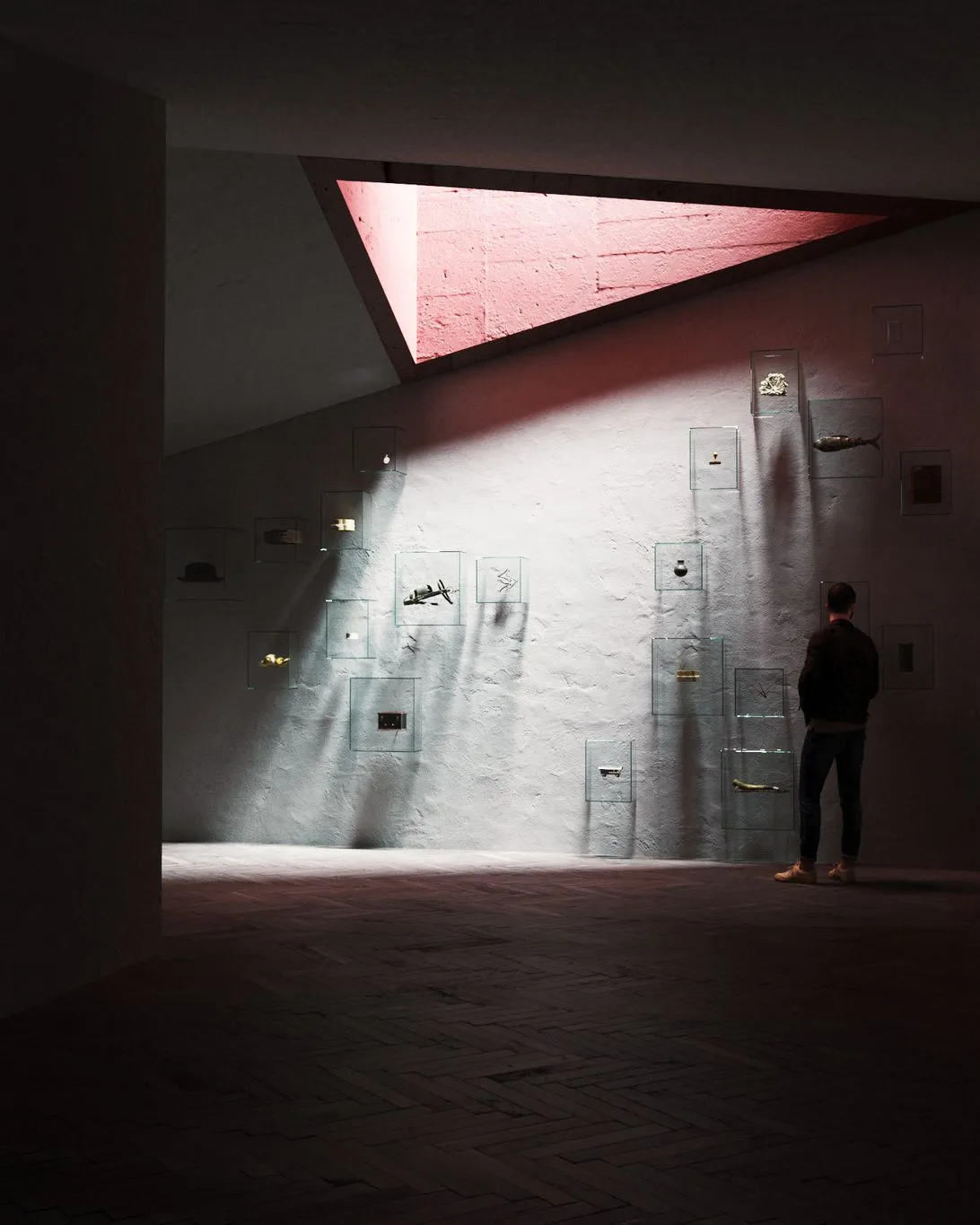
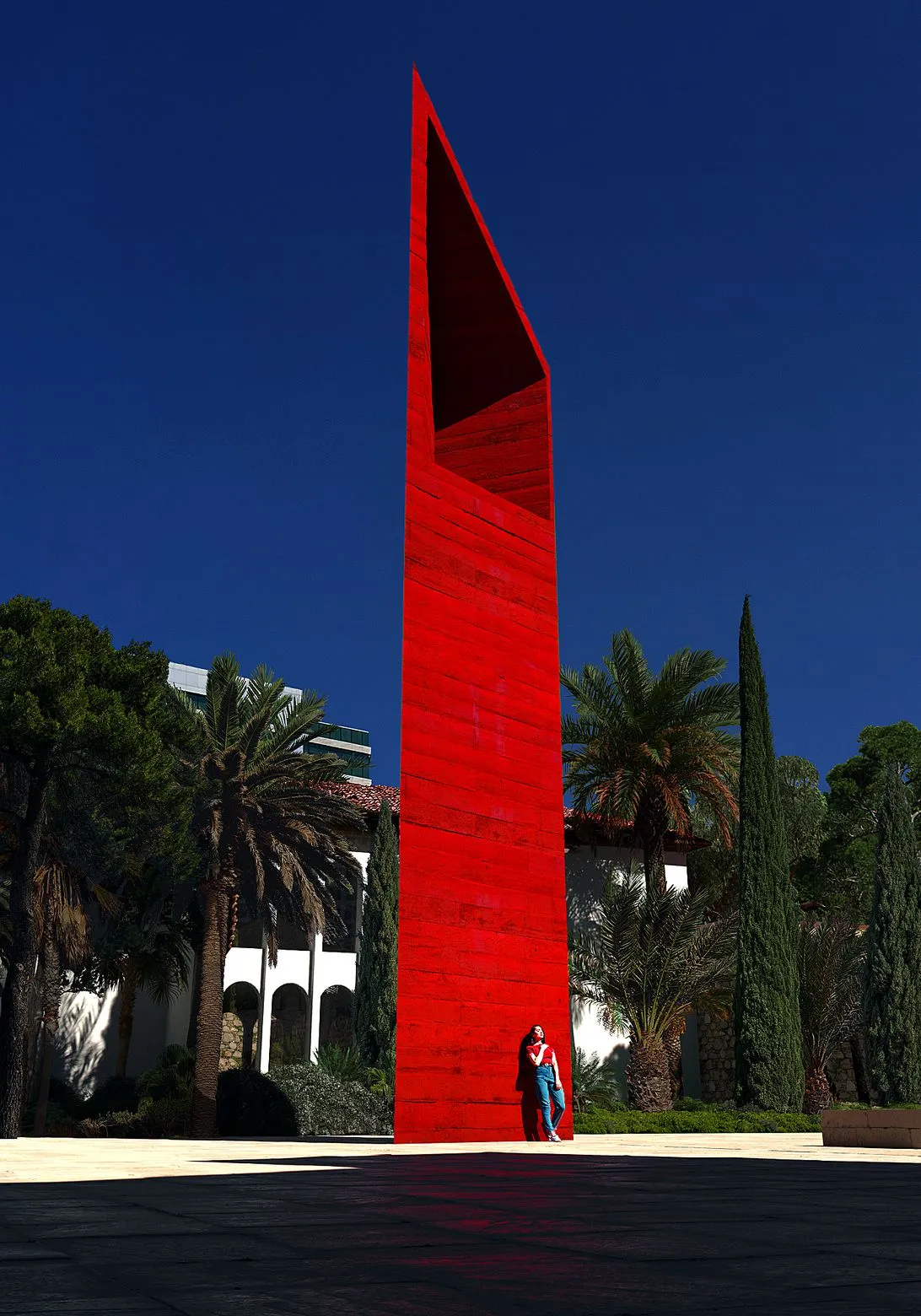
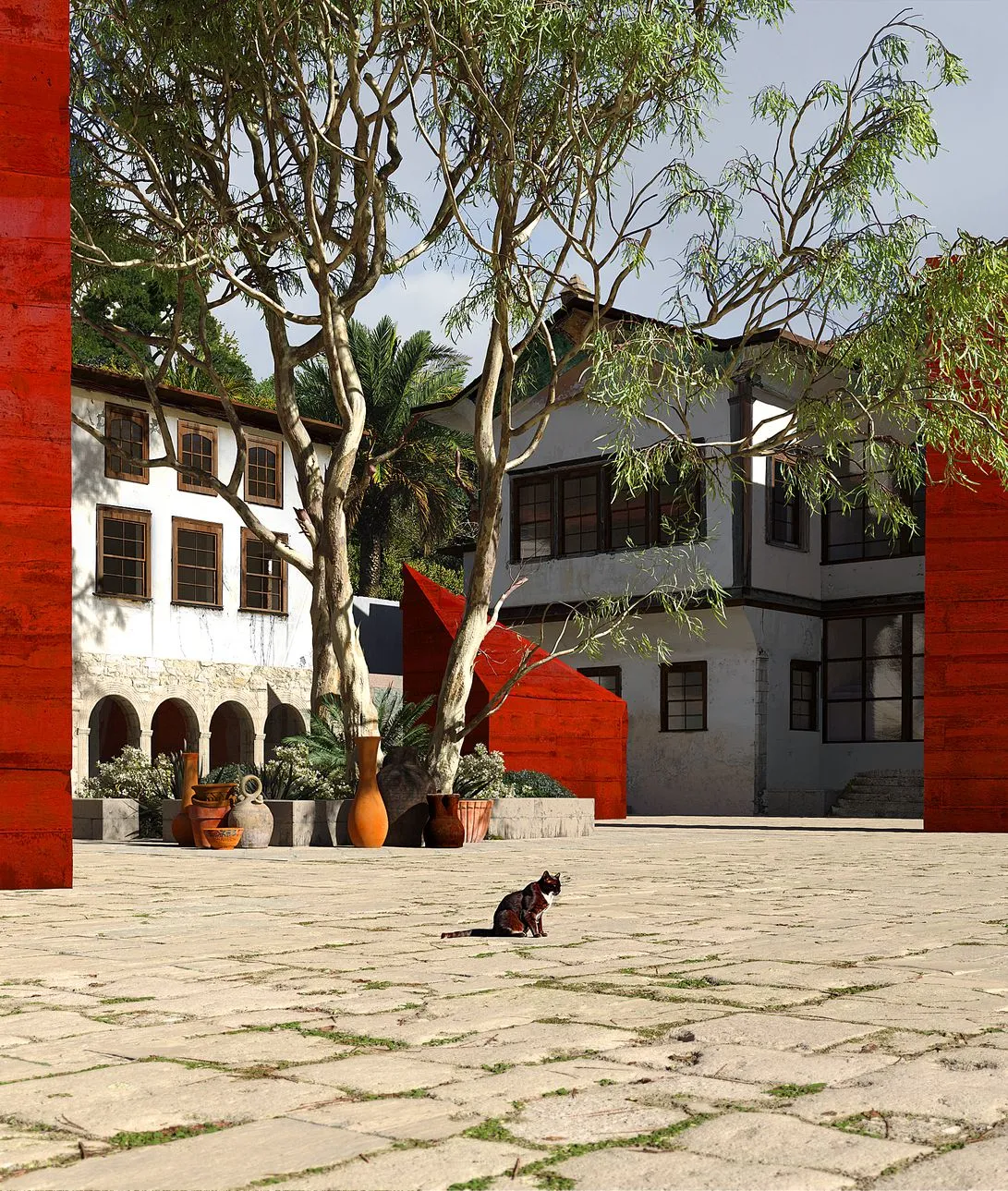
Highlighting Albania’s role in WWII, the restoration of the Toptani Residence into the Besa Museum preserves the cultural and historical value and emphasizes loyalty, protection, and moral duty. Through extensive research with local experts, the concept of Besa was translated into Tradition, Protection, Hospitality, and Honour, reflected in the museum’s architecture and restoration work. Natural light flows through the courtyard’s symbolic pillars, linking the underground exhibits and giving visitors a tangible connection to the museum’s core themes.
4. Desert Rock
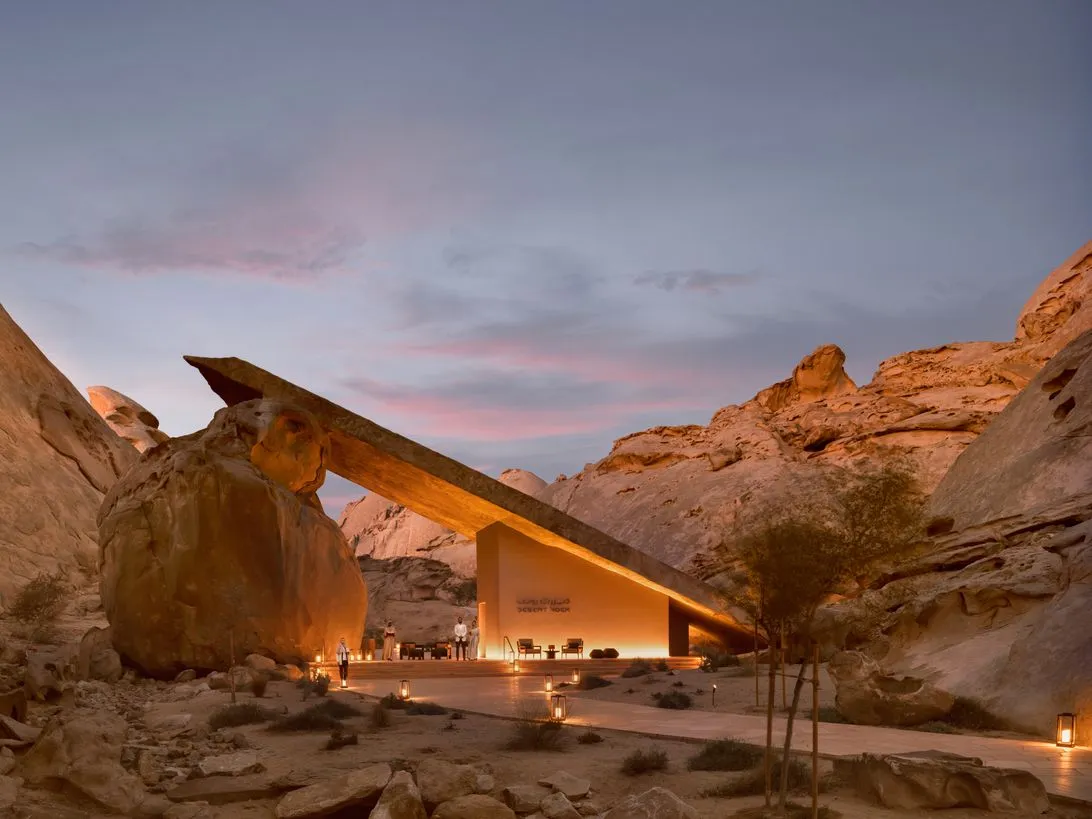
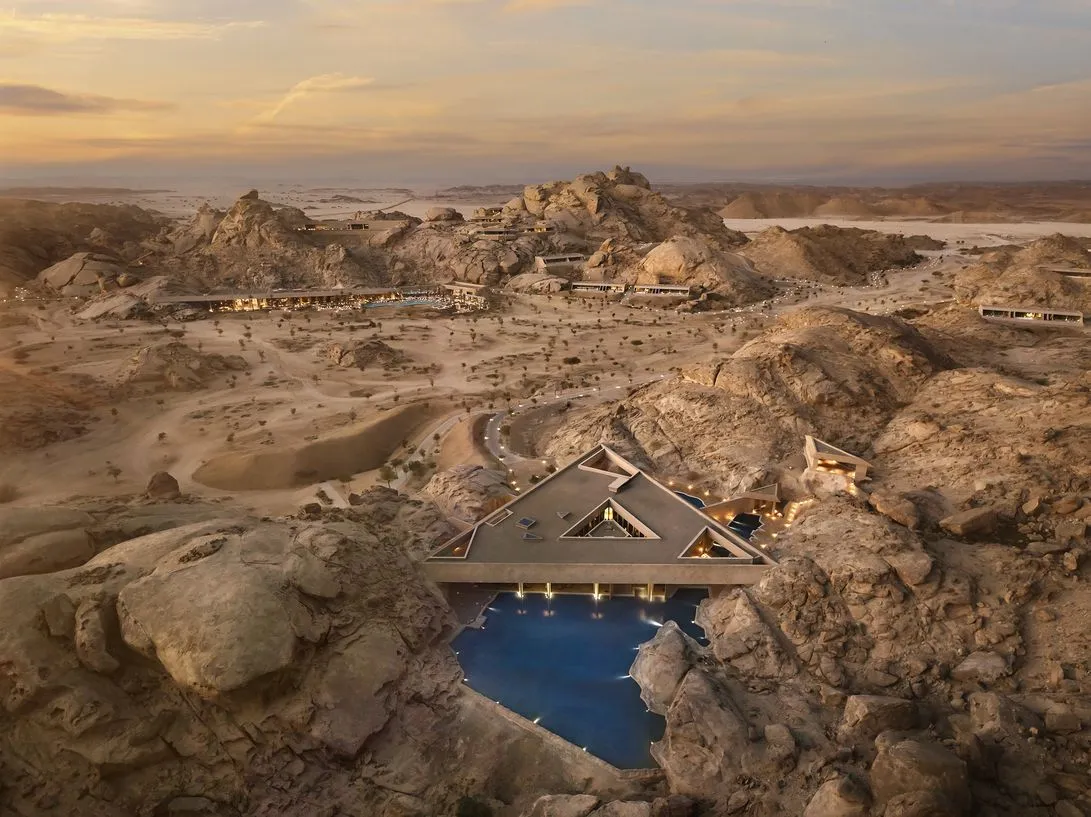
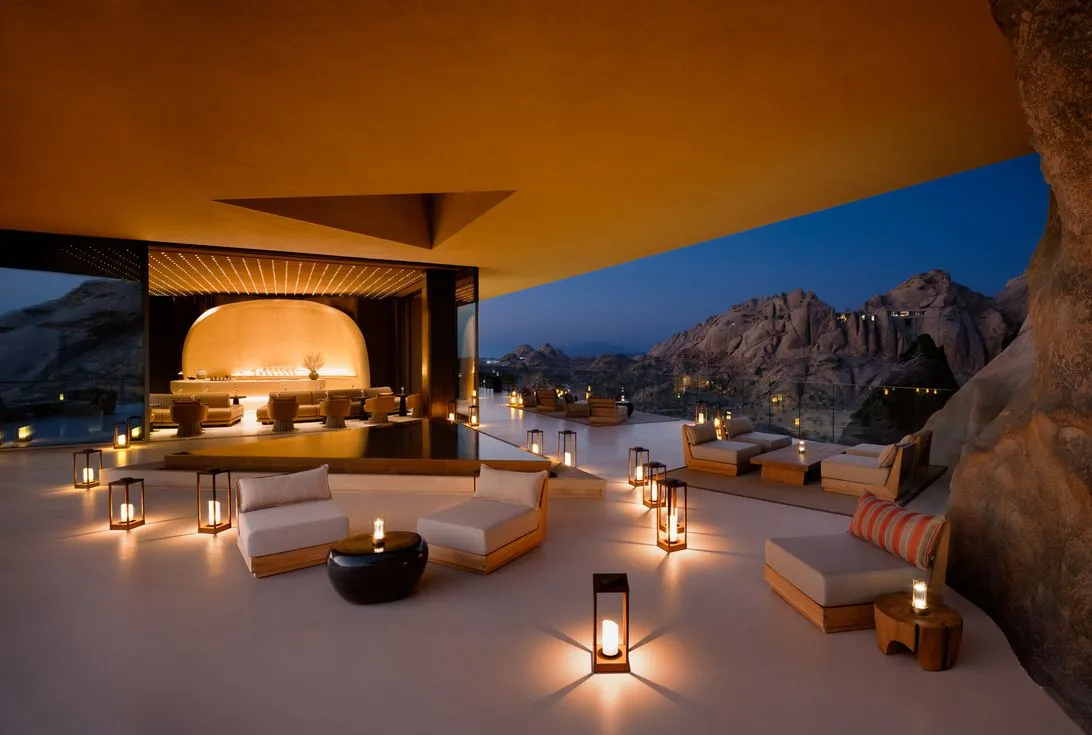
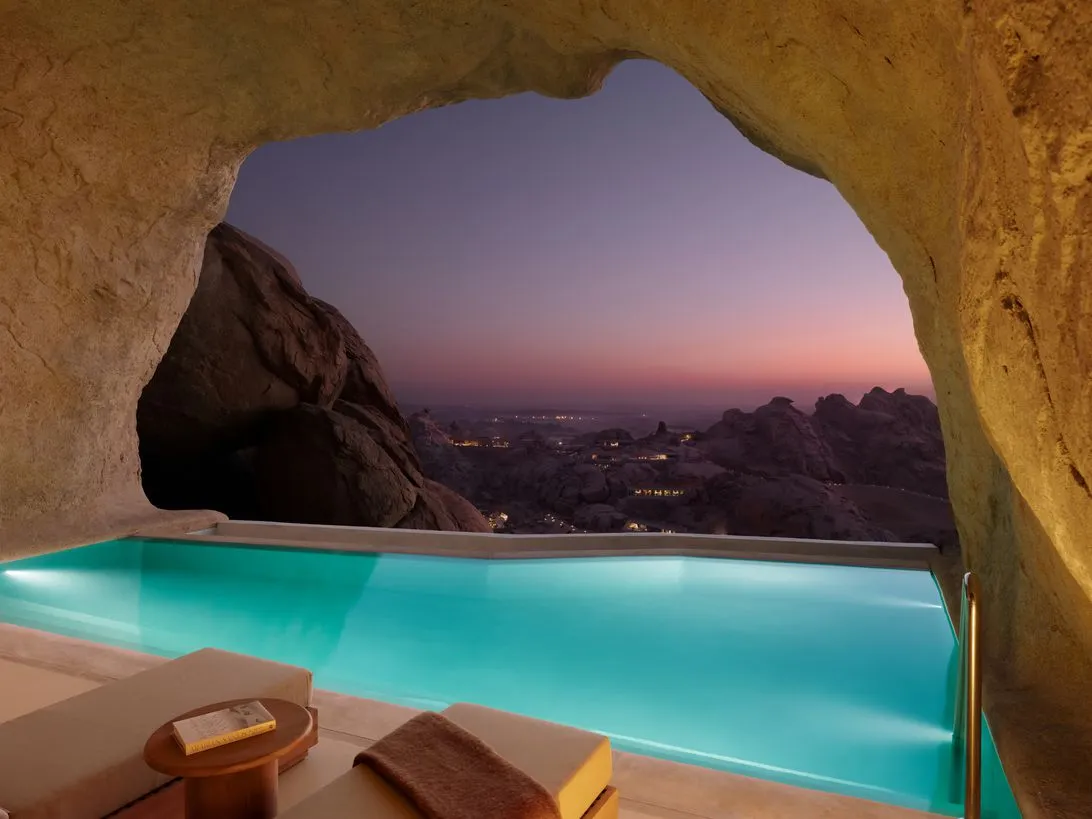
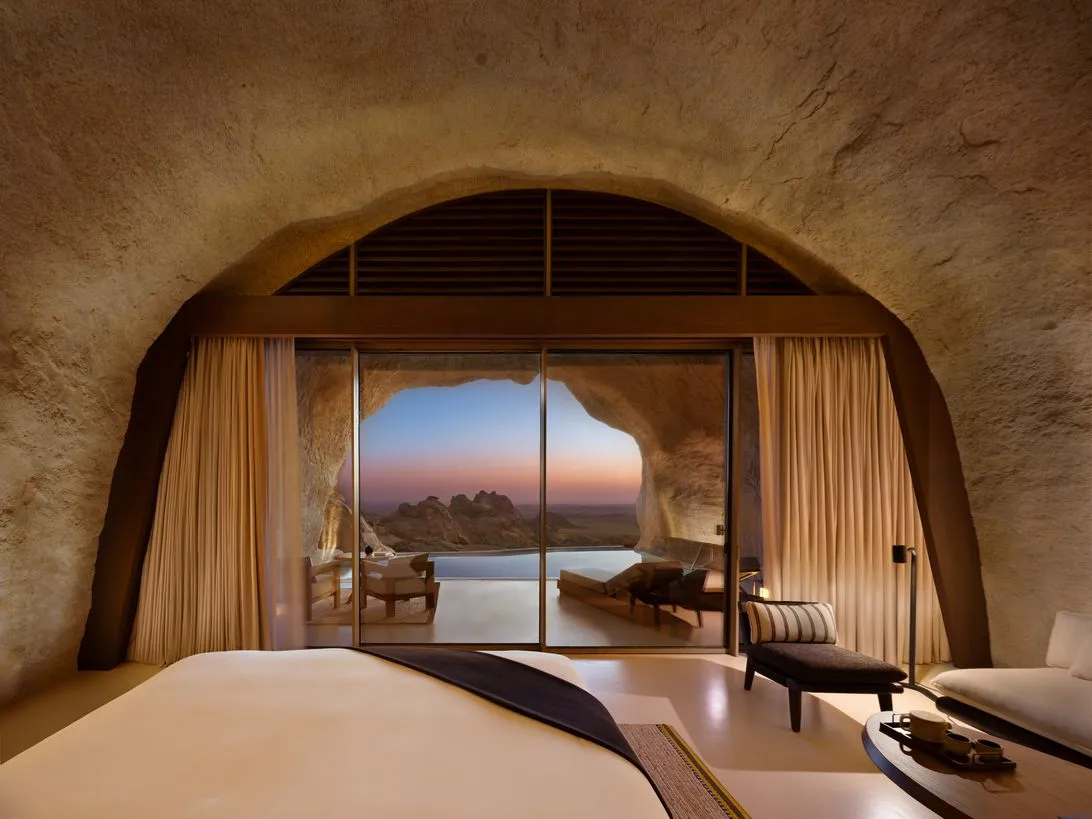
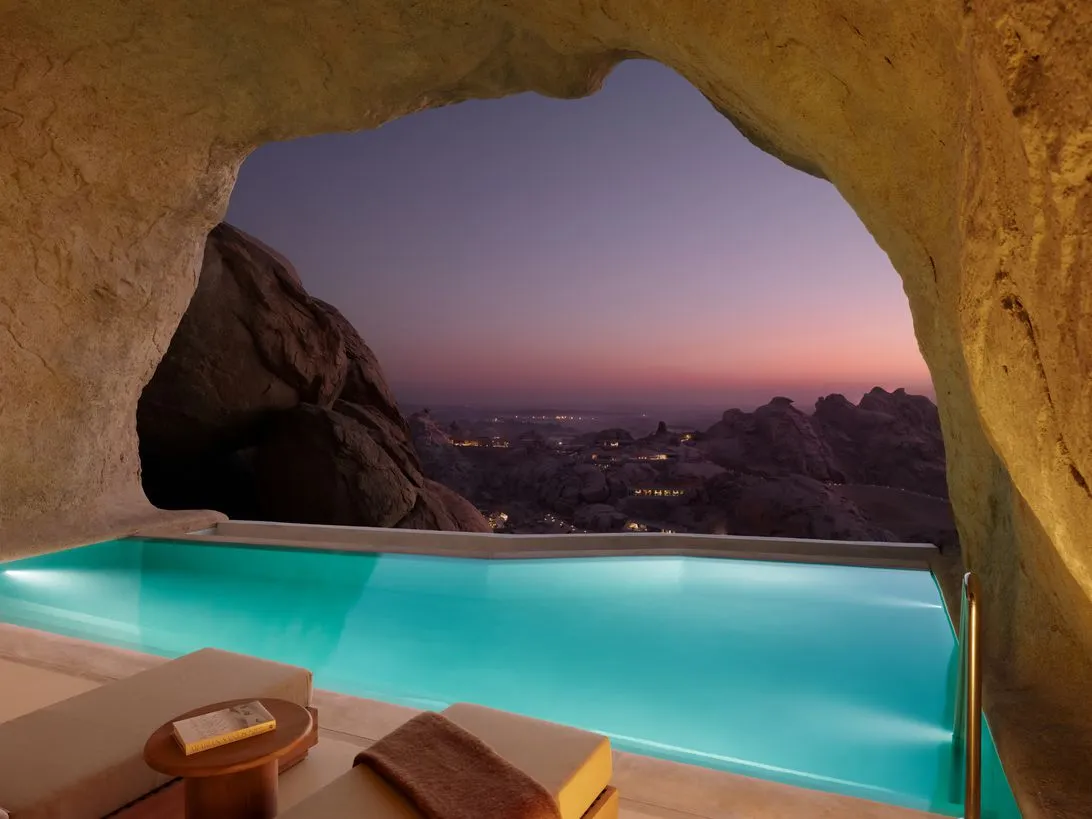
Located in the Hejaz Mountains of Saudi Arabia, this luxury resort celebrates a unique approach to design that integrates the natural landscape rather than being built on top of it. The built forms are sited within caves to take advantage of cooler microclimates, and local materials are used, such as stone, sand, and concrete aggregate, focusing on sustainable goals. The Desert Rock Resort includes villas and suites embedded within the mountain, highly contextual, and minimizing environmental impact.
5. The Jewel
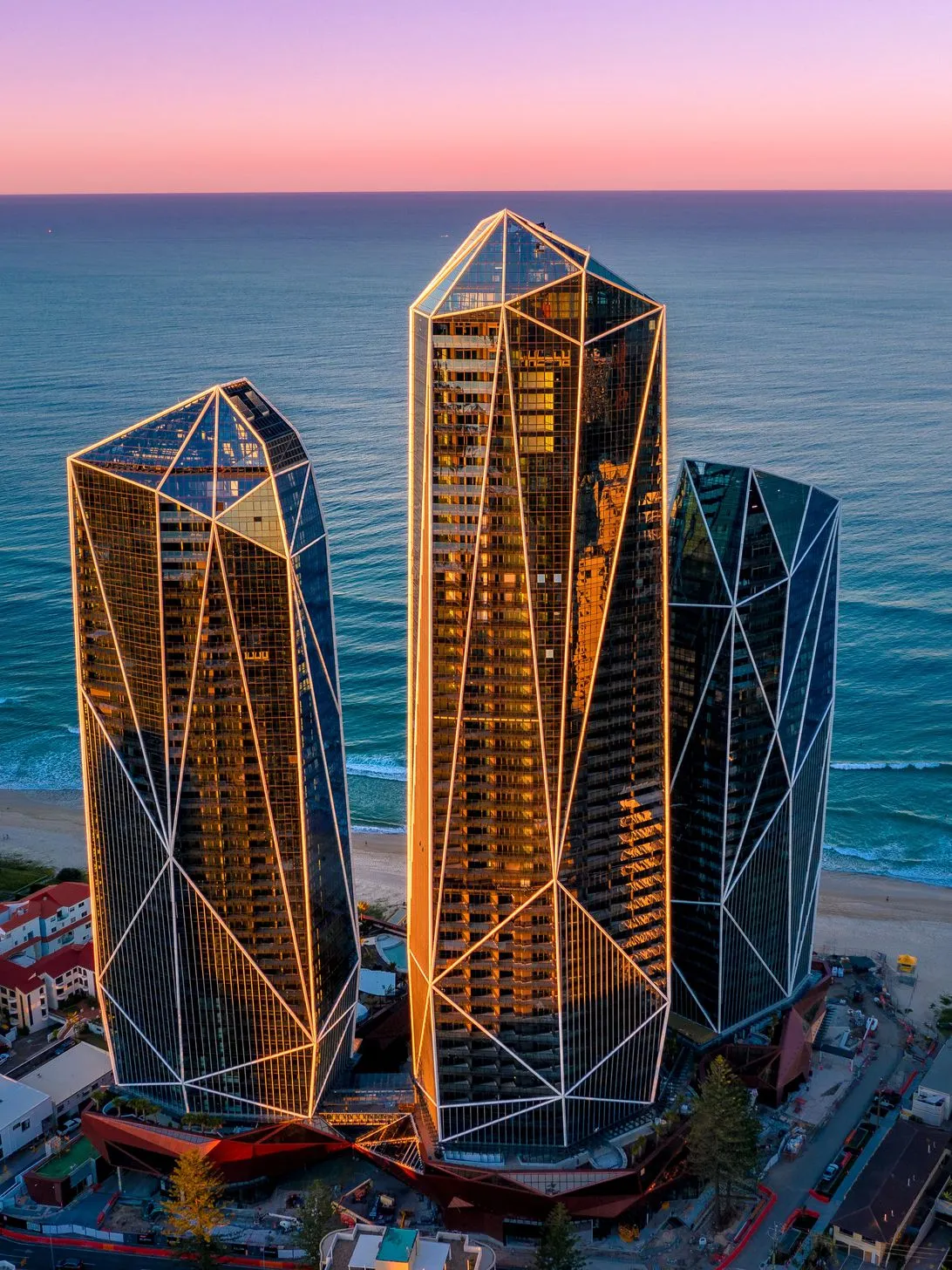
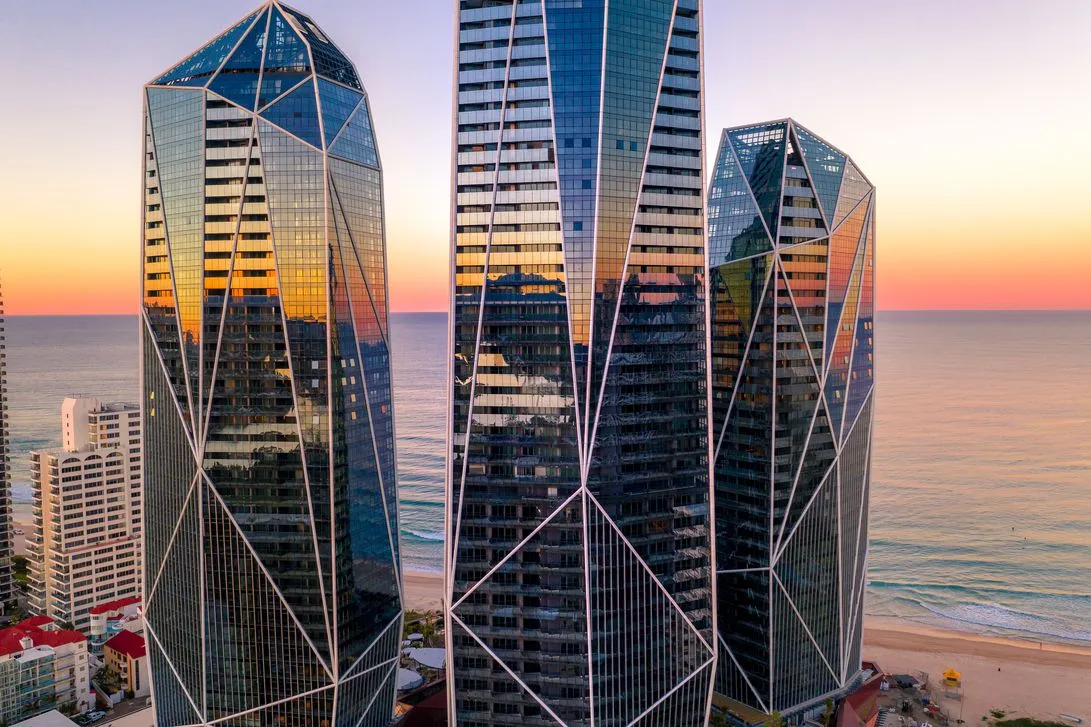
Located at Surfer’s Paradise, Australia, Jewel is a luxurious, mixed‑use beachfront development in collaboration with DBI Design. Inspired by three smoky quartz crystals found in this region, the towers resemble these crystals in their prismatic and angular forms. Three distinct glass towers feature a glass curtain walling system of varying heights, 41, 47, and 34 storeys, reflecting light and advanced engineering.
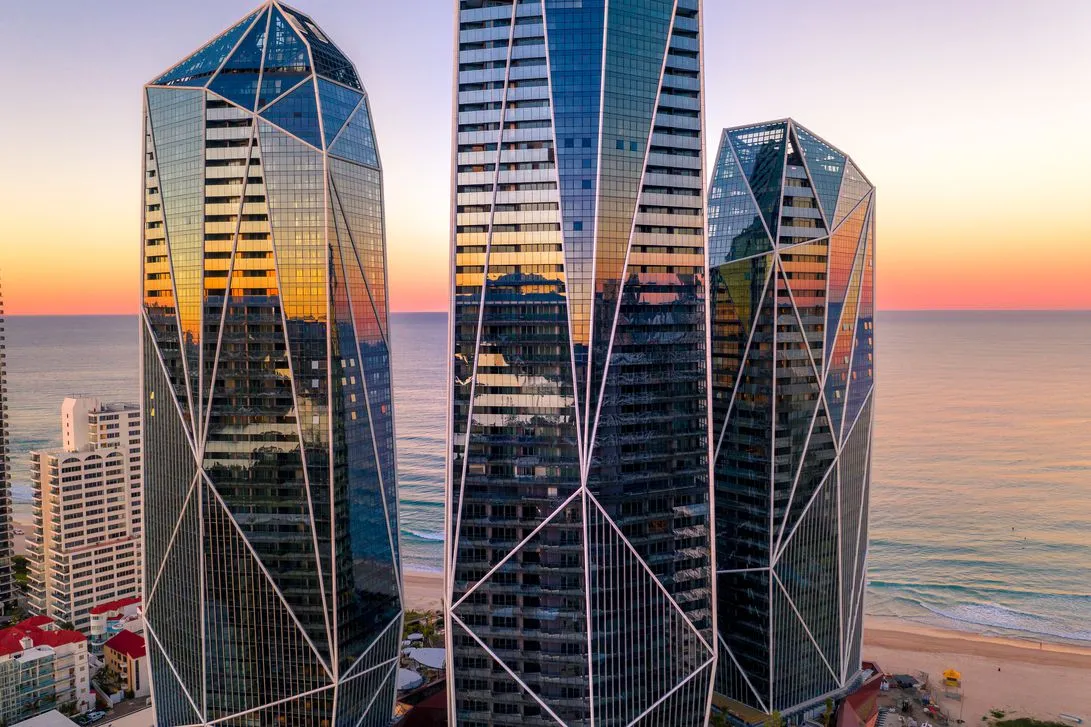
The central tower houses a luxury 5-star hotel with 169 suites, while the other two towers feature residential apartments, all connected by a three-level podium that offers public spaces and amenities.
6. Net Metropolis
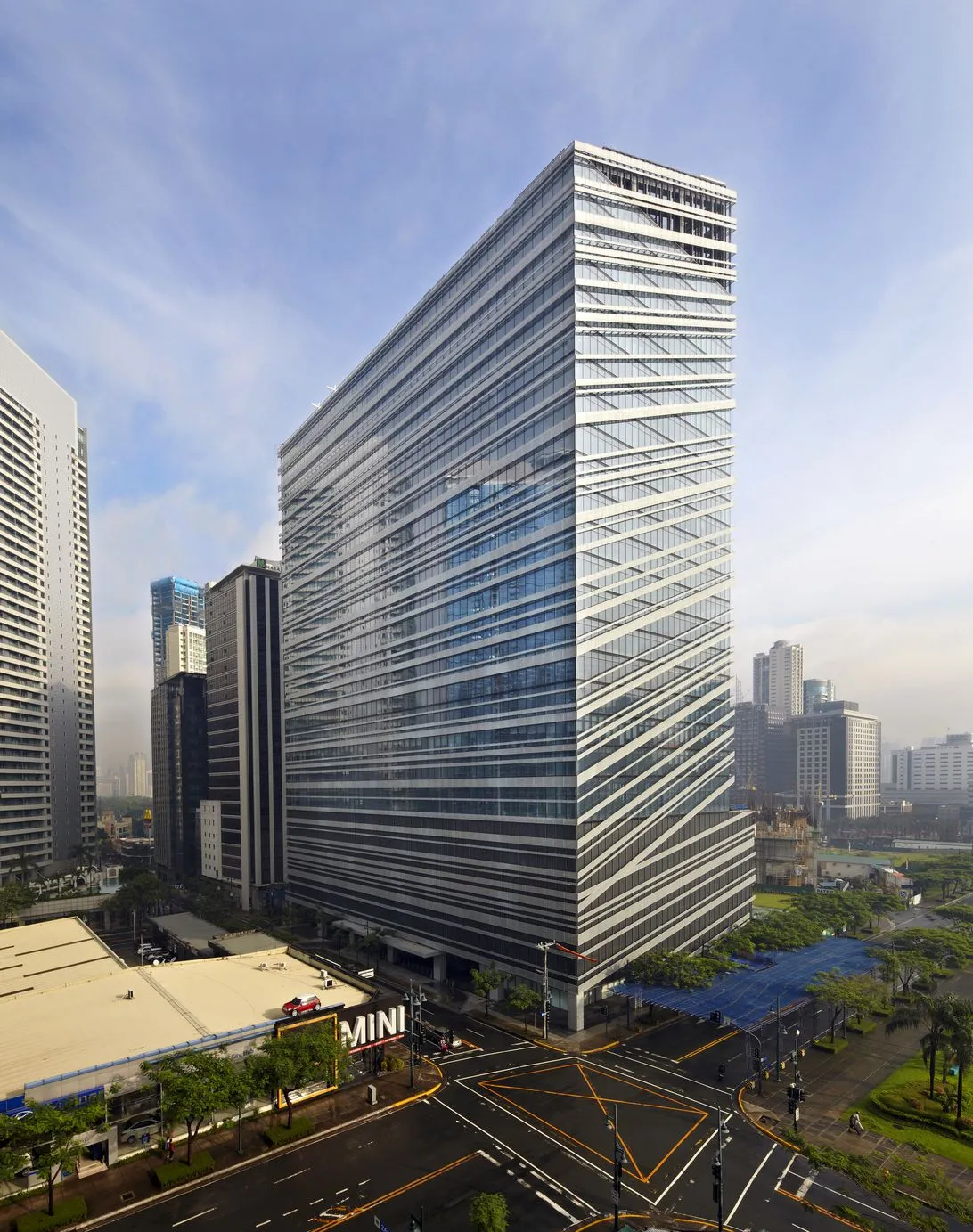
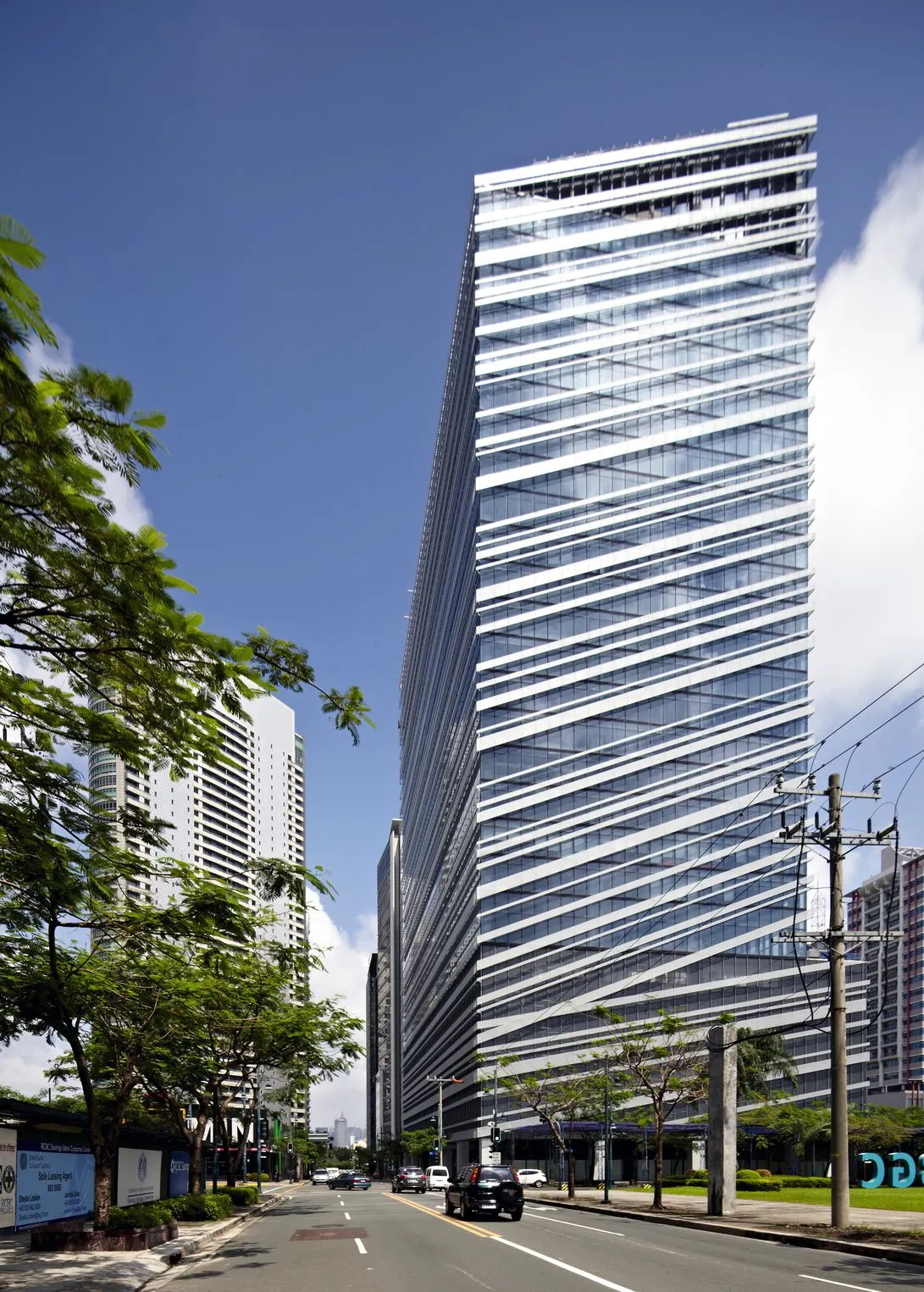
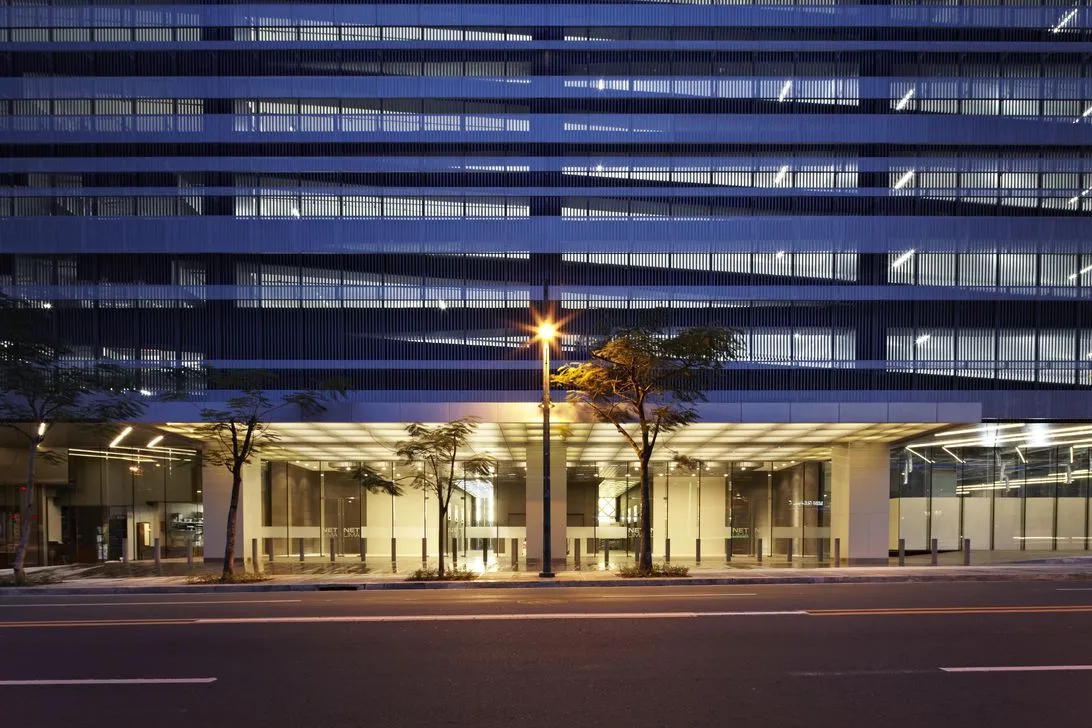
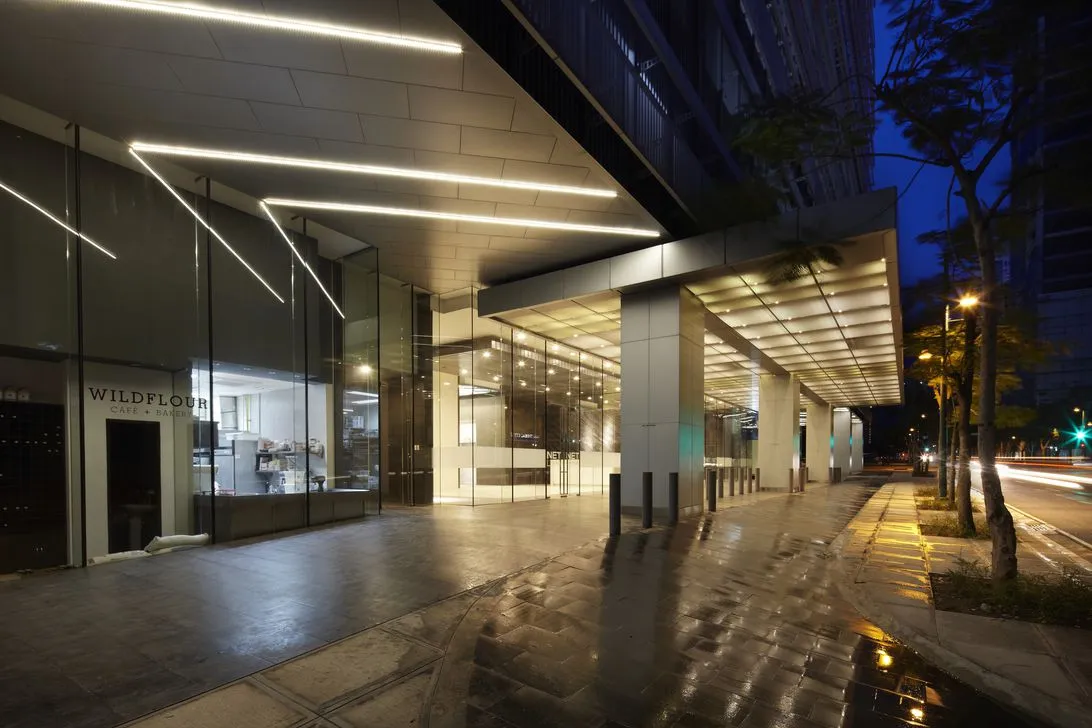
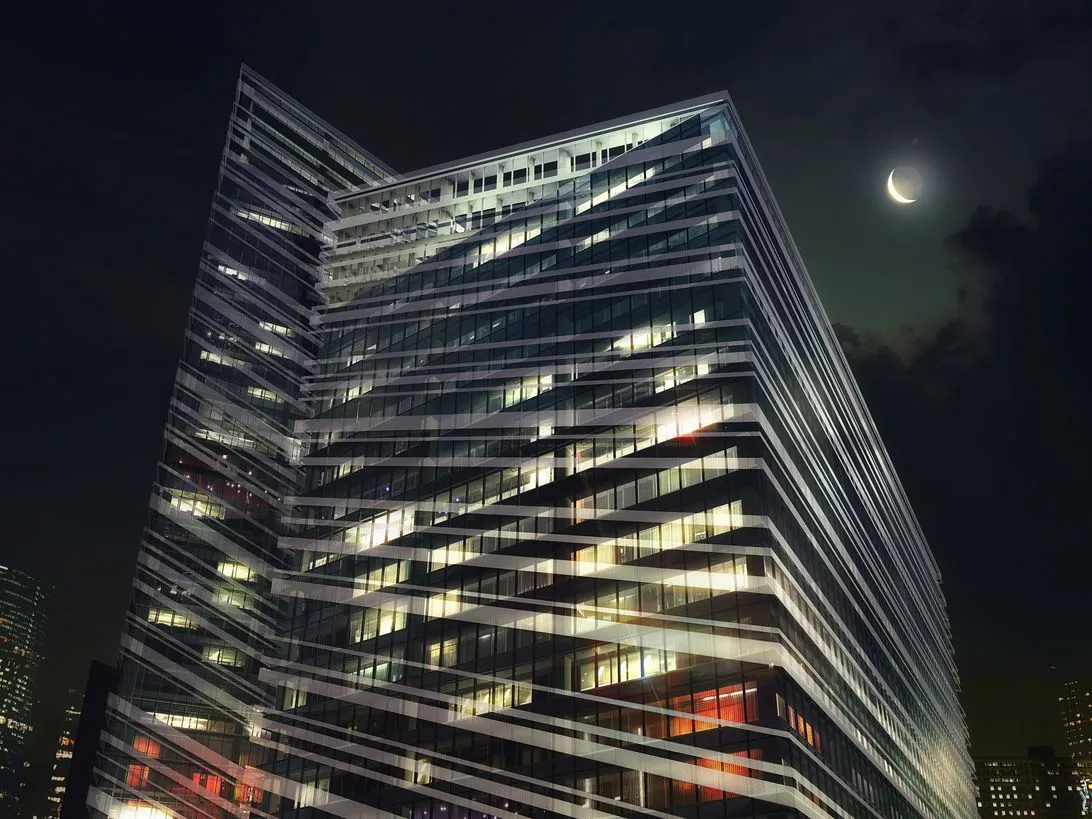
The Net Metropolis, the first certified green project under the Philippines’ newly created rating system, BERDE (Building for Ecologically Responsive Design Excellence), is located in Bonifacio Global City (BGC), Taguig. It’s a three-tower complex ranging from 24 to 80 storeys arranged in a dynamic, cascading direction. Analyzing solar conditions, the orientation and design of the tower were derived and rotated off each other’s axis to minimize solar gain. The structure features a high-performance, double-glazed glass curtain wall combined with diagonal aluminum solar screen overlays.
7. The Emiliano Hotel
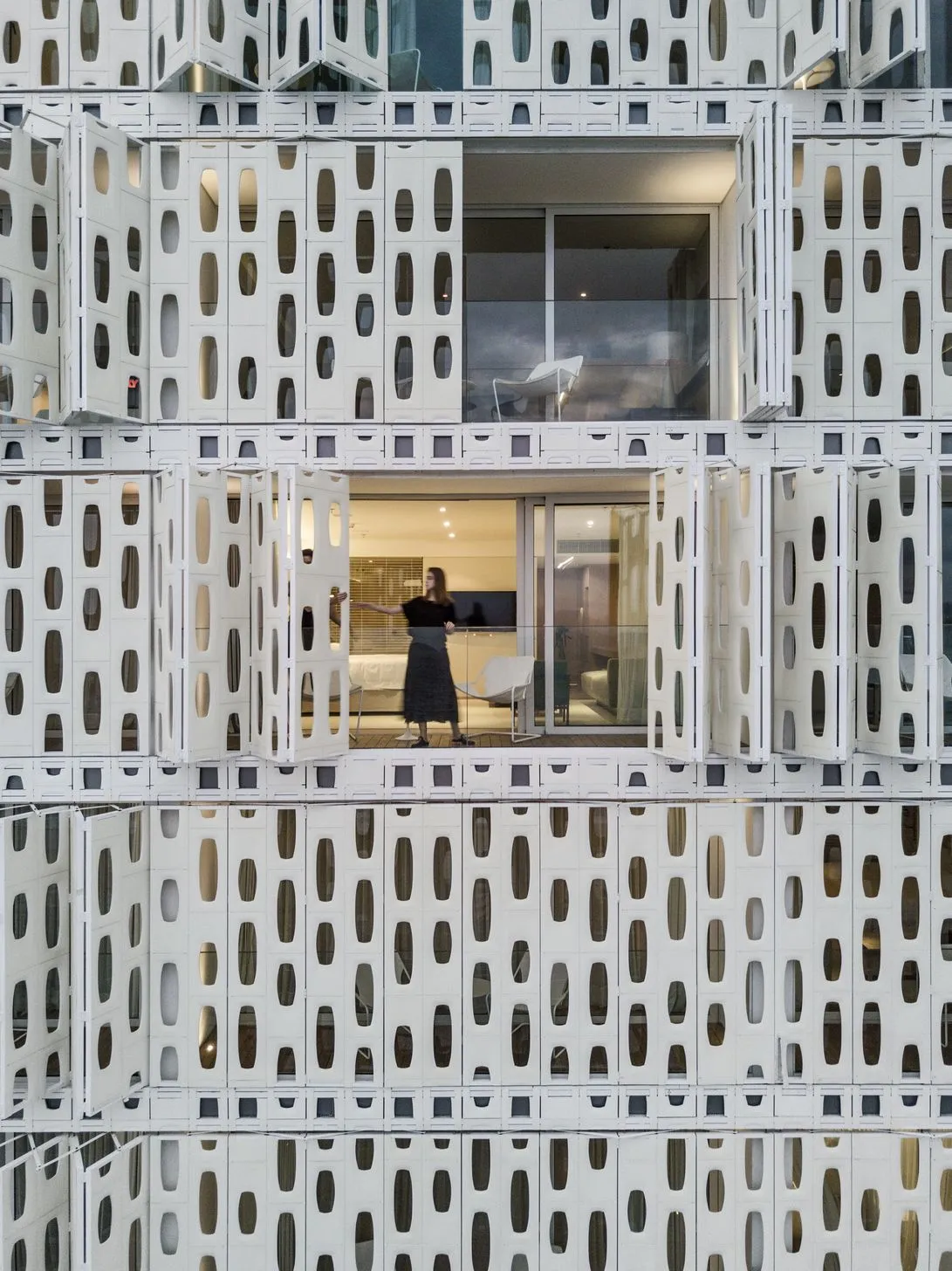
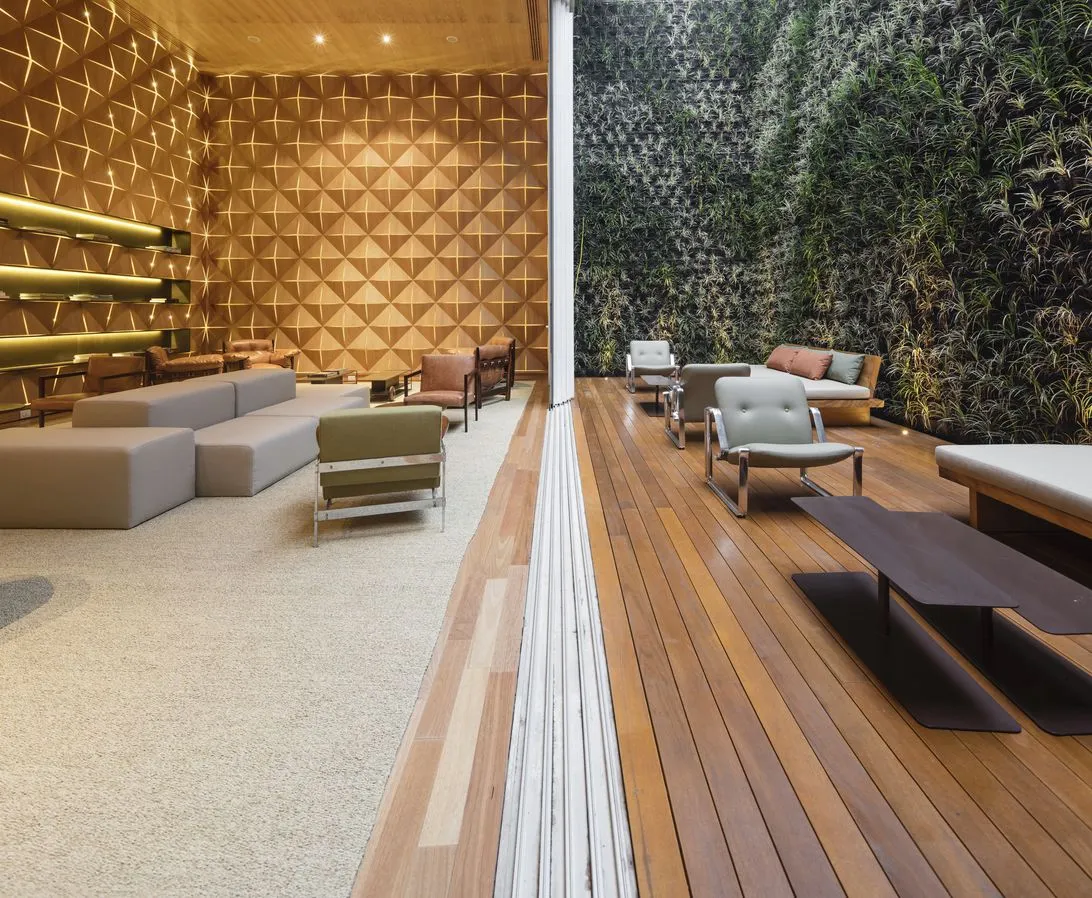
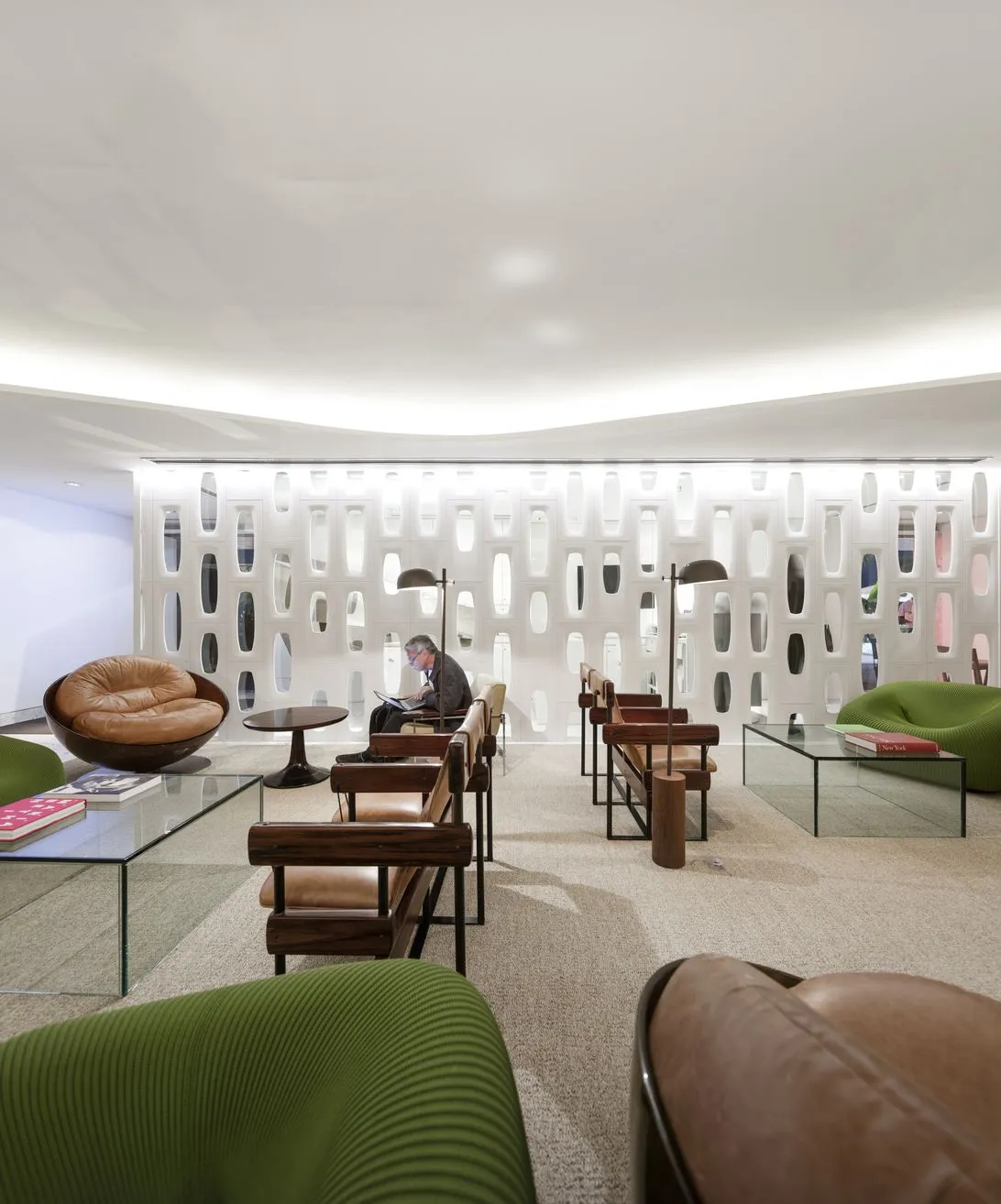
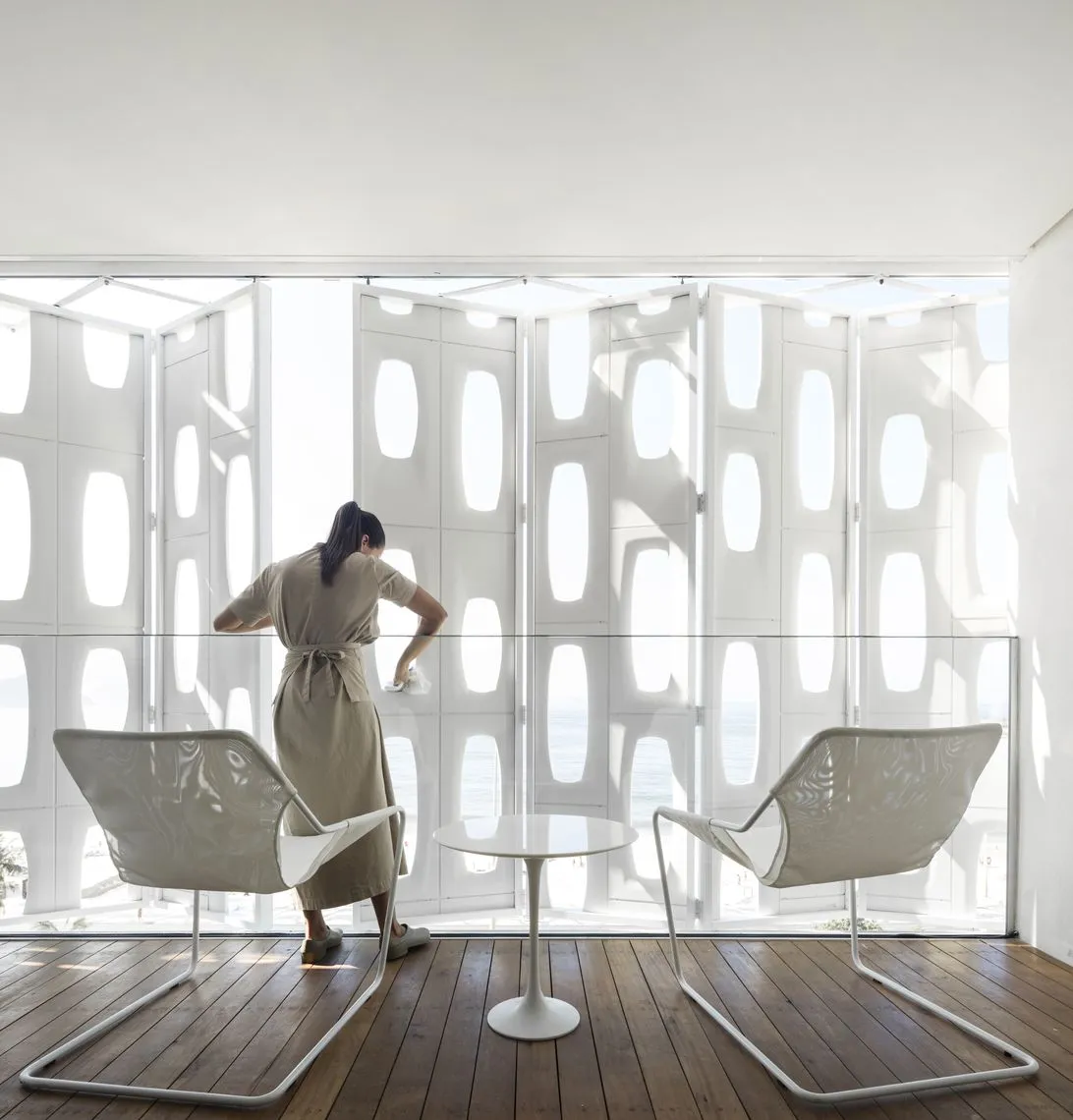
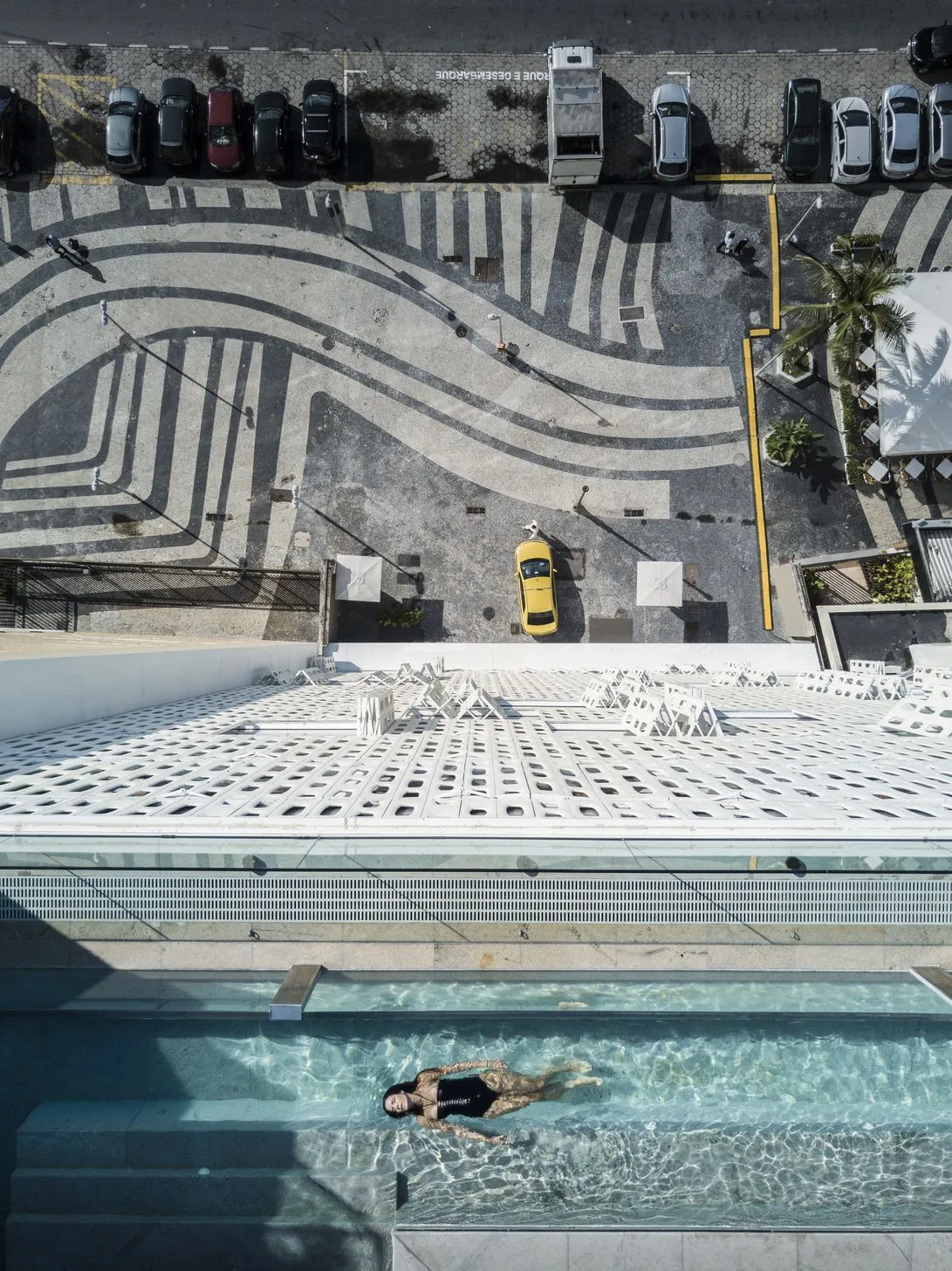
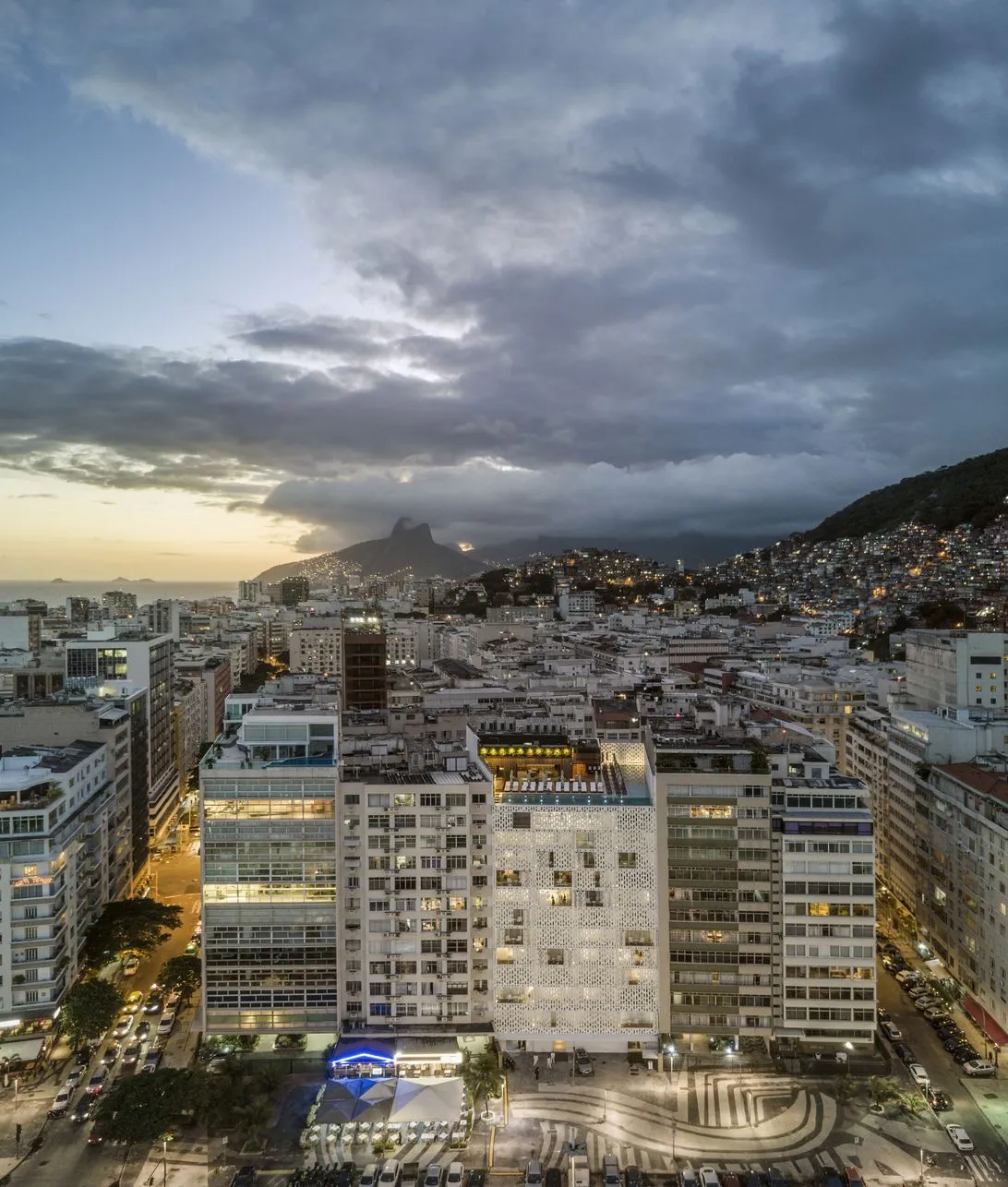
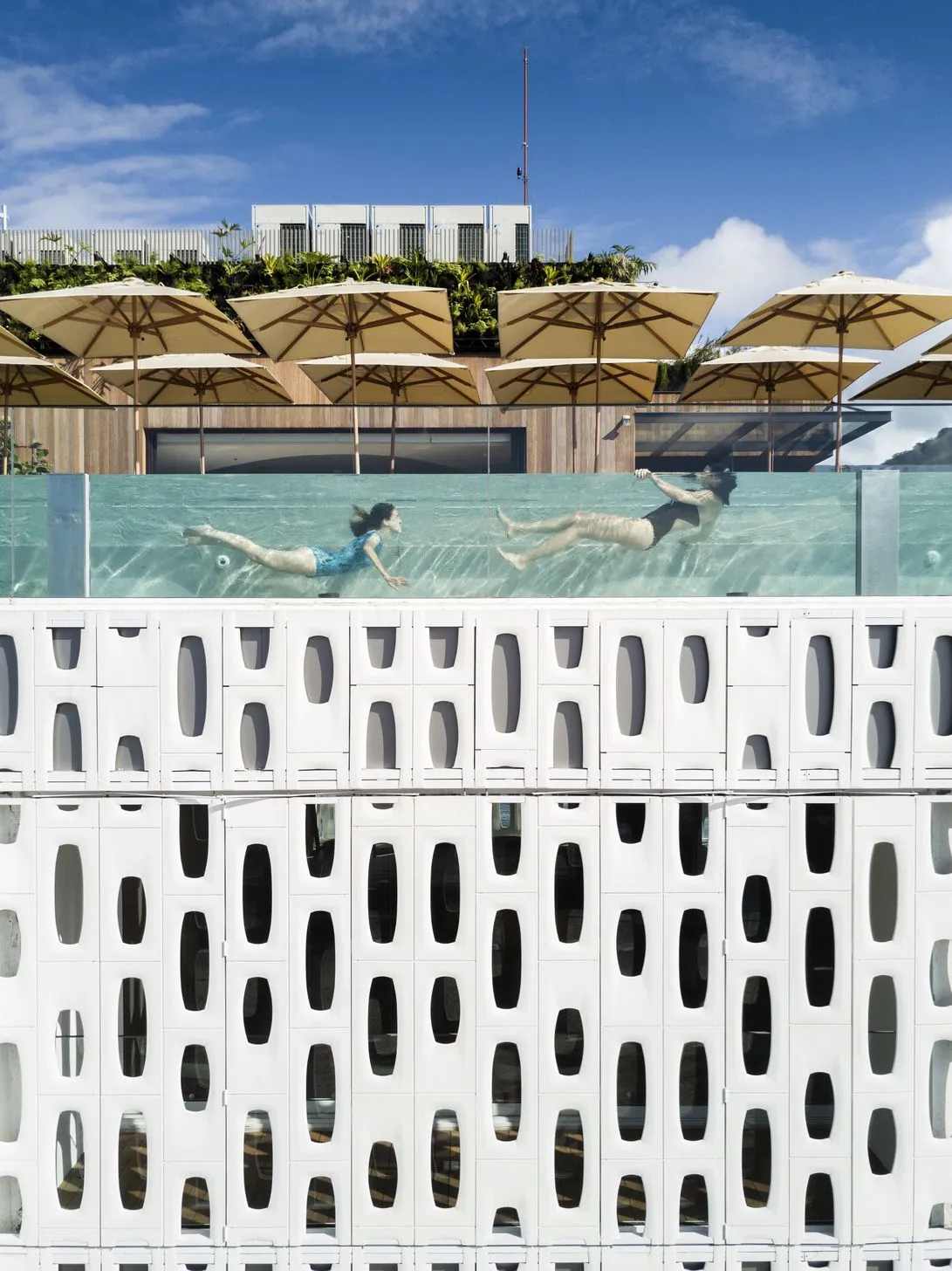
Co‑designed by Arthur Casas from Studio Arthur Casas, the Emiliano Hotel at Copacabana Beach, Rio de Janeiro, Brazil, features a distinctive, dynamic facade. Inspired by cobogós, a Brazilian screen block, the striking modern white facade was designed with weatherproof operable panels allowing guests to control privacy, light, and views. The project provides contemporary comfort while respecting Brazilian architectural and design heritage.
8. Muttenz’s Water Treatment Plant
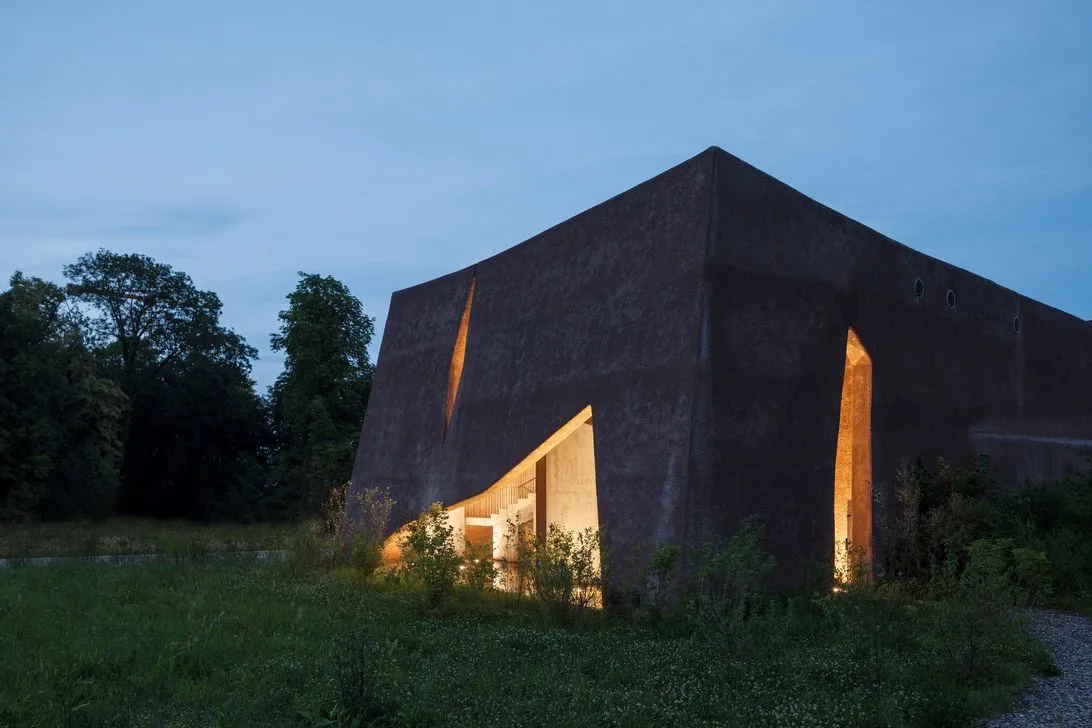
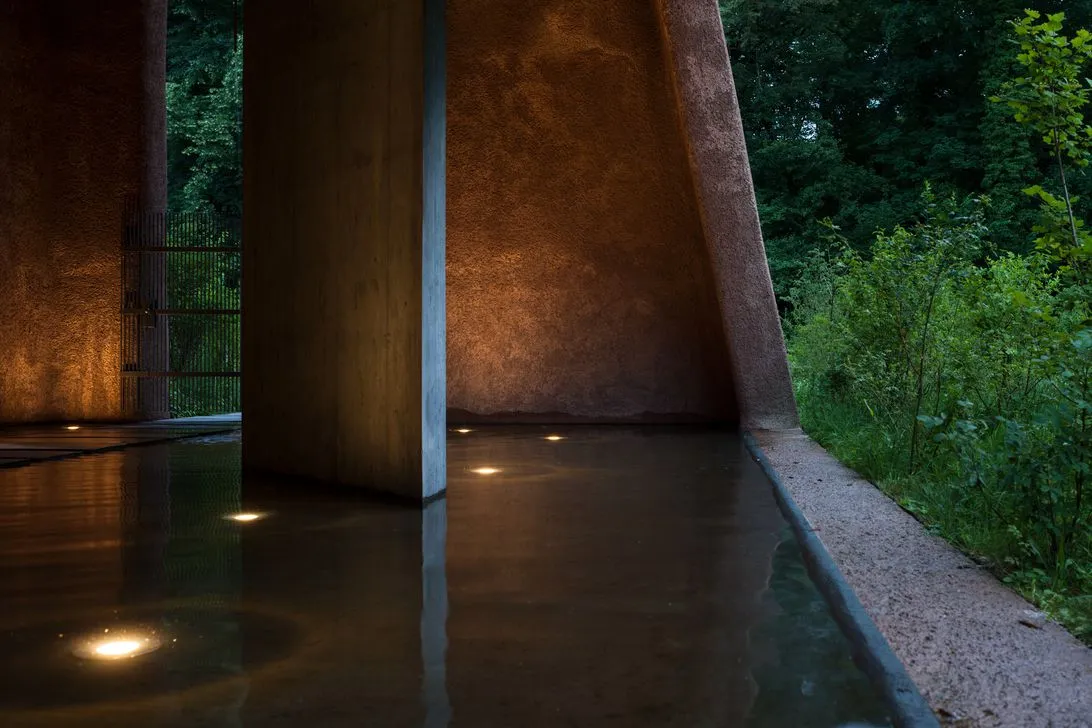
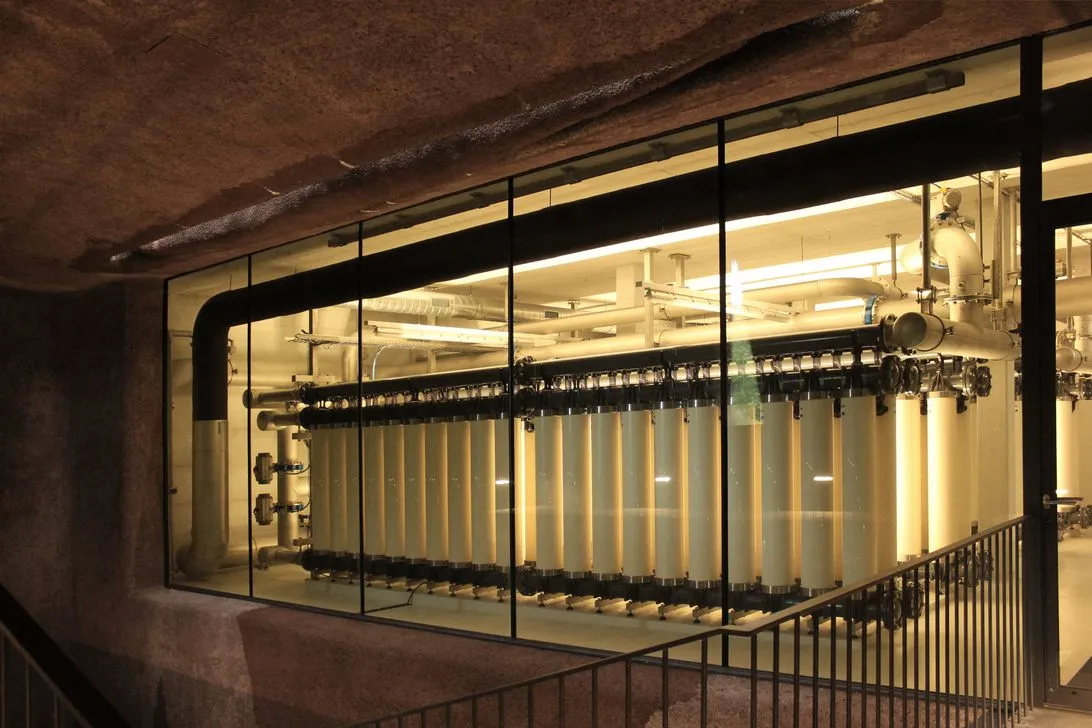
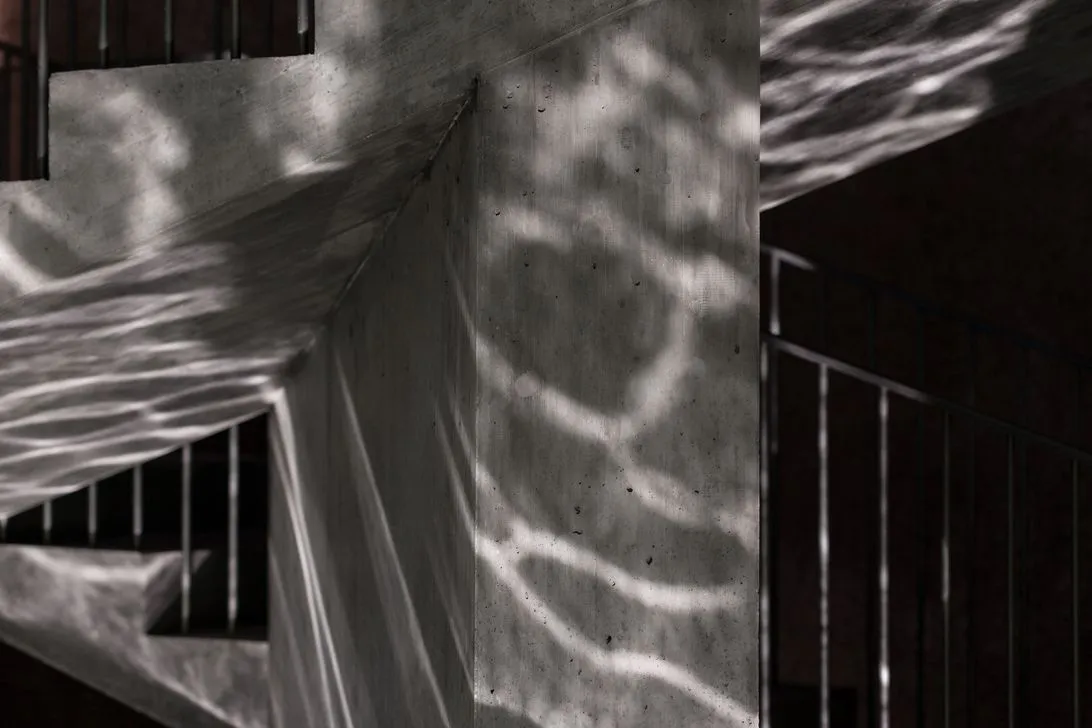
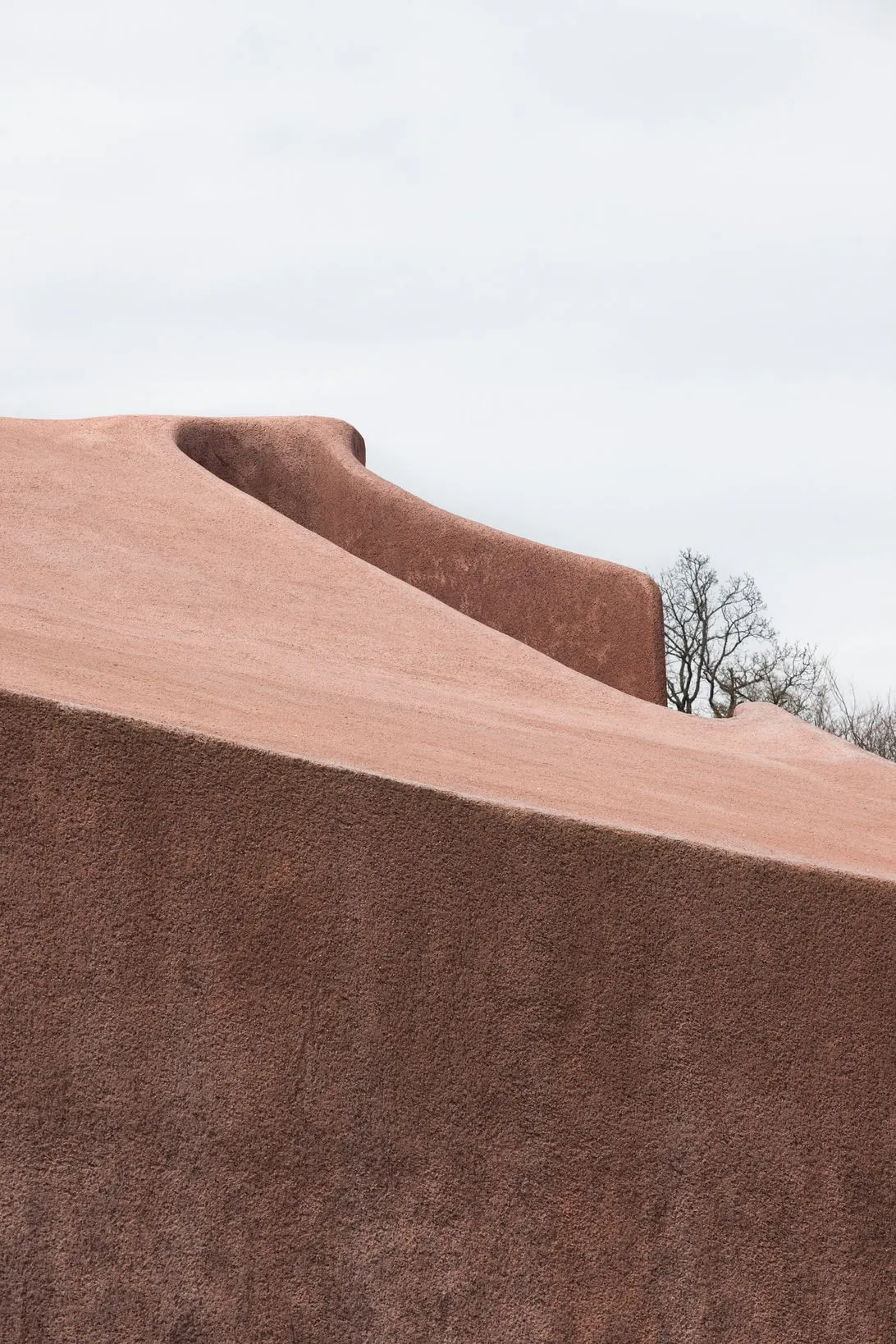
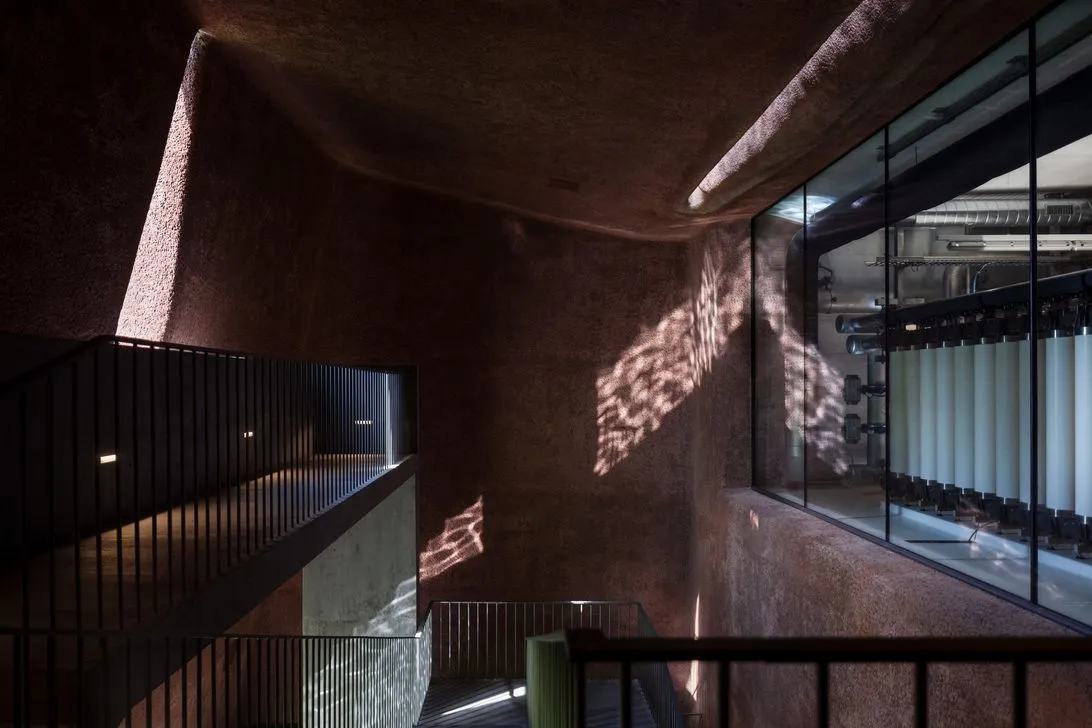
Located in Muttenz, Switzerland, the project highlights industrial function with natural surroundings, focusing on functionality and sensory experience. The designer intended the built form to appear as a natural rock formation as part of the landscape, not an object placed on top of it.
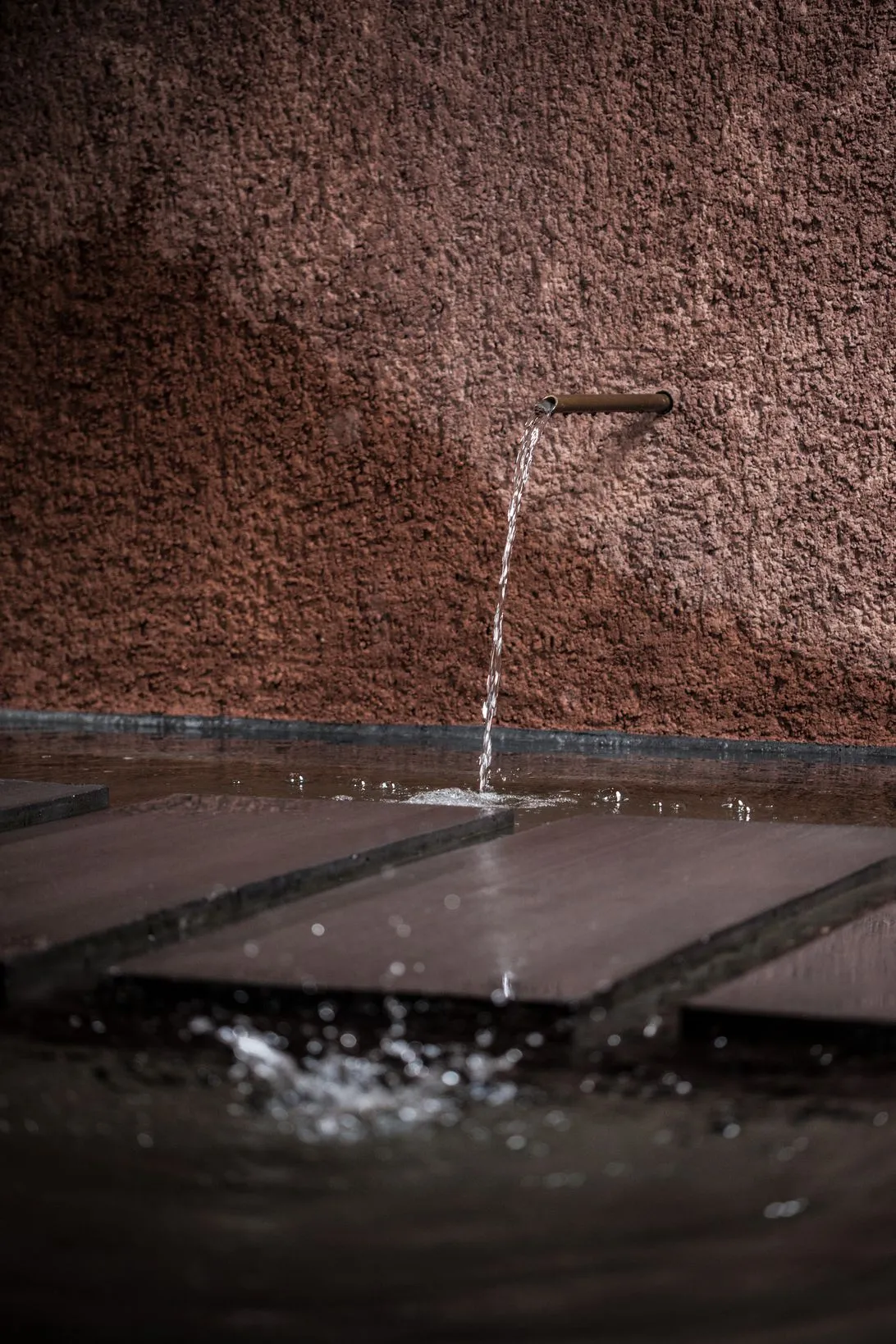
The spatial layout includes visitor, exhibition, and gallery areas so that the purification process is legible and visible to the public. Integrating the form with the landscape, the porous facade constructed from shotcrete mixed with local clay was designed to collect rainwater and allow plant growth to merge with its environment.
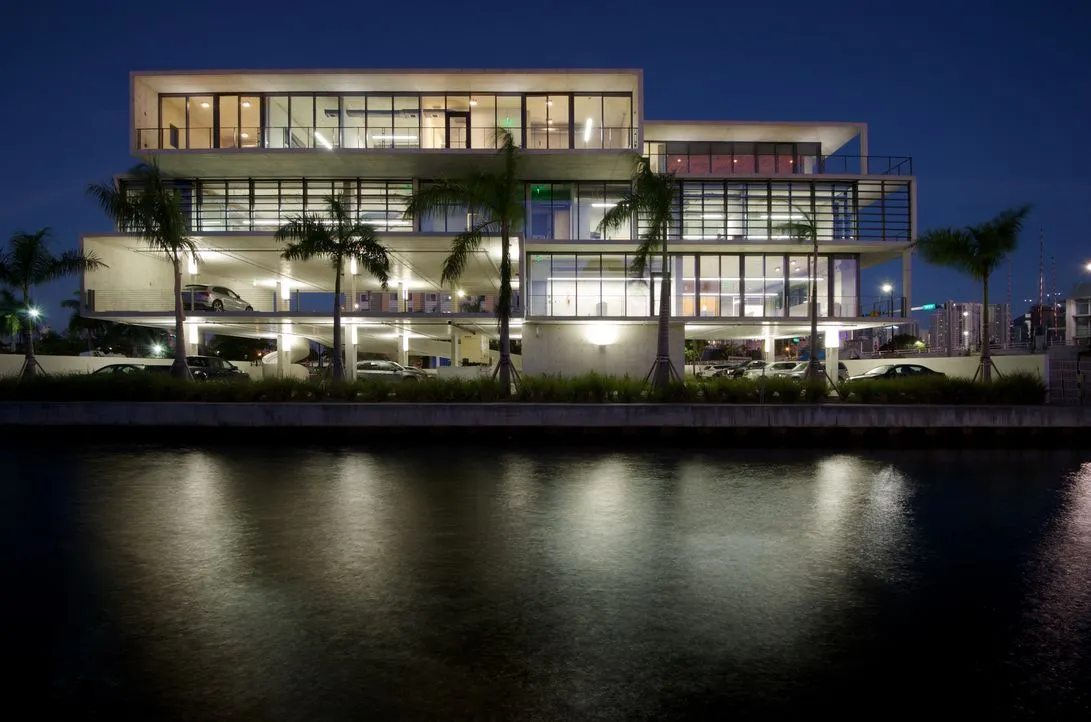
9. GLF Headquarters
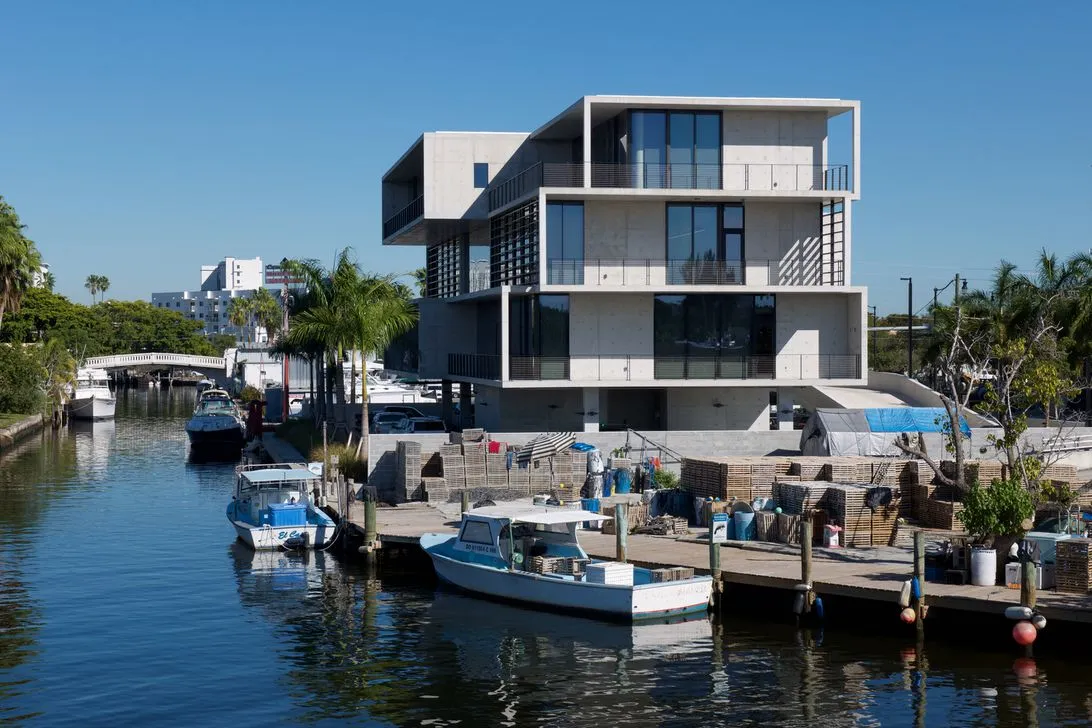
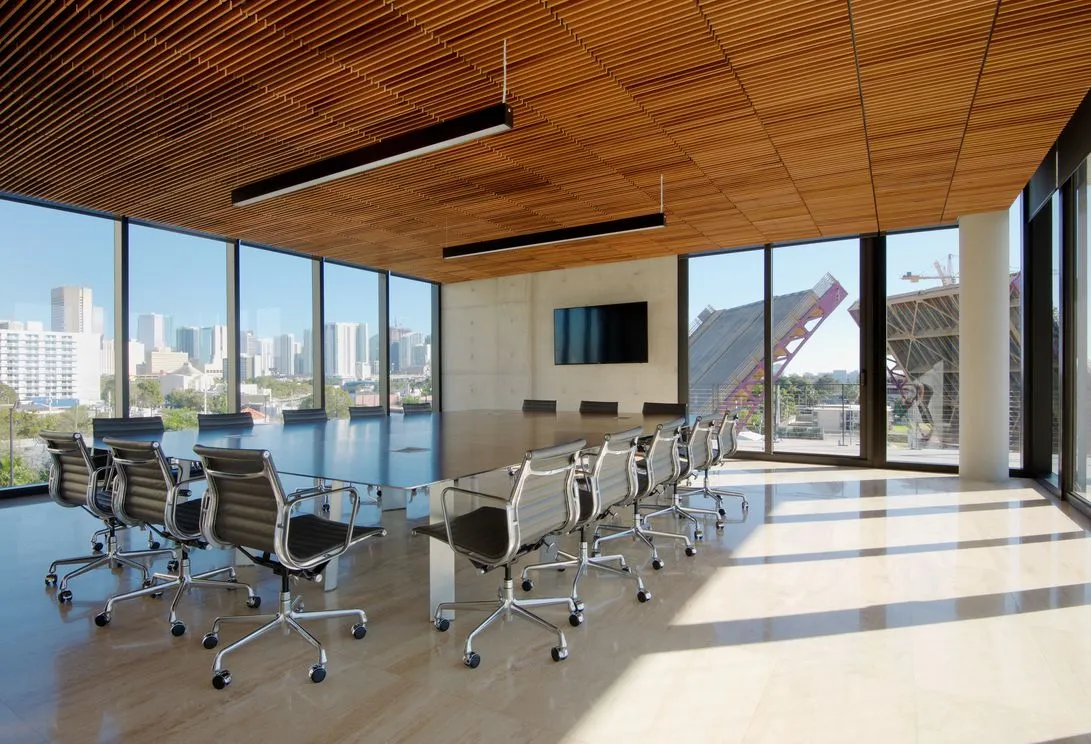
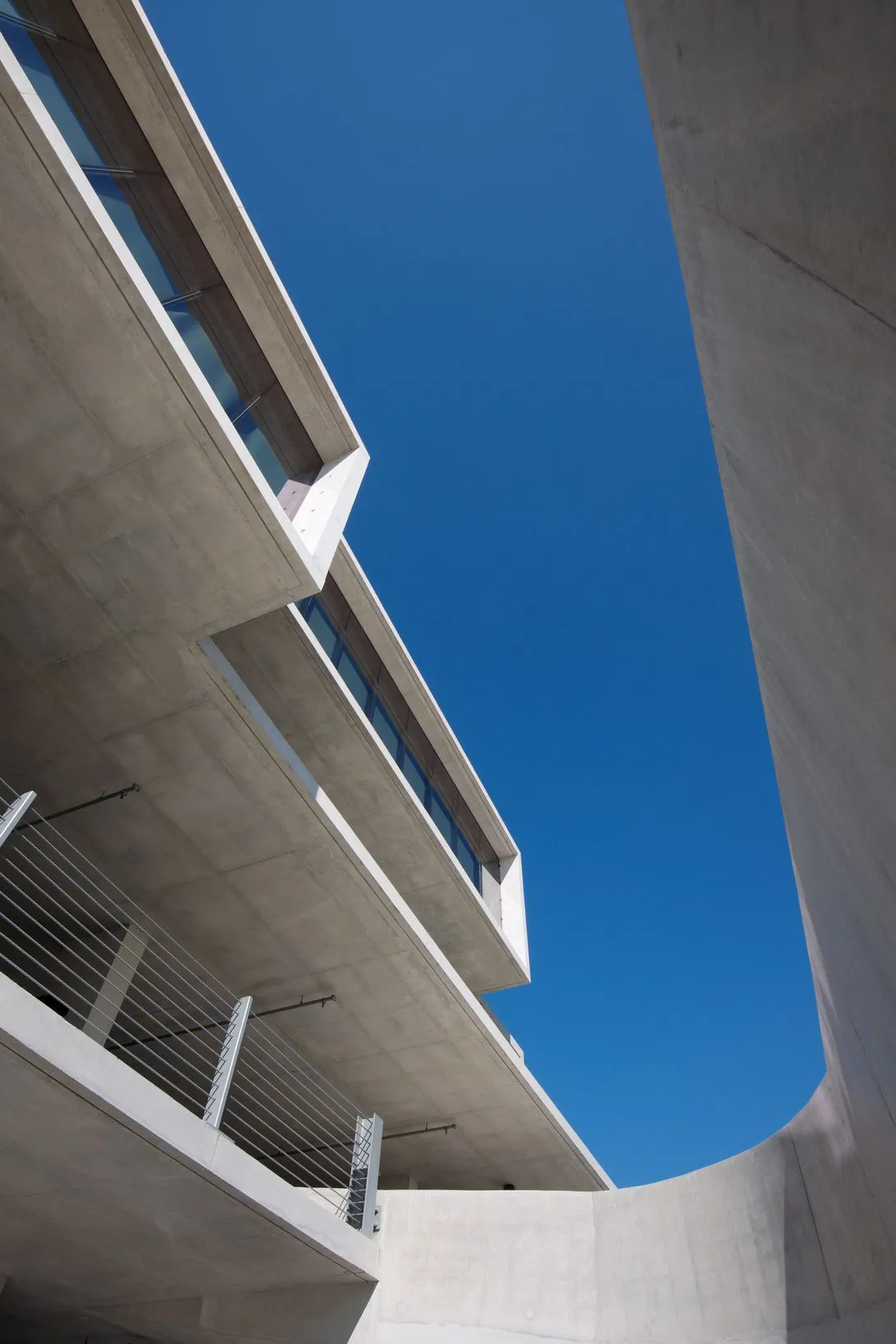
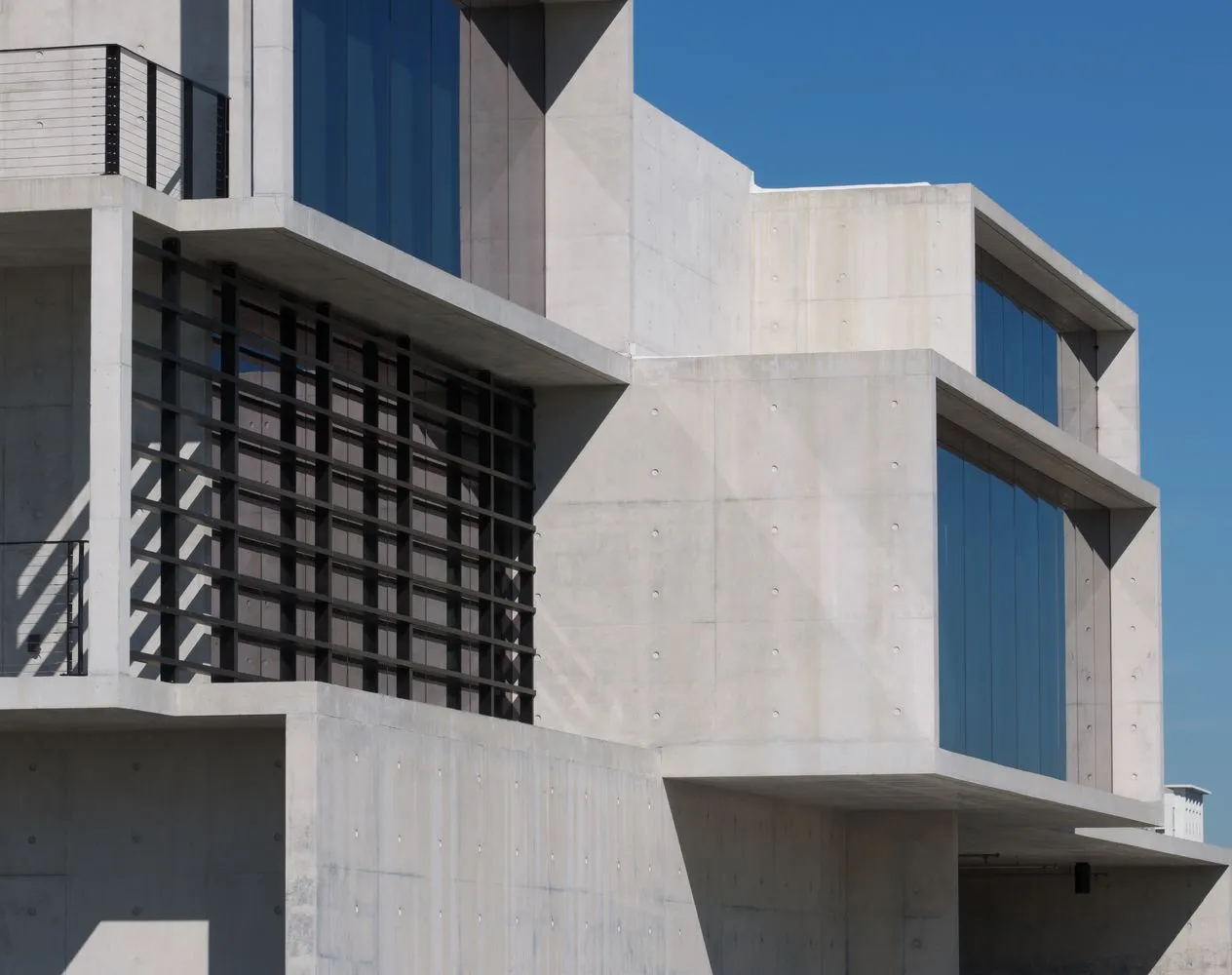
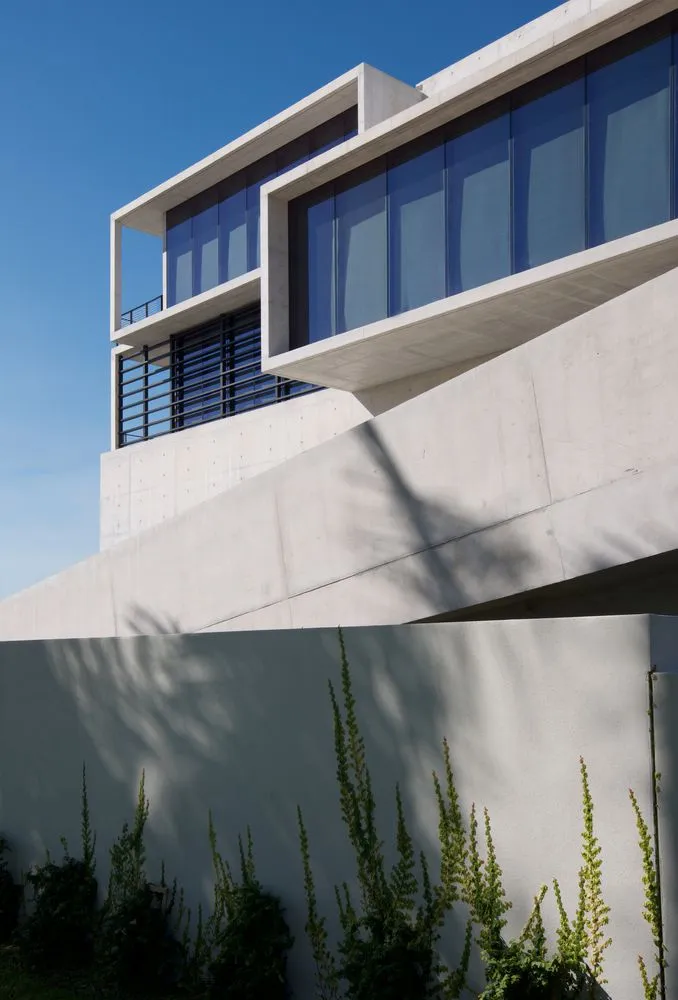
Developed for an international engineering and construction firm, GLF Construction Corporation, the GLF Headquarters project is a four-torey building composed of rectangular, stacked concrete volumes. Located in Miami, Florida, the design creates large, unique volumes offset like a stack of shipping containers, incorporating shaded outdoor spaces on the banks of the Miami River.
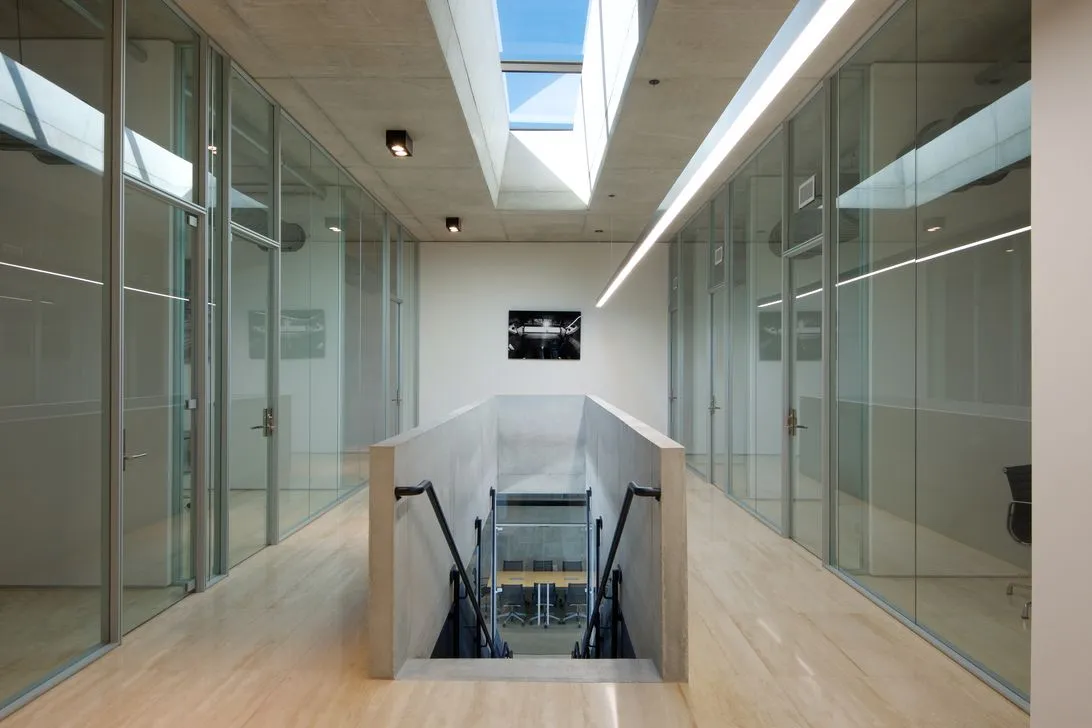
The primary materials used are raw steel, exposed concrete, and large glass windows. The flexible modern design features an open floor plan for offices, studio space, conference rooms, lounges, and common areas. Rooted in context, its modern and sculptural design stands in contrast to the traditional industrial surroundings.
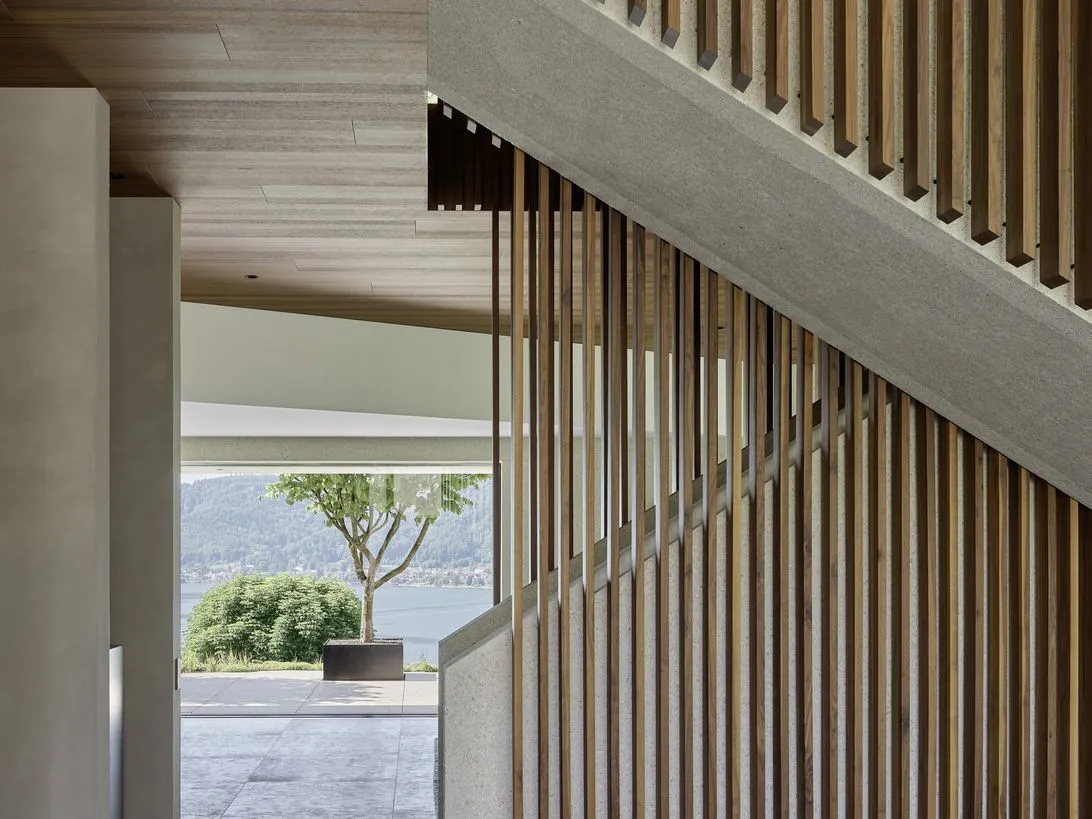
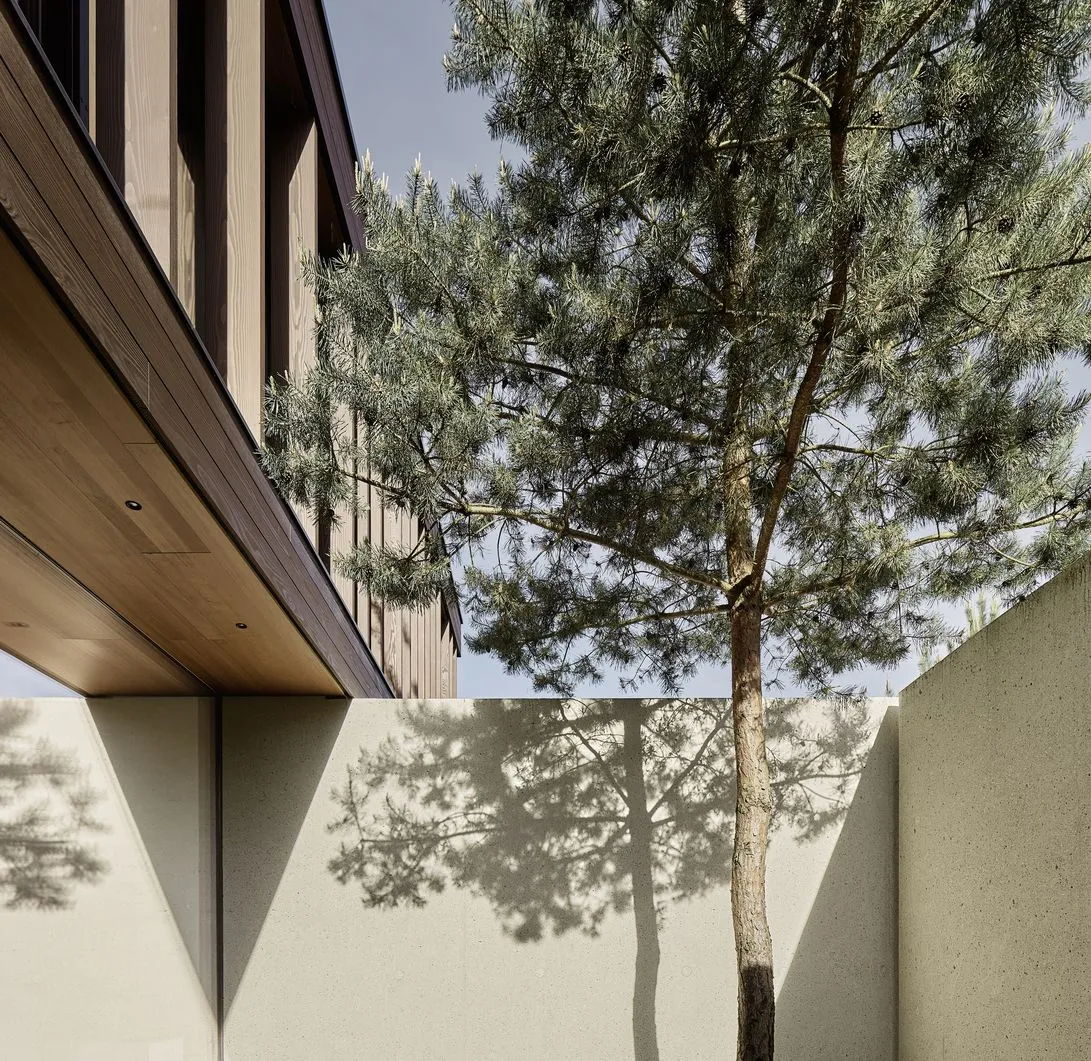
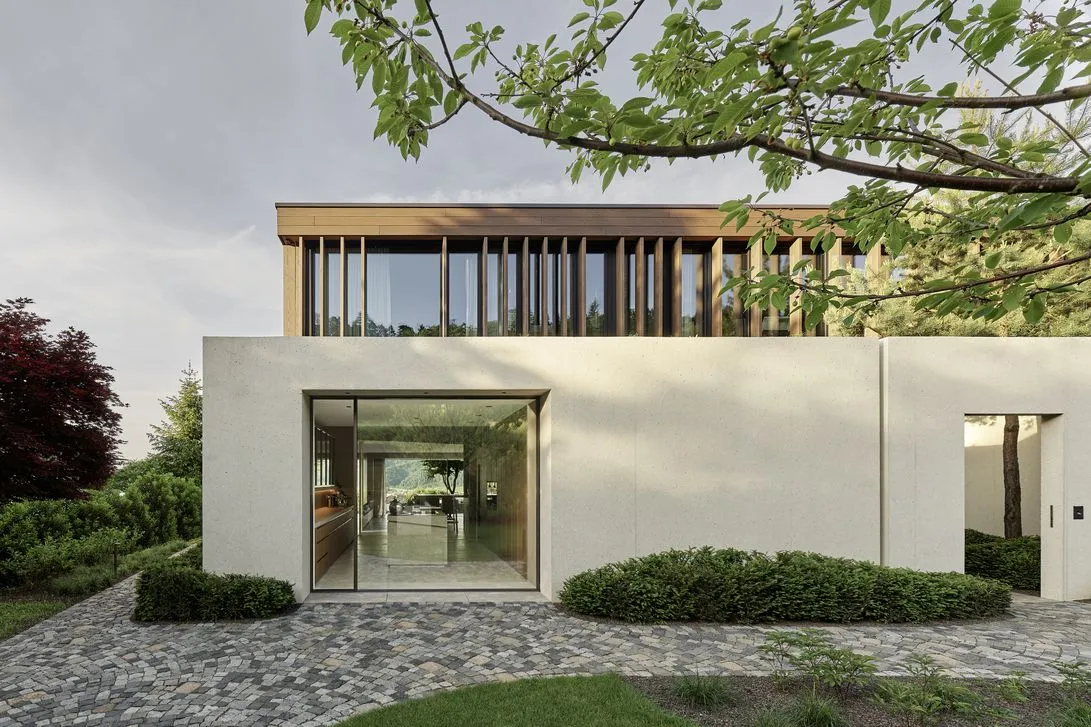
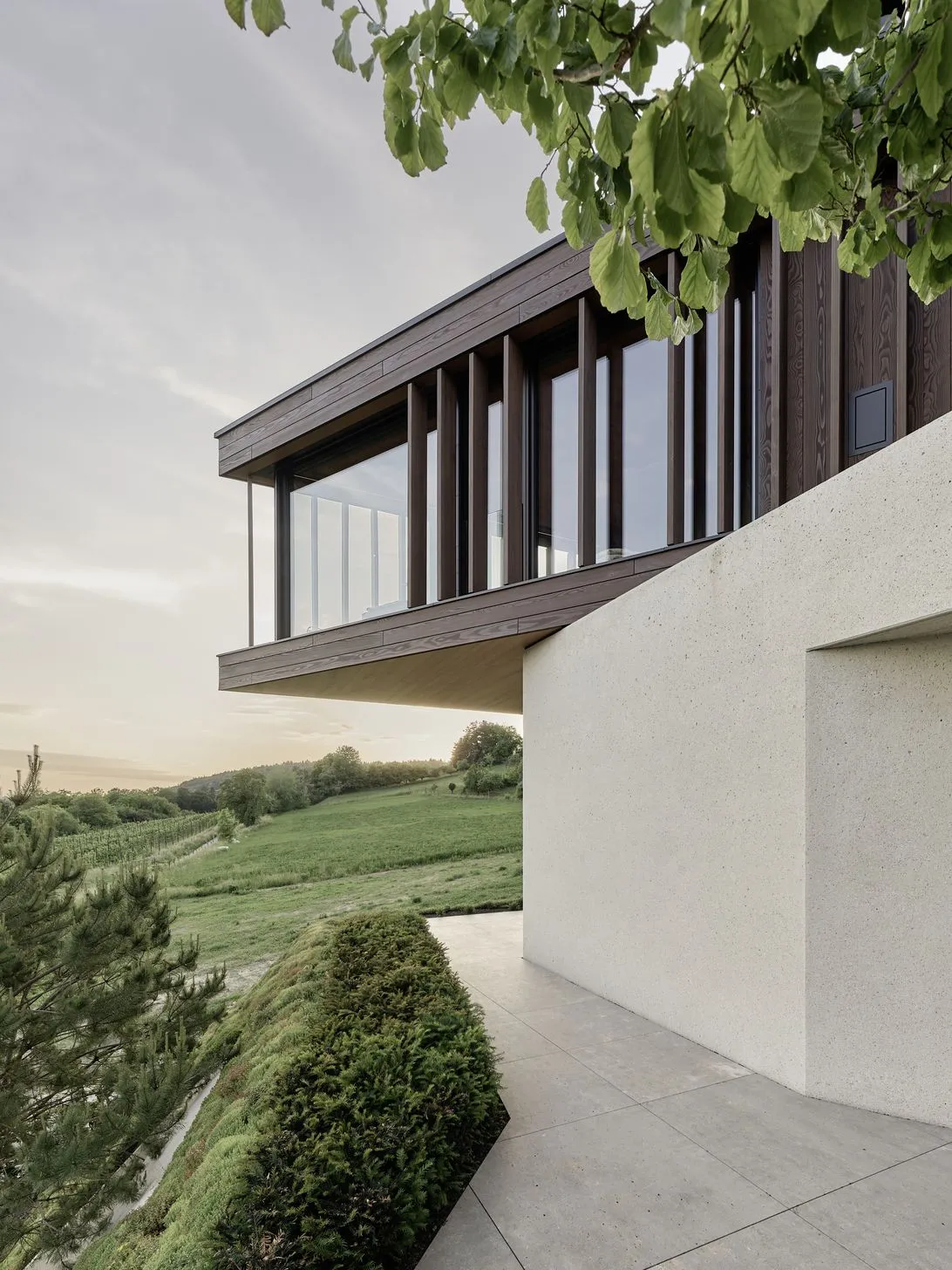
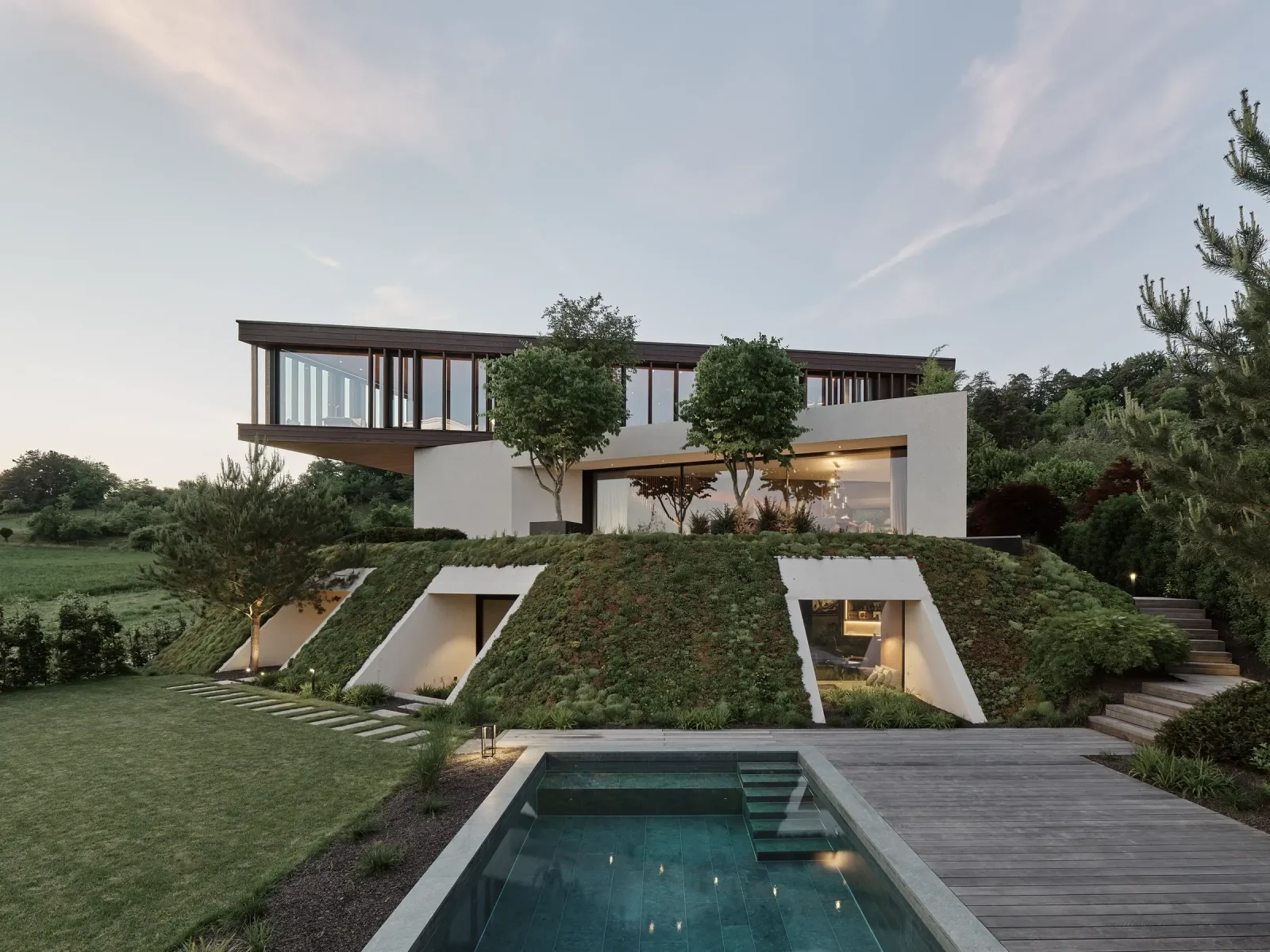
10. Kronbühl Residence
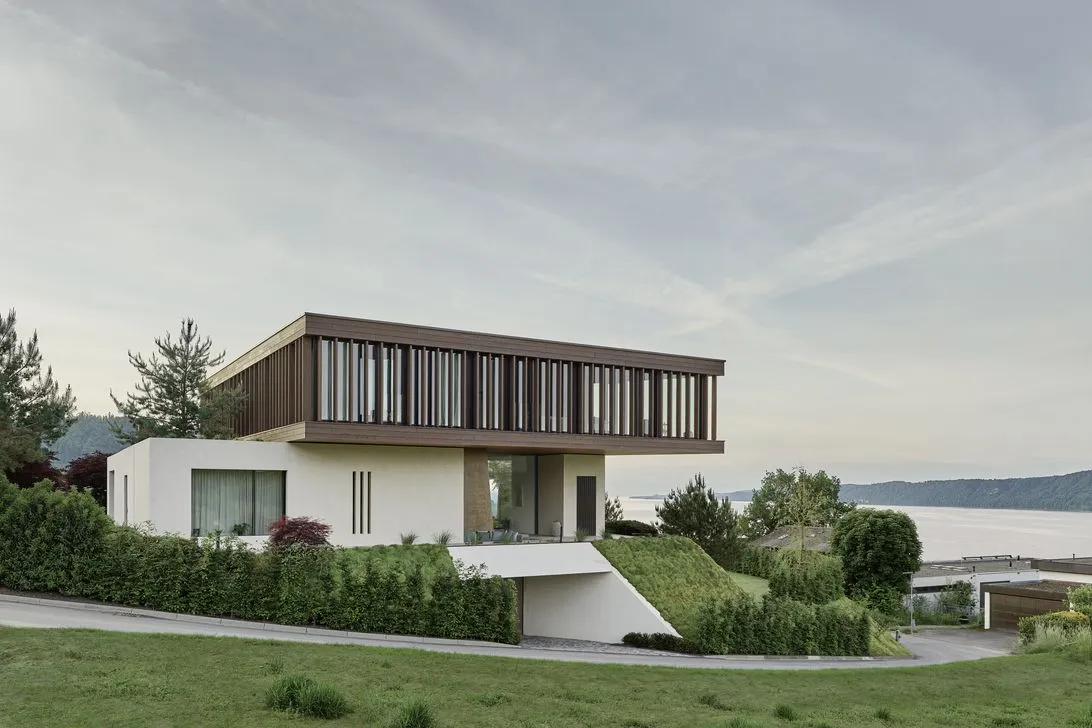
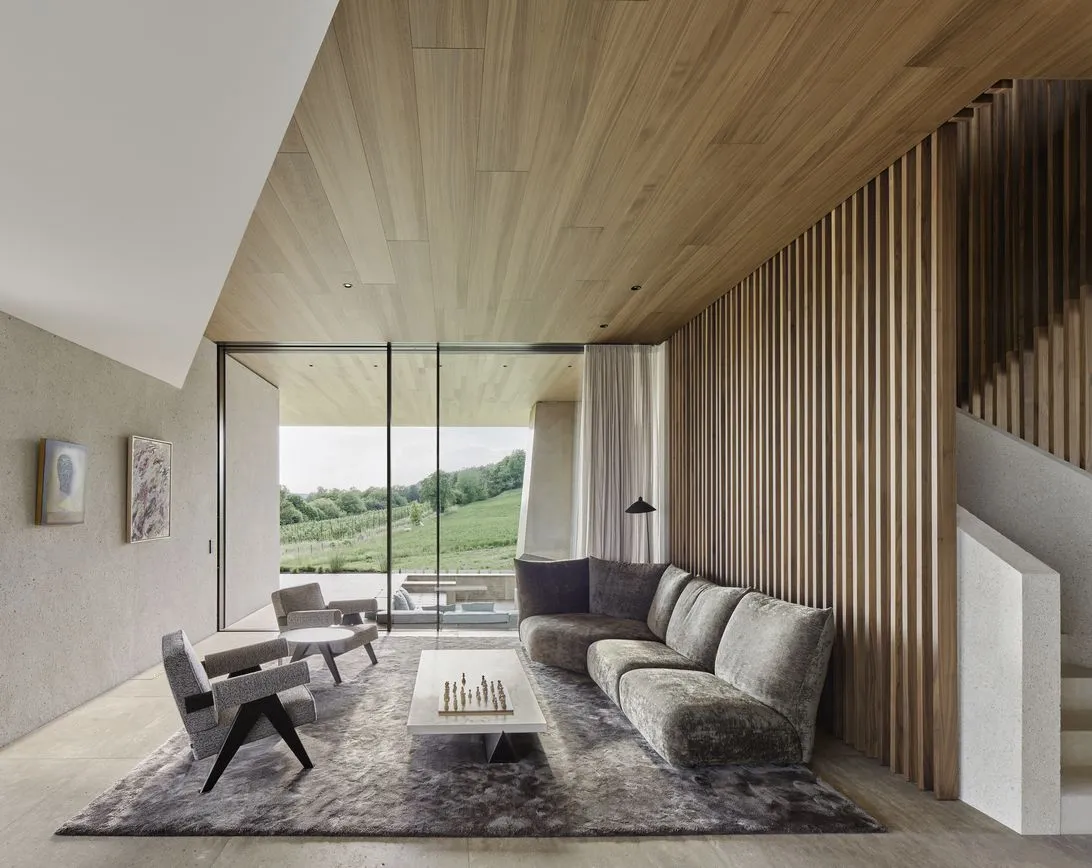
A private home located in Bodman-Ludwigshafen, Germany, exemplifies a poetic and strategic response to its surrounding landscape on the side of Lake Constance. The design philosophy was to merge the built form with the land, and it was achieved by anchoring the lowest level into the terrain covered by the landscape berm.
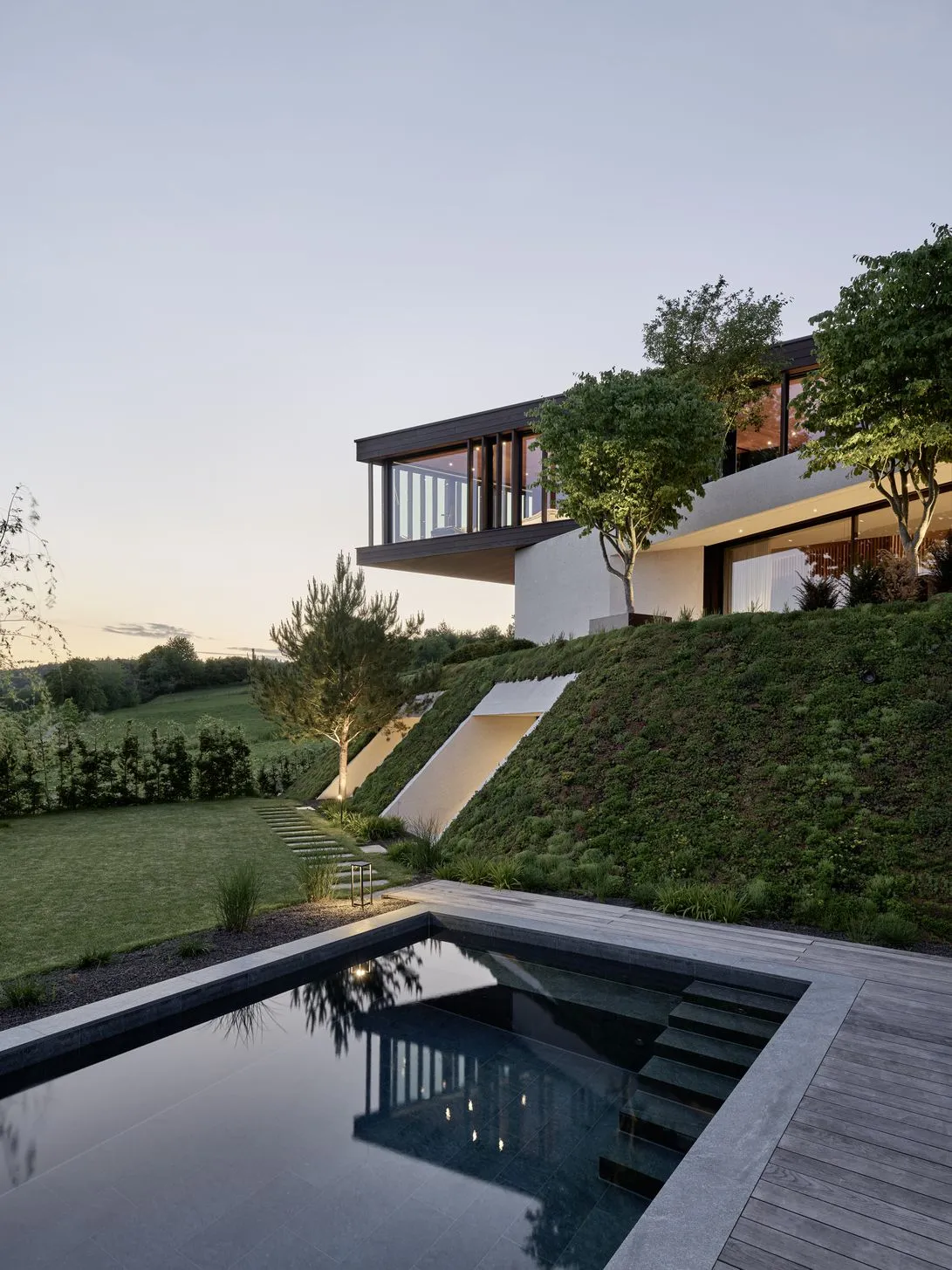
Composed of three different levels, the architectural language of layered volumes prioritizes a visual and spatial connection between the indoors and outdoors. The structure was enveloped with raw concrete at the middle level and natural wood at the top level, creating a contrast that echoes the organic beauty of the landscape.
Image Credit: © Oppenheim Architecture
Explore Courses
.jpg "Ondrej Chybik - Rethinking Architecture")