

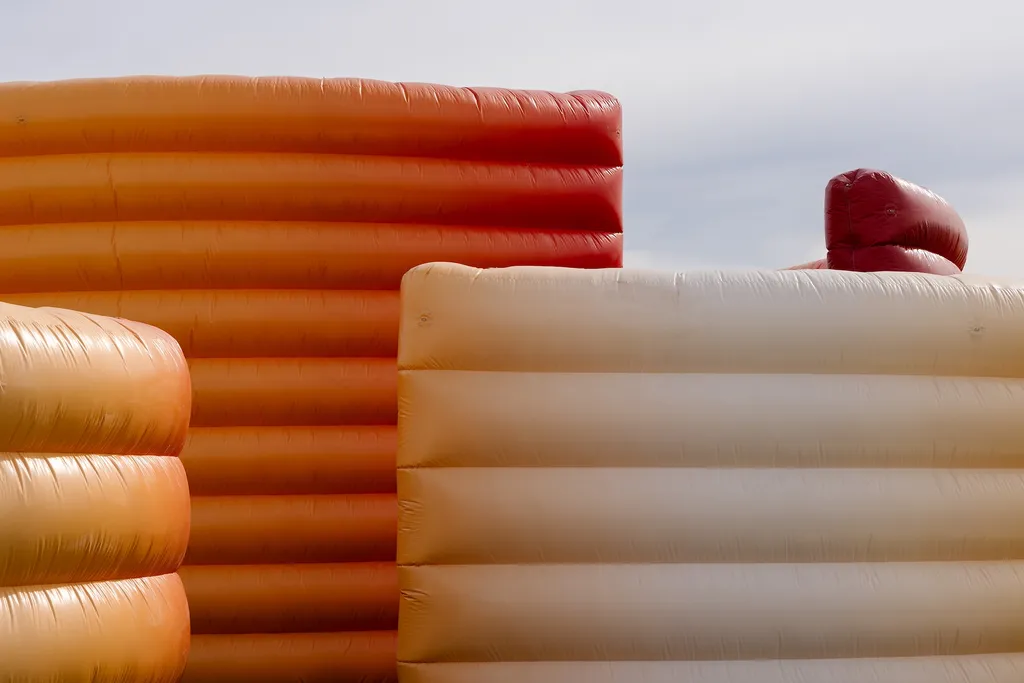


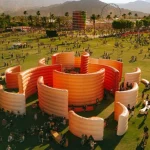


At the center of Coachella 2026, where sound typically dominates space, a different kind of experience quietly unfolded. Dutch designer Sabine Marcelis introduced Maze, an installation that did not compete with music or spectacle, but instead absorbed them. It stood as a spatial pause inside a festival built on constant motion.
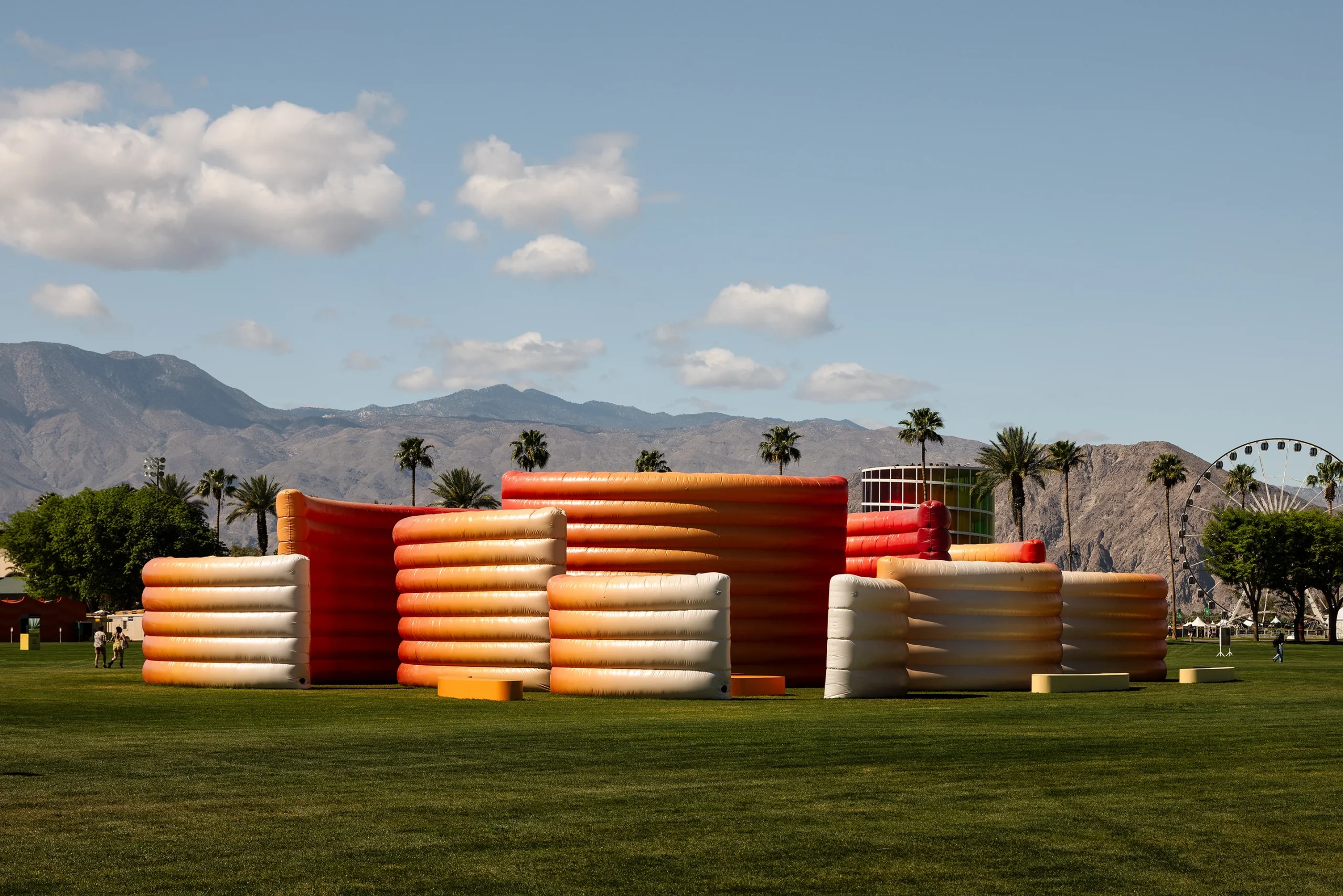
Inside Sabine Marcelis’ Maze at Coachella 2026
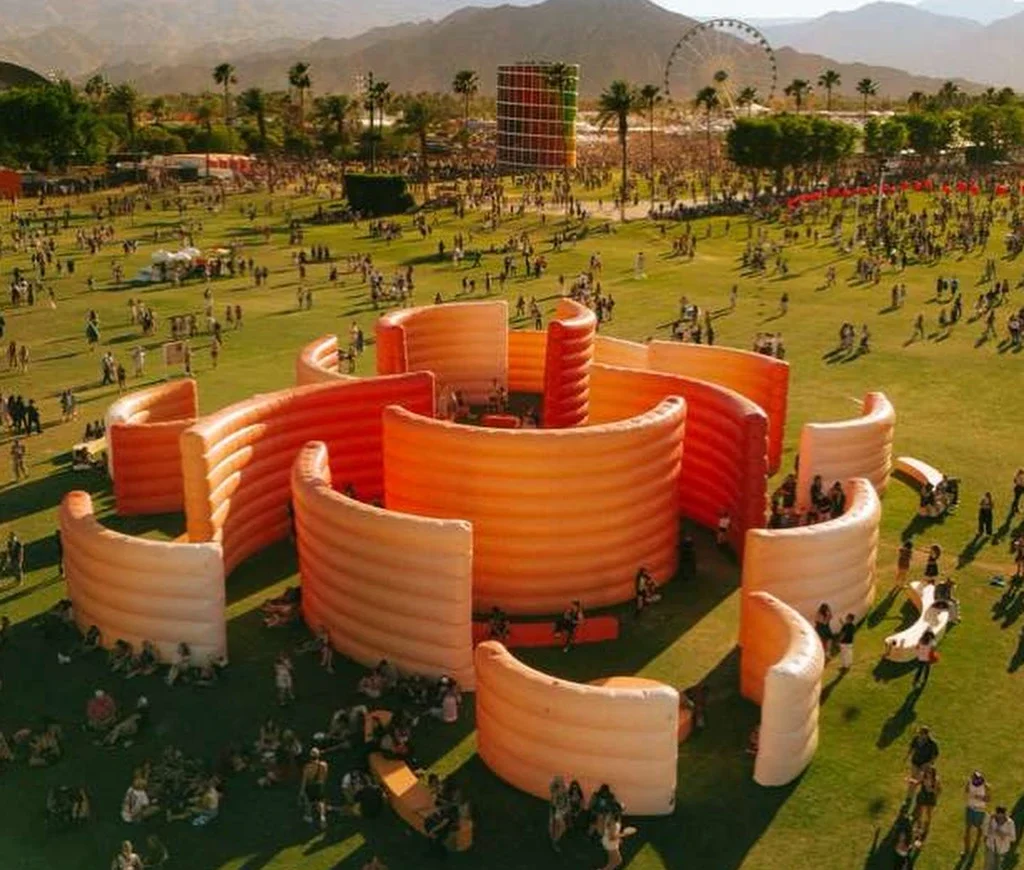
The project began as a response to the place. After visiting the Coachella grounds the previous year, Marcelis focused less on creating a visual landmark and more on shaping an environment. The surrounding desert, particularly the enclosing mountain ranges of the Coachella Valley, became a conceptual anchor. She translated her feeling of containment into form. The result was a winding, enclosed structure that subtly mirrored the experience of being surrounded by terrain.
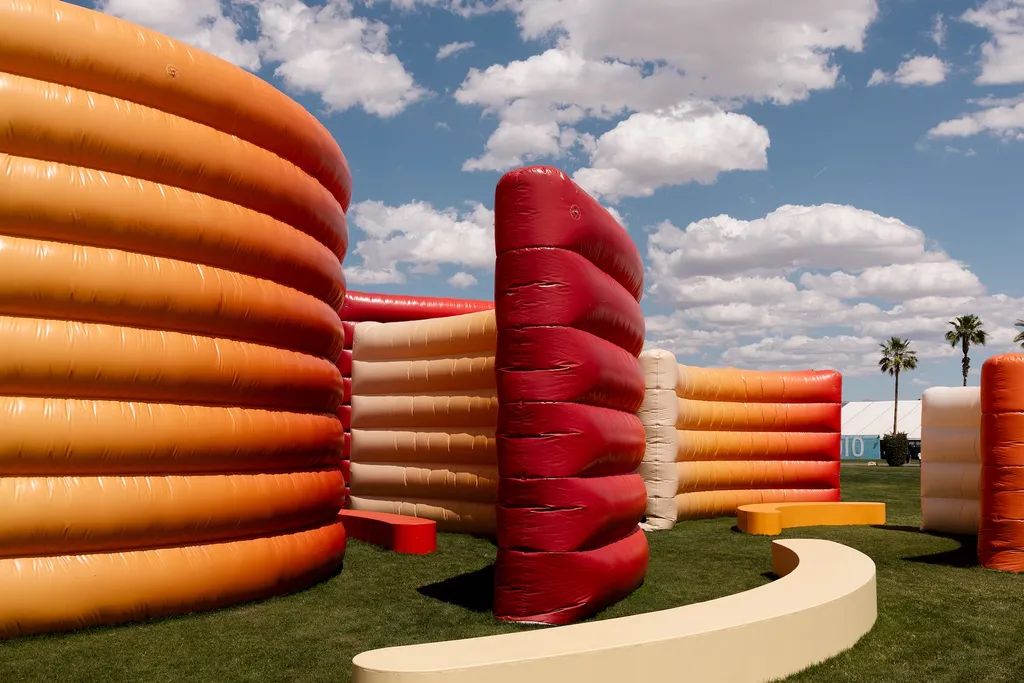
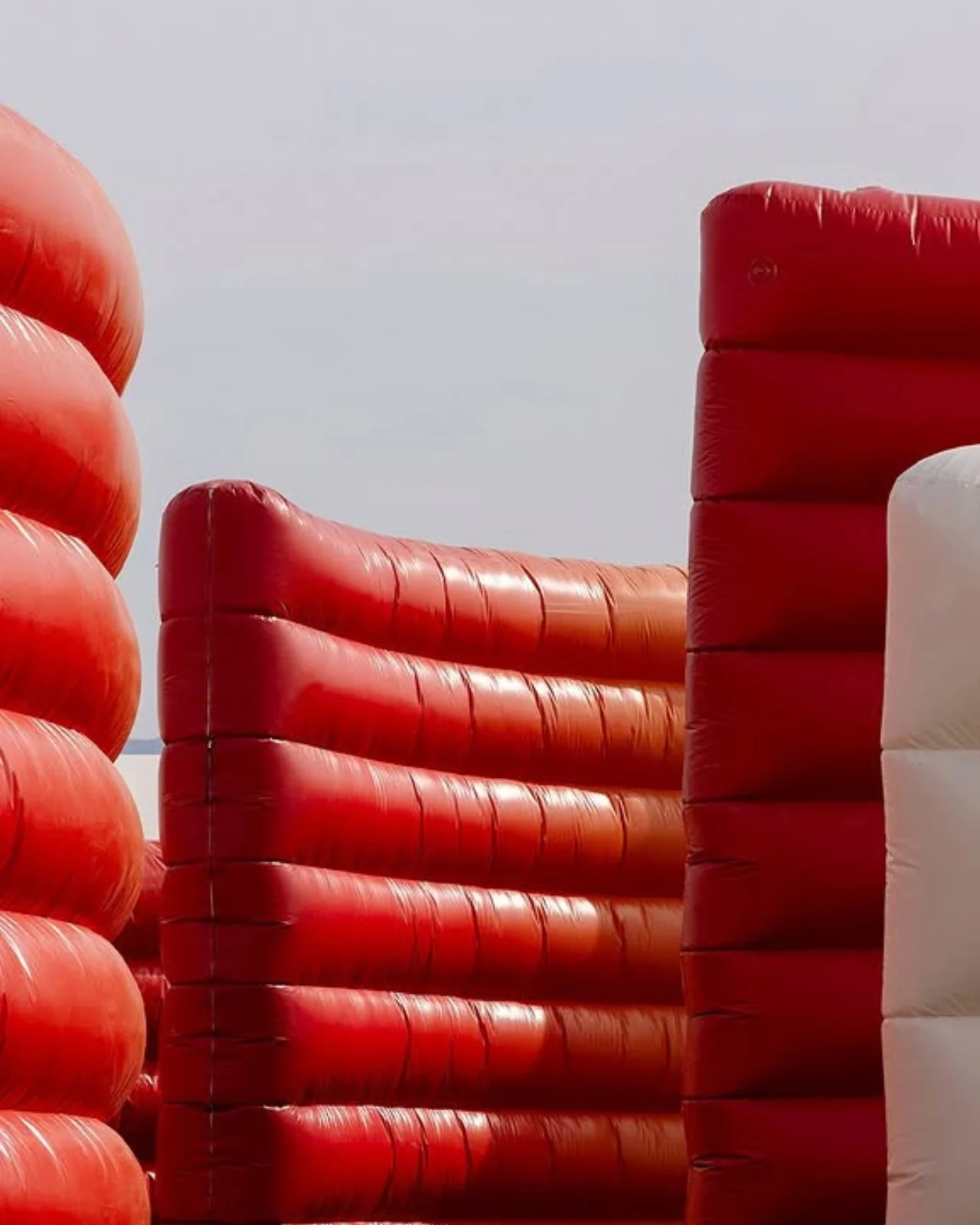
Constructed from inflatable PVC, the maze carried a gradient that shifted through red, orange, and yellow, echoing the tones of desert light without becoming literal. During the day, the structure worked almost like a breathing object. Its curved walls created moving pockets of shade as the sun shifted, offering relief without relying on traditional canopy forms. Seating was integrated into the structure itself, with sculptural benches following the maze’s geometry.
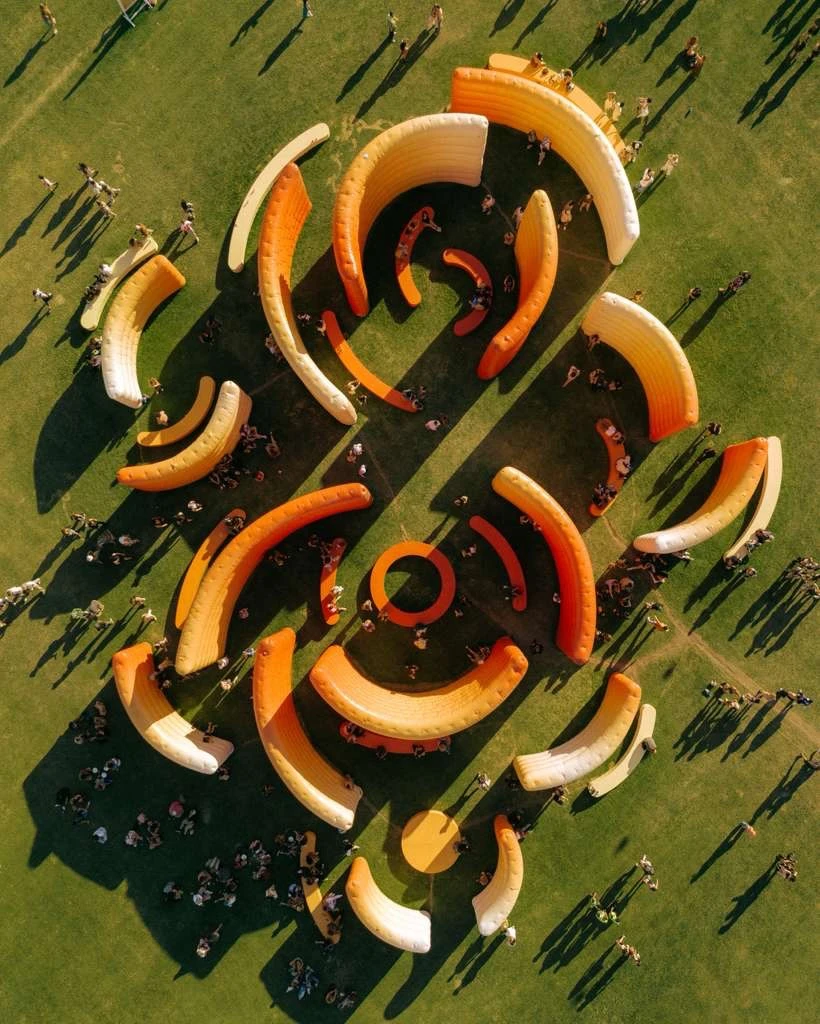
What made the installation distinct was how it changed over time. As daylight faded, the maze transitioned from a shelter into a luminous object. Internal lighting activated the walls, turning the structure into a glowing field of color that could be experienced from both inside and out. The emphasis shifted from physical comfort to immersion, where light replaced heat as the dominant element.
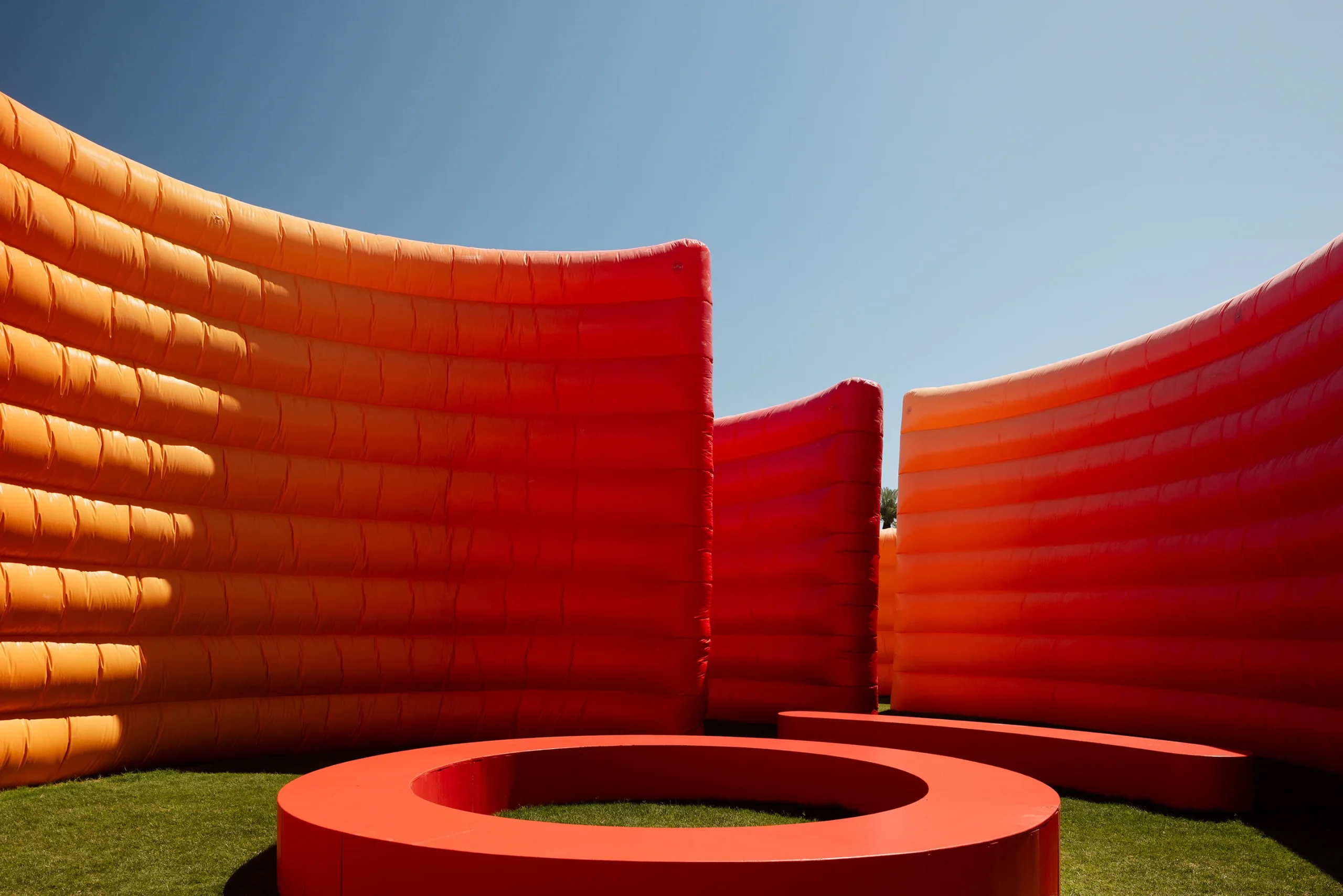
Sabine Marcelis framed it as a place of withdrawal within the density of the festival. Visitors could step inside to disconnect briefly, locate friends, or simply sit in a space that slowed perception. Openings within the structure allowed glimpses of the main stages, maintaining a loose connection to the surrounding performances without overwhelming the interior experience.
The project took roughly a year to develop, moving from early sketches after her first site visit to full-scale production and on-site installation. This piece required Marcelis to trust a local production team for execution. The final lighting adjustments were completed just before the festival opened, reinforcing the temporary and time-sensitive nature of the work.
Maze blurred boundaries between architecture, sculpture, and atmosphere, offering a rare condition at Coachella: a place where the intensity of the event could briefly dissolve into stillness.
Image credit: Lance Gerber / Courtesy of Coachella