



Mistakes, seen as a natural part of human life, can sometimes result in lessons learned and minor problems, but some errors can lead to millions of dollars in losses or consequences severe enough to endanger human life.
In the architecture and construction industry, where even the smallest mistake can have disastrous consequences, a single mistake is all it takes to turn what could have been an architectural marvel into a major disaster. Throughout history, construction errors around the world have doomed colossal projects, bent bridges, collapsed seemingly solid buildings, and even caused structures to melt cars. These major disasters, caused by poor design, rushed construction, political pressure, or overlooked construction issues, have cost people’s lives and incurred high costs, forcing cities to undertake intensive efforts to fix the consequences.
Let’s take a look at 10 of the most expensive construction mistakes ever made and the consequences they led to:
1. Lotus Riverside Collapse
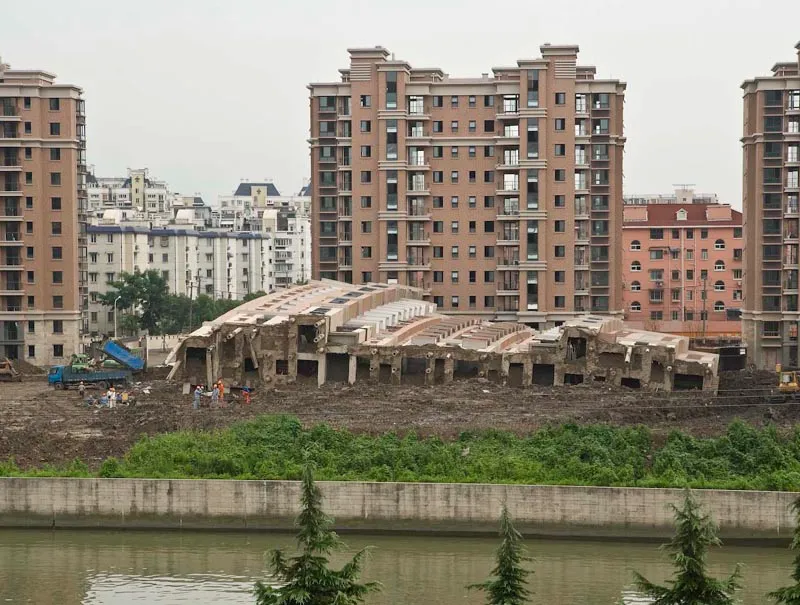
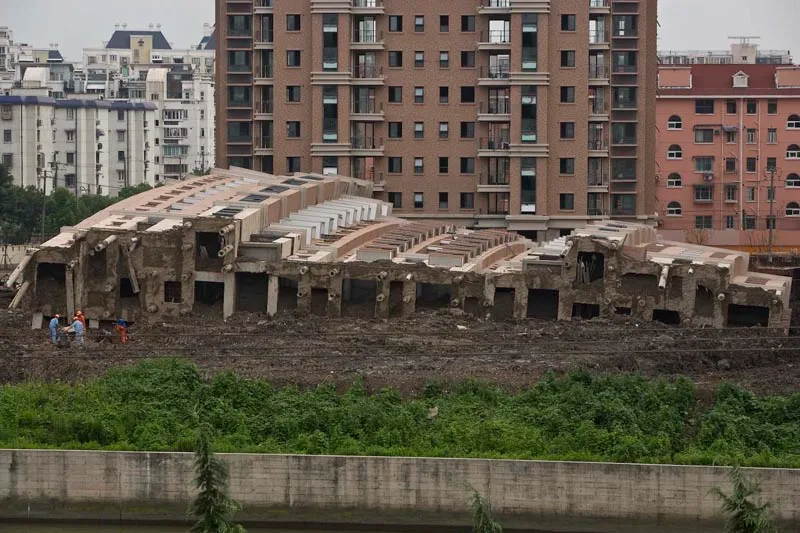
The Lotus Riverside collapse, one of the world’s most expensive construction mistakes, occurred in China, a city known for its fast, efficient, and record-breaking construction projects. Located in one of China’s rapidly developing cities, this project consisted of high-rise residential buildings offering luxury apartments, and it appeared to be progressing smoothly with its nearly completed towers. However, on the morning of June 27, 2009, due to major construction errors, the 13-story Lotus Riverside apartment building completely collapsed. The structure fell over in one piece without breaking apart, and one worker inside the building lost his life during the collapse.
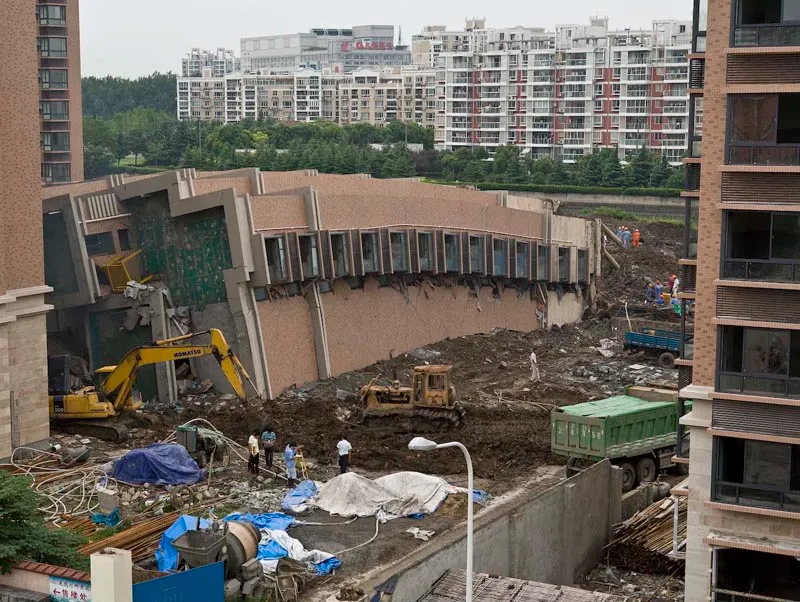
This massive collapse exposed how excavation and soil stability can affect a building’s foundation. The underground garage dug beneath the complex profoundly shook the building’s foundations. At the same time, heavy rains soaked the ground, further destabilizing the already weak foundation. As a result, the soil muddied and loosened, failing to support the structure’s weight, causing the entire building to topple like a domino.
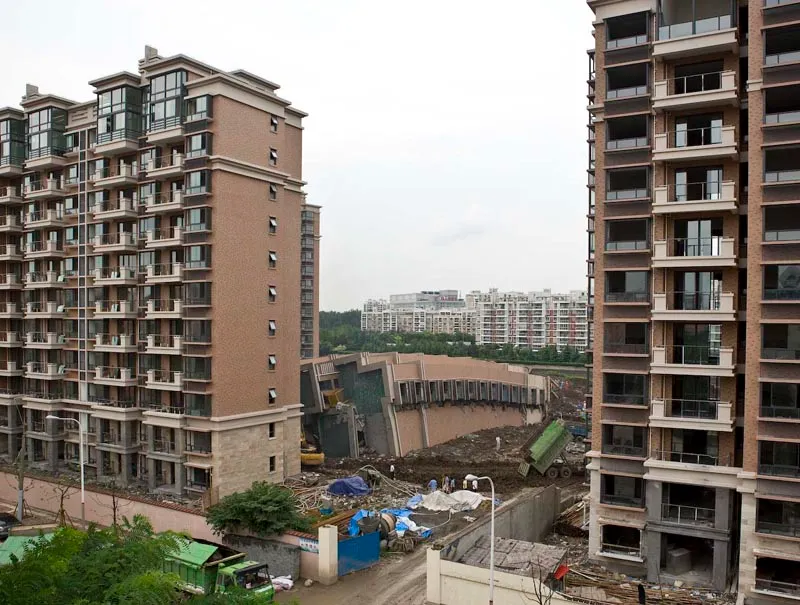
The collapse of Lotus Riverside is a powerful example of how a flawed foundation can lead to disaster, even when the structure above appears solid. Following the collapse, China introduced stricter regulations for high-rise buildings and emphasized the importance of comprehensive soil testing and structural stability assessments before construction begins.
2. Berlin Aquadom – Aquarium Burst
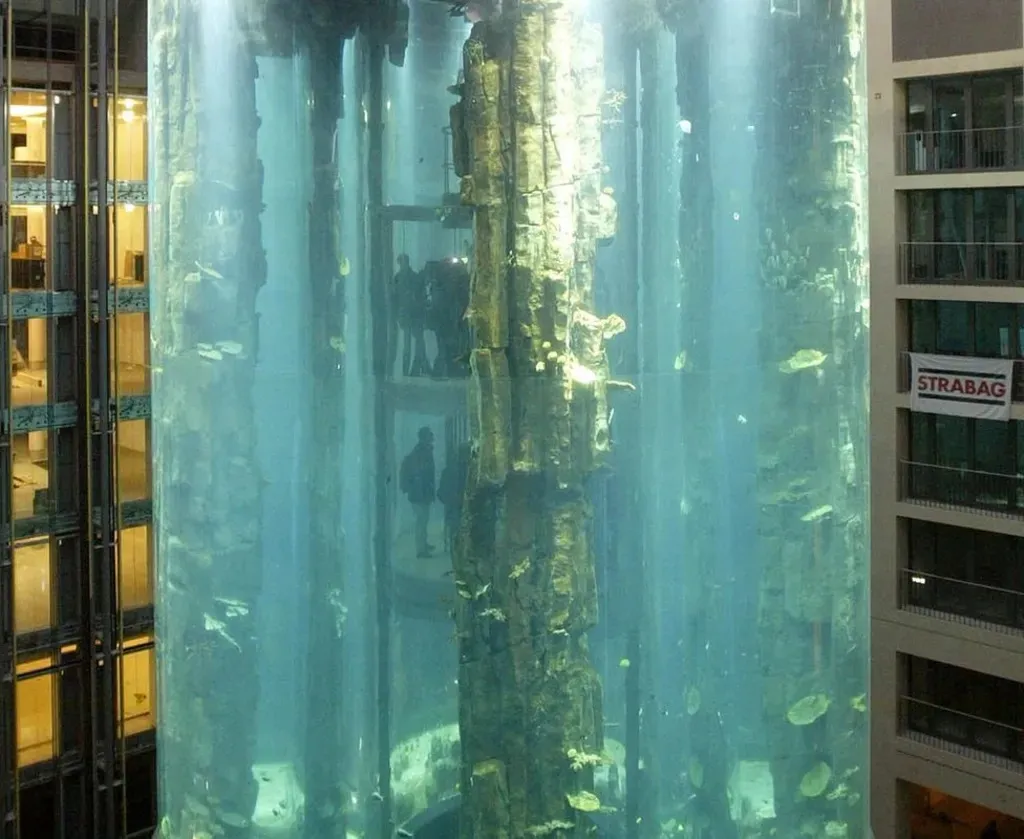
Located within the Radisson Collection Hotel in Berlin, Germany, the Aquadom was one of the world’s largest cylindrical aquariums, with a water volume of 1 million liters and a height of 25 meters. Home to over 1,500 tropical fish from 100 different species, the aquarium featured a transparent elevator that offered visitors panoramic views. A fatal flaw in this architectural marvel made it one of the world’s most expensive construction disasters.
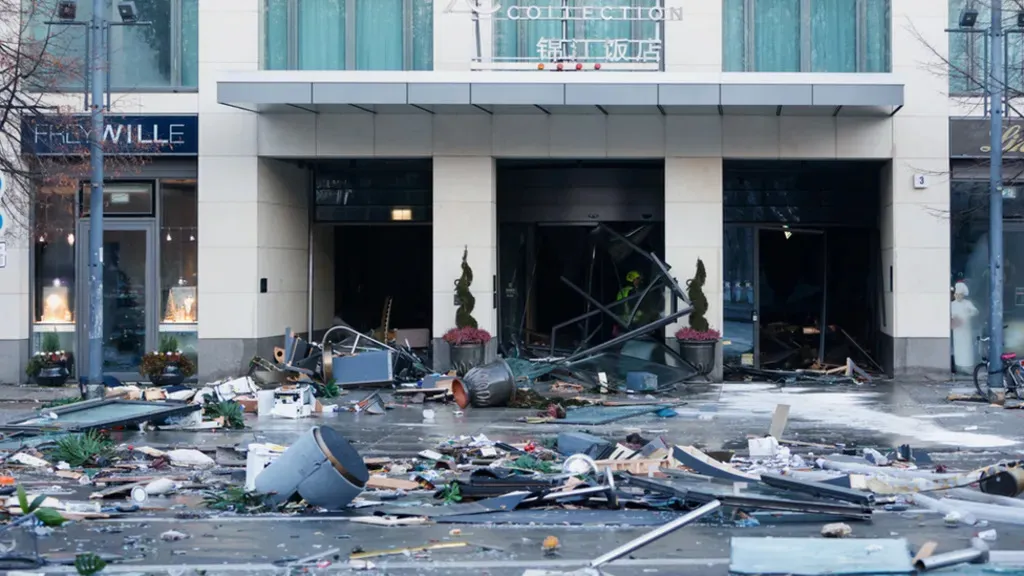
In the early hours of December 16, 2022, the entire aquarium suddenly burst, releasing all its seawater into the hotel lobby and then out into the streets after destroying the entrance. The sudden flow of water was so powerful that seismographs were able to detect the shockwaves caused by the collapse. Although no human deaths occurred due to the early hours of the disaster, many of the aquarium’s exotic fish died.
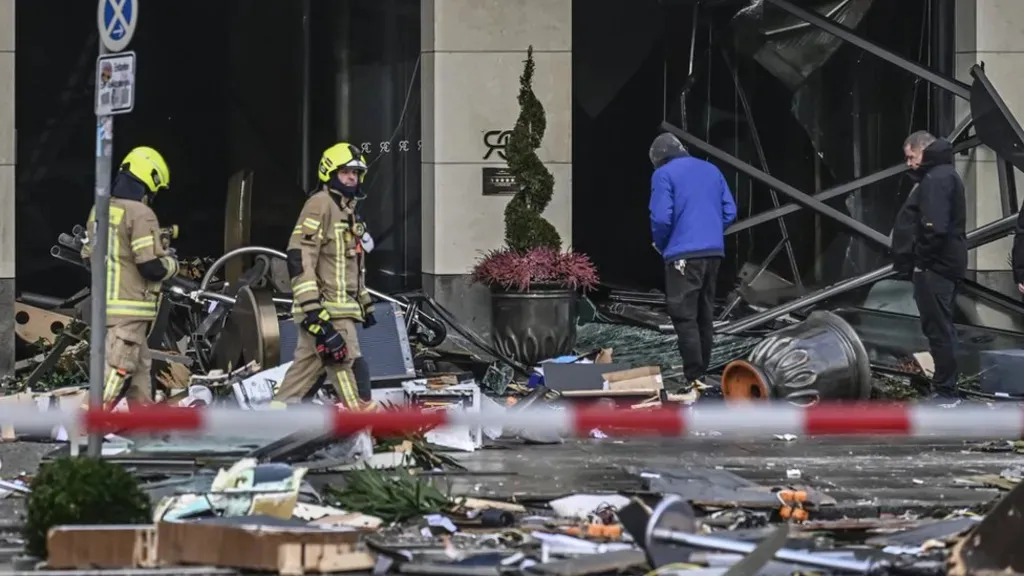
Investigations later revealed that the cause of this major disaster was material fatigue. The night before the explosion, the large temperature difference between the warm water inside and the cold air outside weakened the aquarium’s acrylic panels, eventually causing them to break. This disaster has raised concerns about the long-term durability of large-scale glass structures under extreme environmental conditions.
3. The Sampoong Department Store Collapse
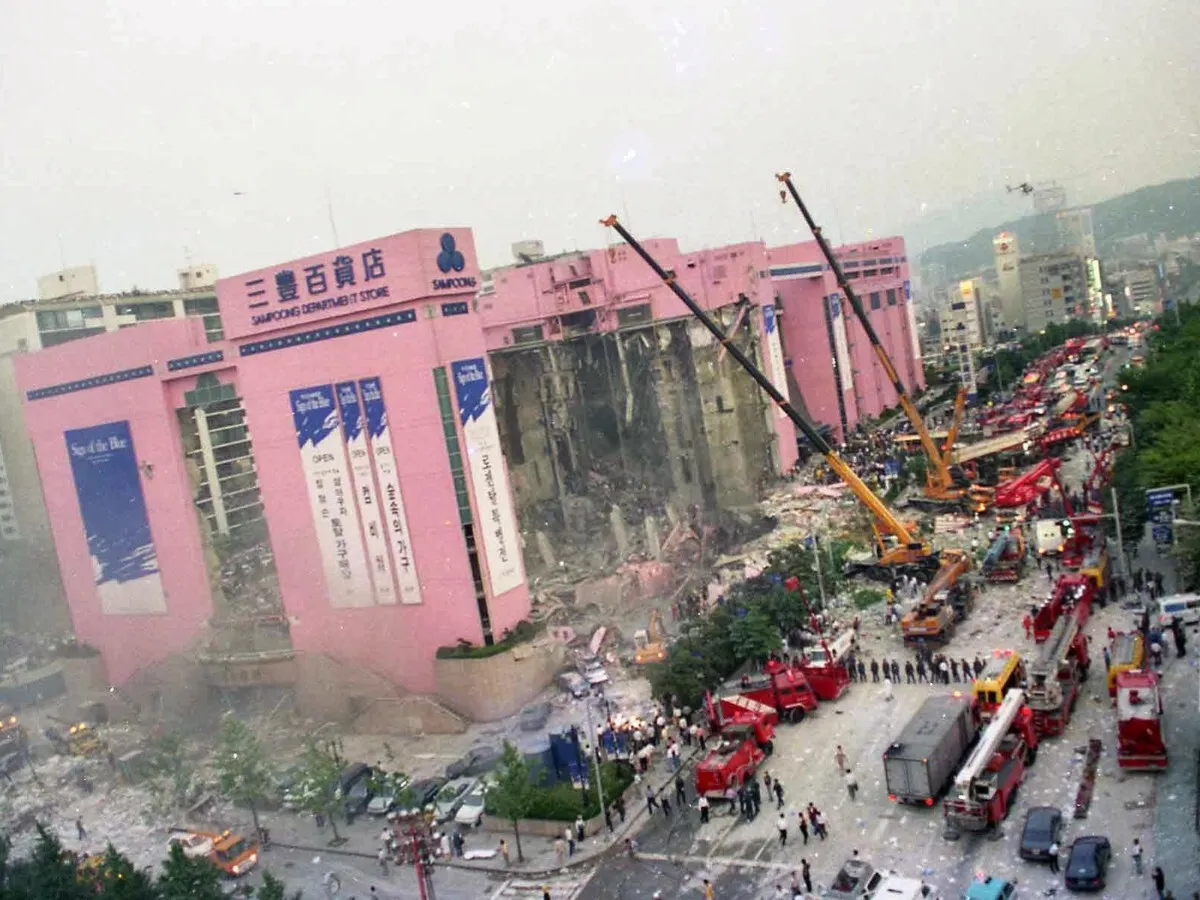
The Sampoong Department Store, which collapsed within minutes with a loud cracking sound echoing around 5:00 p.m. on June 29, 1995, is one of the world’s most costly construction mistakes. This devastating disaster, which caused the entire building to collapse and killed 502 people inside, became one of the deadliest building collapses in modern history.
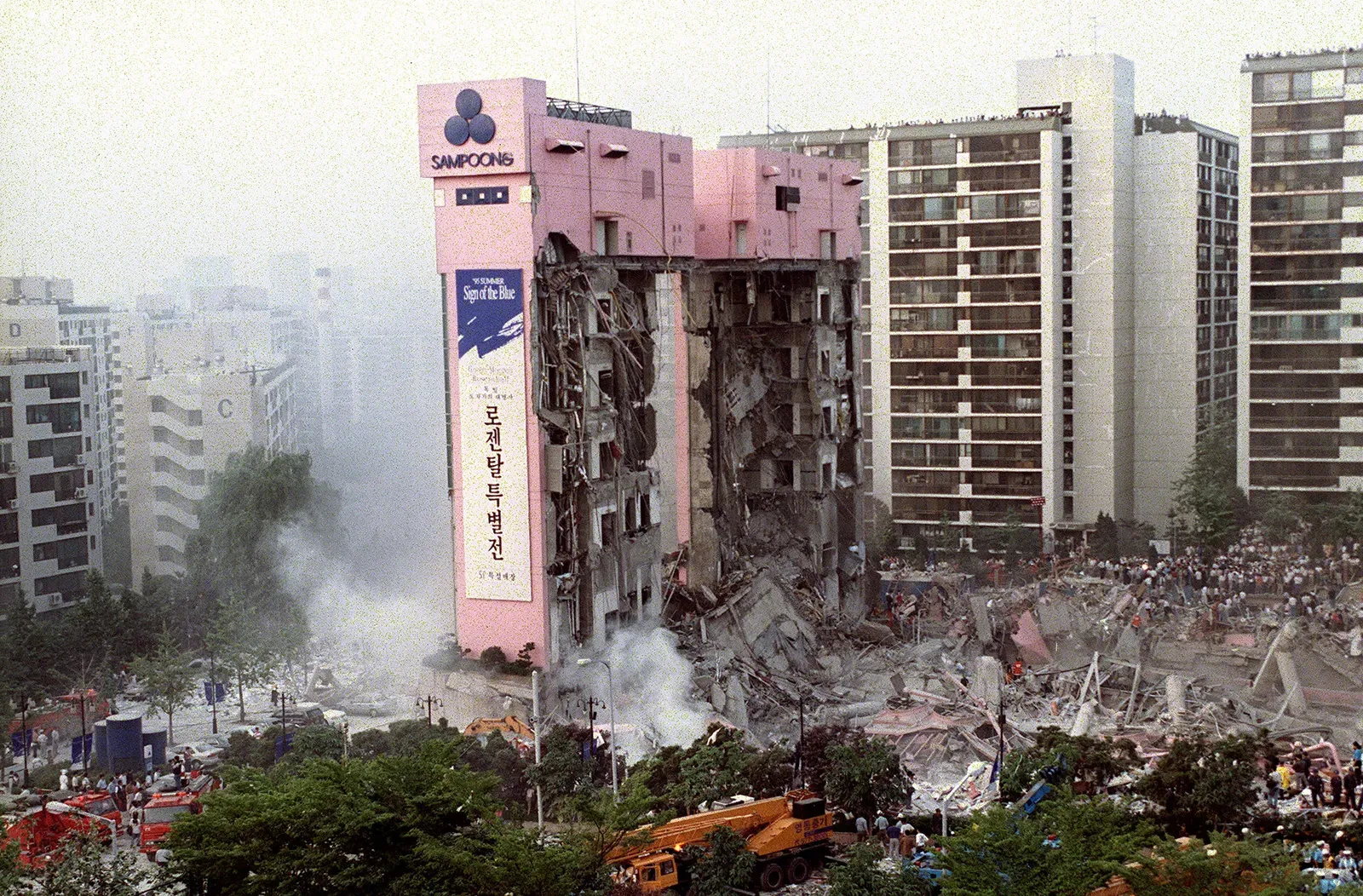
In the early 1990s, this department store in Seoul, South Korea, was a symbol of modern development, boasting luxury retail spaces, restaurants, and entertainment venues. However, greed and negligence led to one of the world’s worst construction mistakes. Originally designed as an apartment complex, the project was abruptly altered; several critical support columns were removed to make space for escalators and an additional floor. Despite warnings, construction continued under Lee Joon, the future chairman of the Sampoong Group, and the store opened within two years, capable of accommodating up to 40,000 visitors.
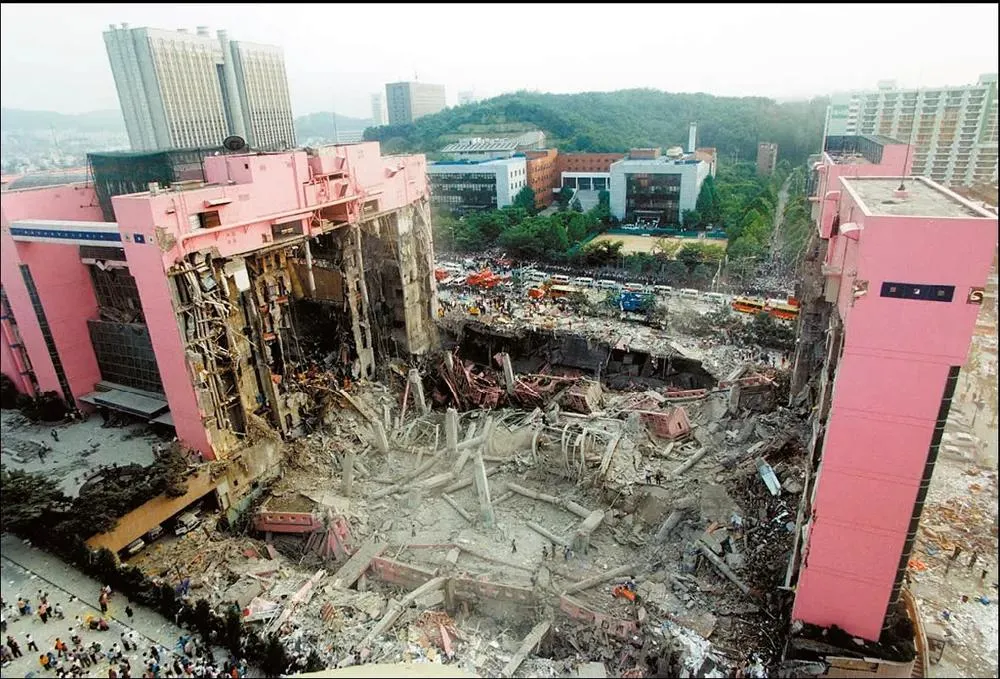
In 1995, cracks that appeared on the upper floor of the building were ignored. The expanding cracks caused the store’s roof to collapse onto the lower floors within minutes. Soon after, all support columns in the South Wing gave way, trapping more than 1,500 people under the rubble. Considered the worst peacetime disaster in South Korea’s history, the incident exposed the consequences of human greed and negligence. It also led to a comprehensive review of the country’s building safety laws and regulations and exposed deep-rooted corruption.
4. Hyatt Regency Walkway Collapse
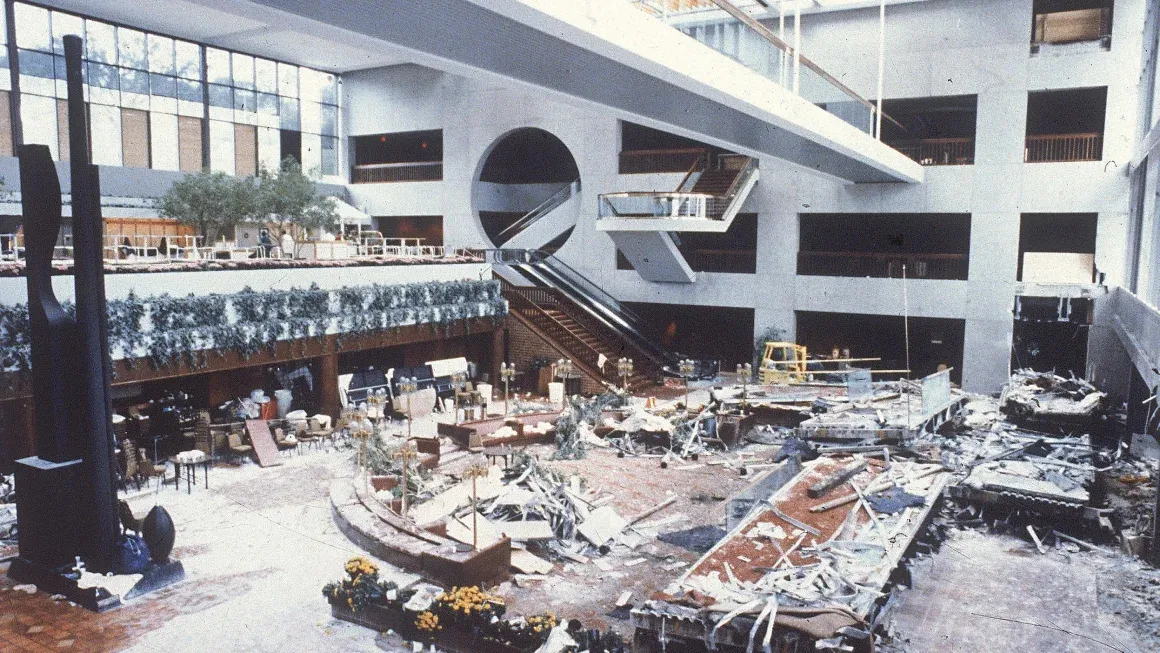
The collapse of the Kansas City Hyatt Regency walkways, the most devastating structural failure in the United States in terms of deaths and injuries, resulted in 114 fatalities and more than 200 injuries. Thousands of lives were negatively impacted by the collapse, which, with millions of dollars in costs, became one of the world’s most expensive construction mistakes.
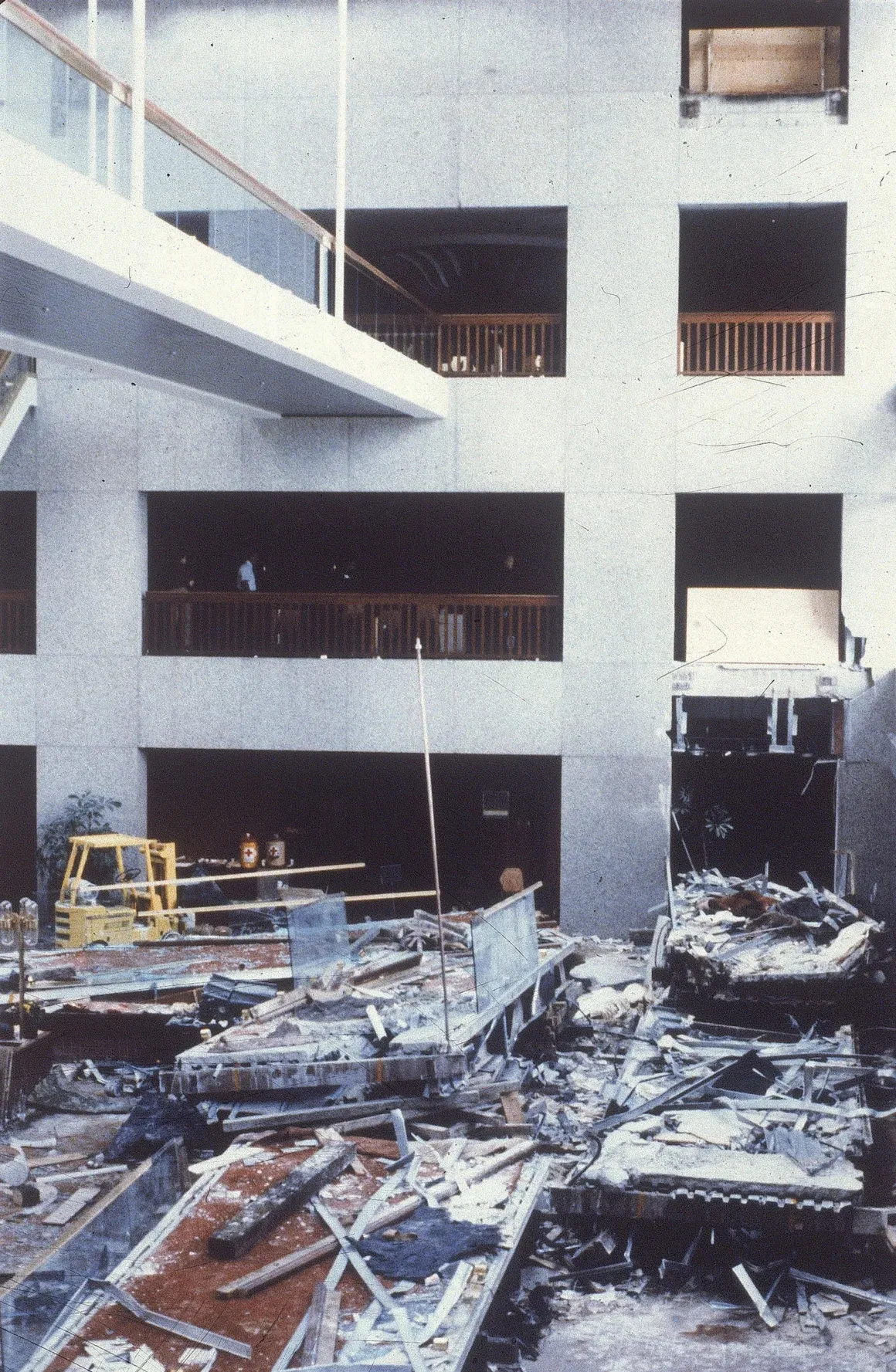
On July 17, 1981, the Kansas City Hyatt Regency Hotel was hosting a lively dance event in its grand atrium. Two suspended walkways connecting the second and fourth floors allowed guests to view the festivities from above. As the festivities continued, a major disaster struck, with both walkways collapsing, crushing the crowd below.
The construction error that caused the catastrophe stemmed from a seemingly minor design change made during the walkway’s fabrication. The design of the suspension rod connections was changed from a single-rod system to a two-rod system to simplify installation due to a disagreement between the manufacturer, Havens Steel Company, and the engineering design team, GCE International Inc. This modification doubled the load on the connection points, ultimately causing the walkways to fail.
This disaster exposed a critical flaw in the approval process for structural modifications. It led to stricter safety regulations in engineering, ensuring that even the smallest changes undergo rigorous testing.
5. The Champlain Towers South Collapse
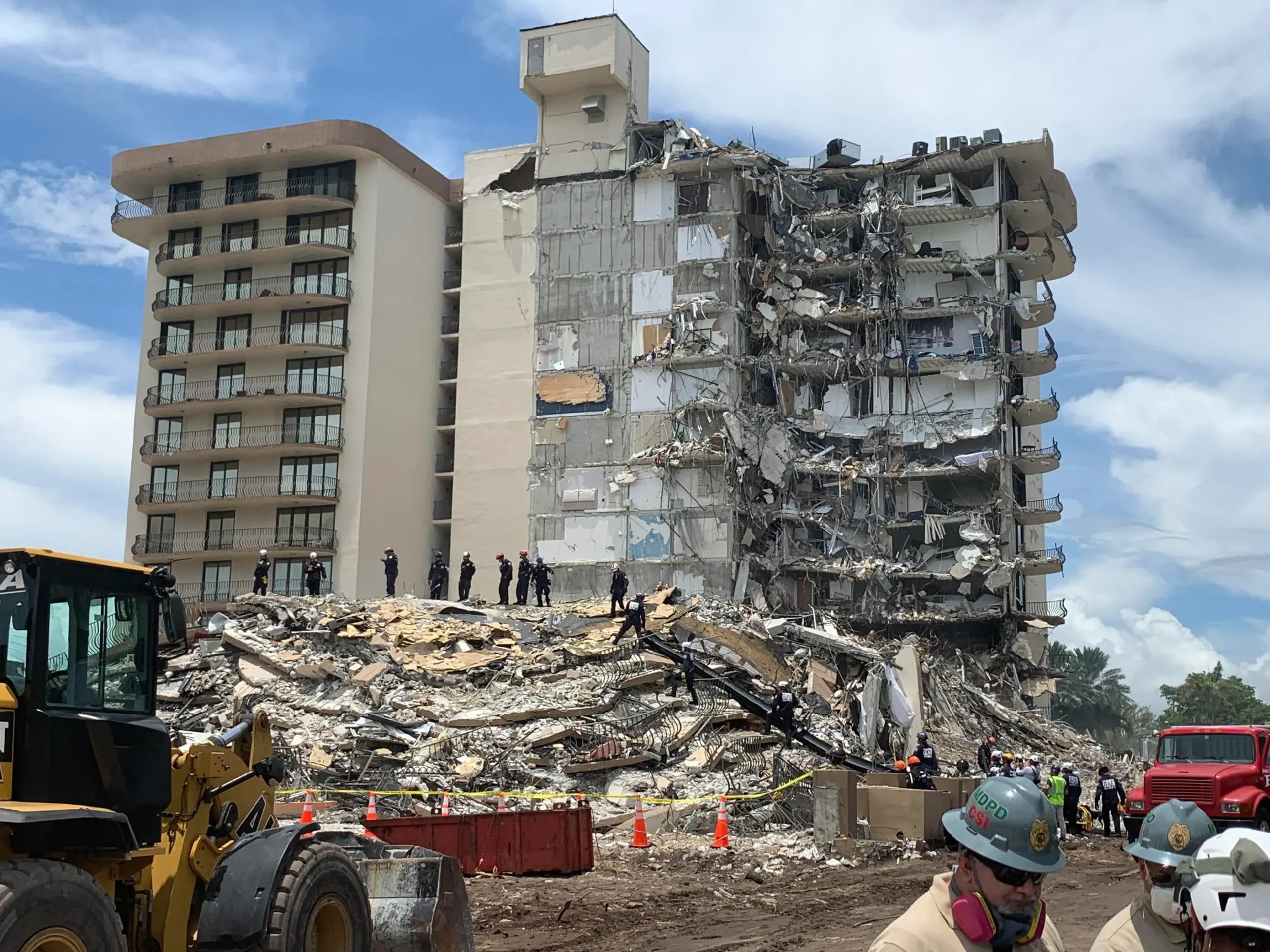
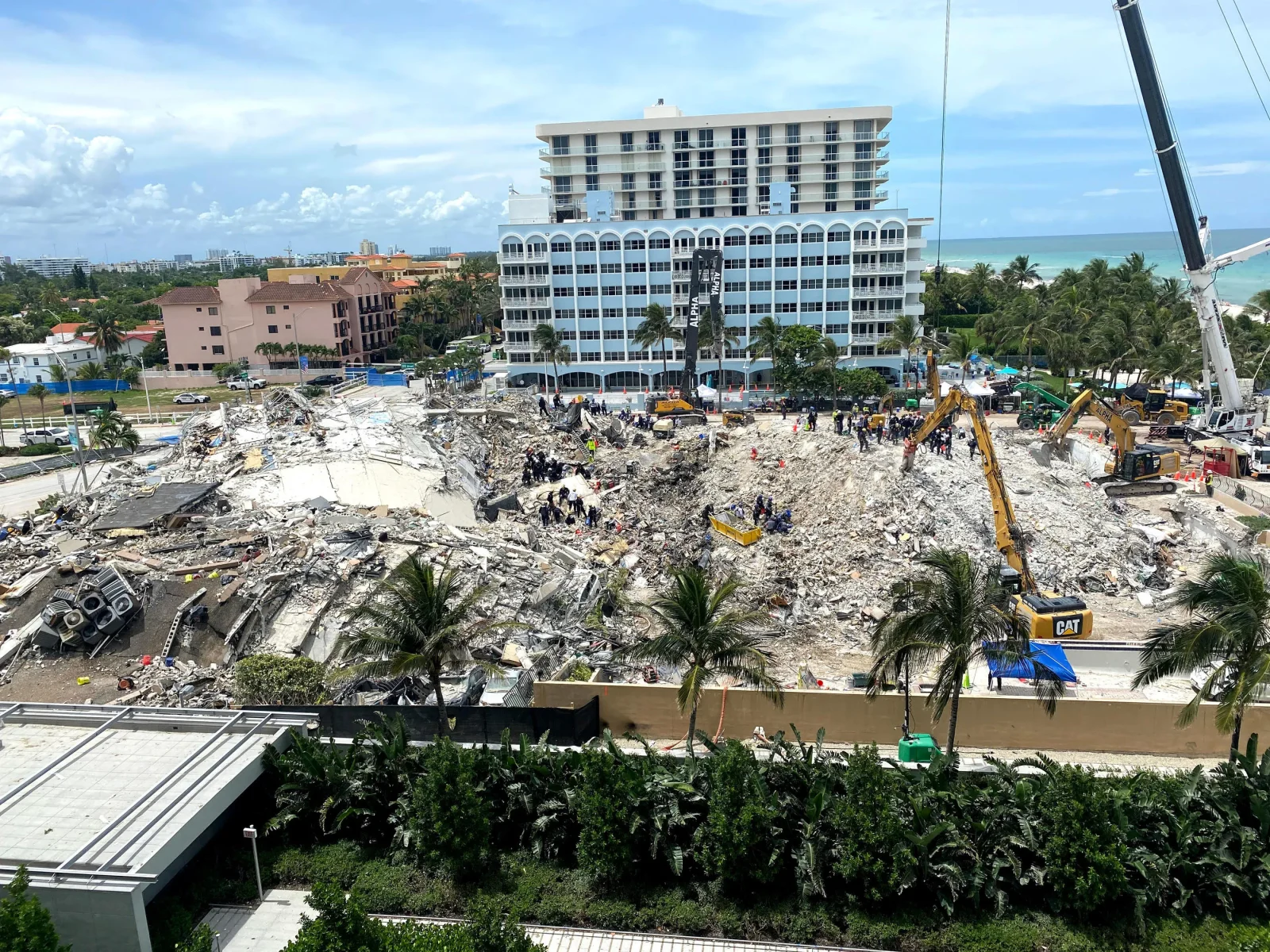
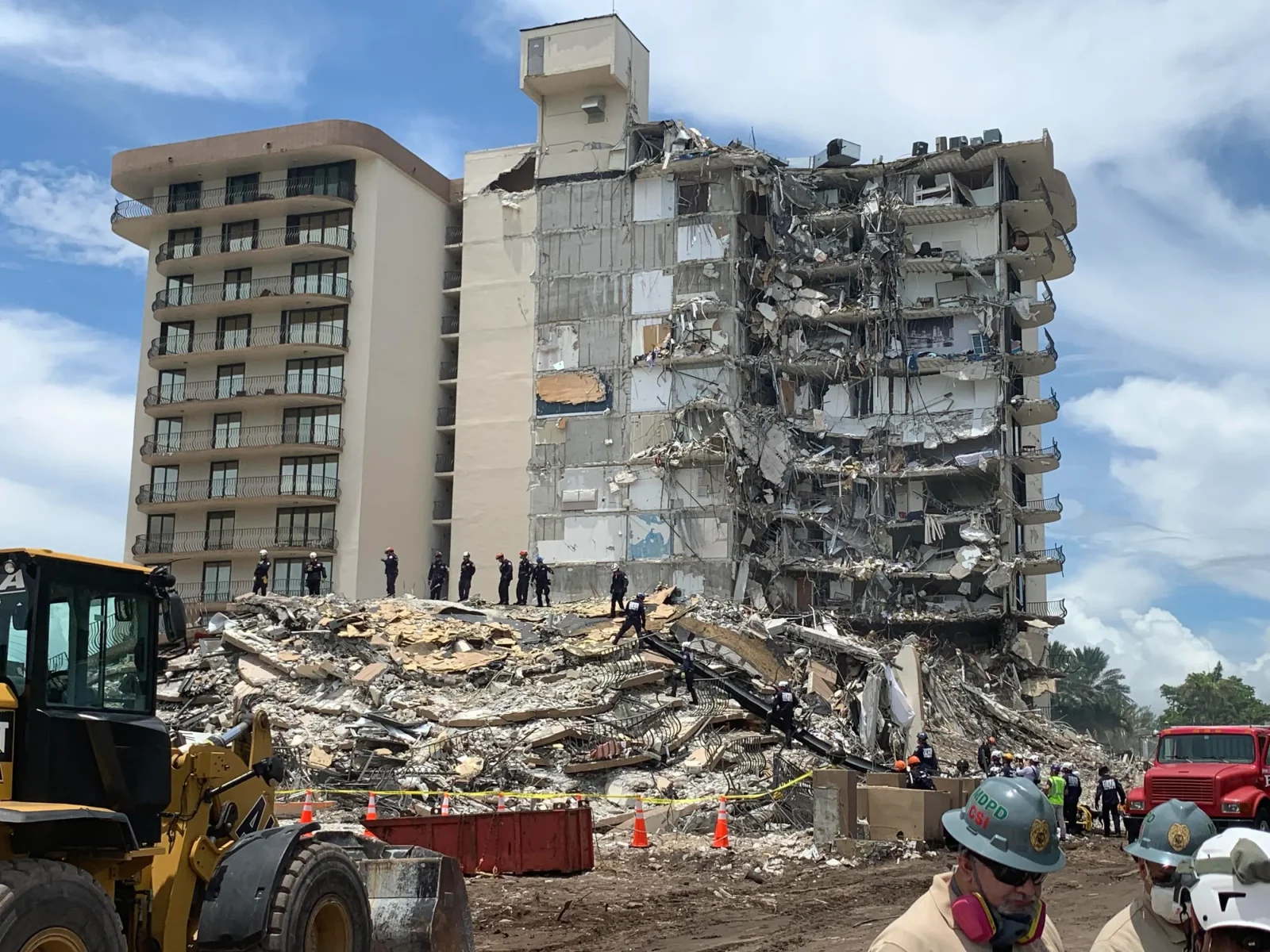
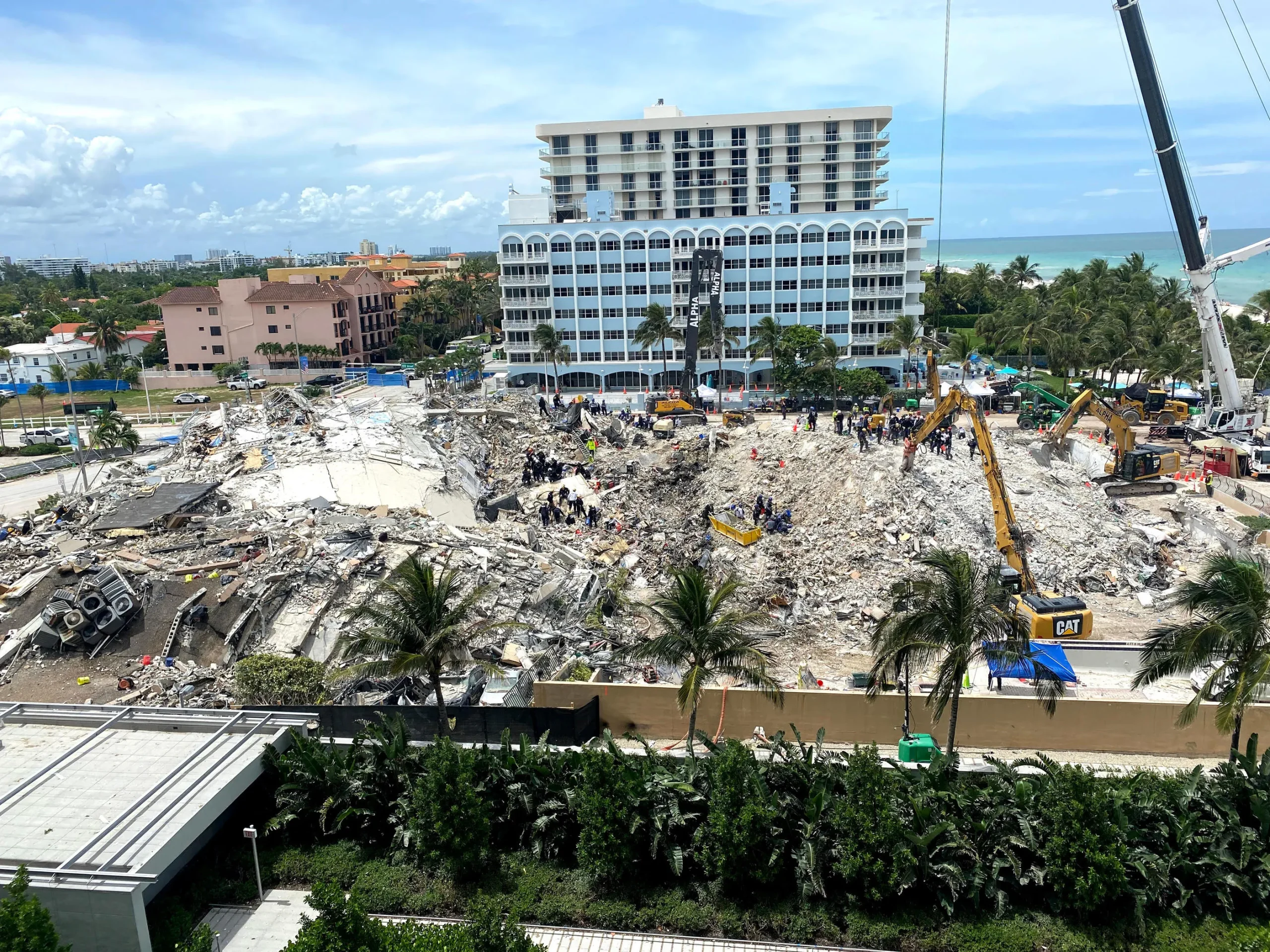
The Champlain Towers South, one of the deadliest building collapses in American history, claimed the lives of 98 people. In the early hours of June 24, 2021, a 12-story apartment building in Surfside, Florida, was reduced to rubble, sending a nationwide wave of shockwaves across Florida and prompting urgent inspections of other older buildings in Florida and beyond.
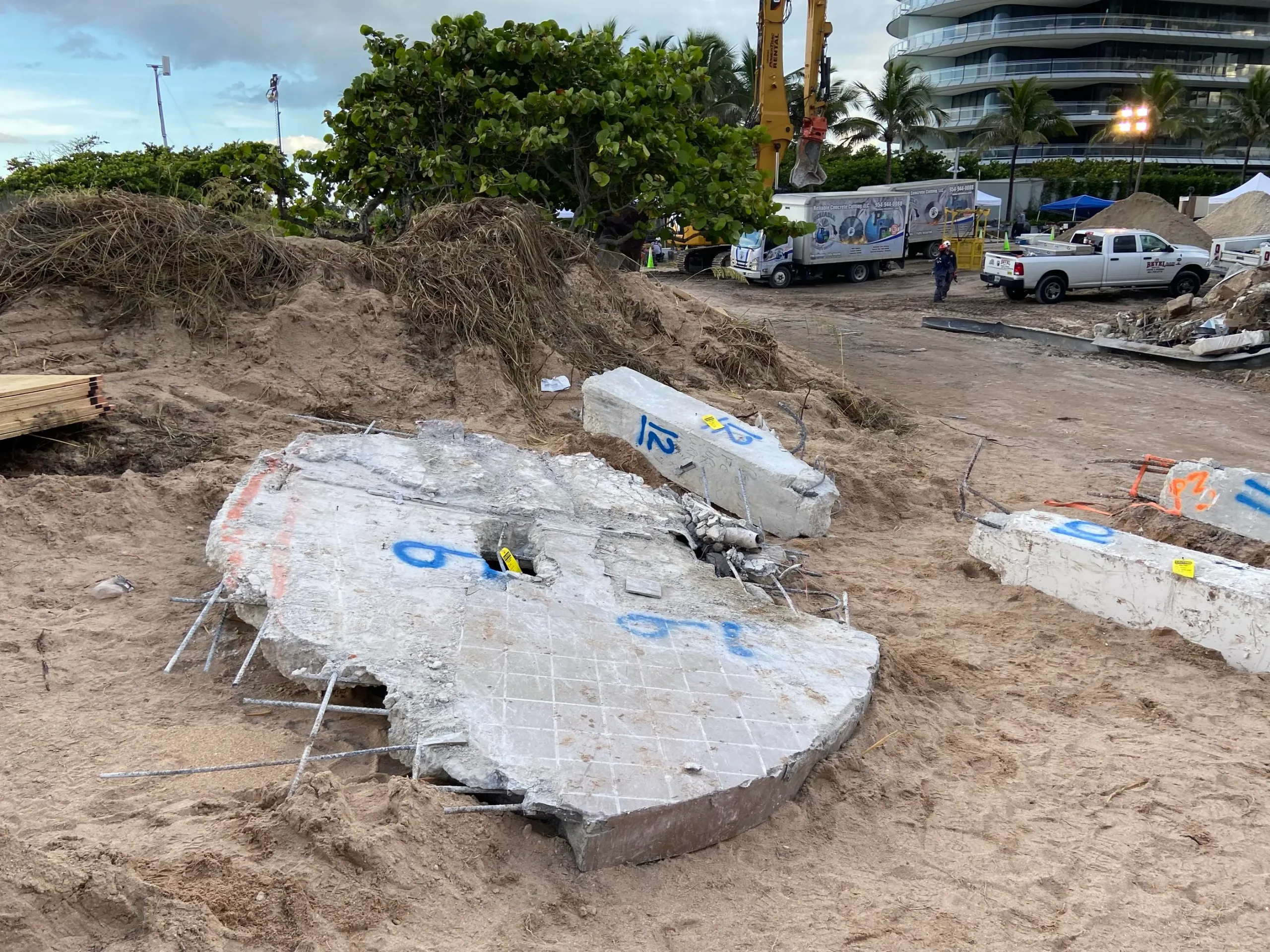
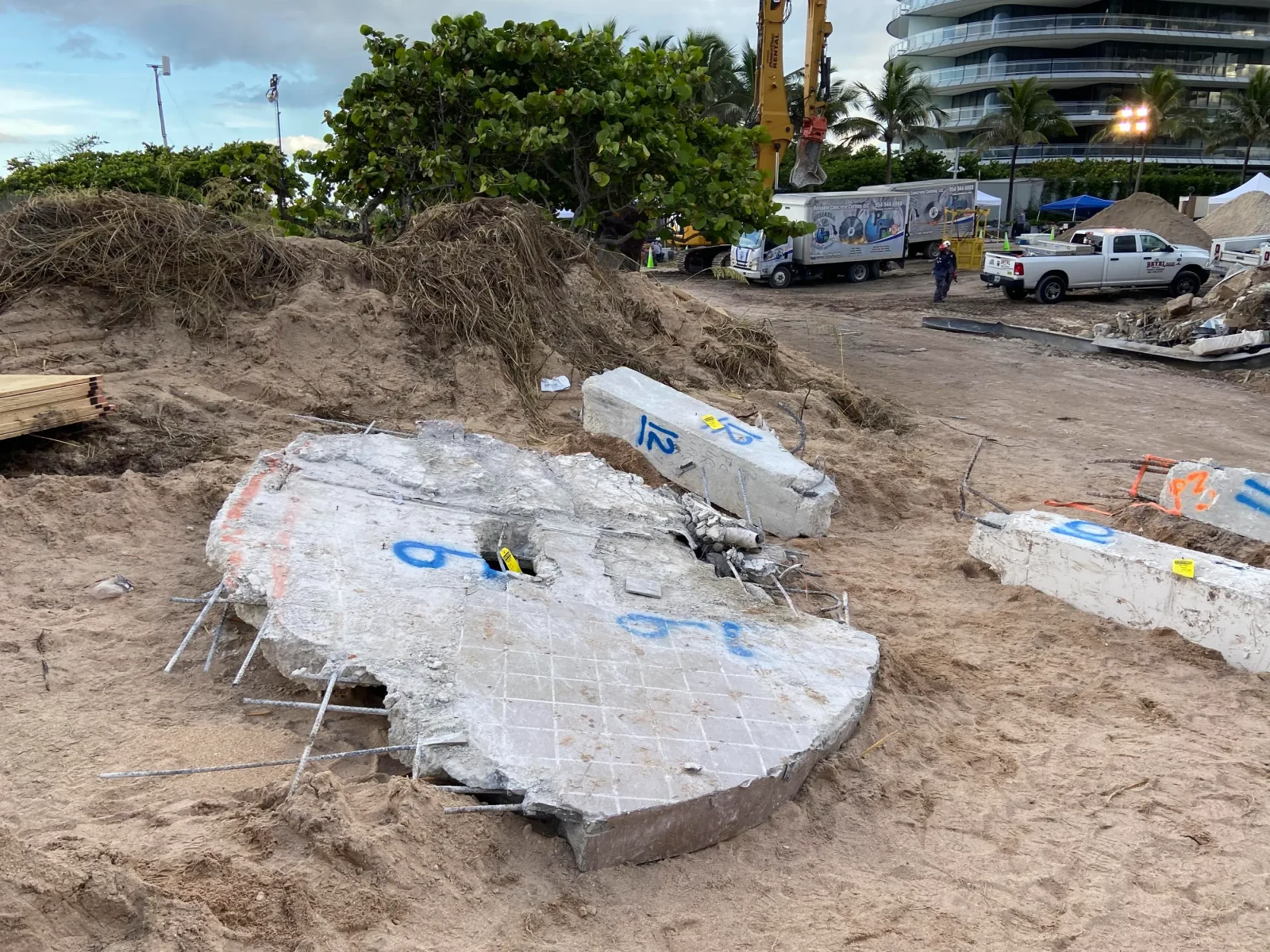
The National Construction Safety Team (NCST), which investigated the cause of the collapse, identified potential problems in the hours, days, and weeks leading up to the collapse, including a ceiling leak near the pool deck, a jammed door, and a vertical shift in the door. As early as 2018, structural engineers warned of the potential for significant damage to the building’s foundation. Built on reclaimed wetlands, the ground beneath Champlain Towers South was gradually prone to subsidence. Environmental factors combined with years of neglected maintenance ultimately resulted in one of the most expensive construction mistakes in the world.
6. Tacoma Narrows Bridge in Washington
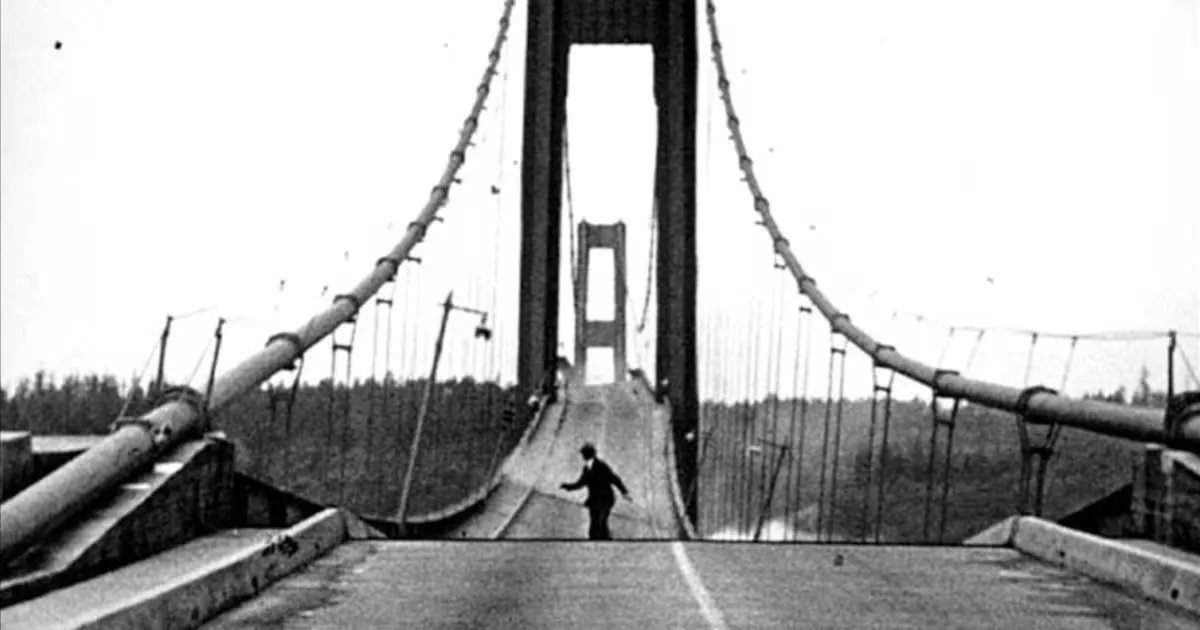
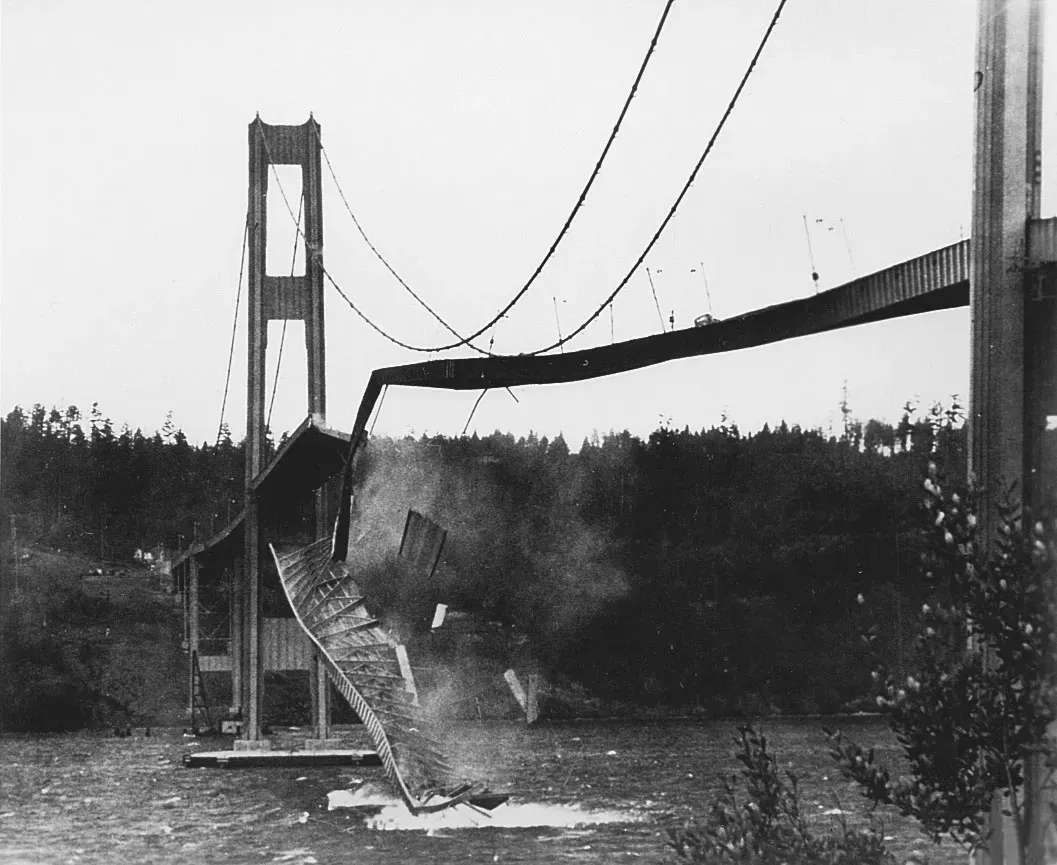
Stretching across Puget Sound like a steel ribbon, the Tacoma Narrows Bridge opened on July 1, 1940, as the third-longest suspension bridge in the world. Built for approximately $6 million, it remained standing for only four months and seven days, making it one of the world’s most e xpensive construction mistakes.
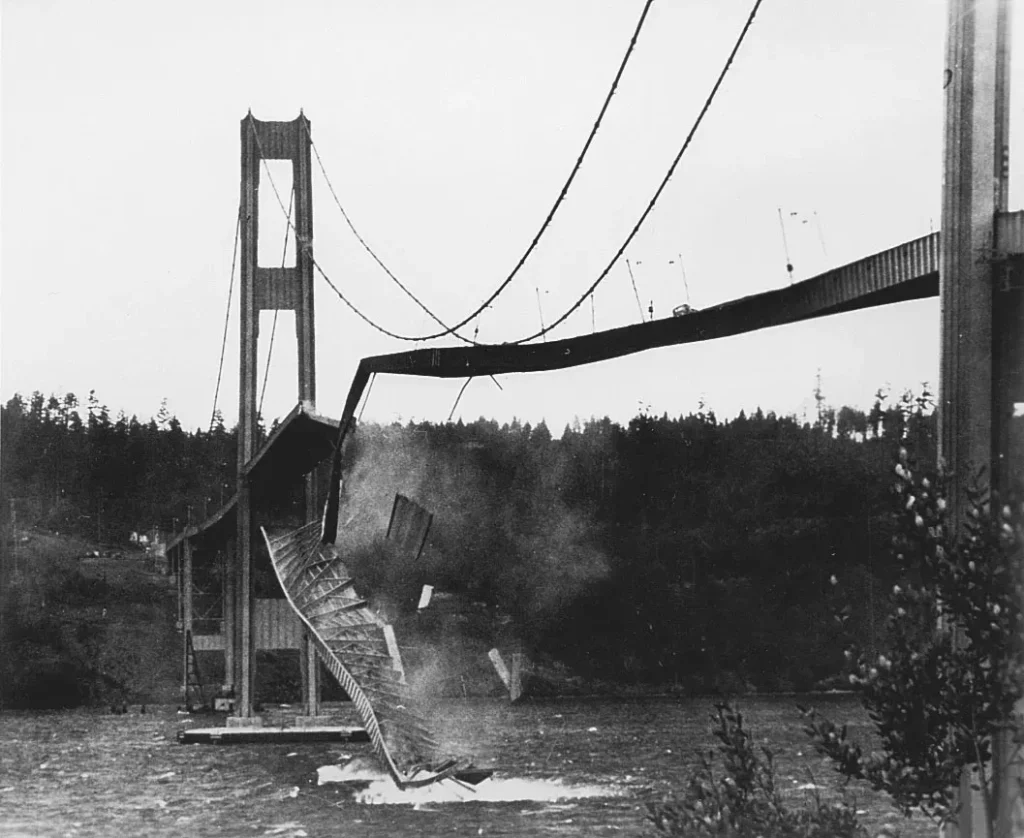
On November 7, 1940, the bridge famously collapsed during a storm, becoming one of the most dramatic engineering failures ever recorded. The Tacoma Narrows Bridge, a lightweight and flexible design caused by aerodynamic imbalances, was highly susceptible to wind forces. As wind speeds increased, the bridge began to rotate violently, creating massive waves along its deck. After hours of continuous oscillation, the bridge, with its lanes bent at nearly 45 degrees, snapped its cables and sank into the frigid waters. This disaster, which resulted in no loss of life, contributed to the development of parameters such as wind tunnel testing and the use of stabilizing structures.
7. Seongsu Bridge Collapse
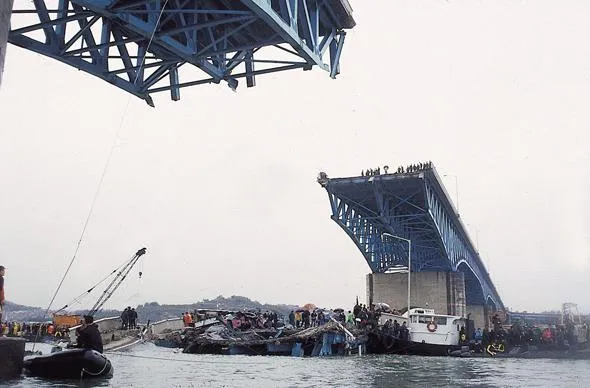
One of South Korea’s most shocking infrastructure failures, the collapse of the Seongsu Bridge, resulted in the deaths of 32 people and serious injuries to 17 others. After operating without any signs of damage for 15 years, the bridge collapsed with a resounding crash at 7:38 a.m. on October 21, 1994.
Built as a vital transportation link over the Han River, the Seongsu Bridge was constructed with a steel truss design, a common choice for long-span structures. Years of exposure to moisture had caused extensive corrosion in the supporting beams. Although the bridge was designed to carry 36.3 tons per vehicle, vehicles weighing up to 47.3 tons continued to use it. A lack of proper inspections and the neglect of visible cracking ultimately led to the disaster, causing a 60-meter middle section of the bridge to collapse into the Han River and sending a commuter bus plummeting into the water.
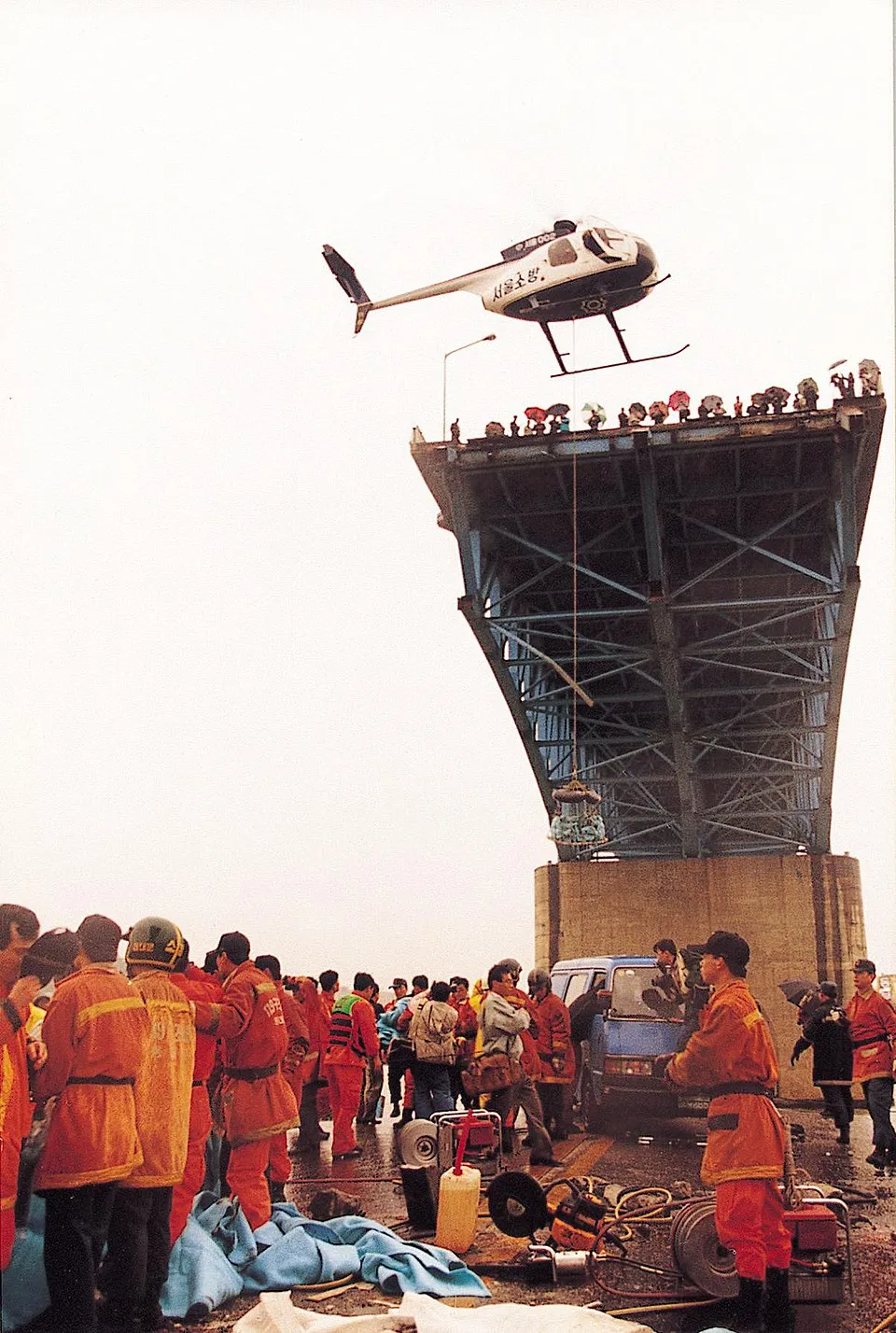
With compensation costs reaching 185,000 dollars and repairs costing an additional 2 million dollars, the Seongsu Bridge became one of the world’s most expensive construction mistakes. The Seongsu Bridge collapse, a reminder that neglecting structural maintenance can turn a reliable bridge into a death trap, has led to a nationwide reassessment of bridge safety.
8. London’s Walkie-Talkie Skyscraper
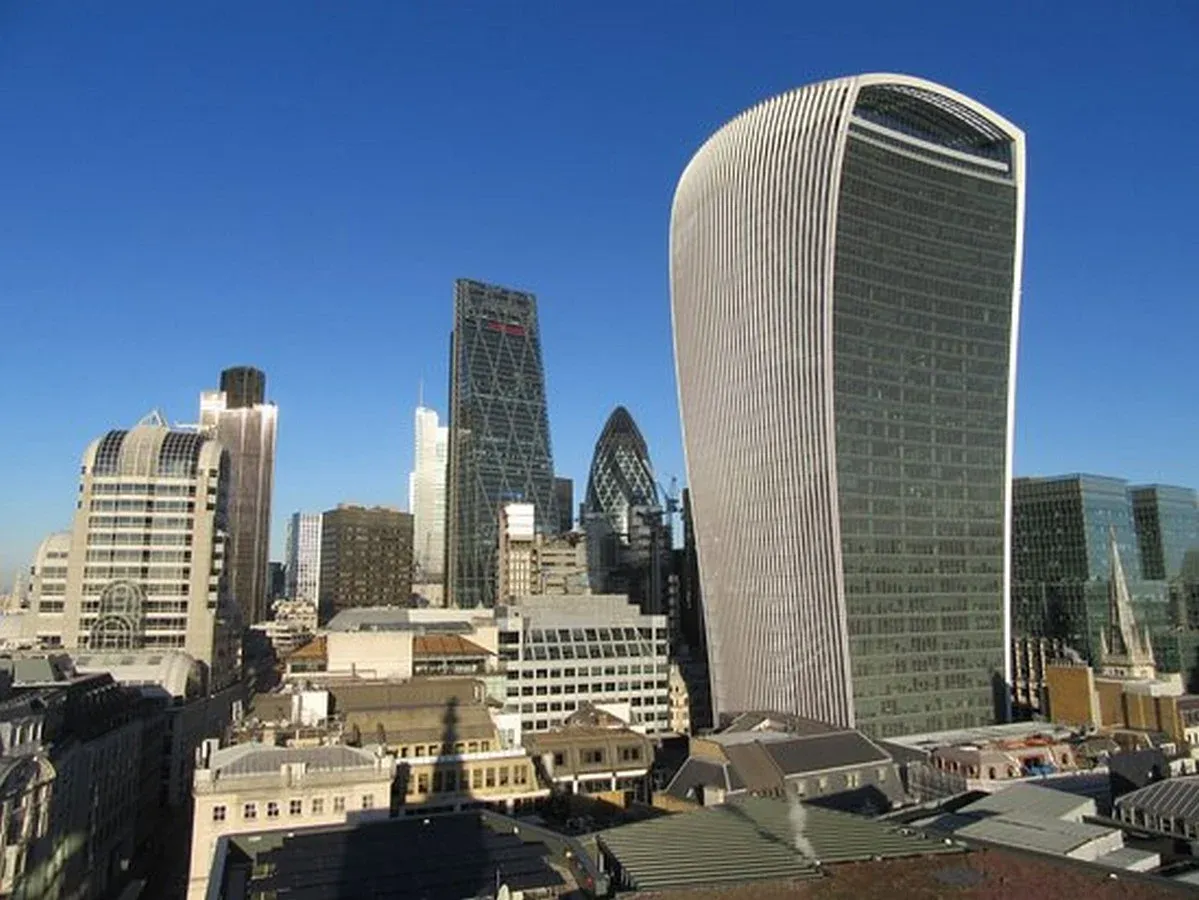
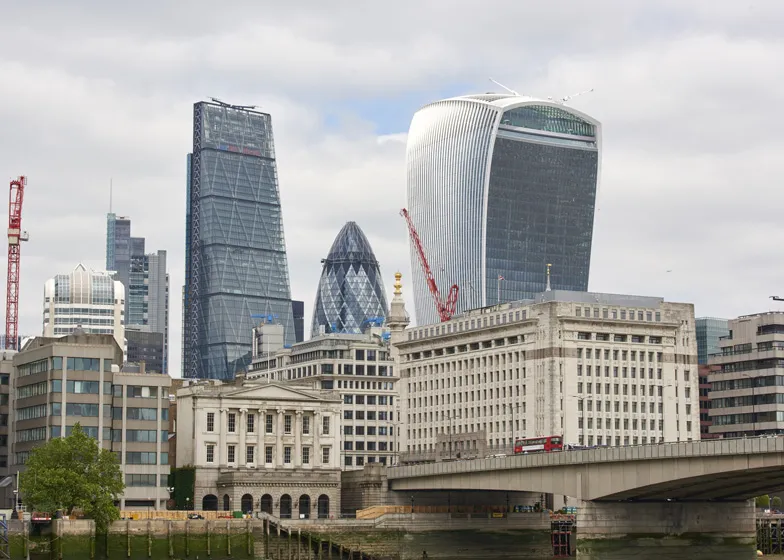
Officially known as 20 Fenchurch Street and nicknamed the Walkie-Talkie for its shape, the skyscraper was designed in 2014 as a London architectural landmark. With its curved glass façade intended to reflect the city’s modern skyline, the tower became one of the world’s most expensive construction mistakes, costing over 200 million pounds.
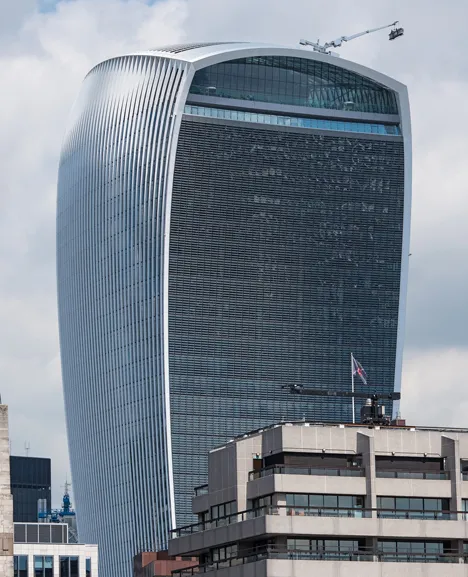
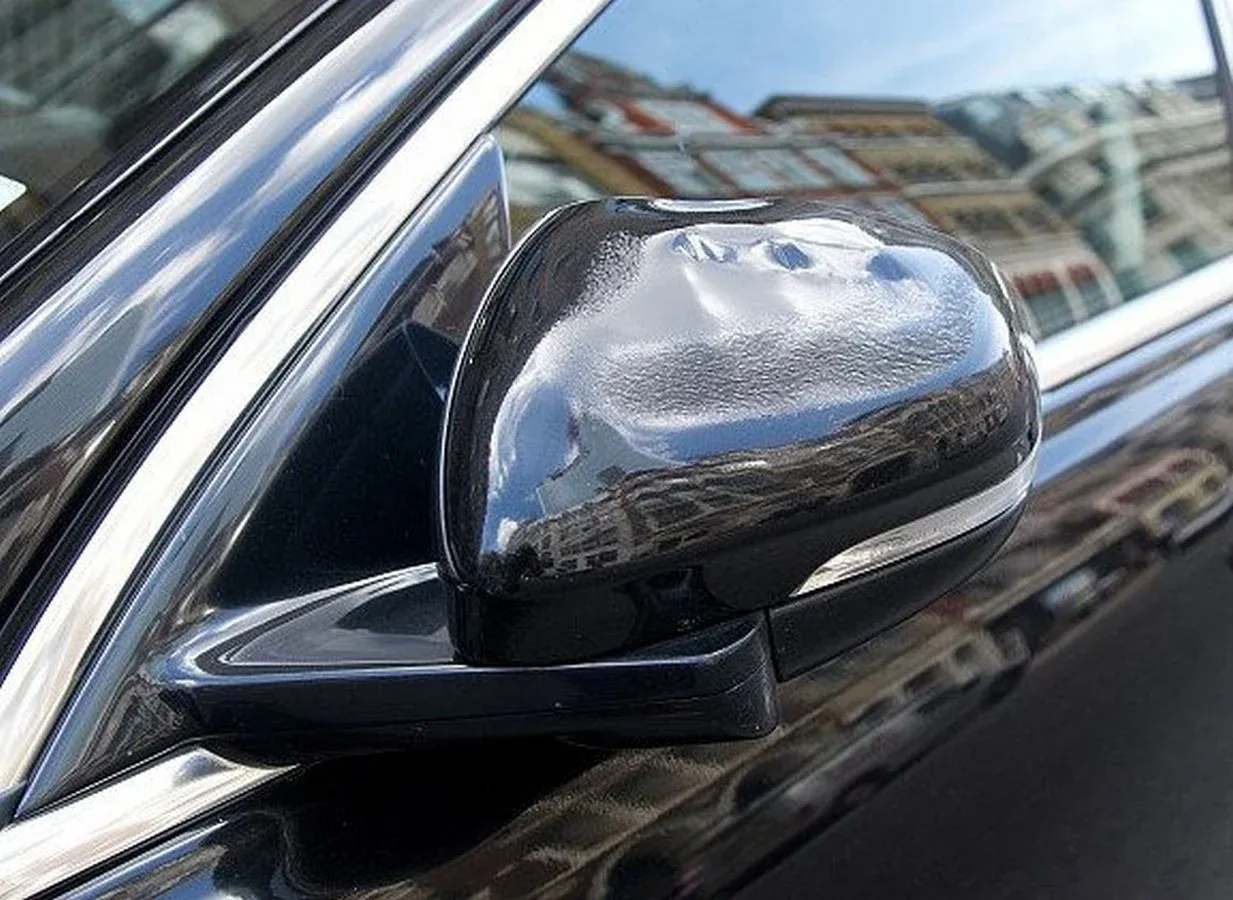
The building’s glass exterior and concave form turned it into a massive mirror that reflected intense sunlight onto the street below for nearly two hours each day. Acting like a giant magnifying glass, the concentrated sunlight distorted car panels, melted bicycle seats, and even scorched portions of nearby buildings. In some cases, temperatures at the reflection points exceeded 200 degrees Fahrenheit, earning the Walkie-Talkie the infamous title of “the building that melts cars.” Although the disaster caused no loss of life, the building’s developers were forced to install sunshades on the façade to diffuse the reflected light.
9. Sydney Opera House
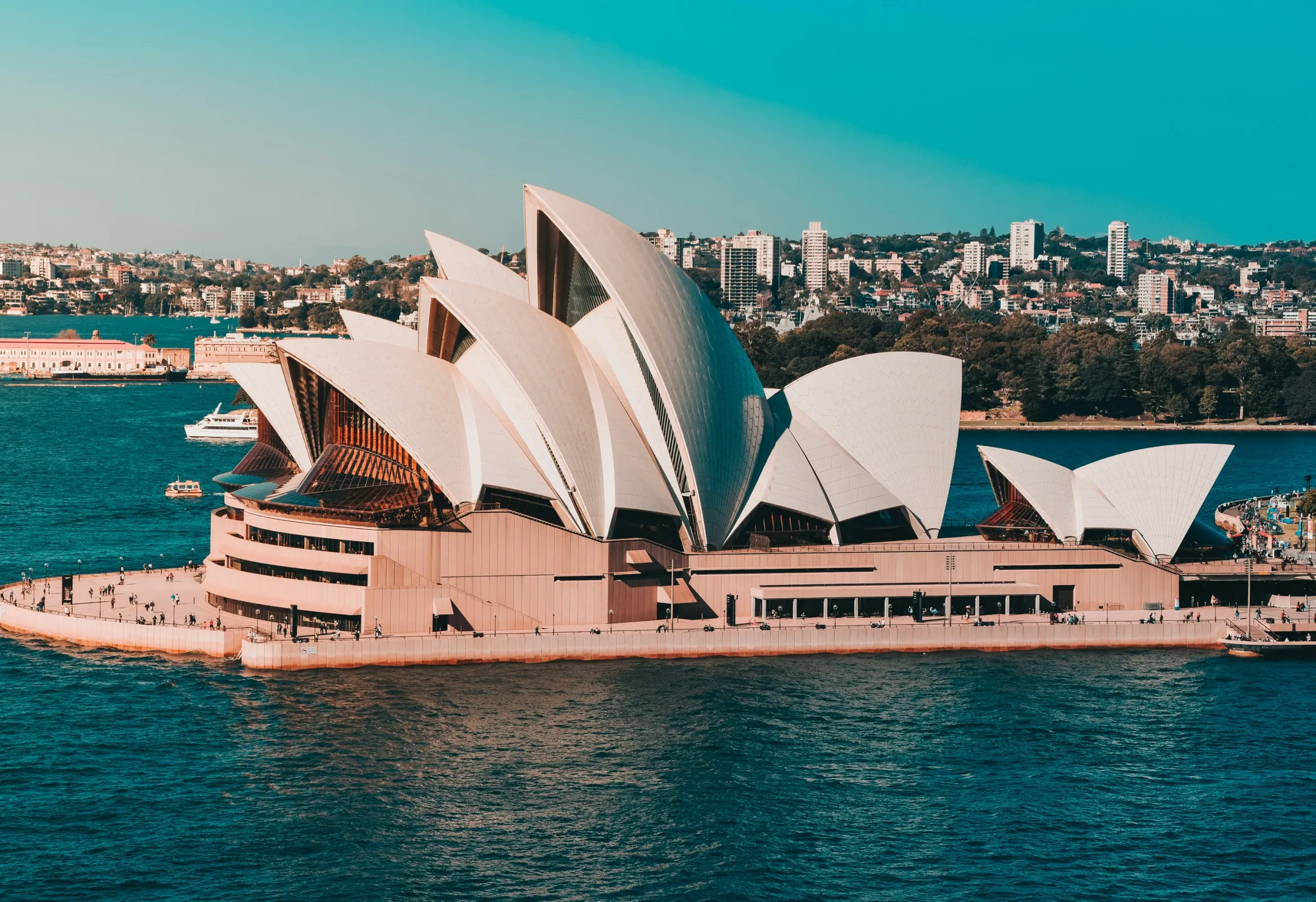
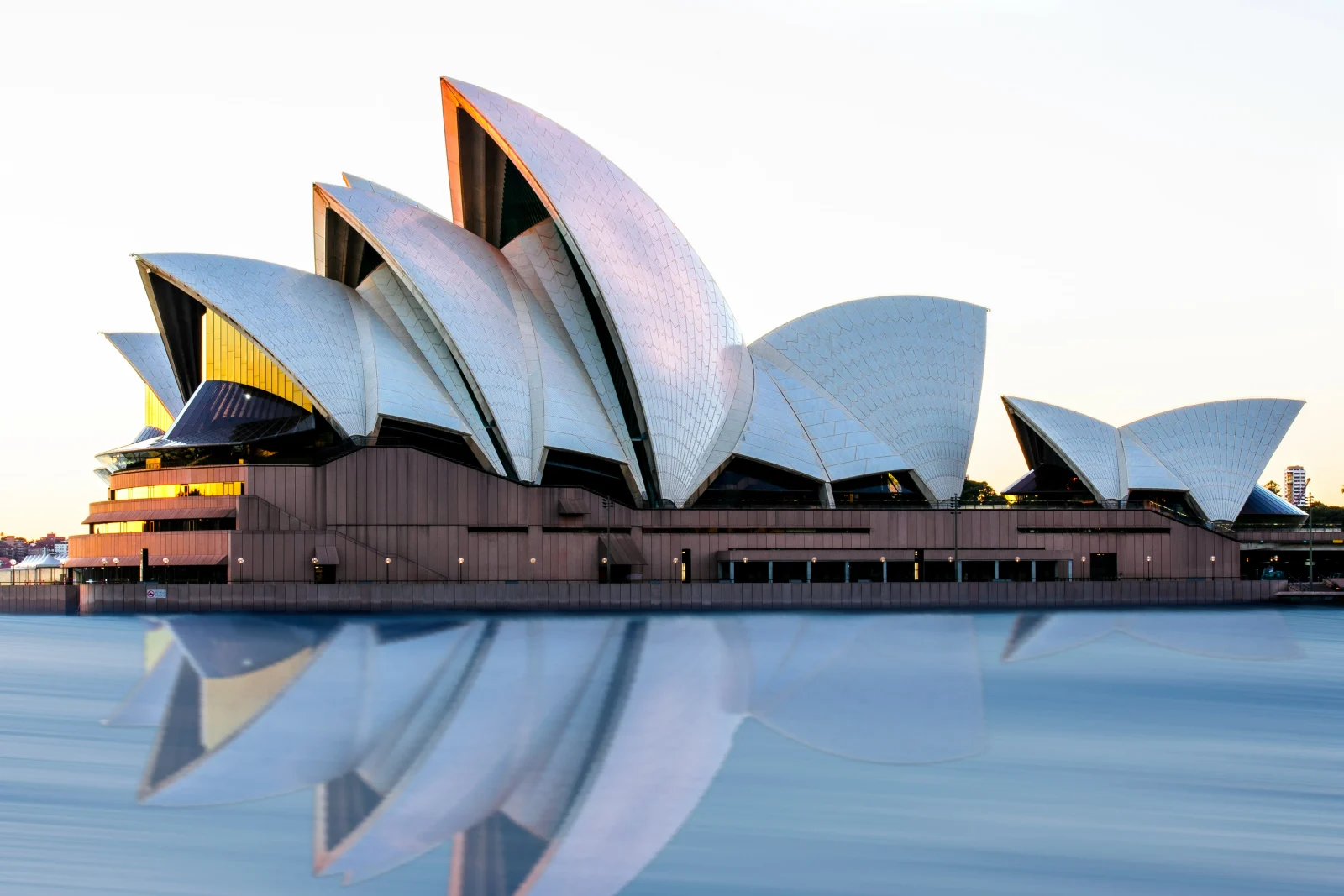
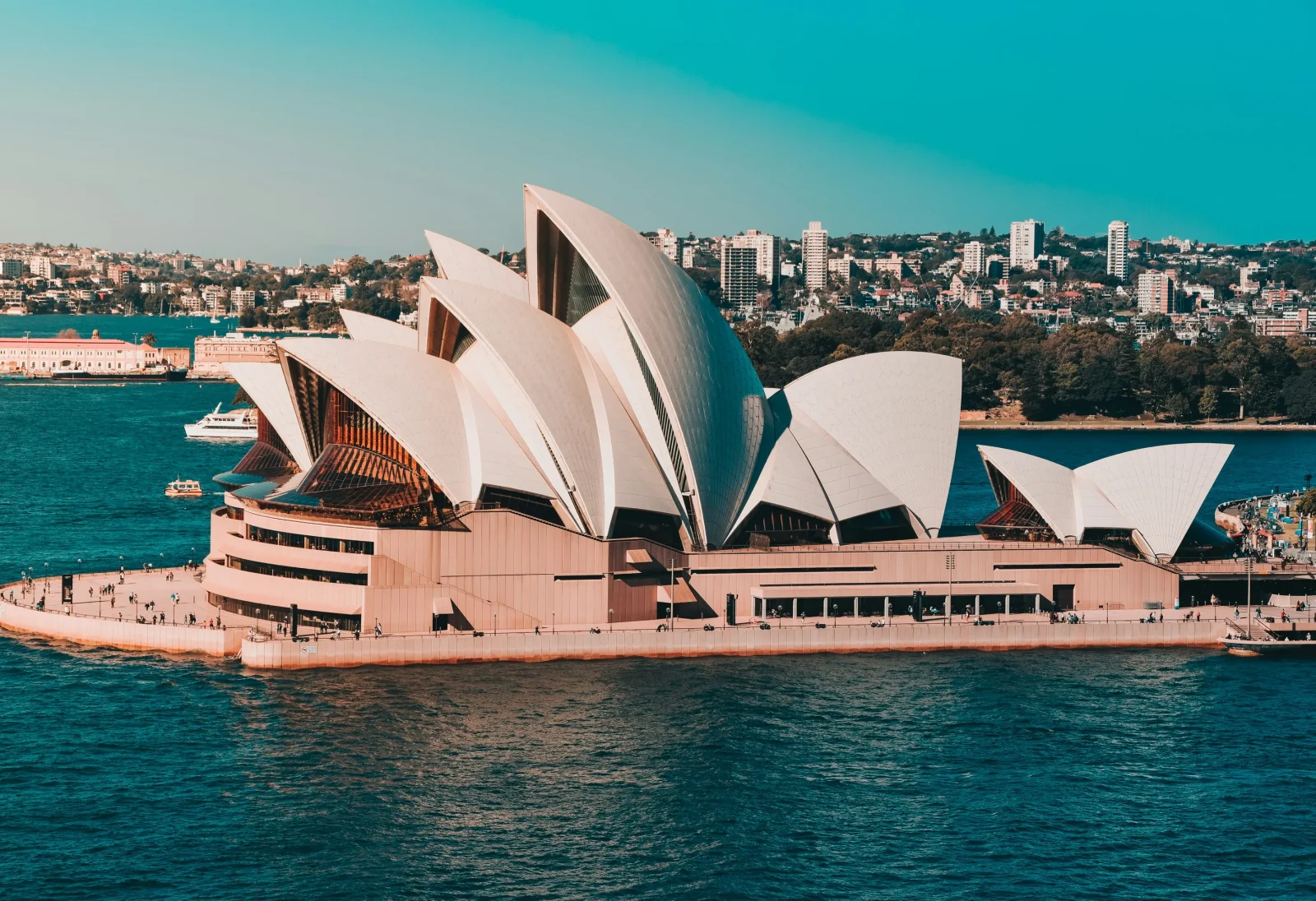
With its distinctive sail-like roof and dramatic waterfront setting, Jørn Utzon’s Sydney Opera House is one of the most recognizable buildings in the world. While globally admired today, it is also frequently cited as one of the most expensive construction and project-management failures in architectural history. Designed in the late 1950s with a vision that pushed the limits of engineering at the time, the project was initially planned to be completed in four years with a budget of 7 million Australian dollars.
When the building finally opened in 1973, construction had taken nearly 14 years, and costs had soared to approximately 102 million Australian dollars. The innovative roof, composed of precast concrete shell segments derived from a single spherical geometry, required years of experimentation and repeated redesigns before a viable construction method was achieved. Political disputes over cost, design control, and engineering decisions ultimately led to Utzon’s resignation before the project’s completion.
Compromises made during construction, including changes to the layout of the main performance halls, resulted in long-standing acoustic challenges, particularly for musicians. Addressing these issues later became part of a broader renewal program costing hundreds of millions of Australian dollars, aimed at upgrading acoustics, infrastructure, and building systems while preserving the Opera House’s iconic form.
10. The Aon Center – Marble Crisis
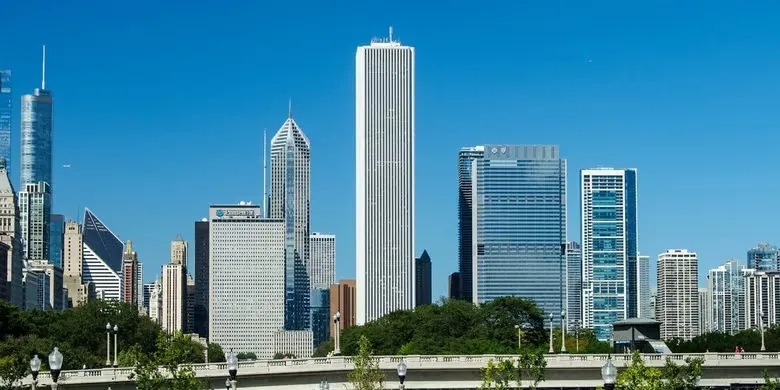
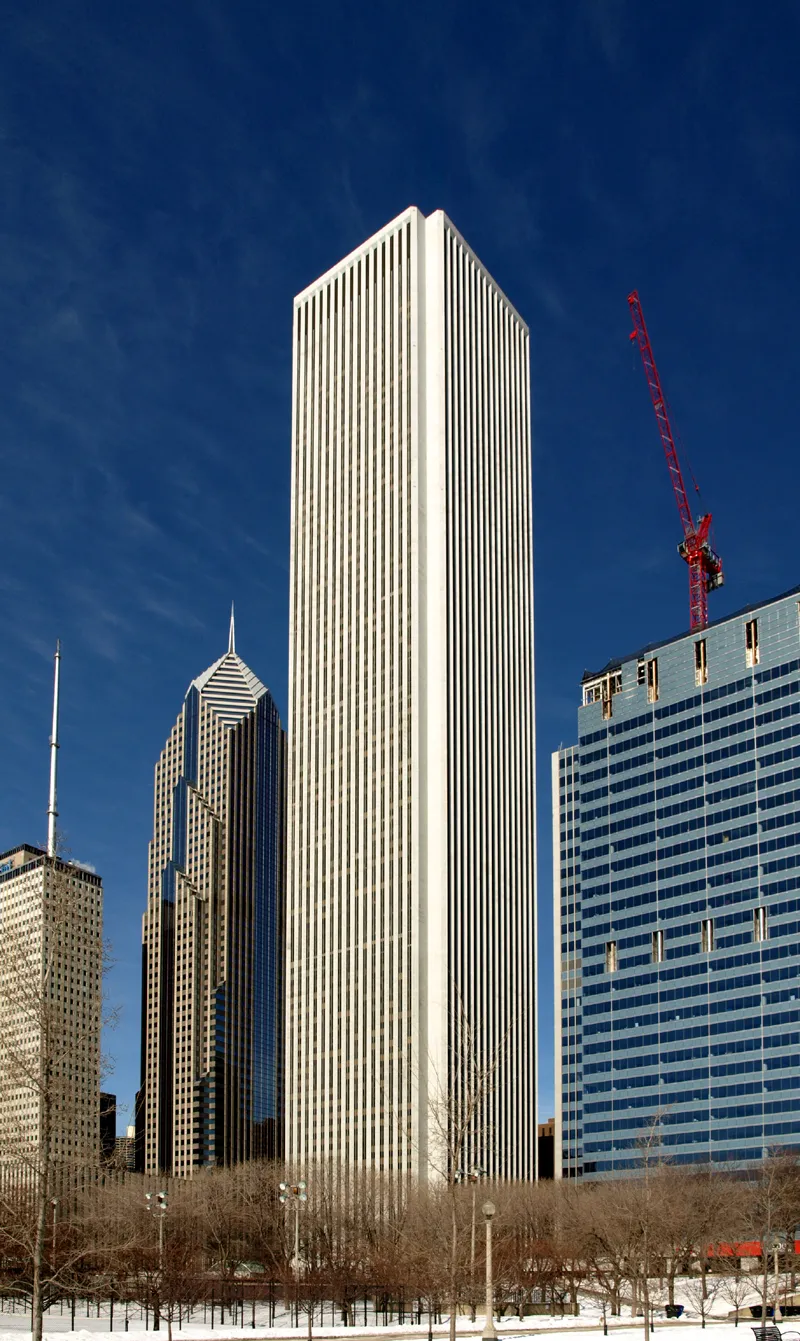
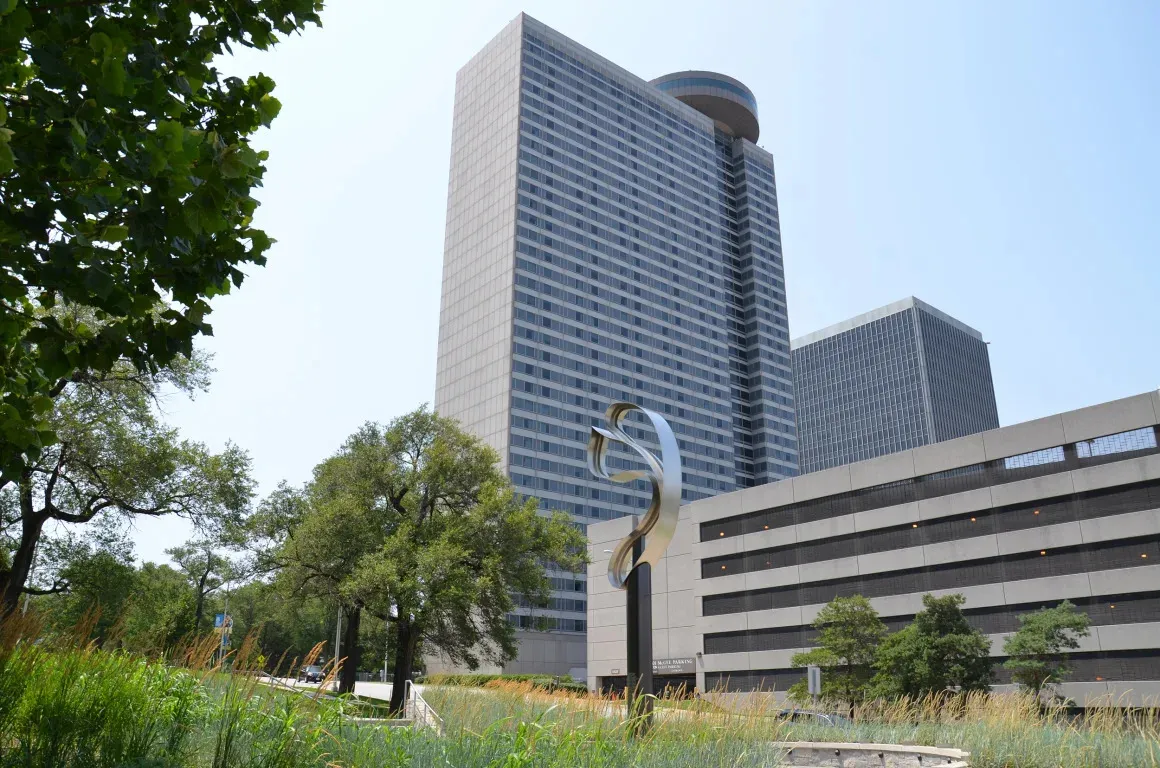
Built in 1974 as one of the city’s architectural wonders, the Aon Center, at over 330 meters, remains one of Chicago’s tallest buildings today. The simple, rectangular, tubular steel-framed structure was clad in elegant Italian Carrara marble, intended to convey an air of luxury and sophistication. Prioritizing aesthetics over durability, the building became the site of one of the world’s most expensive construction mistakes, highlighting how crucial material selection is in design.
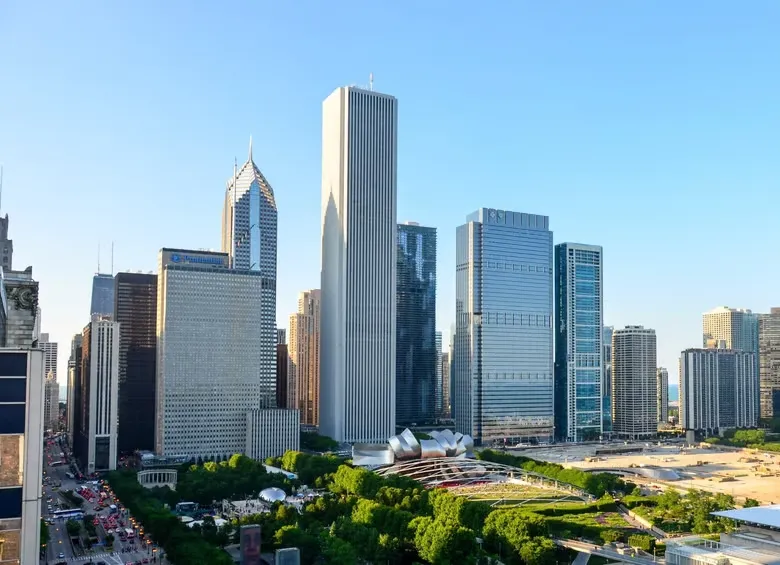
The marble panels chosen to enhance the façade’s elegance were not suitable for Chicago’s harsh climate of hot summers and freezing winters. Expanding and contracting with temperature changes, the marble began to crack, placing enormous stress on the building’s exterior. When a 136-kilogram marble slab fell from the tower and crashed onto the sidewalk below, all the marble panels had to be removed and replaced with granite. This entire process cost $80 million, more than half the building’s cost, demonstrating how expensive cladding the wrong materials can be.
Explore Courses
.jpg%202.jpg "Building Performance with Forma & Opossum")

.jpg "Ondrej Chybik - Rethinking Architecture")