

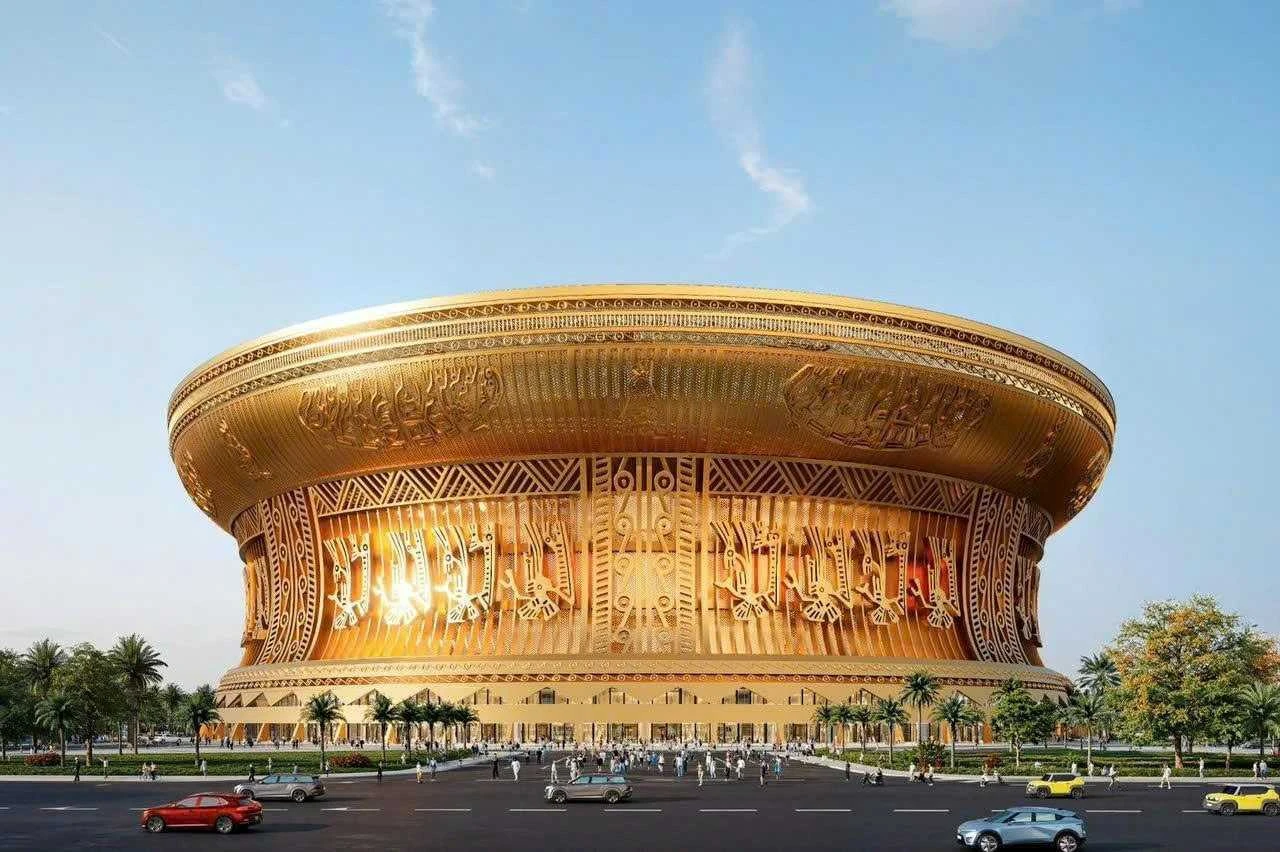
Vietnam has embarked on one of the largest sports infrastructure projects in the world: the construction of the Trong Dong Stadium, a football-specific venue designed to become the largest stadium in the world by spectator capacity. Situated on the southern outskirts of Hanoi, Vietnam, this stadium is reshaping ideas about scale, culture, and modern engineering in stadium architecture.
The stadium, named Trong Dong after the ancient bronze drums of Vietnam, an iconic symbol of local heritage, will accommodate approximately 135,000 spectators. At that size, it will eclipse current record holders like North Korea’s Rungrado 1st of May Stadium and India’s Narendra Modi Stadium in total capacity.
The design incorporates cutting-edge engineering with cultural expression. The façade will incorporate Lạc bird motifs and elements inspired by Đông Sơn drums, grounding the massive structure in Vietnam’s visual identity. The stadium is designed with a retractable roof and a movable pitch system, both significant engineering features that enable rapid transformation between sporting events and large-scale shows or cultural events.
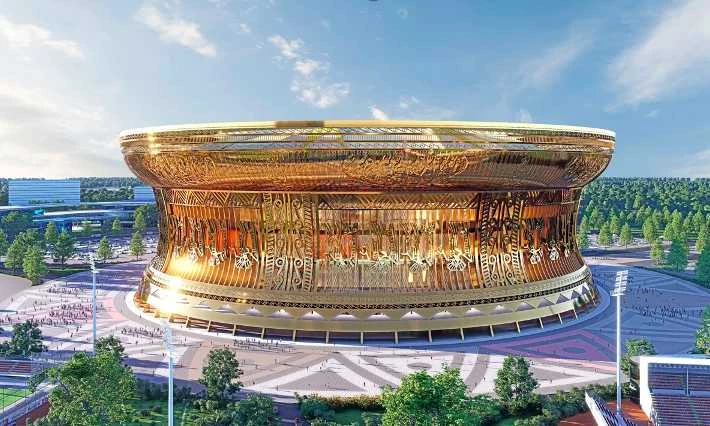
The construction philosophy reflects a global trend toward flexible venues that no longer function solely as sports arenas but as multipurpose cultural hubs. The movable pitch, for example, is expected to retract in a matter of hours, giving event planners more options for configuring the interior. Advanced telecommunications infrastructure and support systems will be integrated from the outset to meet international broadcasting and operational standards.
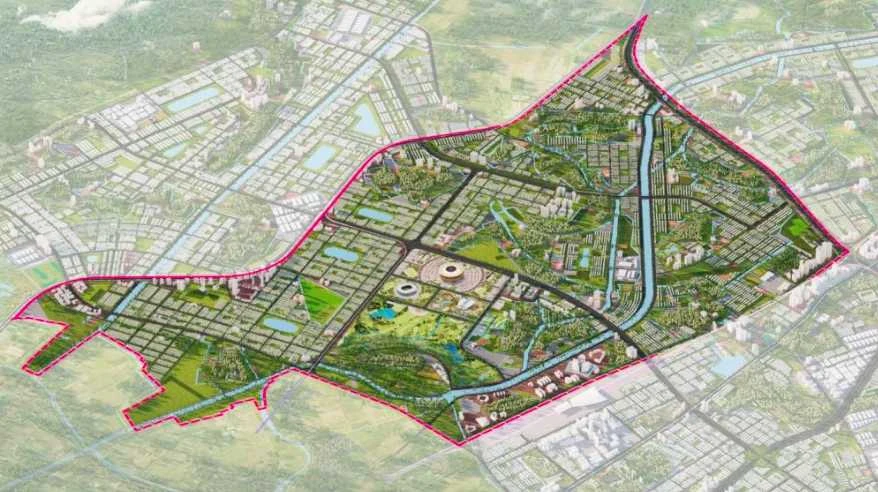
This stadium is at the core of Hanoi’s Olympic Sports Urban Area, an urban development spanning over 9,000 hectares that includes housing for roughly 750,000 residents, transport links, healthcare facilities, and complementary sports venues. With a total estimated investment of more than USD 35–38 billion, the project aims to elevate Hanoi’s global profile and open the door to hosting major international competitions, including future editions of the Asian Games or Olympic qualifiers.
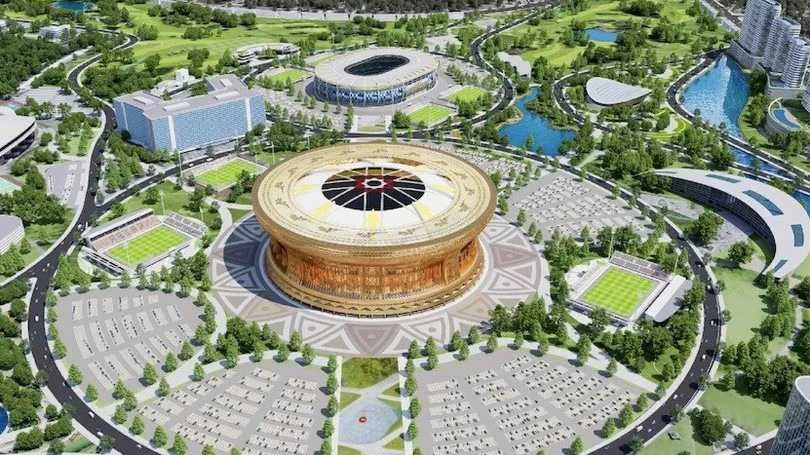
Construction officially began with a groundbreaking event in December 2025, and planners are targeting August 2028 for stadium completion. If timelines hold, Trong Dong will not only be a world record-breaker in size but also a showcase of Vietnamese architectural identity and a centerpiece of the region’s long-term development strategy.
In a region rapidly expanding its sports infrastructure with other new venues like Hanoi’s PVF Stadium (≈60,000 seats) and the Rach Chiec Stadium in Ho Chi Minh City, Trong Dong stands apart for its scale and ambition. It’s a bold technical undertaking and a vivid statement about Vietnam’s aspirations on the world stage of sports and urban design.
Image credit: © Trong Dong Stadium/StadiumDB.com
Explore Courses
.jpg "Ondrej Chybik - Rethinking Architecture")