


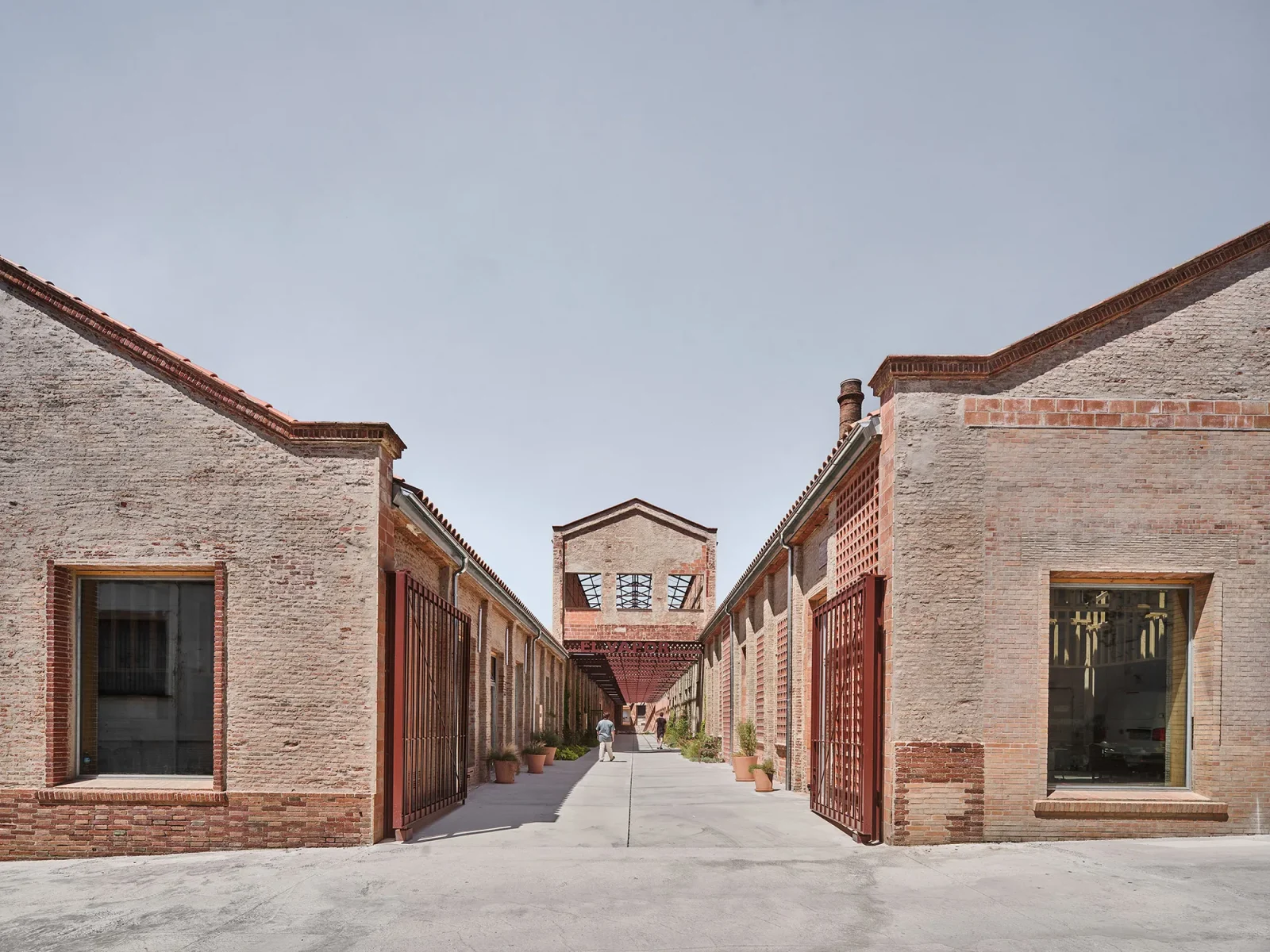
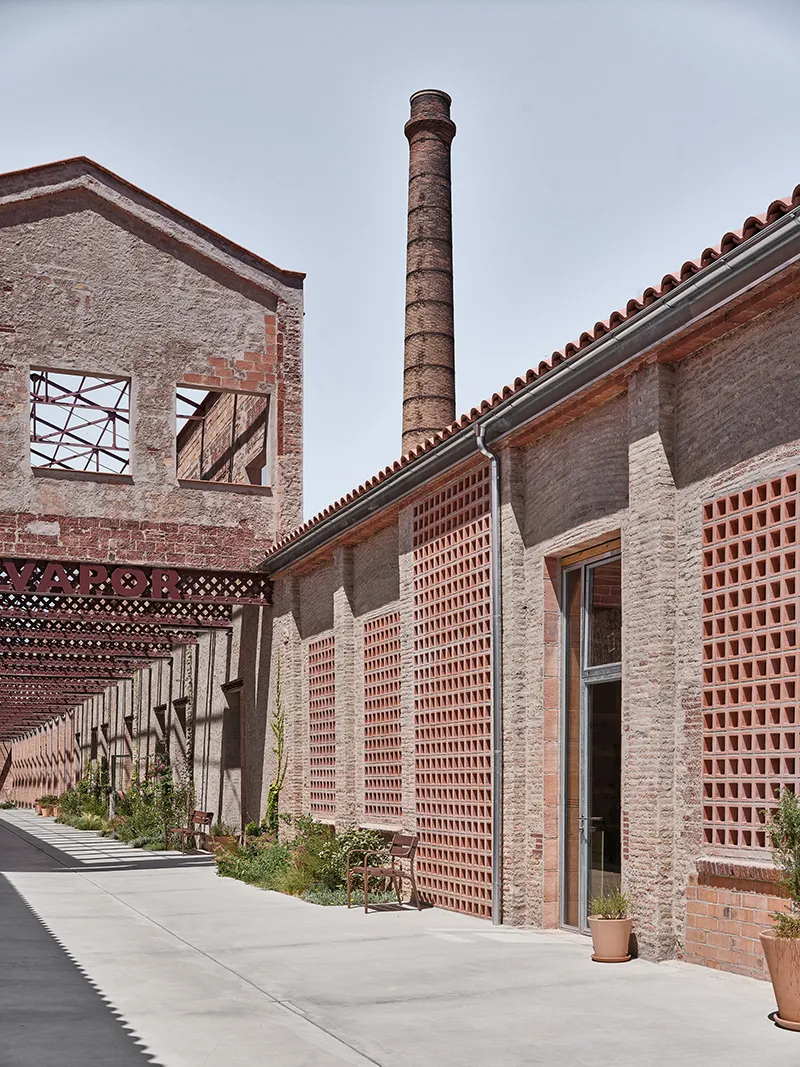
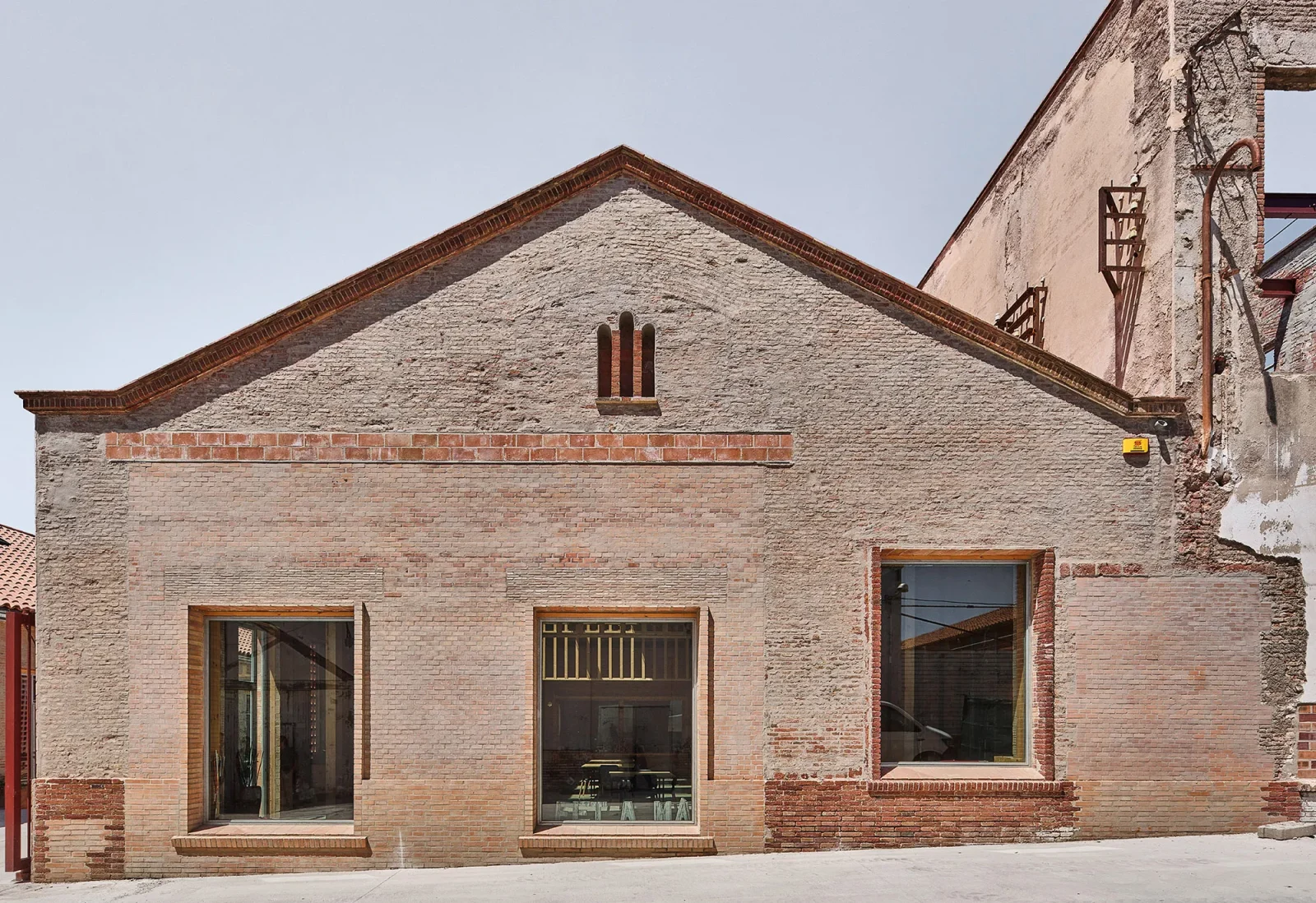
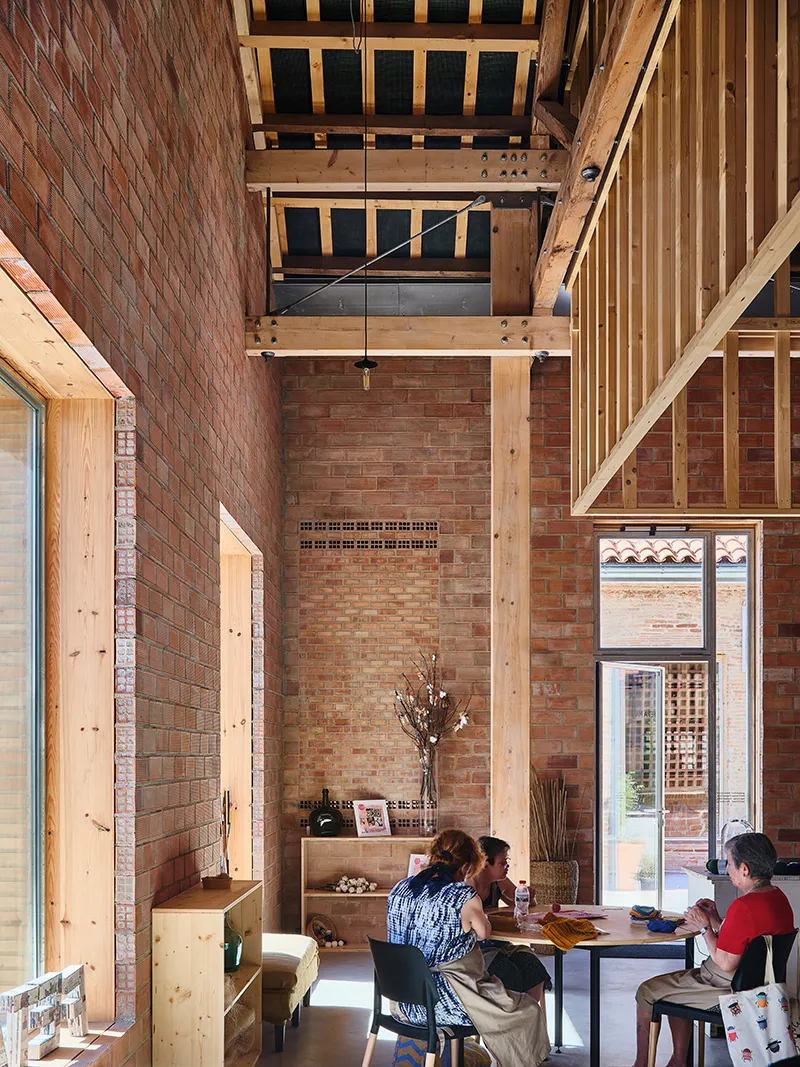
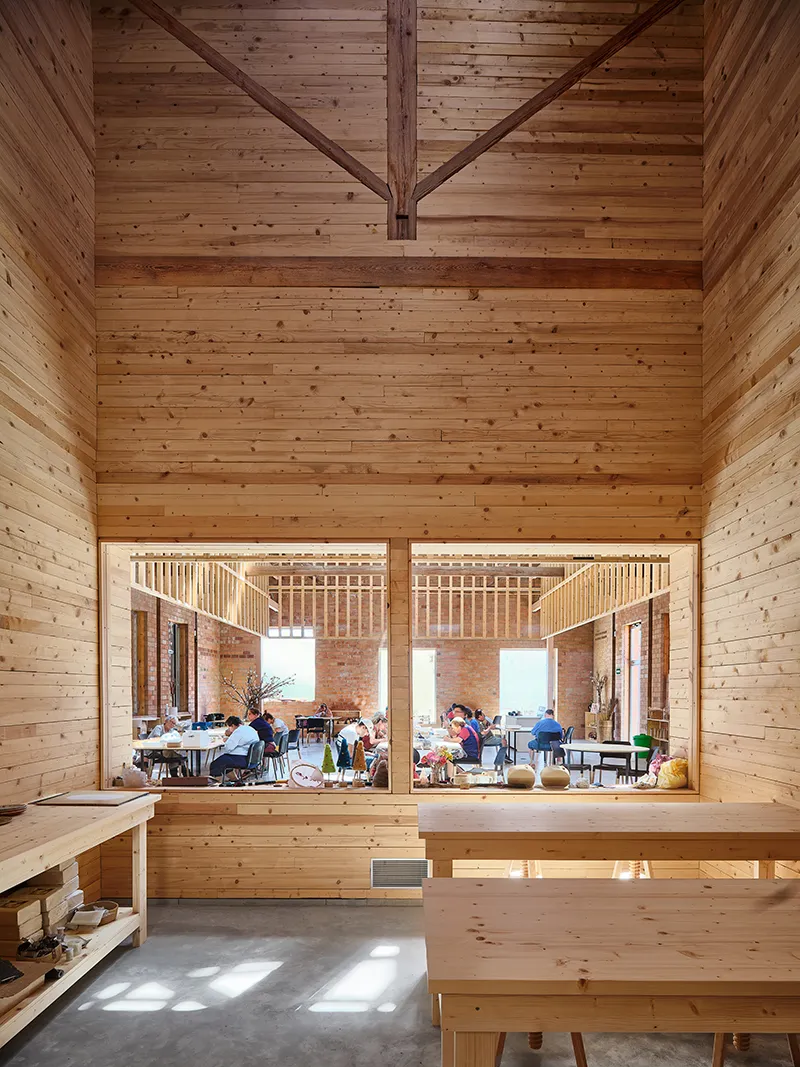
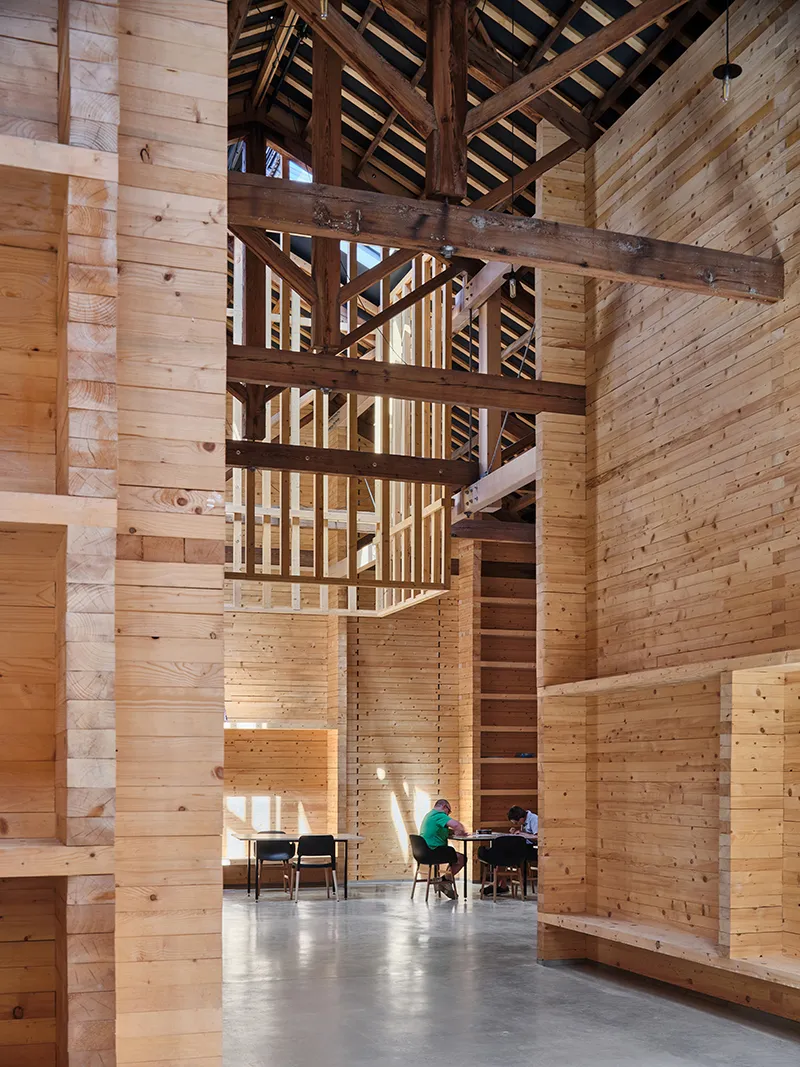
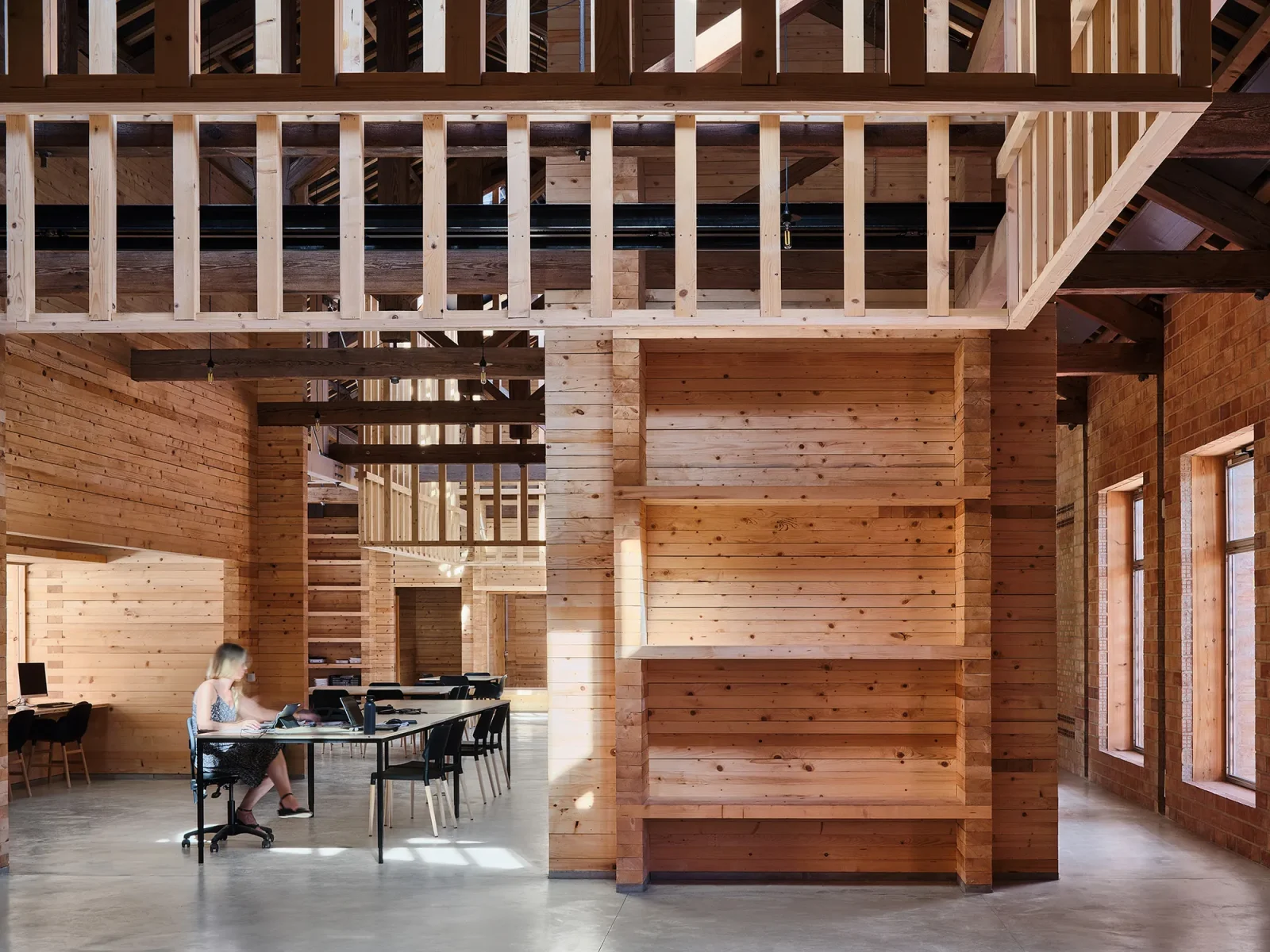
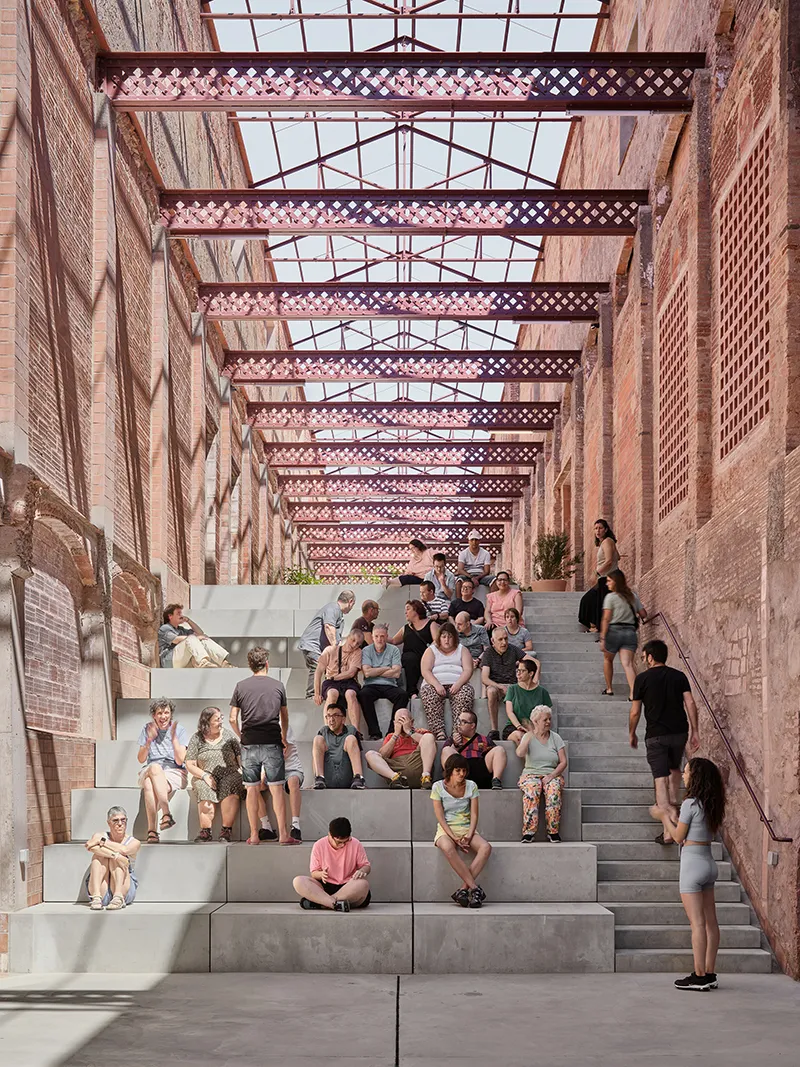
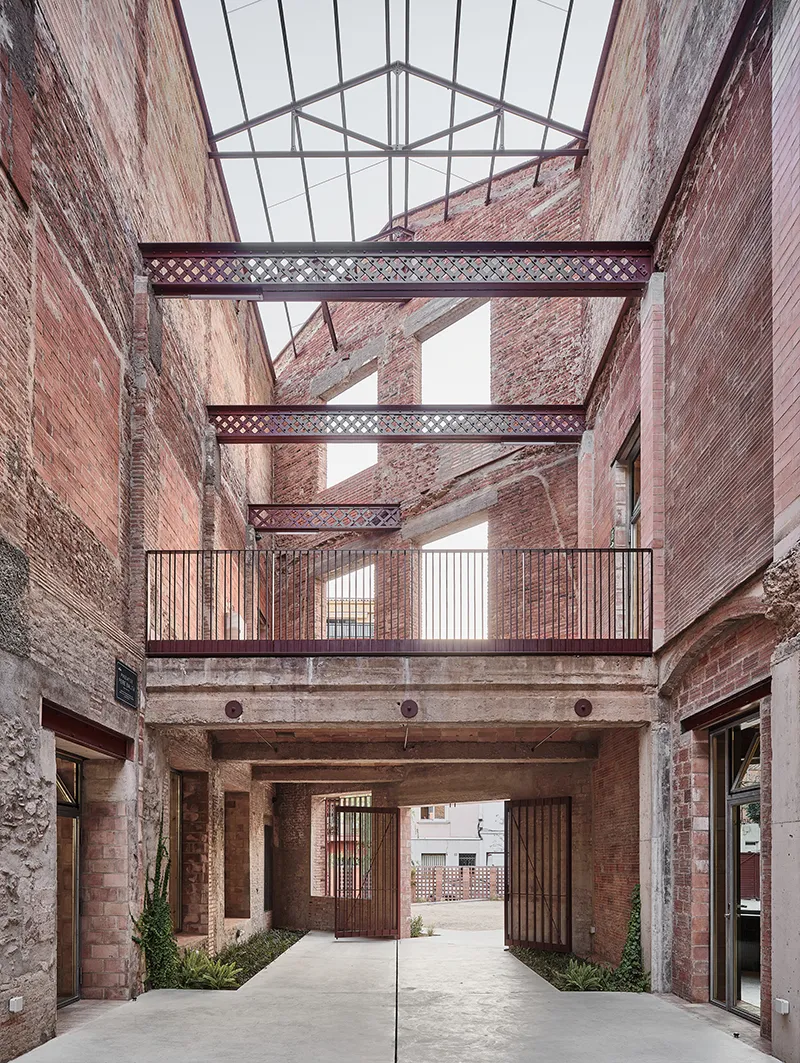
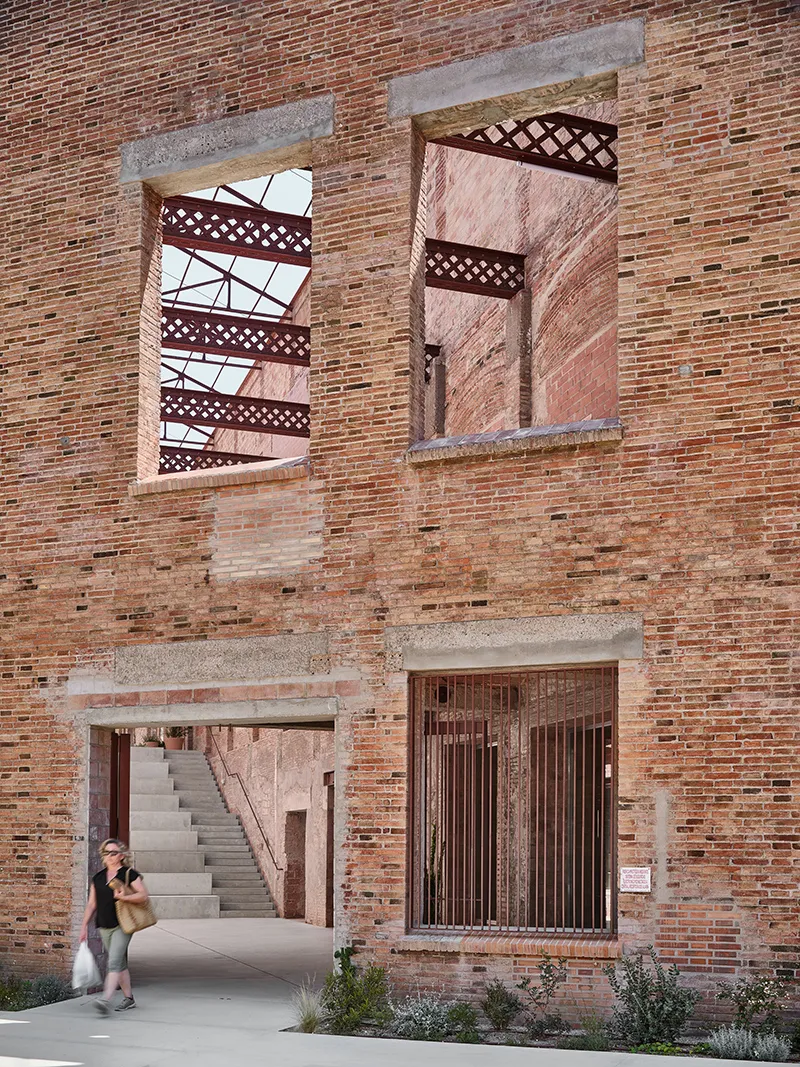
In Terrassa, near Barcelona, the Prodis Headquarters is a rehabilitation project that transforms former industrial buildings of Vapor Marqués into a place of care, dignity, and connection. The project doesn’t try to smooth over the past, but it keeps the textures, marks, and irregularities that tell its story.
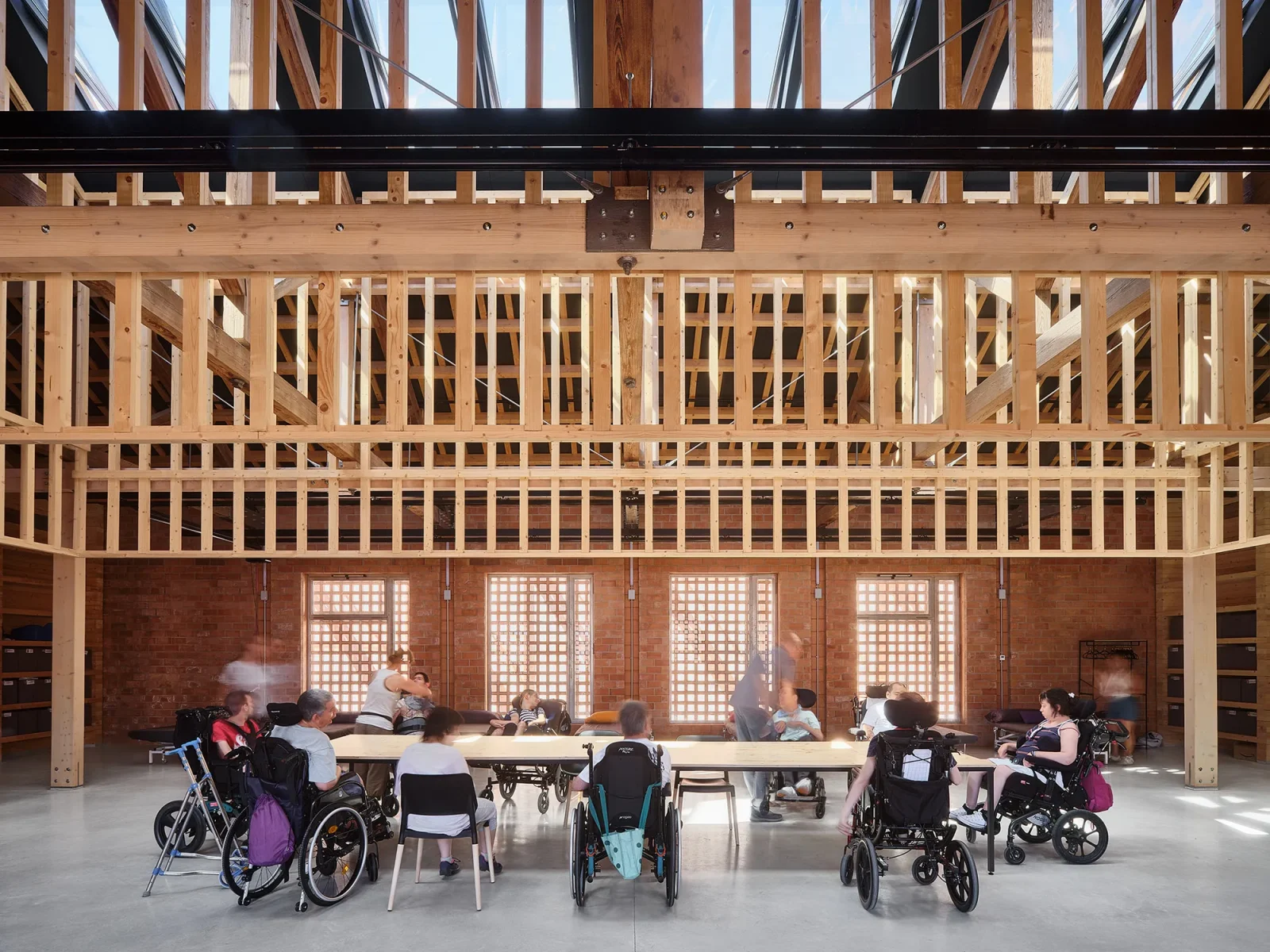
Instead of erasing what existed, the architecture works with it. Rough edges and layered histories become part of a more humane environment, where people feel seen rather than hidden. This approach reflects the foundation’s deeper purpose: creating spaces that support social interaction, celebrate individuality, and bring visibility to people with disabilities.
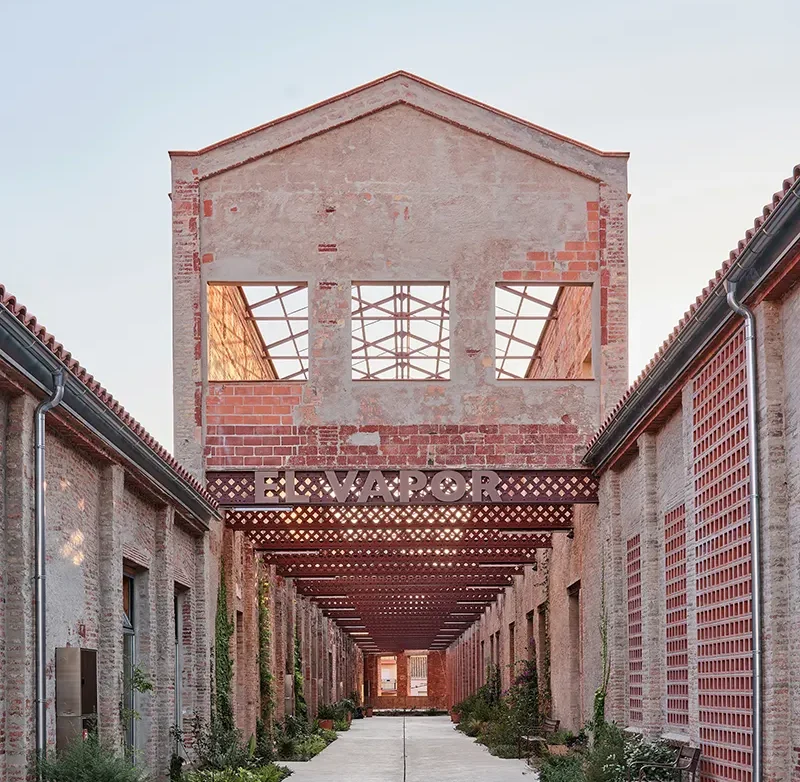
What emerges is not just a renovation, but a shift in perspective, where an industrial past is gently reshaped into an inclusive, forward-looking everyday experience.
Preserves Industrial Memory While Redesigning Its Urban Core
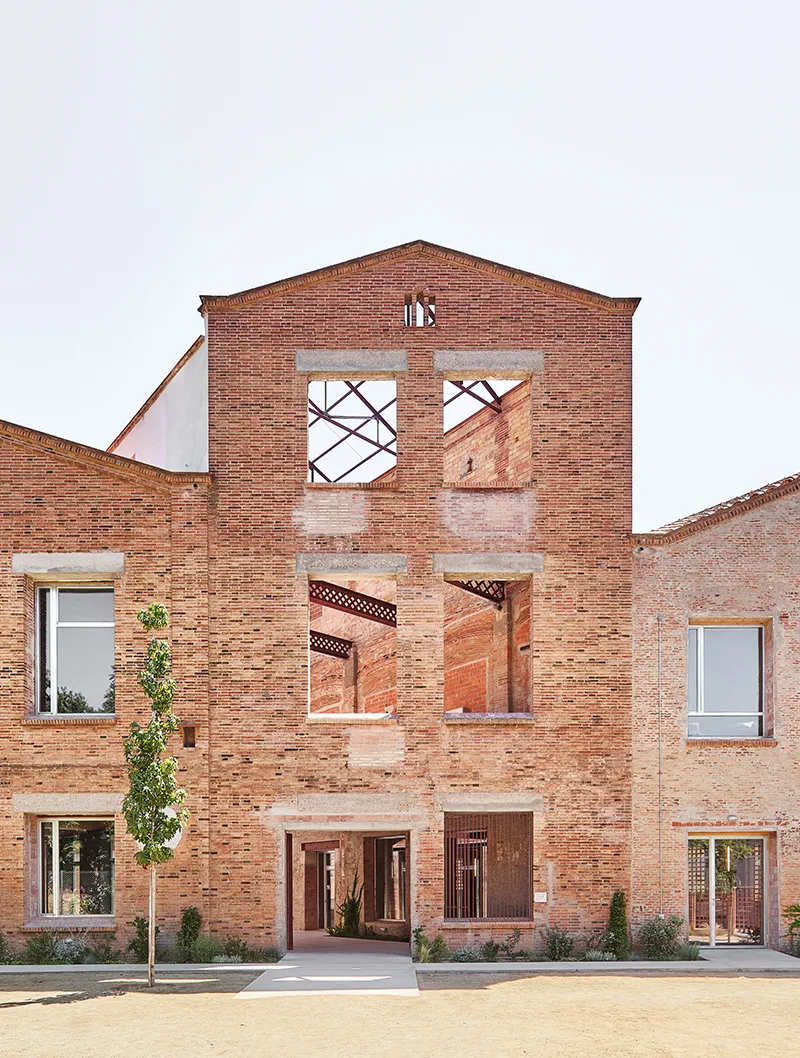
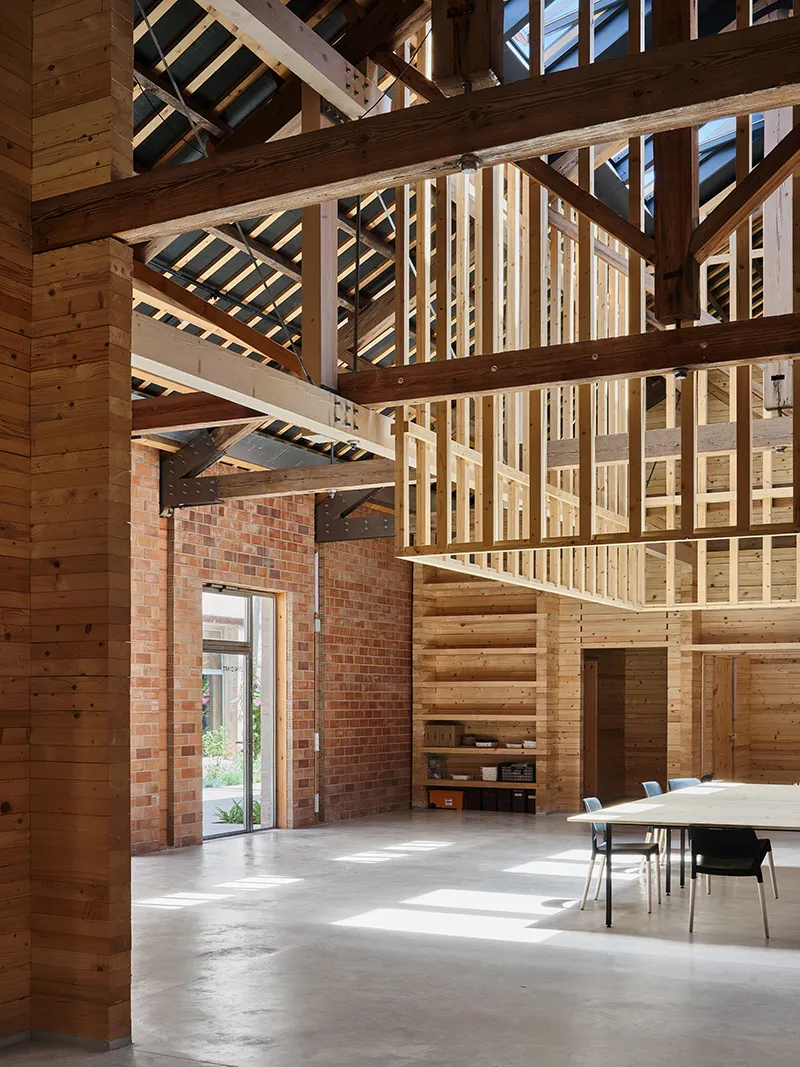
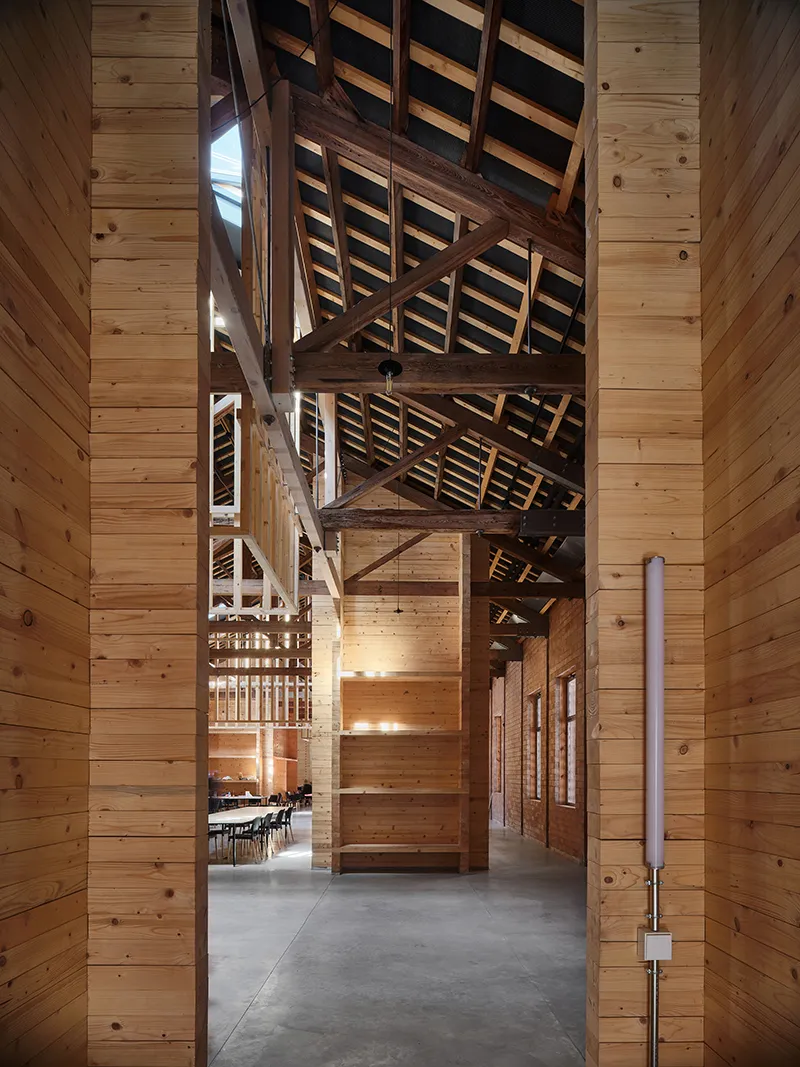
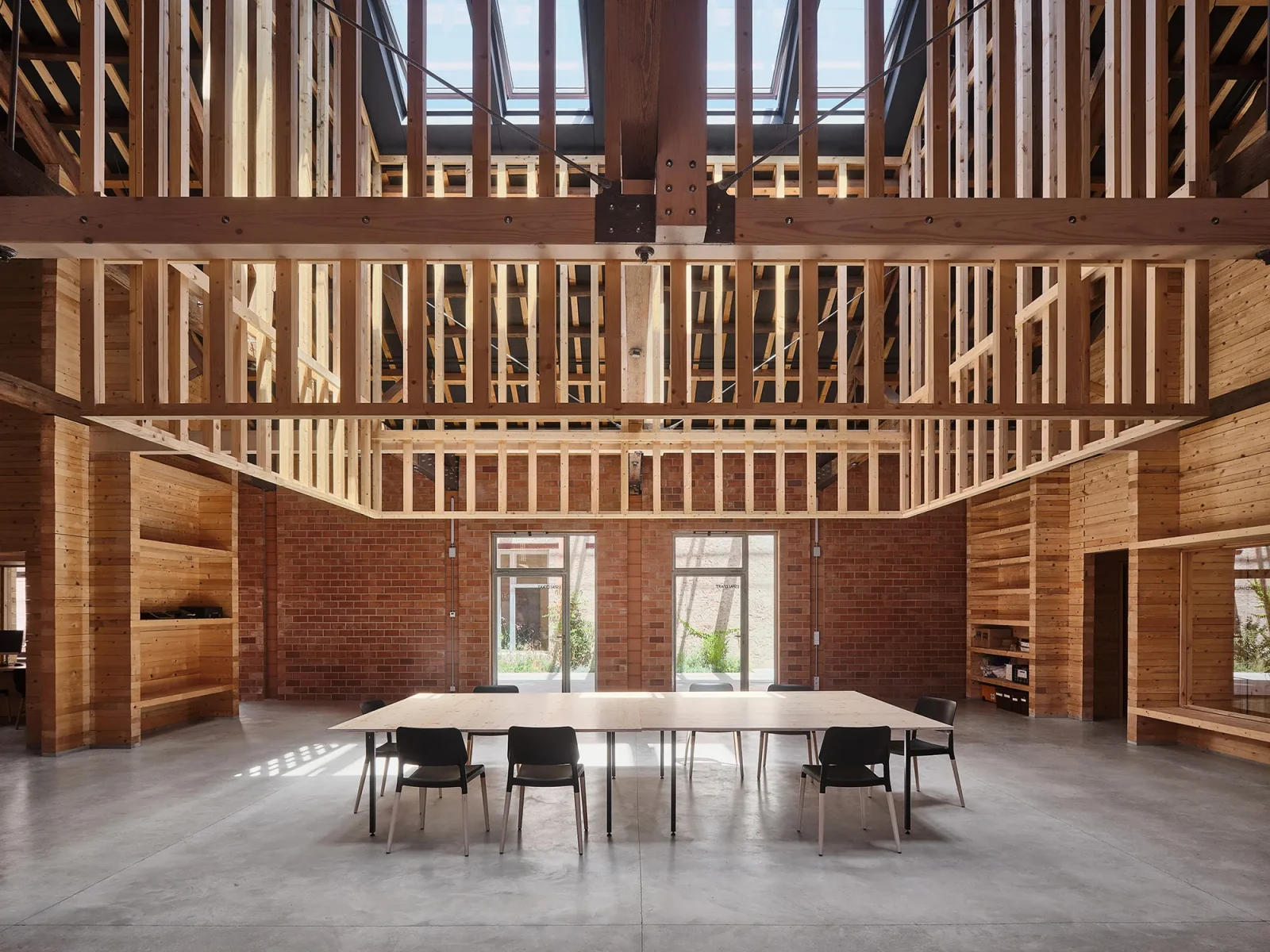
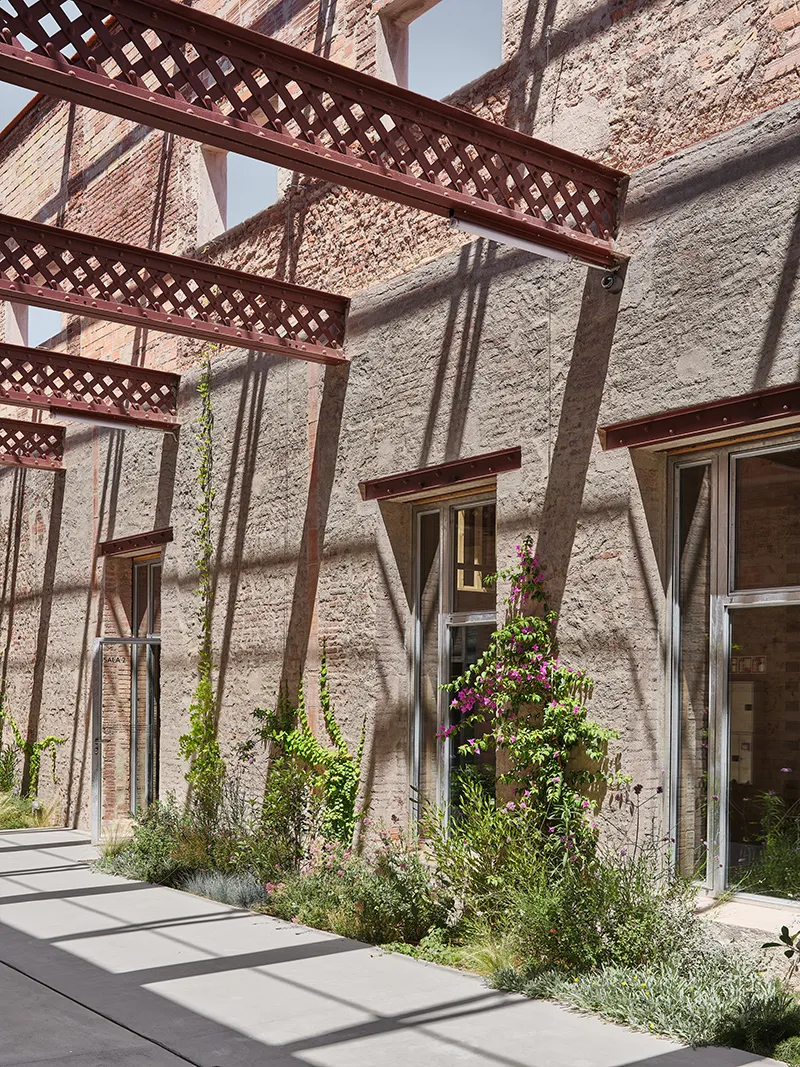
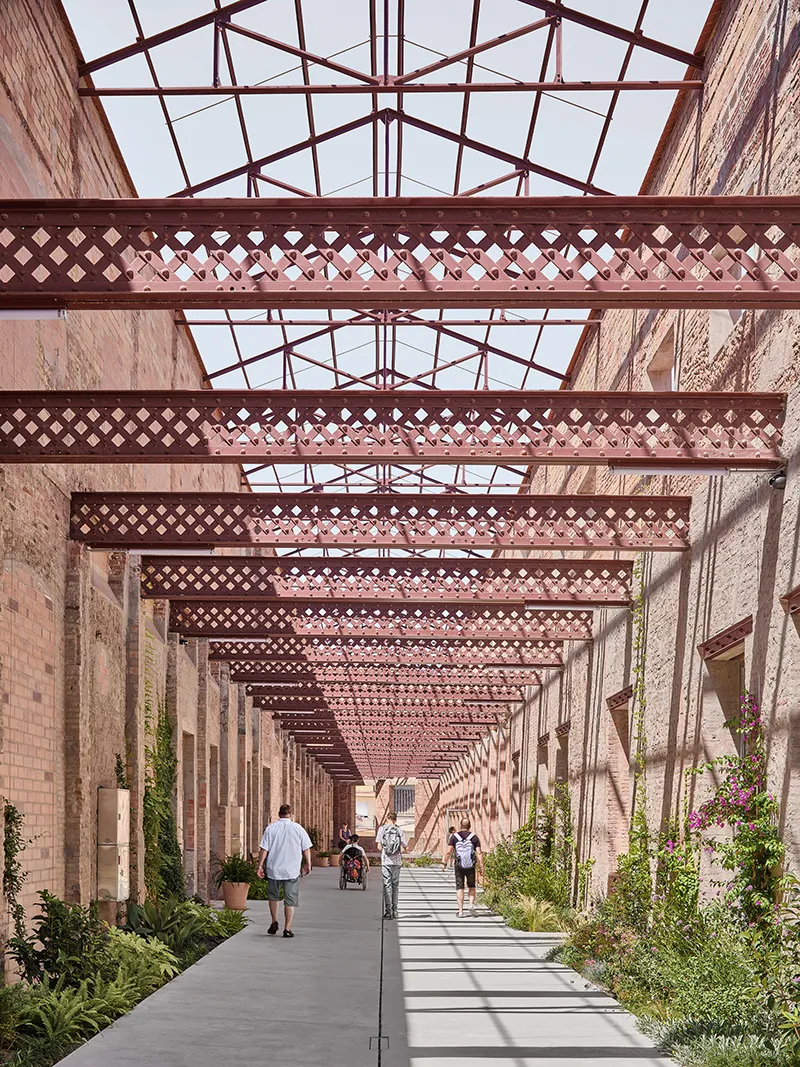
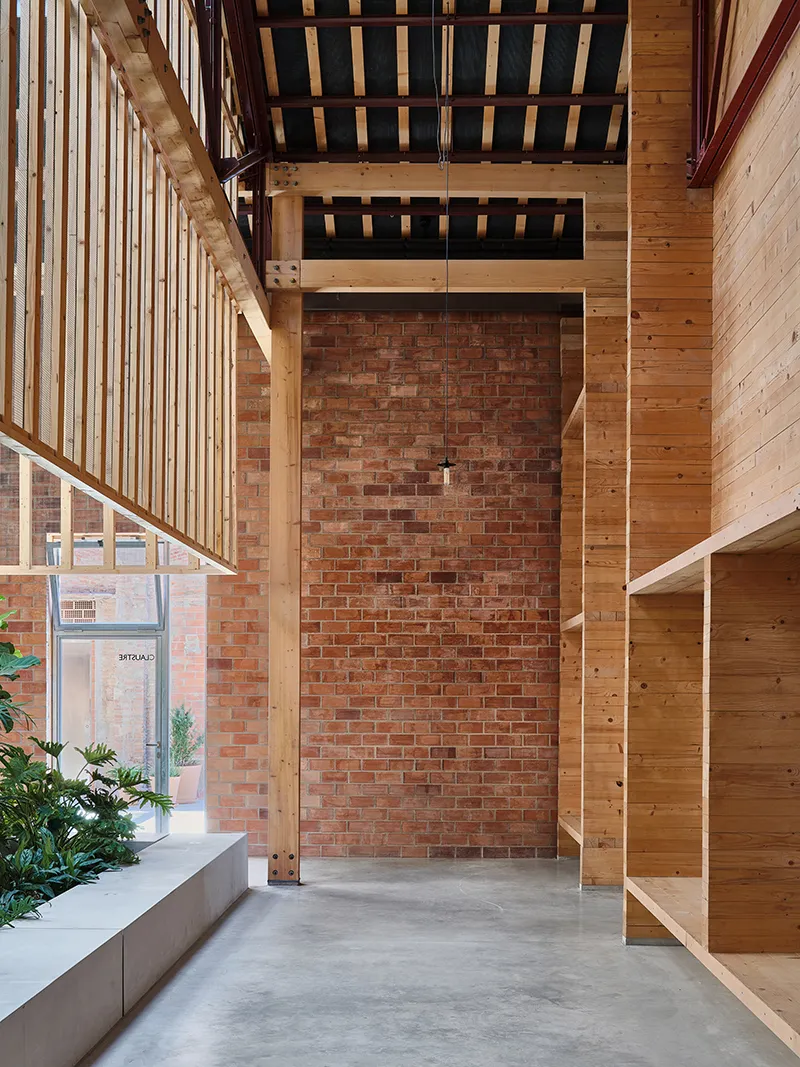
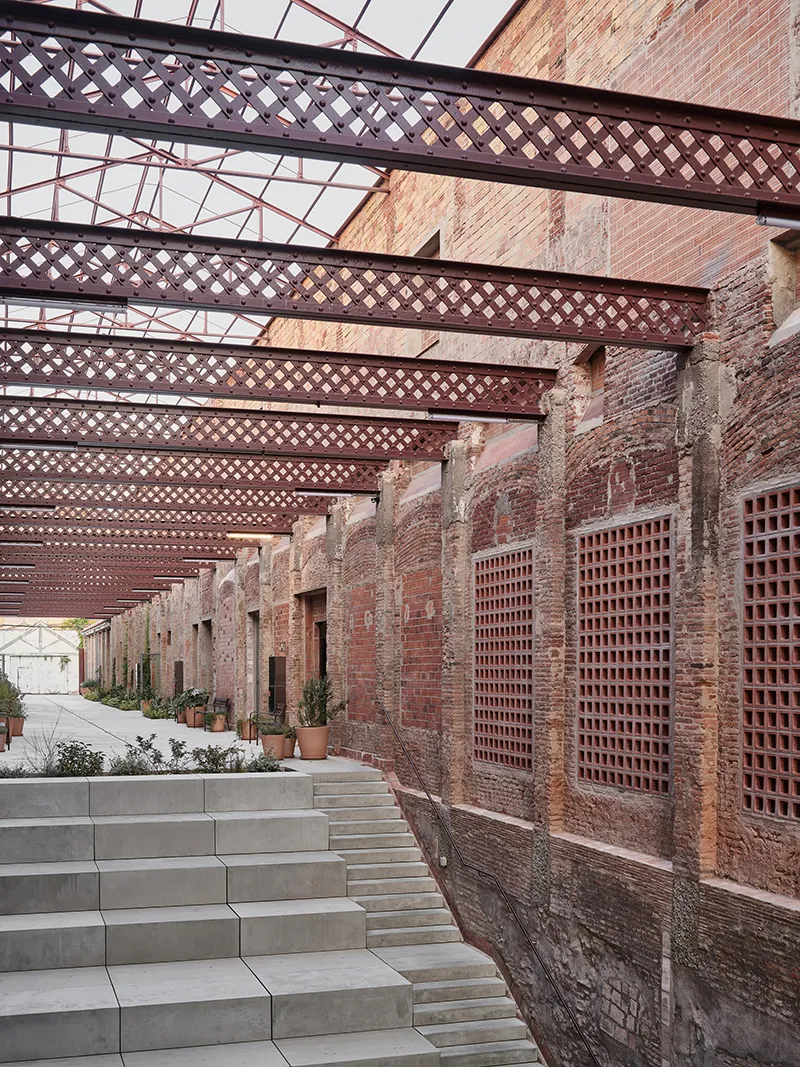
The project retains the essence of the original warehouses with ceramic brick walls, rhythmic pilasters, and wooden trusses while embracing the marks of time. At its center, the former service street is reclaimed as a public passage, becoming an interior urban spine. By removing sections of the roof and floors, the space opens to light, air, and rain, blurring boundaries between inside and outside while preserving the memory embedded in its structure.
Creates a Social Spine That Connects People, Programs, and the City
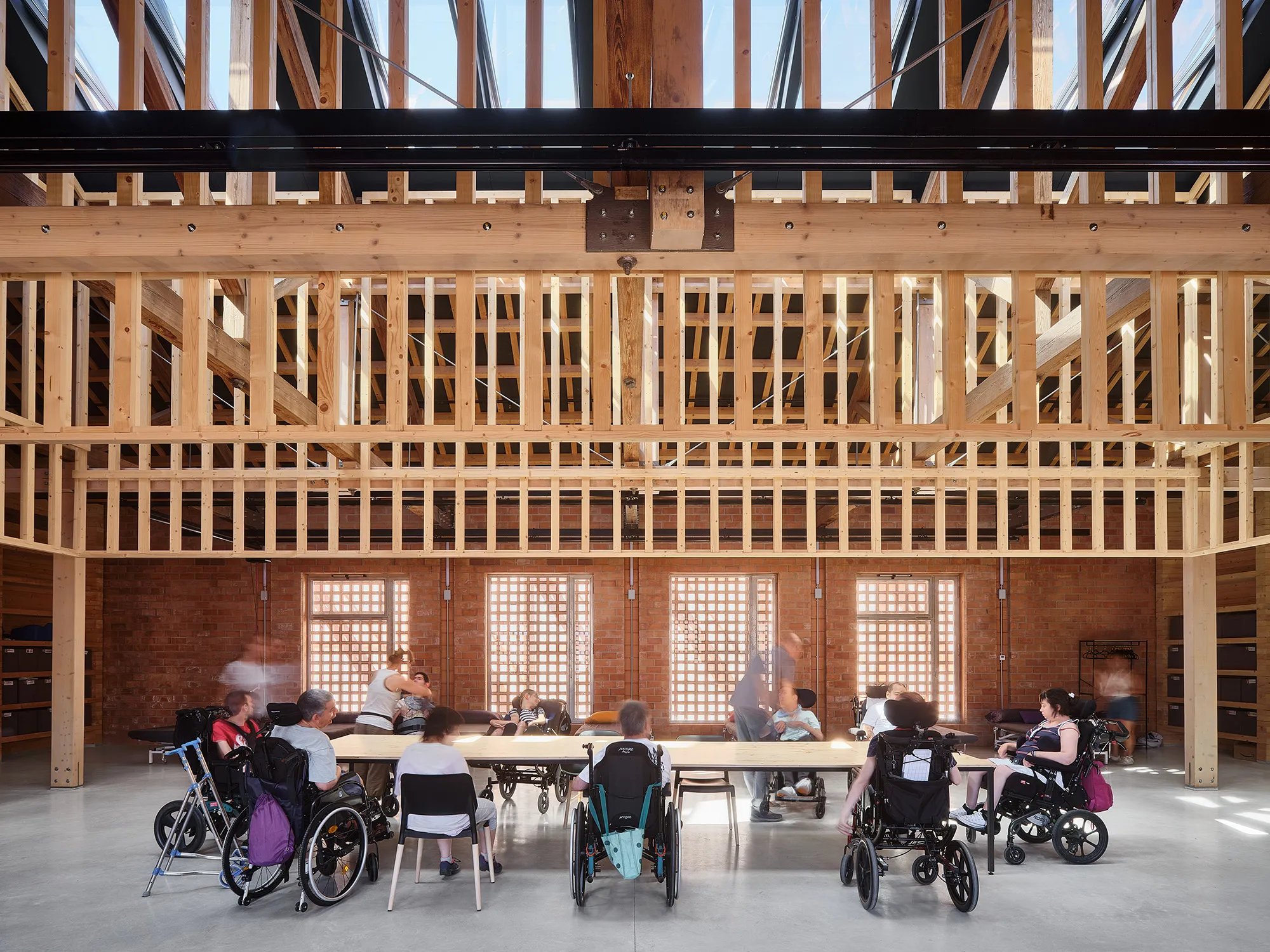
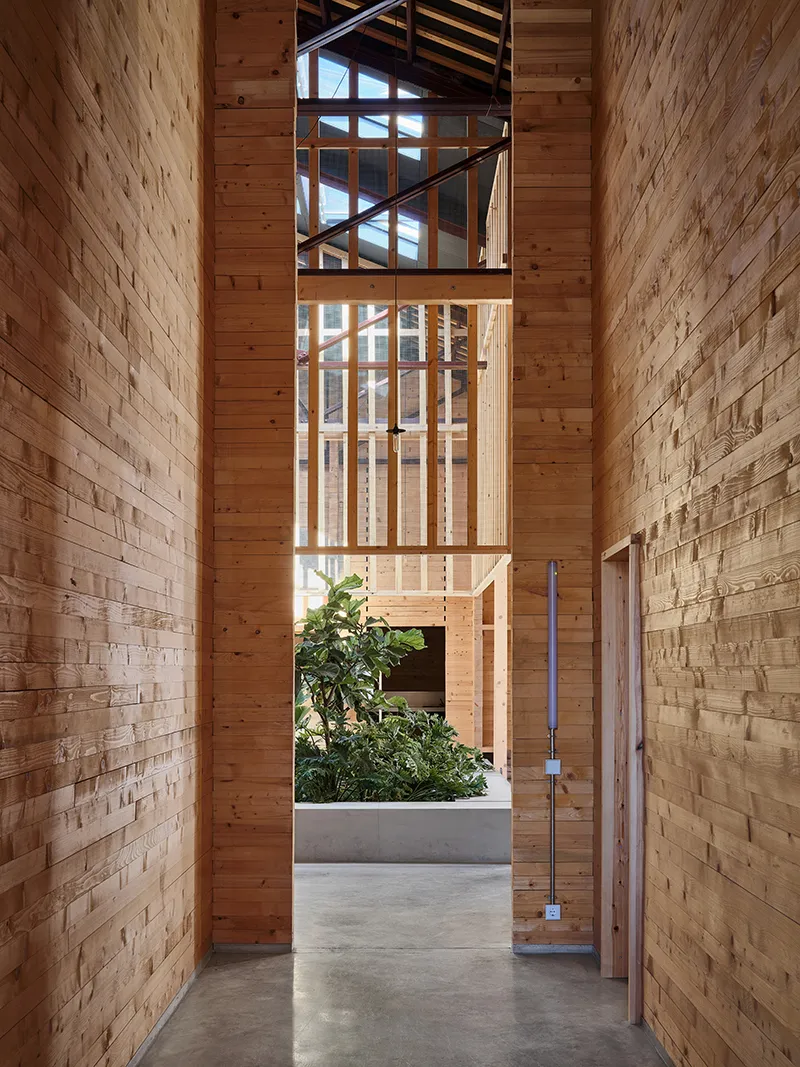
A central passage organizes movement and activity, where rehabilitation transforms the building into a porous extension of the city. Workshops, classrooms, kitchens, and dining spaces line the two main naves, each directly accessed from this shared internal street. At one end, a staircase resolves level differences while doubling as a gathering space, turning circulation into interaction and reinforcing a sense of openness and inclusion.
Uses Structure and Material to Shape Space, Light, and Hierarchy
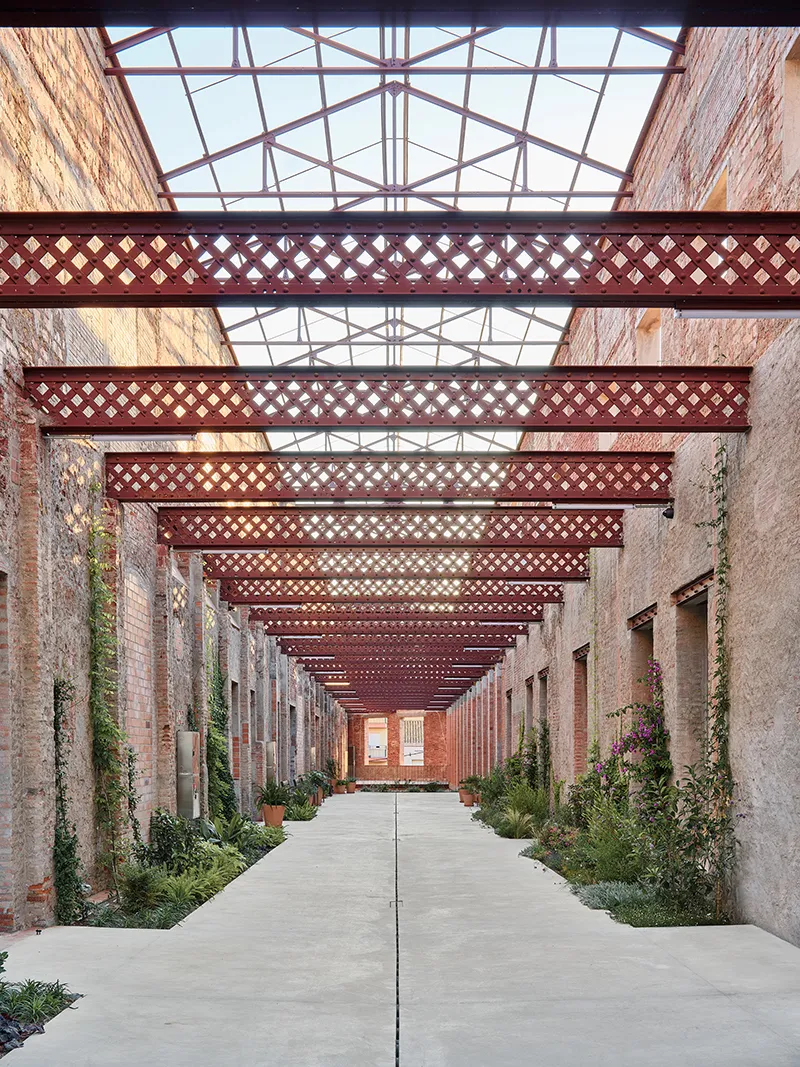
New beams intersect existing trusses to form a bidirectional structural system, reinforcing the project’s industrial heritage while preserving the old and enabling new spatial organization. Enclosed volumes act as structural anchors, while skylights emerge at key intersections, bringing natural light to the center of each space. The material language extends the original wood layering, creating continuity between past and present, where industrial heritage is not just retained but reinterpreted to subtly define spatial hierarchies.
Integrates Climate, Light, and Imperfection into Everyday Experience
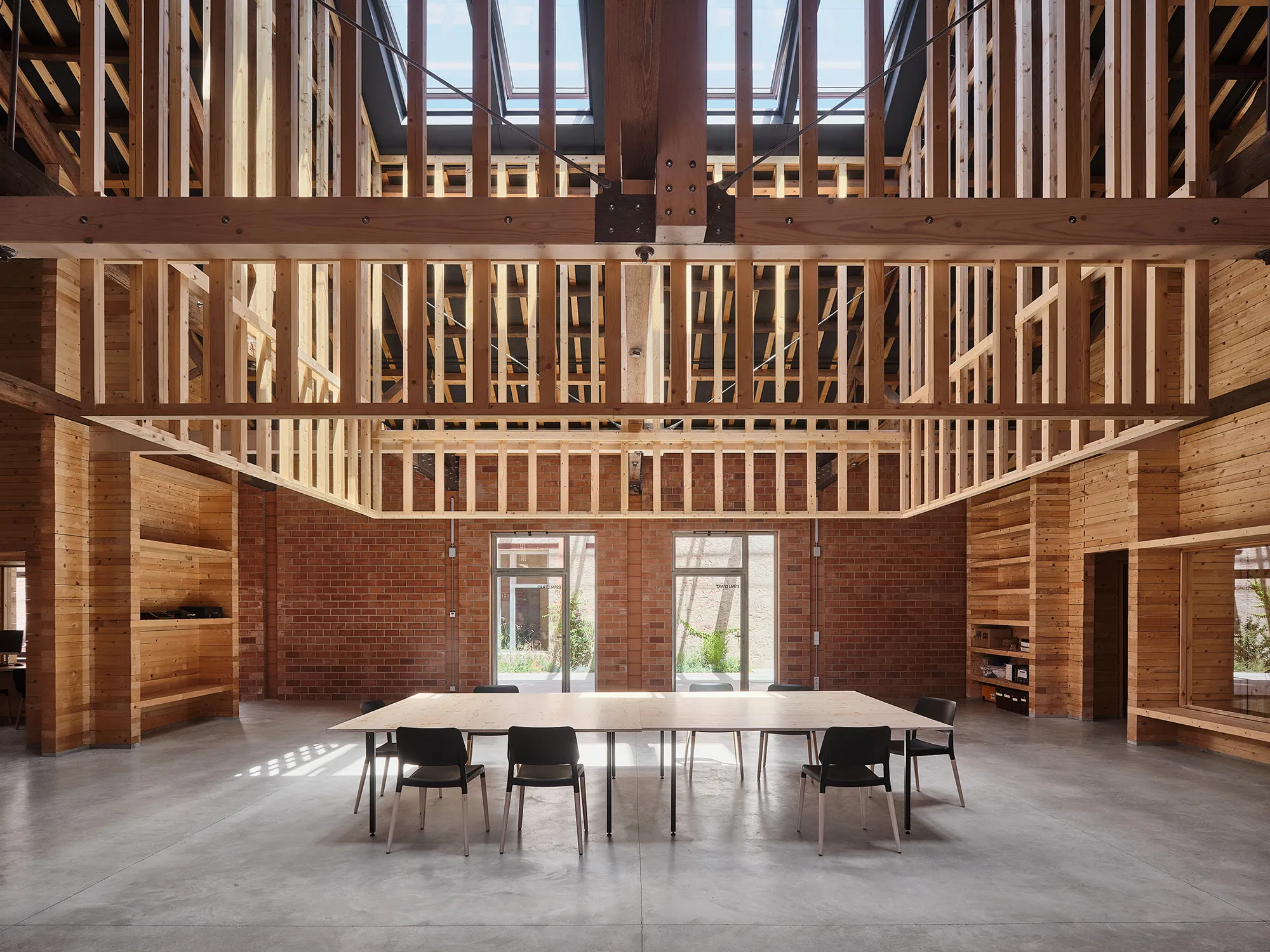
Minimal interventions guide the rehabilitation, preserving the building’s character by retaining its “wounds and wrinkles” while improving performance. Internal insulation, restored openings, trombe walls, and natural ventilation ensure efficient passive functioning. The building exists between interior and exterior conditions, where light, air, and climate actively shape the experience—making rehabilitation not just technical, but deeply atmospheric, supporting environmental comfort and emotional connection.
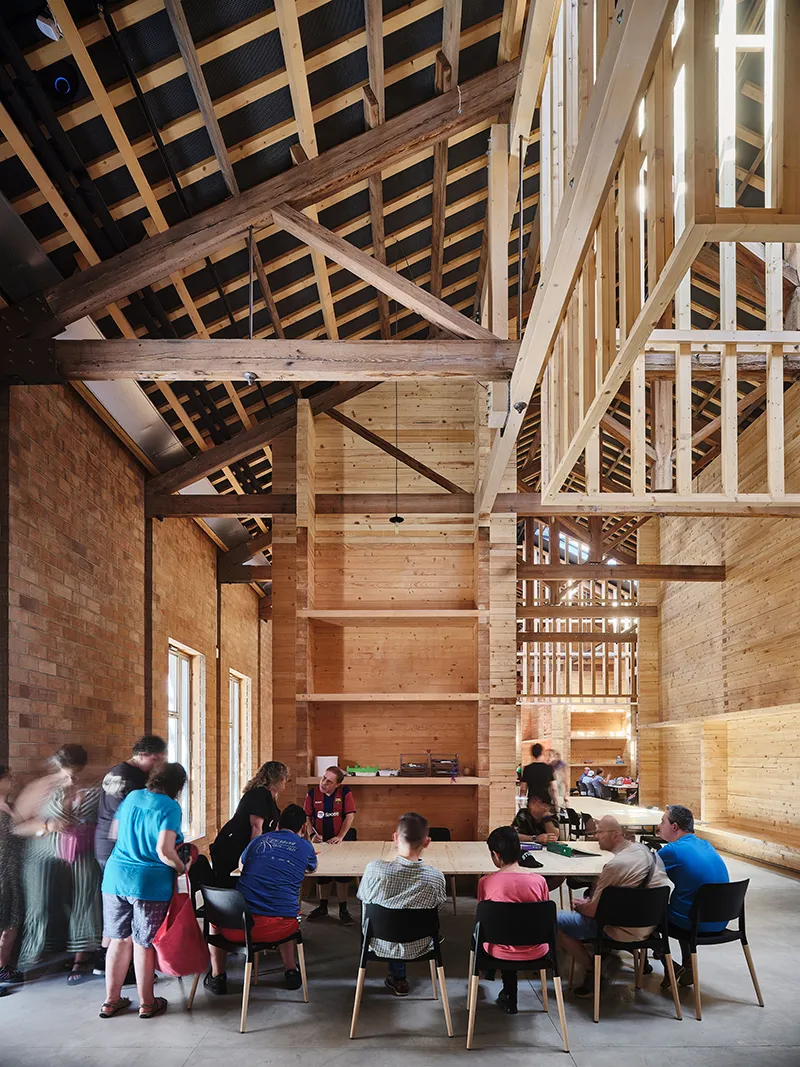
The Prodis Headquarters turns an industrial complex into a living, inclusive environment where memory, structure, and openness come together to foster interaction, dignity, and a deeper relationship between people and the city of Terrassa, near Barcelona.
Credit: H ARQUITECTES
Photography: Adrià Goula.
Explore Courses
.jpg%202.jpg "Building Performance with Forma & Opossum")
.jpg "Ondrej Chybik - Rethinking Architecture")