

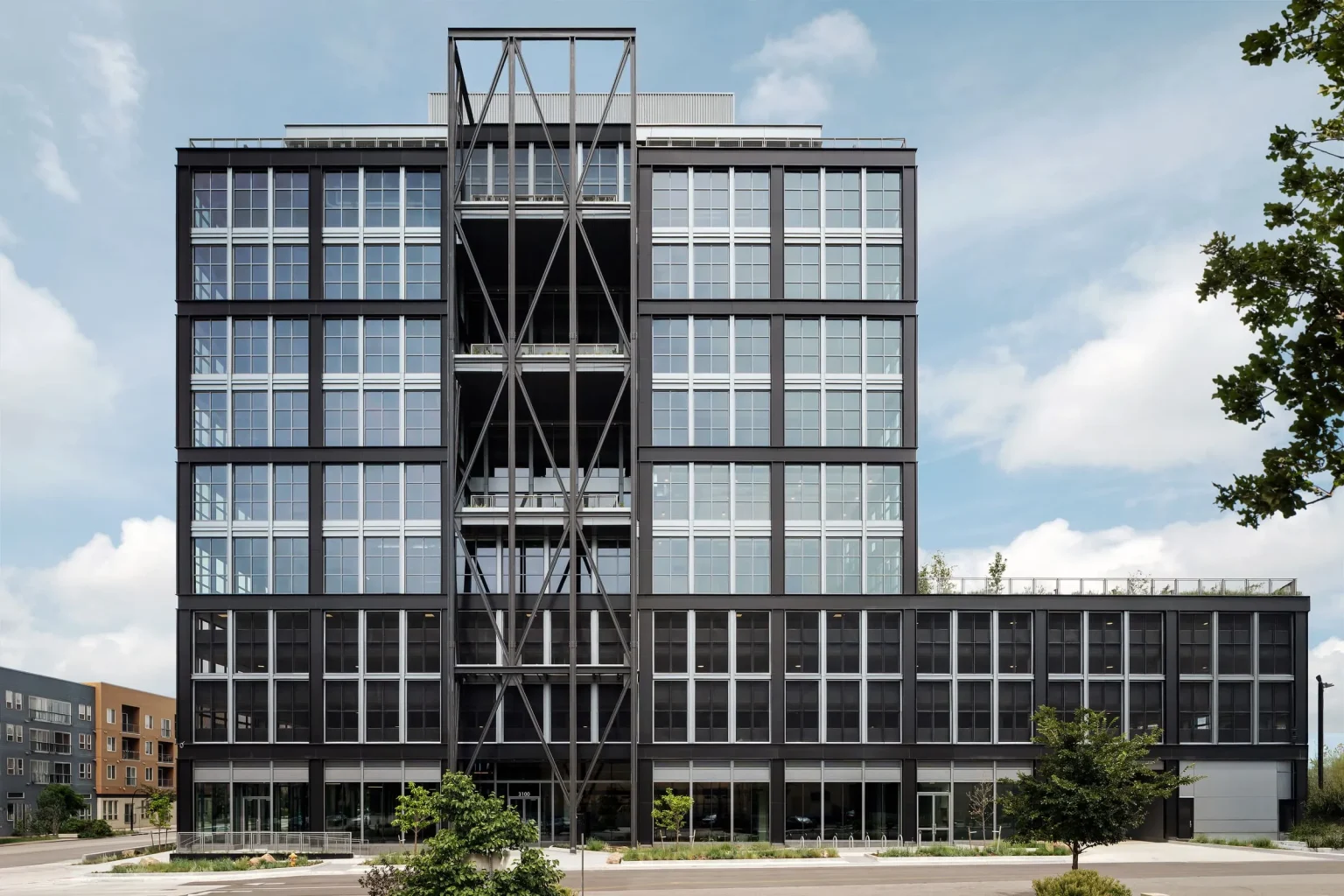


Set in Denver’s River North Arts District (RiNo), a neighborhood shaped by warehouses, rail lines, and grain silos, the Steel House introduces a new kind of workplace. Designed by Morris Adjmi Architects, the project transforms an industrial legacy into a contemporary, people-first office environment.
Steel House doesn’t erase the past as it builds on it. The design channels RiNo’s raw, material-driven character while aligning with Denver’s outdoor culture, creating a workplace that feels both grounded and forward-looking.
Focus on Industrial Heritage
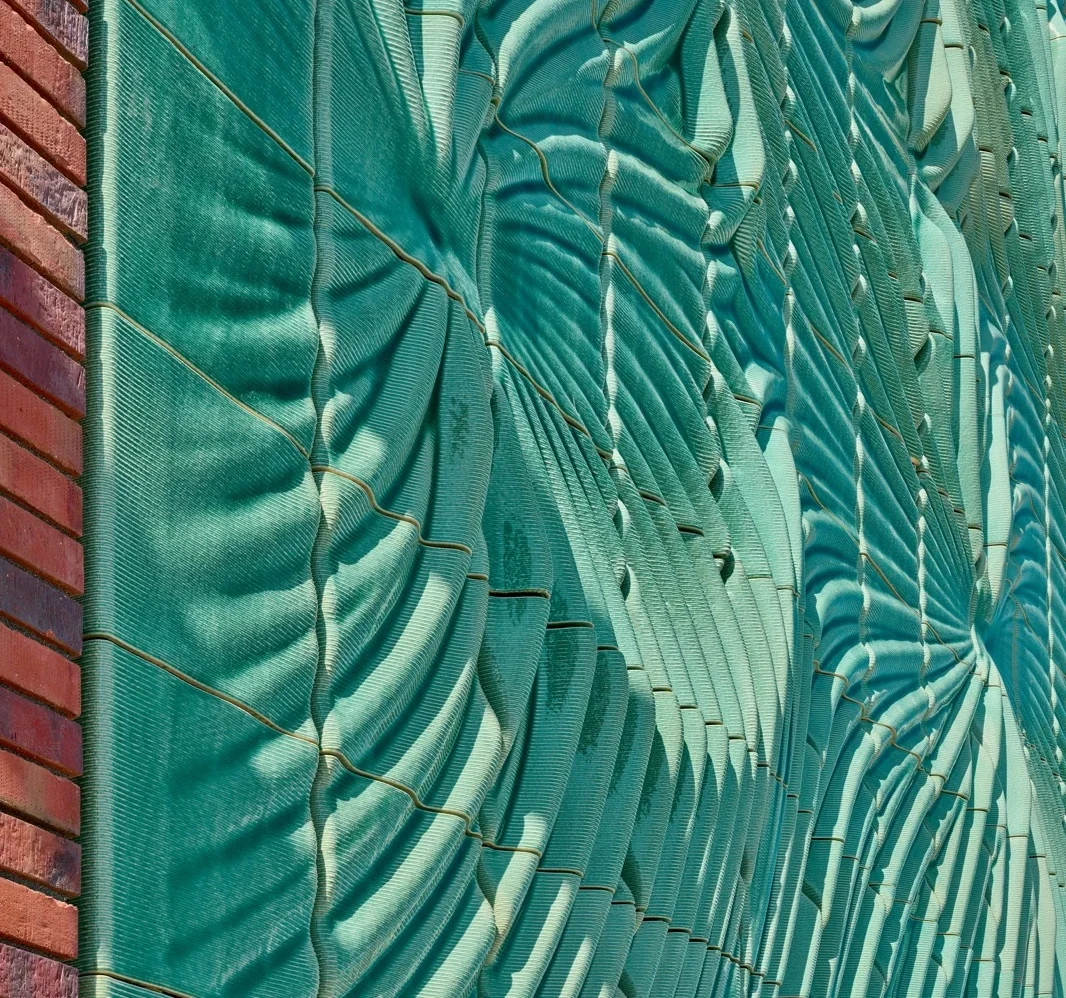
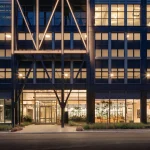
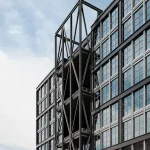
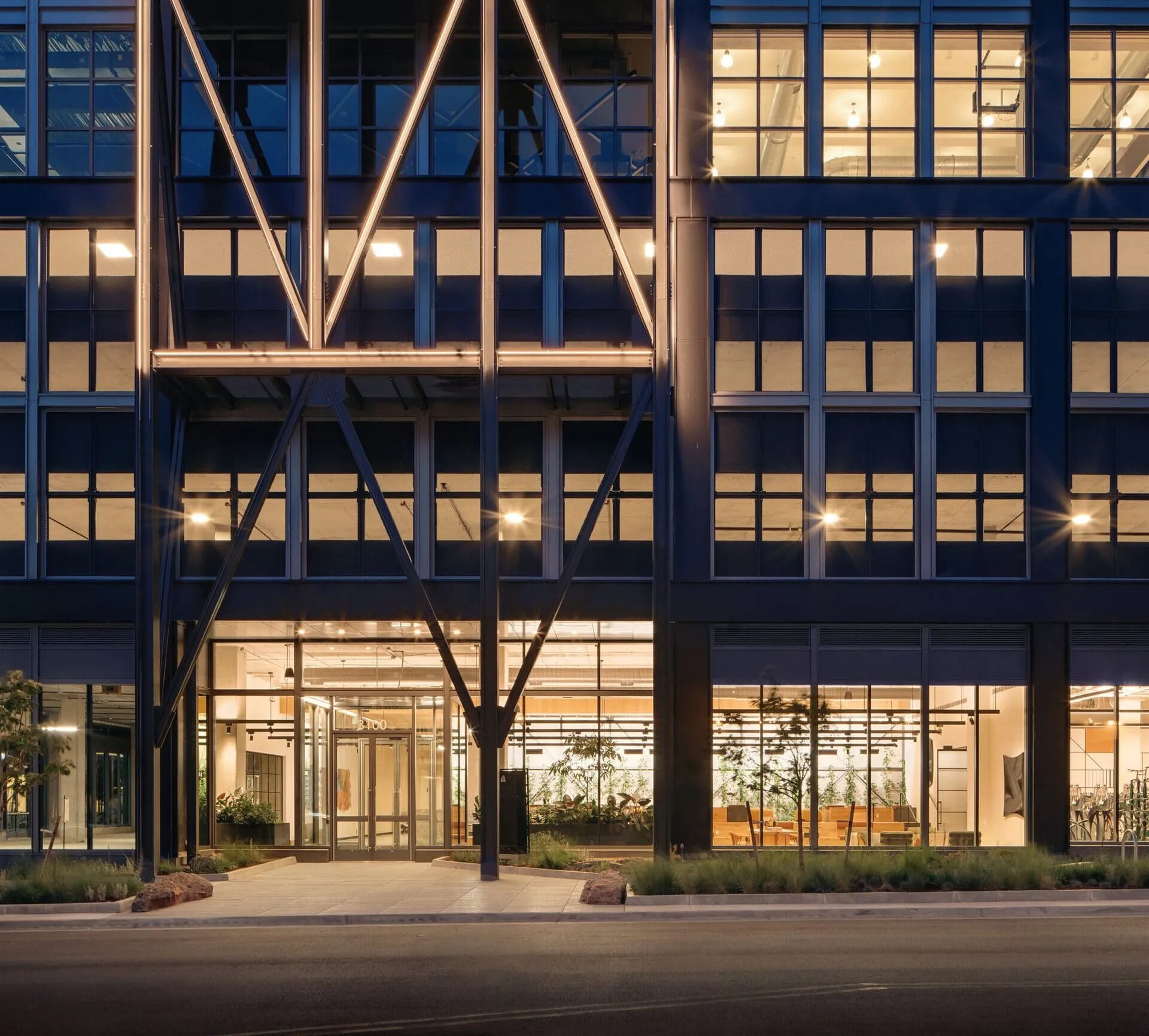
Steel House draws directly from RiNo’s industrial DNA. Steel, concrete, and glass form a restrained yet expressive palette that reflects the area’s warehouse typologies. A sculptural steel-framed tower by Morris Adjmi Architects anchors the southwest corner, echoing the lift towers and silos that once defined the skyline.
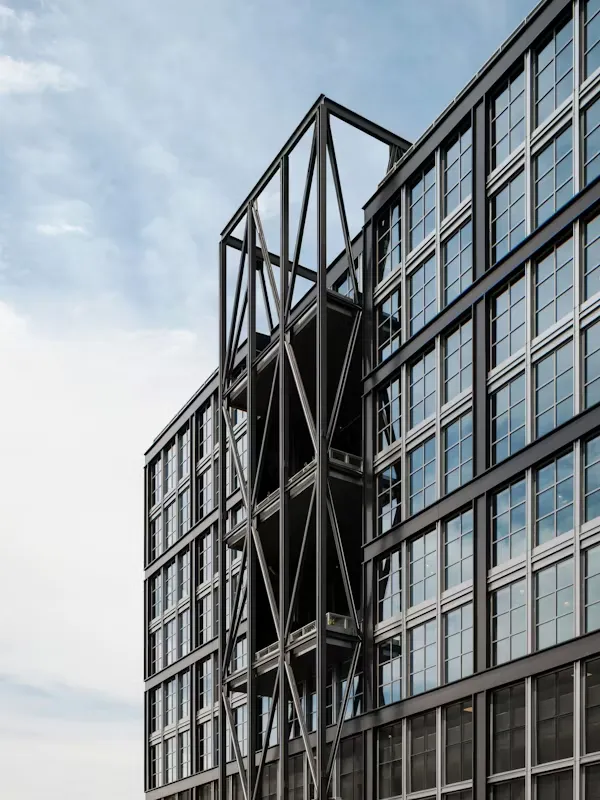
Instead of mimicking history, the building abstracts it by translating familiar industrial forms into a contemporary architectural language. The result is a structure that feels authentic to its context while establishing a strong new identity within Denver’s evolving creative district.
Nature-Centered Design at an Urban Scale
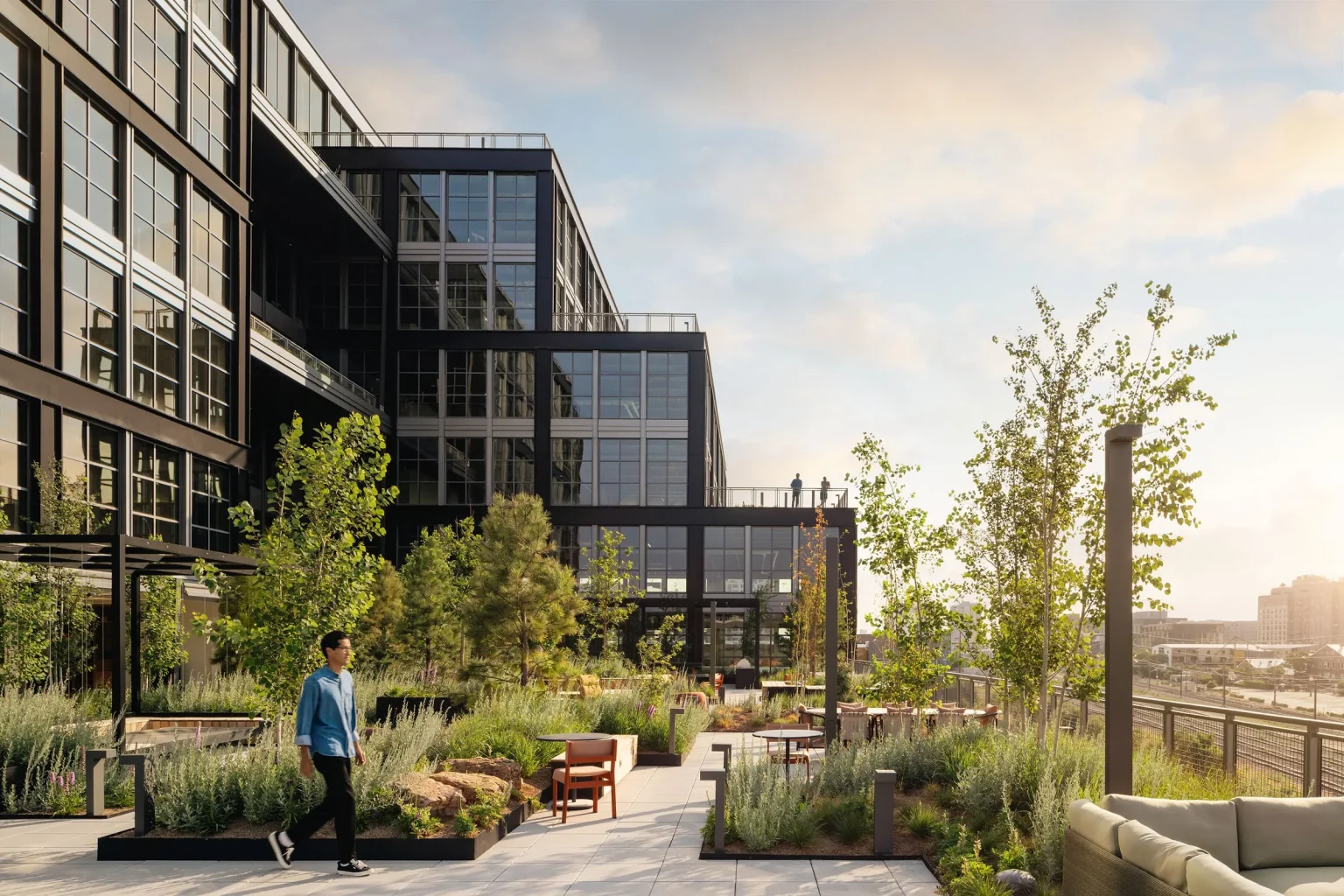
Nature-centered design is not an afterthought, as it is embedded in the architecture. The building’s terraced massing allows daylight to penetrate deep into interiors, while planted edges, climbing vines, and layered greenery soften its industrial framework.
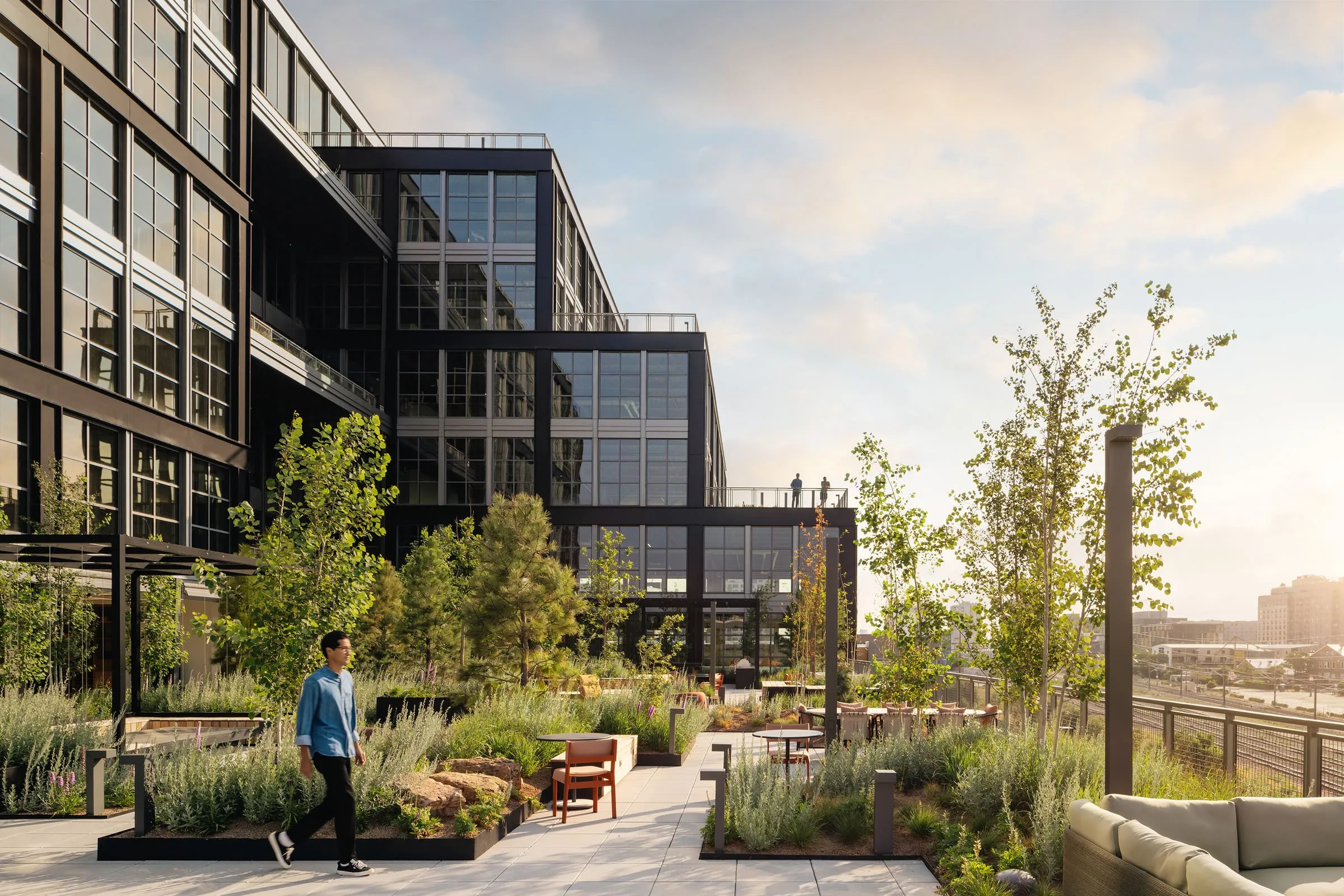
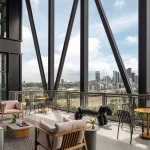
Views toward the Rocky Mountains reinforce a constant visual connection to the larger landscape. At the core of the project is “The Park,” a 13,000-square-foot elevated terrace that acts as a shared green retreat, blurring the boundary between workplace and outdoors.
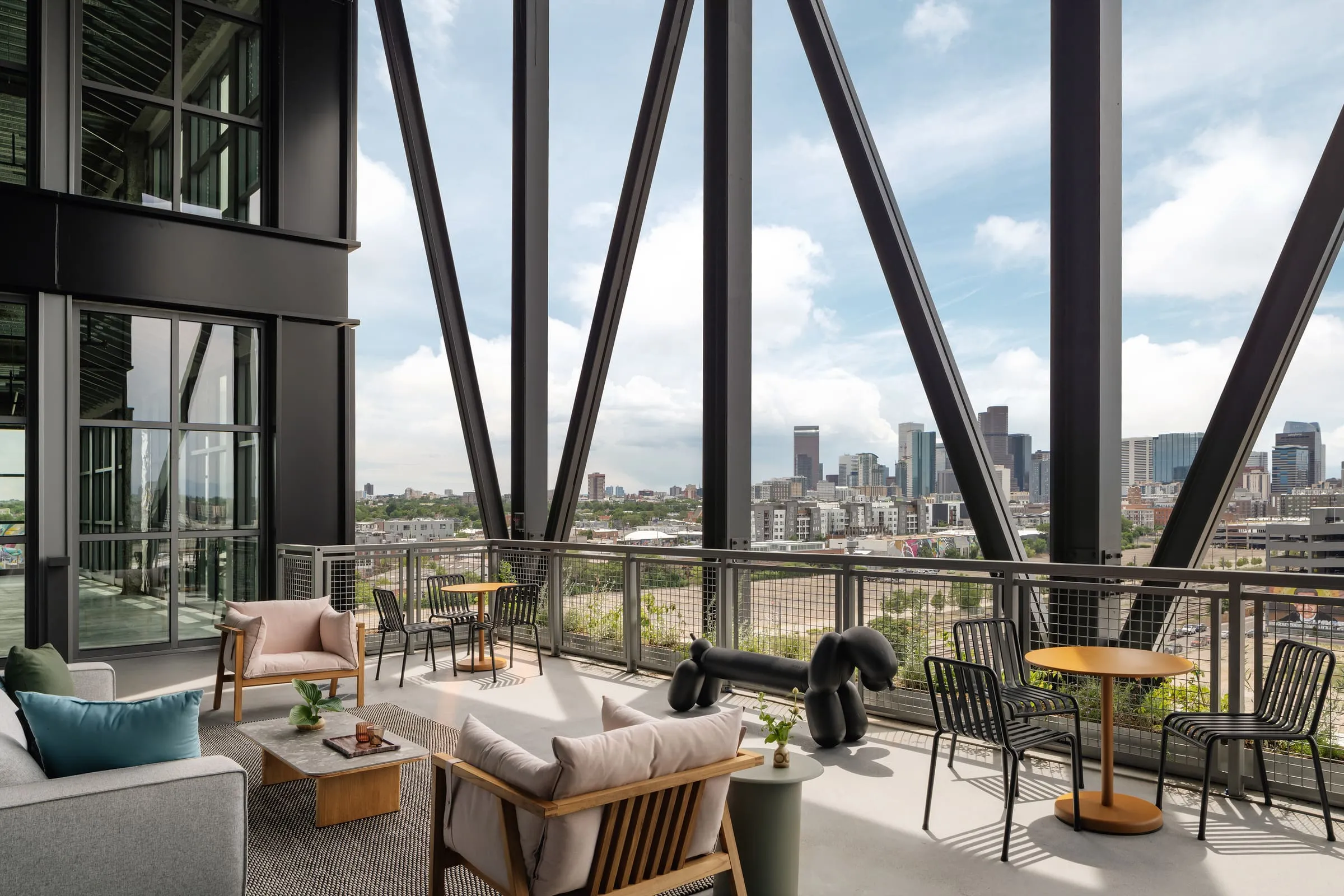
This integration of biophilic strategies transforms the office into a more open, breathable, and restorative environment.
A Human-Centered Workplace
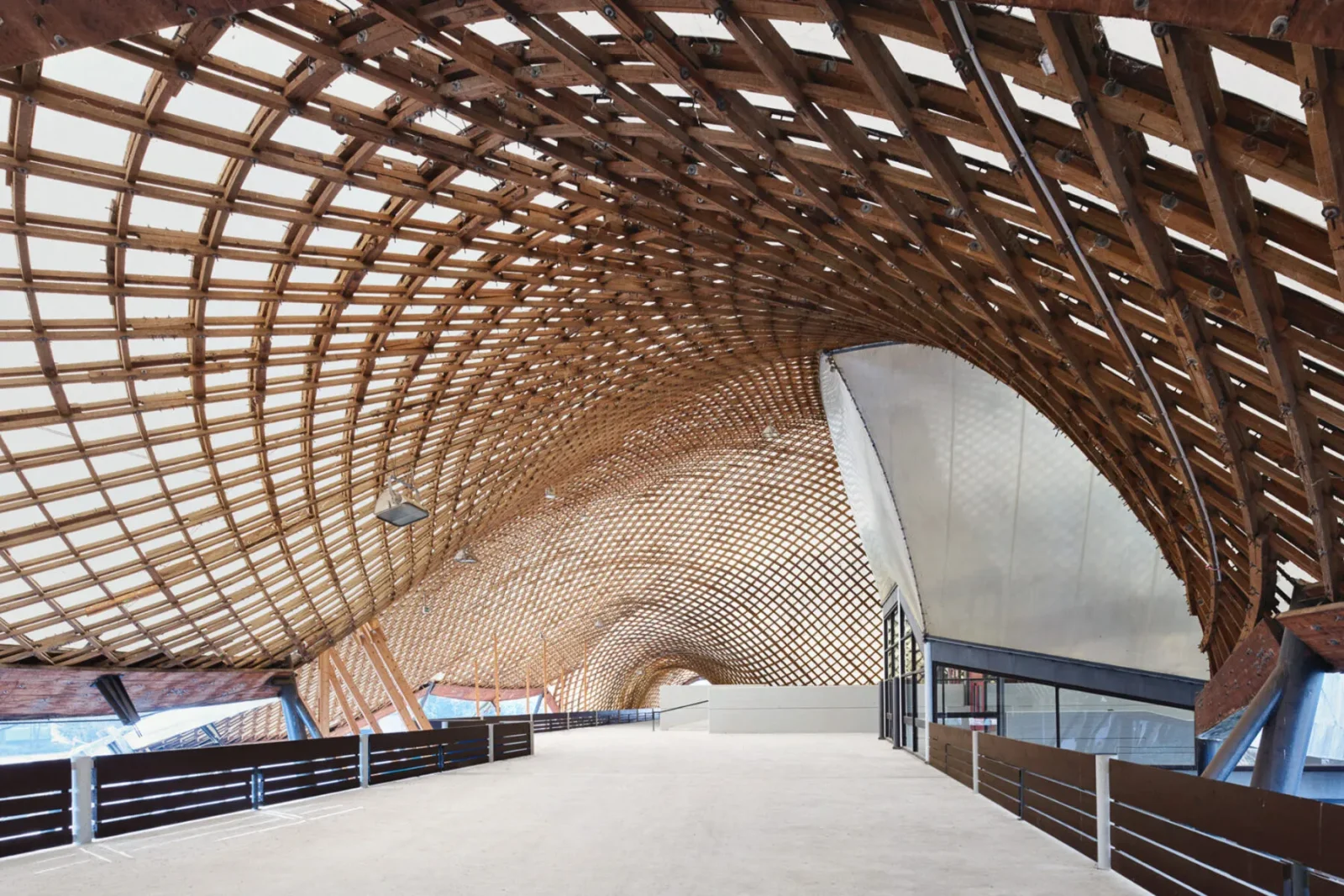
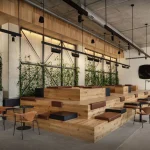
Steel House prioritizes how people actually work and live. Open, light-filled interiors create flexibility, while wellness-driven amenities support both productivity and balance. A double-height multi-use sports court, climbing wall, and open-air yoga studio encourage movement throughout the day.
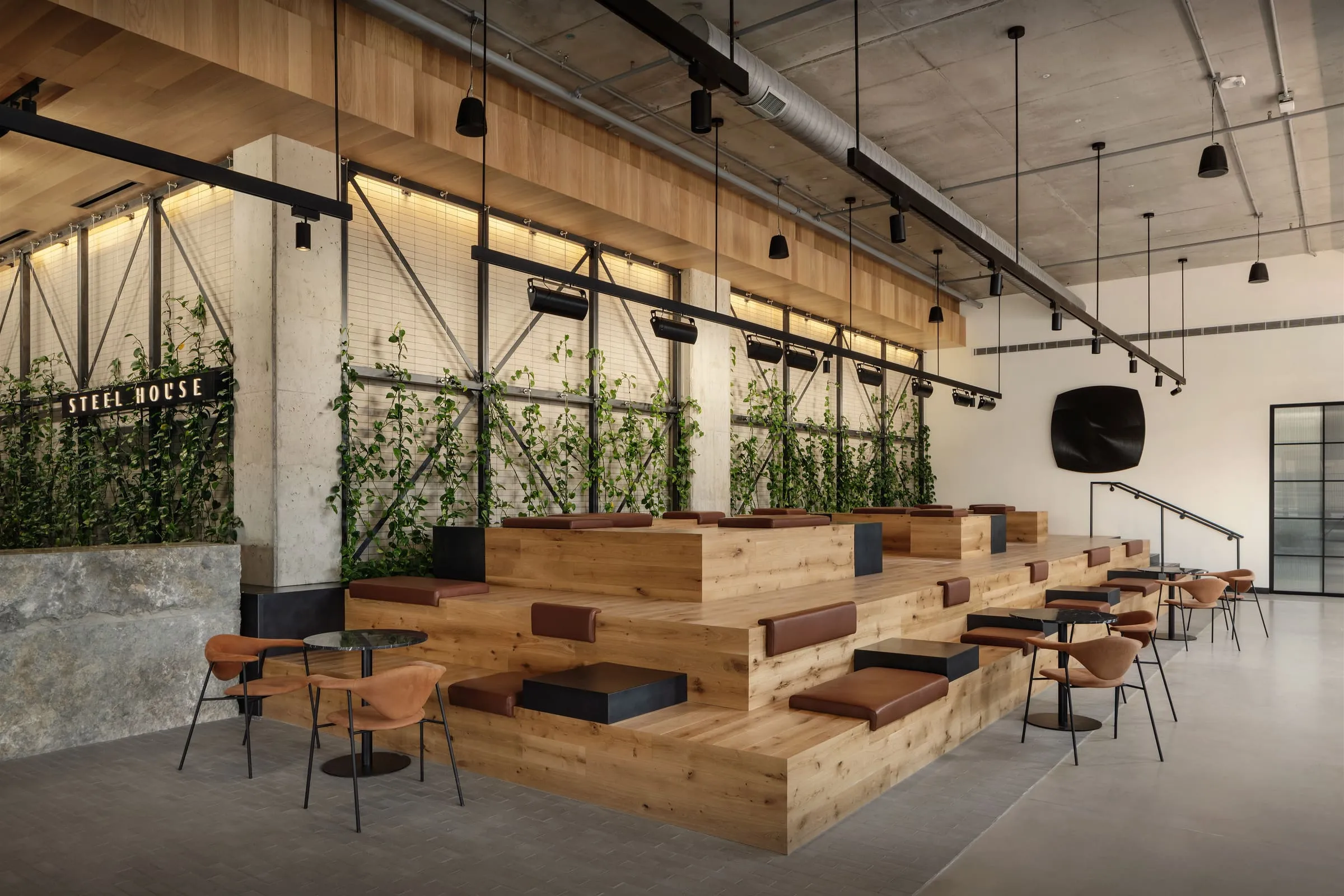
The design shifts the workplace from a static environment to an active ecosystem, where focus, collaboration, and well-being coexist. It reflects a broader shift in office design, especially relevant to Gen Z and evolving work cultures that value experience as much as efficiency.
Steel House represents a convergence of past and future where industrial heritage and contemporary design, urban density and natural openness, structure and wellbeing. The building sets a new benchmark with an office that connects people to place, to nature, and to each other, while redefining what a workplace can be.