


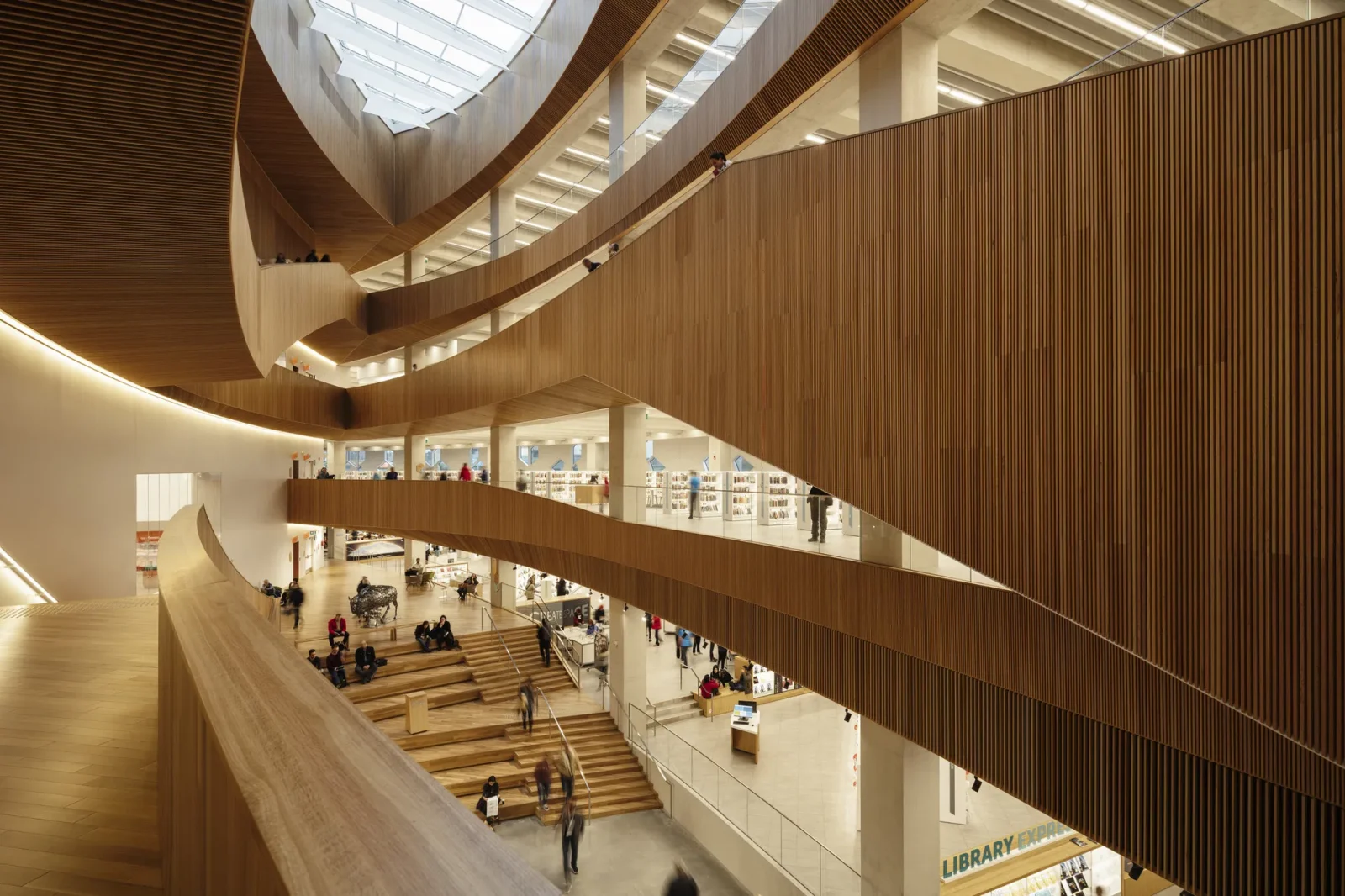
Imagine stepping off the busy streets and into a space where time seems to slow down. The chatter of the city fades, replaced by the soft rustle of pages and the quiet hum of curious minds. In an age where Artificial Intelligence and digital speed shape almost every moment of our lives, libraries remain something extraordinary.
Some whisper stories through centuries-old frescoes and grand domes; others dazzle with glass façades and futuristic forms. Each library tells a story of the city it belongs to, the people who built it, and the architects who imagined what knowledge could look like in space and form.
So, let’s wander through 15 of the most beautiful libraries around the world:
1. Tianjin Binhai Library
Location: Binhai Cultural Center, Tianjin, China
Architects: MVRDV (Dutch) in collaboration with the Tianjin Urban Planning and Design Institute (TUPDI)
Completion year: 2017
Total Area: 33,700 square meters
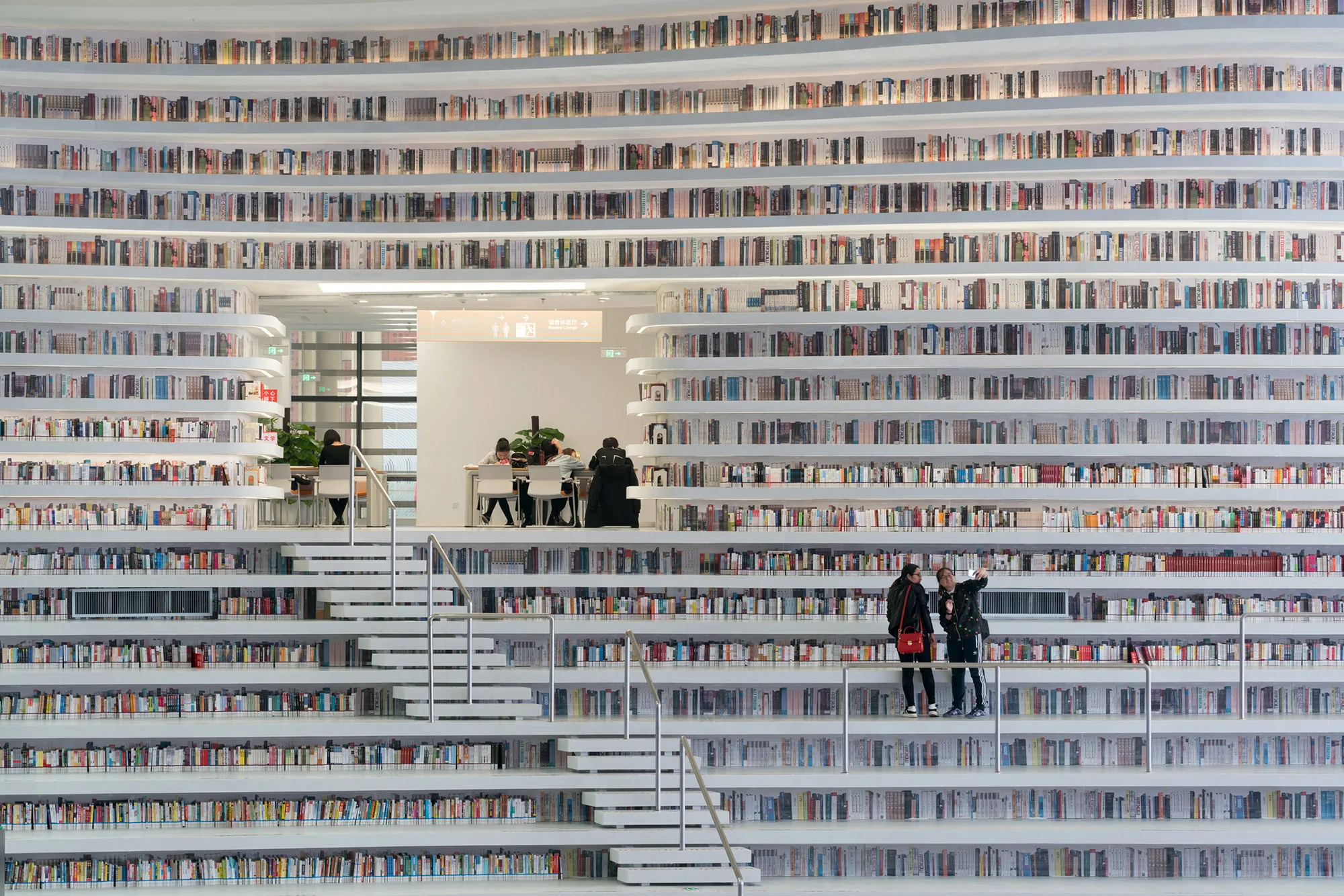
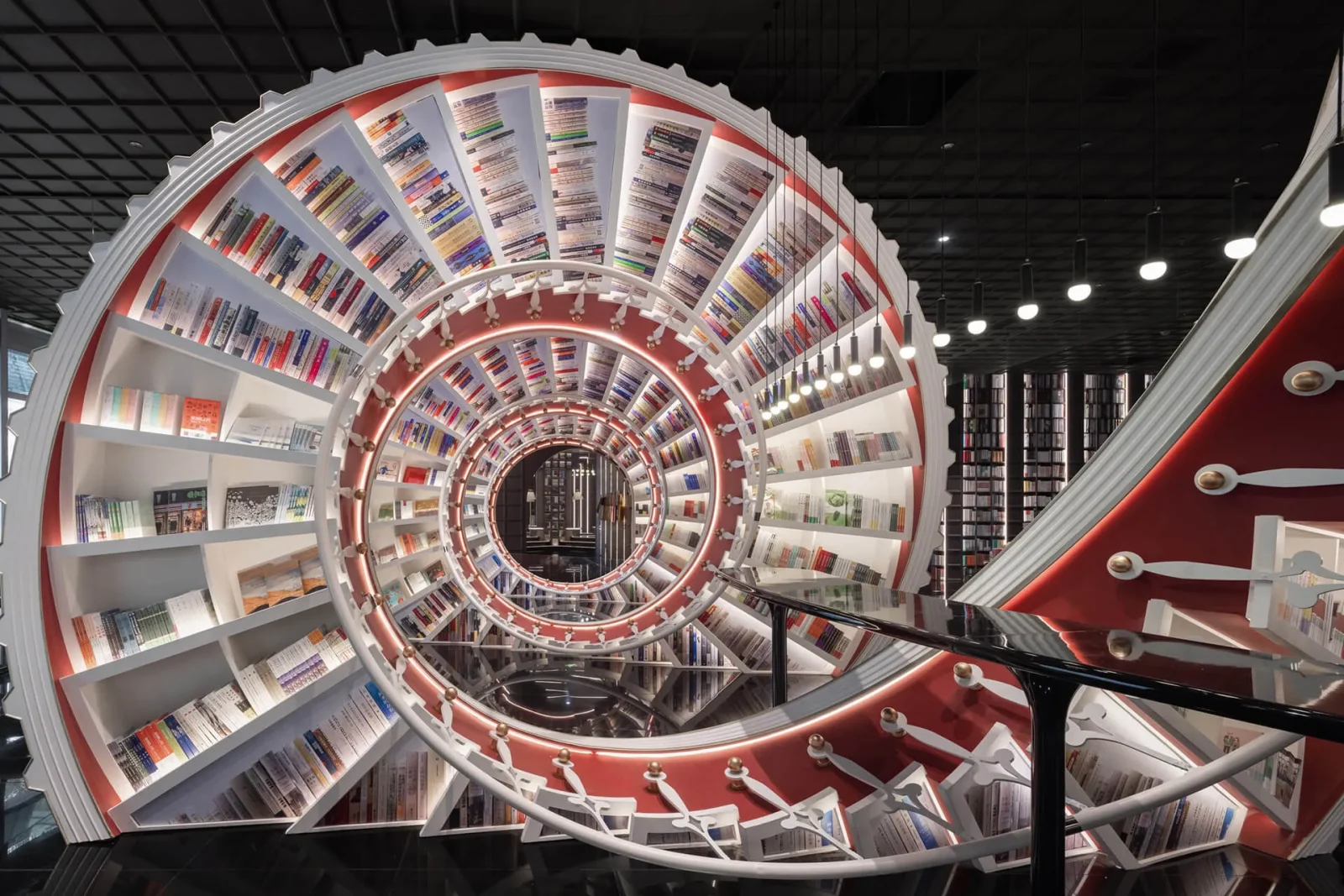
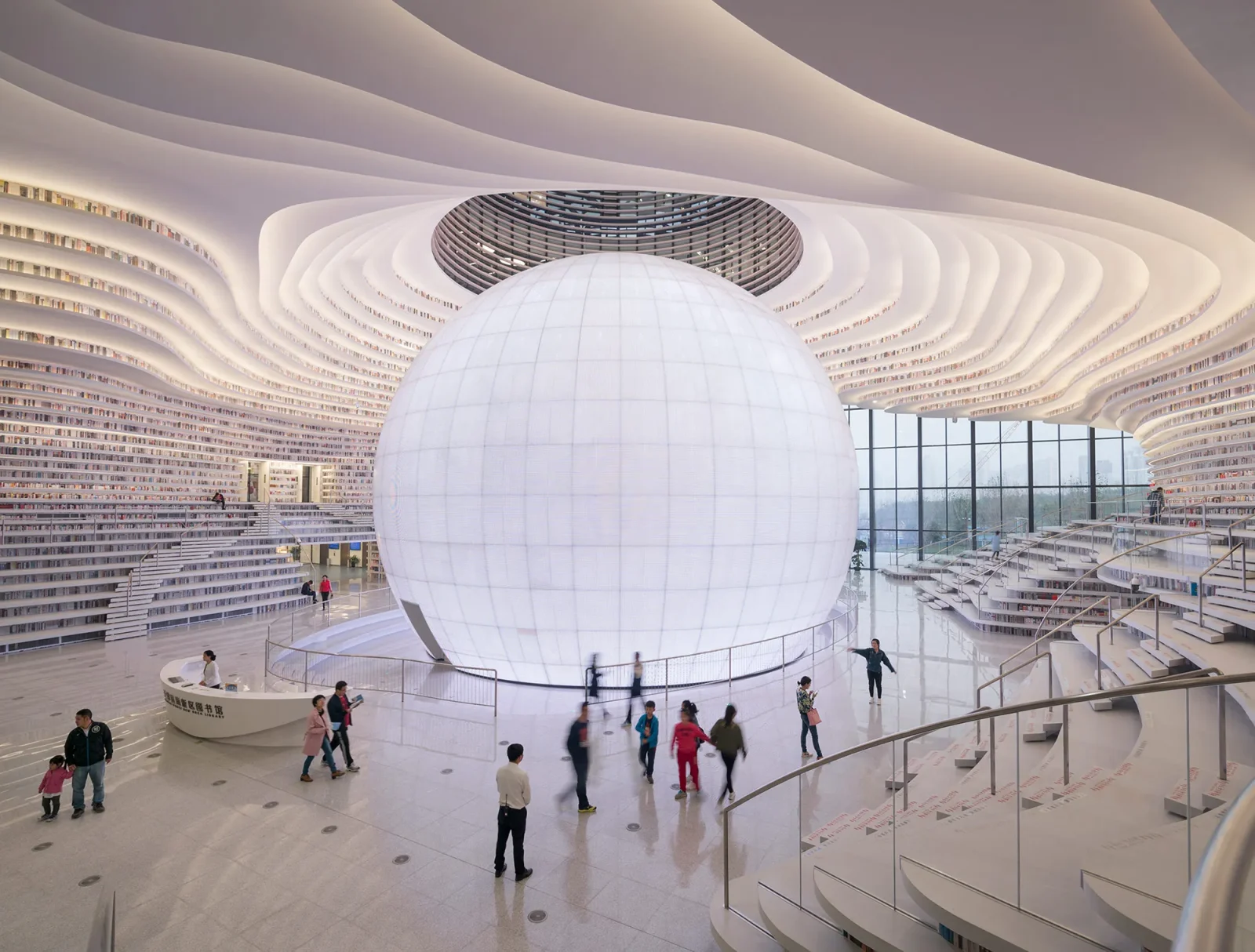
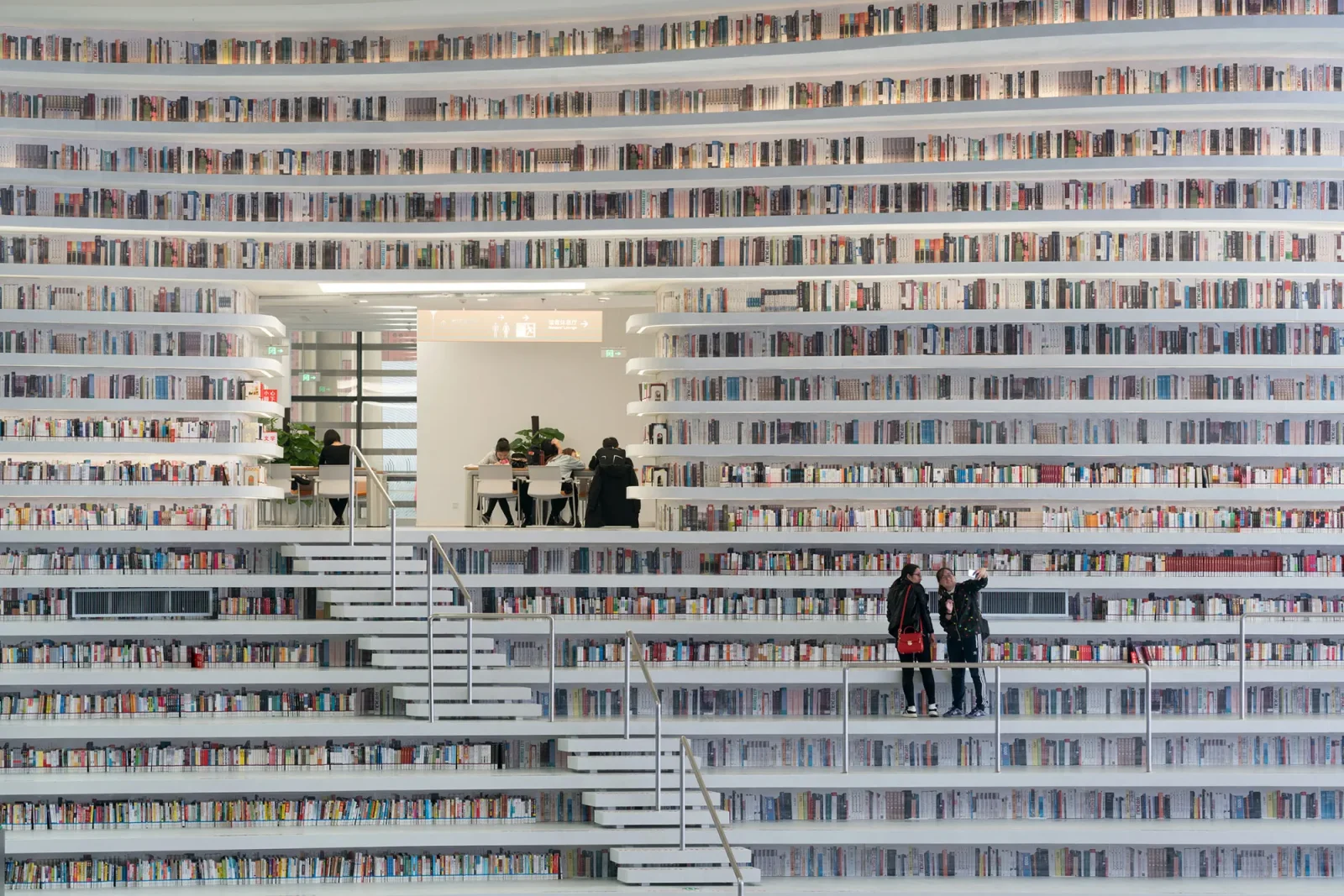
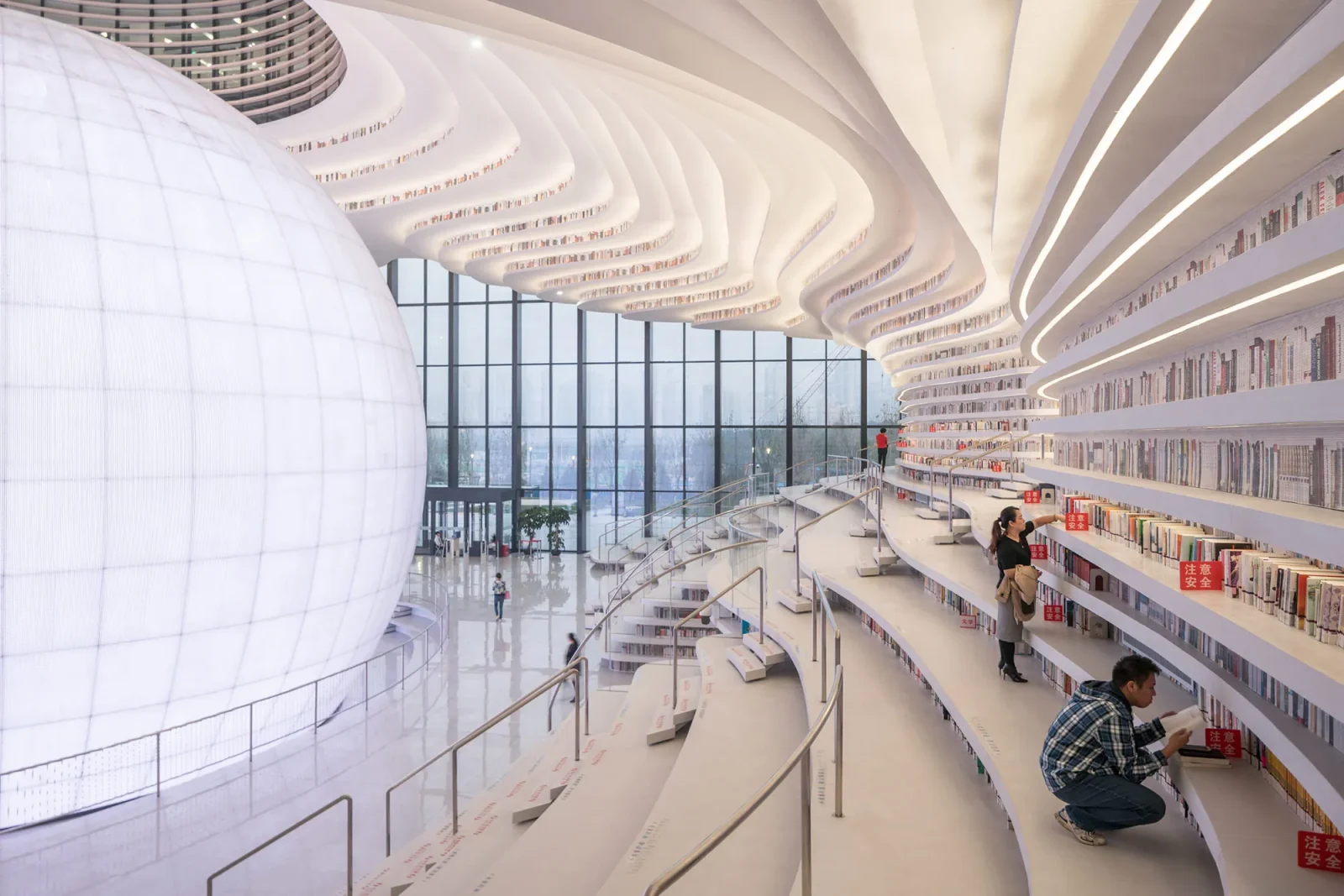
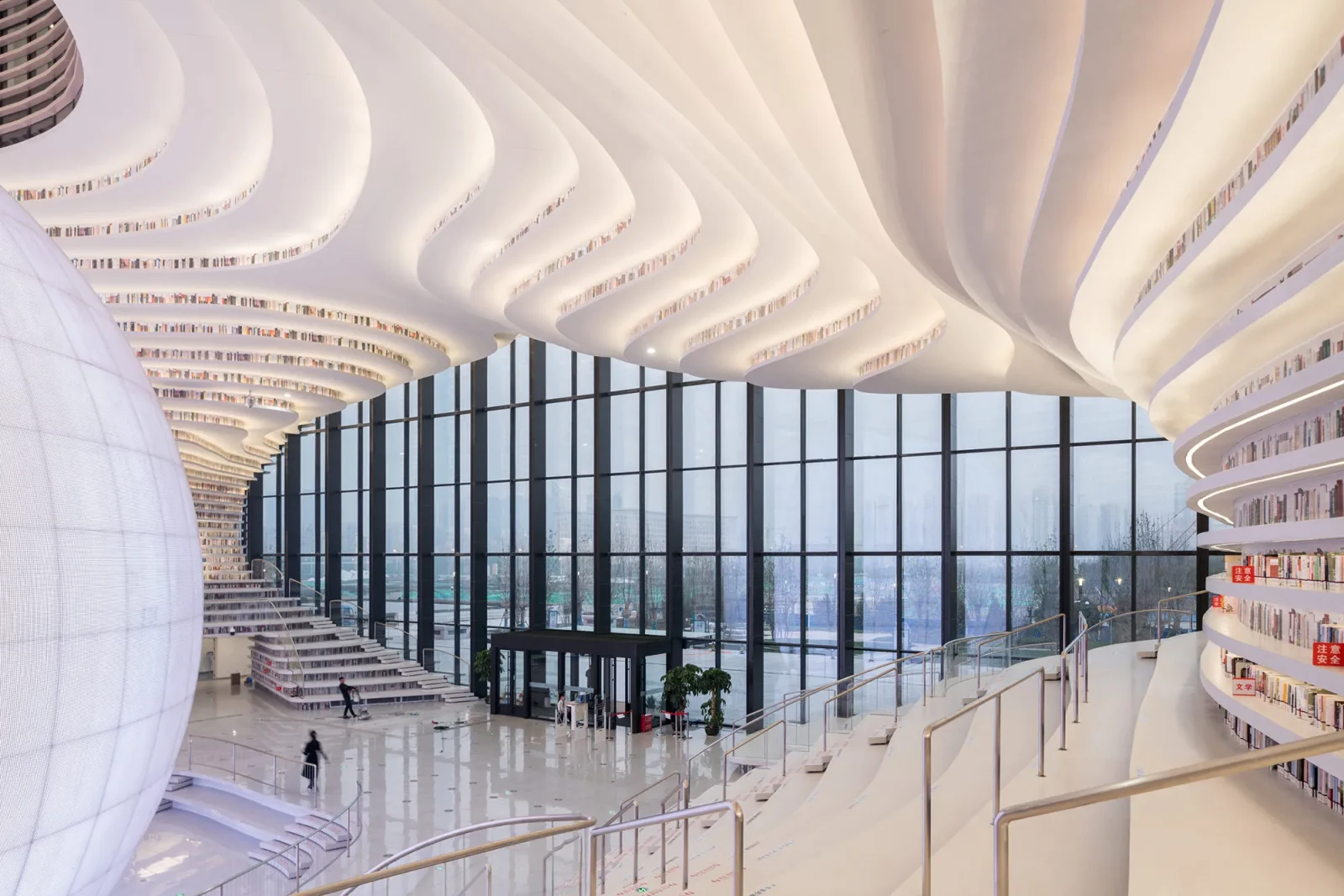
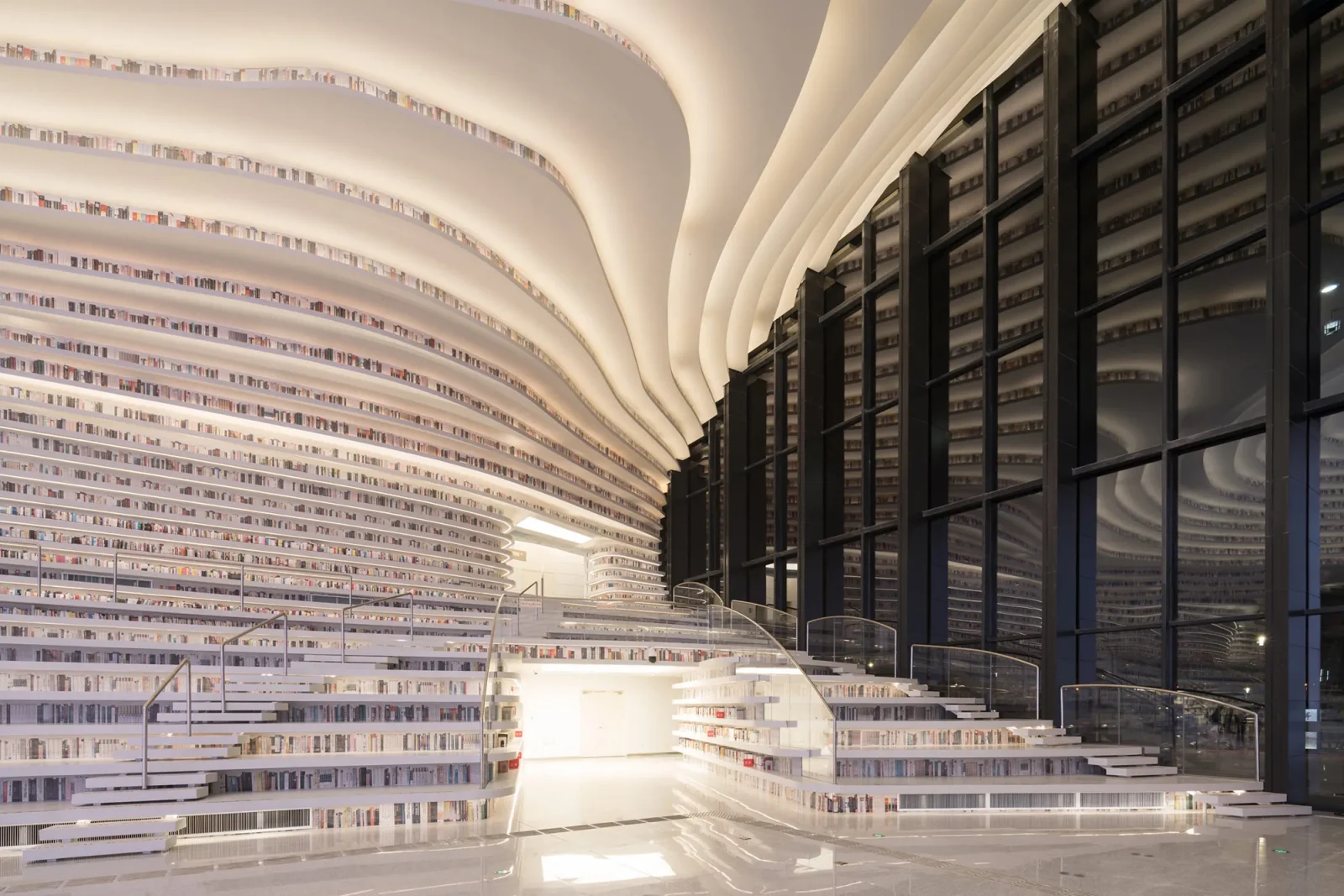
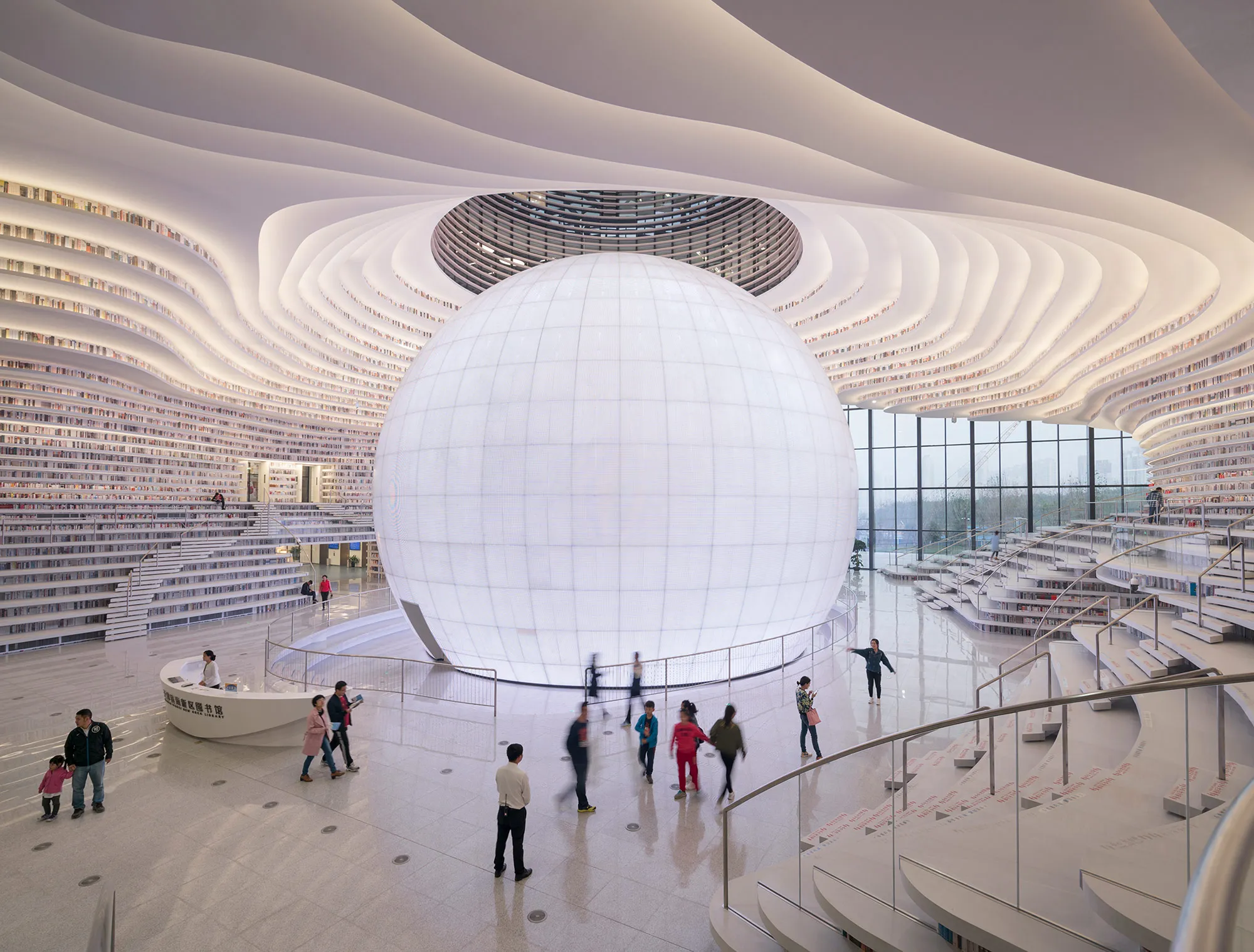
Envisioned as an urban living room for the city, the Tianjin Binhai Library was designed not just as a place for books but as a social and cultural hub. Often referred to as “The Eye of Binhai,” the structure resembles a giant eye due to its spherical auditorium. This central space for approximately 110 people is surrounded by terraced bookshelves that cascade from the floor to the ceiling, creating a topographical, cave-like interior.
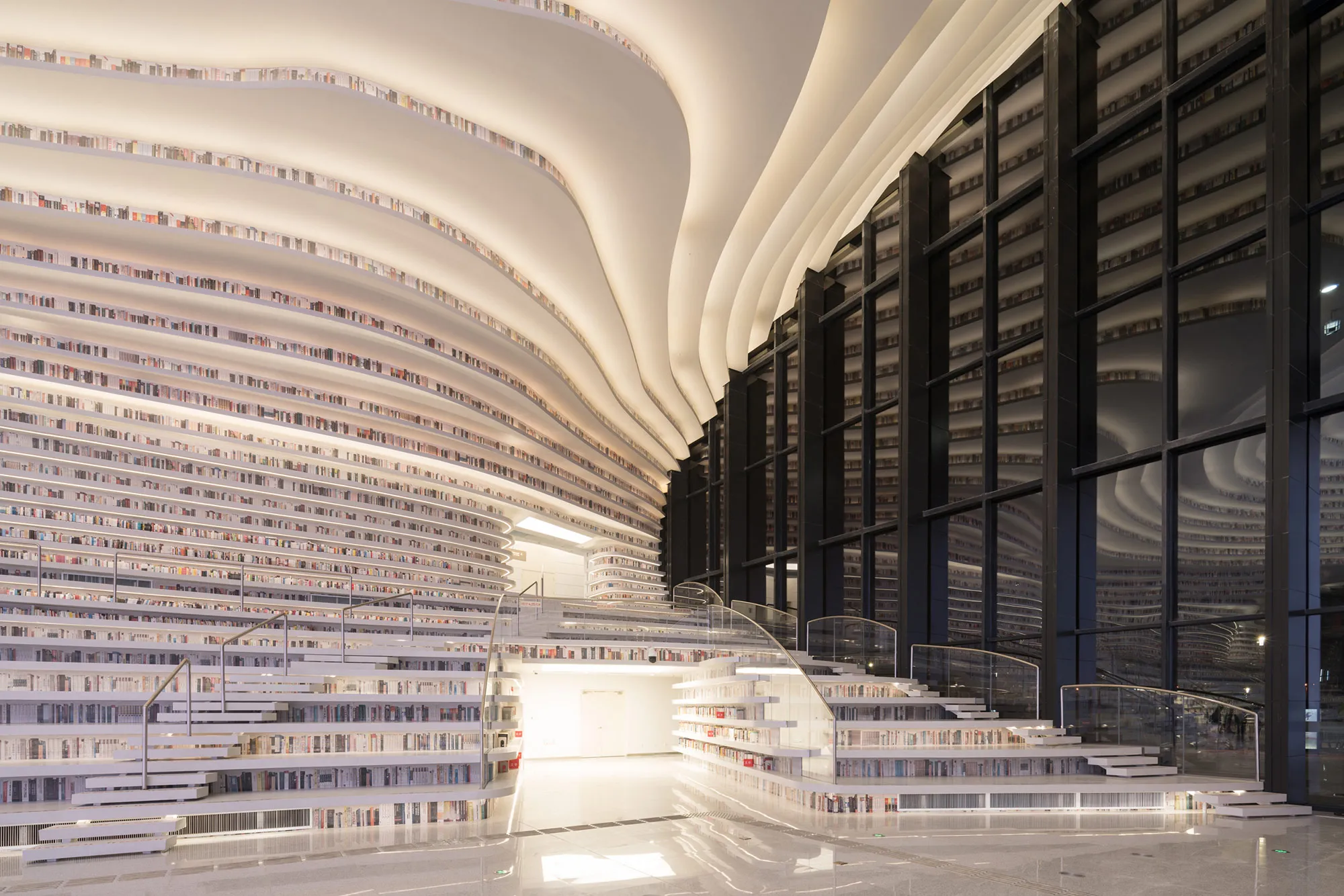
By incorporating parametric modeling to create visually dynamic elements, the space feels like a continuous, flowing landscape rather than a conventional building with distinct floors and walls.
2. Cottbus Technical University Library
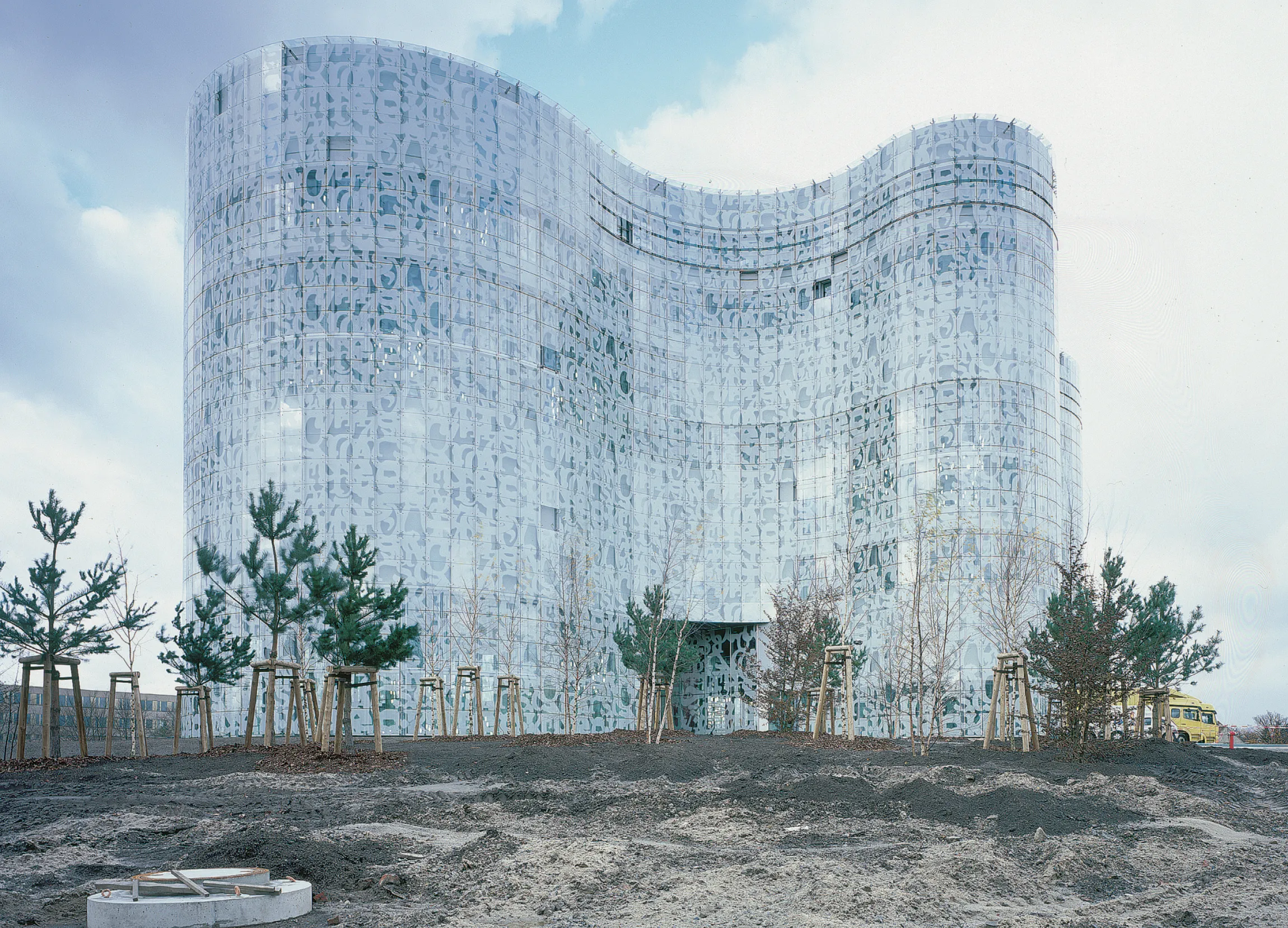
Location: Cottbus, Brandenburg, Germany
Architects: Herzog & de Meuron
Completion year: 2004
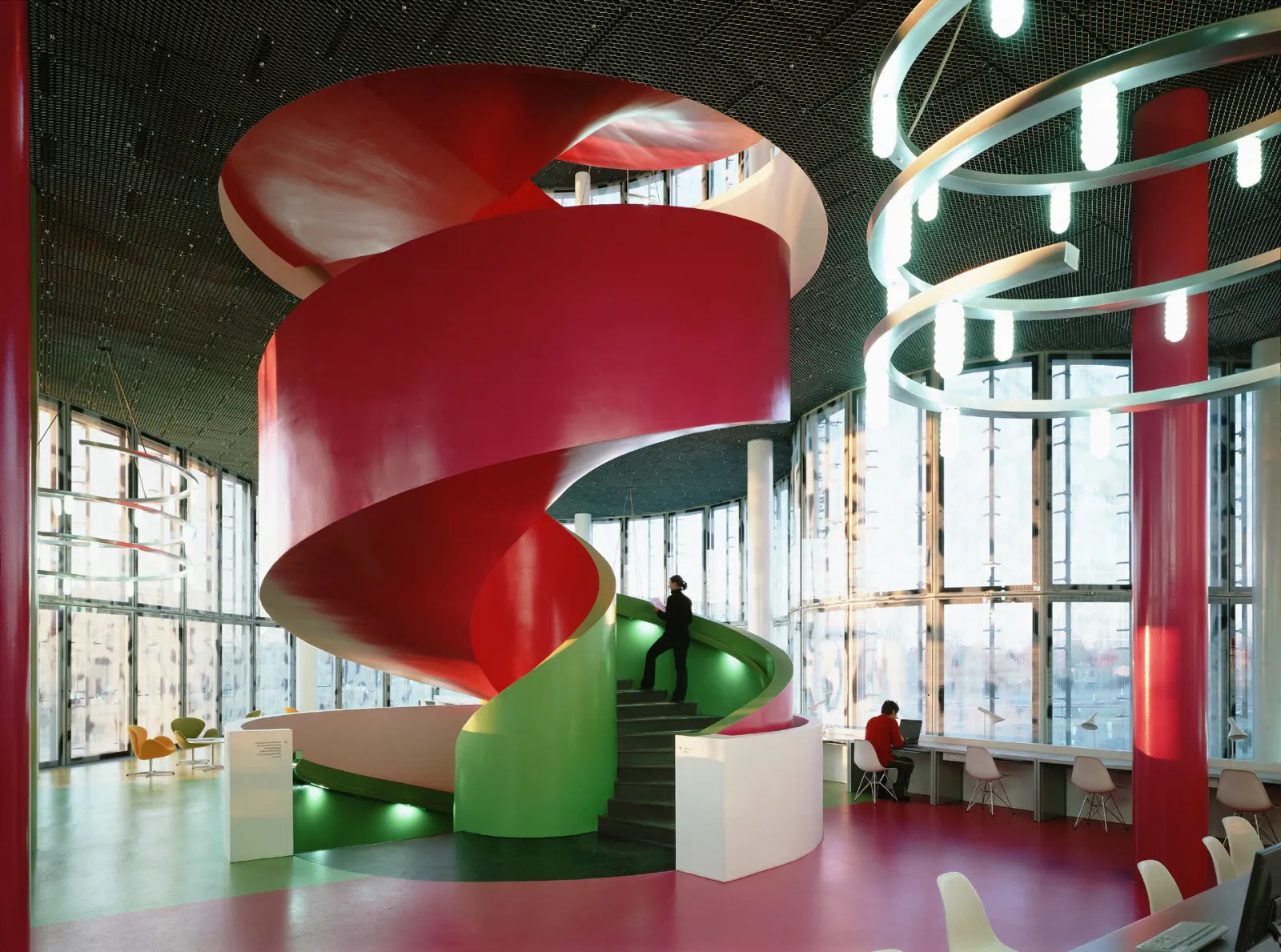
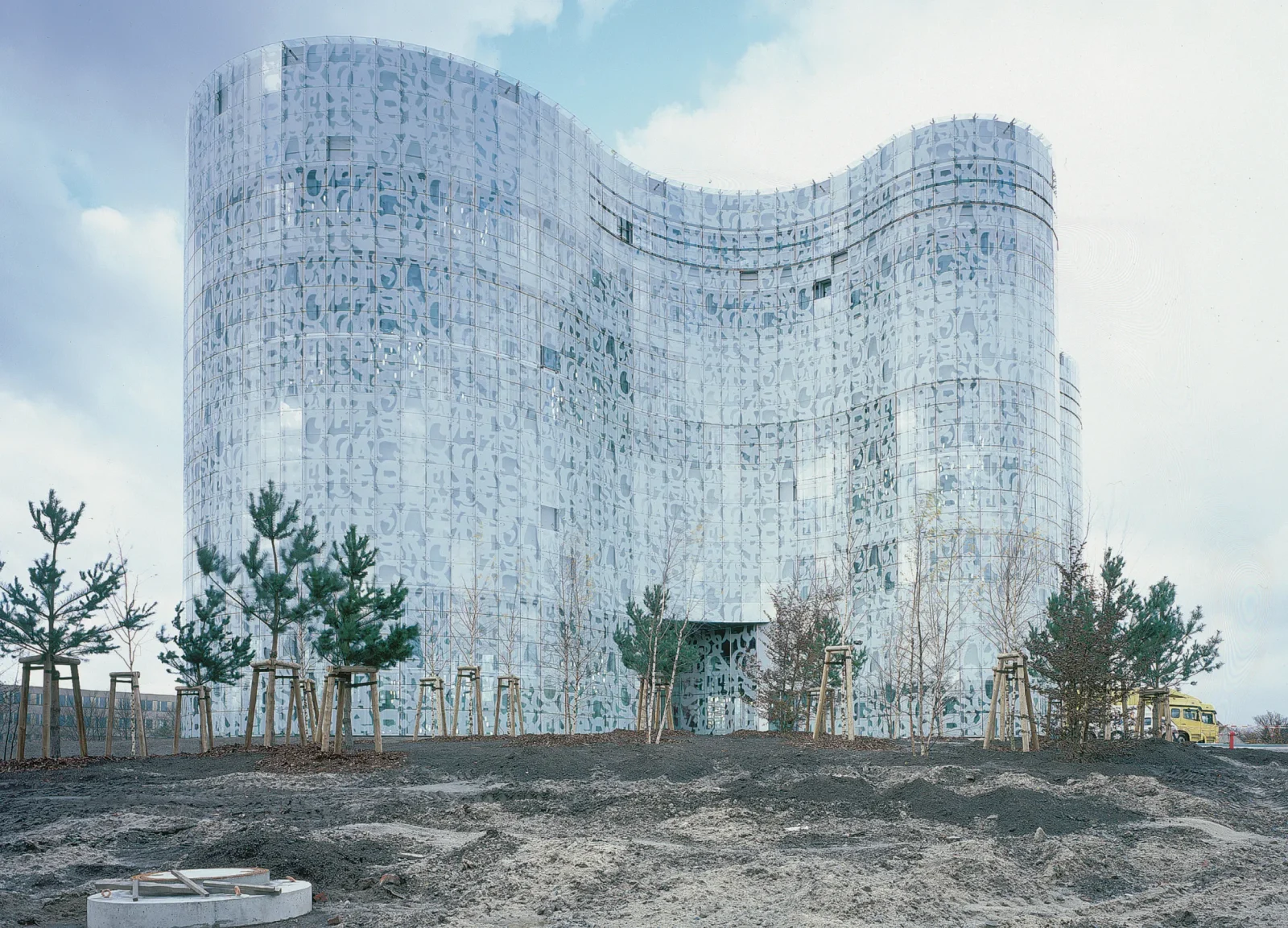
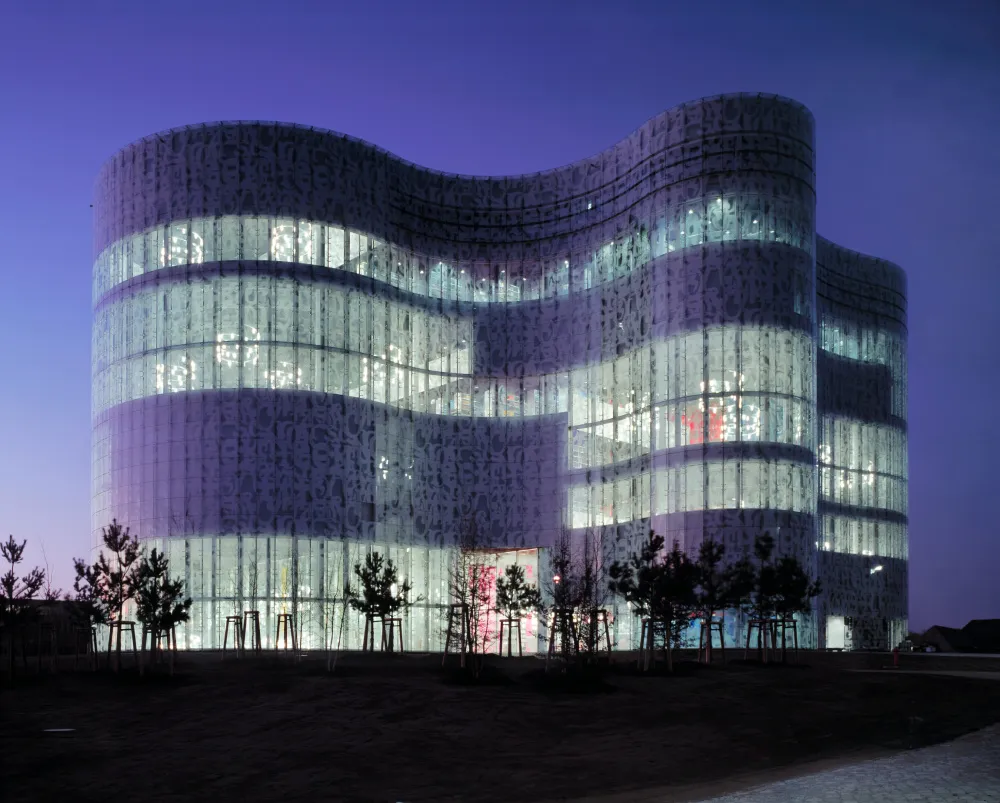
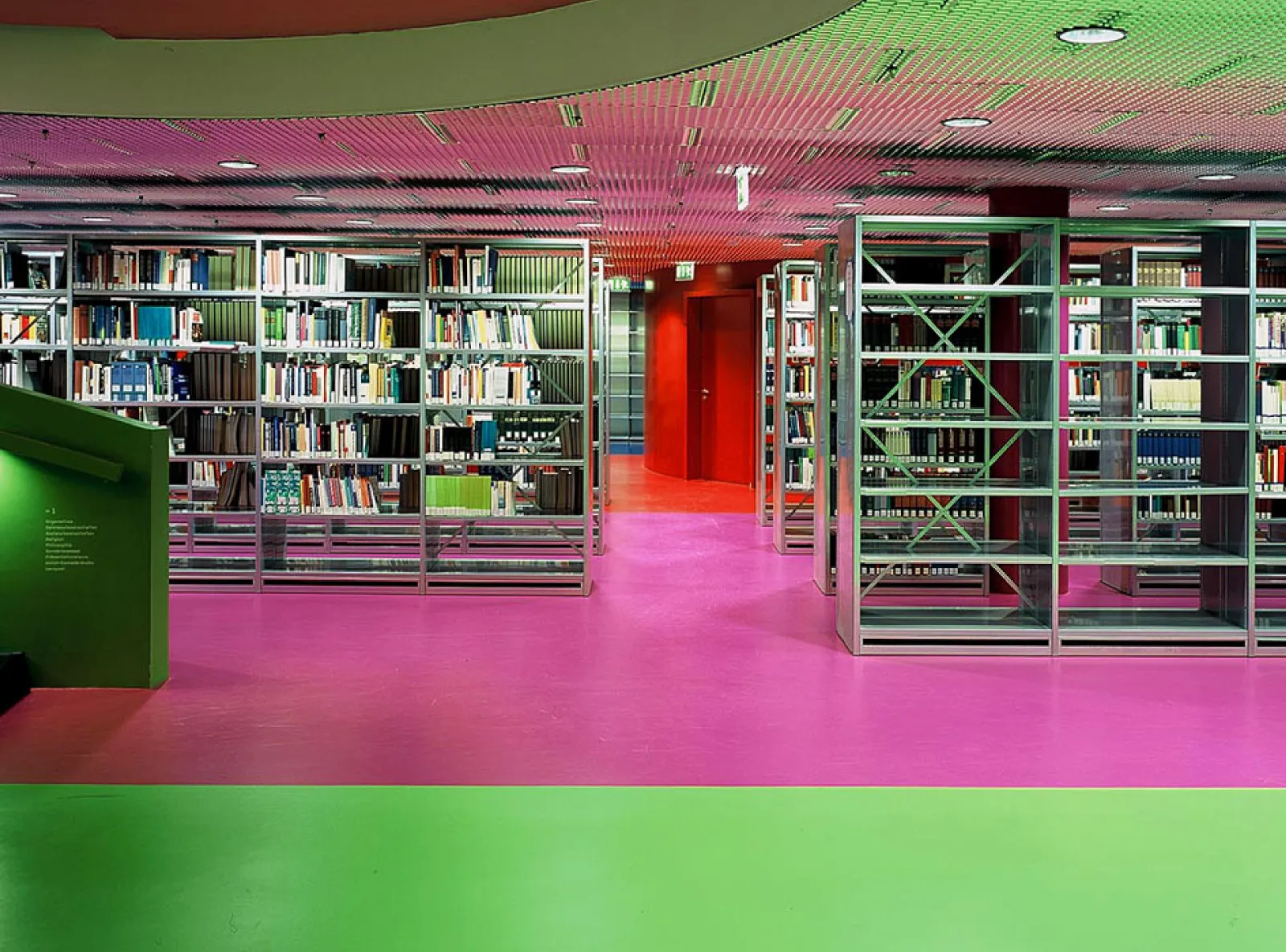
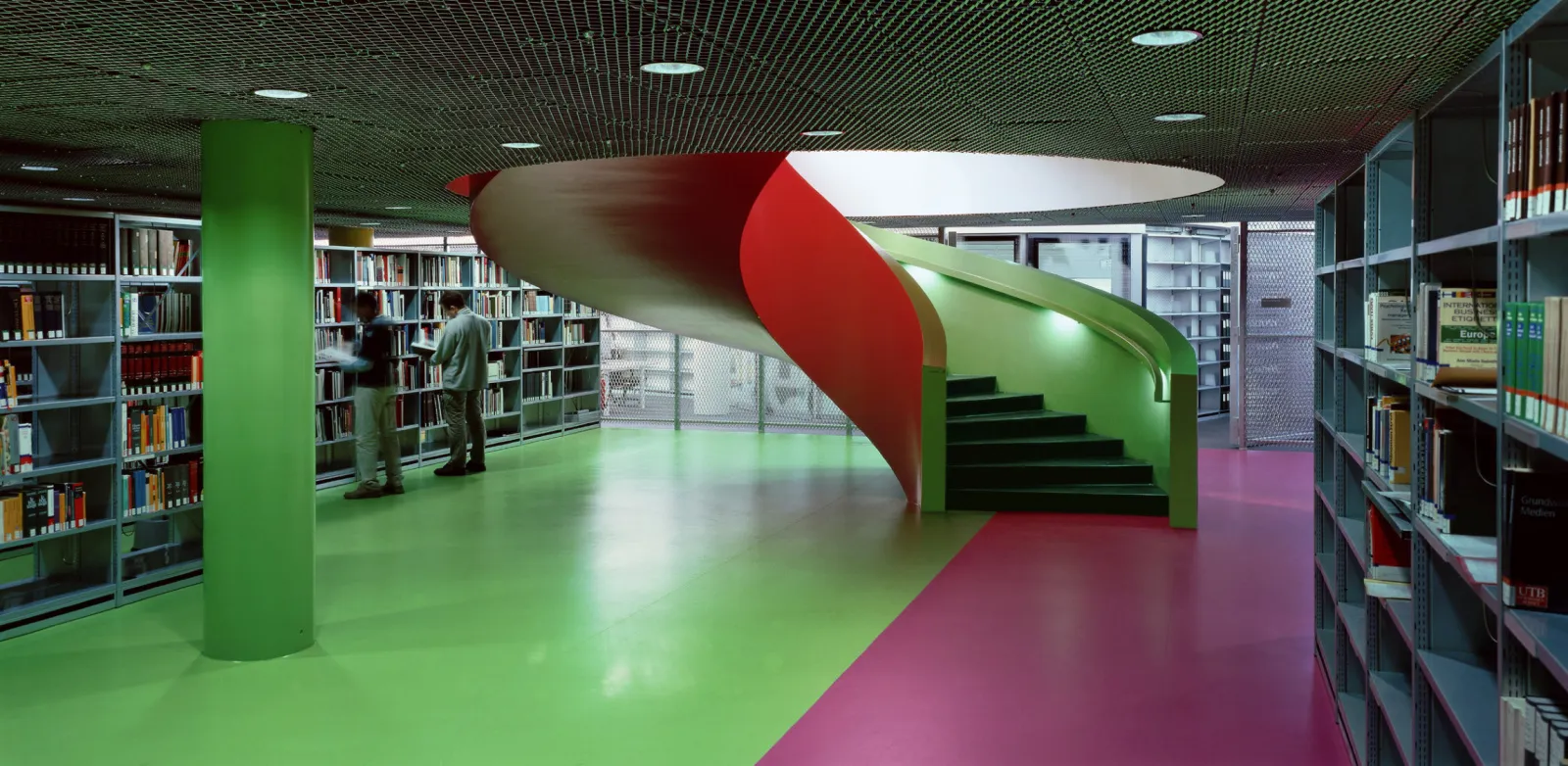
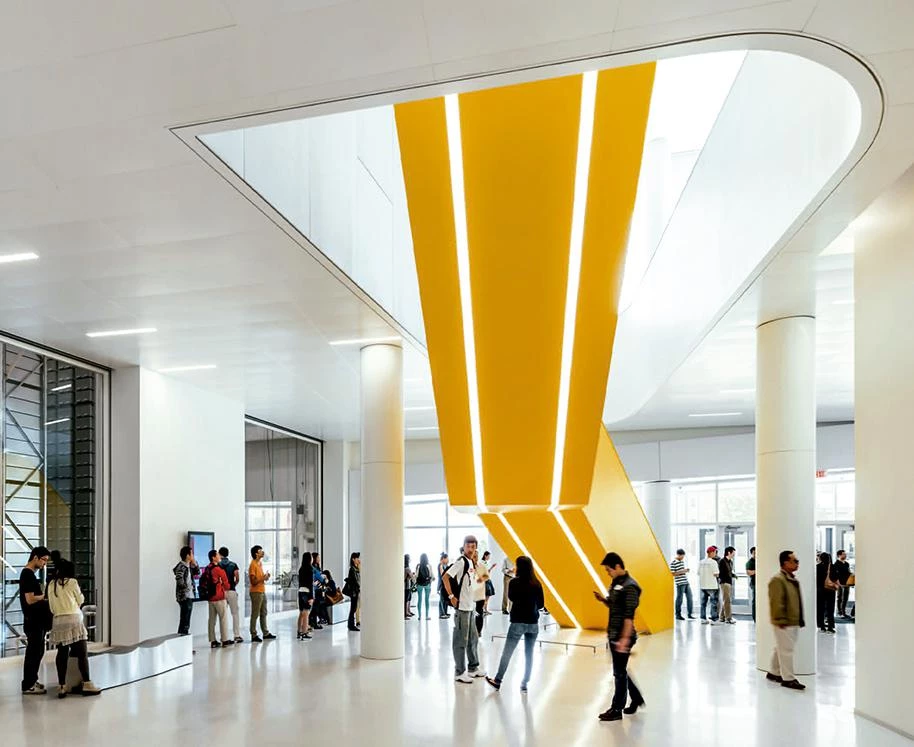
The landmark Information, Communication, and Media Center (IKMZ), designed by a Pritzker Prize-winning firm, showcases innovative use of materials, light, and form to create a building that is both functional and profoundly artistic. The biomorphic form, cast from ferroconcrete, is preserved in the finished structure, an amoeba-like design that connects the university campus with the city center.
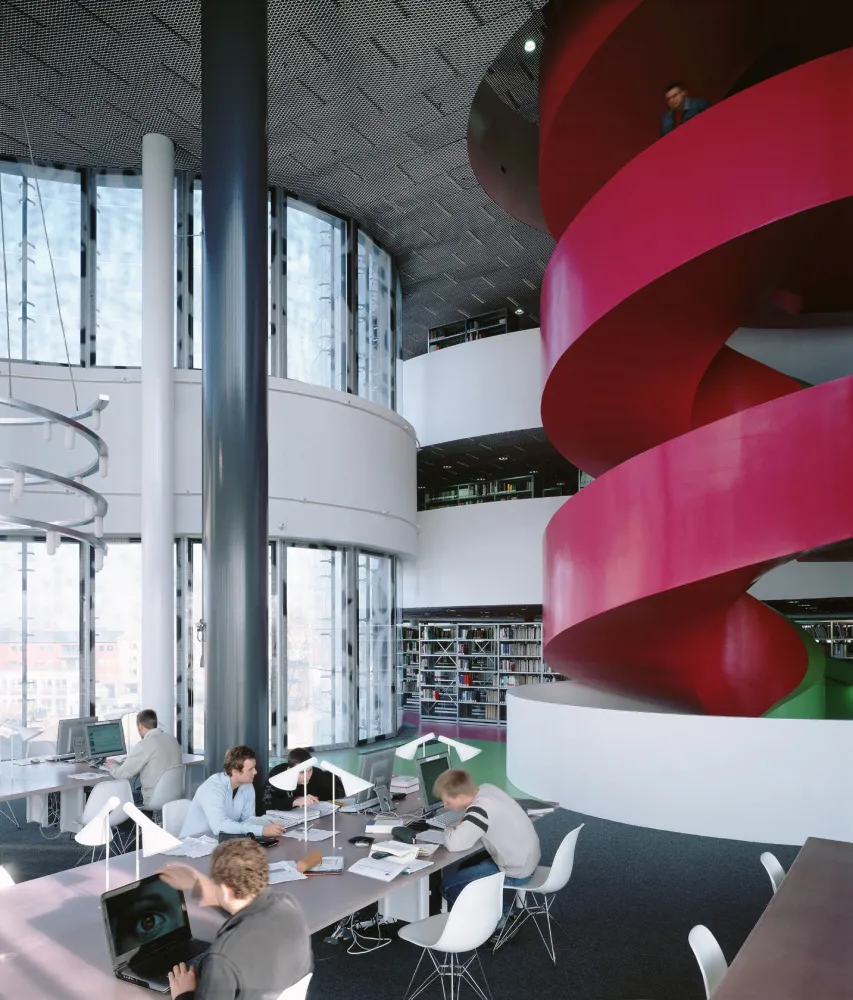
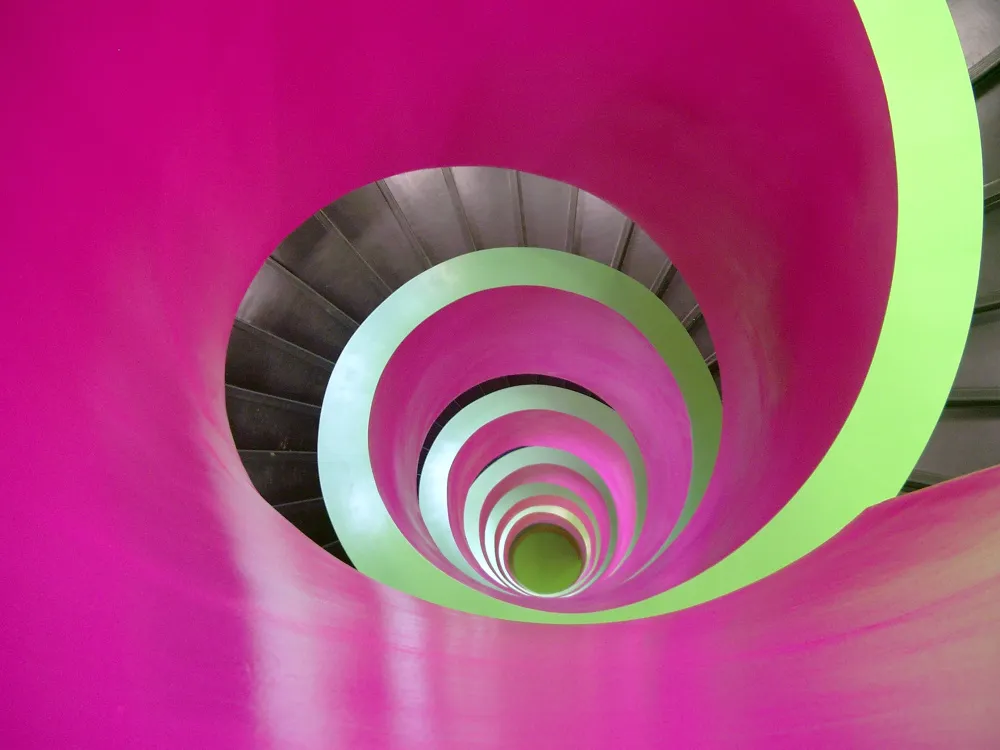
The deliberately designed facade features a double skin of translucent glass, printed with abstract letters, while the floor plates are set back at each level to create flowing interiors. The striking feature of the design was the colored staircase, offering a sculptural contrast to the white interiors.
3. Starfield Library
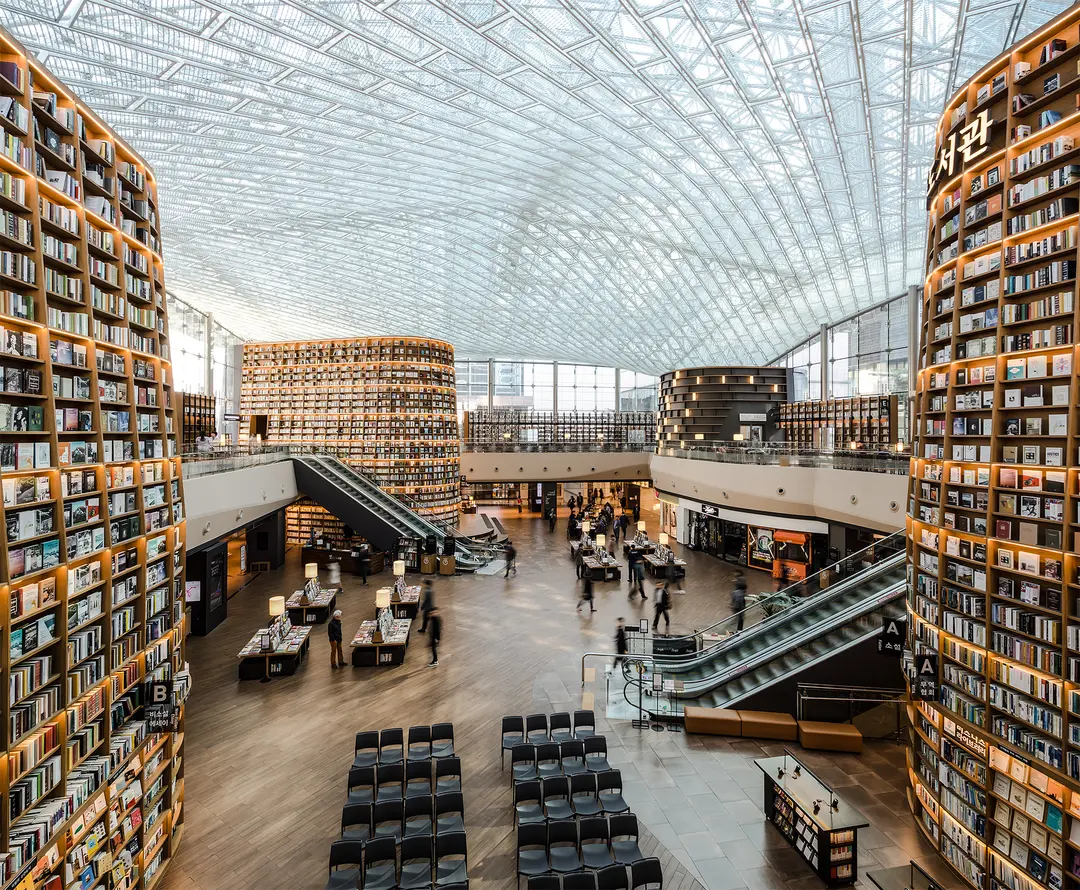
Location: COEX Mall, Seoul, South Korea
Architects: Gensler
Completion year: 2017
Total Area: 2,800 square meters
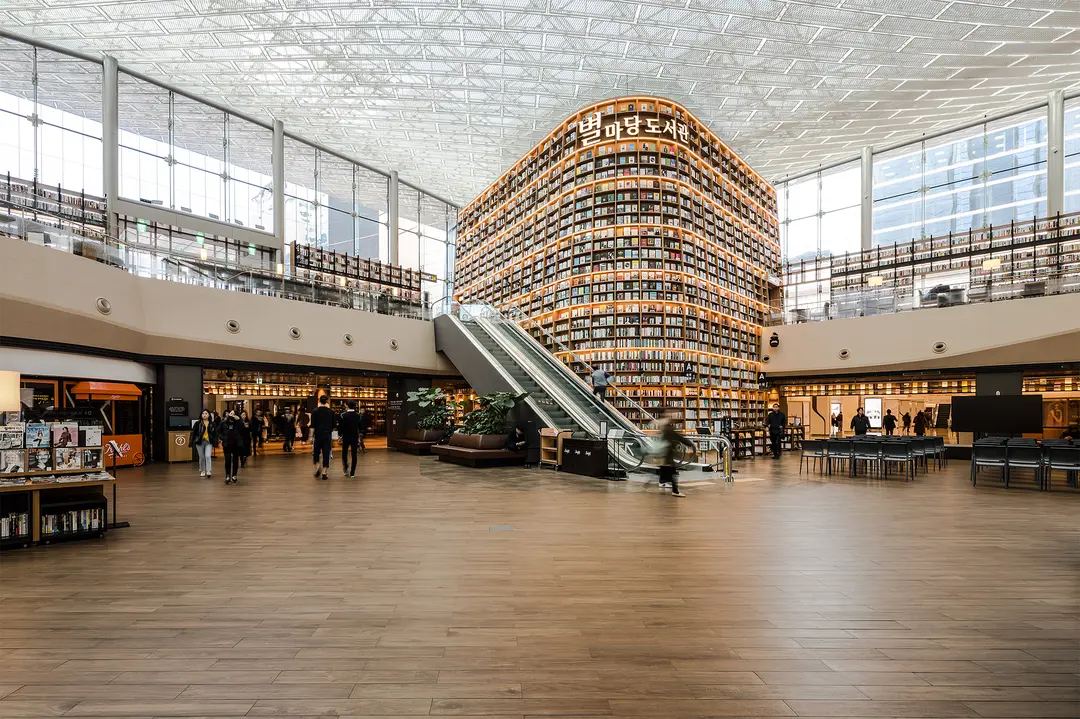
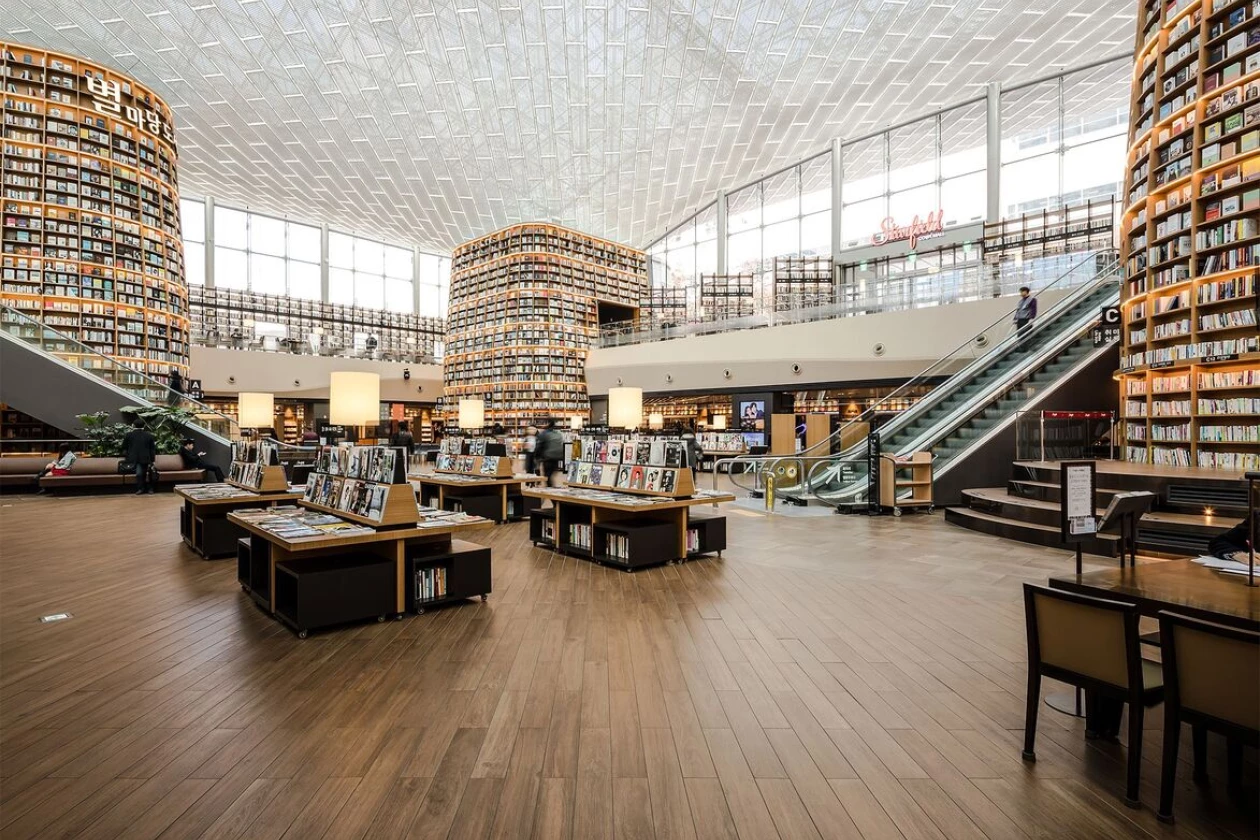
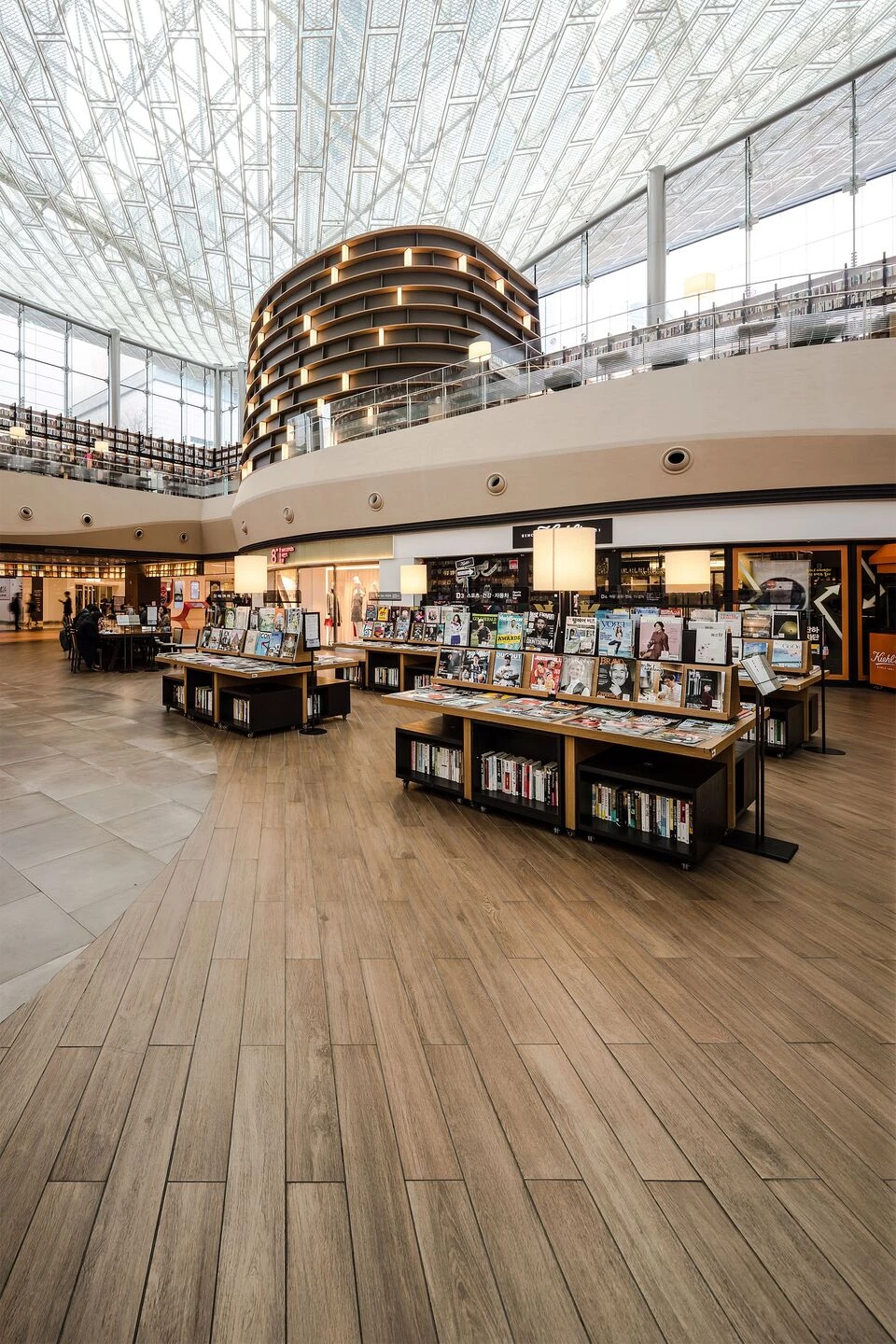
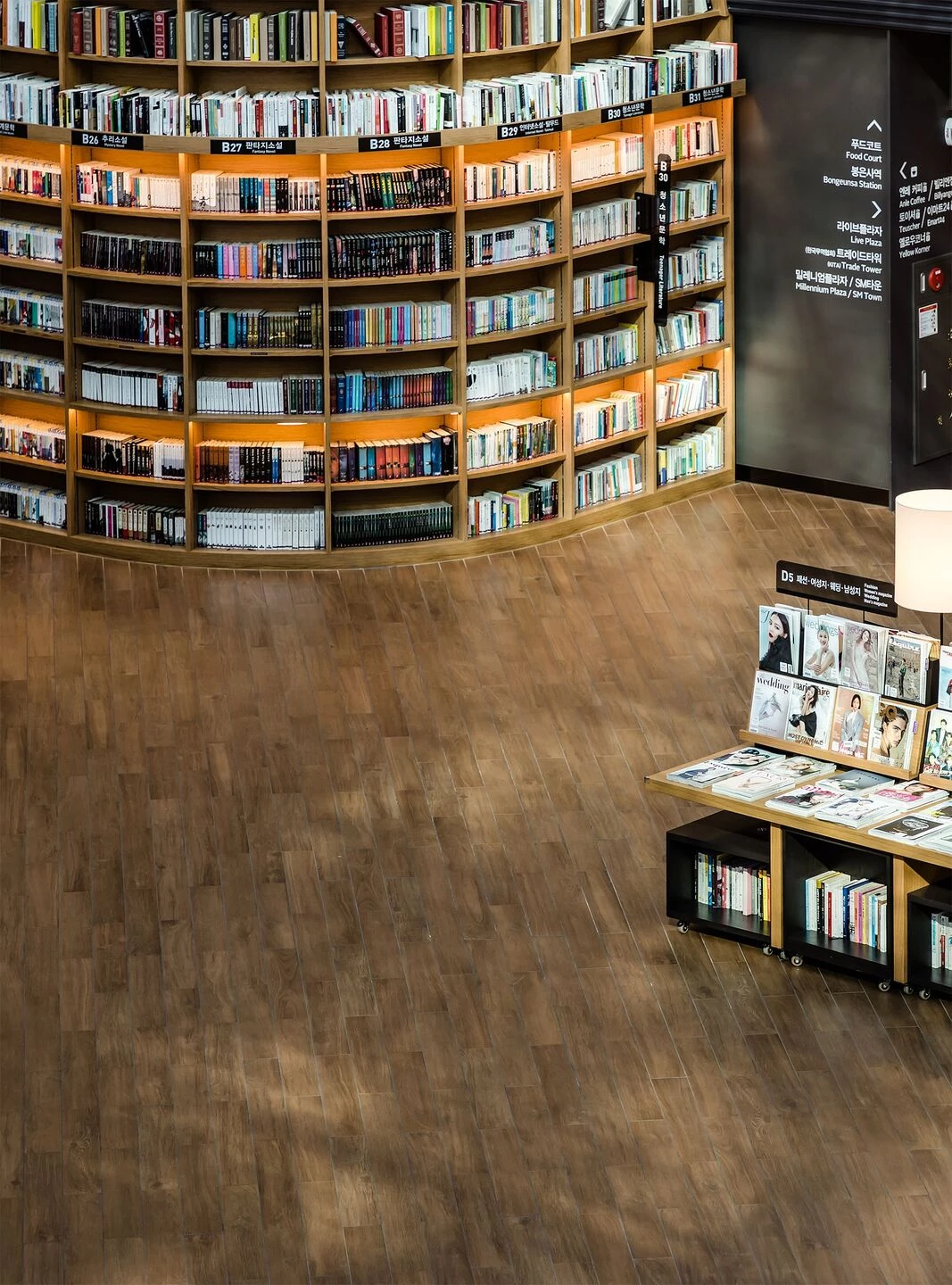
Nestled inside COEX Mall, the largest underground shopping center in Asia, Starfield Library exemplifies a masterful open-plan layout with striking elements: three monumental bookshelves, each reaching 13 meters high. This thoughtful approach created a sense of verticality and scale that was both functional and inspiring, enhancing a “starfield” effect. The design merged with the surrounding mall, inviting shoppers to pause and engage while admiring the central atrium, often used for art installations, lectures, author talks, and live musical performances, flooded with natural light, and transforming it into a dynamic cultural hub.
4. State Library Victoria
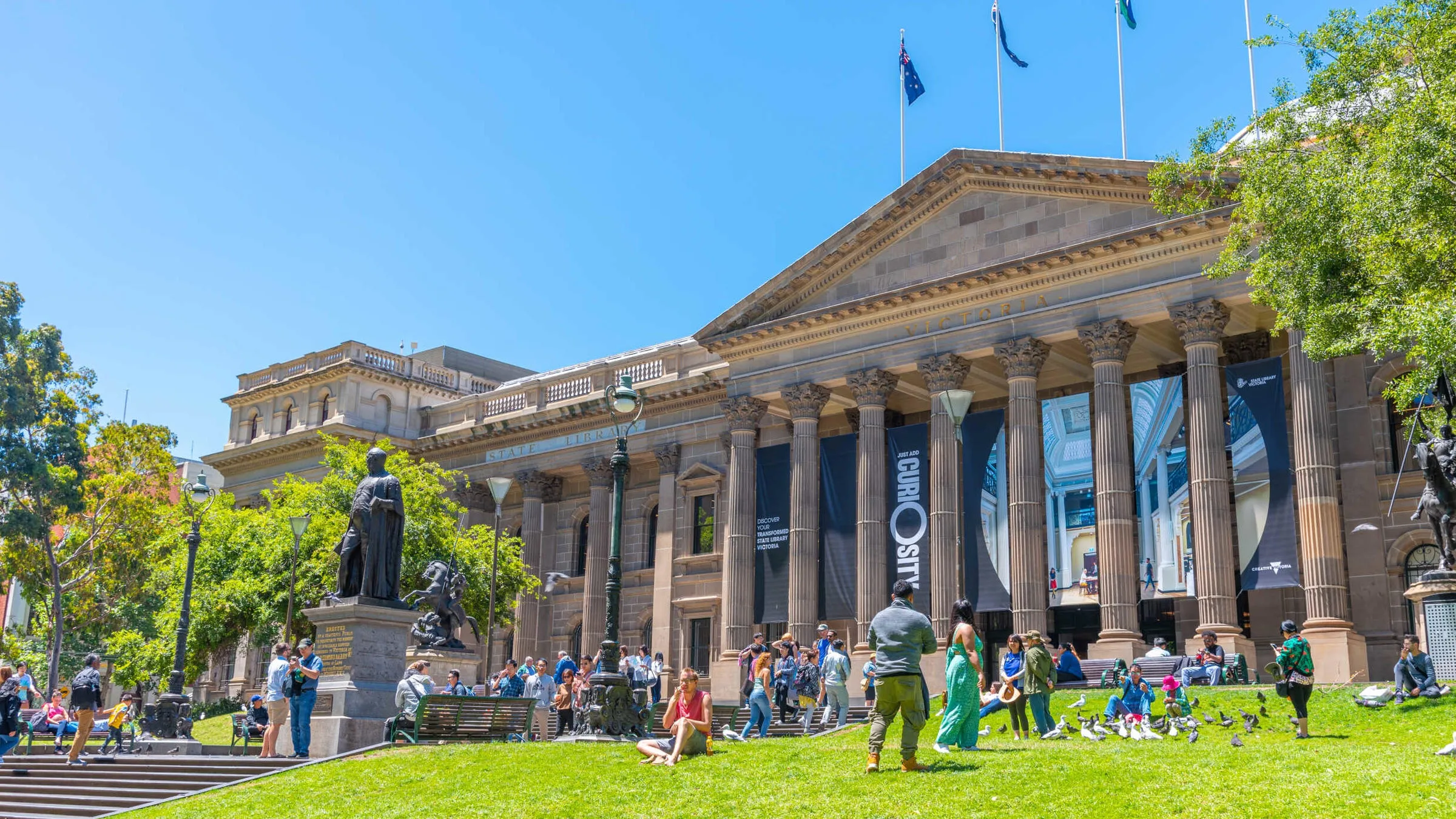
Location: Melbourne, Victoria, Australia
Original Architect: Joseph Reed (for the main facade and original wings)
La Trobe Reading Room Architect: Norman G. Peebles of Bates Smart
Recent Redevelopment Architects: Schmidt Hammer Lassen Architects (SHL) and Architectus
Completion year: 2019
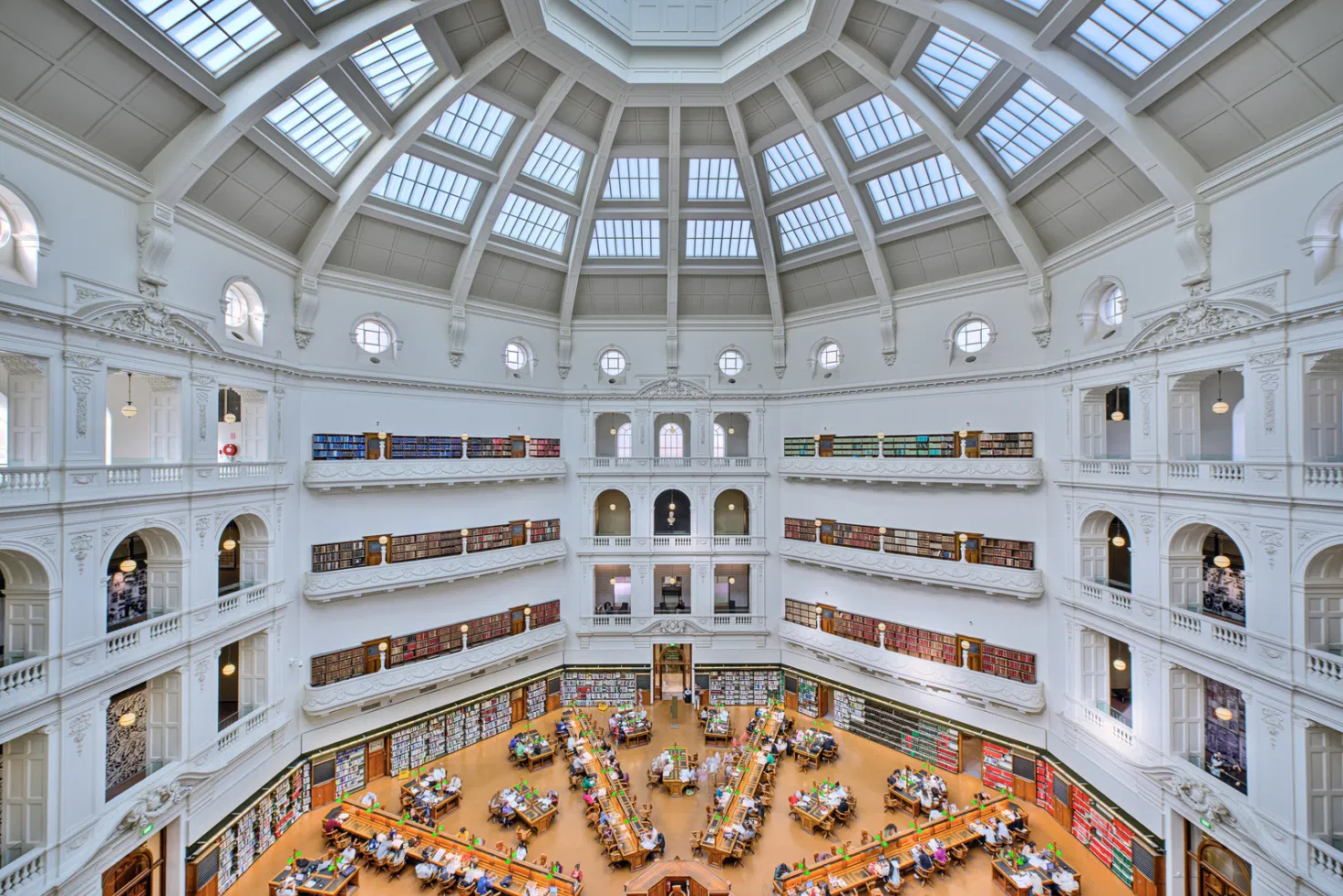
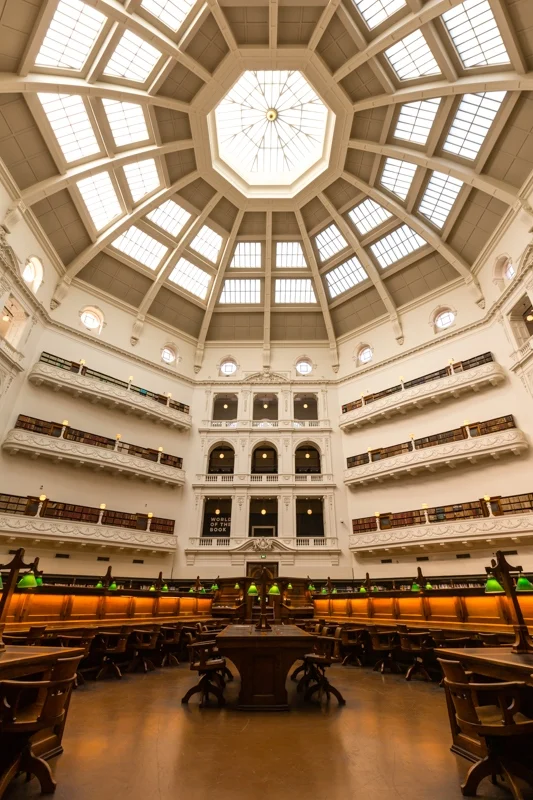
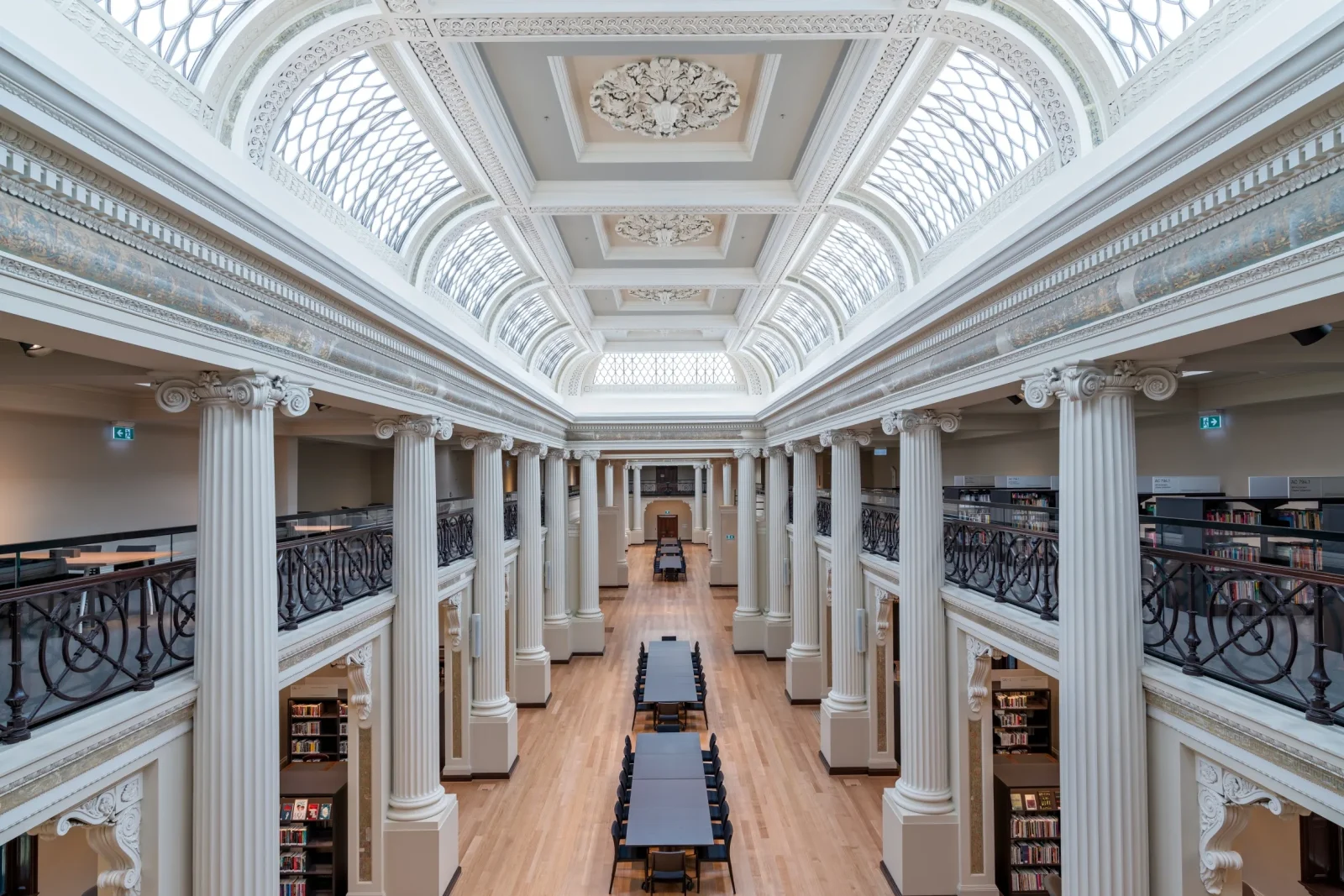
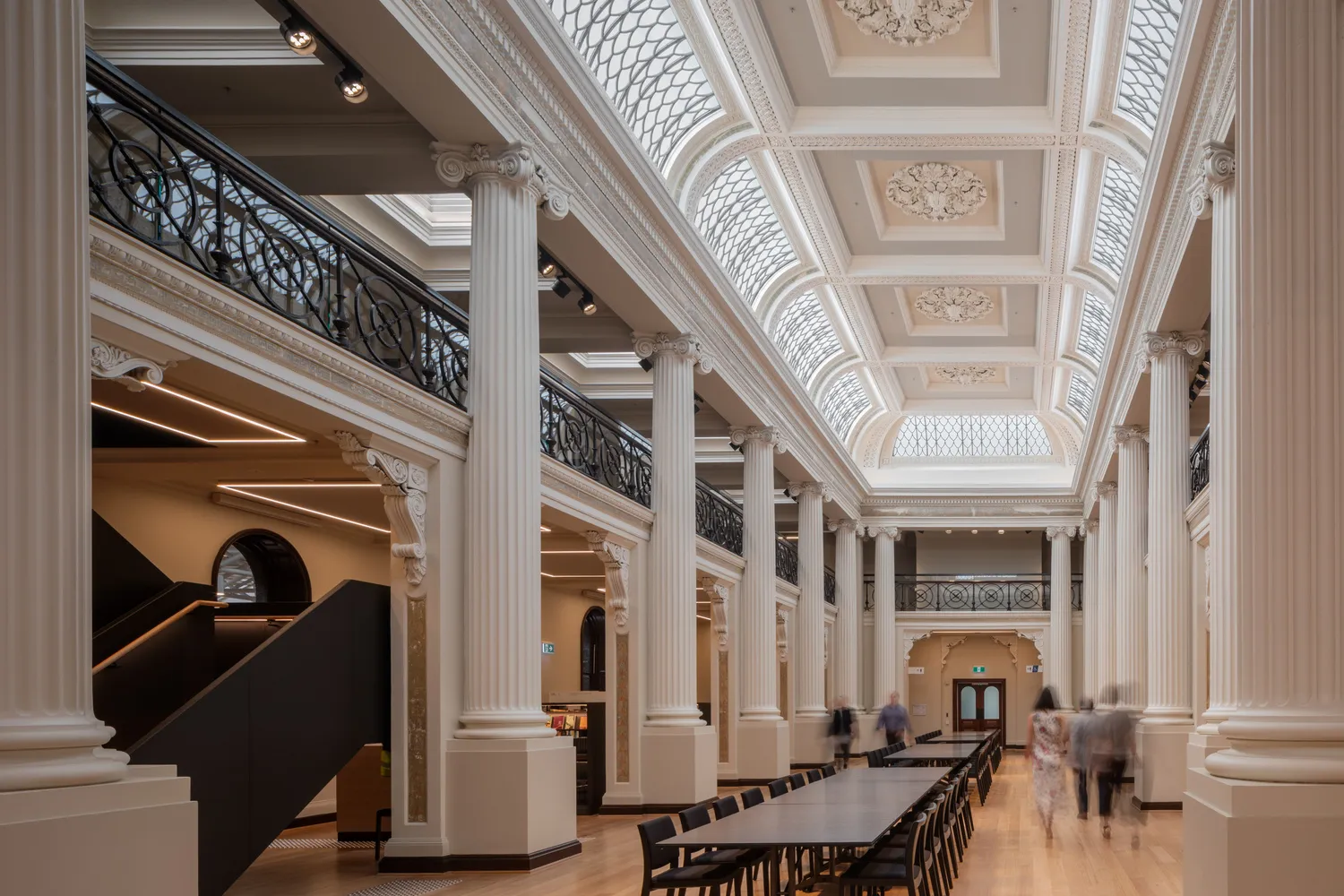
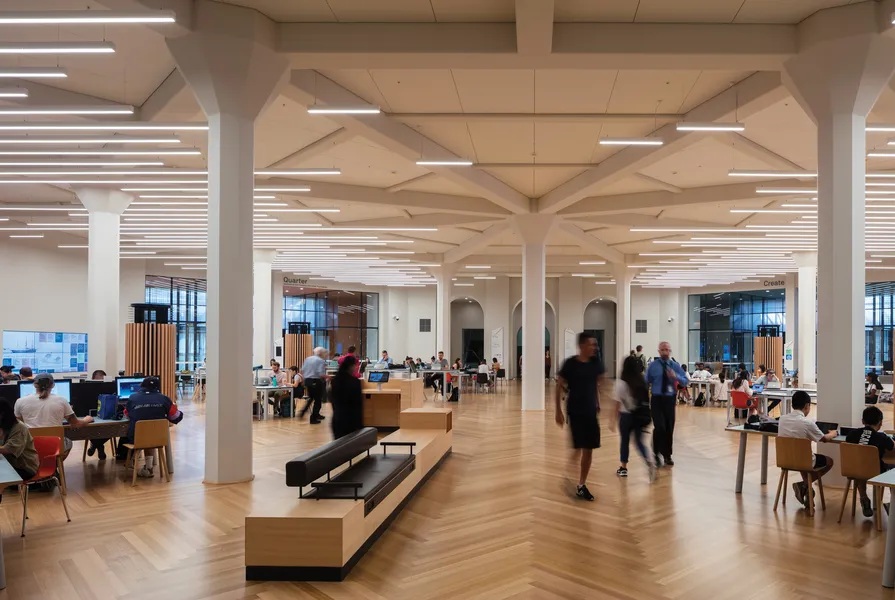
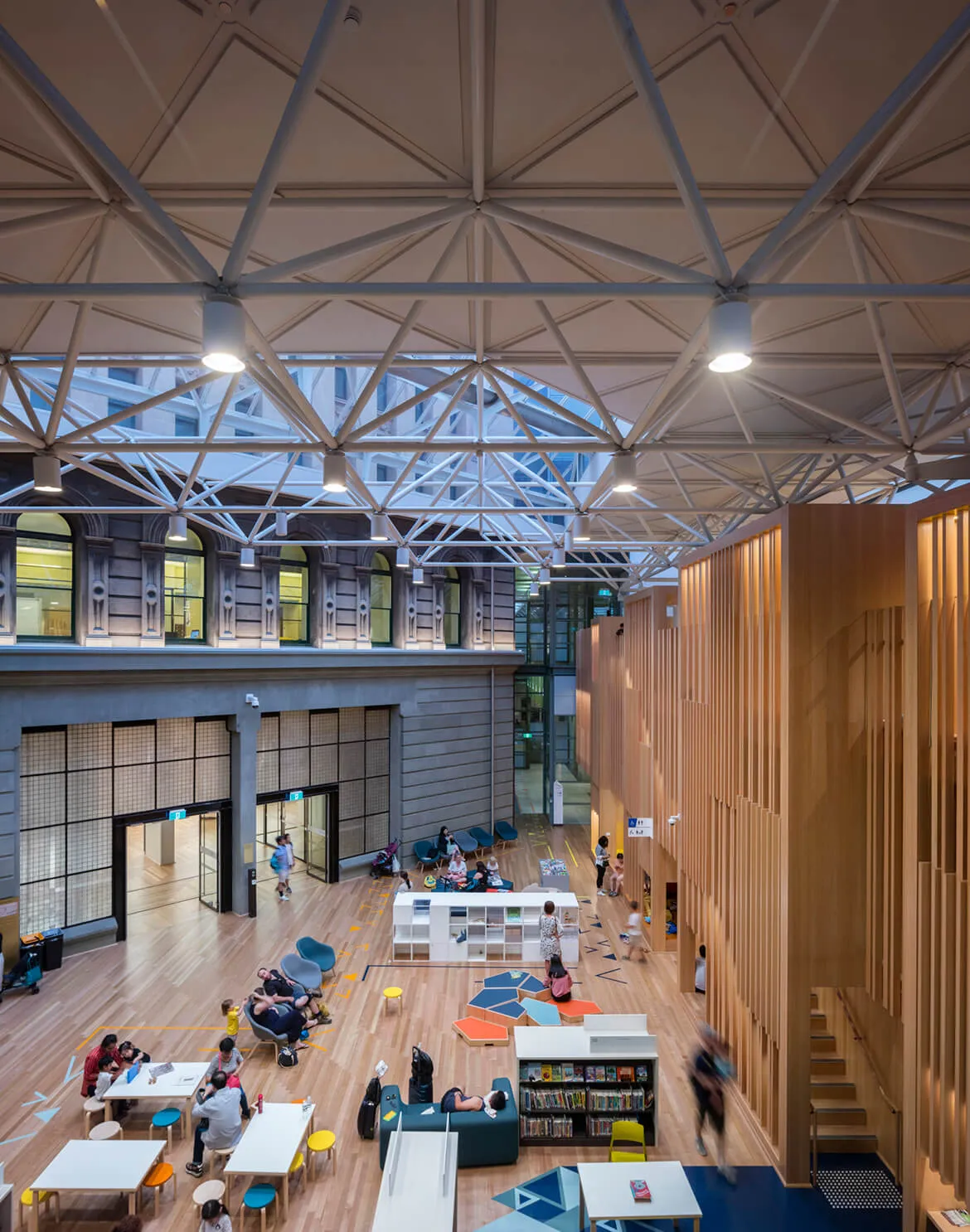
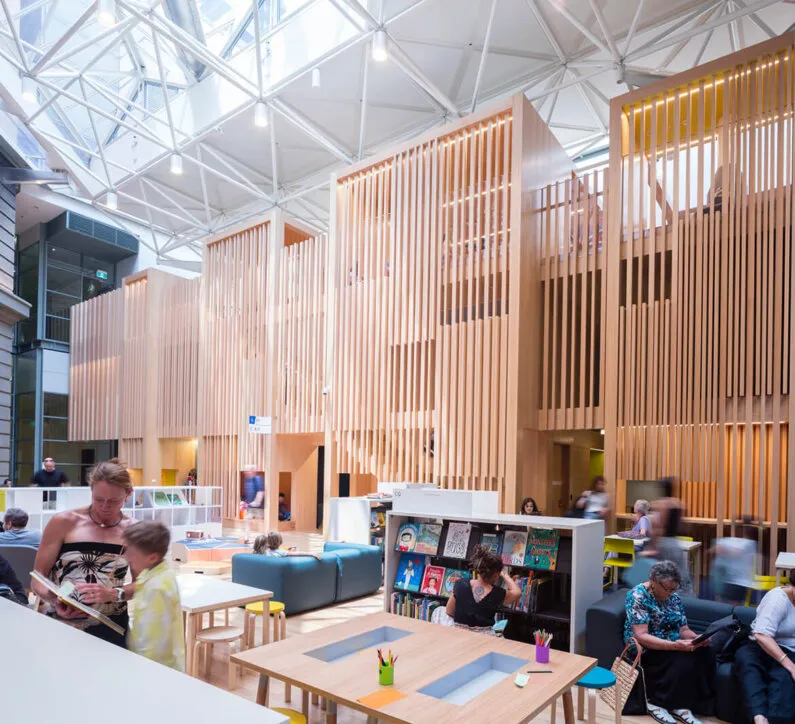
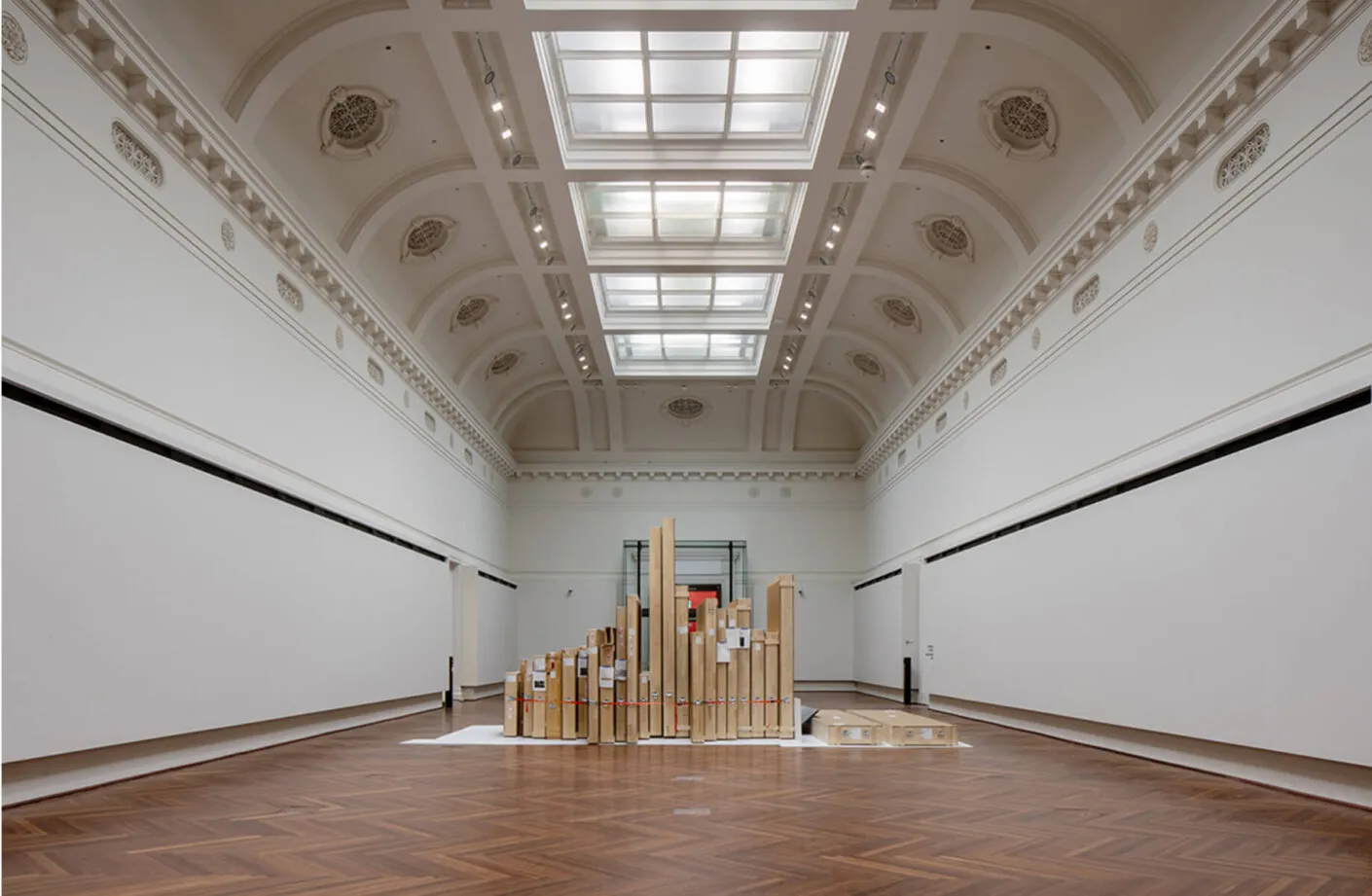
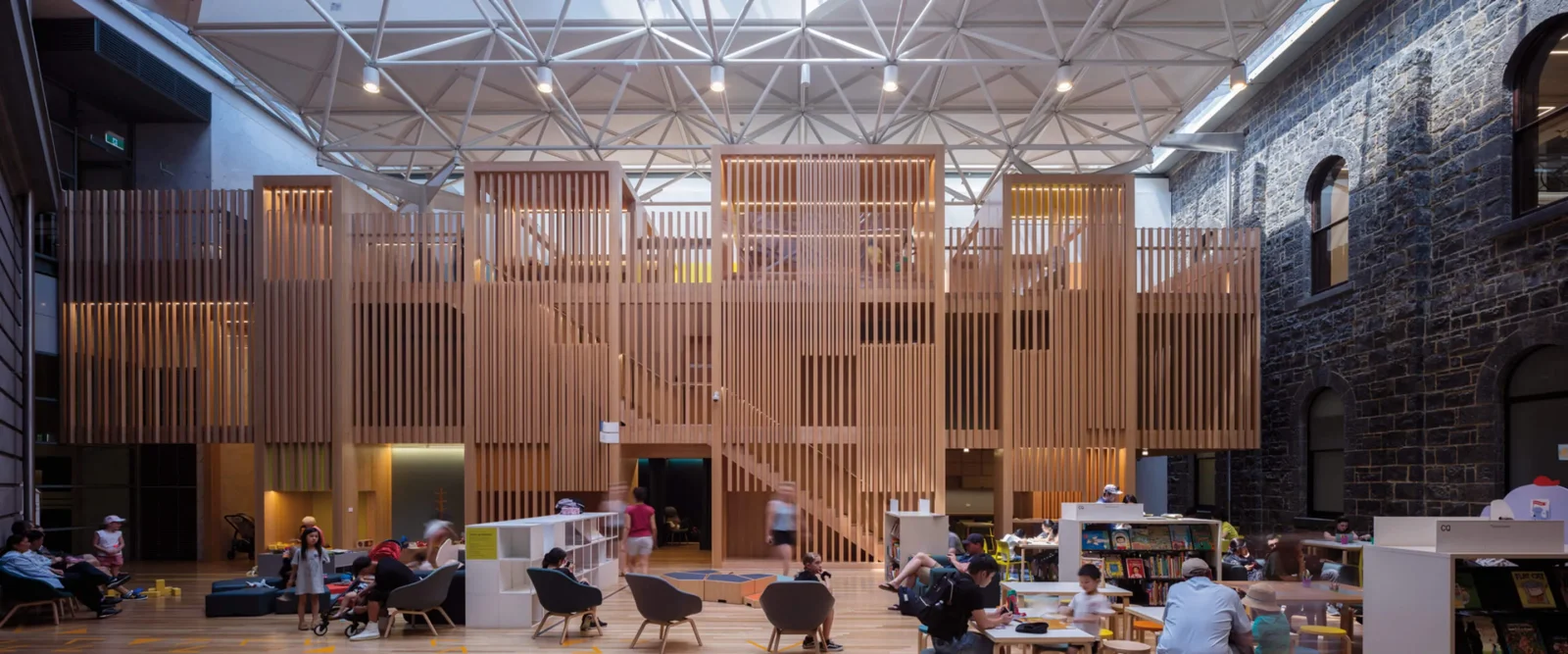
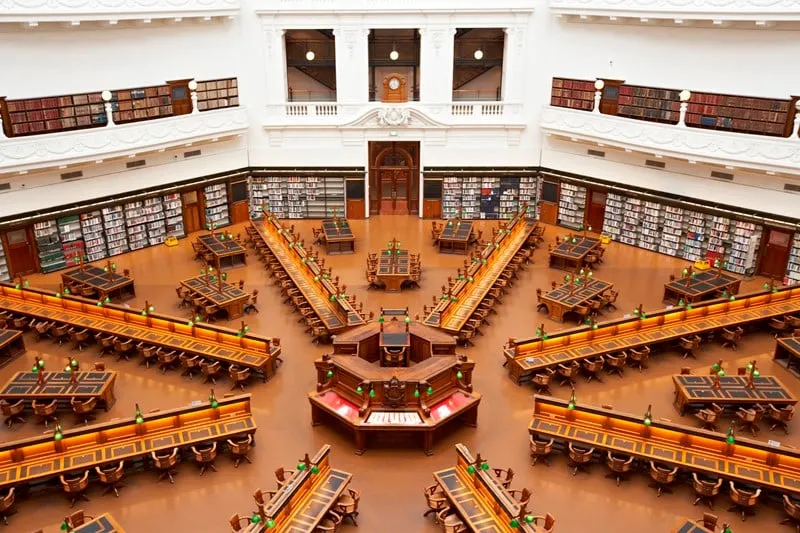
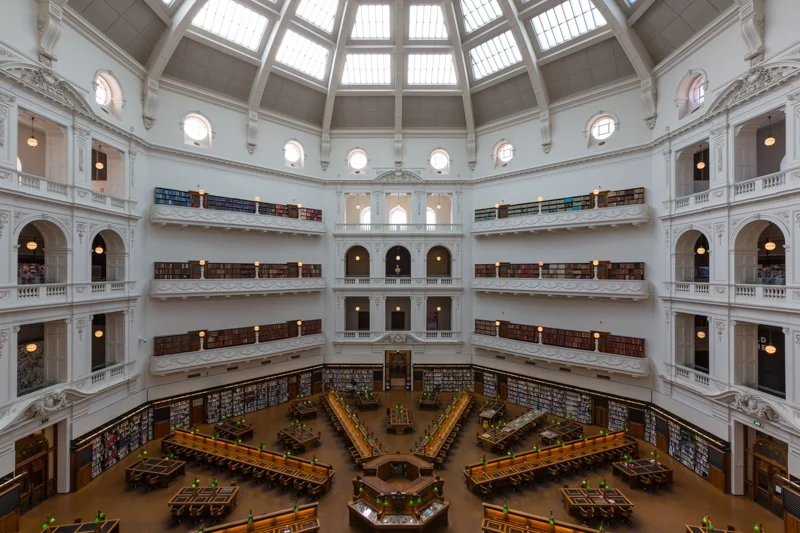
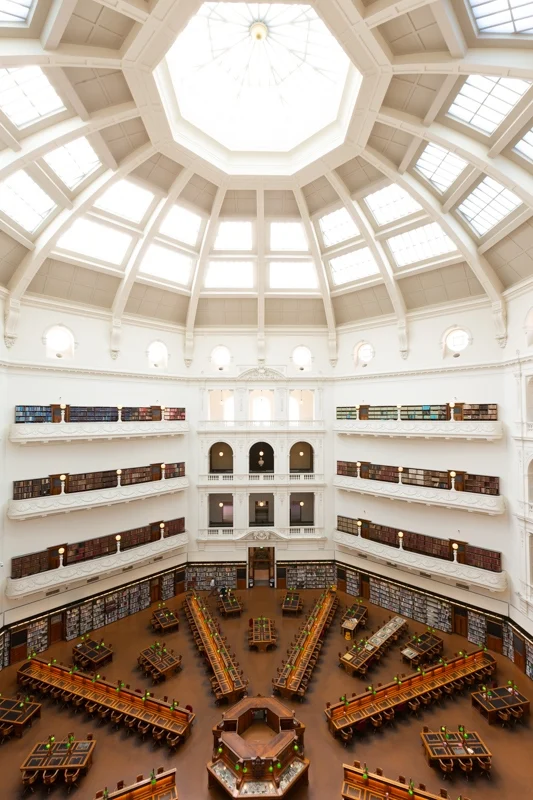
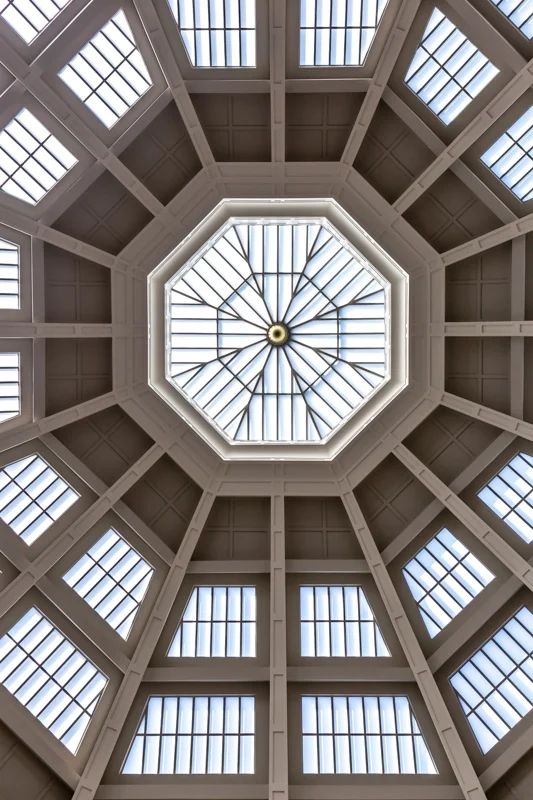
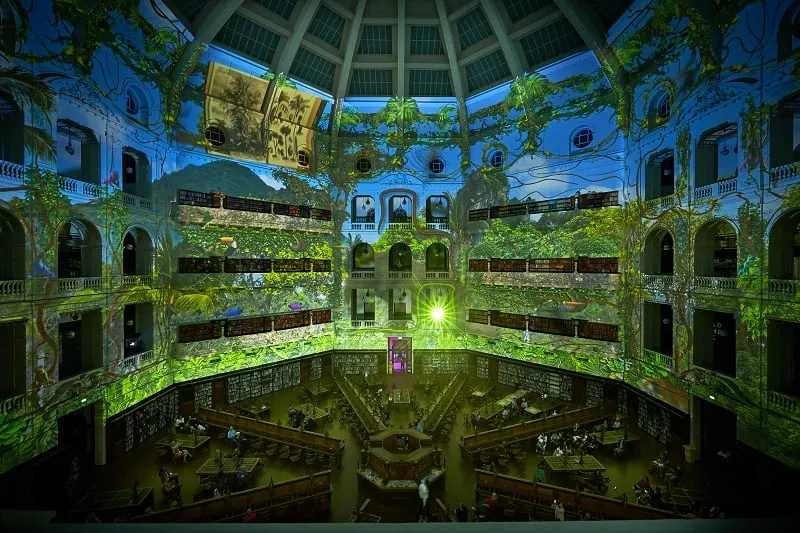
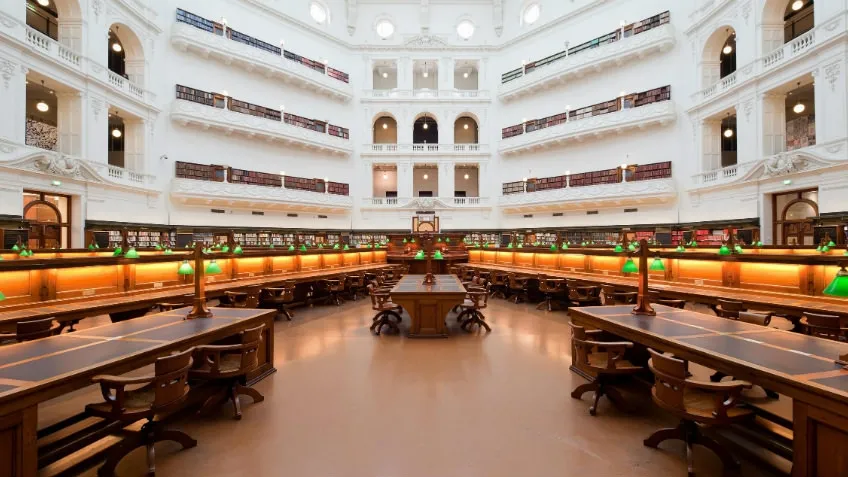
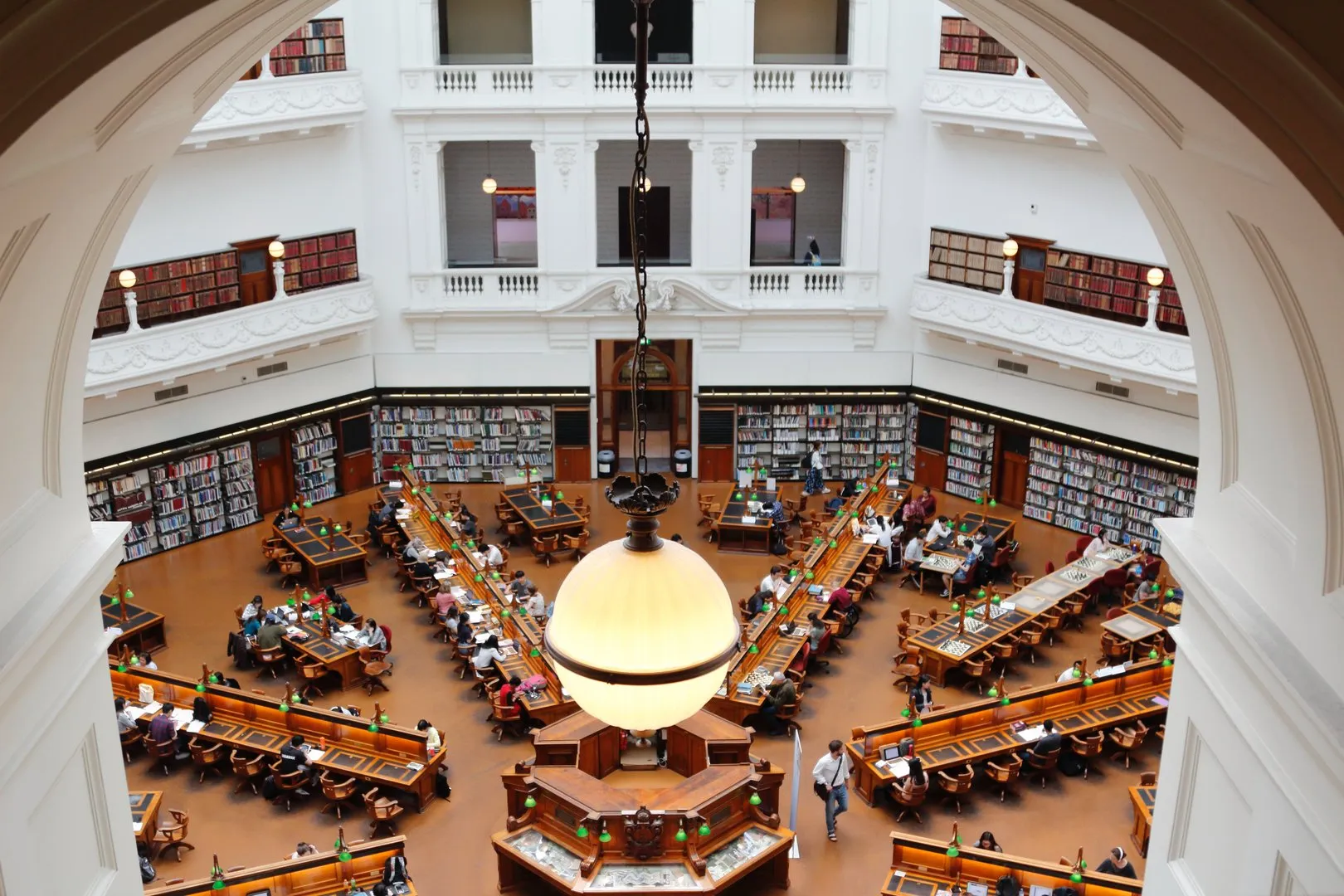
The grandeur of the Neoclassical style defined State Library Victoria, Melbourne’s spatial arrangement, with the addition of a massive octagonal space, the magnificent La Trobe Reading Room. The soaring dome with oculus at the top fills the space with natural light, designed with tiered desks arranged in concentric circles, facing the central book catalogue. The library underwent a recent change, blending old with the new, ensuring it remained a relevant and vibrant cultural hub for a new generation.
5. Admont Abbey Library
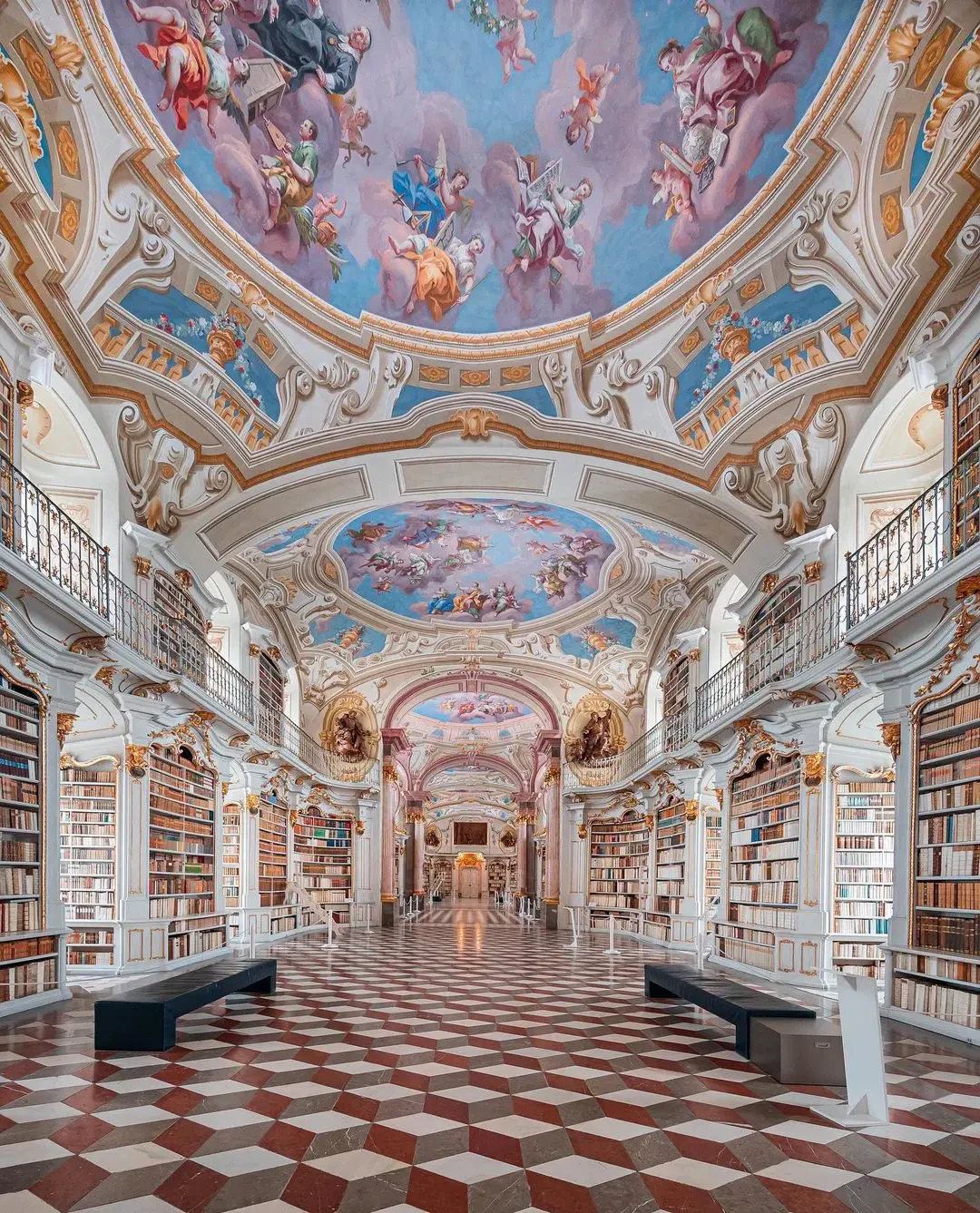
Location: Styria, Austria
Architect: Josef Hueber
Completion year: 1776
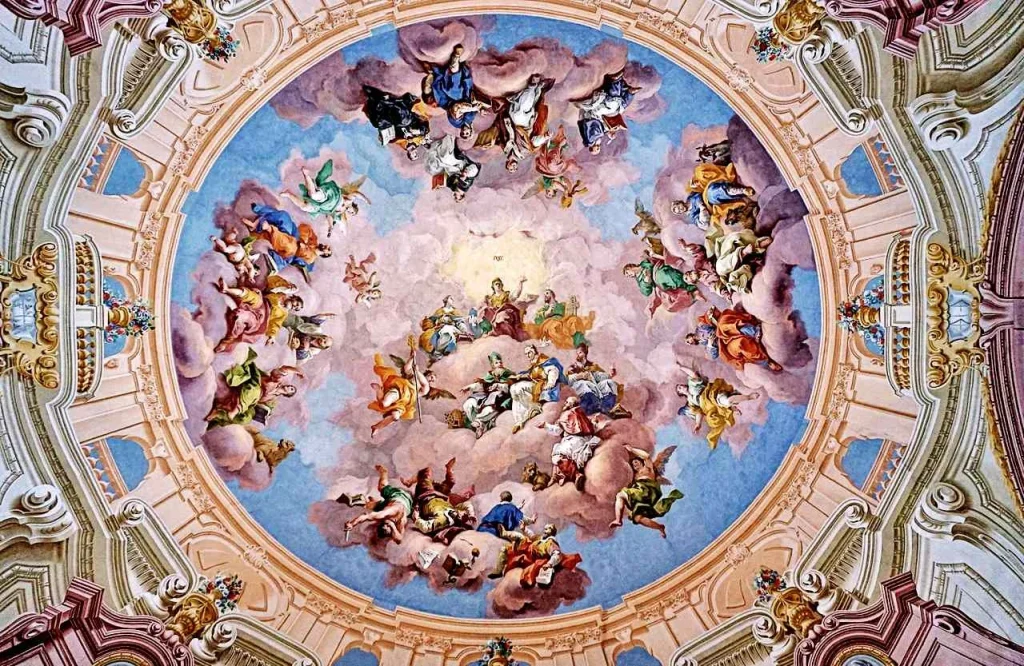
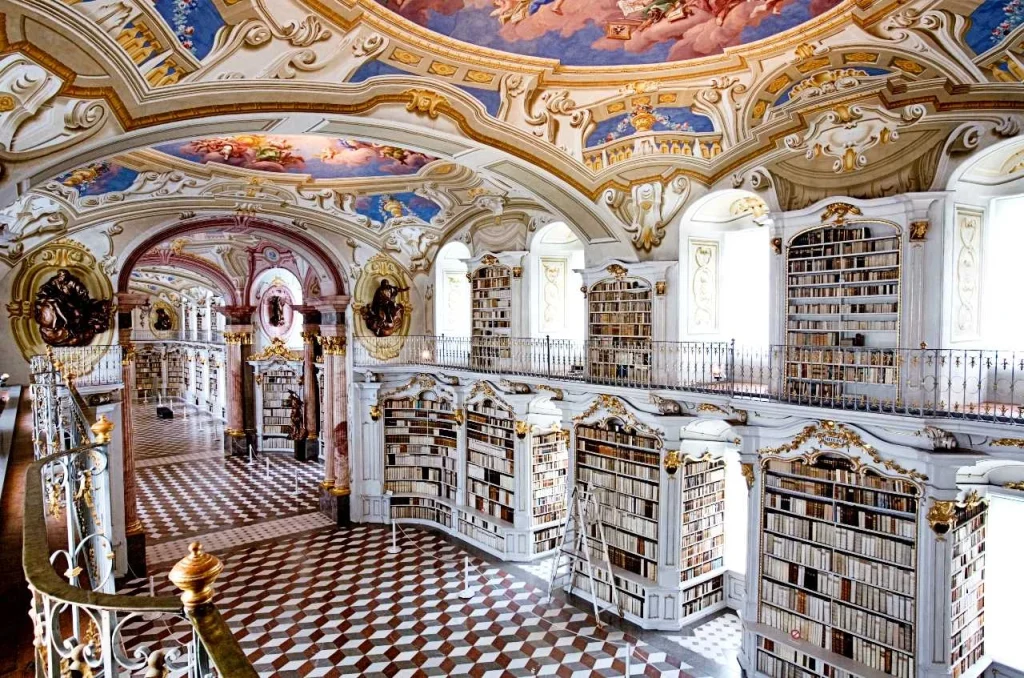
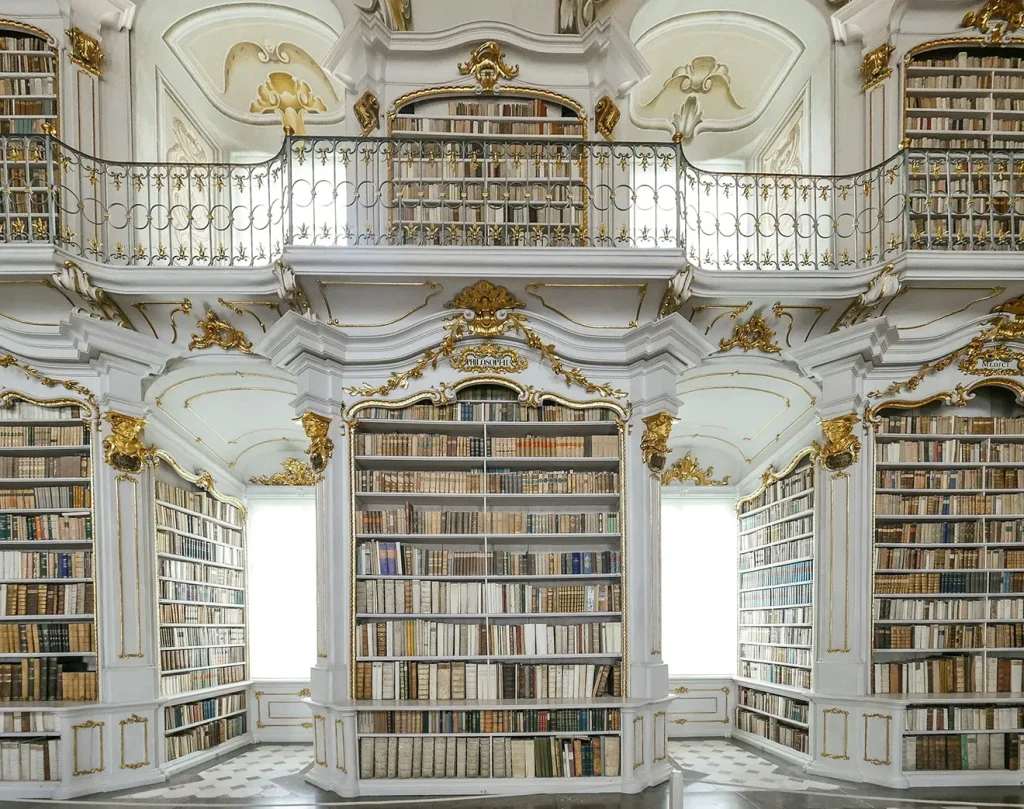
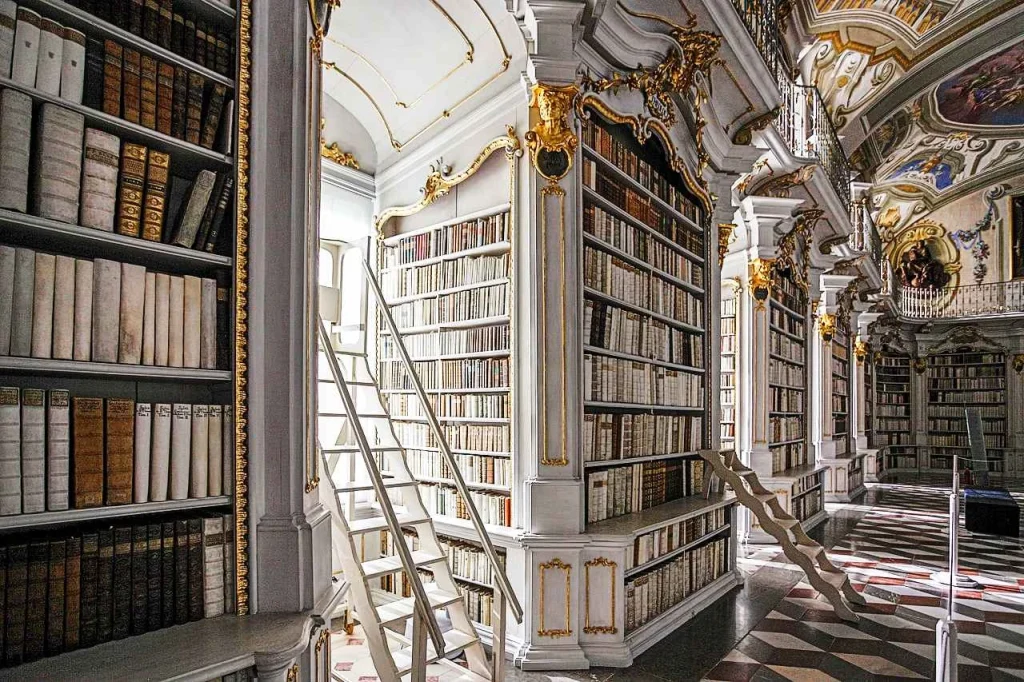
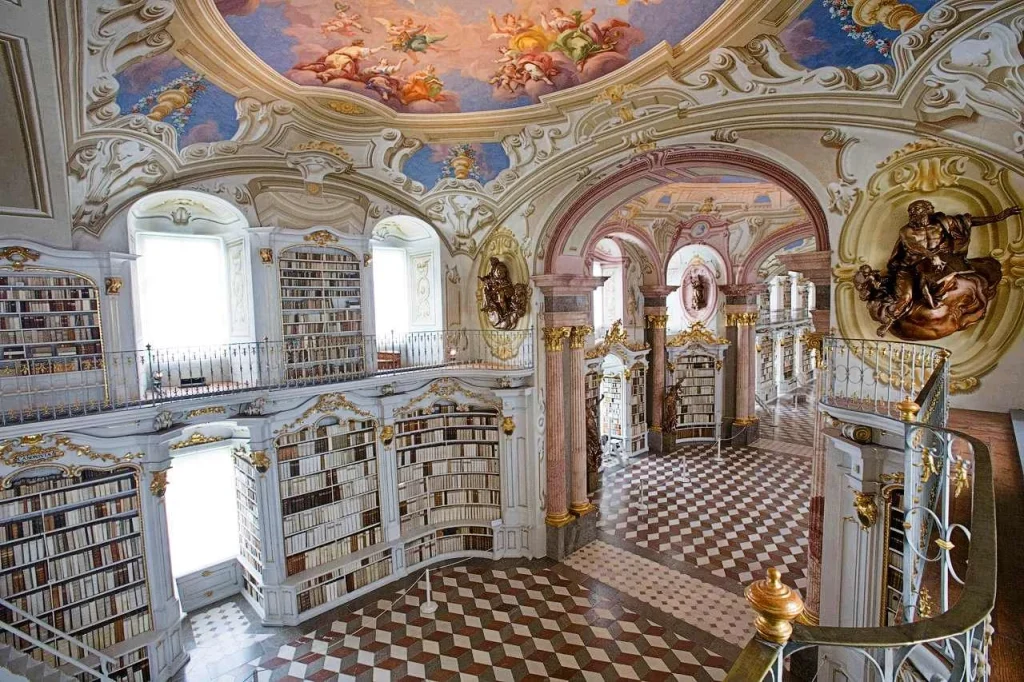
A masterpiece of the Late Baroque and Early Classicism style, the Admont Abbey Library is located within the Benedictine monastery of Admont in Austria. Its design centered on human intellect and wisdom, beautifully crafted through the use of light. The library consisted of a long, three-part hall, with its central dome and side pavilions creating an elongated but dynamic space.
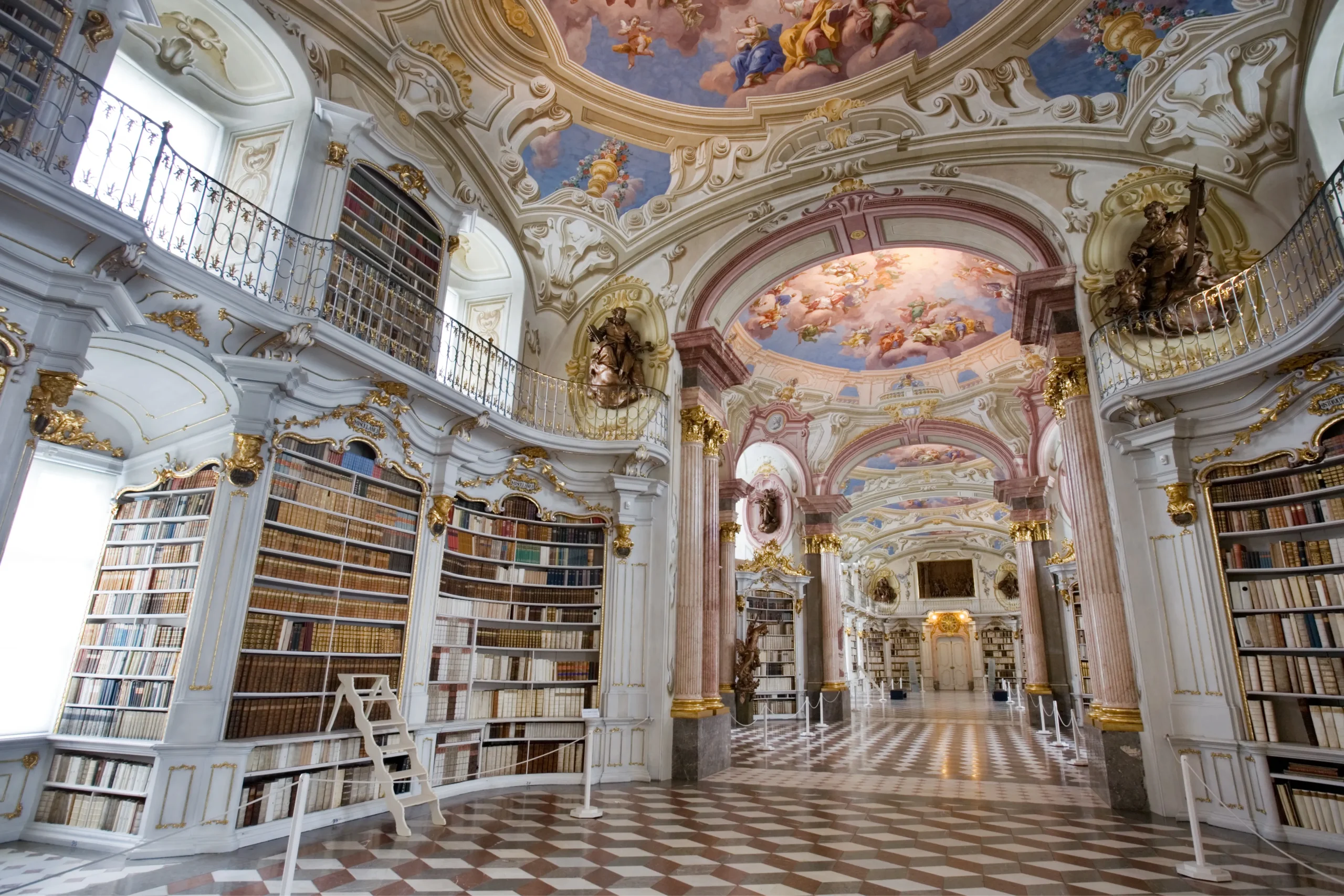
Classic elements elevated the holistic experience, with ceiling frescoes by Bartolomeo Altomonte and sculptures by Josef Thaddäus Stammel reinforcing the idea of knowledge as a path to eternal truth.
6. Trinity College Long Room
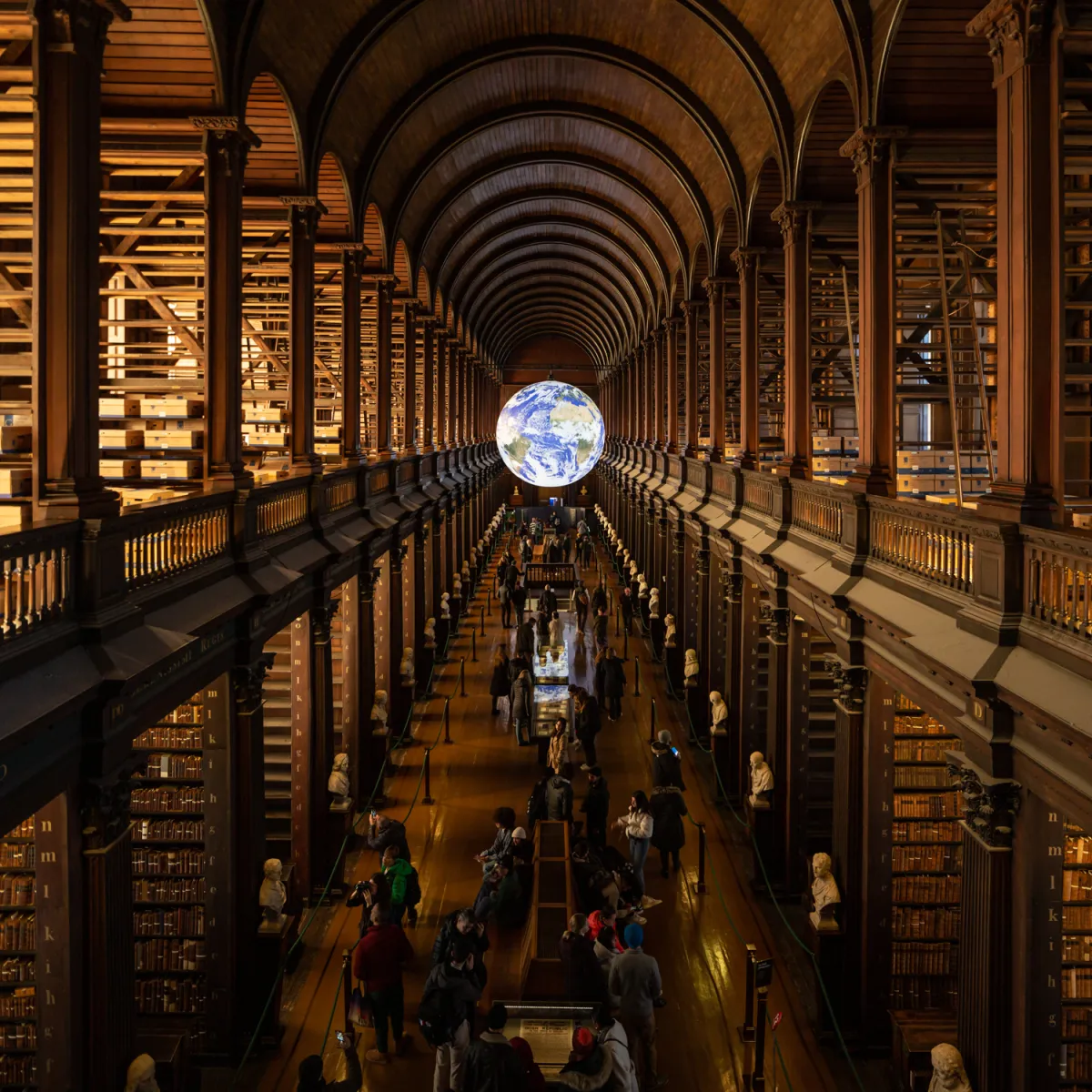
Location: Trinity College, Dublin, Ireland
Architects (Old Library): Thomas Burgh
Architects (Long Room ceiling): Deane & Woodward (1850s)
Completion year: 1732
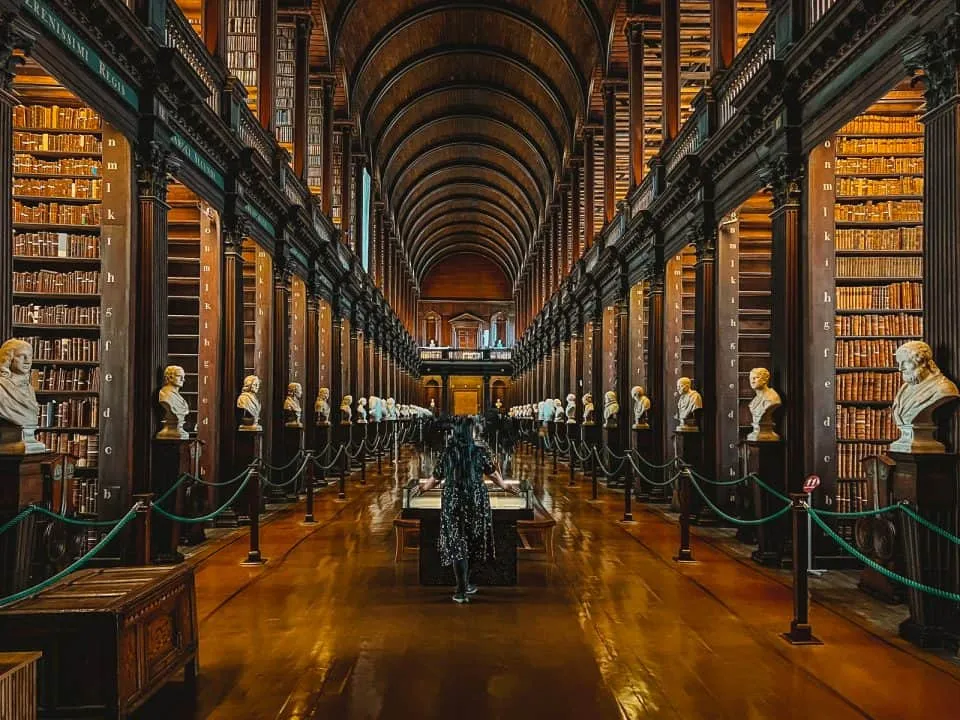
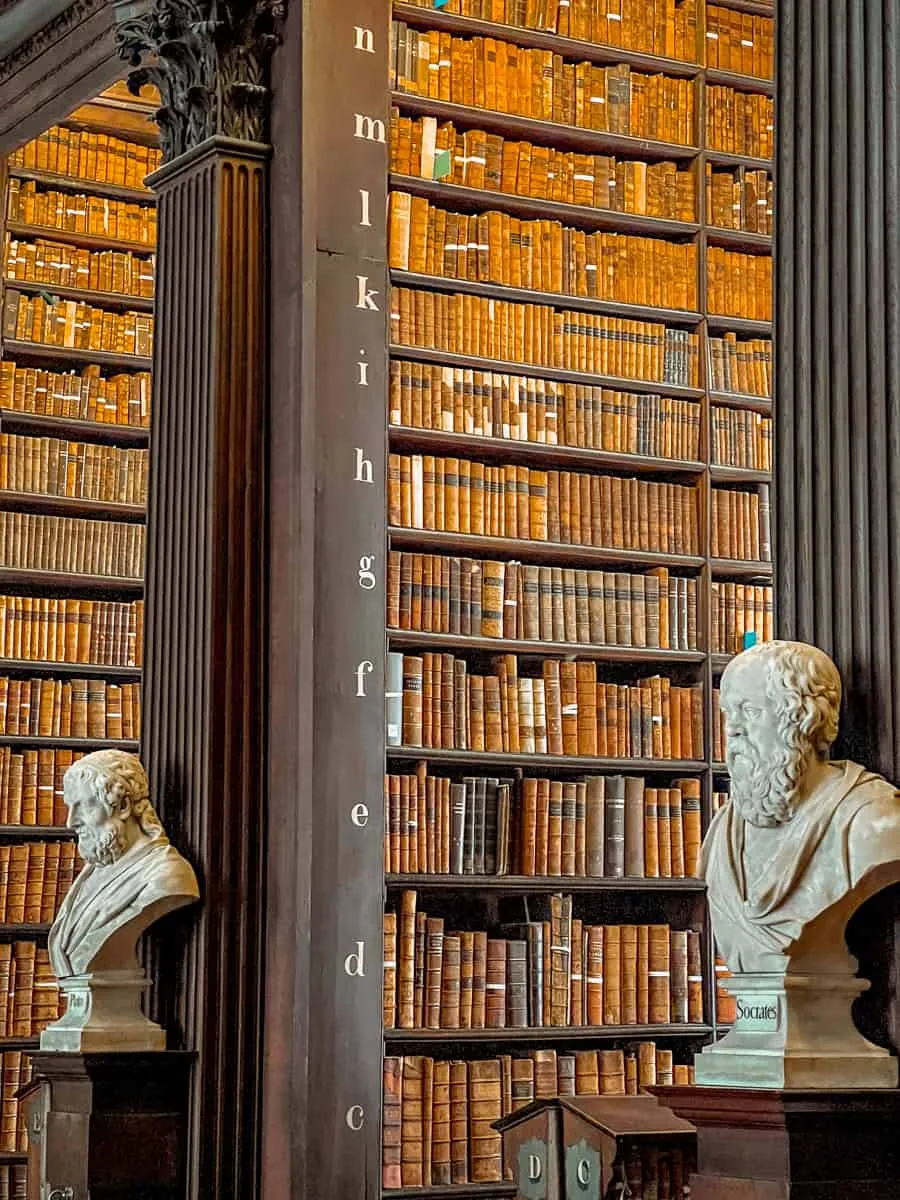
The 18th-century living monument that embodies the spirit of intellectual heritage and exemplifies the classical proportions and elegant craftsmanship still astonishes visitors. Spanning nearly 65 meters, the long room was originally built between 1712 and 1732 with a flat plaster ceiling and bookshelves only on the lower level. As the book collection grew, the roof was raised in 1860 to allow for an exquisite barrel‑vaulted ceiling and the addition of an upper gallery to house more volumes.
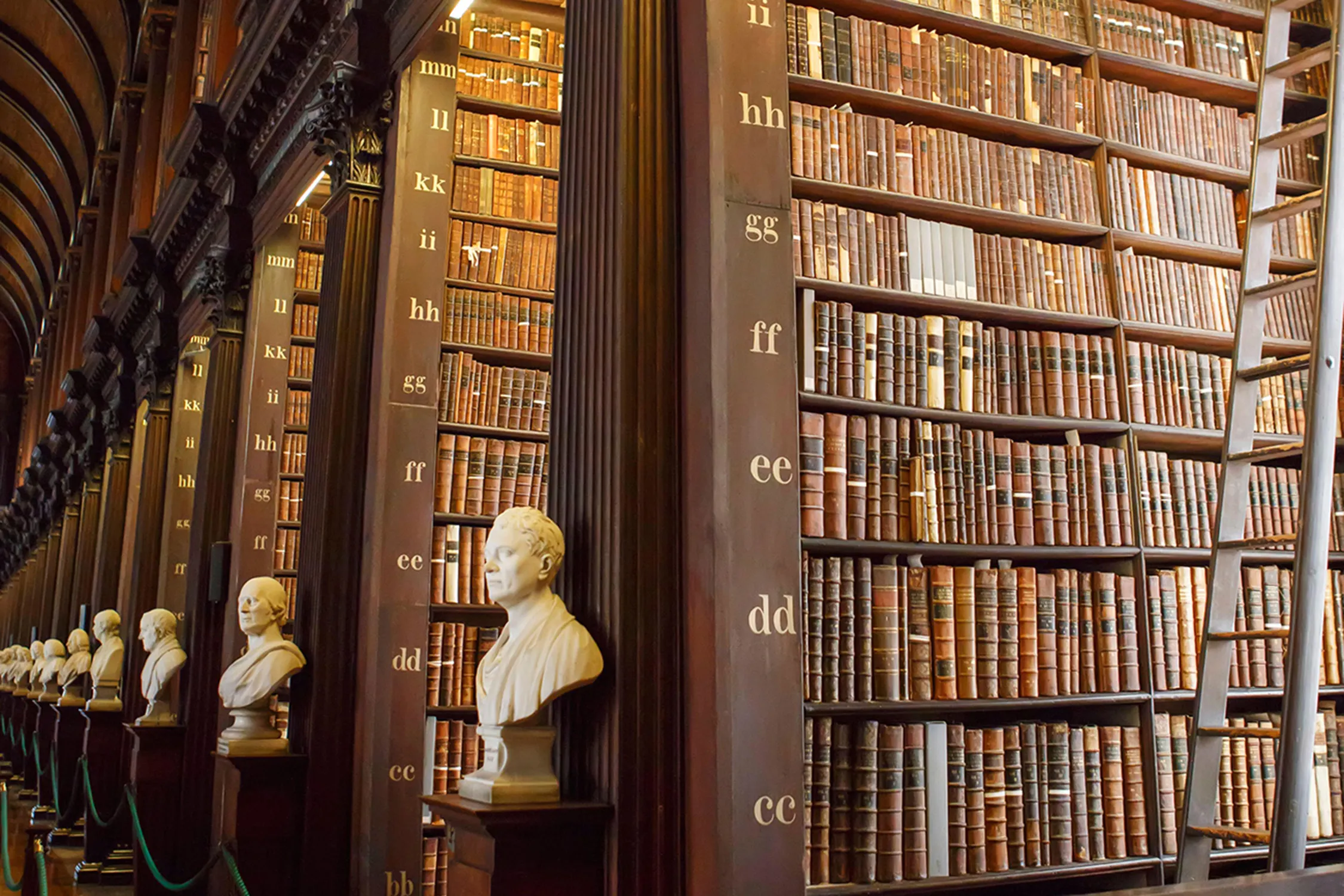
The symmetrical layout, with a central aisle, guided the gaze along the hall, and light streaming through the tall windows cast dramatic shadows, enriching the profound experience of knowledge.
7. Oodi Helsinki Central Library
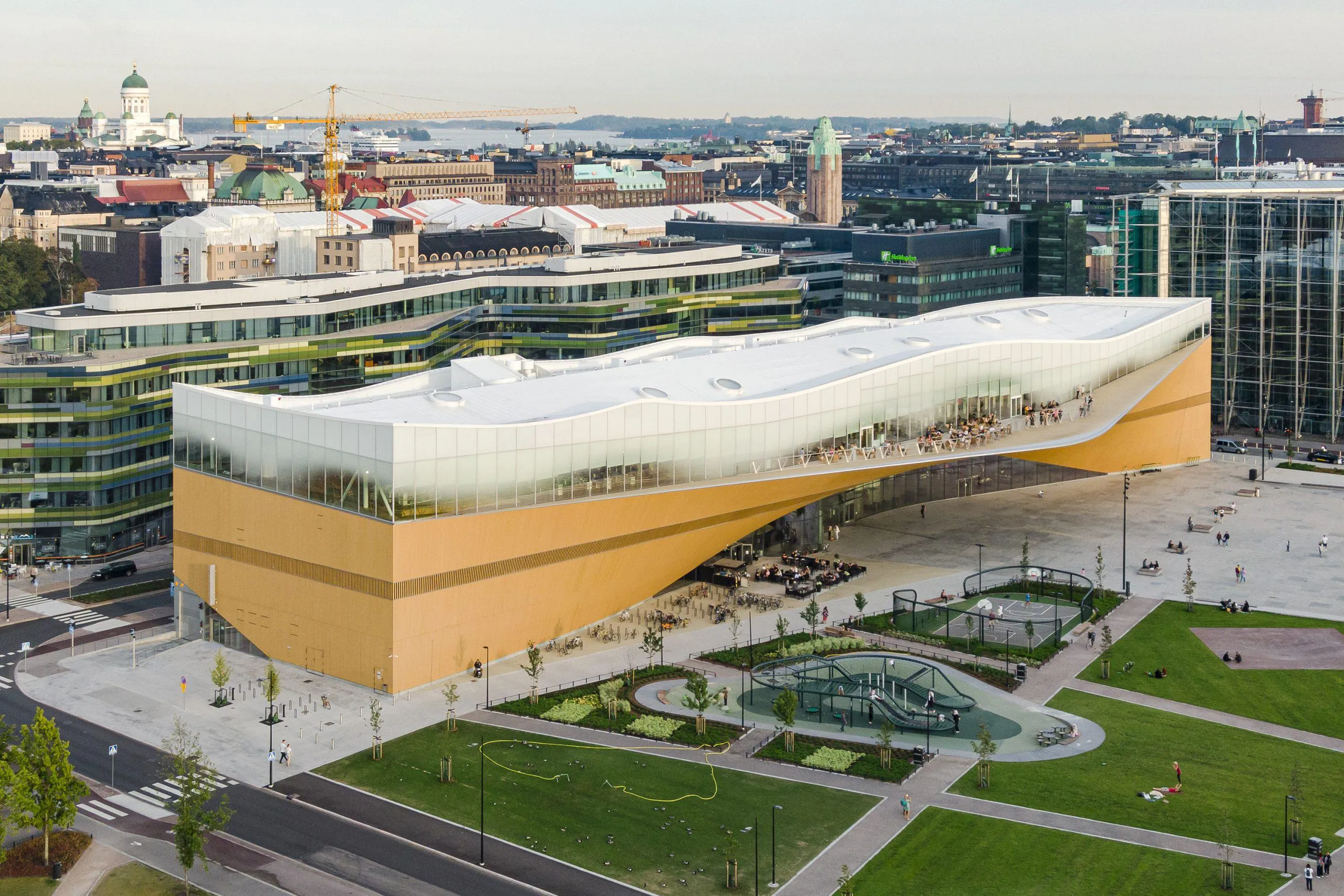
Location: Helsinki, Finland
Architects: ALA Architects
Completion year: 2018
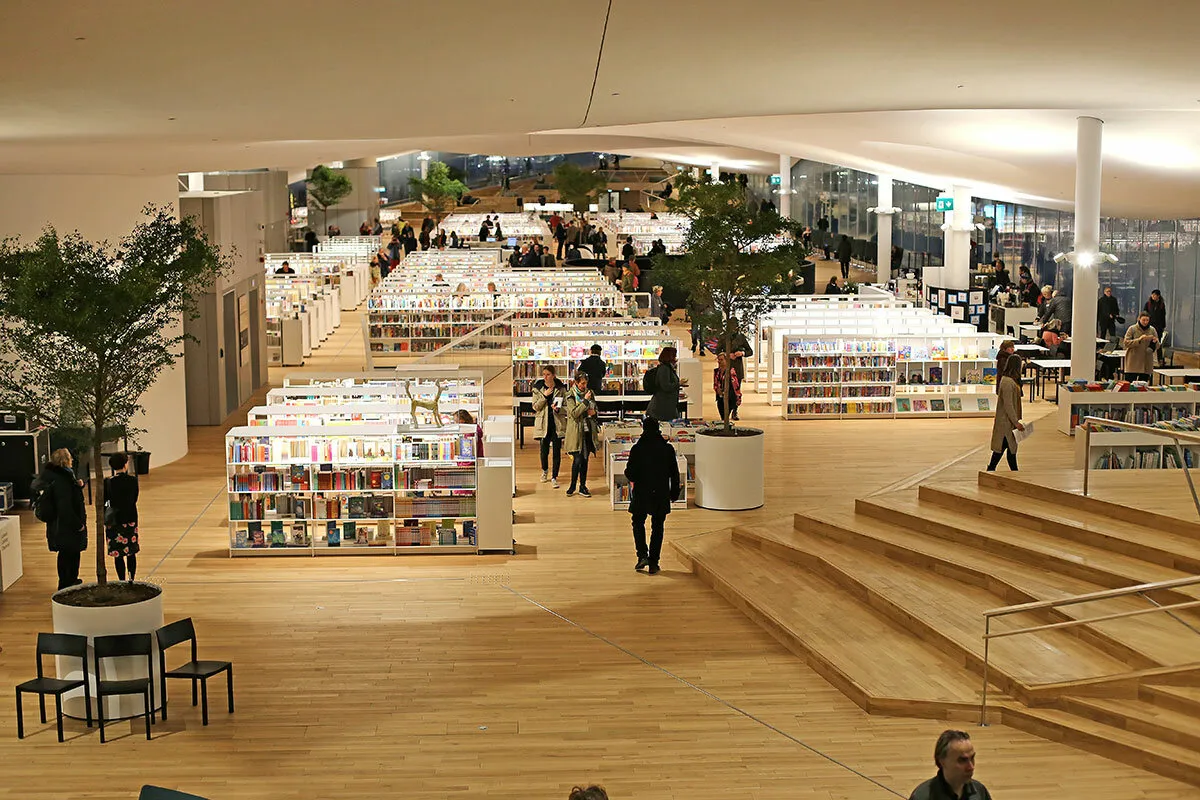
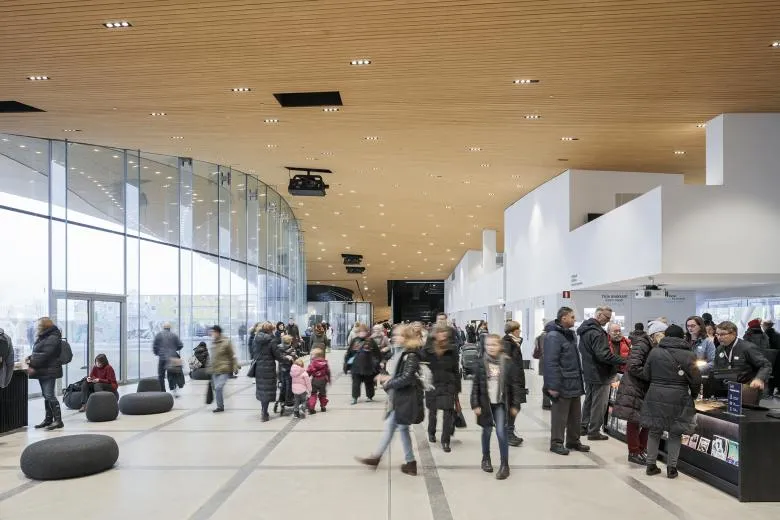
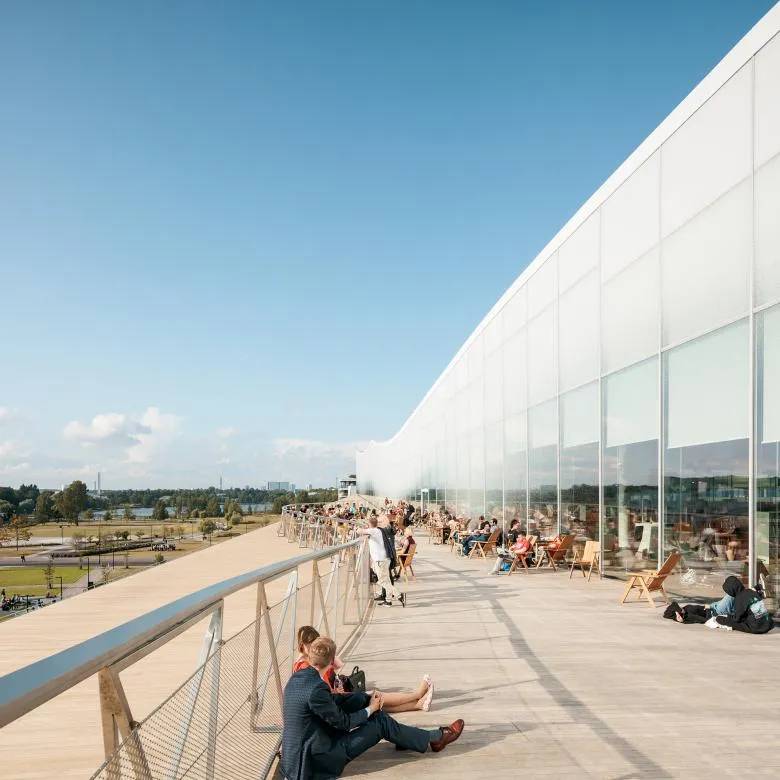
Responding to the Finnish values of accessibility, democracy, and education, Oodi, the Helsinki Central Library, redefined the role of the modern library in the 21st century. Located opposite the Finnish Parliament, its design blended exterior and interior spaces, forming a large civic square.
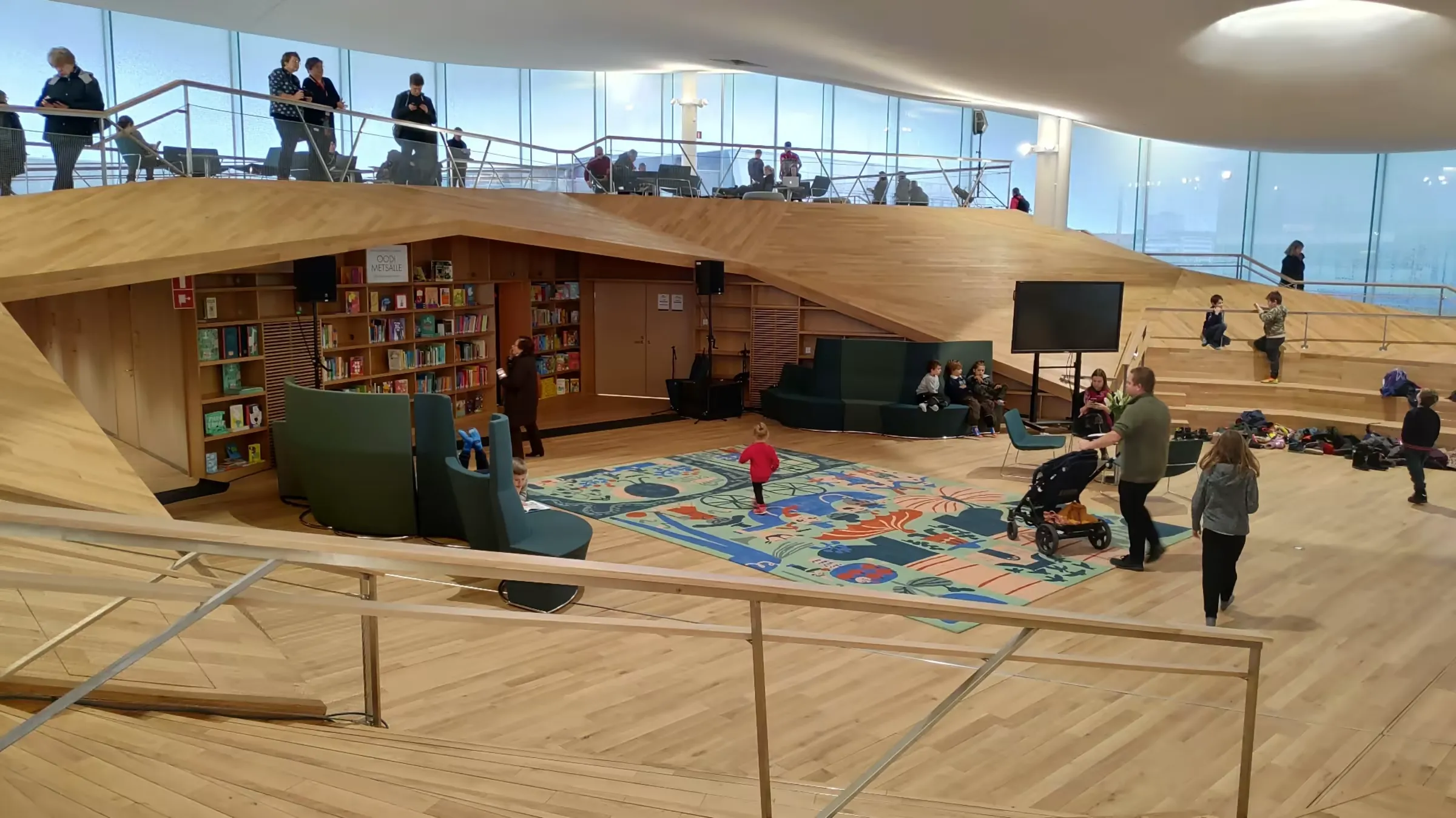
The building’s functions were divided into three levels: a lively ground floor with open public and event spaces; a middle floor with creative workrooms, studios, and interactive facilities; and a top floor featuring serene reading spaces and the “Book Heaven,” for reflection and quiet study. Beyond books, Oodi offered an array of services, including 3D printers, recording studios, a cinema, cafés, and flexible meeting rooms.
8. Seattle Central Library
Location: Seattle, Washington, USA
Architects: OMA (Office for Metropolitan Architecture) and LMN Architects
Total Area: 34,000 square meters
Completion year: 2004
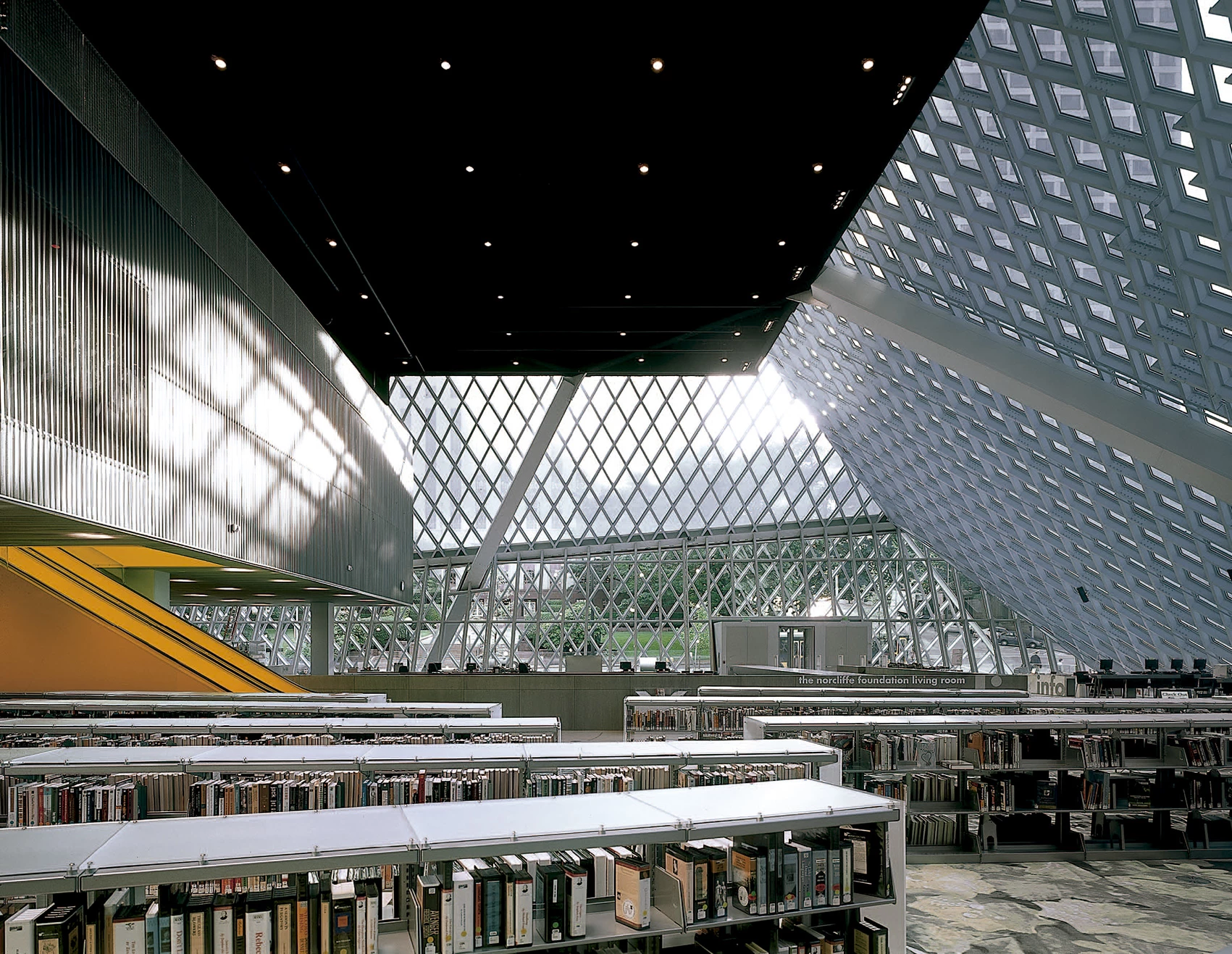
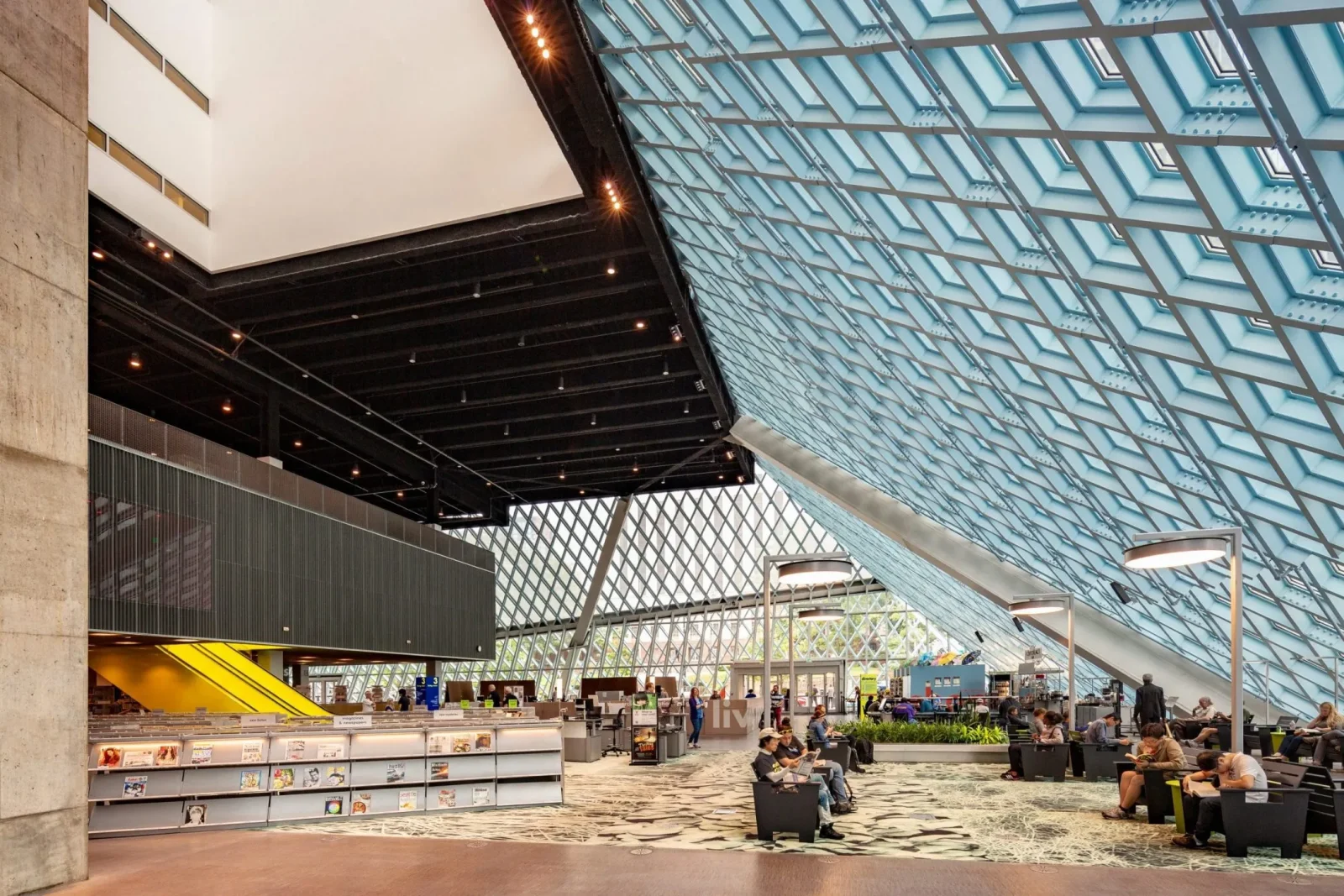
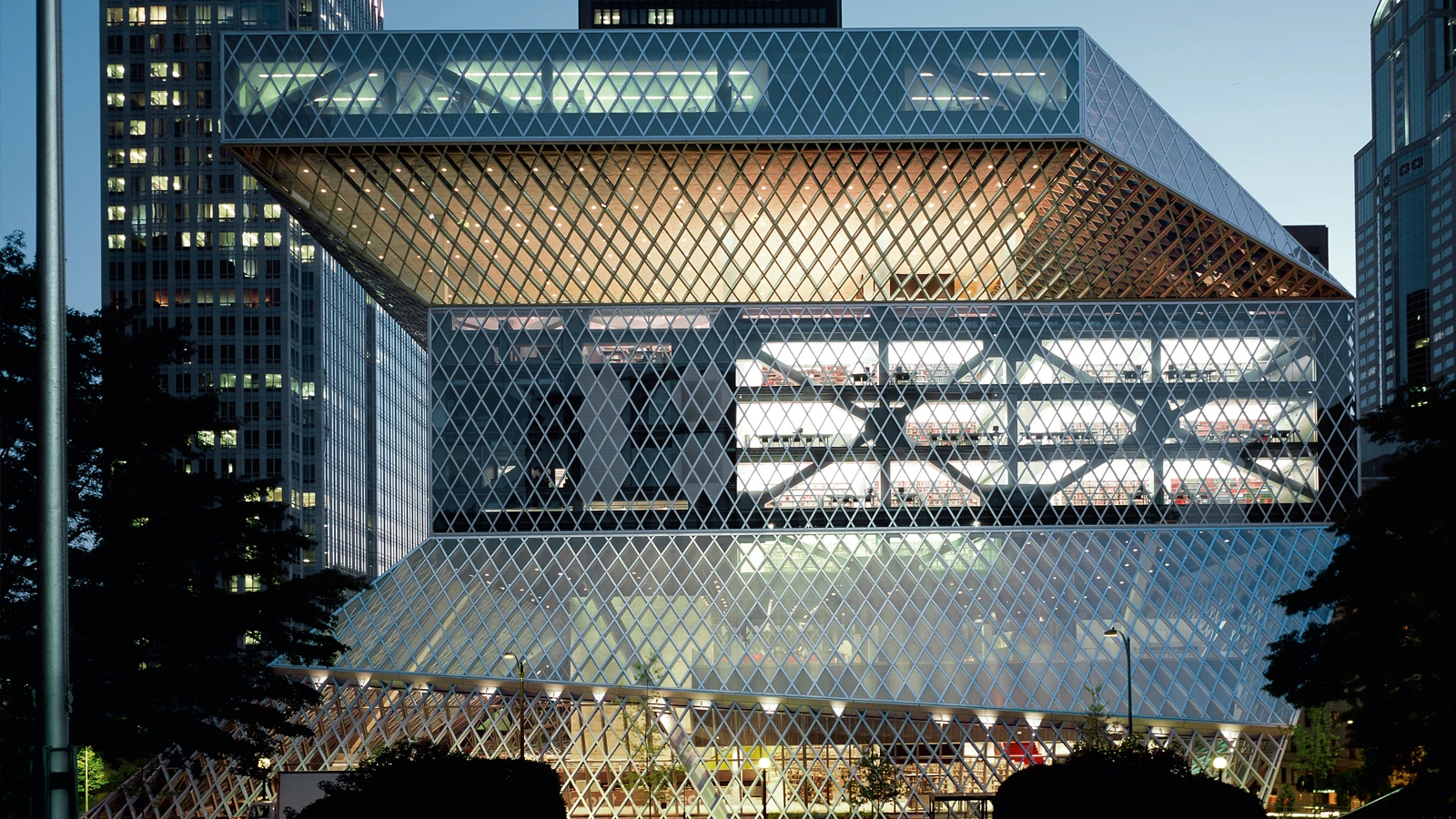
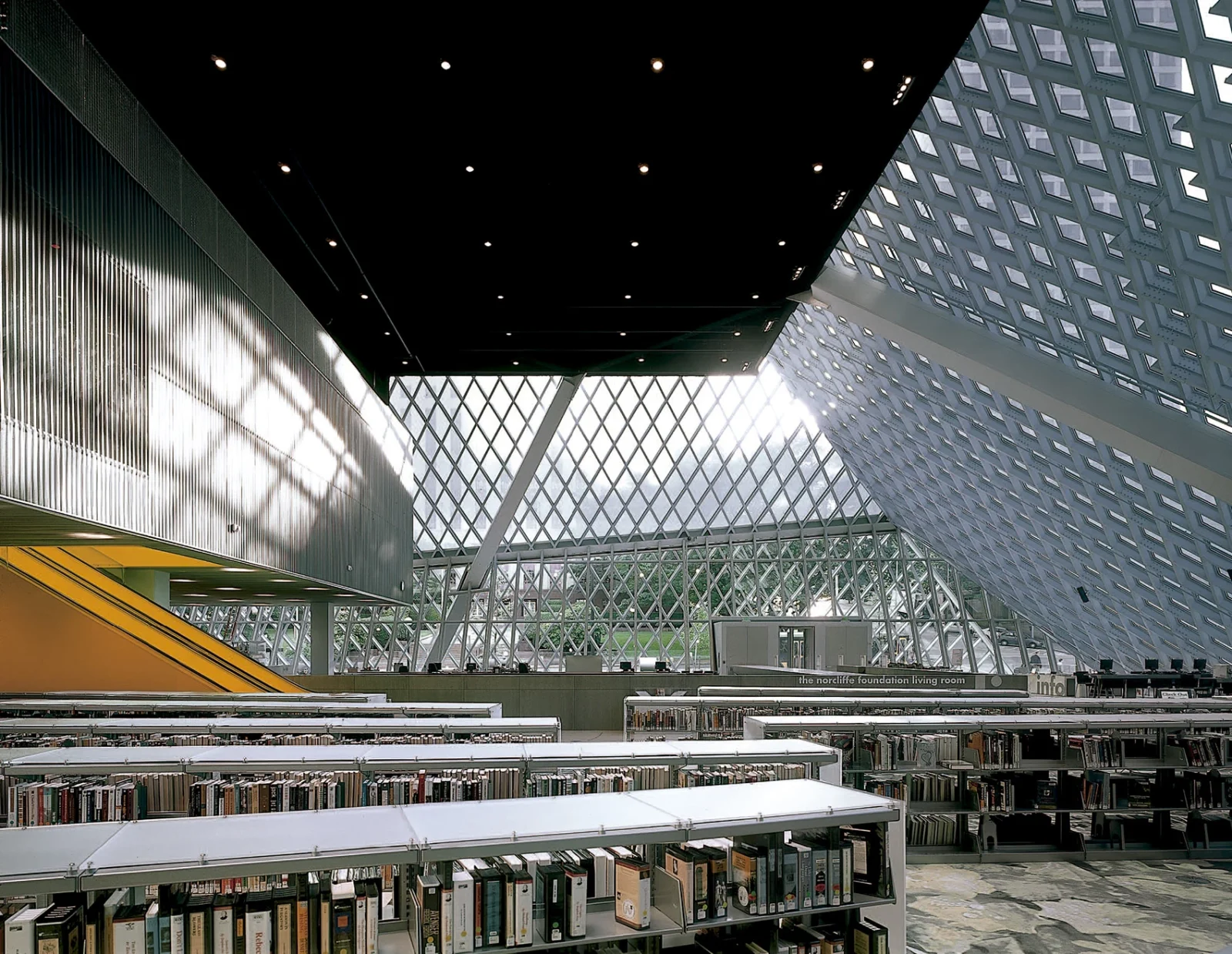
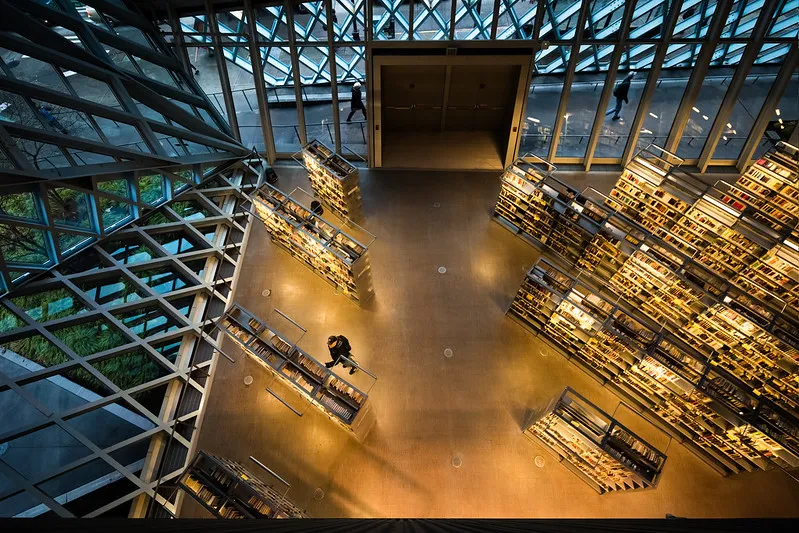
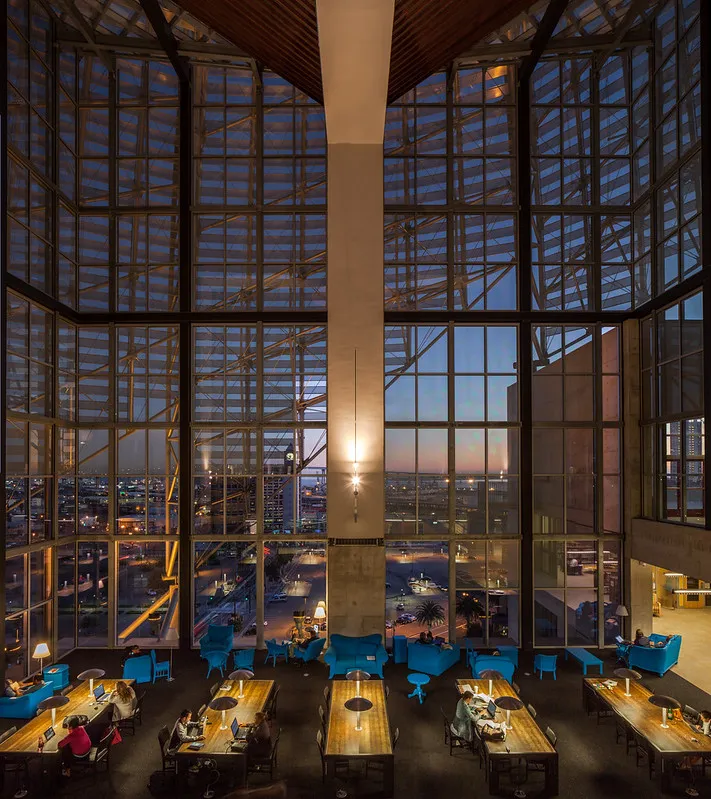
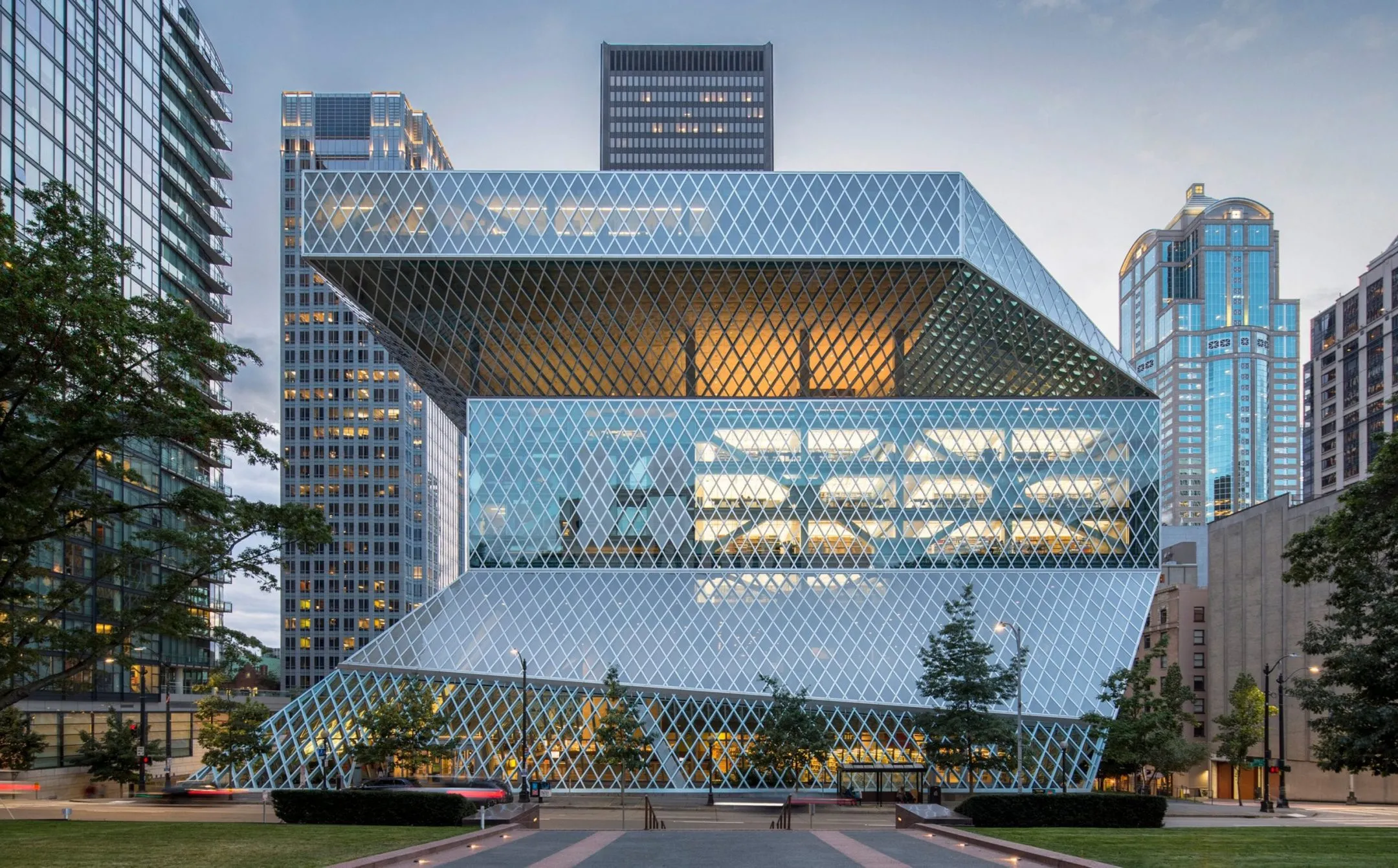
Redefining the traditional notions of the library, OMA (Office for Metropolitan Architecture), together with LMN Architects, designed the Seattle Central Library in a deconstructivist mode that responded directly to the digital age. Its exterior was clad in faceted glass and steel, forming a series of stacked, shifting platforms whose irregular arrangement produced a crystalline silhouette. The spatial arrangement is composed of platforms stacked on top of each other, not aligned, creating the distinct crystalline form and allowing light to penetrate deep into the interior.
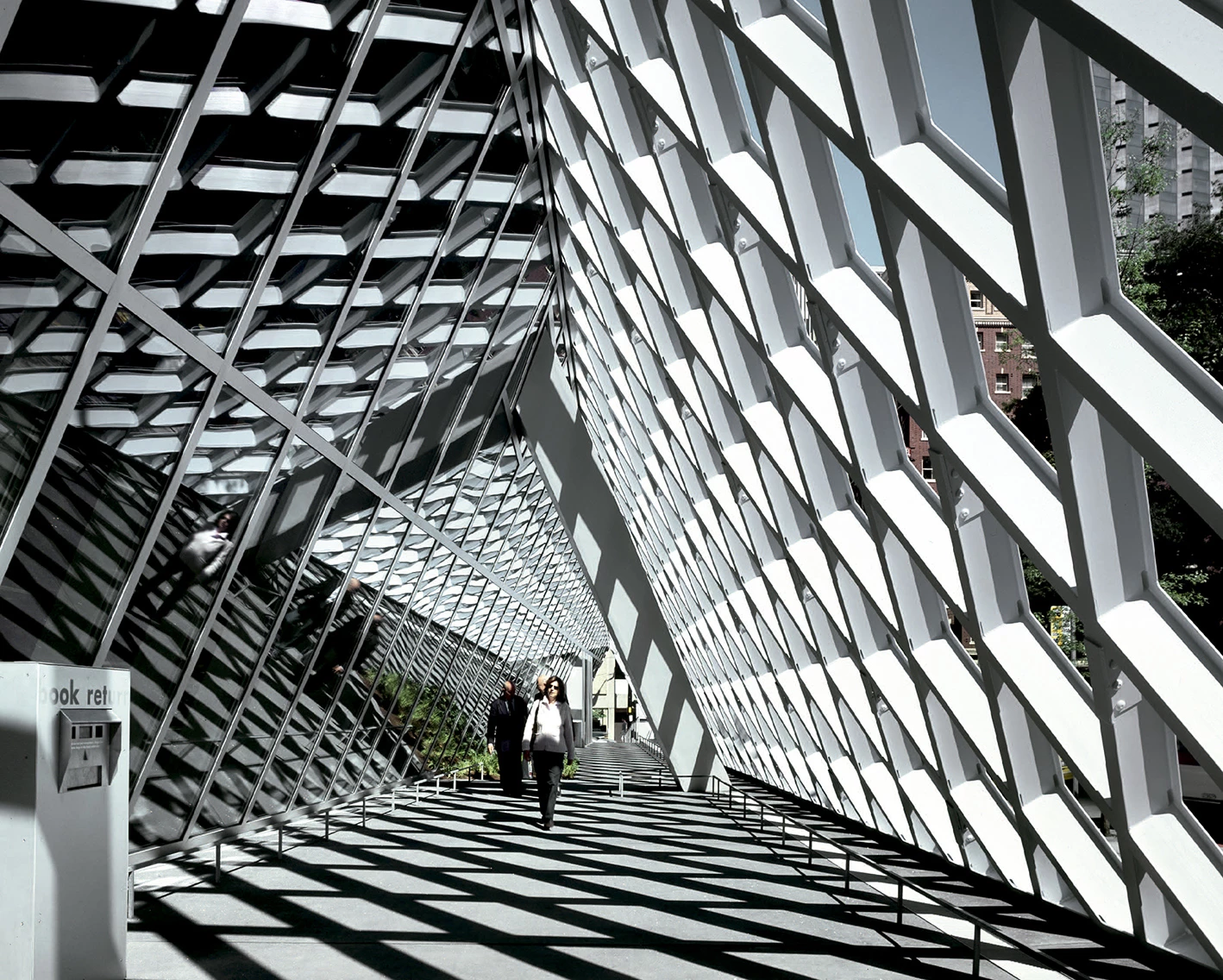
The most notable feature was the Books Spiral, a continuous, gently sloping ramp that carried the nonfiction collection in a single, unbroken sequence according to the Dewey Decimal System, so that visitors could browse the entire nonfiction collection without using a stair or elevator. The interiors offered open areas, unexpected angles, and cozy nooks, visually and physically connected through transparency, light, and circulation, creating a fluid spatial experience.
9. Deichman Bjørvika
Location: Bjørvika, Oslo, Norway
Architects: Lund Hagem and Atelier Oslo
Total Area: 13,500 square meters
Completion year: 2020
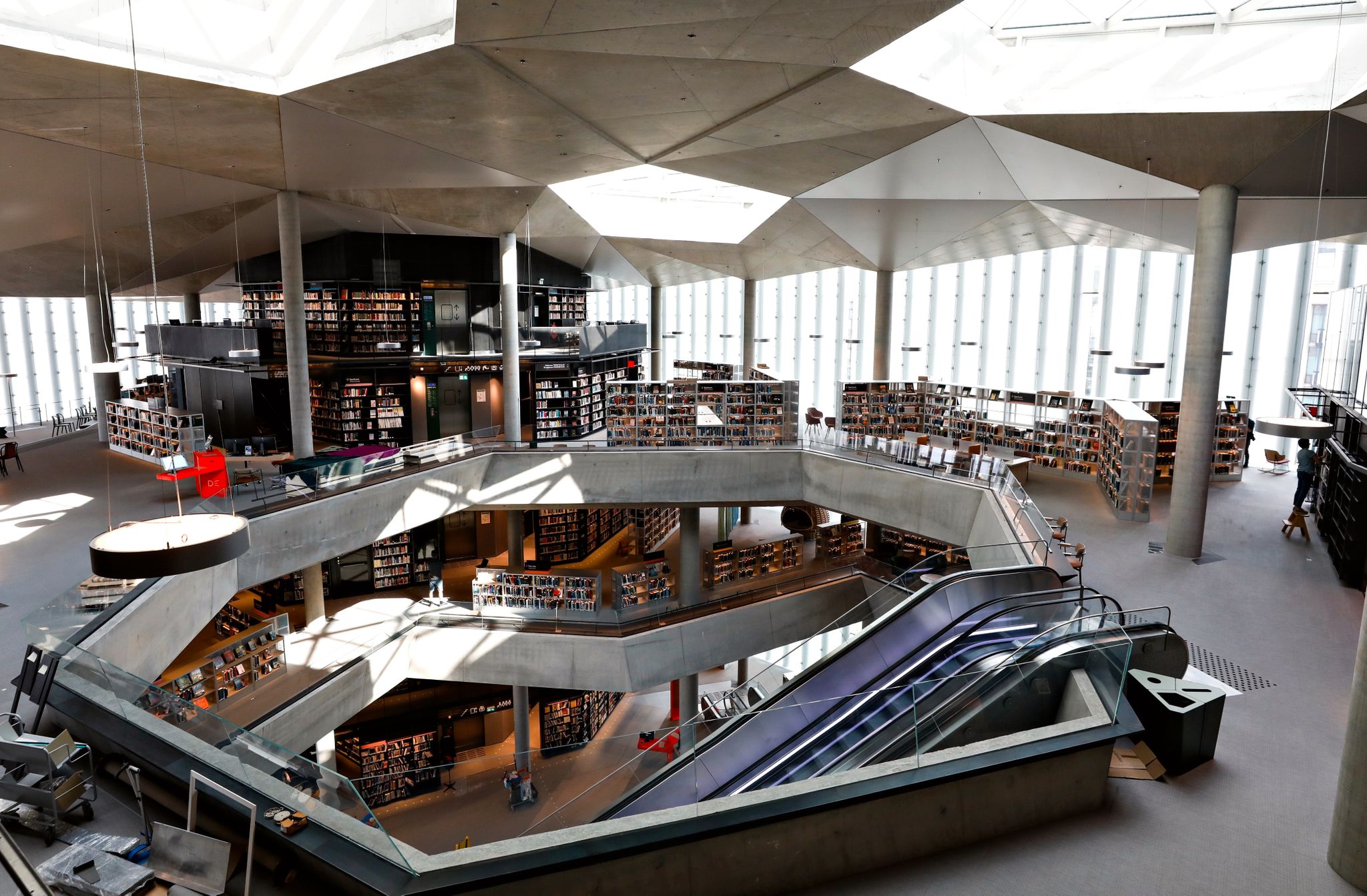
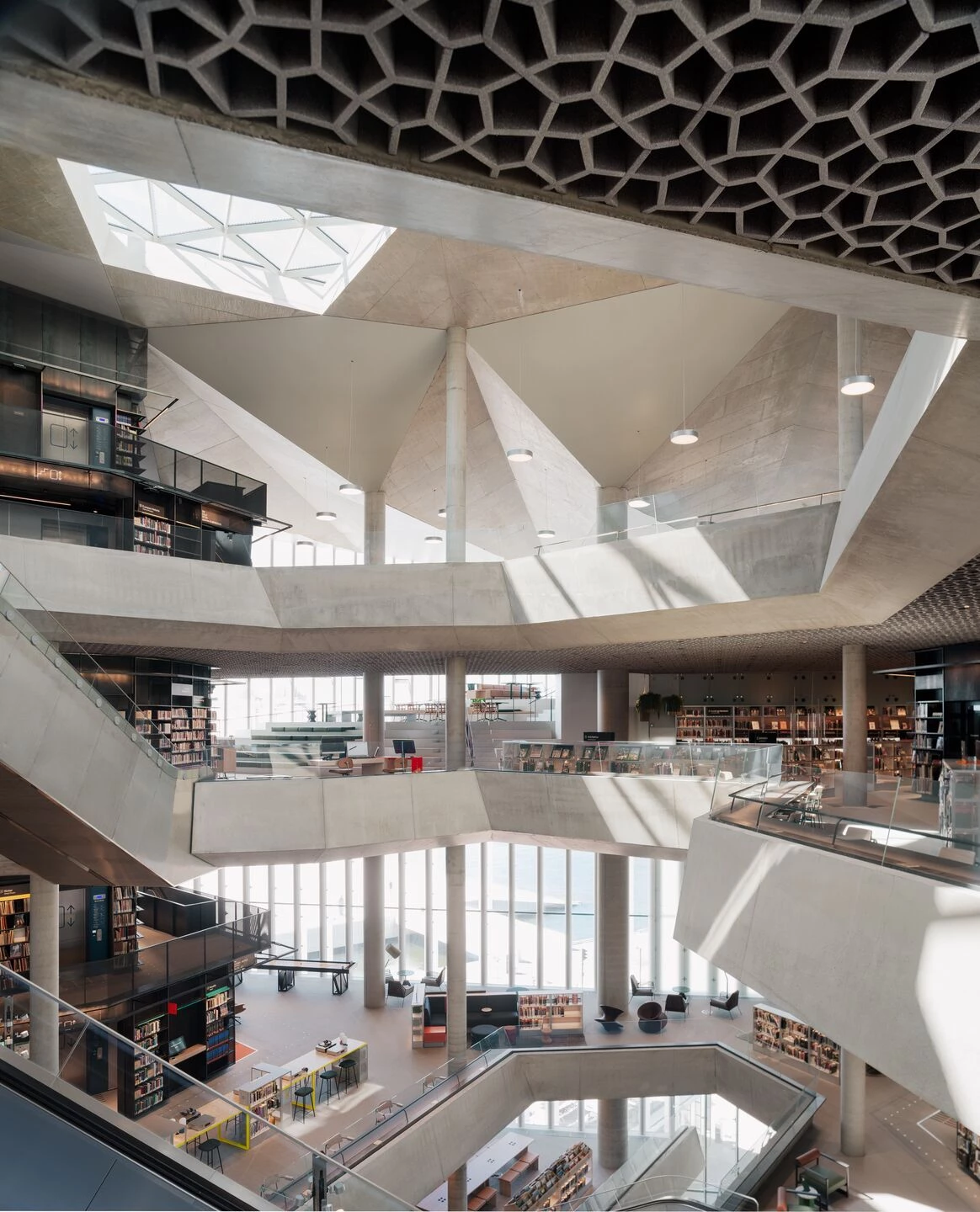
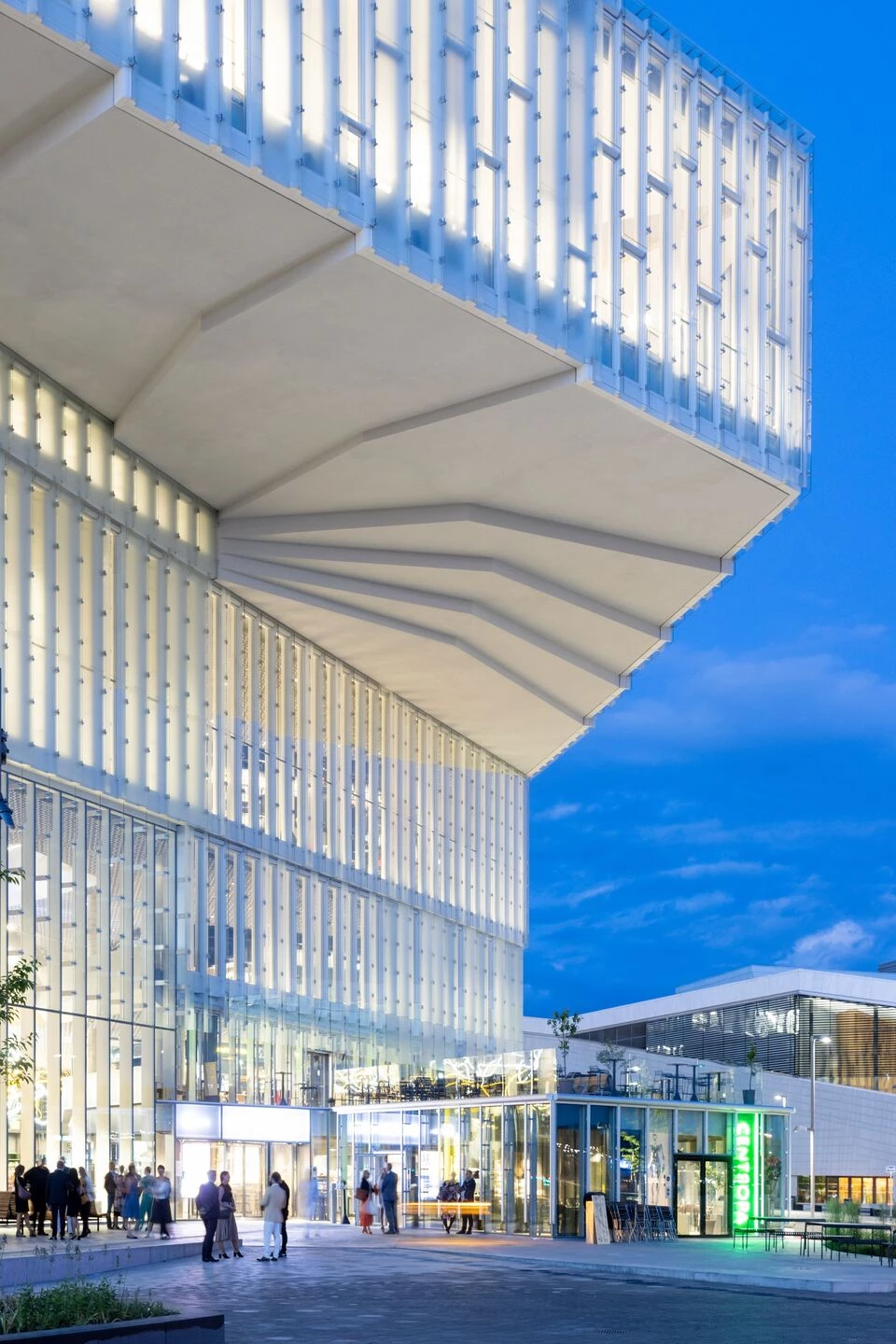
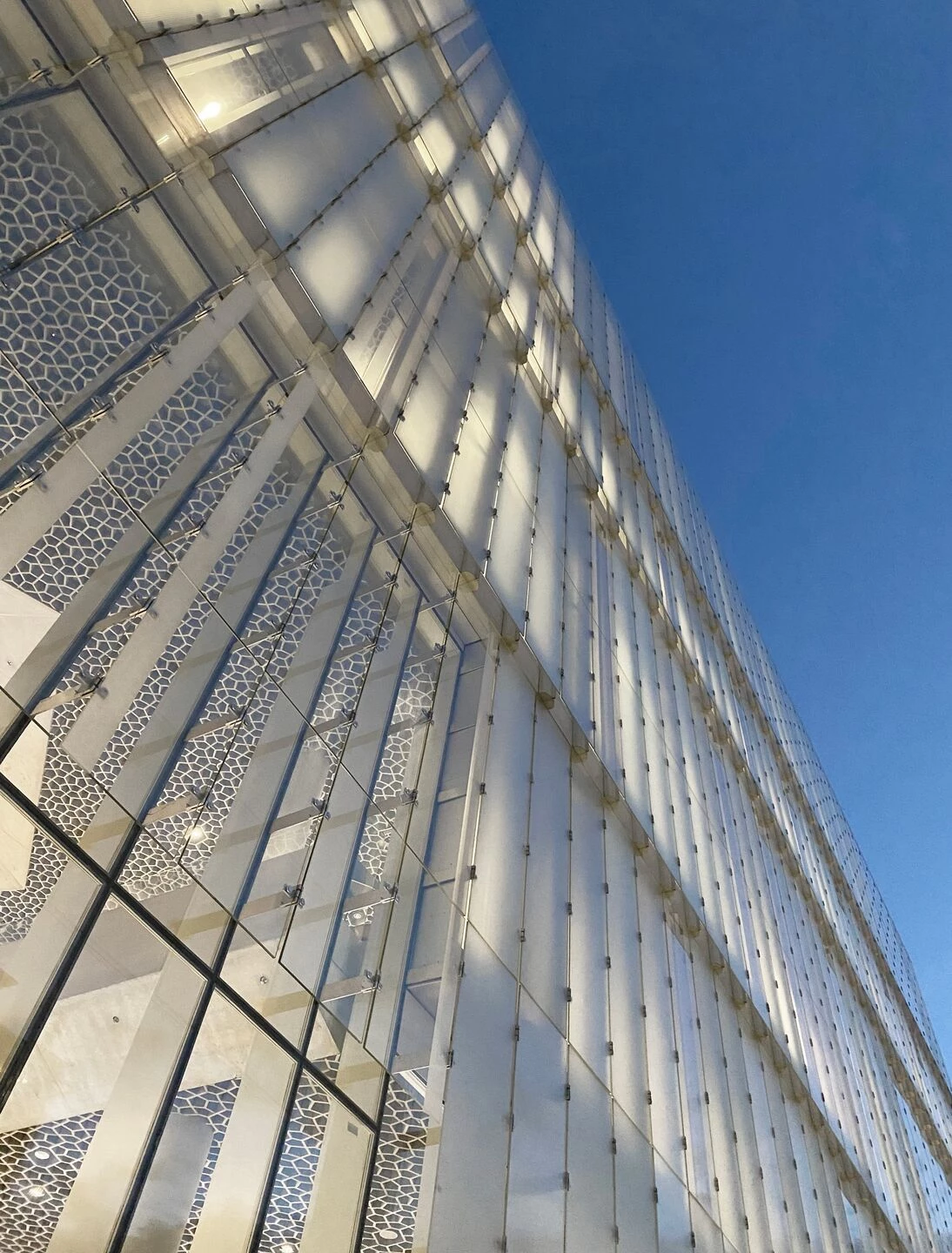
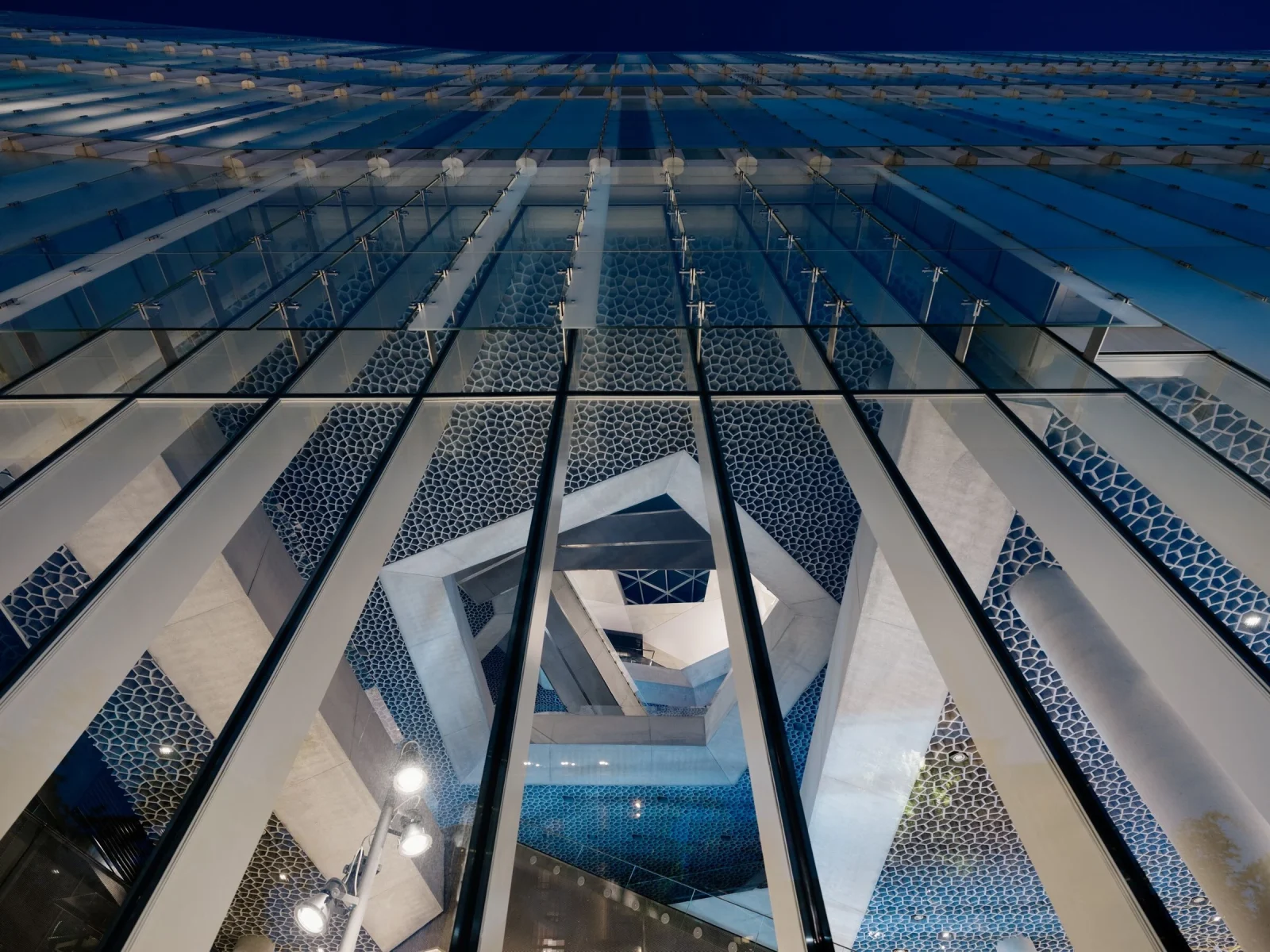
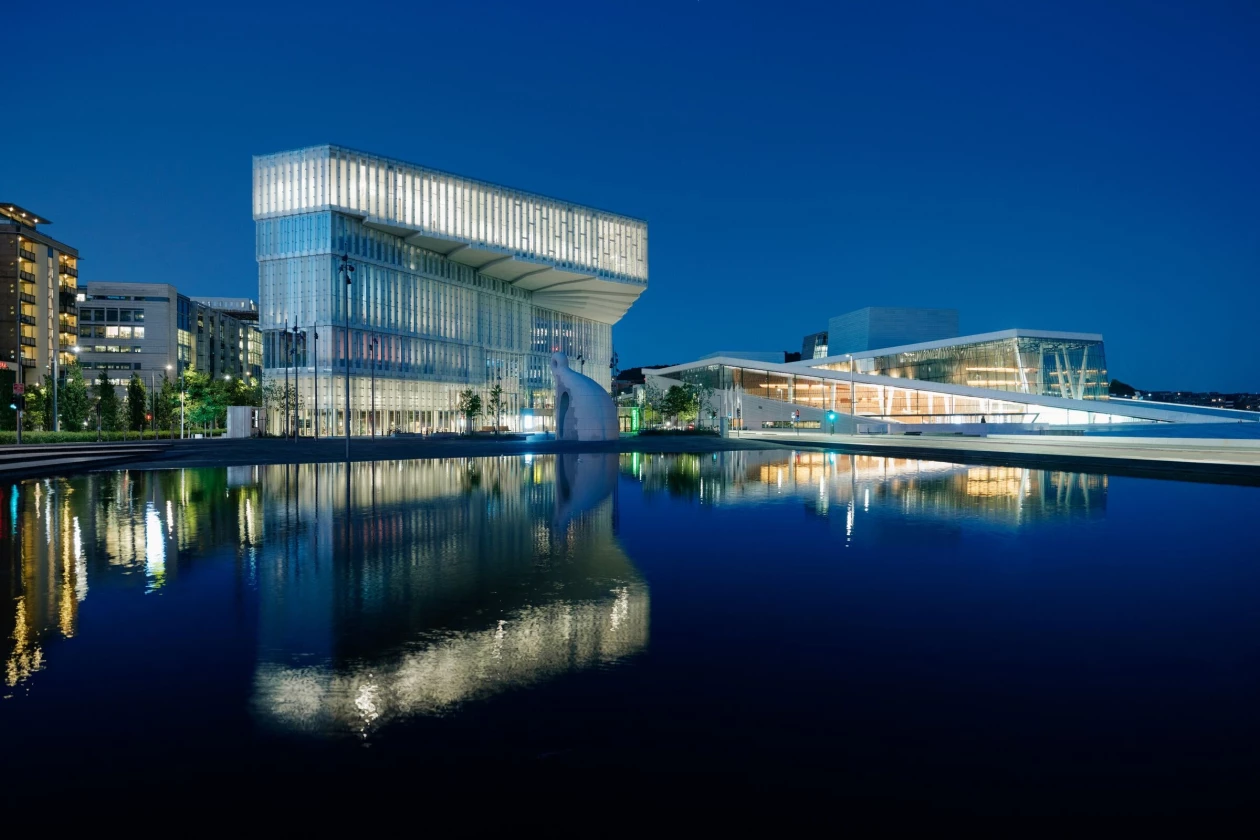
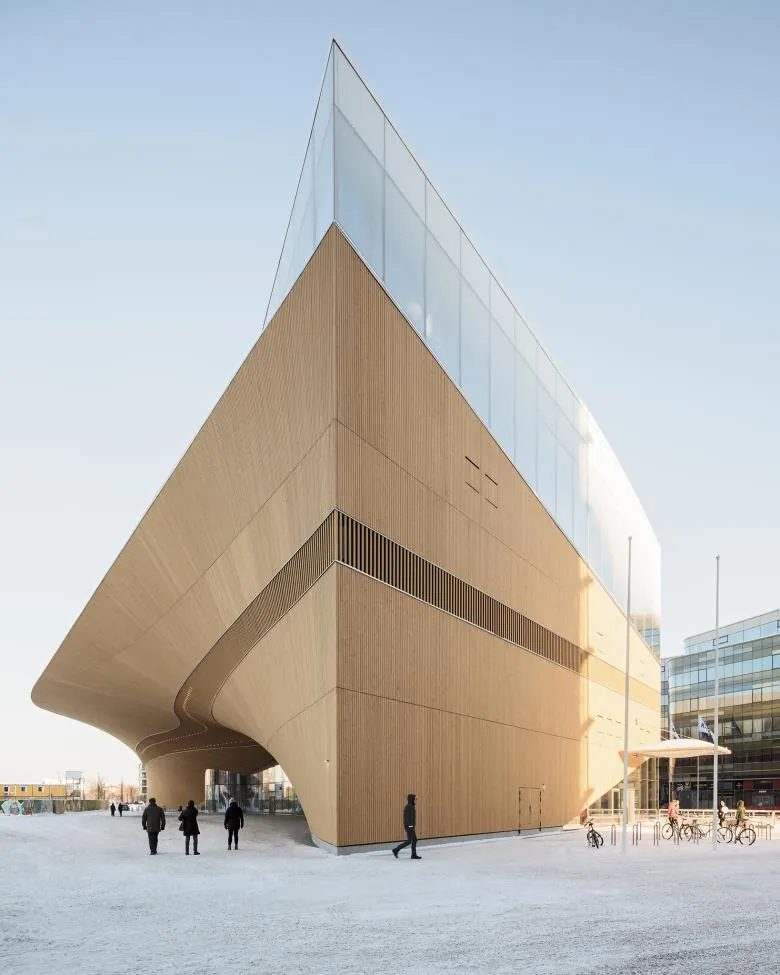
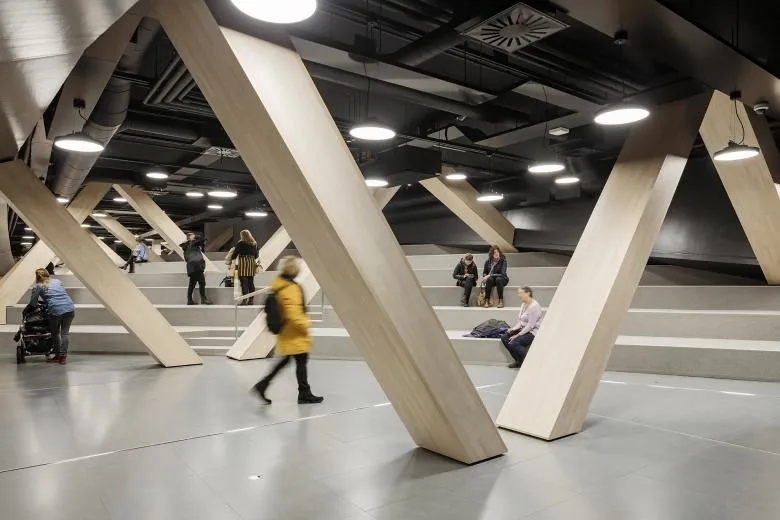
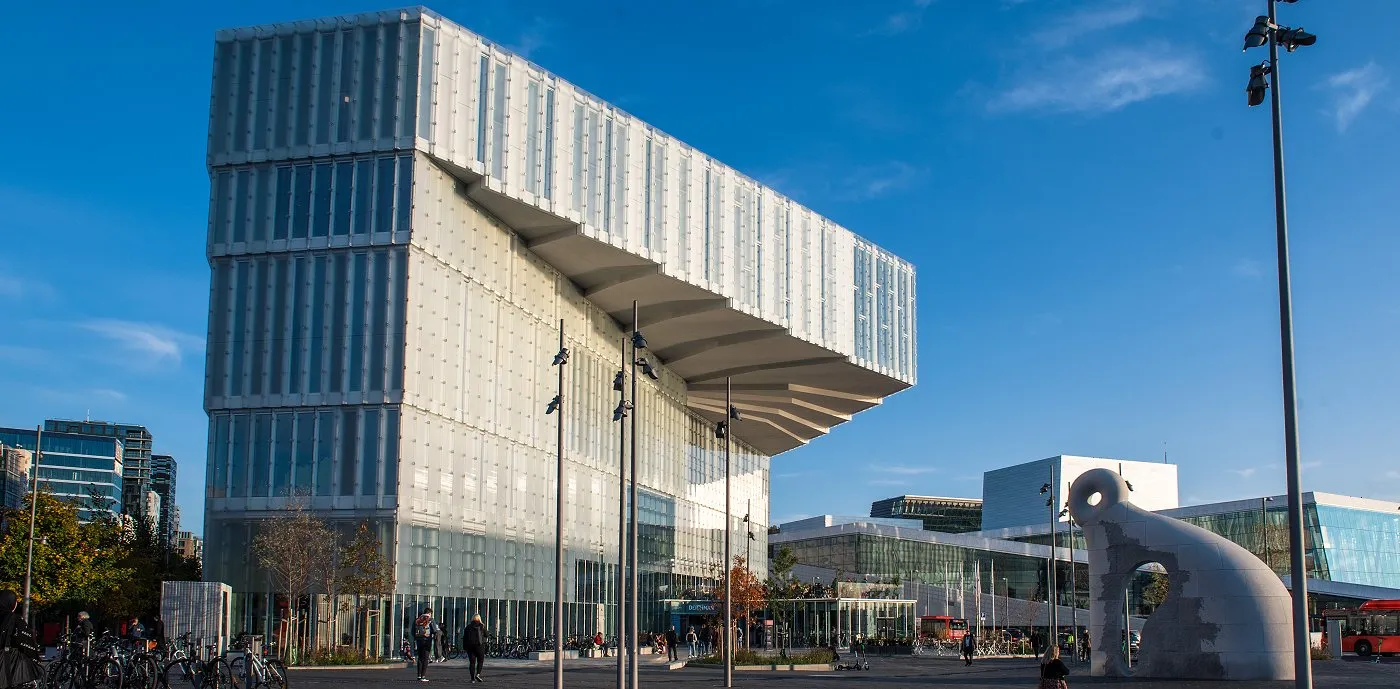
A library integrated with a vibrant public place and a cultural hub, Deichman Bjørvika, is a symbol of Oslo’s modern transformation. The rectangular form, with a partially cantilevered facade clad in glass and translucent panels, defined the library’s design as welcoming, transparent, and accessible to the people. With natural light as its guiding principle, the spatial layout was organized around an open atrium with crisscrossing escalators, staircases, and interconnected vertical spaces. The structure encouraged movement and exploration, shaping social space and shared purpose.
10. James B. Hunt Jr. Library
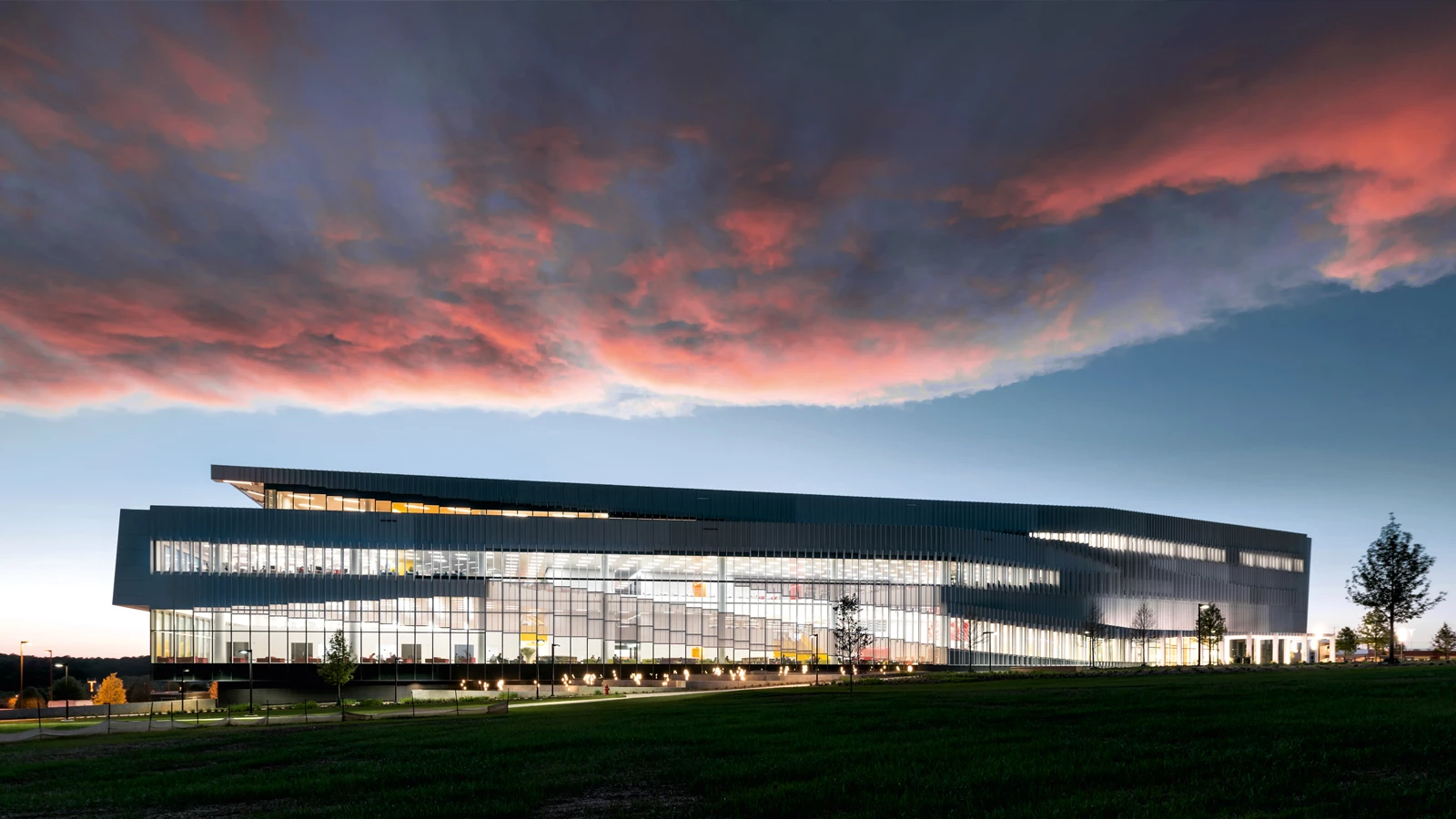
Location: North Carolina State University, USA
Architects: Snøhetta in collaboration with Clark Nexsen
Completion year: 2013
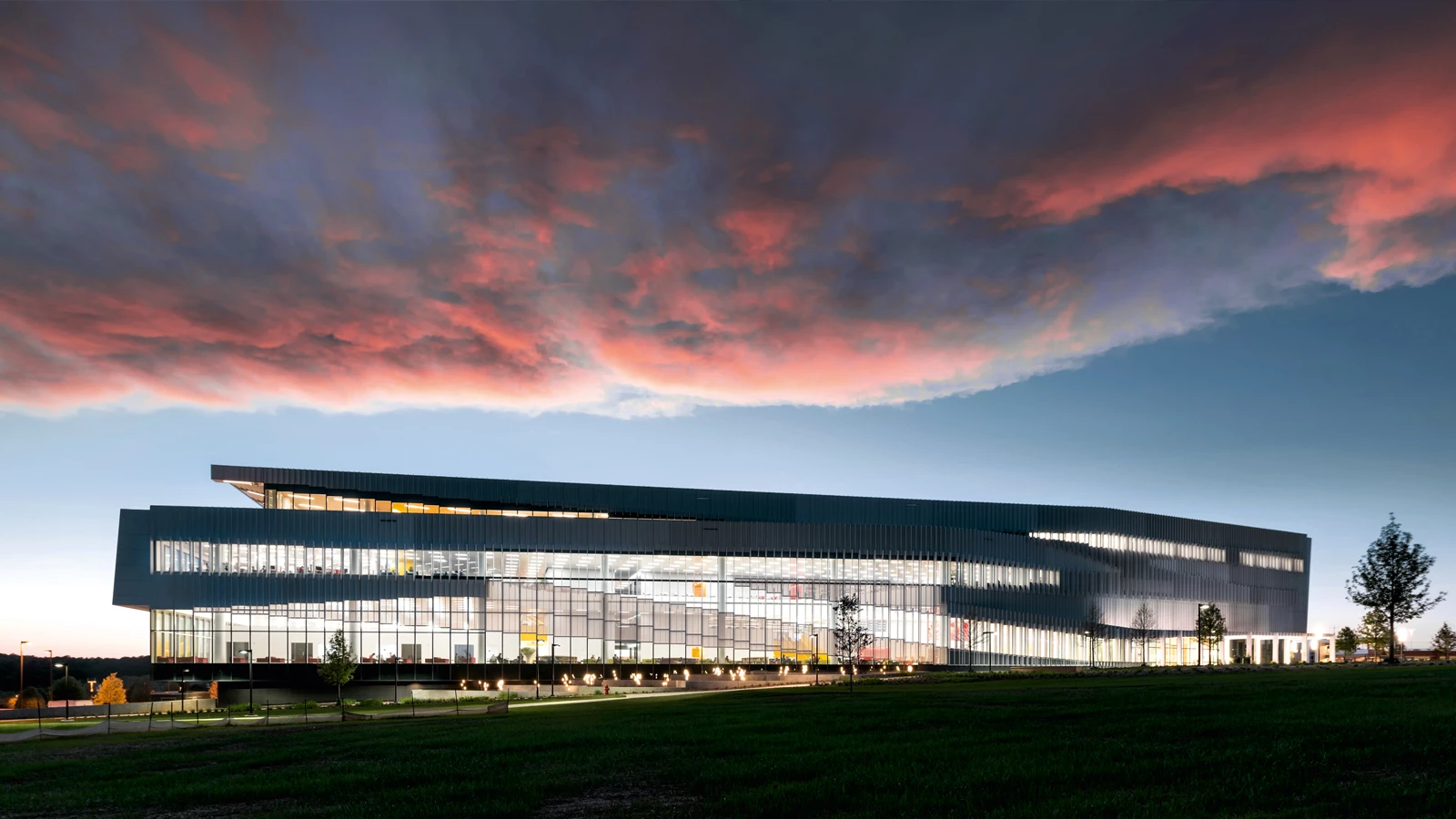
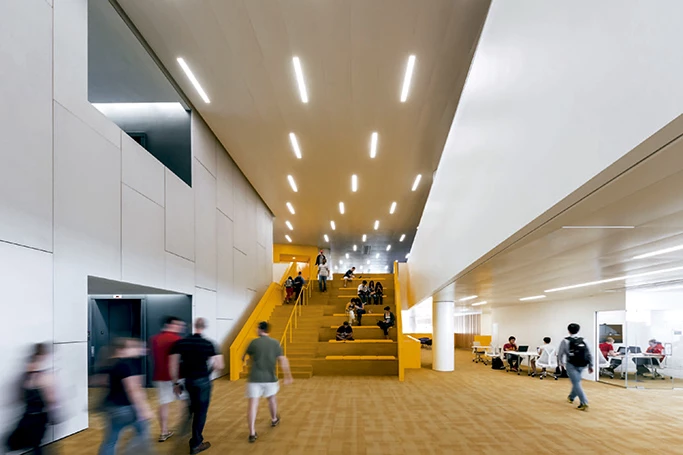
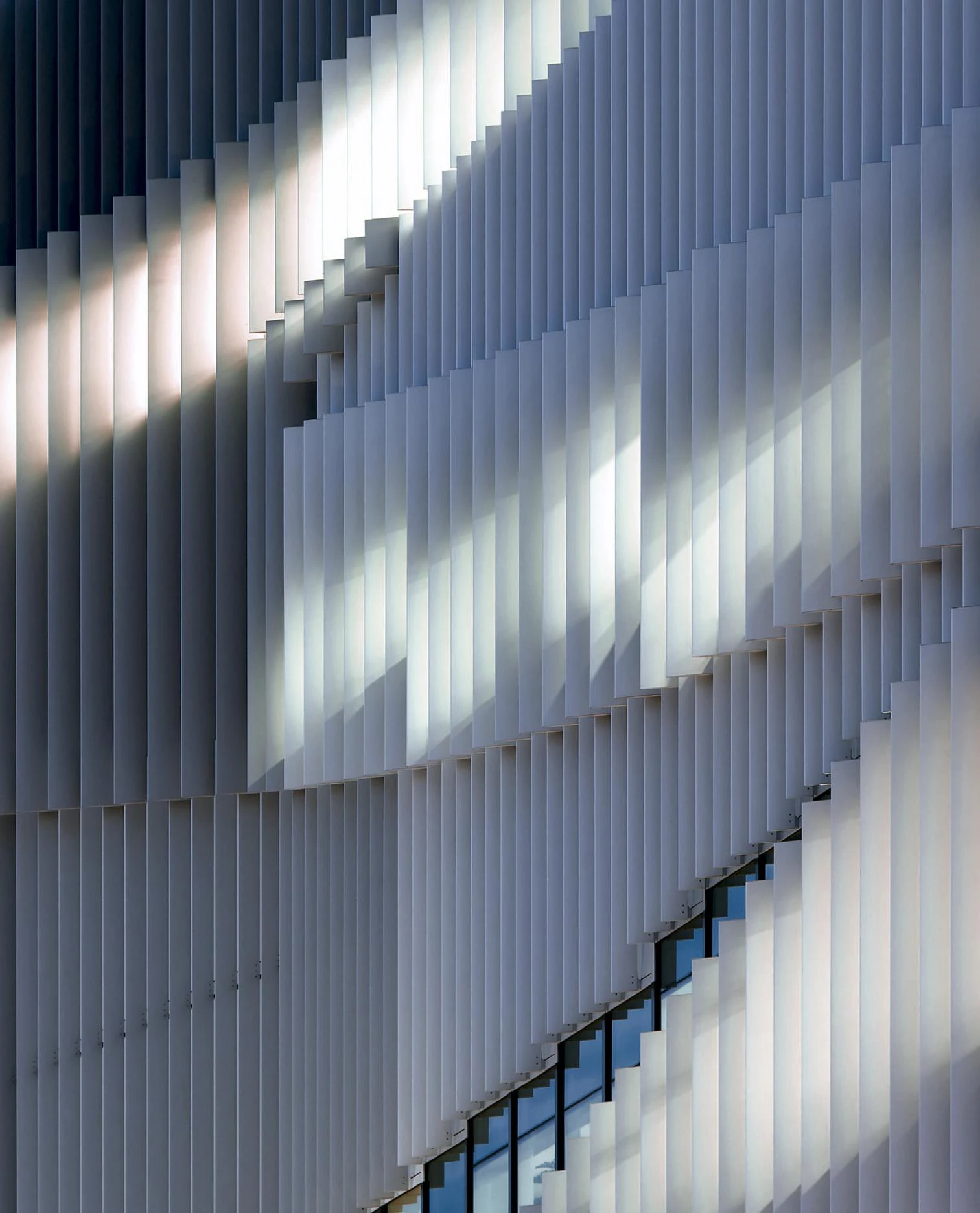
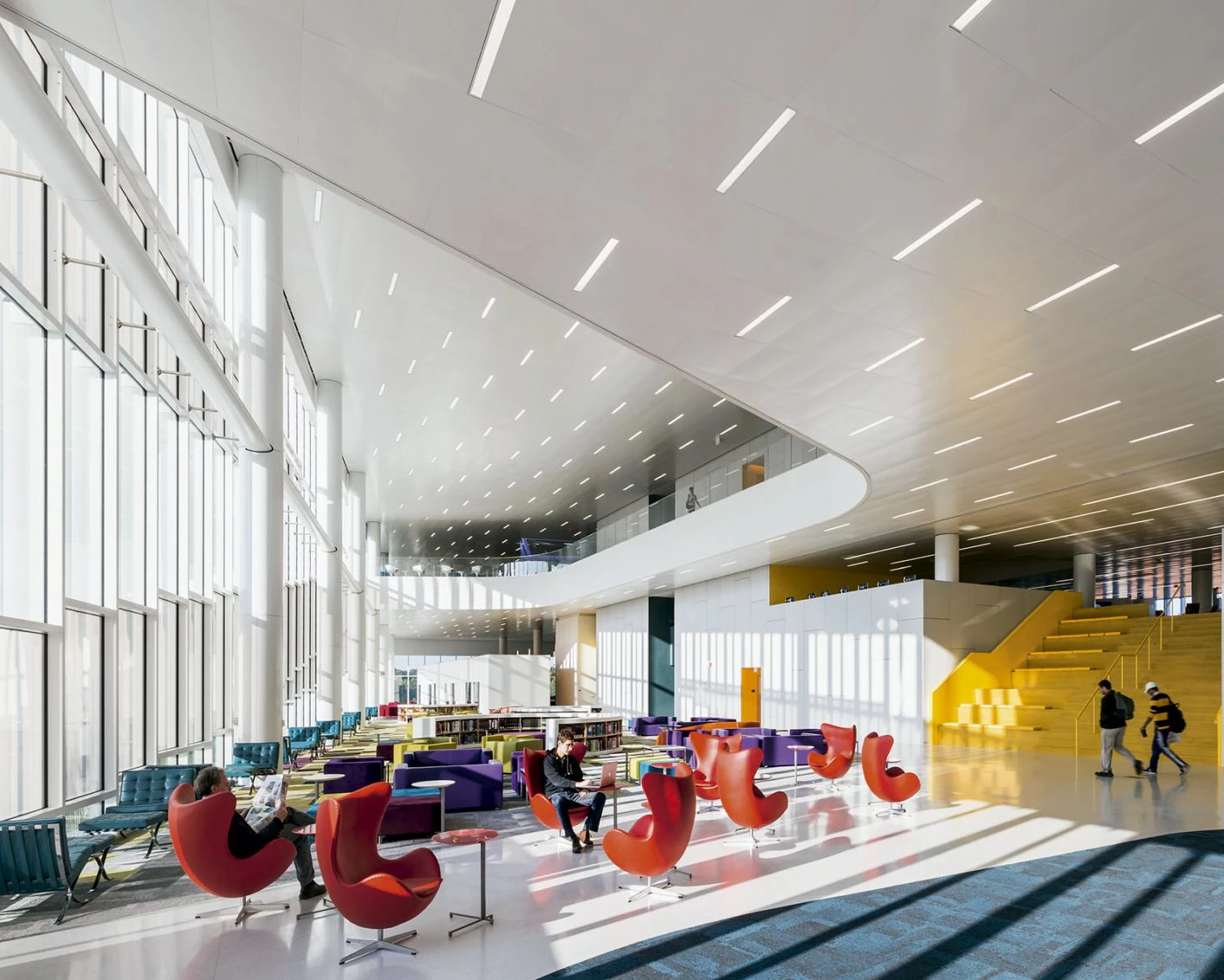
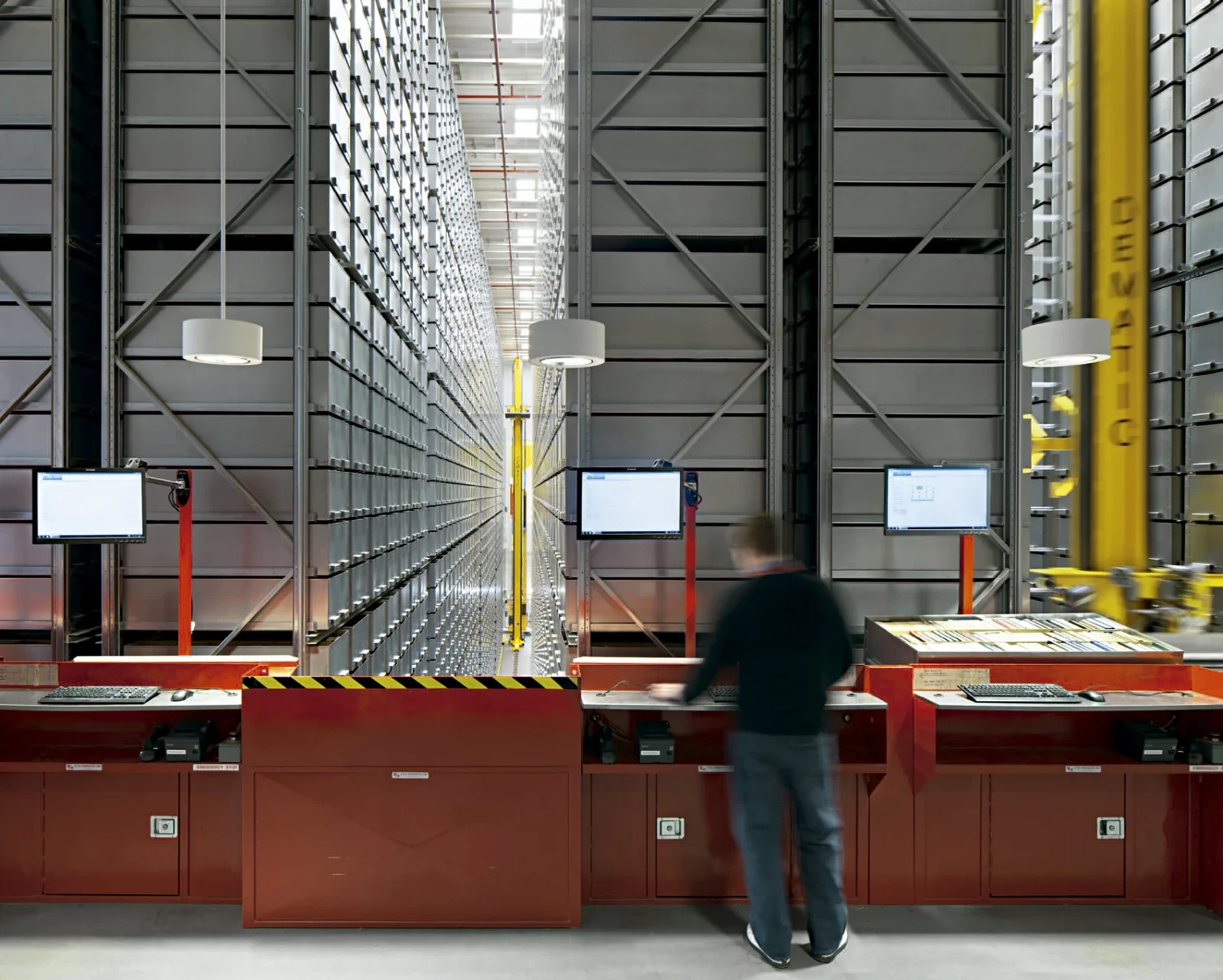
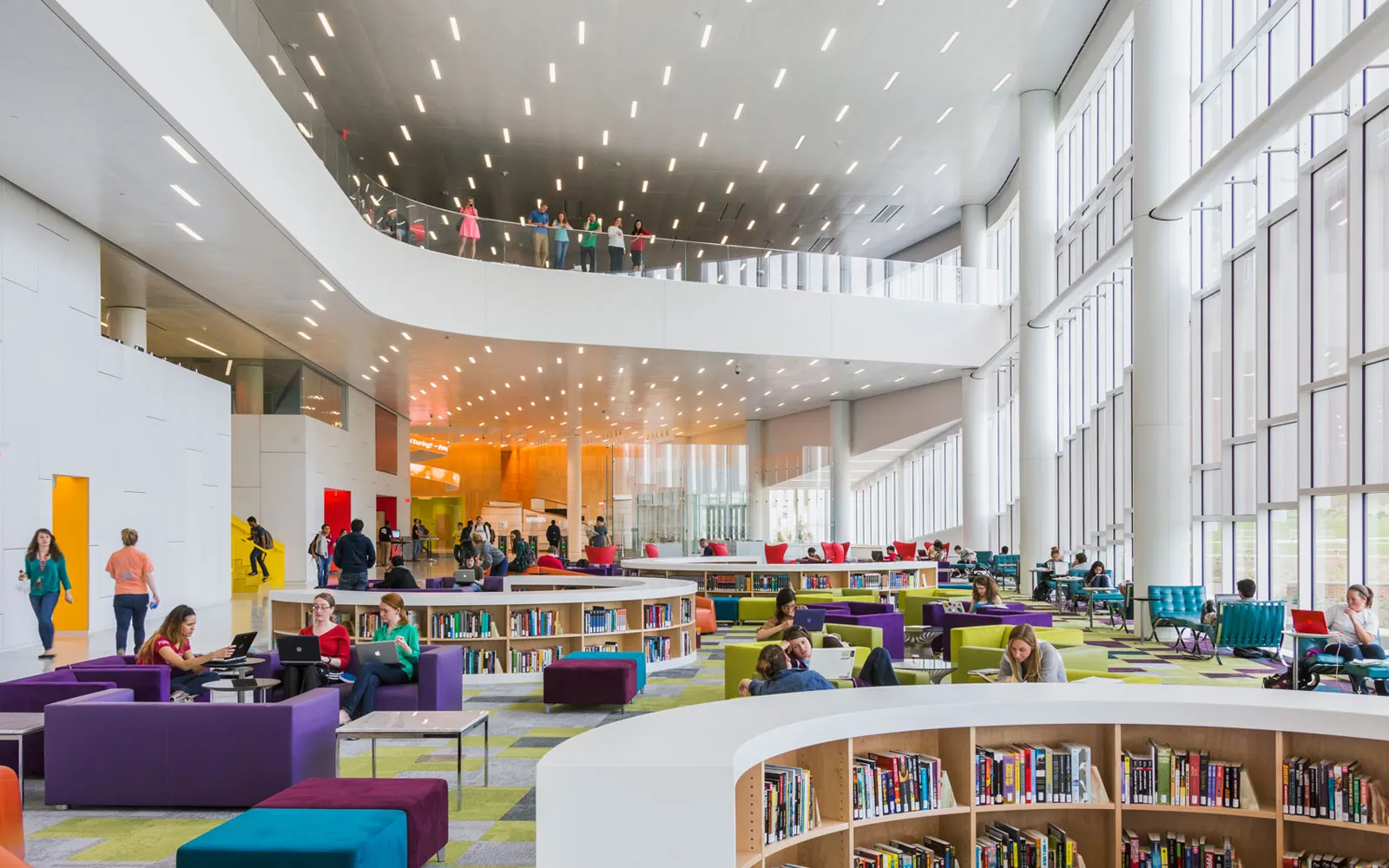
Designed for the digital age, the library’s architecture showcased forward-thinking spaces that encouraged collaborative learning, creativity, and technological exploration. A striking contrast to the original campus’s neo‑Georgian red brick buildings, the fritted glass and external aluminum shading system portrayed modernity and sustainability. The most innovative feature was the “BookBot,” an automated book retrieval system. This robotic system could store over two million volumes in a fraction of the space required by conventional shelving, allowing the architects to dedicate a much larger portion of the building to collaborative learning spaces.
11. Calgary Central Library
Location: Calgary, Alberta, Canada
Architects: Snøhetta and DIALOG
Total Area: 22,000 square meters
Completion year: 2018
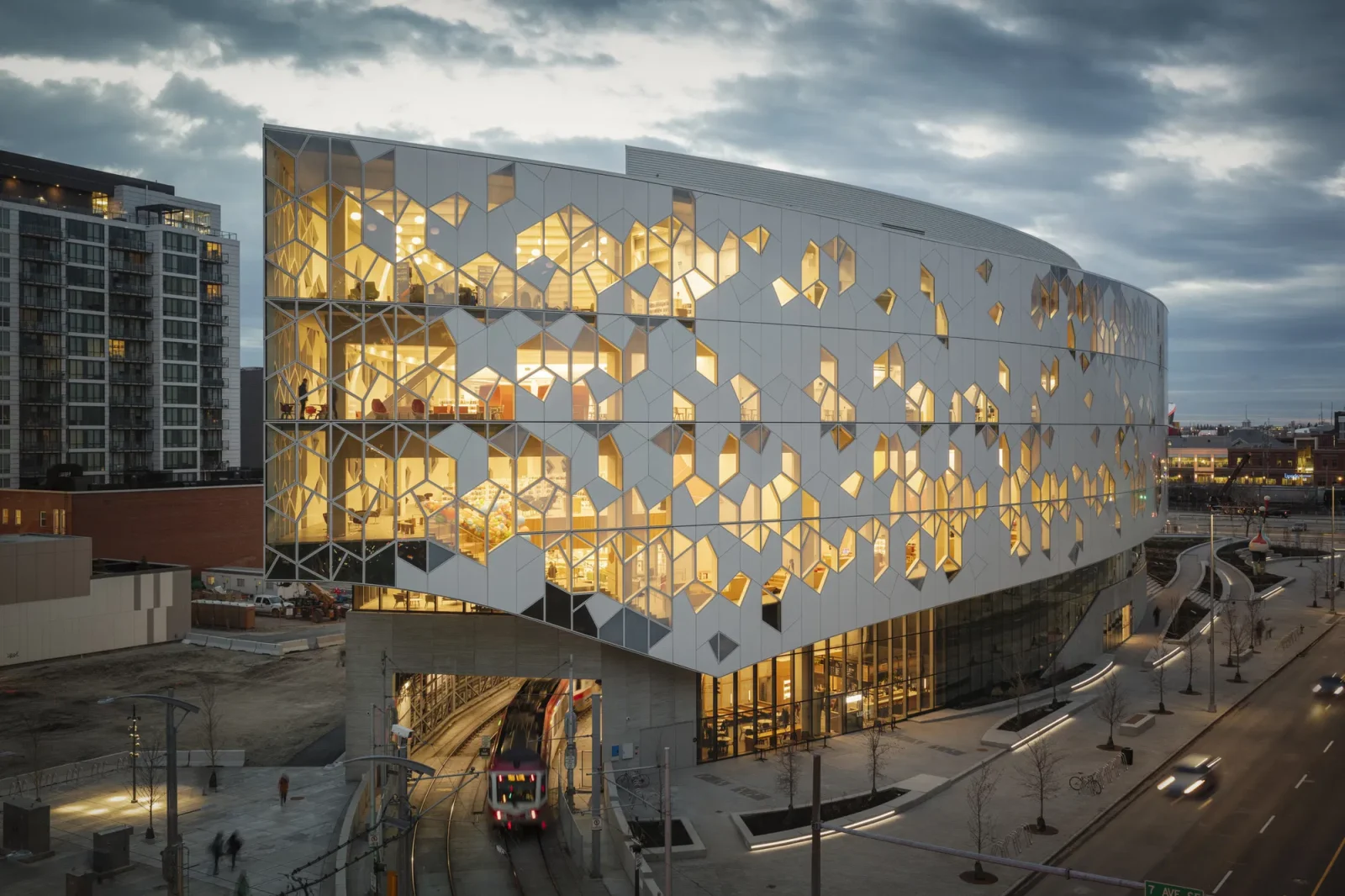
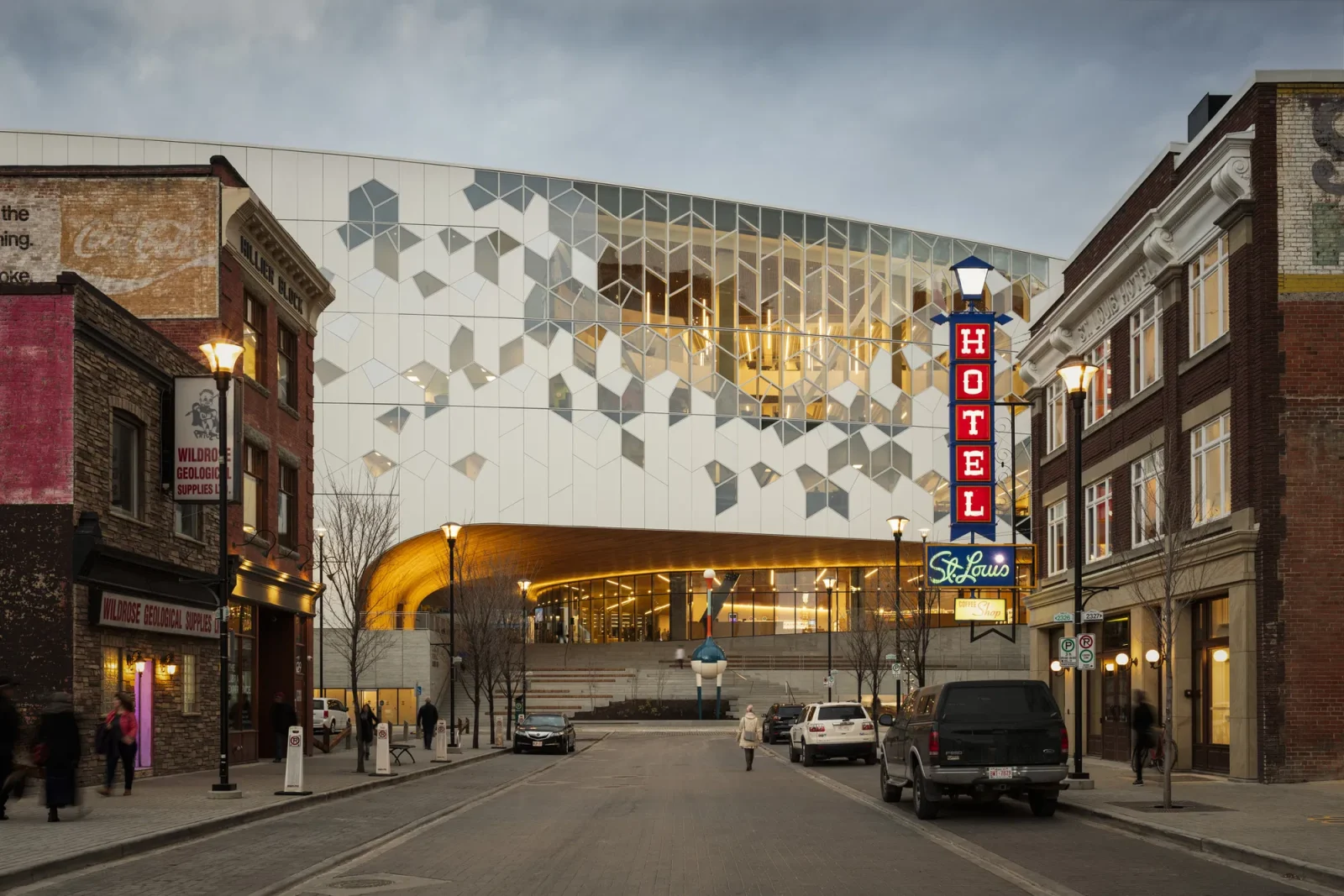
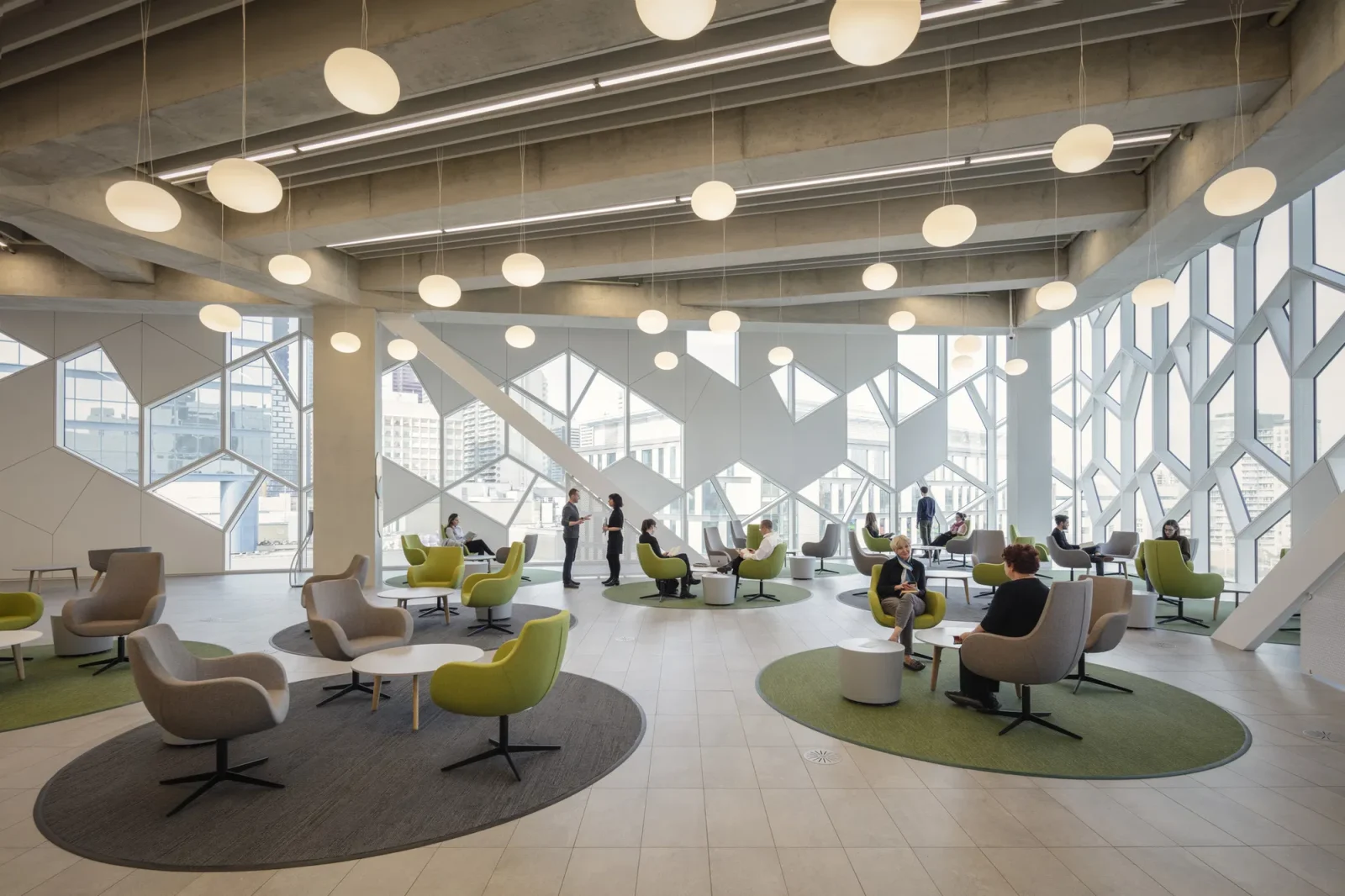
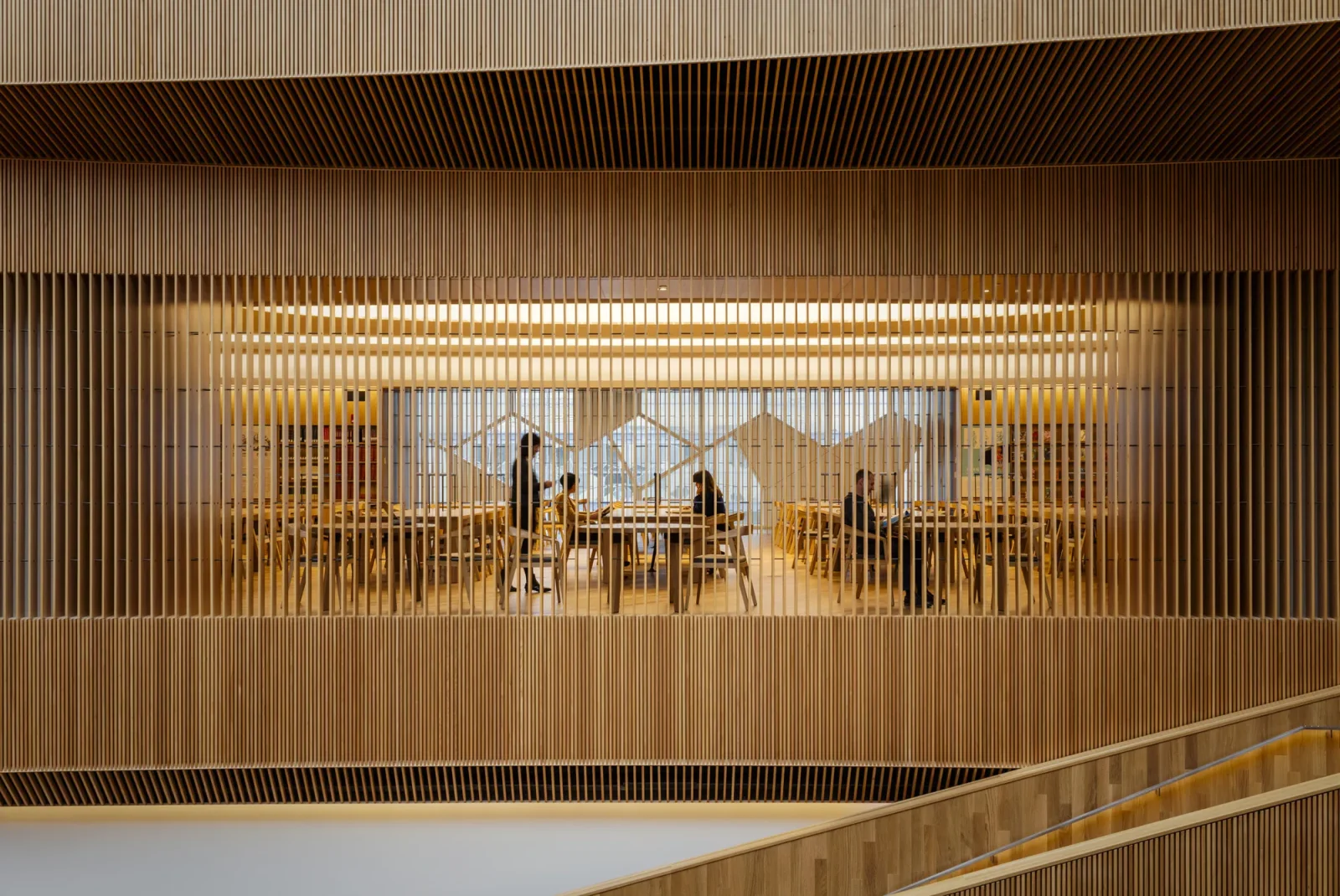
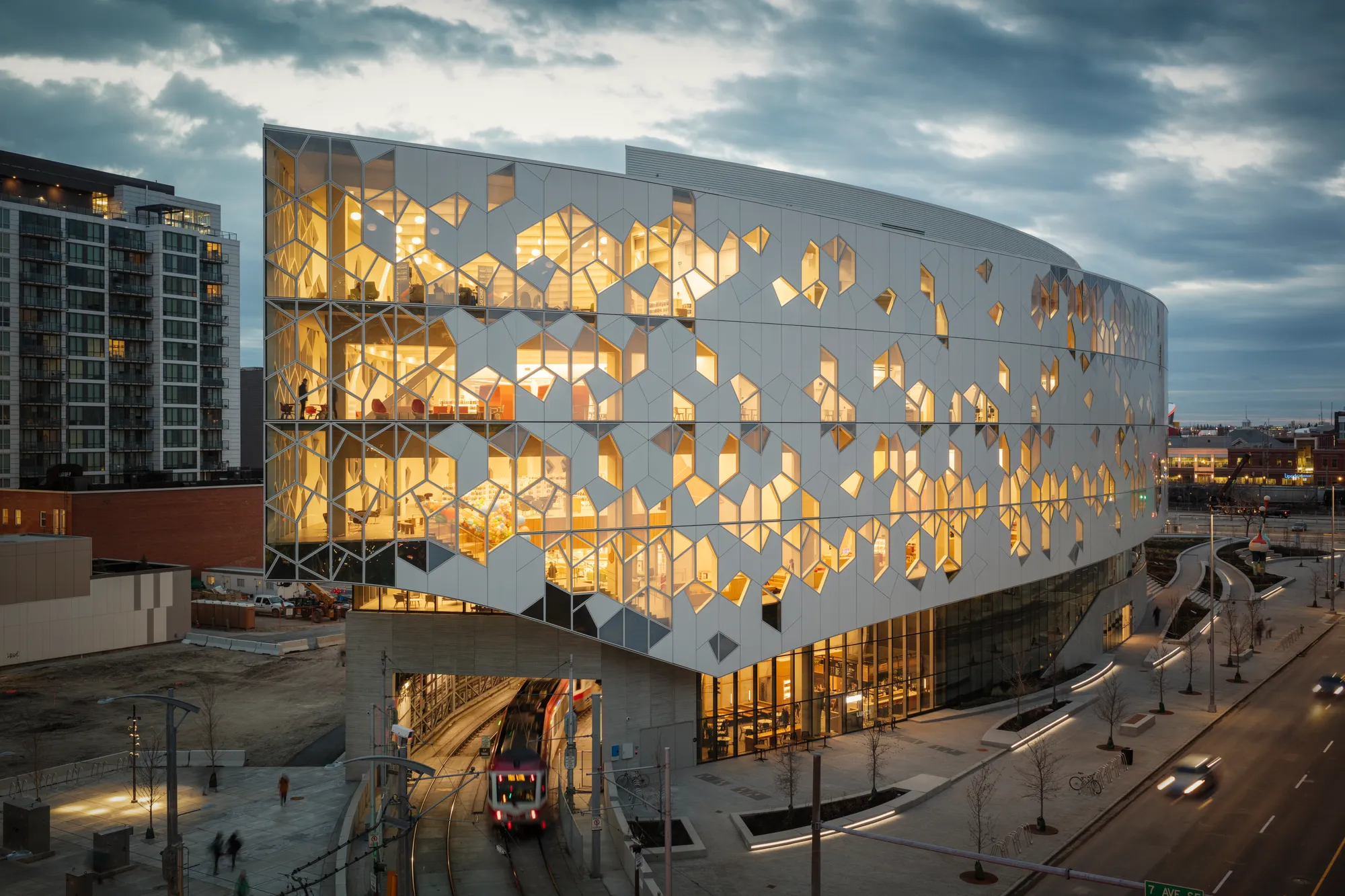
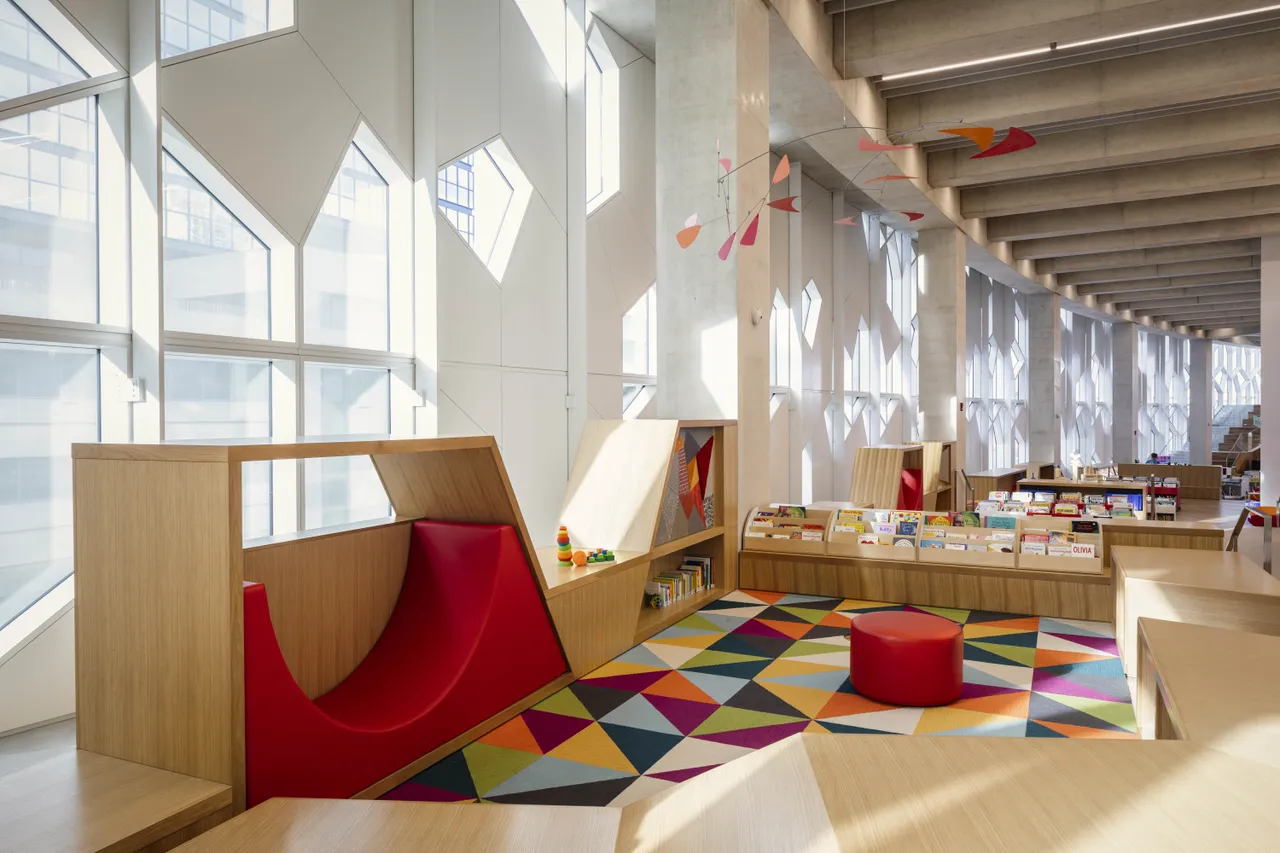
Designed by the architectural firms Snøhetta and DIALOG, the project blends parametric modeling and local symbolism, creating a civic infrastructure that was both innovative and deeply rooted in its context. Inspired by Chinook arch clouds, the exterior facade was crafted with a complex curving lattice of 460 hexagonal panels.
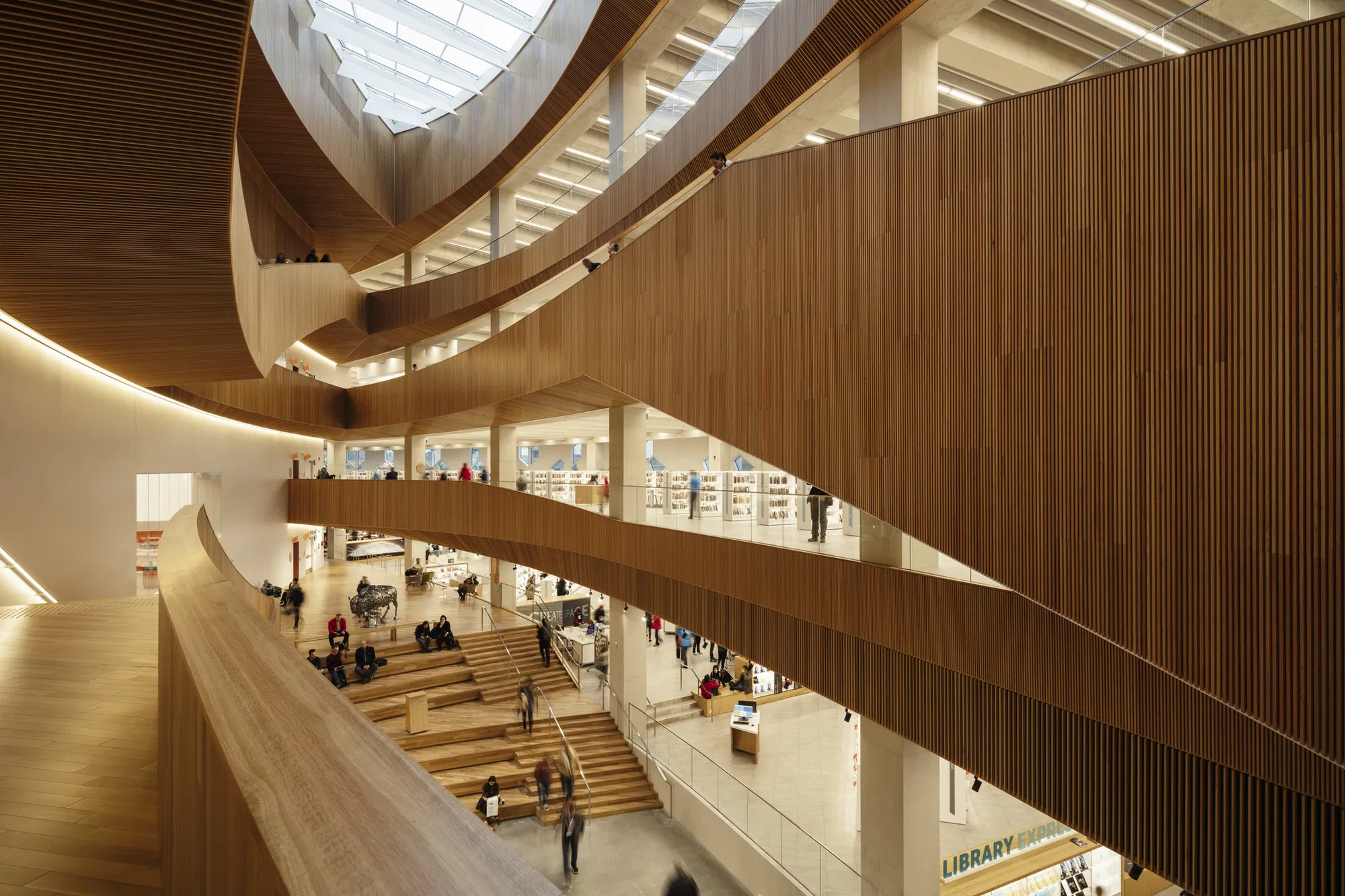
Designers crafted the unique façade not just for its visual appeal but also to meet structural and environmental needs, integrating windows of various sizes and shapes that cast sculptural shadows within the interior. Using advanced digital tools, they optimized each panel’s placement and dimension, striking a thoughtful balance among natural light, outdoor views, and overall energy efficiency.
12 Qatar National Library
Location: Doha, Qatar
Architects: OMA (Office for Metropolitan Architecture)
Total Area: 45,000 square meters
Completion year: 2018
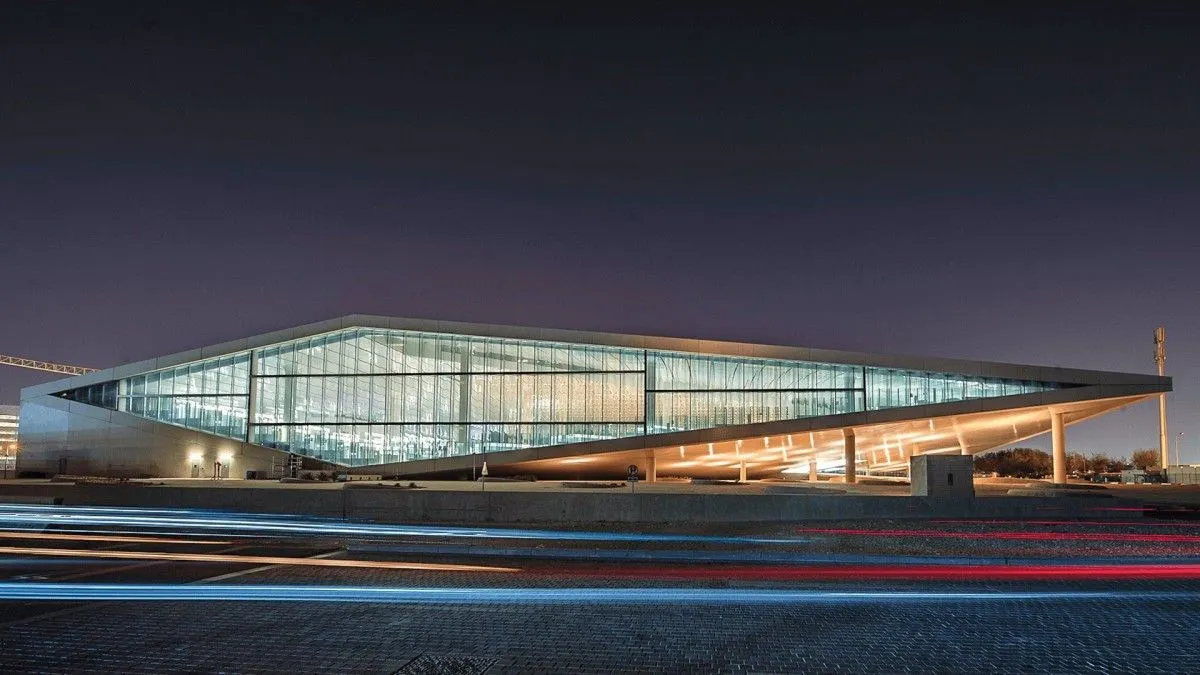
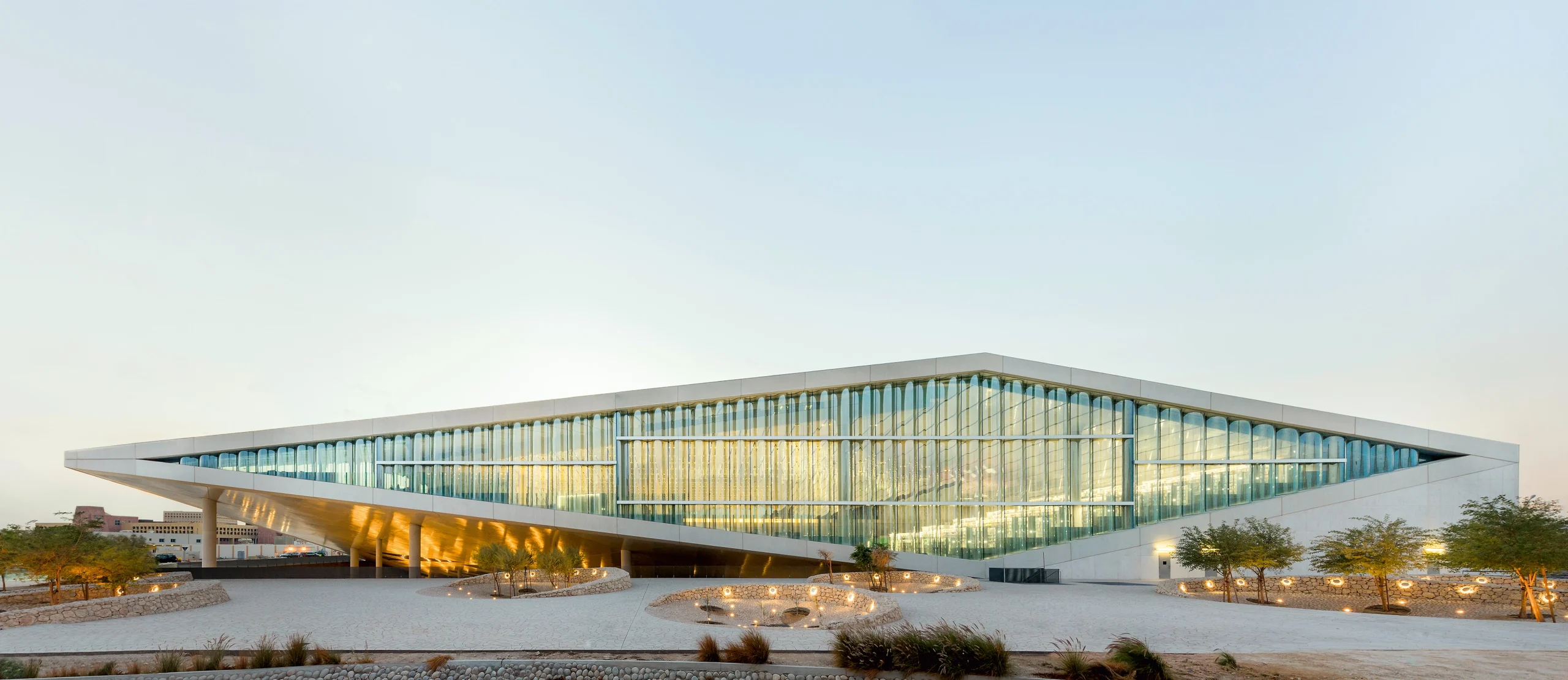
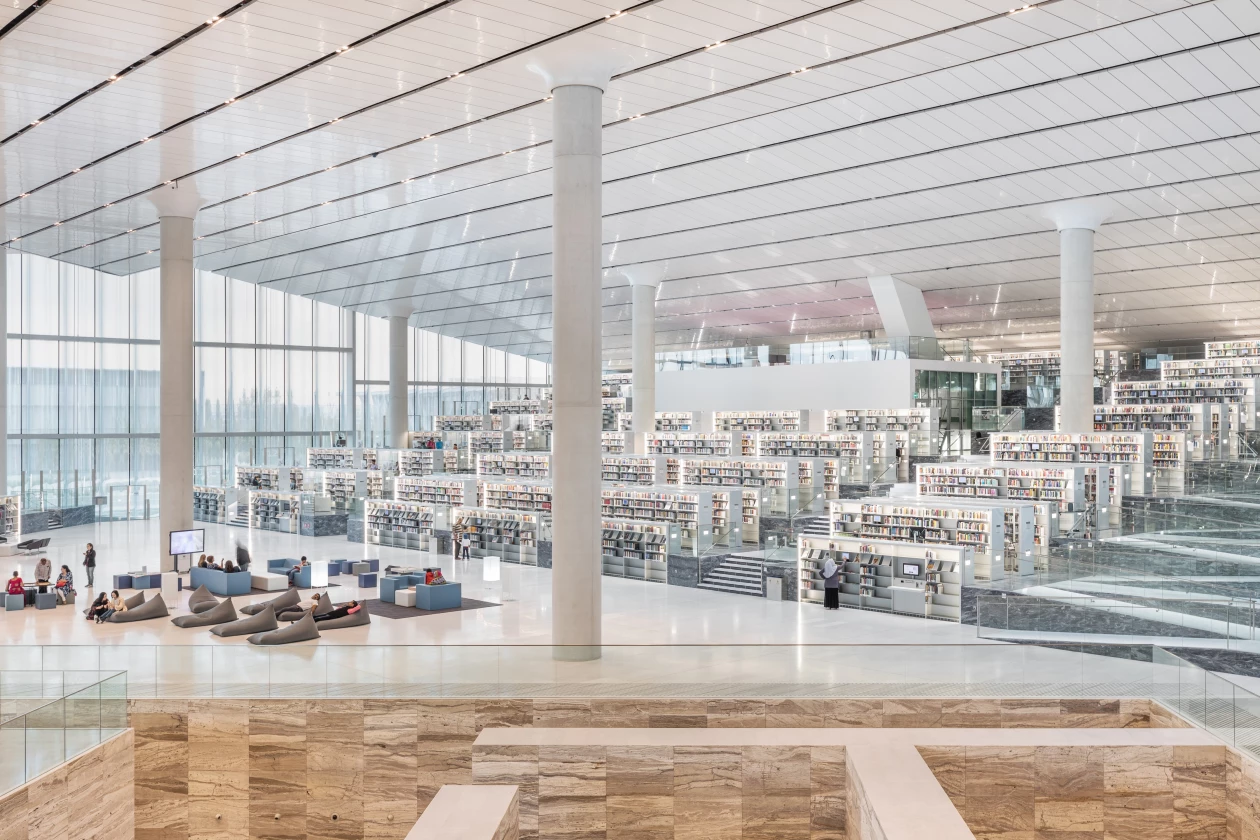
Conceptualised by the two large sweeping forms, the building emerged from the desert landscape as a bold, single, large structure. The triangular‑shaped atrium at the library’s centre and the open, fluid spaces were integrated with terraced levels and walkways. The design encourages a sense of community and shared spaces with a variety of options from private study nooks to large communal tables. Below the main library floor, a travertine-clad exhibition space holds a heritage collection that was sunken like a deep canyon, providing contrast to the light-filled spaces above.
13. Royal Portuguese Cabinet of Reading
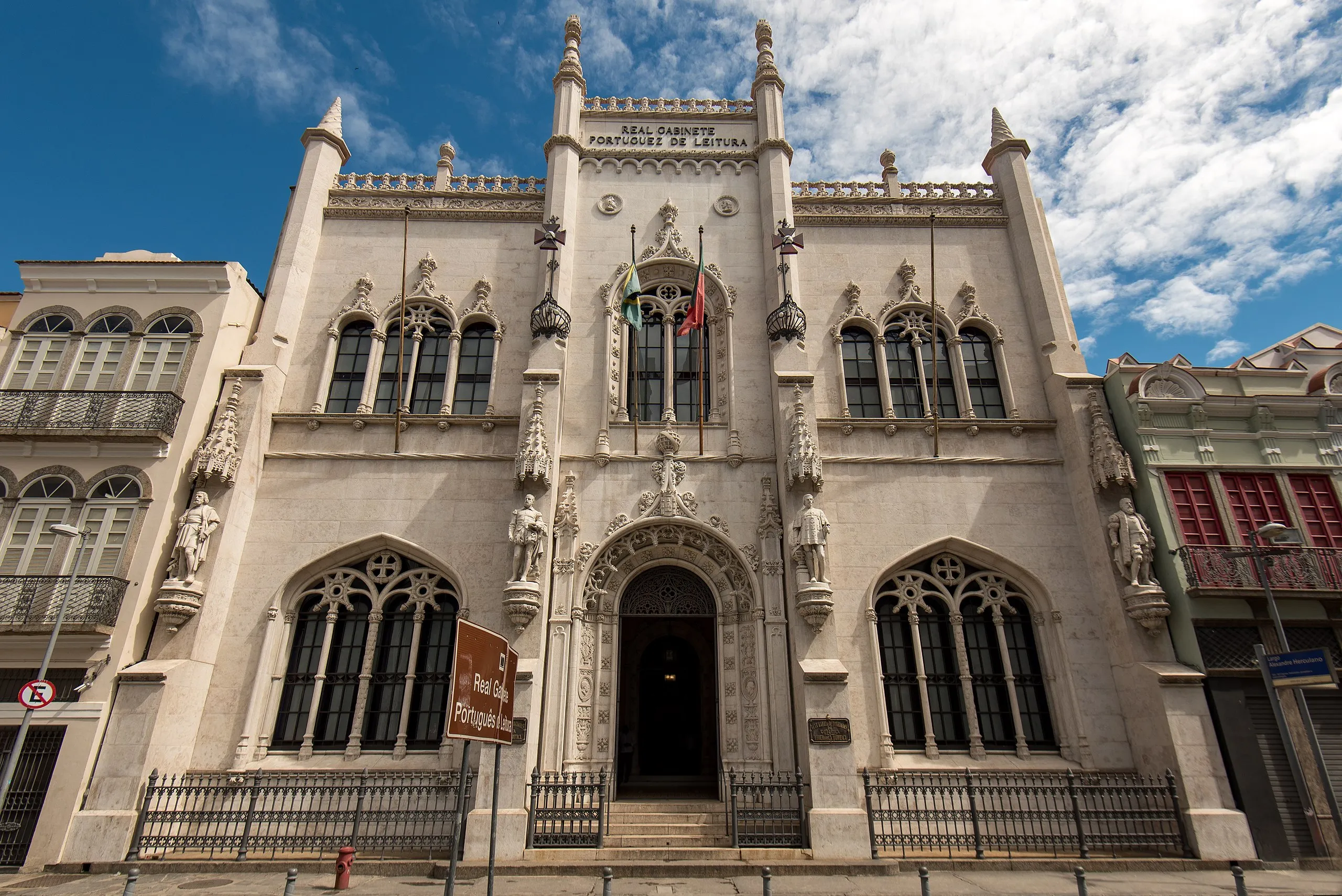
Location: Rio de Janeiro, Brazil
Architect: Rafael da Silva e Castro
Completion year: 1887
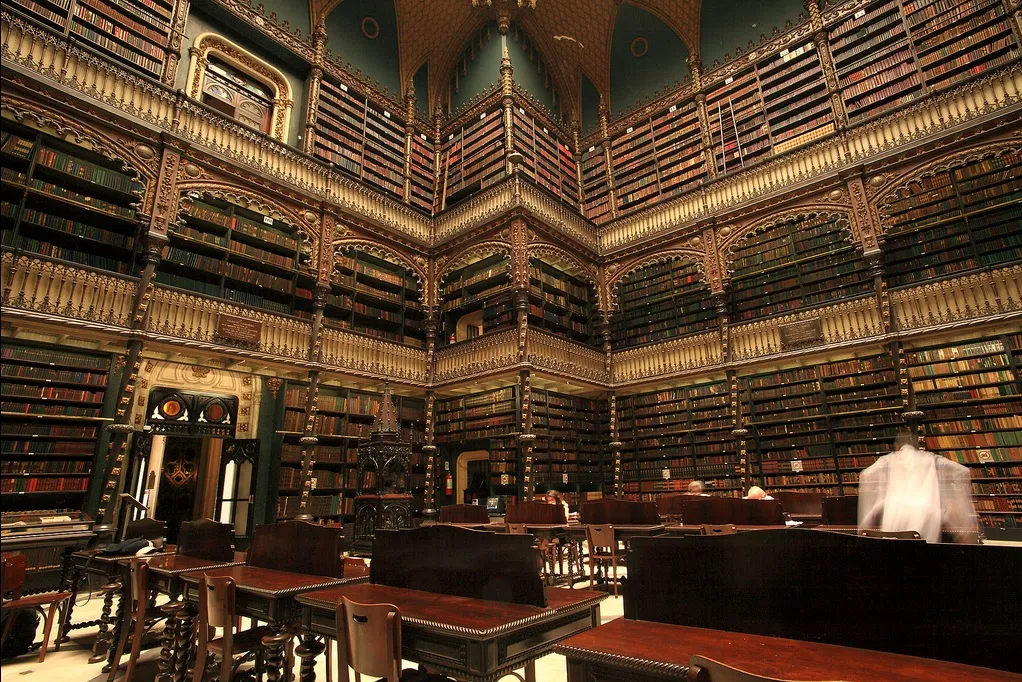
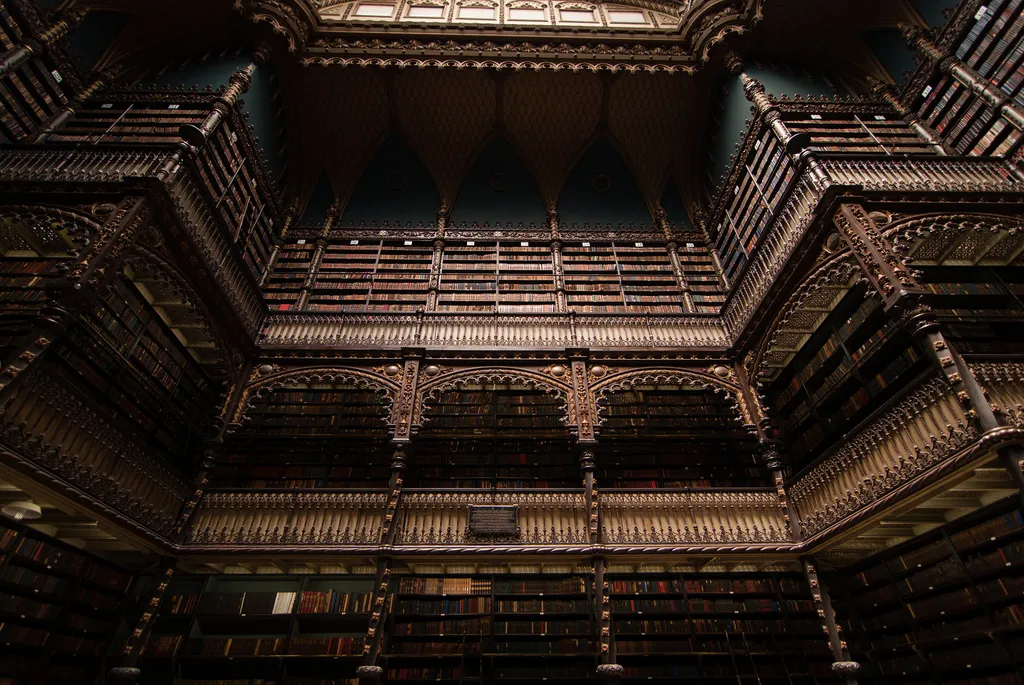
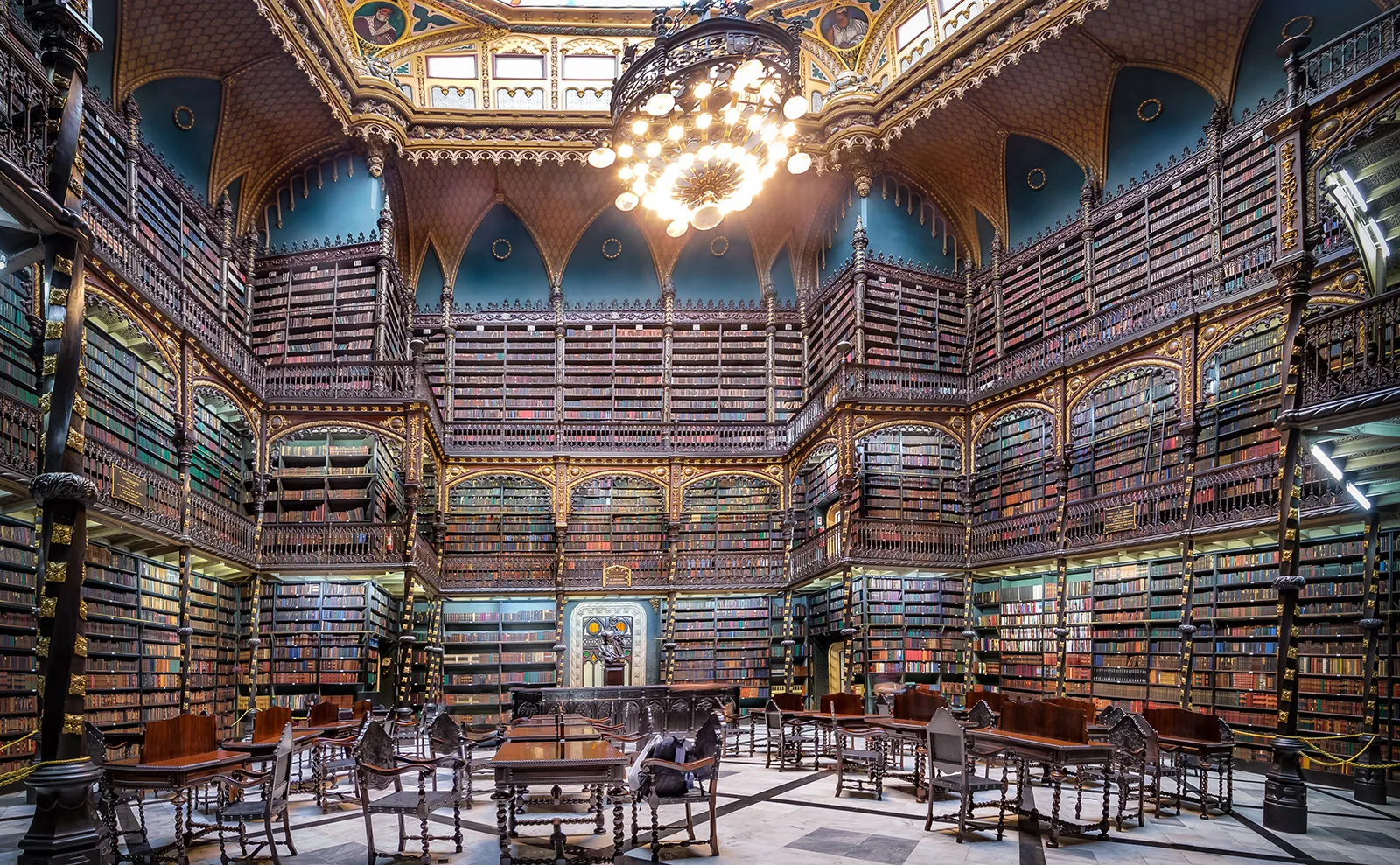
A 19th‑century library inspired by the late Gothic and Renaissance architecture of Portugal embodied symbolic elements: a tapestry of stone carving, intricate motifs of ropes, spheres, and naval instruments, and housed a vast collection of rare and antique books. The magnificent interiors of the main reading room and a three-storey atrium featured a cathedral-like display of books. Hand-carved dark woodwork covered the shelves, galleries, and staircases, providing a sense of warmth, while colourful stained-glass windows filled the rooms with natural light.
14. Philological Library
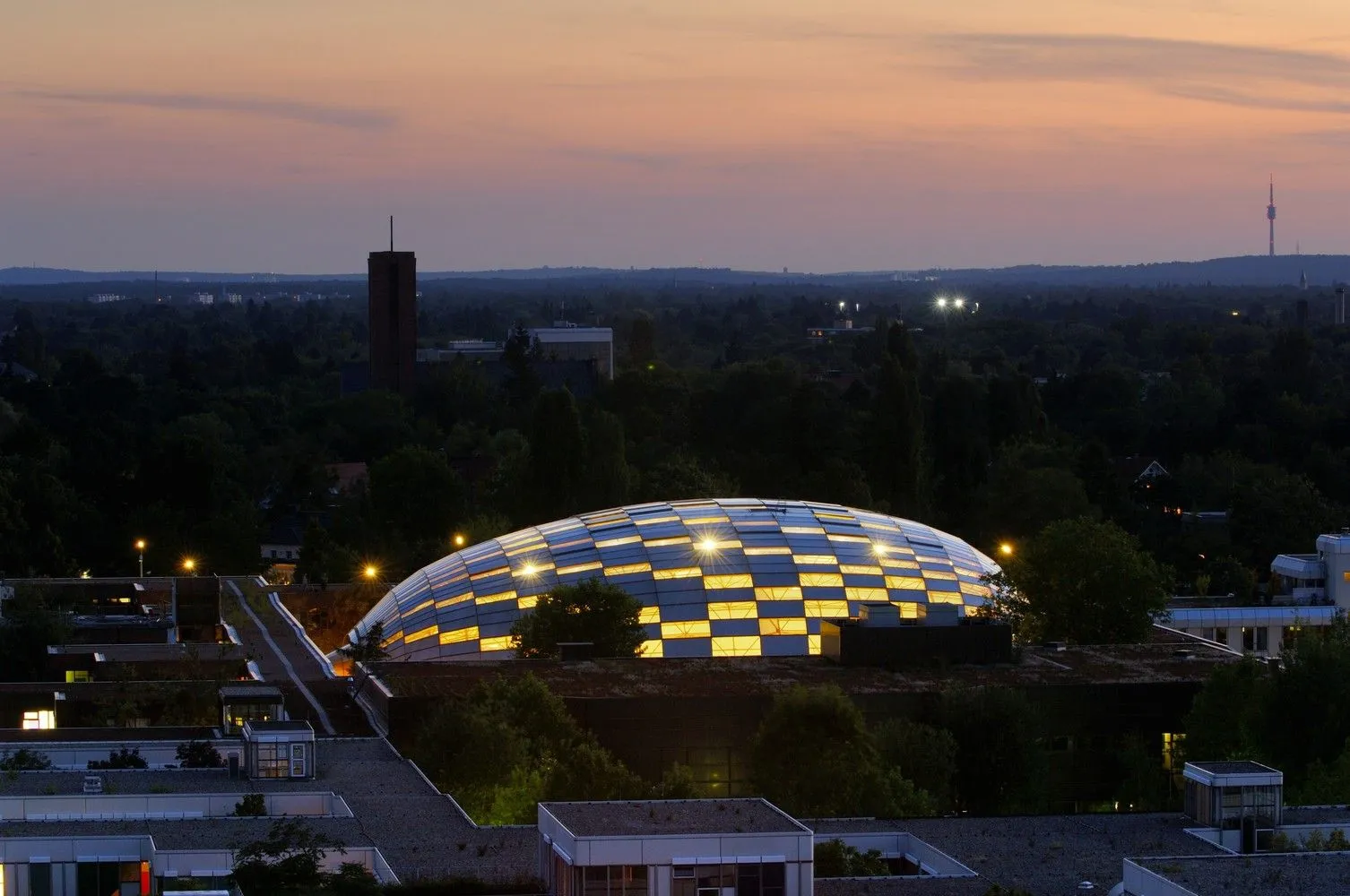
Location: Freie Universität Berlin, Berlin, Germany
Architects: Foster + Partners
Completion year: 2005
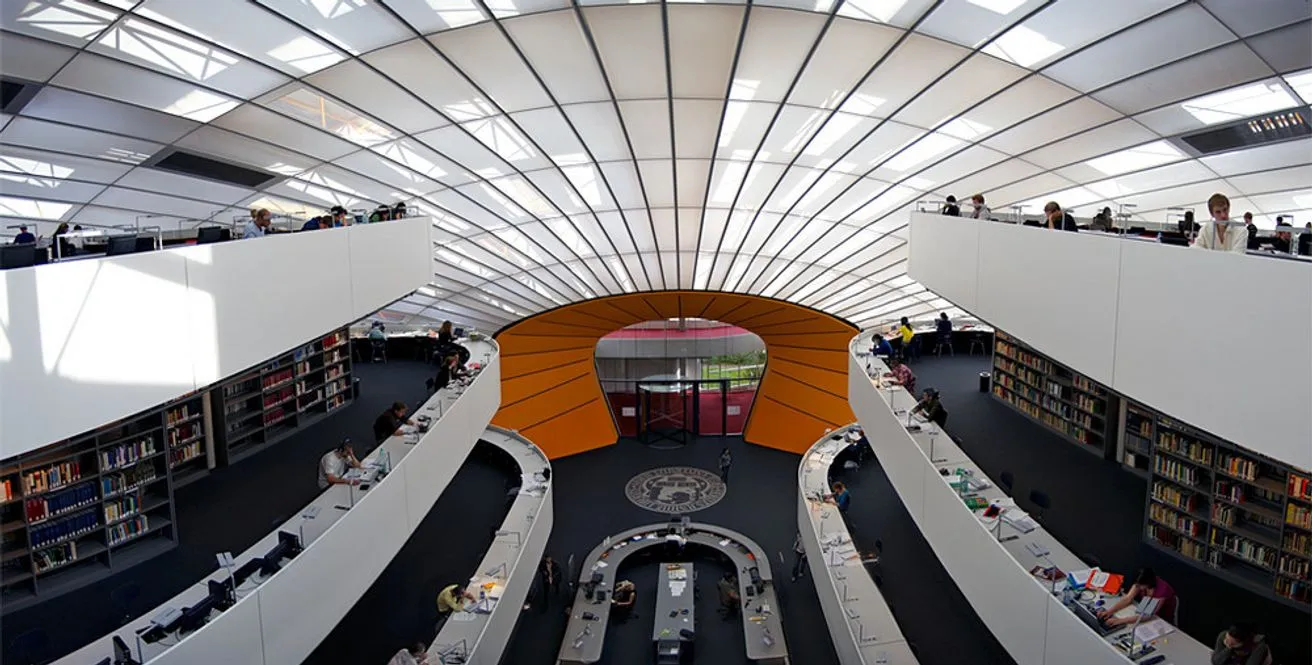
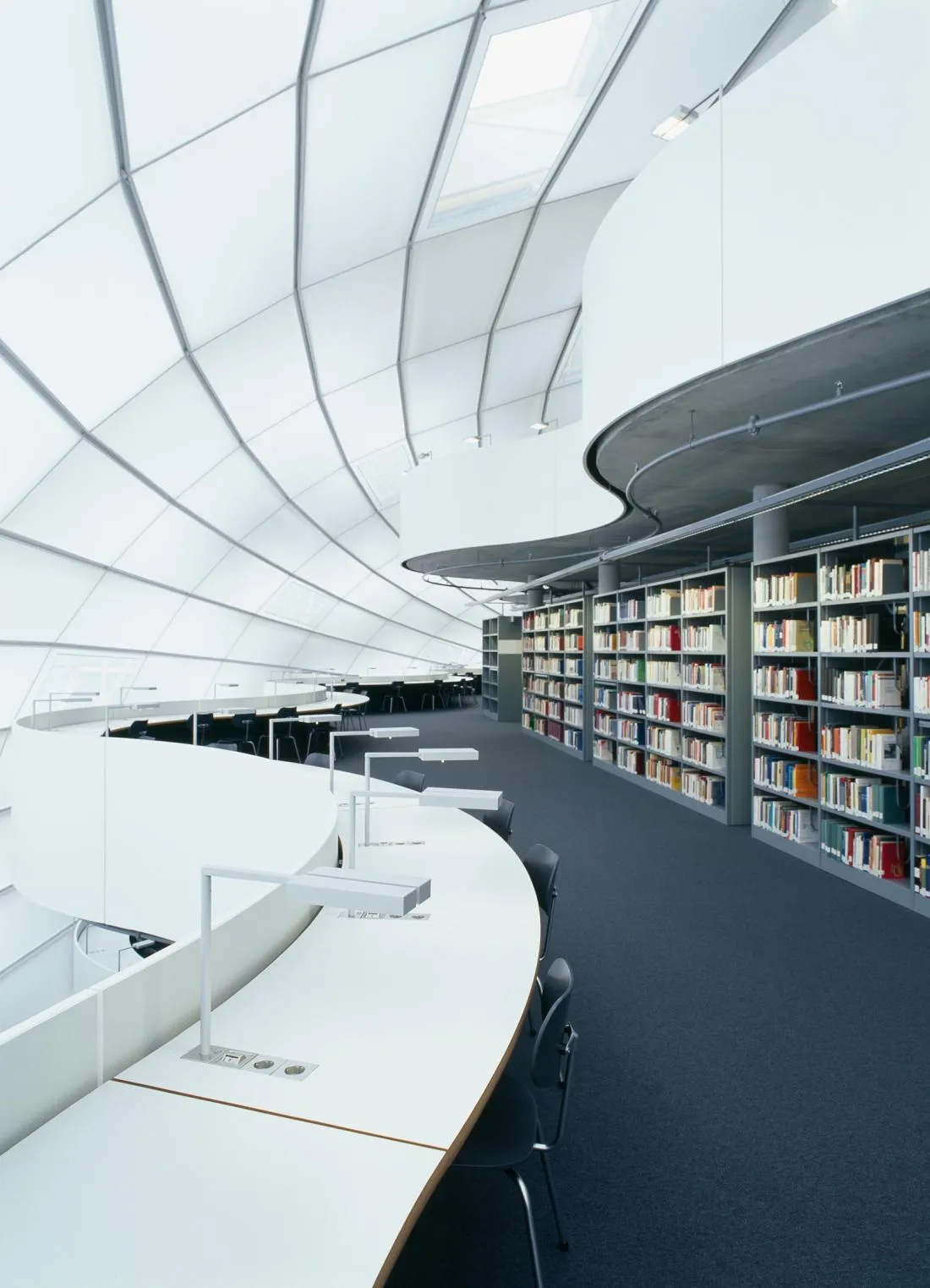
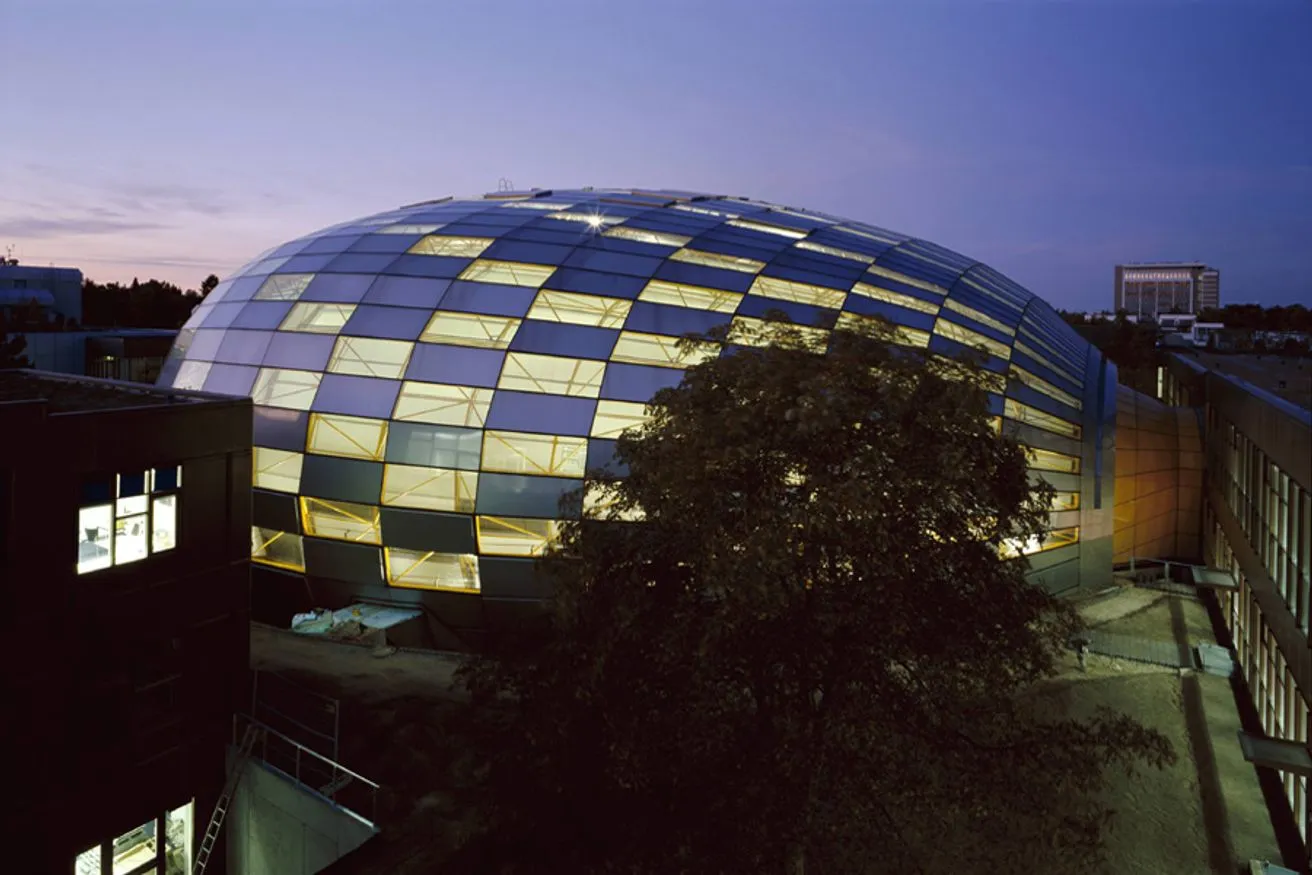
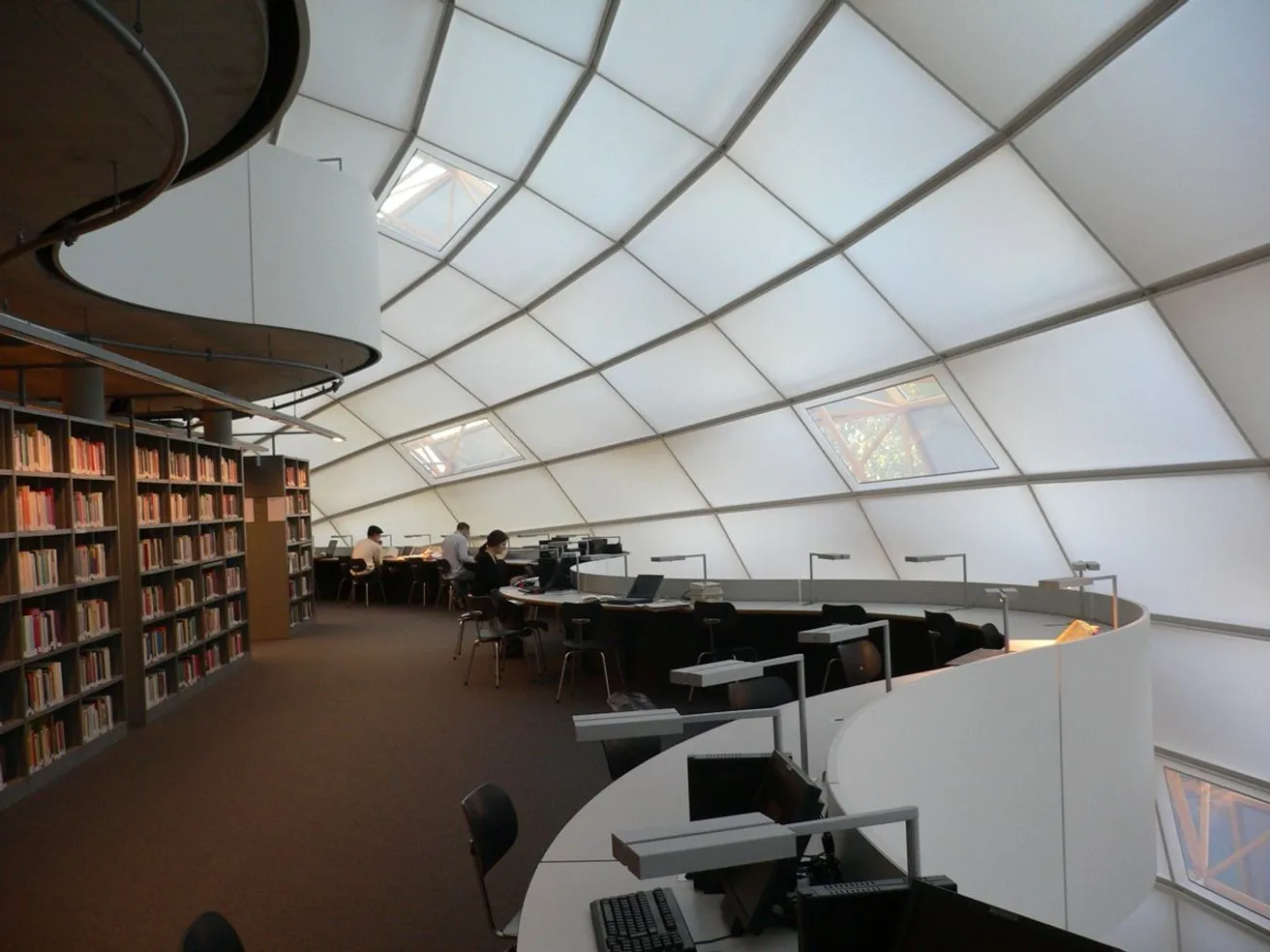
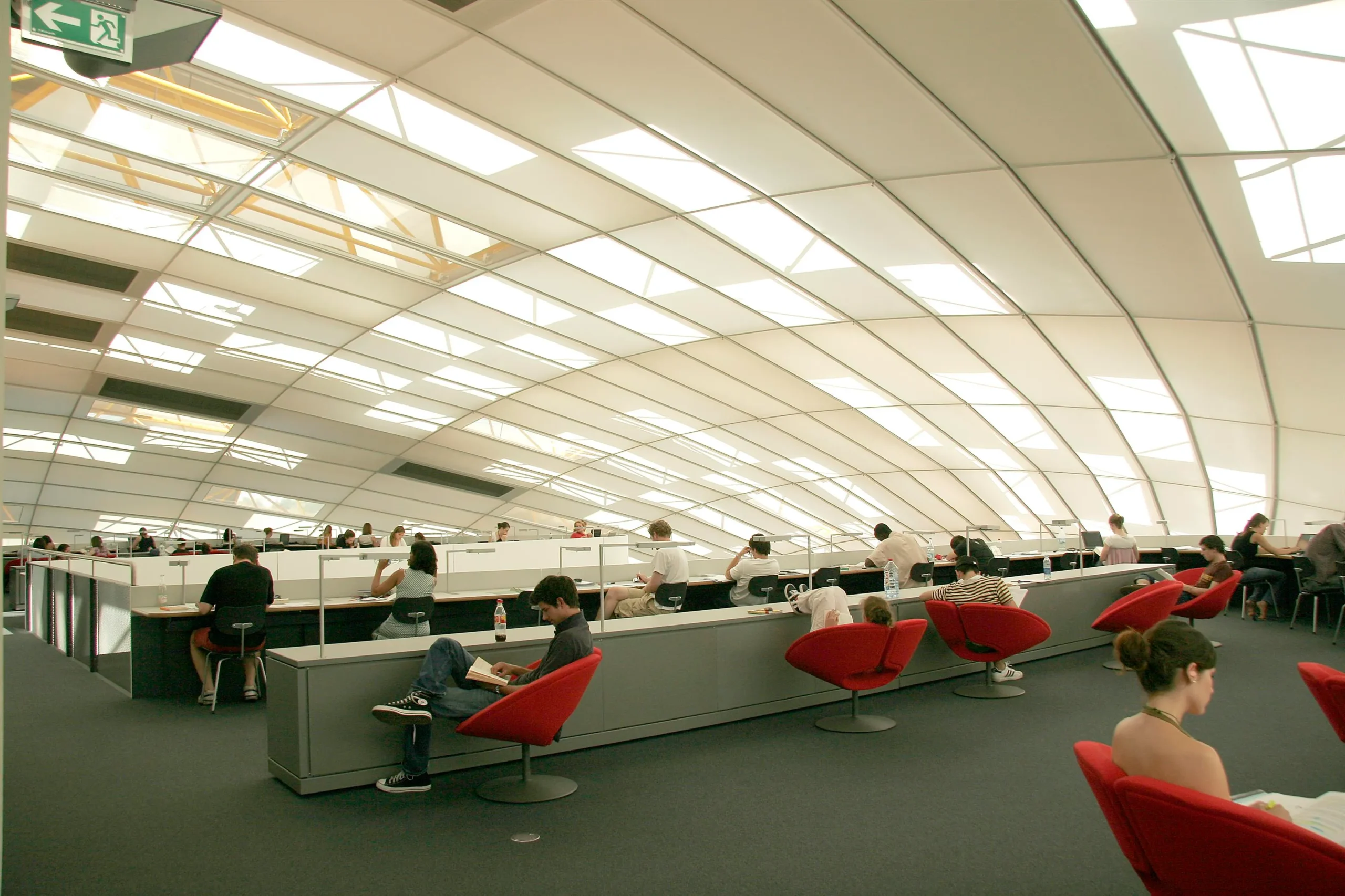
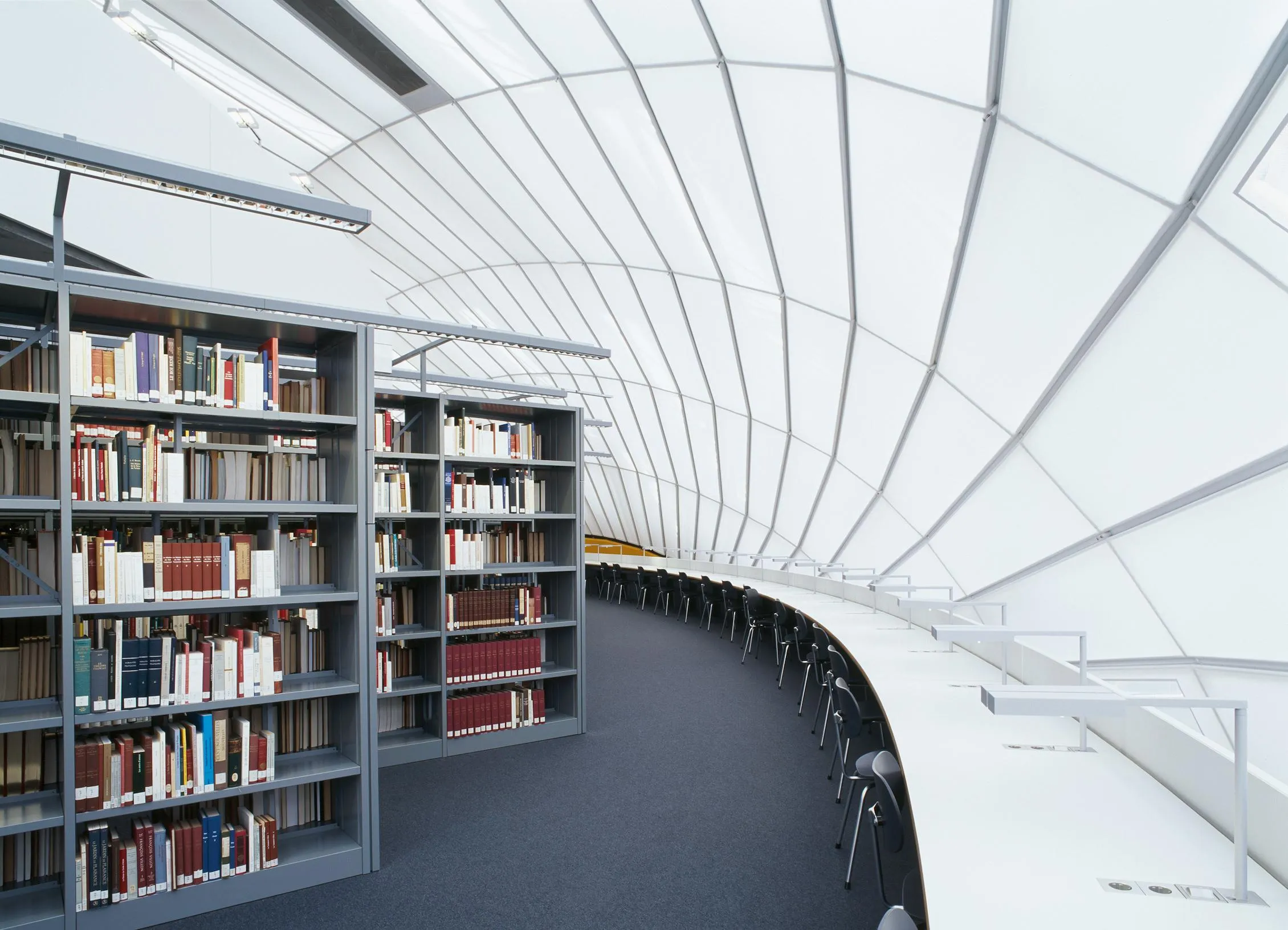
The organic, curved steel & glass roof membrane of the library, known as The Berlin Brain, illustrated bold design and a commitment to transparency, flexibility, and deep integration with its urban and environmental context. A sinuous shell comprised a curved double‑layered membrane, outer glazed and aluminium panels with operable sections, and an inner translucent fabric membrane that controlled light and heat gain, contributing to its sustainable, energy‑efficient performance.
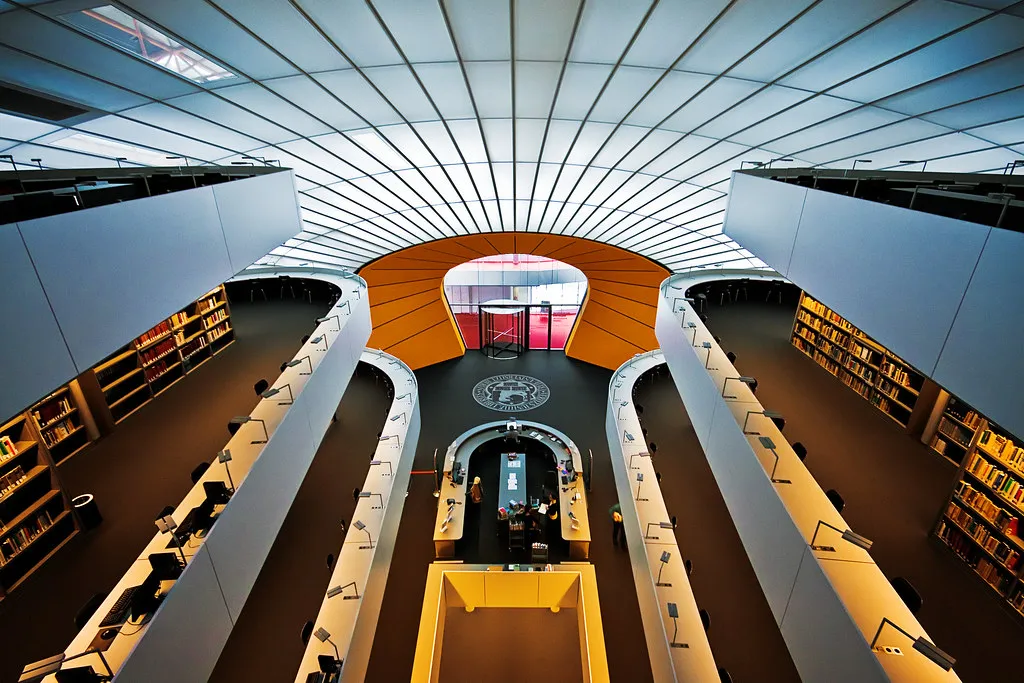
Internally, serpentine floor slabs receded and swelled in profile, creating dynamic open spaces; bookstacks were located at the centre of each floor, while reading desks lined the perimeter, ensuring visual connectivity. Natural light filtered through the external skin and inner membrane, and panels could be opened to facilitate natural ventilation for much of the year, fostering a bright, engaging interior.
15. Stuttgart City Library
Location: Stuttgart, Germany
Architects: Eun Young Yi
Completion year: 2011
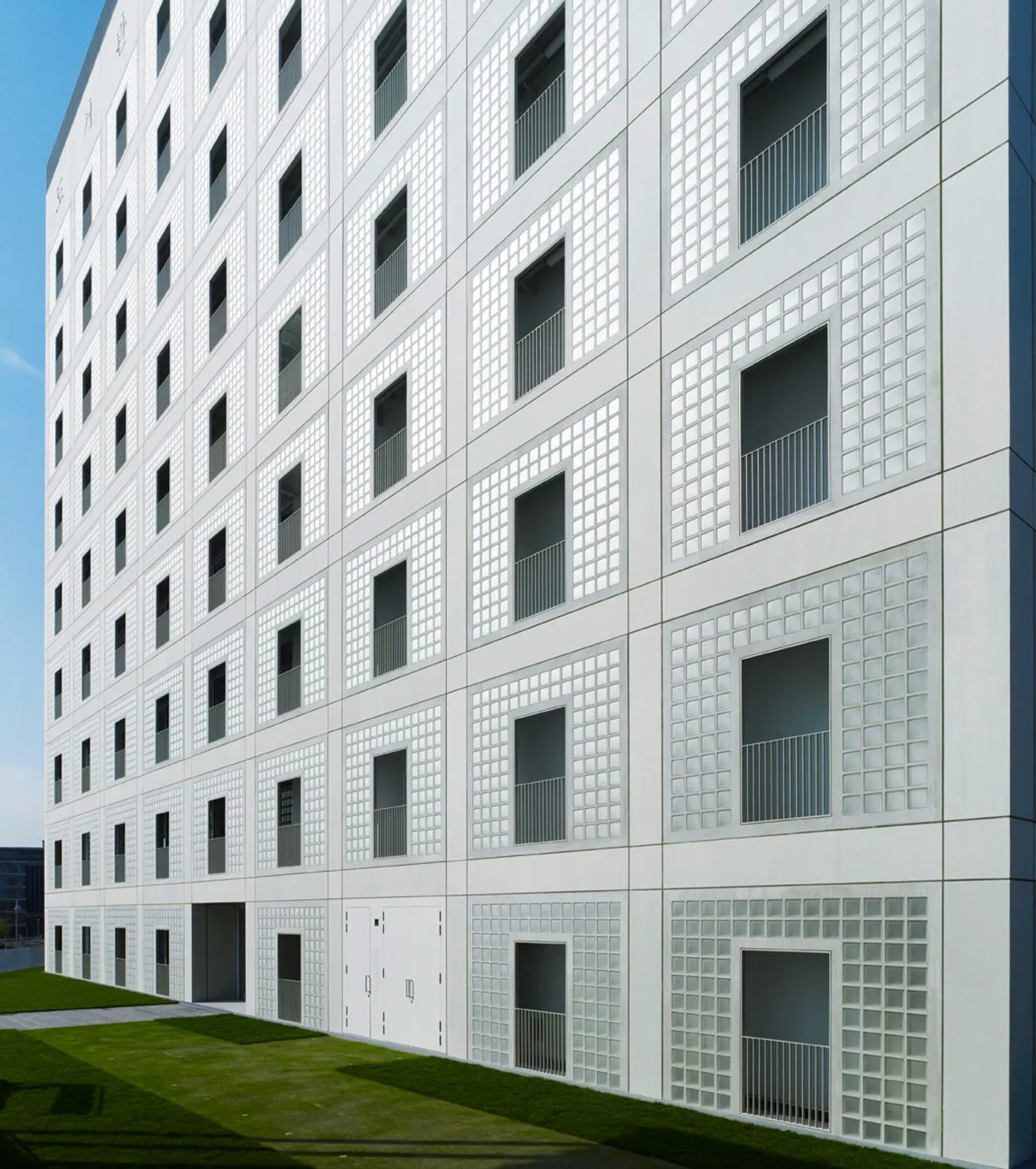
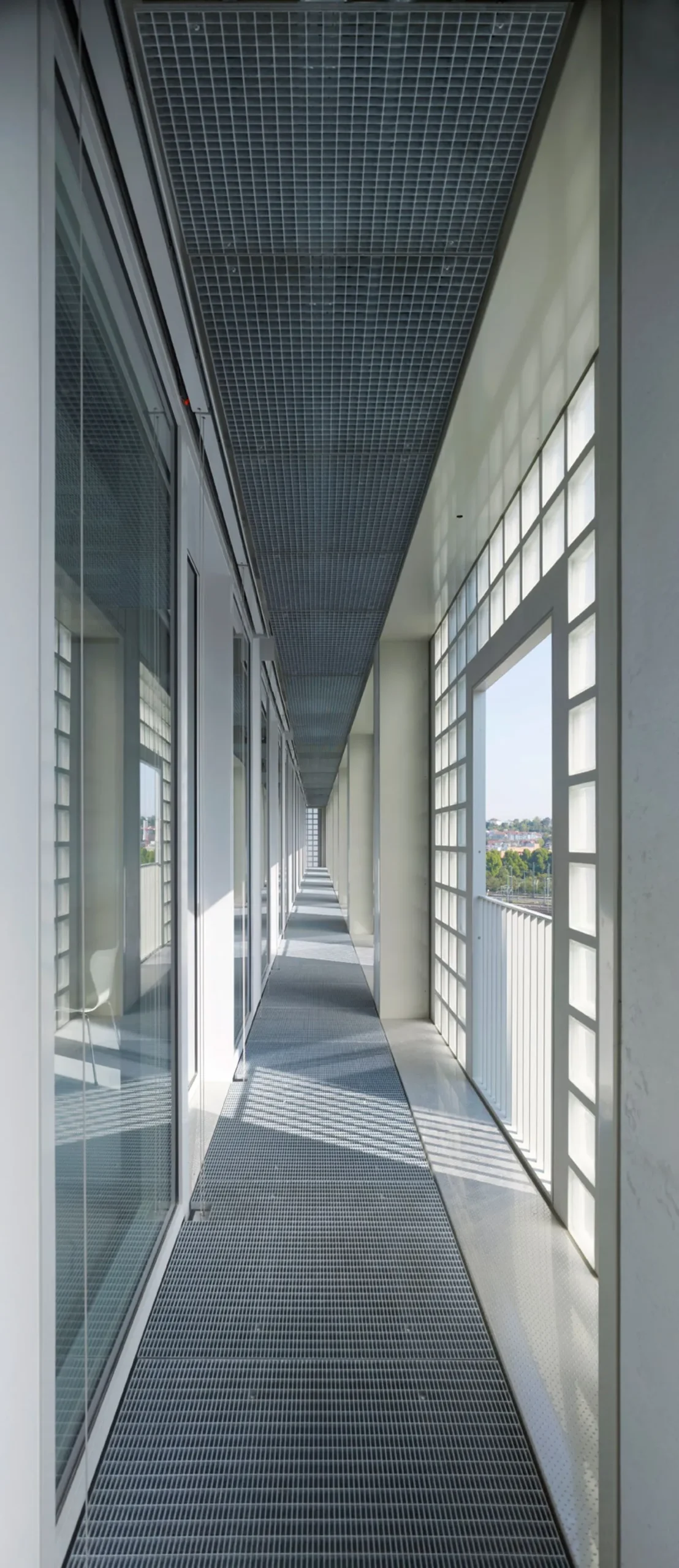
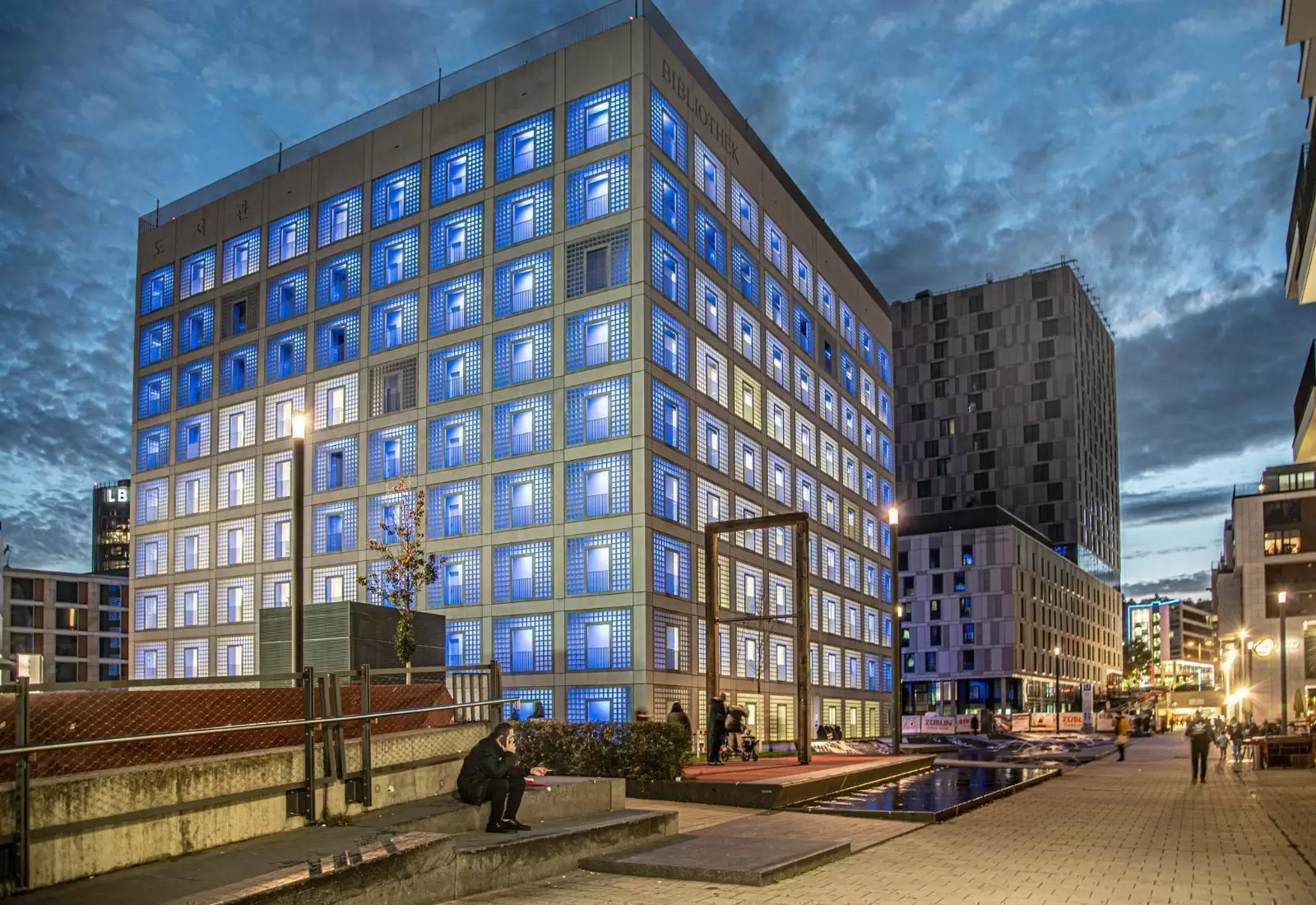
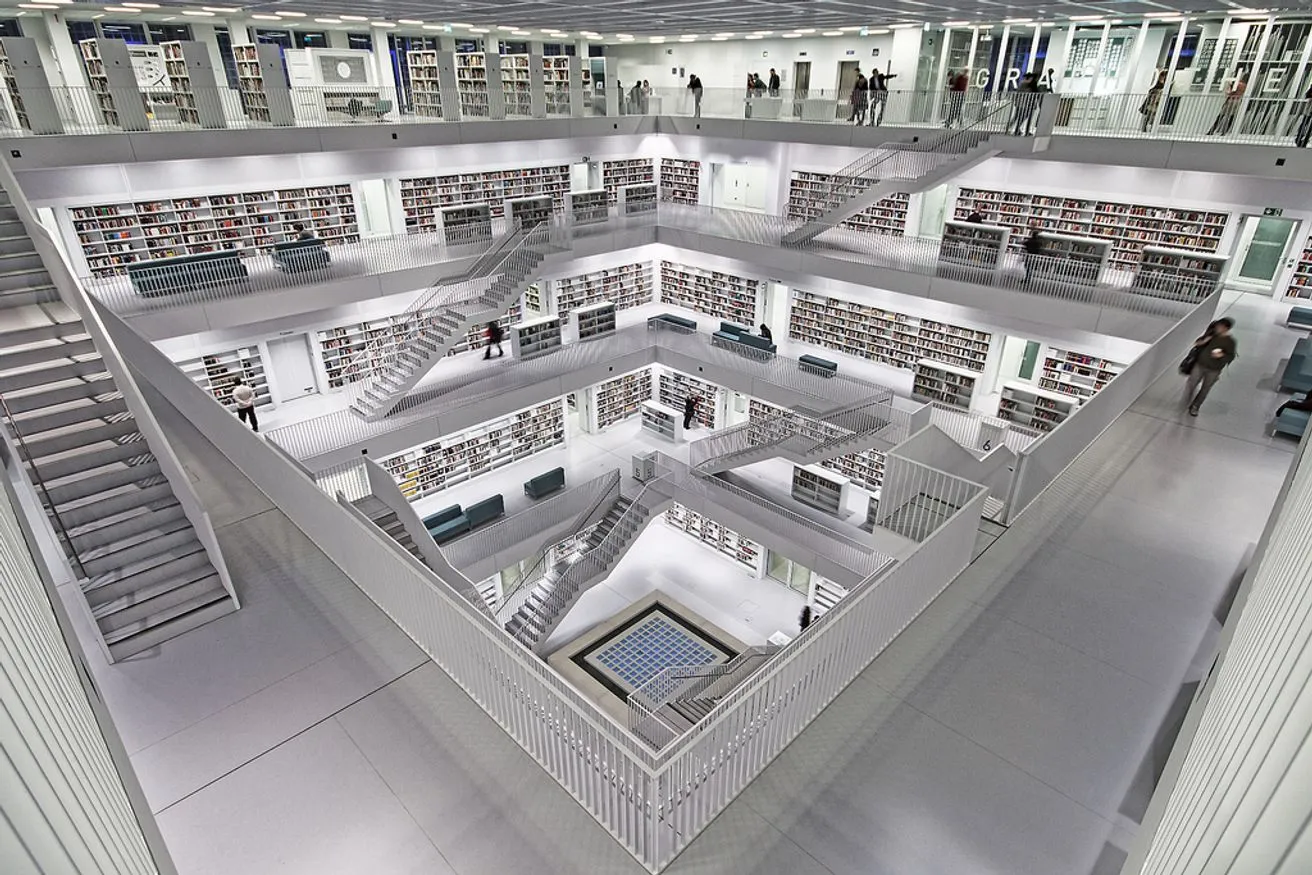
A modern minimalist design of the Stuttgart City Library is a single proportionate white cube. Its facade was composed of a 9 × 9 grid of frosted glass bricks set in a concrete frame, creating a grid‑like outer shell that glows at night, transforming the built form into a luminous geometric form. The only break in the cube’s perfection is a large, square window on one side, which offers a glimpse into the library’s vibrant interior life.
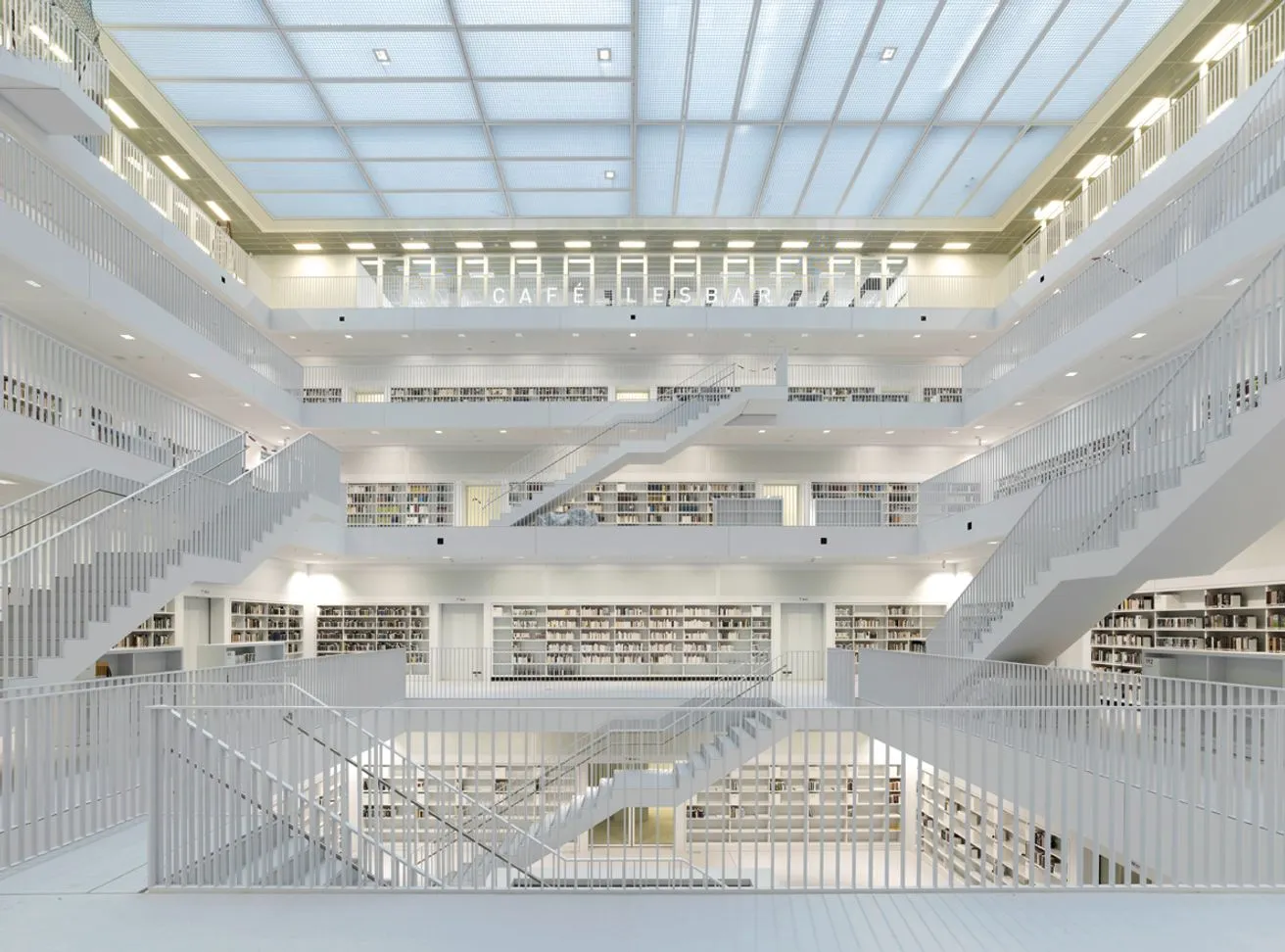
Inside, the space was organized around a square central “Heart,” a four‑storey empty volume illuminated by a roof skylight and centred by a 1 m² fountain. Galleries and reading spaces surrounded this core: book stacks were recessed along the façades, and open staircases connected levels. The reading hall above formed a stepped or funnel‑shaped gallery rising through five floors, flooded with natural light from the overhead glazing.
Explore Courses
.jpg "Ondrej Chybik - Rethinking Architecture")