

Tehran’s metro network has a new addition, the “Holy Virgin Mary Metro Station,” formally inaugurated in October 2025. The station, also referred to by its Persian name, Maryam-e Moqaddas, signals both a technical upgrade and a symbolic gesture toward religious inclusivity in the city’s transit planning.
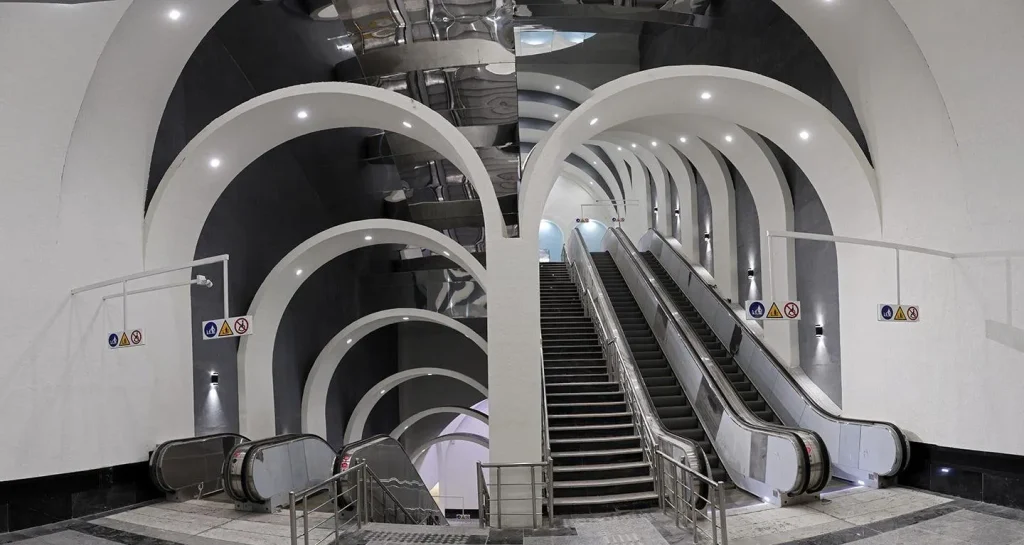
The station is situated at the busy intersection of Ostad Nejatollahi and Karimkhan Zand streets, in central Tehran’s District 6, very near the Saint Sarkis Armenian Cathedral. Due to its proximity to the Armenian Christian community’s religious and cultural center, the station holds special significance for Tehran’s Christian minority. While Christians make up less than 1% of Iran’s population, they are officially recognized communities, particularly Armenians and Assyrians.
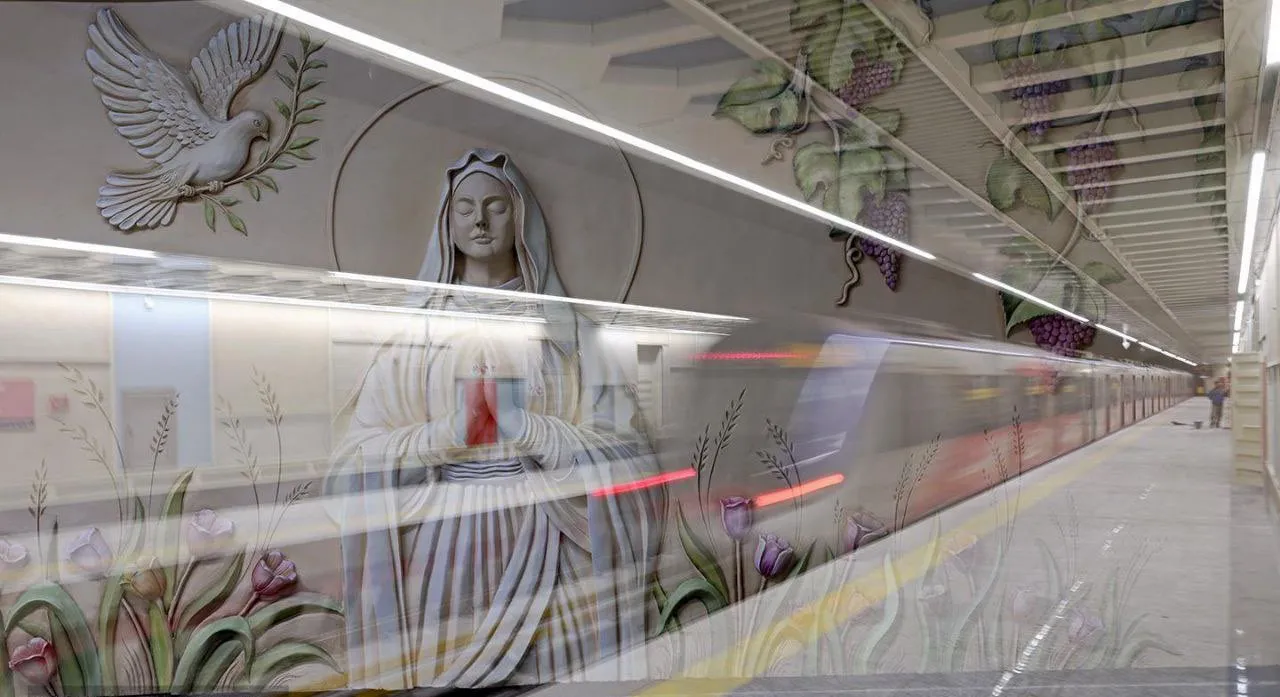
The naming of the station after the Virgin Mary (Maryam in Islam) reflects her respected status in both Christian and Islamic traditions, offering a bridge of shared heritage.
Construction of the new metro station began around 2015, encountering many engineering challenges due to the dense urban fabric of central Tehran. The station reaches 34 meters deep below ground level, covering an estimated 11,000 square meters of built area. Over 100,000 cubic meters of soil were excavated during the project.
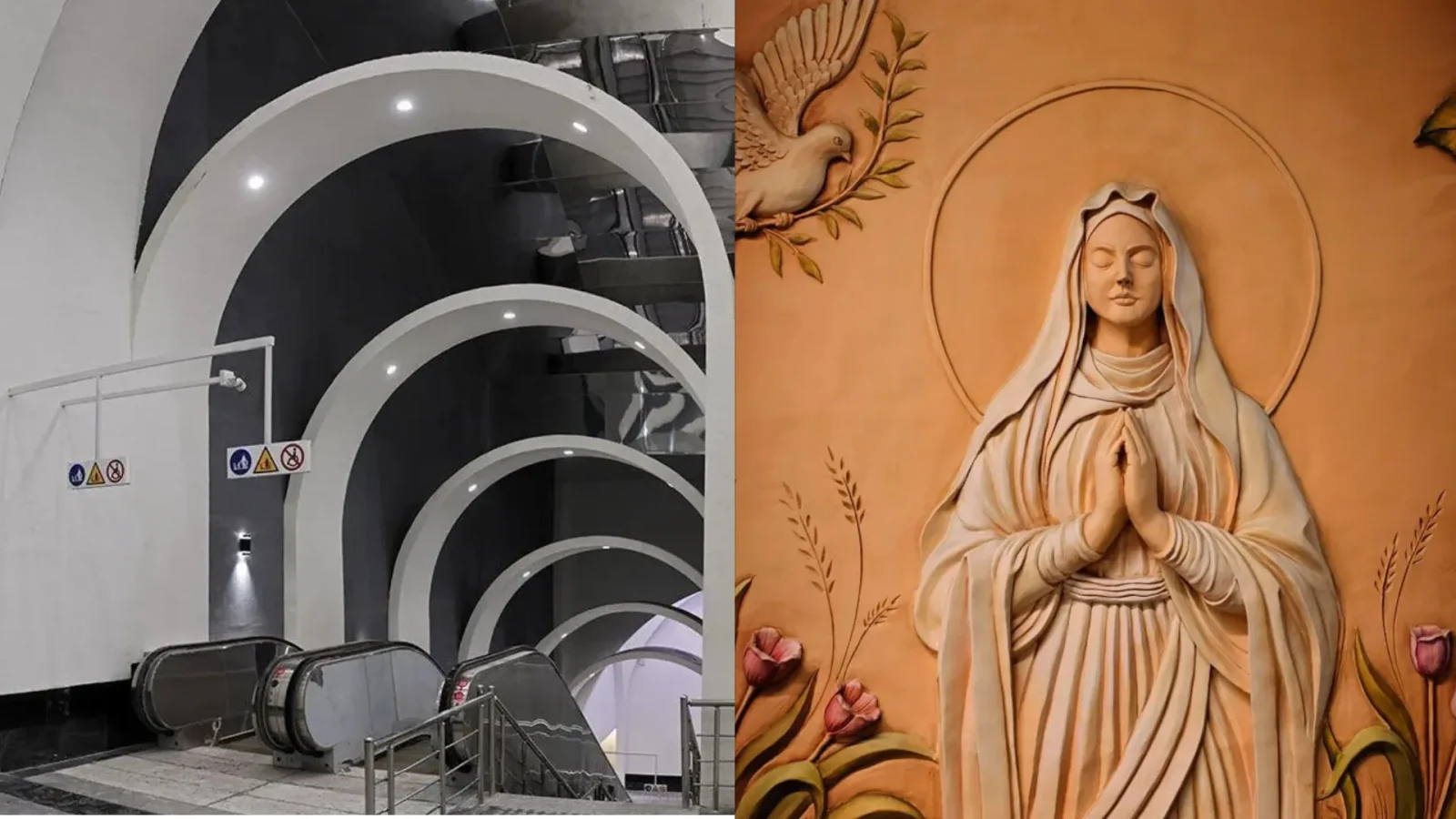
To merge aesthetics with utility, about 6,000 m² of stone cladding is used in interiors and walls, enhancing both durability and visual appeal. One entrance is already equipped with 12 escalators to handle high passenger throughput; a second entrance is under development to further ease access.
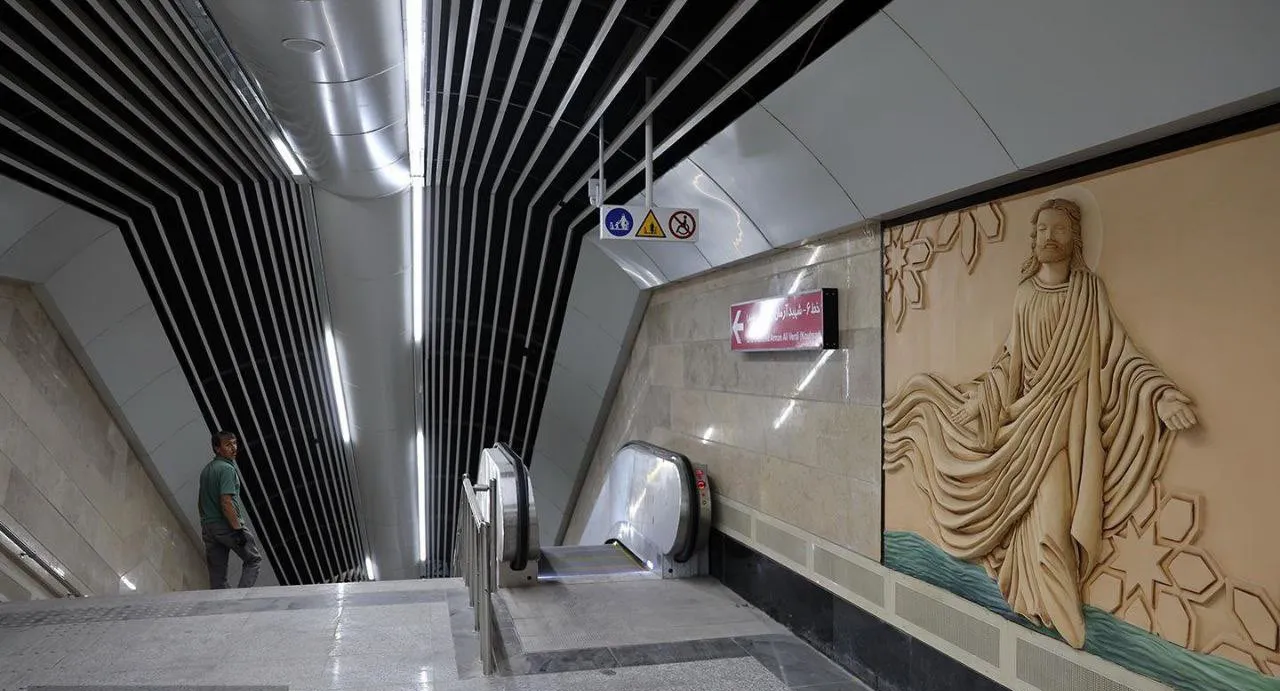
Inside, Artistic Elements and Symbolic Reliefs of the Holy Virgin Mary Metro Station in Tehran
Murals and bas-reliefs depict Christian motifs such as images of the Virgin Mary, Christ, and the shape of Saint Sarkis Cathedral interwoven with geometric patterns that echo Persian and Islamic architectural aesthetics. Ornamentation combines Islamic decorative motifs (e.g., geometric rosettes) with Armenian ecclesiastical designs, creating a visual dialogue between the two traditions.
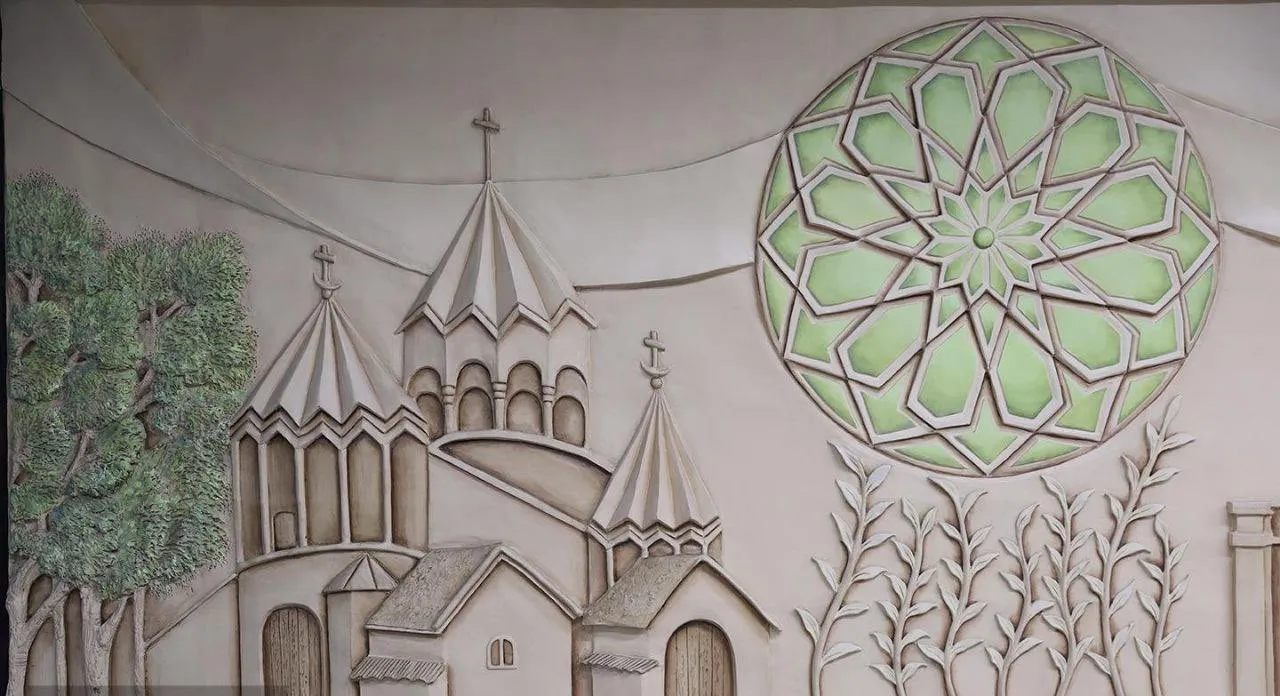
The station’s design reflects a deliberate effort to respect local culture, serve practical transit needs, and project a message of shared heritage.
As part of Line 6, the new Holy Virgin Mary Metro Station is poised to alleviate congestion in one of Tehran’s busiest corridors. Officials expect it to serve thousands of commuters daily and improve access to cultural, religious, and commercial nodes in the city center.
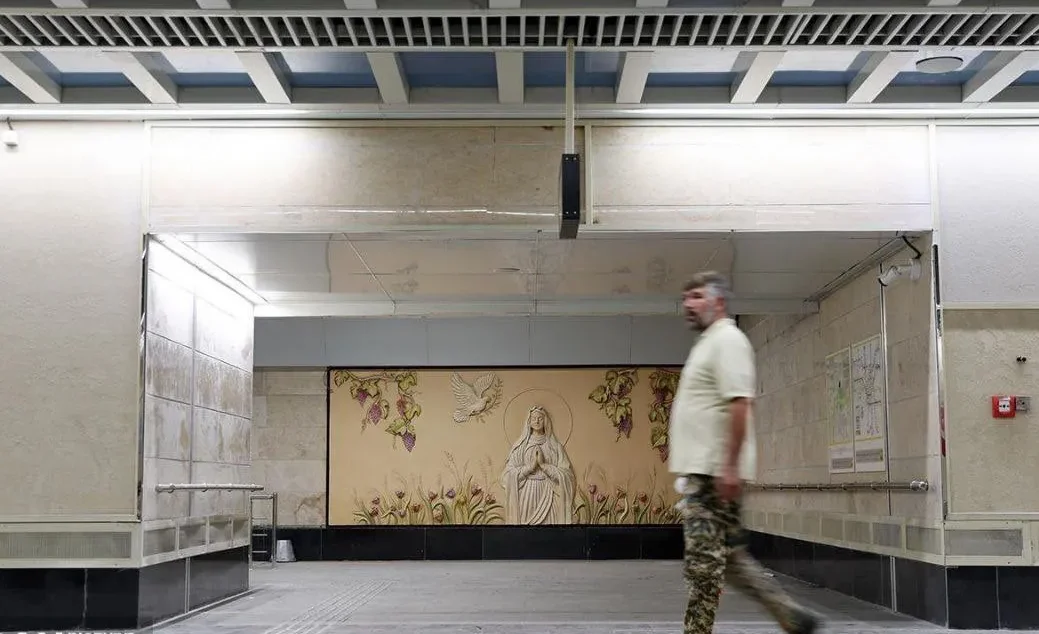
Beyond its transport role, the station carries symbolic weight. It communicates a broader message of recognition and coexistence for religious minorities in Iran. Some observers note that the move challenges certain Western media narratives about Iran’s treatment of its religious minorities. The municipality is continuing its expansion of Tehran’s metro system, with ongoing work on other lines (such as Lines 3 and 7). The new station reinforces that priority, combining urban mobility with cultural symbolism.
Image Credit: Tehran Picture Agency/Shayan Mehrabi
Explore Courses
.jpg "Ondrej Chybik - Rethinking Architecture")