



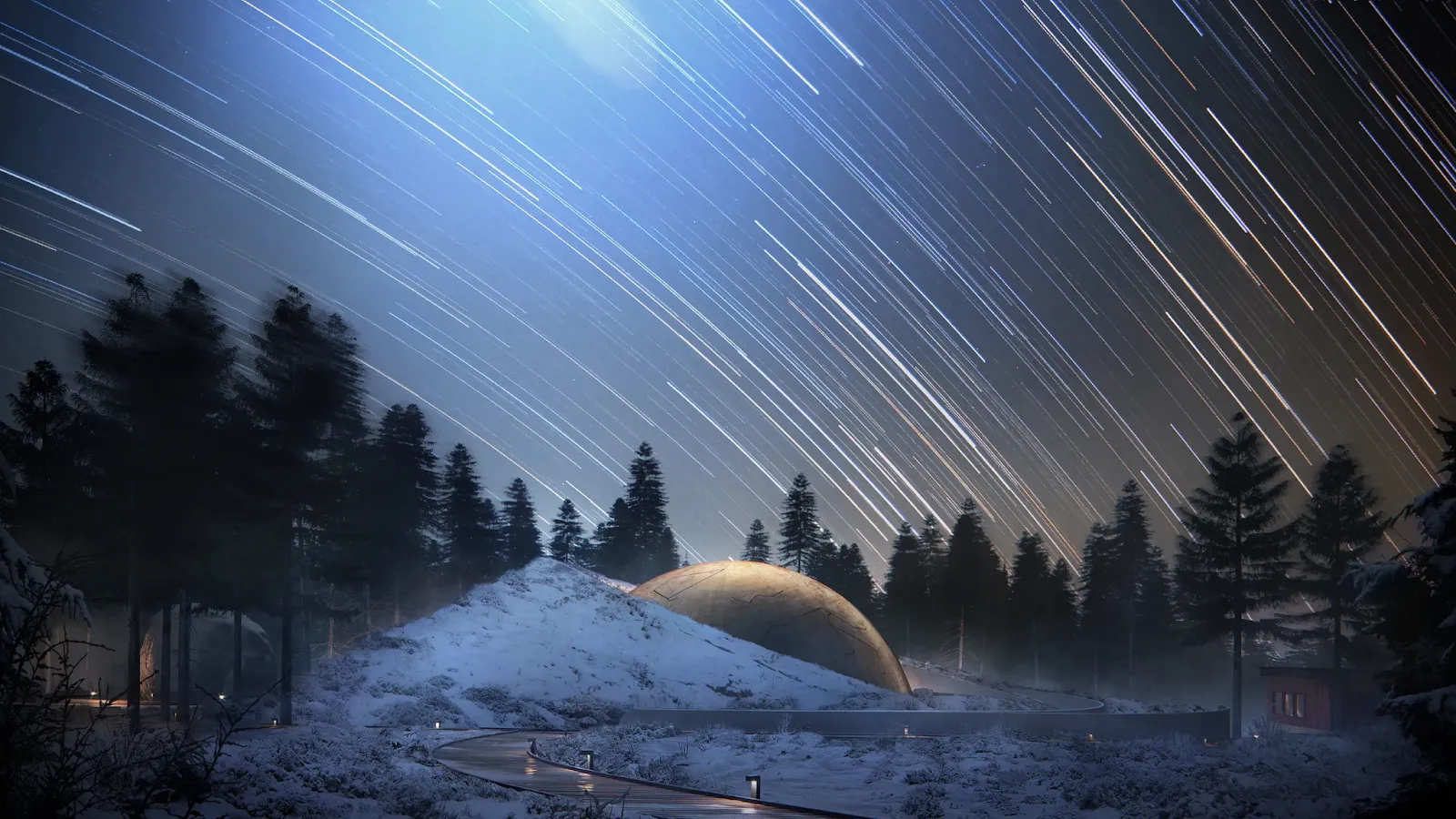
2025 has already proven to be spectacular for meteor enthusiasts and not just because the Perseids, one of the year’s most reliable meteor showers, peaked during the night of August 12–13. Occurring under a waning gibbous moon, the Perseids meteor shower was still visible even with partial moonlight, especially from dark-sky locations where the display dazzled. The late-night to pre-dawn hours proved particularly rewarding, offering crisp, clear views for those in remote or high-altitude settings.
Beyond the Perseids meteor shower, 2025 still holds several celestial highlights, including the Geminids, Orionids, and Leonids, each offering unique observational opportunities in the months ahead. With such a rich calendar of meteor showers, this year is a rare opportunity to explore how architecture can elevate our connection to the night sky.
What is Celestial Architecture?
“Celestial architecture” defines structures and spaces intentionally designed or naturally aligned to enhance our connection with the sky. Unlike generic buildings, these are conceived to channel sights, shadows, and cosmic events, bringing celestial phenomena into a tangible, built context.
The origins of this concept trace back to ancient societies, where alignment with astronomical bodies signaled both symbolic and practical intent. The term broadly refers to buildings that either mirror cosmology, reflect spiritual beliefs, or align precisely with celestial events like solstices or planetary transits.
From Temples to Telescopes: Architecture as an Astronomical Tool
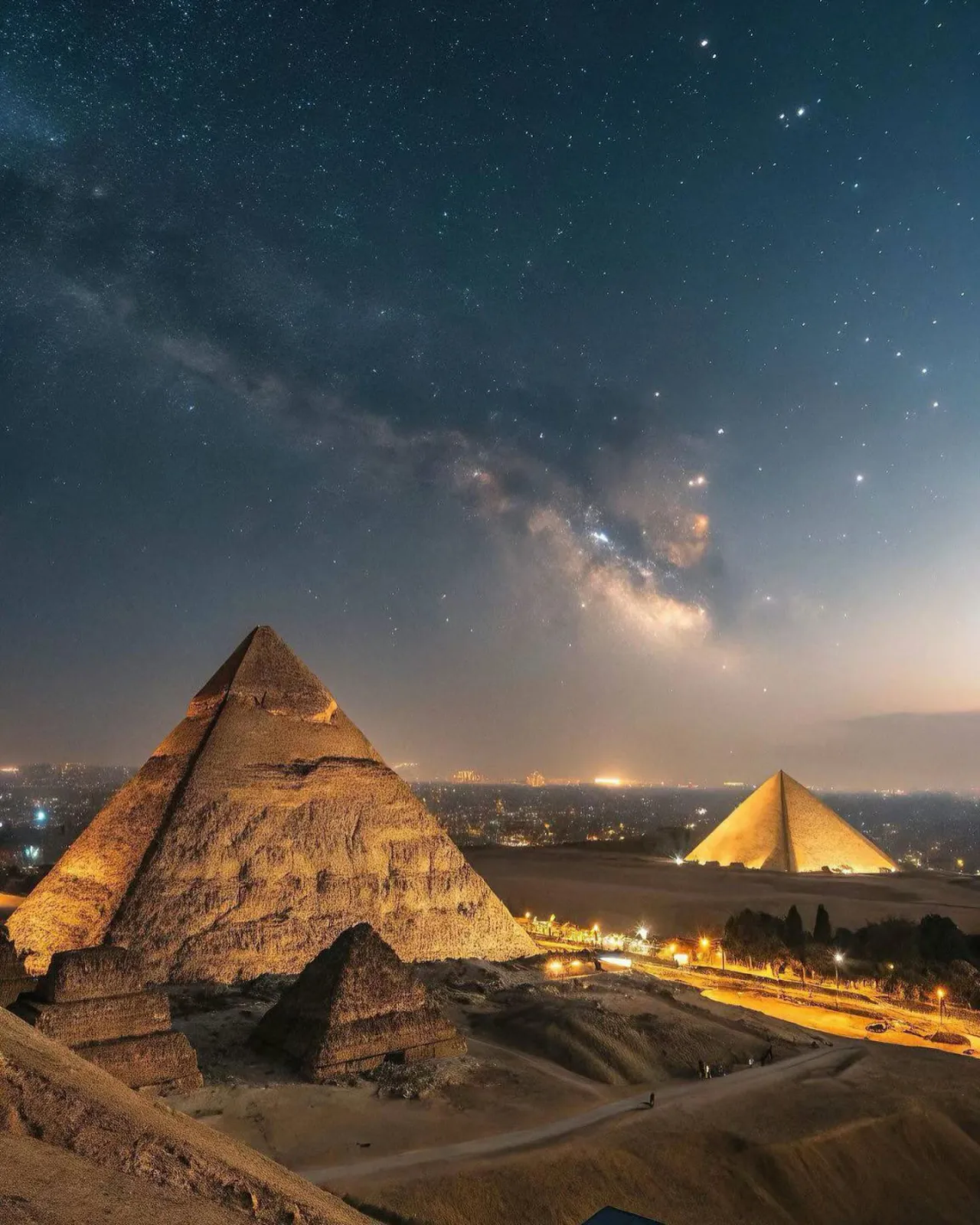
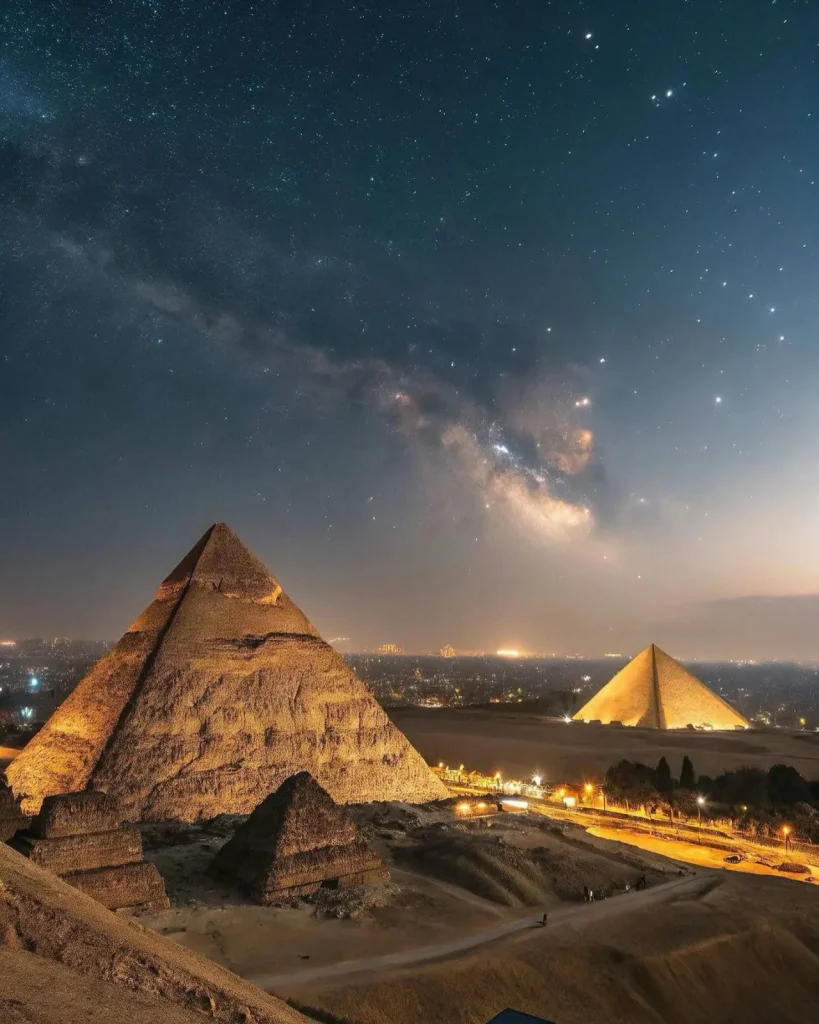
Across history, architecture has often doubled as an astronomical tool. In the ancient world, Egypt’s pyramids were aligned with cardinal points, while the Great Temple at Abu Simbel was oriented so sunlight would illuminate its statues on two precise dates each year.
Civilizations from the Babylonians to the Maya embedded solar and lunar alignments into temples and platforms, turning built forms into calendars and cosmic markers. In Minoan Crete, palace layouts followed solar risings and lunar extremes, integrating agriculture and ritual into celestial cycles.
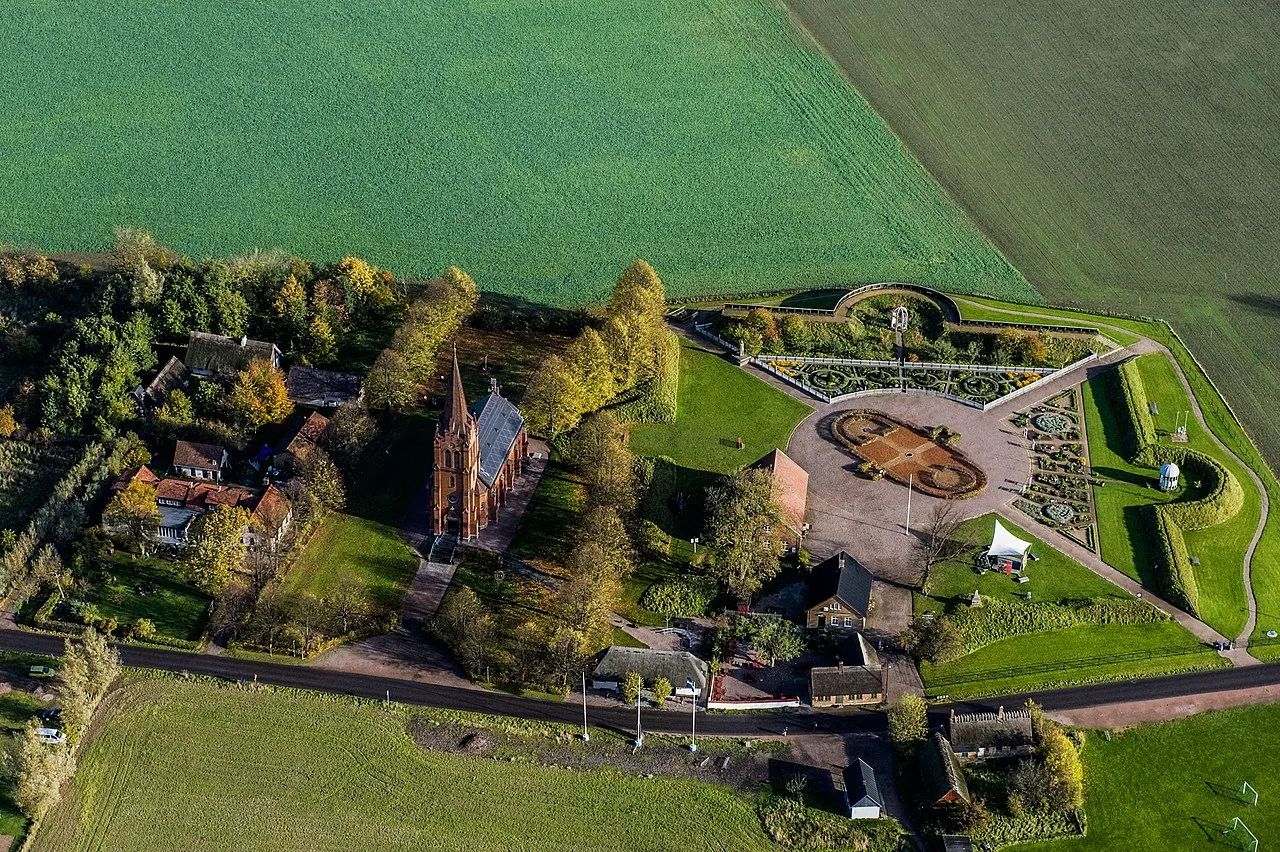
By the Renaissance, astronomy and design merged in purpose-built observatories such as Tycho Brahe’s Uraniborg (1576–80) in Denmark, which combined precise measurement grids with gardens, reflecting the unity of sky and earth.
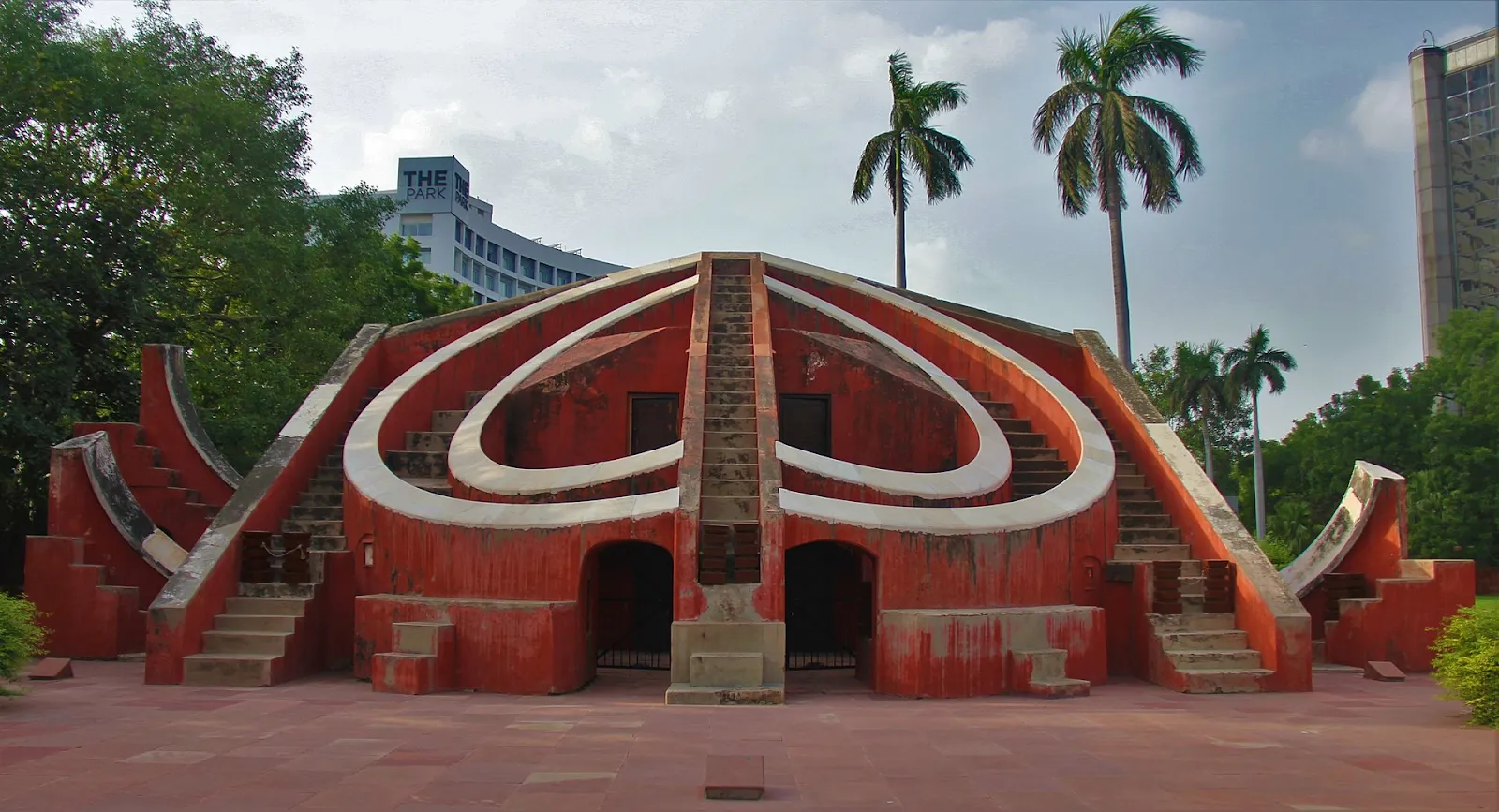
Modern interpretations continue this tradition. Delhi’s Jantar Mantar (1724) still functions as a giant stone instrument, while Barcelona’s Fabra Observatory and England’s sustainably designed Kielder Observatory balance science with public engagement.
Contemporary projects like Snøhetta’s transformation of Norway’s Solobservatoriet and Ennead Architects’ Shanghai Planetarium turn architecture itself into a celestial device, aligning forms, spaces, and materials to the movements of the sun, moon, and stars.
From ancient monuments to futuristic domes, these structures show how architecture can frame our place in the cosmos as much as it frames the night sky.
Architectural Spaces Designed to Experience Meteor Showers in 2025
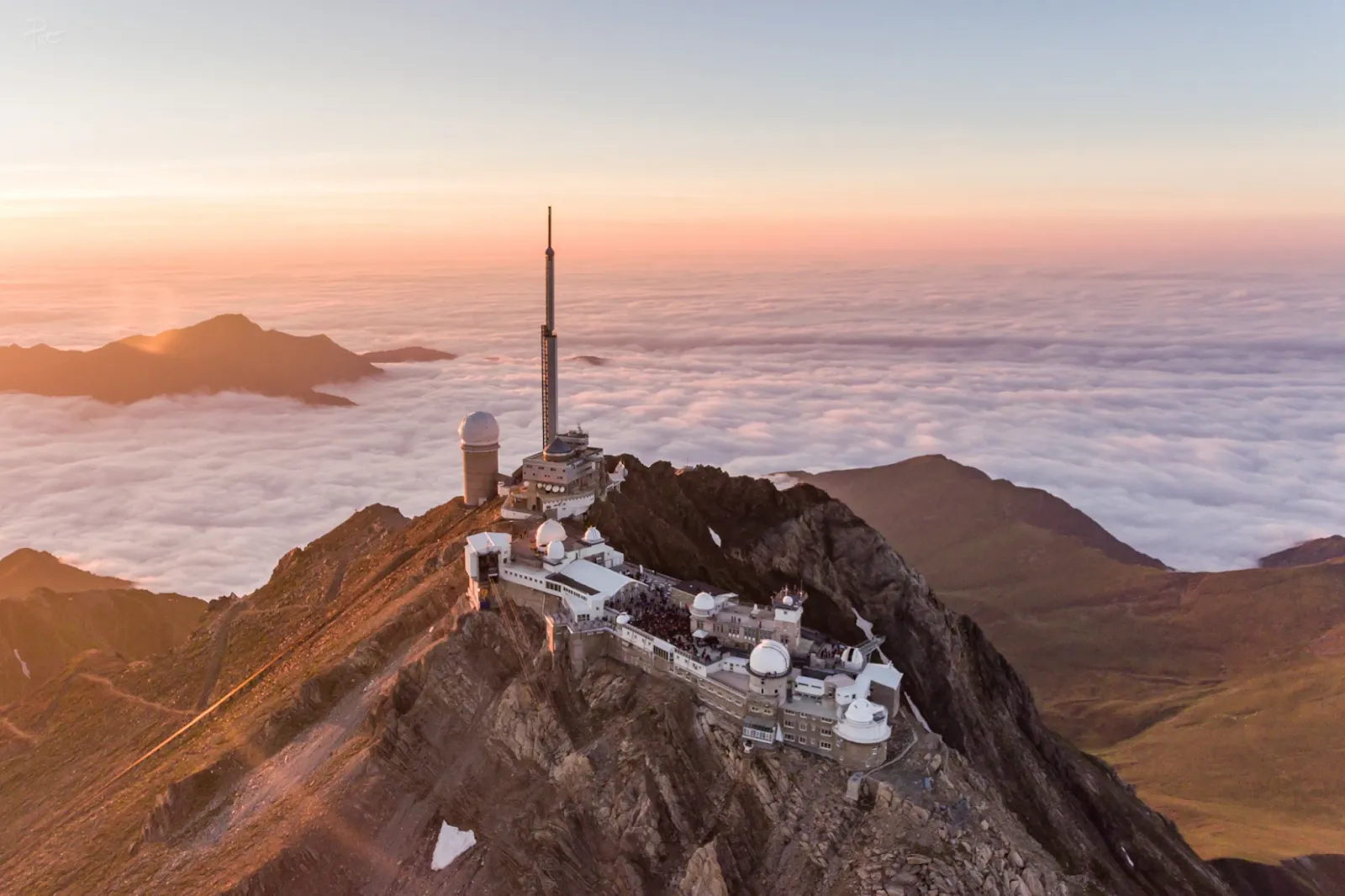
1. Pic du Midi Observatory, French Pyrenees
Positioned at ~2,877 m in the Pyrenees Mountains. Built with high-altitude viewing platforms and visitor access (accessible by tram), this observatory offers structured “Night at the Summit” programs perfect for viewing events like the Perseids meteor shower under pristine dark skies.
Pic du Midi is part of one of Europe’s largest Dark Sky Reserves. Its historical Gentilli dome telescope, once used in the Apollo era, now serves public astronomy programs, making it a dramatic, accessible high-altitude experience.
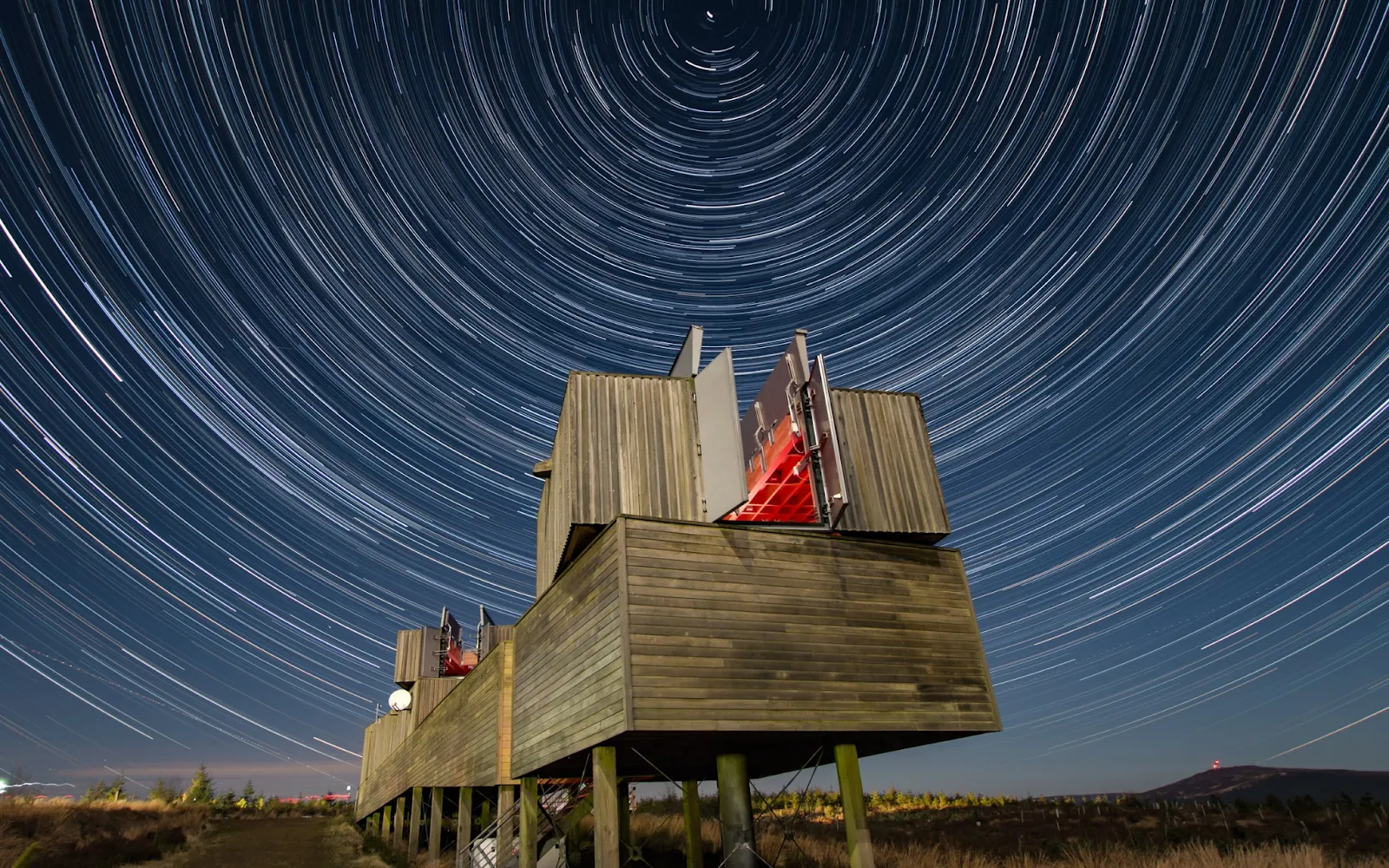
2. Kielder Observatory (Northumberland, England)
Kielder Observatory, at roughly 370 m elevation in England’s darkest forested reserve, is an RIBA-awarded observatory featuring a suite of telescopes housed in sustainable design, powered by solar panels and a wind turbine. Accessible by a forest path from James Turrell’s Skyspace, it offers immersive night-sky programs ideal for Perseid viewing under truly dark skies.
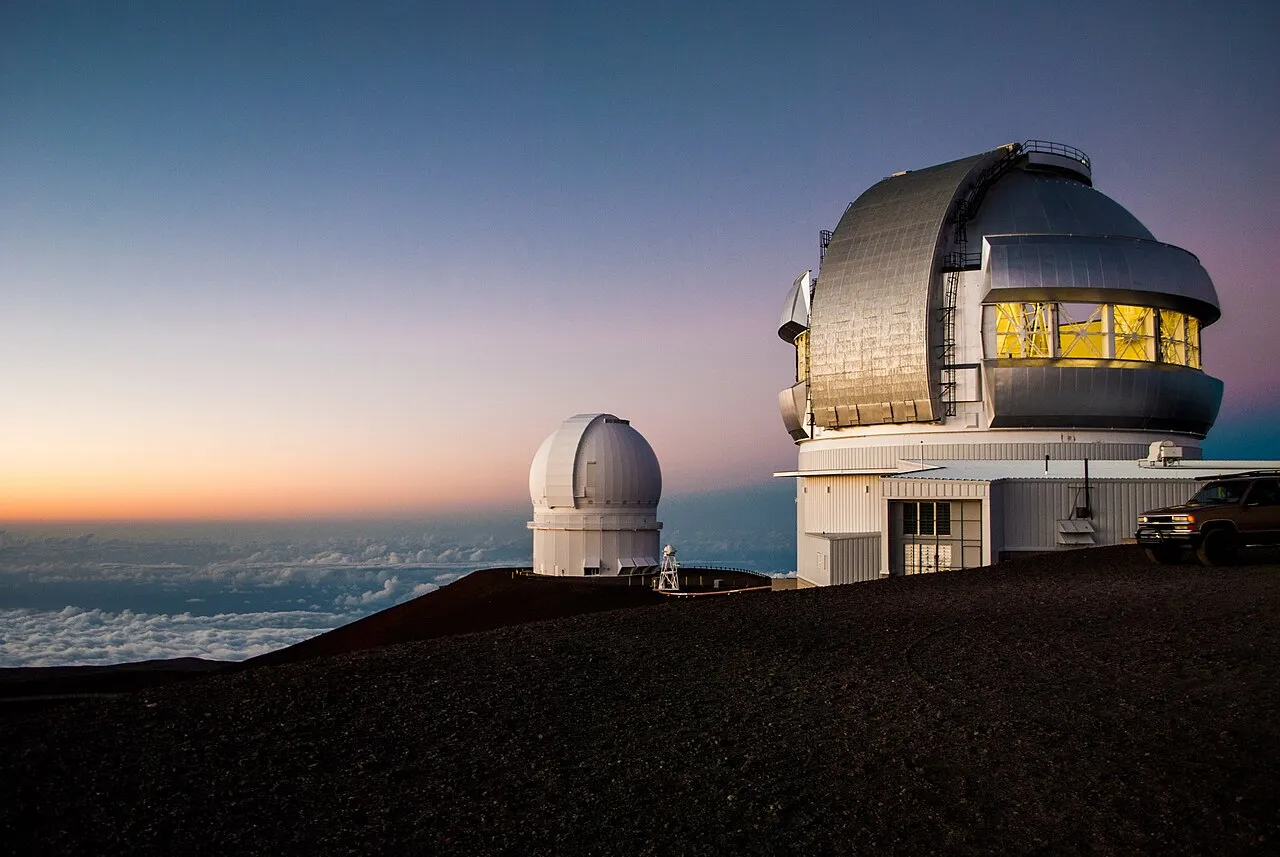
3. Mauna Kea Observatories, Hawaii, USA
Summit of Mauna Kea, Big Island, Hawaii, at ~4,205 m (13,796 ft). A cluster of 13 observatories operated by international partnerships, housed in white domes and adaptive enclosures to withstand volcanic climate extremes.
Exceptional atmospheric transparency and one of the darkest accessible skies in the Northern Hemisphere. Strict light-control laws in surrounding areas preserve the visibility of faint meteors.
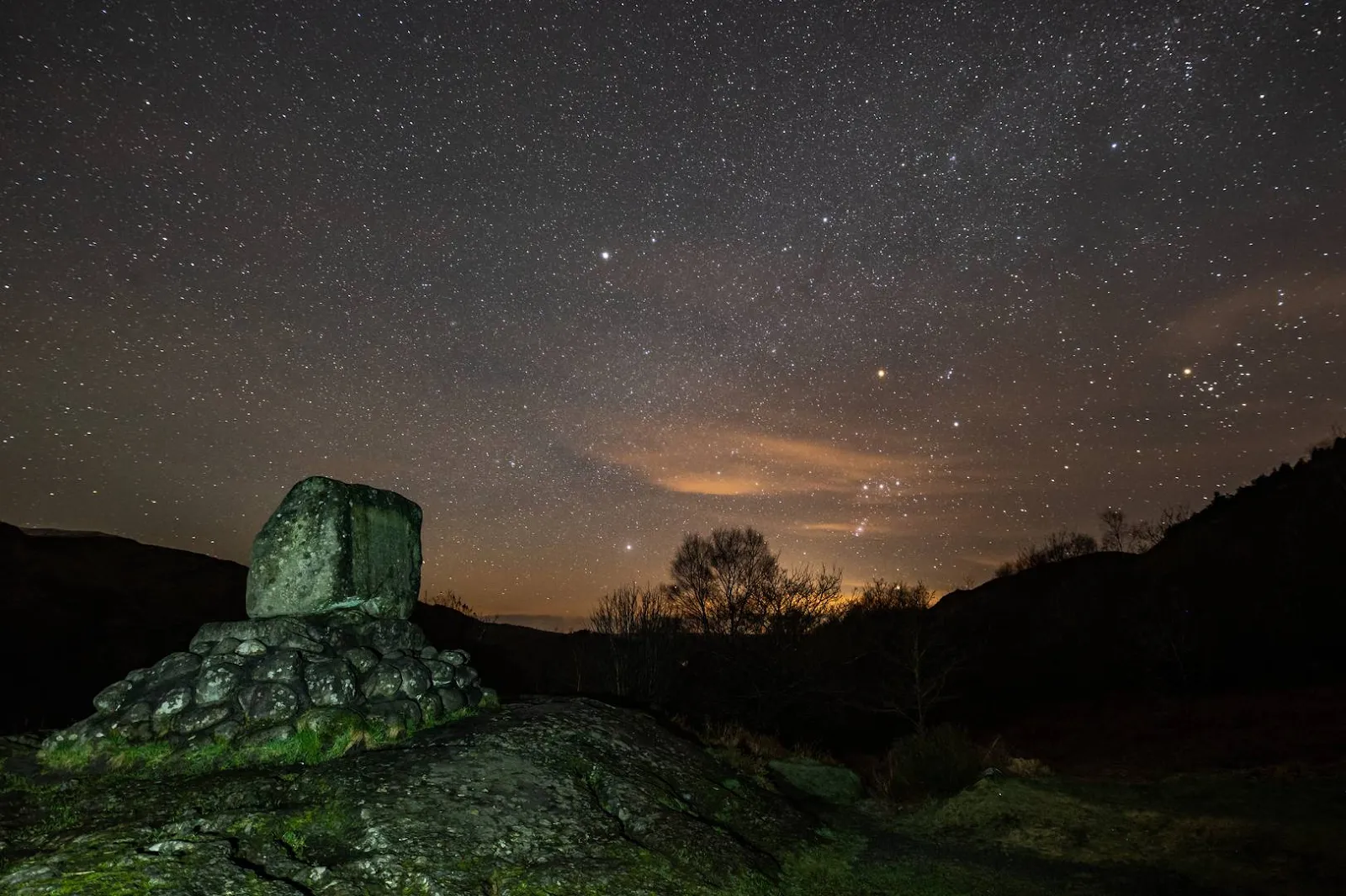
4. Galloway Forest Dark Sky Park, Scotland
Dumfries and Galloway region, southwest Scotland. Public star-viewing facilities like the Scottish Dark Sky Observatory (rebuilt after the 2021 fire) and open-air platforms are designed for group events.
This “gold-tier” dark sky site will feature two new observing domes, a 360° planetarium, educational spaces, and a café. Offers northern latitude views of the Perseids meteor shower with minimal light pollution, park lighting is shielded, and the terrain is oriented for clear northeast sky visibility.
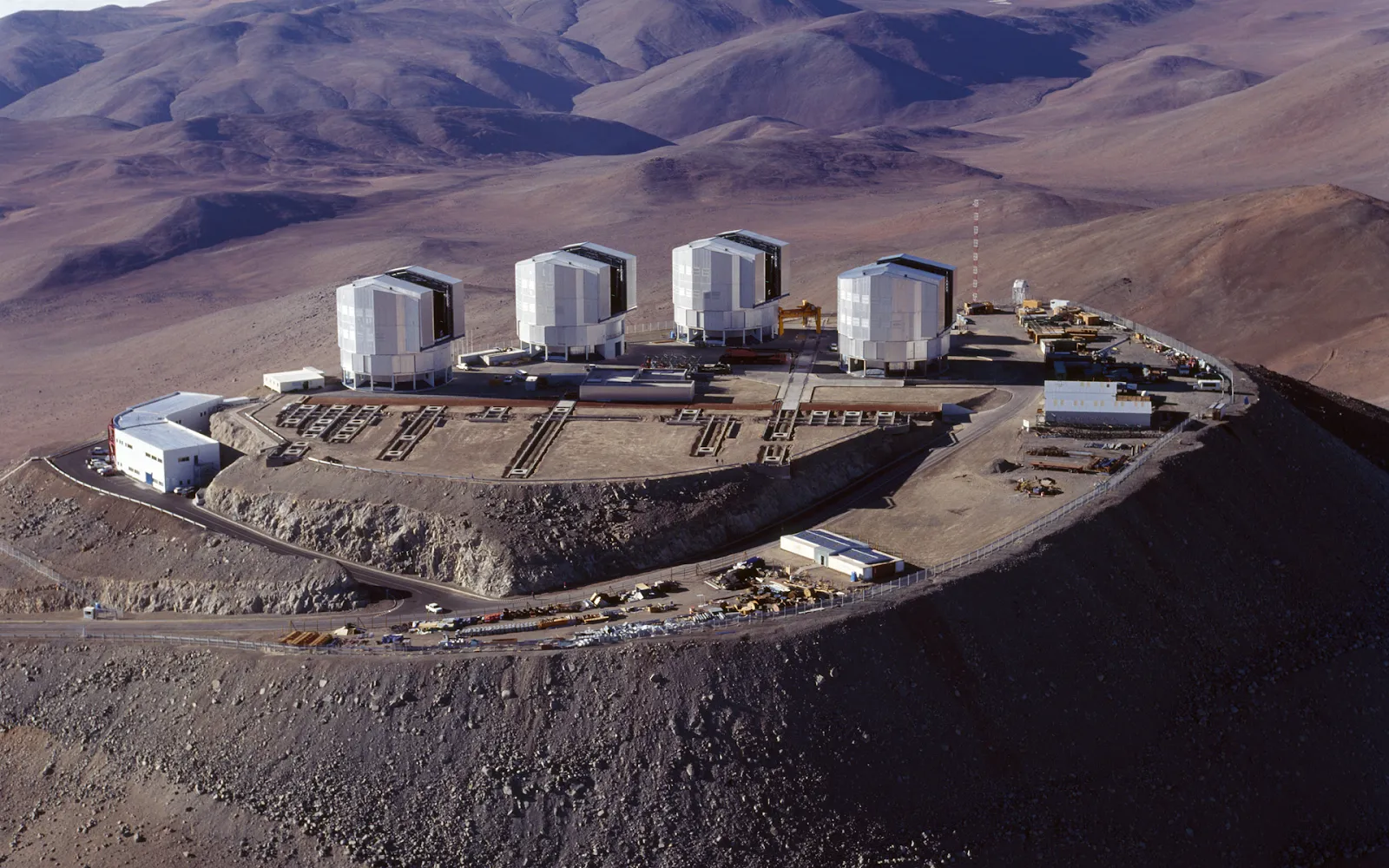
5. Cerro Paranal Observatory, Atacama Desert, Chile
At ~2,635 m (8,645 ft) in Chile’s Atacama Desert. Home to ESO’s Very Large Telescope (VLT), four separate 8.2 m telescopes within rotating dome structures are designed for precision astronomical work.
Among the driest places on Earth, with ~300 cloud-free nights annually. For the Perseids meteor showers, despite being in the Southern Hemisphere (with reduced radiant height), the site’s darkness makes visible meteors stand out sharply.
6. Aoraki Mackenzie International Dark Sky Reserve, New Zealand
The Canterbury region, South Island, encompasses Mount Cook National Park and Mackenzie Basin. The Mount John Observatory features multiple domes sited for 360° panoramas over alpine lakes.
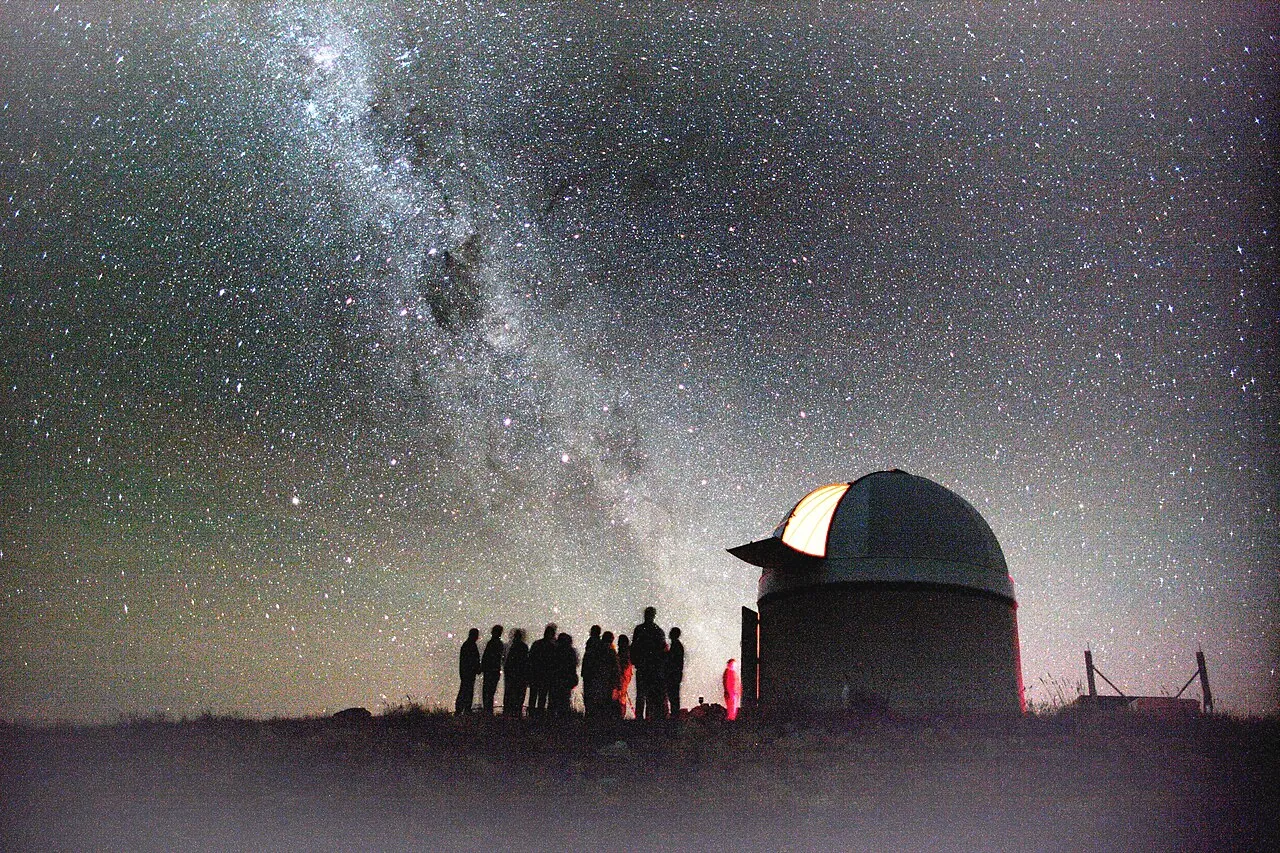
Certified by the International Dark-Sky Association, ensuring strict lighting control. The reserve’s altitude (~1,029 m at Mount John) and low humidity deliver vivid meteor trails against a pristine Southern Hemisphere Milky Way backdrop.
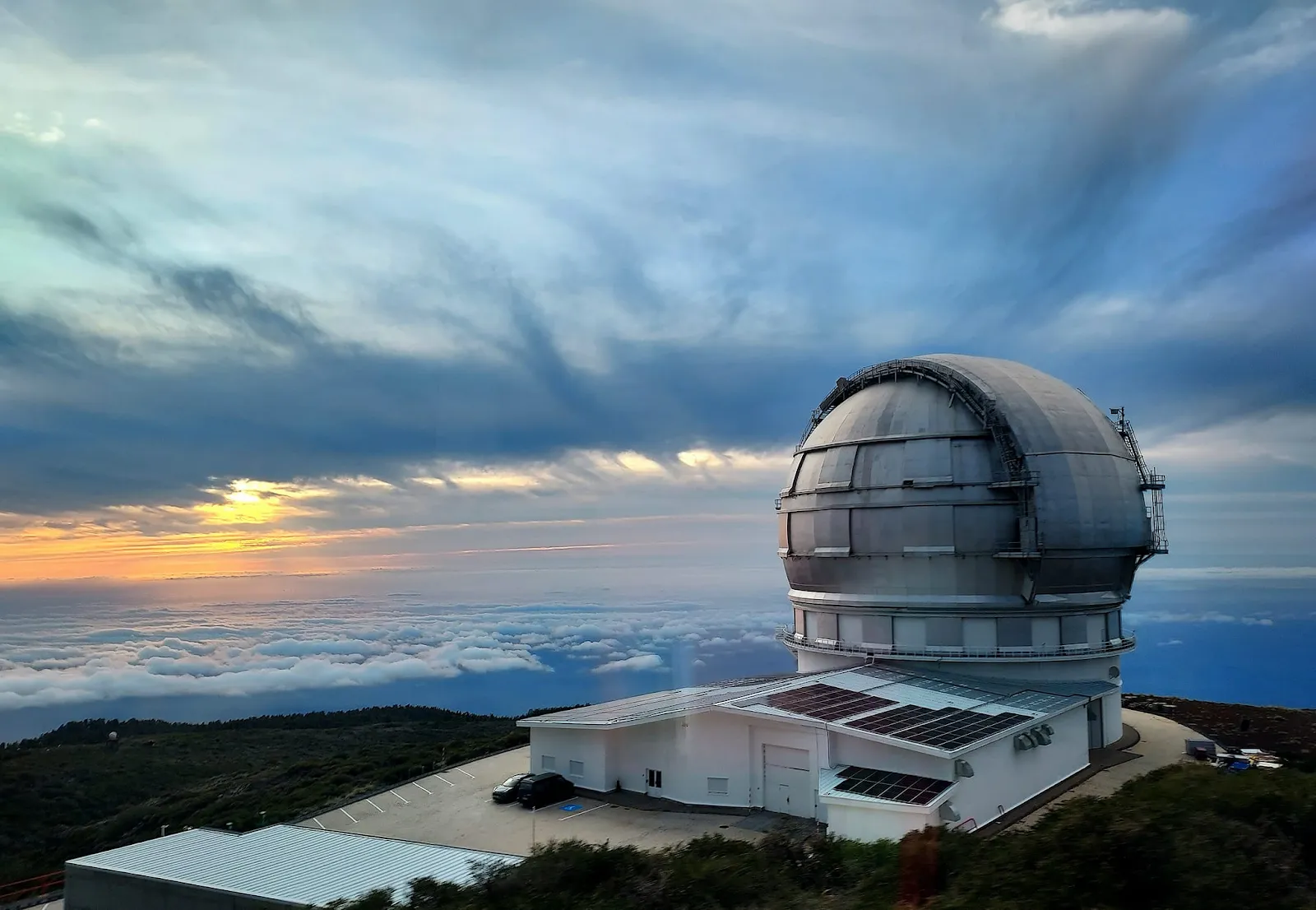
7. Roque de los Muchachos Observatory, La Palma, Canary Islands (Spain)
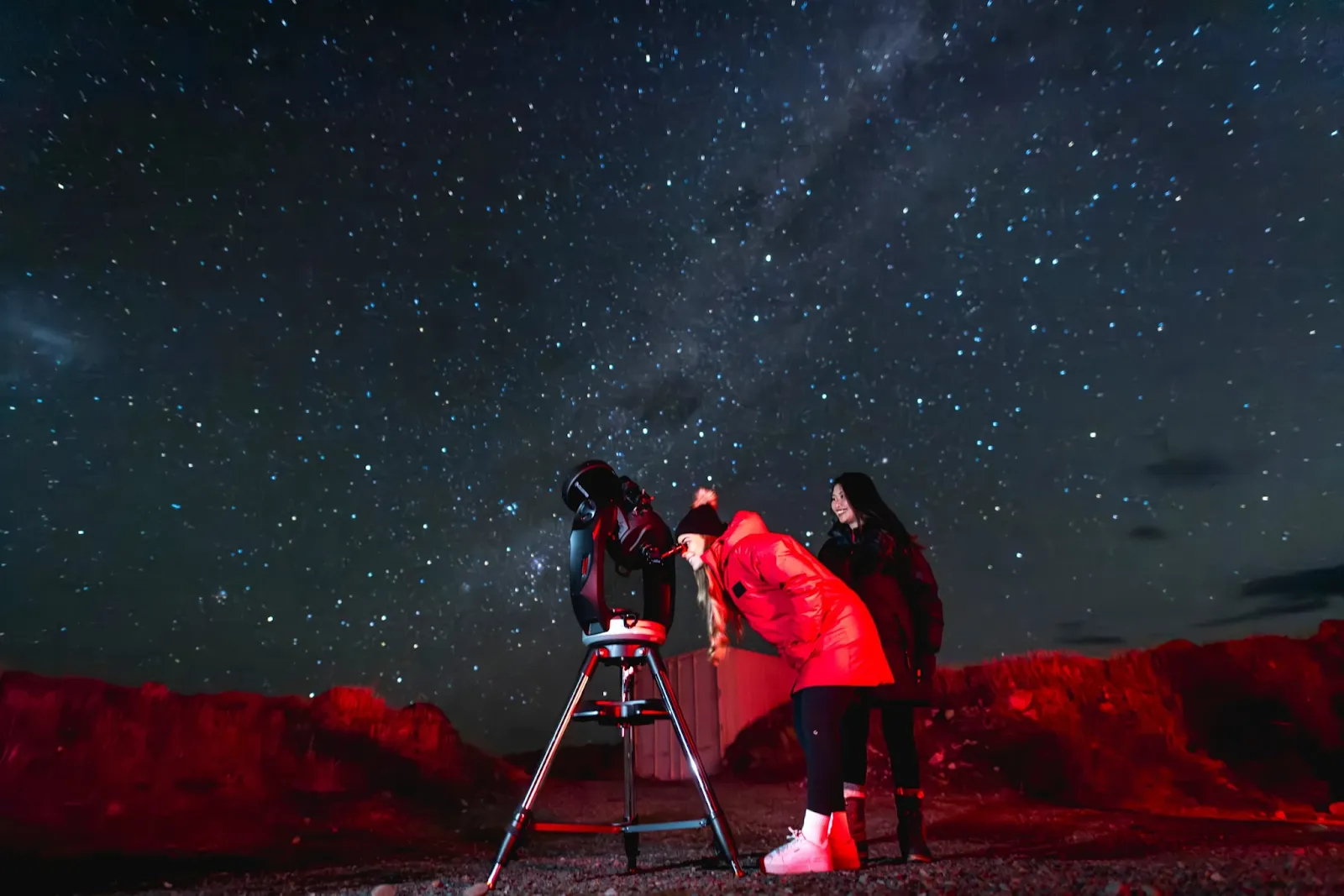
Approx. 2,396 m on La Palma in the Canary Islands. Cluster of optical and infrared telescopes within geodesic domes; includes the Gran Telescopio Canarias (10.4 m), the world’s largest single-aperture optical telescope, and the William Herschel Telescope. Perched atop La Palma, its architecture maintains rigid sky access and minimal light interference.
The island’s “Sky Law” regulates outdoor lighting to protect astronomical research, making it one of Europe’s darkest observation points for the Perseids meteor showers.
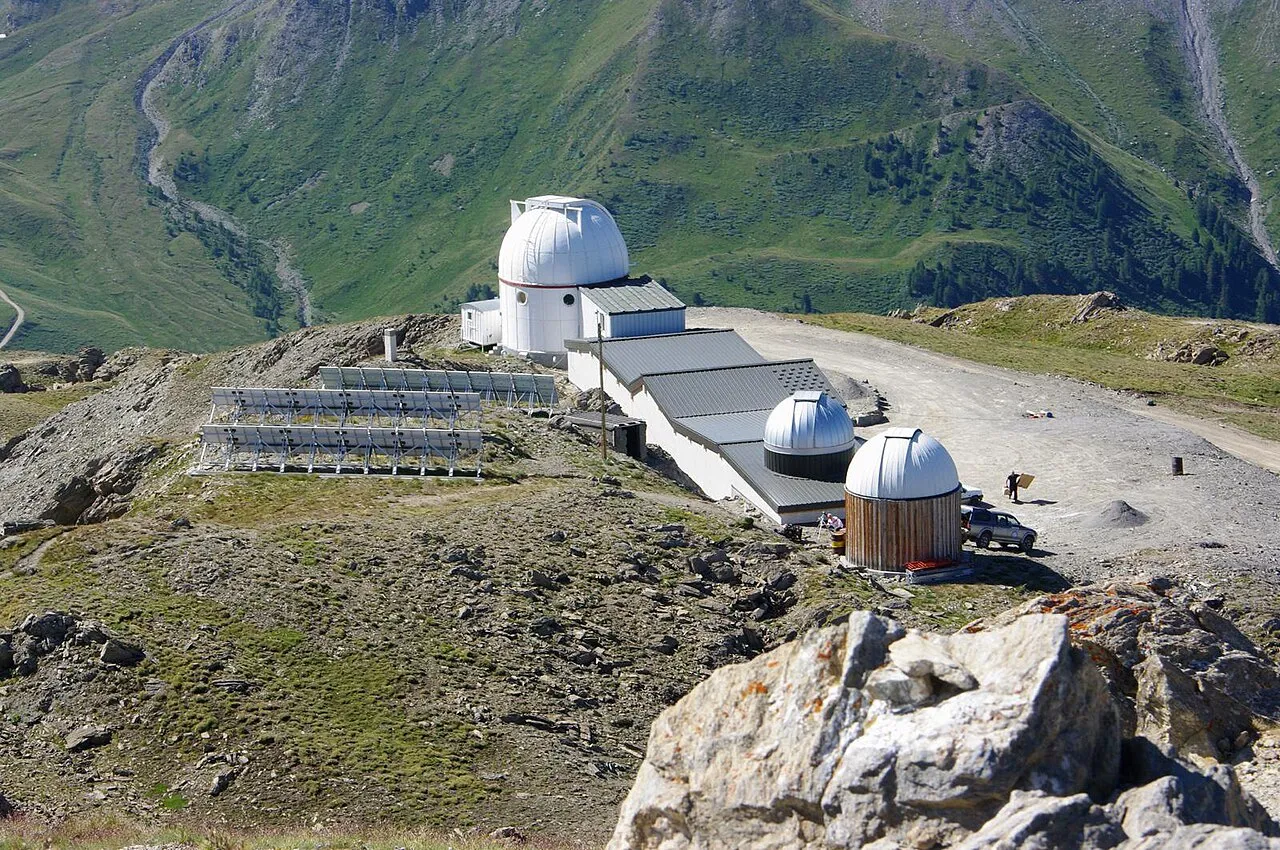
8. Observatory of Saint-Véran (Hautes-Alpes, France)
One of Europe’s highest astronomical facilities, at approximately 2,930 m, this observatory offers a 62 cm Cassegrain telescope, operated by the amateur astronomy group AstroQueyras. It provides sharp, clear skies for enduring meteor showers like the Perseids.
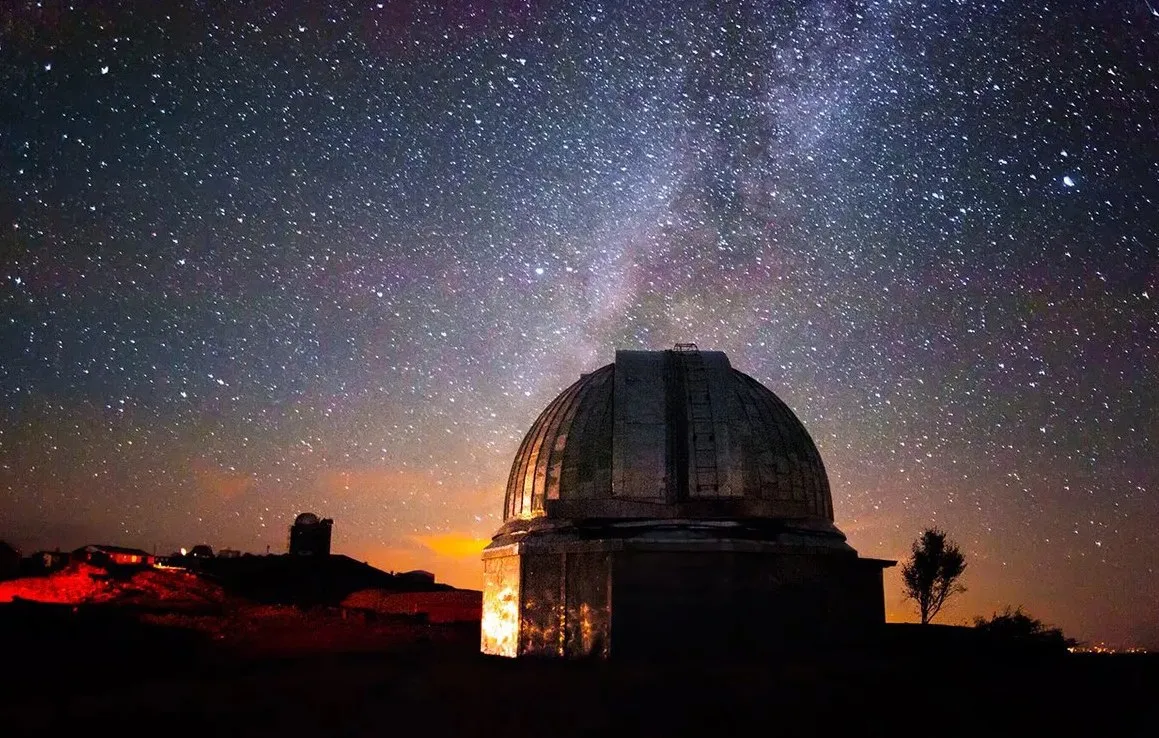
9. Indian Astronomical Observatory (IAO), Hanle, Ladakh
Situated at ~4,500 m (14,764 ft) above sea level in southeastern Ladakh, IAO is one of the world’s highest optical, infrared, and gamma-ray astronomy stations. Operated by the Indian Institute of Astrophysics, the observatory features multiple advanced telescopes in purpose-built domes, leveraging exceptionally clear, dark skies for celestial observation, ideal for meteor showers like the Perseids.
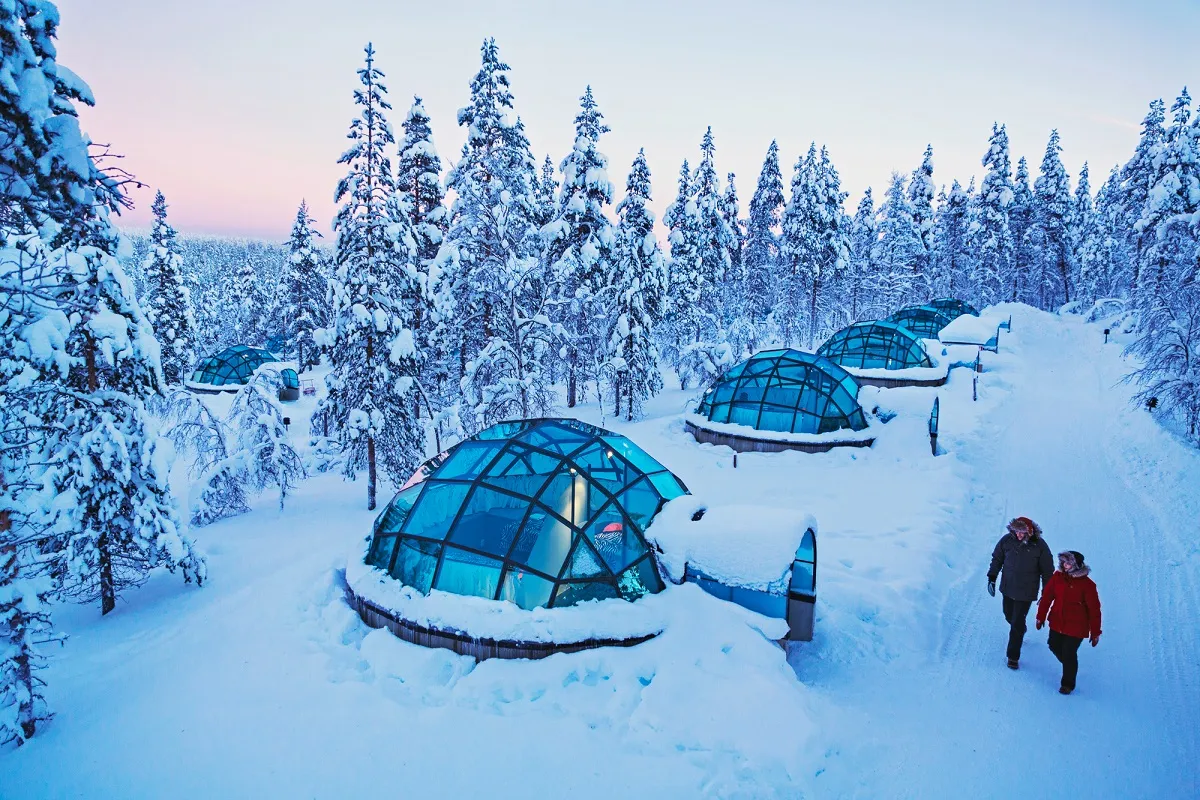
10. Nordic Glass Igloos, Finland
Semi-transparent, low-profile glass structures (igloos) are constructed within Arctic locations. They merge comfort and darkness, allowing watchers to lie under a dome of sky, an immersive and weather-protected way to observe major meteor showers in 2025.
In 2025, the finest meteor shower experiences will come from places where nature’s clarity and architectural intent converge. Elevation and dry air strip away atmospheric haze, while thoughtfully designed structures, from sleek domes to dramatic cliff-edge decks, draw the eye exactly where the meteors will appear. Above all, the preservation of true dark sky environments, whether in the Pyrenees or the Canary Islands, remains the foundation for witnessing the full brilliance of events like the Perseids meteor showers. Here, the architecture is a bridge between Earth and the cosmos.
Meteor Shower 2025: What You Need to Know
What is the Perseid meteor shower?
The Perseid meteor shower is one of the most prolific annual meteor showers, occurring each August as Earth passes through debris left by Comet Swift–Tuttle. It’s known for bright, fast meteors that often leave long trails.
How and when can you watch the Perseids?
The best time to view the Perseid meteor shower is during its annual peak in mid-August. In 2025, the Perseids are expected to be most active on the nights of August 11–12 and 12–13, according to Finn Burridge, science communicator at the Royal Observatory Greenwich.
Explore Courses

.jpg "Ondrej Chybik - Rethinking Architecture")