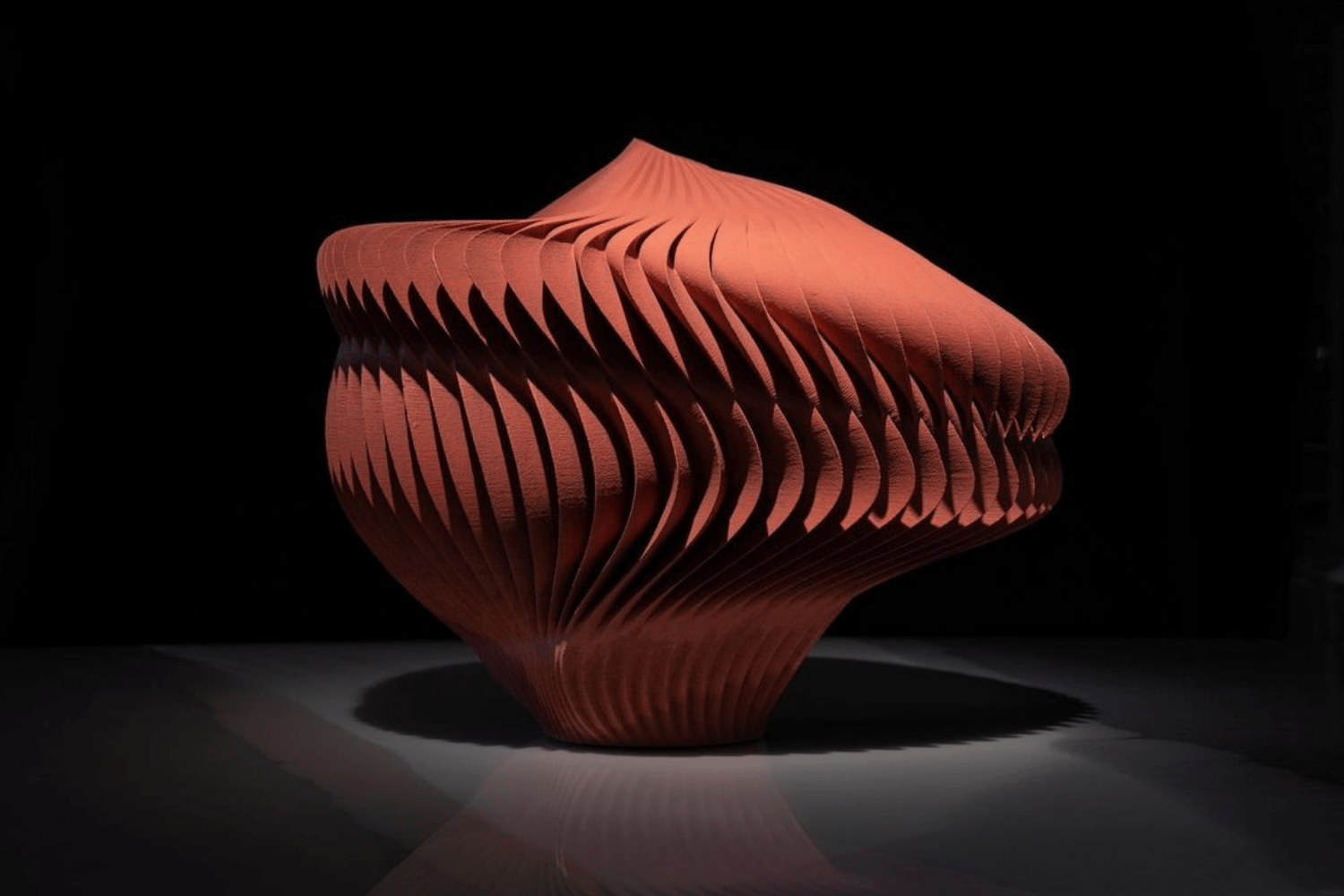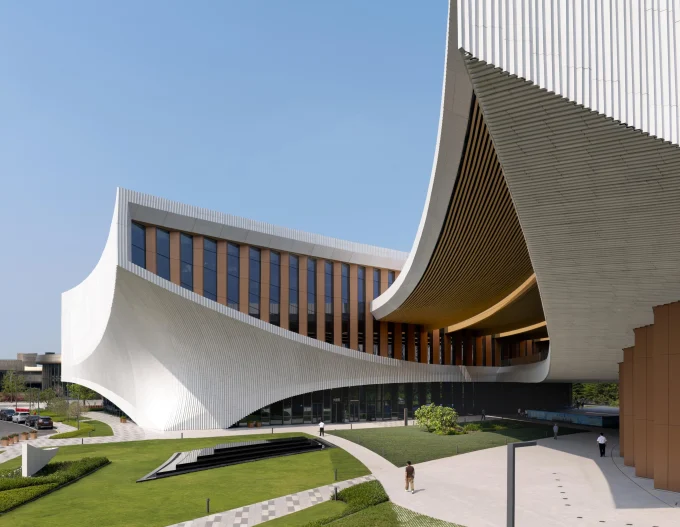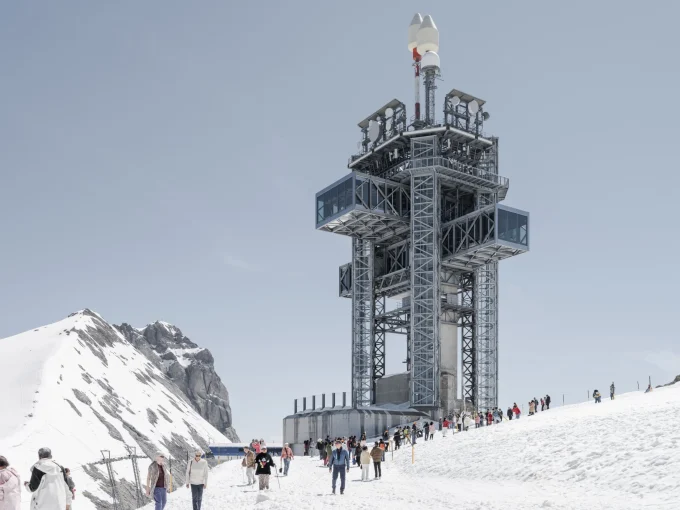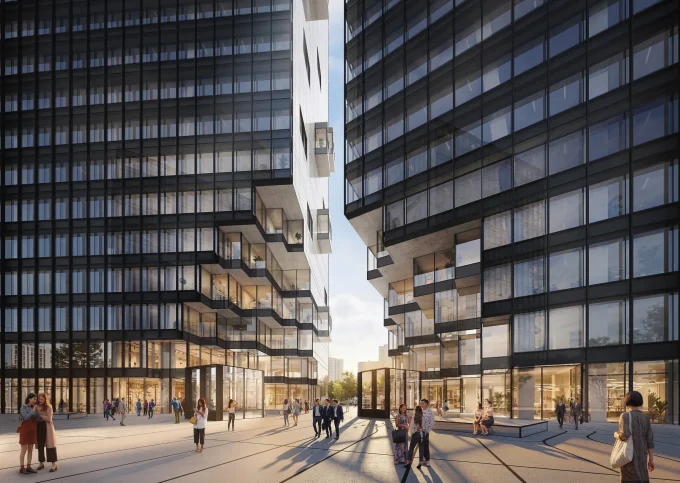



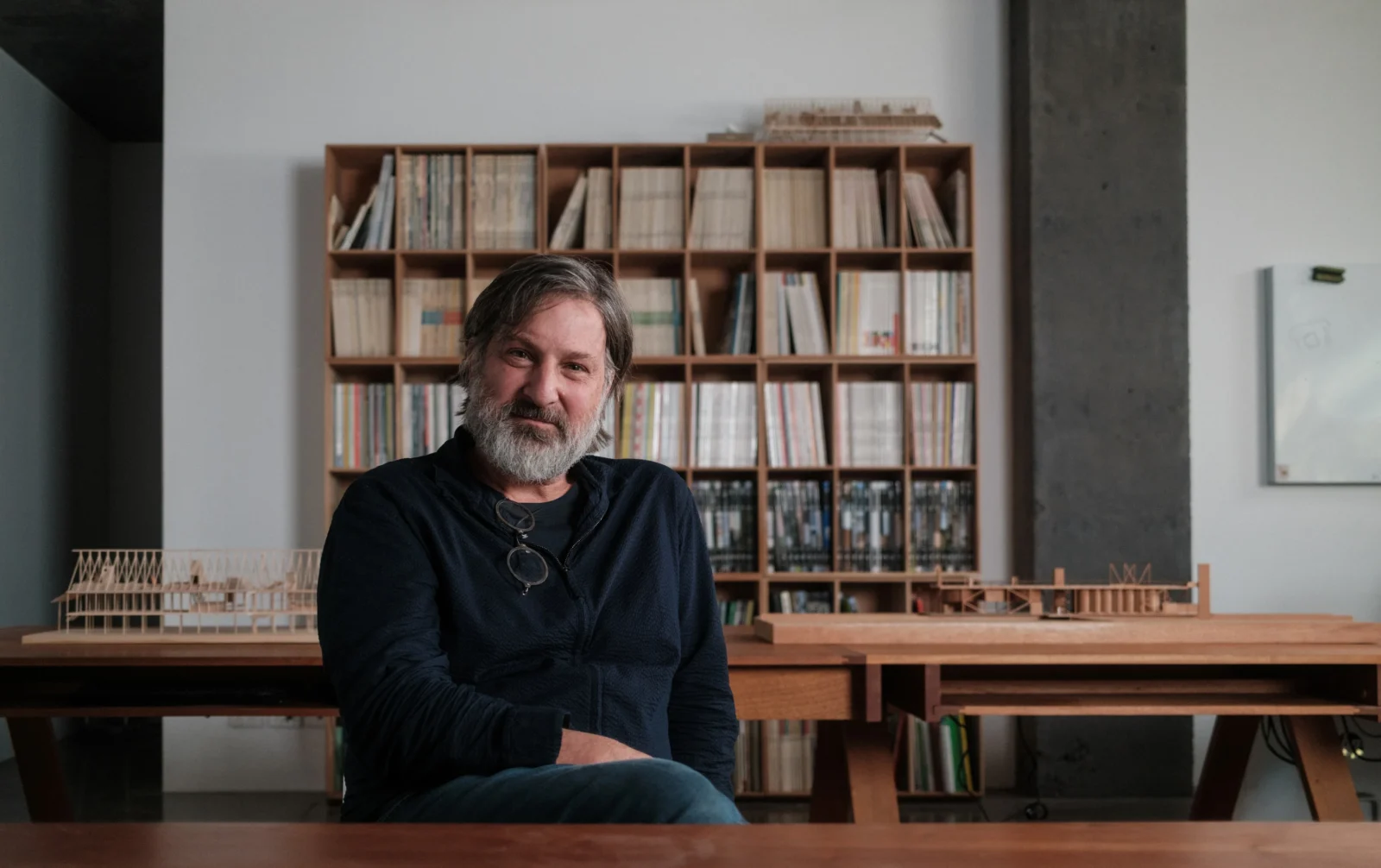
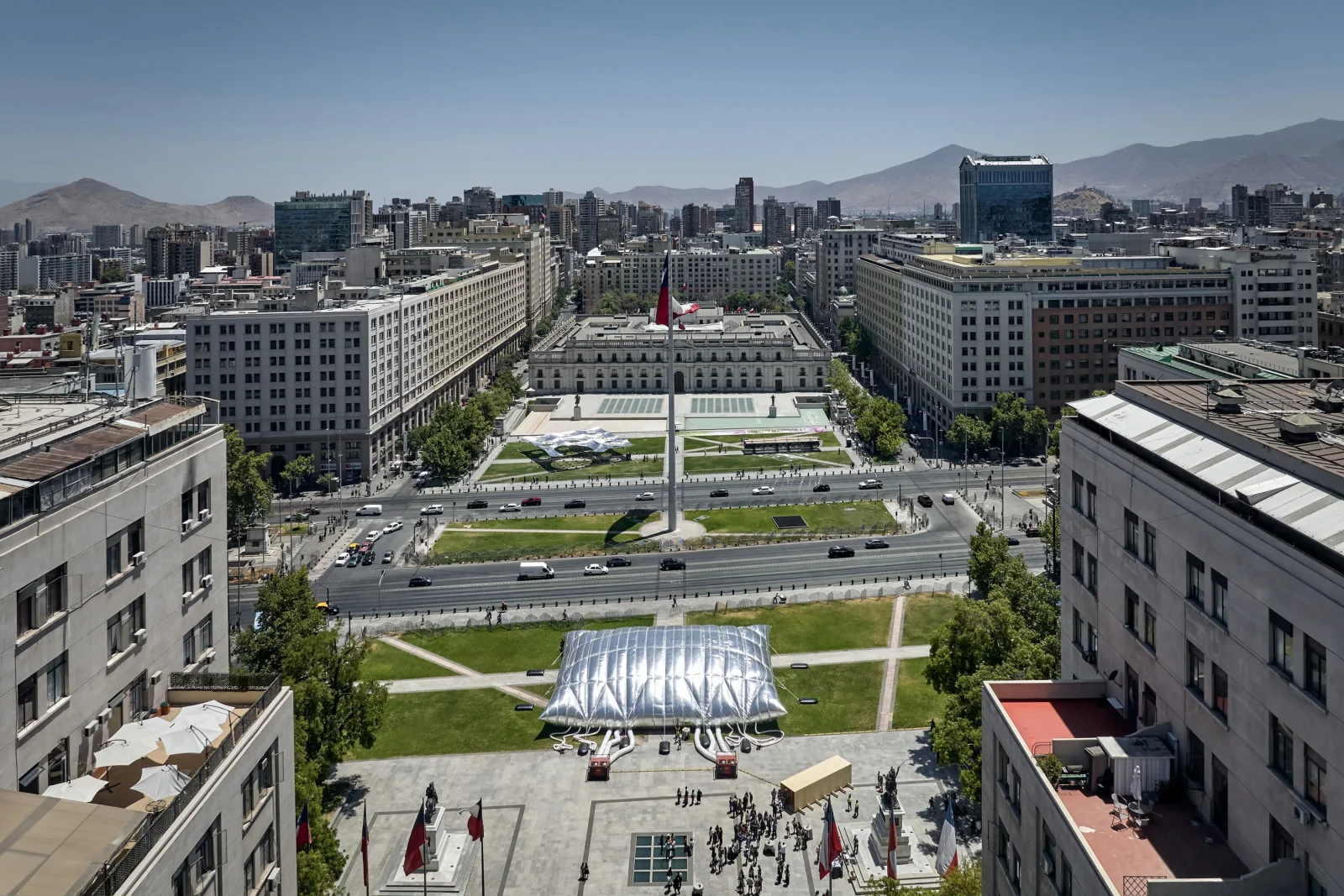
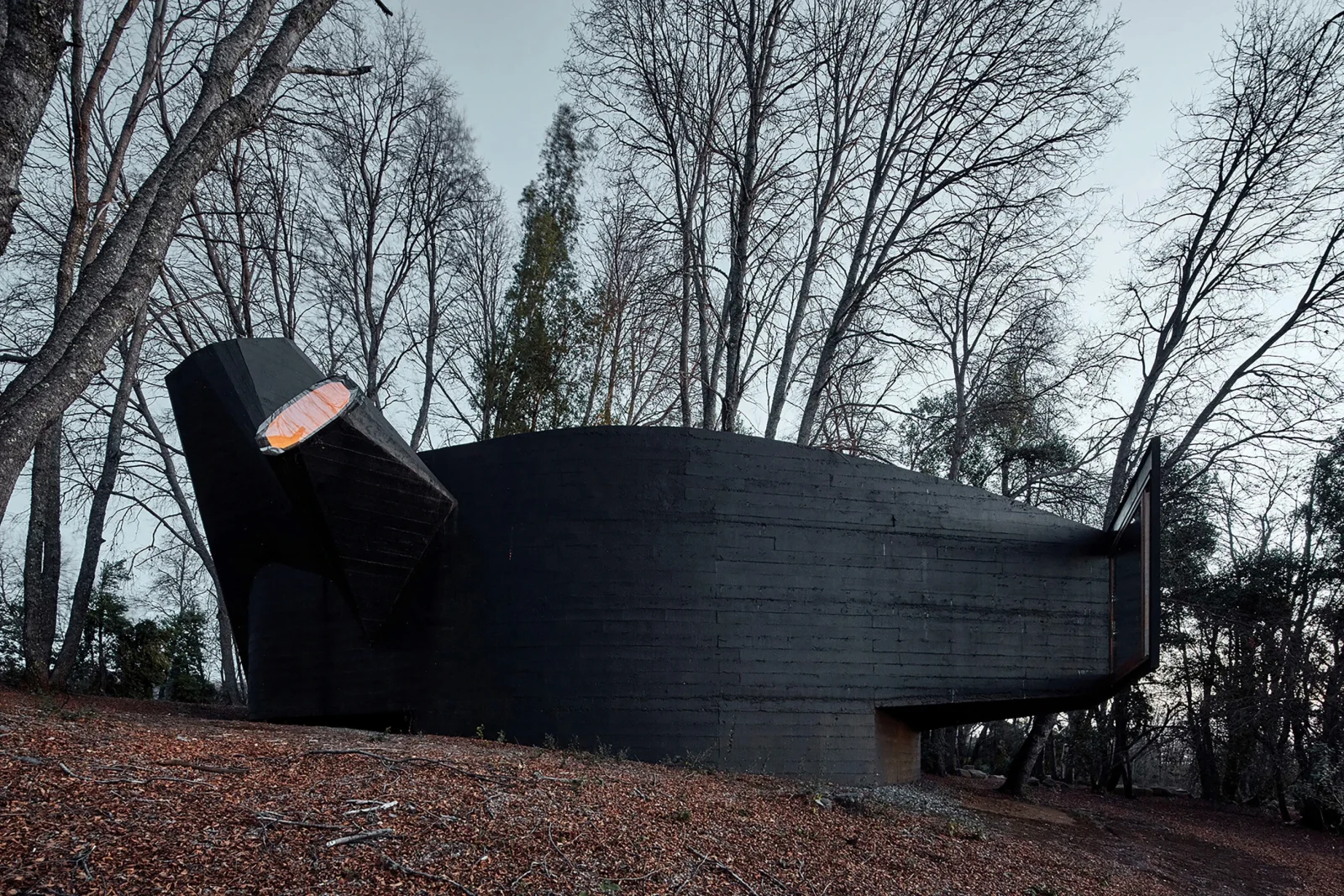
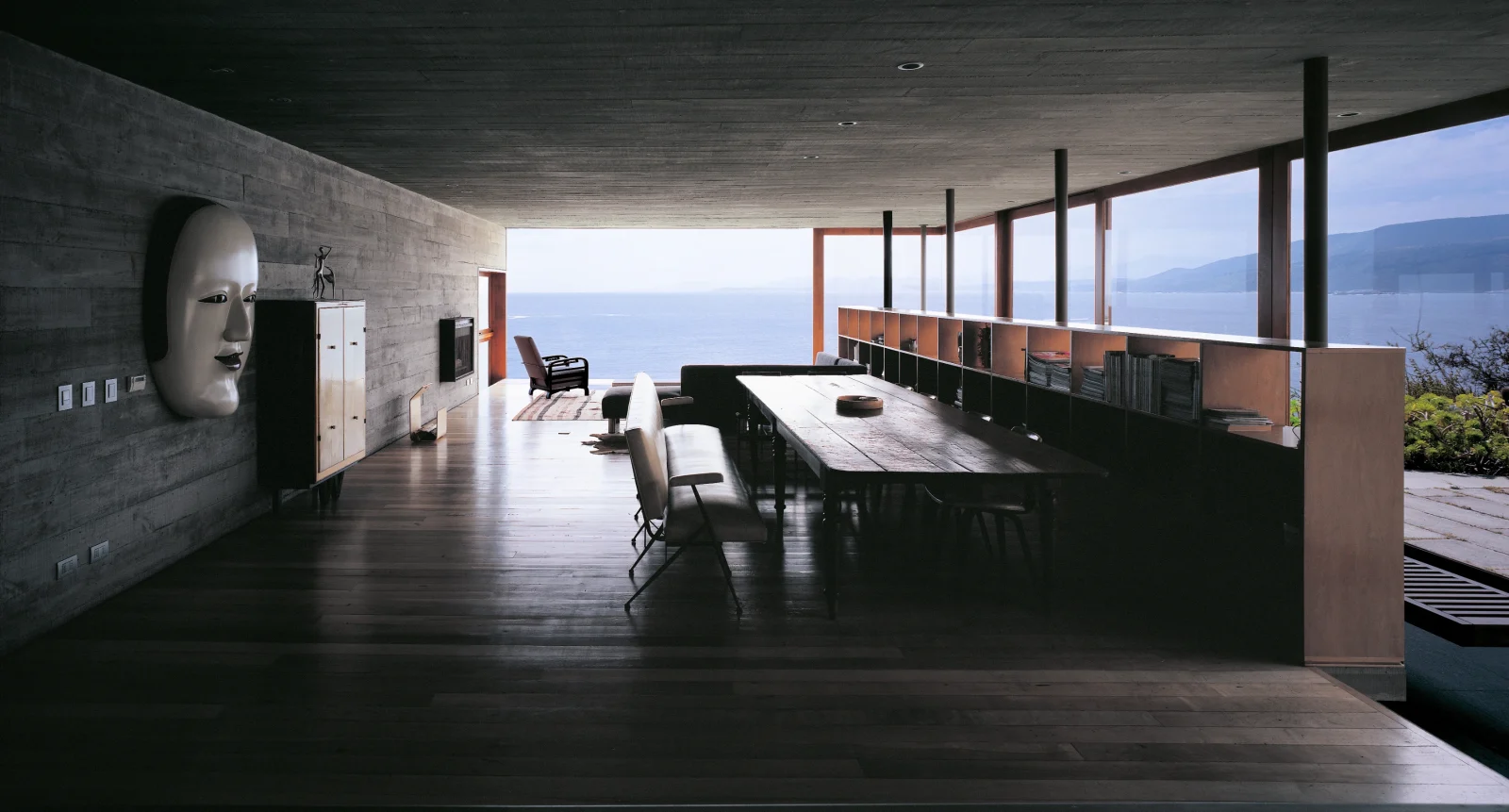
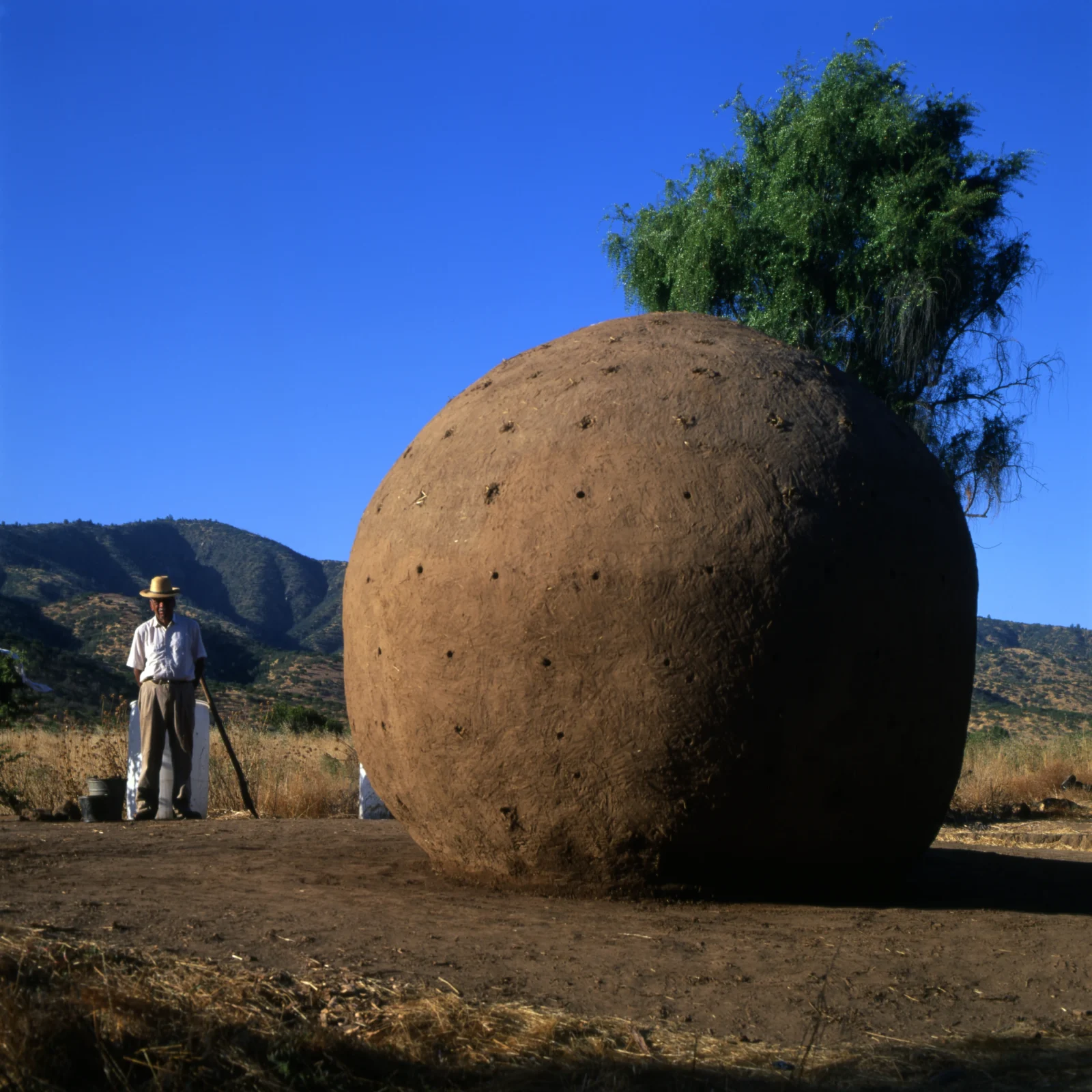
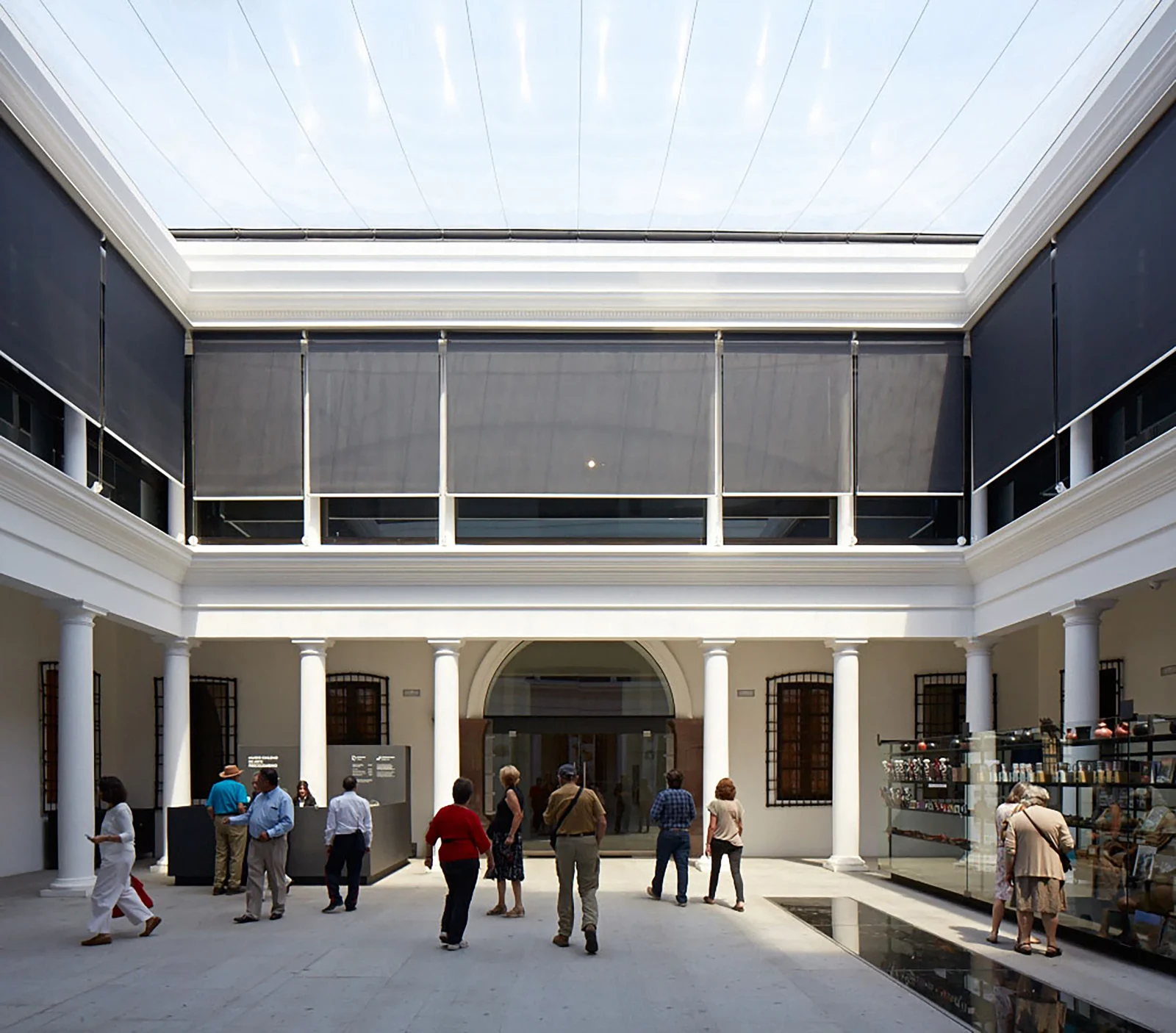
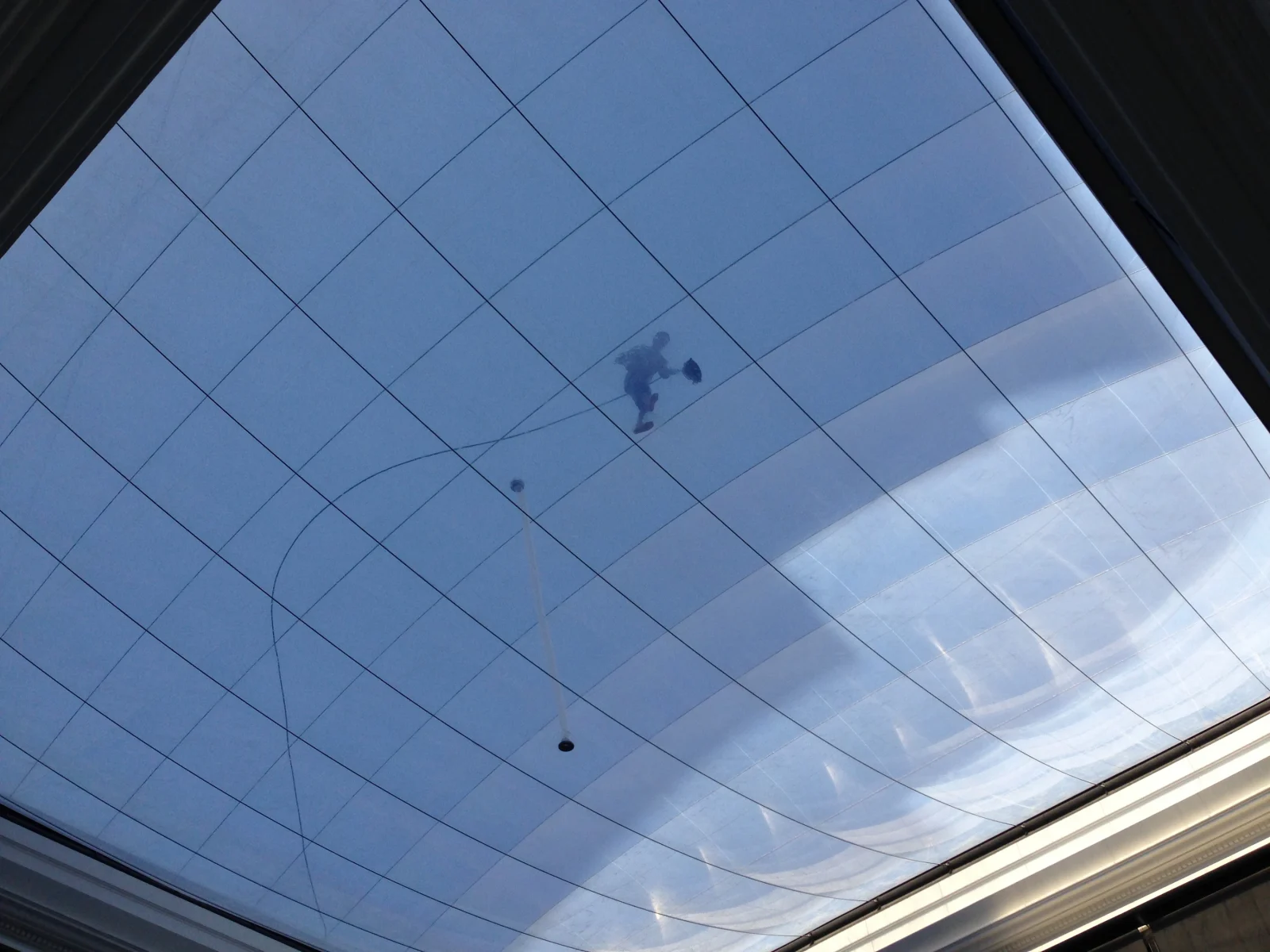
The Pritzker Architecture Prize, often called the world’s highest honor in architecture, has named Smiljan Radić Clarke its 2026 Laureate. The announcement, made today on the official Pritzker Prize website, recognizes Radić’s quietly radical body of work, an architecture rooted in human experience, cultural memory, and material authenticity.
Radić, a Chilean architect born and based in Santiago, stands out in the global architectural landscape for his deeply personal approach that rejects formulaic style in favor of singular, site‑responsive exploration. His practice, Smiljan Radić Clarke, established in 1995 with a deliberately small team, embodies a philosophy in which architecture becomes a medium for contemplation and emotional presence.
An Architecture of Fragility and Presence
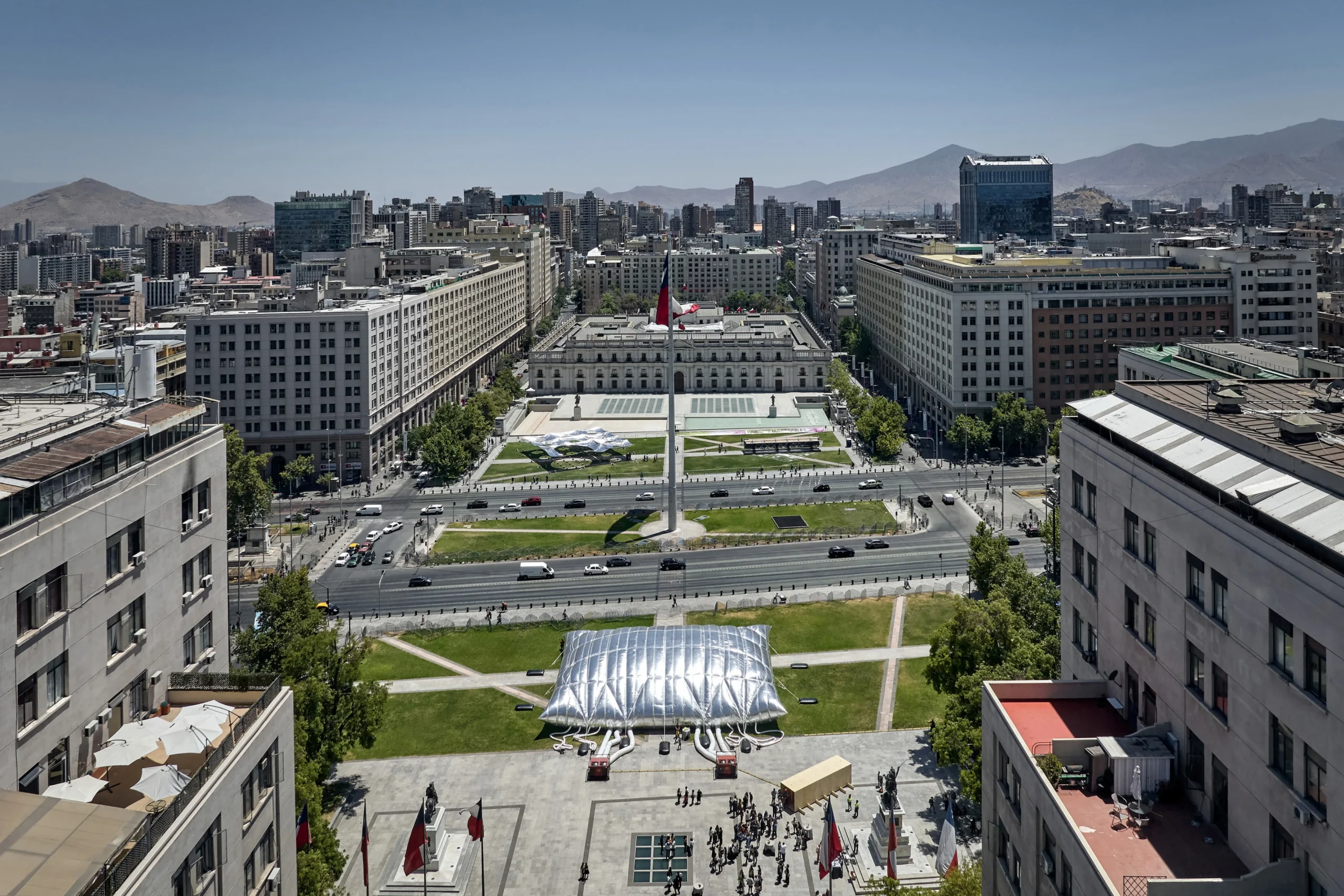
The official jury citation for the 2026 award highlights Radić’s distinctive architectural voice as a body of work “positioned at the crossroads of uncertainty, material experimentation, and cultural memory.” Instead of focusing on big, bold designs or familiar shapes, his buildings often accept fragility and temporality while creating gentle, safe spaces that consider the climate, history, and the size of people.
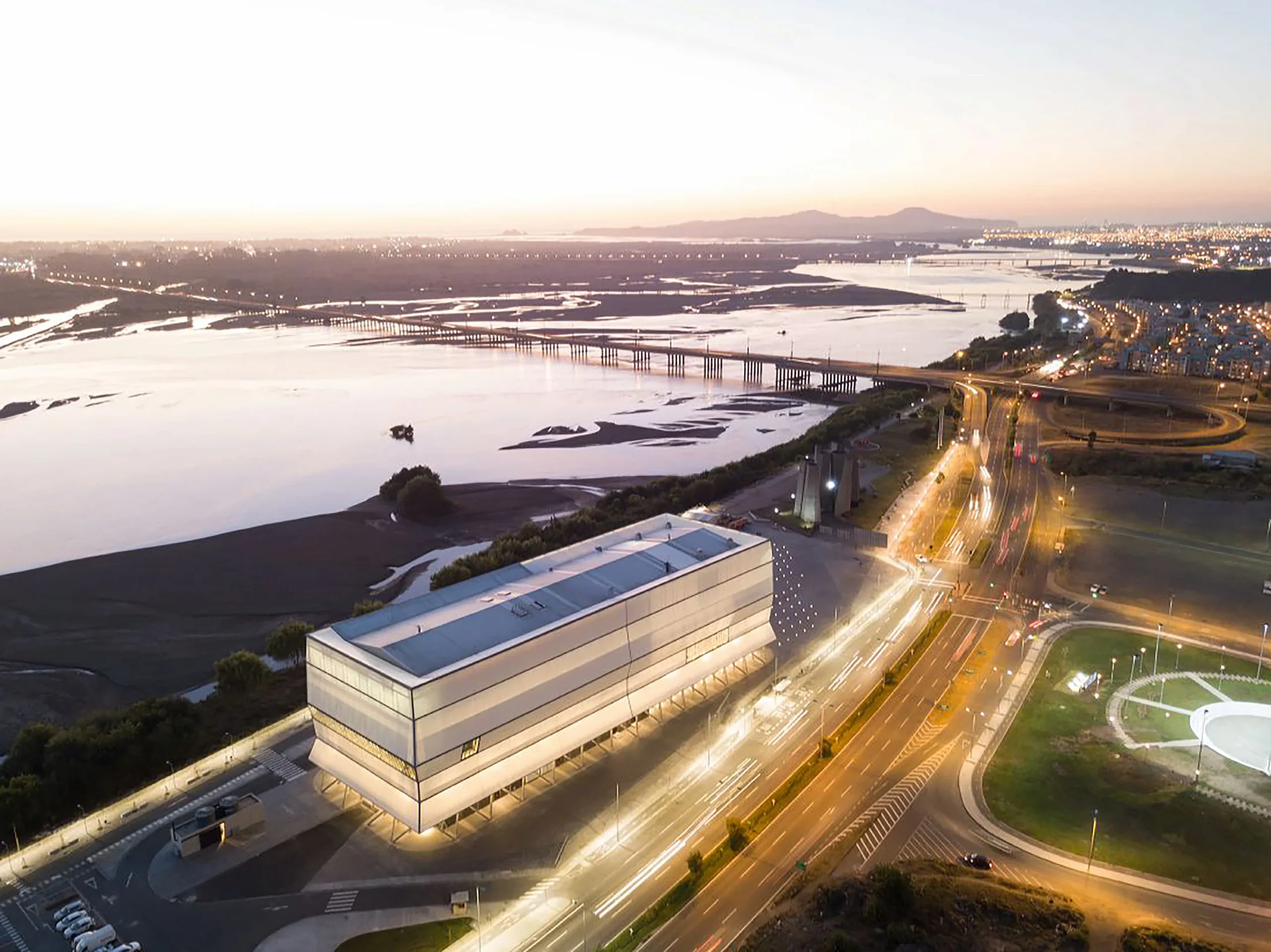
Radić himself describes architecture as existing “between large, massive, enduring forms … and smaller, fragile constructions,” a tension that animates his work and encourages users to slow down, reflect, and feel deeply the spaces they inhabit.
A Journey Shaped by Curiosity
Radić’s path to becoming one of architecture’s most distinctive voices was anything but conventional. Born in Santiago to a family of Croatian and British descent, he initially struggled academically before completing his architecture degree at Pontificia Universidad Católica de Chile. A setback in his final exam led him to study history in Venice and travel extensively, experiences he credits as foundational to his intellectual formation and architectural imagination.
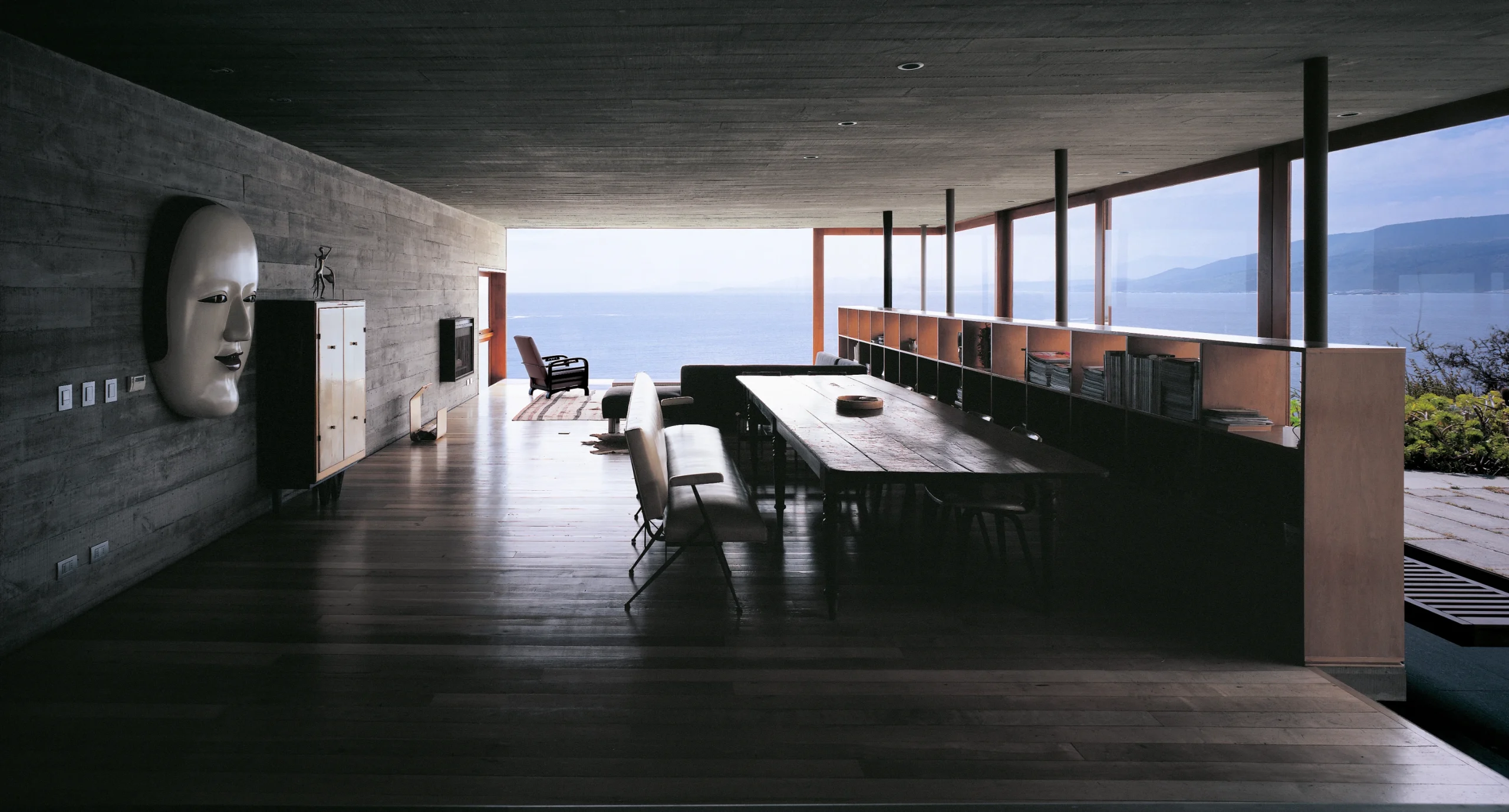
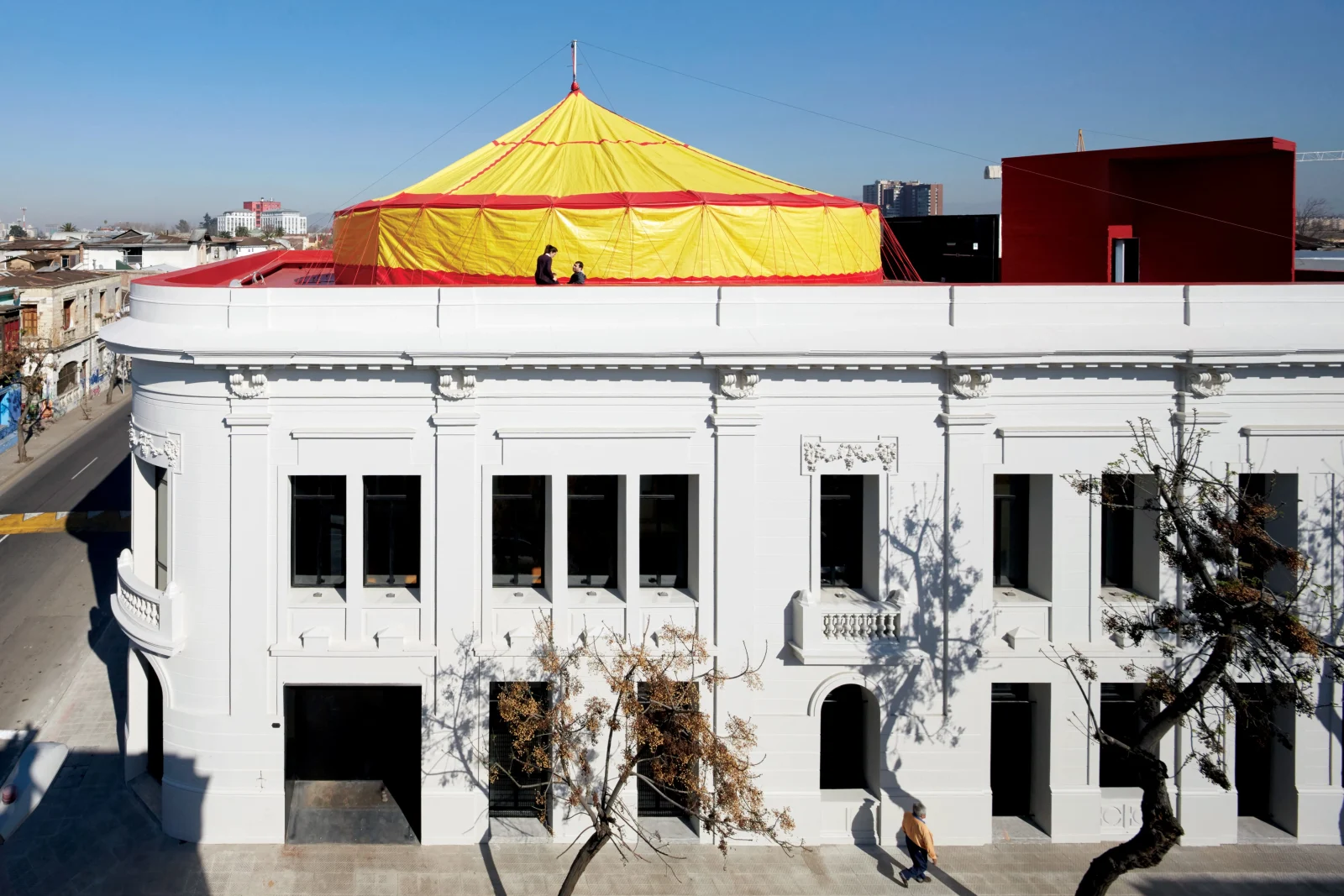
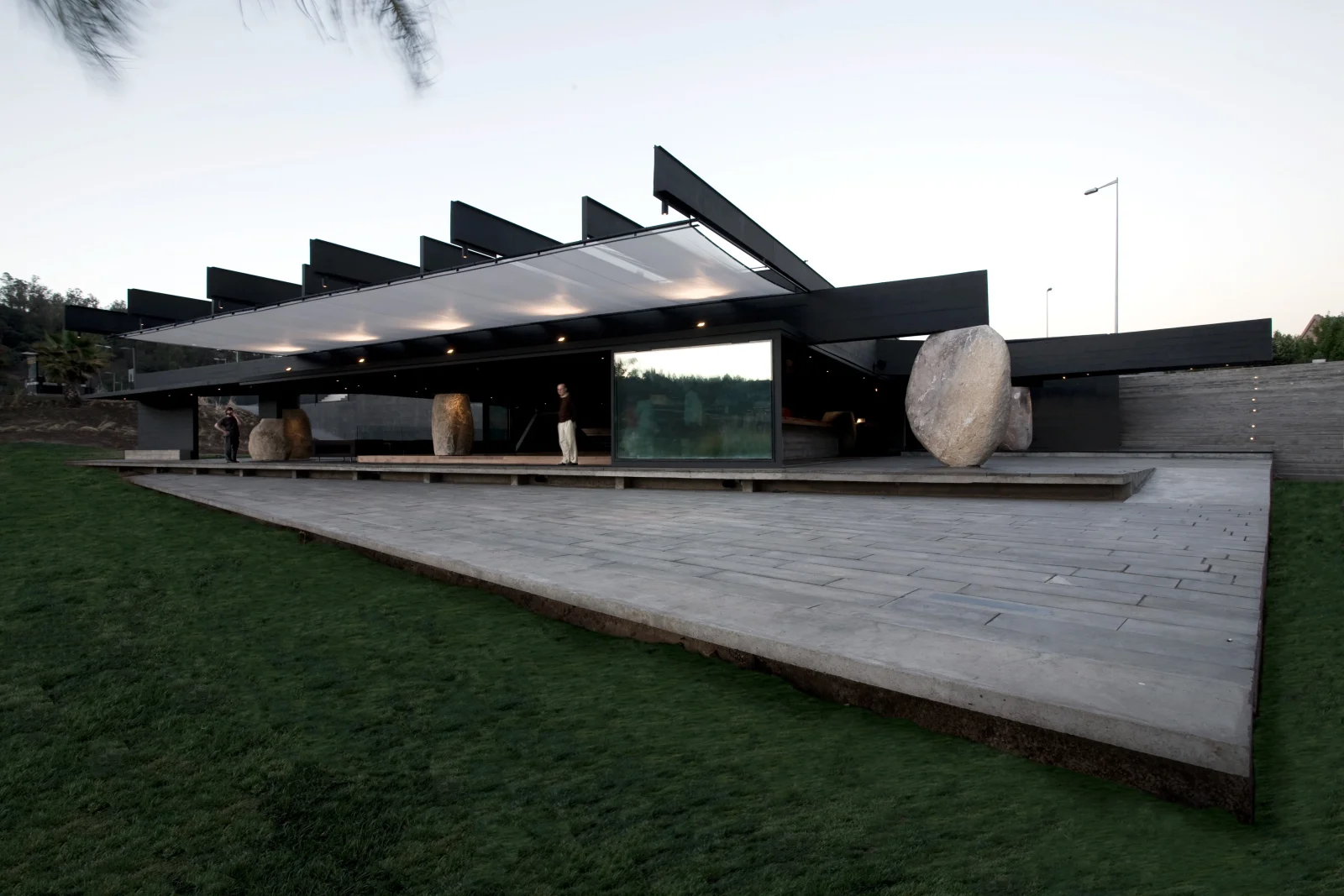
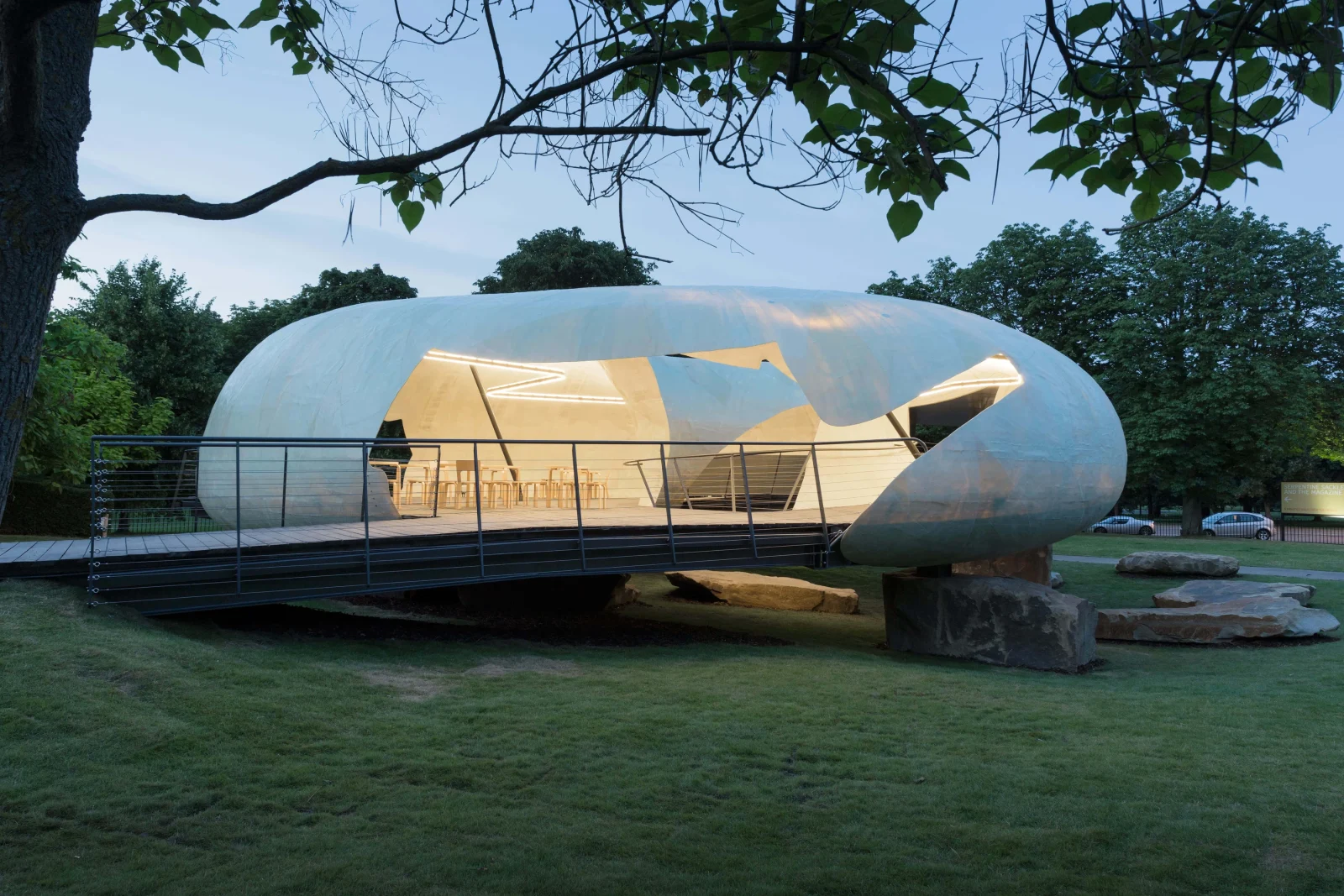
This blend of curiosity, philosophical reflection, and relentless questioning is evident across Radić’s career. Projects like Pite House in Papudo, Restaurant Mestizo in Santiago, and his temporary Serpentine Gallery Pavilion in London (2014) resist easy categorization, instead revealing architecture as a tactile, embodied experience shaped by context and culture.
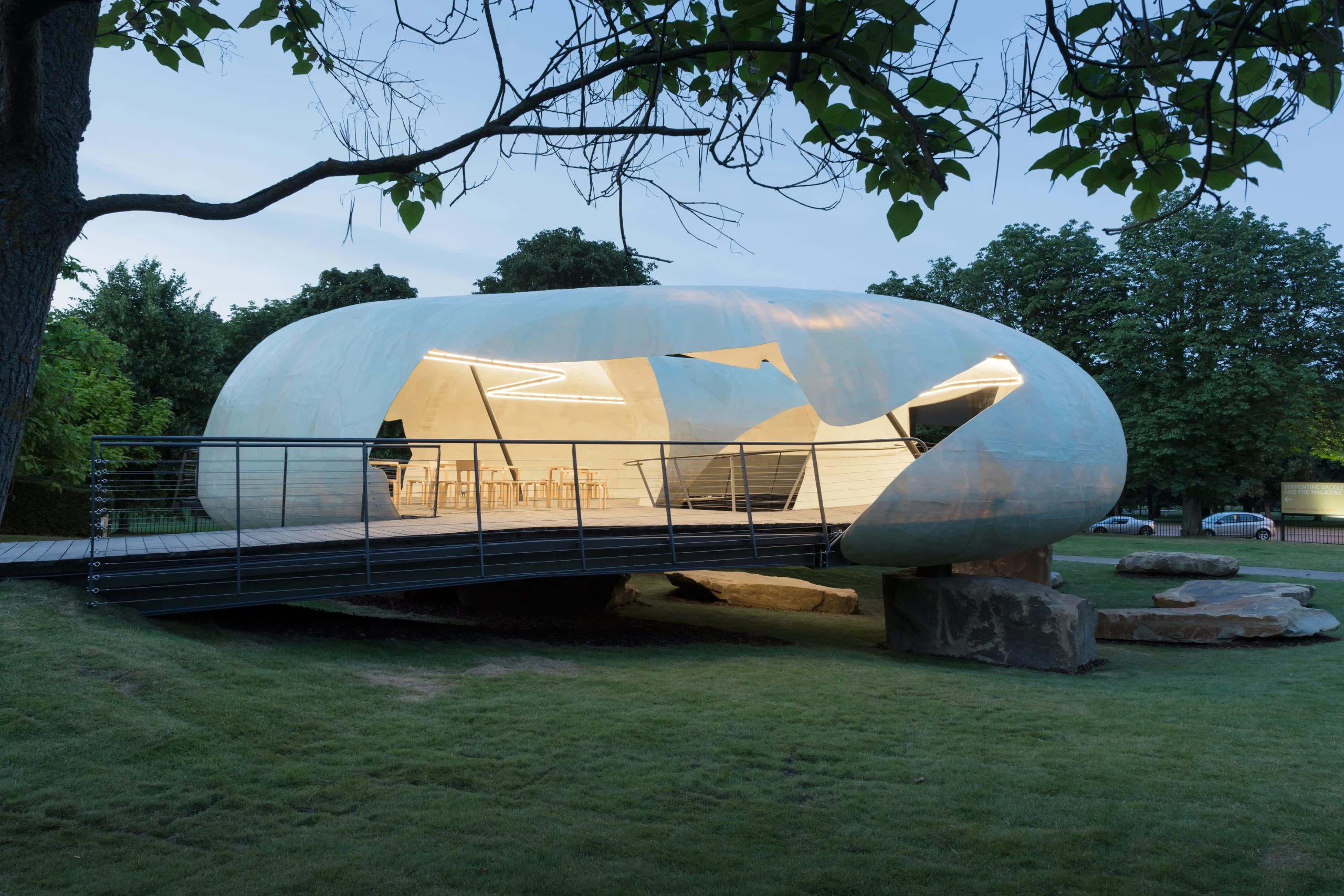
Smiljan Radić Clarke’s Architecture: Subtle Designs with Strong Impact
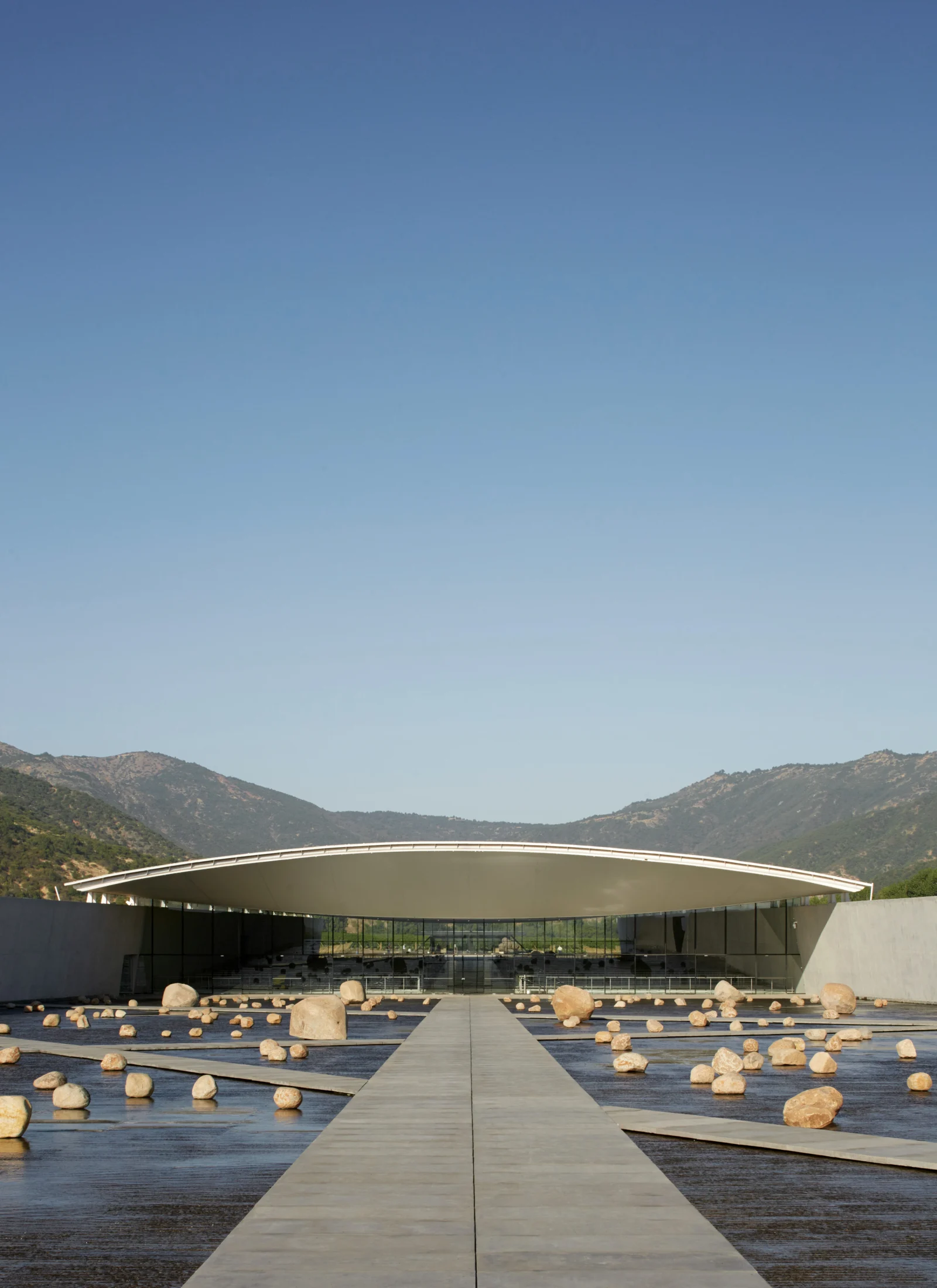
Radić does not rely on a recognizable aesthetic “brand.” His buildings vary widely in form and material, always guided first by context, climatic conditions, social histories, and the lived realities of people who use their spaces. The jury praised this context‑driven design ethos, emphasizing how Radić’s works can feel both protective and emotionally alive, encouraging users to reconsider how architecture meets human life.
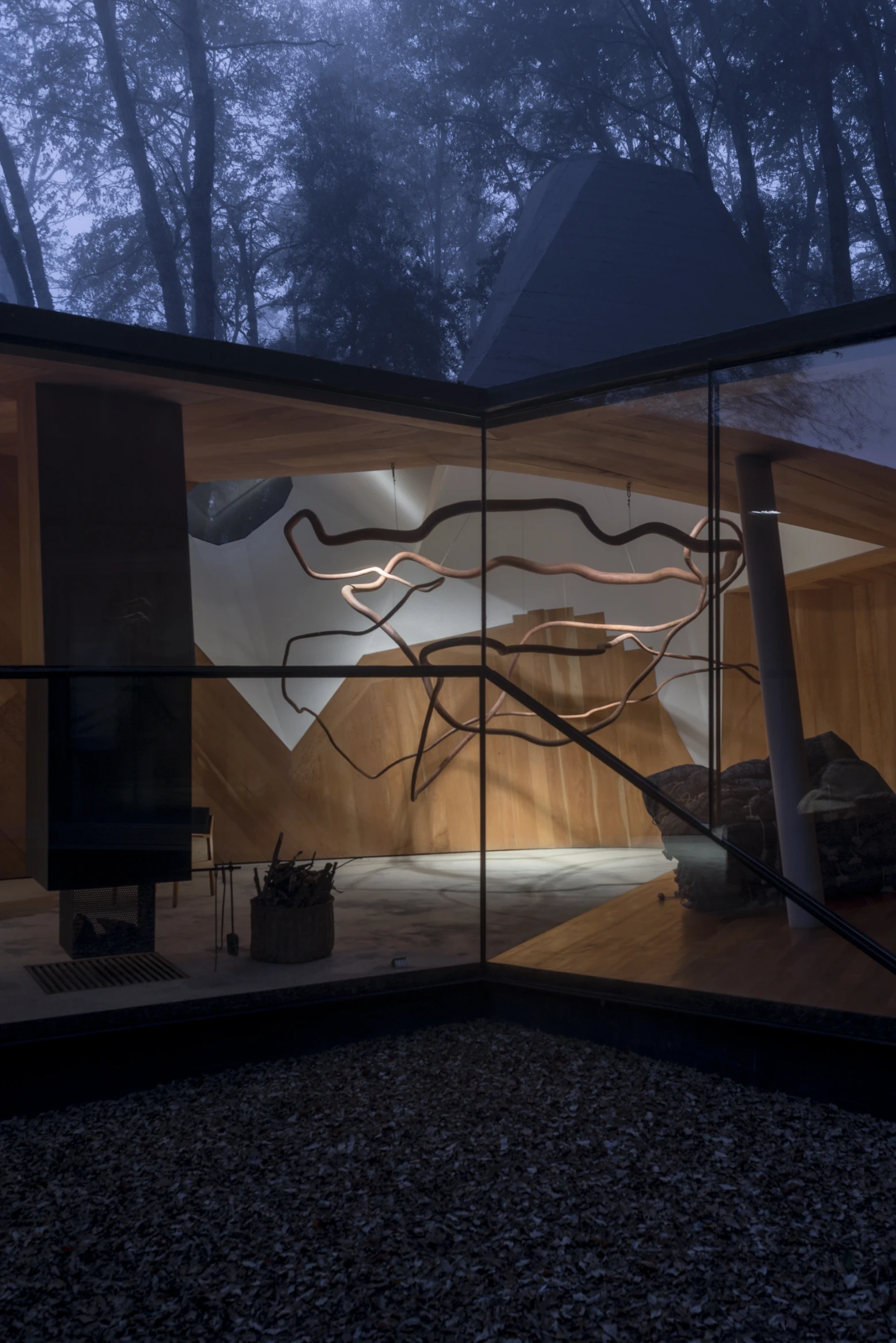
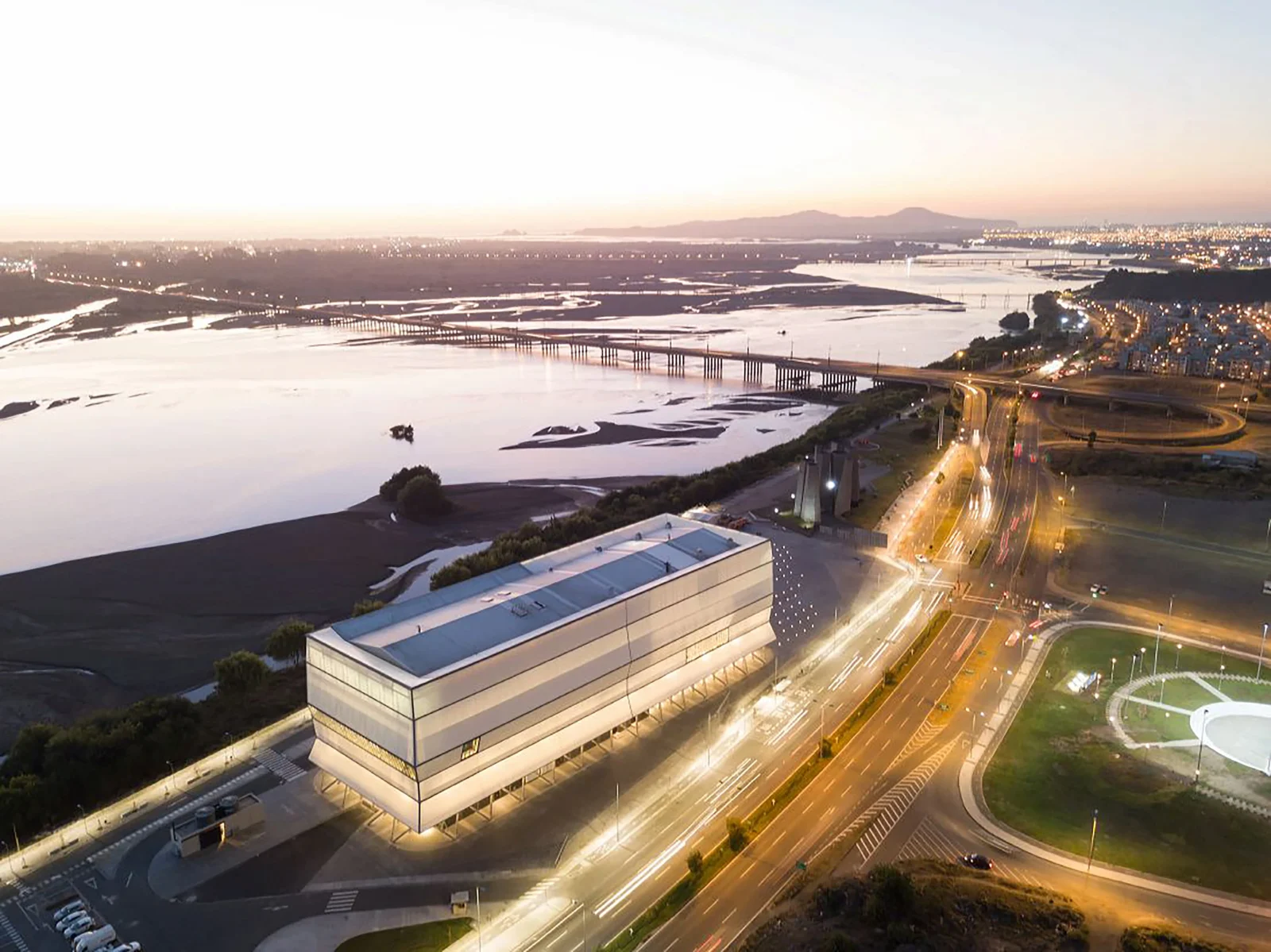
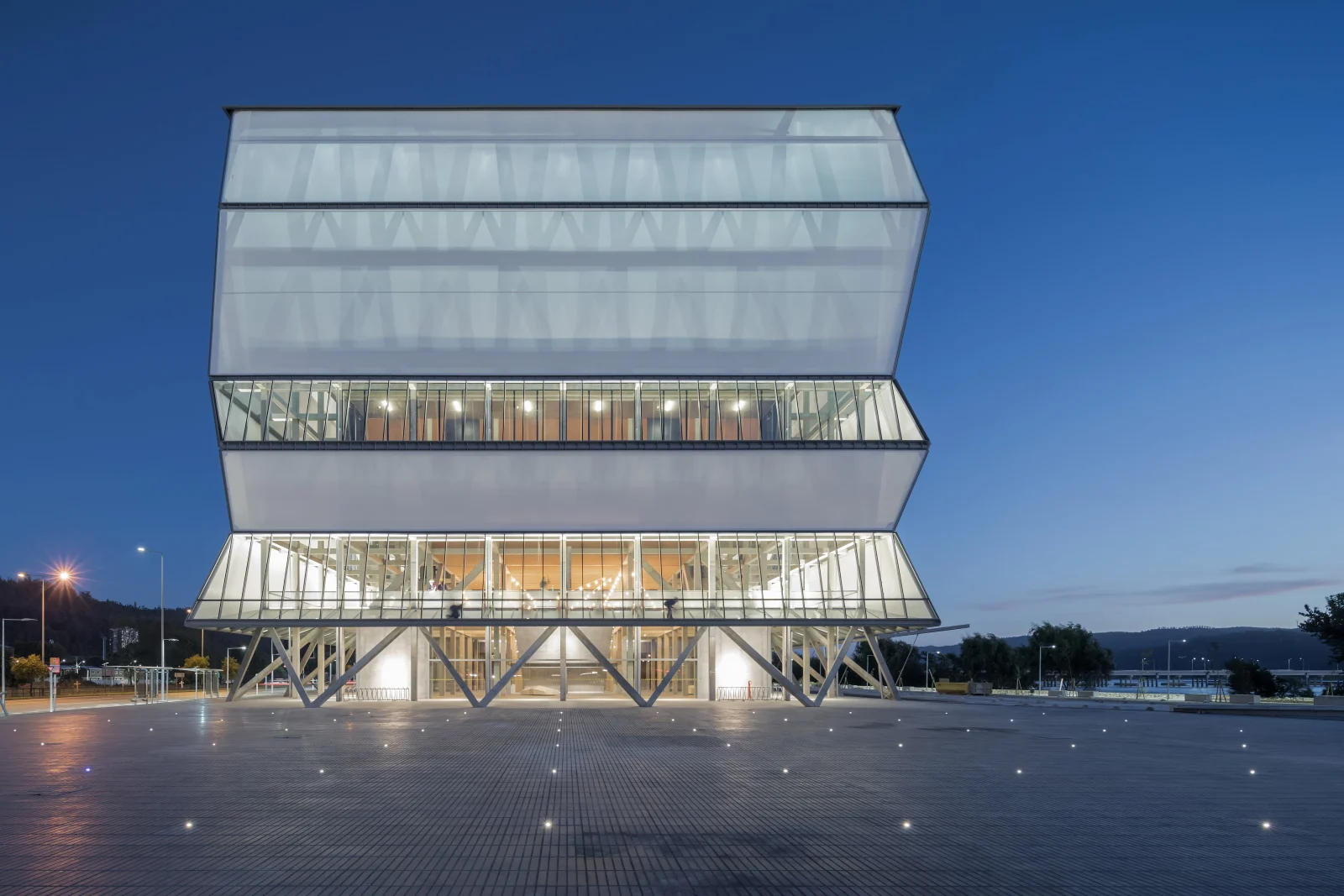
Notable works referenced in the announcement range from rural residences such as the House for the Poem of the Right Angle in Vilches, Chile, to institutional spaces like the Teatro Regional del Bío‑Bío in Concepción, each revealing an architecture attentive to light, texture, and spatial experience rather than stylistic signature.
Honouring a Global Practice
Radić’s influence extends beyond Chile. His projects have been built or exhibited in Europe, Asia, and the Americas, and his work has appeared in major exhibitions, including at MoMA in New York. In 2017, he founded the Fundación de Arquitectura Frágil in Santiago, a platform for experimental practice and collective inquiry.
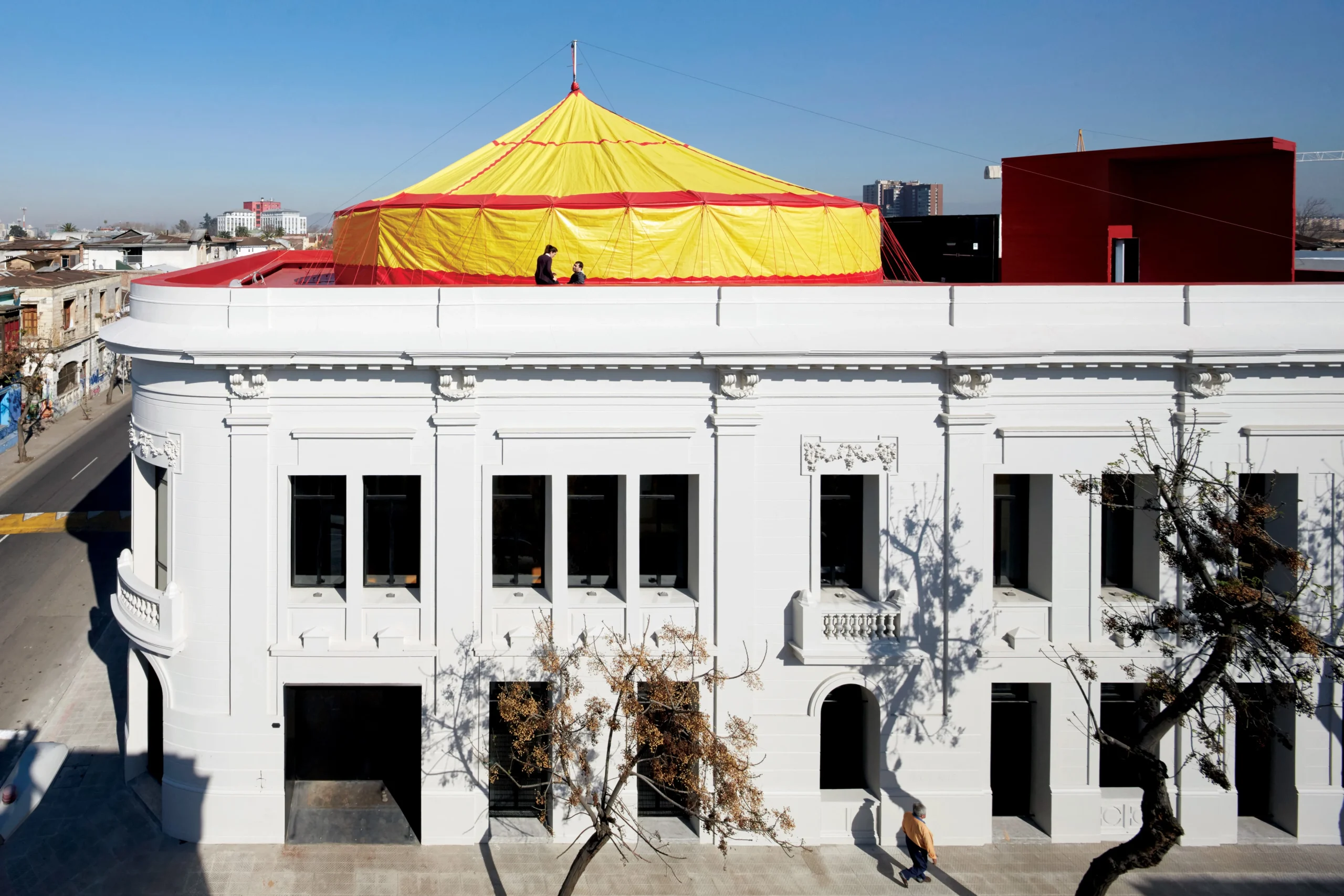
The Pritzker Prize jury, chaired this year by Chilean Pritzker Laureate Alejandro Aravena, highlighted Radić’s unique contributions to architecture’s ability to engage with human vulnerability, memory, and collective experience, asserting that such qualities are fundamental for the profession in our contemporary moment.
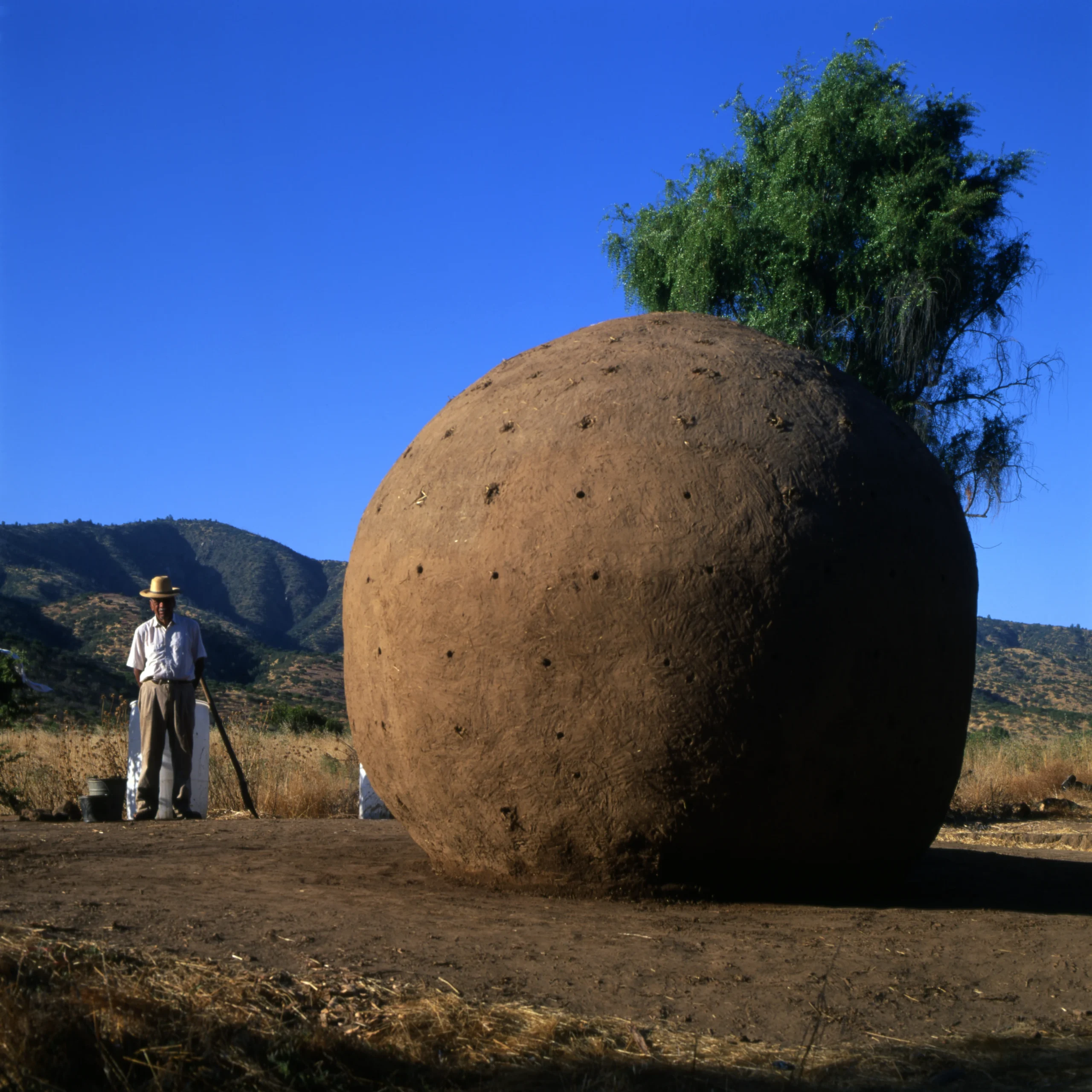
Pritzker Architecture Prize Honors Time and Thought
Founded in 1979 by the Pritzker family and administered by the Hyatt Foundation, the Pritzker Architecture Prize honors a living architect whose work demonstrates exceptional talent, vision, and commitment to humanity and the built environment. The laureate receives a bronze medallion and a cash award, symbols of recognition for a sustained, meaningful contribution to the art of architecture.
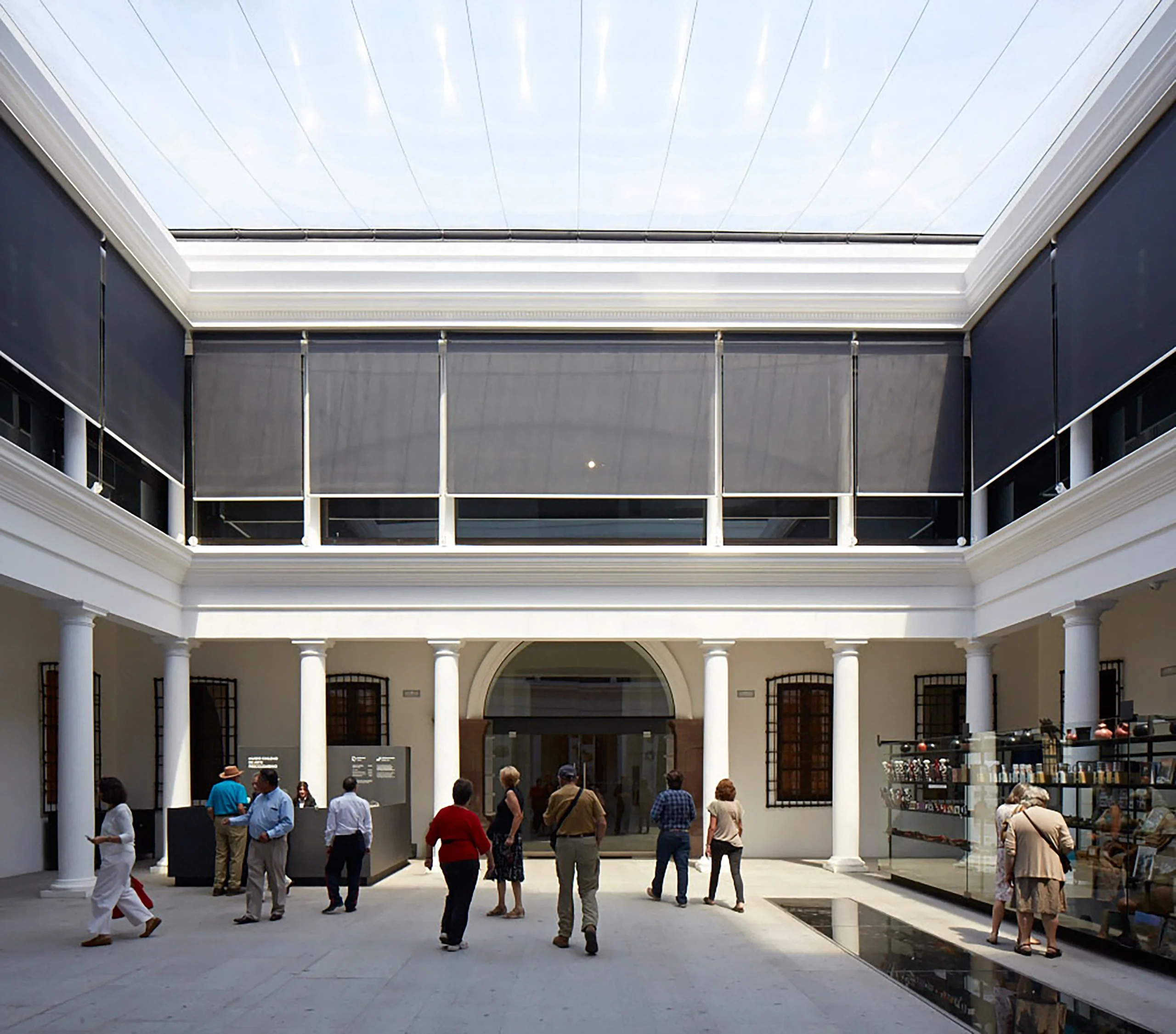
For 2026, the Prize’s choice reflects a growing appreciation for architectural practice that resists easy categorization, foregrounds lived experience, and explores meaningful connections between people, place, and material life. In Smiljan Radić Clarke, the architectural world has for the first time elevated an architect whose work is at once deeply poetic, quietly radical, and fundamentally human.
Credit: Pritzker Architecture Prize
Explore Courses
.jpg%202.jpg "Building Performance with Forma & Opossum")
.jpg "Ondrej Chybik - Rethinking Architecture")