



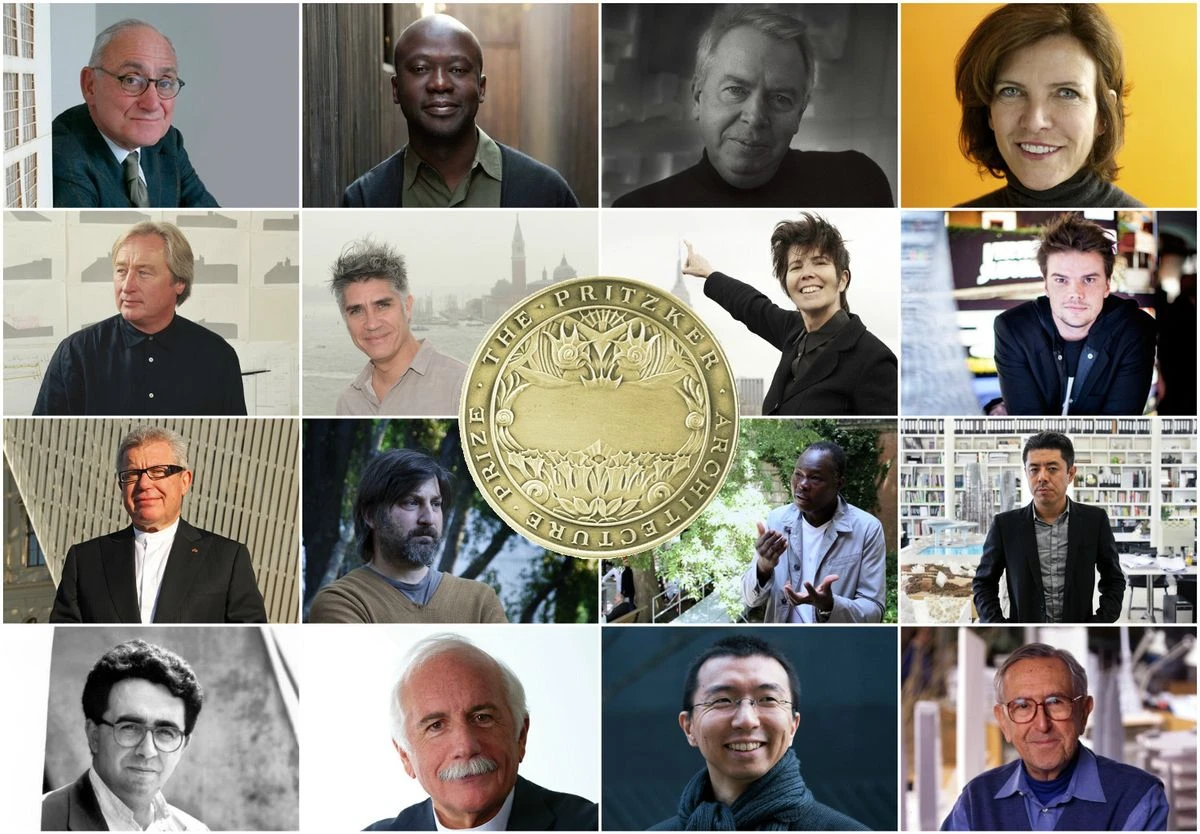
The organizers of the prestigious Pritzker Architecture Prize have confirmed that the announcement of the 2026 laureate will be postponed. The delay comes as renewed scrutiny surrounds Thomas “Tom” Pritzker, a key figure behind the award and a member of the wealthy Pritzker family, following revelations about his past links with Jeffrey Epstein.
The Pritzker Prize, often described as architecture’s highest honor, announces its winner in early March each year. But this year, officials said they will push back that timeline while attention remains fixed on the controversy involving the prize’s benefactor. The delay does not signal a change in the jury’s work, organizers have stressed, but it underscores the reputational challenges facing one of the field’s most respected honors.

The scrutiny of Pritzker’s role traces back to a large tranche of documents released by the U.S. Department of Justice this year, which included numerous communications involving Epstein and prominent figures in business, politics, and culture. Among those named in these files was Tom Pritzker, heir to the Hyatt Hotels fortune and president of the Hyatt Foundation, the organization that established the Pritzker Prize.
Last month, Pritzker stepped down as executive chairman of the Hyatt Hotels Corporation after acknowledging he had maintained contact with Epstein and Epstein’s longtime associate Ghislaine Maxwell even after Epstein’s 2008 conviction. In public statements at the time of his release, Pritzker said he “deeply regretted” his association and described the decision to resign as necessary to protect the company’s reputation.

Despite stepping away from Hyatt’s leadership role, Pritzker continues to hold titles within family offices and foundations related to the prize. The Pritzker Foundation, the Pritzker Family Philanthropic Fund, and the Hyatt Foundation, all linked to the family, still list him in senior leadership roles. Prize organisers have emphasised that these roles do not influence the independent jury’s confidential selection process, which remains separate from any external pressures
In a statement responding to the controversy, the Pritzker Architecture Prize defended the integrity of its jury and its procedures. Prize representatives told The New York Times that the jury, comprised of an international panel of respected professionals, continues to work autonomously and that the selection process is protected from influence by the foundation’s leadership or partners.
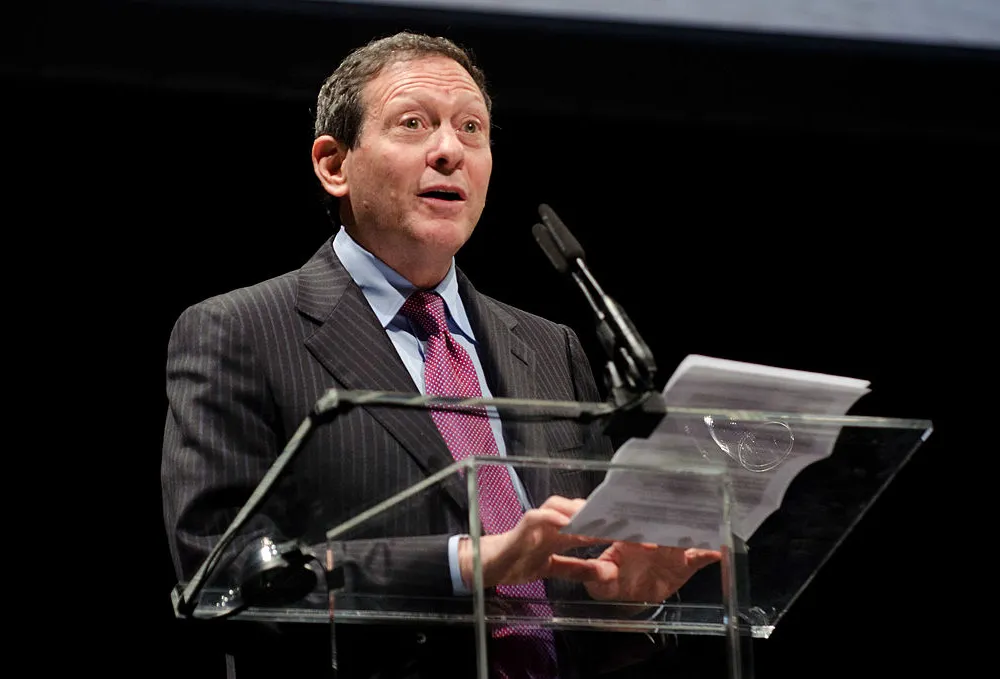
While the delay is modest in duration, it has sparked conversations within architectural circles about governance, ethics, and the responsibilities of institutions tied closely to wealthy benefactors. For an award that recognizes contributions to the built environment and cultural life around the world, the situation has raised broader questions about transparency and public trust in cultural honors.
As the field awaits the announcement of the 2026 Pritzker Architecture Prize laureate, prize organizers say they remain committed to celebrating architectural excellence while navigating the challenges presented by ongoing public scrutiny.
Explore Courses
.jpg "Ondrej Chybik - Rethinking Architecture")