


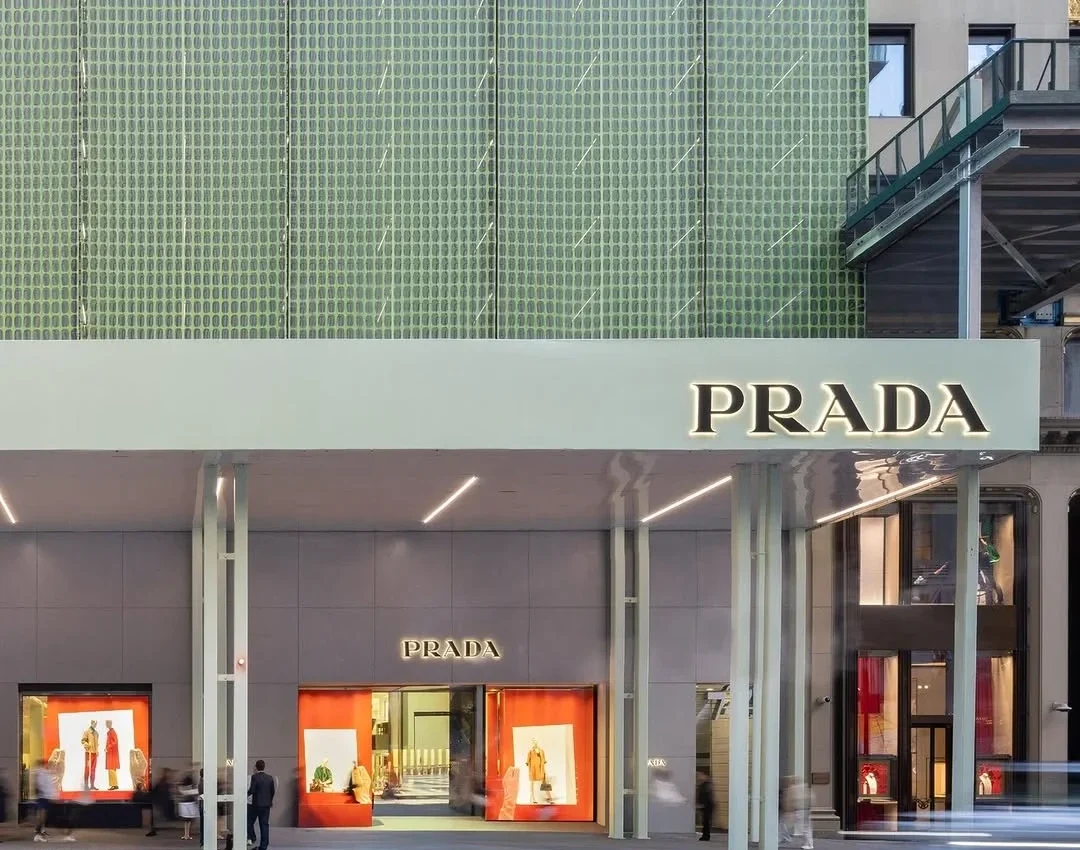
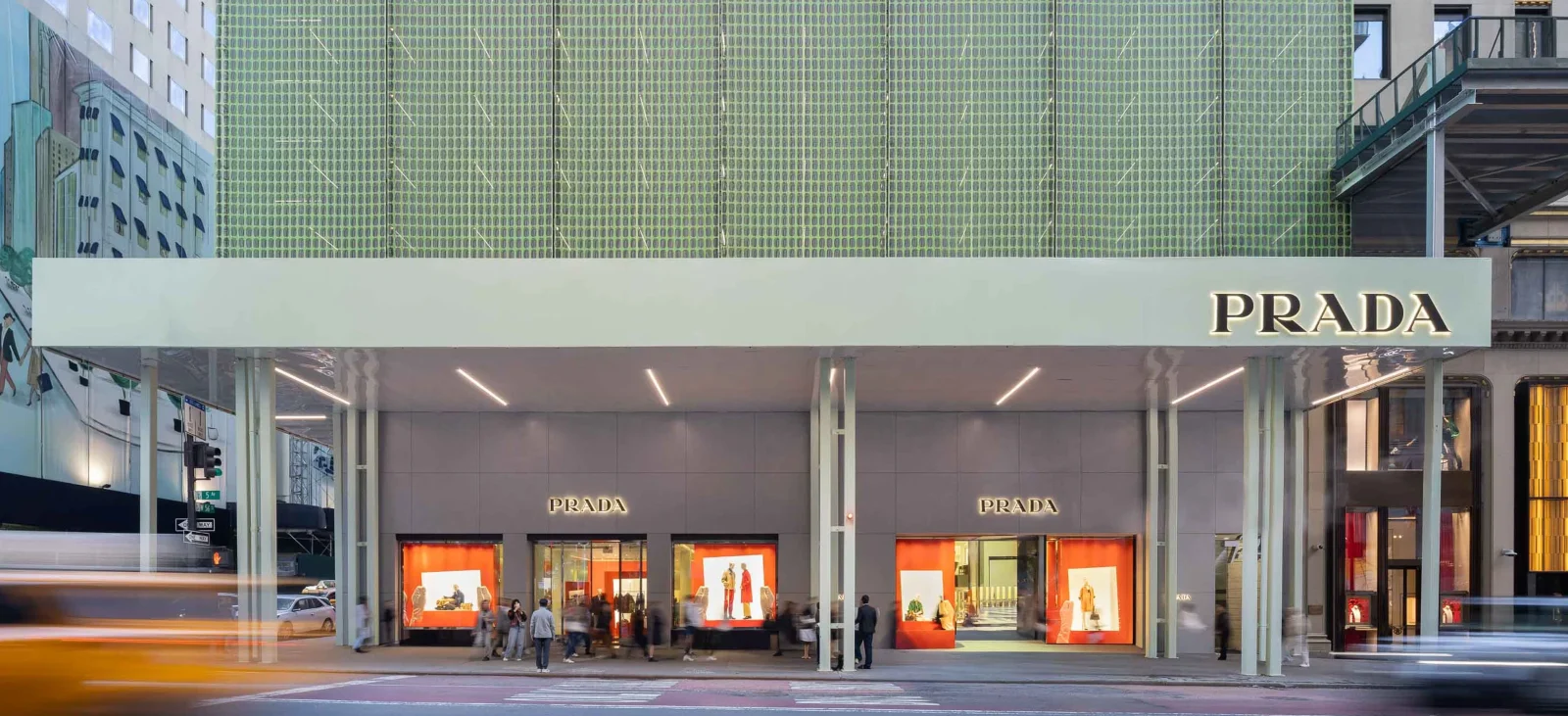
Prada’s latest intervention on Fifth Avenue in New York is a project that turns a temporary condition into a design statement. Instead of hiding renovation work behind plain scaffolding, the brand has used the façade as an active architectural surface. The result is a layered skin that shifts with light, movement, and distance, creating a constantly changing visual experience.
The project treats the façade as both a protective layer and a means of communicating its presence. Located on one of the world’s most visible shopping streets, the building is expected to stand out visually. The façade takes on a larger role, becoming the defining identity of the project.
A façade that behaves like fabric
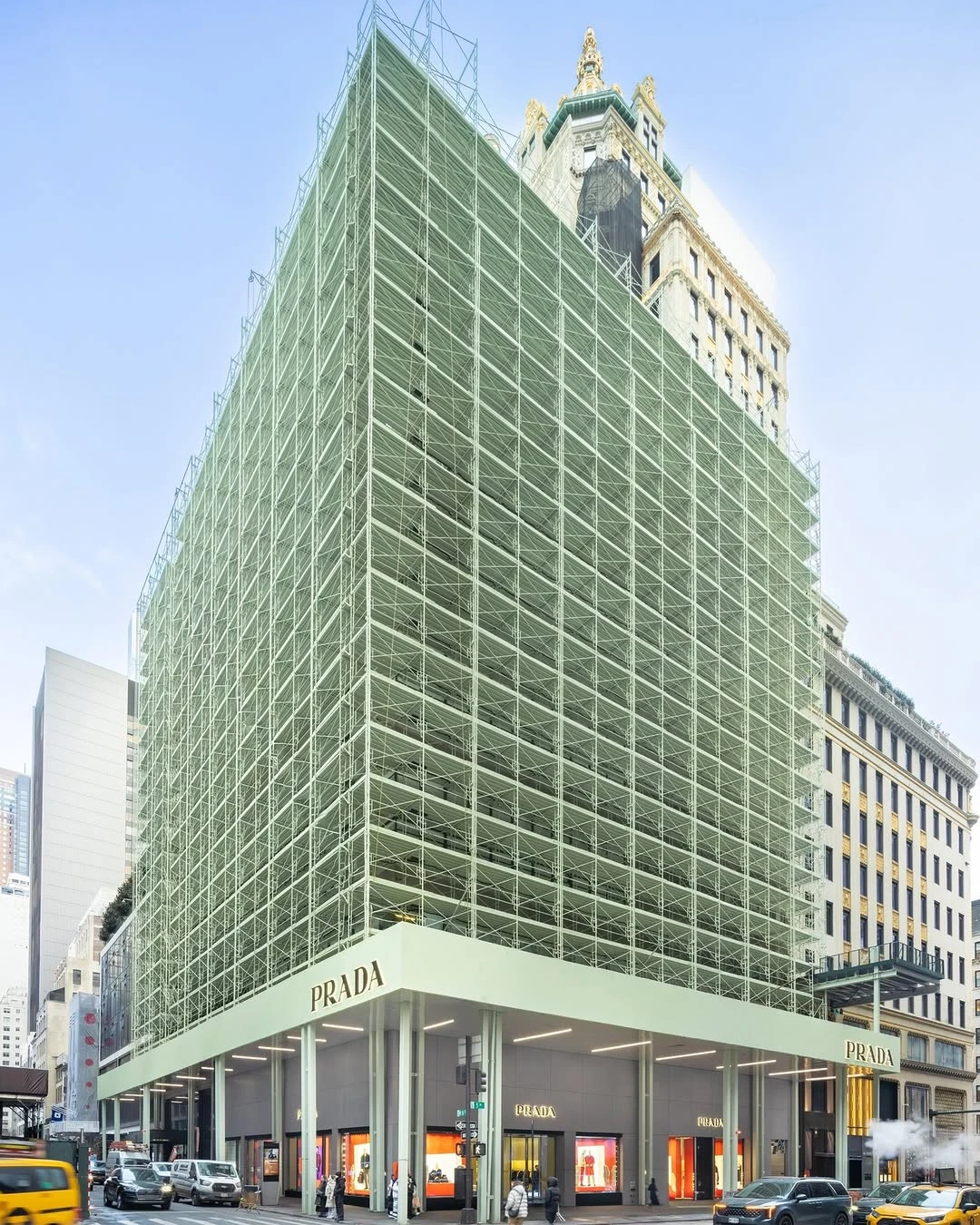
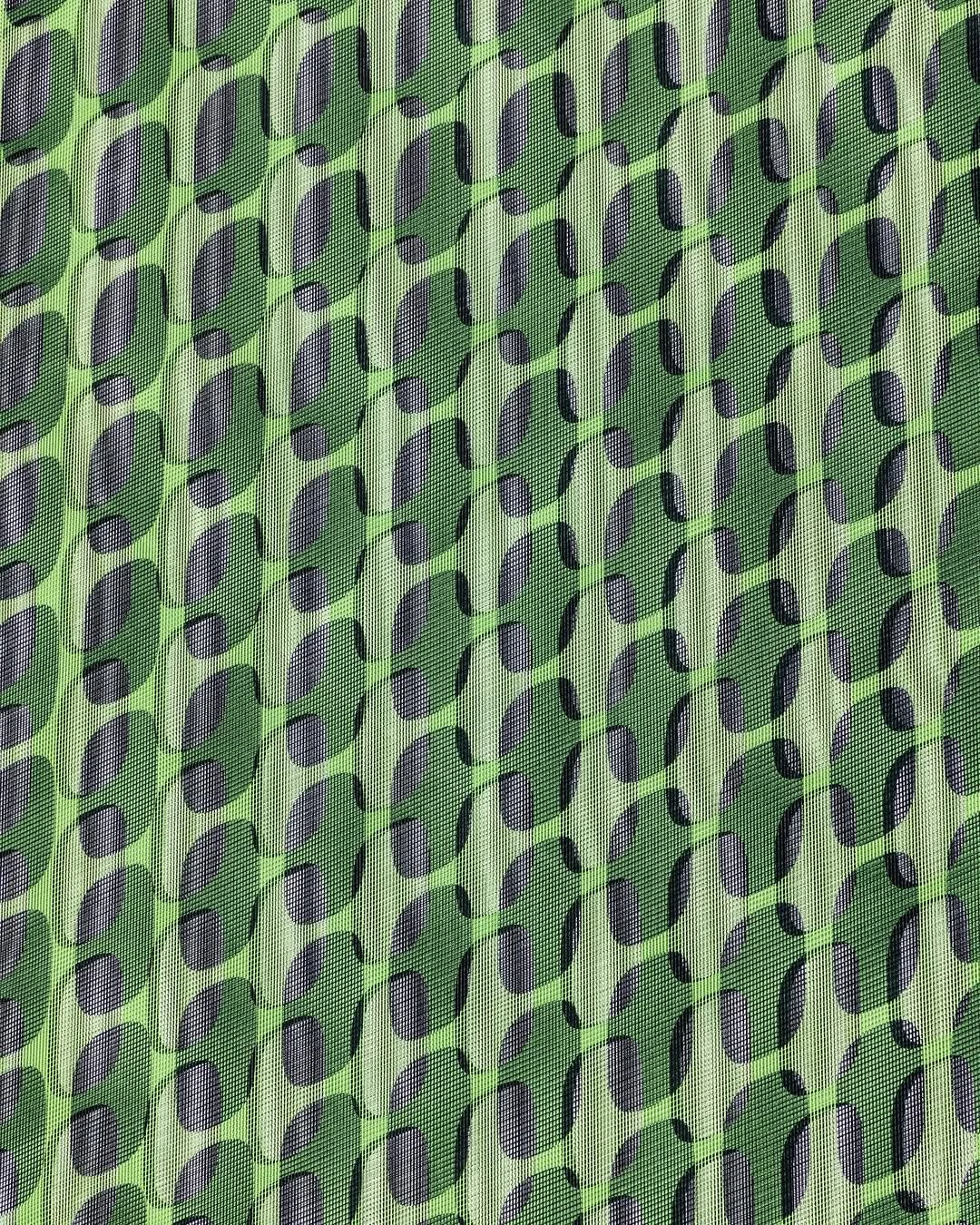
The most striking part of the project is its moiré-inspired outer layer. This effect is created through overlapping mesh and patterned surfaces that react to the viewer’s position. As people move along the street, the façade appears to ripple or shimmer, almost like a piece of textile in motion. This visual shift is not digital or screen-based. It is achieved through physical layering and alignment of materials.
The approach draws from fashion itself, where moiré patterns are known for their wave-like distortion. Translating that into architecture creates a façade that feels soft and dynamic, even though it is made from rigid components. The building surface changes throughout the day, depending on sunlight and viewing angle, giving it a sense of movement without any mechanical system involved.
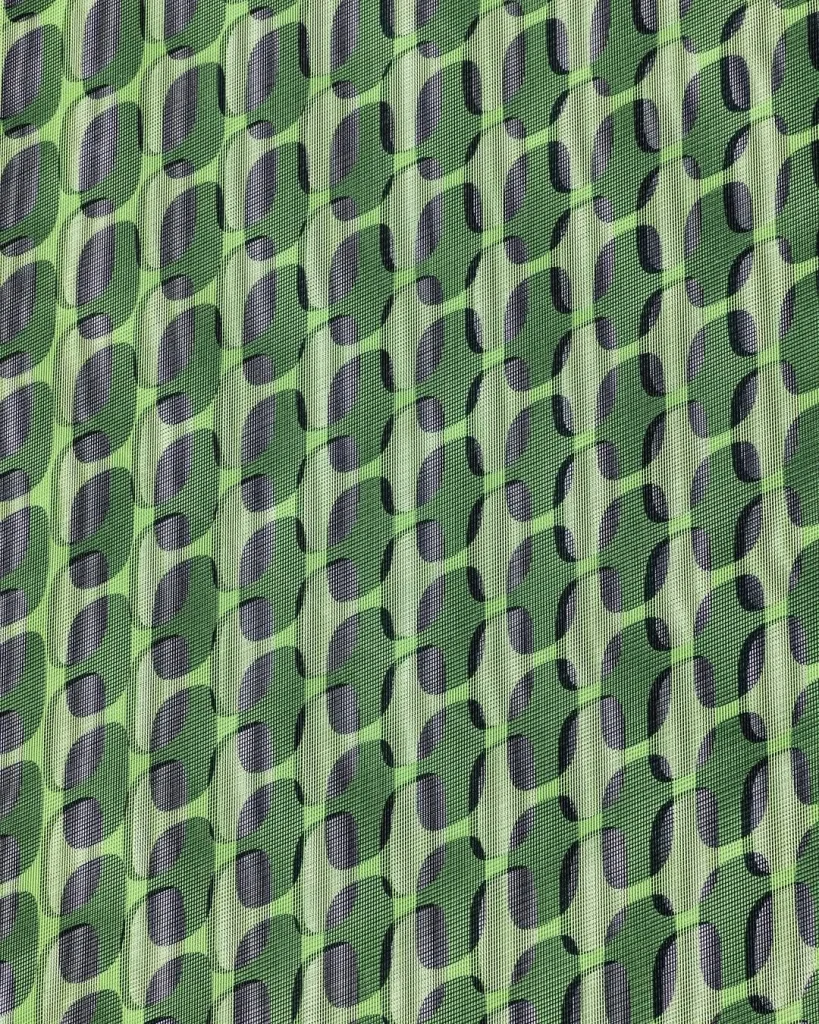
Another key aspect is transparency. The mesh-like construction allows partial visibility of what lies behind. This keeps a connection between the street and the building, even during construction. Rather than blocking views completely, the façade filters them. This approach creates depth and makes the building feel layered instead of flat.
Prada’s Fifth Avenue Shows How Façades Can Come Alive
What makes this project intriguing is that it is not a permanent façade in the traditional sense. It is designed around scaffolding, which is usually considered a short-term necessity. Prada treats this temporary phase as an opportunity to experiment.
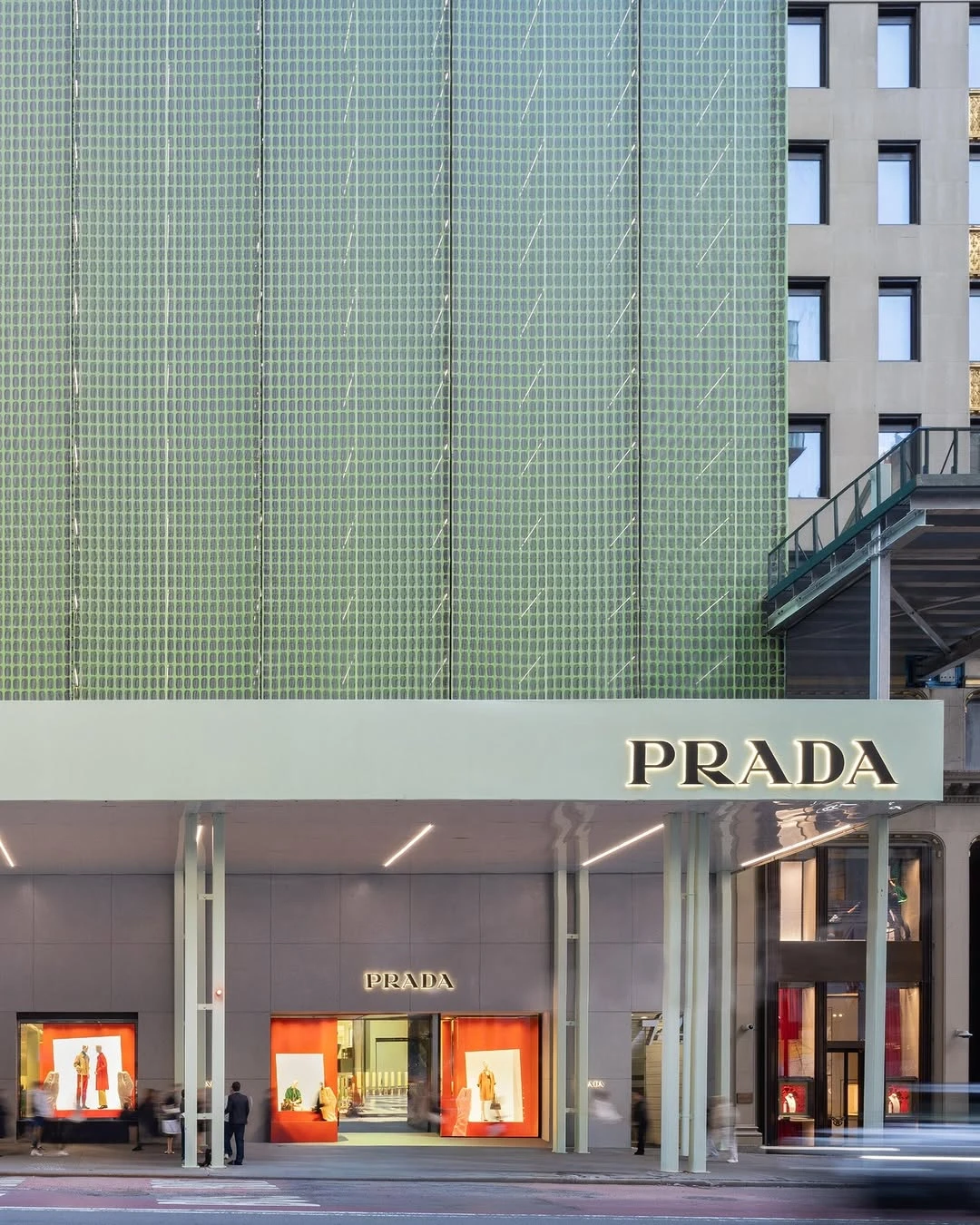
This idea aligns with a broader approach in luxury retail architecture, where façades serve as branding devices. Many flagship stores carefully design their outer skin to express identity and attract attention. Here, the same thinking is applied to a construction condition.
The façade also helps unify different parts of the site. Prada has been expanding its Fifth Avenue presence, including linking new retail spaces with existing ones. The use of a consistent outer material creates a visual connection between these parts, even if they function separately.
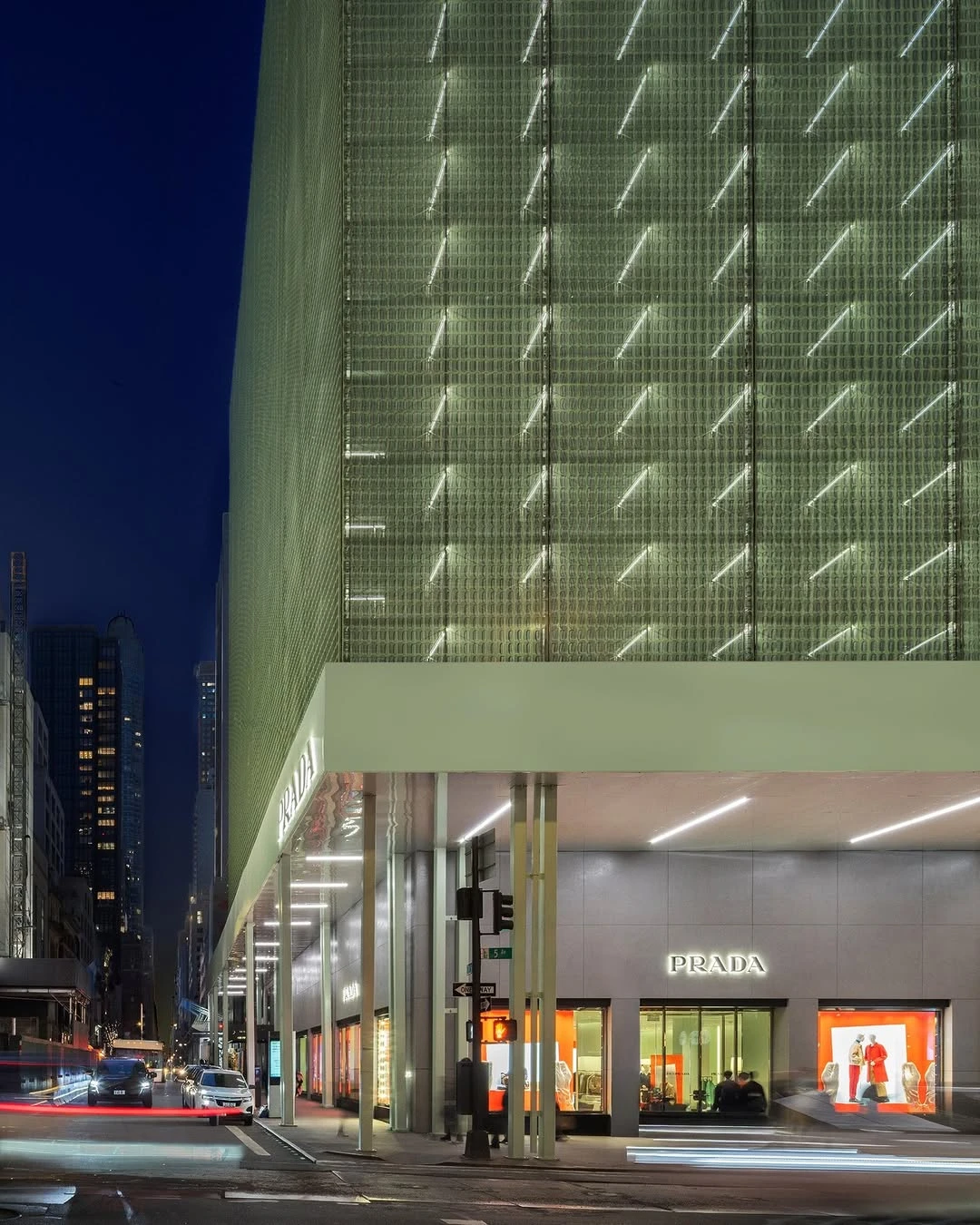
At night, the effect becomes stronger. Light interacts with the layered surface, turning the façade into a glowing screen. This reinforces the idea that the building responds to time, light, and movement.
The project shows a shift in how façades can work in urban retail settings. The façade becomes flexible and responsive. It can adapt to different phases of a building’s life, including construction.
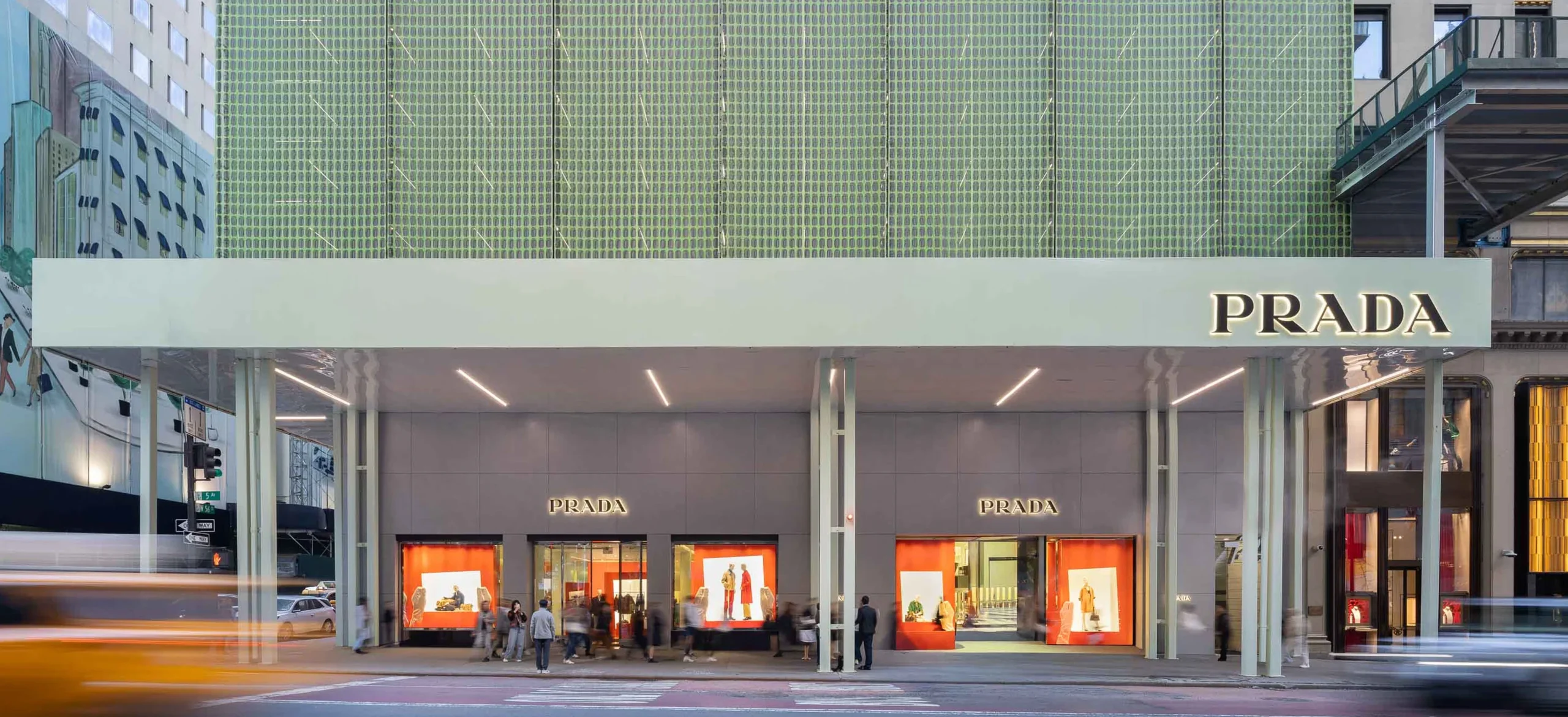
More importantly, it brings architecture closer to fashion. The use of pattern, layering, and visual illusion reflects the brand’s design language.
In a dense and competitive street like Fifth Avenue, where every storefront tries to stand out, this approach creates a strong presence without relying on large signage or screens. It uses simple materials thoughtfully, turning perception into the main design tool.
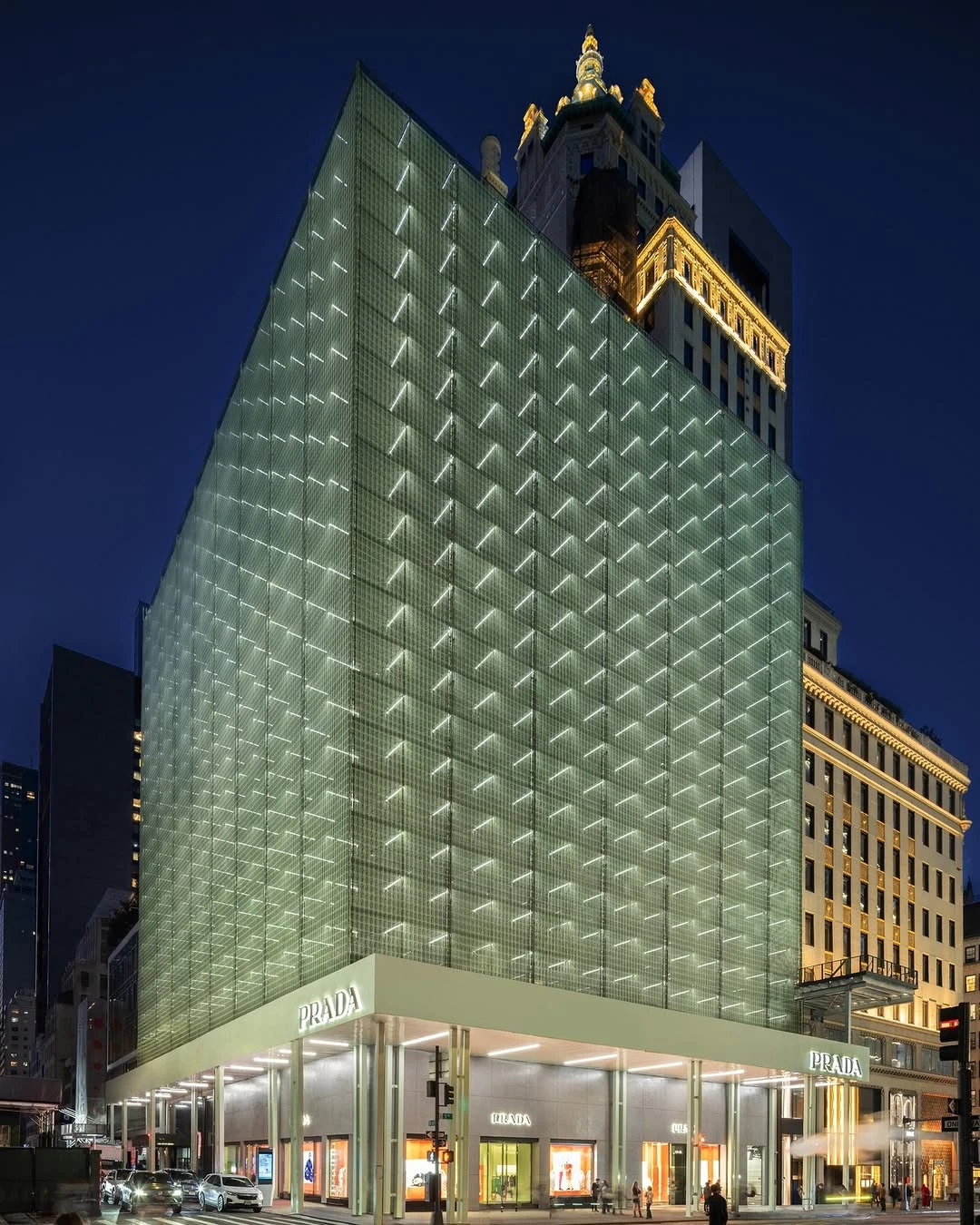
The Prada Fifth Avenue flagship façade changes as you move, making the act of walking past the building part of the architectural experience.
Image credit: Prada/@prada
Explore Courses
.jpg "Ondrej Chybik - Rethinking Architecture")