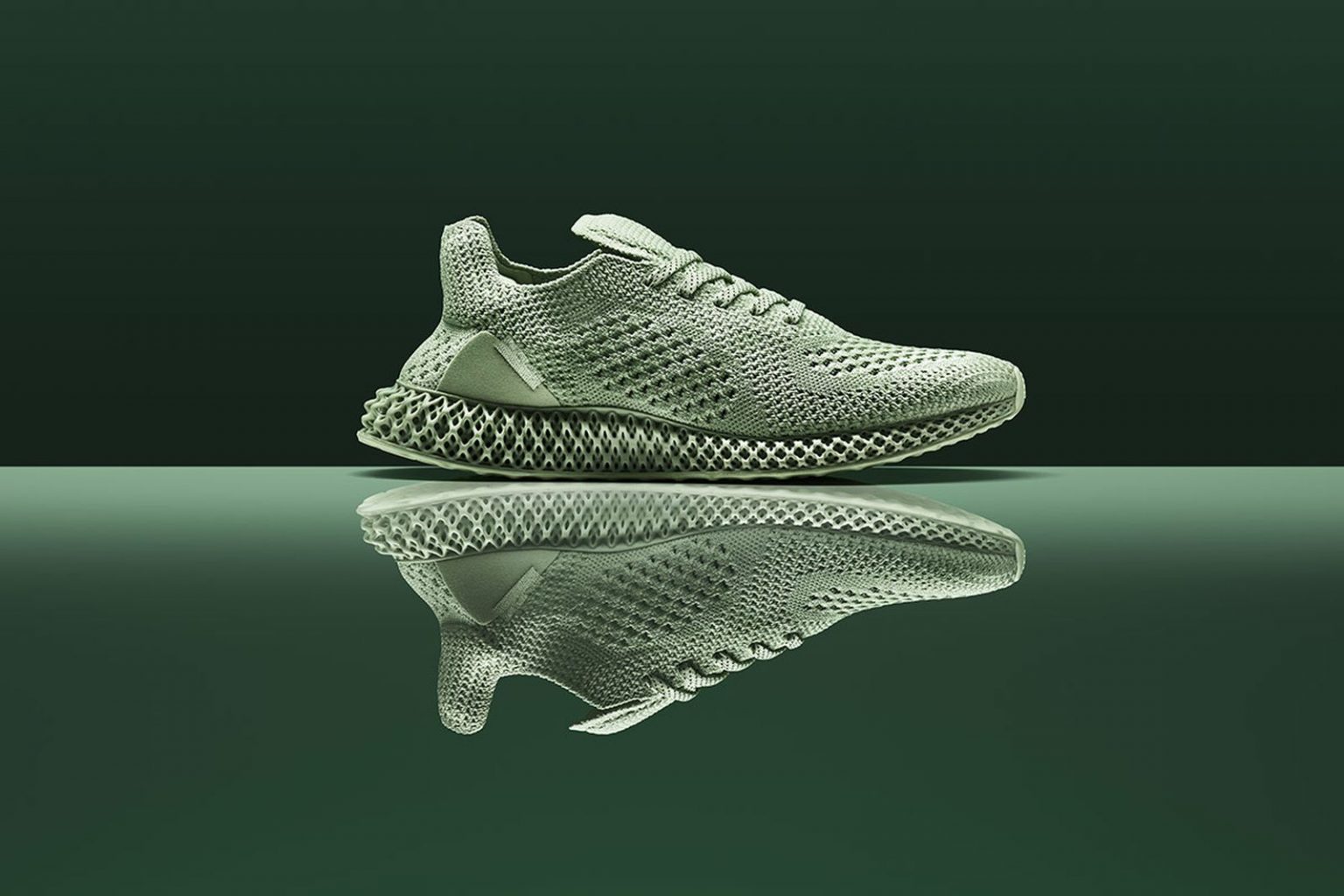
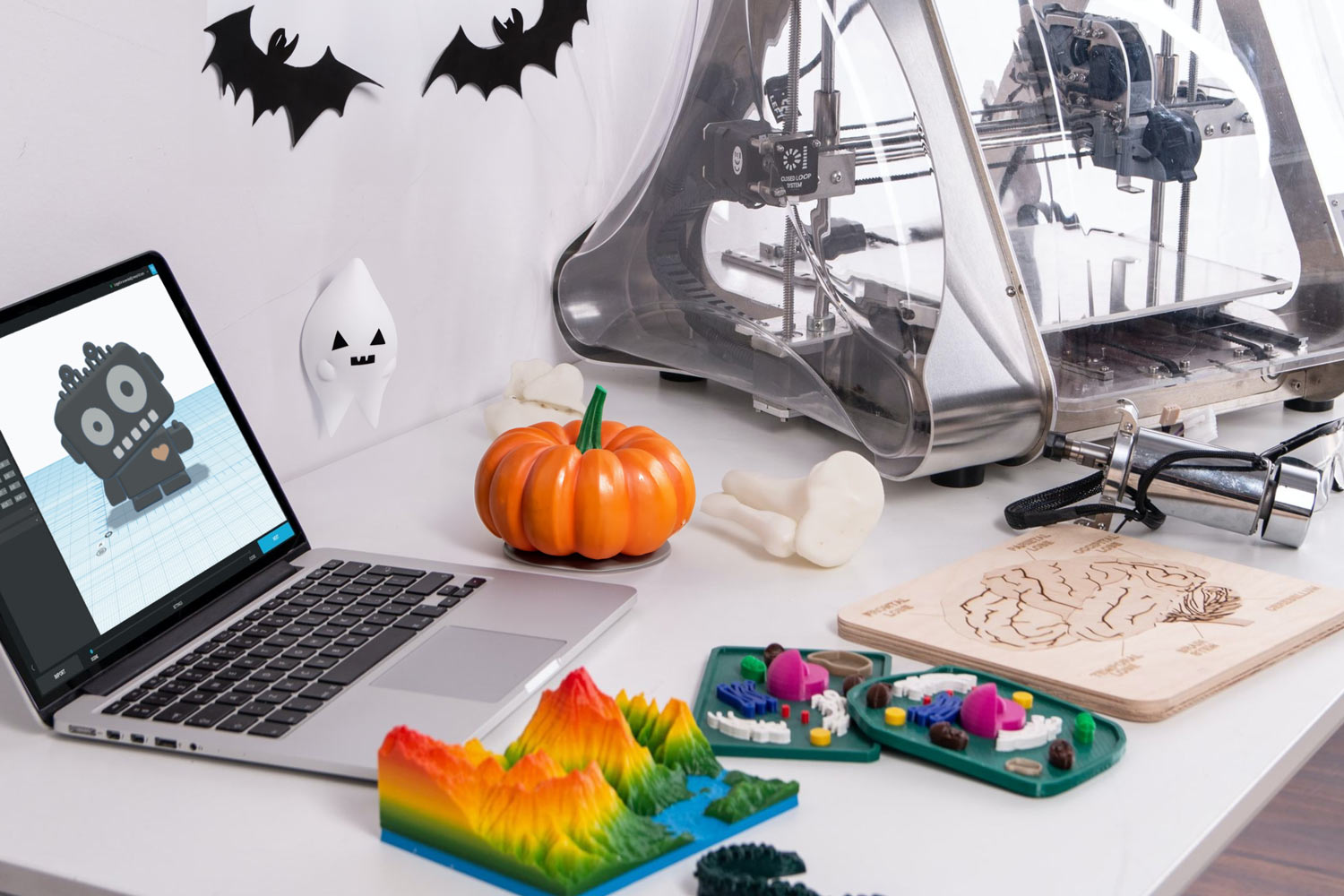
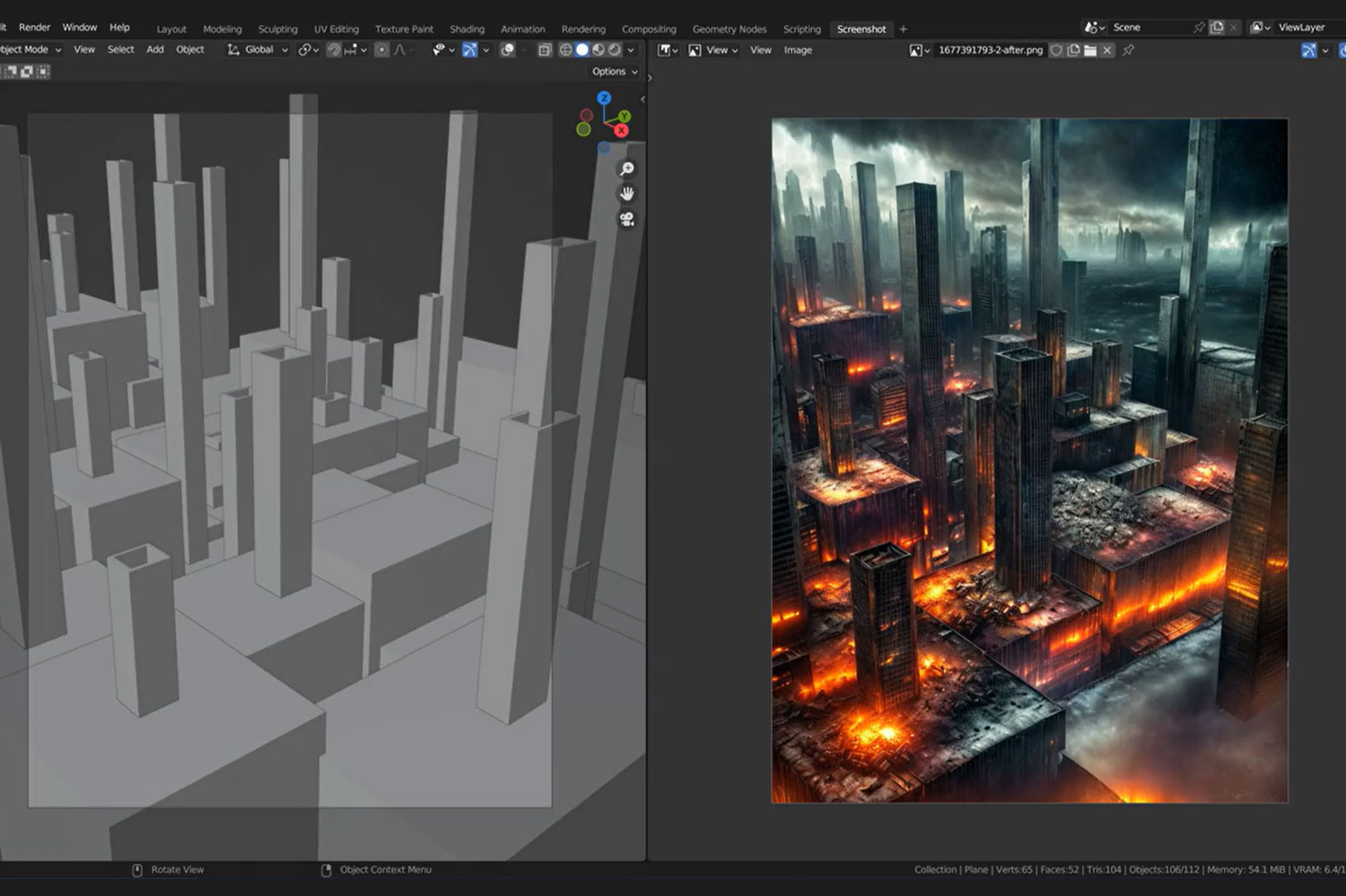
Numerous designers’ aim to accomplish a smooth transition from concept to a real item is now becoming a reality in the creation of small-scale products with computational methods. Recent rapid additive manufacturing techniques enable the production of objects with high structured complexity without any need for designers to build intricate details, instead of transmitting their ideas in the form of 3D computer-generated models. The link between architecture and footwear design hasn’t always been so clear- footwear has long been assumed to follow the lead of architectural styles, and they were formerly considerably more daring in submitting their wearers to a variety of gait patterns.
Typical footwear – or, for that matter, any shoe — smoothens our experience of our surroundings, irrespective of how flashy it appears. While not everyone has to start walking on platforms or in pointy footwear, architects’ ideas to design shoes reveal what they actually are: a dynamic site of spatial interaction and a space suitable for spatial research. Parametric Design in the fashion and footwear industry addresses the specific needs of an individual and enables a customized design that fits the user well. Footwear design with computational methods has revolutionized the conventional methods and the innovative products have much more comfort to offer.