

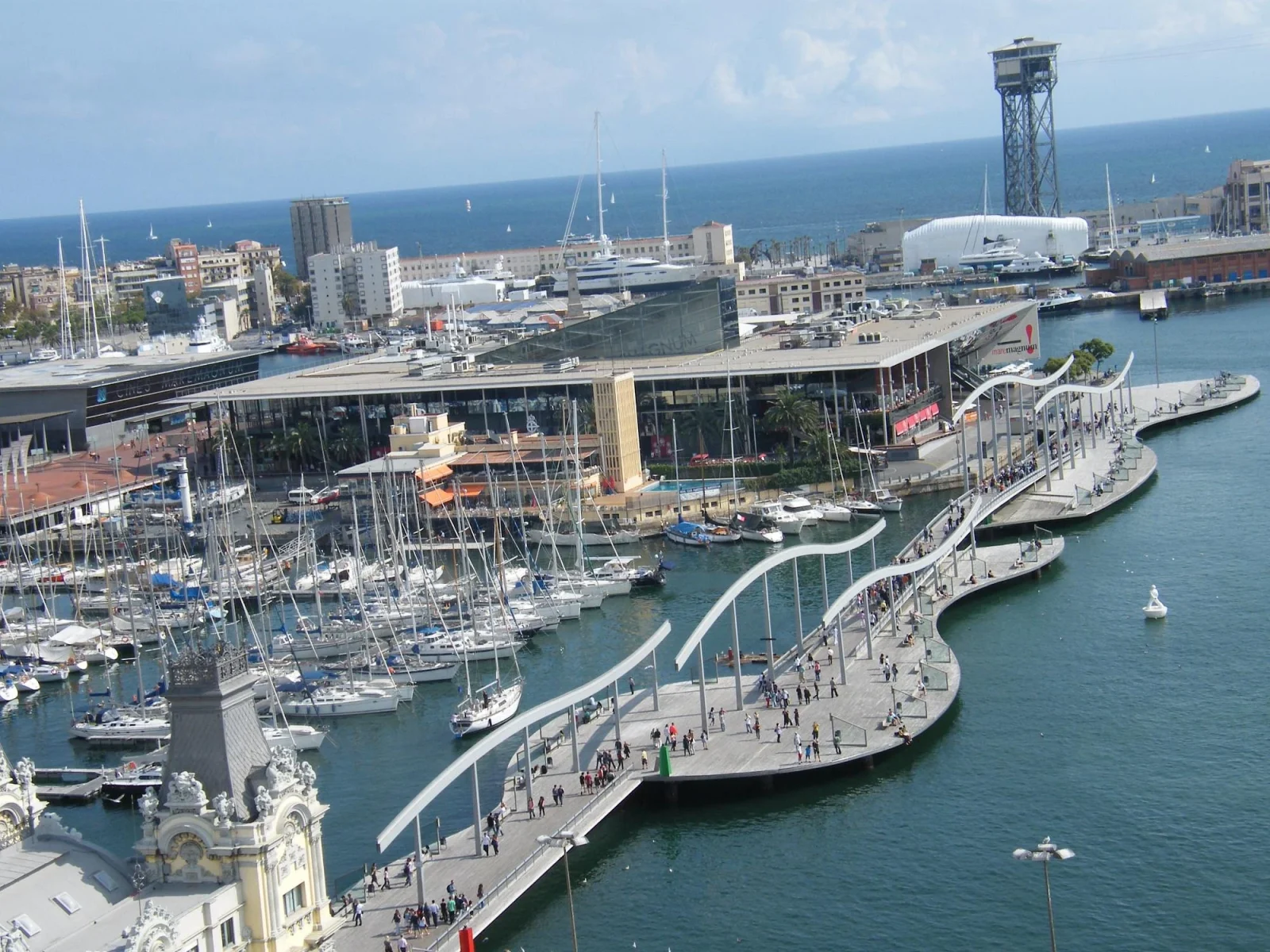
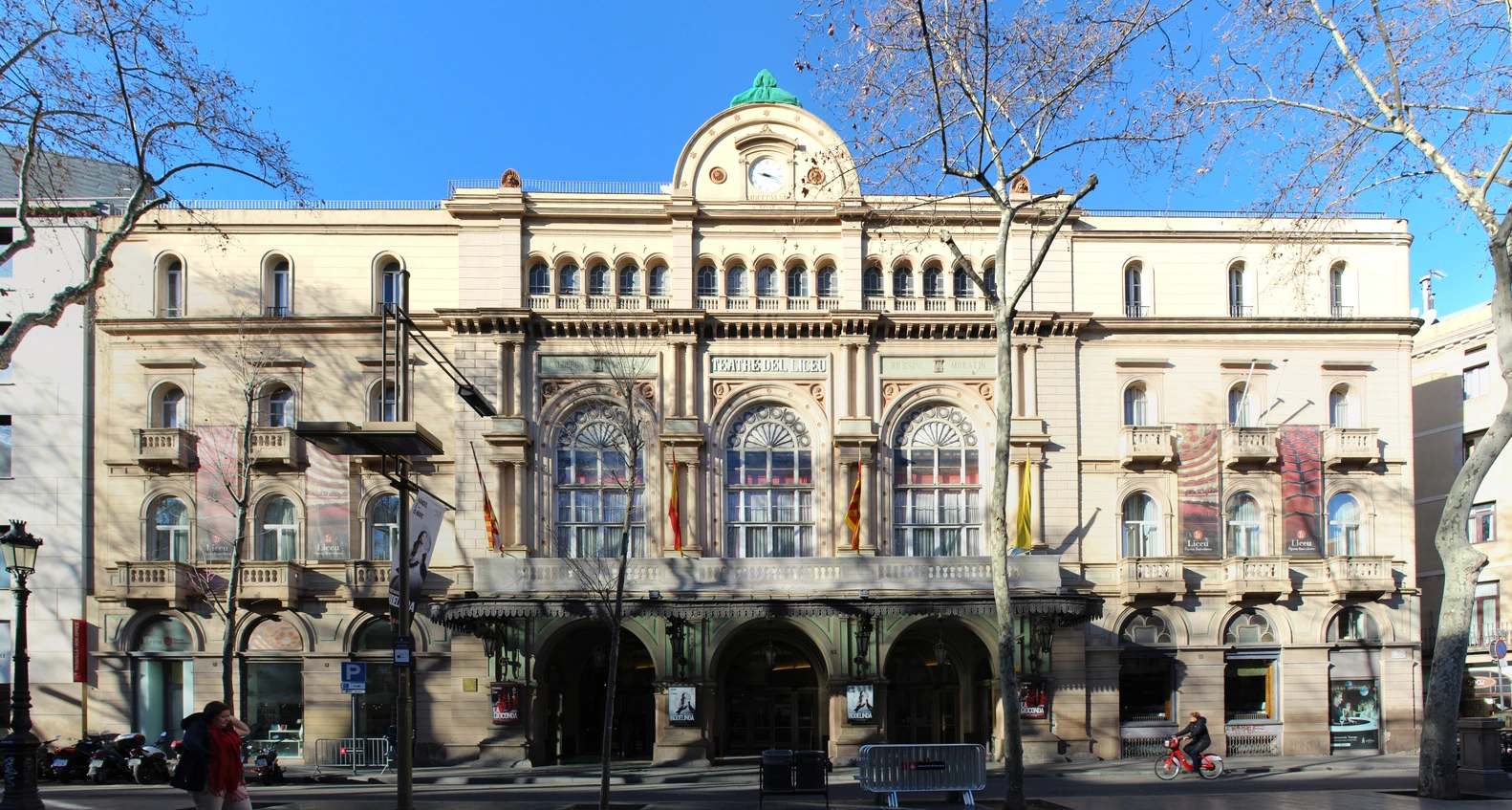
Barcelona has taken a major step in reshaping its waterfront with the announcement of five finalist teams for the Liceu Mar international architecture competition, a new cultural venue planned for the Port Vell area. The project is conceived as a second home for the historic Gran Teatre del Liceu, extending its cultural presence from the city center to the sea.
The competition has drawn global attention, bringing together some of the world’s most recognized architecture practices, including SANAA, David Chipperfield Architects, and Snøhetta, alongside other internationally established studios.
A Cultural Landmark on Barcelona’s Waterfront
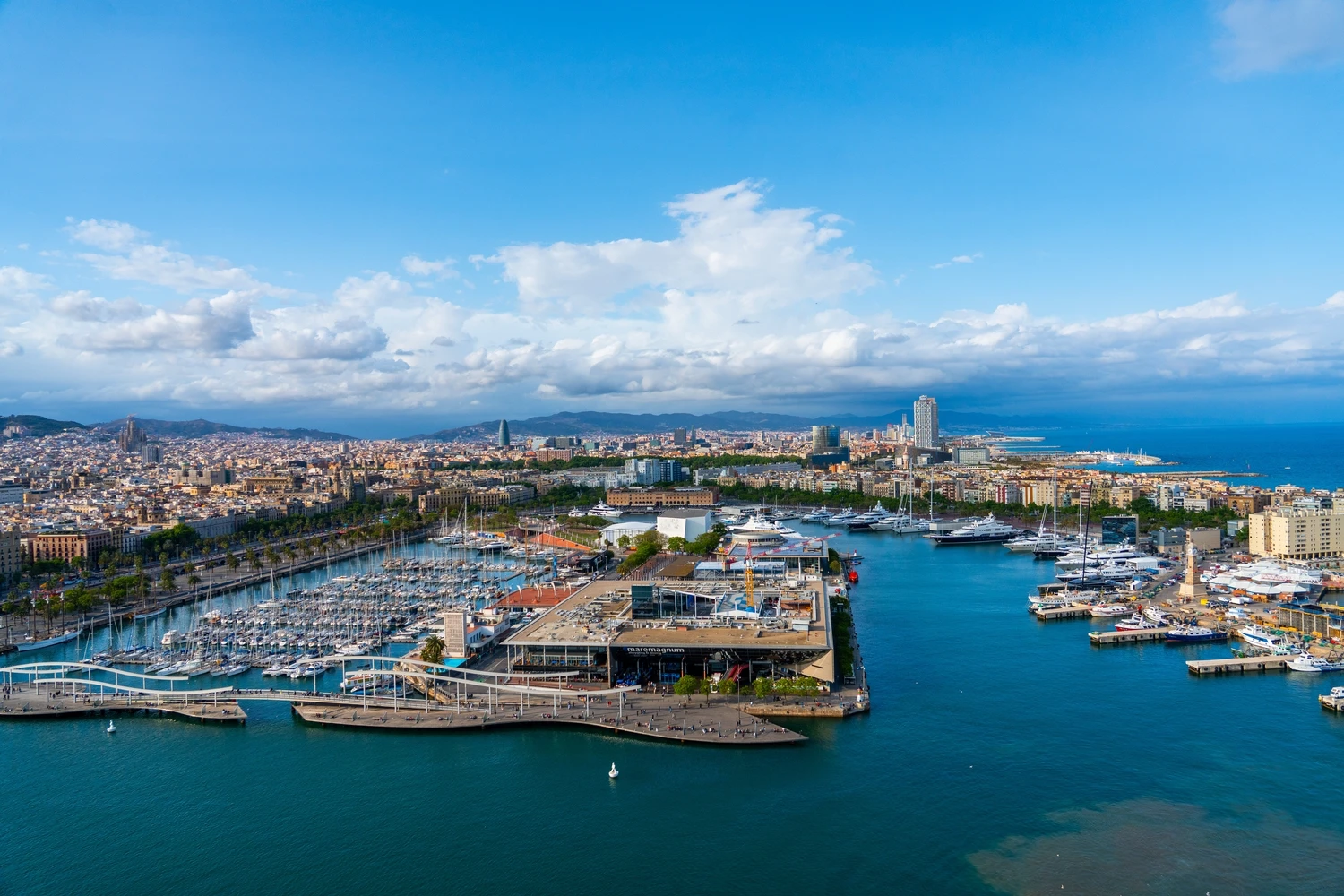
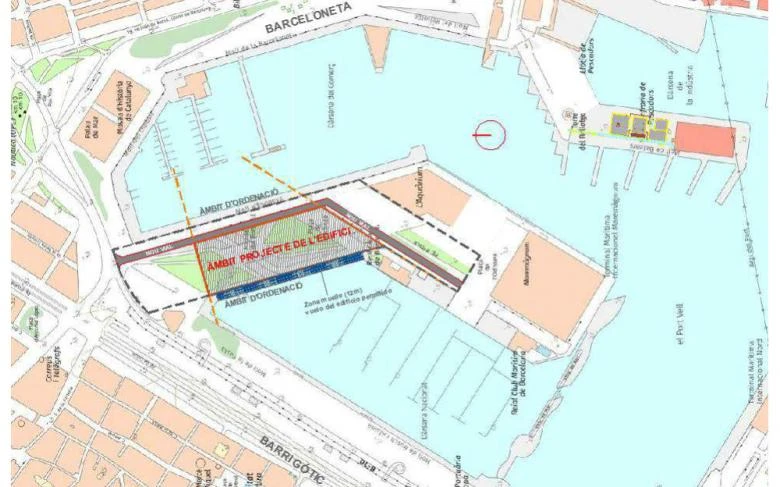
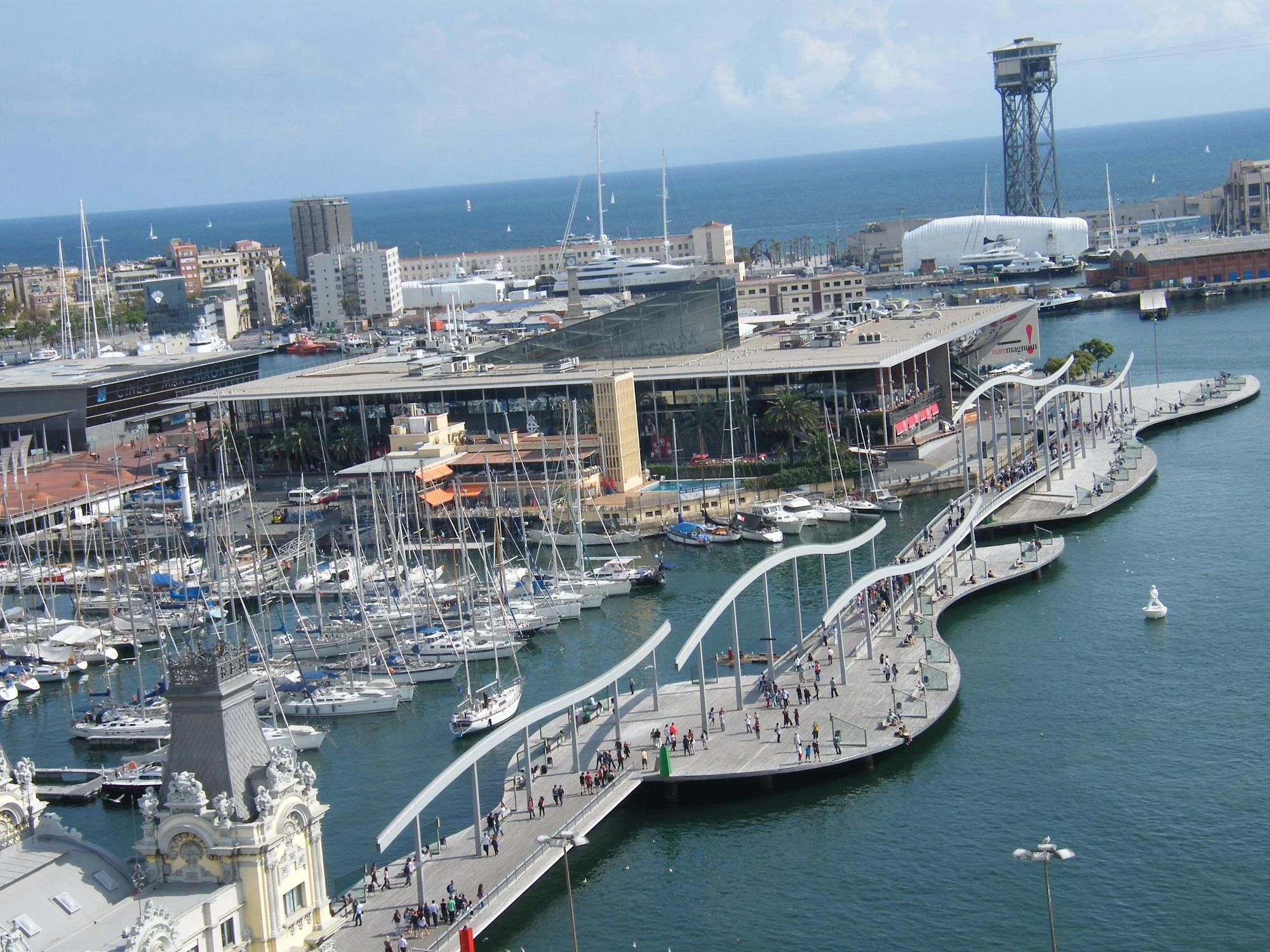
The Liceu Mar project is planned for Barcelona’s Port Vell waterfront, right where the city meets the Mediterranean Sea. It’s designed as a wider transformation of the area, reshaping the public spaces around it while also introducing a major new cultural venue.

According to the competition brief, the project aims to create a second venue for the Gran Teatre del Liceu, extending its cultural presence beyond the historic opera house in the city center. It is envisioned as a flexible space that can host opera, dance, education, and more experimental forms of performance.
Beyond performance programming, the project is intended to function as a more open cultural platform, accessible to a wider public than traditional opera institutions. This includes a focus on everyday use, public engagement, and cultural participation across different audiences.
A key part of the vision is the redesign of the waterfront itself, integrating architecture with public space. The goal is to increase permeability between the city and the sea, transforming the Port Vell area into a civic and cultural destination.
The Five Finalist Teams
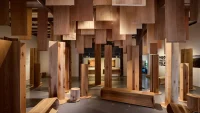
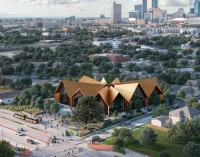
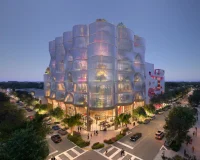
From 55 international submissions, five multidisciplinary teams were selected. Each combines global architectural firms with local Catalan collaborators:
- SANAA + Camps Felip Arquitectura
- Batlle i Roig + Snøhetta
- Barozzi Veiga + MAIO + Burgos & Garrido
- Sou Fujimoto + GRAS + Aldayjover
- David Chipperfield Architects + b720 + Creus e Carrasco
This mix reflects the competition’s intent to merge international design languages with local urban knowledge and context-sensitive planning.
Design Priorities for the Liceu Mar Competition
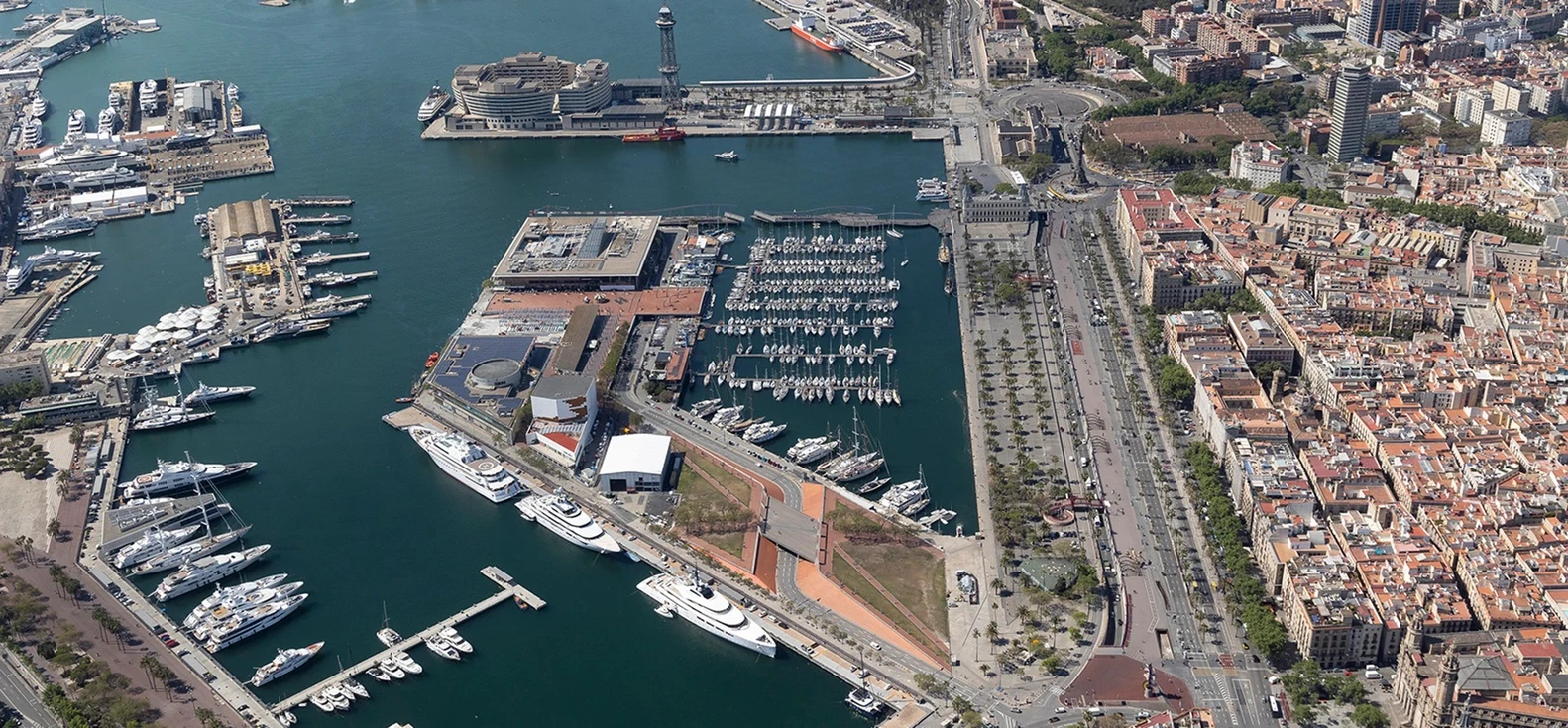
The competition is focused on a broader set of design priorities that shape how the project will work as both a building and a part of the city. The jury is closely examining each proposal’s integration with the waterfront, public accessibility, and site circulation.
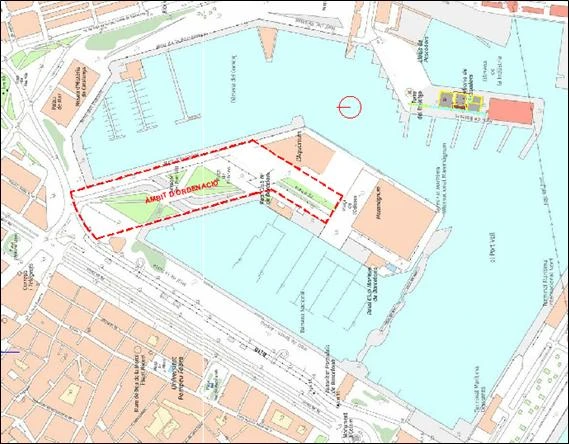
Another key factor is performance quality, especially the acoustic and technical requirements needed for opera, dance, and experimental stage productions. Alongside these factors, the relationship between the built structure and the surrounding public space is central, with an emphasis on creating a seamless connection between civic areas and the cultural venue.
User experience and long-term cultural flexibility are also important, ensuring the space can adapt to different types of events and audiences over time. Each team is therefore expected to deliver a fully integrated architectural and urban proposal rather than a standalone building. The winning design will move forward into detailed development stages, with all finalist entries planned for public exhibition as part of Barcelona’s role as World Capital of Architecture 2026.
Urban Vision: Expanding Culture Toward the Waterfront
Liceu Mar reflects a broader shift in Barcelona’s urban strategy, with a clear focus on transforming the waterfront into an active cultural corridor. The project is intended to strengthen the relationship between Port Vell and the city center, making the edge between land and sea more connected and continuous in everyday urban use.
It also aims to activate parts of the waterfront that are currently underused, bringing new life and activity into the area through a mix of cultural programming and public space. A key part of this vision is the introduction of new cultural infrastructure that can support both large-scale events and smaller, community-oriented activities.
In addition, the project is designed to support experimental and educational forms of art, expanding the role of culture beyond traditional performance formats. The ambition is to dissolve the boundaries between performance spaces, public areas, and the coastal landscape, creating a more open and fluid urban environment.
The shortlisted teams will now refine their proposals for the next stage of the competition. A winning design is expected to be announced in autumn 2026, after public review and jury evaluation.
Explore Courses
.jpg "Architecture Diagram Mastery: Concept to Portfolio")
.jpg%202.jpg "Building Performance with Forma & Opossum")
.jpg "Ondrej Chybik - Rethinking Architecture")