




What happens when one of the most familiar urban spaces is removed from the city street and placed in the middle of a harbor?
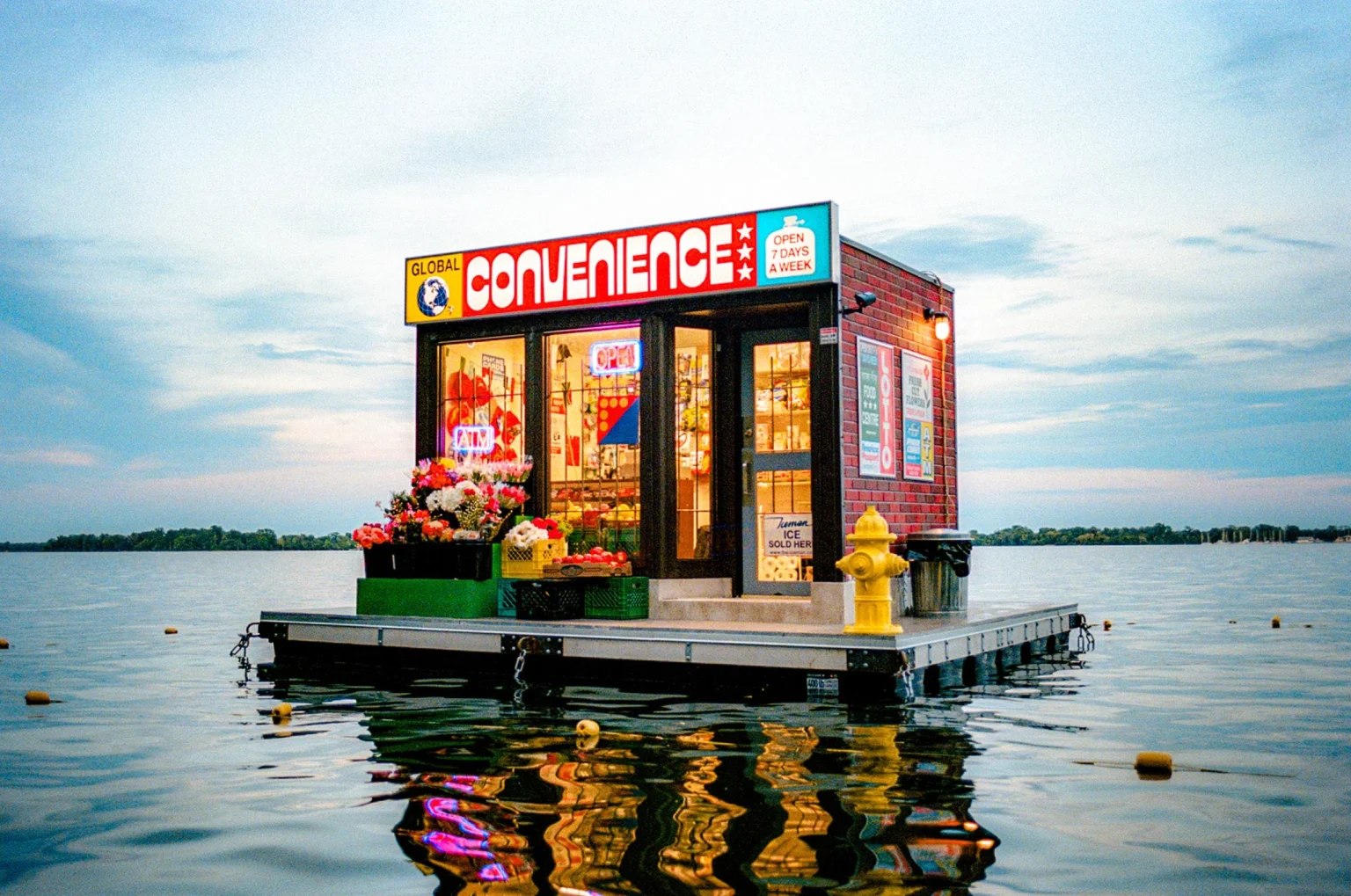
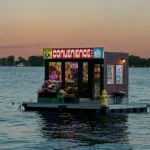
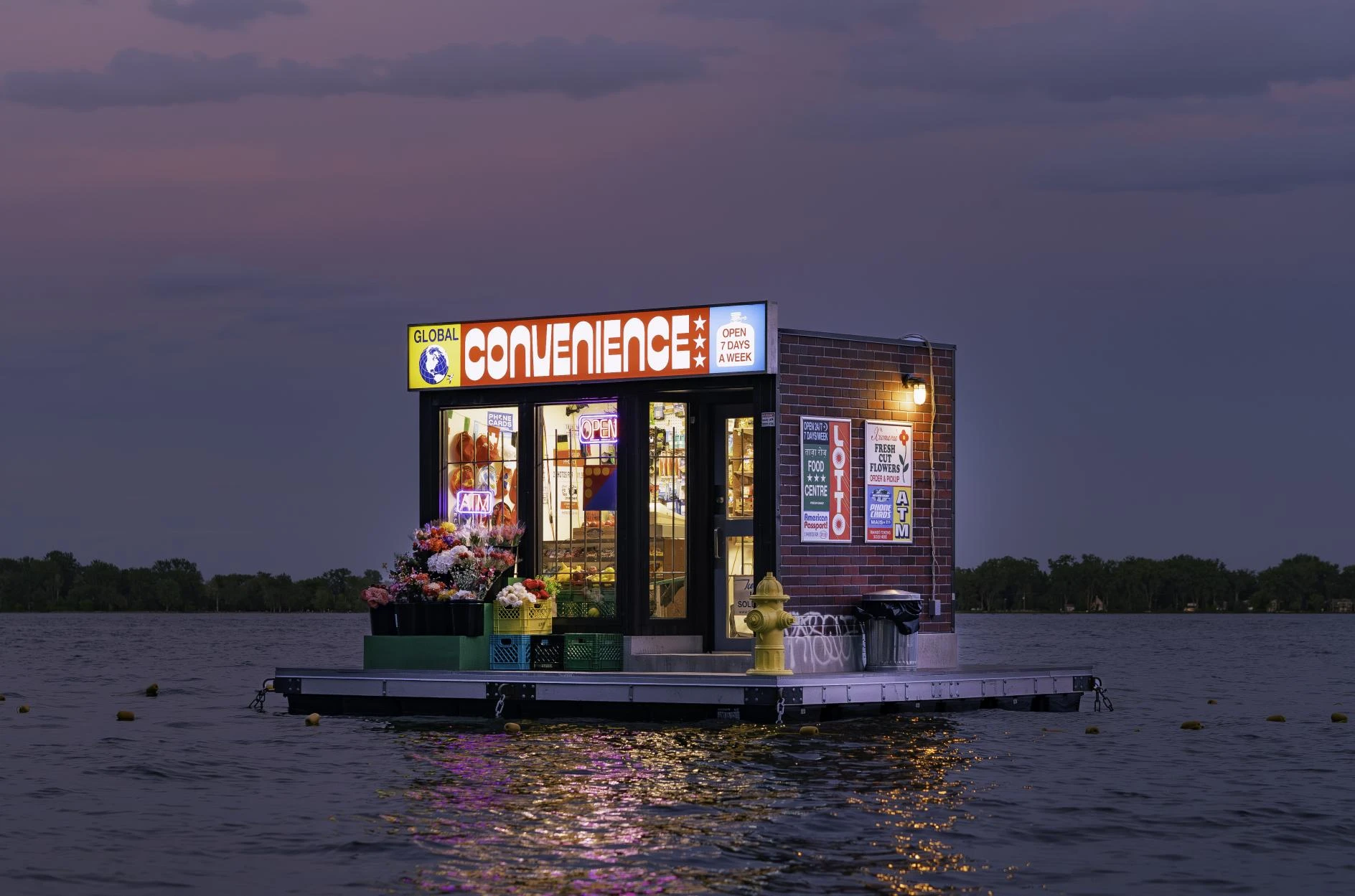
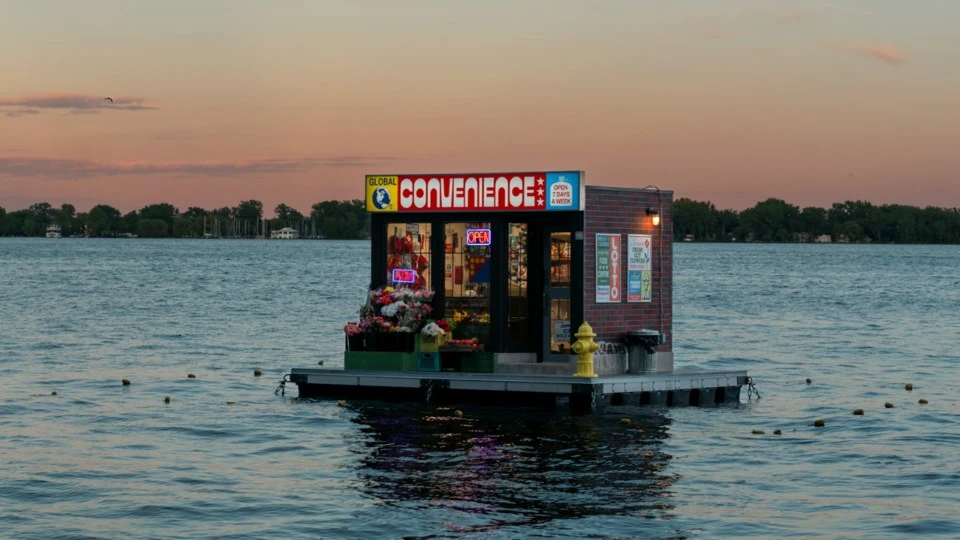
Visitors walking along Toronto’s waterfront this summer have been stopping in disbelief at the sight of a fully stocked floating convenience store gently bobbing on the waters of Harbour Square Basin. At first glance, it appears to be a functioning neighborhood shop. Look closer, however, and it reveals itself as something entirely different: a public art installation designed to spark conversations about culture, migration, trade, and the everyday spaces that shape urban life.
Named Global Convenience, the floating convenience store is part of Waterfront Toronto’s 2026 Floating Public Art Program and has quickly become one of the city’s most talked-about installations. Instead of selling snacks or household essentials, the project invites visitors to reflect on how ordinary places often become powerful symbols of community and belonging.
Why a Convenience Store?
The corner convenience store occupies a unique position in cities around the world. It is more than a retail outlet; it is often a neighborhood landmark, a meeting point, and a place where cultures intersect.
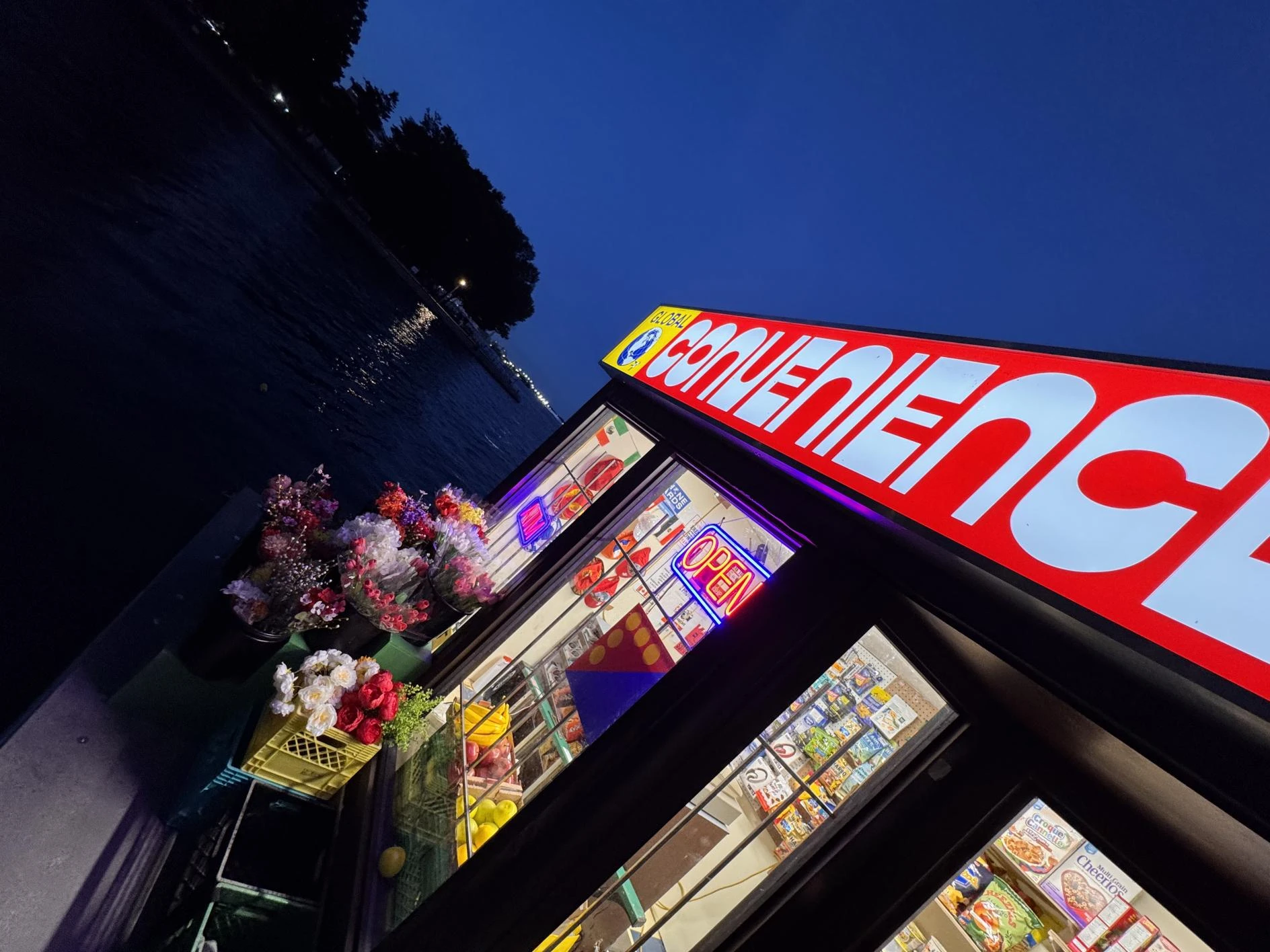
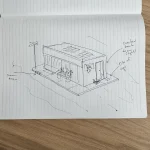
Toronto-based artists Trevor Wheatley and Cosmo Dean approached the project by reimagining the convenience store as a “cultural crossroads.” Their concept emerged as Toronto prepared to welcome visitors from across the globe for the 2026 FIFA World Cup. Instead of focusing on stadiums or tourism infrastructure, the designers chose an everyday urban typology that quietly reflects the city’s multicultural identity.
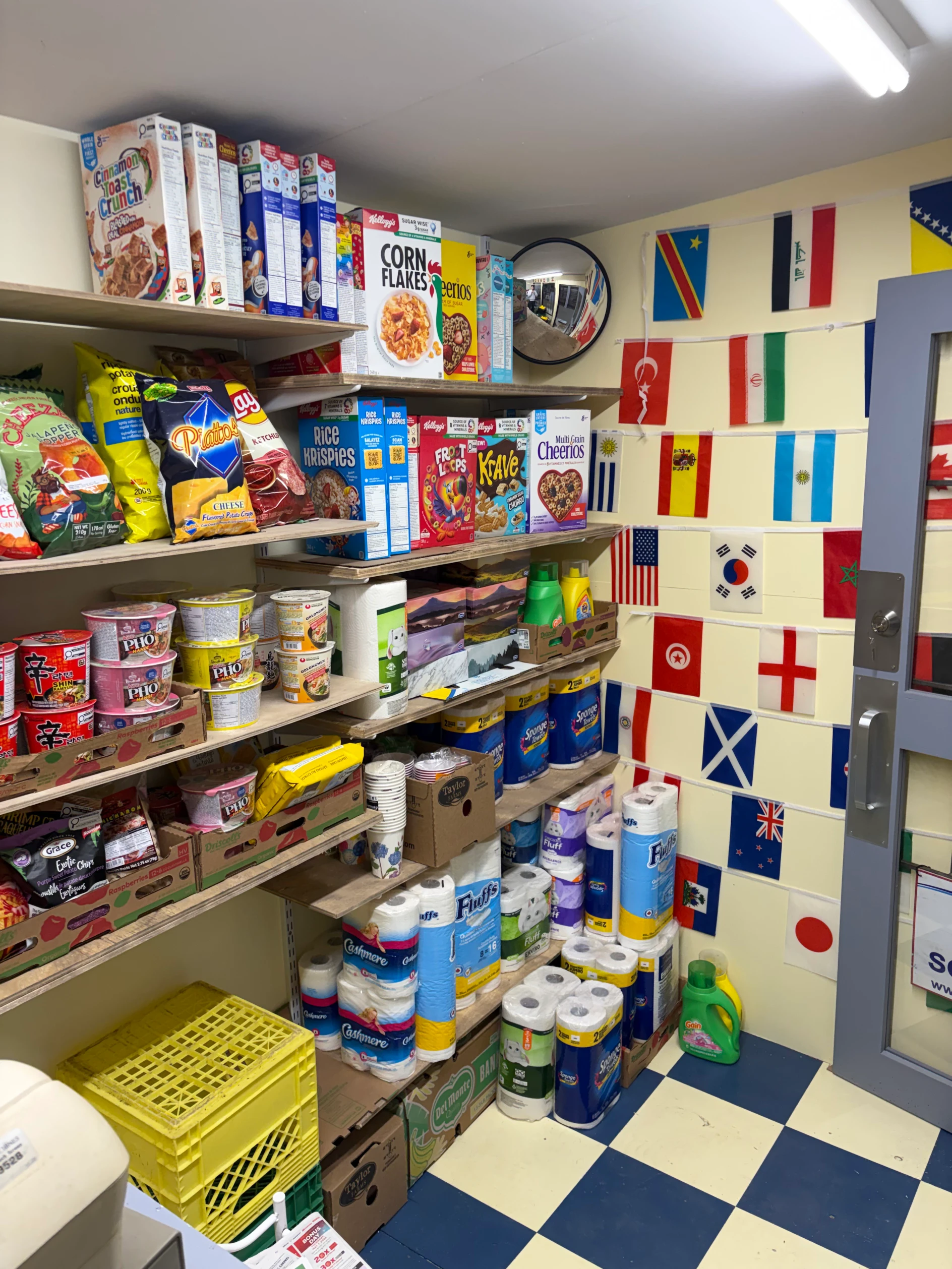
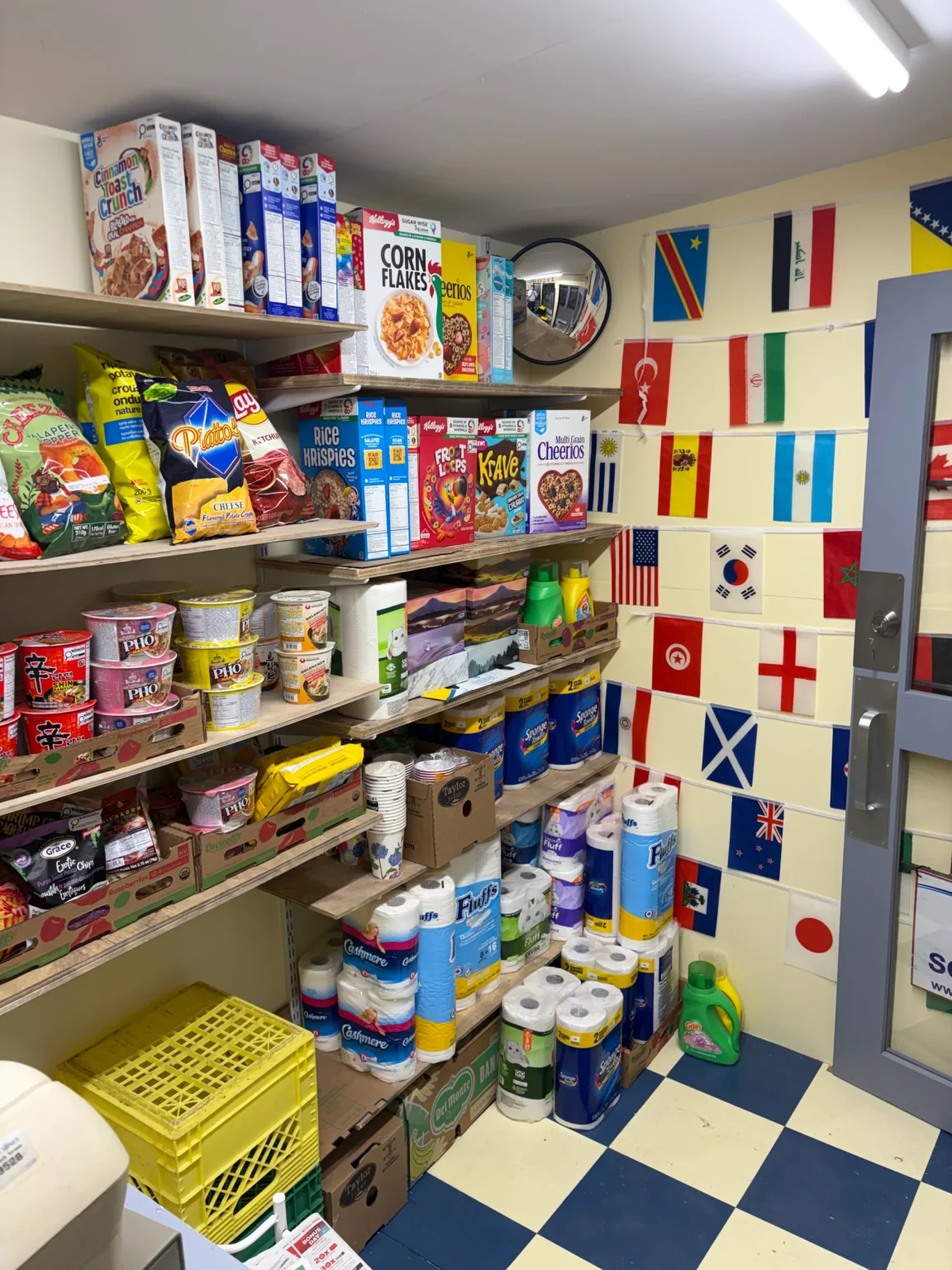
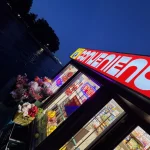
Inside the installation, shelves are filled with products and visual references representing different countries and communities. The carefully curated assortment transforms the familiar convenience store into a miniature portrait of global exchange, highlighting how cultures travel, mix, and become embedded within neighborhood life.
Why Is the Store Floating?
Perhaps the most intriguing question surrounding the project is why the structure was placed on water rather than land.
The answer lies in Toronto’s history as a waterfront city. Water has long functioned as a medium of movement, trade, migration, and cultural exchange. By positioning the floating convenience store in Toronto Harbor, the artists intentionally connect the neighborhood shop with broader narratives of arrival and connection.
The installation creates a striking visual contradiction. A building type normally embedded within busy streets and residential blocks suddenly appears detached from its expected context. This displacement encourages viewers to reconsider a space they would ordinarily overlook.
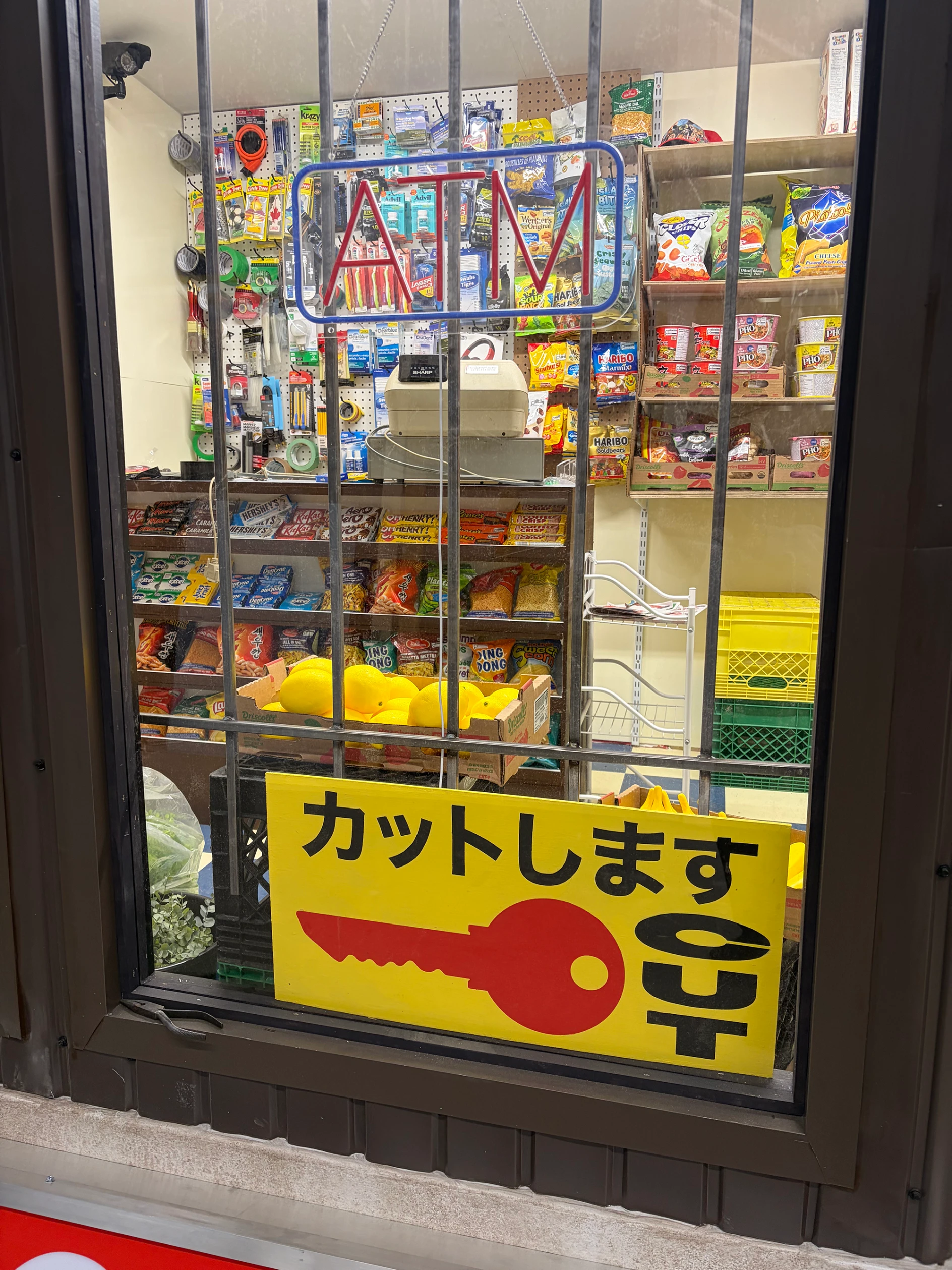
As the designers explain, the project transplants an everyday urban typology into an unexpected environment, transforming a familiar structure into something worthy of renewed attention.
Designing a Floating Convenience Store
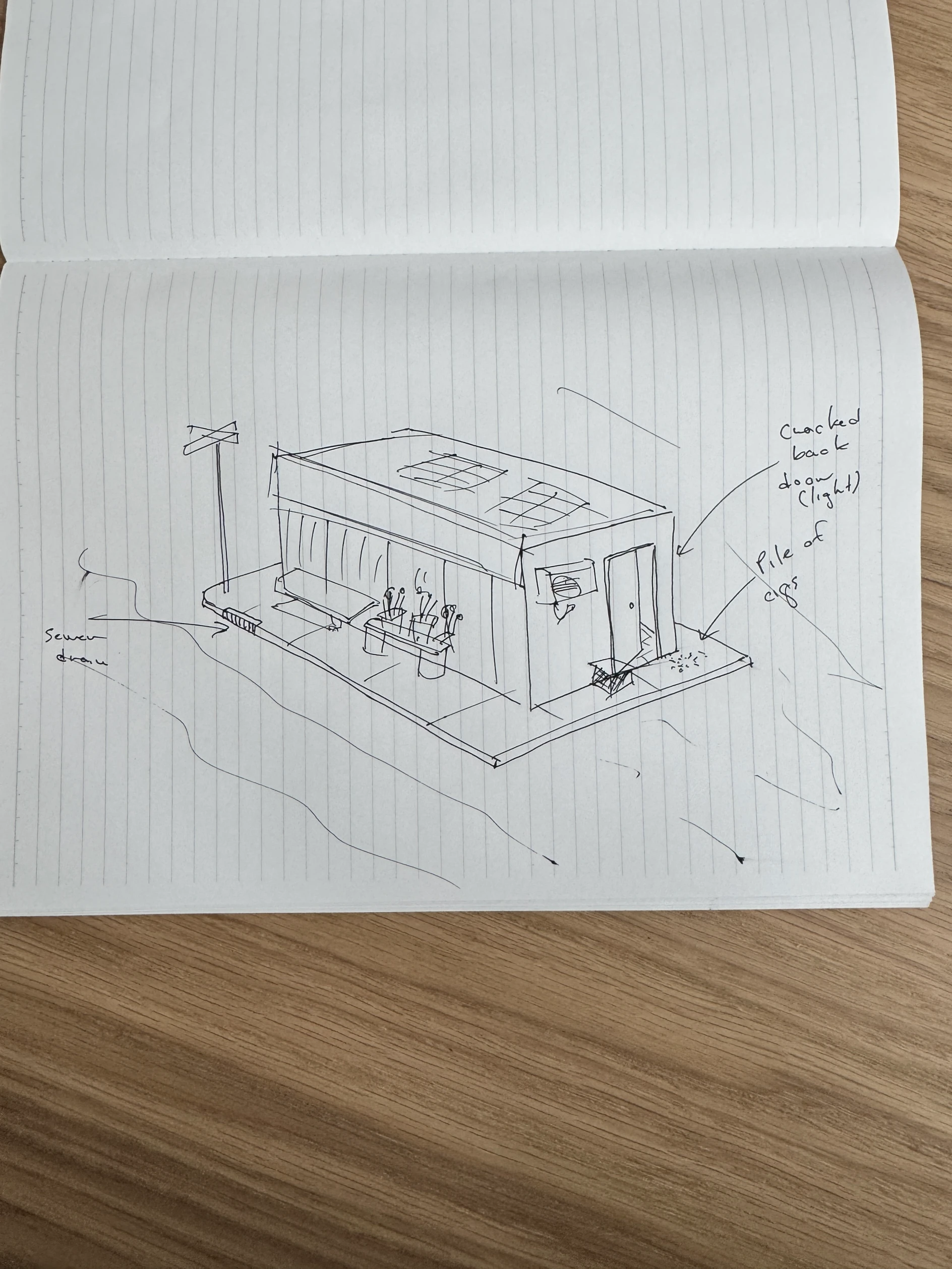
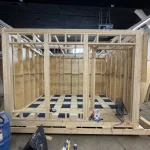
While the installation appears effortless from a distance, designing a floating convenience store required significant technical planning.
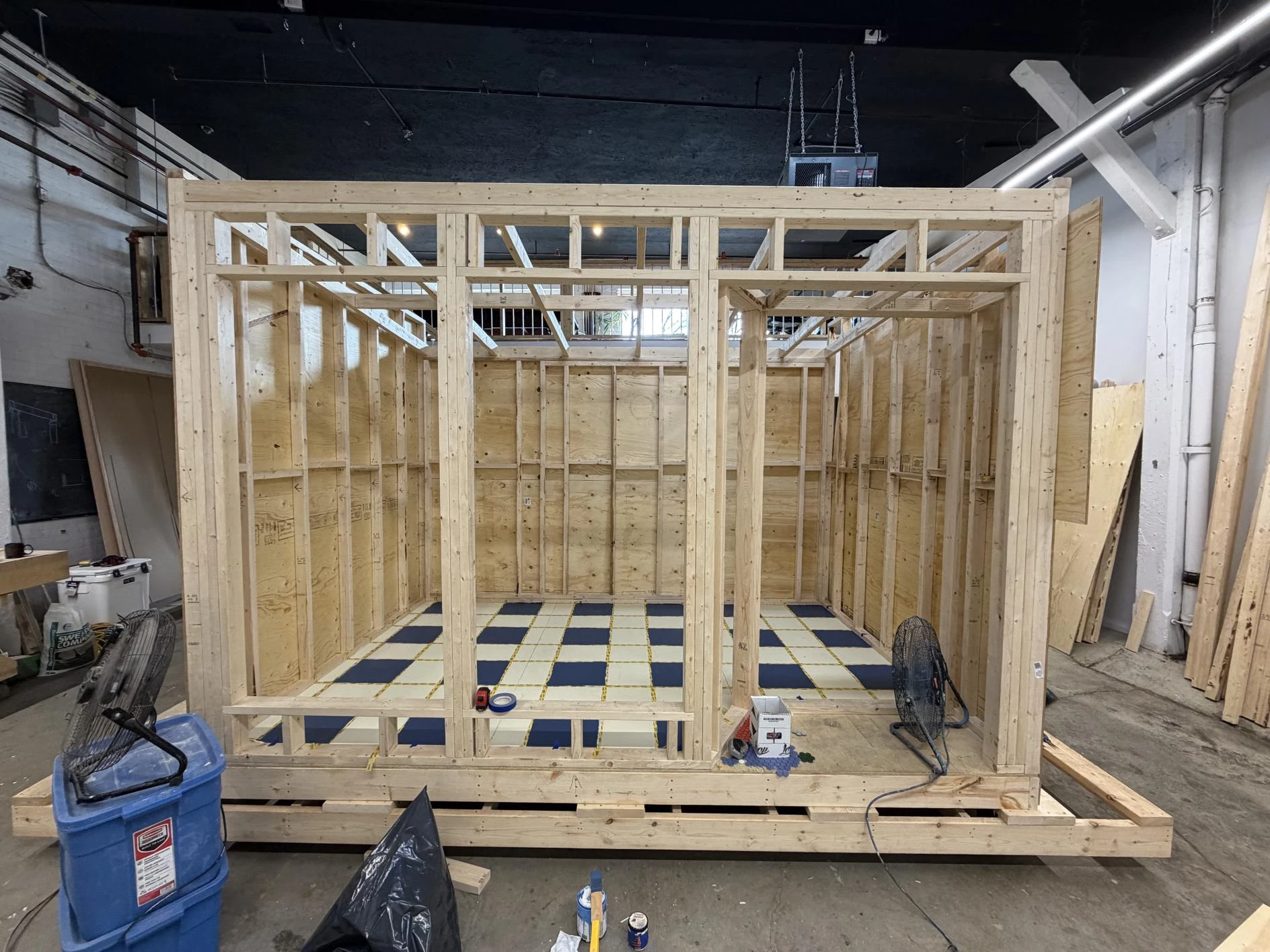
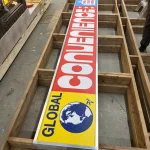
Unlike a conventional building, the structure had to respond to issues of buoyancy, weight distribution, weather exposure, and stability on water. Every design decision, from construction materials to interior components, had to account for the realities of a floating platform. The challenge was not simply creating an artwork but creating one capable of functioning safely within a marine environment.
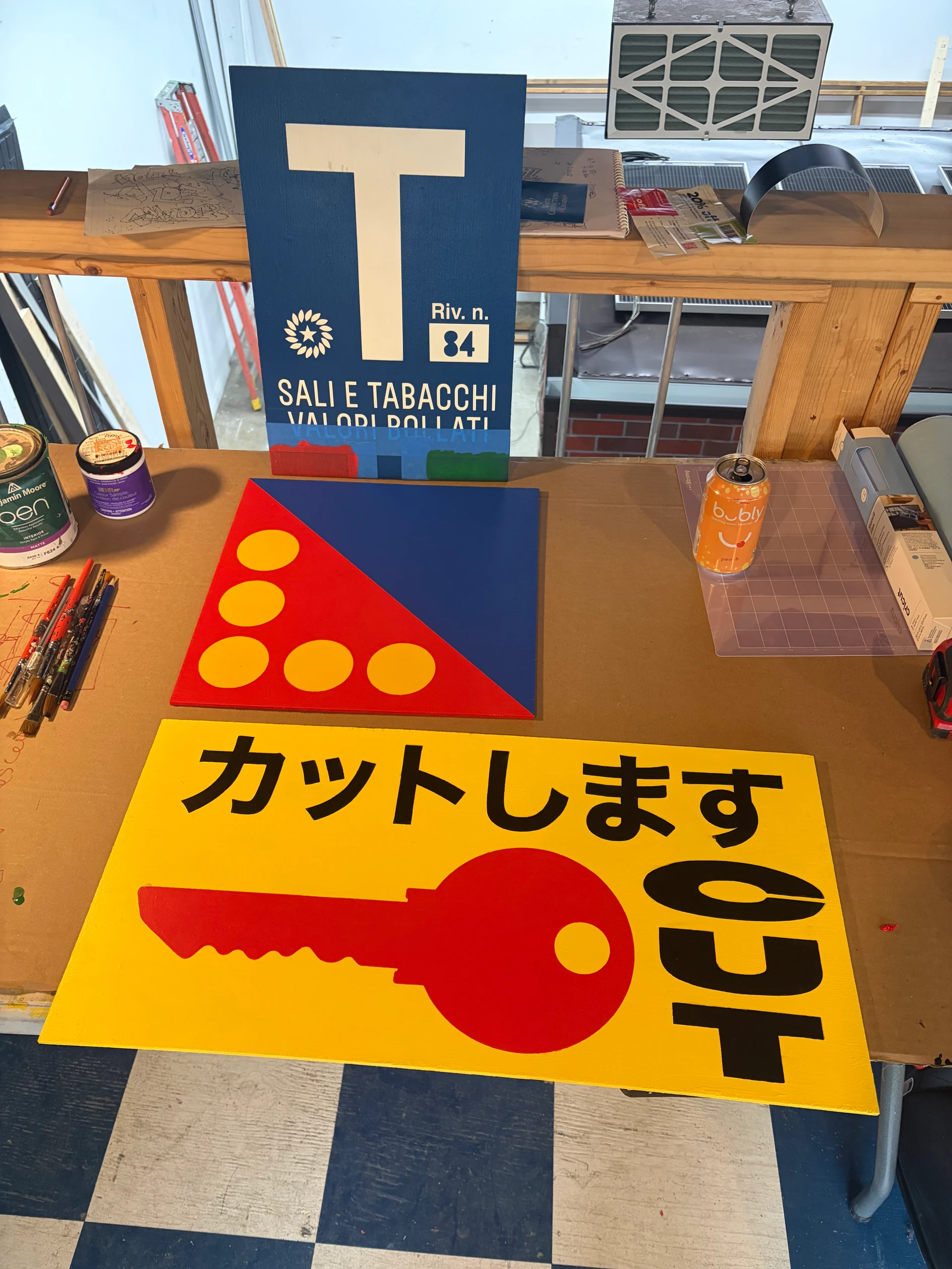
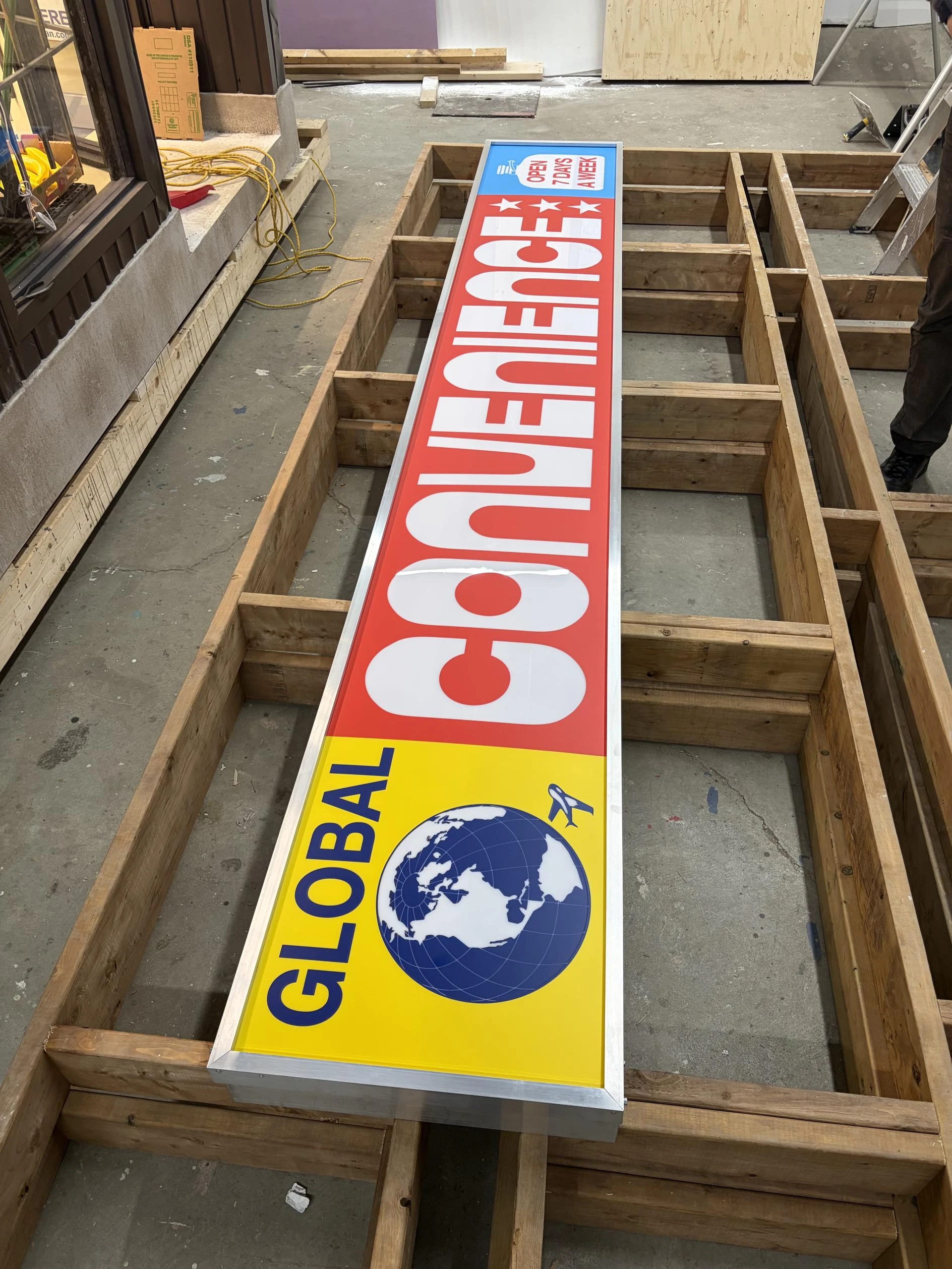
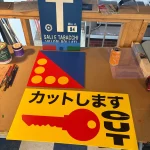
The project was developed by Trevor Wheatley and Cosmo Dean in collaboration with Puncture, the creative practice led by Rashad Maharaj and Spencer Cathcart. Together, they transformed a recognizable architectural form into a public installation that remains visually authentic despite its unusual location.
Designed to Be Seen
One of the installation’s most fascinating aspects is that visitors cannot enter it.
Although the floating convenience store appears fully operational, it remains intentionally inaccessible. This decision shifts attention away from consumption and toward observation. Viewers are encouraged to engage with the idea of the store.
The result is an architectural object suspended between reality and fiction. It looks familiar enough to trigger recognition yet remains distant enough to provoke curiosity.
How Public Art Is Reshaping Toronto Harbor
Global Convenience is the sixth project commissioned through Waterfront Toronto’s Floating Public Art Program, an initiative that has steadily transformed the harbor into an open-air gallery. Selected through an open competition, the installation continues the program’s mission of using public art to activate the waterfront and encourage new forms of engagement with urban space.
As daylight fades, solar-powered lighting illuminates the structure, ensuring its presence remains visible across the harbor after sunset. The glowing storefront becomes a beacon on the water, reinforcing the installation’s role as both landmark and conversation starter.
From Everyday Shop to Public Art Installation
The success of Global Convenience lies in its ability to transform a mundane urban fixture into a reflection of contemporary city life.
At a time when architecture and public art increasingly seek meaningful ways to engage communities, the floating convenience store demonstrates how familiar spaces can reveal deeper stories about identity, migration, trade, and belonging. By placing a neighborhood landmark in the middle of Toronto Harbor, the designers have created an installation that feels simultaneously ordinary and extraordinary.
It is a reminder that some of the most powerful design ideas emerge from looking at cities’ everyday spaces from an entirely new perspective.
Image source: Creative Boom