

On World Cities Day 2025, the historic city of Kashan, located in central Iran, was officially admitted into the UNESCO Creative Cities Network (UCCN) in the newly recognized category of architecture. This decision was made during the 43rd UNESCO General Conference in Samarkand, Uzbekistan, marking a major milestone in Kashan’s cultural and urban history.
A Historic Recognition
The announcement came through Hassan Fartousi, secretary-general of Iran’s National Commission for UNESCO, in the presence of Iran’s science minister, Hossein Simaei-Sarraf. Their diplomatic efforts followed sustained local initiatives, including a “Kashan: Creative City” conference held at the University of Kashan to align the city’s architectural heritage with UNESCO’s criteria for creative cities. Kashan’s induction is significant because 2025 marks the first time UNESCO has officially recognized architecture as a distinct “creative” field in its network, elevating the category alongside more established ones like crafts, gastronomy, literature, and music.
Why Kashan Deserves This Title
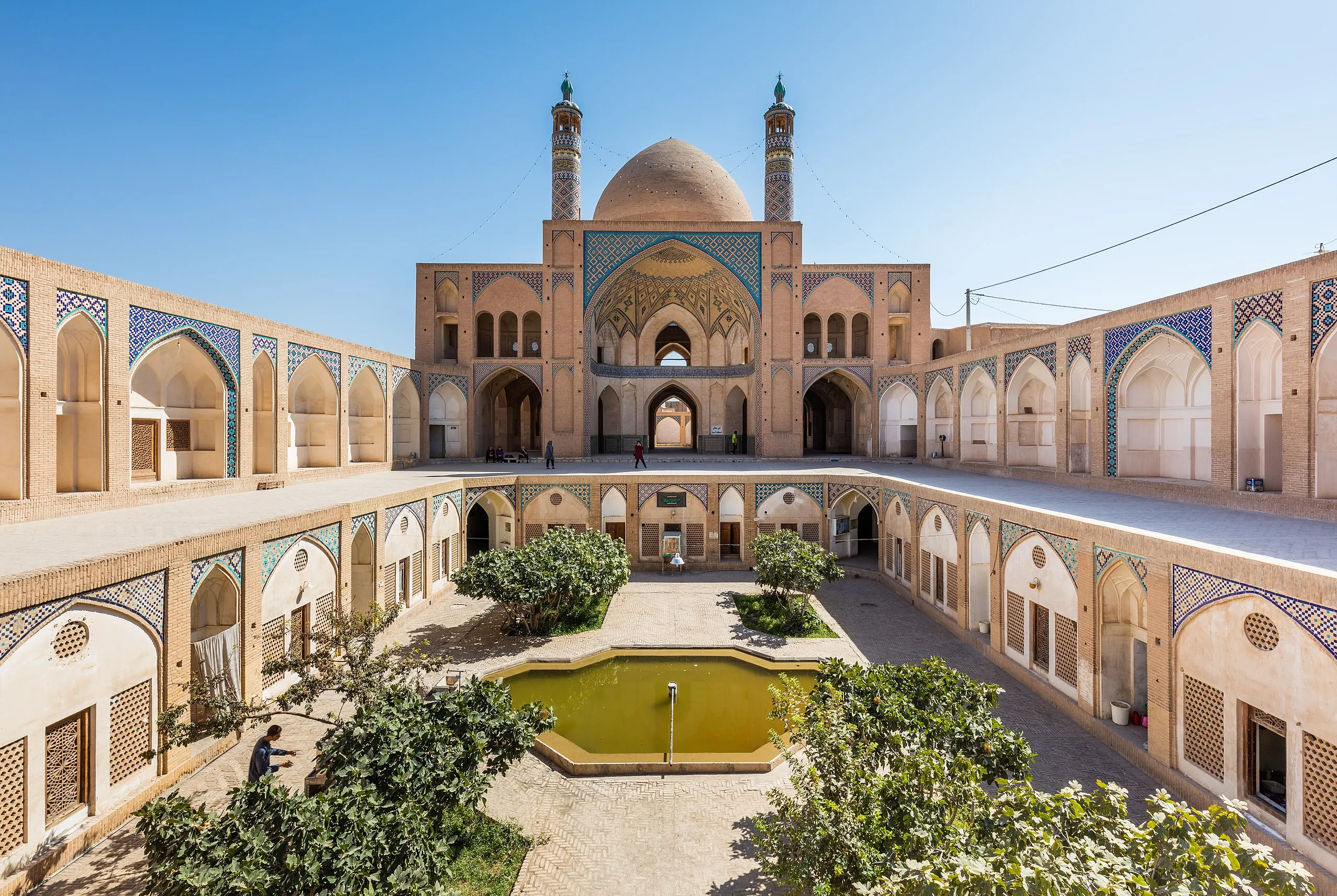
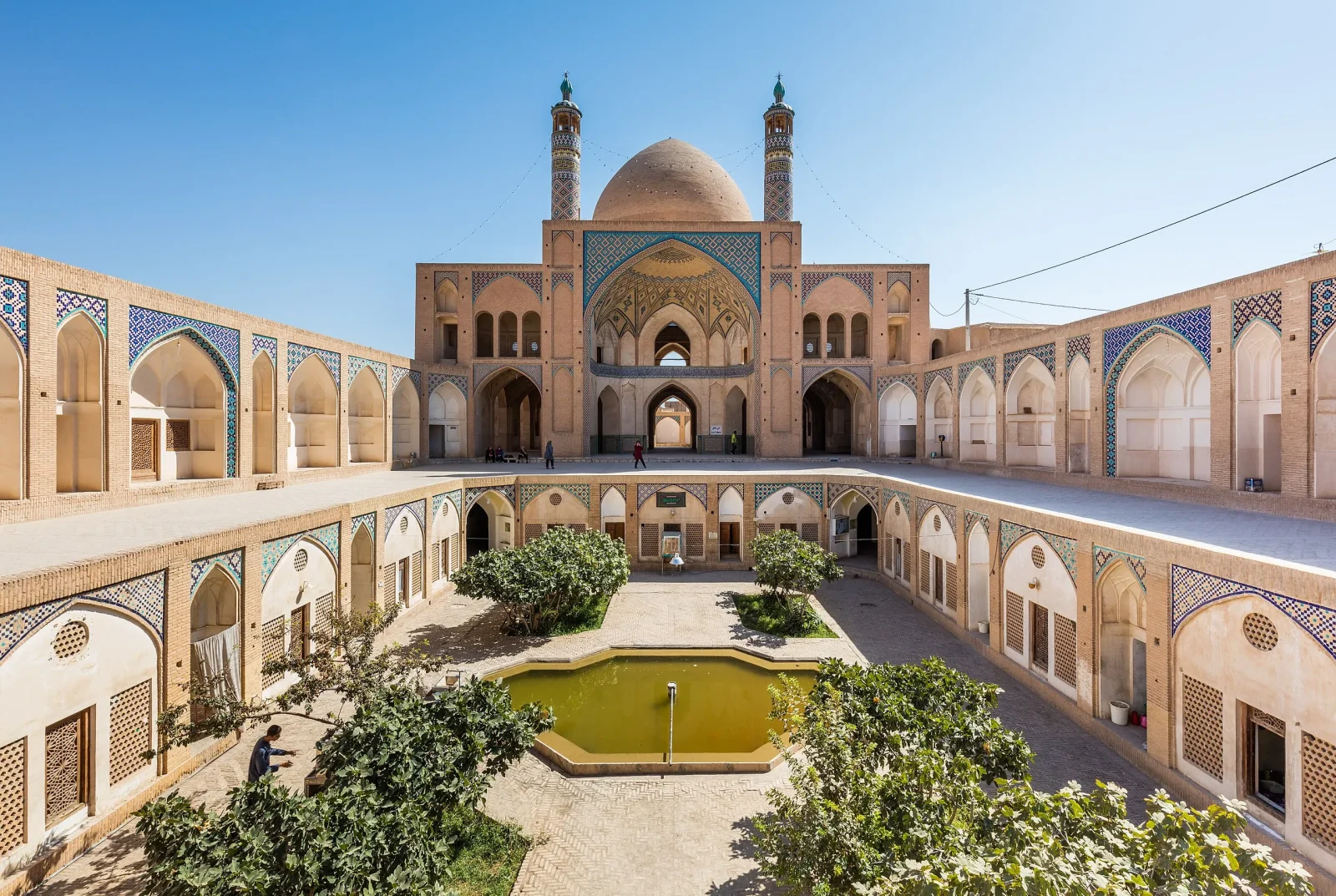
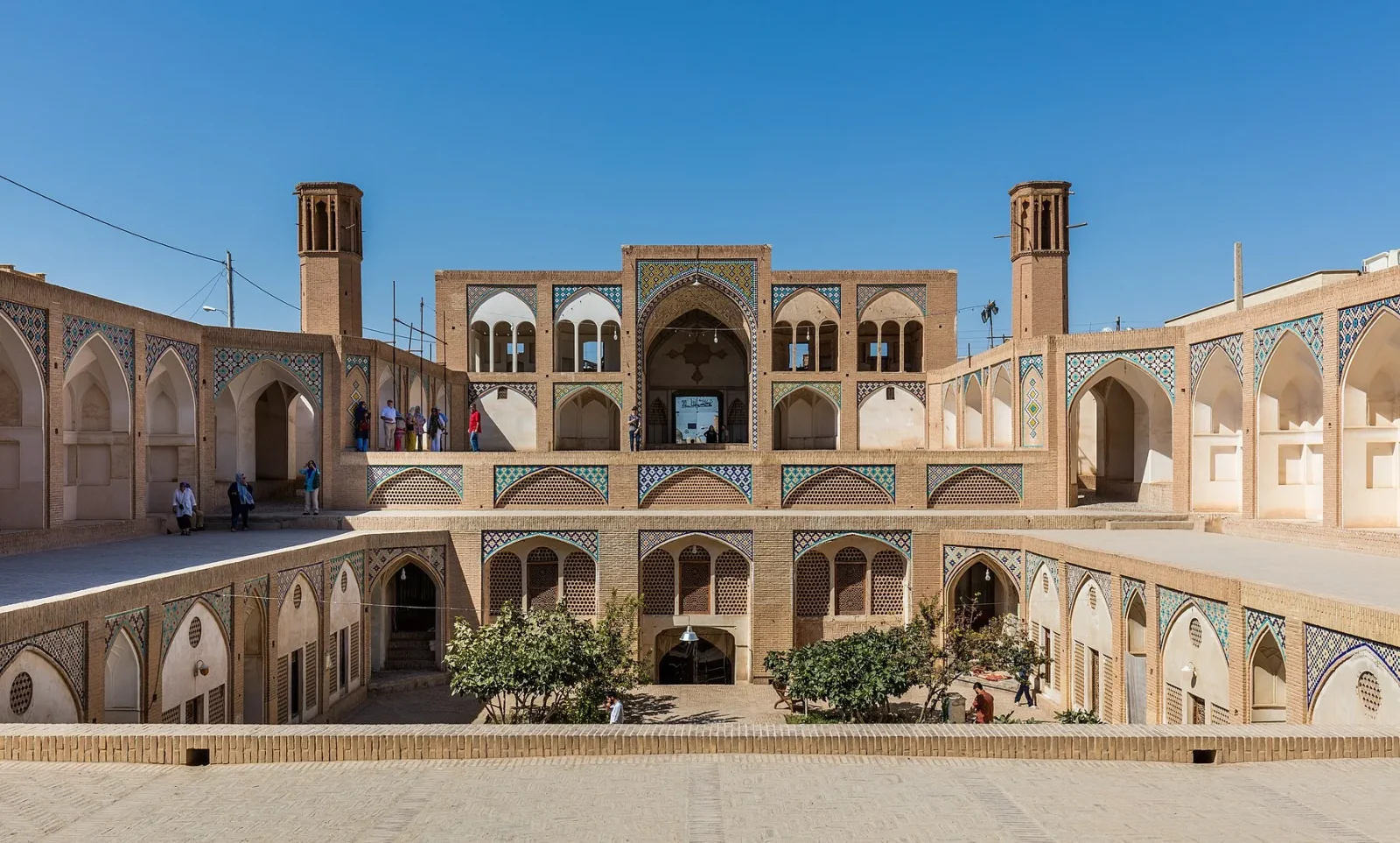
Kashan stands as a living record of Iranian Islamic architecture. The city blends centuries of craftsmanship, smart desert planning, and thoughtful urban design. Its streets and neighborhoods carry the weight of history, yet they still feel alive and connected to their roots. With more than 1,700 historic monuments, including over 300 protected at the national level, it holds one of the richest architectural collections in Iran.
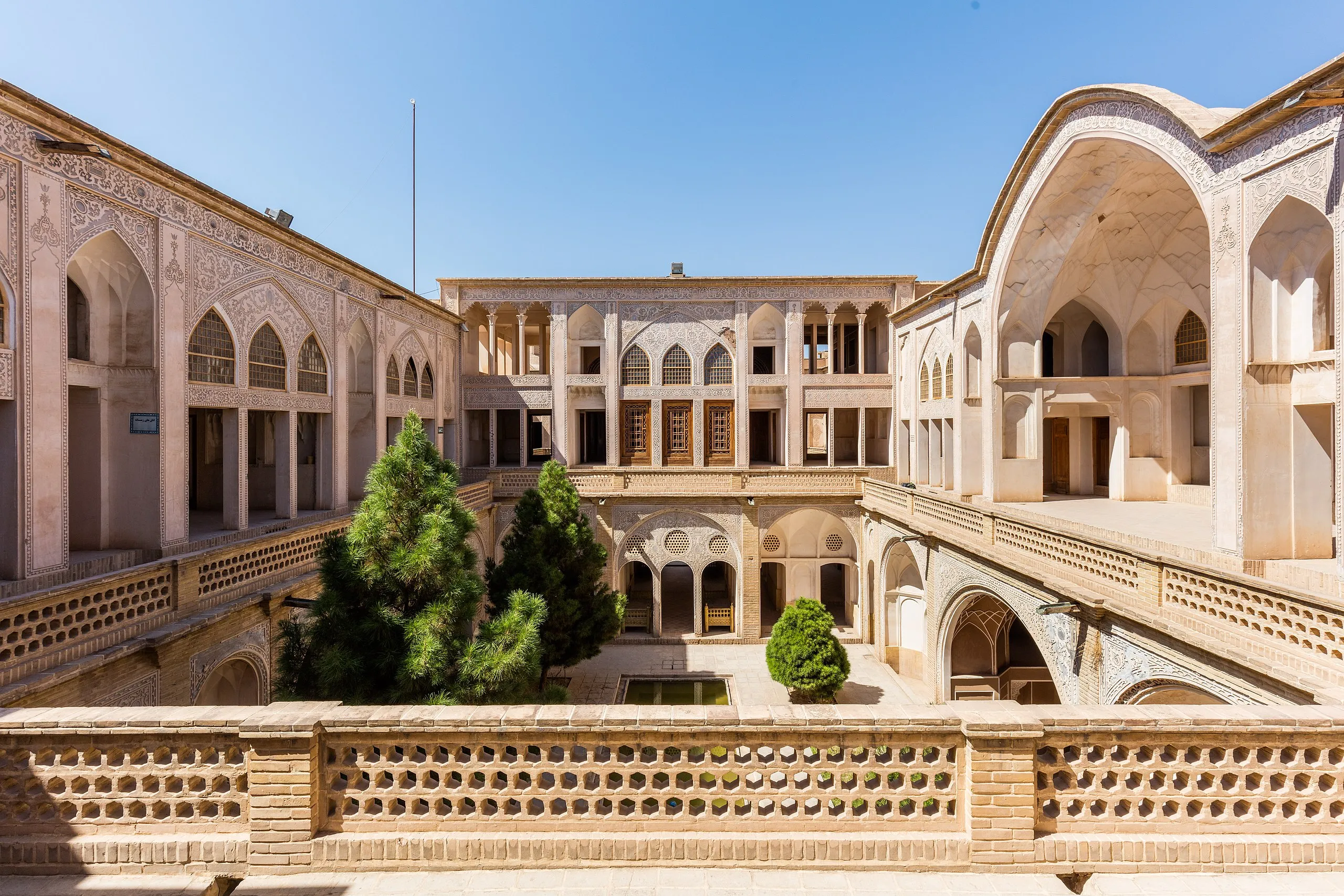
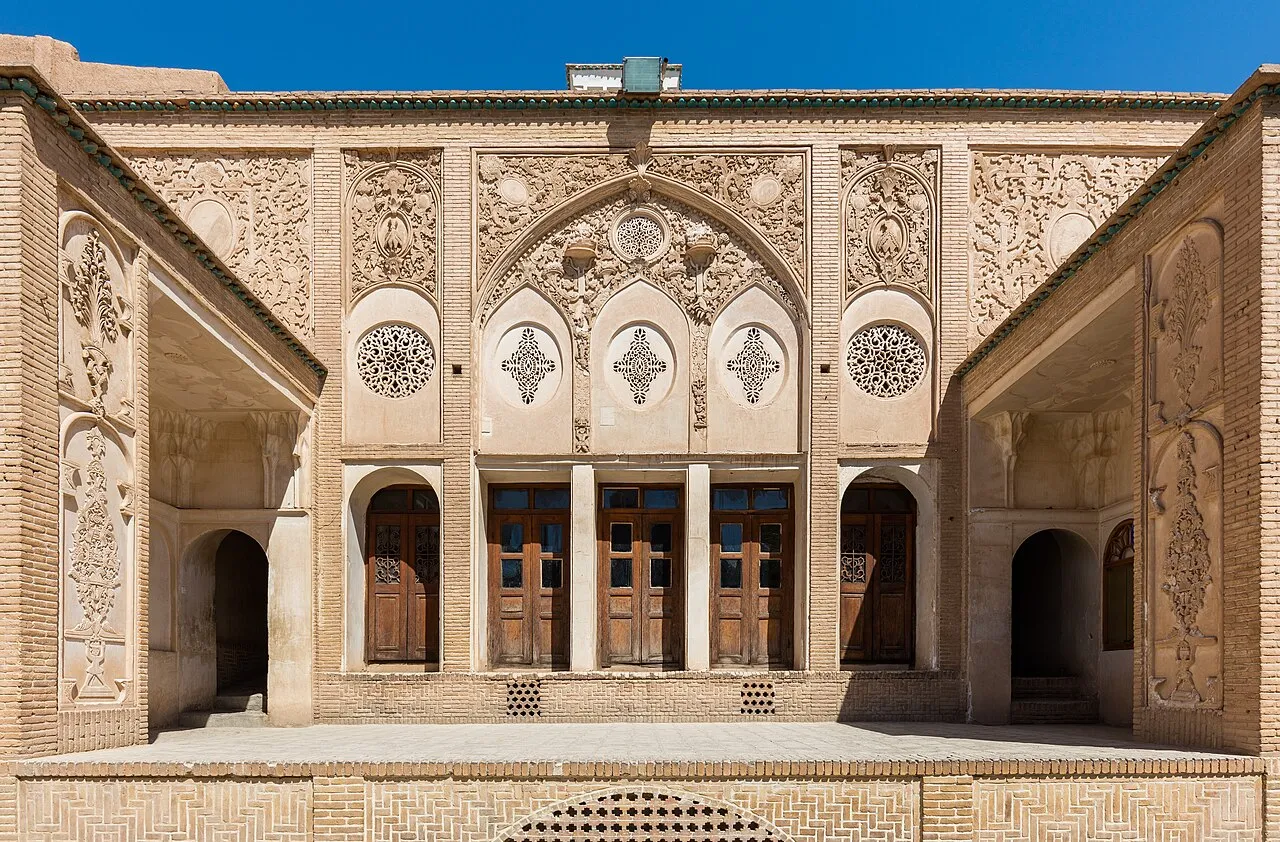
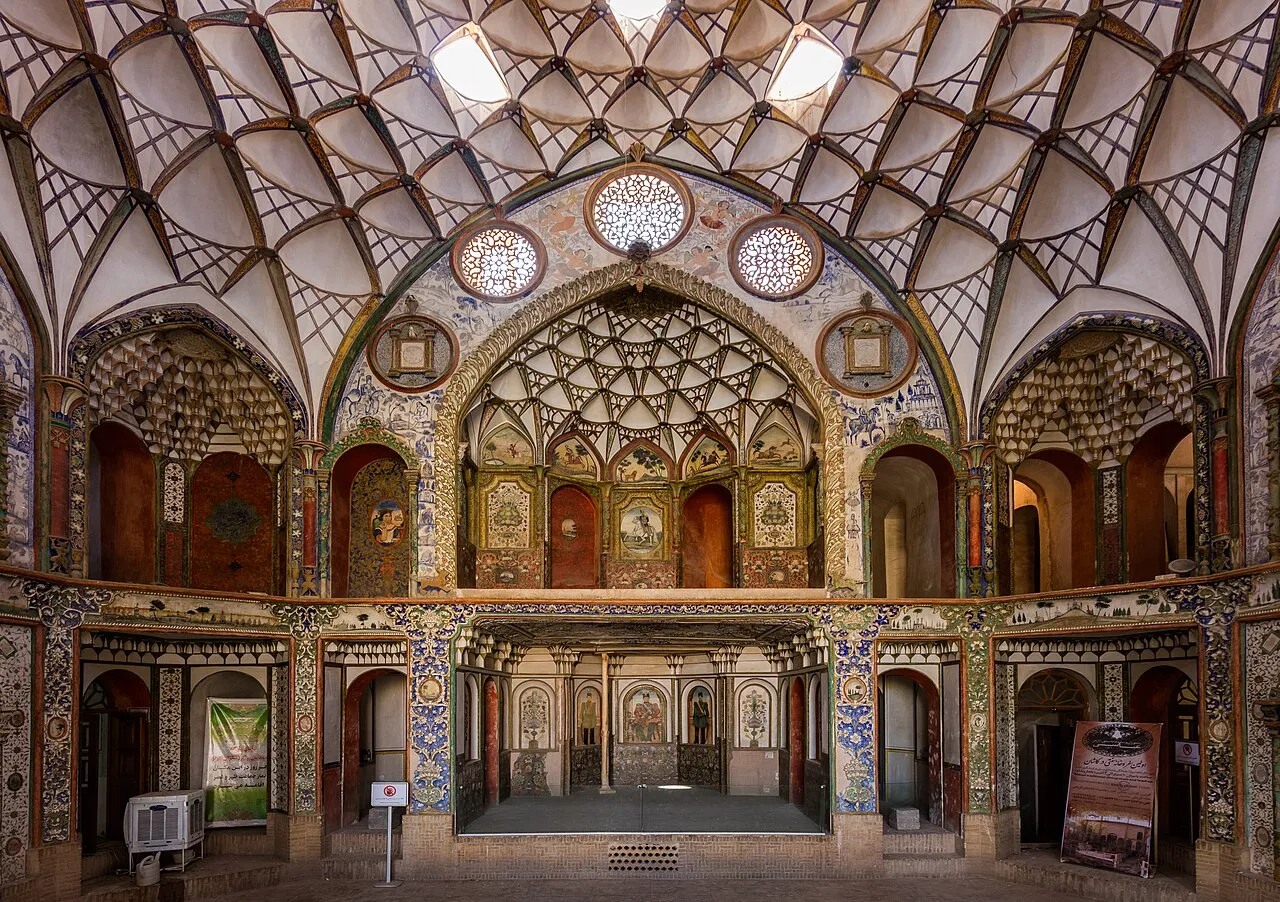
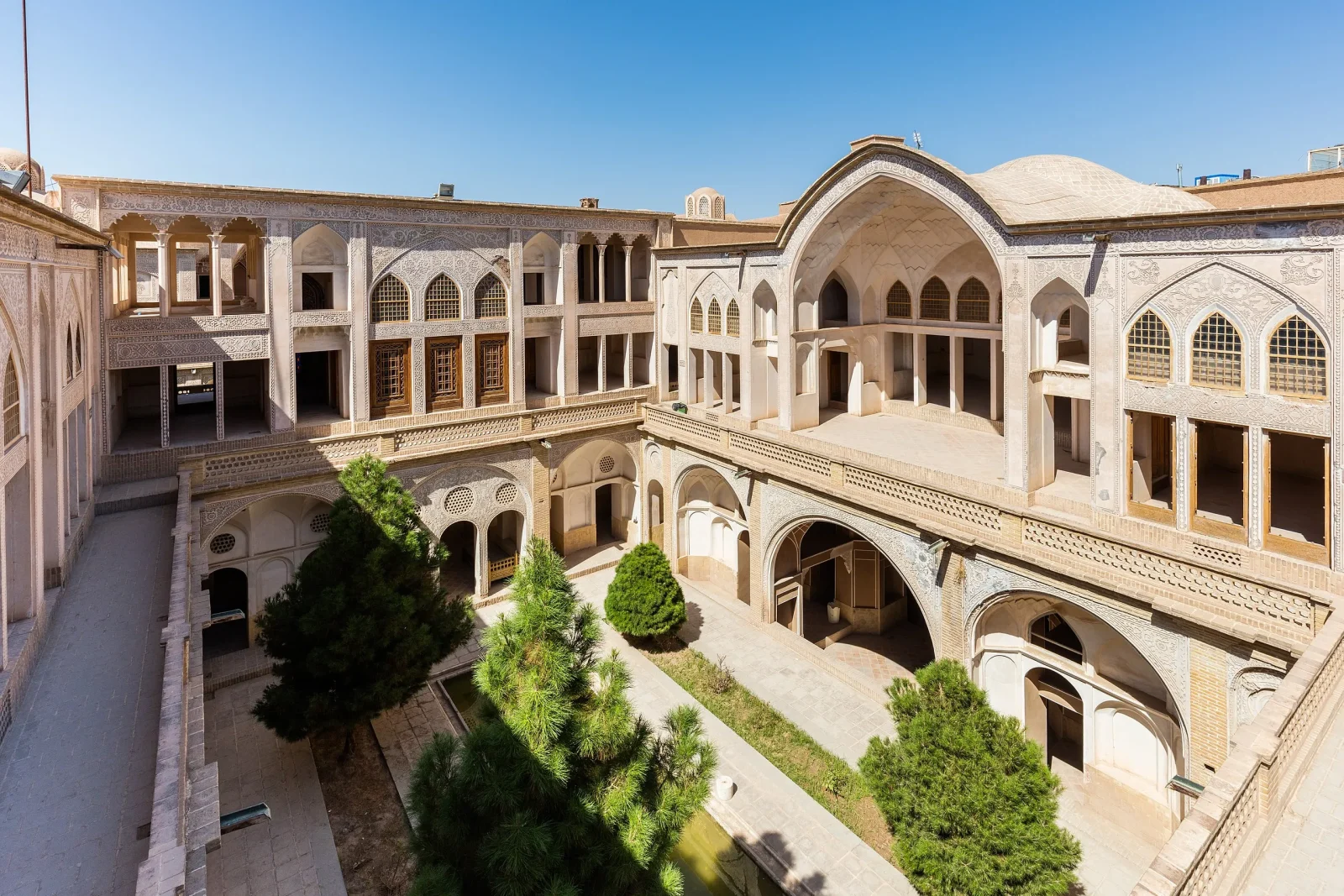
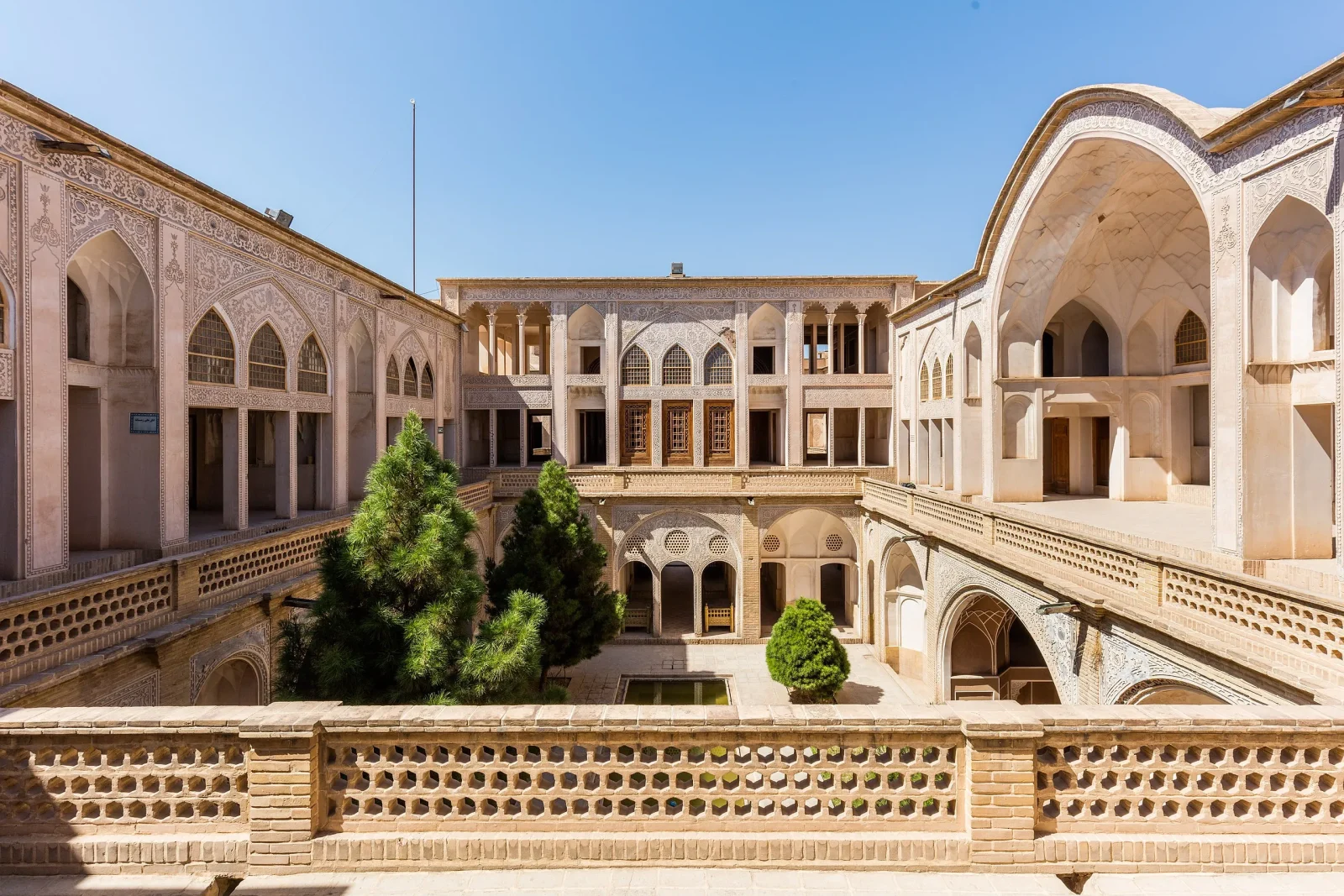
Two of its most iconic structures, the Abbasi House and the Borujerdi House, show why the city commands global attention. Their open courtyards, carved plasterwork, colored glass, and intricate cooling systems highlight both beauty and engineering skill. These homes were designed to keep residents comfortable long before modern technology existed, proving how advanced the region’s architectural thinking has always been.
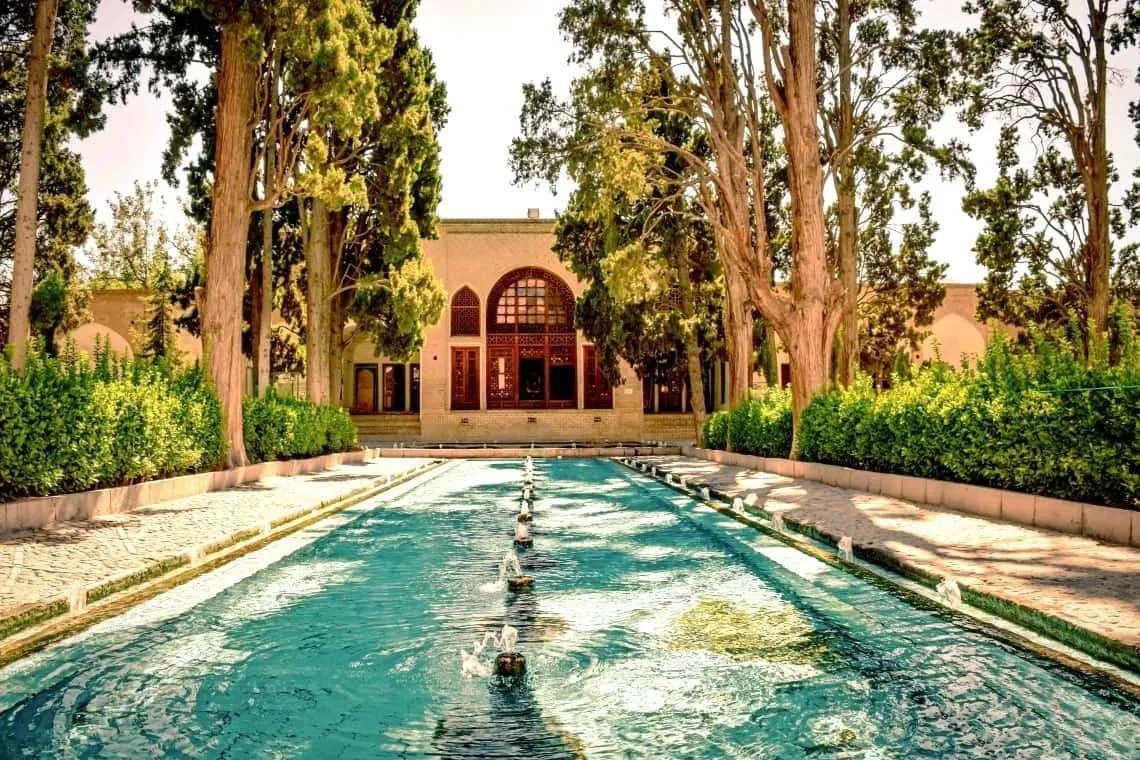
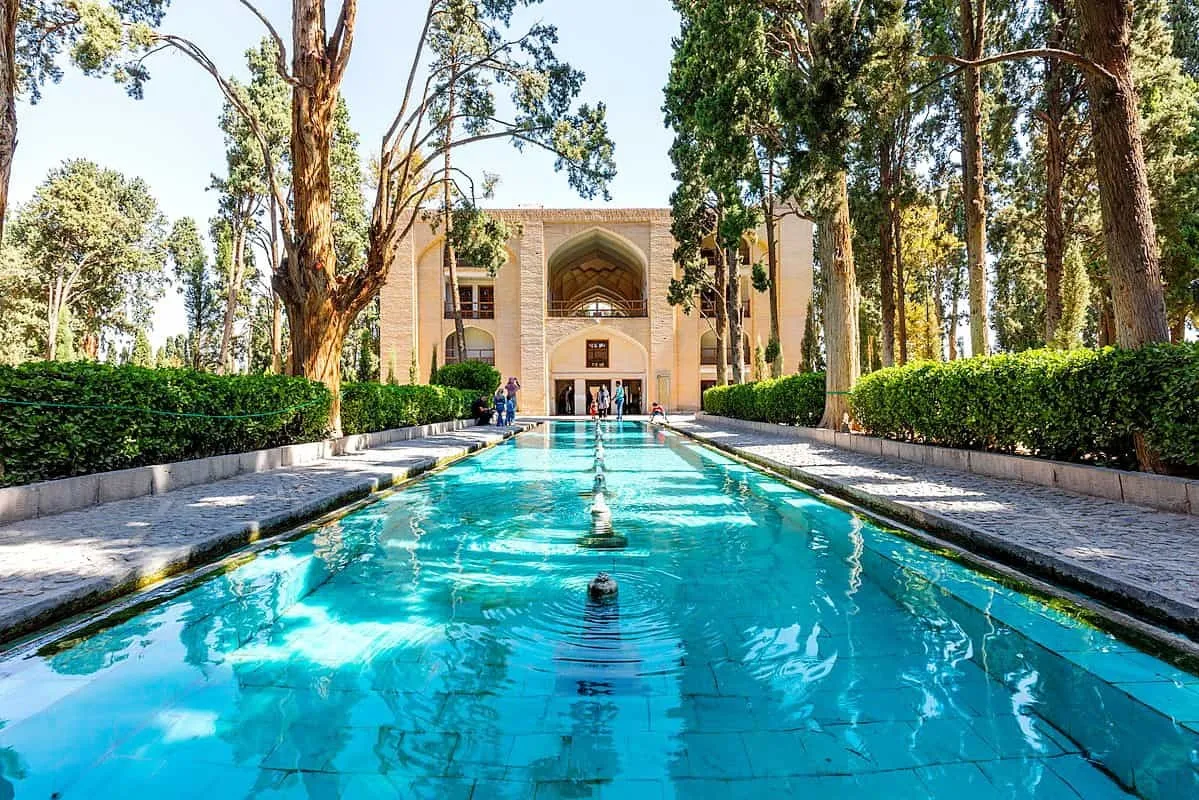
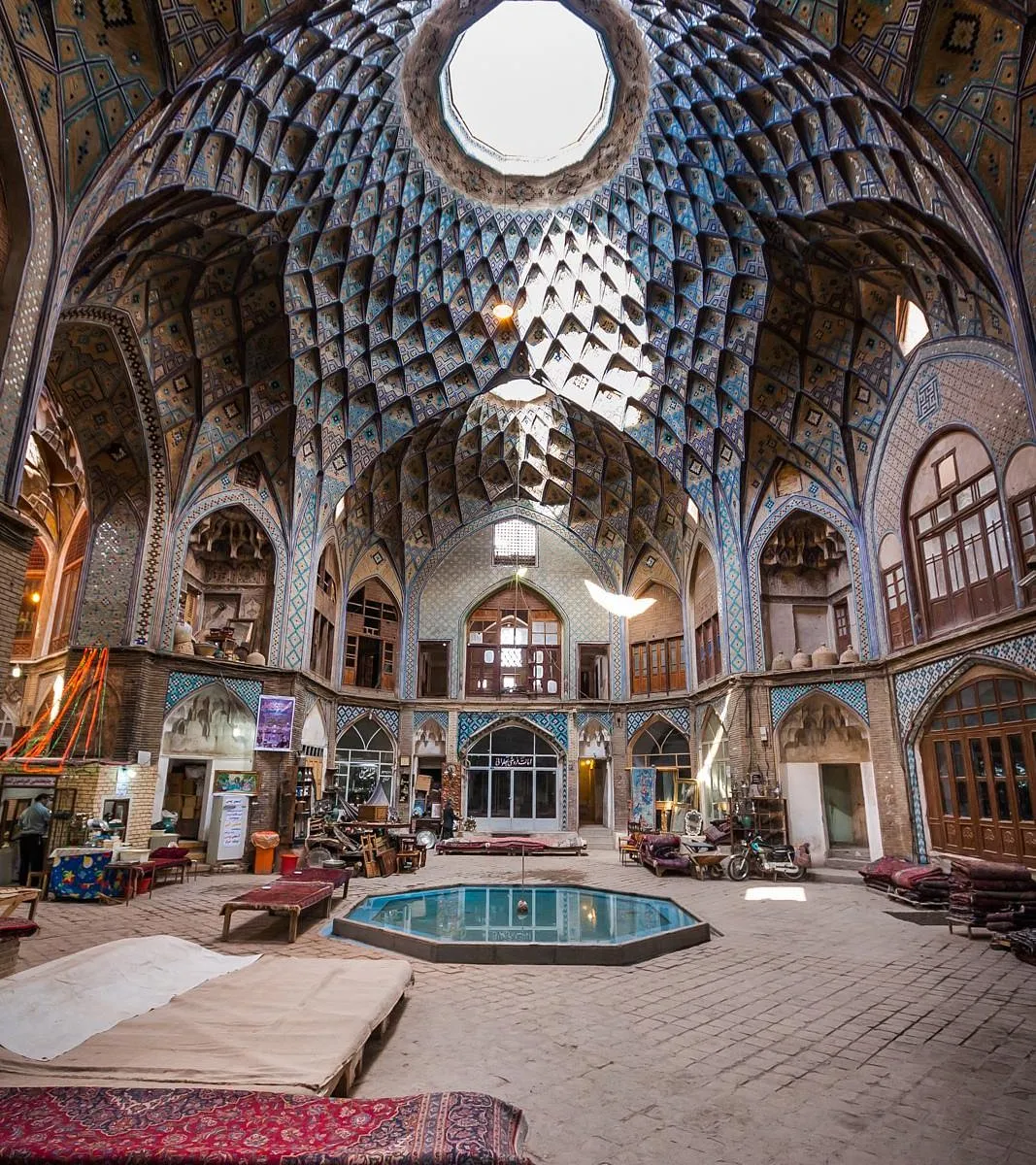
The Fin Garden adds another layer. Recognized by UNESCO, it brings together water, shade, landscape design, and mathematical precision. Its channels, fountains, and tall cypress trees create a carefully balanced environment that offers relief in the middle of an arid climate. The garden shows how science and creativity worked hand in hand to shape public spaces. Bazaars also play a major role in its architectural identity. The vaulted corridors still house copper masters, carpet weavers, and potters who carry on traditions passed down for generations. Their workshops bring warmth and activity to the historic buildings around them, keeping the city’s creative spirit visible and accessible.
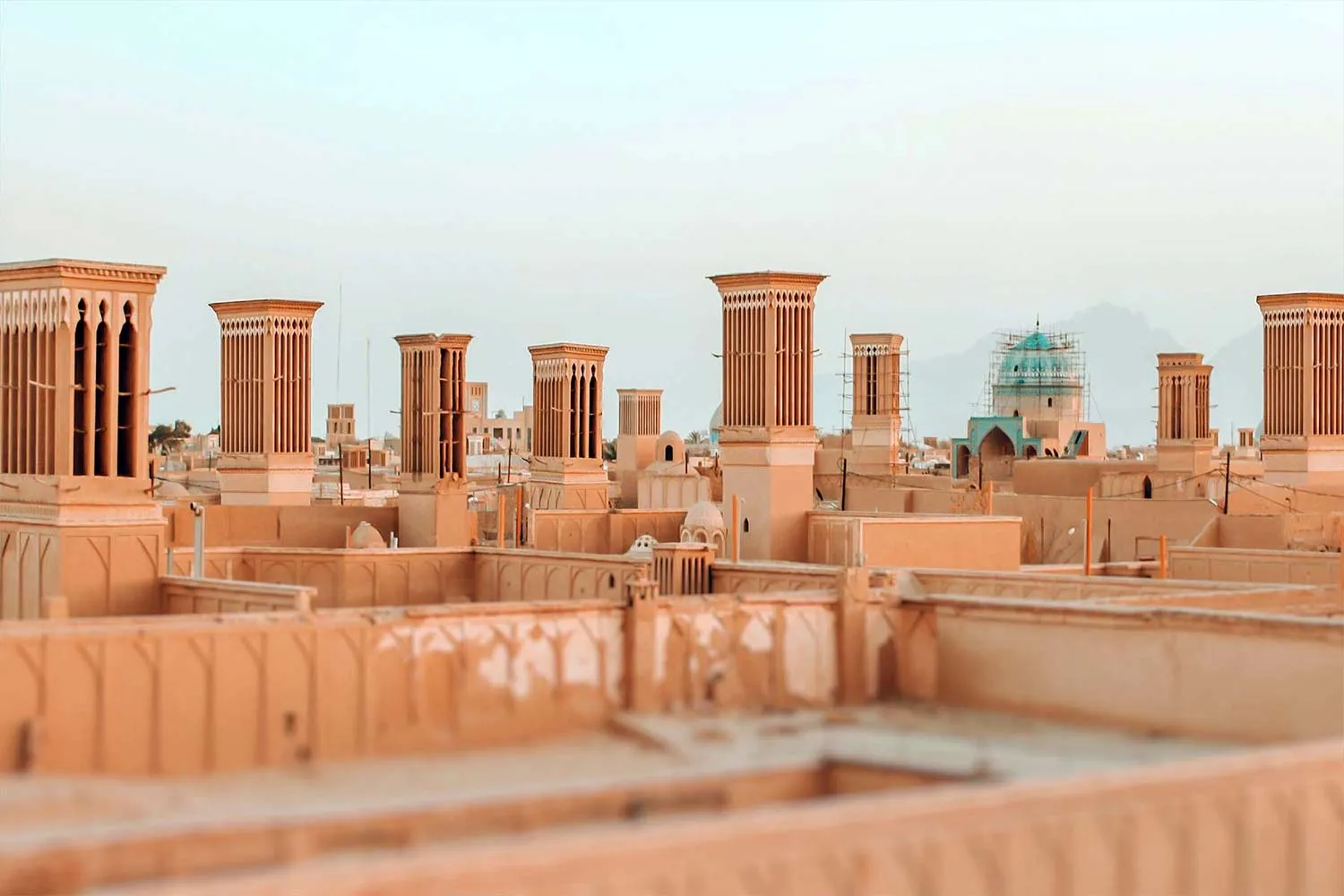
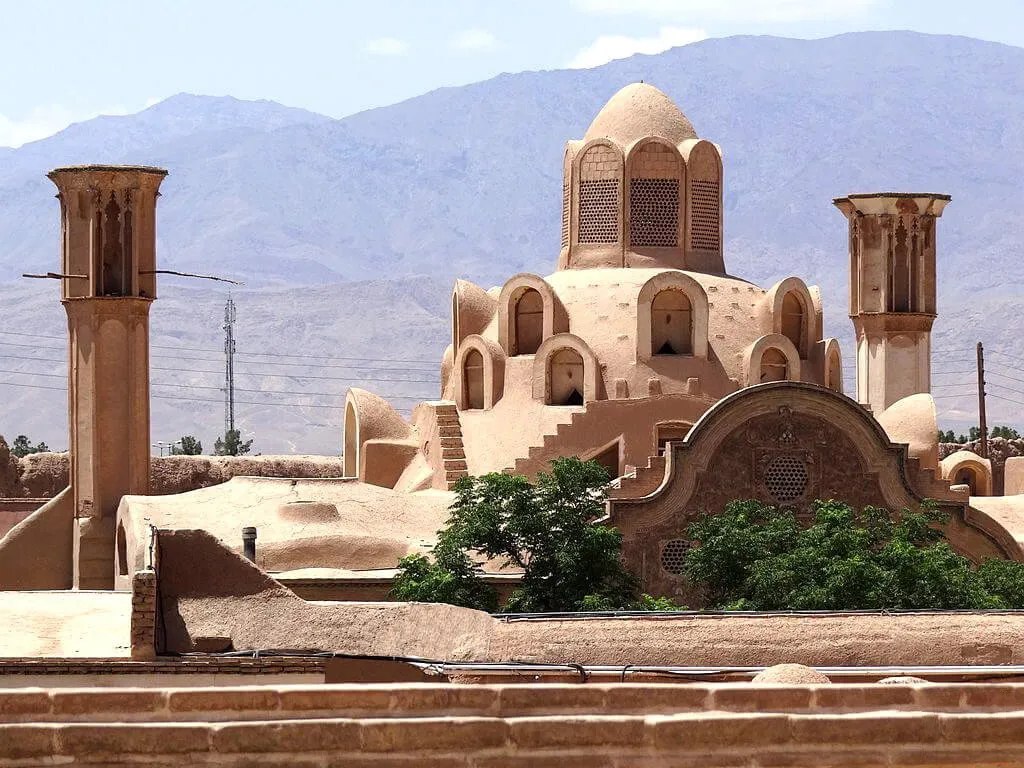
One of Kashan’s strongest qualities is its climate-responsive design. From tall wind-catchers to thick earthen walls and underground water channels known as qanats, the city reflects a deep understanding of sustainability long before the word existed. These methods protected residents from extreme heat, saved energy, and used natural resources with care. This combination of heritage, innovation, and environmental intelligence is exactly what earns Kashan its place in UNESCO’s Creative Cities Network.
Kashan’s Path Forward Under UNESCO’s Creative Cities Network
Cultural Diplomacy & Global Engagement
Kashan’s membership in the Creative Cities Network strengthens Iran’s presence in international cultural dialogues. It opens doors to global collaborations, exchanges, and funding for heritage projects.
Sustainable Urban Development
By recognizing architecture as a creative field, UNESCO encourages cities not only to preserve historic buildings but also to use their architectural wisdom to address modern challenges, such as climate resilience, energy-saving design, and human-centered planning.
Tourism and Education
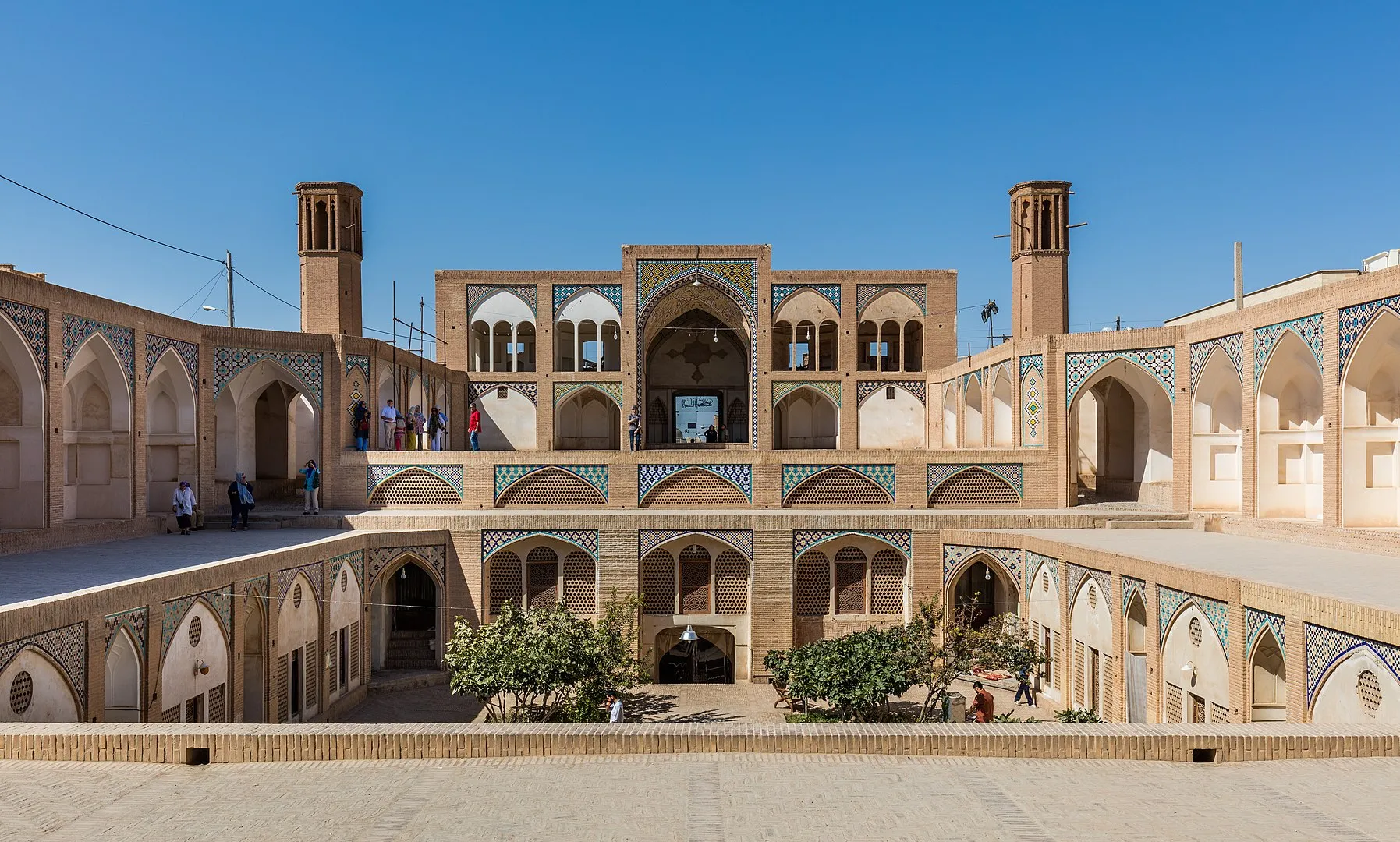
Architectural tourism: guided tours, festivals, residencies, and workshops that highlight its heritage can attract international visitors. Moreover, local artisans and architects may benefit from training programs and knowledge exchange, helping revive traditional crafts and building practices.
Community Involvement
The UNESCO title is not just symbolic—it brings responsibility. To make the most of it, Kashan needs to involve its residents, especially in restoring historic houses sensitively, avoiding over-commercialization, and ensuring that local people benefit from the status.
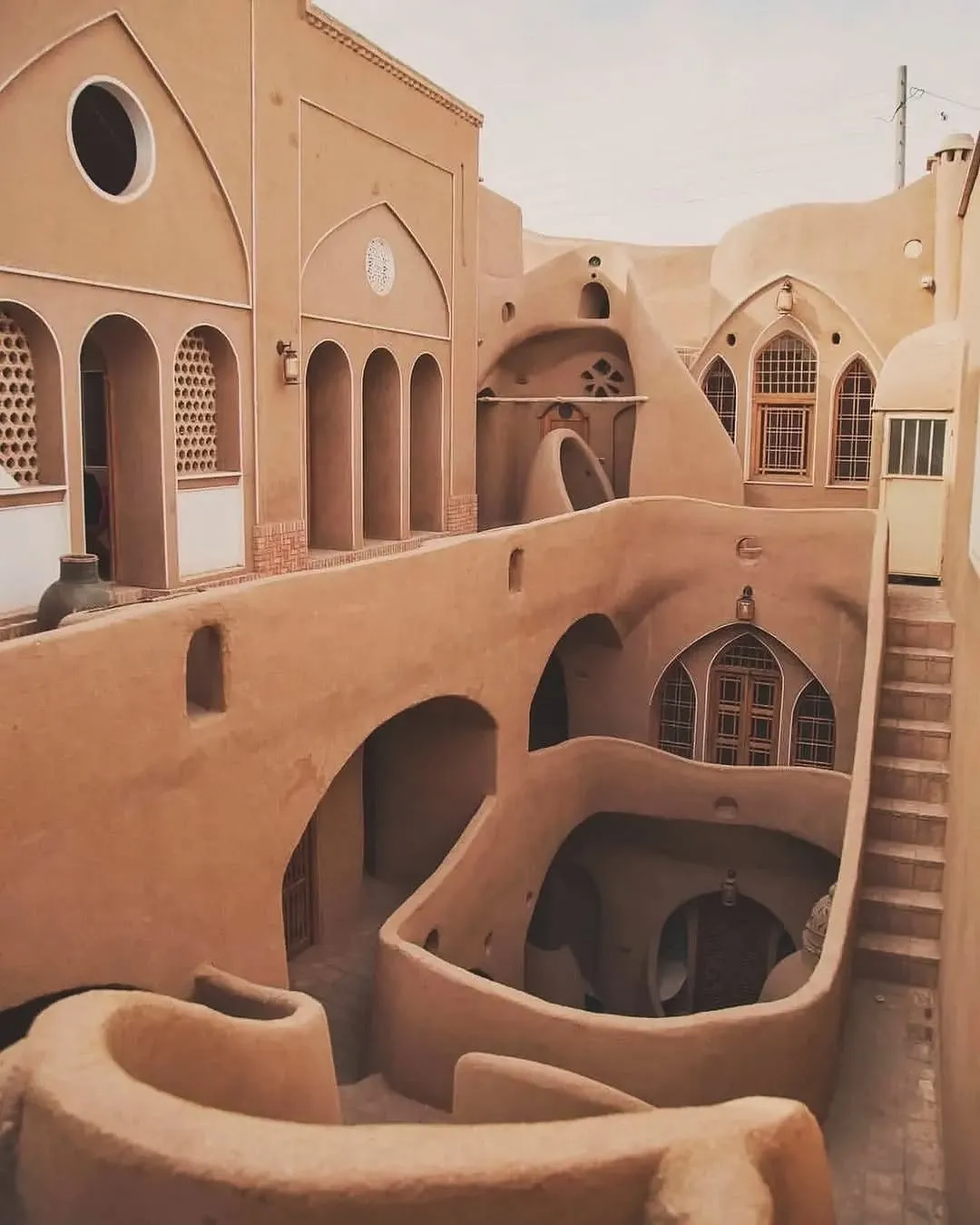
Kashan’s entry into the UCCN signals the start of a new phase where tradition and innovation converge. This ancient city, rooted in the desert and shaped by centuries of architectural mastery, is now poised to shine as a model of heritage-led sustainable urban life.
With international recognition comes opportunity, to rebuild, reinterpret, and reimagine its architecture for a modern world, without losing its soul. For Kashan, preserving monuments reaffirms its identity and offers it to the world as a living laboratory of architectural creativity.
Explore Courses
.jpg "Ondrej Chybik - Rethinking Architecture")